Leonardo da Vinci Museum in Venice
Venice's tourist attractions include both an interactive museum dedicated to Leonardo da Vinci and a permanent exhibition on the same theme.
Leonardo stayed in Venice for only a few months in the year 1500, following a period of about 17 years spent in Milan. His work in the lagoon was primarily related to engineering projects, as he was commissioned by the Venetian authorities to design defense systems against the Turks. At the time, Da Vinci envisioned a mobile dam (which, like many of his other inventions, was never realized) intended for the Isonzo River to flood enemy garrisons on the mainland. While it is unknown whether he created any artworks during this Venetian period, his influence was clearly evident in the subsequent works of local artists.
Leonardo da Vinci Interactive Museum in Venice
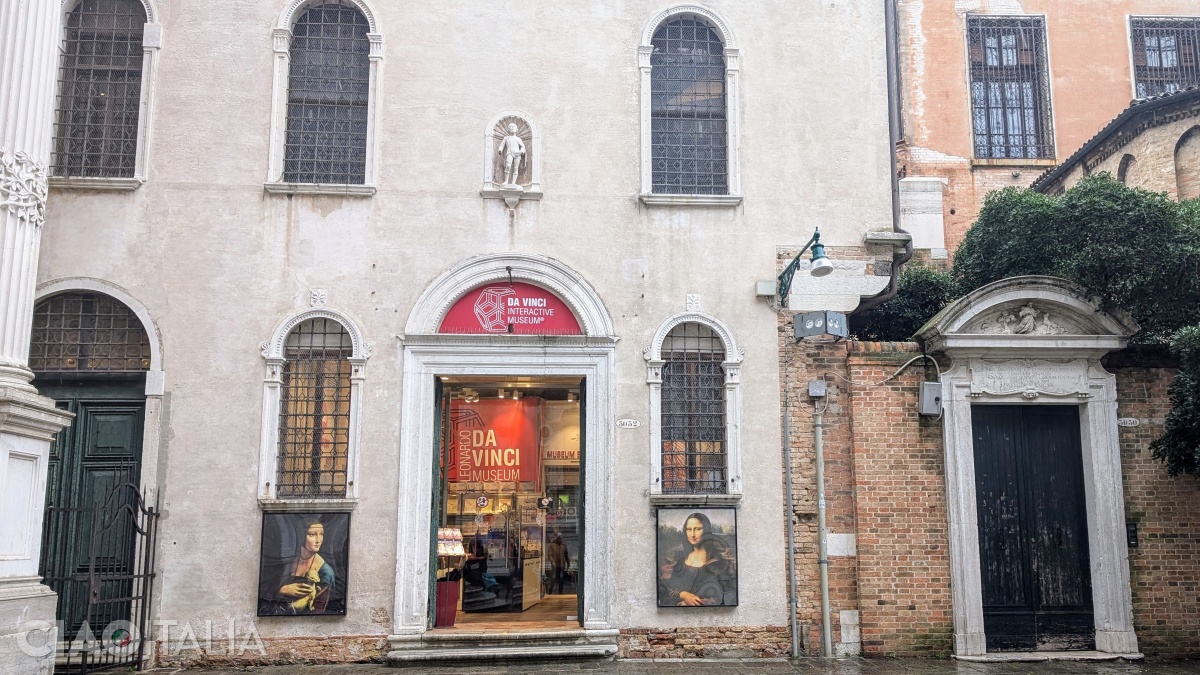
The Leonardo da Vinci Museum is located in Campo San Rocco, opposite the Scuola Grande di San Rocco and very close to the Basilica dei Frari. It is housed in the building called Scoletta Vecchia, built in 1494 as the first headquarters of the fraternity. To reach the museum, you can take the vaporetto (no. 1 or no. 2) to the San Tomà station, followed by a few minutes' walk.
Tickets and Prices
The price of a ticket is:
- Adult: €8.9
- Students 18-21 years: €6.3
- Children 3-17 years: €6.3
- Children under 3: free
Opening Hours
The Leonardo da Vinci Interactive Museum in Venice has the following opening hours:
- Monday-Sunday: 9:30 AM - 6:00 PM
Last entry is at 5:00 PM.
The museum is closed on December 25th.
Visiting the Leonardo da Vinci Museum in Venice
The Leonardo da Vinci Museum is an interactive museum and is particularly worth visiting if you are in Venice with children. The museum is not large - it consists of several rooms divided across two levels.
The visit begins with the art section, where full-scale, high-resolution reproductions of Da Vinci's most important paintings are displayed - from the "Mona Lisa" (now in the Louvre, Paris) to "The Last Supper" (which is among the most important attractions in Milan) and the "Annunciation" (found at the Uffizi Galleries in Florence). The paintings are accompanied by panels providing explanations of the most interesting details.
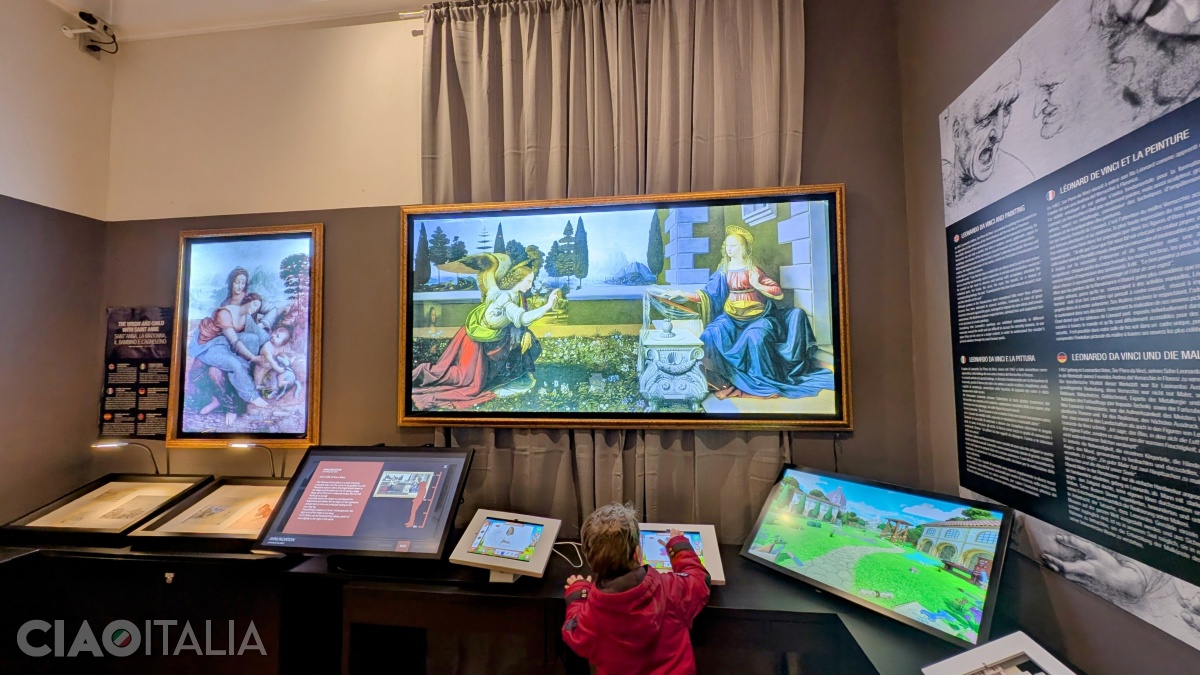
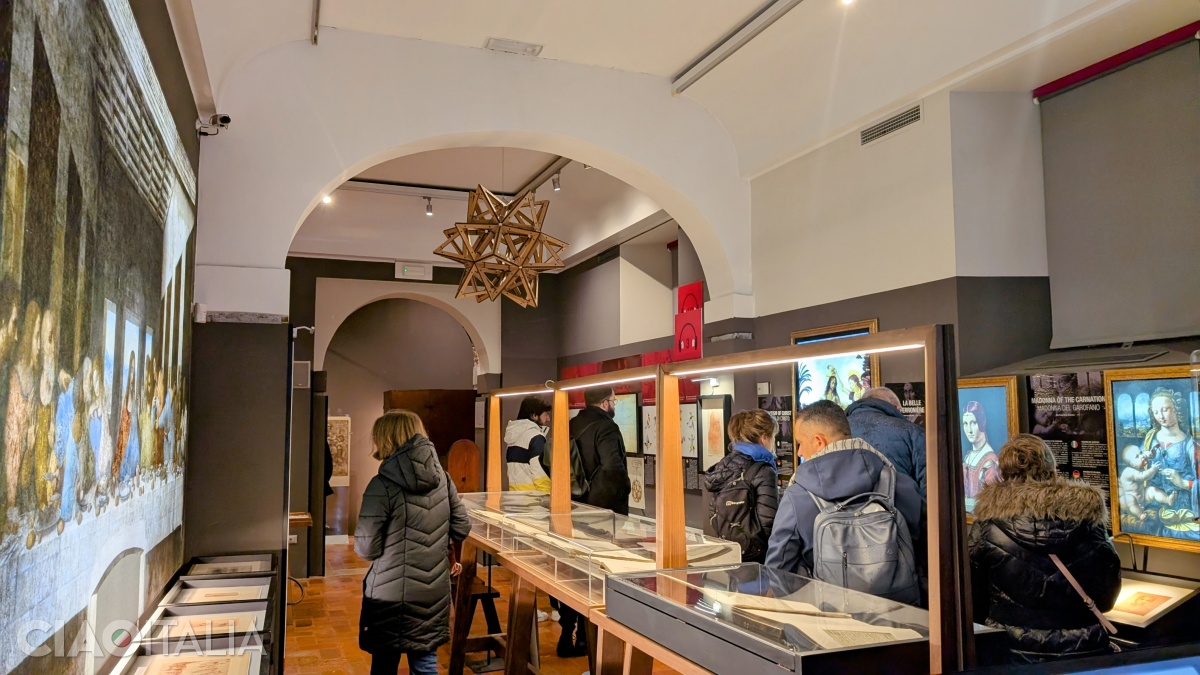
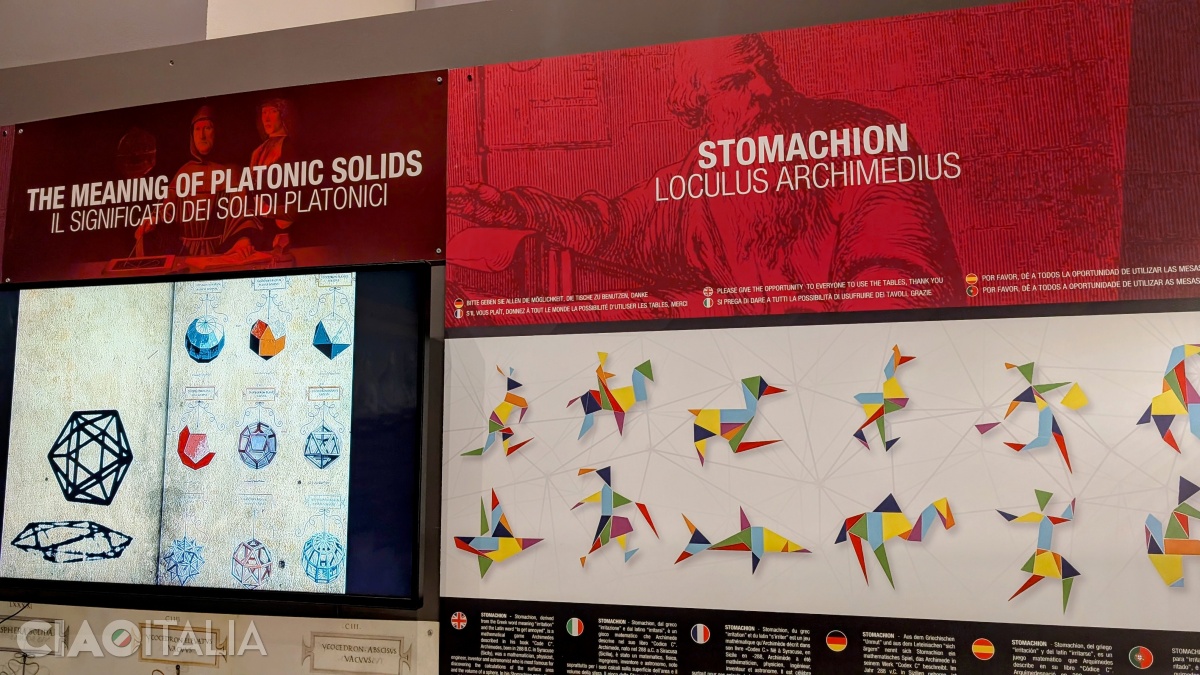
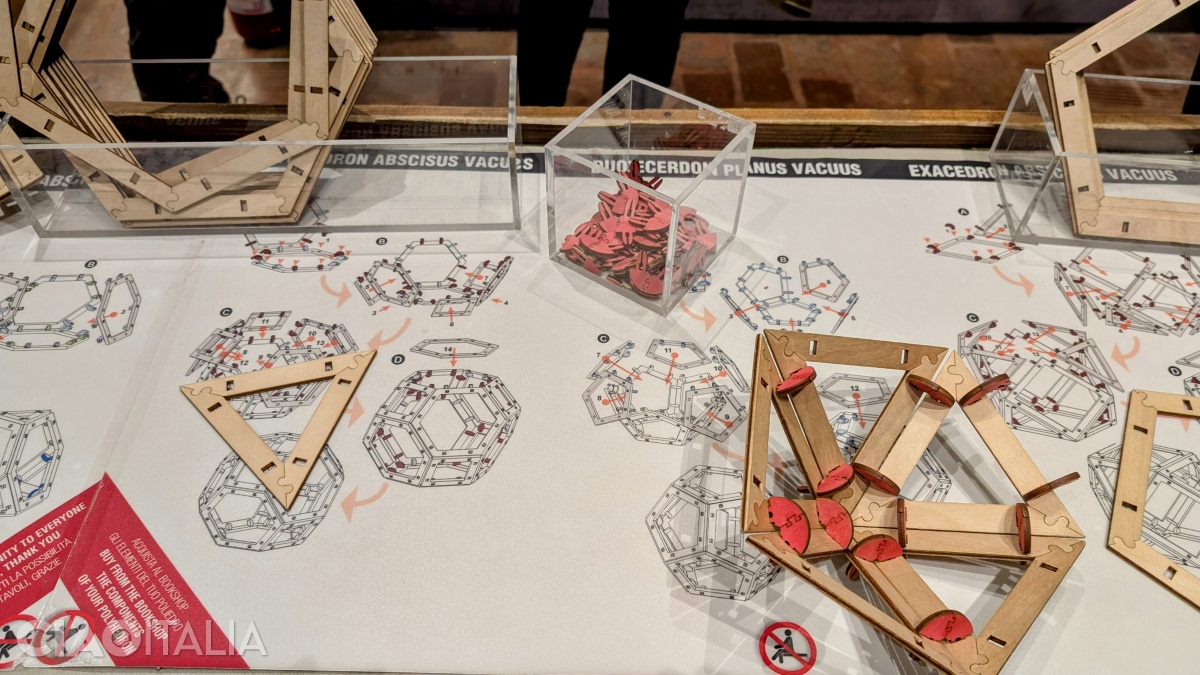
Next are several geometry studies, illustrated through games where you can create different shapes and figures. Leonardo da Vinci, a great admirer of Plato and Archimedes, drew inspiration from their studies to draw the geometric figures of polyhedra.
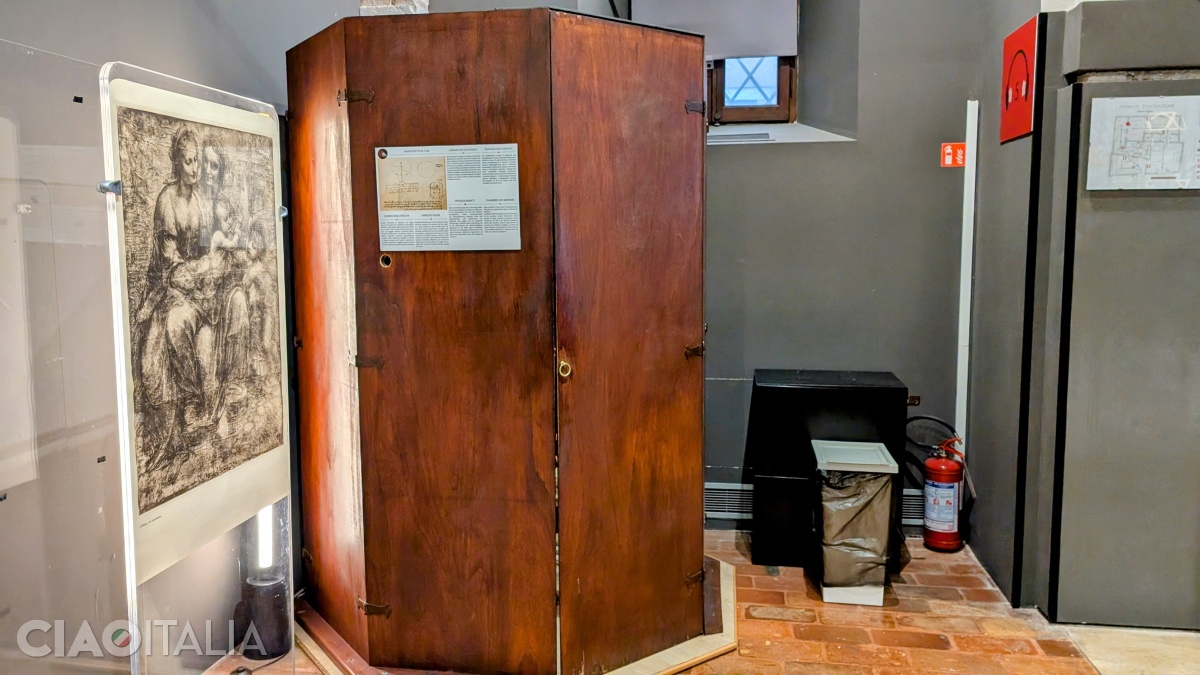
Continuing the tour, you will reach the "Mirror Room". This is a wooden cabin with eight interior walls covered in mirrors. Leonardo da Vinci was interested in optical illusions and how light interacts with objects. If you enter the cabin and stand in the center, you will see your image reflected from all sides.
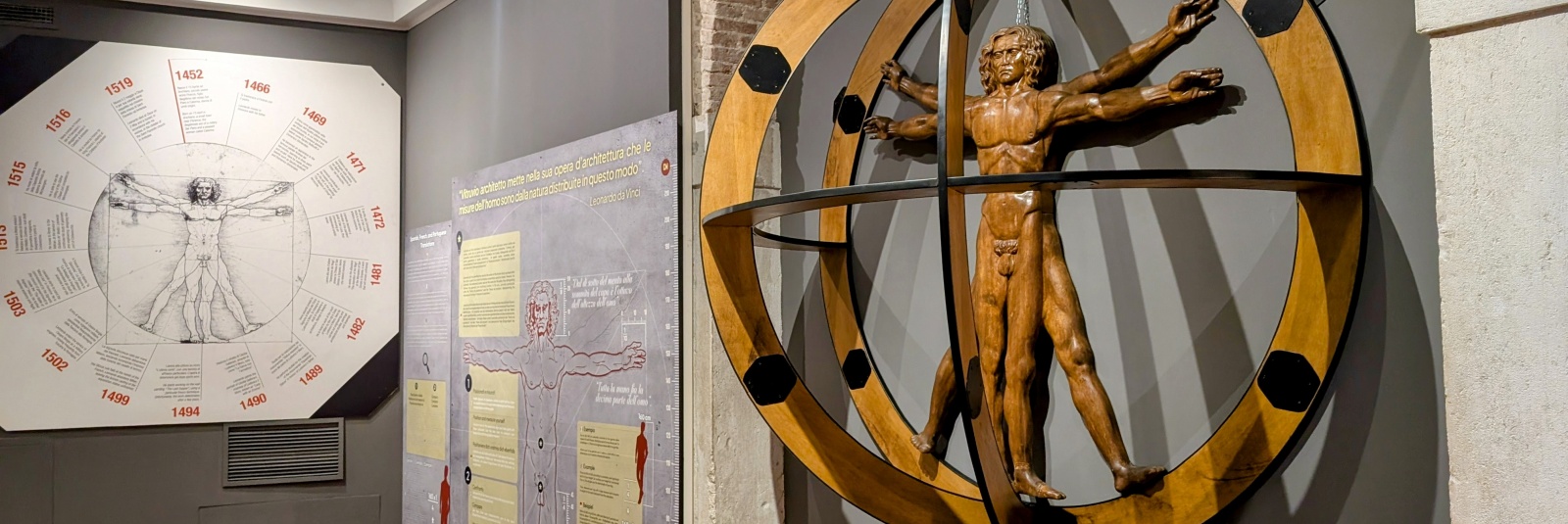
The final section on the ground floor is dedicated to human anatomy studies. Most notably, it features the famous "Vitruvian Man" (Uomo vitruviano), a drawing whose original is kept at the Gallerie dell'Accademia in Venice and is exhibited to the public quite rarely, only during special exhibitions.
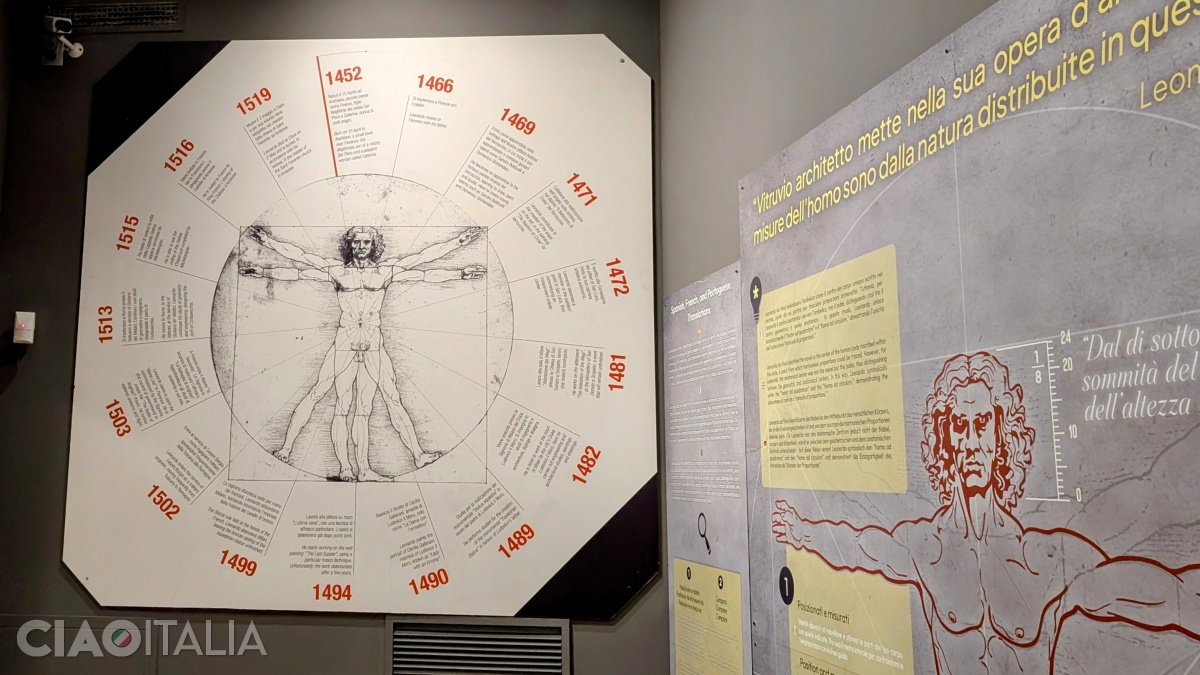
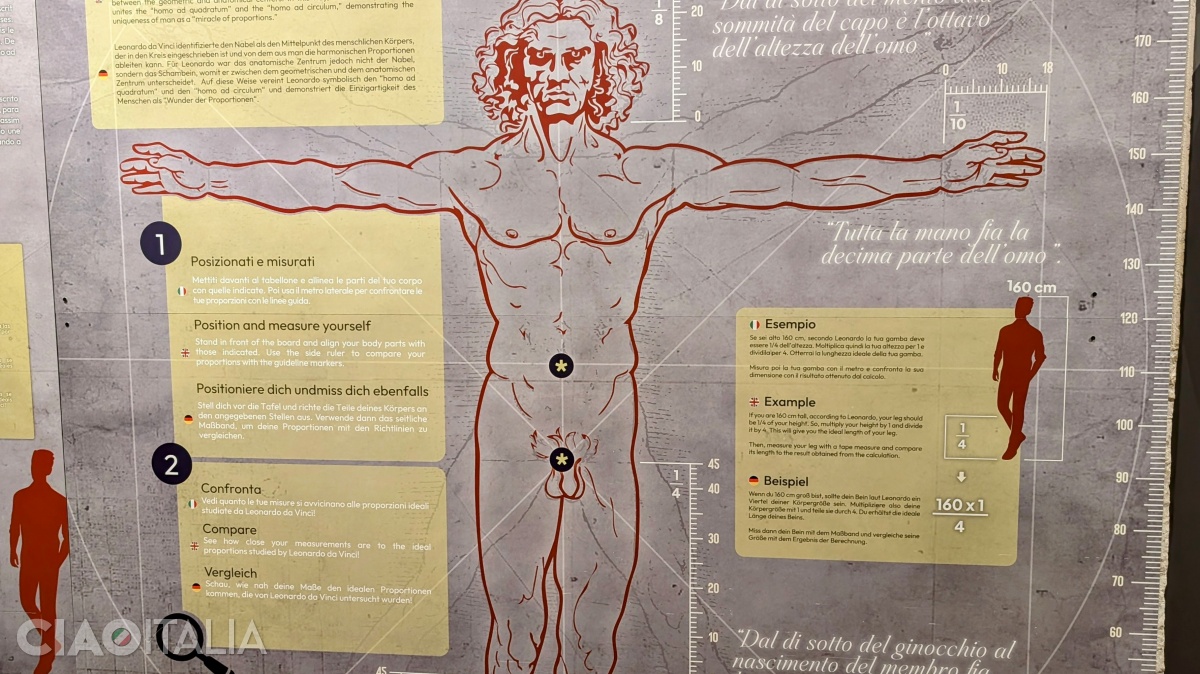
The drawing is inspired by the treatise of the Roman architect Vitruvius and illustrates the ideal proportions of the human body. The circle and square framing it symbolized heaven and earth, respectively, in medieval iconography. Leonardo added explanatory texts at the top and bottom of the drawing.
It is interesting to measure yourself and see to what extent your body proportions correspond to the ideals imagined by Da Vinci.
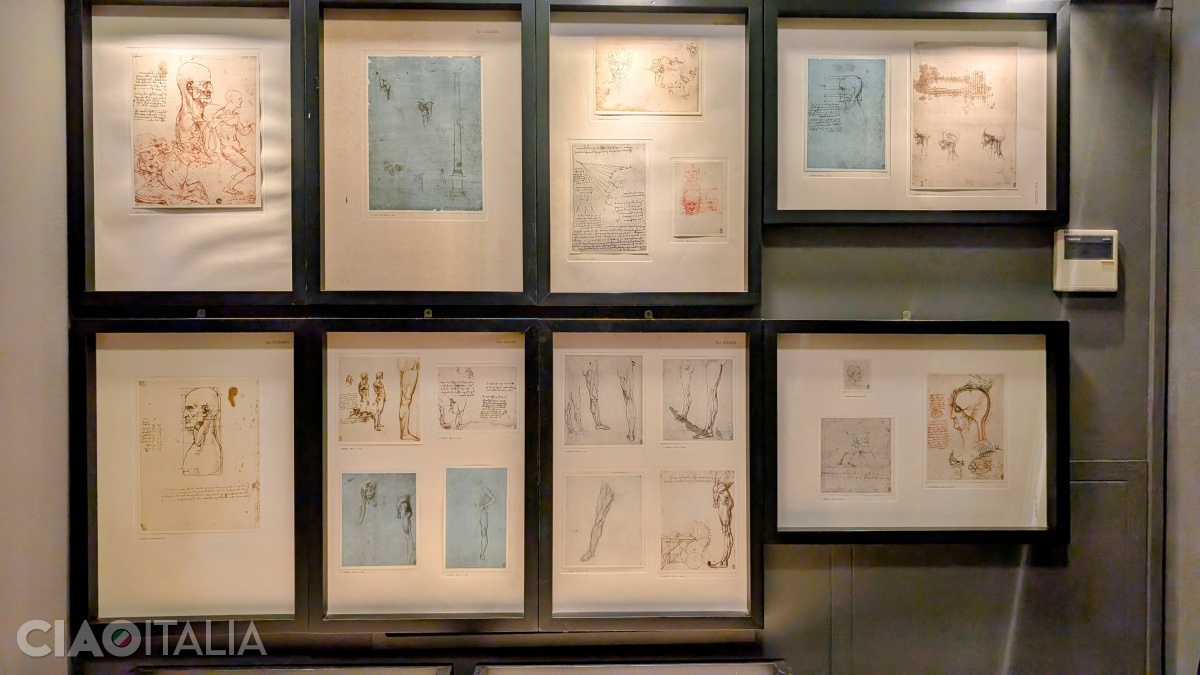
On the walls of the final ground-floor room are several drawings and sketches illustrating human anatomy studies.
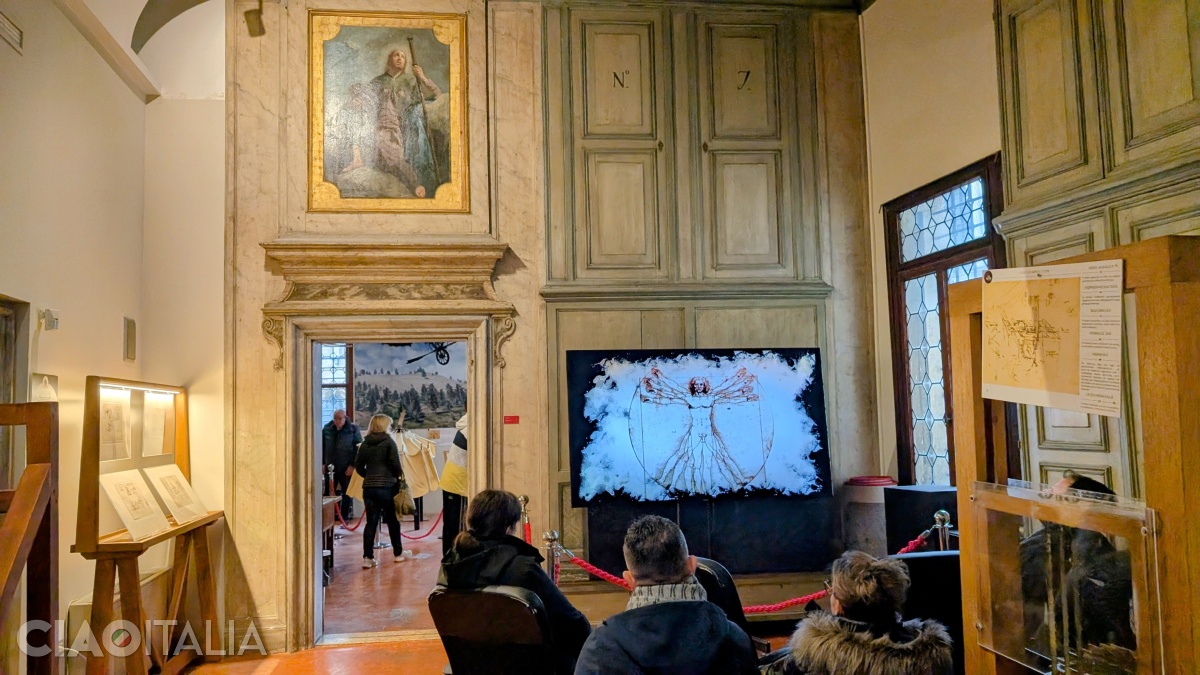
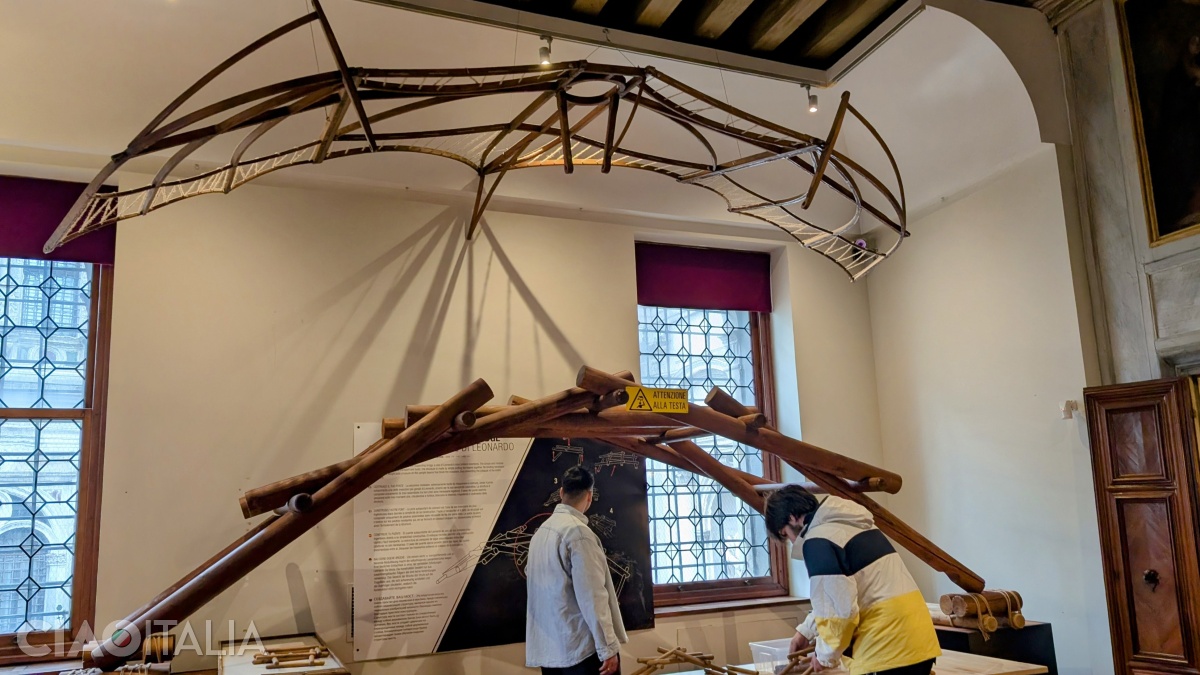
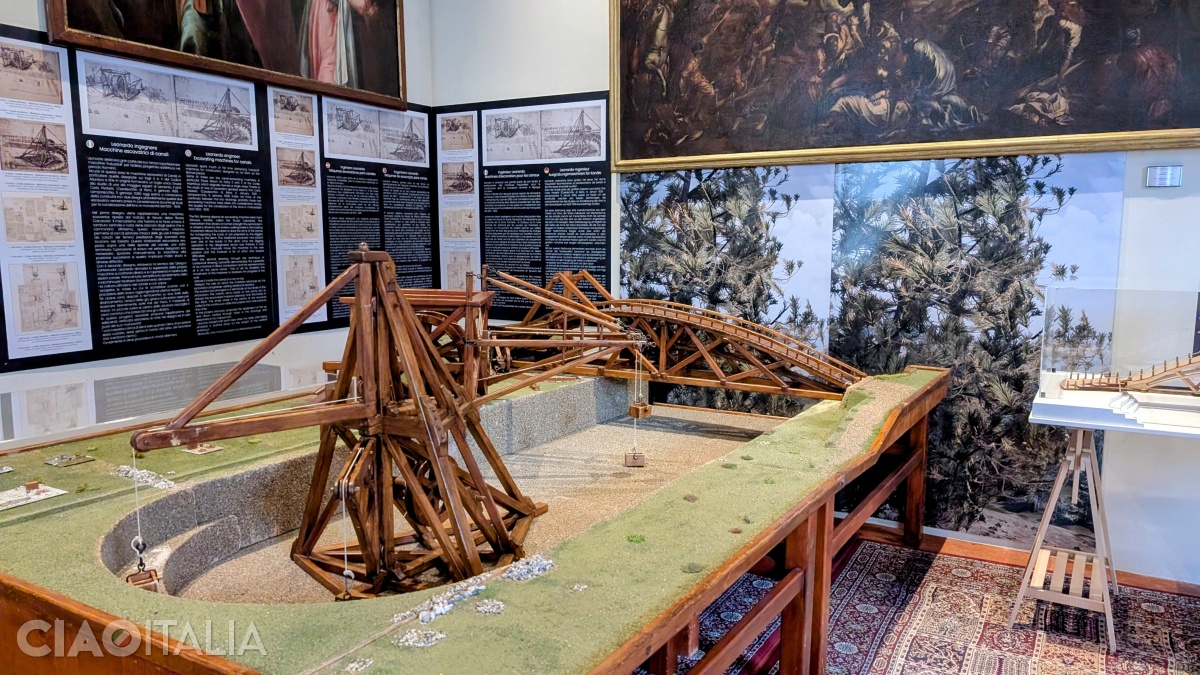
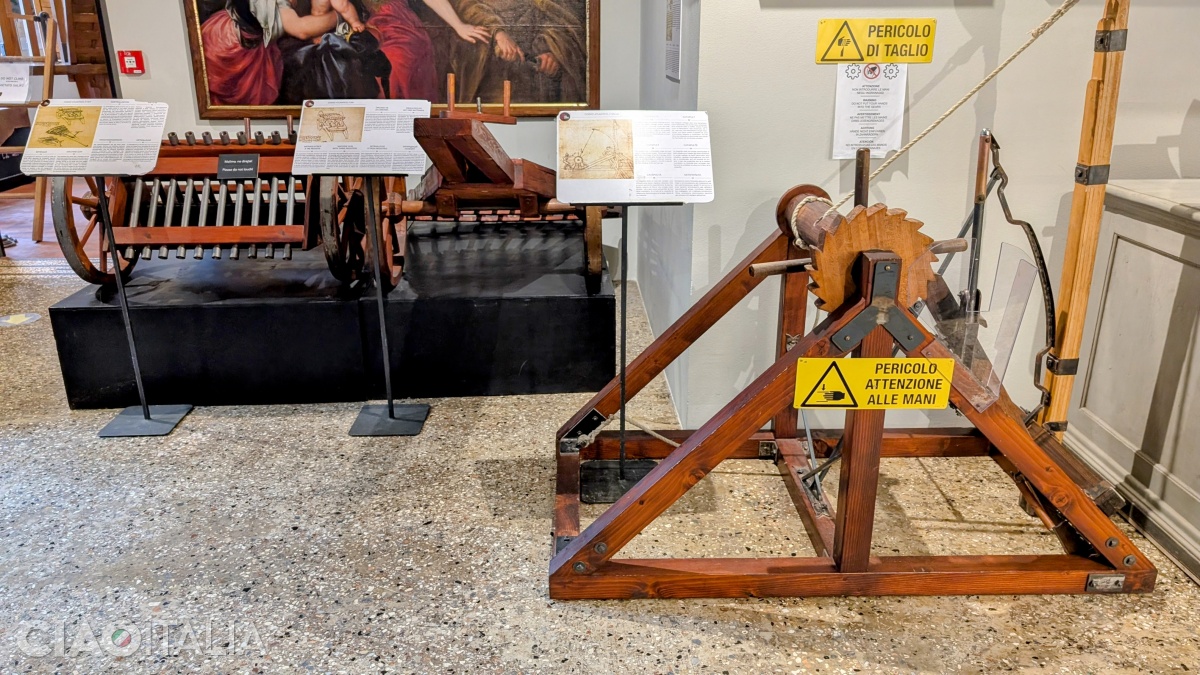
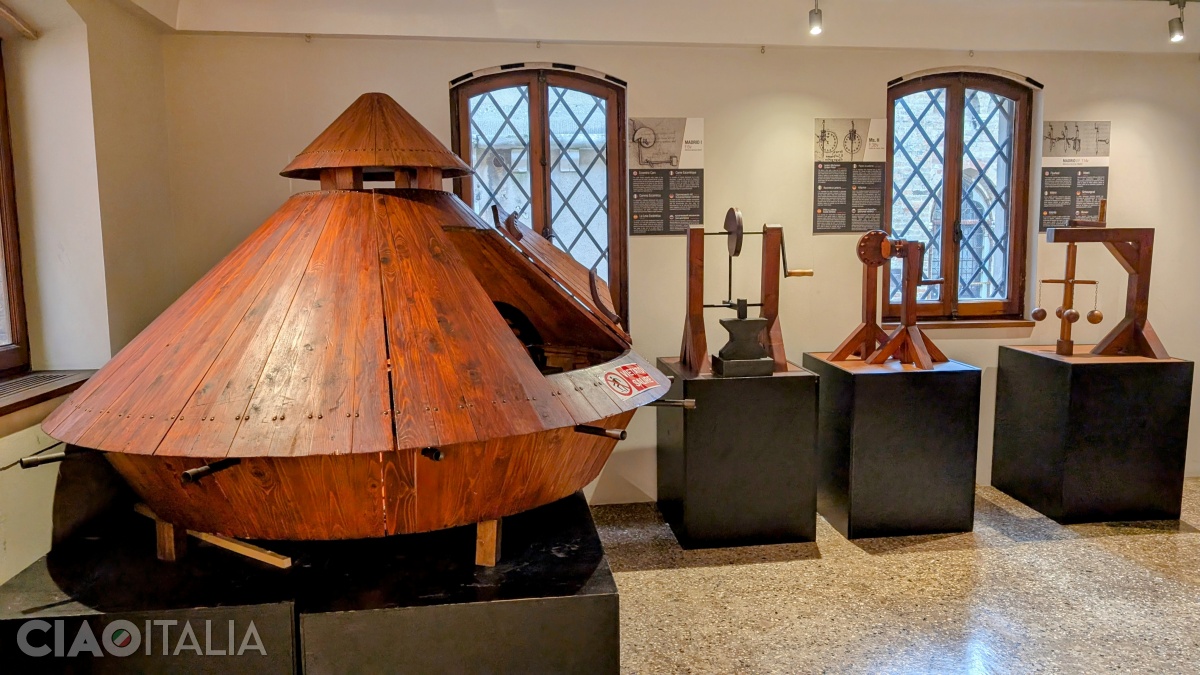
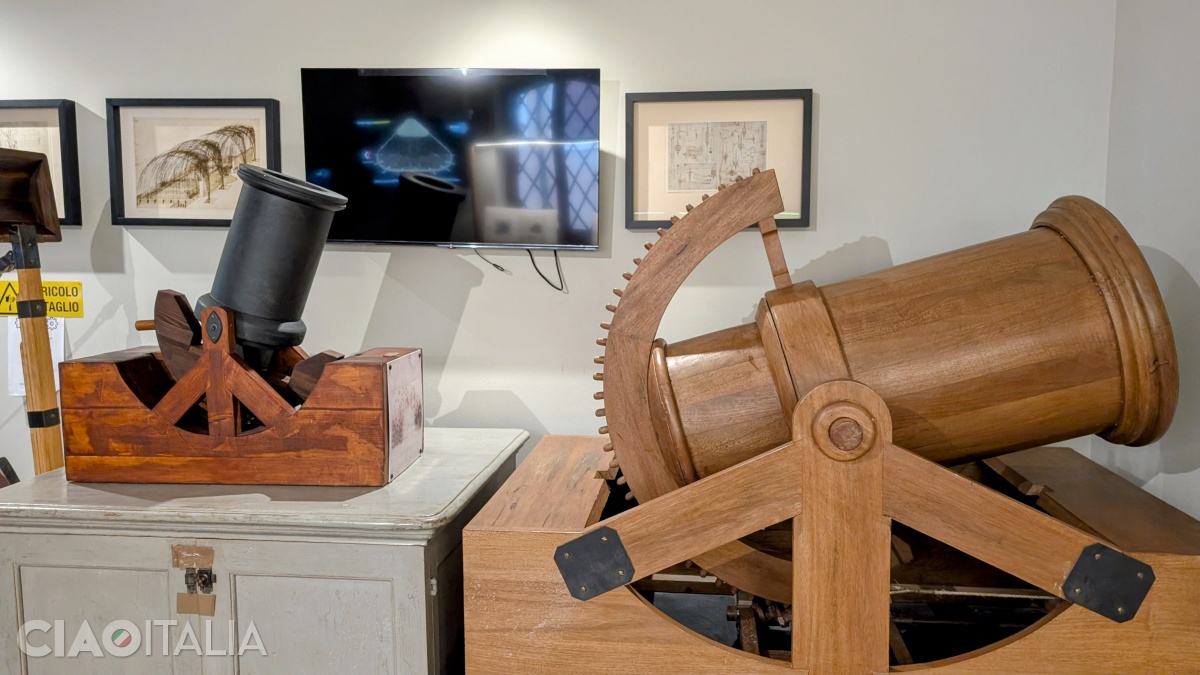
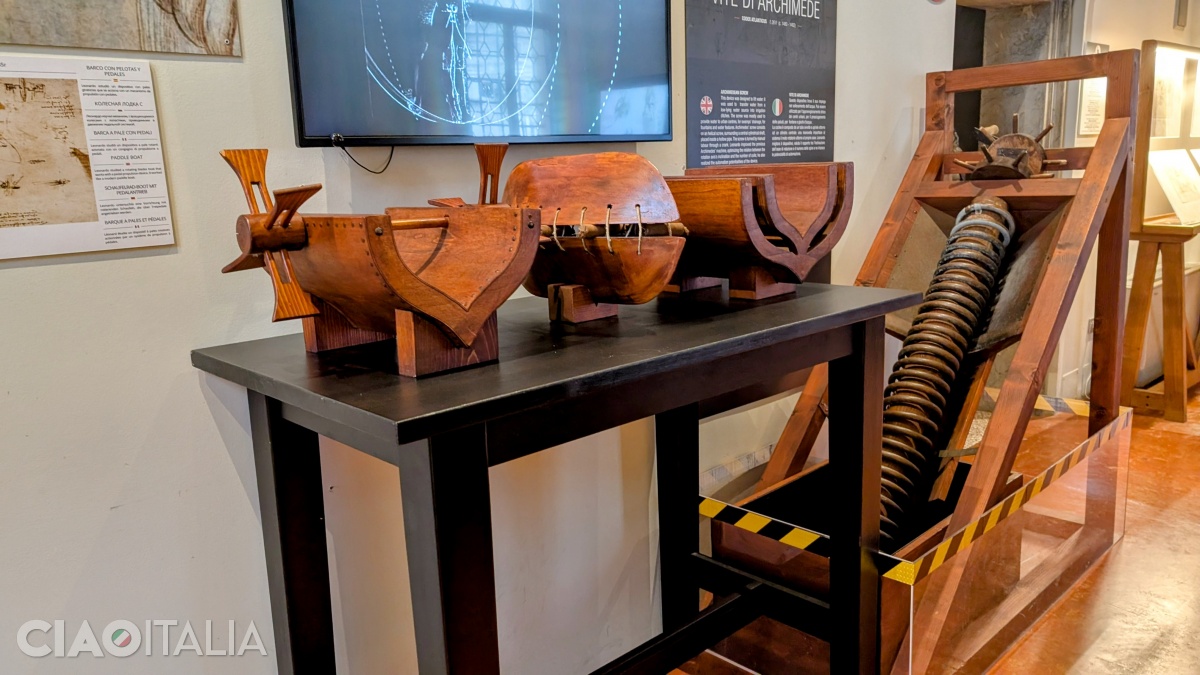
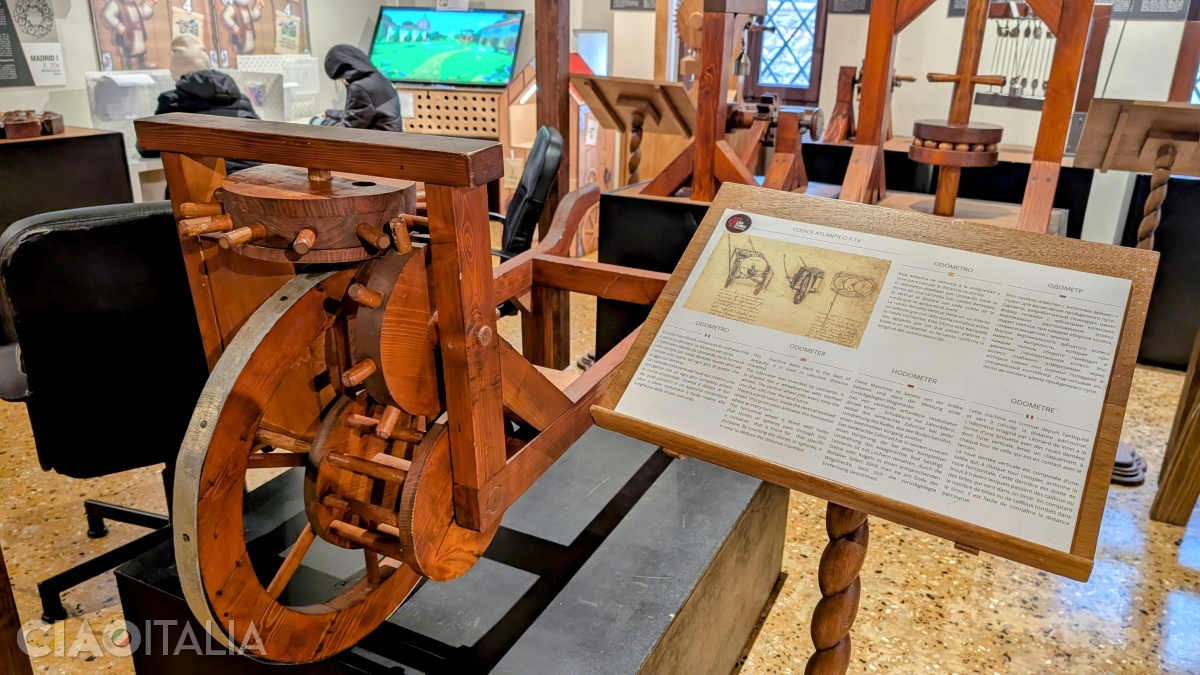
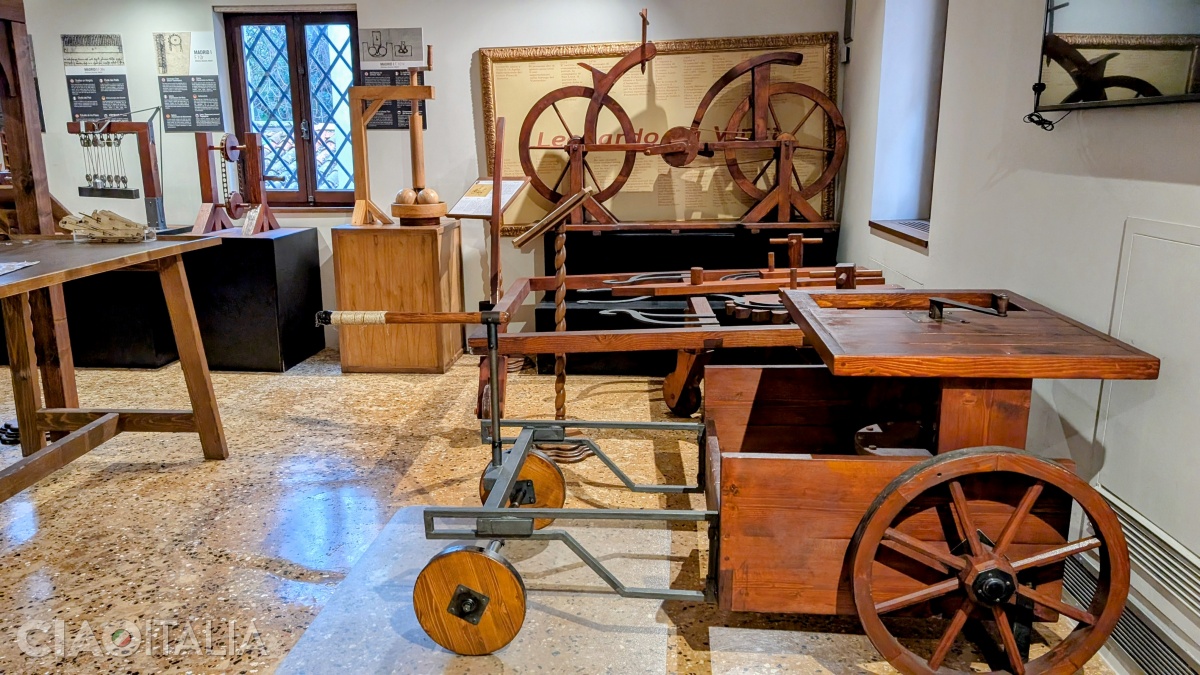
Upstairs, as soon as you climb the stairs, you are welcomed by a vestibule where you can watch short films about Leonardo da Vinci's work. In the other three rooms, mechanisms and machines built according to the sketches in the Codex Atlanticus (kept at the Biblioteca Ambrosiana in Milan) are on display. To understand how they work, you can touch and test them. Prototypes of flying machines, weapons, and excavators are presented. You will also see designs for a pedal boat, a distance-measuring device, and even a bicycle.
Leonardo da Vinci Exhibition
Another museum in Venice dedicated to Leonardo da Vinci is located in the San Barnaba Church, in Campo San Barnaba. This is Leonardo da Vinci - la Mostra a Venezia, which has been operating since 2001. Here, too, you will find mechanical, hydraulic, war, and flying machines created according to his designs using materials from that era.
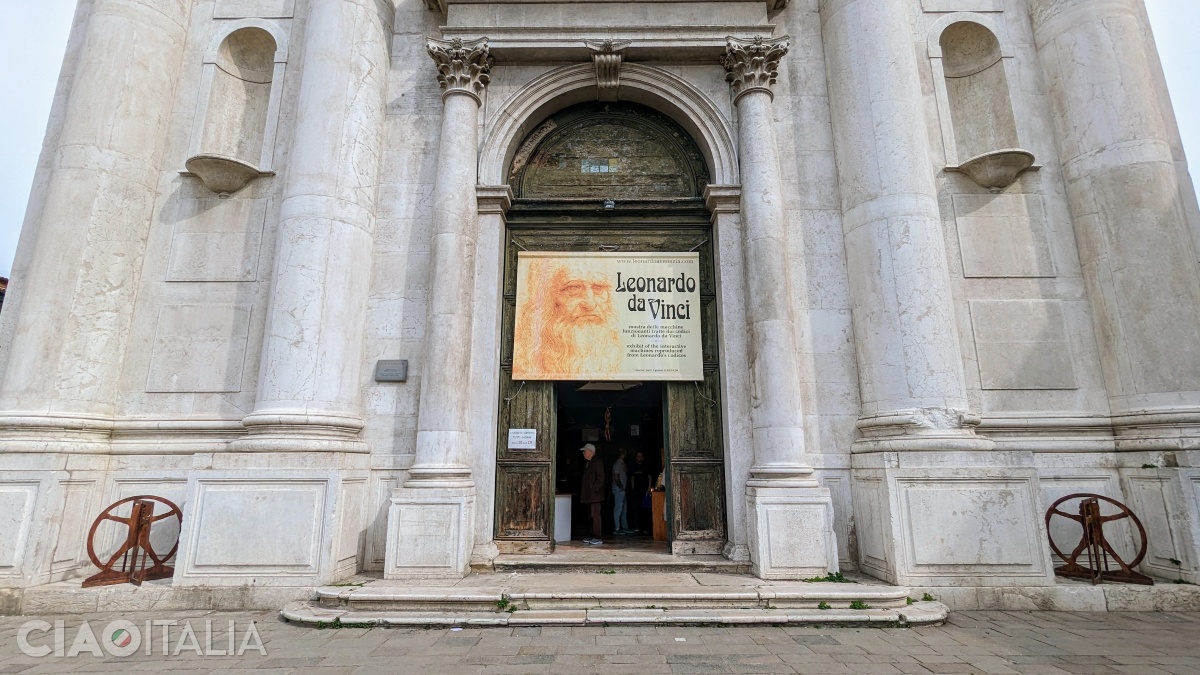
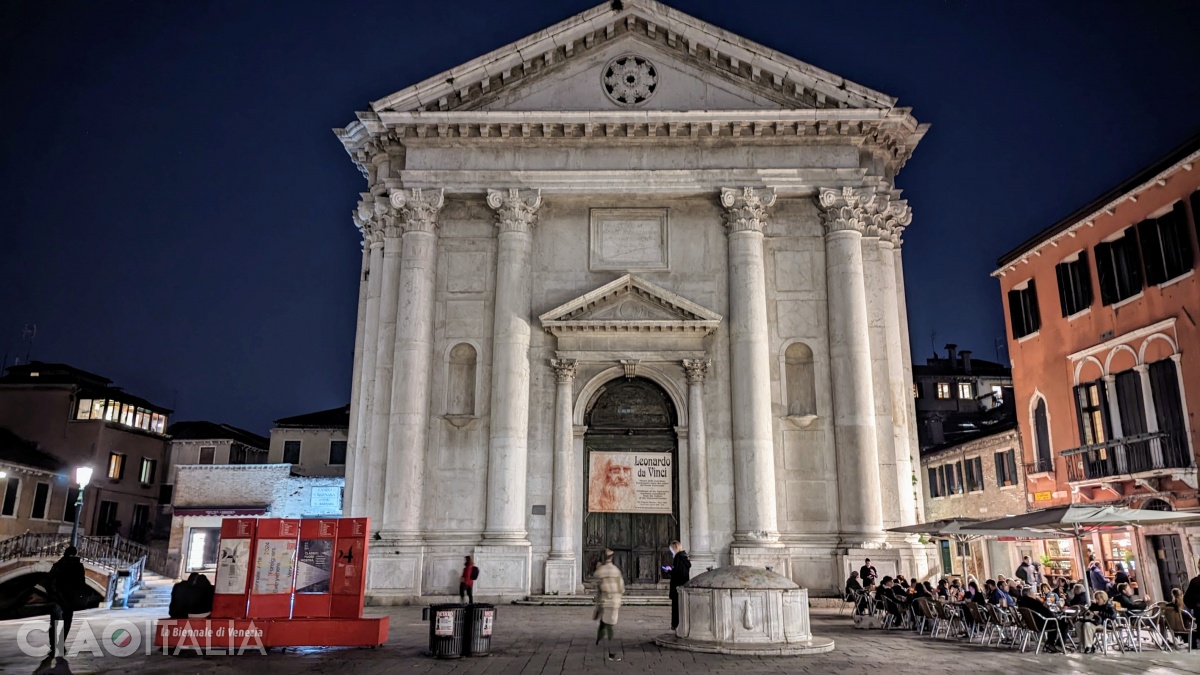
The San Barnaba Church, which houses the museum, was built in 809, rebuilt in 1350 (after being destroyed by fire), and renovated in 1776. The church and the square in front of it were used as a filming location for Indiana Jones and the Last Crusade.
To reach Campo San Barnaba, you can use the same vaporetto lines, no. 1 or no. 2.
Ticket Prices
Tickets have the following prices:
- Adult: €9
- Over 65: €6
- Children: €6
Opening Hours
The opening hours for the Leonardo da Vinci permanent exhibition are:
- Monday-Sunday: 10:00 AM - 7:00 PM