
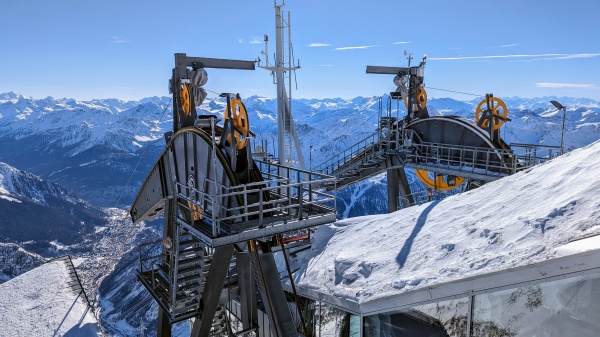
 Taking the Skyway Cable Car from Courmayeur to Mont Blanc
Plan your trip with the Skyway cable car from Courmayeur to Mont Blanc. Find out ticket prices, opening hours, and tips for an unforgettable alpine journey.
Read more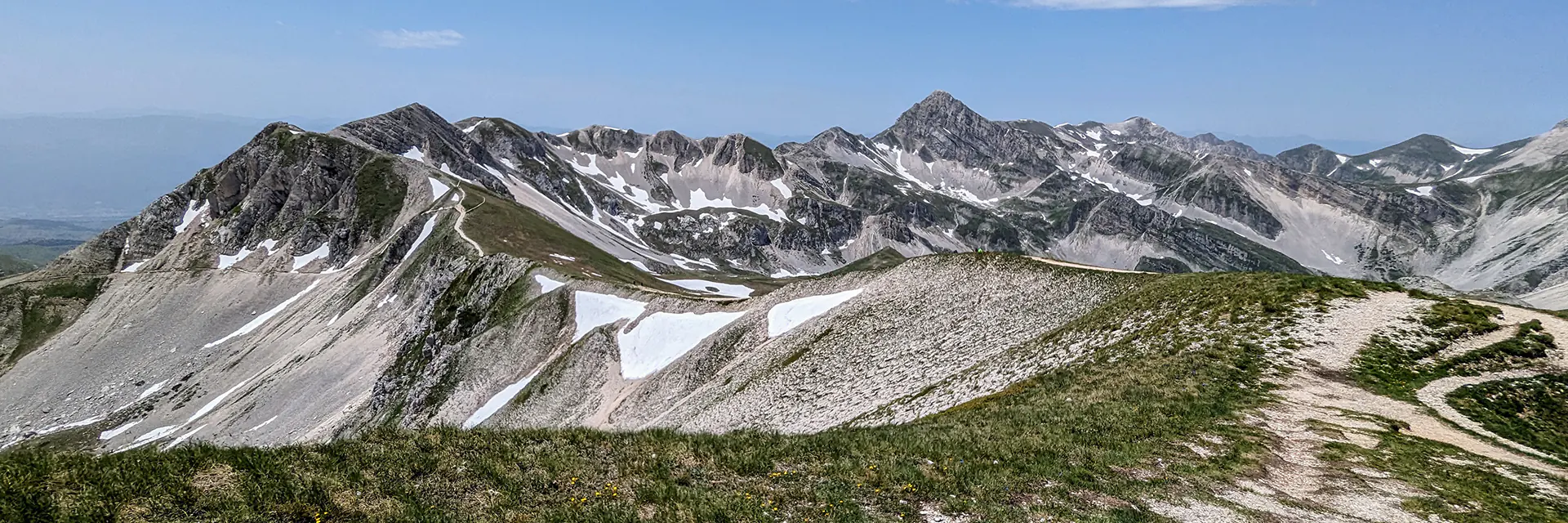
In Italy, mountains cover over a third of the country's surface. The main mountain ranges are the Alps and the Apennines.
The Alps stretch across the entire northern part of Italy, in the regions of Valle d'Aosta, Piedmont, Lombardy, Trentino-Alto Adige, Veneto, and Friuli-Venezia Giulia. The highest peaks in the Alps are Mont Blanc (at 4,806 m, also the highest peak in Italy), Monte Rosa (4,634 m), the Matterhorn (Cervino, 4,478 m), and Gran Paradiso (4,061 m).
To the northeast rises perhaps the most famous part of the Alps: the Dolomites, which are part of the UNESCO World Heritage List. They are composed of several mountain groups, spread across three Italian regions: Veneto, Trentino-Alto Adige, and Friuli Venezia Giulia. Among the best-known massifs are Sella, Marmolada, Tofana, Dolomiti di Brenta, and Tre Cime di Lavaredo (which offers one of the most beautiful views in the Alps). Eighteen of their peaks exceed 3,000 m in height. The Dolomites are also home to Italy’s largest ski area: Dolomiti Superski.
The Apennines stretch from the northwest, at the border between the Piedmont and Liguria regions, all the way south to Calabria. They are also present in the Republic of San Marino, through Monte Titano. Parts of the Apennines can also be found on the largest islands of Italy: Sicily and Sardinia. The highest peak is Gran Sasso (2,912 m), located in the Abruzzo region.
Sicily is also home to Mount Etna. With a height of 3,403 m (after recent eruptions), it is the highest volcano in Europe. Another famous volcano is Mount Vesuvius, located in the Campania region, near Naples.
Italy's mountains offer a wide range of activities, both in summer and winter: from walking, horseback riding, trekking, mountaineering, and via ferrata to skiing and snowboarding.
Famous mountain resorts include Cortina d'Ampezzo, Courmayeur, Madonna di Campiglio, Cervinia, Livigno, Bormio, Merano, and Brunico.
Taking the Skyway Cable Car from Courmayeur to Mont Blanc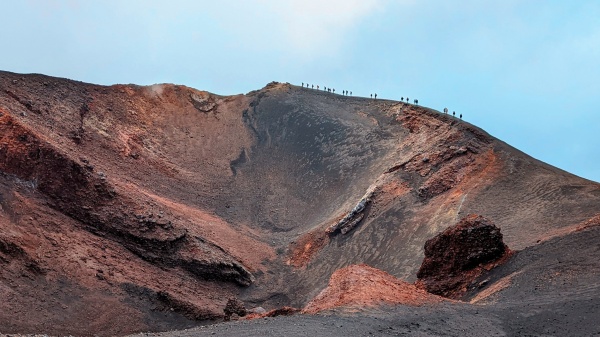 Visiting Mount Etna - Everything You Need to Know
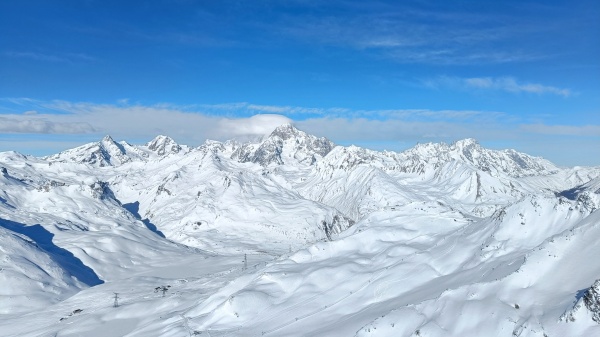 Ski Resorts in Aosta Valley
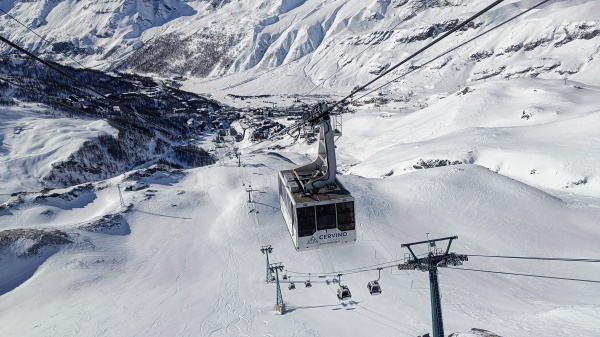 Skiing in Cervinia, on the Matterhorn Massif
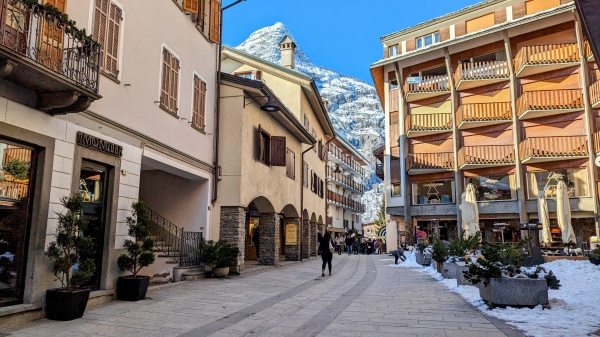 Courmayeur - Skiing and Mountain Tourism in the Aosta Valley
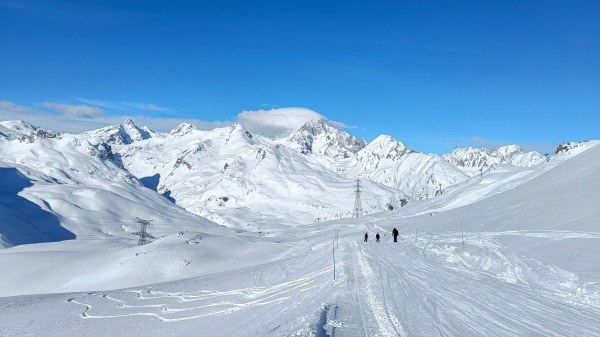 La Thuile: Skiing in Aosta Valley
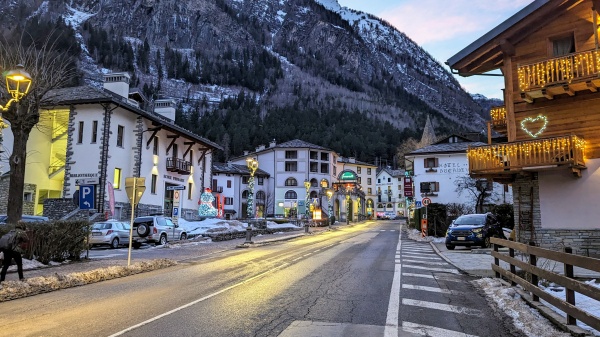 Pré-Saint-Didier - Spa and Thermal Baths in Aosta Valley
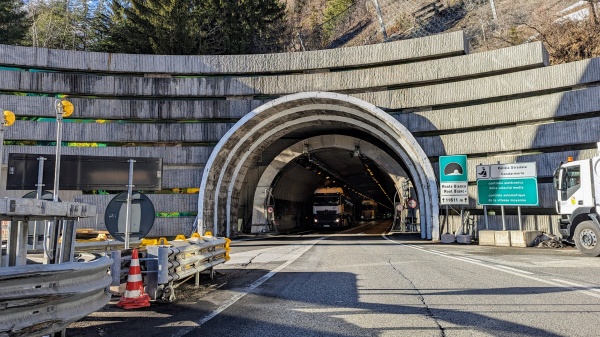 From Aosta Valley to Chamonix via the Mont Blanc Tunnel