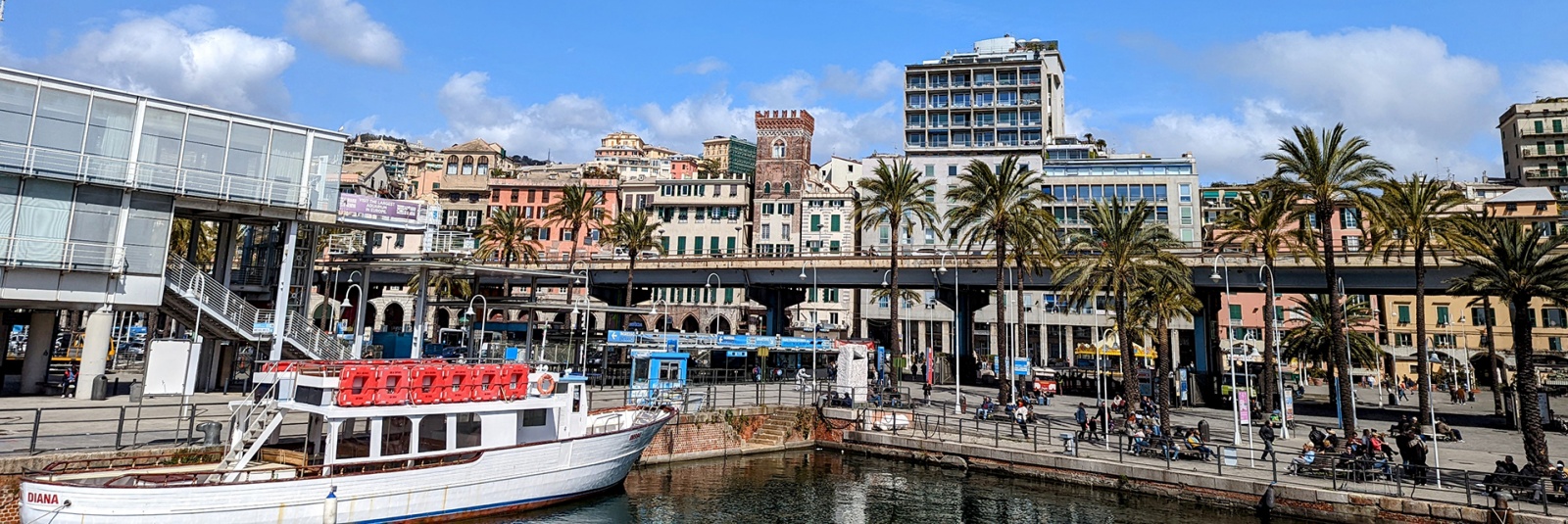
10 Things to See in Genoa
Genoa, the capital of the Liguria region, is not necessarily among the most touristic cities in Italy, yet it boasts plenty of attractions and sites worth visiting - and in 2004, it served as the European Capital of Culture. La Superba, as it is nicknamed, is a maritime city that will slowly win you over if you give it a chance and dedicate time to discovery and exploration.
Depending on how many days you have available and your specific interests, we advise you to create a prioritized list of sights and places to visit. If you are on a short city break in Genoa, don't try to check everything off - it will be impossible, and the experience will become frustrating. Decide which attractions are most important to you and plan your visit while keeping their opening schedules in mind.
Most of Genoa's tourist attractions are clustered around the historic centre and the port, and you can easily move between them on foot.
1. Porto Antico (The Old Port)
Begin your visit to Genoa with a stroll through the Porto Antico (The Old Port). It is deeply tied to the city's glorious history, as Genoa was once a great maritime and commercial power that rivaled Venice.
Despite the name Porto Antico, today's harbor is as modern as can be. It completely changed its appearance 30 years ago for Expo 1992, which celebrated the 500th anniversary of Christopher Columbus's discovery of America. Architect Renzo Piano (who also designed the Lingotto Complex in Turin), a Genoa native, redesigned the old port area, transforming the space into a place where both locals and tourists can walk and relax.
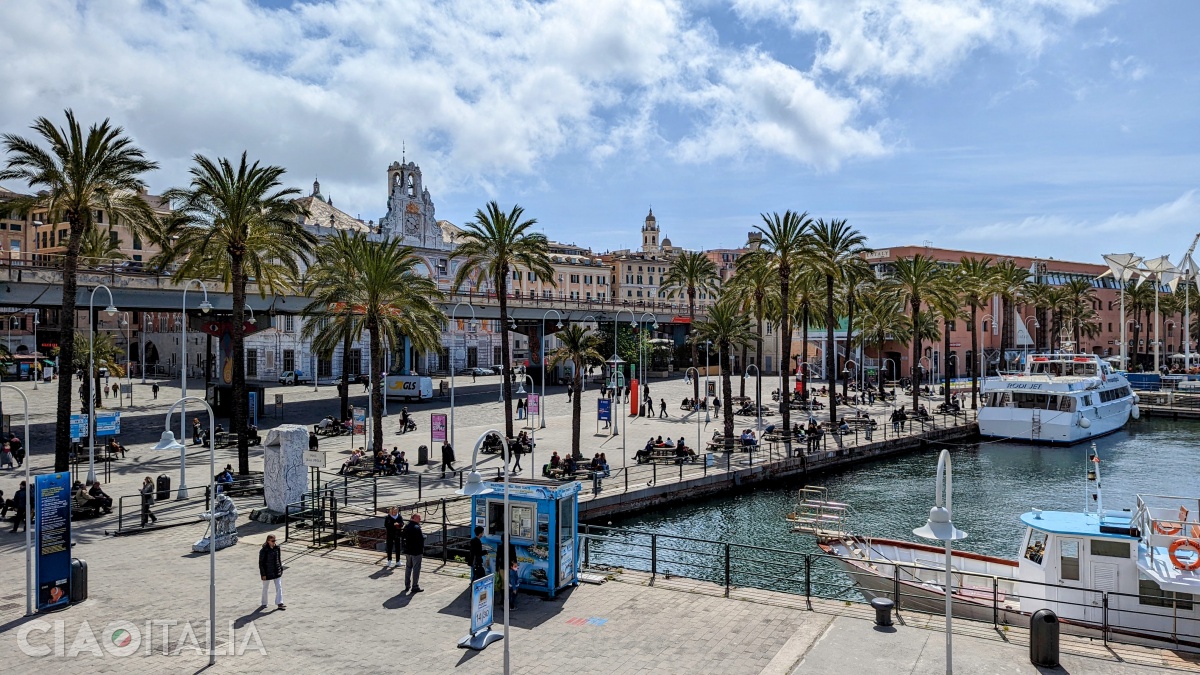
In the port of Genoa, you will find terraces, restaurants, and museums, as well as old harbor structures repurposed into recreational or commercial spaces. The most important tourist attractions in this area are the Aquarium, the Biosphere, the Bigo panoramic lift, and the Galata Maritime Museum.
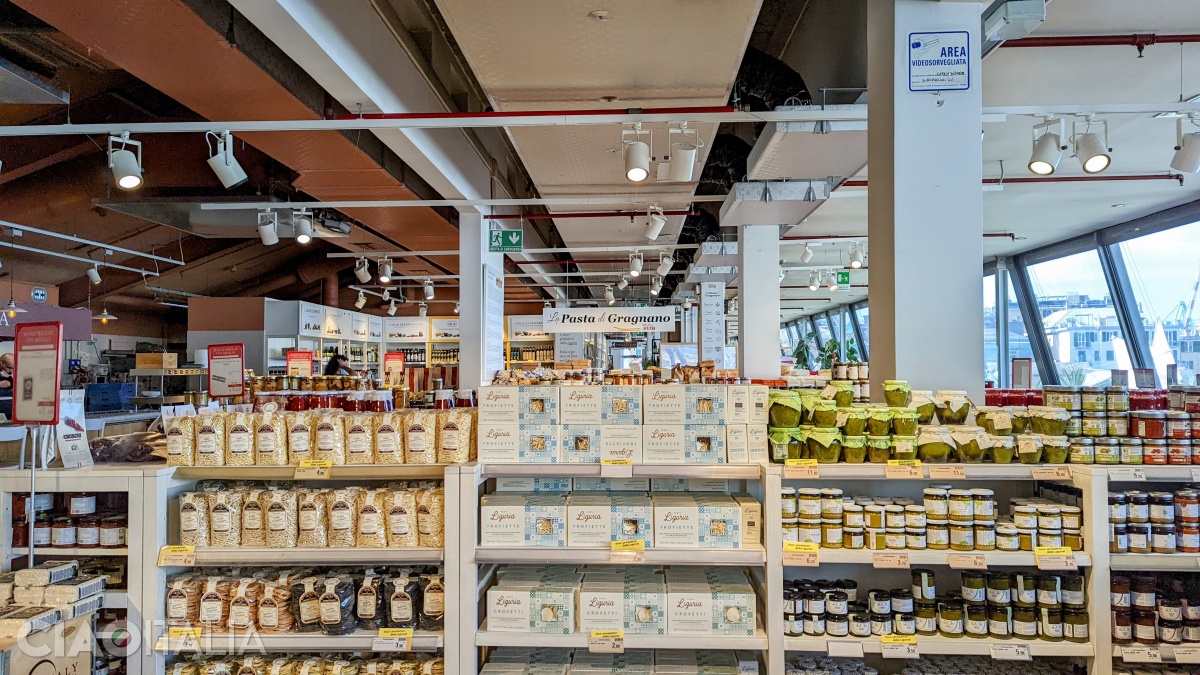
Eataly, a gourmet food market with a dedicated restaurant area, is also located here.
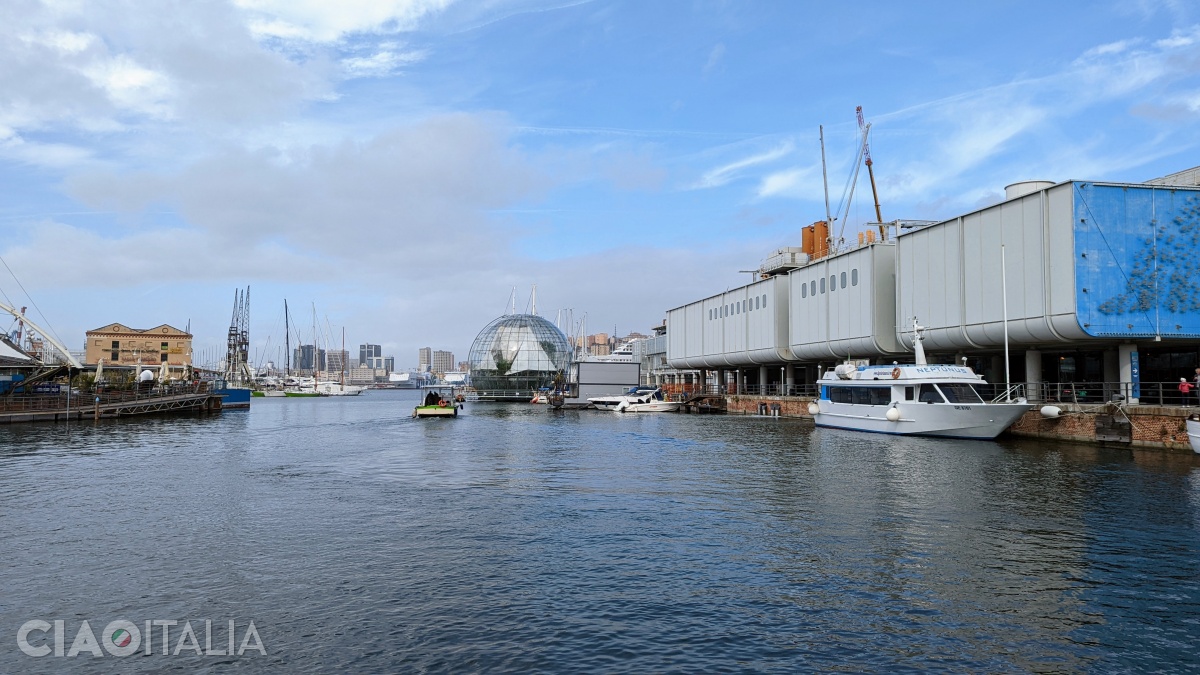
2. The Aquarium, the Biosphere, and the Bigo Panoramic Lift
Bigo will likely be the first thing to catch your eye in the Porto Antico. It is a peculiar metal structure with many arms, resembling a giant spider. A panoramic elevator is mounted on one of its arms, giving you the chance to view not only the harbor but also the historic centre from above.
Bigo Panoramic Lift
Opening Hours:
October 5 - October 31, 2026:
- Monday: 2:00 PM - 6:00 PM
- Tuesday-Sunday: 10:00 AM - 6:00 PM
November 1 - December 6, 2026:
- Monday-Friday: Closed
- Saturday-Sunday: 10:00 AM - 5:00 PM
December 7 - December 8, 2026:
- 10:00 AM - 5:00 PM
December 9 - December 23, 2026:
- Monday-Friday: Closed
Saturday-Sunday: 10:00 AM - 5:00 PM
December 24 - December 27, 2026:
- 10:00 AM - 5:00 PM
Last ascent is 15 minutes before closing.
Ticket Prices:
- Adult: €6
- Child 4-12 years: €5
- Under 4: Free
Another structure you will certainly notice is a large glass sphere - the Biosphere. Inside, a tropical rainforest environment has been recreated, featuring several characteristic plants and animals.
Biosphere
Opening Hours:
October 1 - October 31, 2026:
- Monday-Sunday: 10:00 AM - 6:00 PM
November 1 - December 31, 2026:
- Monday-Sunday: 10:00 AM - 5:00 PM
Last entry is 30 minutes before closing.
Ticket Prices:
- Adult: €6
- Child 4-12 years: €4.5
- Under 4: Free
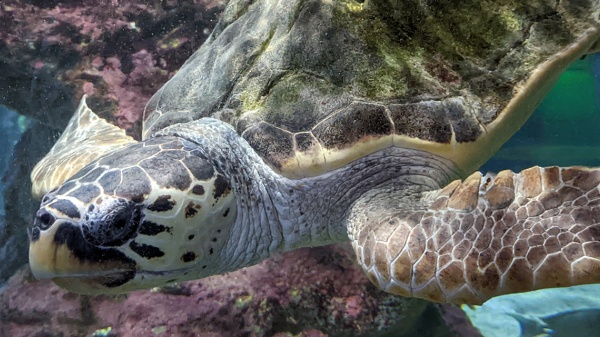
Right next to the Biosphere lies the Aquarium. Inaugurated in 1992, it is the largest aquarium in Italy and one of the most important tourist attractions in Genoa.
Aquarium
Opening Hours:
October 7 - October 31, 2026:
- Monday-Sunday: 9:00 AM-8:00 PM
November 1 - December 31, 2026:
- Monday-Friday: 10:00 AM-7:30 PM
- Saturday-Sunday: 9:00 AM-8:00 PM
The last entry to the Aquarium is allowed 2 hours before closing time.
Ticket Prices:
- €25-€34 (ticket prices depend on the date and where you purchase them - for more details, see the article about the Genoa Aquarium)
3. The Historic Centre
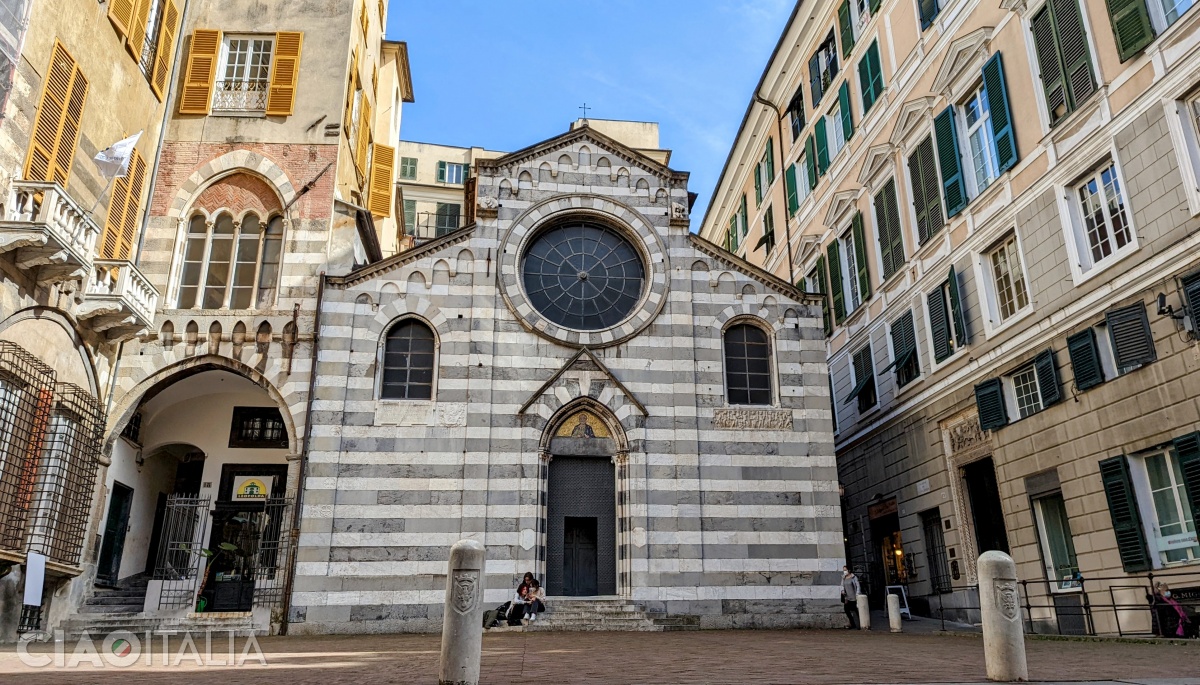
Genoa's historic centre is essentially a tangle of narrow streets, called caruggi, lined with ancient buildings. There is no point in planning an organized route - it would be very difficult to follow anyway. Just wander at your own pace, admire the architecture, the churches, and the palaces, peek into the historic shops (botteghe), and stop every now and then for a coffee or some delicious street food.
Another option is to book a guided tour of the historic centre. For instance, the city's Tourism Office organizes every Sunday a guided tour that includes access to the Museums of Strada Nuova.
4. Via Garibaldi
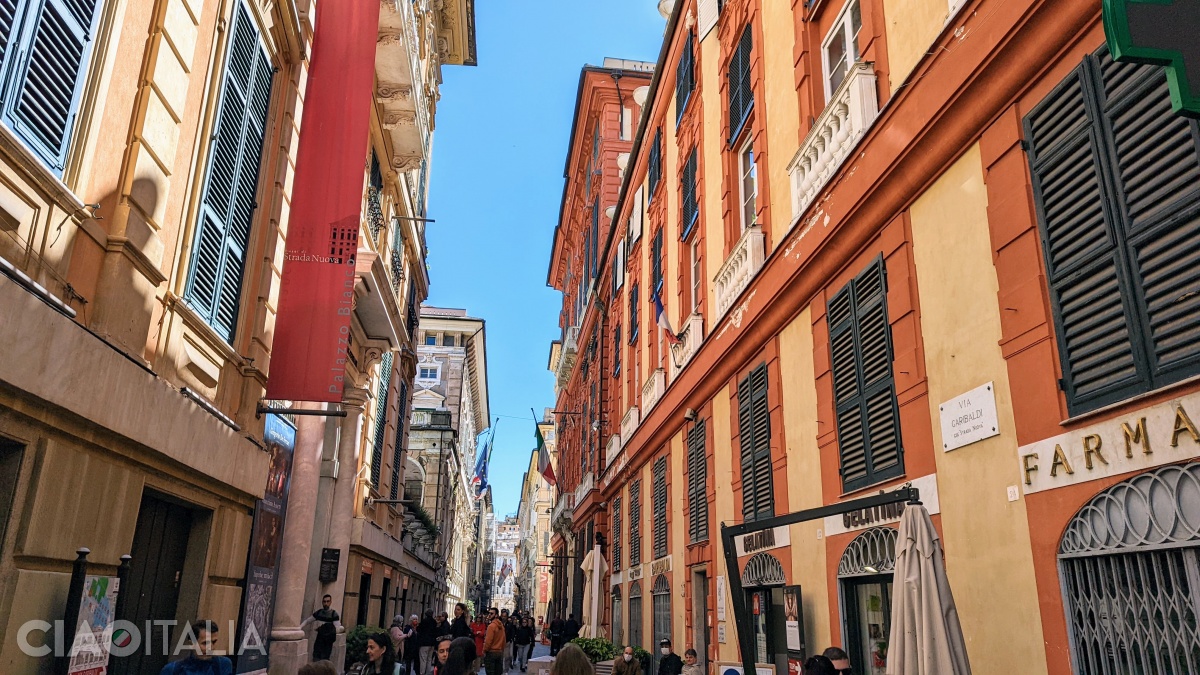
Via Garibaldi, a pedestrian street lined with the historic palaces of the former aristocracy, lies in the heart of Genoa's historic centre. The street was built in the 16th century for the newly wealthy elite of the medieval quarter. Back then, it was known as Strada Nuova ("New Street").
Due to the stunning beauty of the buildings lining it, Via Garibaldi is considered one of the most beautiful streets in Europe. In fact, it is part of the UNESCO World Heritage list, along with the palaces that have stood guard over it for centuries.
5. The Rolli Palaces
The Rolli Palaces (Palazzi dei Rolli) are among the most important tourist attractions in Genoa. These are the palaces mentioned above - those located on Via Garibaldi, as well as on other streets in the historic centre, such as Via Balbi. In the past, the word rolli referred to a list of the most beautiful and sumptuous noble residences that took turns hosting state visits. The more important the guest, the more magnificent the family palace hosting them had to be.
The number of palaces included in this system is impressive, exceeding 100. Among these, 42 are listed as UNESCO World Heritage sites under the name "Le Strade Nuove and the system of the Palazzi dei Rolli in Genoa".
Today, some of these palaces serve as art museums, while others are offices or private residences.
The museum-palaces include those within the Musei di Strada Nuova complex (Palazzo Doria-Tursi, which houses a famous violin belonging to Paganini and also serves as Genoa's City Hall; Palazzo Rosso and Palazzo Bianco, located across the street), but also Palazzo Spinola di Pellicceria and Palazzo Reale.
The Genoa Tourism Office organizes guided tours of the Rolli Palaces every Saturday.
Book Guided Tour of the Rolli Palaces
6. The Lighthouse of Genoa
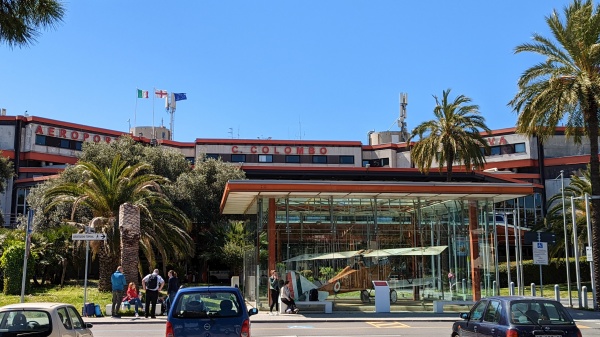
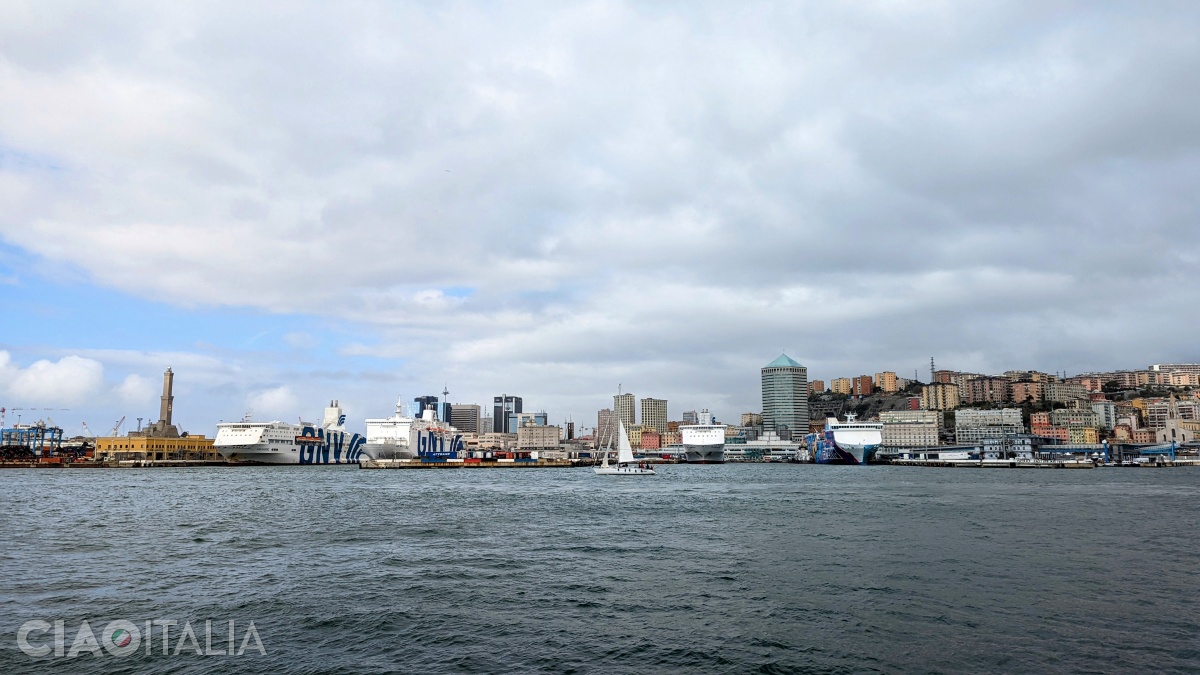
The Lighthouse of Genoa is the symbol of the city, and the Genoese call it La Lanterna. Built in 1543, it is one of the oldest lighthouses in Italy. Standing at 77 meters (approx. 253 feet) tall, it is the second-highest lighthouse in Europe, and you will certainly notice it from the plane during landing.
If you want to enjoy the view from the top, you will have to climb the lighthouse's 172 steps.
The Lighthouse of Genoa is located about 3 km (1.8 miles) from the historic centre, and you can reach it via public transportation.
Lighthouse of Genoa
Opening Hours:
January 2-May 31, 2026:
- Friday-Sunday: 10:00 AM - 6:00 PM
The last entry is at 5:00 PM.
The lighthouse cannot be visited in case of unfavorable weather conditions.
Ticket Prices:
Park + museum:
- Adults: €6
- Over 65: €5
- 18-26 years: €2
- Under 18: Free
Park + museum + lighthouse (first panoramic terrace):
- Adults: €9
- Over 65: €8
- 18-26 years: €2
- Under 18: Free
7. Christopher Columbus' House
The name of the famous explorer is inextricably linked to Genoa, though evidence confirming he was actually born here isn't entirely clear. Tradition remains strong, however, and you can visit the house where Christopher Columbus is said to have spent his childhood.
If you intend to visit the Aquarium as well, look into the Columbus House + Aquarium combo ticket.
Christopher Columbus' House
Opening Hours:
October 1, 2026 - March 31, 2027:
- Monday: Closed
- Tuesday-Friday: 10:00 AM - 5:00 PM
- Saturday-Sunday: 10:00 AM - 5:30 PM
Ticket Prices:
- Adult: 5 €
- Under 18: Free
Book Guided Tour of Christopher Columbus' House
8. Piazza de Ferrari
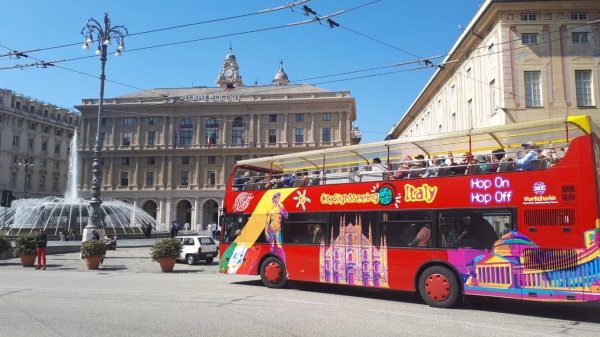
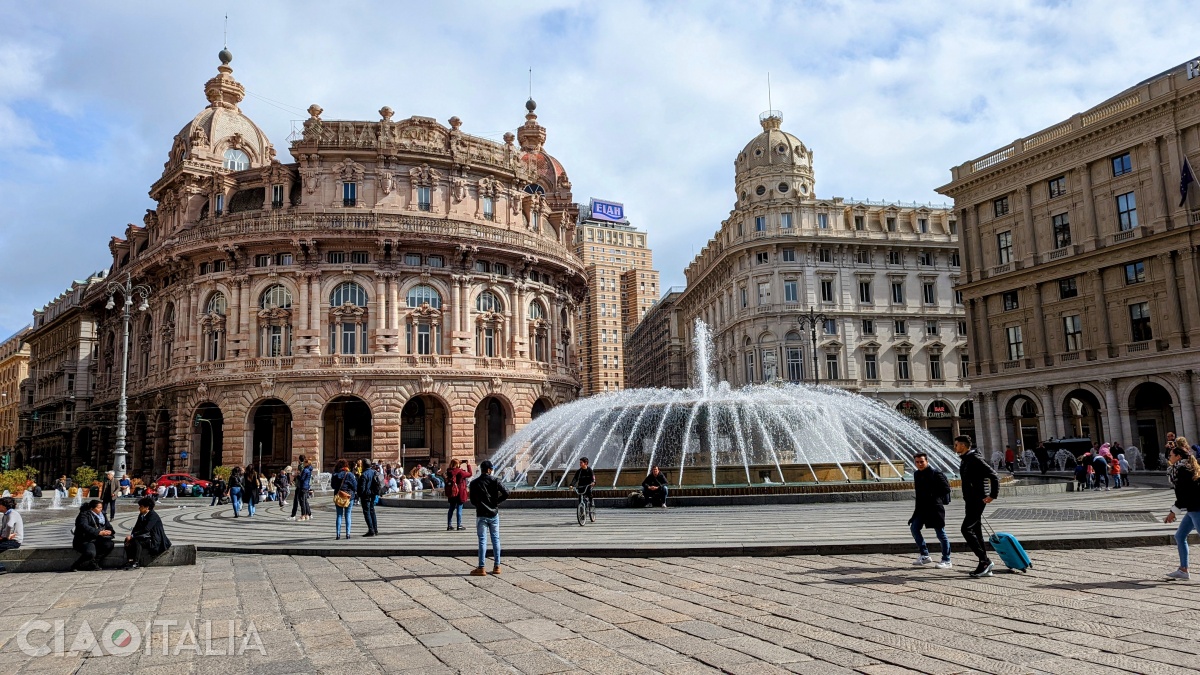
With its majestic palaces, Piazza de Ferrari is the place where the heart of the city beats. Take a break here and admire the Palazzo Ducale, the Palazzo della Borsa, the Palazzo della Regione, the Carlo Felice Theater (rebuilt after being destroyed in World War II), and the fountain at the center of the square.
9. San Lorenzo Cathedral
The ancient church, dedicated to Saint Lawrence's passage through Genoa in the 3rd century, was consecrated in 1118. It is worth visiting not only because it is beautiful and significant to the city's history, but also because of the curiosities surrounding it.
For instance, if you look closely at the details to the right of one of the entrance portals, you will find a small figure of a dog carved in marble. Legend has it that during the cathedral's construction, a dog would hang around those who were working. The pup hung around until the very last day, when he could no longer be found. In his memory, the workers sculpted him in marble, immortalizing his likeness.
And the interesting facts don't end there. Inside the cathedral, you will see a bomb that hit the building during World War II. The bomb did not explode, and it has been preserved within the church to this day.
10. Spianata Castelletto
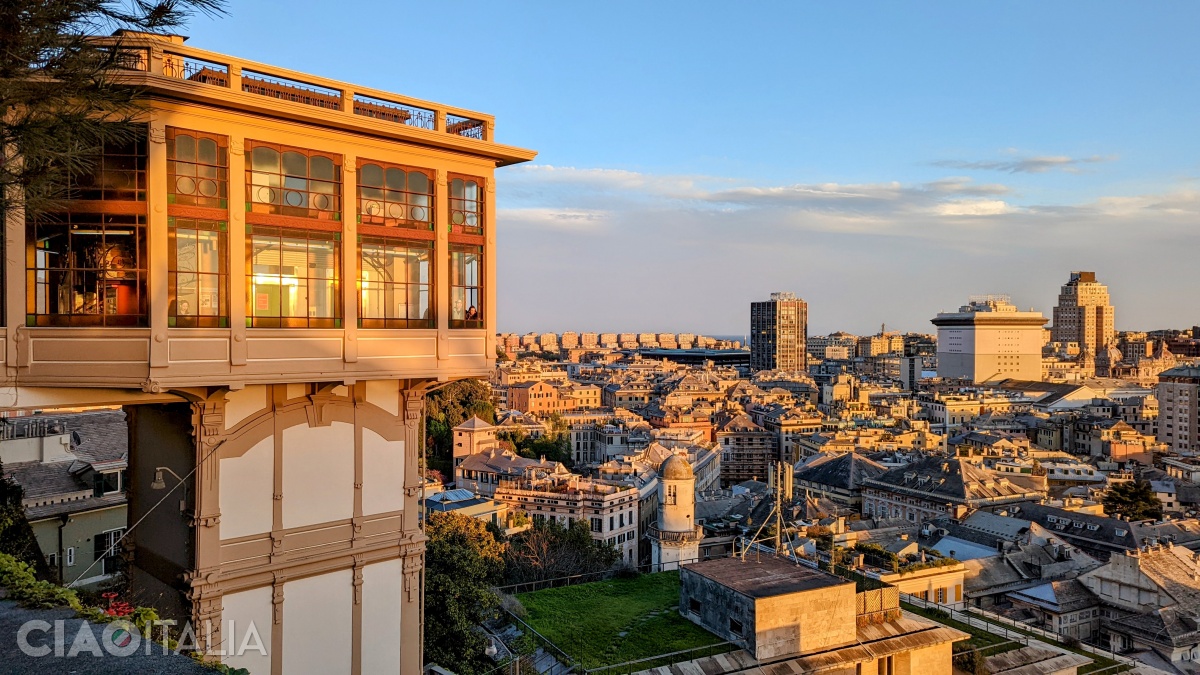
To enjoy a bird's-eye view of Genoa, take the Castelletto Ovest elevator (located near Via Garibaldi) up to Spianata Castelletto. It is a scenic lookout point offering a wonderful panorama of the city - from its mix of old and new buildings and slate roofs to the sea stretching out in the distance.
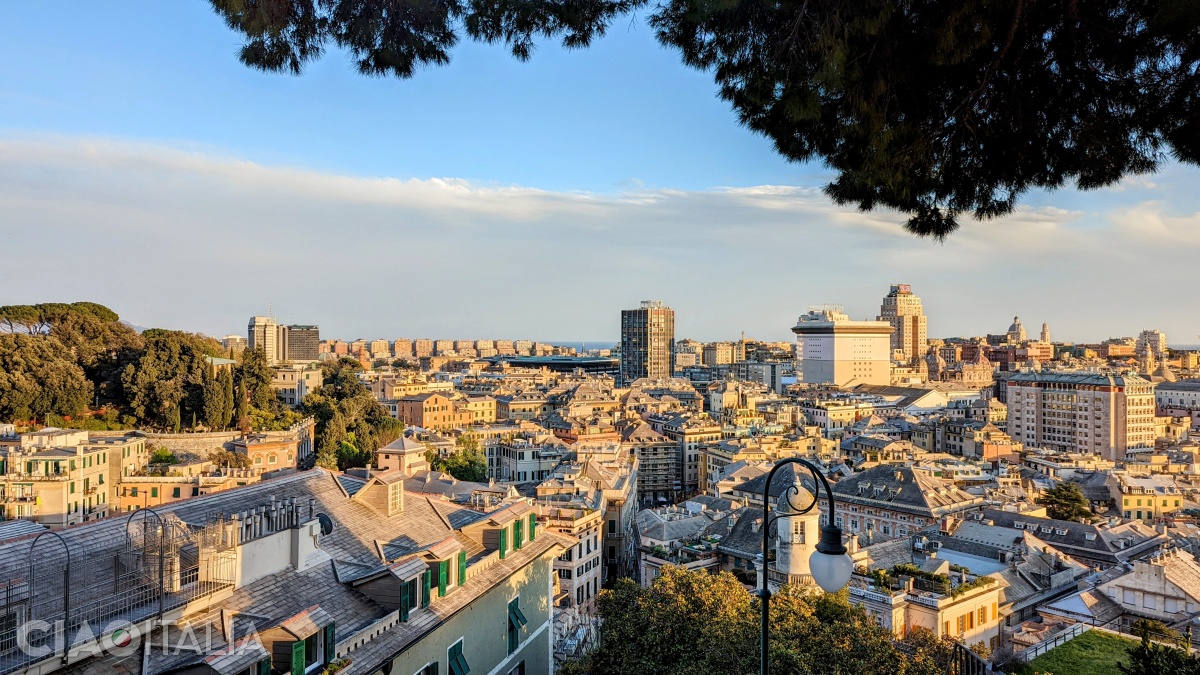
Don't go back the same way! To head down, take the Castelletto Levante elevator, which will bring you to Piazza del Portello. This Art Nouveau (Liberty style) elevator was built at the beginning of the 20th century and is a tourist attraction in its own right.