What to Eat in Calabria?
Traditional Calabrian cuisine has its roots in the region's ancient agricultural and pastoral traditions. It is based on the so-called cucina povera ("the cuisine of the poor"), which uses simple and affordable ingredients to create nourishing and flavorful dishes. Although Calabria is famous for its beaches, Calabrian gastronomy relies more on land-based ingredients than on fish and seafood (though you’ll find those as well).
Among the region's outstanding products are the red onion of Tropea, Sila potatoes, bergamot from Reggio Calabria, Calabrian licorice, 'nduja from Spilinga, and the Soverato bomb.
Antipasti (Appetizers)
'Nduja
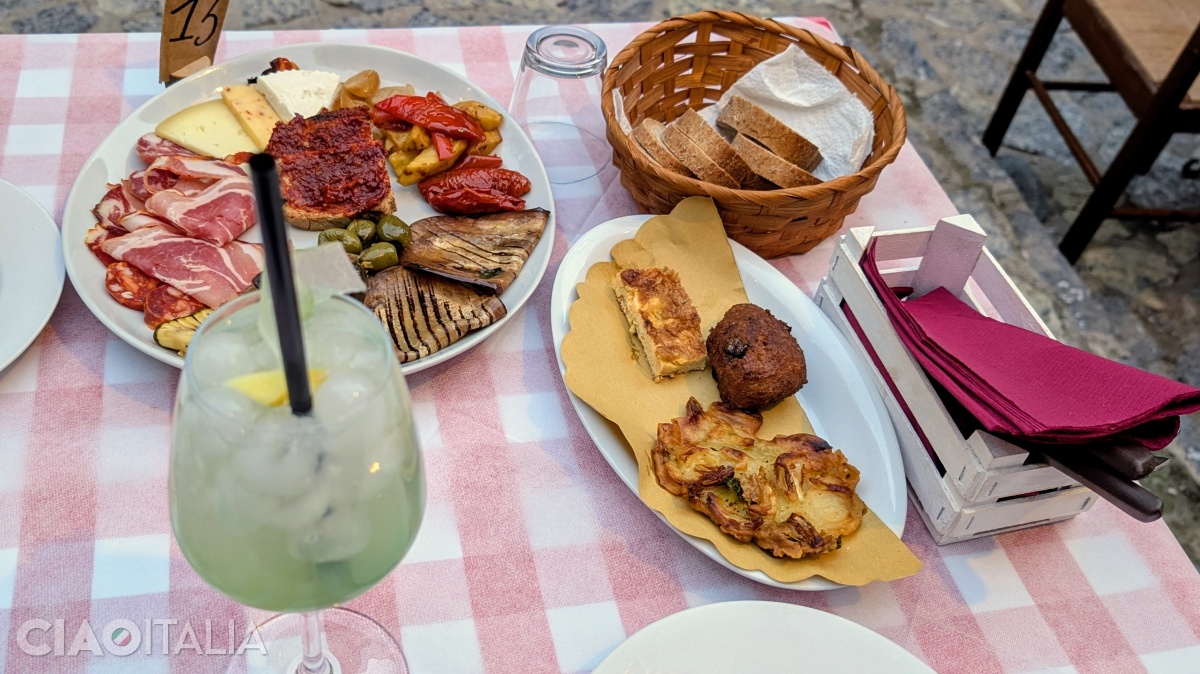
Probably the most famous dish of the Calabria region is 'nduja, a type of spreadable pork paste made from meat and fat generously mixed with chili peppers. It comes either as a soft, spreadable salami or in jars, and is usually spread on toasted bread. You'll also find it on pizza or in pasta, used as a sauce.
'Nduja is a P.D.O. (Protected Designation of Origin) product that originated in the town of Spilinga but has become a symbol of the entire region, an essential part of traditional platters. Every year, on August 8, Spilinga hosts the Sagra della 'nduja, a festival dedicated to this famous delicacy.
You can't say you've been on holiday in Calabria unless you've tried 'nduja at least once.
Calabrian Chili Peppers
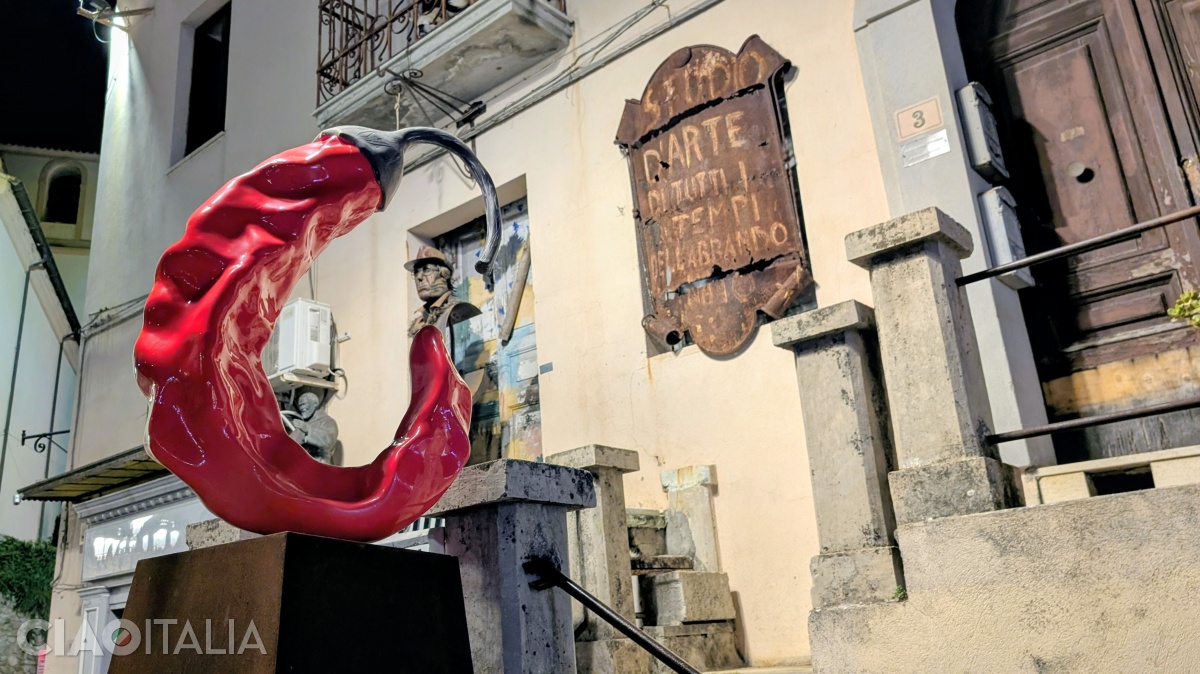
One of the most recognizable sights in Calabria's tourist destinations is that of red chili peppers hanging in shops or decorating restaurants.
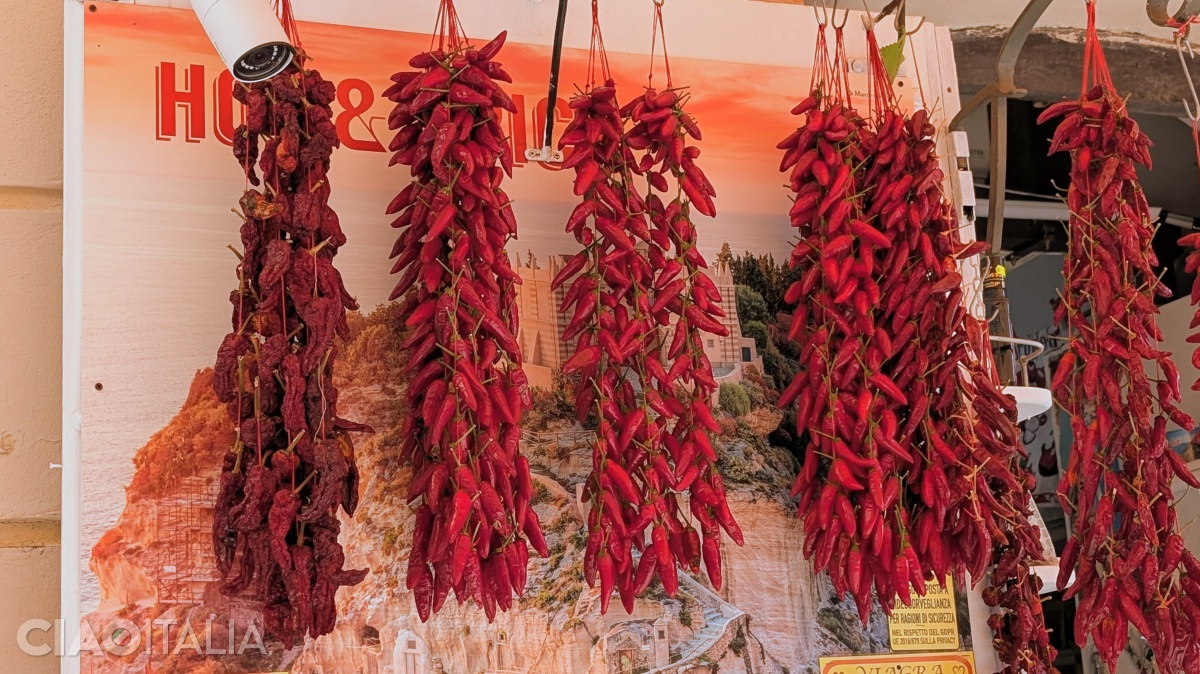
Calabrian chili peppers are famous for their heat and are used in a wide variety of dishes. One of these is bomba di Soverato, a sauce made with chili peppers and other vegetables and herbs such as eggplant, mushrooms, artichokes, onions, garlic, and oregano.
Tropea Onion
Just as famous as the chili peppers is the red onion of Tropea, which has become a true symbol of this town, even though it is produced throughout the area from Briatico to Capo Vaticano. When you visit Tropea, you'll notice plenty of shops decorated with red onions, onion-shaped magnets, onion beer, onion seeds for sale, and many other products featuring this distinctive red onion.
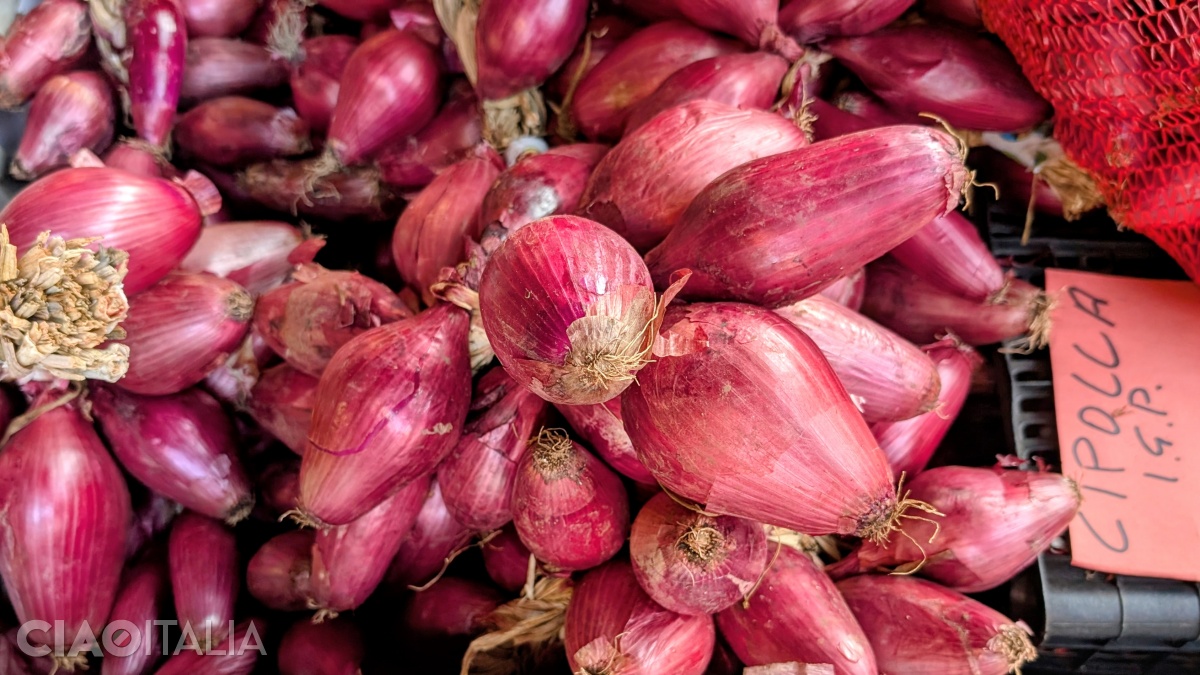
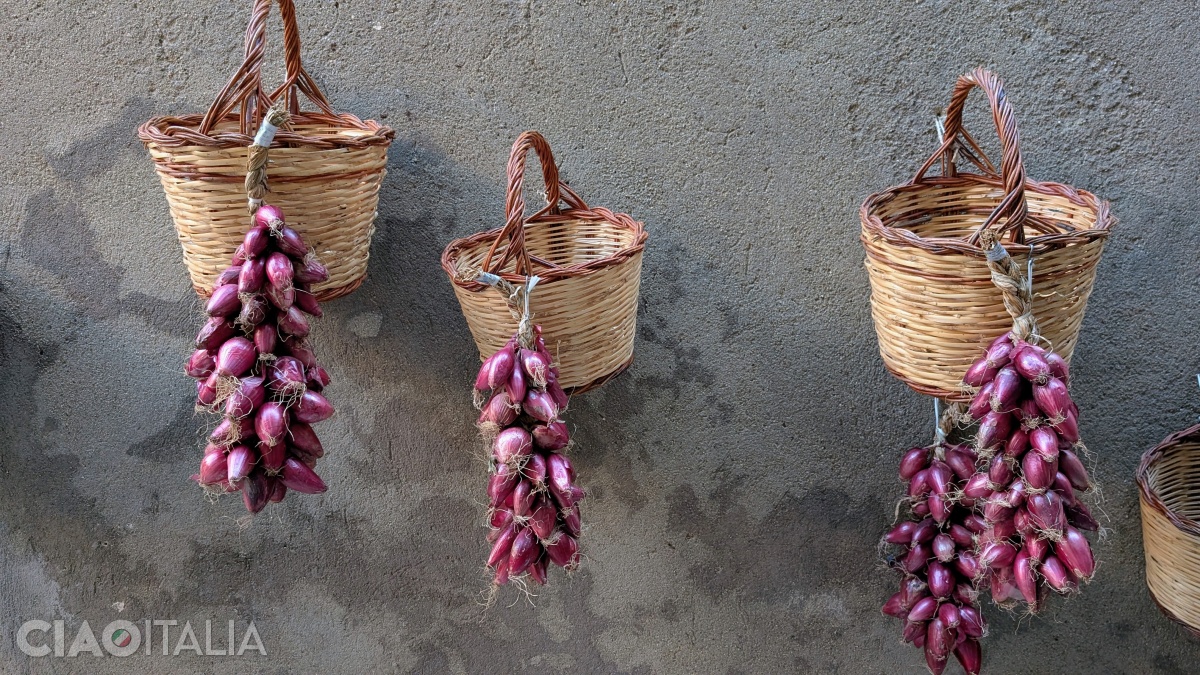
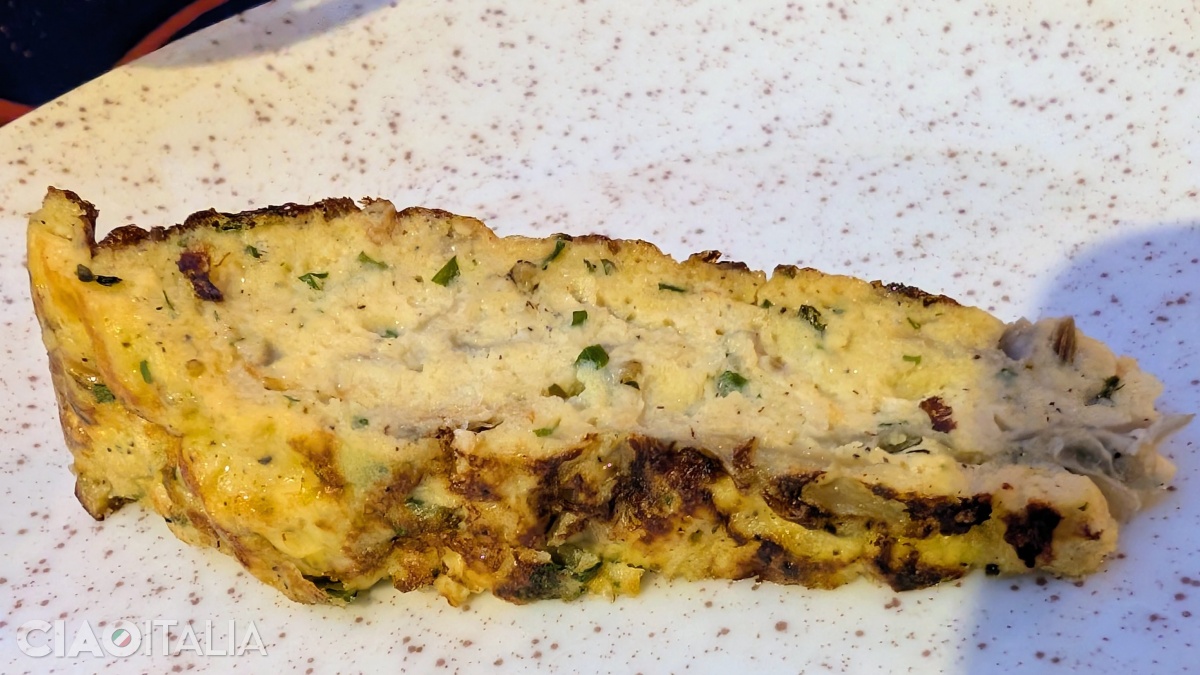
The Tropea onion, known for its sweet flavor, is a P.G.I. (Protected Geographical Indication) product, promoted and safeguarded by the organization Consorzio di Tutela della Cipolla Rossa di Tropea Calabria IGP. It can be eaten on its own, alongside cold cuts and cheeses, or used as a key ingredient in various dishes such as frittata di cipolla (a thick onion omelet) or crostata di cipolle (a savory tart filled with onion, pecorino cheese, eggs, and pepper).
Cheeses
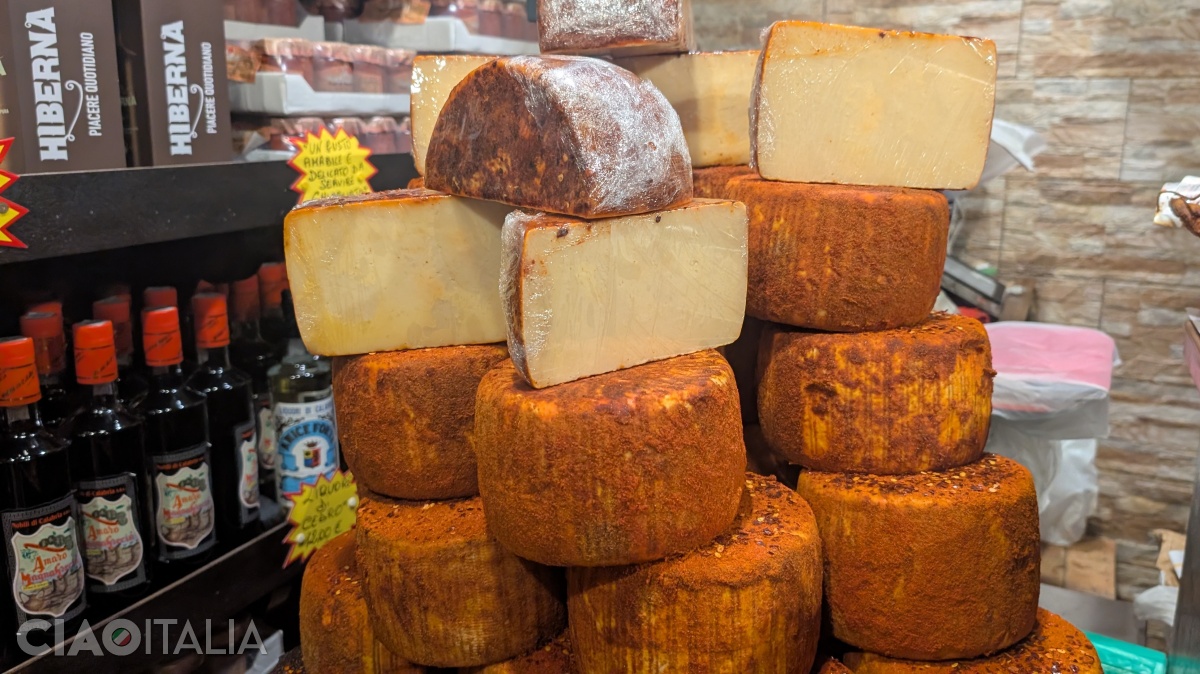
In Calabria, dozens of types of cheese are produced, with their characteristics influenced by the regions where they are made and by the production methods.
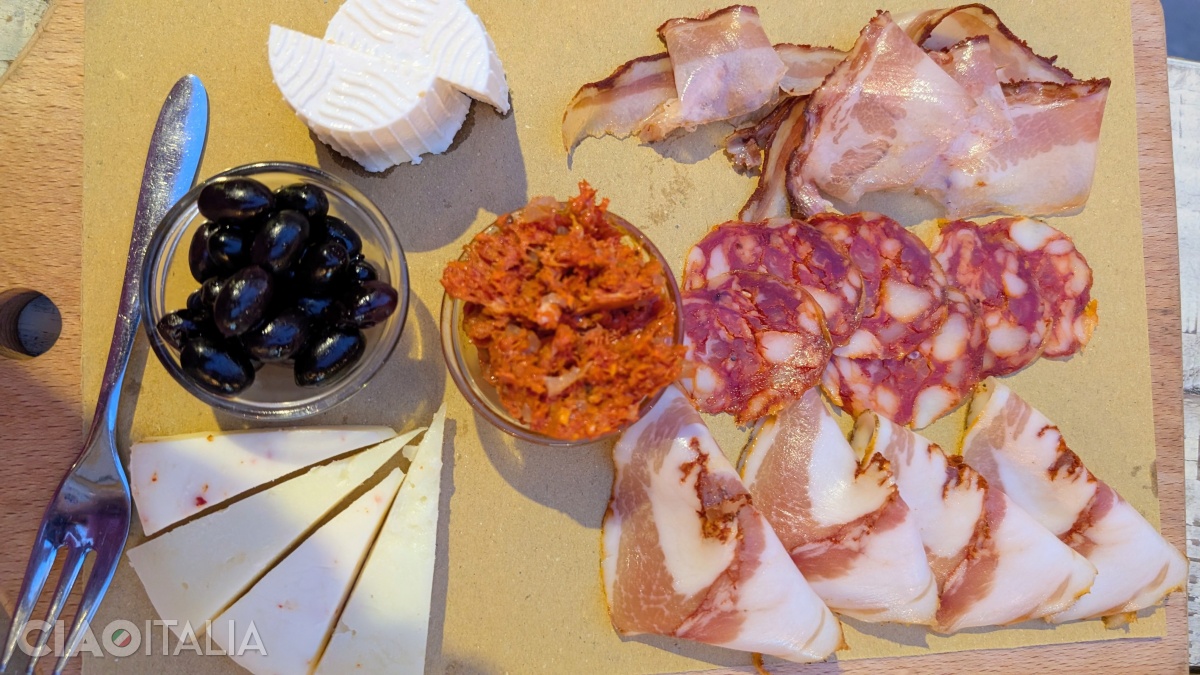
Perhaps the most well-known cheese from Calabria is Pecorino di Monte Poro, a P.D.O. product made from sheep's milk in the towns of the Vibo Valentia province. Near Crotone, Pecorino Crotonese P.D.O. is also produced from sheep's milk. In the same area, you can find ricotta affumicata (smoked ricotta).
Another well-known dairy product is caciocavallo silano, a cow's milk cheese, also P.D.O., produced in the Sila National Park area. In the Aspromonte National Park, a delicious traditional goat cheese called caprino d'Aspromonte is made.
Cured Meats
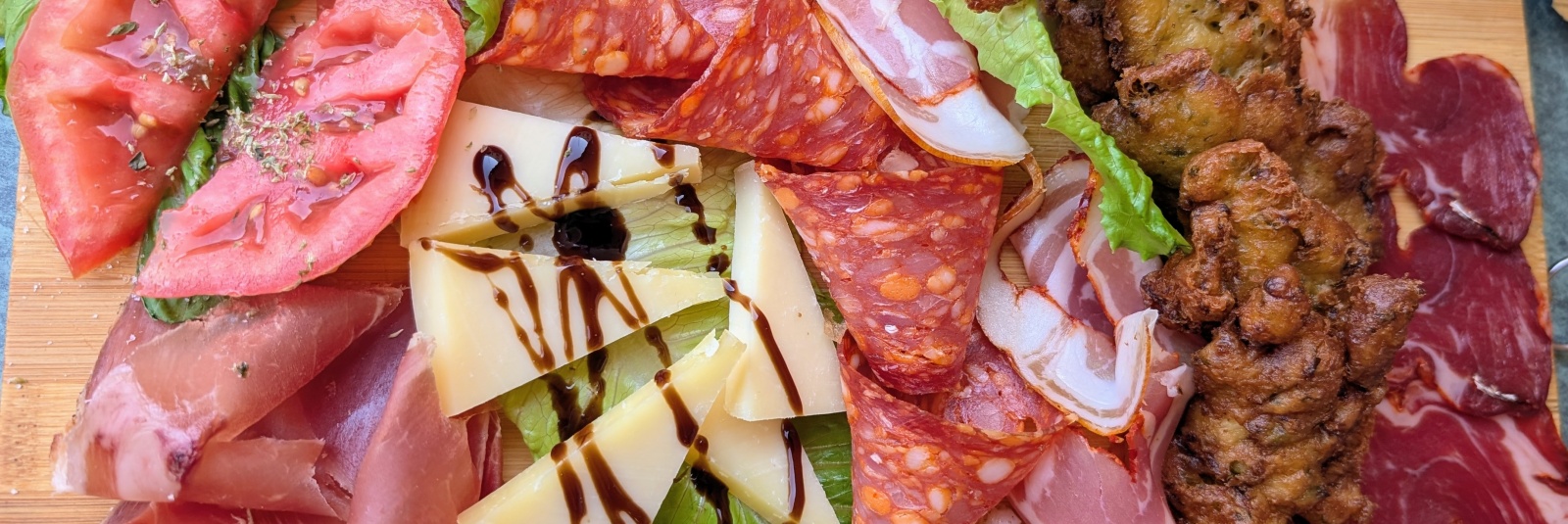
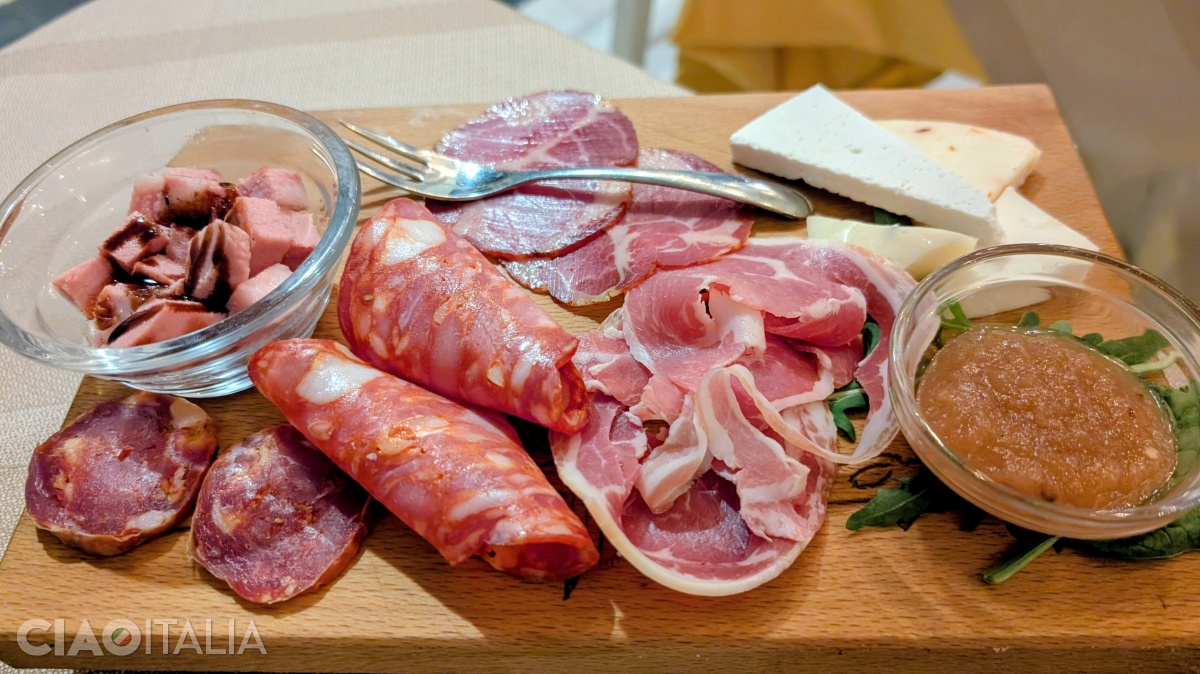
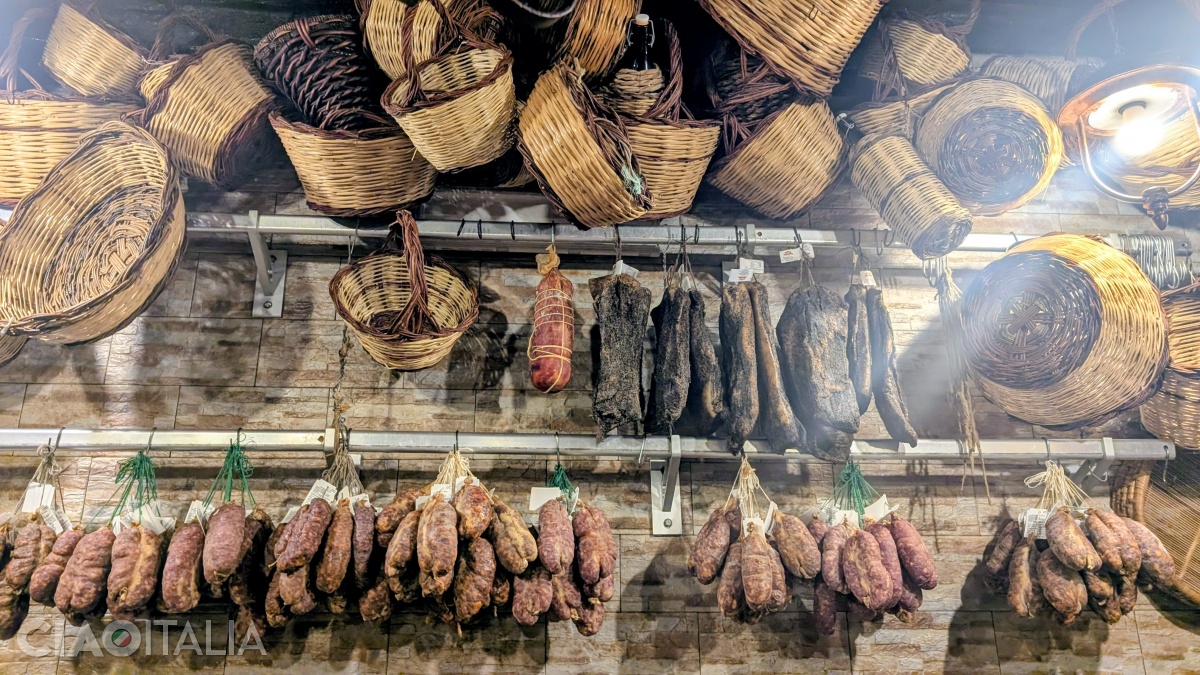
Apart from 'nduja, Calabria has several other cured meats that have received P.D.O. recognition: soppressata (a salami with pepper and hot red chili), capocollo (cured pork neck), salsiccia (sausage), and pancetta (pork belly). All of these are made from pork. In fact, the region is home to a special breed of pig known as the "Calabrian black pig".
Another traditional salami, also seasoned with chili peppers, is spianata calabra, which has a flatter, oval shape achieved through pressing during the curing process.
Morzello
Morzello (or 'u morzeddhu in the local dialect) is a dish from the city of Catanzaro, the capital of the Calabria region. It's not for everyone, as it is made with beef tripe and offal in a spicy tomato and chili pepper sauce. Morzello is served hot, usually as a sandwich in pitta, but it can also be found plated.
The name comes from morzha morzha ("cut into small pieces" in the Calabrian dialect). In the past, morzello was the morning snack of laborers, giving them energy for the rest of the day.
Cerchiara Bread
If you take a longer route to visit the tourist attractions of Calabria and pass through the eastern part, don't miss the Cerchiara bread, a round, rustic bread made the traditional way, which is now produced by only a few bakeries in the area.
First Course
Fileja
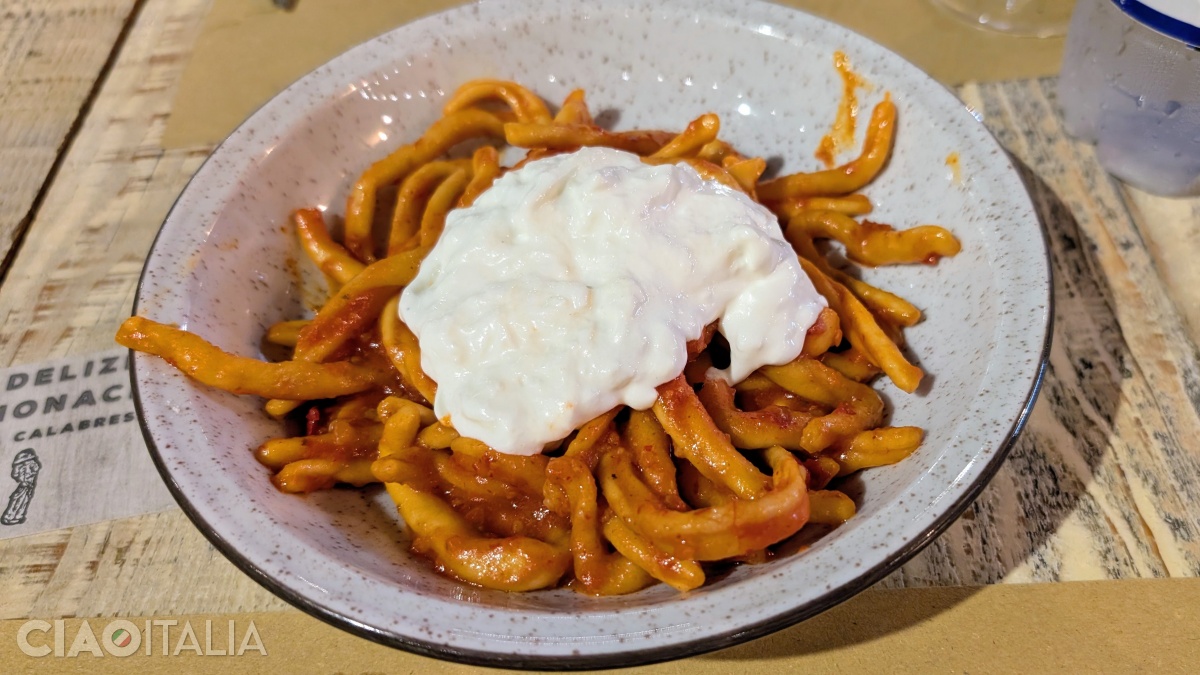
Fileja (also called maccaruni or filedda, depending on the area) are long, twisted pasta, somewhat similar to fusilli, made from durum wheat flour. You'll find them especially in the province of Vibo Valentia, where they are prepared in various ways - with 'nduja, wild boar ragù, cheeses, tomato and basil sauce, or even with beans.
Stroncatura
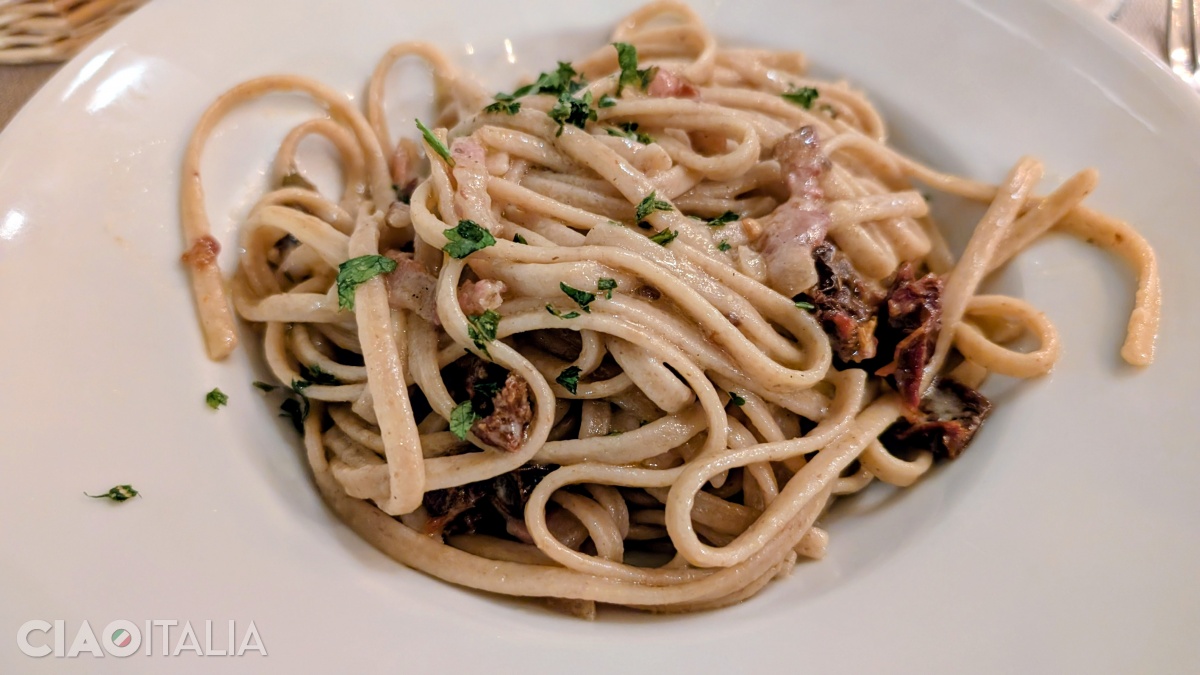
Stroncatura is another type of pasta originating from the Gioia Tauro area (we tried it in a restaurant in Scilla). It is a kind of linguine made with water, flour, and wheat and rye bran. It is usually seasoned with breadcrumbs, anchovies, garlic, chili peppers, tomatoes, and olives.
Raschiatelli Calabresi
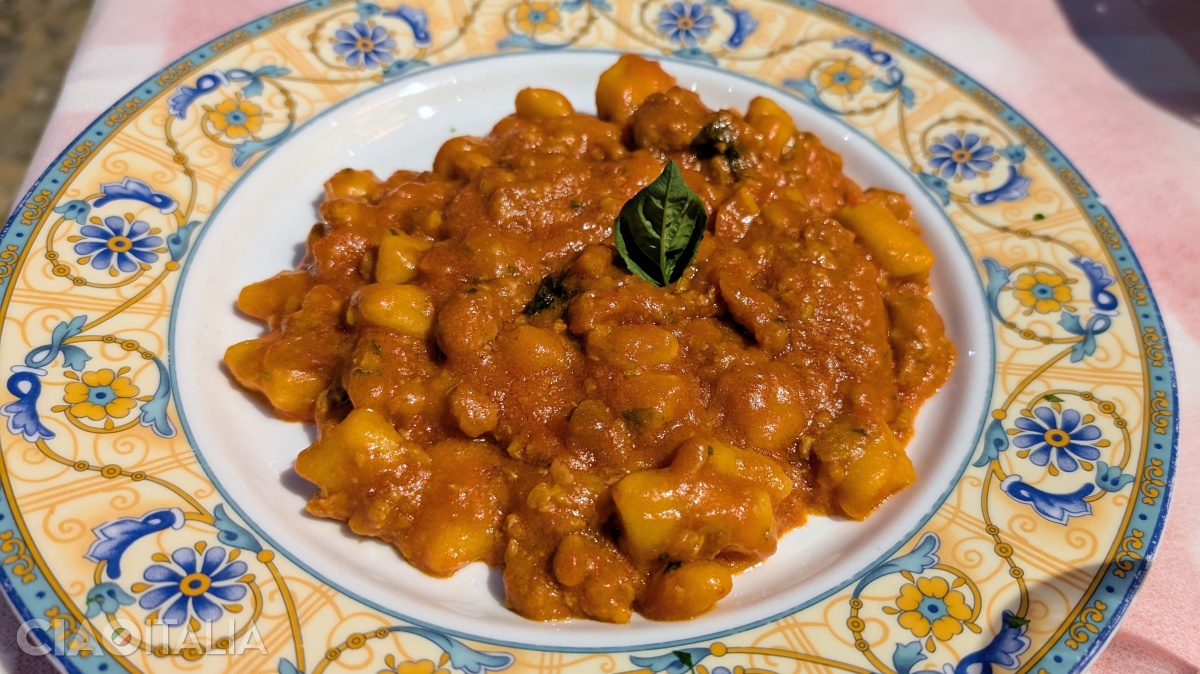
Raschiatelli are fresh, homemade pasta that resemble gnocchi, but are made without potatoes and are typically served with various sauces, usually meat based.
Pasta ca' Muddica
Pasta ca' muddica is a pasta dish (usually spaghetti) seasoned with a sauce made from breadcrumbs, olive oil, anchovies, and pecorino cheese. It is a dish that comes from cucina povera, where no leftover was wasted.
Cuccia
Cuccìa is a thick soup made from boiled wheat and various other ingredients (meat, vegetables, grains, or even chestnuts), found in the area around the city of Cosenza. Its name comes from the Greek language. It is cooked in a clay pot called a tinìellu, and traditionally, the preparation takes three days.
Main Courses
Patati e Pipi
In the Calabrian dialect, patati e pipi refers to potatoes and peppers, usually prepared as a side dish for other courses.
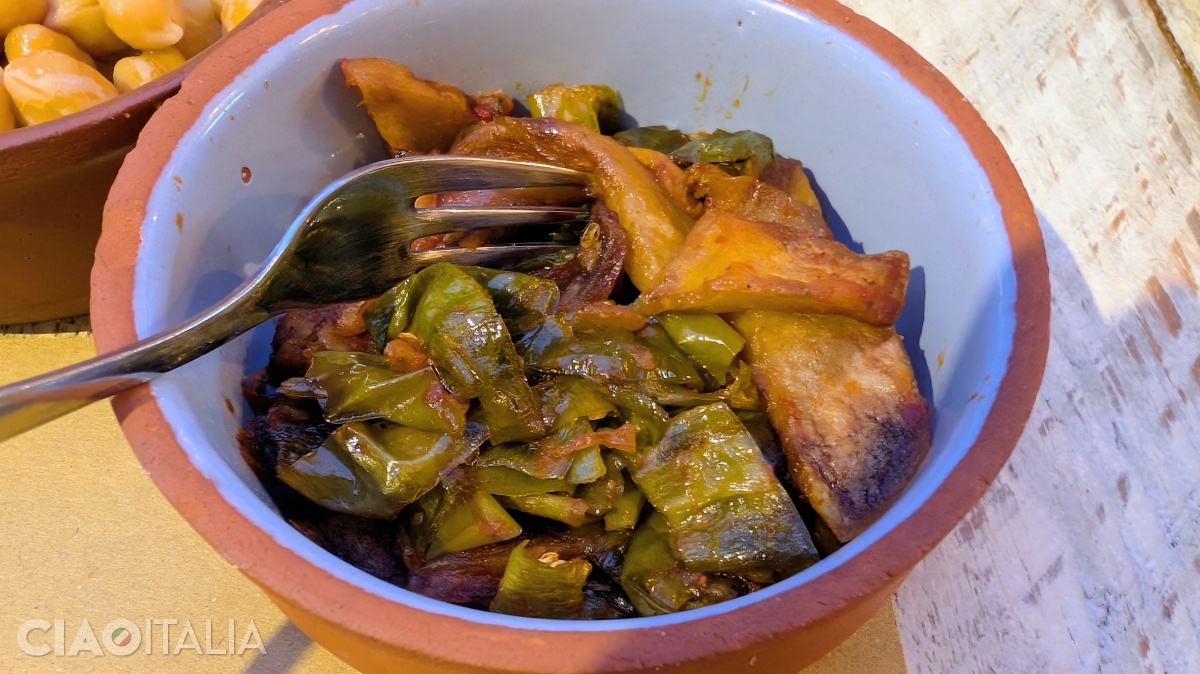
Sometimes, you'll also find them served with sausage (patati, pipi e sozizzu).
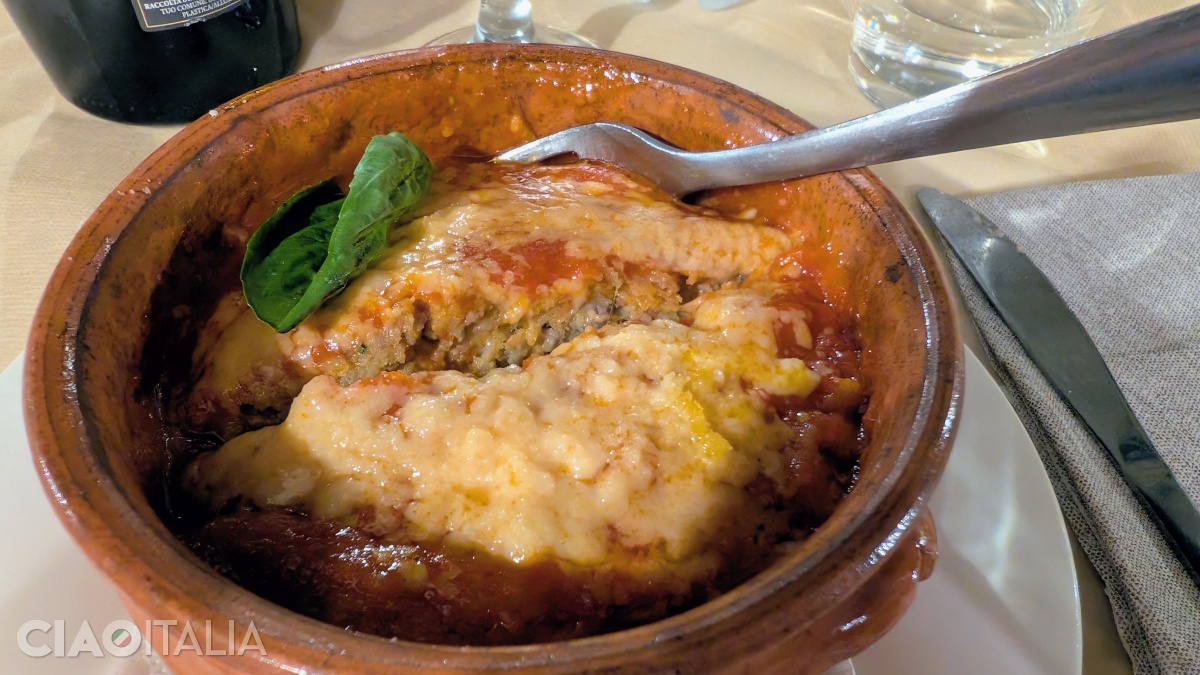
Parmigiana di Melanzane
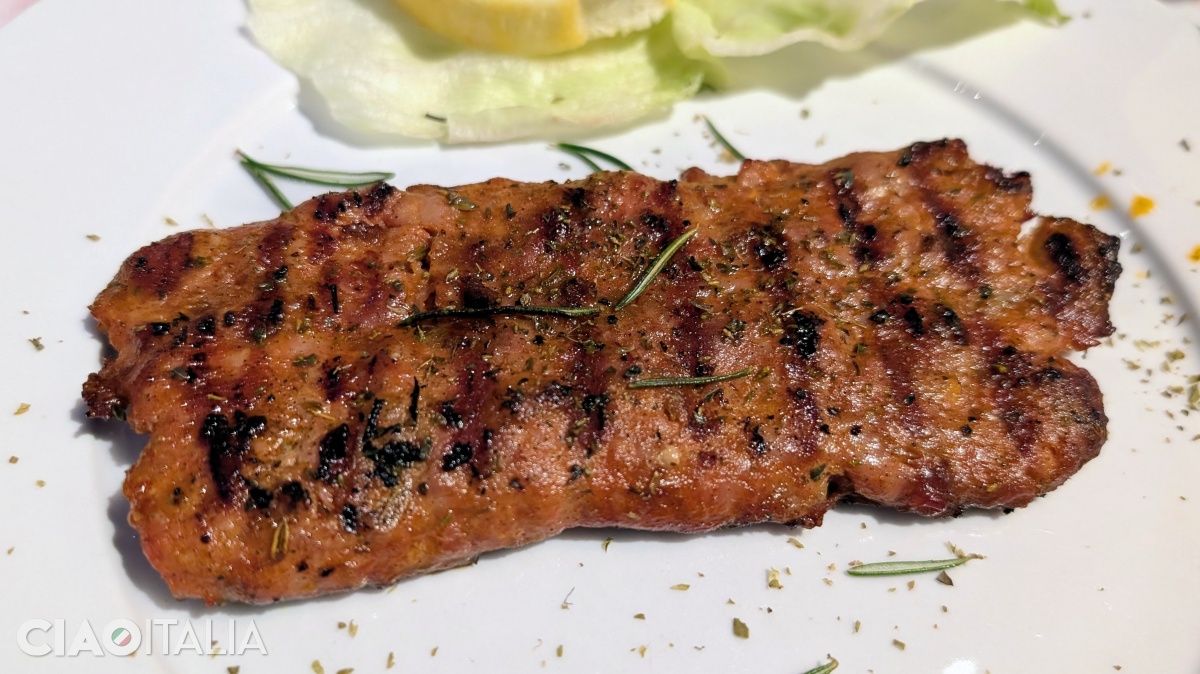
Parmigiana di melanzane is a well-known dish that hardly needs an introduction. Its exact origin is uncertain, but it most likely comes from Southern Italy, somewhere in the regions of Sicily, Calabria, Puglia, or Campania, where eggplants appeared for the first time, brought by the Arabs in the Middle Ages.
Fish and Seafood
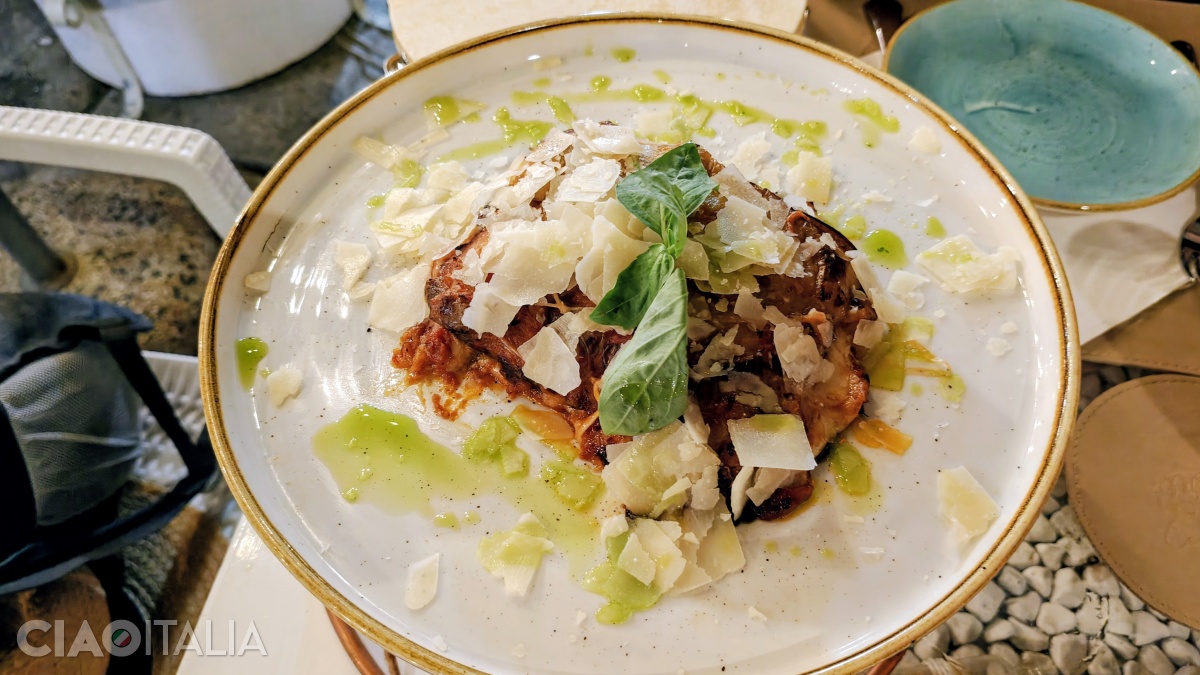
In the restaurants from the seaside towns, you'll find seafood and fish, especially swordfish and tuna, usually grilled.
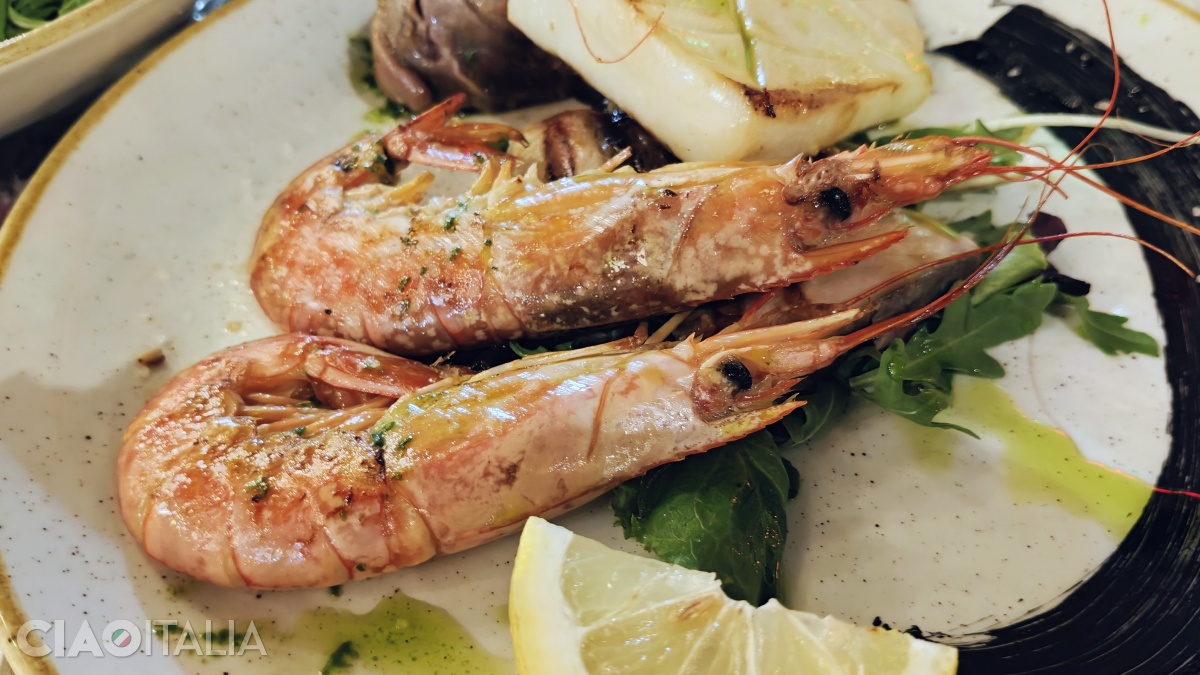
A traditional dish from Mammola is stocco alla Mammolese, made with dried cod and then cooked in a sauce of tomatoes, potatoes, chili peppers, and olives.
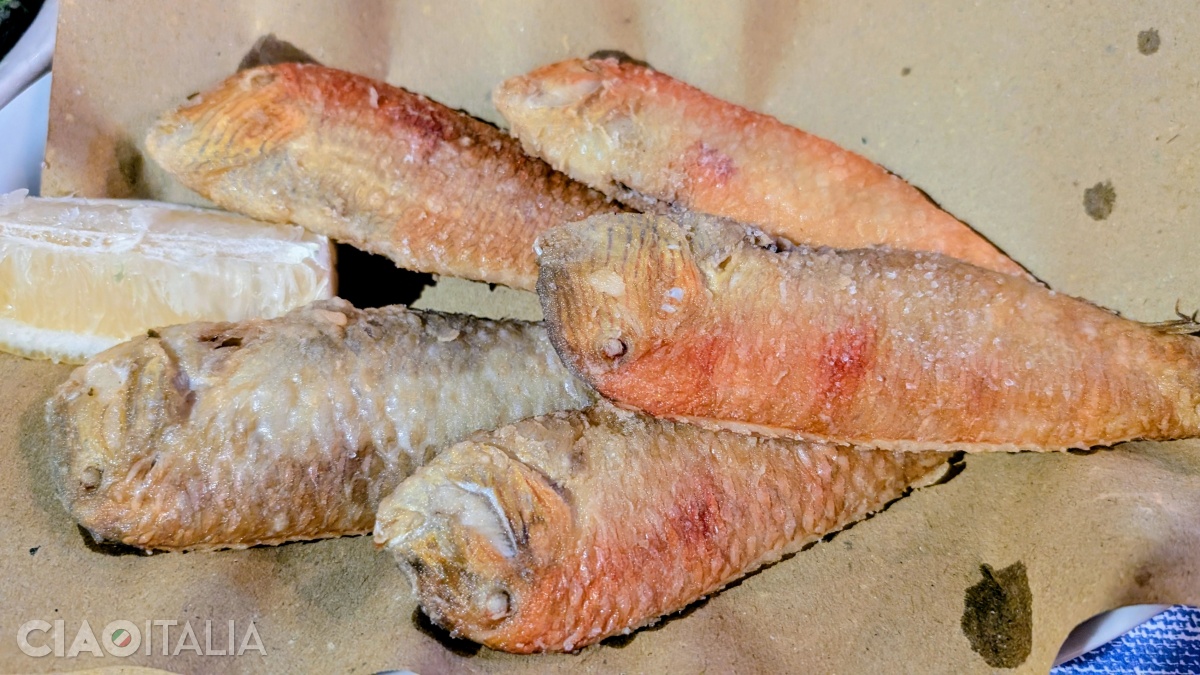
In Tropea, small red fish called surici are caught and fried. If you want to try something special, look for them in local restaurants - you won't regret it.
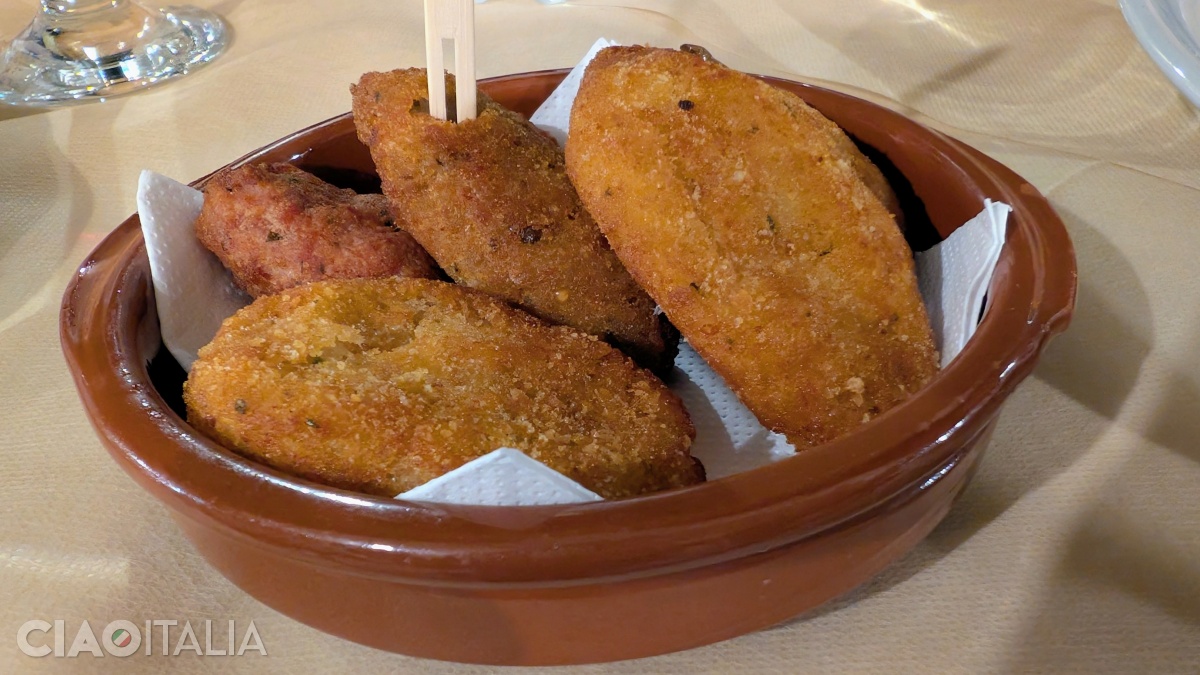
Vrasciuli
Vrasciuli are fried, elongated meatballs made from pork, potatoes, or eggplants.
Pipi Chini
Pipi chini are stuffed peppers, prepared in various ways depending on the area: with meat or cheese, eggs, prosciutto, parsley, and breadcrumbs.
Frittole di Maiale
Frittole di maiale is a traditional dish from Reggio Calabria. It is made from various pork parts and offal leftover after preparing sausages or cured meats, cut into small pieces and slowly cooked with rosemary, bay leaves, and chili peppers.
Desserts
Tartufo di Pizzo Calabro
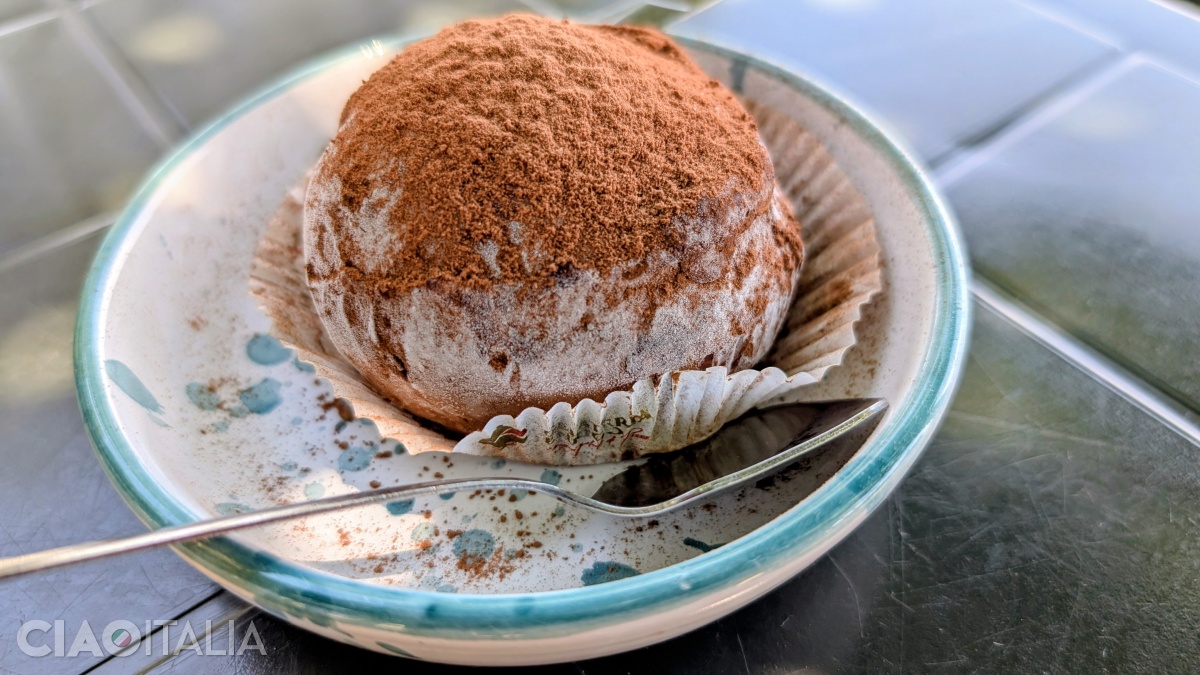
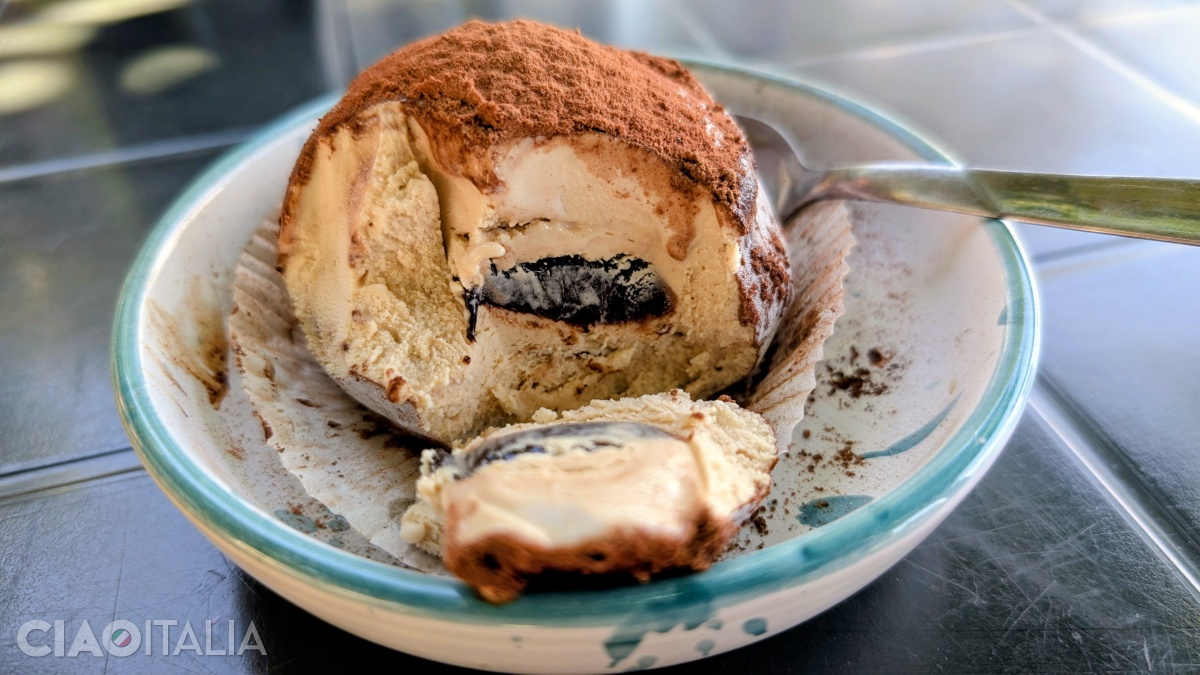
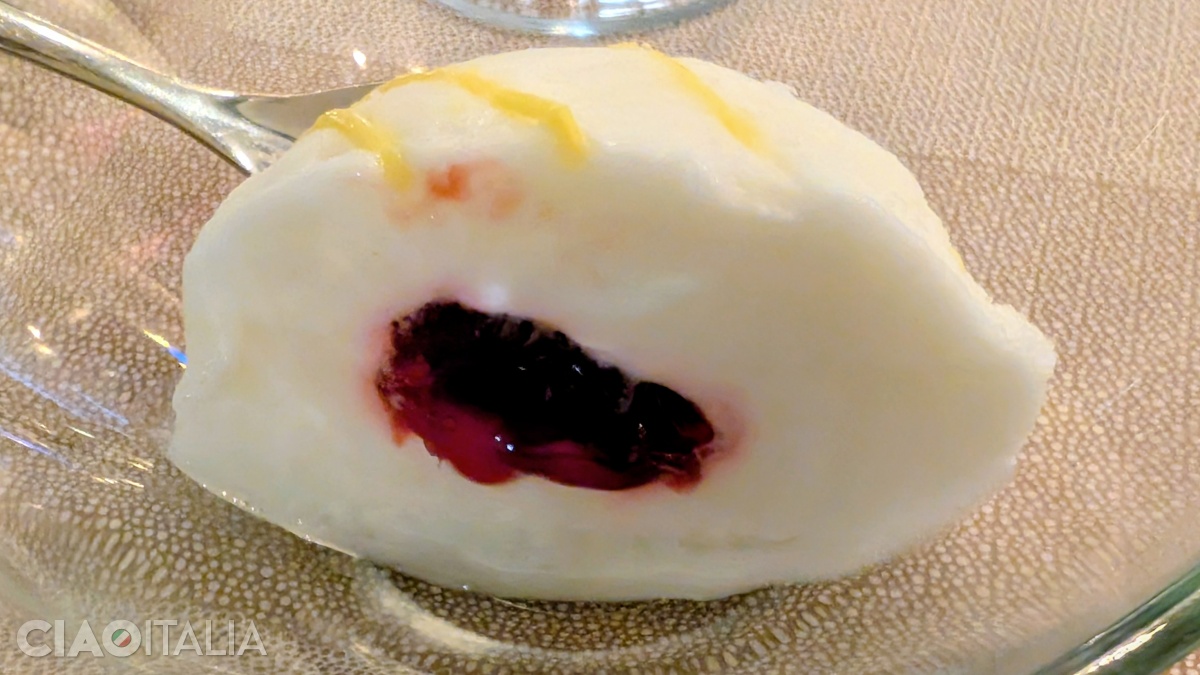
In the towns along the Costa degli Dei ("Coast of the Gods"), you'll come across the famous tartufo di Pizzo Calabro, both in restaurants and in gelaterias. It is the first ice cream in Europe to receive the P.G.I. ("Protected Geographical Indication") designation.
As the name suggests, this product originated in the town of Pizzo Calabro, near Tropea, and was created by Gelateria Dante. It is a round-shaped ice cream, usually coated with cocoa, with a soft interior. You'll find it in various versions, but the original tartufo is made with hazelnut ice cream and a molten dark chocolate center.
Licorice
Licorice (called liquirizia in Italian) has been cultivated in Calabria since the 17th century and is considered among the best in the world. It is a P.D.O. product. You'll find it in the form of candies, jellies, ice cream, and even liqueurs.
Fruits
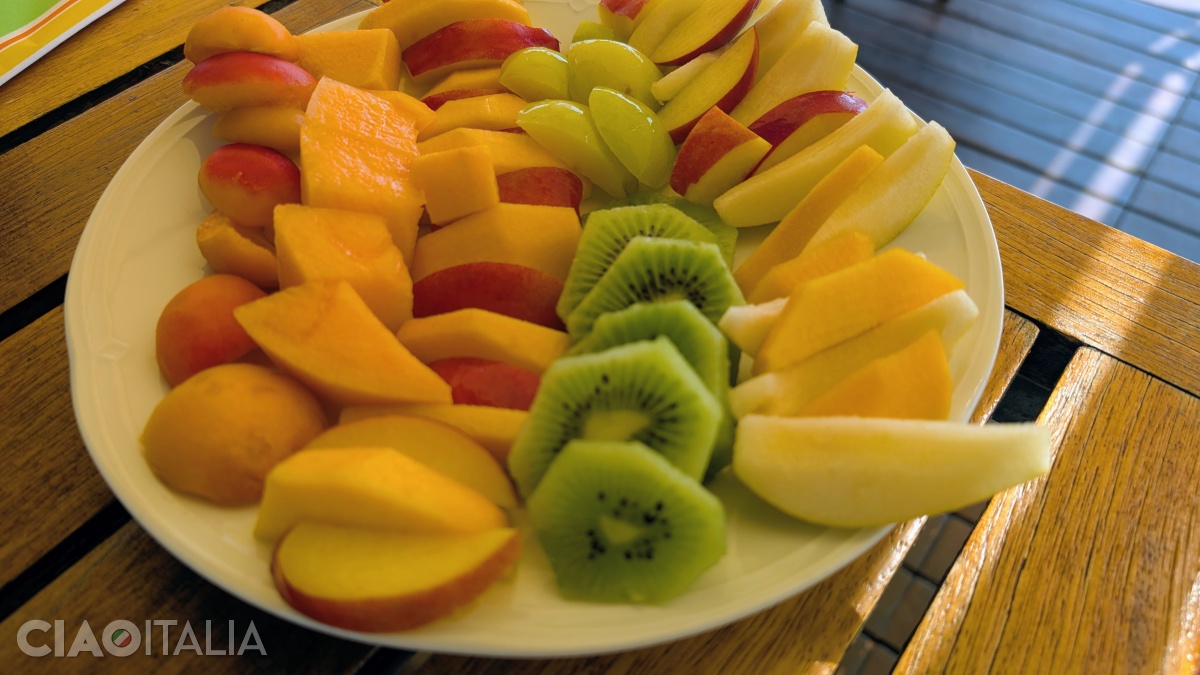
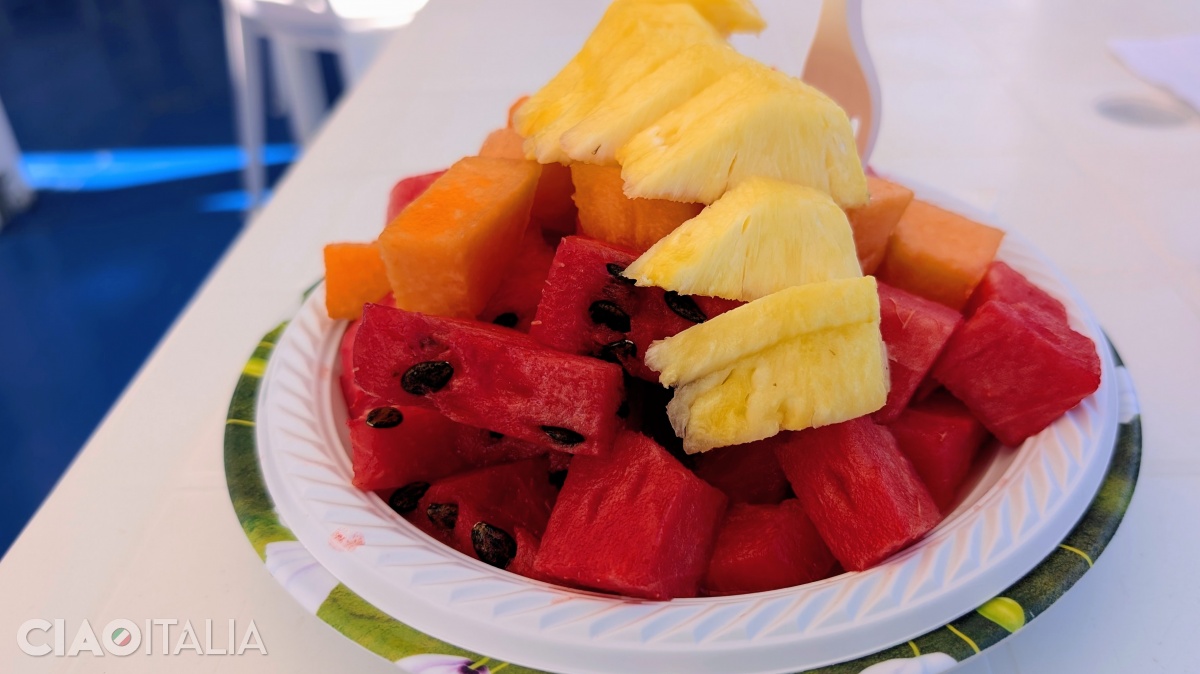
Don't leave Calabria without trying the local fruits, whether you buy them from a supermarket or enjoy them at a beach bar. The region is especially known for its citrus fruits, among which bergamot and citron (cedro in Italian, scientifically known as Citrus medica) hold a special place.
Biscuits
Among the best-known biscuits are mostaccioli, whose recipe - based on flour, honey, and grape must - originated in the town of Soriano Calabro. From the same place come marzelletti, which also include almonds, cloves, and cinnamon.
Drinks
Brasilena
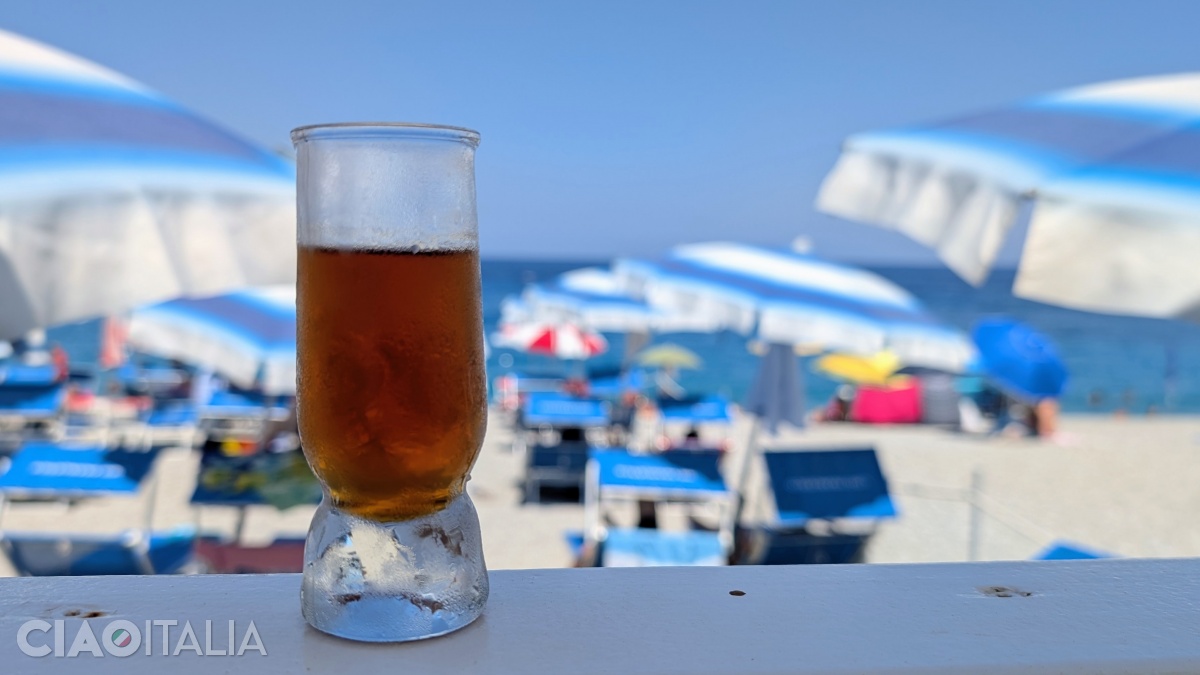
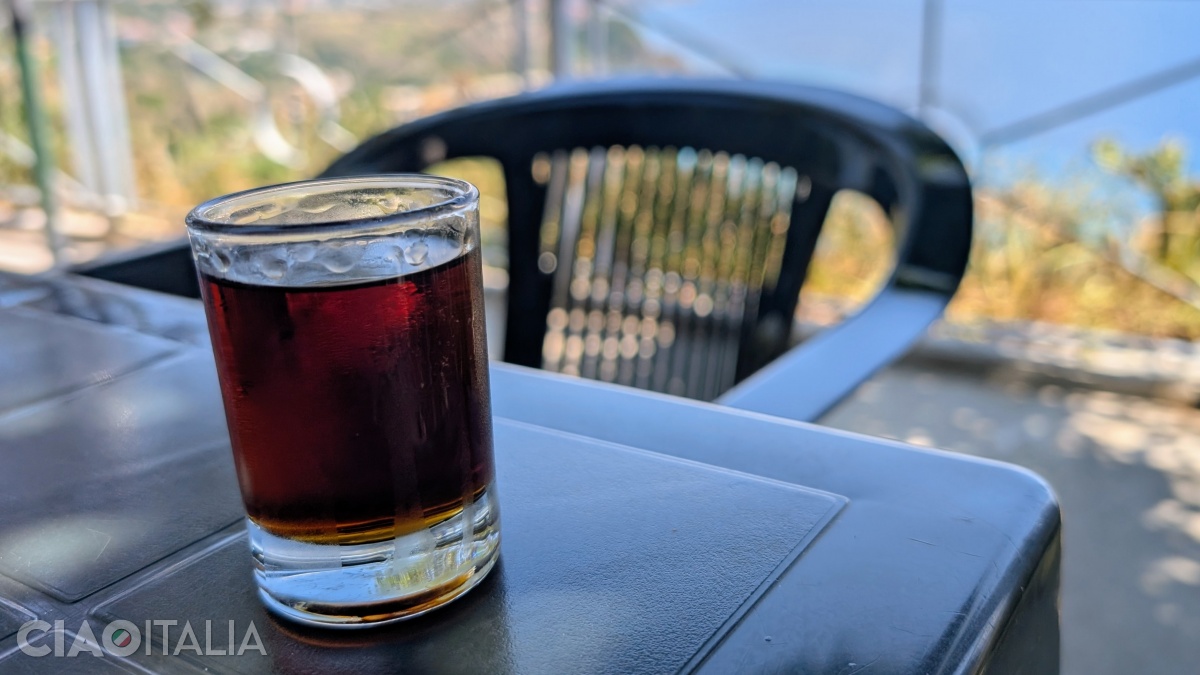
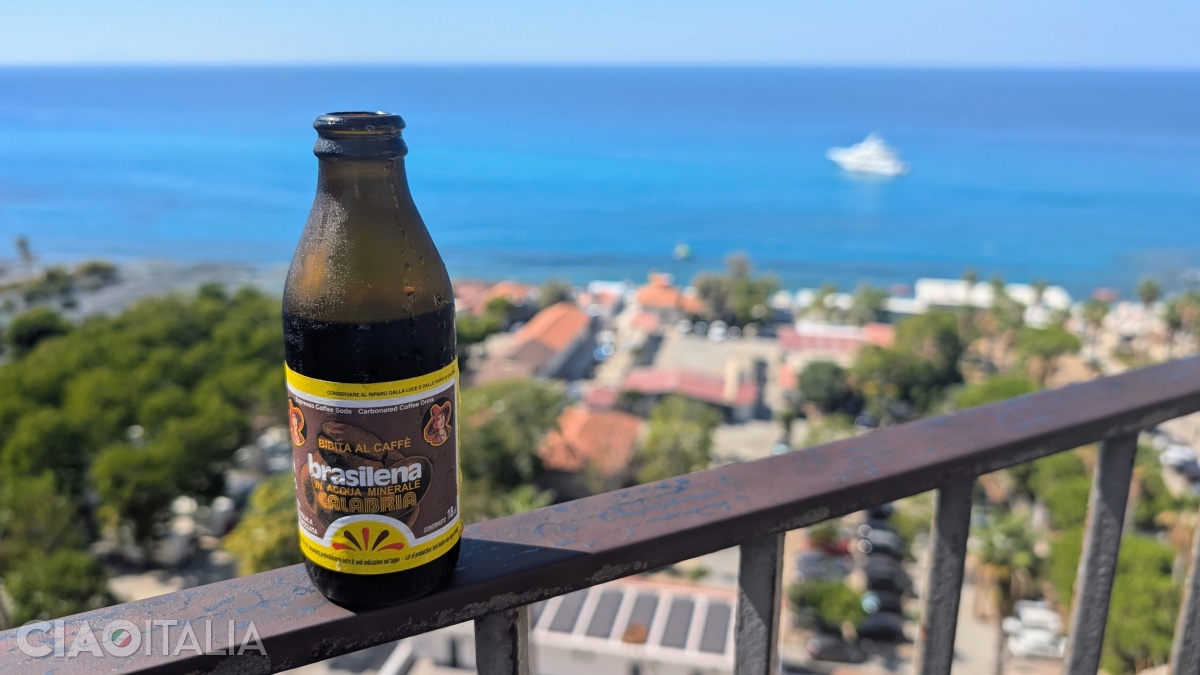
In supermarkets and bars across Calabria, you'll find a soft drink called Brasilena. It's a mix of mineral water, coffee, and (a lot of) sugar, and it's very popular among Calabrians, especially during the summer.
Wines
Growing grapes for wine is an ancient tradition in Calabria, dating back to the first millennium BC. Most of the wines are red, some of them cultivated since the time when the Greeks colonized this area (which they called Enotria - "the Land of Wine"). The legacy of Greek colonization is evident in the names of the grape varieties: Greco (a white wine) and Greco Nero (a red wine).
Other varieties include Gaglioppo, Magliocco, and Nerello Mascalese. Cirò D.O.C. wines, produced in the province of Crotone, are widely found throughout the region.
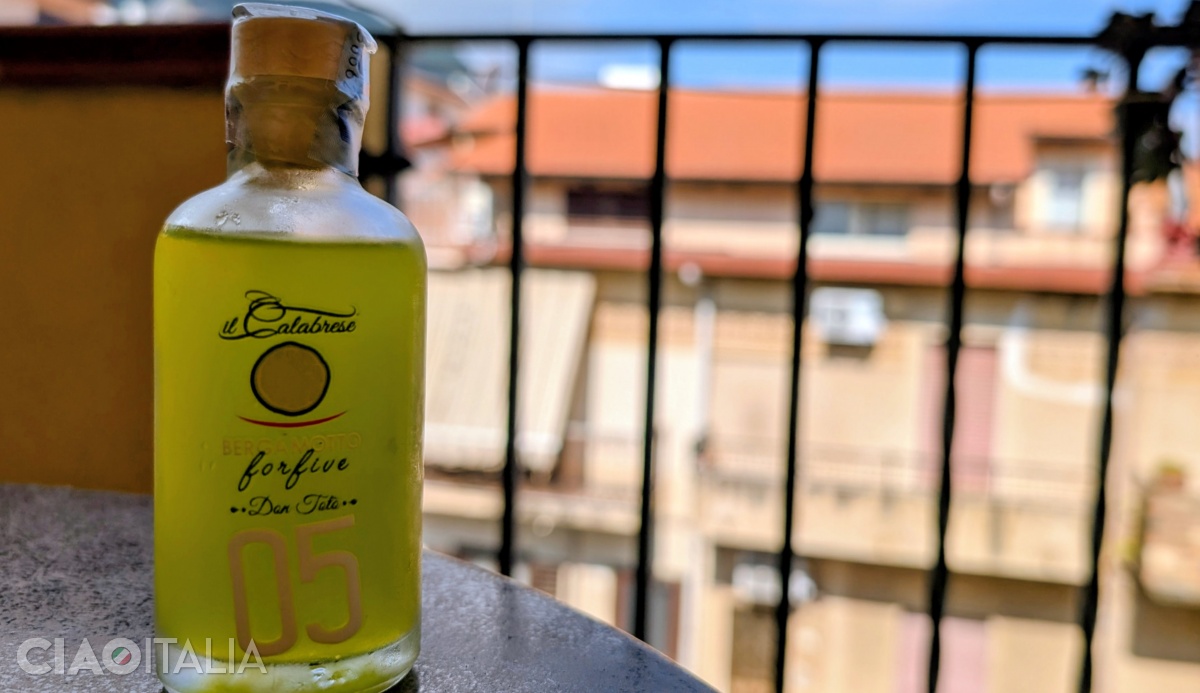
Bergamot Liqueur
The bergamot liqueur is very characteristic, especially in the area around Reggio Calabria, where these highly aromatic citrus fruits are grown.
Licorice Liqueur
Licorice is also used to make a digestive drink by macerating its roots in alcohol.
Other Digestive Drinks
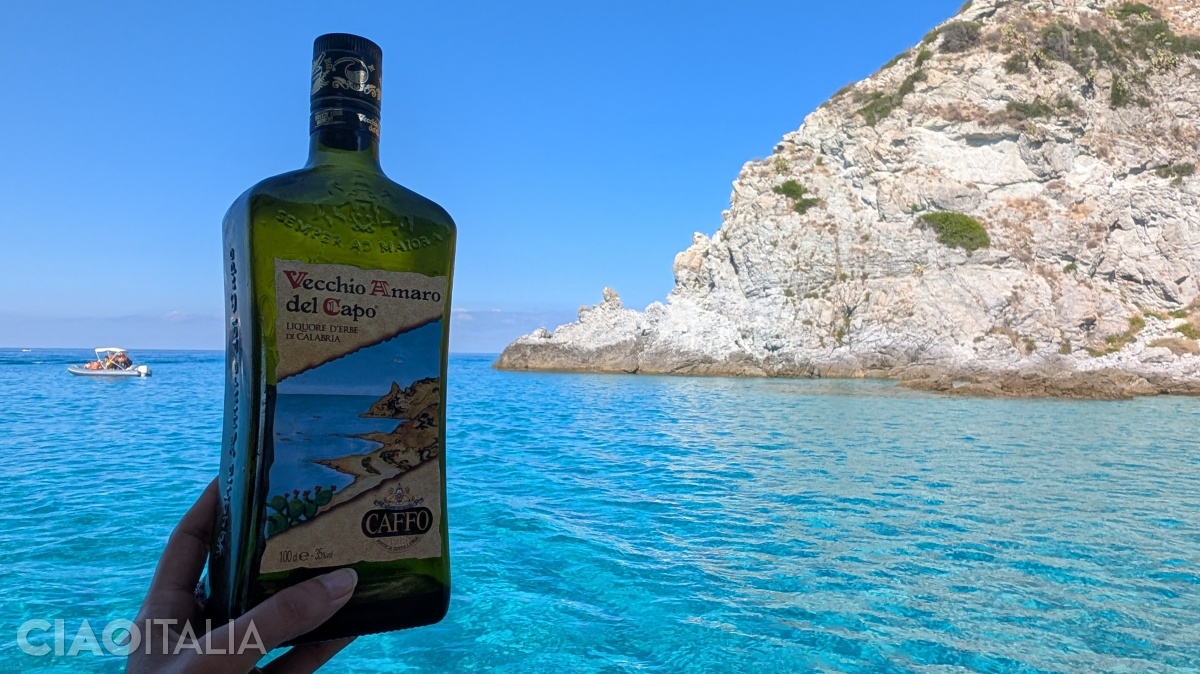
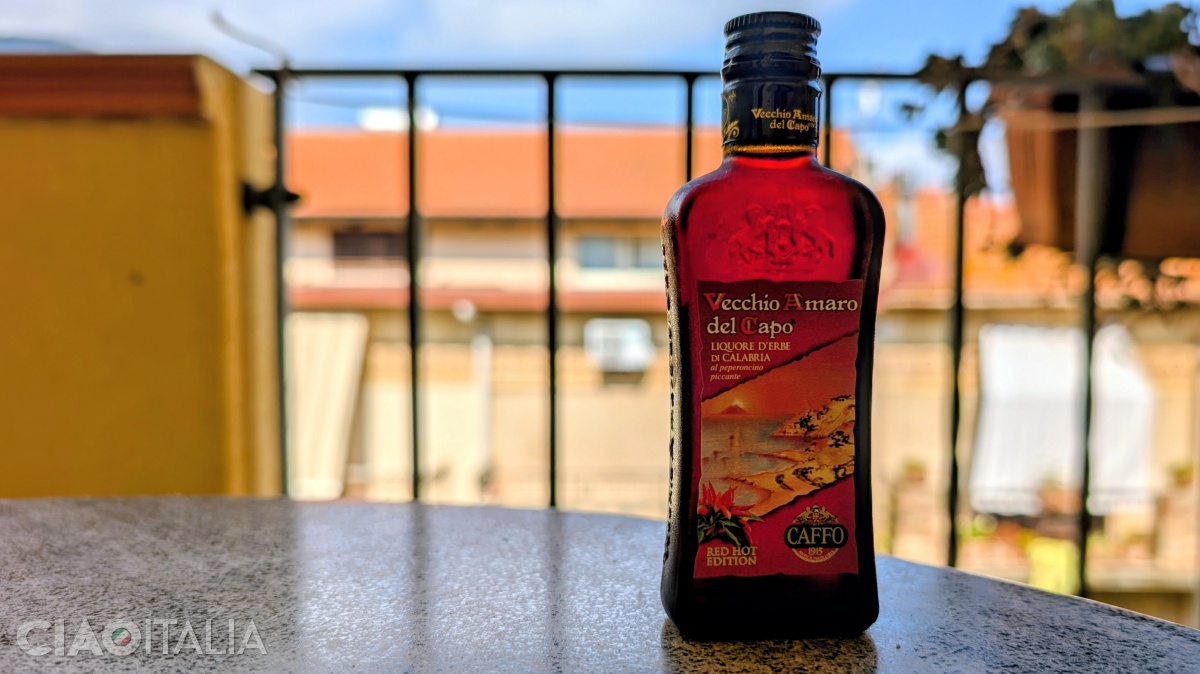
Probably the best-known digestif from Calabria is Vecchio Amaro del Capo, whose label even features an image of Capo Vaticano.
Other digestifs include Amaro Silano, produced since 1864 from a blend of herbs from the Sila National Park area), Amaro di Scilla, which originated at the beginning of the 20th century and was traditionally made for holidays, and Amaro 05, whose recipe is said to have been kept hidden in a cave for five centuries.