What to See in Tropea?
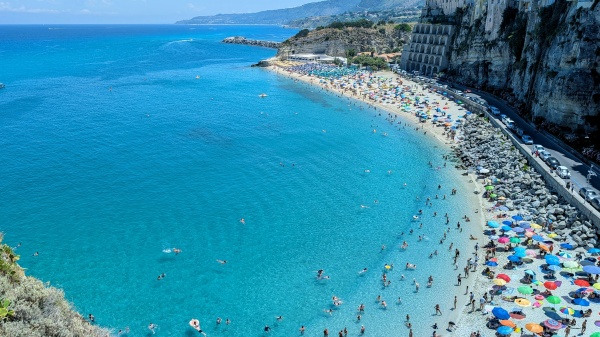
Tropea is one of the most popular holiday destinations in Calabria. Beyond its beautiful beaches with crystal-clear waters, the old town is charming and well worth a visit. In 2021, Tropea won first place in the Borgo dei Borghi competition, a TV contest organized by Rai 3 that awards the most beautiful small towns in Italy - often lesser-known gems.
To visit just the tourist attractions in Tropea, one day would be enough. But it would be a pity... We recommend staying at least five days to fully enjoy the beauty of the Tyrrhenian Sea, the excursions organized in the area, as well as other beaches and tourist attractions in Calabria that are easy to reach. You may also find useful our article with accommodation recommendations in Tropea.
1. The Historic center
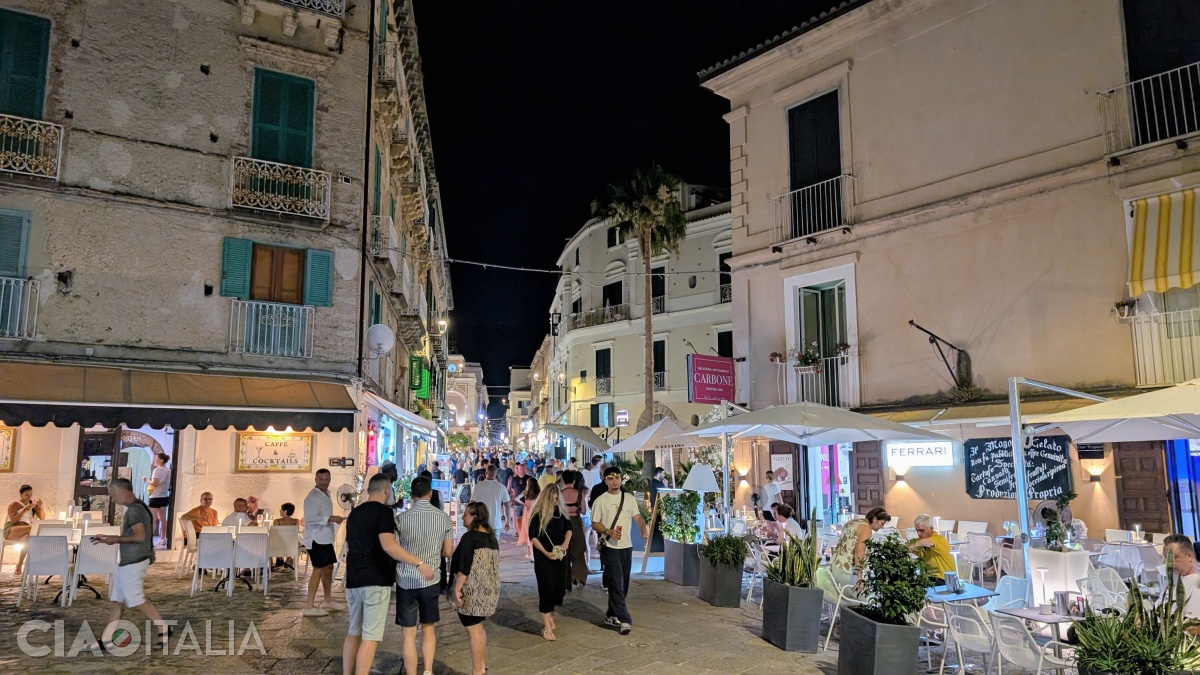
Built on a rocky promontory, Tropea is divided into two parts: at the base are the beaches and the port from which excursions are organized, while the upper part is home to the historic center. We recommend starting your visit with the latter, located at an altitude of about 60 meters. You'll find yourself in a labyrinth of alleys, narrow streets, and small squares, which occasionally open up to reveal the incredible colors of the sea.
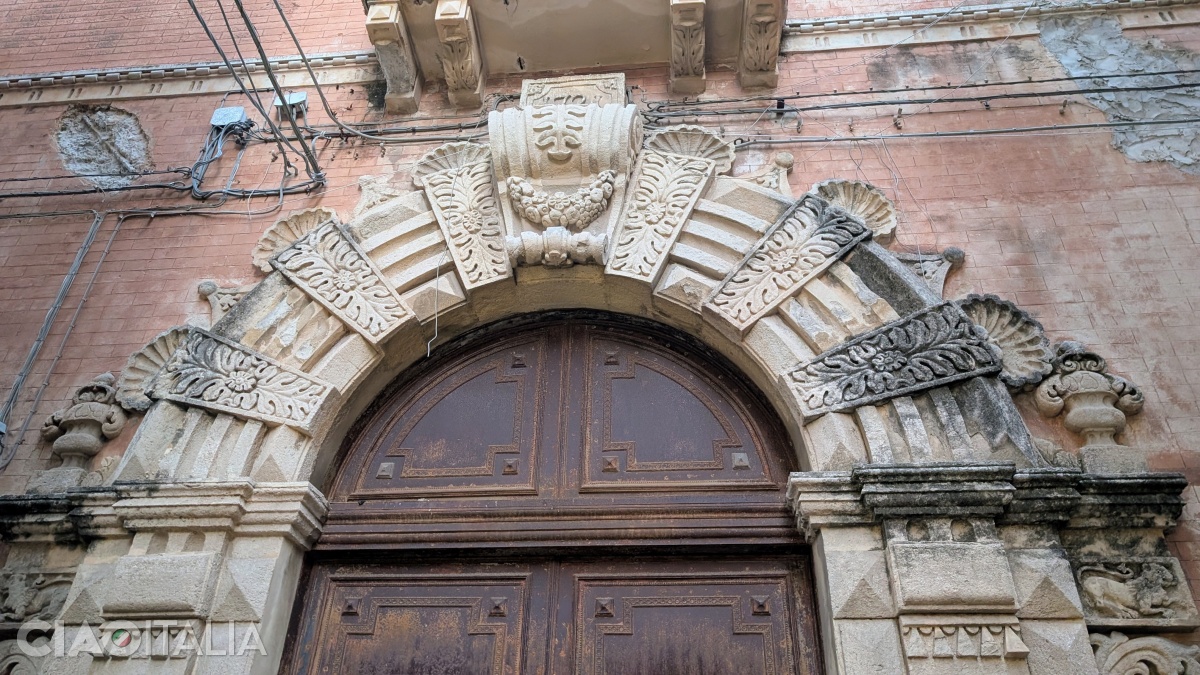
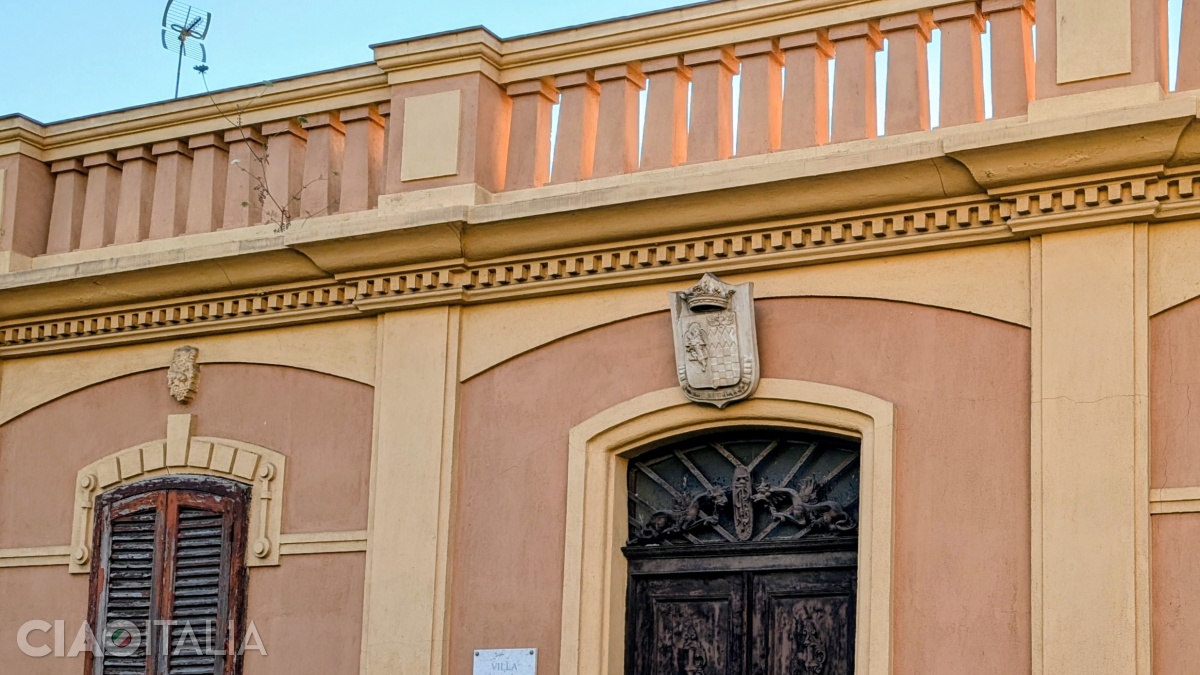
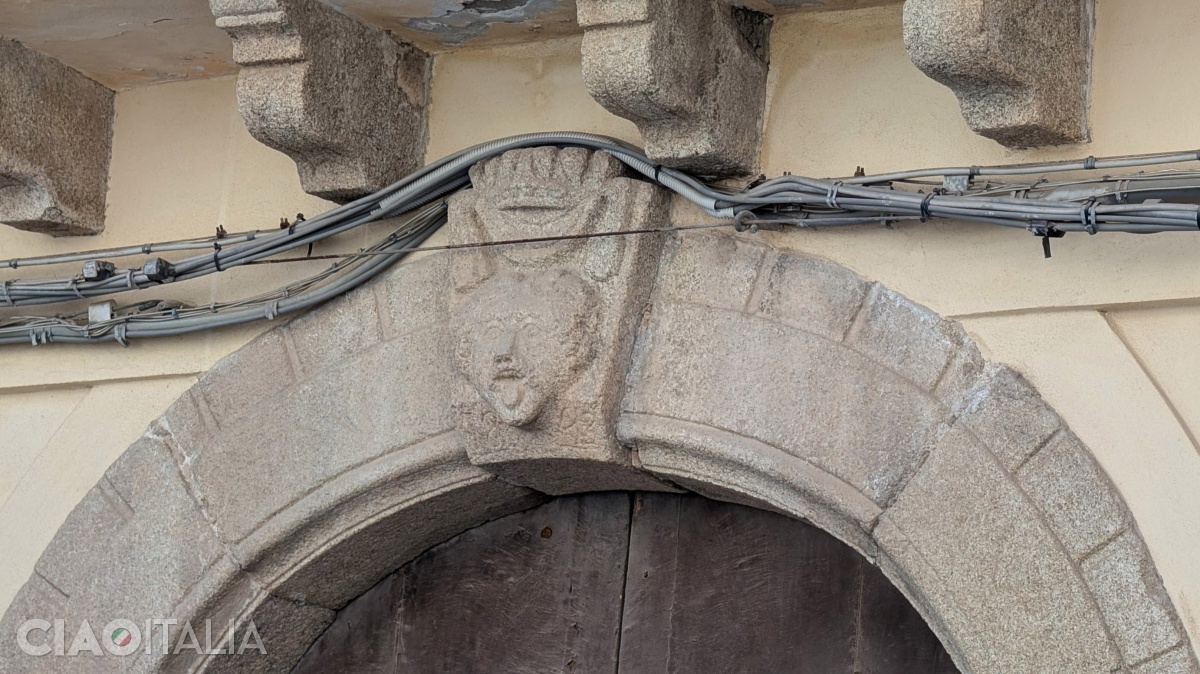
Founded by the Romans, the city experienced a period of artistic flowering under Norman and Aragonese rule. Today, most of the central buildings date back to the 18th and 19th centuries. Many are noble palaces still bearing the coats of arms of the families that once owned them. Their beautifully decorated doorways also stand as a testament to former glory.
The most lavish doorway guards the entrance to Palazzo Braghò on Via Boiano. Carved from granite in 1721, the portal is adorned with intricate shells and floral motifs.
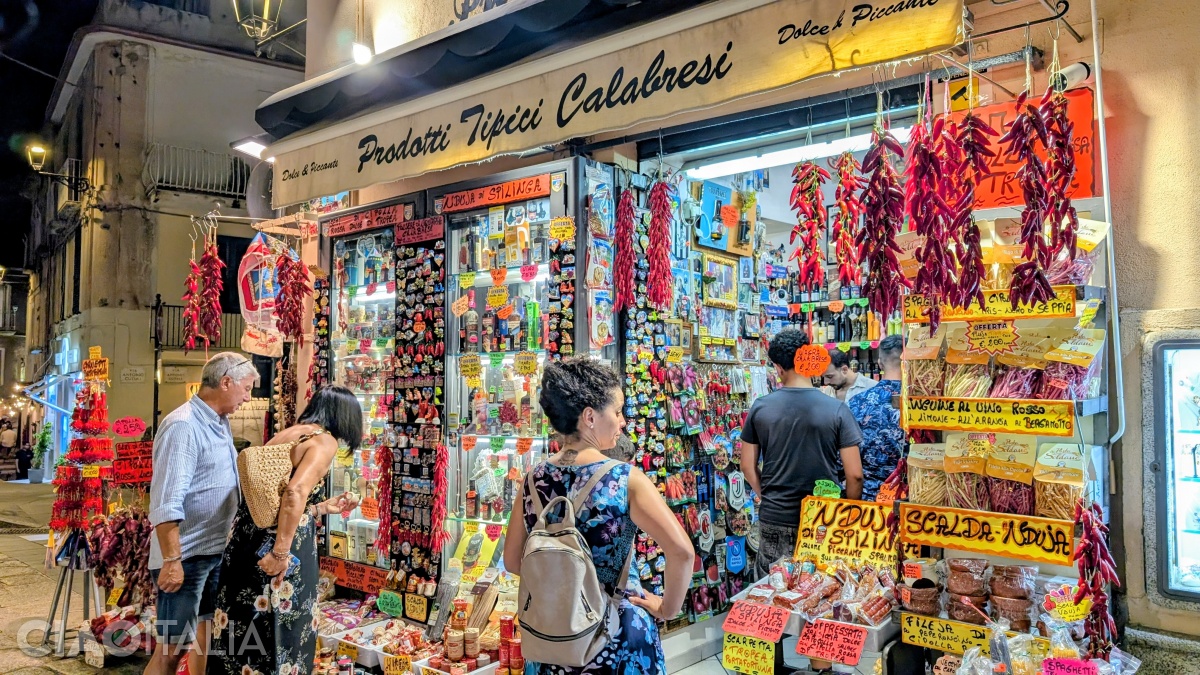
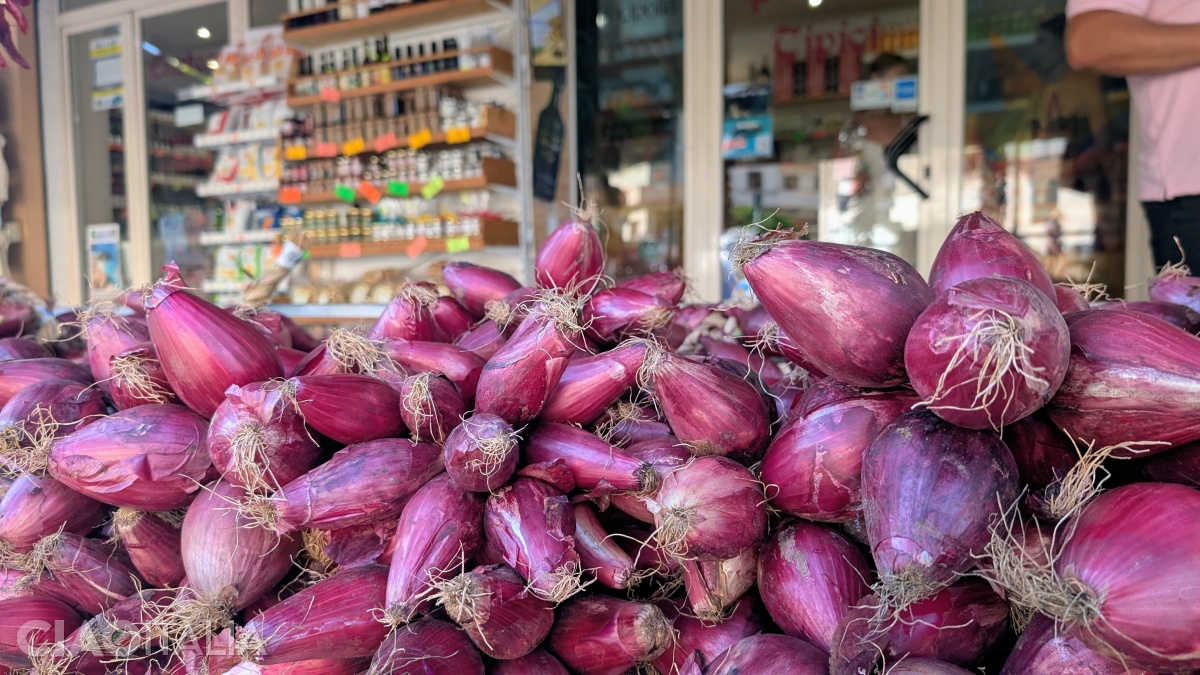
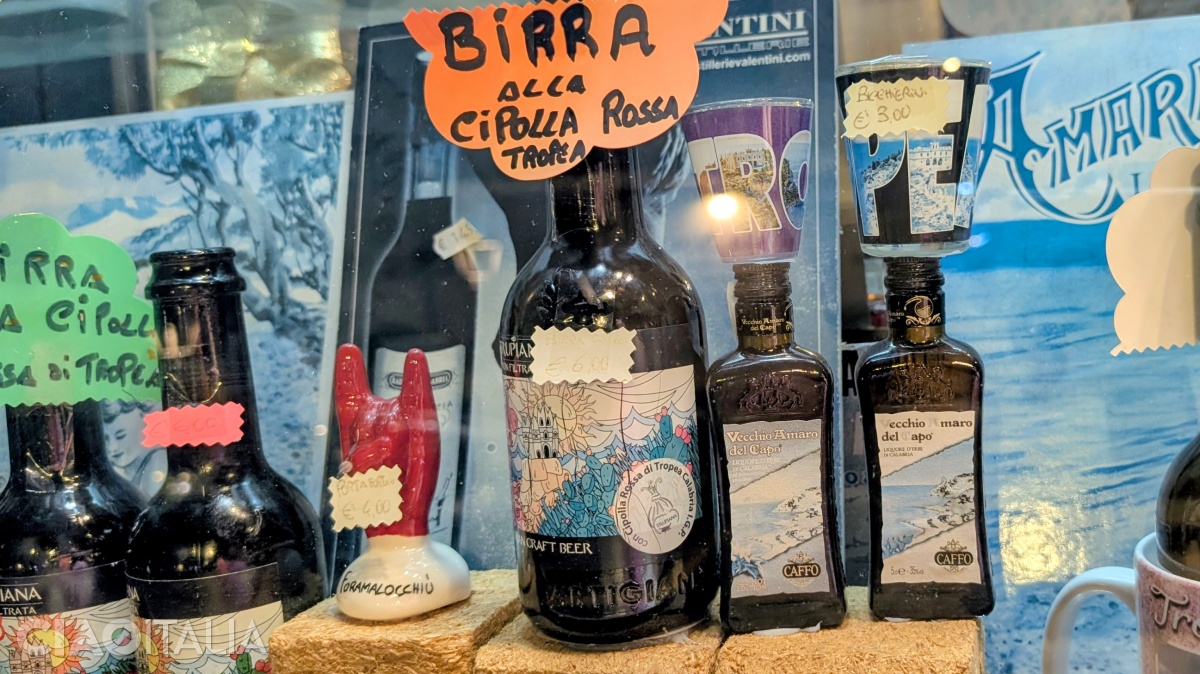
Lively late into the night, the historic center is bursting with terraces, eateries, and souvenir shops selling handicrafts - some more authentic than others. Chili peppers and the famous Tropea red onion take center stage alongside an entire range of onion-infused creations. Among the stranger offerings? Red onion beer and quirky gelato flavors at Gelati Tonino, including - you guessed it - red onion gelato.
As you wander past local souvenir shops, you'll likely spot intriguing masks with strikingly grotesque features. These are apotropaic masks - an ancient Tropea tradition crafted to ward off evil spirits, the evil eye, and disease. Keep an eye out as you explore the old town: you can still see them carved into the historic architecture, guarding doorways and keeping watch from beneath balconies.
2. Viewpoints
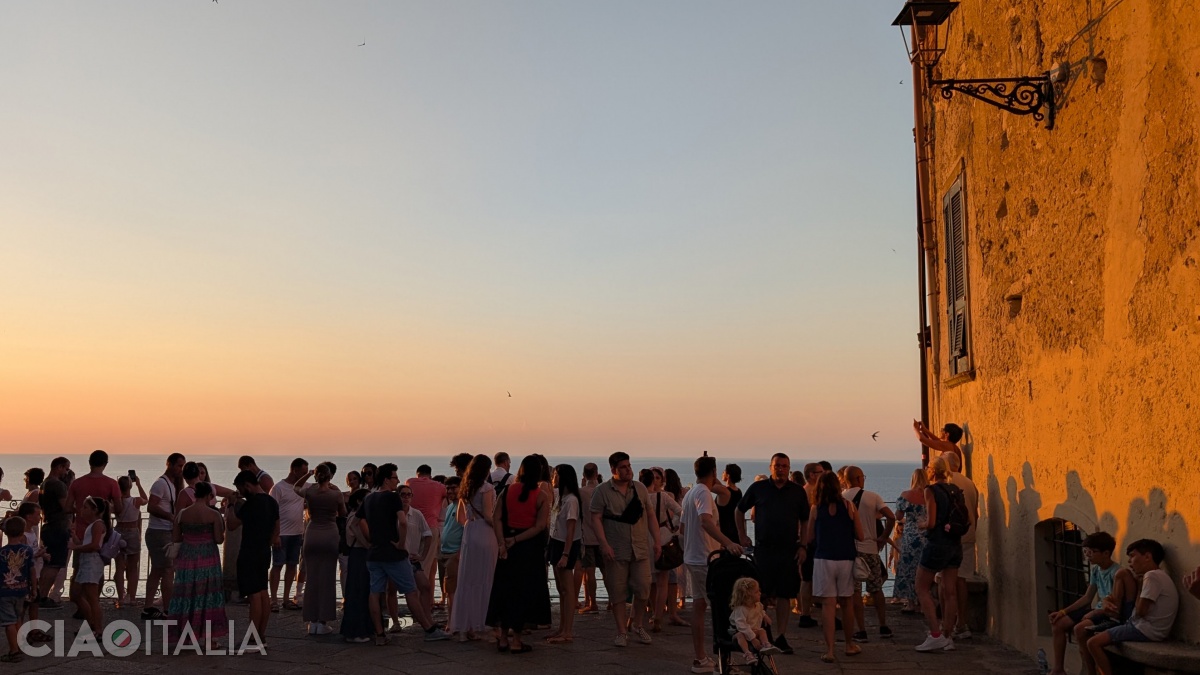
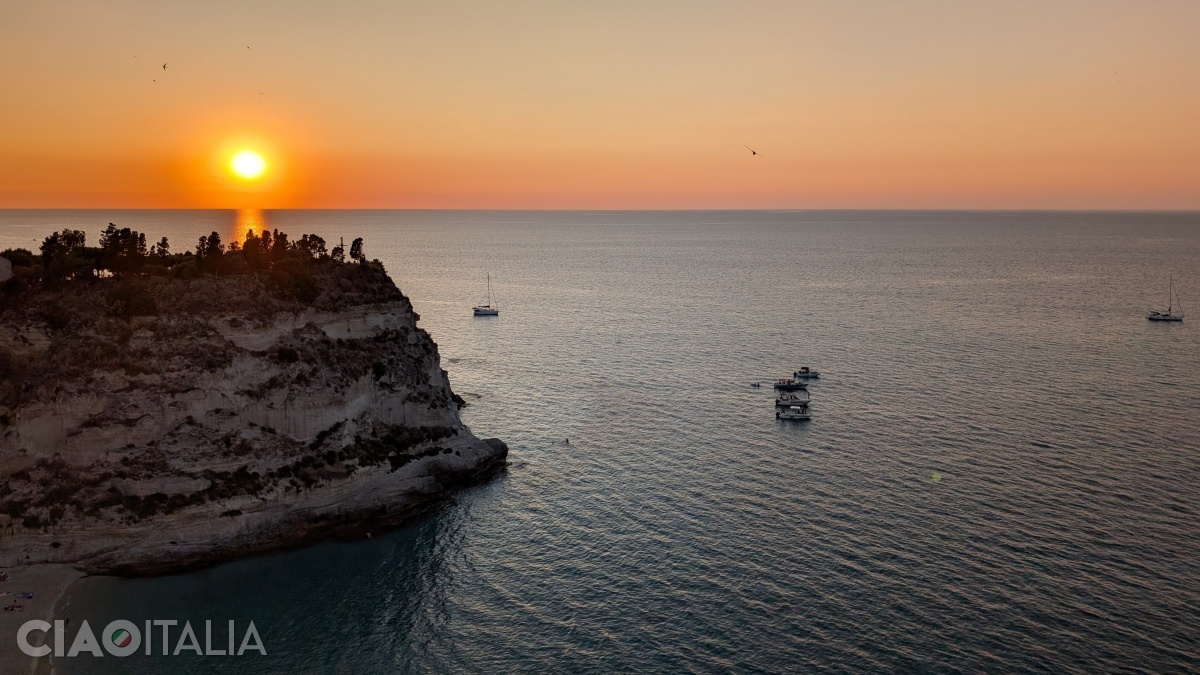
The small squares and spots that offer panoramic views are a real attraction for tourists and fill up with people, especially at sunset.
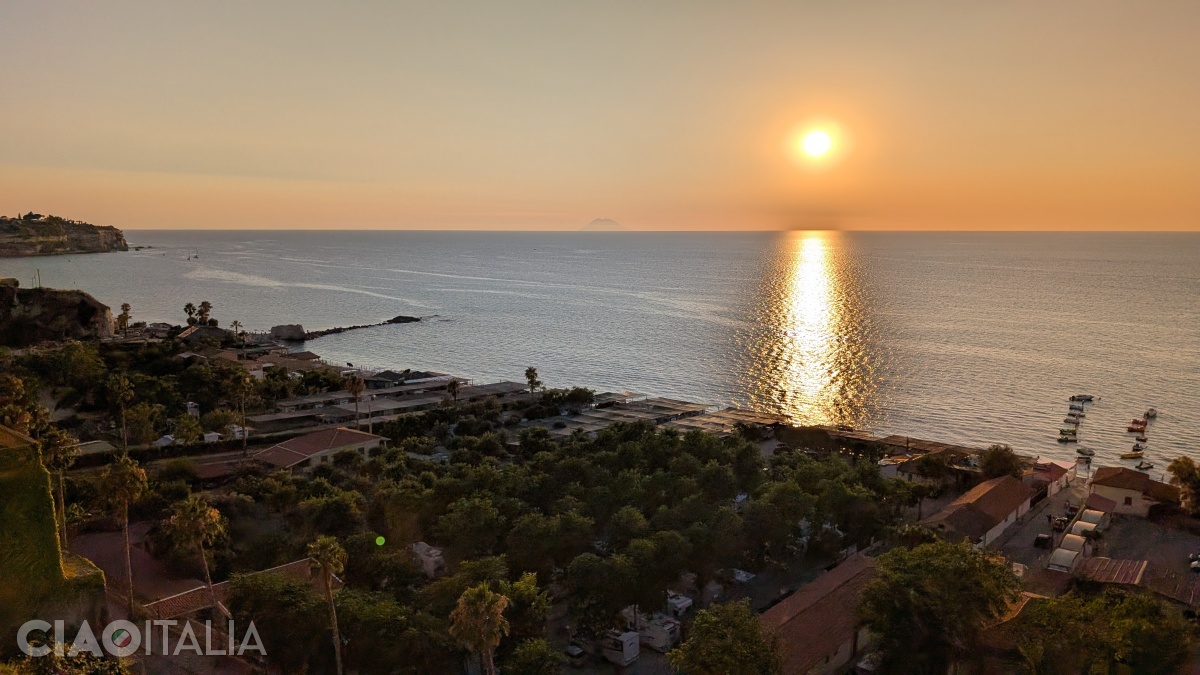
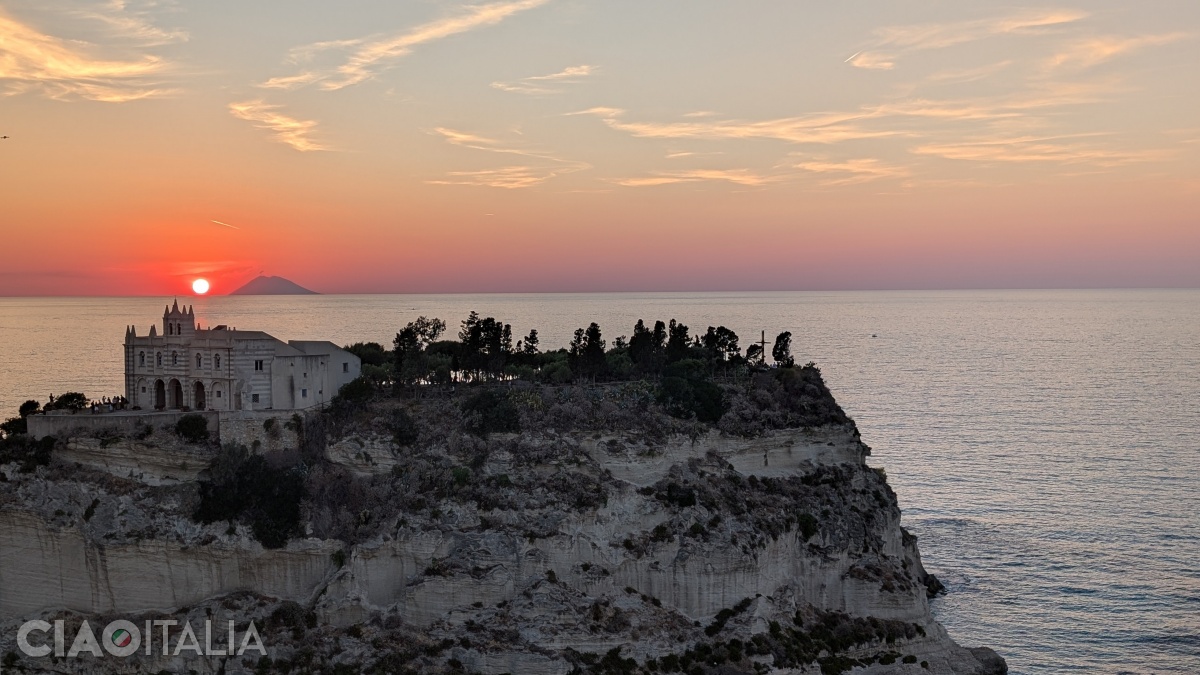
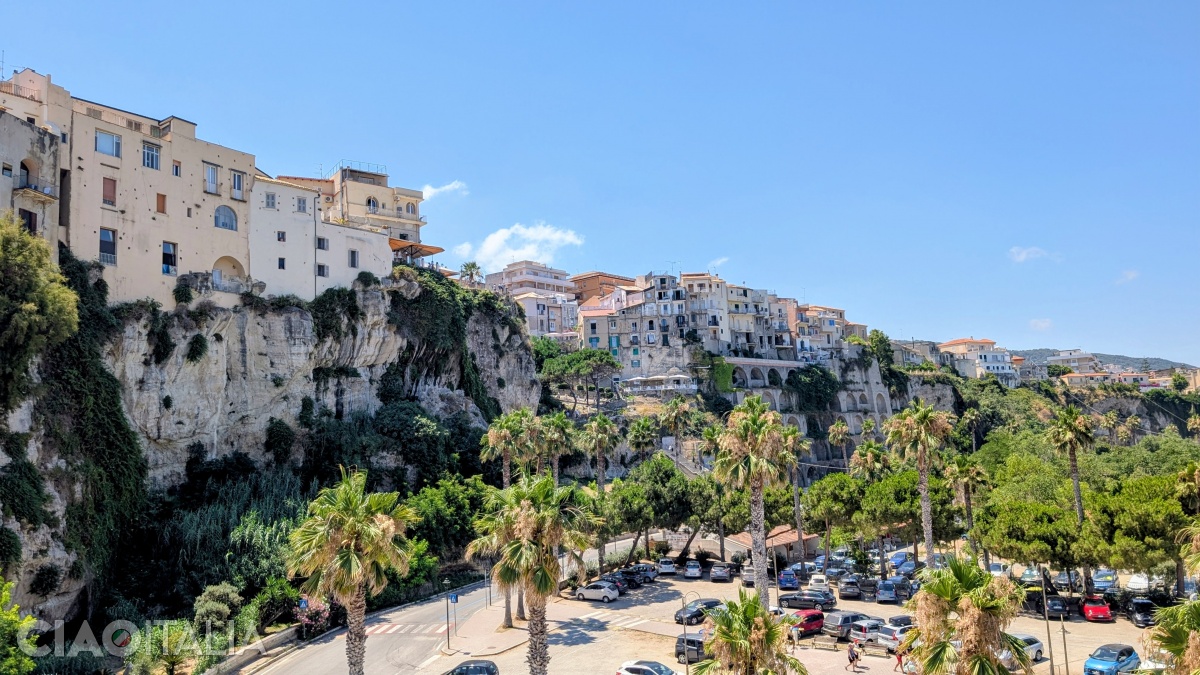
The most famous of these is the Belvedere Piazza del Cannone, from where you can admire how the town was built, as well as the beach area with the Sanctuary of Santa Maria dell'Isola. In the distance, you can glimpse the silhouettes of the Aeolian Islands (we recommend visiting them by booking one of the many organized excursions), with the easiest to recognize being Stromboli Volcano.
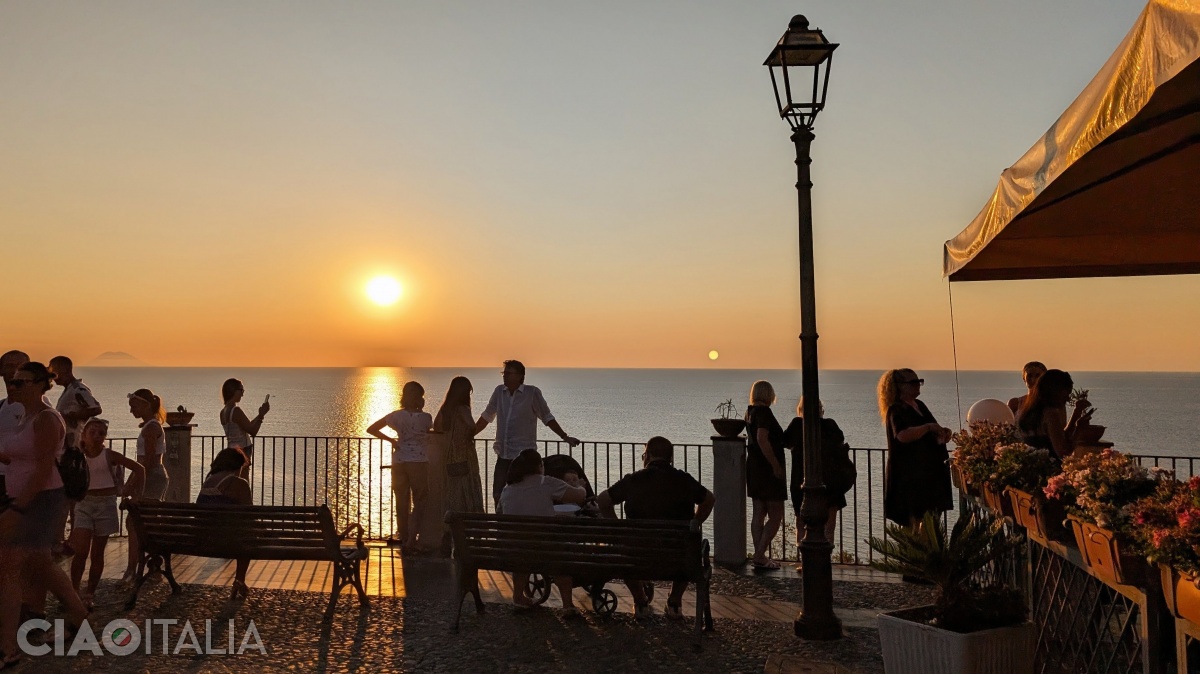
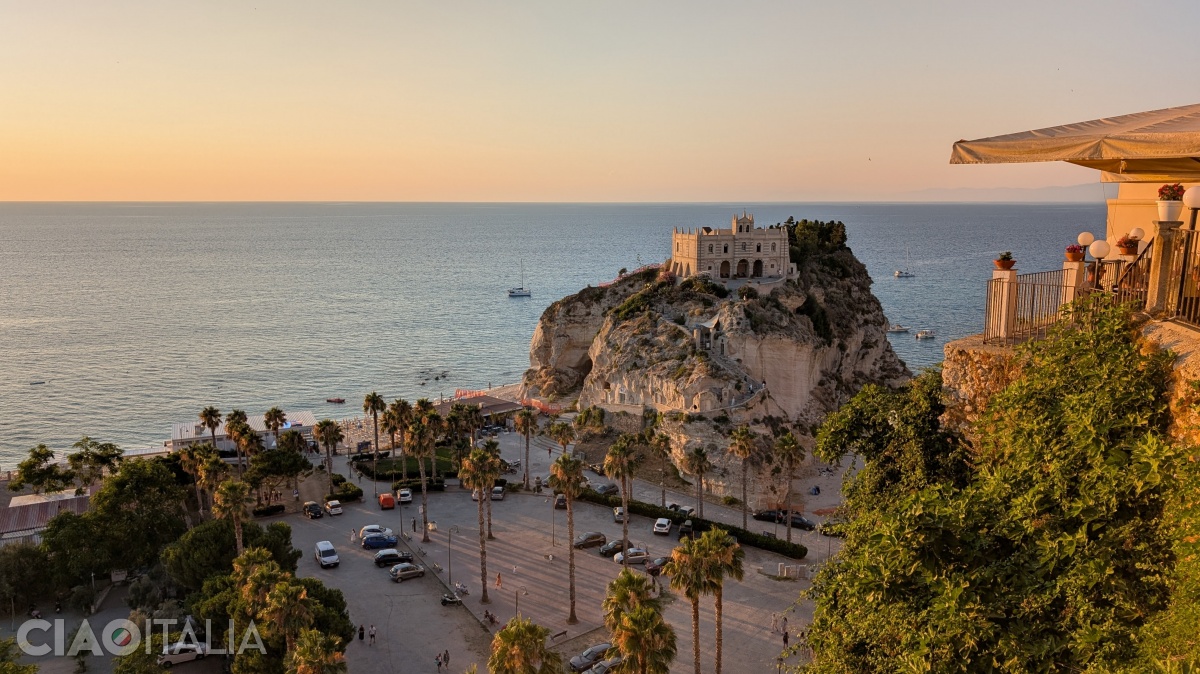
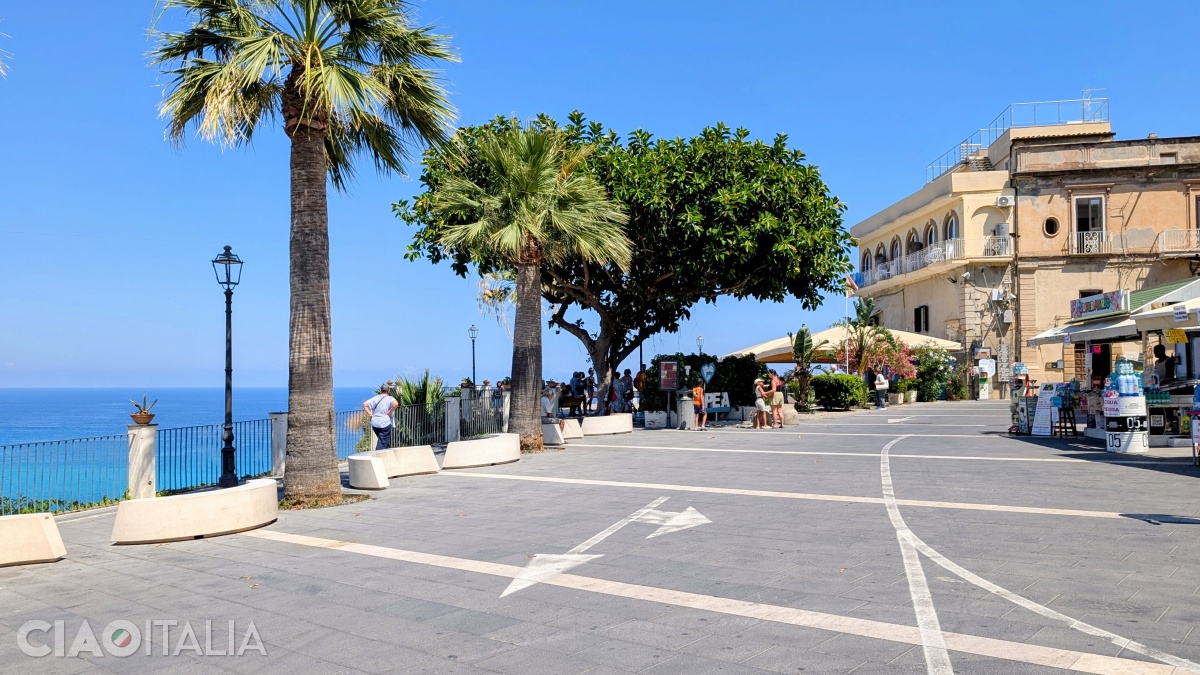
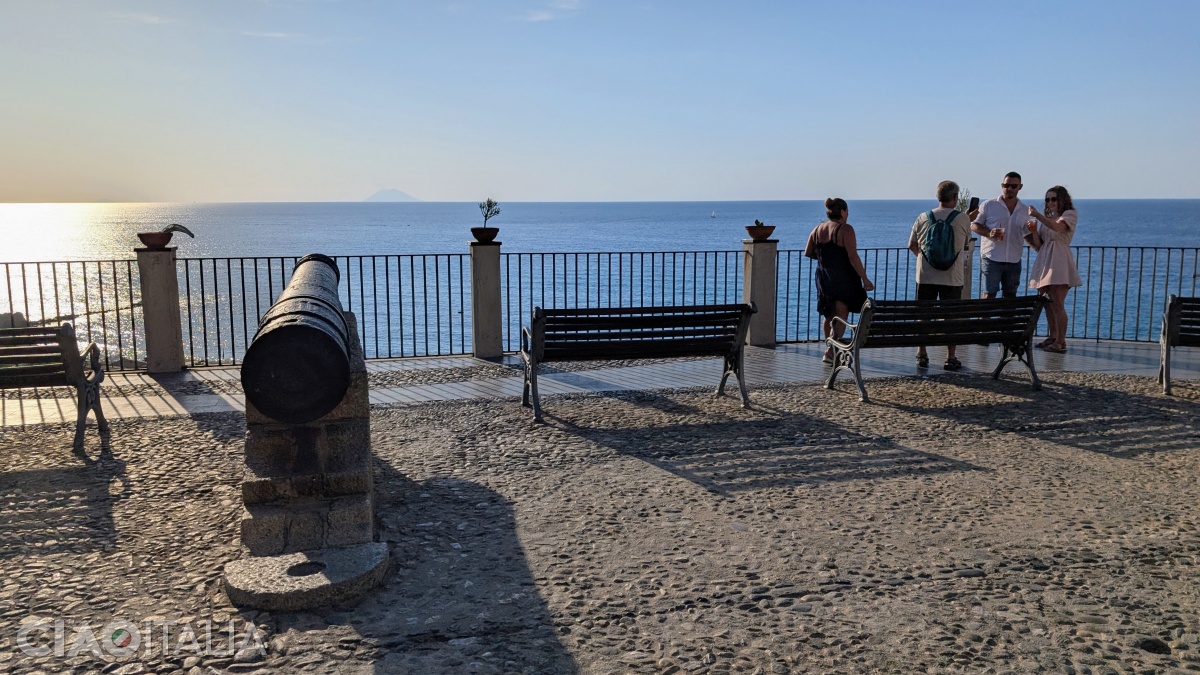
In the square, which takes its name from an old defensive cannon (cannone), you'll find a few benches, a terrace (with prices slightly higher than average), and kiosks selling soft and alcoholic drinks. The tourist train that tours the town also departs from here. A long staircase connects this area to the beaches below.
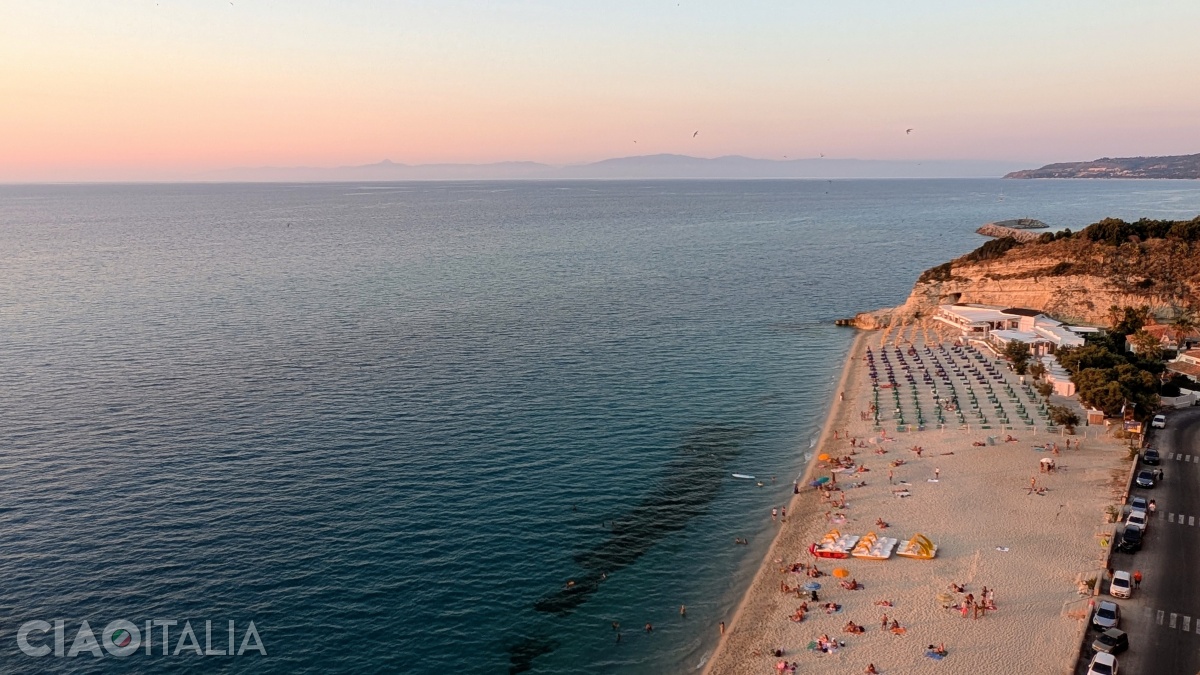
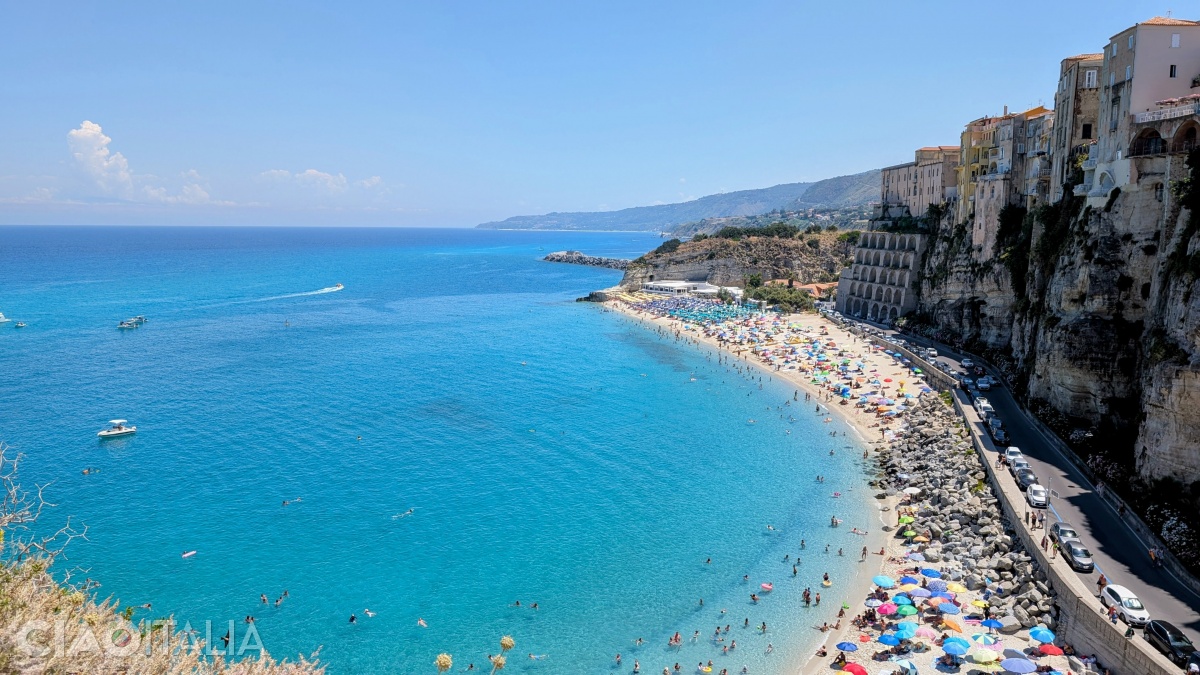
Another beautiful viewpoint is Raf Vallone (also known as Balconata or Affaccio dei Sospiri - "The Belvedere of Sighs"), located at one end of Vittorio Emanuele Street. To the left, you can see the Church of Santa Maria dell'Isola and Mare Piccolo Beach (perhaps the most beautiful beach in Tropea), while to the right lie Rotonda Beach and the San Leonardo rock.
3. Corso Vittorio Emanuele
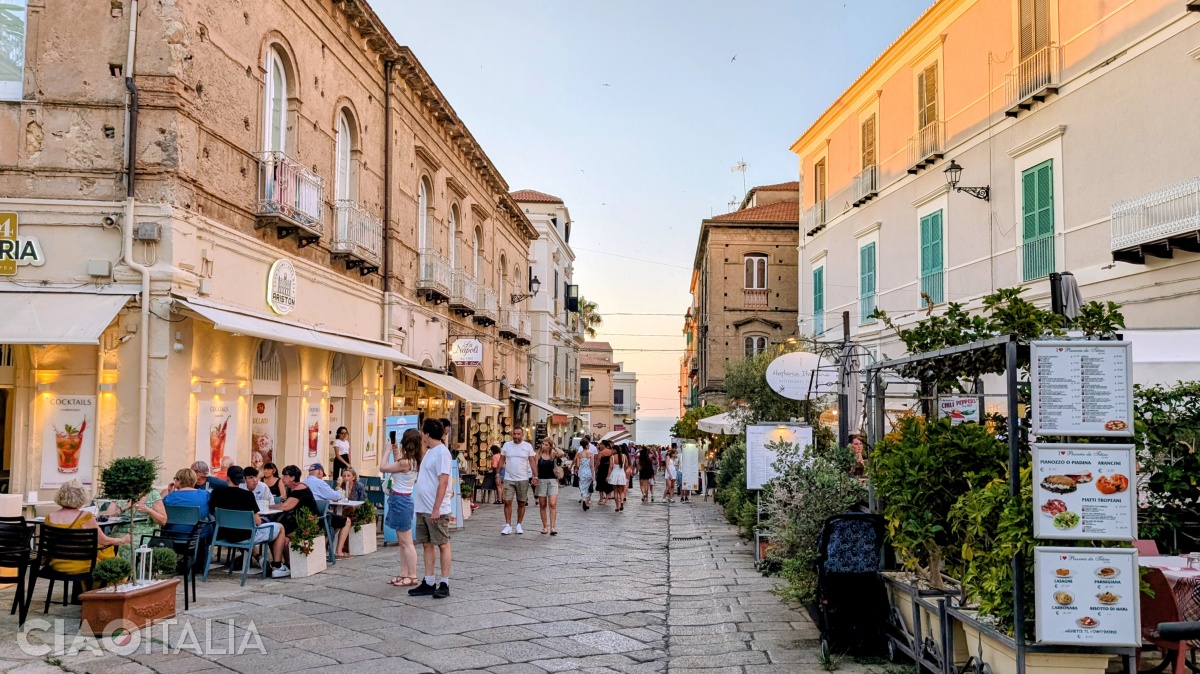
Corso Vittorio Emanuele is the main pedestrian street in the historic center. It is lined with all kinds of shops, restaurants, and gelaterias.
4. Piazza Ercole (Ercole Square)
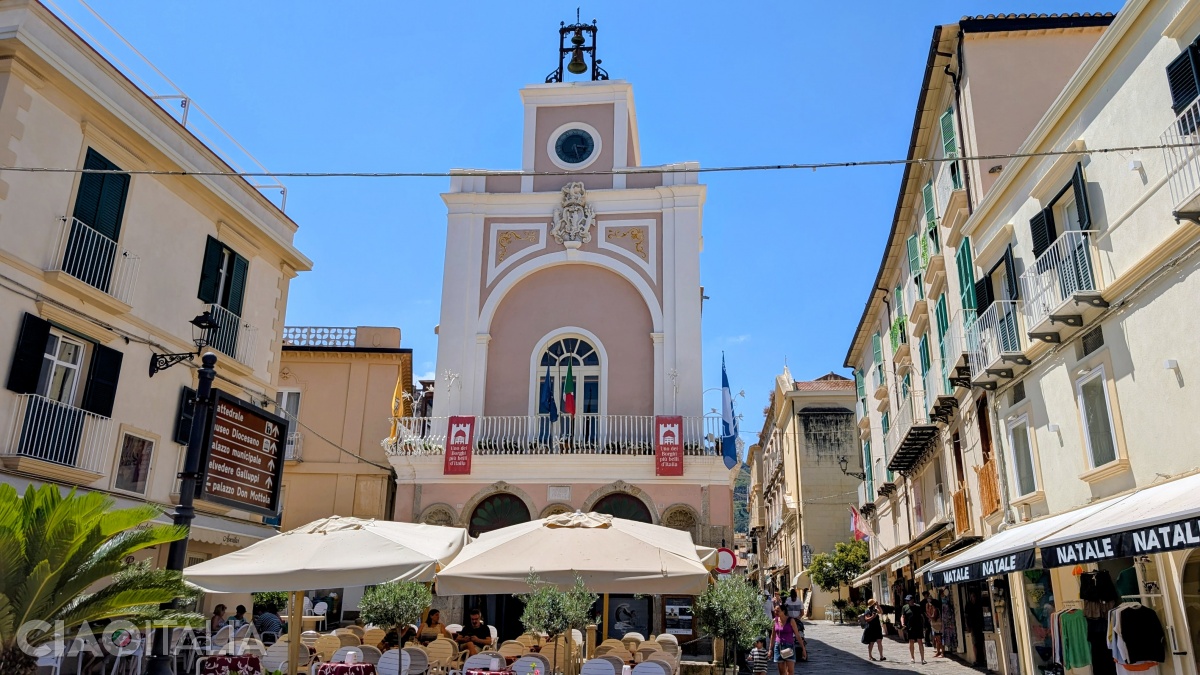
About halfway along Vittorio Emanuele Street lies Piazza Ercole, the most important square in Tropea. It is named after Hercules, the mythical hero who, according to legend, founded the town.
The square is dominated by the Sedile dei Nobili Palace, built at the beginning of the 18th century as the administrative seat of the town's patrician government. Beneath the clock (added in 1892 along with the tower), you can see the old marble coat of arms: a crowned lion, flanked on the left by the Nemean lion and on the right by the Lernaean Hydra - references to two of Hercules' twelve labors. Above them are the Aragonese crown and a phoenix, symbolizing the town's ability to rise again after the various calamities it has endured. The ribbon held in the bird's beak bears the inscription Renovant incendia nidos ("Fires renew the nests").
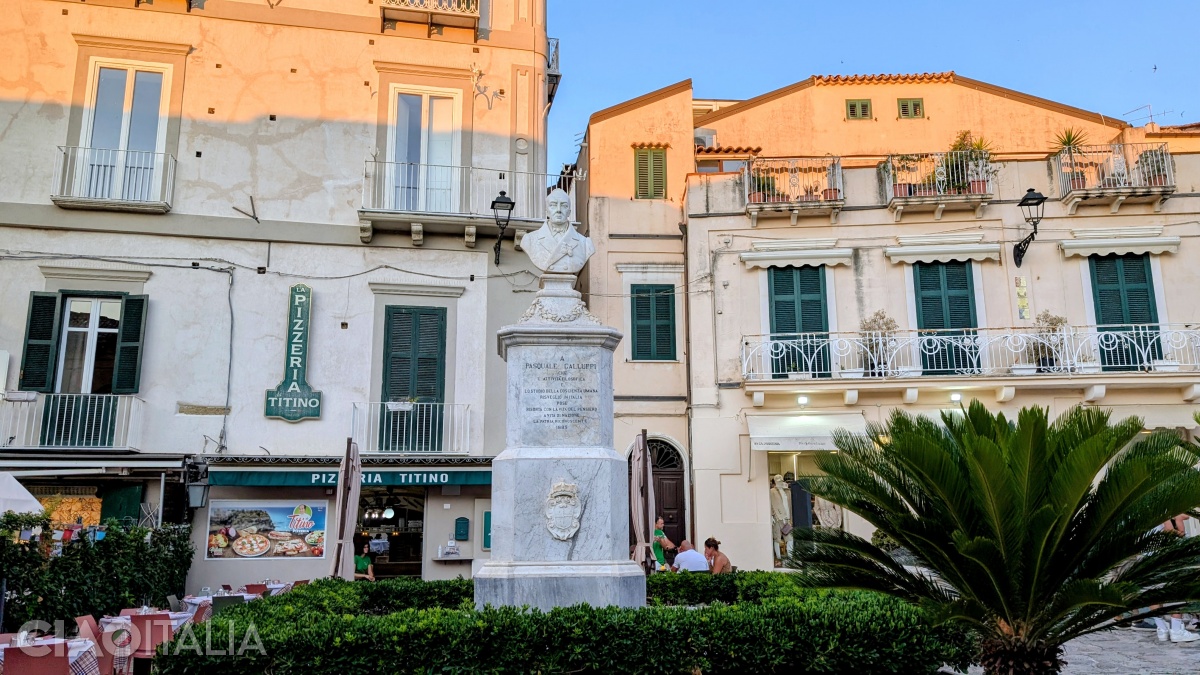
In the middle of the square stands the bust of the philosopher Pasquale Galluppi, who was born in Tropea.
5. The Cathedral of Tropea
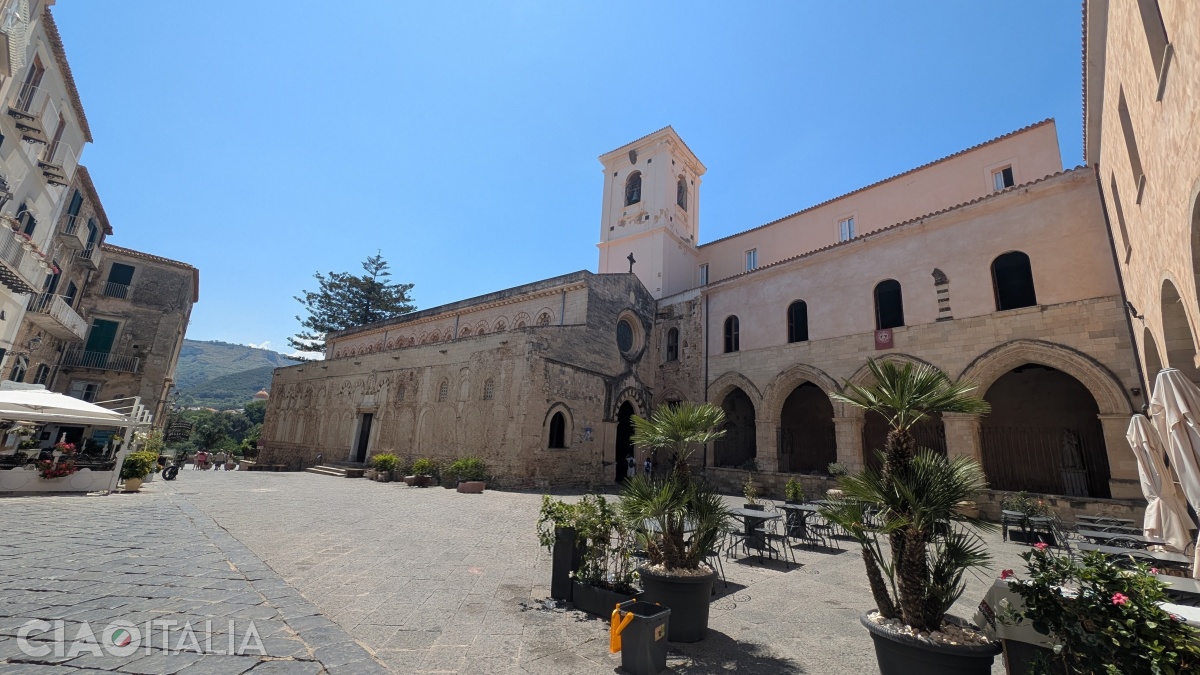
Not far from Piazza Ercole is the Duomo, or Cathedral of Tropea. The church dates to the Norman period, having been built in 1163 on the site of a former Byzantine cemetery. It has been restored several times over the centuries, with its original appearance finally restored between 1926 and 1931.
In the main altar, on the apse wall, there is an icon of the Virgin Mary, to whom the cathedral is dedicated. Its name, Maria Santissima di Romania, will surely raise questions. It is not directly related to Romania but refers to the origin of the icon from the Byzantine Empire (here, Romania refers to the Eastern Roman Empire).
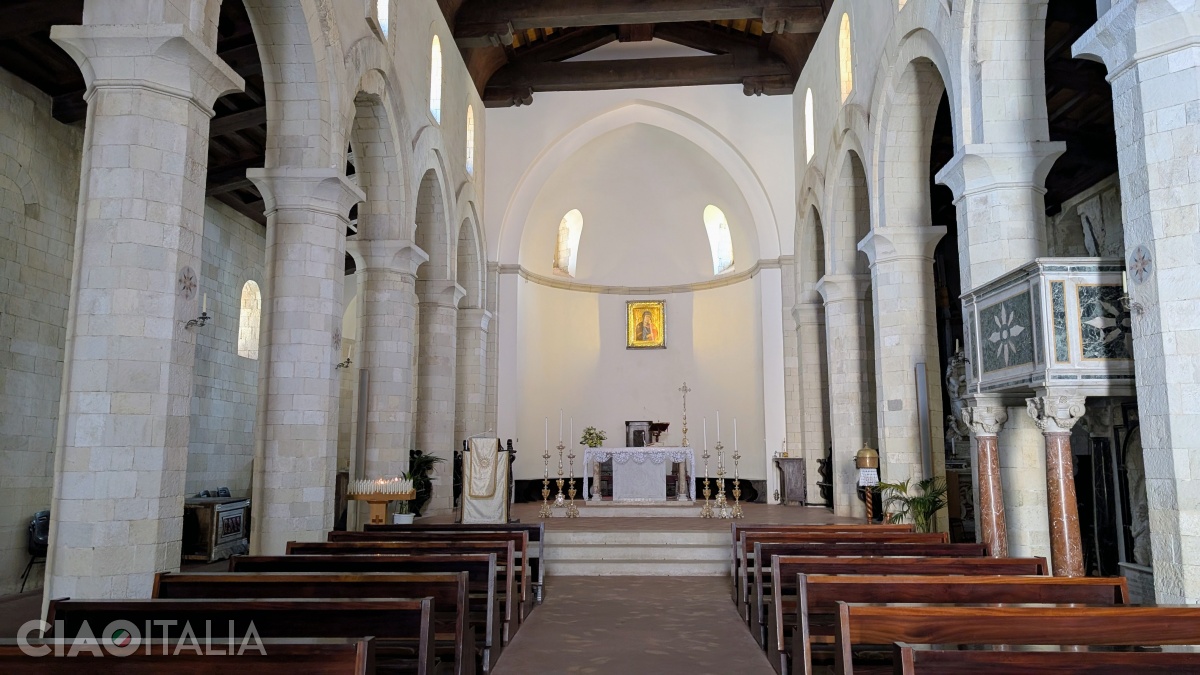
Considered miraculous, the icon is the patron protector of the town - numerous local legends recount how it repeatedly saved Tropea from various disasters. Two major festivals are held in its honor each year: on March 27th, commemorating the moment in 1638 when the Virgin Mary shielded the town from a devastating earthquake, and on September 9th, celebrating its protection against Allied bombings during World War II. During these celebrations, solemn religious processions take place, drawing large crowds of both local authorities and residents. Inside the cathedral, two of the six bombs that failed to detonate in 1943 are kept on display as a vivid reminder of the Virgin's divine protection.
The veneration of the Madonna di Romania is so deeply rooted in the local culture that many women in Tropea are named Romania in her honor.
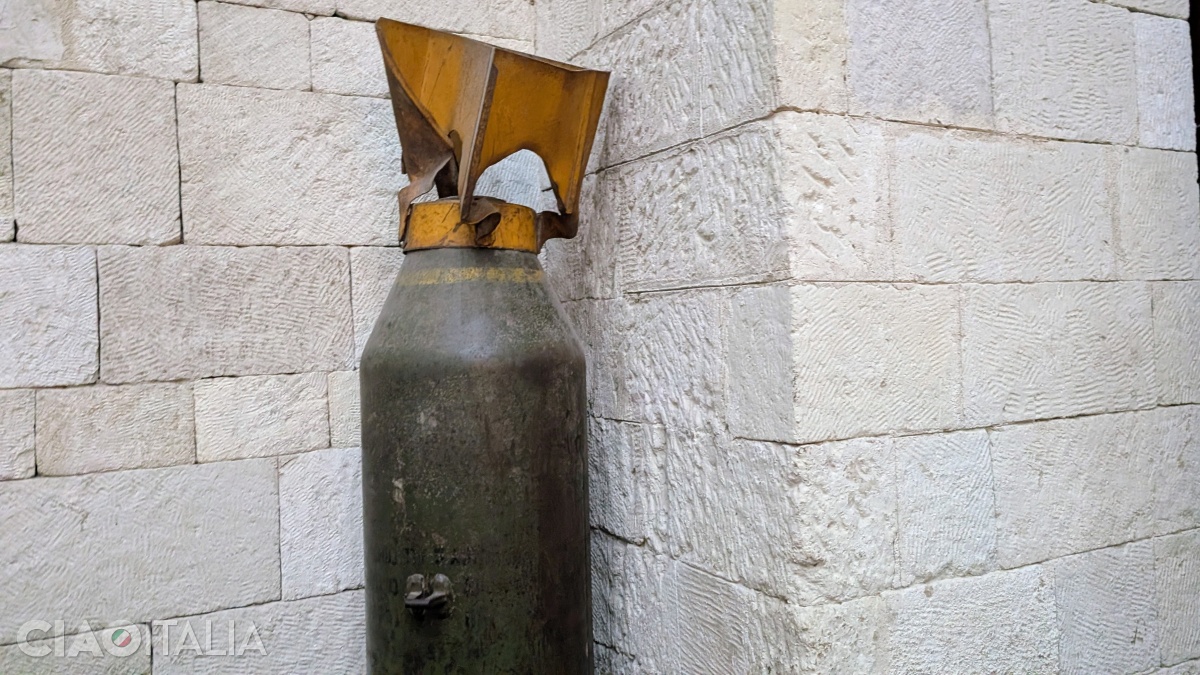
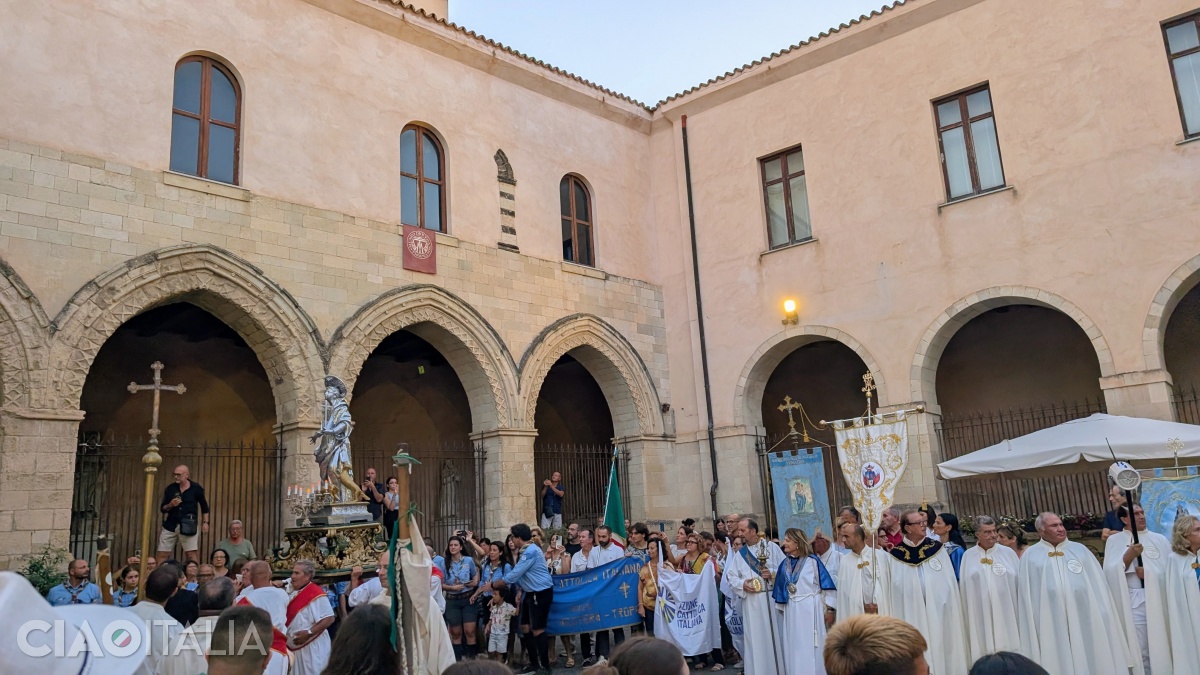
Legend has it that the icon of the Virgin Mary arrived in Tropea by sea around the 8th century, during the iconoclastic period. At that time, a ship supposedly became stranded off the coast and could not move until it delivered the miraculous image to the bishop.
In fact, the icon was painted around the mid-14th century on cedar wood and has undergone several modifications over time - from changing its shape from round to rectangular to the addition of four small angels on the sides.
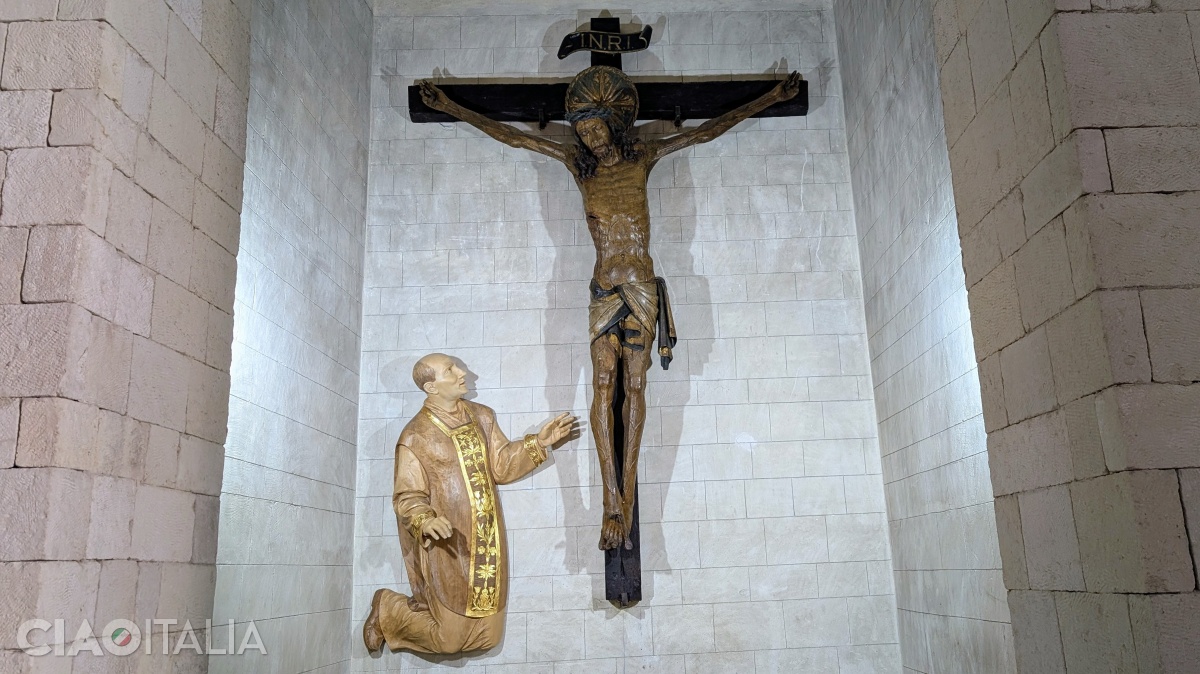
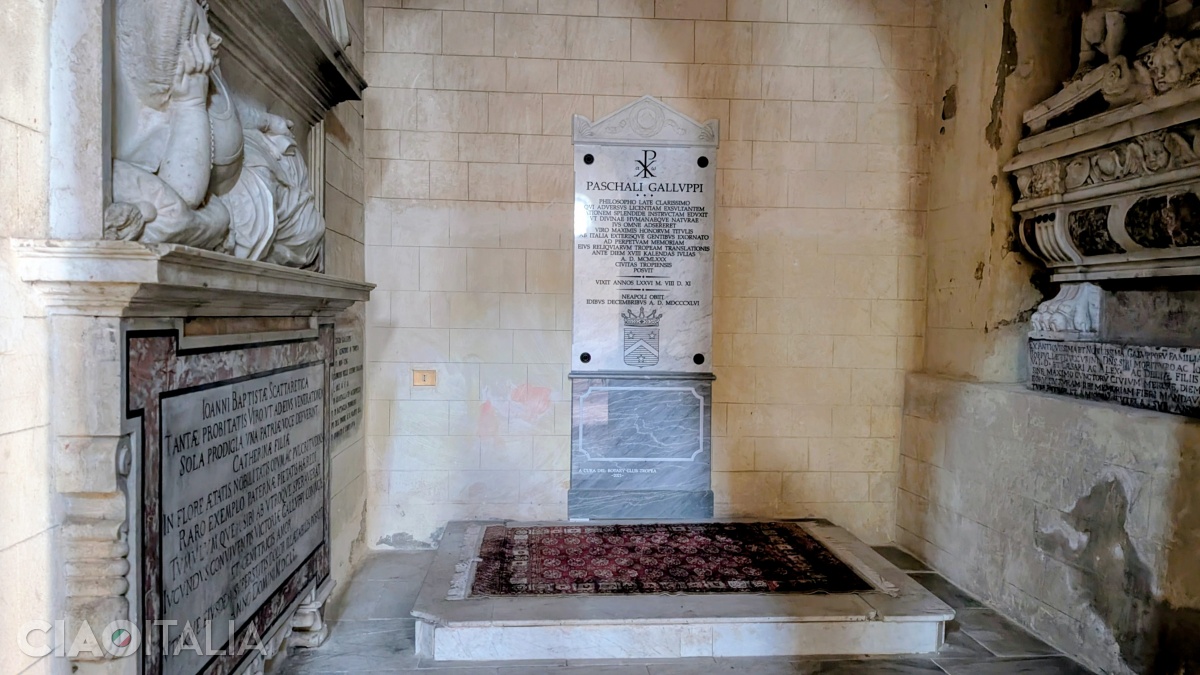
Inside the cathedral, there are also several works worth noting: the 18th-century pulpit, the Madonna del Popolo statue from the 16th century, the Madonna della Libertà statue, sculpted in the 17th century from Carrara marble, and a large 15th-century wooden crucifix. In one of the chapels is the tomb of the philosopher Pasquale Galluppi.
Title
Opening Hours:
- 10:00 AM - 1:00 PM, 5:30 PM - 8:00 PM
Ticket Prices:
- free
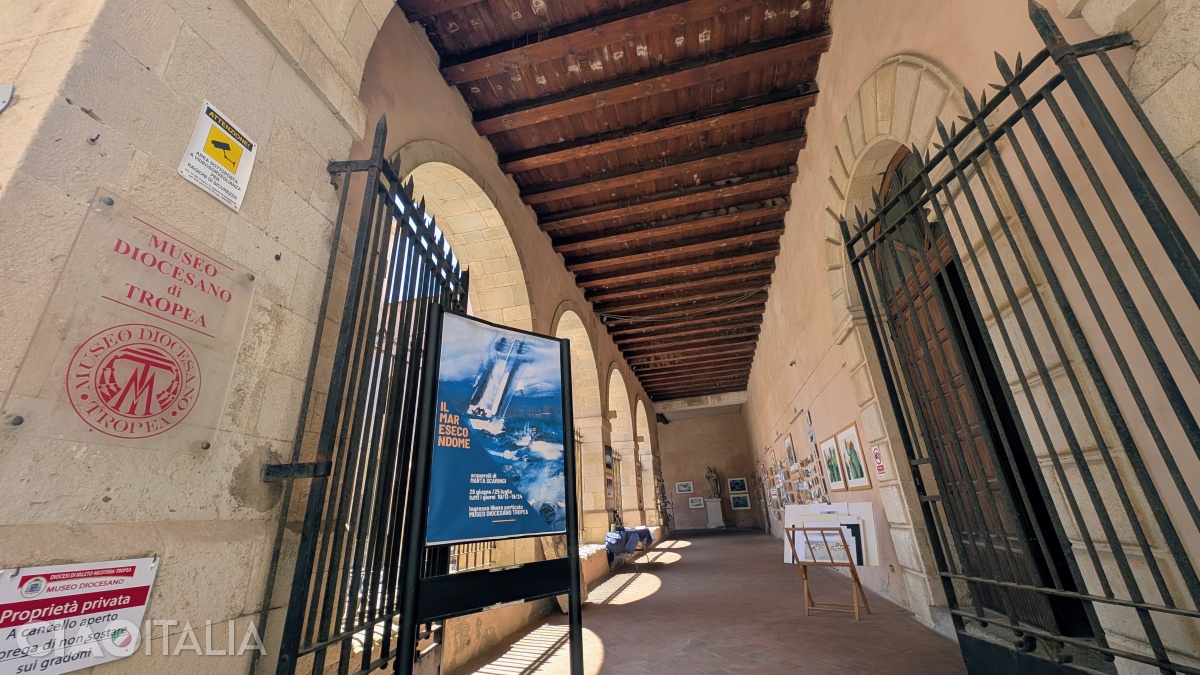
Next to the cathedral, in the Episcopal Palace, is the Diocesan Museum, which houses a collection of manuscripts, icons, and religious artifacts. The museum is currently closed for restoration, but you can enter the portico with marble statues, where various exhibitions are held, free of charge.
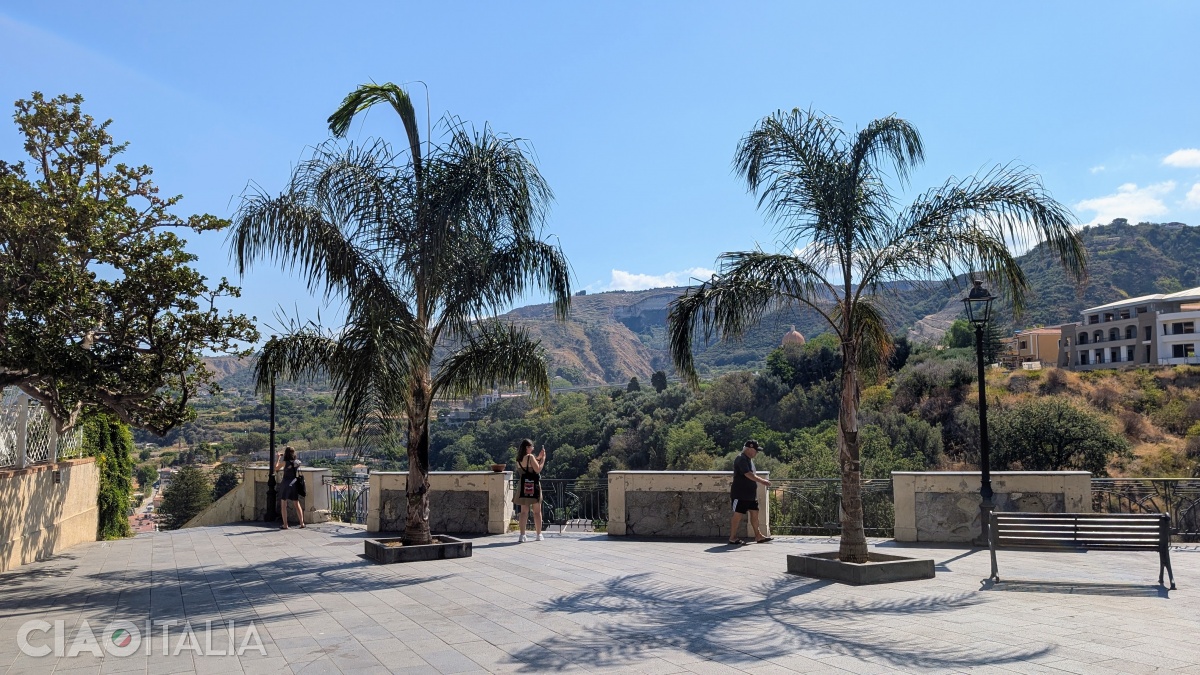
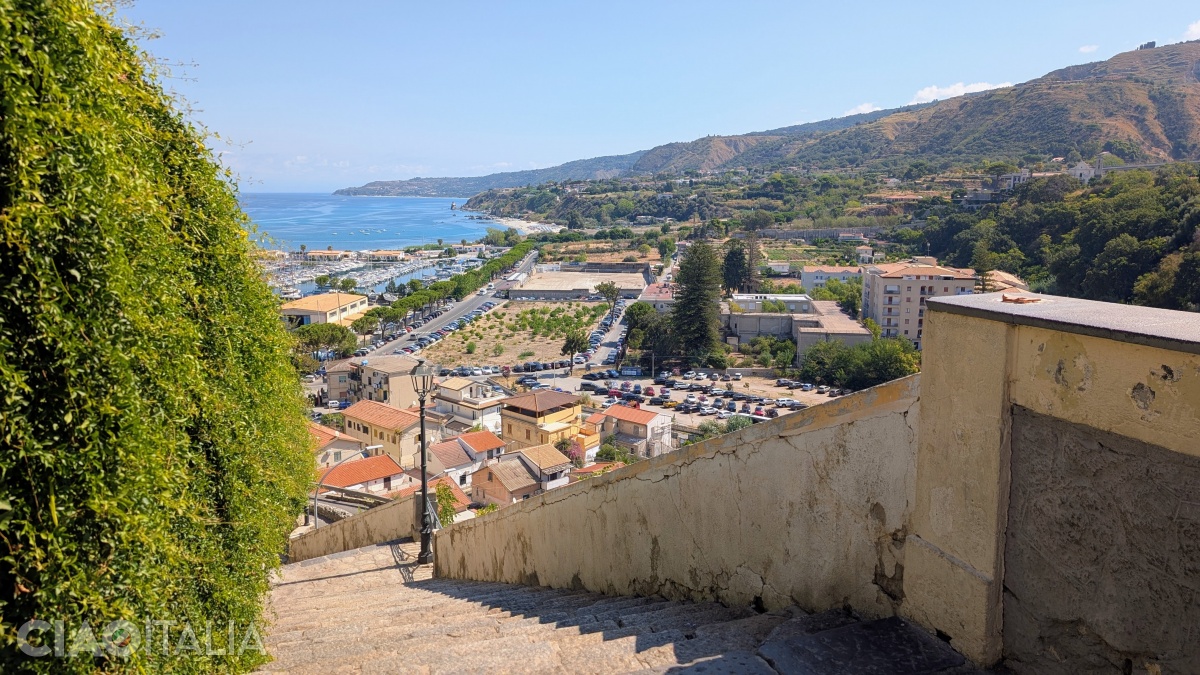
Right next to the church, you'll find a terrace with a panoramic view of the harbor and the town of Parghelia, along with a staircase leading directly down to the beach.
6. Sanctuary of Santa Maria dell'Isola
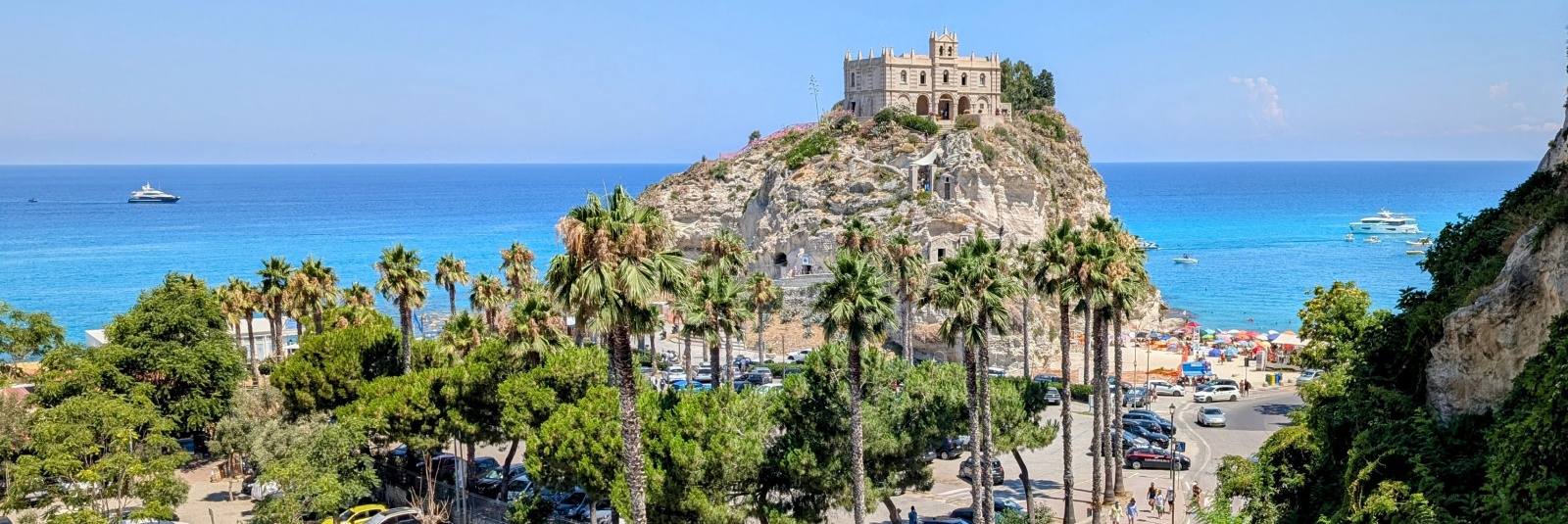
The Church of Santa Maria dell'Isola (Chiesa di Santa Maria dell'Isola), also called Chiesa dell'Isola Bella, is the symbol of the town and the most famous tourist attraction in Tropea, appearing in virtually all postcards and photographs. To reach it, be prepared to climb about a hundred steps carved into the rock in the 19th century and remember to dress properly!
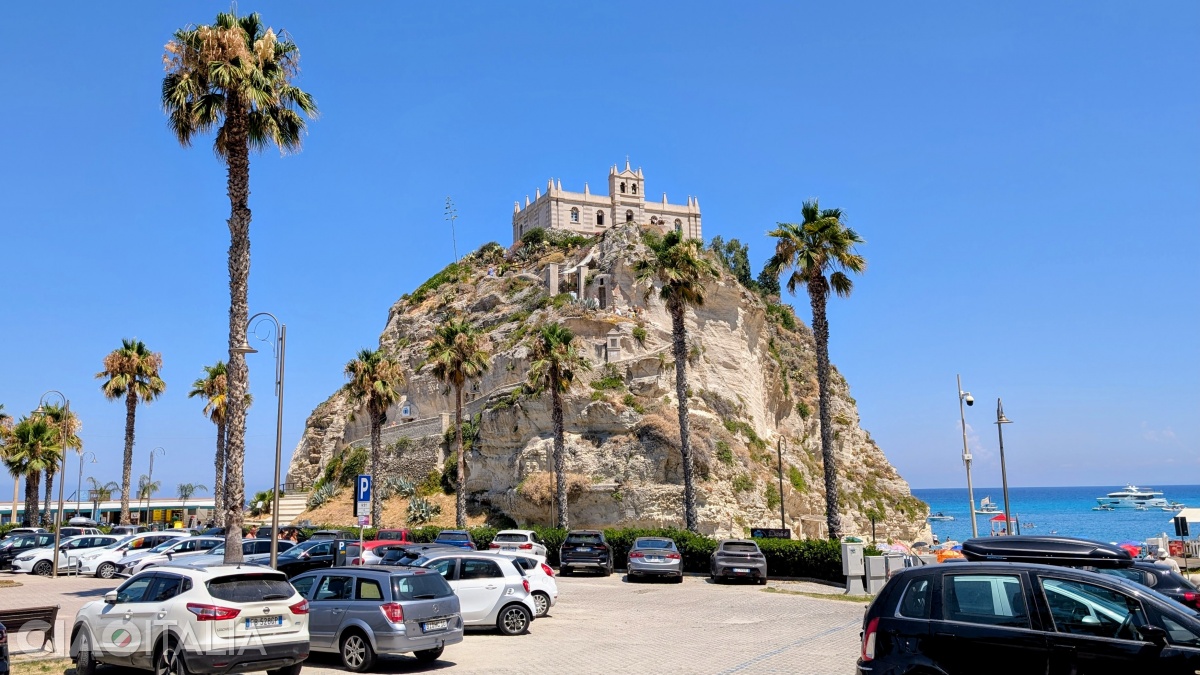
Santa Maria dell'Isola translates as "Saint Mary of the Island". In the past, the piece of land on which the church stands was an island. It was joined to the mainland following changes after the earthquake of 1783, but the memory of the island remains in its name.
The origins of the church are not very clear - it seems to have been founded by Basilian monks (of the Eastern rite) in the 9th century. It appears in documents from 1066, when it transitioned from the Byzantine rite to the Catholic rite, coming under the care of Benedictine monks.
A legend tells of a wooden statue of the Virgin Mary, now lost, that was found on the beach. People wanted to shelter it in a rock grotto, but the statue proved too large to fit. The bishop and the mayor then decided to cut off its legs, which led to the sudden death of both men and the paralysis of the carpenter. In the following days, the statue of the Virgin began performing miracles, healing the sick.
The Church of Santa Maria dell'Isola has been rebuilt several times over the years, acquiring its current appearance after the earthquake of 1905, when the façade was restored. Inside, a few older parts can still be seen.
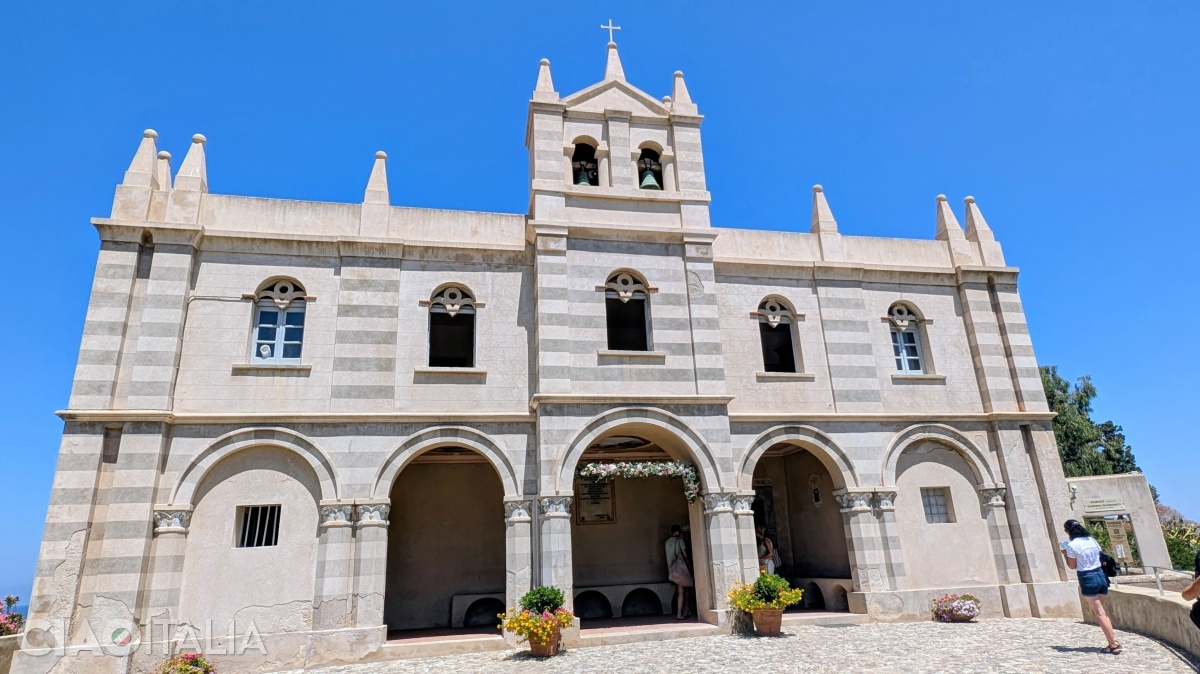
Every year on August 15, during the Assumption of the Virgin procession, statues representing the Holy Family, created in the 18th century, are placed in a boat. The procession begins at Mare Piccolo Beach, at the base of the cliff, and proceeds along the sea parallel to Tropea until sunset, when the statues are returned to the church. The ceremony concludes with a service and fireworks.
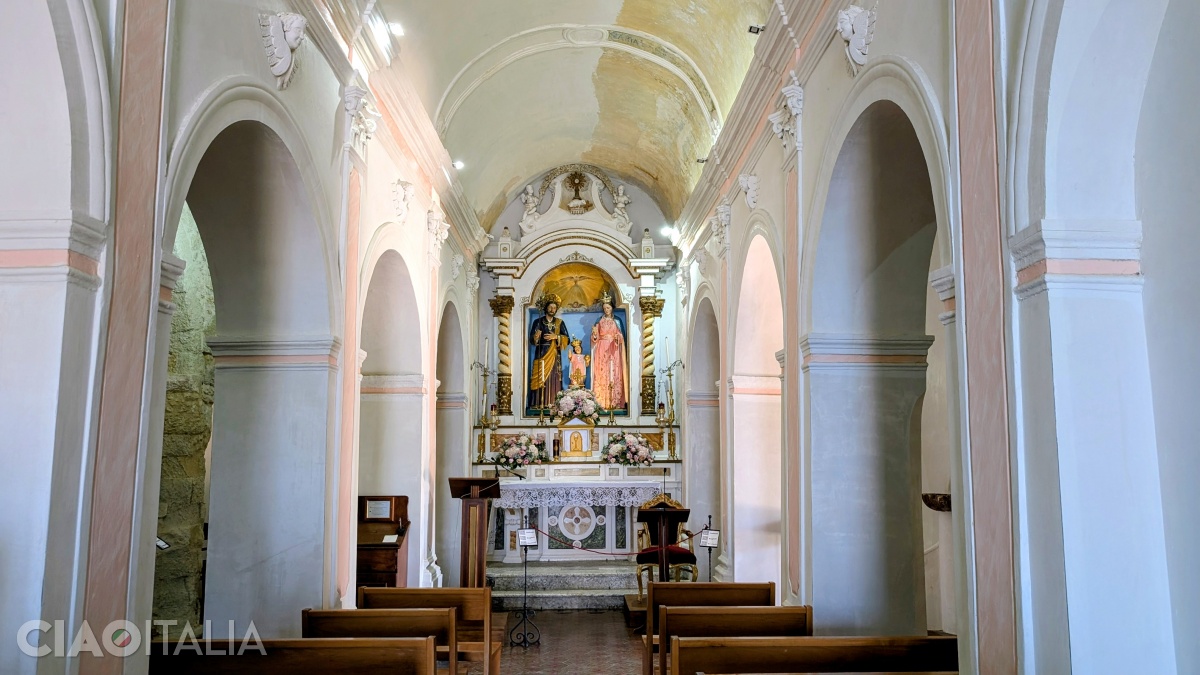
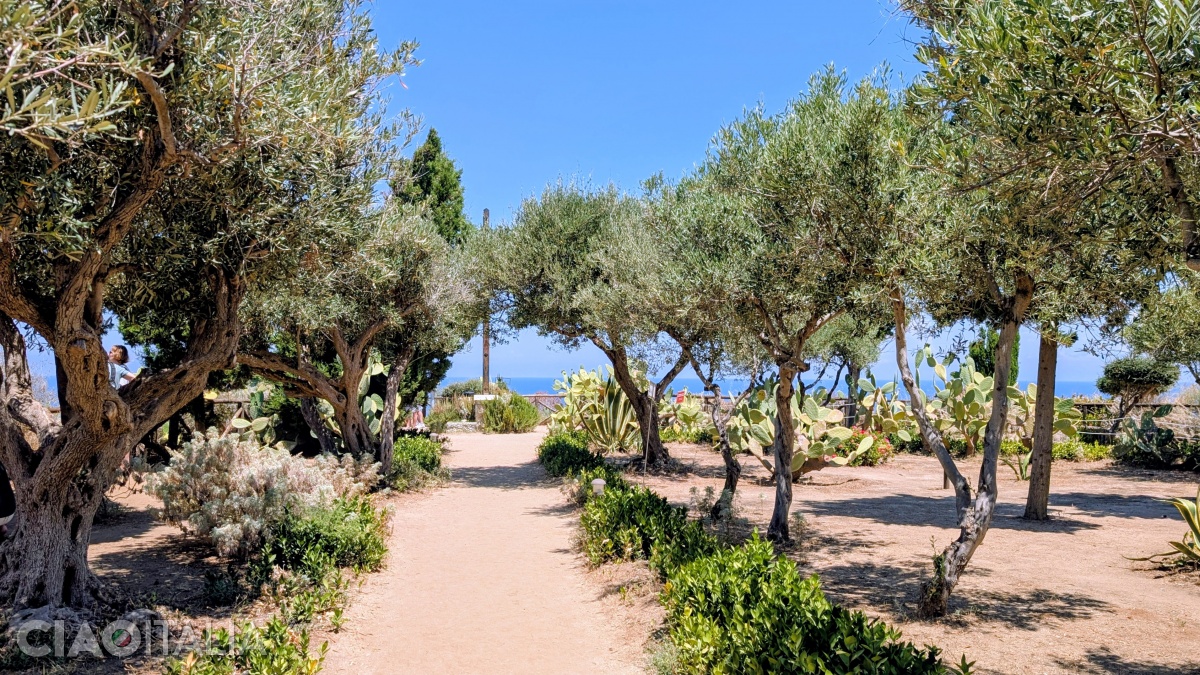
From the church, you also have access to the gardens with Mediterranean plants, an ideal spot for a walk, relaxation, and photographing the stunning panoramas of the town and the sea.
Title
Opening Hours:
October 1 - December 30, 2026:
- Monday-Sunday: 9:30 AM - 7:30 PM
Last entry is 30 minutes before closing.
Ticket Prices:
- €3 (garden access is included)
7. The Literary Staircase and the Staircase Decorated with Ceramic Tiles
Near Piazza del Cannone, there are two staircases where you can take some interesting photos.
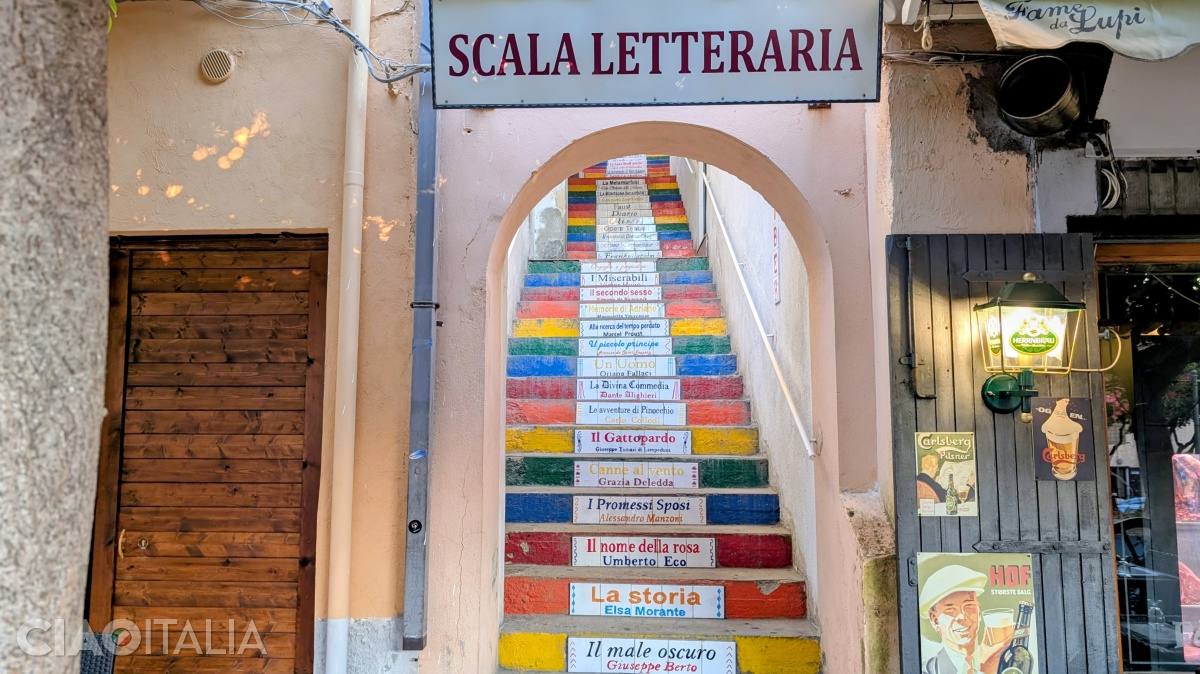
Scala Letteraria ("The Literary Staircase") is a staircase with colorful steps, created in 2021 at the initiative of several cultural associations. Each step bears the name of an author and one of their literary works, starting with the philosopher Pasquale Galluppi, who was born in Tropea, and his book "Elements of Philosophy".
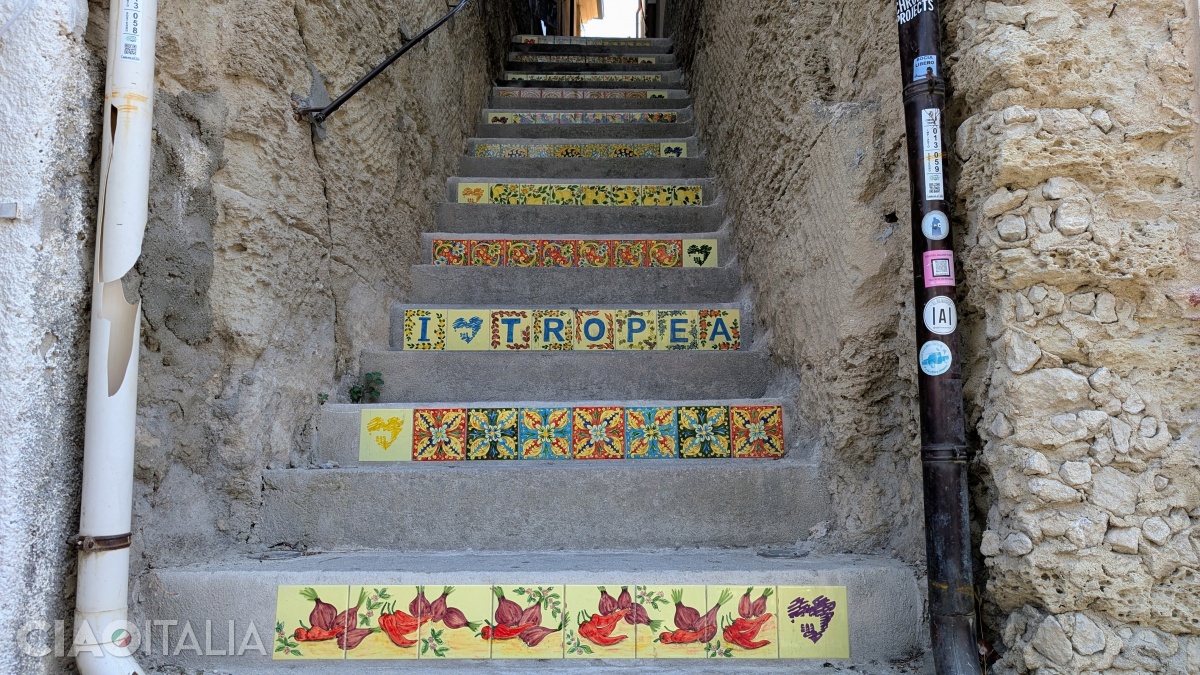
Not far for it, youll find another beautifully decorated staircase leading from Via Margherita di Savoia to Largo Rota. The glazed ceramic tiles were handcrafted and painted by the Anfora workshop, and one of the steps bears the inscription "I love Tropea".
8. Costa degli Dei
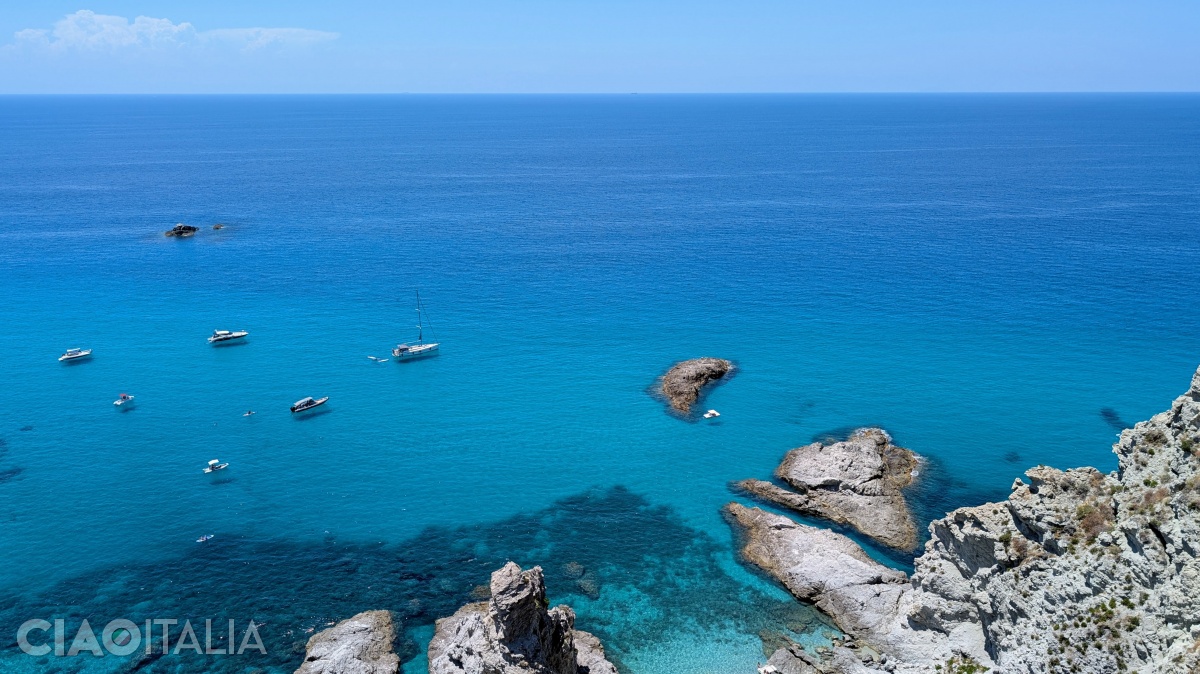
From the port of Tropea, many boat trips are organized to explore the beautiful Costa degli Dei ("Coast of the Gods"), which stretches between Pizzo Calabro and Nicotera. Along the coast, sandy beaches alternate with rocky sections and hidden coves, creating spectacular landscapes. Legends say that gods once lived here, choosing this place for its beauty.
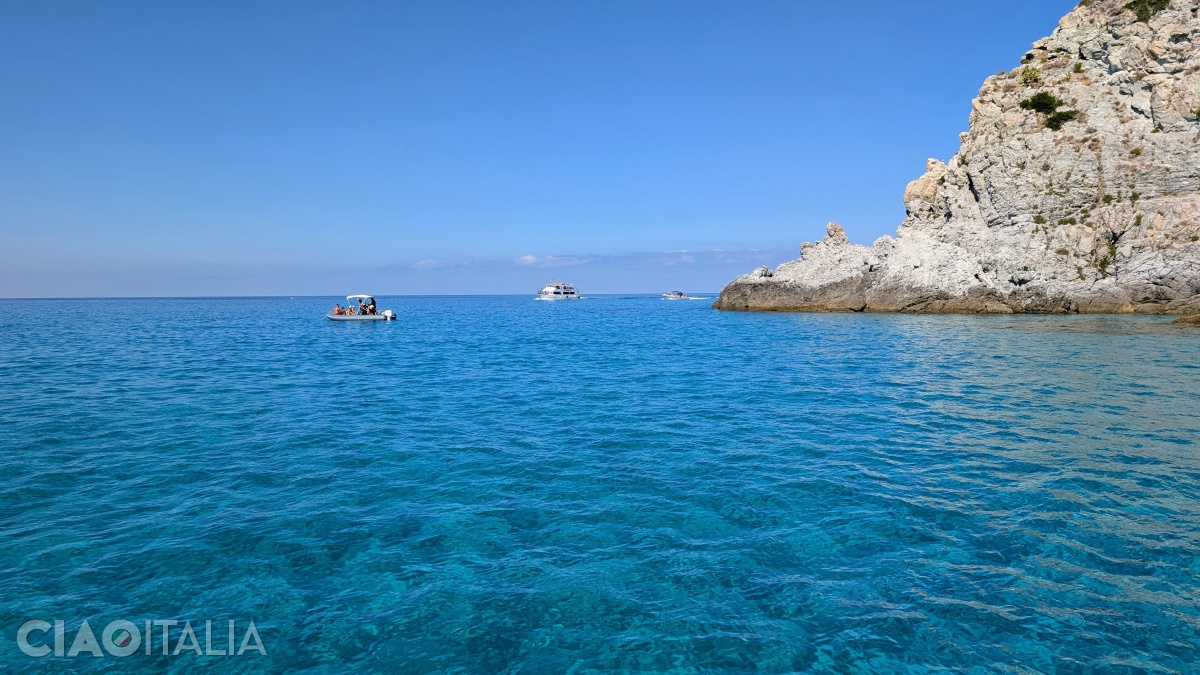
Don't miss trips to Capo Vaticano, home to some of the most beautiful beaches in Calabria. You’ll see caves and spots accessible only by sea, with stops for swimming and snorkeling.
9. The Aeolian Islands
The Aeolian Islands are seven small and beautiful volcanic islands (Panarea, Stromboli, Lipari, Salina, Vulcano, Alicudi, and Filicudi). They do not belong to the Calabria region but to Sicily, though they are quite close to Tropea. It would be a shame to miss the opportunity to see them, especially since access from here is easier than, for example, from Taormina.
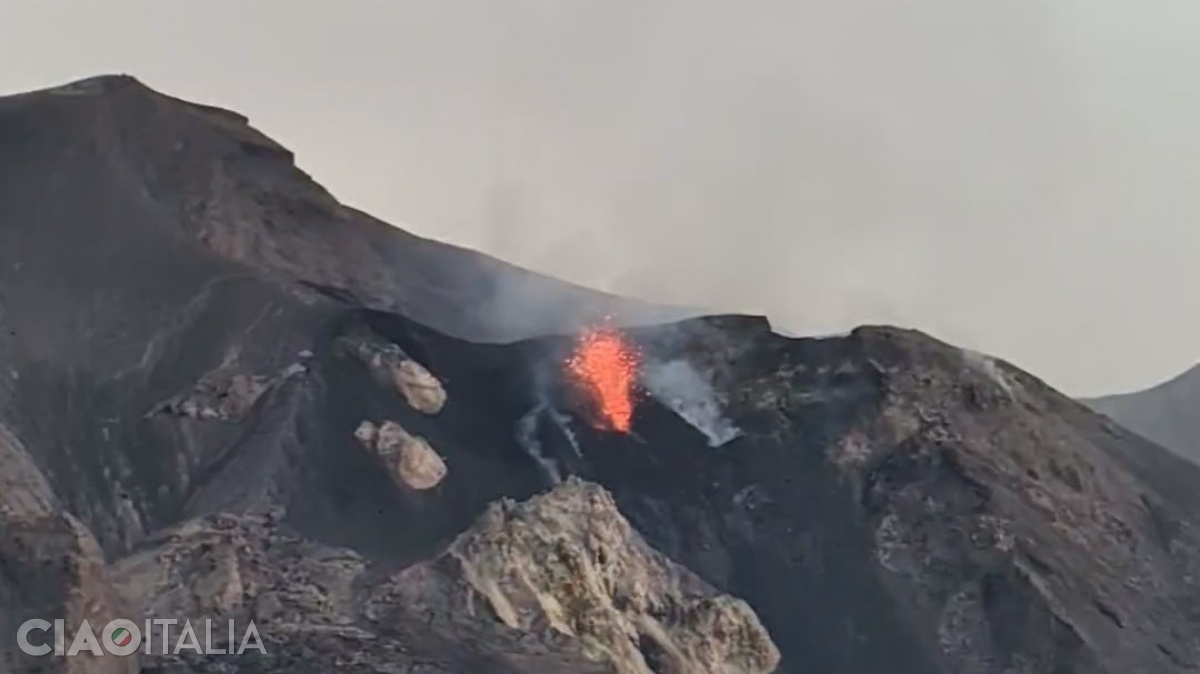
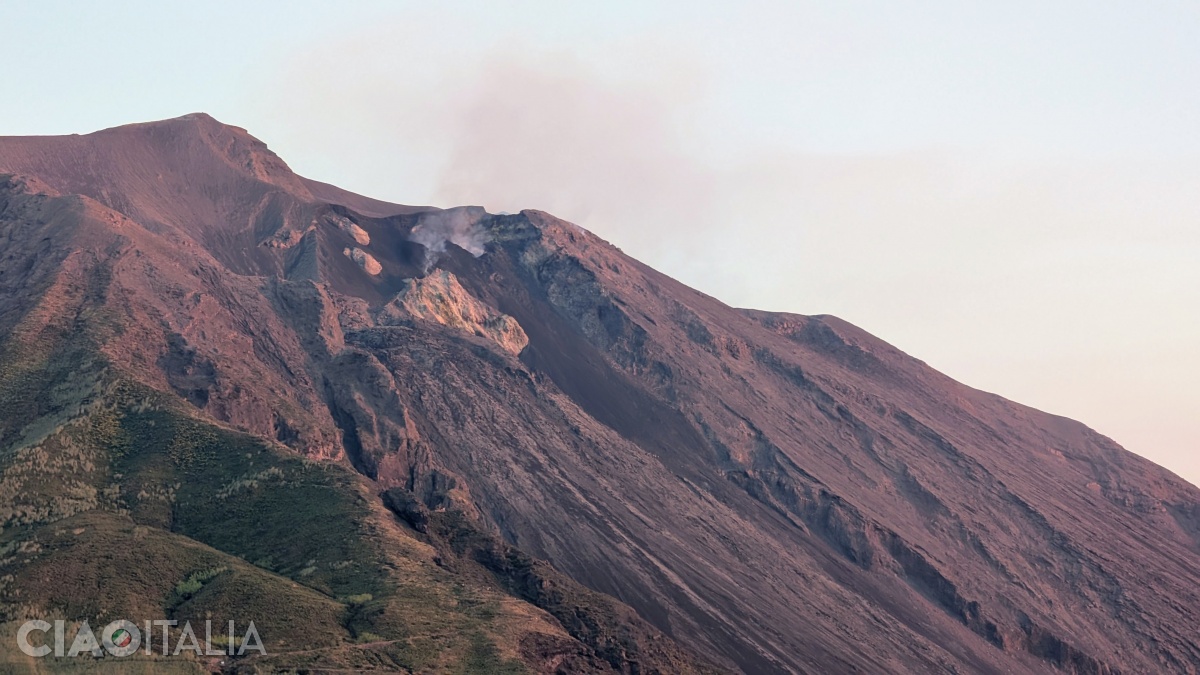
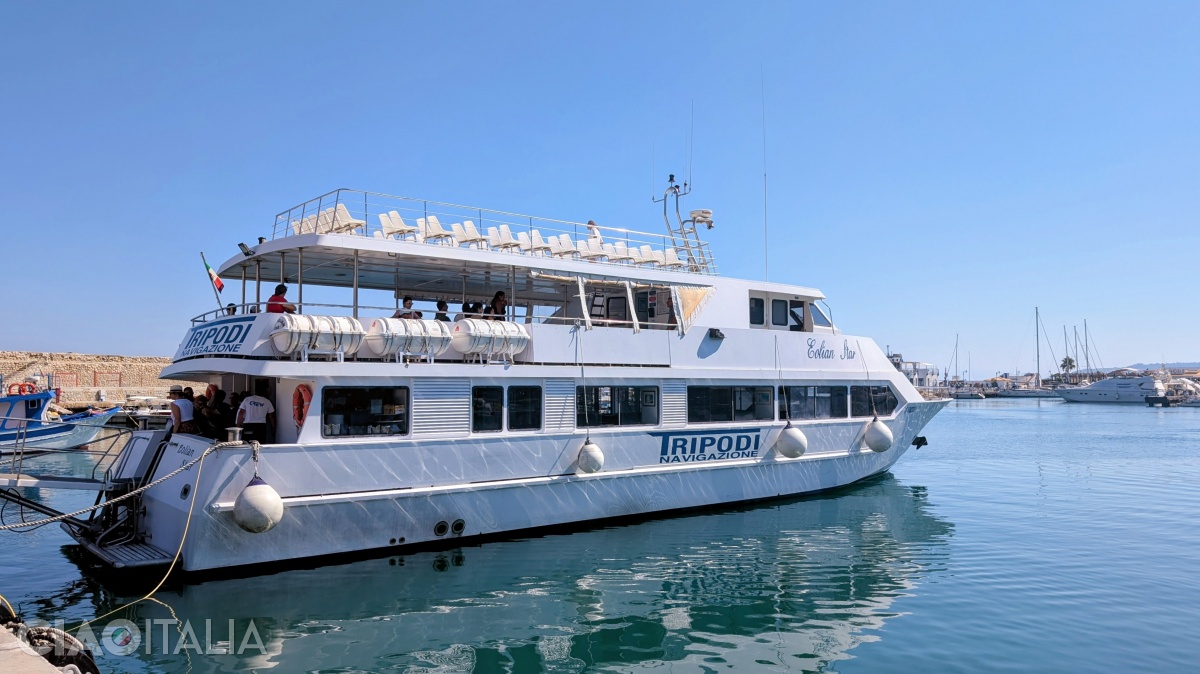
Boat trips also depart from the port and generally last a full day. They are well organized and worth the money. Depending on the operator, some trips take you to Lipari and Vulcano, while others go to Stromboli and Panarea. Almost all trips include a tour around Stromboli to observe the volcanic activity in the area known as Sciara del Fuoco (the lava slope descending from the crater to the sea).
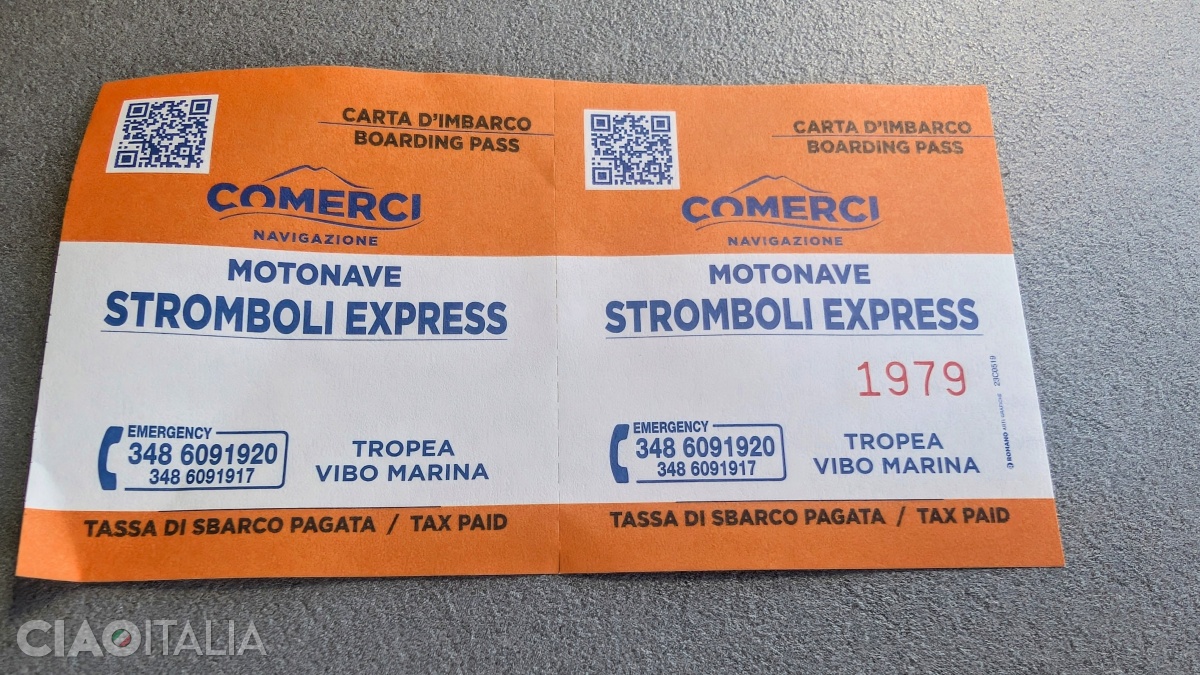
We chose one of the excursions organized by the company Commerci Navigazione. We departed from the port of Tropea in the morning, around 10:00 AM (a landing fee for the islands is also paid at the port - €5 in cash). On the boat, you can stay both inside and outside, and there is a bar where you can buy snacks and drinks. The guide provides details in several languages.
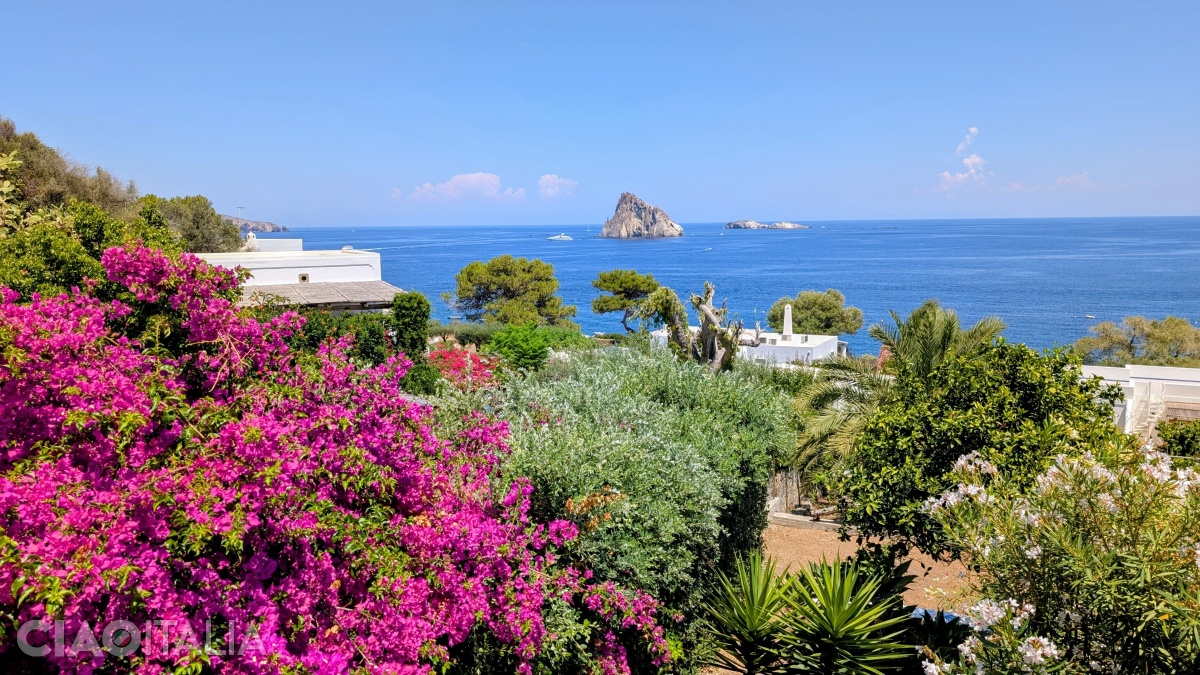
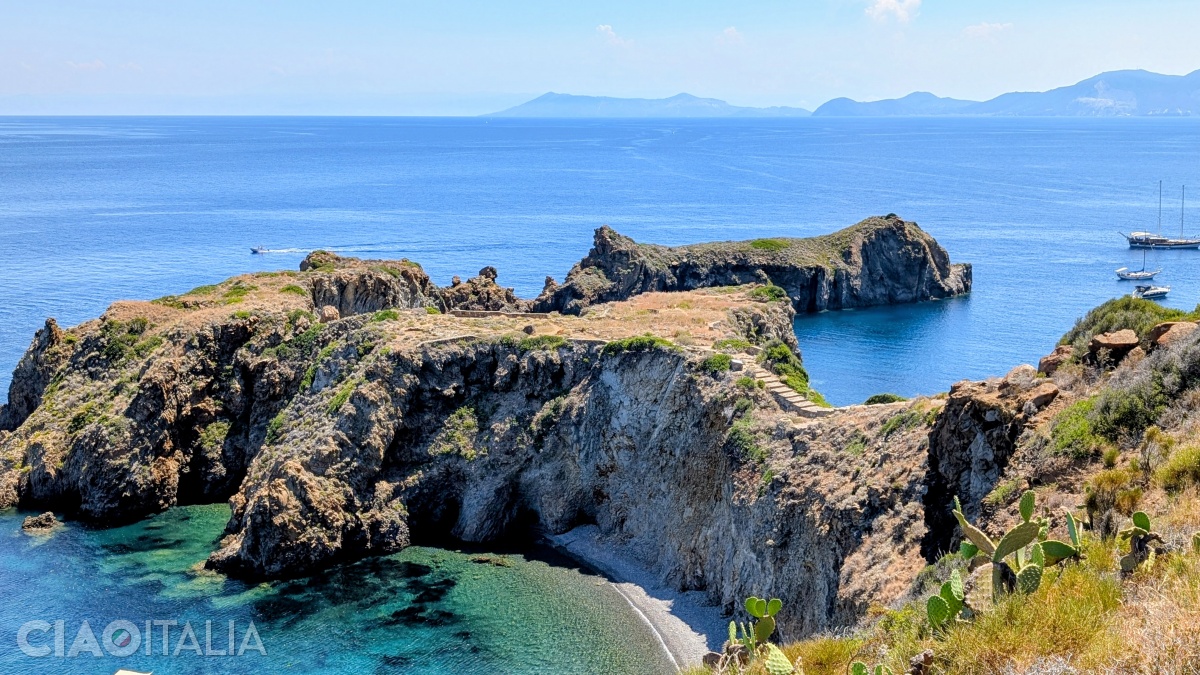
In about 2.5 hours (which felt much shorter), we reached the island of Panarea, where we disembarked. The island is small but wonderful, and the roughly two hours we had were not enough (to be honest, we would have liked to stay there for several days). Panarea is a paradise, with lush vegetation, charming small hotels, whitewashed houses, narrow alleys, and gates framed by colorful bougainvillea flowers.
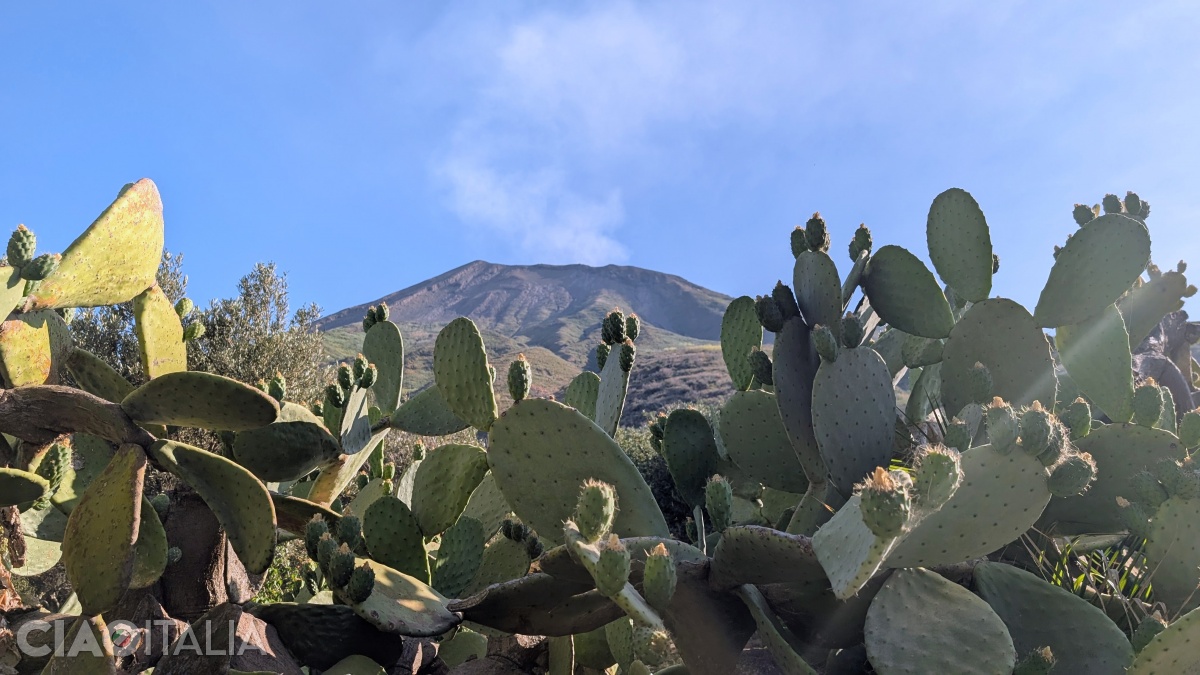
The next stop (also for a few hours) was on the island of Stromboli, dominated by a volcano that, like Etna, is continuously active. As a result of the volcanic activity, the beaches and soil are an intense black, contrasting with the white houses and the blue of the sea.
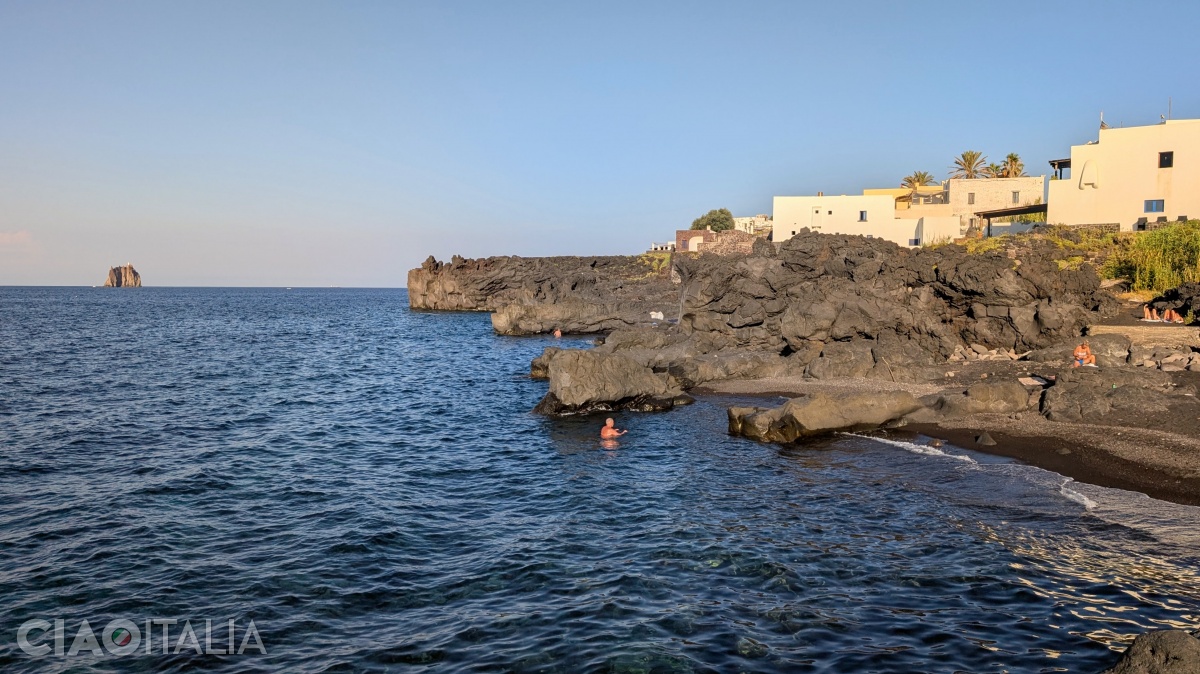
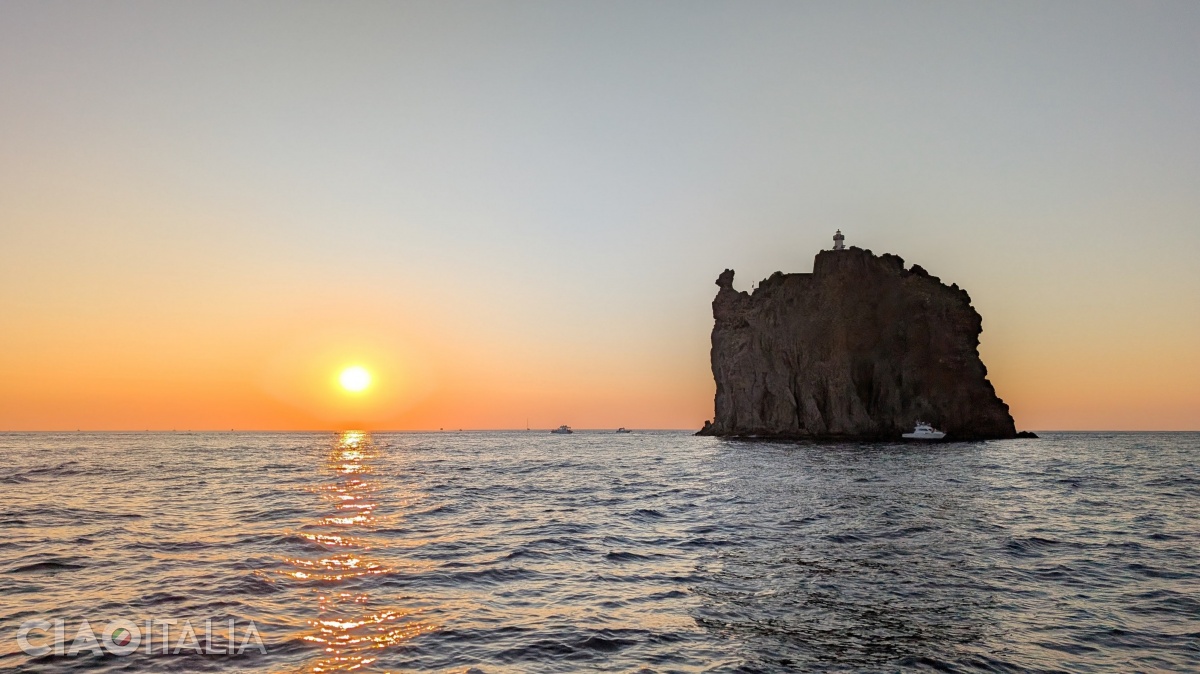
The boat departed from the island at sunset, making a loop around the rocky Strombolicchio and reaching the other side of the volcano at Sciara del Fuoco, where we waited for the eruption (not very strong, but still spectacular). We returned to Tropea around 10:30 PM.