Fiat Track in Turin, Casa 500 and the Agnelli Art Gallery
Did you know that in Turin there's a car track on the roof of a building? And that, on top of that, it also has a hanging garden? It's the Fiat 500 track in the former Fiat factory located in the Lingotto building, in the neighborhood of the same name. There you can also visit the Casa 500 Museum and the Pinacoteca Agnelli, a small art gallery.
Entry Tickets
The admission ticket to the 500 Track costs:
- Adult: €4
- 13-25 years: €2
- Children under 13: free
Entry to Casa 500 is free.
Tickets for the Agnelli Art Gallery have the following prices:
- Adult: €10
- Over 65: €8
- 13-25 years: €8
- Child under 13: free
Combined ticket Pinacoteca Agnelli + Pista 500:
- Adult: €12
- Over 65: €8
- 13-25 years: €8
- Children under 13: free
- Family (3 persons, including at least one child 13-18 years): 24 EUR
Online tickets are not available in October 2026; they can only be purchased at the museum ticket office.
Entry to Pista Fiat and Pinacoteca Agnelli is free for holders of the Torino+Piemonte tourist cards.
Opening Hours
The Fiat 500 Track in Turin, Casa 500, and the Agnelli Art Gallery can be visited during the following hours:
September 15 - October 28, 2026:
- Monday: closed
- Tuesday-Sunday: 10:00 AM - 7:00 PM
The last entry is 30 minutes before closing.
Fiat Factory
The FIAT brand, one of the symbols of the Italian automotive industry, was born in Turin in 1899. The name is an acronym, derived from Fabbrica Italiana Automobili di Torino ("Italian Automobile Factory of Turin").
The Lingotto factory, built from reinforced concrete, was inaugurated in 1923 and was revolutionary for its time. It was not only the largest car factory of that era, but it also had a special feature. Its layout, inspired by the American model, followed a vertical progression through the different stages of car production: starting on the ground floor with the work on the different body parts of the vehicle, and gradually, over the course of five levels, becoming the finished car (assembled and completed on the top floor), which was then tested on a specially built track on the roof.

The Lingotto factory operated until 1982, during which time it produced over 80 car models. Eventually, it was closed, as it no longer made sense to keep it running given the construction of the modern Fiat Mirafiori plant. The last cars produced at Lingotto were from the first series of the Lancia Delta.
The closure of the factory did not, however, mark the end of its history. Following an architectural competition won by Renzo Piano (the same architect who, among other works, designed the Genoa Aquarium), the space was repurposed and given back to the city, preserving its identity and historical heritage. The exterior of the factory was left largely unchanged, while the interior was transformed to host a multifunctional complex with commercial spaces, an auditorium, a conference center, and even a hotel. The complex was completed in 1989 and took the name of the neighborhood: Lingotto. Since 2009, it has also included the Oval, built for the speed skating events during the 20th edition of the Winter Olympic Games, which took place in Turin in 2006.
Today, Lingotto Fiere is the city's exhibition center, comprising a shopping mall, an events center, offices, three hotels, restaurants, multiplex cinemas, the first gastronomic complex in the Eataly network, and two museums (the Agnelli Art Gallery and the Carpano Museum). It is also home to the Faculty of Automotive Engineering of the Polytechnic University, and nearby you can find the Turin Automobile Museum.

Fiat 500 Track
To reach the Fiat track, you'll need to enter the Lingotto building, either from the metro station of the same name (Via Nizza 262) or from the Eataly complex (Via Fenoglietti 15). Inside the building you'll find signs, and when you exit onto the track you'll receive a round sticker that you must keep for the duration of your visit.
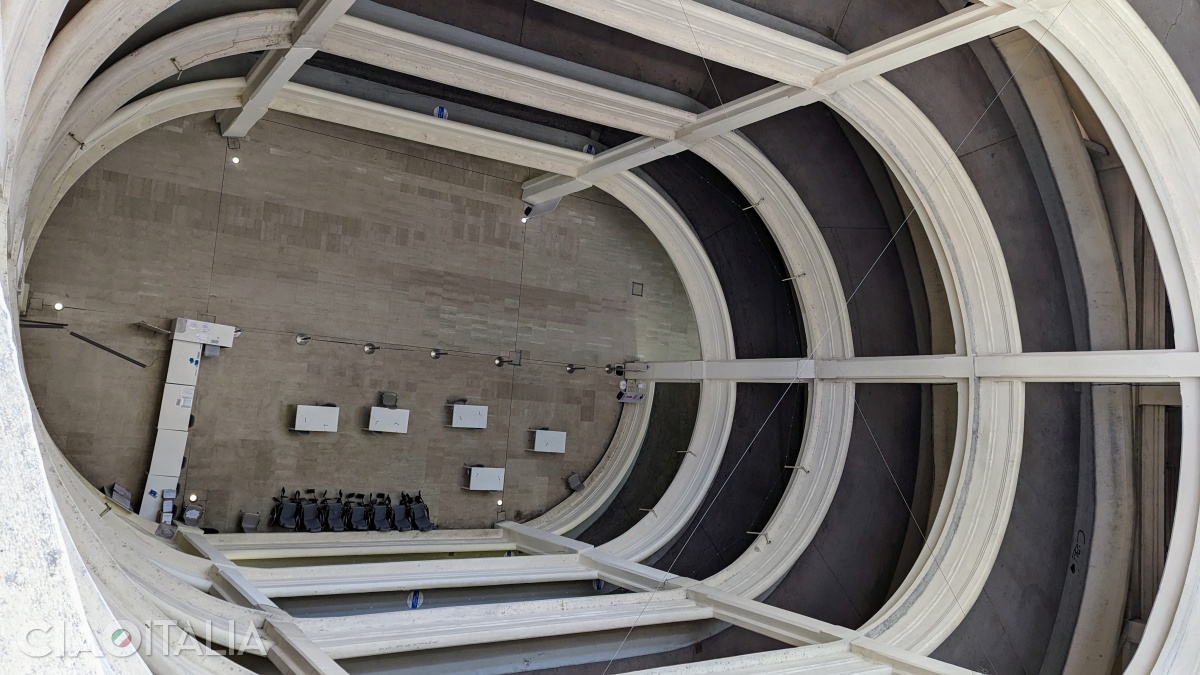
Our tip: take the elevator up and walk down (or the other way around). This way, you'll also get to see the factory’s architecture, including the ramp that was used for cars to access the track.
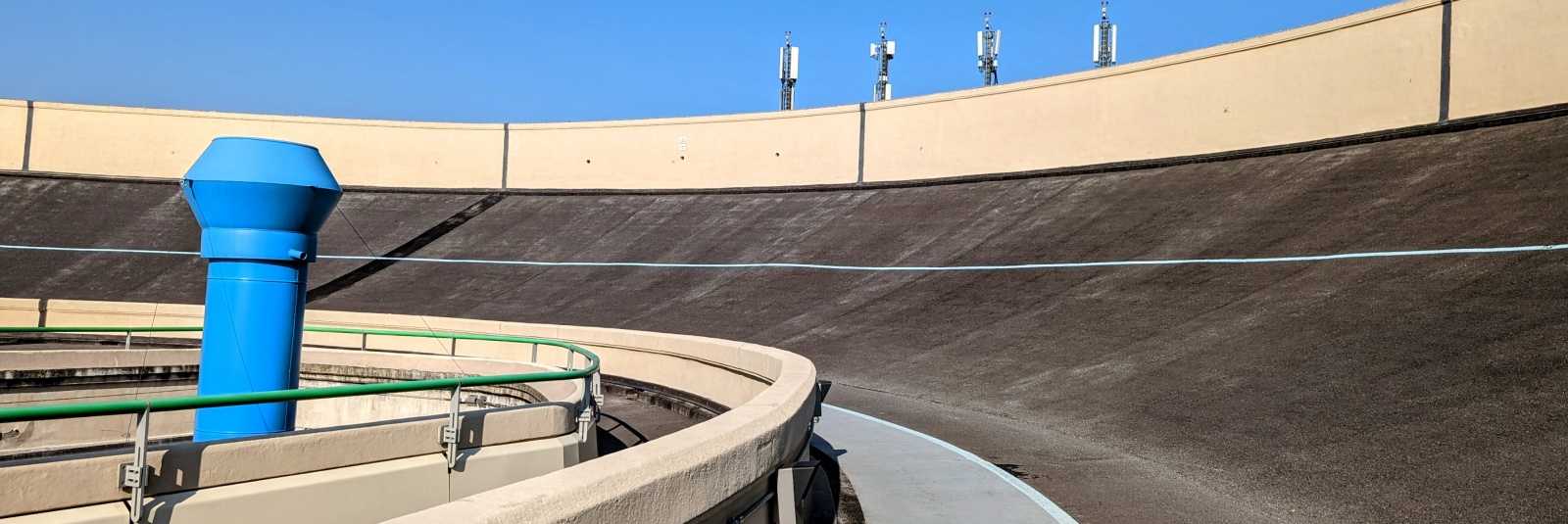
The track, over 1 km long, was built on the roof of the Fiat factory in 1927 and allowed for the simultaneous testing of 50 cars. Vehicles reached it by way of the helical ramps located at the north and south ends of the factory.
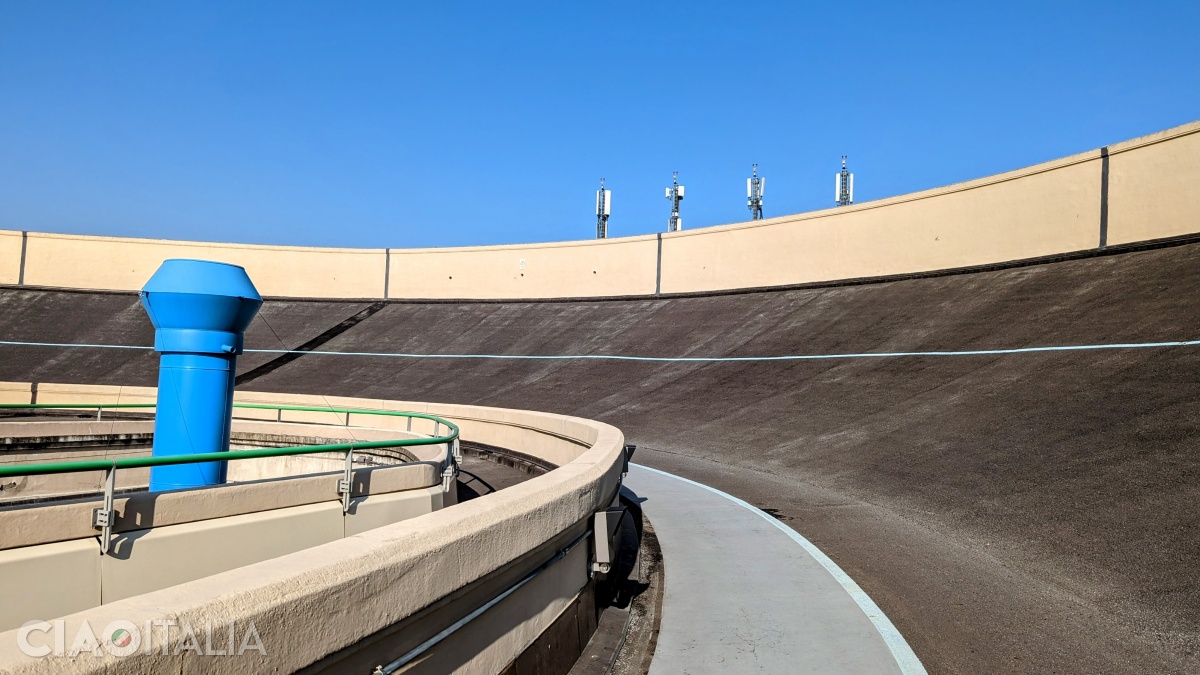
The track has an oval shape, with straight sections over 400 m long connected by two banked curves. The latter were designed to allow cars to reach speeds of up to 90 km/h (in an era when the maximum speed of cars was 70 km/h).
In 1994, on the roof of the central building, the same Renzo Piano designed La Bolla ("the Bubble"), a hemispherical conference hall made of steel and glass, offering panoramic views of the track and the Alps. Next to it, a heliport was also built.
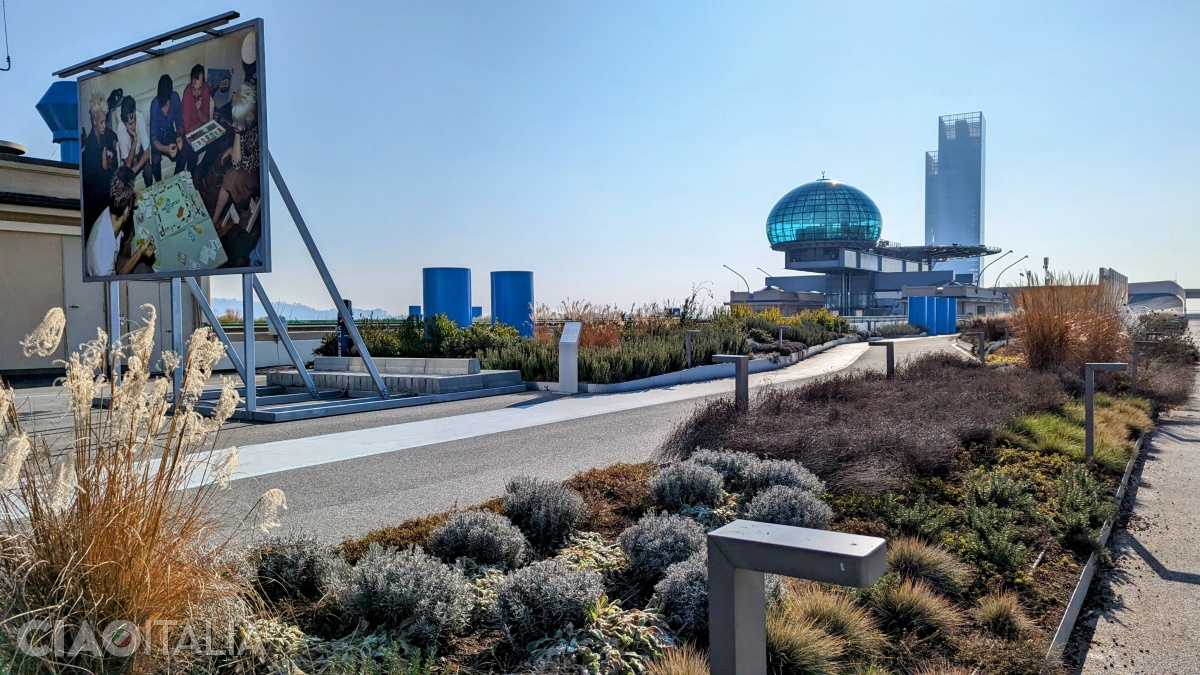
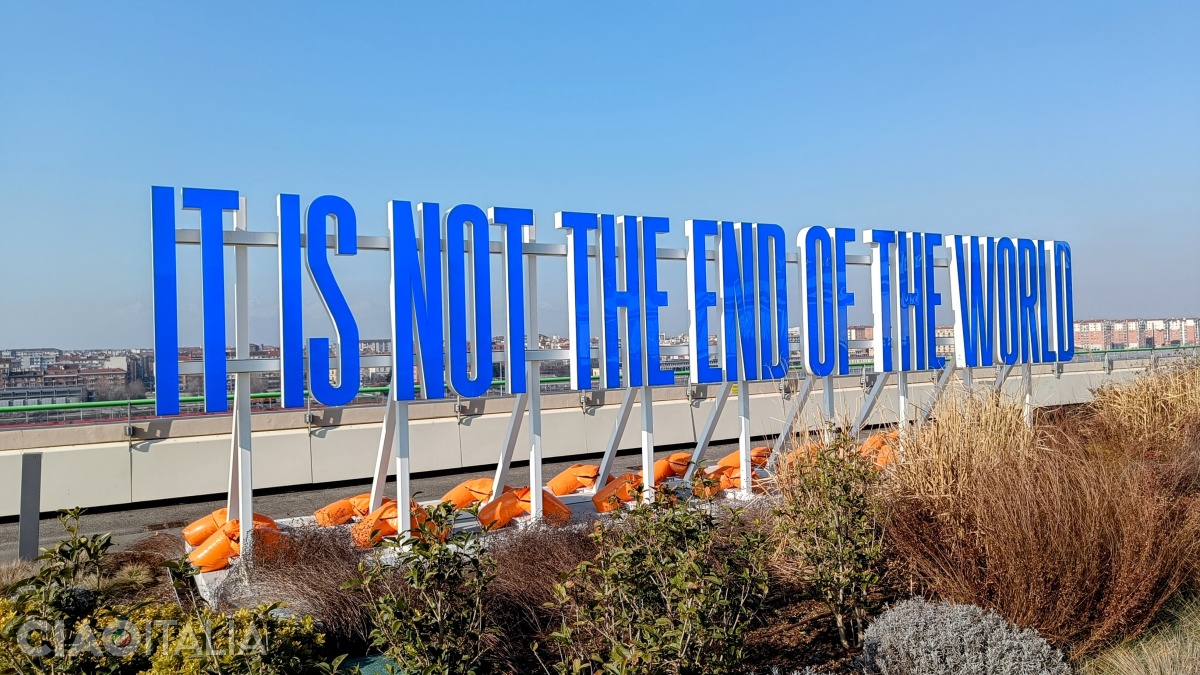
Today, the track is no longer used for car testing. In September 2021, Fiat commissioned a design studio to transform the site, located 28 m above ground, into the largest rooftop garden in Europe. More than 40,000 plants from over 300 species were brought in, turning the track into a green "circuit". Most of them are native perennial herbaceous species from the Piedmont region, which require no special care. Alongside them, sculptures and installations by international artists have been placed, which change from time to time.
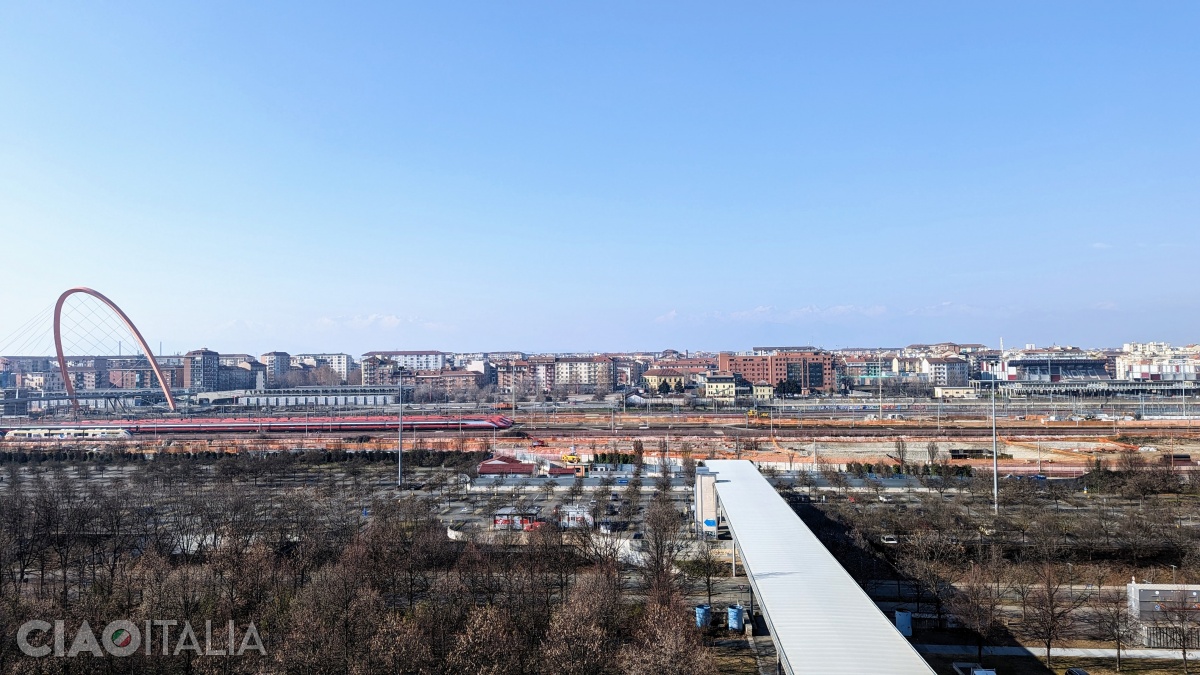
The rooftop "park" changes its appearance and colors from one season to another, and the city panorama is beautiful, featuring the Arch built for the 2006 Winter Olympic Games and the Alps in the background.
Bicycles, skateboards, rollerblades, or any other wheeled means of transport are not allowed on the track. It is also forbidden to walk on the banked surfaces of the curves (and the security staff is quite vigilant).
The Fiat 500 track appears in the famous film The Italian Job, starring Michael Caine.

Casa 500 Museum
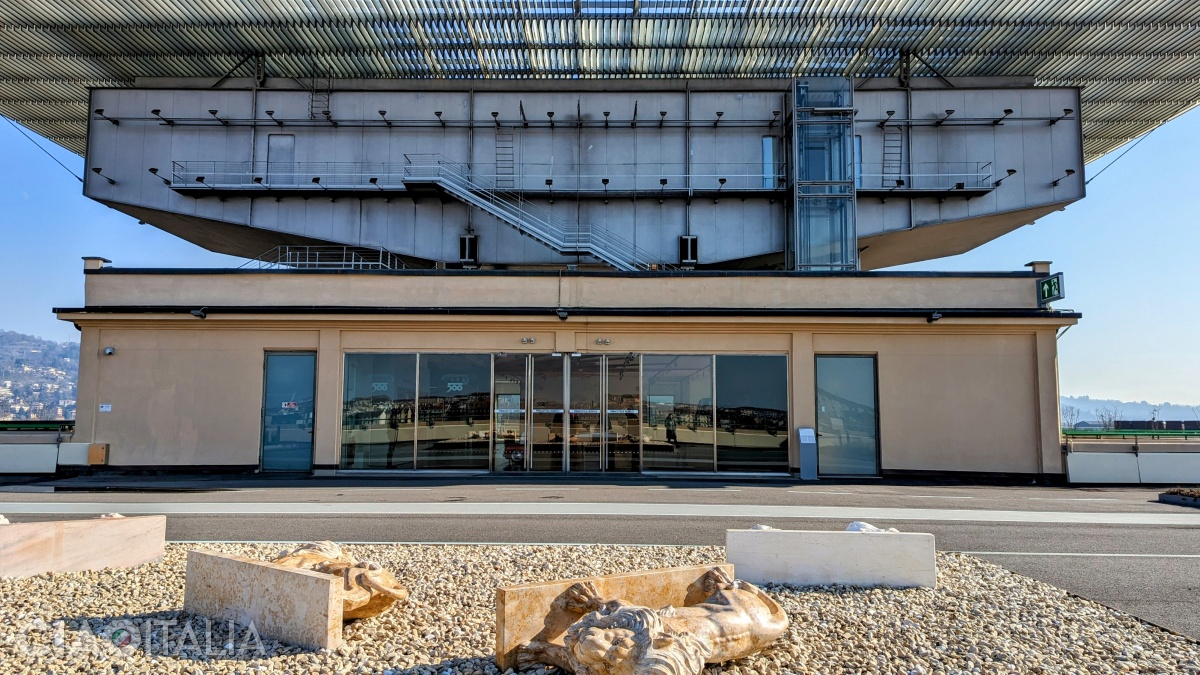
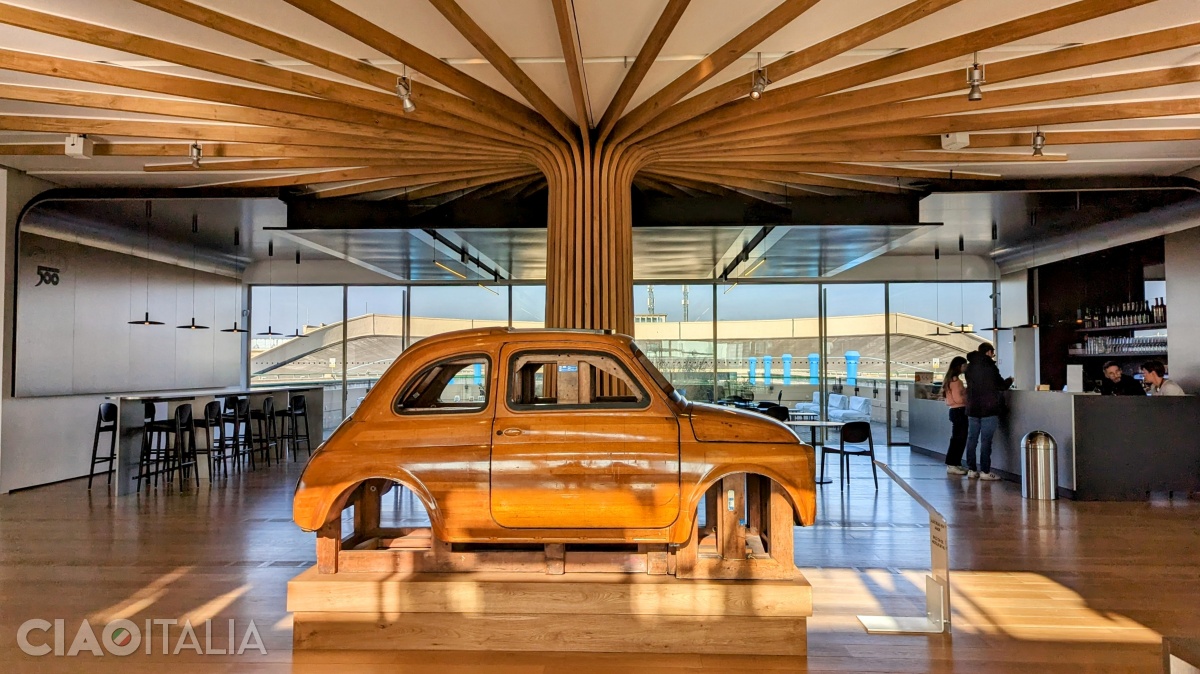
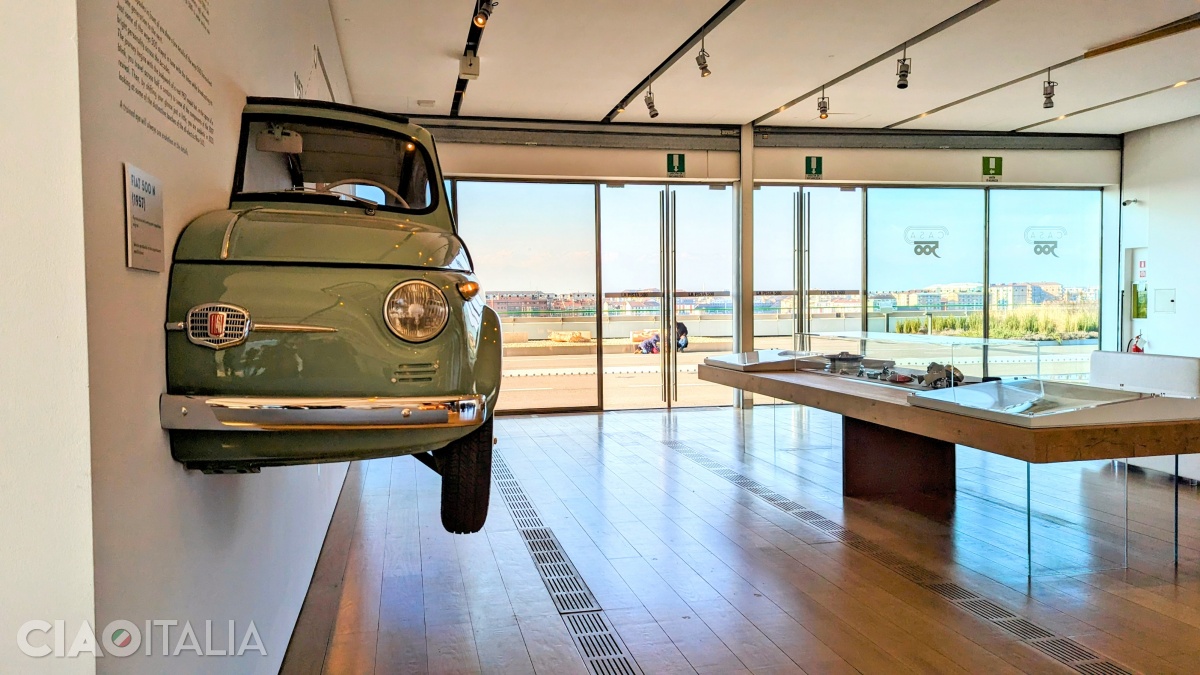
Casa 500 is a small museum, established in 2021 on the roof of the factory (on the 4th floor) and dedicated to the most famous model of the Fiat company.
The museum traces the changes that this iconic Italian car has undergone over time - from the 1957 model, to the 2007 relaunch, and to the features of the latest cars, which emphasize environmental care and sustainability. In fact, the entire museum centers around this concept - the wood used is recycled, the panels absorb volatile components from the air, and the paints are antibacterial and eco-friendly. The symbolic tree in the middle of the hall is also made from recycled wood.
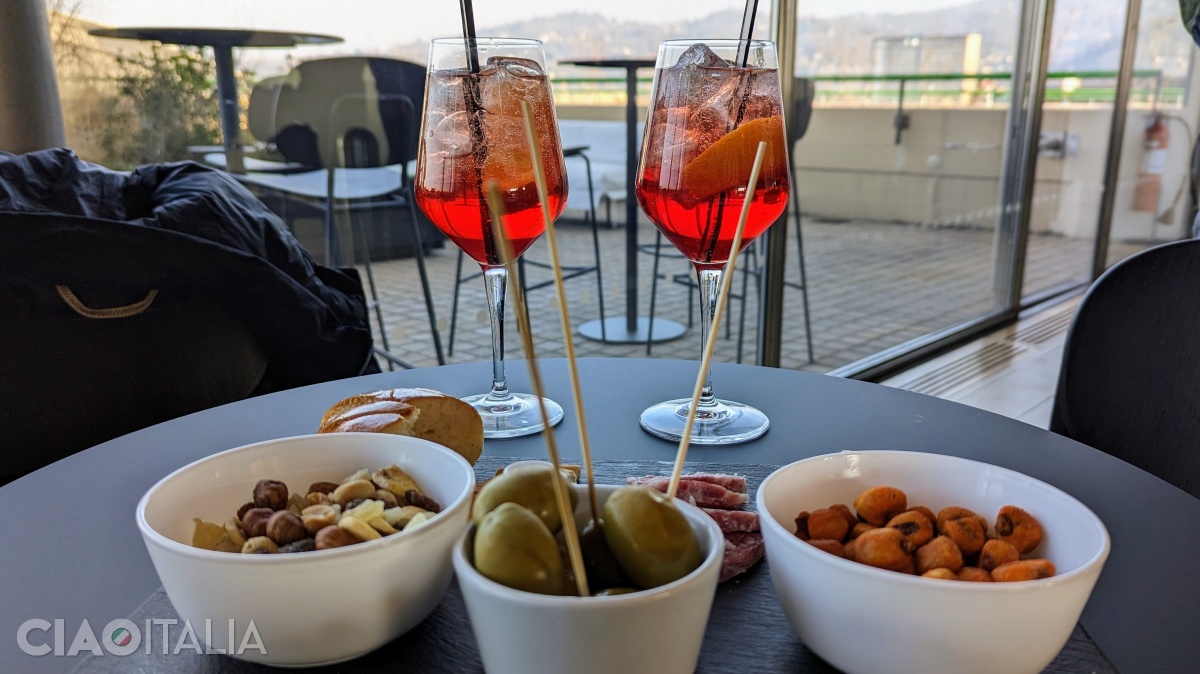
In this space you'll also find the Fiat Café 500, where you can stop for a coffee, a snack, or an aperitivo.
Pinacoteca Agnelli
The Giovanni and Marella Agnelli Art Gallery (Pinacoteca Agnelli) was inaugurated in 2002. It is also located on the roof of the Lingotto building, in a small, suspended structure that resembles a spaceship. It was designed by Renzo Piano and suggestively named Lo Scrigno ("the Chest"). The ticket office is on the Casa 500 level, and upon entry you will receive another sticker.

The museum houses a private art collection of the Agnelli family (permanent exhibition), as well as temporary exhibitions.
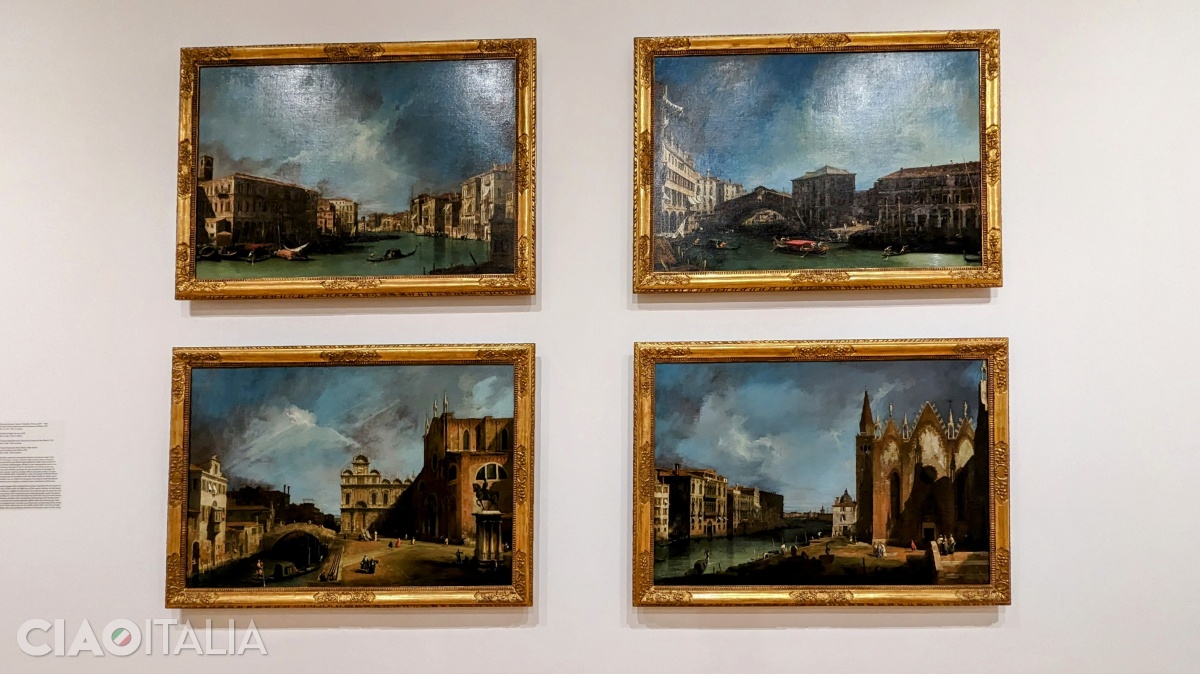
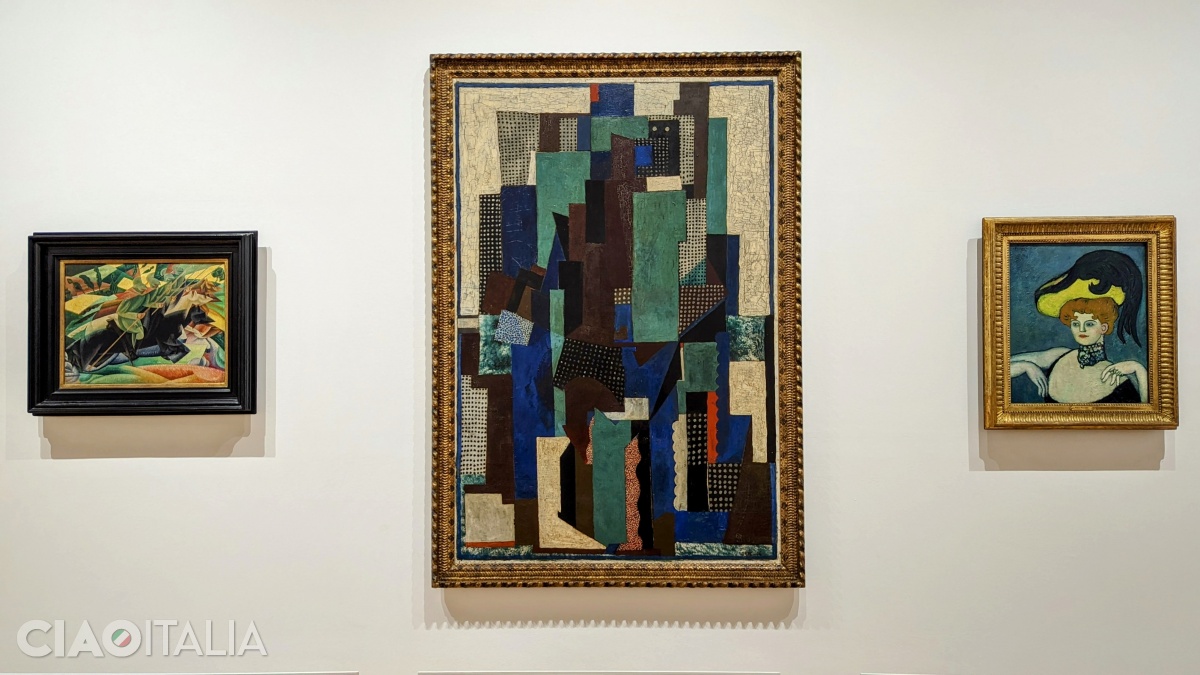
The 25 works collected by Giovanni Agnelli (FIAT's director) and Marella Caracciolo were donated to the art gallery. Among them you will find paintings by Canaletto, Tiepolo, Manet, Renoir, Picasso, Modigliani, Matisse, and two sculptures by Canova.