The Automobile Museum in Turin
The Automobile Museum (Museo dell'Automobile di Torino or MAUTO) is a pleasant surprise for anyone visiting the city of Turin, regardless of gender or age. It is one of the oldest and most beautiful museums of its kind in Europe (some rankings even list it among the 50 most beautiful museums in the world) and manages to keep your interest alive throughout the entire visit.
Ticket Prices and Reservations
The ticket price for the Automobile Museum in Turin (which also includes temporary exhibitions) is:
- Adults: €18
- Over 65: €15
- 18-25 years: €15
- 6-17 years: €8
- Children under 6: free
Admission to the Automobile Museum is free for holders of the Torino+Piemonte Card.
The price for the driving simulator is €15 for 10 minutes. Passengers must be at least 1.65 meters tall.
No reservation is required for the Automobile Museum in Turin. Tickets can be purchased directly on-site.
If you're a true car enthusiast, you can book a guided tour.
Visiting Hours
The Auto Museum has the following visiting hours:
- Monday: 10:00 AM - 2:00 PM
- Tuesday to Sunday: 10:00 AM - 7:00 PM
The ticket office closes at 6:00 PM.
The Automobile Museum is located farther from the city center of Turin, at Corso Unità d'Italia 40, near Lingotto and the Po River. You can get there using public transportation in Turin.
History of the Automobile Museum
The history of the Auto Museum begins in 1933, with a car exhibition conceived by Cesare Goria Gatti and Roberto Biscaretti di Ruffia. Pioneers of Italian motoring, they were among the founders of the Automobile Club di Torino and the FIAT company. However, the true father of the museum is considered to be Roberto's son, Carlo Biscaretti di Ruffia, who inherited his father's passion for automobiles and was responsible for organizing the exhibition at the Milan Auto Show.
Carlo was the one who proposed and supported the idea of establishing an automobile museum in Piedmont and who later fought to secure a suitable venue to house the 180 exhibits that made up the collection at the time.
The current modern building, specially constructed to host the Automobile Museum, was inaugurated in 1960, one year after Carlo's death, so he never got to see it completed.
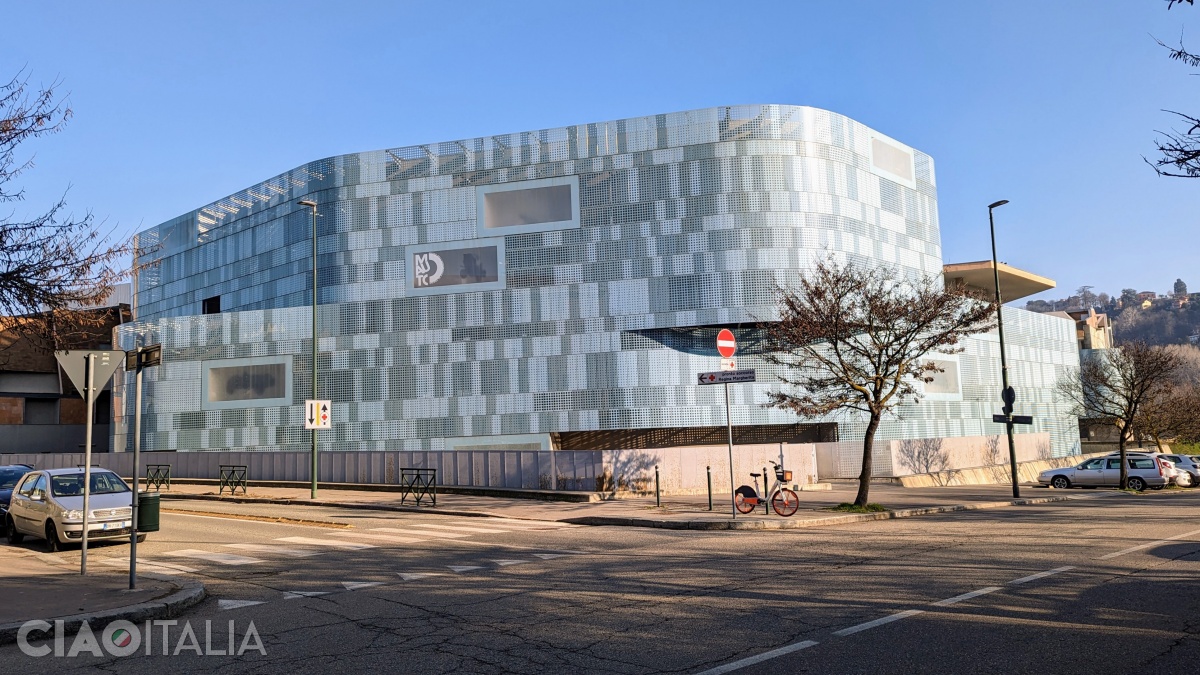
Recently restored and redesigned by Swiss scenographer François Confino (who also designed the visitor route at the Cinema Museum), the Auto Museum is today one of the most visited tourist attractions in Turin, showcasing over 200 original cars from 80 different brands from around the world.
Visit to the Automobile Museum
The Auto Museum in Turin offers a journey through the history of the automobile, supported not only by the exhibits themselves but also by information panels, short films, interactive elements, and even a small train ride through the different stages of car production.
Cars are not presented merely as means of transportation but are placed in the context of the era and the events that influenced it.
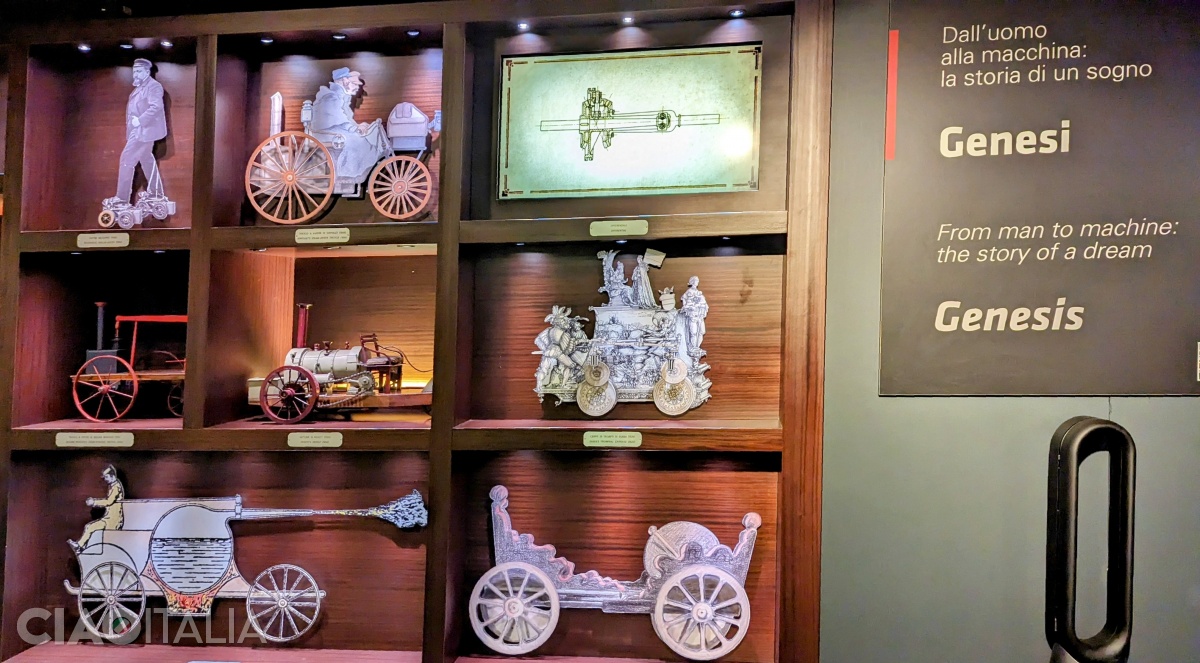
In this way, the museum takes you through the key moments that marked both past and recent eras, as well as the evolution of automotive technology and design - from Leonardo da Vinci's concept vehicle to steam-powered carriages of the 19th century, the elegant cars of the early 20th century, and all the way to today’s racing cars.
The museum spans three levels, and the visit begins on the second floor, where you'll find the section L'Automobile e il 900 ("The Automobile and the 20th Century"). Here you'll discover how horse-drawn carriages were replaced by engine-powered vehicles, see the first automobiles of the last century - true historical gems - as well as the prototypes that laid the foundation for modern cars.
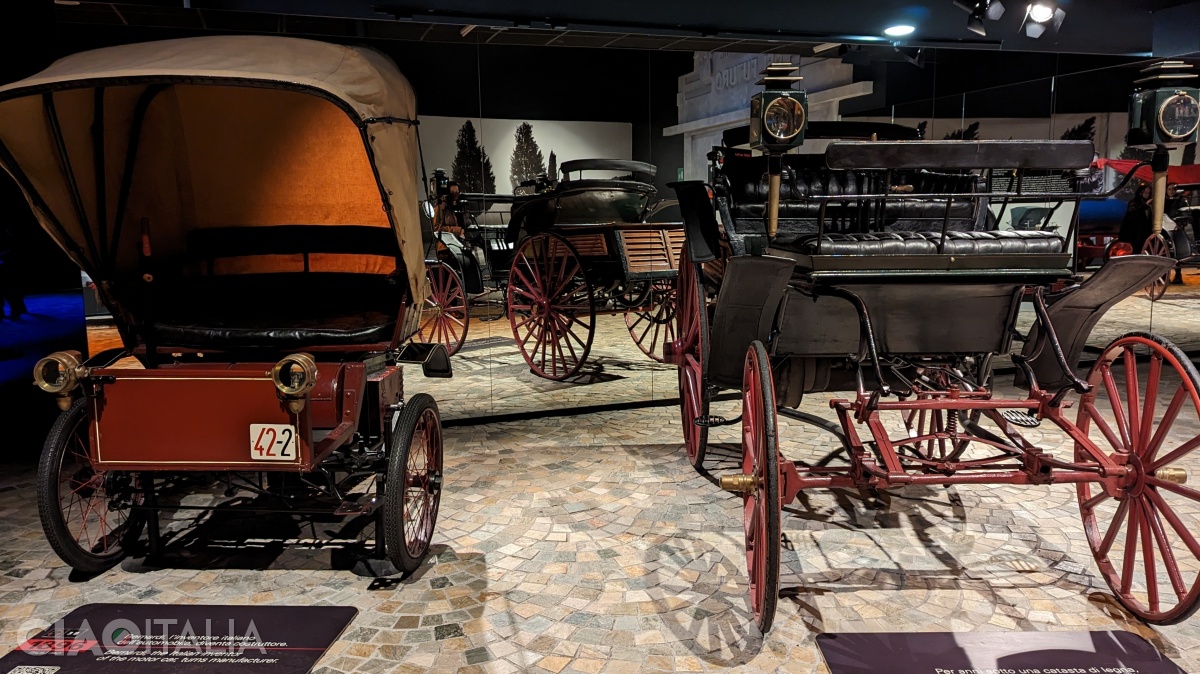
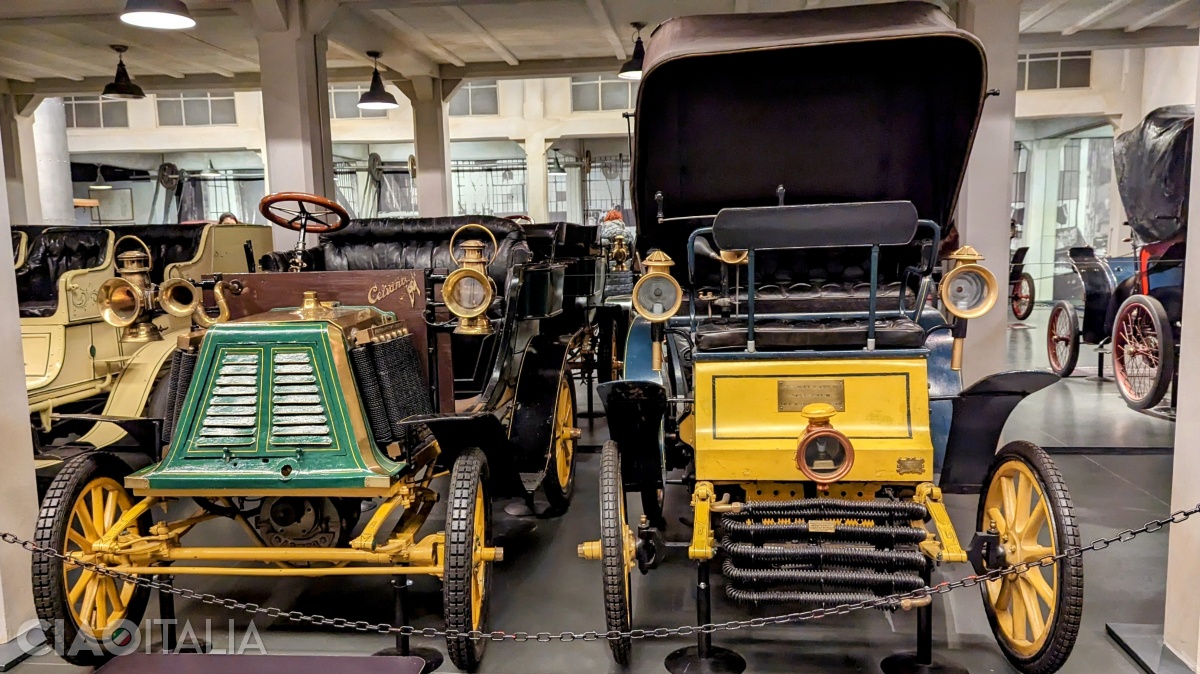
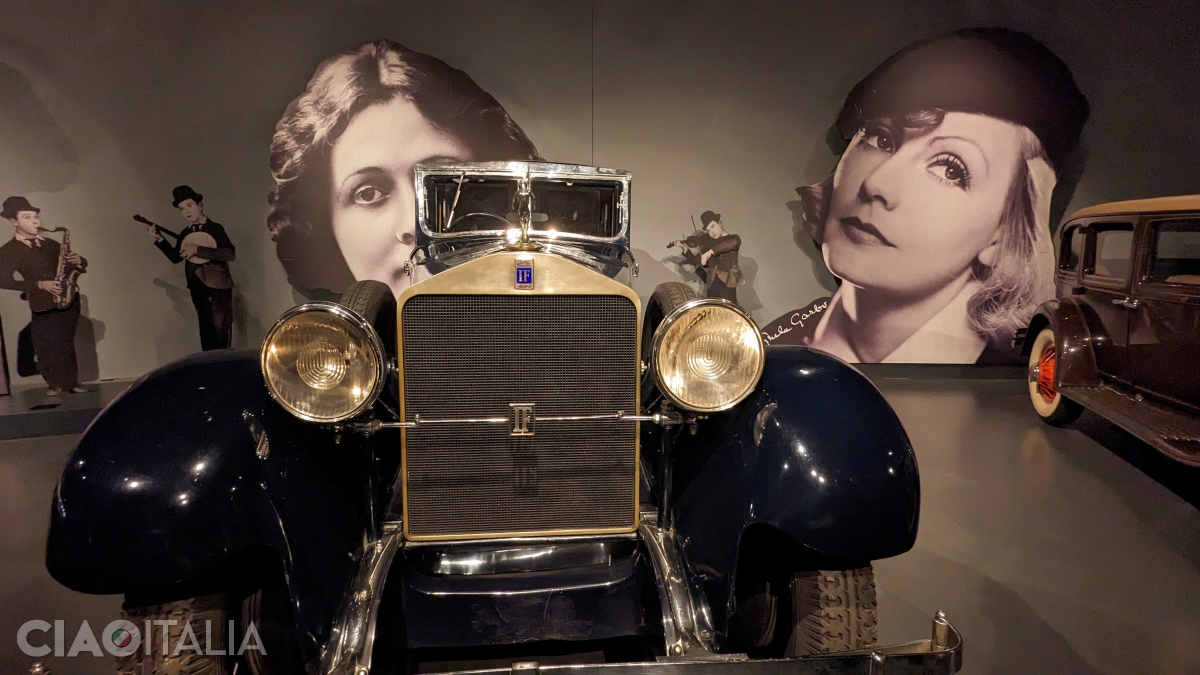
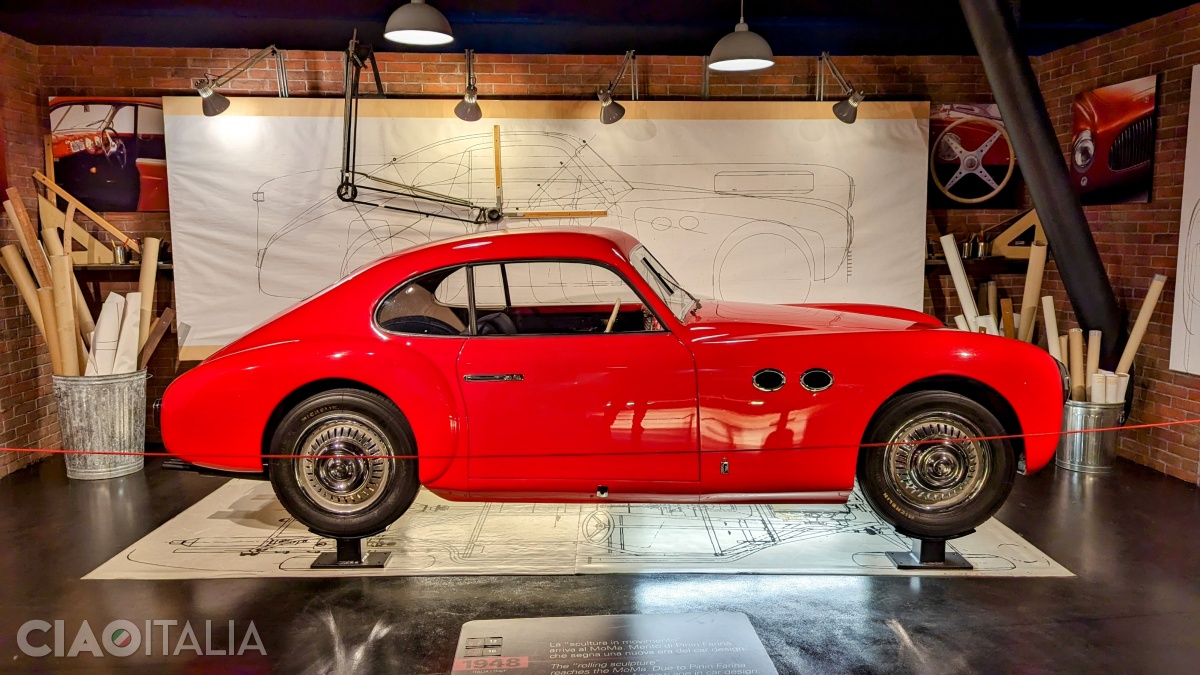
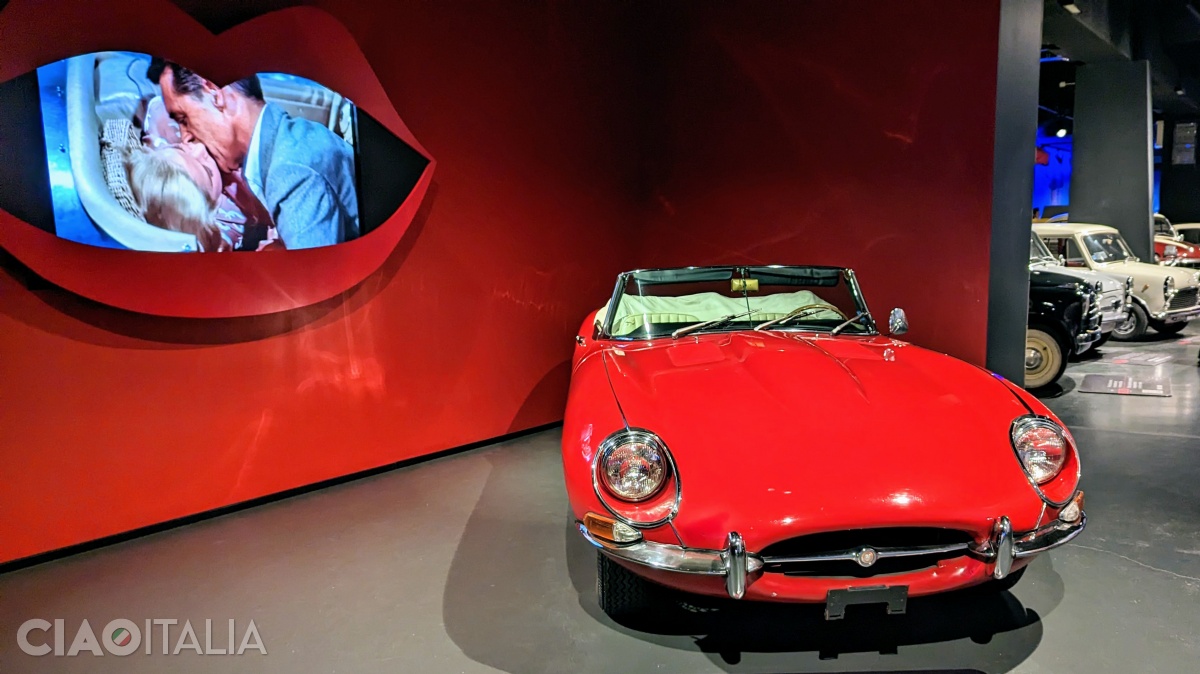
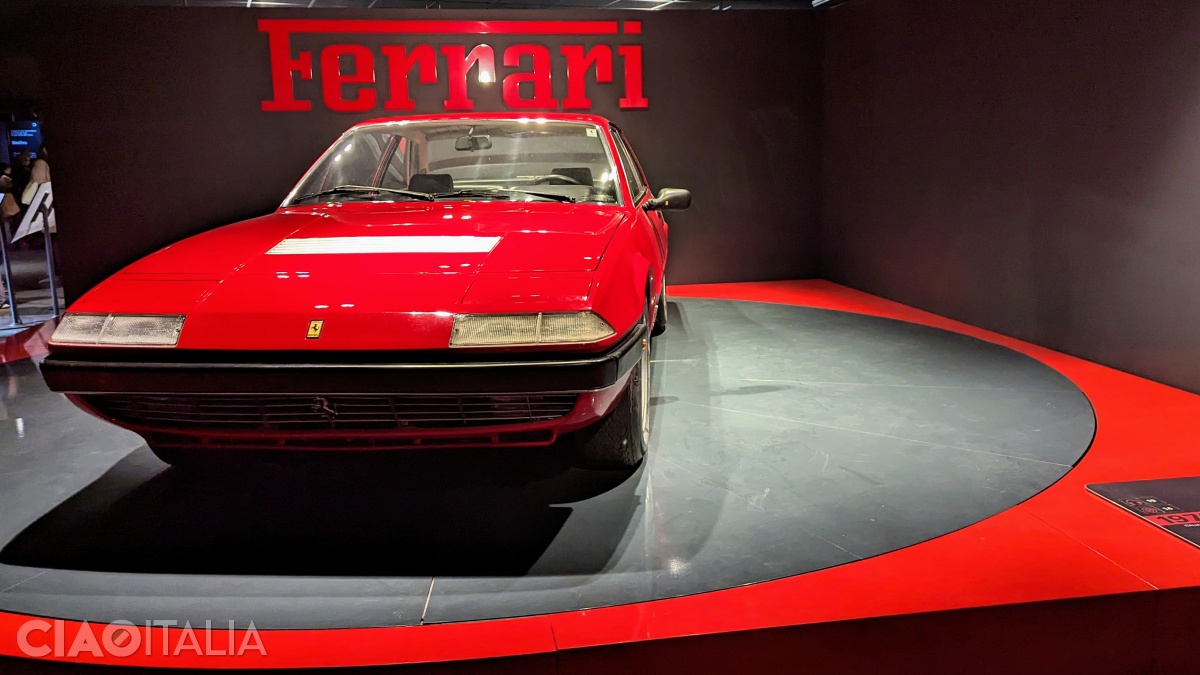
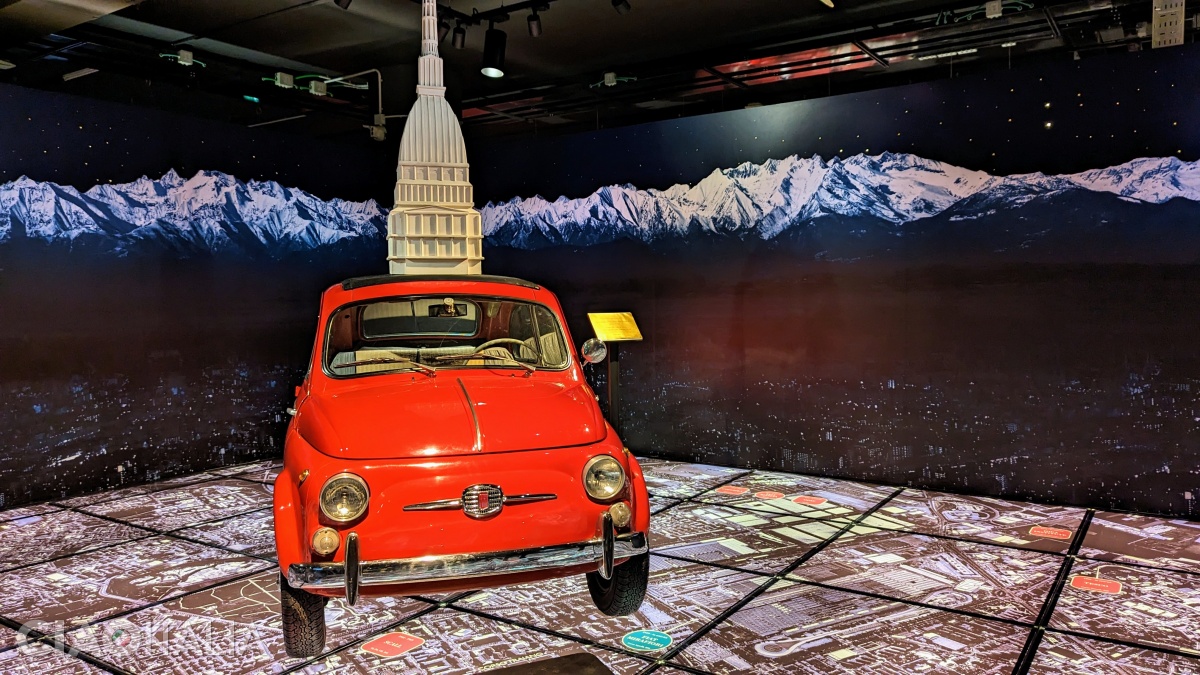
Going down the stairs, you'll reach the first floor, where the section L'Automobile e l'uomo ("The Automobile and Man") is located. Here you'll find one of the most beautiful rooms in the museum, which highlights the connection between the city of Turin and the automobile industry. The star of the room is a bright red Fiat toy car with a model of the Mole Antonelliana building on top. In the background, there’s a panoramic image of the city with the snow-covered Alps, and on the floor lies a huge map marking the dozens of car manufacturers that were based in Turin during the peak of the automotive industry’s development.
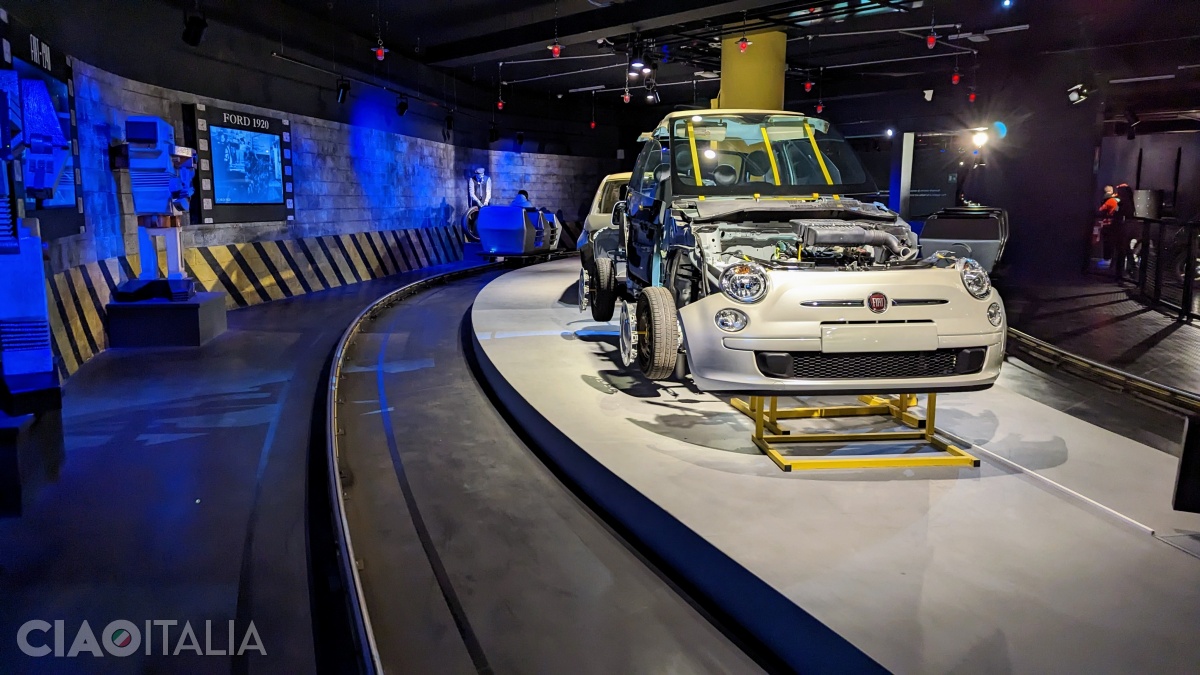
The visit continues with an exploration of the car's components, and in the Metamorfosi ("Metamorphosis") room, you can hop on a small train, as if you were part of the production line of a Fiat 500. In the same room, you can also watch vintage car commercials from different eras on individual projectors.
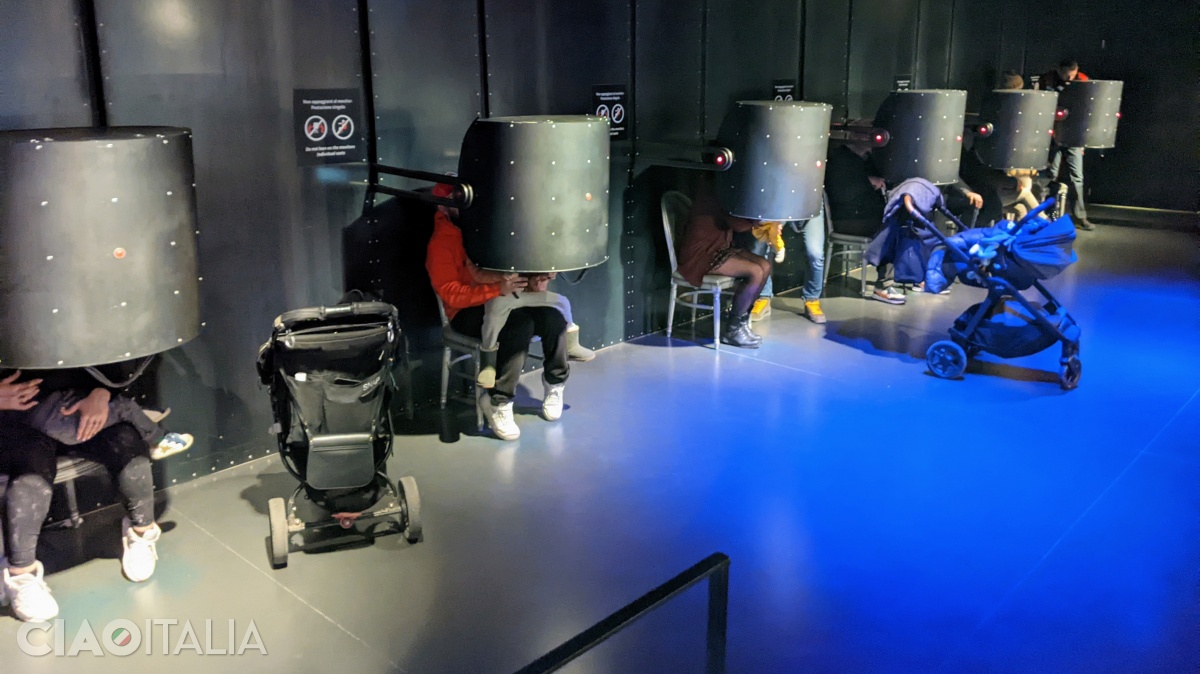
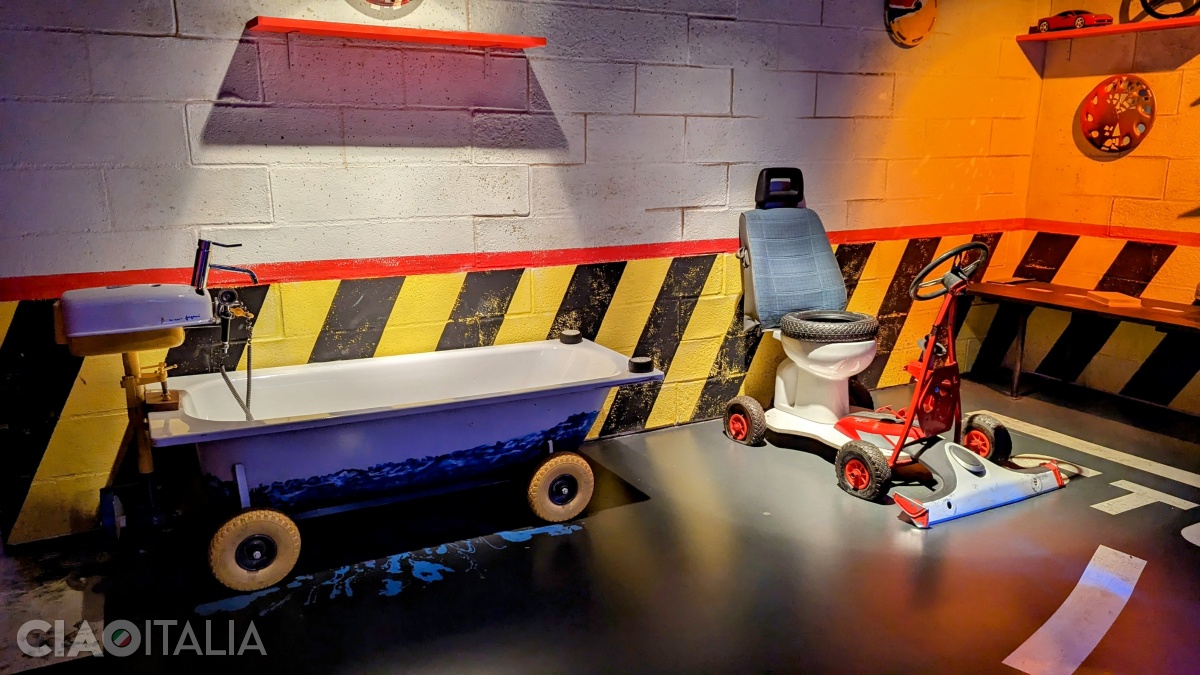
Another interesting room is the one suggestively titled follia ("madness"). The exhibits show how a passion for cars can turn into an obsession. The room displays a house where all the furniture is shaped like cars or car parts.
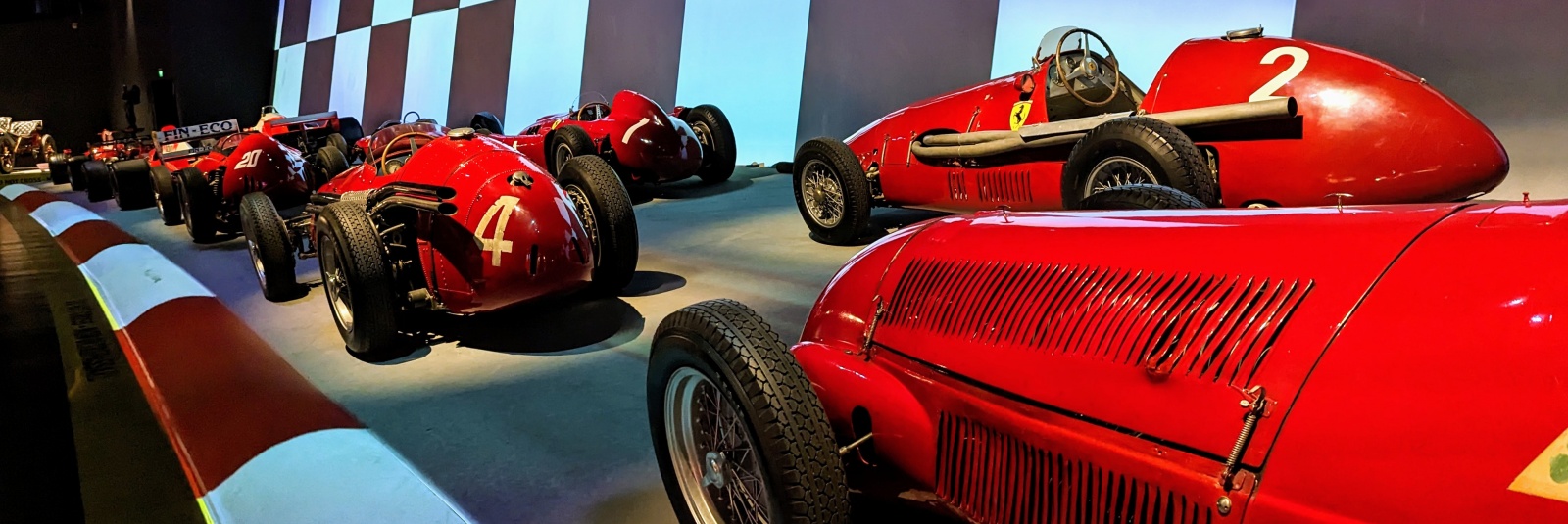
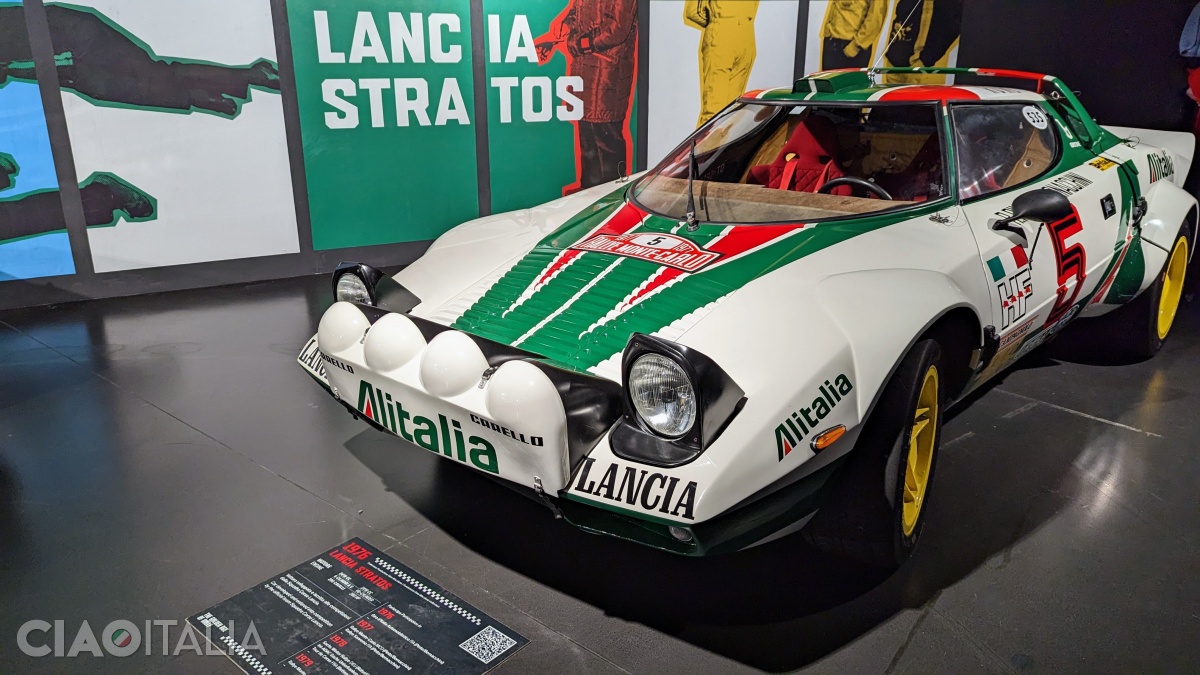
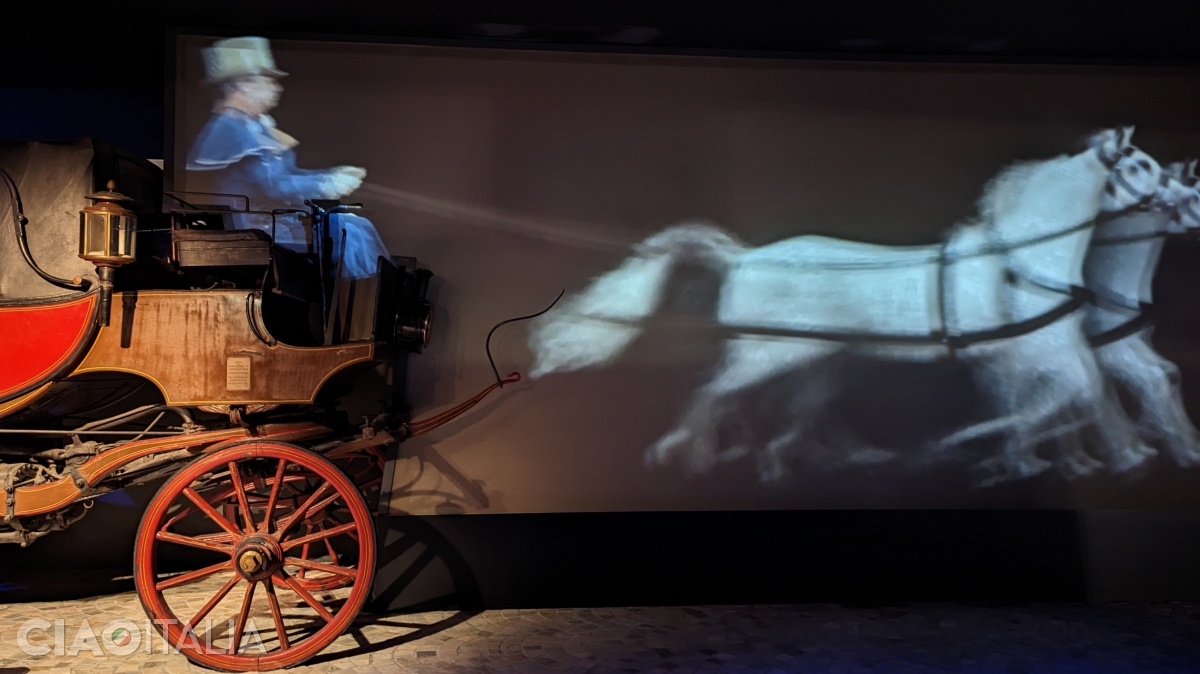
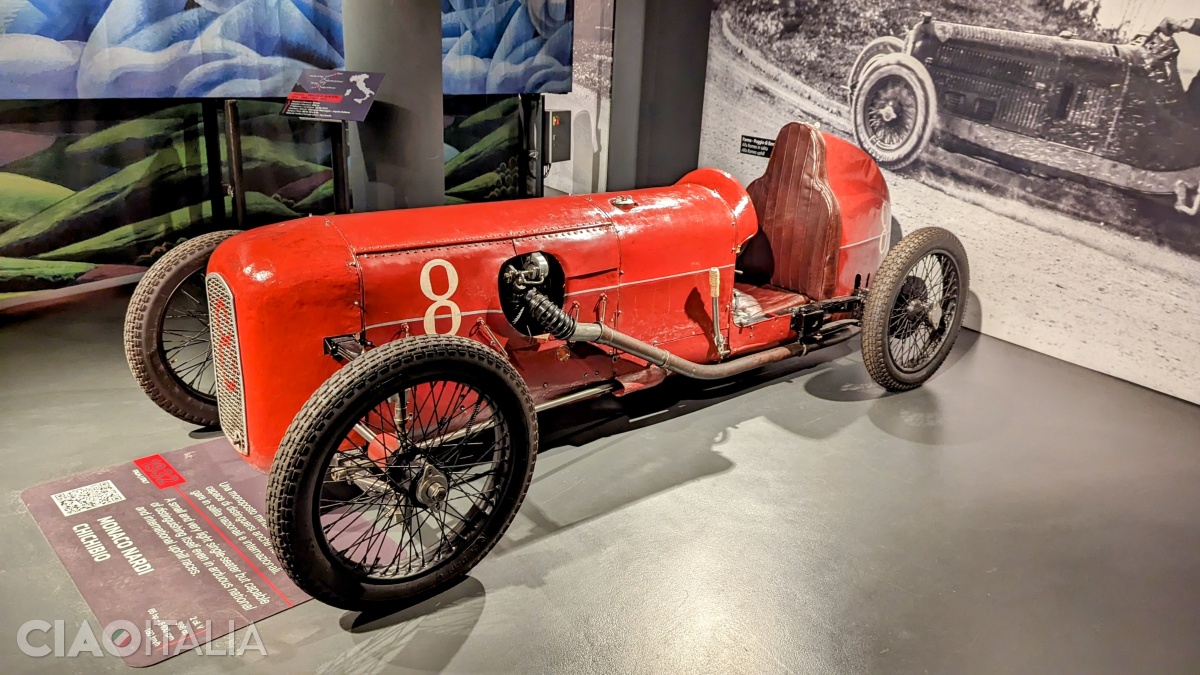
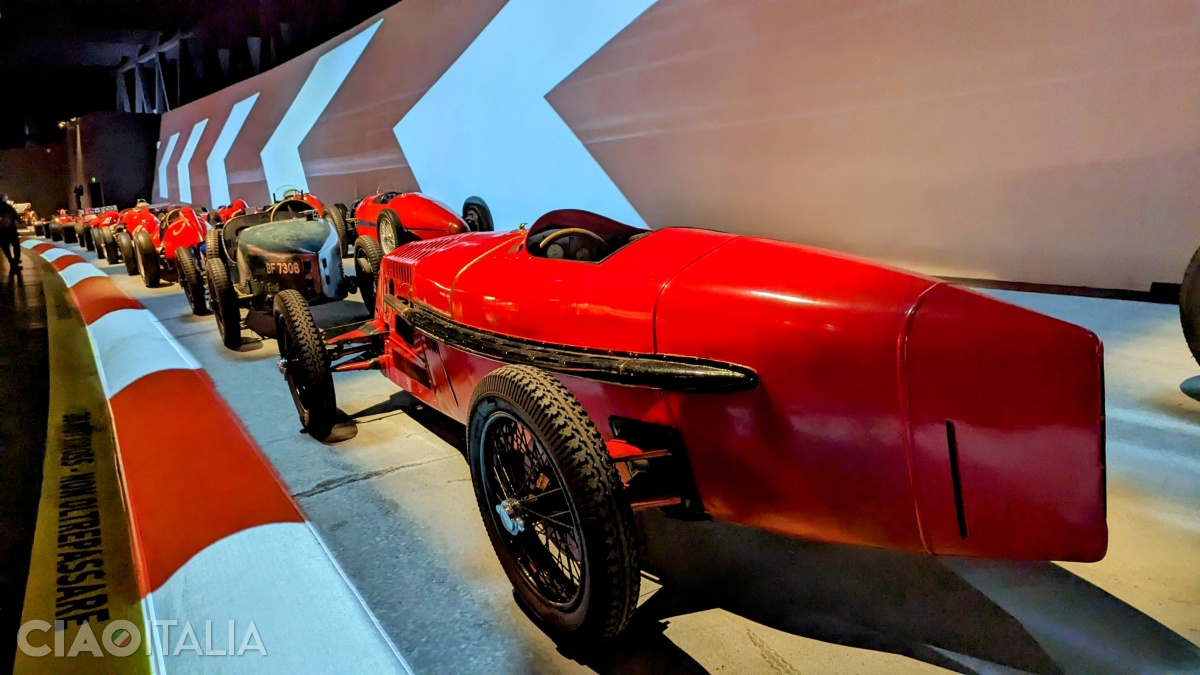
This section ends with an area dedicated to racing cars from different eras. The Formula 1 area is probably the most photographed part of the museum: behind the displayed cars, films of galloping horses play, running faster and faster.
Finally, the ground floor is dedicated to the section L'automobile e il design ("The Automobile and Design"), which explores the various stages involved in designing a car.
On average, the visit takes about 2 hours (but you can easily spend much more time in the museum).