The Royal Palace of Turin and the Royal Museums
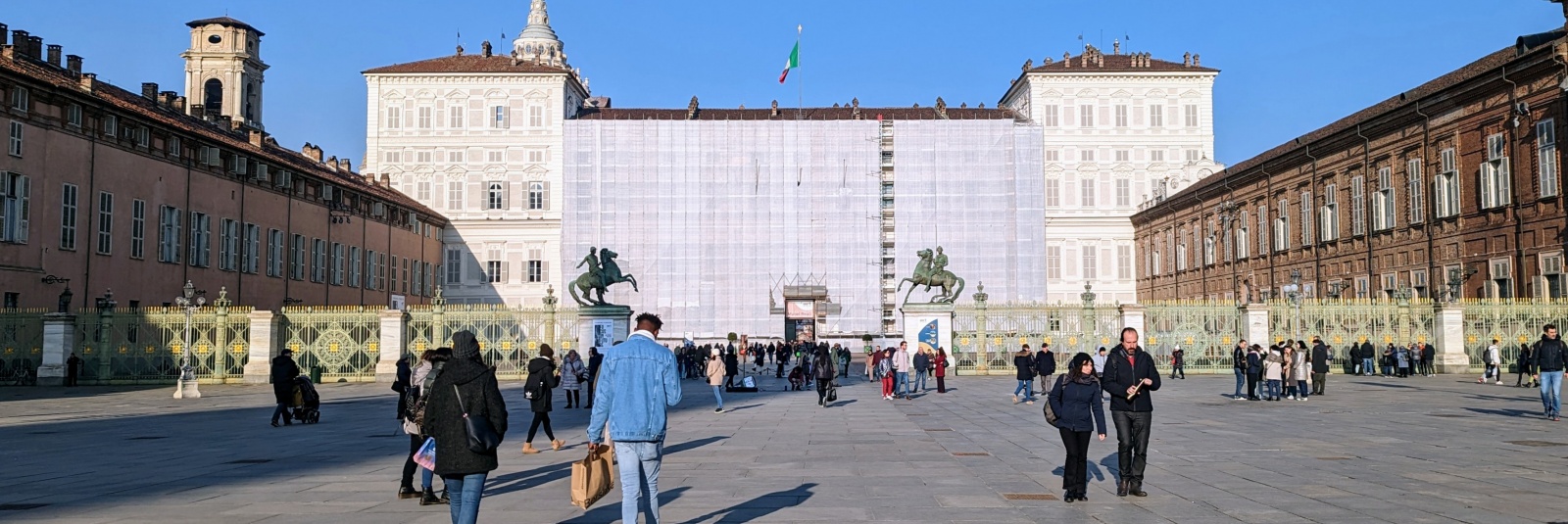
The Royal Palace of Turin is closely linked to the House of Savoy, being one of the largest and most famous royal residences in Europe.
Located right in the city center, next to Piazzetta Reale, the palace is part of a complex of museums situated side by side. The complex is called the Royal Museums (Musei Reali di Torino) and includes:
- The Royal Palace (il Palazzo Reale)
- The Royal Armoury (l'Armeria Reale)
- The Chapel of the Shroud (la Cappella della Sindone)
- The Royal Library (la Biblioteca Reale)
- The Gallery of the House of Savoy (la Galleria Sabauda)
- The Museum of Antiquities (il Museo di Antichità)
- The Royal Gardens (i Giardini Reali)
- The Chiablese Halls (le Sale Chiablese)
Entrance Tickets
The entrance ticket prices for the Royal Museums of Turin are:
- Adult: €15
- 18-25 years: €2
- Under 18: free
As with the other major museums in Turin, entry to the Royal Museums is free if you’ve already purchased the Torino+Piemonte tourist card.
For those who have this card or who have purchased tickets online, there is a separate ticket desk.
Unlike the Egyptian Museum and the Cinema Museum, the risk of not finding available slots at the Royal Museums is quite low. However, if you still want to make a reservation and you have the Torino+Piemonte Card, you'll need to go to the website as if you were buying tickets, choose the date and time, and select the Torino Piemonte Card option, priced at €0.
The entrance ticket includes access to the Royal Palace, the Royal Armoury, the Chapel of the Shroud, the Galleria Sabauda, and the Museum of Antiquities (from which you can exit directly into the gardens). If you want more in-depth information, guided tours are available for booking.
Entry to the monumental hall of the Royal Library and to the Royal Gardens is free for all visitors.
A separate ticket is required for temporary exhibitions in the Chiablese Halls.
Opening Hours
Opening hours for the Royal Palace and Royal Museums:
- Monday-Tuesday: 9:00 AM - 7:00 PM
- Wednesday: closed
- Thursday to Sunday: 9:00 AM - 7:00 PM
The ticket office closes at 6:00 PM, and the last entry is at 6:00 PM.
Opening hours for the Royal Library:
- Monday and Friday: 9:00 AM - 1:30 PM
- Tuesday, Thursday and Saturday: 1:30 AM - 6:30 PM
- Sunday: closed
Opening hours for the Royal Gardens:
- Monday-Tuesday: 8:30 AM - 7:00 PM
- Wednesday: closed
- Thursday to Sunday: 8:30 AM - 7:00 PM
- Last entry is 20 minutes before closing.
Visit to the Royal Museums
The visit to the Royal Museums covers a route of about 3 km. On average, the visit takes around 3 hours (this obviously varies depending on each person's level of interest).
The Royal Palace of Turin
The visit to the Royal Museums of Turin begins with the Royal Palace (il Palazzo Reale), the first and most important residence of the House of Savoy in Piedmont. For three centuries, from 1563 to 1865, the palace was a center and a symbol of power for this dynasty, one of the oldest in Europe.
The origins of the Royal Palace go further back in time. Before the 16th century, it was an episcopal palace located next to the Cathedral. It was likely so lavish that in 1563, when the capital of the Duchy of Savoy was moved from Chambéry to Turin, Emmanuel Philibert I chose it as his personal residence, evicting the former owner.
During the siege of the city of Turin in 1640, the palace suffered significant damage. Reconstruction work began in the second half of the 17th century and continued over the next two centuries.
After 1865, when the capital of Italy was moved to Florence (and later to Rome), the palace began to lose its importance, and the abolition of the monarchy in the mid-20th century found it in a state of abandonment. Transferred to the ownership of the Italian state, the Royal Palace was renovated and opened to the public, and today it is one of the main tourist attractions in Turin. Along with other residences of the House of Savoy, the palace is part of the UNESCO World Heritage List.
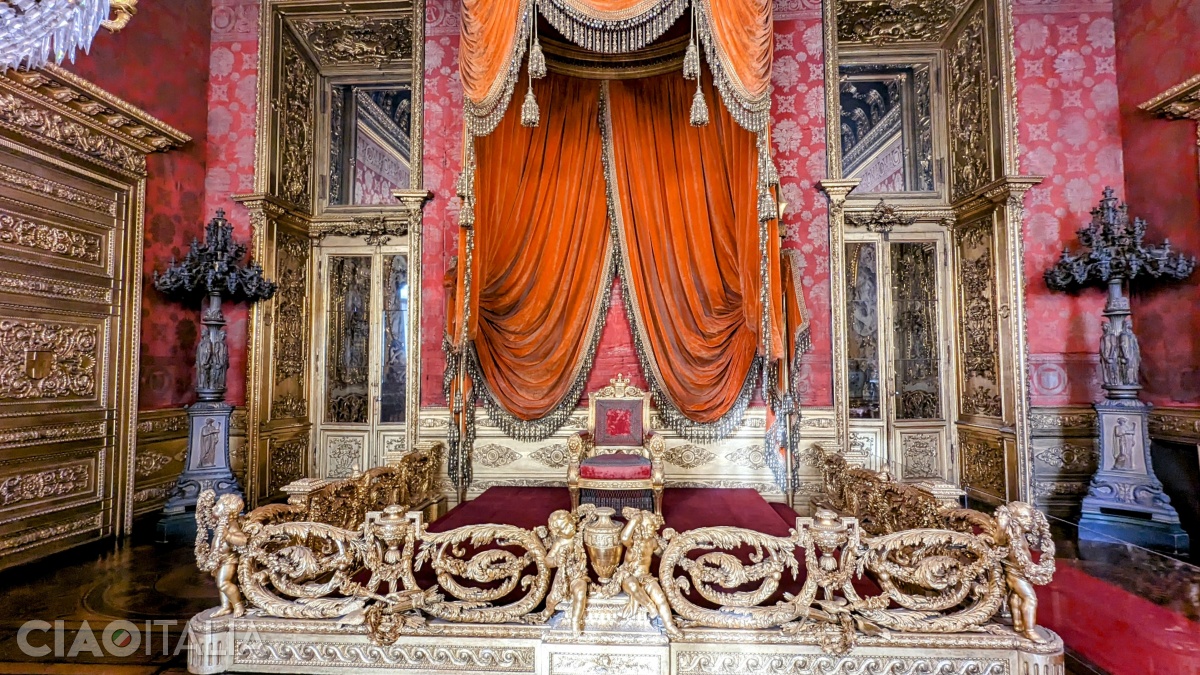
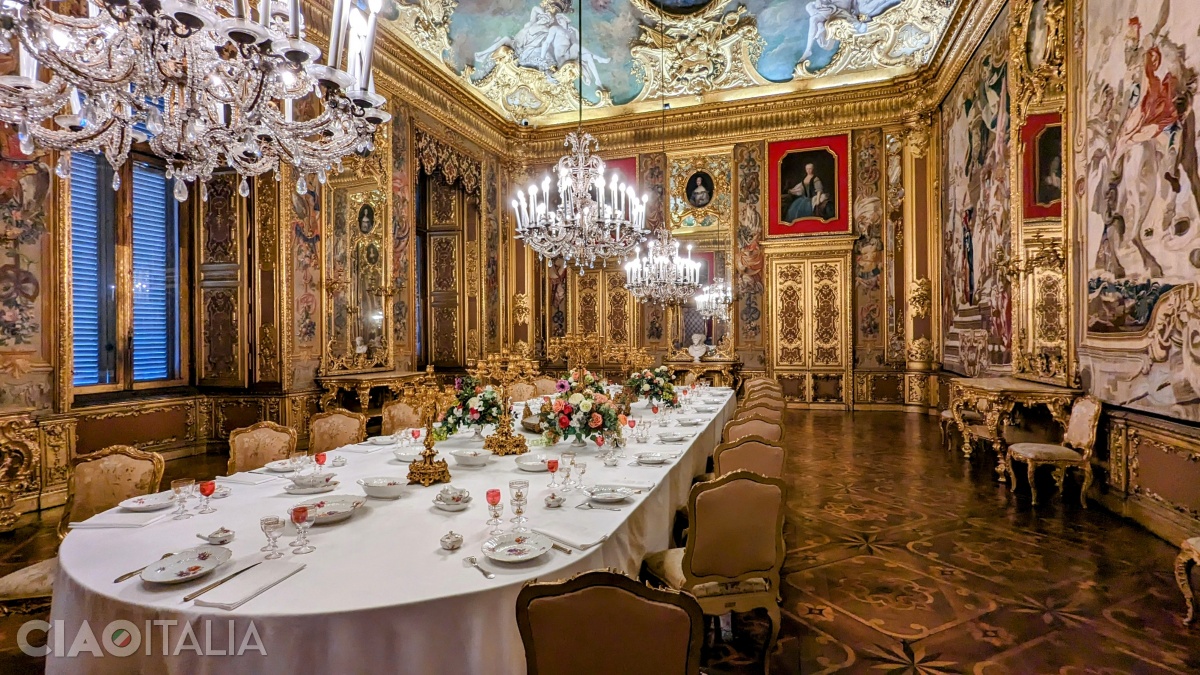
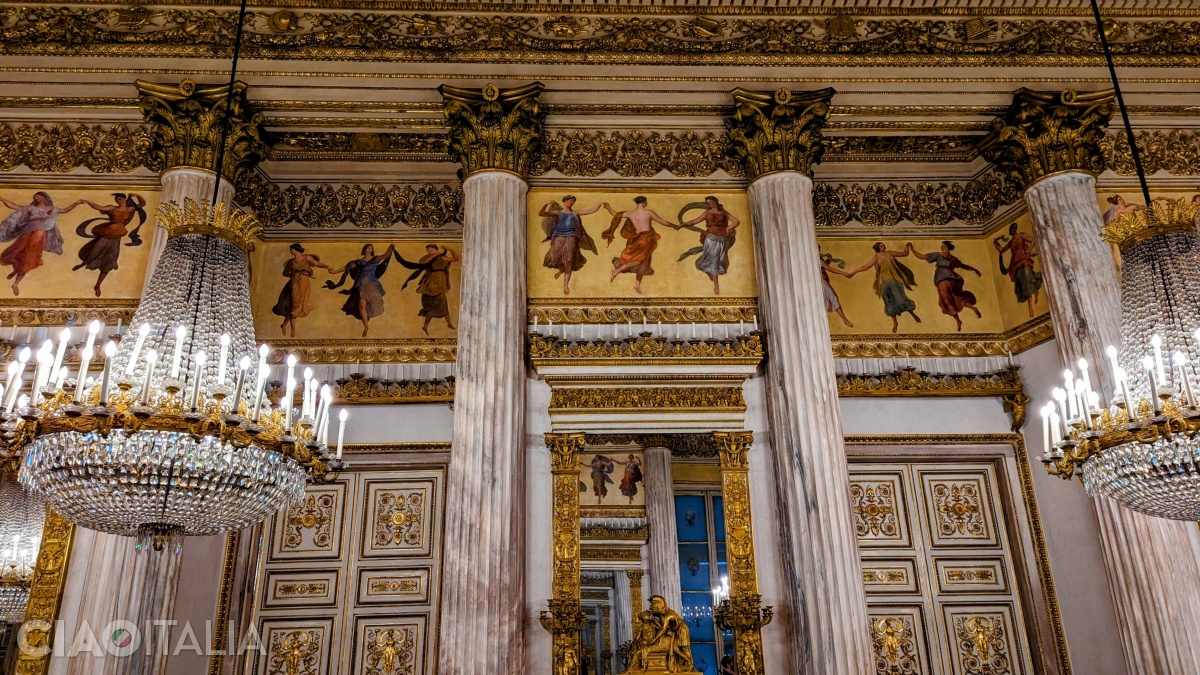
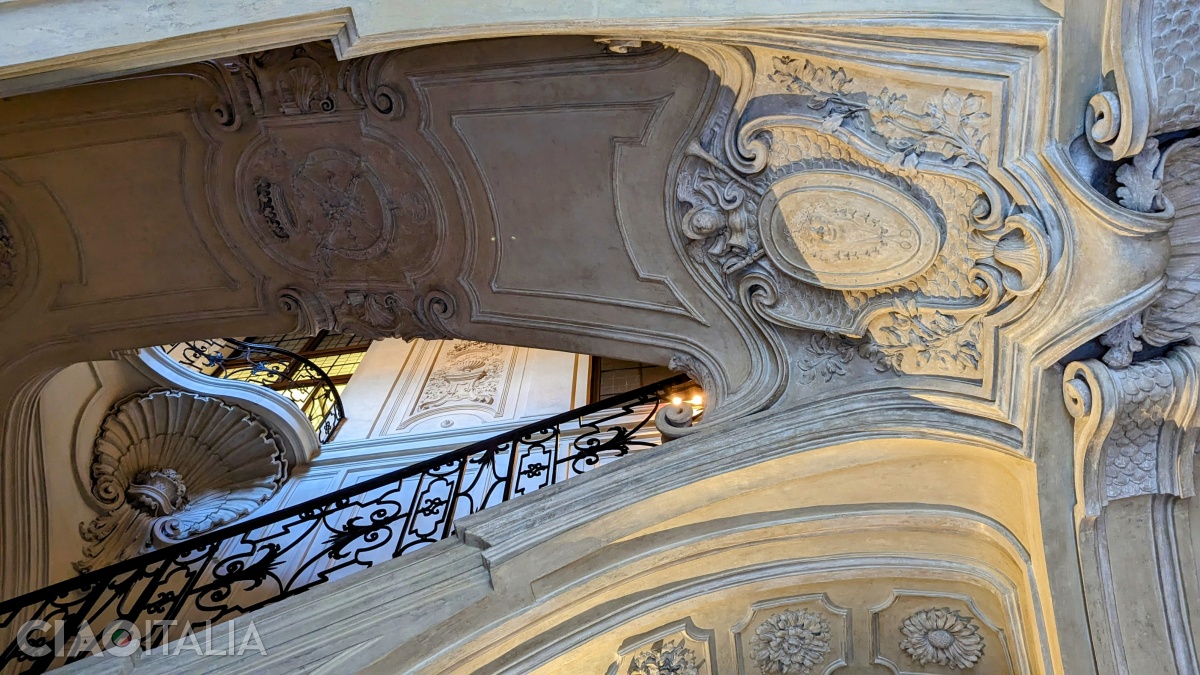
Don't be fooled by its austere exterior - the palace interiors are sumptuous, with gilded ceilings, tapestries, paintings, and richly decorated furniture, all created by the most famous artists of the time.
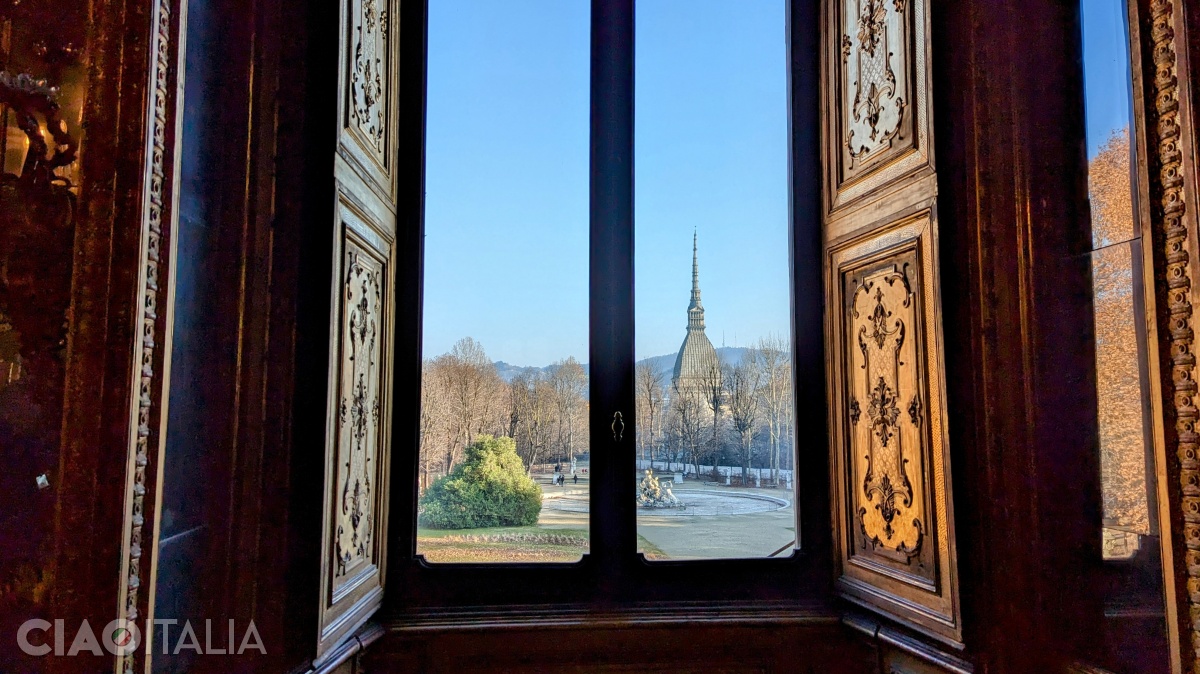
The visit begins on the first floor (the "noble floor"), which you reach via the imposing marble staircase known as the "Staircase of Honor", built in the 19th century at the request of Vittorio Emanuele II. From here, the route takes you through the Hall of the Swiss Guards, the Throne Room, the Council Room, the Chinese Cabinet (from which you'll make a short detour to visit the Arms Collection), the Dining Room, and the Ballroom. The objects, furniture, and works of art in the palace date from the 17th to the 20th century.
The Royal Armoury Collection
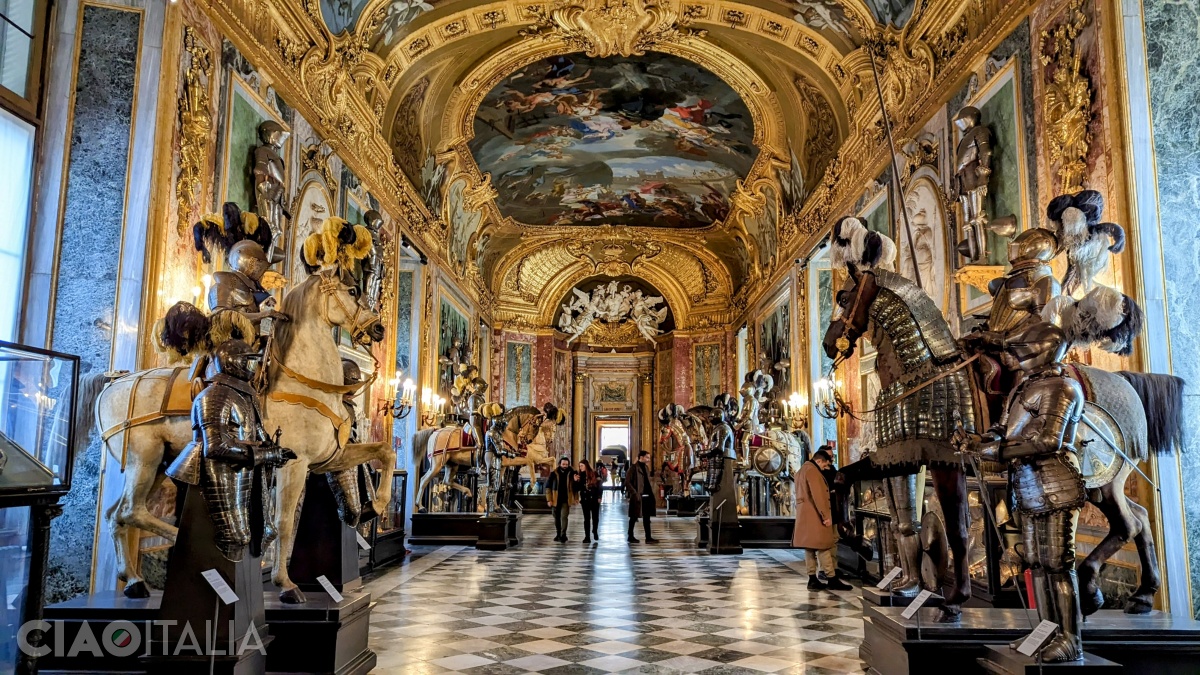
The Royal Armoury Collection (l'Armeria Reale) is housed in the Beaumont wing of the palace (where the Library is also located on the ground floor), in a gallery designed by architect Filippo Juvarra and decorated by Claudio Francesco Beaumont.
Open to the public since 1832, the collection includes over 5,000 weapons, armor, and military equipment, making it one of the most important in the world. The items belonged to the House of Savoy and span different periods, from prehistory to the early 20th century.
The Chapel of the Holy Shroud
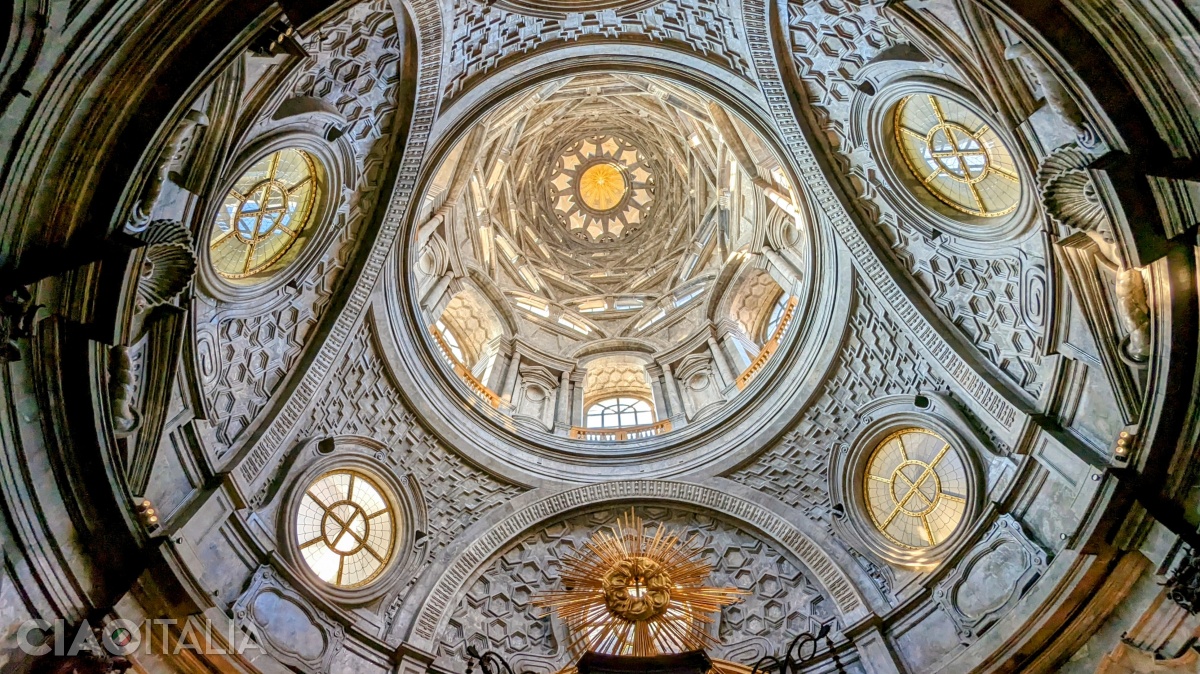
Cappella della Sindone ("Chapel of the Holy Shroud") was built behind the main altar of the Cathedral but is part of the Royal Palace. From the very beginning, its purpose was to house the famous Shroud of Turin, from which it takes its name.
The chapel was built in the second half of the 17th century by architect-priest Guarino Guarini, commissioned by Duke Carlo Emanuele II of Savoy, who revived an older project of his predecessors. Guarini created a masterpiece of the Baroque style. Indeed, when looking up at the various overlapping arches of the dome, through which light filters, it's hard to believe you are in a 17th-century structure.
The symbolism is rich - from the dark-colored marble, representing death, which gradually lightens as your gaze ascends toward the dome, symbolizing resurrection, to the use of the number three in structural elements.
In 1694, the Shroud was placed in the central altar of the chapel, where it remained until 1993, when it was transferred to the Cathedral of Turin.
In 1997, a fire caused significant damage to the chapel. Many years of restoration followed, and it was only reopened in 2018.
The Royal Library
The Royal Library (la Biblioteca Reale) was founded in 1831 by Carlo Alberto of Savoy. The monumental hall was designed by the royal court architect and was painted with themes representing the Sciences and the Arts.
The library houses medieval manuscripts and miniatures, valuable prints and engravings, as well as drawings by famous artists. Among them is the collection of drawings by Leonardo da Vinci (including the famous "Self-Portrait"). Also noteworthy is the collection of musical scores by Vivaldi.
Galleria Sabauda
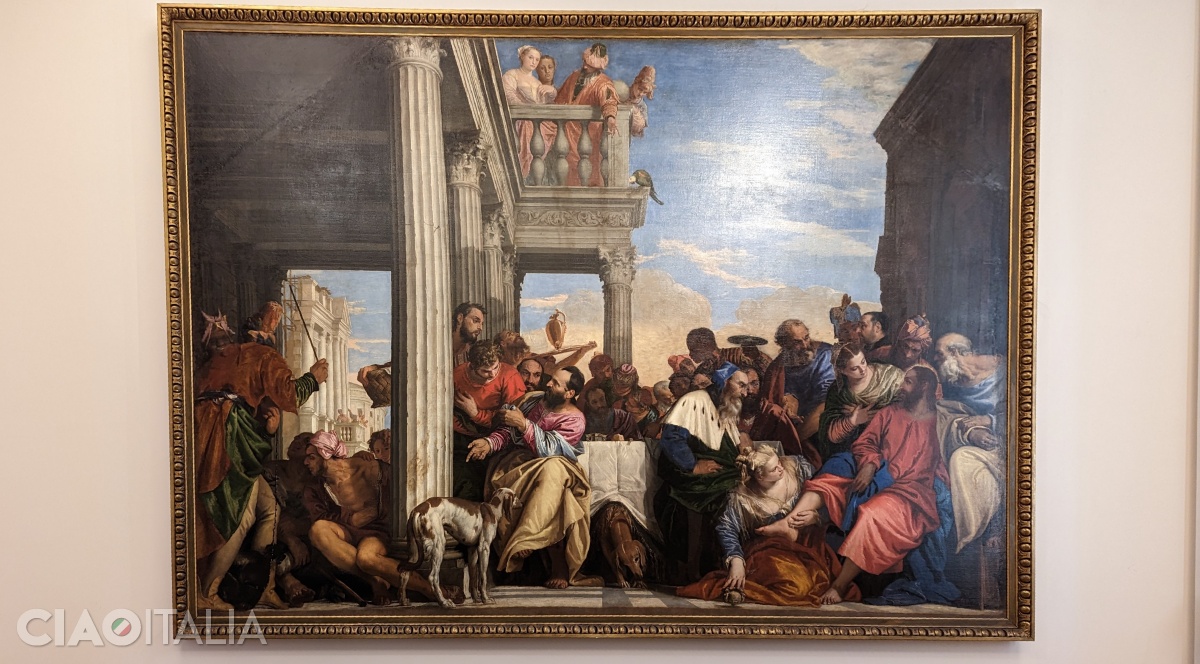
The Galleria Sabauda (Gallery of the House of Savoy) was founded in 1832 at the wish of Carlo Alberto. The art gallery, one of the most important in Italy, is located in the new wing of the Royal Palace and houses the rich art collection of the House of Savoy, comprising over 700 works from the 13th to the 19th centuries.
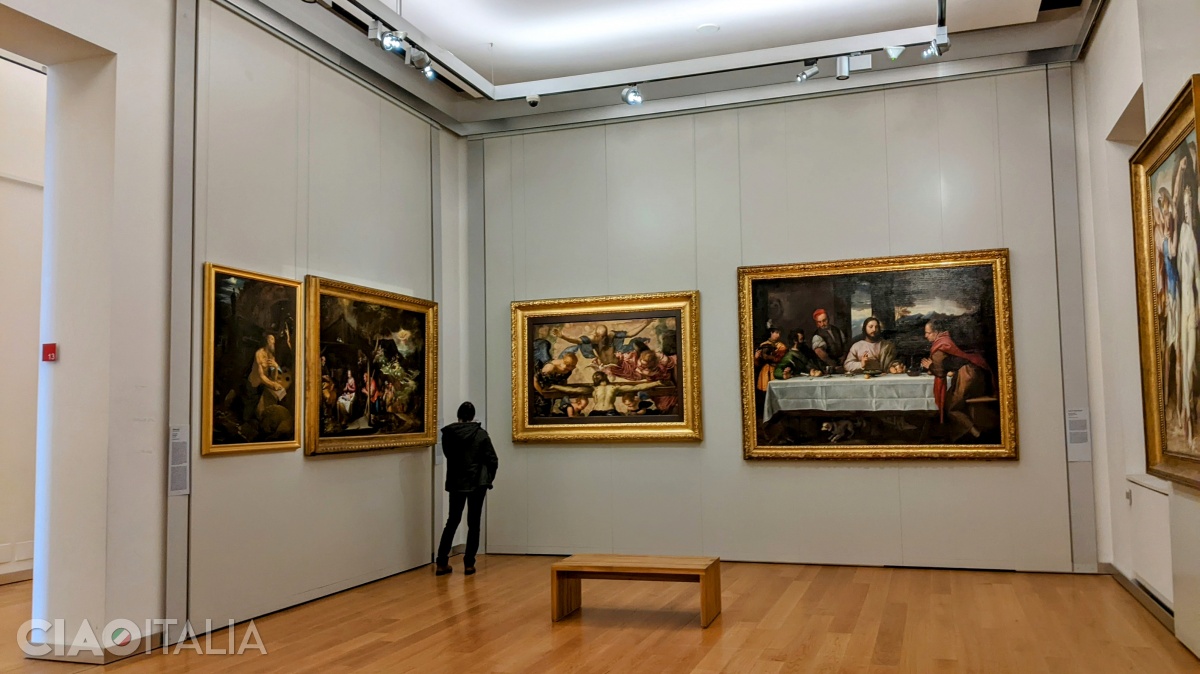
Among other treasures, you will find paintings by famous representatives of the Flemish and Dutch schools, such as Rembrandt, van Eyck, and Anton van Dyck, as well as works by artists from the Venetian school (Veronese, Tiepolo, Tintoretto, and Bellini) and the Tuscan school (Fra Angelico, Filippino Lippi, and Botticelli).
Museum of Antiquities
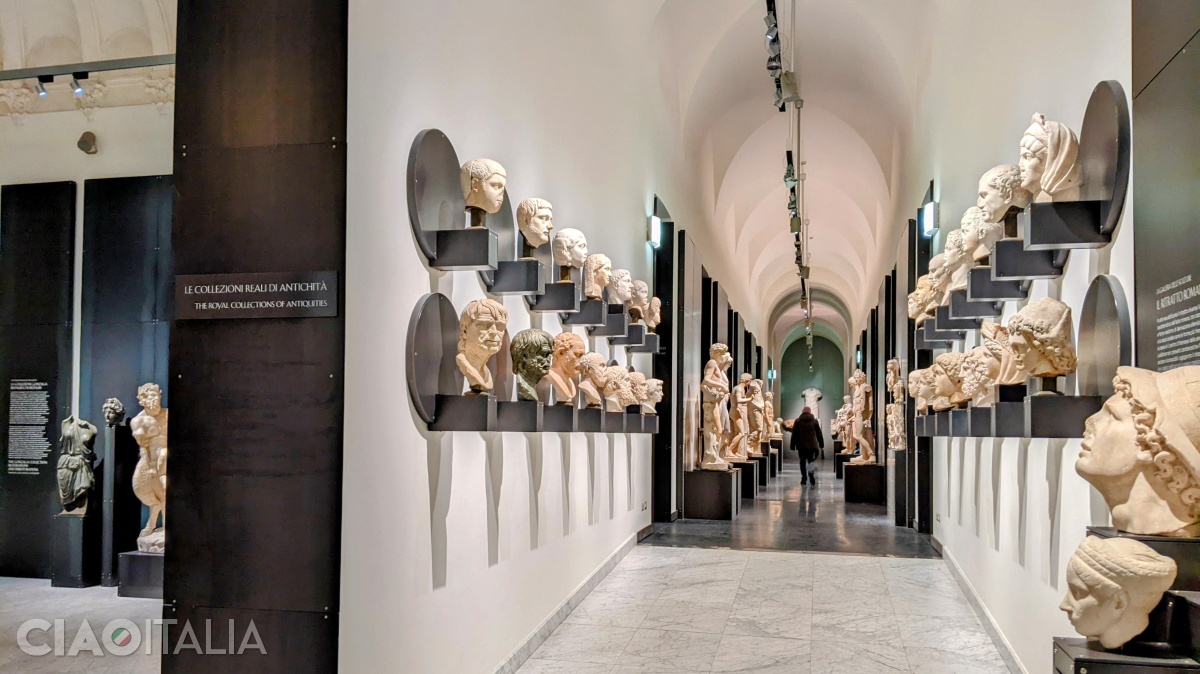
The Museum of Antiquities (il Museo di Antichità), one of the oldest in Europe, was established in 1724 as a museum of the University.
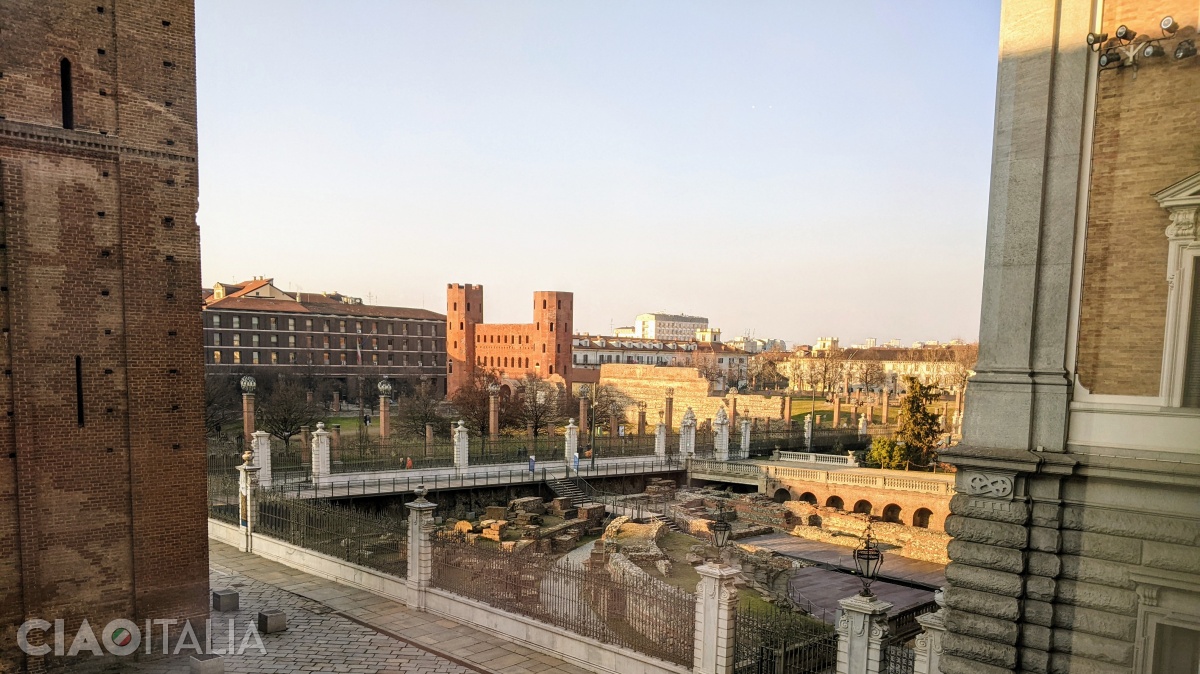
It houses a section dedicated to the archaeology of the city of Turin, including the Roman theatre of ancient Augusta Taurinorum (1st-2nd century AD), discovered in 1899 during excavations for the construction of the new wing of the Royal Palace, as well as artifacts found in the region, among which is the Treasure of Marengo.
Part of the museum is also the Archaeological Gallery, which includes Greek, Etruscan, and Roman antiquities that the House of Savoy began collecting as early as the 16th century.
The Royal Gardens
The Royal Gardens (i Giardini Reali), which cover an area of over 7 hectares, are decorated with fountains and statues.
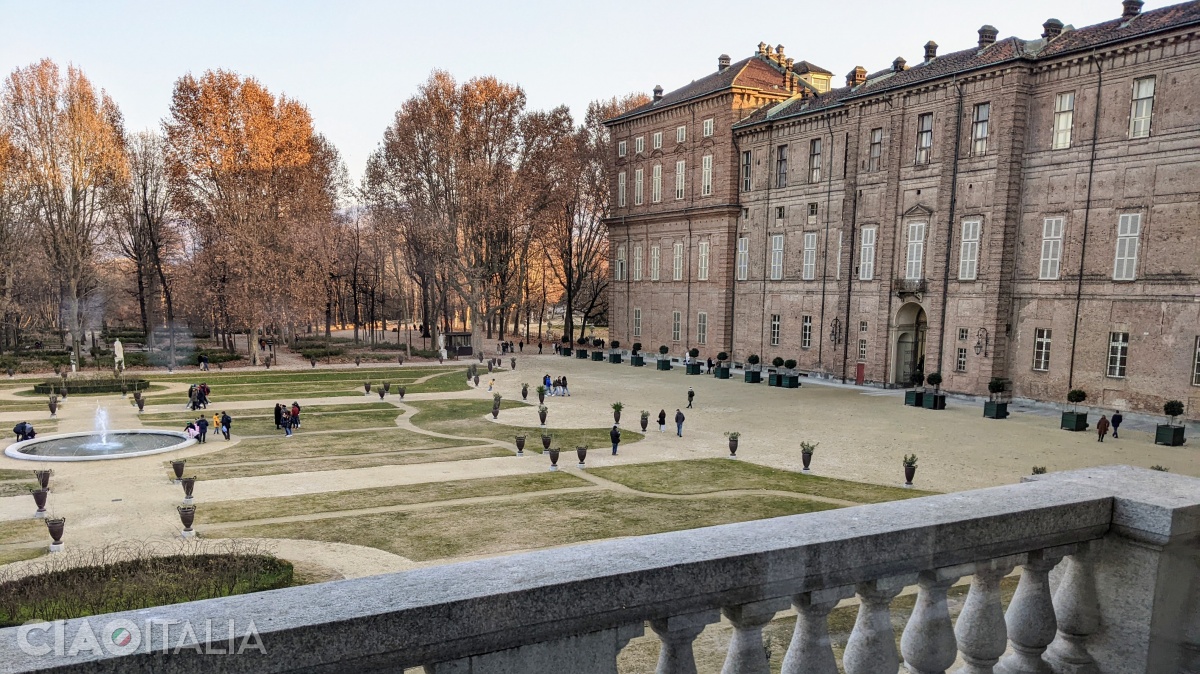
At their core lies the Ducal Garden (il Giardino Ducale), which dates back to the 16th century. In the following centuries, it was expanded with the addition of the Boschetto, the Lower Gardens (Giardini Bassi), the Eastern Gardens (Giardini di Levante), and the Cavallerizza Gardens (Giardini della Cavallerizza).
The Chiablese Halls
The Chiablese Halls host temporary exhibitions.