19 Things to Do in Catania
Most of Catania's tourist attractions are concentrated around the historic center, which, due to its Baroque monuments, has been included in the UNESCO site "Late Baroque Towns of the Val di Noto" (Southeastern Sicily). The predominance of Baroque architecture in Catania has a historical explanation: after Mount Etna's eruption in 1669 and the earthquake of 1693, the city was almost completely destroyed. When the palaces and churches were rebuilt at the beginning of the 18th century, the Baroque style was at its height, which decisively influenced the city's present-day appearance.
To visit the most important sites and tourist attractions, you will need about two days (you can discover the essentials in just a few hours with a guided walking tour). Of course, you can also stay in Catania and use it as a base for various activities and excursions to Mount Etna, Taormina, or Syracuse.
1. Piazza del Duomo
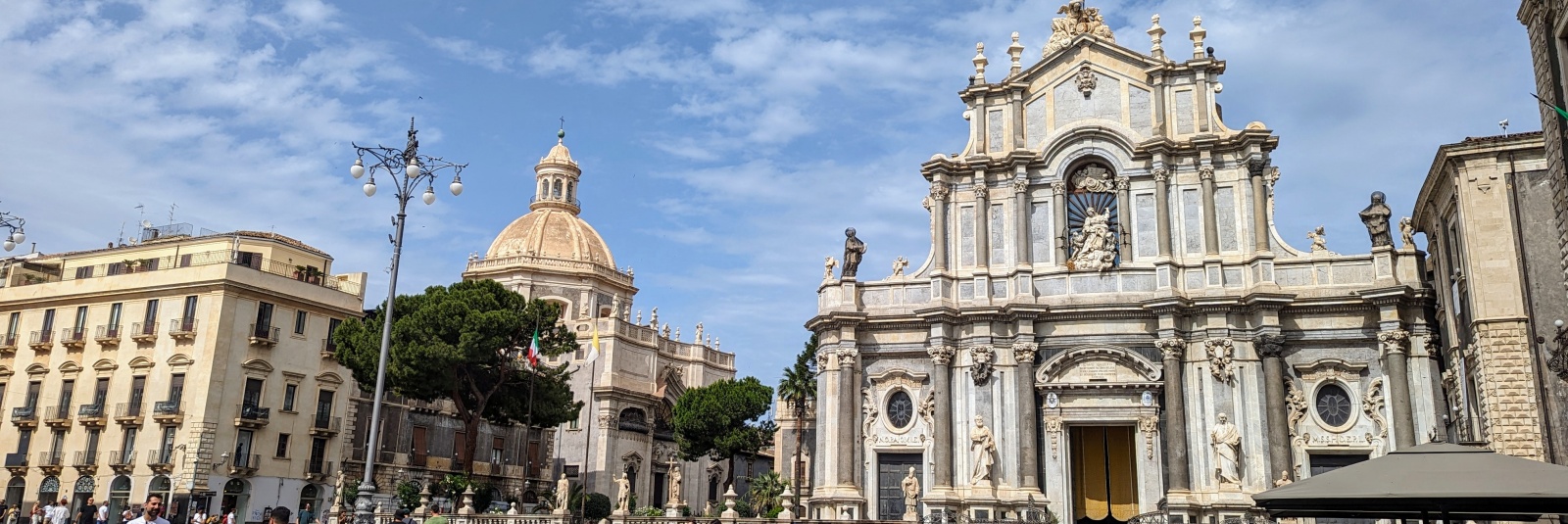
The elegant Piazza del Duomo (Cathedral Square) is the Baroque heart of the city and the center of both religious and civil power. The buildings surrounding it are characterized by the contrast between the black volcanic stone and the white Carrara marble.
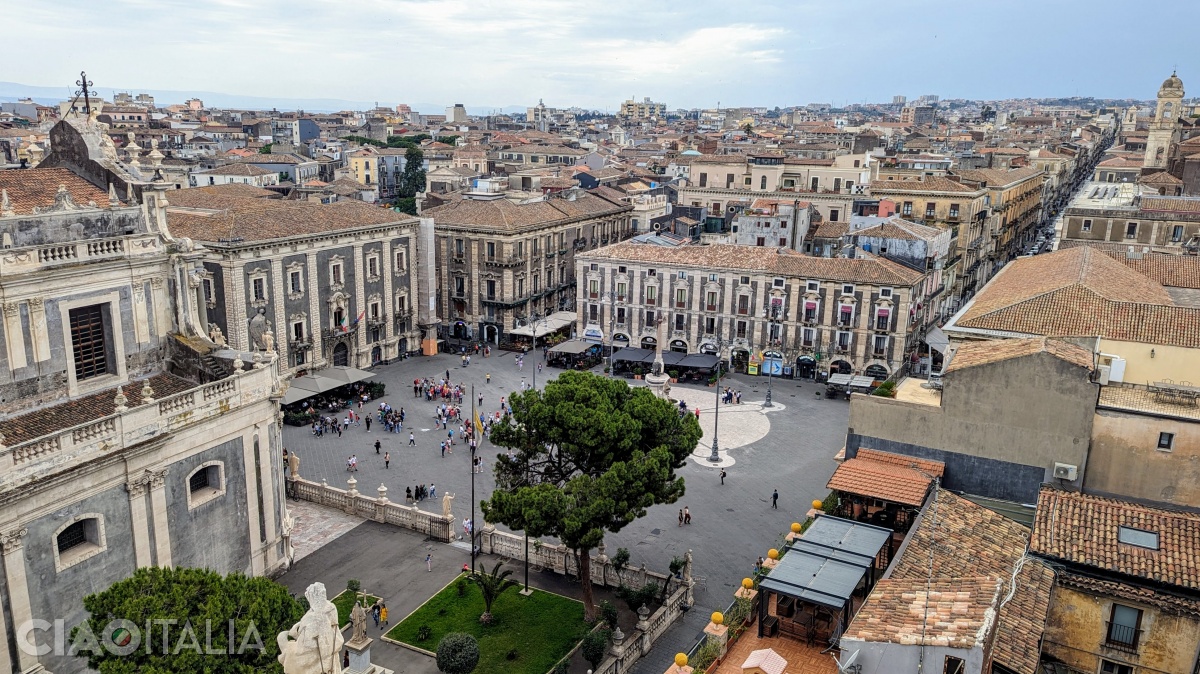
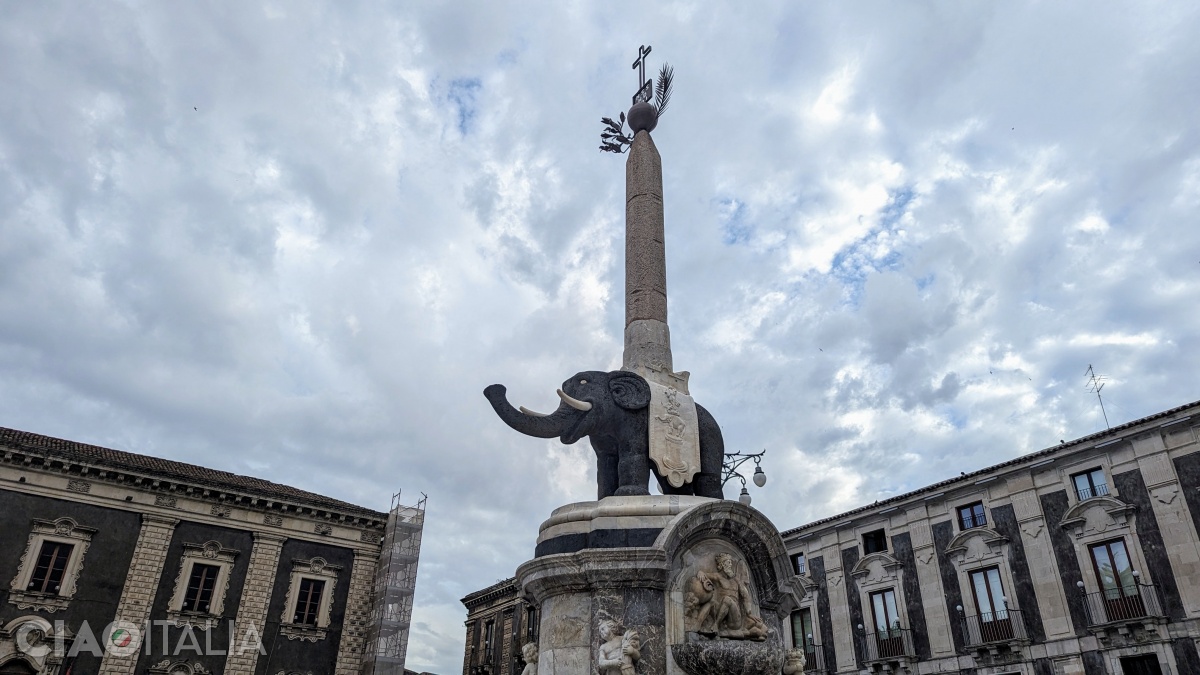
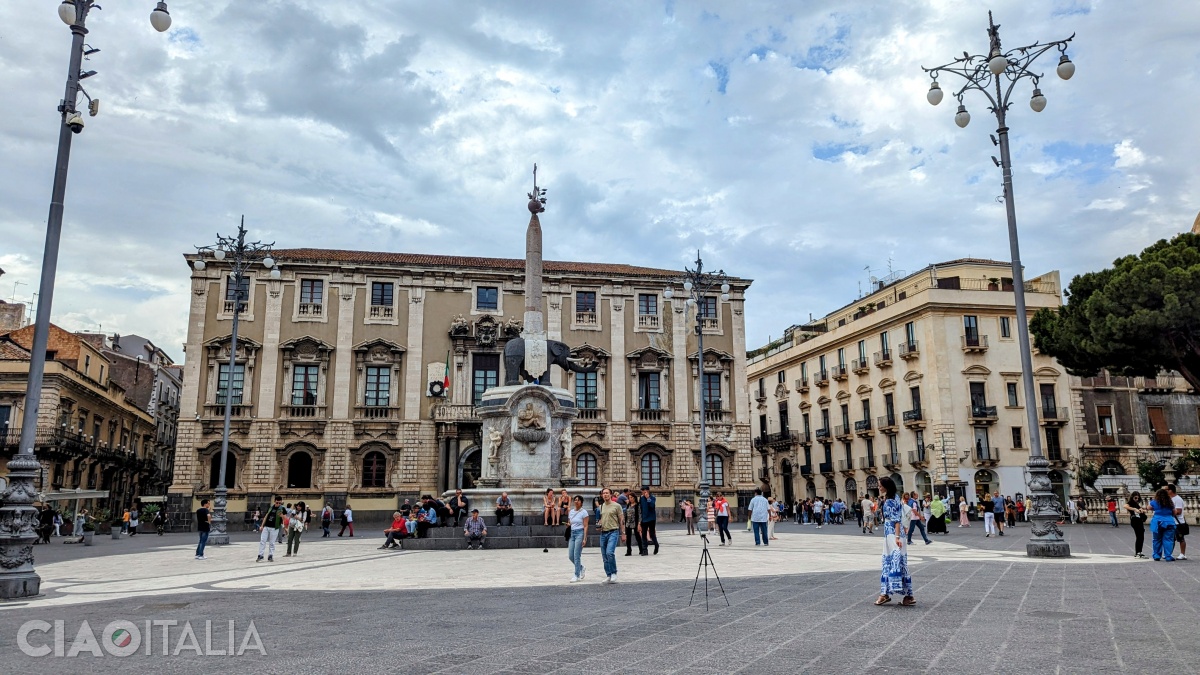
At the center of the square stands the Fontana dell'Elefante ("Elephant Fountain"), topped by a curious black basalt statue of an elephant carrying an Egyptian obelisk. The elephant, called u' Liotru by locals, is the symbol of the city, and you’ll encounter it everywhere during your holiday in Catania. According to legend, the animal was created by a magician named Heliodorus (from whom the name u' Liotru is derived), who used it to travel to Constantinople. The true origin of the statue is unknown, but the fountain it adorns was built in 1737 by Giovanni Battista Vaccarini, an architect from Palermo, who also added the elephant's white limestone eyes and tusks.
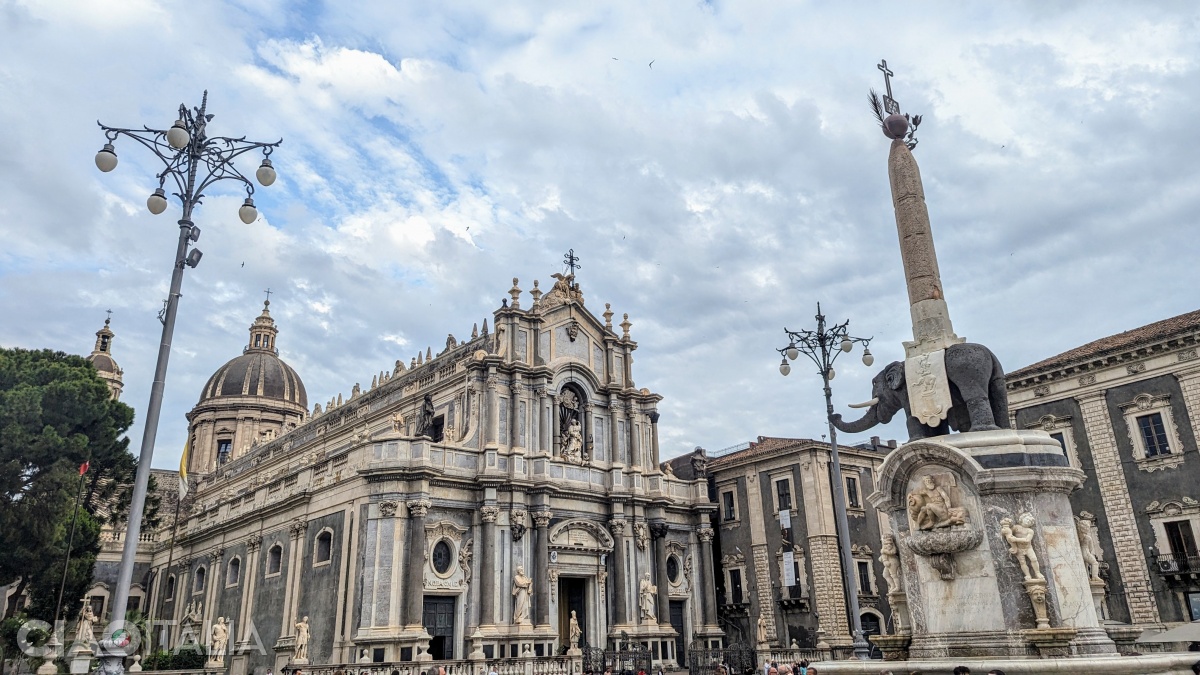
Piazza del Duomo is dominated by the Cathedral of Saint Agatha (the Duomo), from which the square takes its name, and which is one of the most important tourist attractions in Catania.
To the right of the cathedral stands the Palazzo del Seminario dei Chierici, which houses the Museo Diocesano (Diocesan Museum), featuring religious artifacts. From its terrace, you can enjoy an elevated view of Cathedral Square, Via Etnea, and Mount Etna in the background.
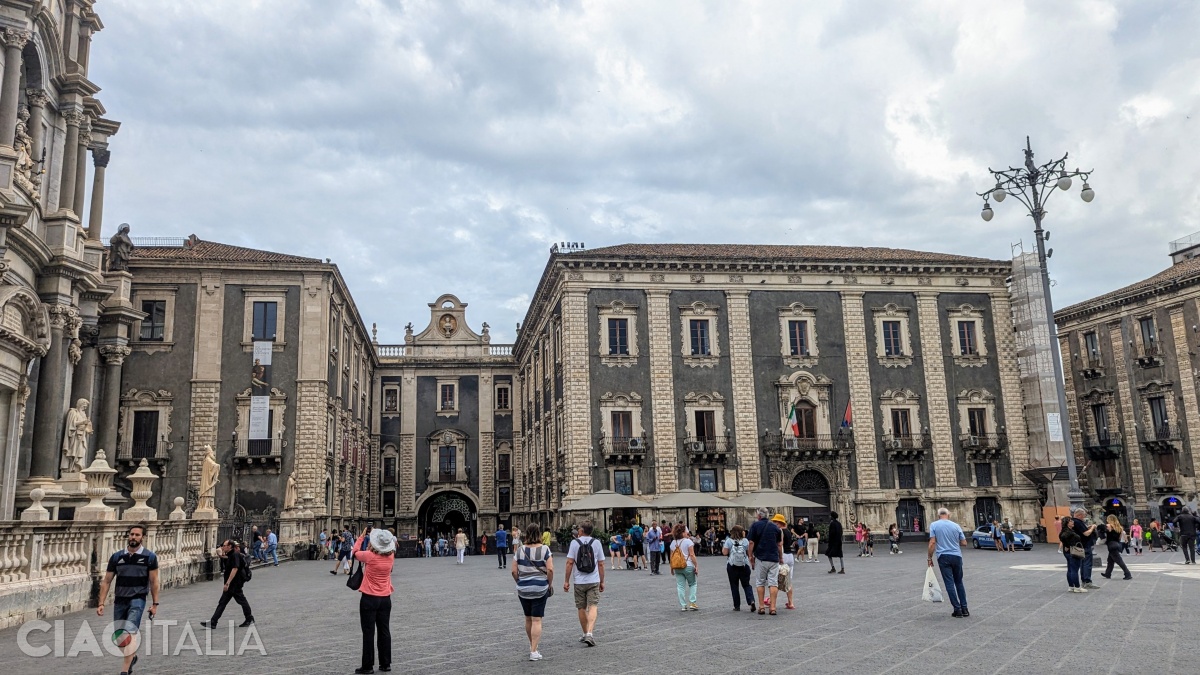
Museo Diocesano
Opening Hours:
- April-October: 9:00 AM - 9:00 PM
- November-March: 9:00 AM - 6:00 PM
Ticket Prices:
Cathedral Monumental Complex integrated ticket (includes the access to the Cathedral, the Achillian Baths and the Diocesan Museum):
- Adults: €12
- Reduced: €10
- Families: €25
On the same side, at the corner with Via Garibaldi, stands Palazzo Pardo, one of the first palaces built after the 1693 earthquake. Once the residence of an important noble family, it became Catania's first hotel at the end of the 18th century.
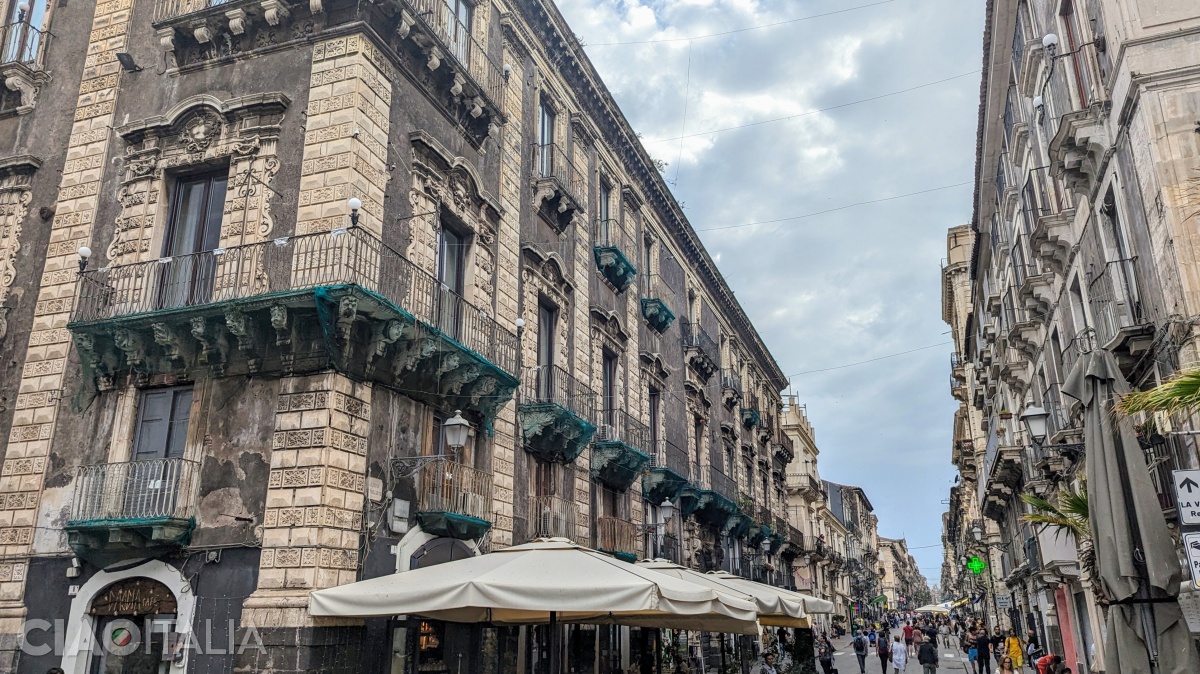
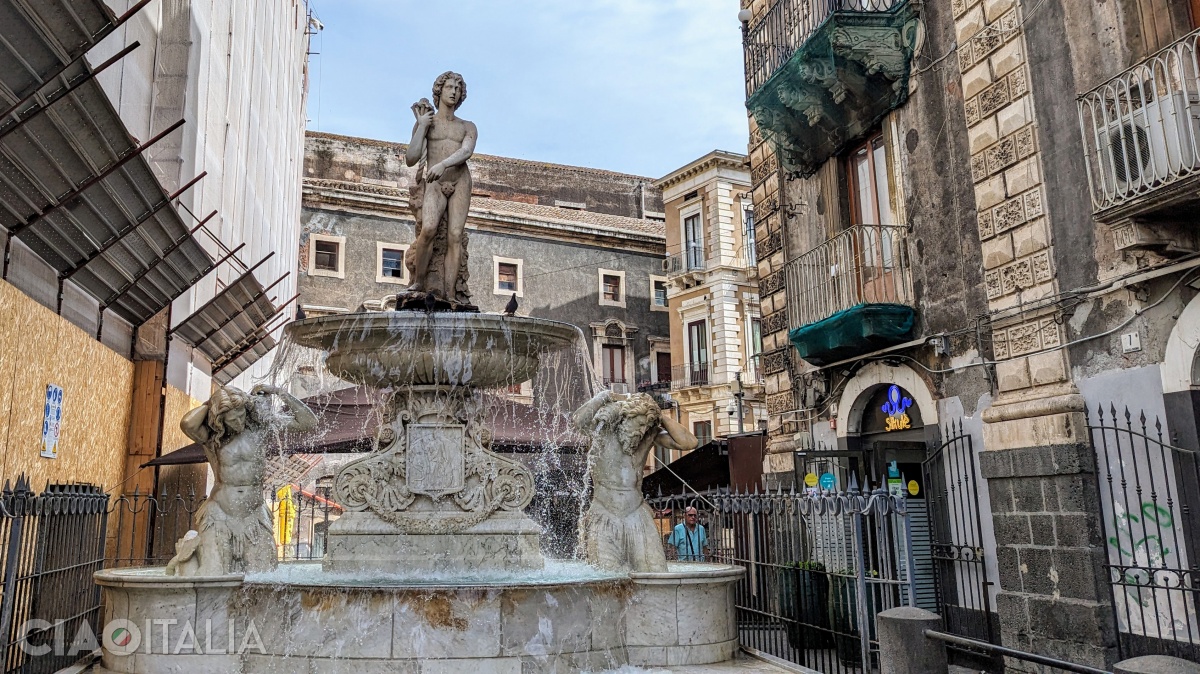
Between Palazzo Pardo and Palazzo dei Chierici lies the Fontana dell'Amenano, created in 1867 by Tito Angelini, a sculptor from Naples. The Amenano is the river that once flowed through Catania but, over time, was covered and now runs mostly beneath the city, visible only in a few places. The statue of the young man decorating the fountain symbolizes this river. The water cascades in several tiers until it resembles a fine sheet, which led the people of Catania to call it acqua a linzolu.
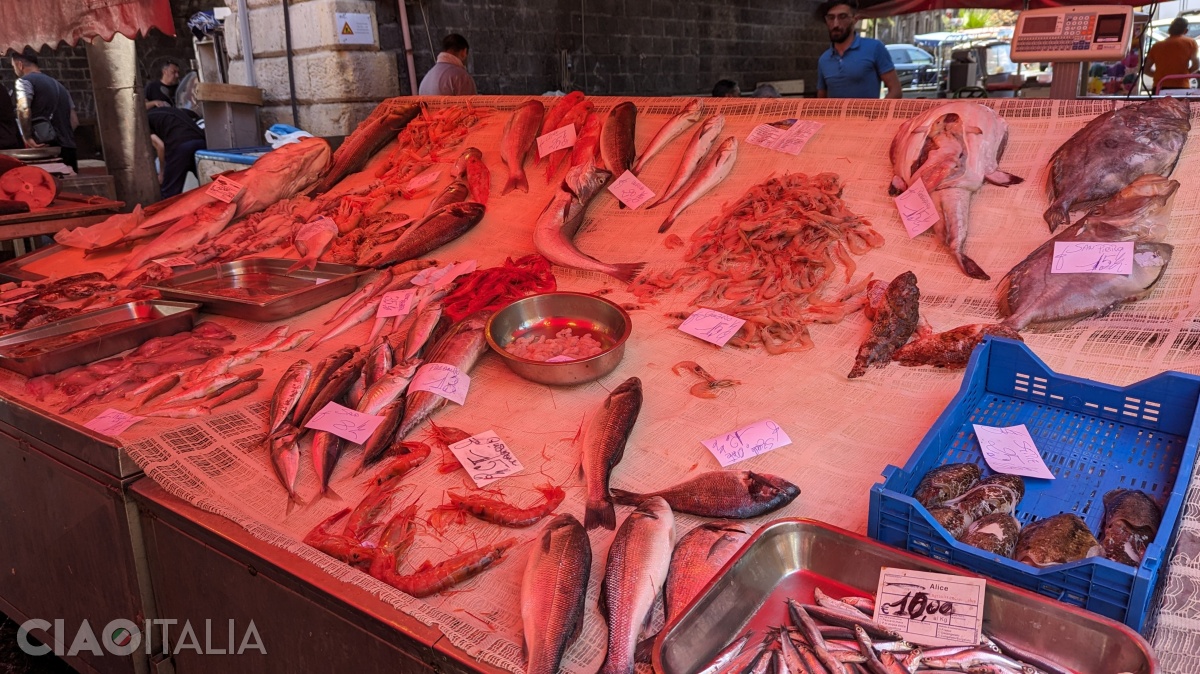
Behind the fountain begins La Pescheria, Catania's famous fish market.
On the opposite side stands the City Hall, known as the Palazzo Senatorio or Palazzo degli Elefanti ("Palace of the Elephants"). If you look at its façade, you'll understand the reason for this name - the window pediments on the first floor are decorated with elephants alternating with the letter "A", the initial of Agatha's name. The construction of the building took nearly a century, from 1696 to 1780, which also explains the mix of Baroque and Neoclassical styles.
In the passage leading to the inner courtyard (which you can enter for free), you can see the Senate's two carriages (18th century), which parade every February during the celebrations of Saint Agatha, the city's patron saint. At the same time, Catania's authorities watch the fireworks from the balcony adorning the façade.
2. Cathedral of Saint Agatha
The Cathedral of Saint Agatha (Catania's Duomo) is the most important church in the city, and its architecture is a beautiful example of Sicilian Baroque.
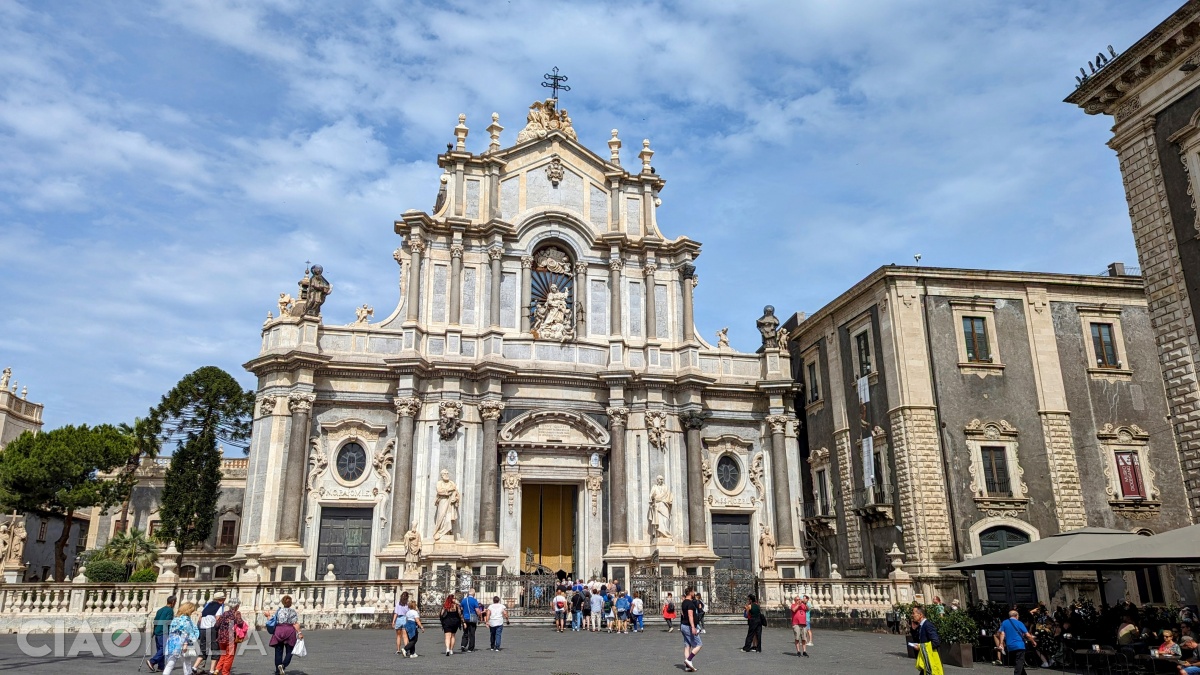
The cathedral was built in the 18th century on the ruins of an older 11th-century church that was destroyed by the earthquake of 1693. Its façade, crowned by the statue of Saint Agatha, was designed by the architect Vaccarini and made of Carrara marble.
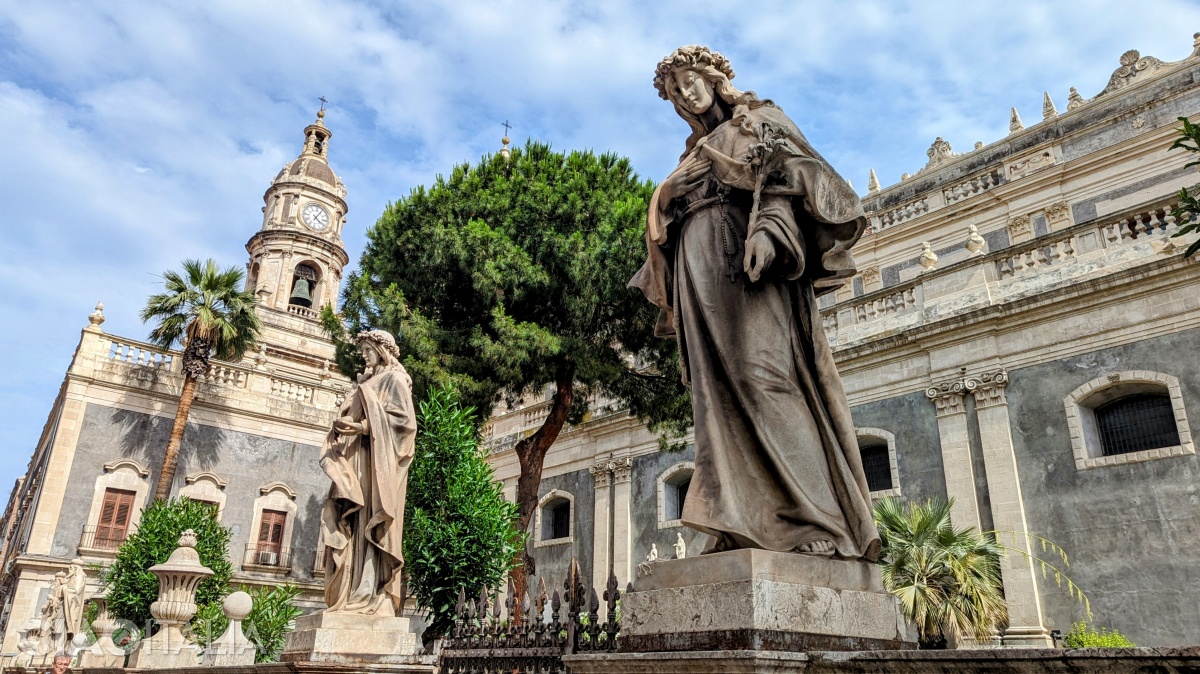
Inside the church are kept the tomb of composer Vincenzo Bellini and the relics of the saint venerated by the people of Catania.
Every year, at the beginning of February, the celebrations dedicated to Saint Agatha attract large crowds of locals and tourists, as the enormous votive candles (candelore), richly decorated, are carried on the shoulders of the faithful through the city streets.
Cathedral of Saint Agatha
Opening Hours:
- April-October: 9:00 AM - 9:00 PM
- November-March: 9:00 AM - 6:00 PM
Ticket Prices:
Cathedral Monumental Complex integrated ticket (includes the access to the Cathedral, the Achillian Baths and the Diocesan Museum):
- Adults: €12
- Reduced: €10
- Families: €25
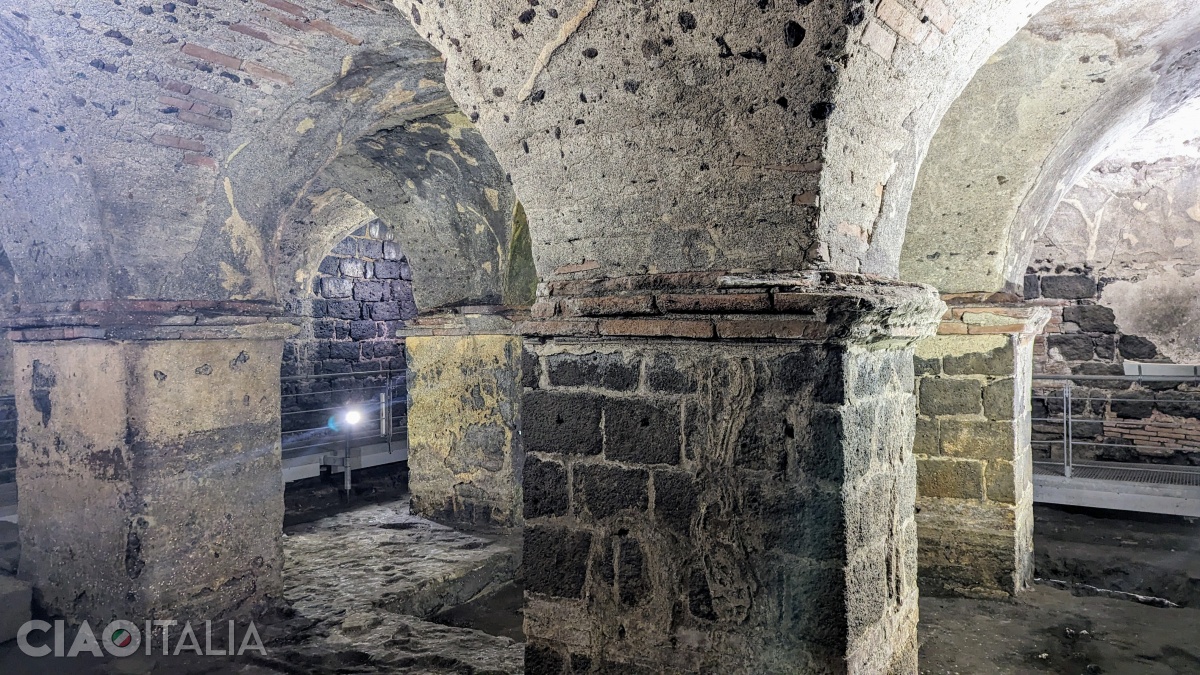
In the courtyard of the Cathedral of Sant'Agata, to the right, you'll find the entrance to the Terme Achilliane, the Roman baths from the 4th-5th centuries, located underground beneath Piazza del Duomo.
Terme Achilliane
Opening Hours:
- April-October: 9:00 AM - 9:00 PM
- November-March: 9:00 AM - 6:00 PM
Ticket Prices:
Cathedral Monumental Complex integrated ticket (includes the access to the Cathedral, the Achillian Baths and the Diocesan Museum):
- Adults: €12
- Reduced: €10
- Families: €25
3. Badia di Sant'Agata
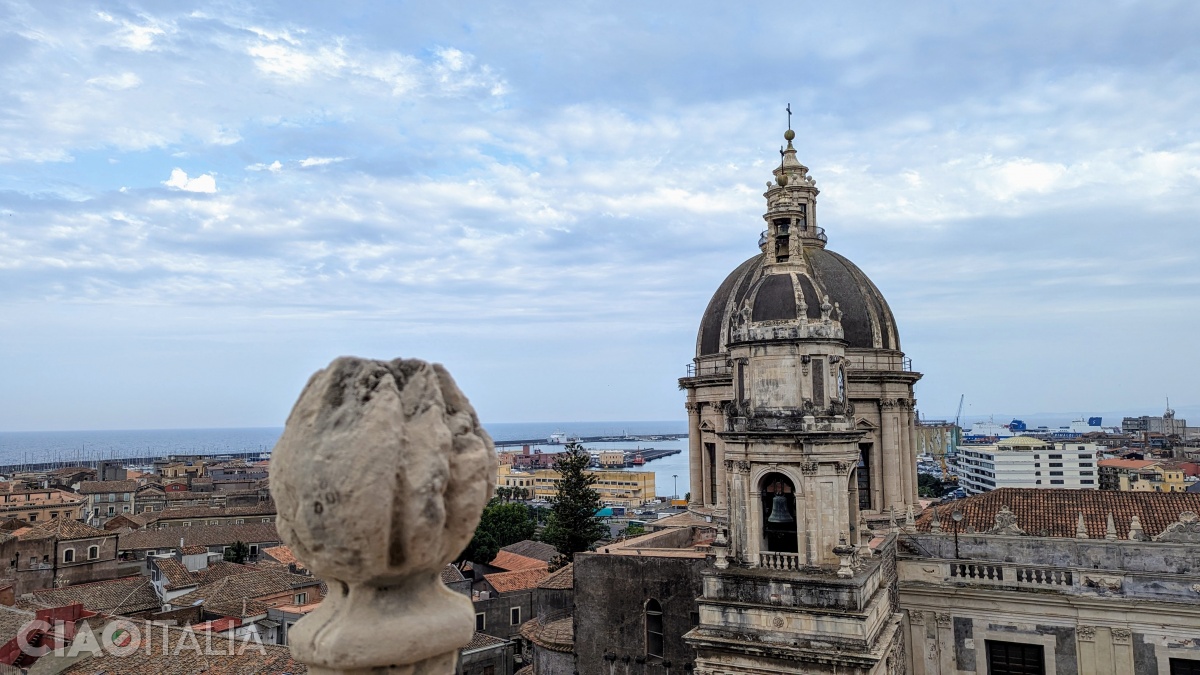
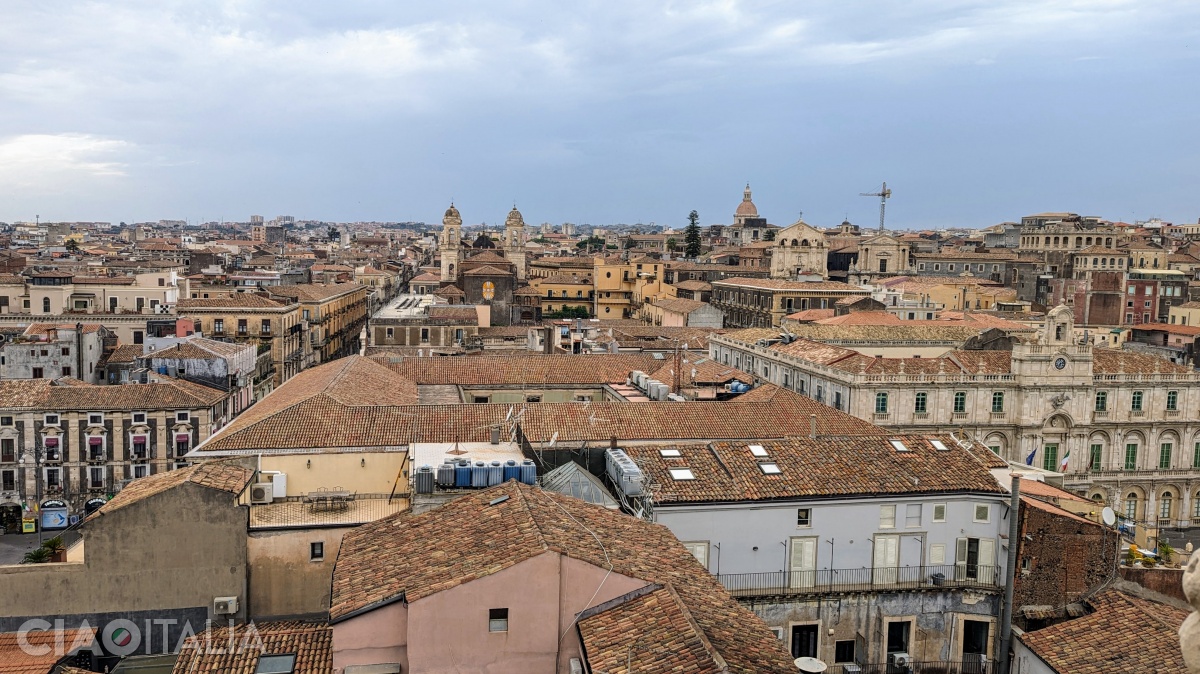
Right next to the cathedral, on Corso Vittorio Emanuele, is the Badia di Sant'Agata, the church of the former monastery. We recommend adding it to your list of places to visit in Catania for the wonderful panoramic view it offers from above.
The church was built in 1782. The architect was the same Giambattista Vaccarini, who worked on the reconstruction of several buildings after the 1693 earthquake.
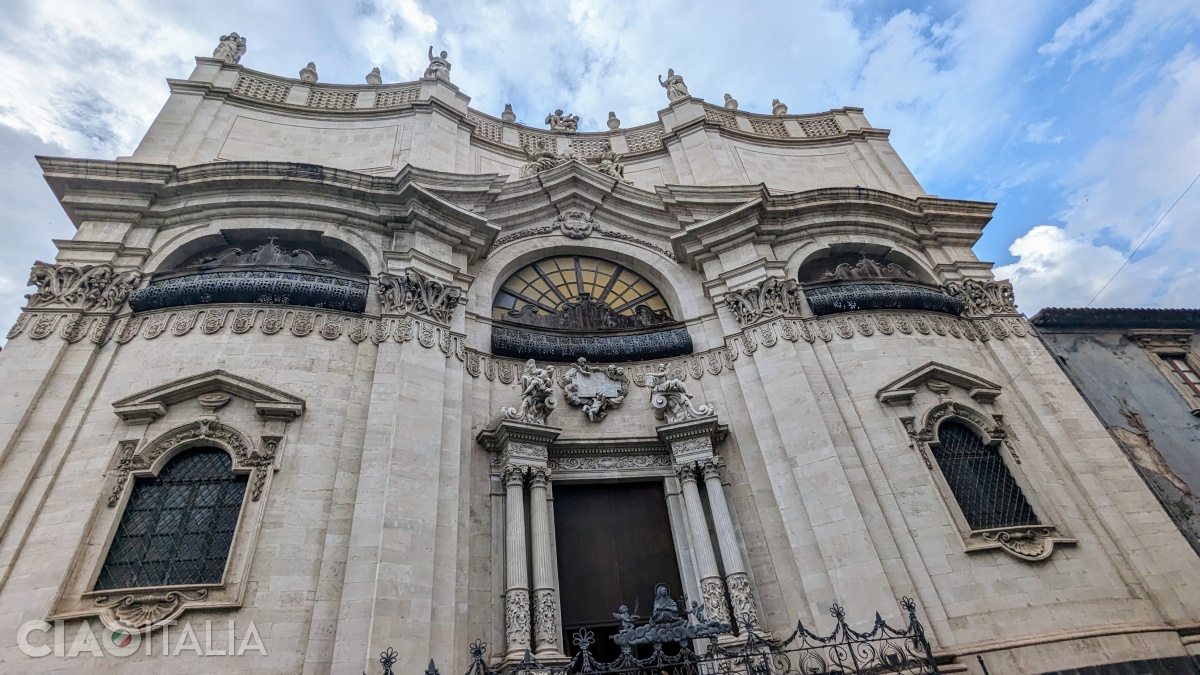
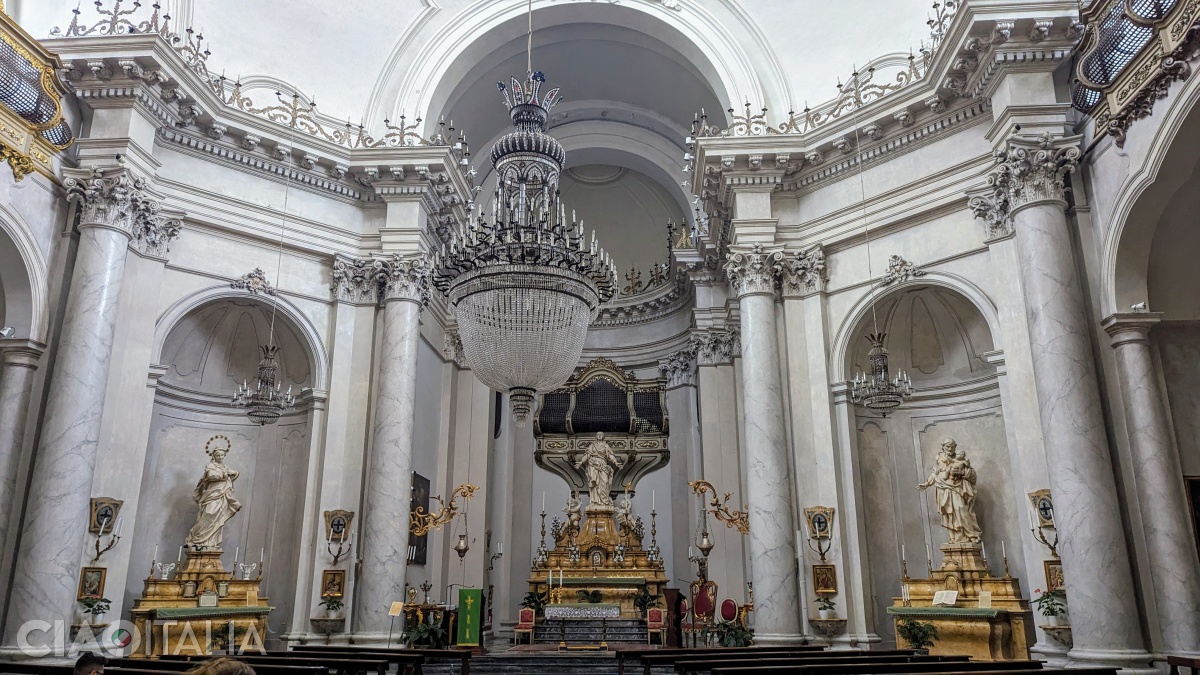
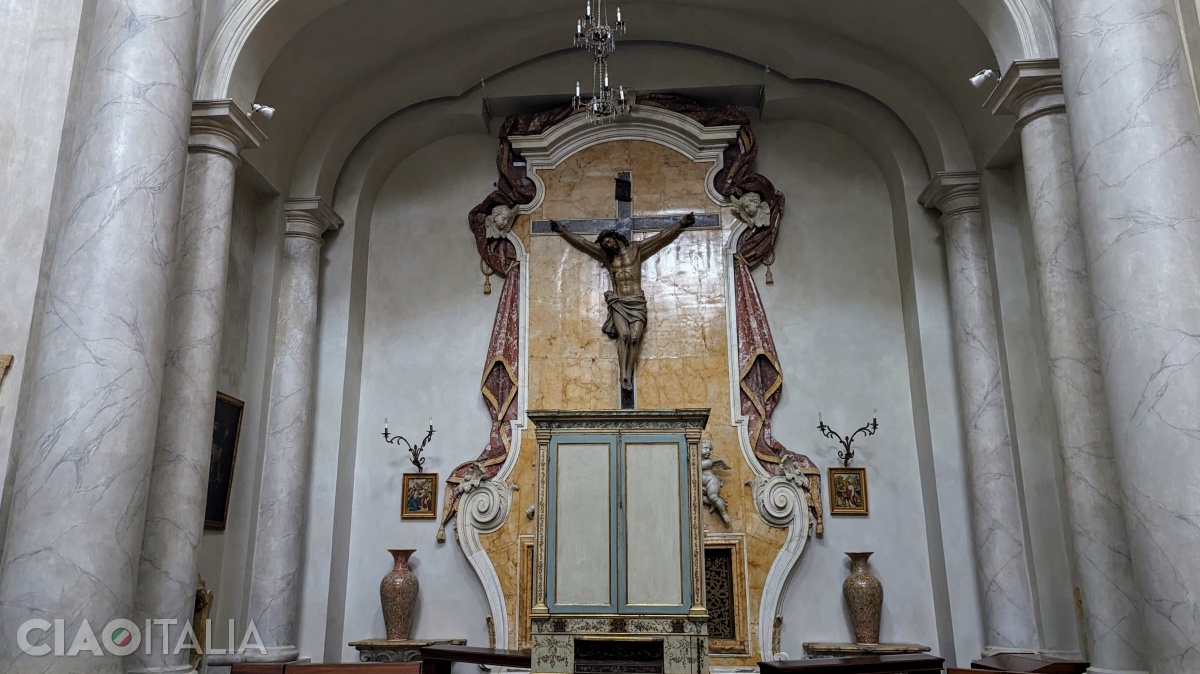
Inside, you can find statues of Saints Benedict, the Immaculate Mary, Agatha (in the main altar), James, and Euplius. On the right wall, against a background of yellow marble, is the wooden crucifix created by Ignazio Carnazza in 1696.
Climbing several staircases (a total of 170 steps including the dome), you'll reach the terraces (you can reach the first terrace by elevator).
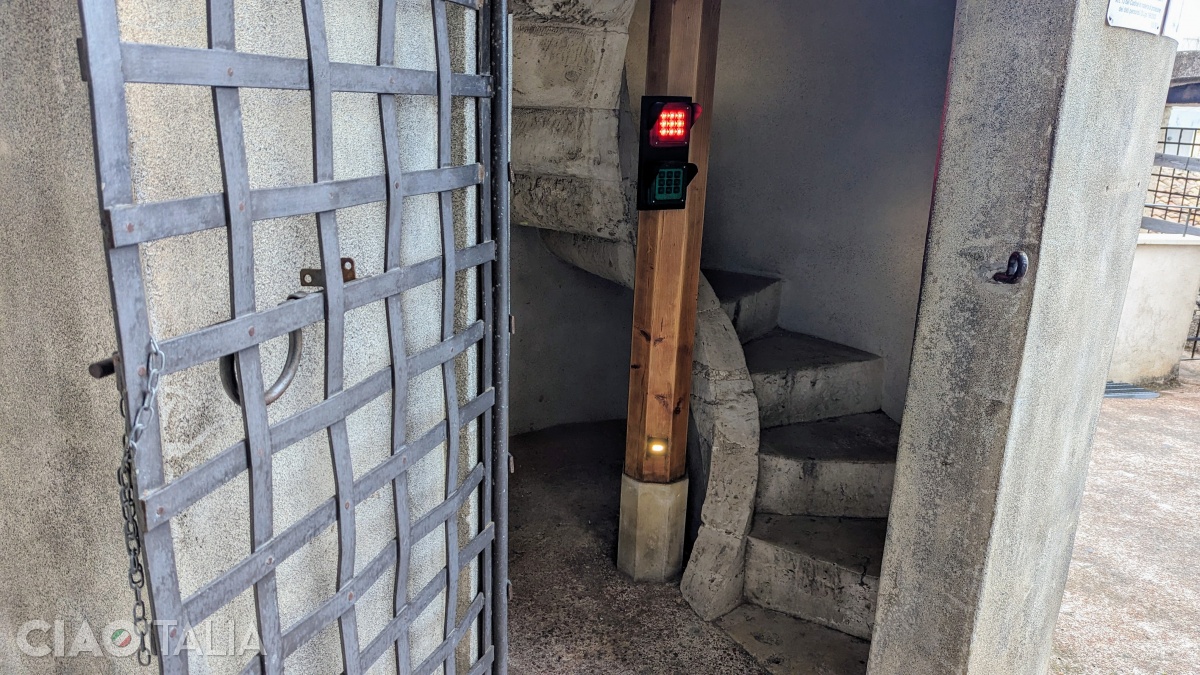
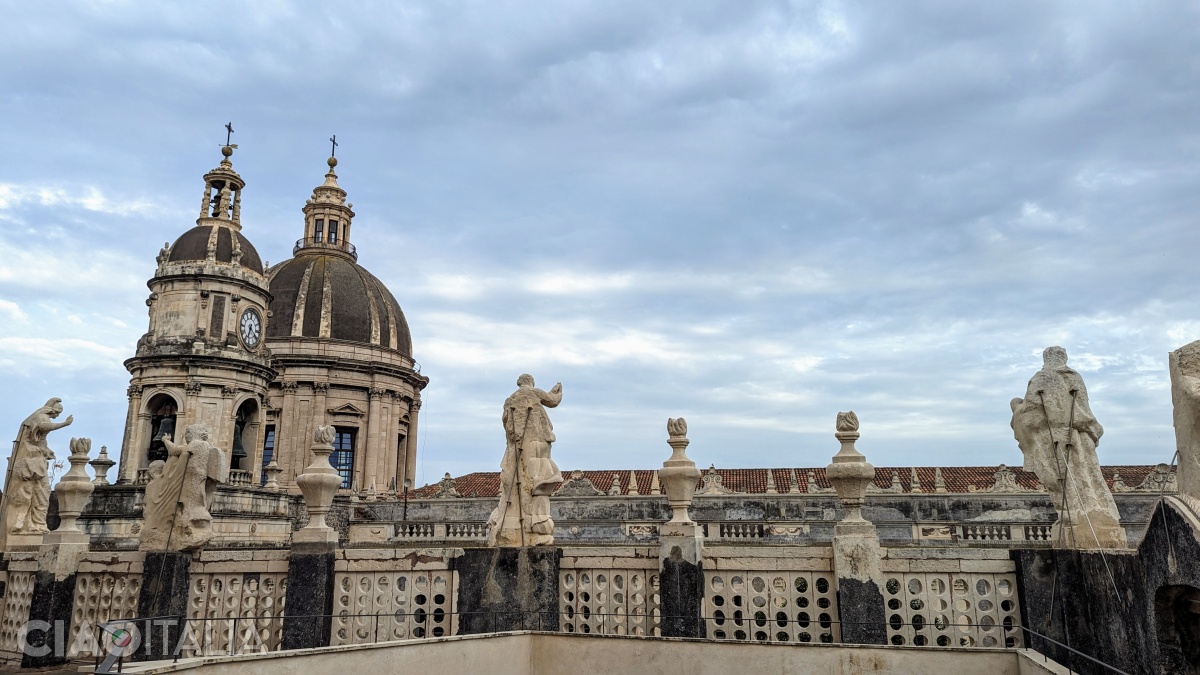
After another 57 steps on a narrow spiral staircase, where the directions are controlled by a small traffic light, you'll reach the dome level. From there, at about 40 meters high, you'll enjoy a spectacular 360-degree view of Catania.
Badia di Sant'Agata
Opening Hours:
- Monday-Sunday: 09:30 AM - 8:30 PM
Ticket Prices:
- Church: free
- Climbing the dome (with or without the elevator): €7
From March to June and September to November, the Catania Chamber Orchestra organizes concerts at Badia Sant'Agata featuring arias from the operas of great Italian composers.
4. The Fish Market (La Pescheria)
The Fish Market (La Pescheria) is one of the most famous traditional markets in Italy, and travel guides always include it in the "Top 10 places to visit in Catania". Animated by the shouts of vendors promoting their goods, the market reflects the city's historic connection to the sea. It is not a place for the faint-hearted or those sensitive to blood, smells, and dirt (you will see many fish heads); rather, it is for those seeking authentic experiences.
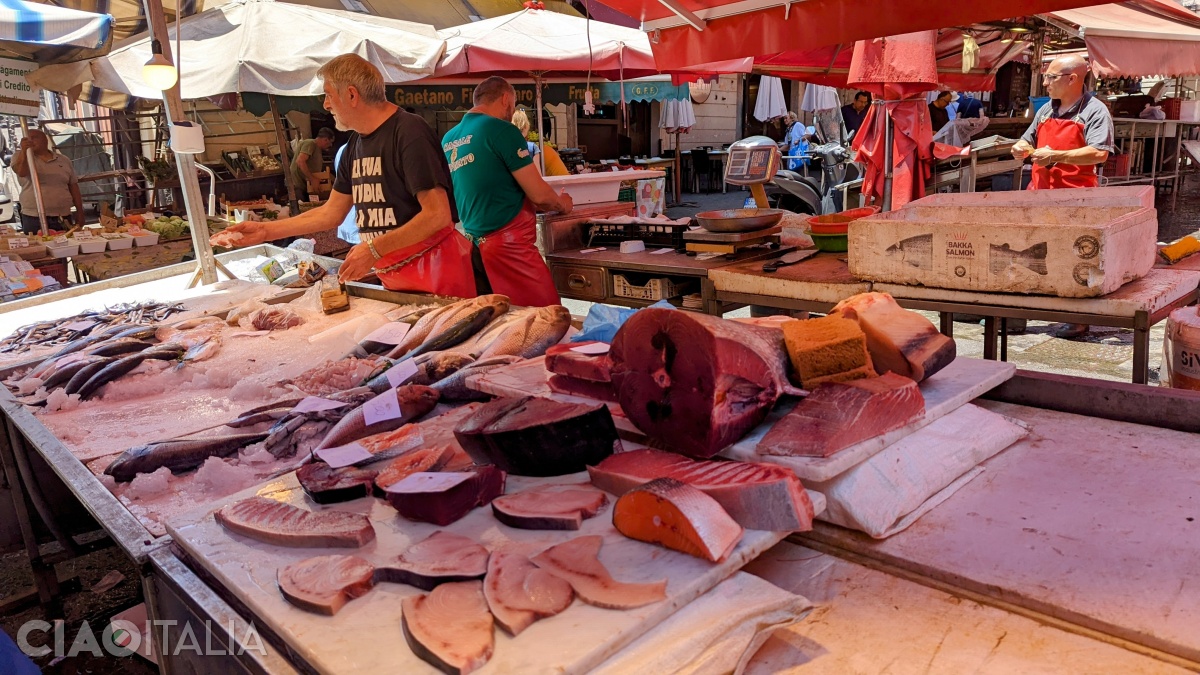
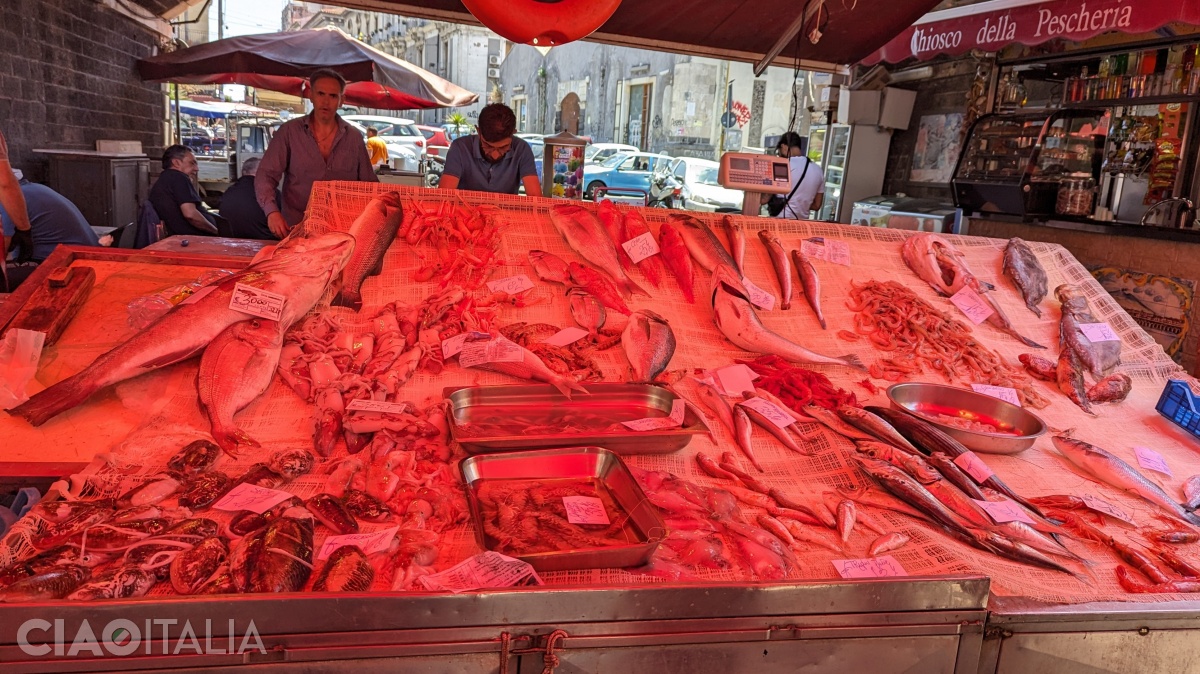
The market is located very close to the Duomo, behind the Amenano Fountain. In the area near the market, there are also many restaurants. We recommend Scirocco Sicilian Fish Lab for a quick snack, and Vuciata (named after the shouts of the fish vendors).
La Pescheria
Opening Hours:
- Monday-Saturday: generally, until 1-2 PM (it's best to go in the morning)
Ticket Prices:
- free
5. Via Etnea
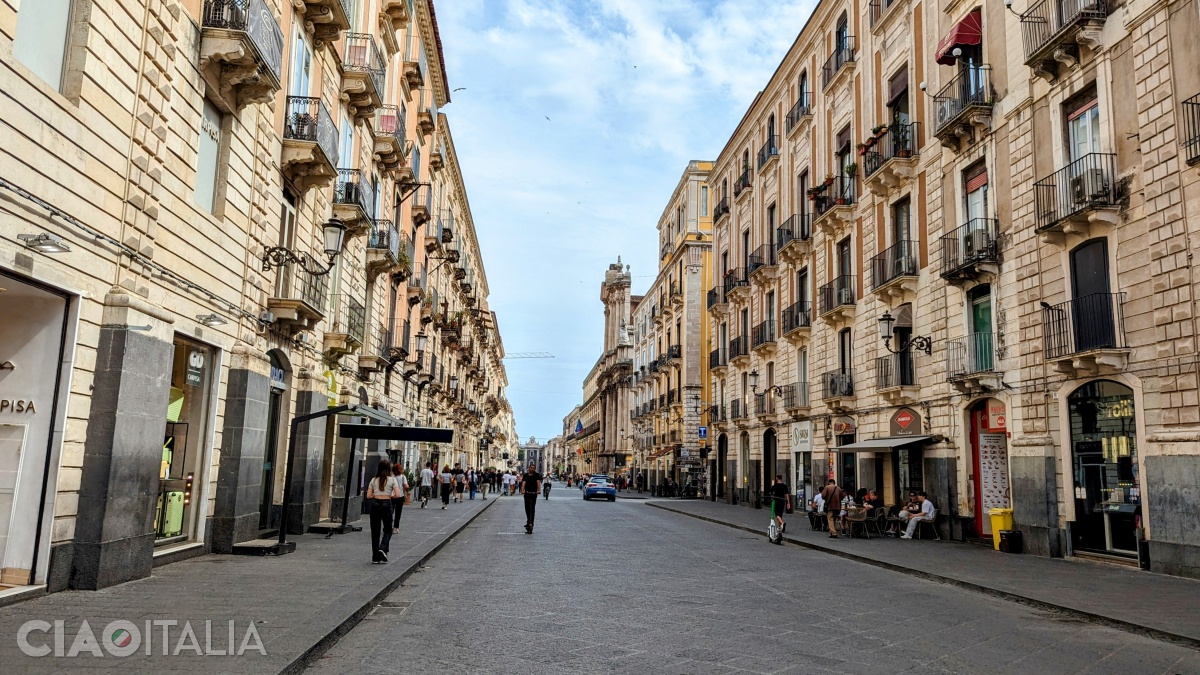
Stretching for 3 km, Via Etnea is the main street in central Catania, largely pedestrian. It is lined with all kinds of shops, cafés, and pastry shops (we recommend Pasticceria Savia for cannoli, arancini, and other delights) and is especially lively in the morning and evening, when the heat eases. It ends at Piazza del Duomo, and in the opposite direction, you can enjoy a direct view of Mount Etna.
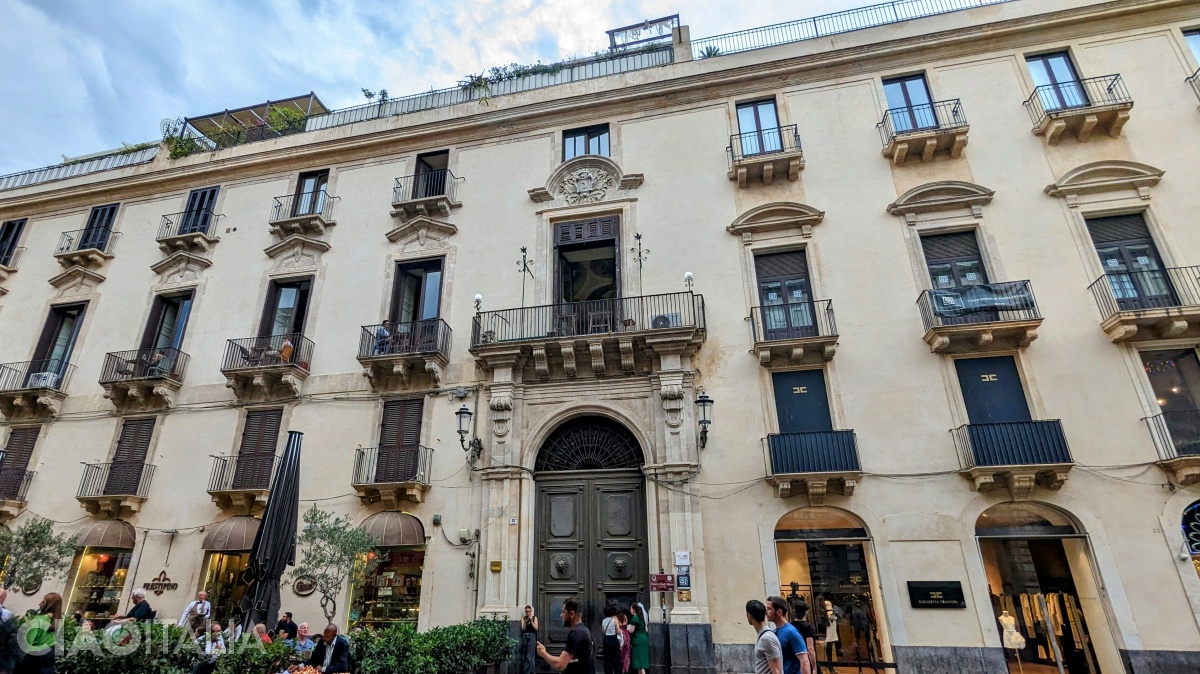
Just before reaching Piazza del Duomo, on the left, stands Palazzo Sant'Alfano, built in the 18th century, which today houses several accommodations: Ostello degli Elefanti, a well-rated hostel in Catania with a panoramic rooftop terrace, as well as the apartments Al Duomo and La Regina del Duomo.
6. Piazza dell’Università
Located near Piazza del Duomo, on Via Etnea, Piazza dell'Università (University Square), with its rectangular shape, is another must-see place in Catania.
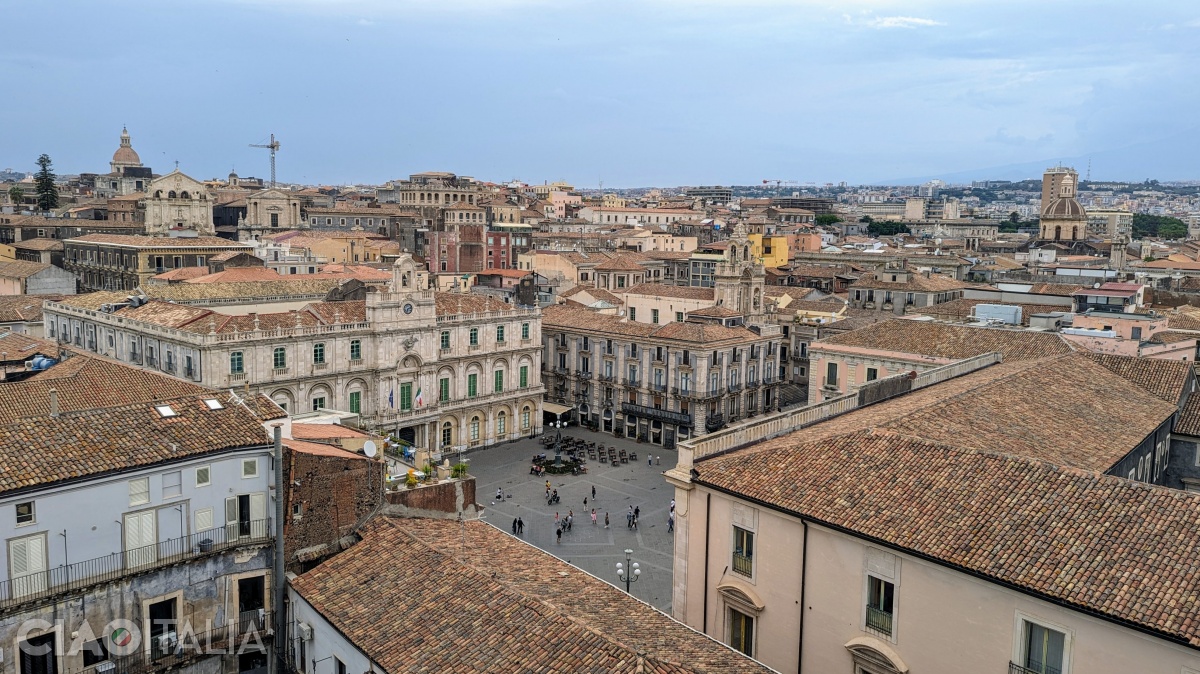
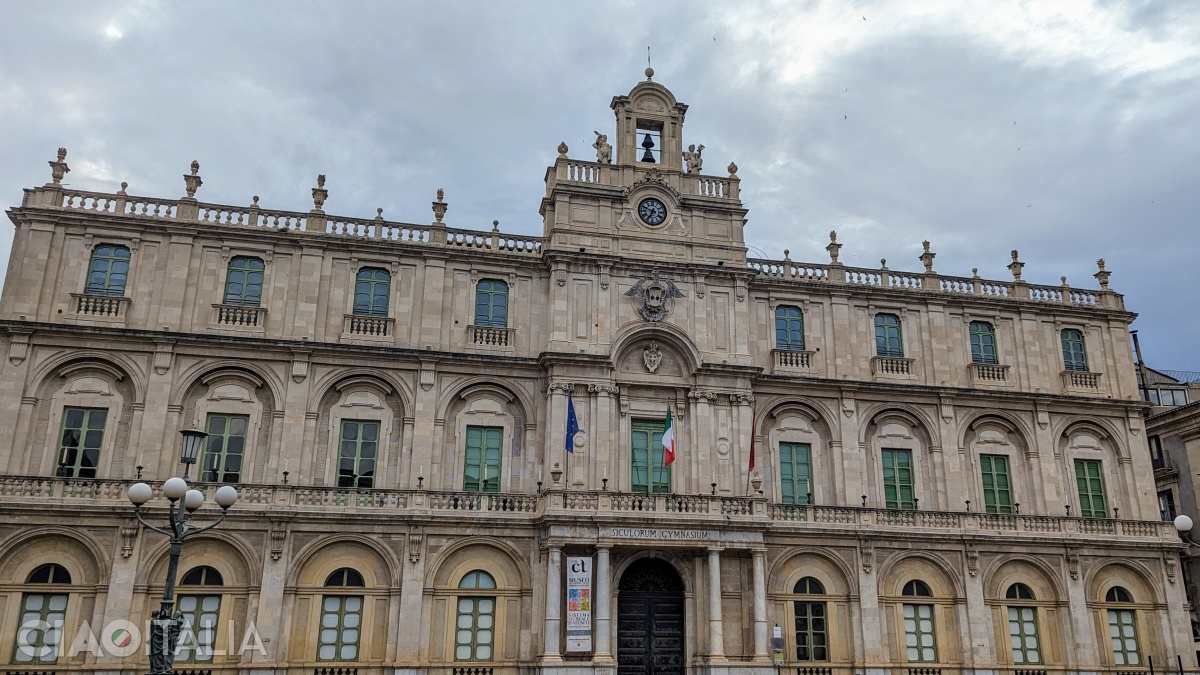
As its name suggests, this is where the University Palace stands, built in 1696, three years after the earthquake. Since the early 18th century, the palace has housed the rector's office and the university library.
On the opposite side stands the Palazzo San Giuliano, built in 1738 for the noble Paternò family. The palace once hosted King Victor Emmanuel III of Italy and Queen Elena. Today, the building houses the administrative offices of the University of Catania. We recommend stepping inside to have a look at the beautiful inner courtyard.
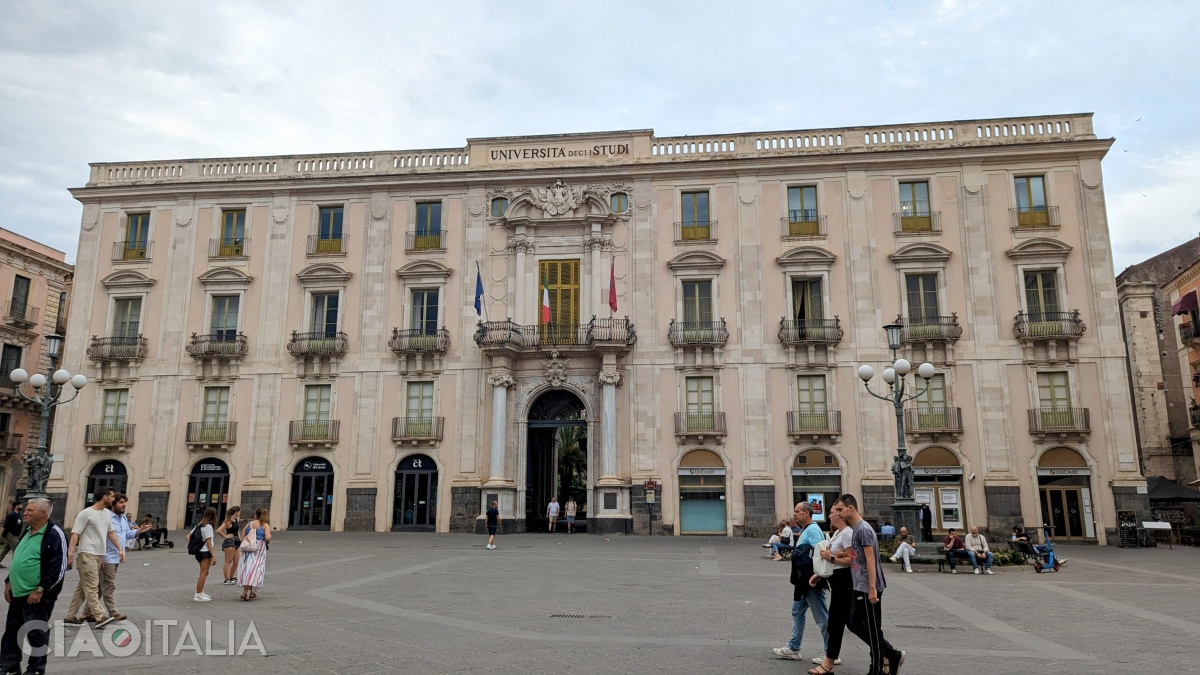
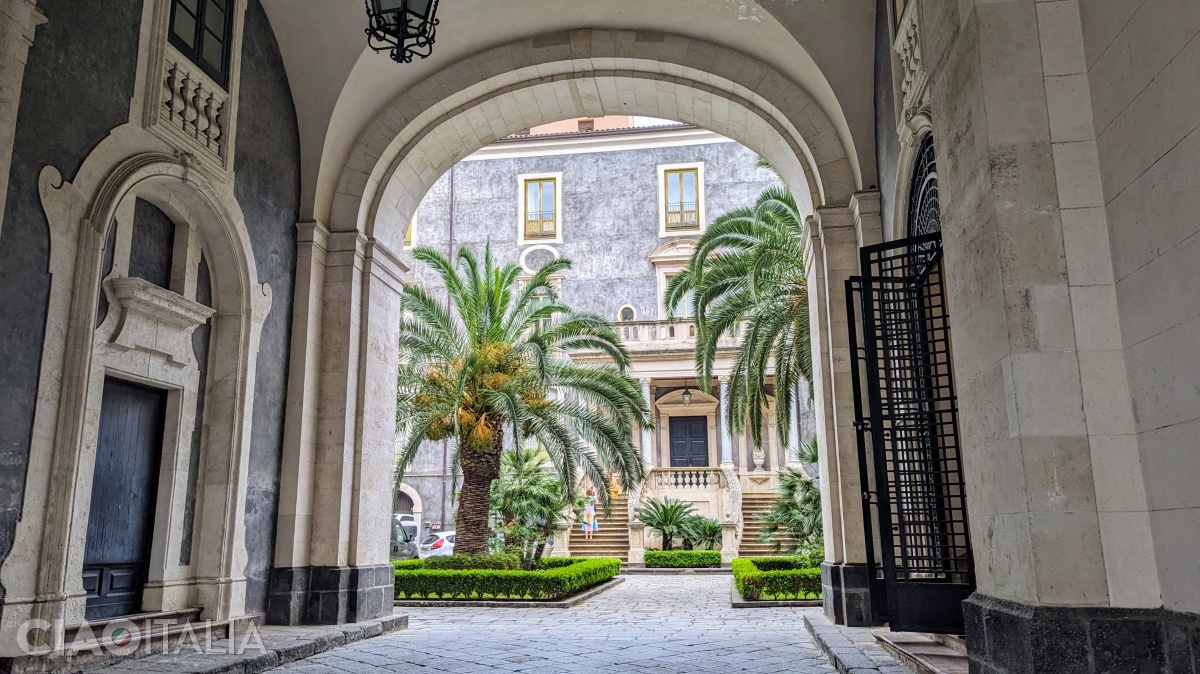
To its left rises another noble palace from the first half of the 18th century, that of the Duke Gioeni d'Angiò. Goethe was hosted here during his stay in Catania.
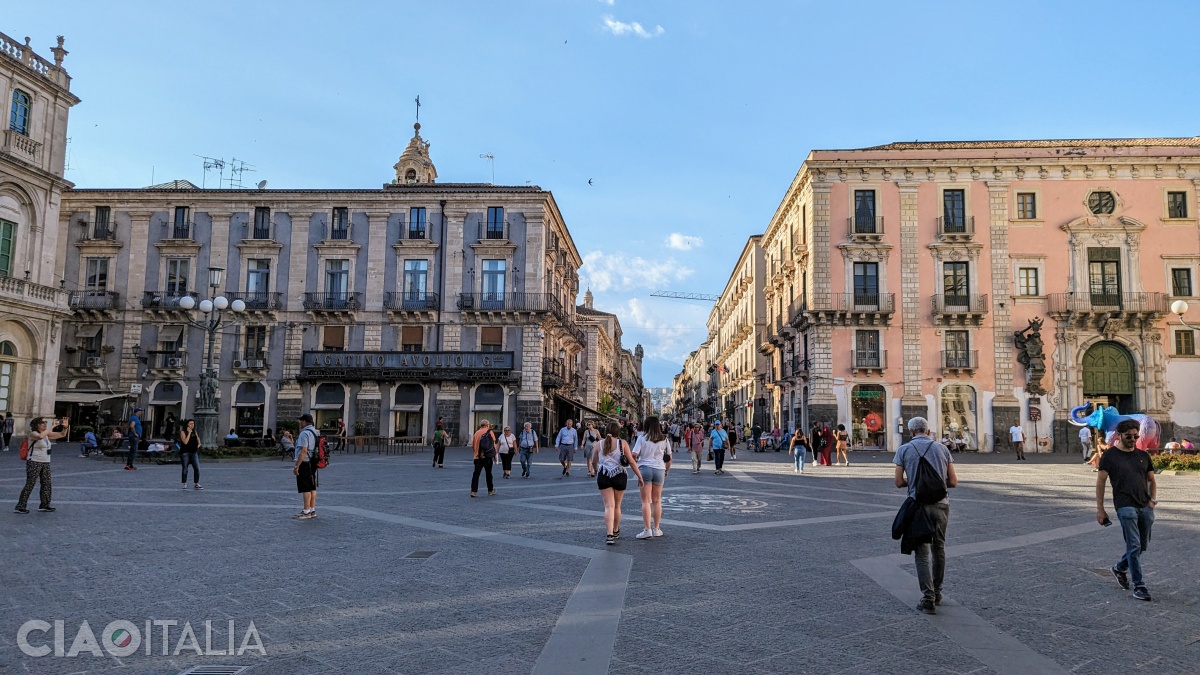
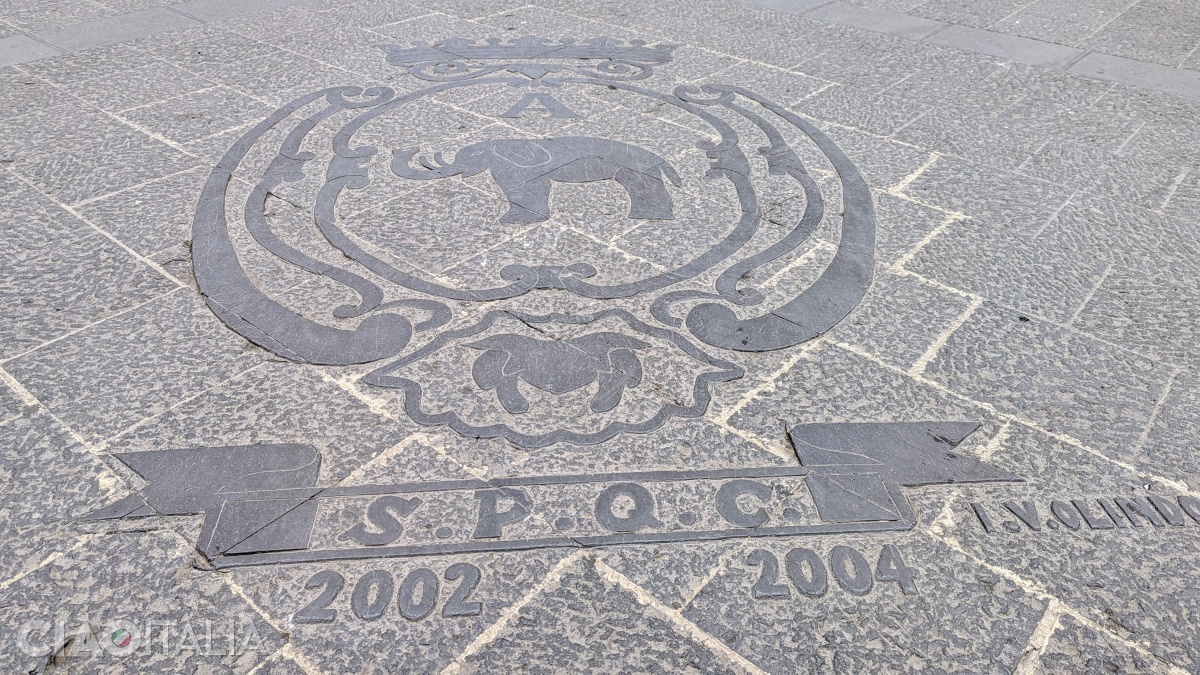
The square's pavement is made of volcanic stone, and at its center, you can also see the elephant, the city's official emblem.
The bronze streetlamps at the four corners of the square were created in 1957 and are decorated with local mythological scenes.
On the lamp near Palazzo Gioeni d'Angiò is depicted the story of Anfinomos and Anapia, the two brothers who saved their parents from Mount Etna's lava river.
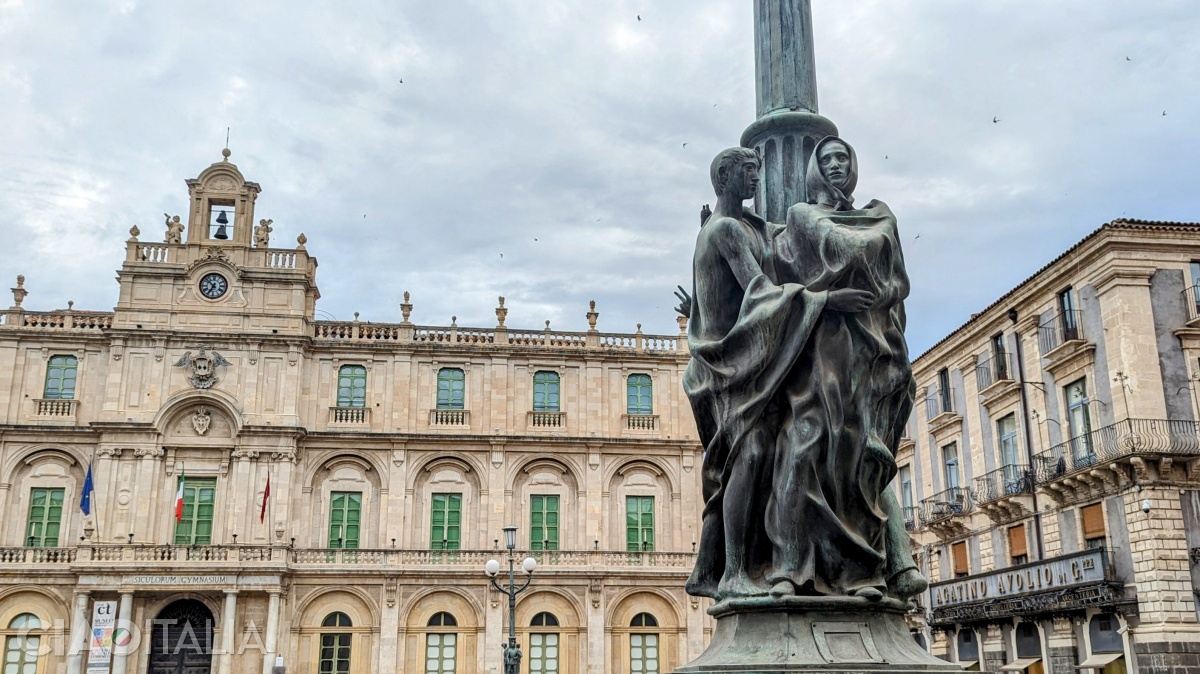
On the lamp to the right of Palazzo San Giuliano is the legend of Colapesce, the fisherman's son famed for his ability to stay underwater. Hearing of him, the King of Sicily decided to test his strength. He threw three objects into increasingly deep waters. Colapesce retrieved the first two, but when it came to the last object - a ring - he never resurfaced. It is said that while diving to find it, he noticed that Sicily rests on three columns: Capo Peloro (Messina), Capo Passero (Syracuse), and Capo Lilibeo (Marsala). Seeing that one of the columns was full of cracks and nearly destroyed by Etna's fire, Colapesce decided to remain underwater forever to support it, so that Sicily would not sink.
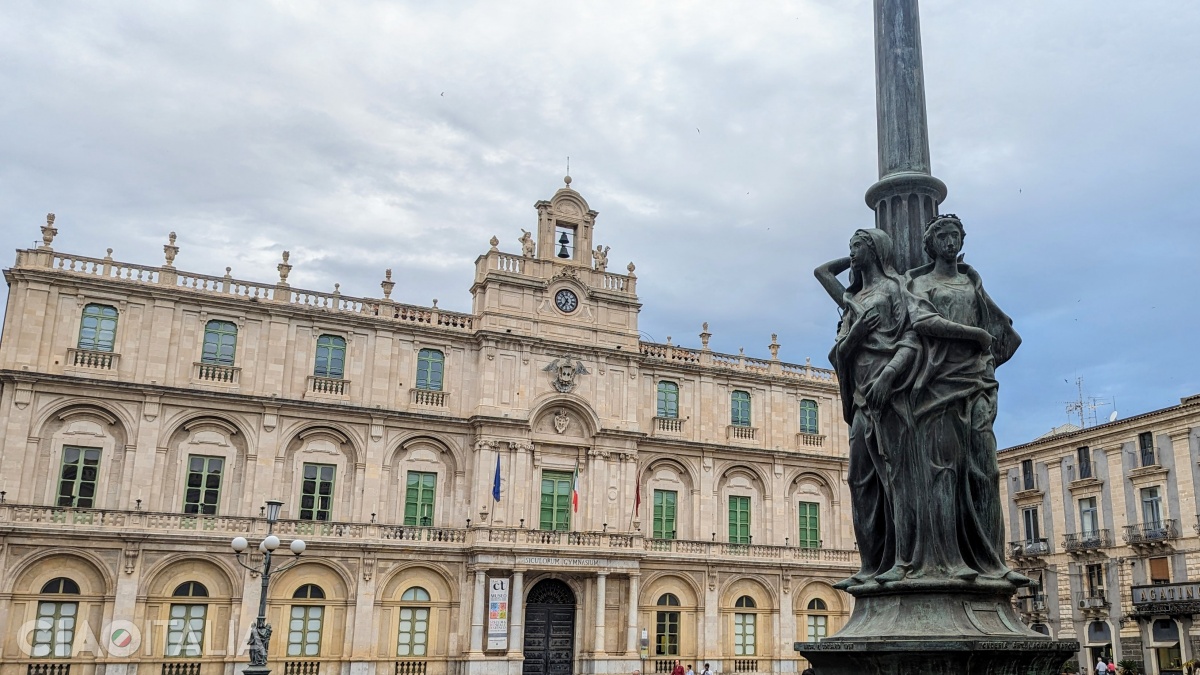
The statues on the lamp to the right of the University Palace depict the legend of the knight Uzeta, the son of a weaver, who rose through the social ranks by defeating the Saracens who had occupied the Ursino Castle and marrying the king's daughter.
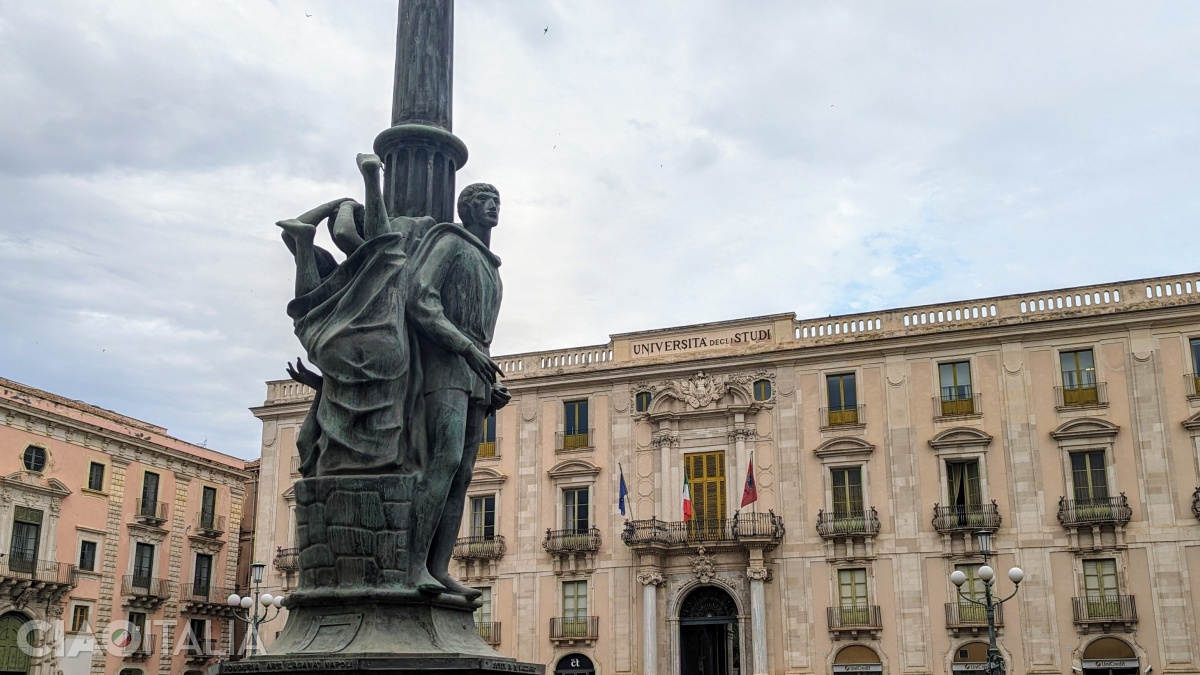
On the lamp to the left of the University Palace is the story of Gammazita, a young girl from the 13th century who chose to throw herself into a well rather than yield to the advances of a French soldier.
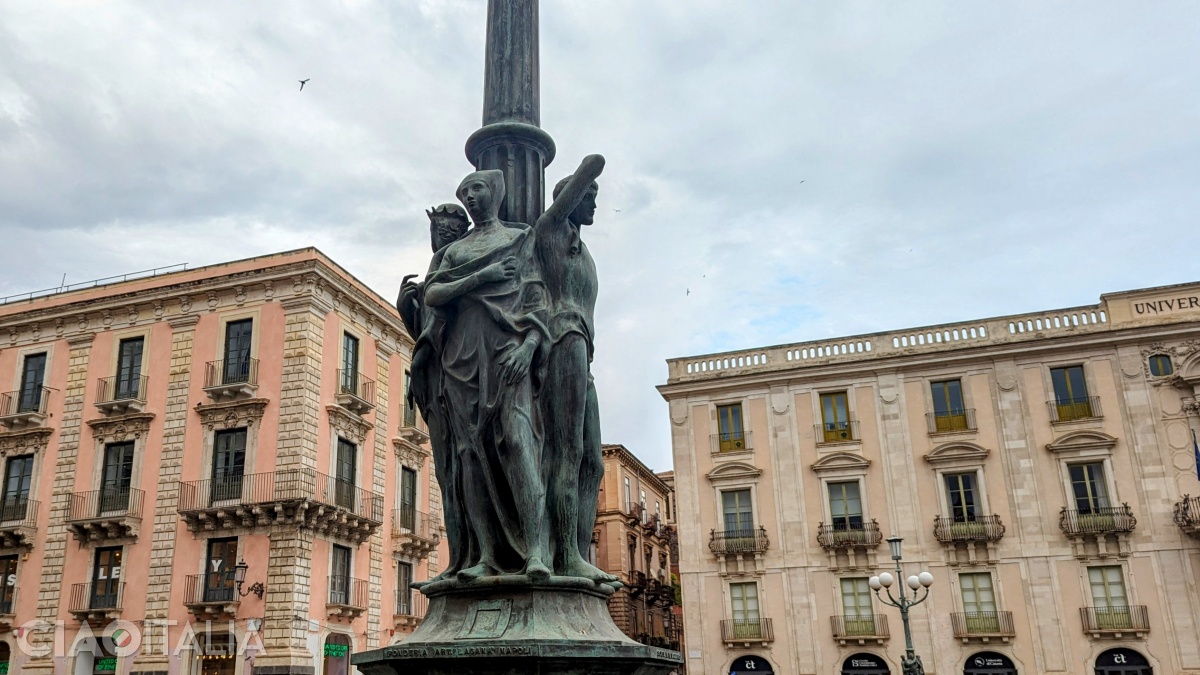
In Piazza dell'Università, a Christmas tree is installed in December, and a seasonal market is organized in the surrounding streets.
7. Basilica della Collegiata
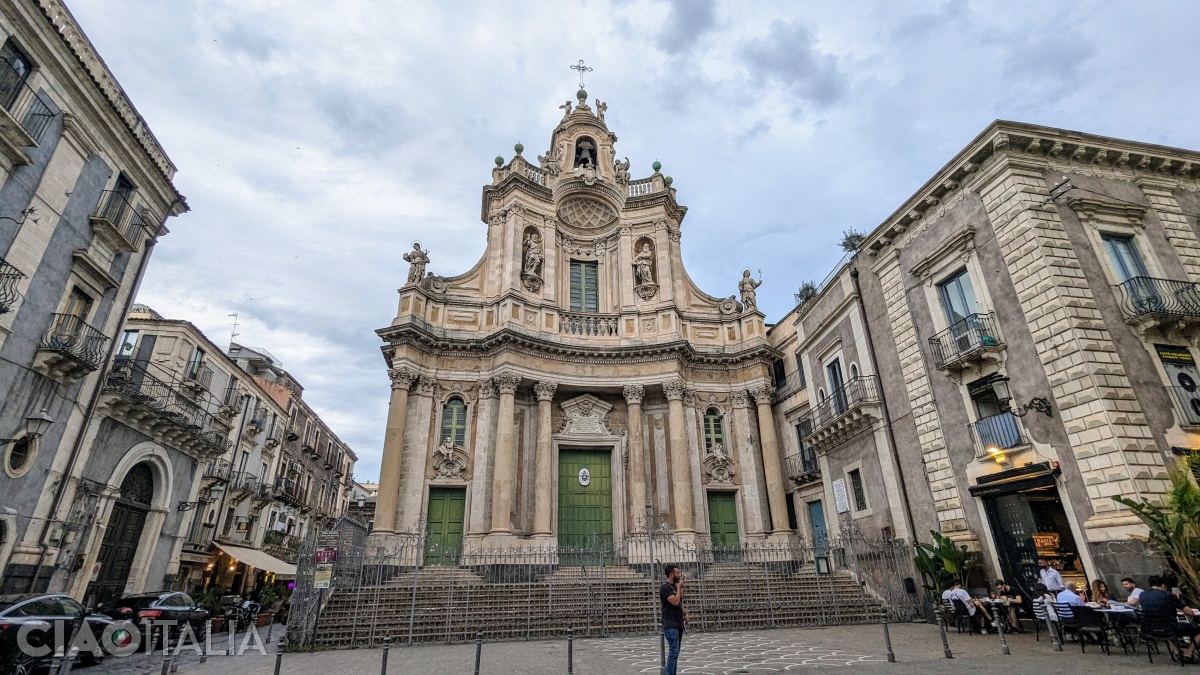
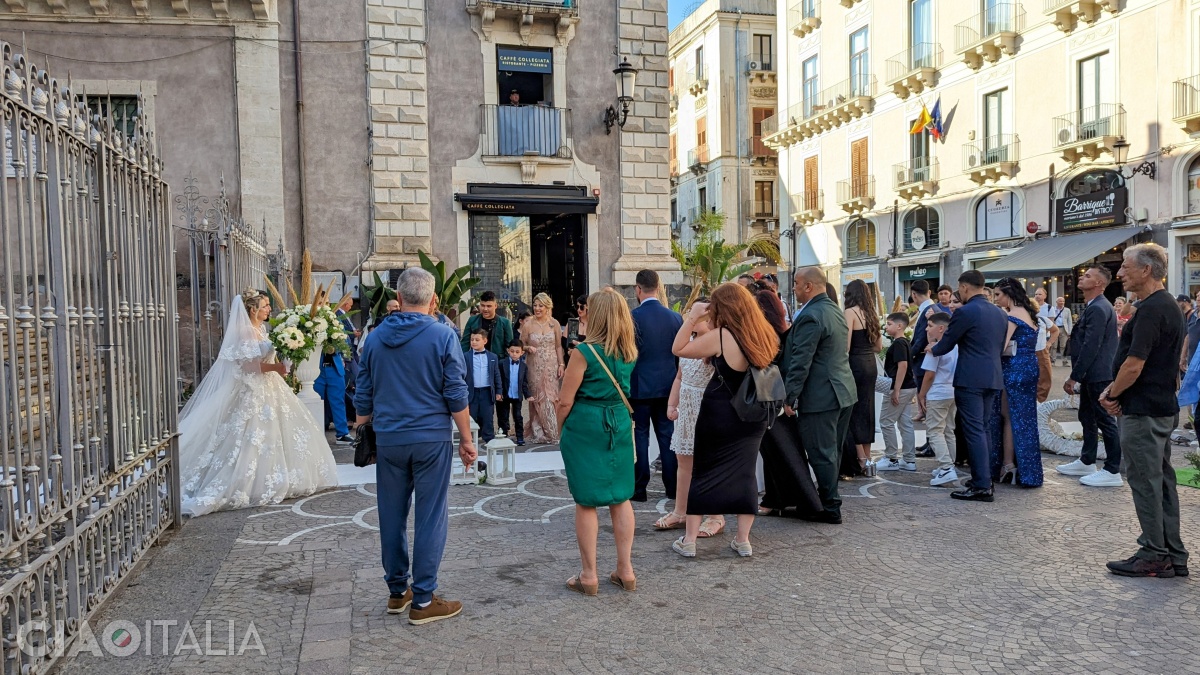
Also on Via Etnea, after Piazza dell’Università, you’ll notice a church that is visited both by tourists and locals, who often choose it as a wedding venue. It is the Basilica di Maria Santissima dell’Elemosina, better known as the Basilica della Collegiata. Built in the first half of the 18th century, it is among the most beautiful Baroque churches in Catania.
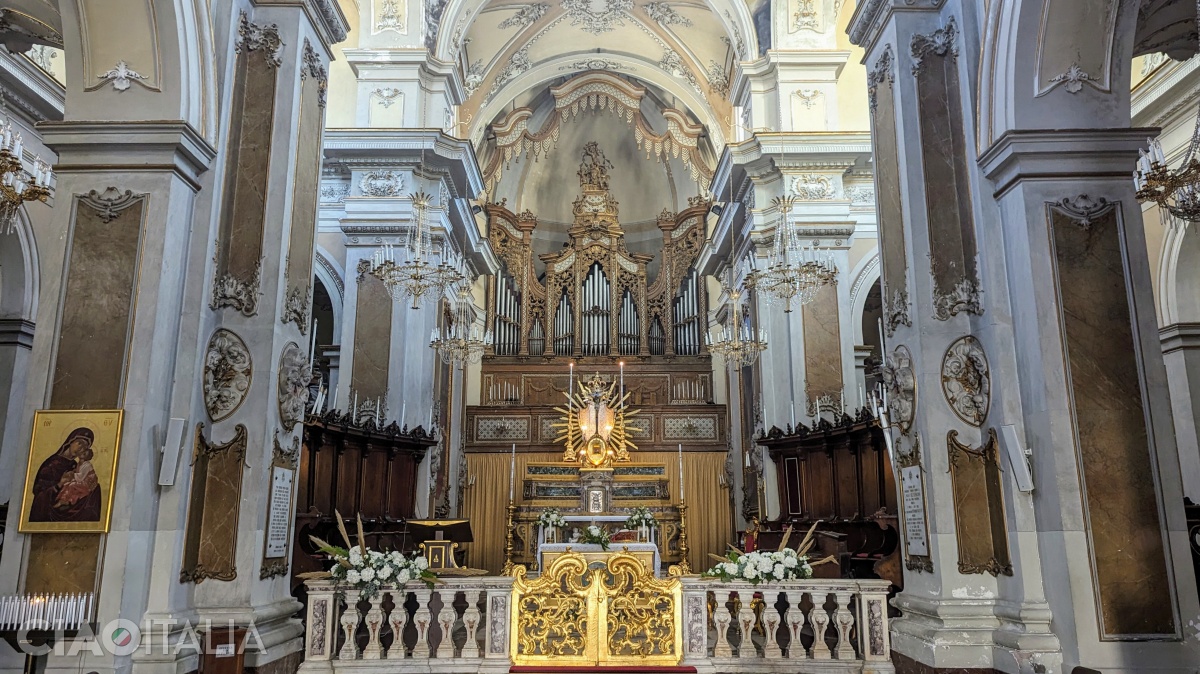
Inside, on the main altar, stands an icon of the Virgin and Child, a copy of a Byzantine original. The organ dates from the 18th century, and the frescoes were painted in 1896 by Giuseppe Sciuti.
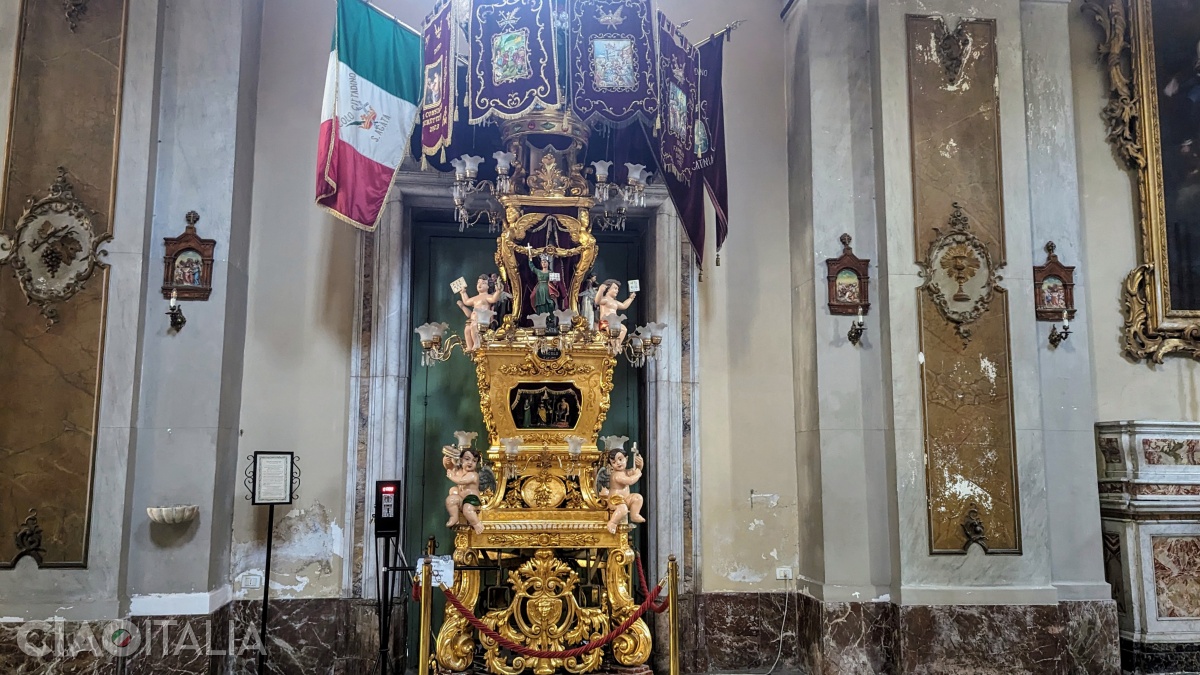
In the church, about halfway along the left side, you'll also find the "youngest" of the large candles (candelore) used during the Feast of Saint Agatha. It was built in 1876 and leads the procession of the Holy Veil, which goes from the Collegiata to the cathedral.
Basilica della Collegiata
Opening Hours:
- April-October: 9:00 AM - 9:00 PM
- November-March: 9:00 AM - 6:00 PM
Ticket Prices:
Via Etnea integrated ticket (includes access to the Cathedral, the Achillian Baths, the Diocesan Museum, the Basilica della Collegiata and the churches of Sant'Agata alla Fornace, Sant'Agata in carcere and Sant'Agata la Vetere):
- Adults: €18
- Reduced: €15
- Families: €40
8. Massimo Bellini Theatre
Teatro Massimo Vincenzo Bellini is one of the most beautiful opera houses in Italy and is definitely worth a visit. It can be visited with 45-minute guided tours, available in Italian and English.
The theatre was inaugurated in 1890, and over the years its stage has hosted famous performers and operas, starting with Bellini's "Norma". Did you know that the name of the traditional Sicilian dish pasta alla Norma was inspired by this opera?
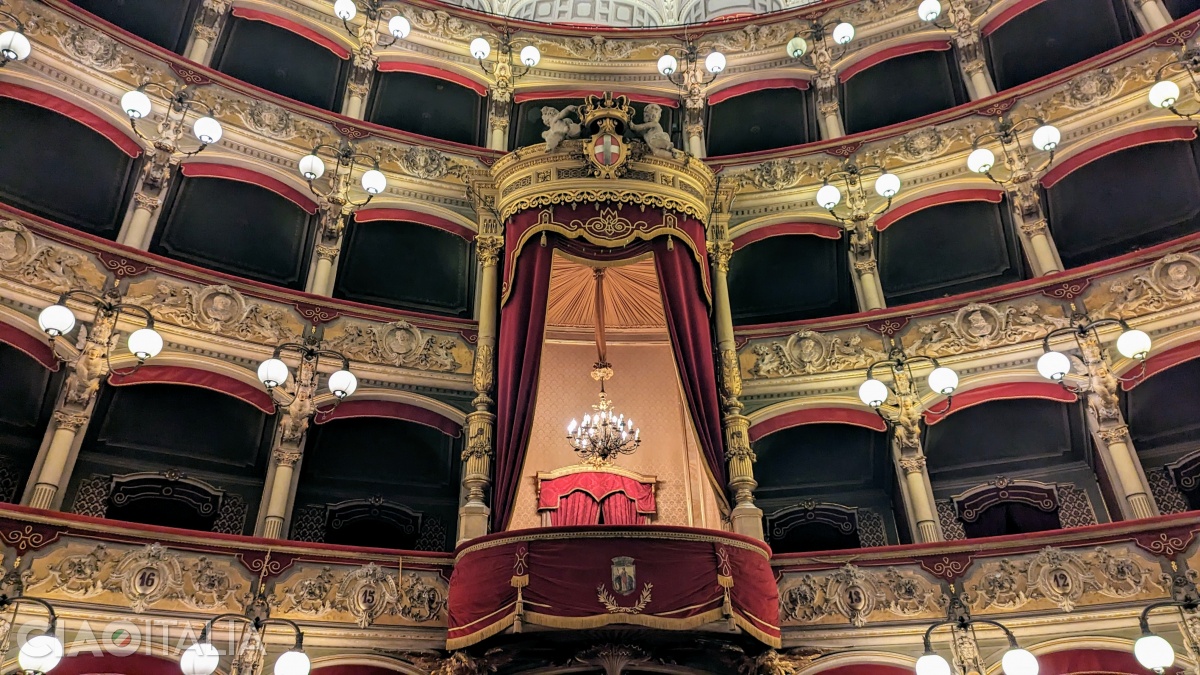
Massimo Bellini Theatre
Opening Hours:
- Tuesday-Saturday, guided tours at 09:00 AM, 10:00 AM, 11:00 AM, and 12:00 PM
Please note: Due to maintenance work, visits are temporarily suspended starting from May 10, 2026.
Ticket Prices:
- Adult: €6.50
- Over 65: €4.50
- Children under 18: €4.50
9. Via Crociferi
Via Crociferi is also known as the "Street of Baroque churches" or the "Baroque salon" of Catania.
In the square from the end of Via Crociferi near Via Vittorio Emanuele II, where the monument dedicated to Cardinal Dusmet stands, as well as the birthplace of Vincenzo Bellini, you'll find the Church of San Francesco d'Assisi all'Immacolata. It was built in the first half of the 19th century, on the site of a former Roman temple dedicated to the goddess Demeter. Inside, you can still see the organ that Bellini played as a child.
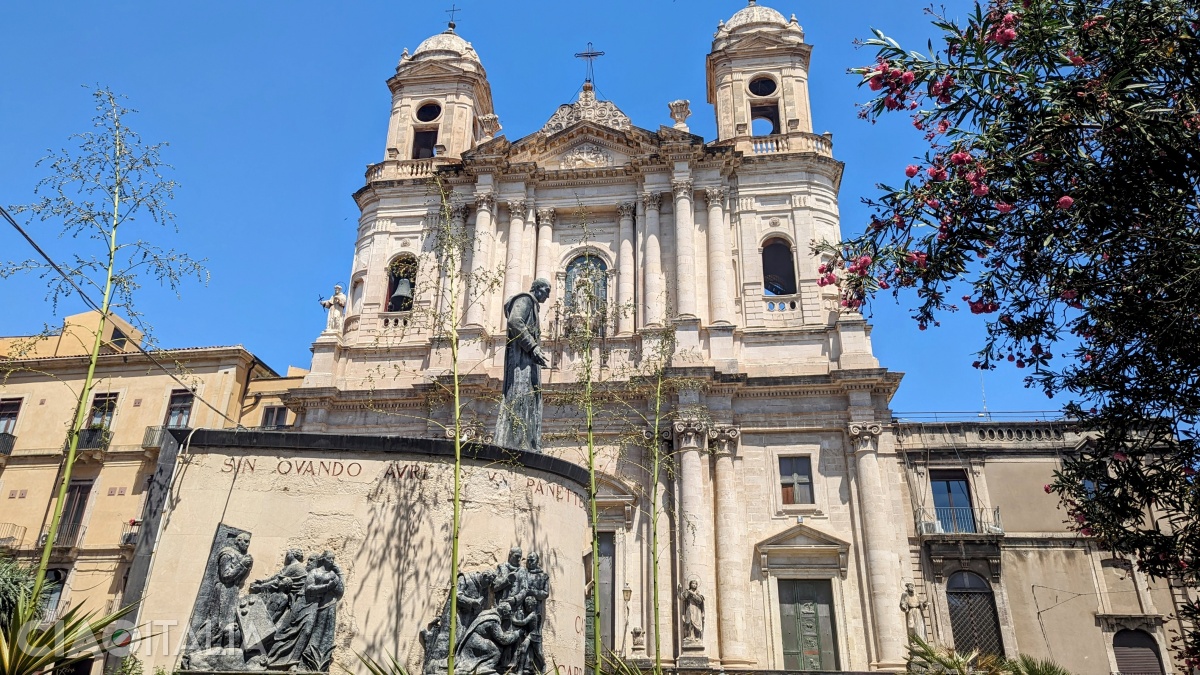
As you continue the walk, you'll reach the Arch of St. Benedict (Arco di San Benedetto), which marks the entrance to Via Crociferi and connects the two parts of the Monastery of San Benedetto: the Badia Grande and the Badia Piccola (home to the Museum of Contemporary Art).
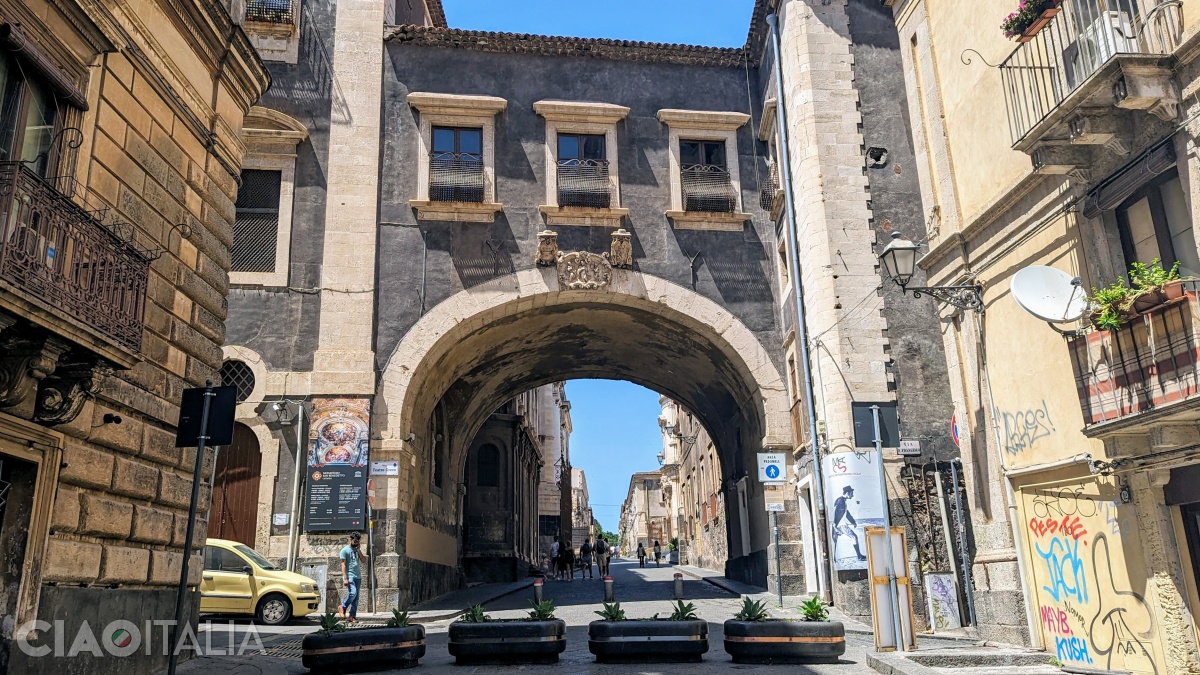
The arch was built in 1704 - legend says in just one night - and is famous for the tale of the headless horse. In the 18th century, nobles used the arch as a meeting place for their secret encounters. To keep away unwanted witnesses, they spread the rumor that the ghost of a headless horse roamed the street. One young man, determined to prove that these were only stories, bet that he could cross Via Crociferi at midnight without anything happening to him. When he reached the Arco di San Benedetto, he drove a nail into the wall to prove his feat. In the darkness, he didn't realize that he had also caught part of his cloak on the nail. When he tried to walk away, he felt something holding him back. Seeing no one there, he died of a heart attack, terrified by what he thought was the ghost of the headless horse.
The Church of San Benedetto was built in the 18th century and is famous for its beautiful interior staircase, whose balustrades are adorned with statues of angels - the Scalinata degli Angeli ("Staircase of the Angels").
Next, on the same side, is the Church of San Francesco Borgia, built in the first half of the 18th century, along with the Jesuit College.
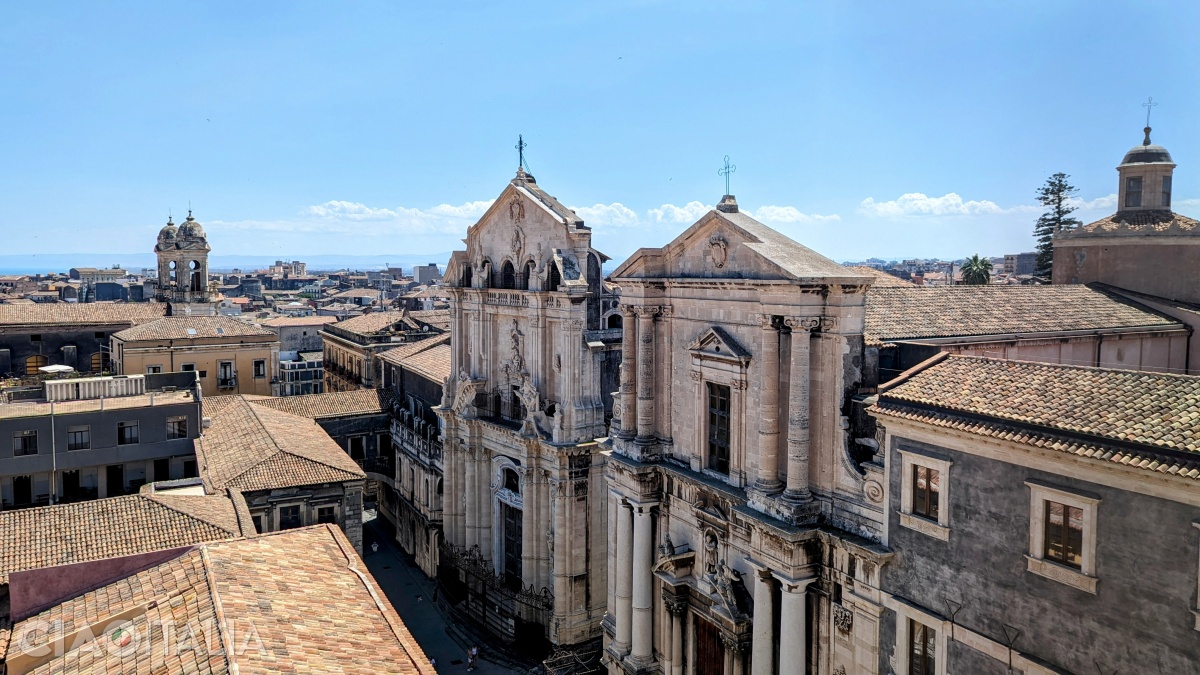
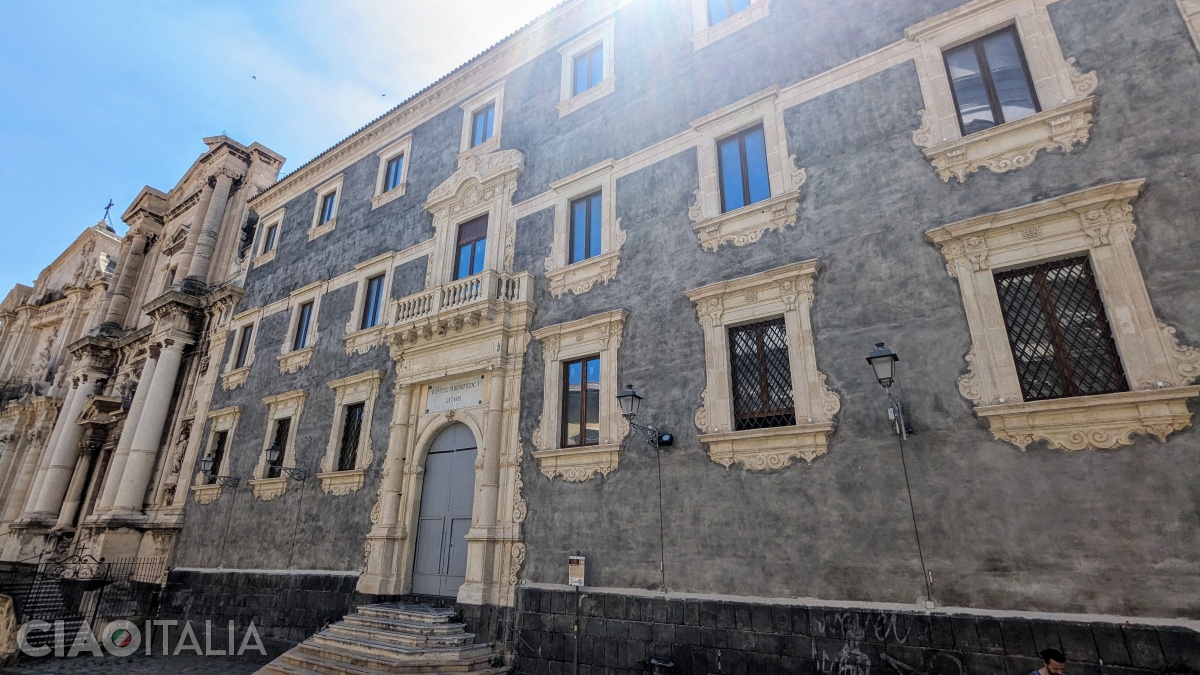
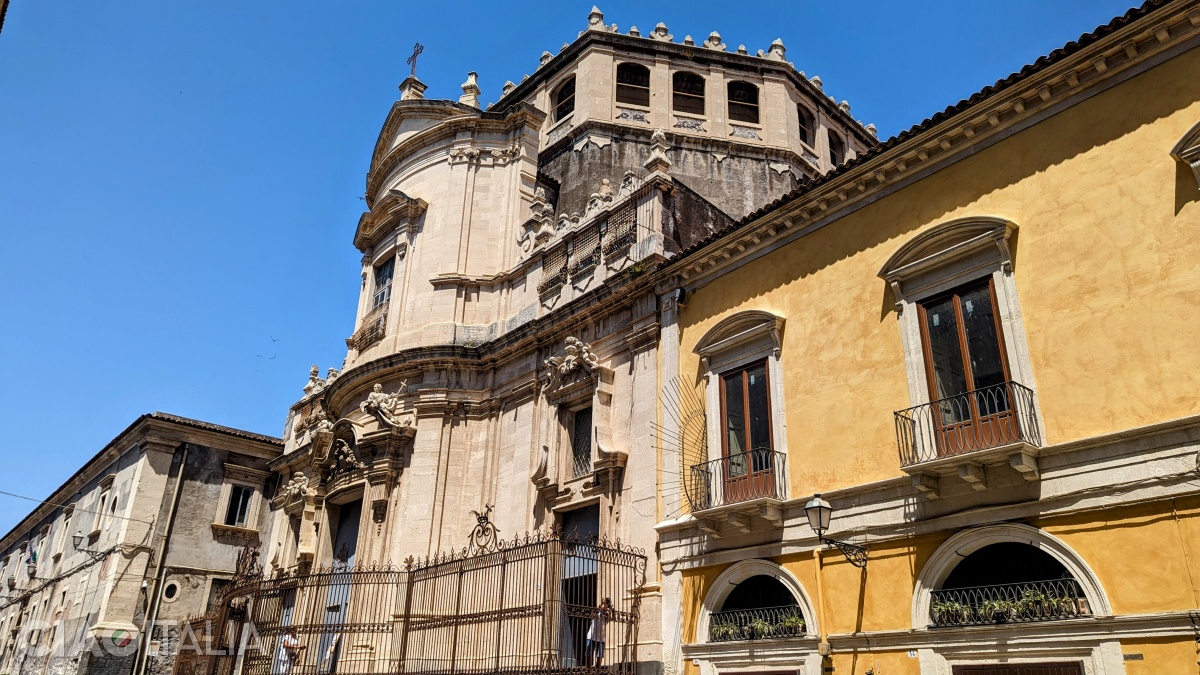
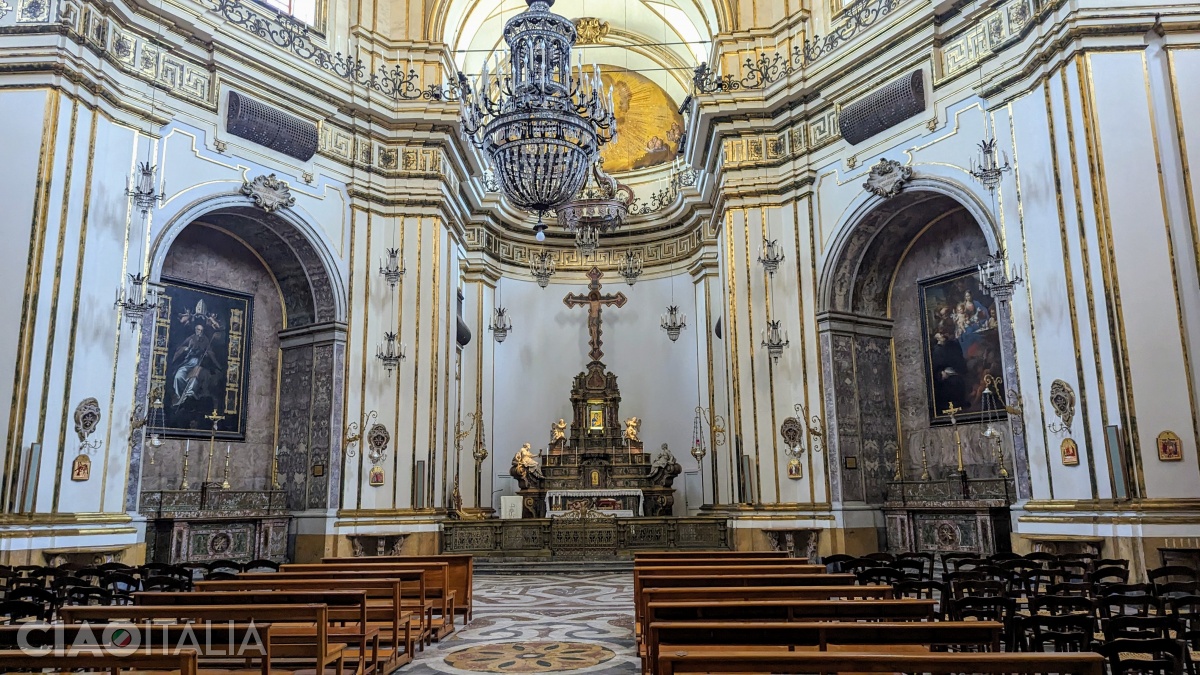
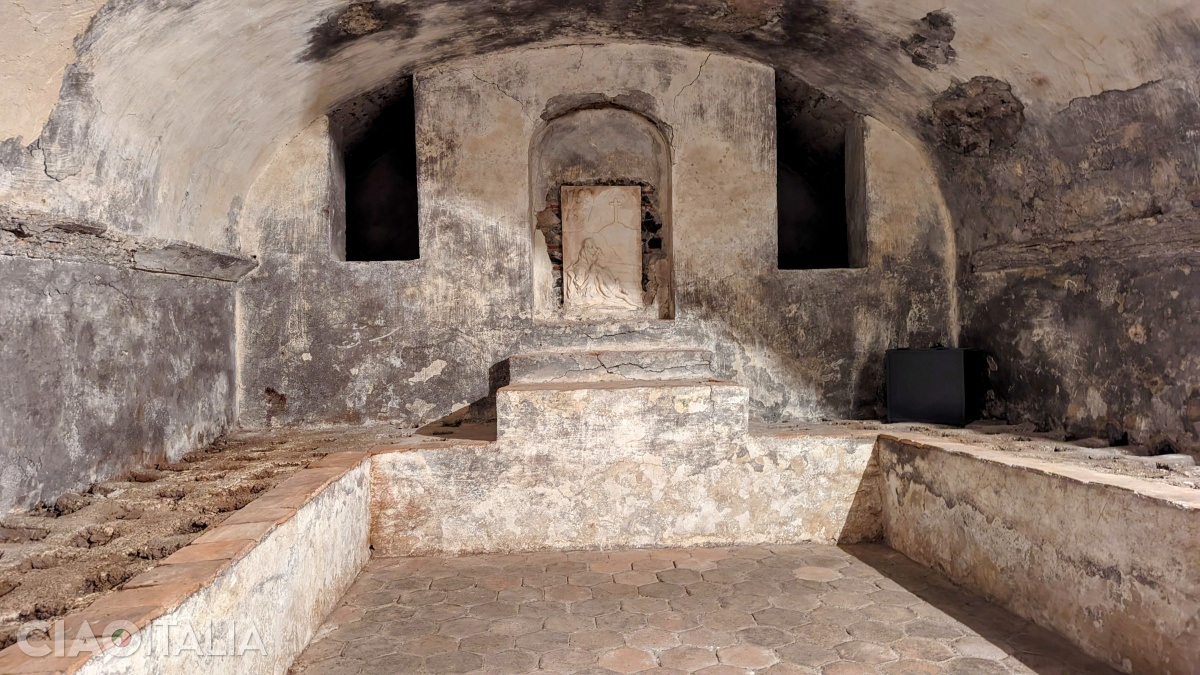
On the opposite side stands the Church of San Giuliano, also known as Il Belvedere di Via Crociferi. After visiting the interior and the crypt, climb up to the terraces and then to the very top of the dome. Standing literally on top of a church dome is an experience you don't often get to have.
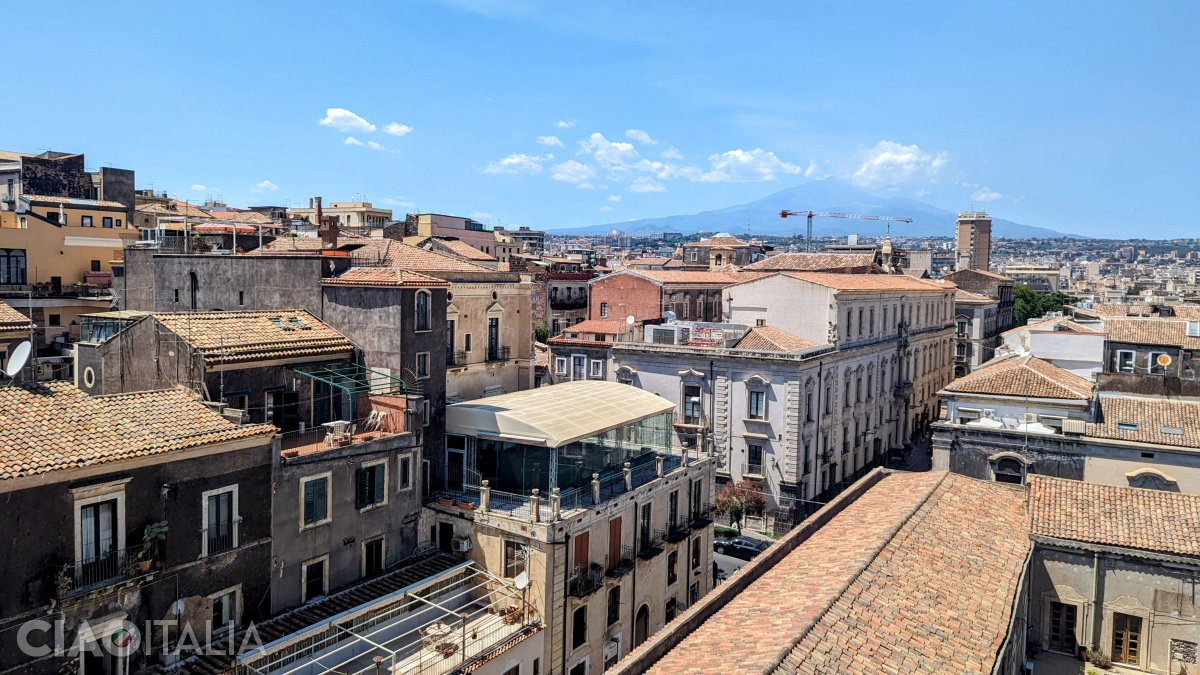
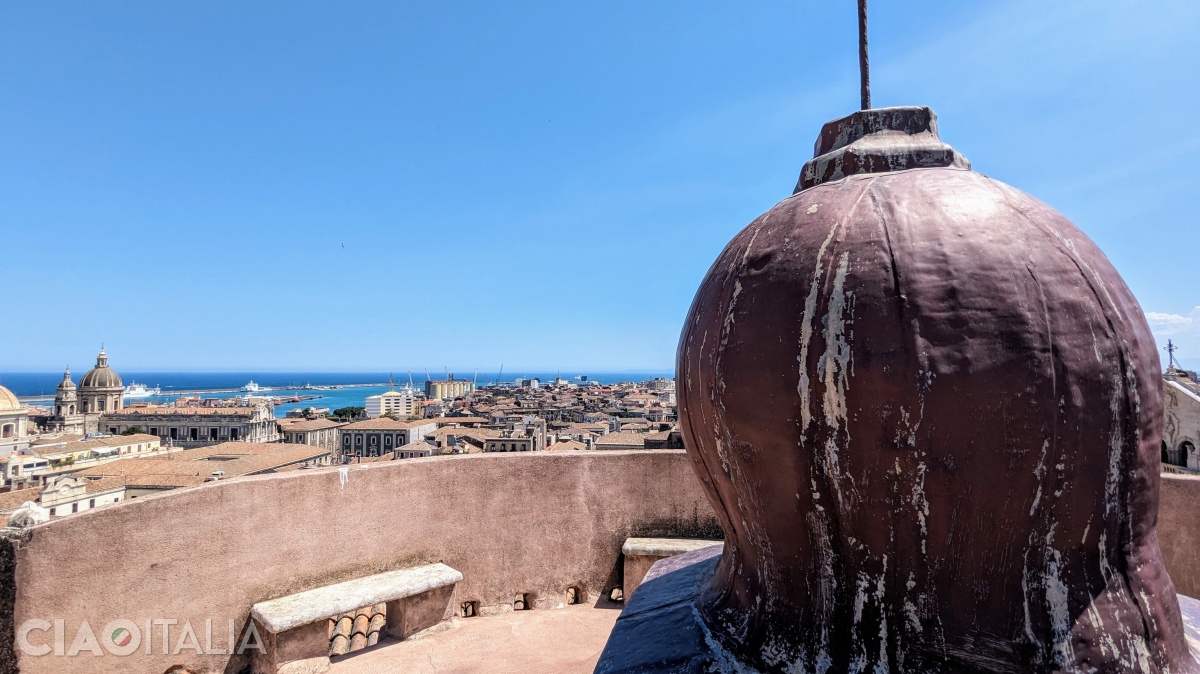
The last church on the street, situated after the next intersection, is the Church of San Camillo de Lellis, also built in the 18th century.
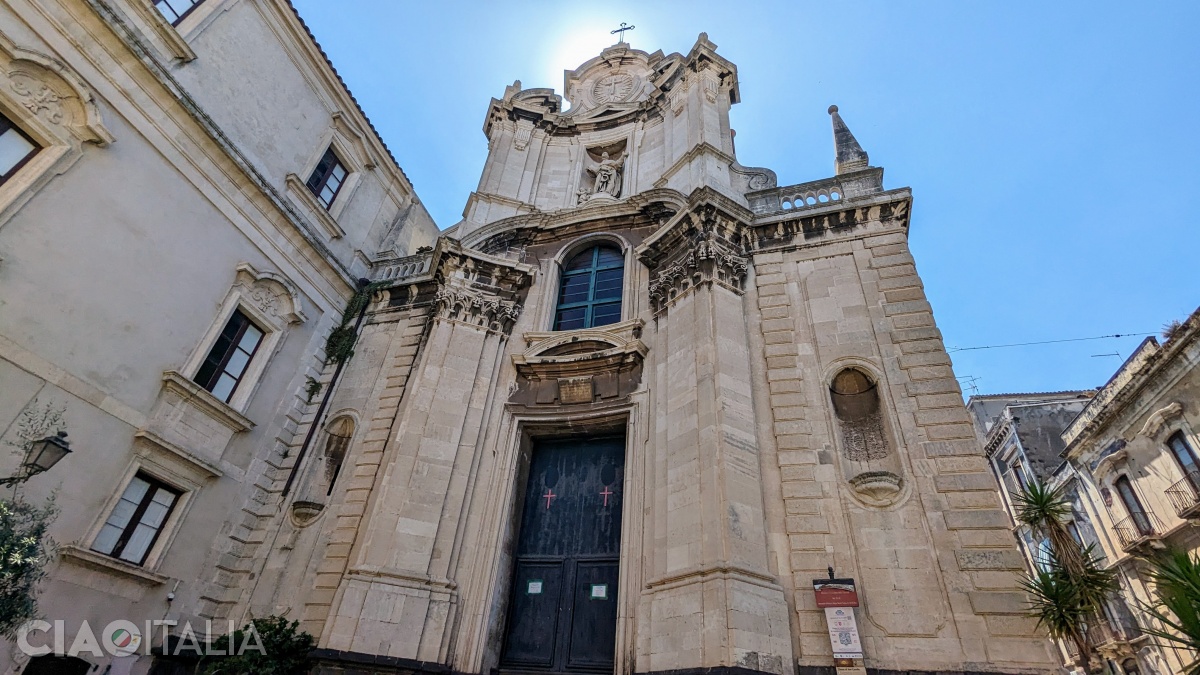
Via Crociferi
Opening Hours:
Monastero San Benedetto:
- April-October: Tuesday, Friday, Saturday - 10:00 AM - 1:30 PM, 2:30 PM - 6:30 PM)
- November-March: Tuesday, Friday, Saturday - 9:30 AM - 1:30 PM, 2:30 PM - 6:00 PM)
- last entry: 30 minutes before closing
Church of San Giuliano:
- Monday-Friday: 9:30 AM - 1:00 PM
- Saturday-Sunday: 9:30 AM - 1:00 PM, 3:00 PM - 6:30 PM
Ticket Prices:
Monastero San Benedetto:
- Adult: €6
- 14-18 years: €4
- Child 6-14 years: €3
- Child under 6: free
Church of San Giuliano:
- Adult €5
10. Villa Cerami
Villa Cerami is situated in a lush courtyard at the opposite end of Via Crociferi.
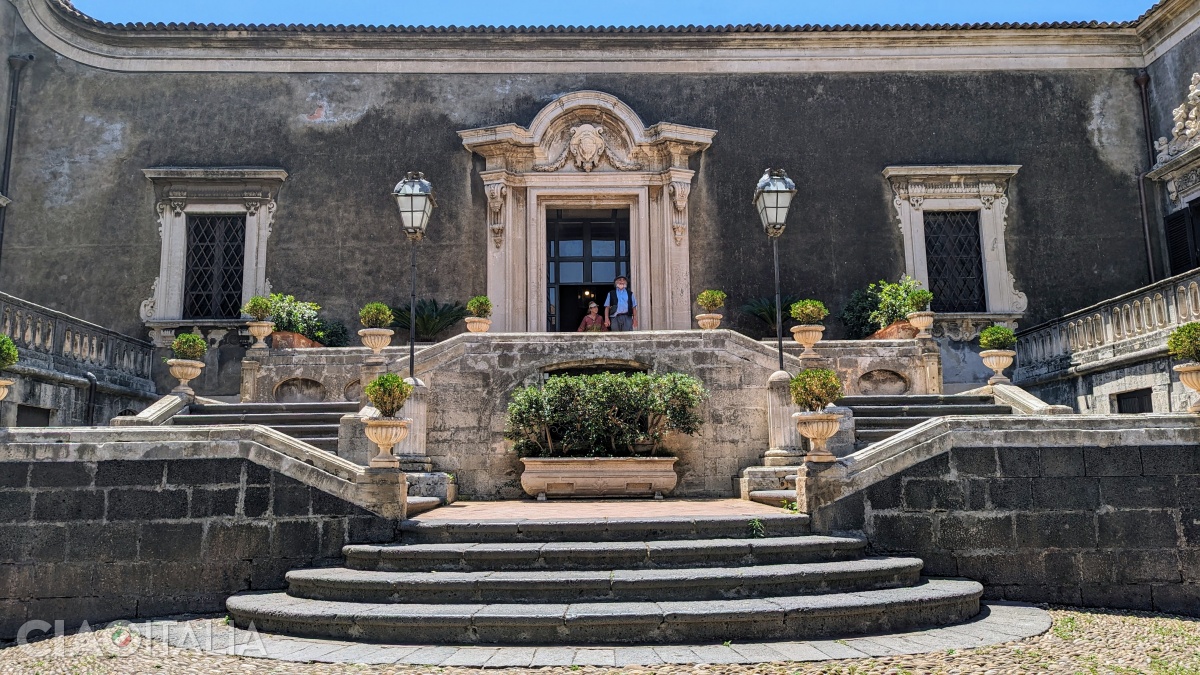
Today it houses the Faculty of Law, but the villa dates back to the 18th century and was once the summer residence of the Rosso di Cerami family. The architect was Gian Battista Vaccarini, who adorned the villa with a monumental staircase and an entrance portal topped by the family's coat of arms featuring a comet. The interior once contained frescoes, baroque decorations, and valuable furniture.
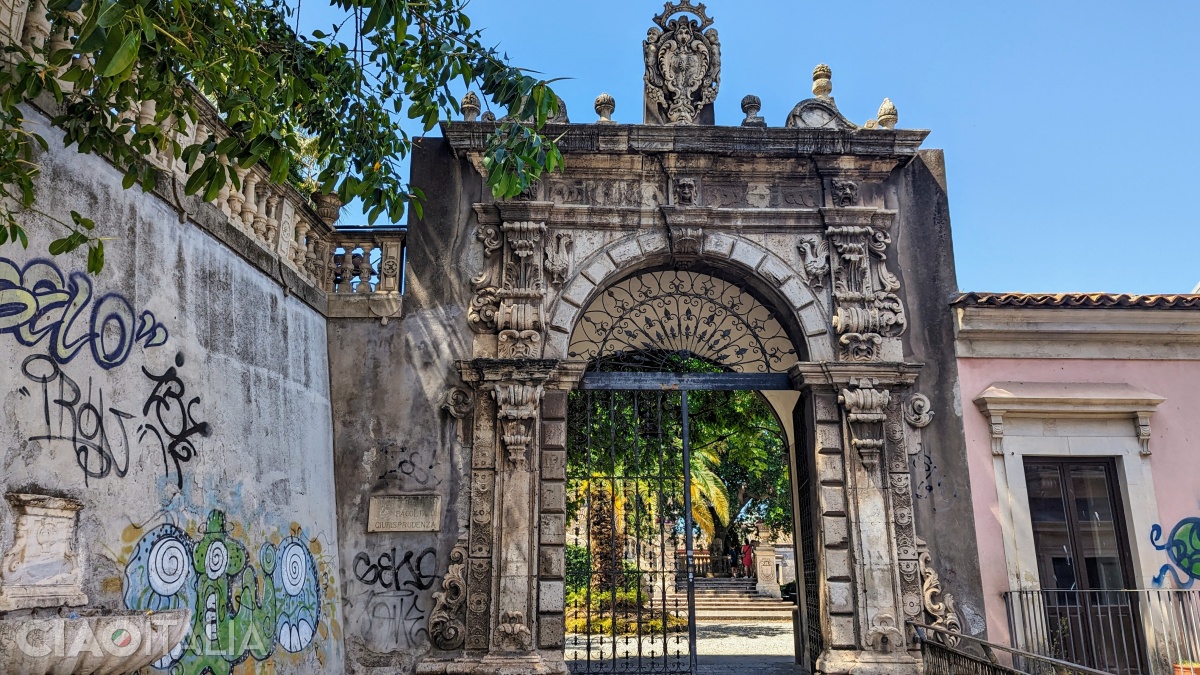
In 1881, Villa Cerami hosted King Umberto I and Queen Margherita, in whose honor a ball was held in the hall that is now the Aula Magna.
In the first half of the 20th century, the building was left in a state of neglect. It regained its former beauty when it became the property of the University of Catania, which undertook its restoration.
Since 2024, Villa Cerami can be visited with guided tours. Even if you don't choose a guided tour, you can enter the courtyard (free admission) to admire the villa and garden from the outside.
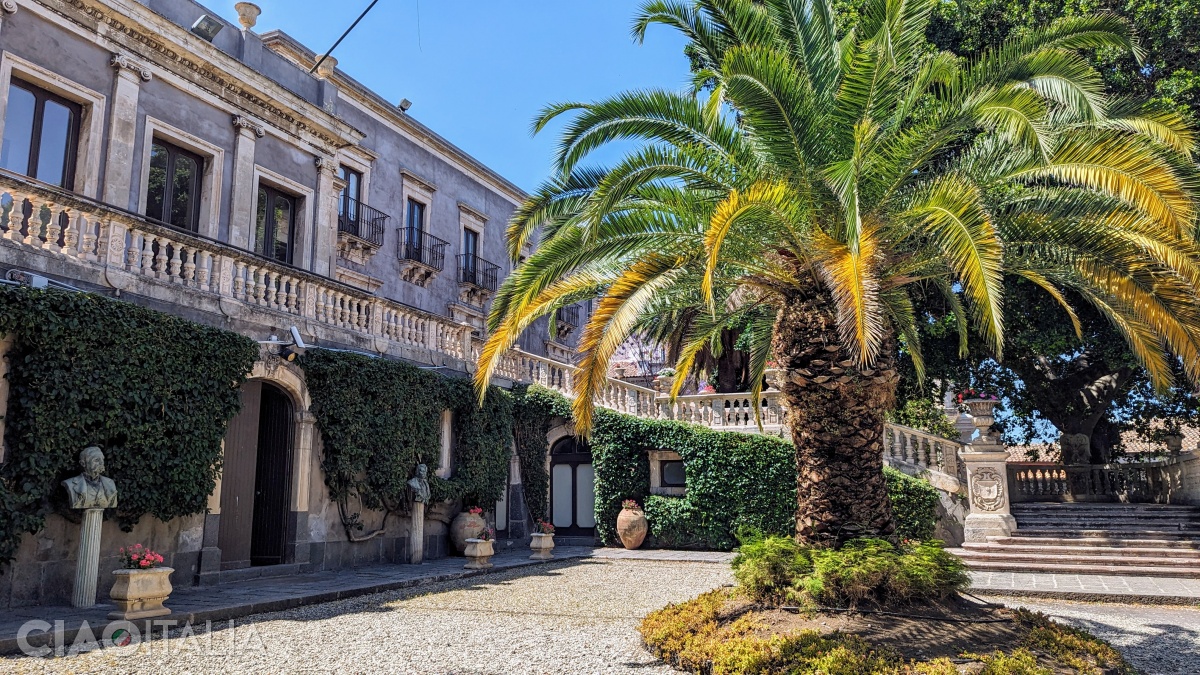
Villa Cerami
Opening Hours (guided tours):
- October 17, 2026: 7:00 PM and 8:00 PM
- October 18 and October 25, 2026: 11:00 AM
- November 1, 8, 22 and 29, 2026: 11:00 AM
- December 6, 13, 20 and 27, 2026: 11:00 AM
Reservation required (online, phone or WhatsApp at +39 3349242464)
Ticket Prices:
- Adult: €7.50
- Over 65: €6.50
- 7-19 years: €2.50
- Child under 7: free
11. Biscari Palace
Palazzo Biscari (Biscari Palace) is one of the most beautiful palaces in Catania, a testament to the luxurious lifestyle of the nobility in past centuries. Its frescoed halls, once visited by famous figures such as Goethe, have also served as filming locations for various movie productions.
The palace was built in the 18th century and has around 700 rooms. Even today, its frescoed salons host concerts and elegant gala evenings.
The palace can be visited independently or with guided tours lasting about 30 minutes.
Palazzo Biscari
Opening Hours:
October 1 - October 31, 2026:
- Monday: Closed
- Tuesday: 10:00 AM - 1:00 PM
- Wednesday: 10:00 AM - 1:00 PM, 4:00 PM - 7:00 PM
- Thursday-Saturday: 10:00 AM - 1:00 PM
- Sunday: a single guided tour, in Italian, at 11:00 AM
Guided tours:
- In Italian: 10:00 AM, 10:30 AM, 11:00 AM, 11:30 AM, 12:00 PM, 12:30 PM
- In English: 10:30 AM, 11:30 AM, 12:30 PM
- In French: 10:00 AM, 11:00 AM, 12:00 PM
Ticket Prices:
- Adult: €10
- Over 65: €7
- Children under 10: free
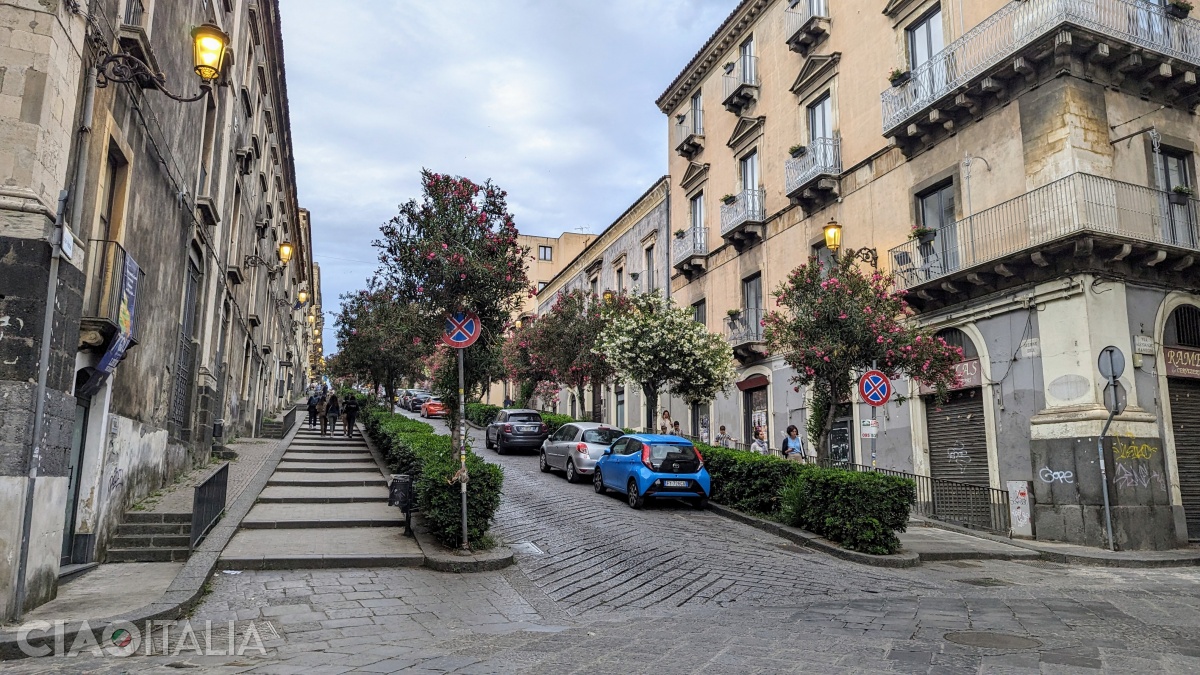
12. Il Monastero dei Benedettini di San Nicolò l'Arena
From Piazza dei Quattro Canti, on Via Etnea, Antonino di Sangiuliano Street climbs uphill, lined with oleander trees, toward Montevergine Hill. At the top stands the Monastero dei Benedettini, also known as the Monastero di San Nicolò l'Arena - the second-largest Benedictine monastery in Europe, after the one in Mafra, Portugal. Today, it houses the Department of Humanities of the University of Catania.
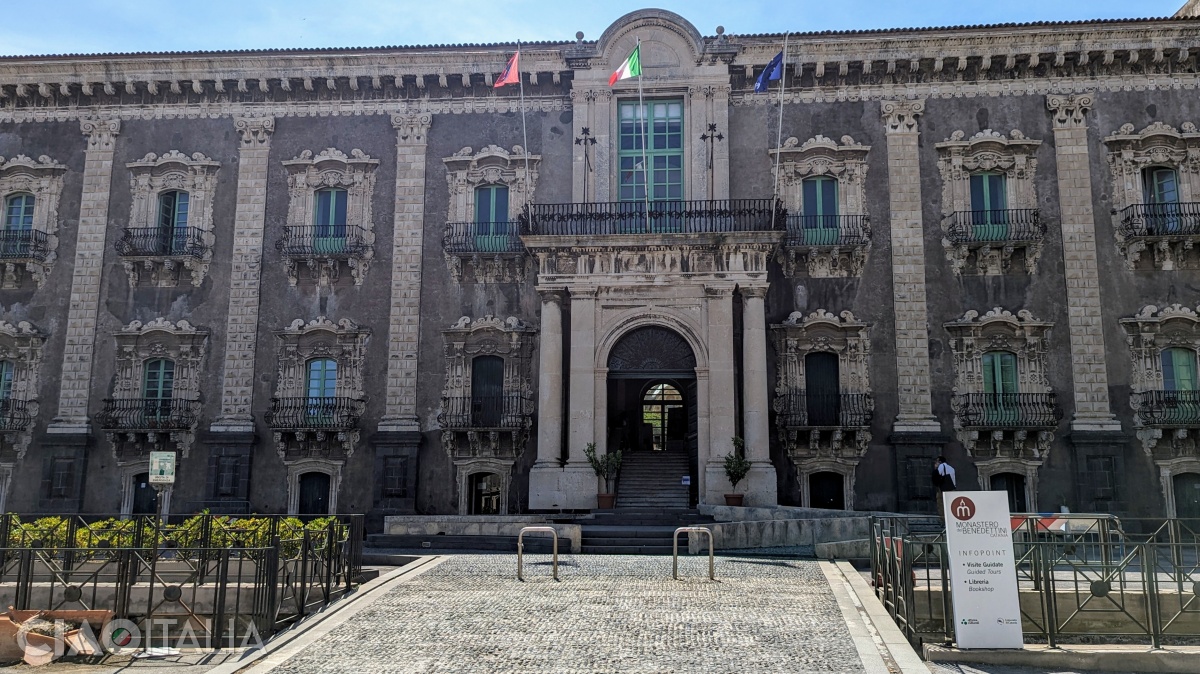
The monastery was founded in 1558 but was severely affected by both the volcanic eruption of 1669 and the earthquake of 1693. Construction of the Church of San Nicolò all'Arena was restarted several times but was never completed.
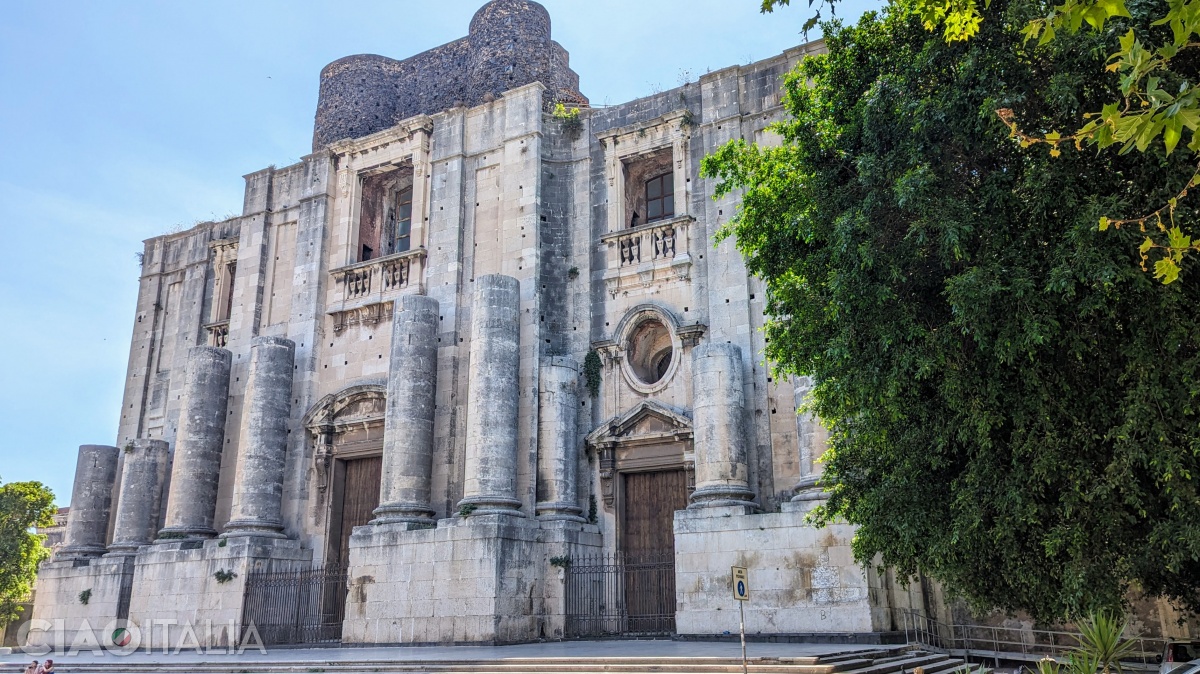
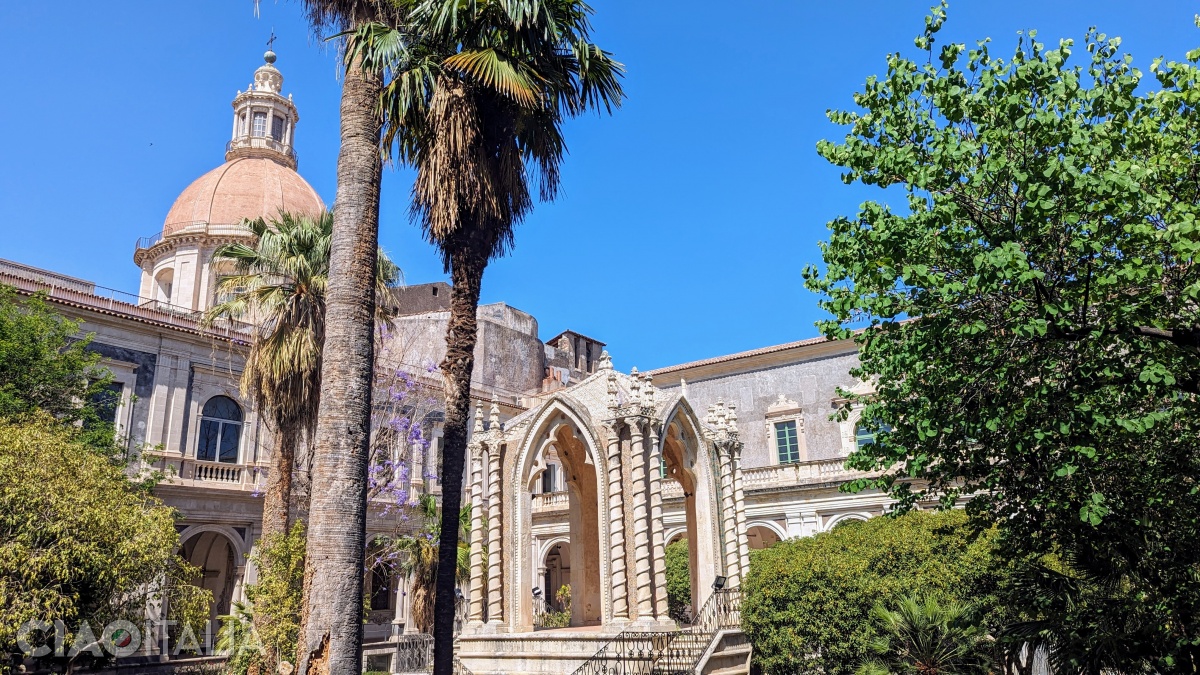
The monastery has two cloisters - Chiostro di Levante and Chiostro dei Marmi. In the center of the first one stands the so-called caffeaos (from the German word kaffee-haus), a place where people once enjoyed coffee outdoors.
According to an urban legend, a secret tunnel connects the Benedictine Monastery with the Monastery of San Benedetto on Via Crociferi.
You can step inside to take a look at the monastery and its inner courtyard, but if you want to learn and see more, it's best to book a guided tour. The visit lasts about 75 minutes and includes the two cloisters, the 16th-century floor (now home to the Library), the Roman dwellings (domus), the Giardino dei Novizi, the 18th-century kitchens and cellars, as well as the monumental staircase.
Monastero dei Benedettini
Opening Hours:
- Guided tours in English and Italian (they offer an English translated text): 10:00 AM - 5:00 PM
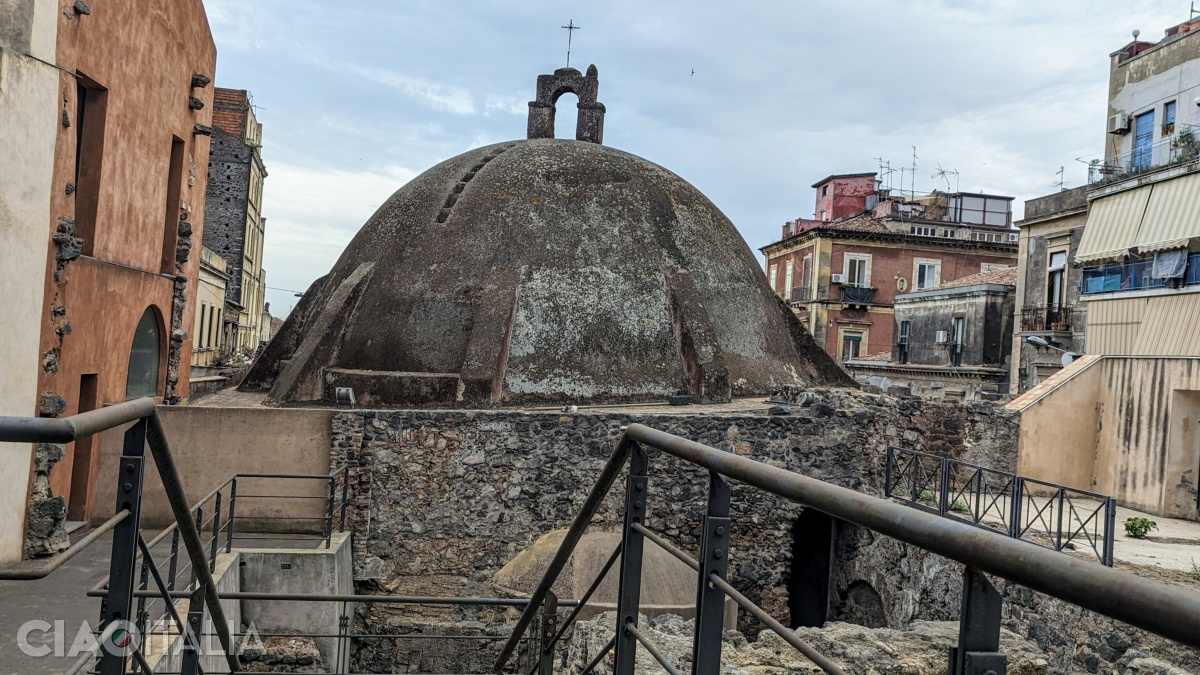
Not far from the Benedictine Monastery are the Terme della Rotonda, Roman baths dating back to the 1st century AD. During the Byzantine period, they were covered with a dome and converted into a church.
13. The Roman Theatre
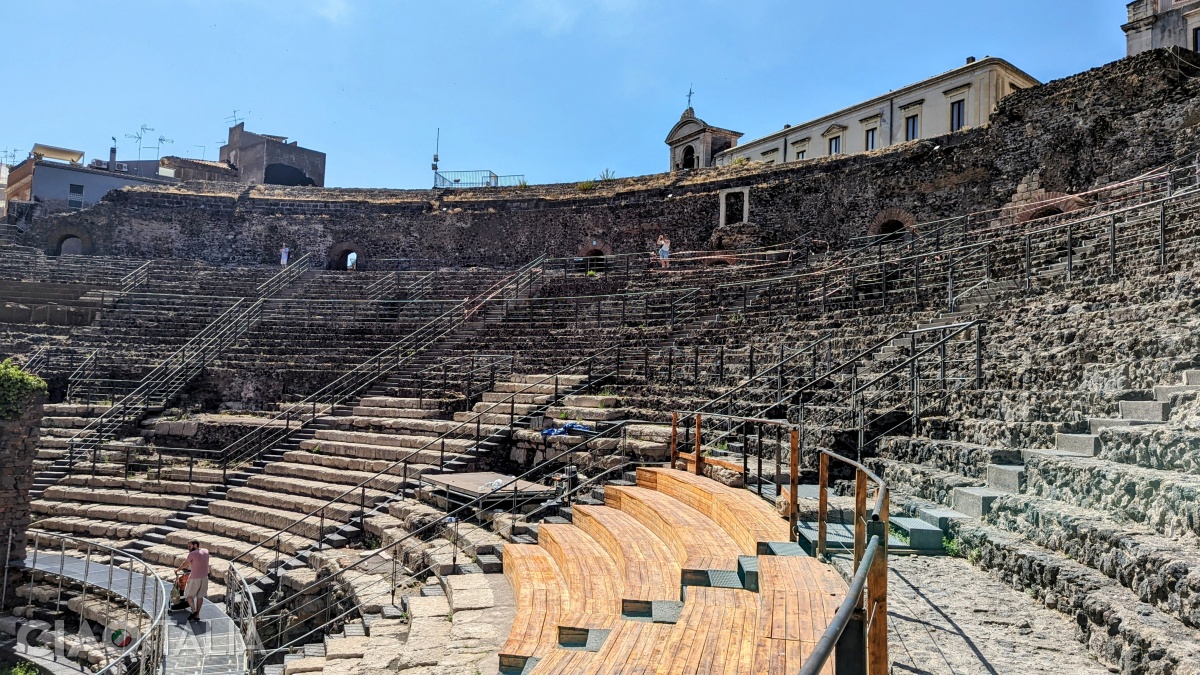
Near the monastery, on the way to Piazza del Duomo, you can visit the Roman Theatre of Catania, built in the 2nd century AD. The theatre could accommodate up to 7,000 spectators, and the seating area, made of volcanic stone, was once covered with marble. Although the theatre was largely damaged by eruptions and earthquakes, you can still get a sense of its former grandeur.
Roman Theatre
Opening Hours:
- Summer: Monday-Sunday, 09:00 AM - 7:00 PM
- Winter: Monday-Friday, 09:00 AM - 5:00 PM
Ticket Prices:
- Adults: €8
- 18-25 years: €8
- Under 18: free
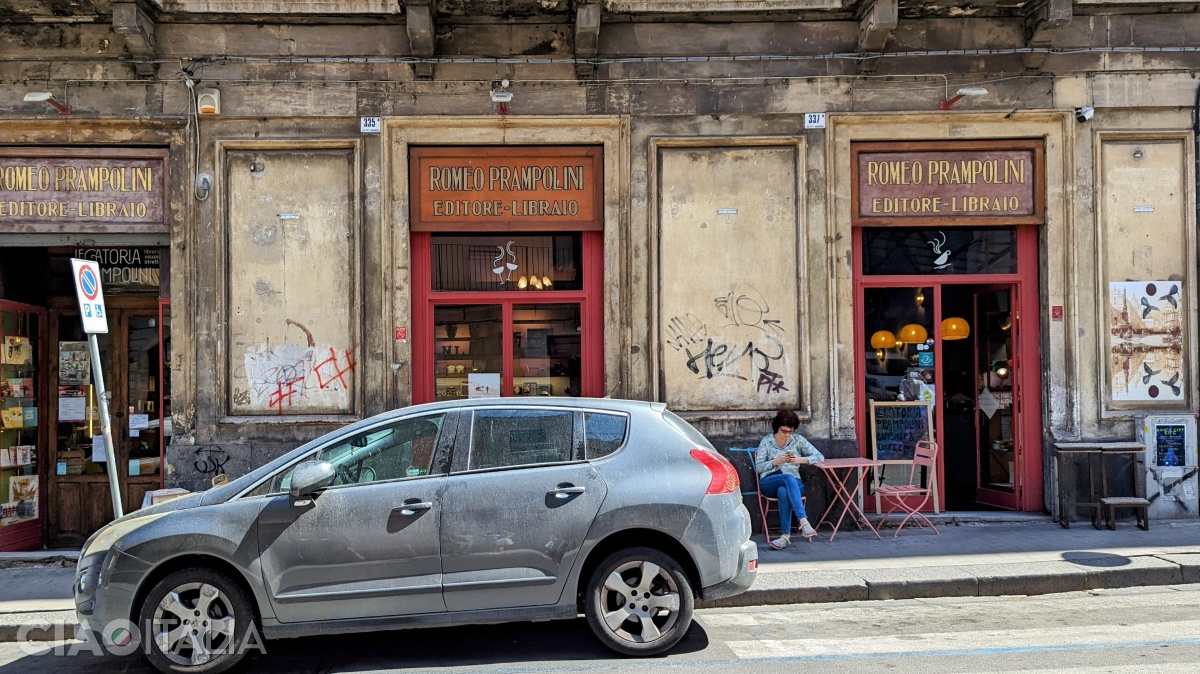
On the same street as the Roman Theatre, you'll also find the Legatoria Prampolini. If you're a book lover, you should know that this bookstore, founded in 1894 by Giuseppe Prampolini, is the oldest in Catania.
14. The Roman Amphitheatre and Piazza Stesicoro
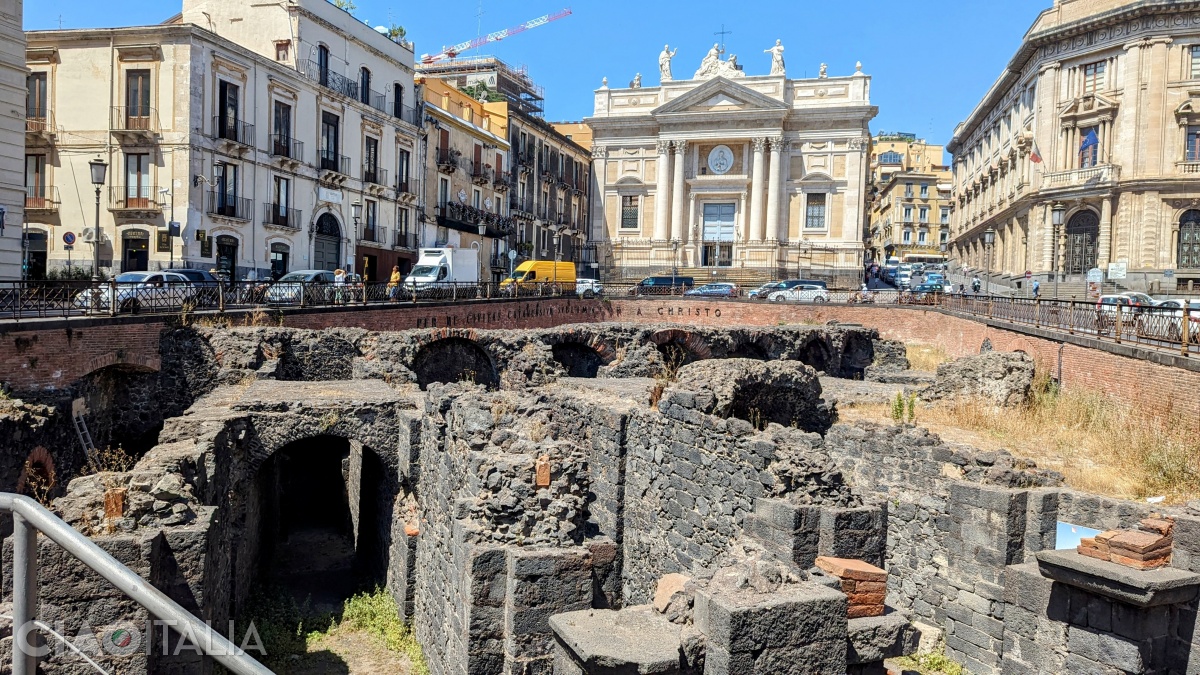
The Roman Amphitheatre from the 2nd century, located in Piazza Stesicoro, was one of the most impressive in antiquity. It is said to have been surpassed only by the Colosseum in Rome. In fact, the amphitheatre of Catania is nicknamed il Colosseo nero ("the Black Colosseum"). It's hard to imagine today that it once had a capacity of 15,000 spectators when you look at the few ruins that remain. Much of its stone was reused for the construction of St. Agatha's Cathedral and the city's defensive walls. During World War II, in 1943, the amphitheatre was used as a shelter.
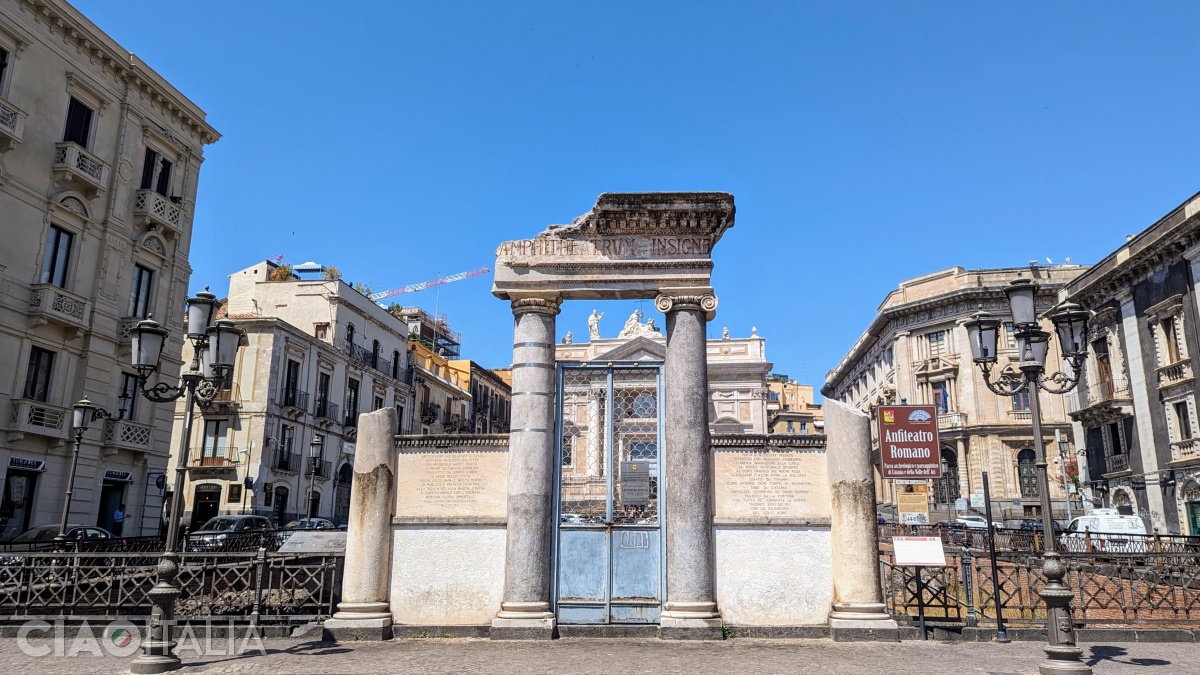
Closed for three years for restoration, the Roman Amphitheatre of Catania was reopened to the public at the beginning of July 2024.
Roman Amphiteatre
Opening Hours:
April 1- October 31, 2026:
- Monday-Sunday: 9:00 AM - 7:00 PM
November 1 - December 30, 2026:
- Monday-Sunday: 9:00 AM - 5:00 PM
- December 25, 2026: Closed
The ticket office closes 30 minutes before closing time.
Ticket Prices:
- Adult: €4
- Over 65: €3
- 11-18 years: €3
- Children under 10: free
Behind the amphitheatre is the Church of San Biagio (Sant'Agata alla Fornace), which houses the oven believed to have been used in the martyrdom of Saint Agatha. Every year, the processione della luminaria starts from here, continuing along Via Etnea to the cathedral in Piazza del Duomo.
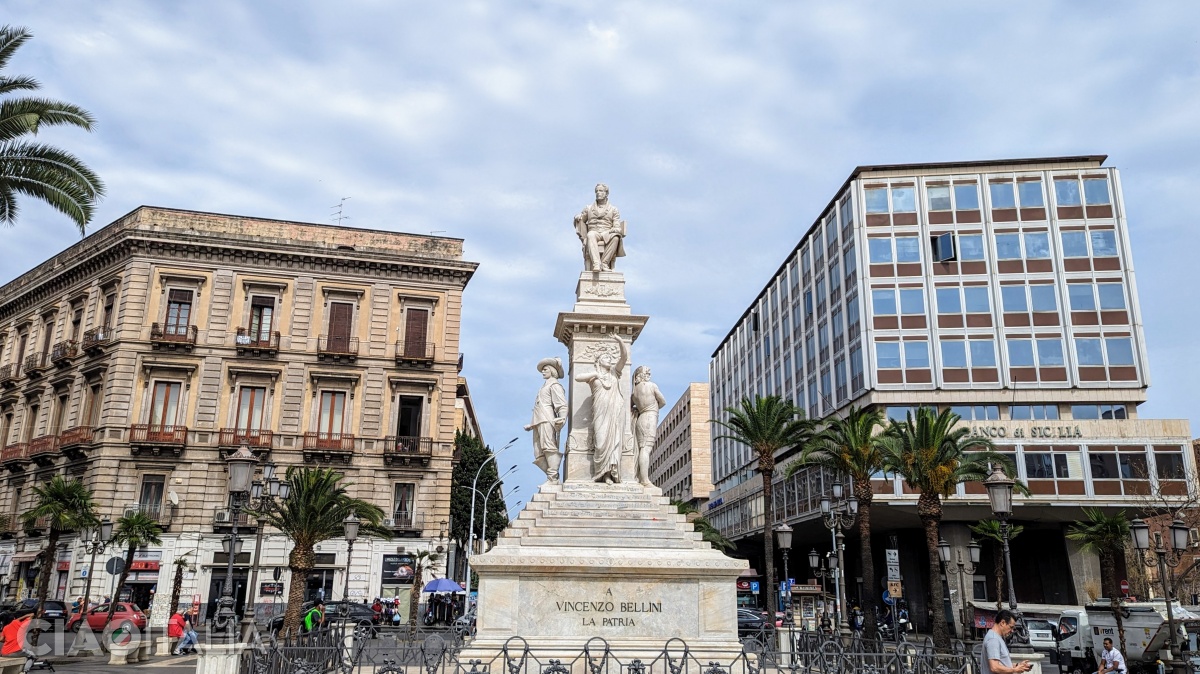
At the opposite end of the square stands the statue of Vincenzo Bellini, and a local market is also held in the surrounding area.
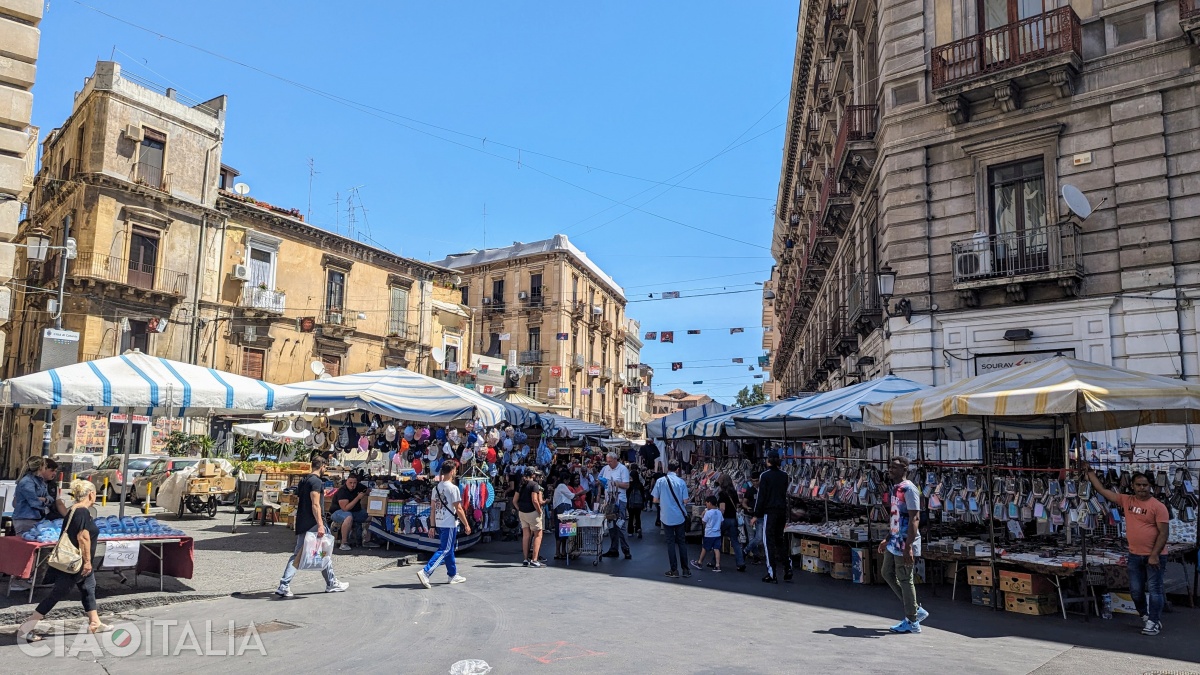
15. San Berillo District
Next to Piazza Stesicoro is the San Berillo district, named after the city's first bishop. Once a dangerous area with a questionable reputation, the district has undergone a rehabilitation process as part of the Trame di Quartiere project. It has been given a new life, becoming an area of cultural and tourist interest, and today it is known as the street art district.
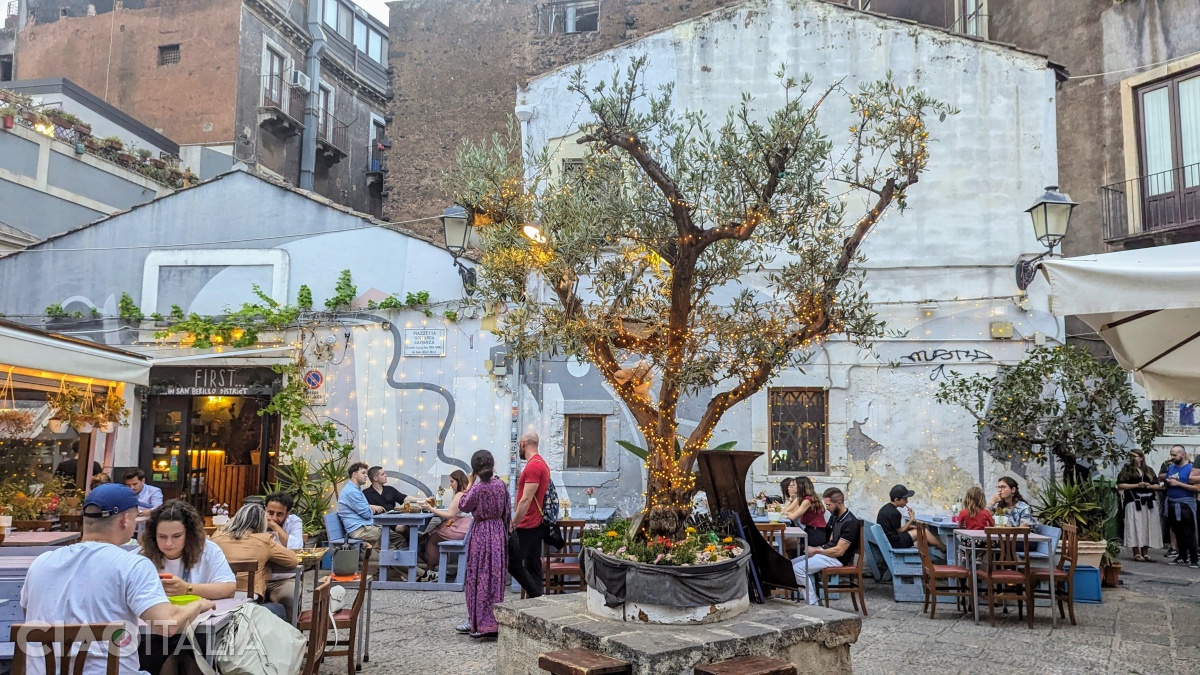
The small Goliarda Sapienza Square (formerly Piazza delle Belle), dedicated to the writer born in this area, has become the heart of this creative revival. Every evening, both tourists and locals line up to get a table at the restaurant La Pentolaccia, while the bar FIRST was, as its name suggests, the first to open here.
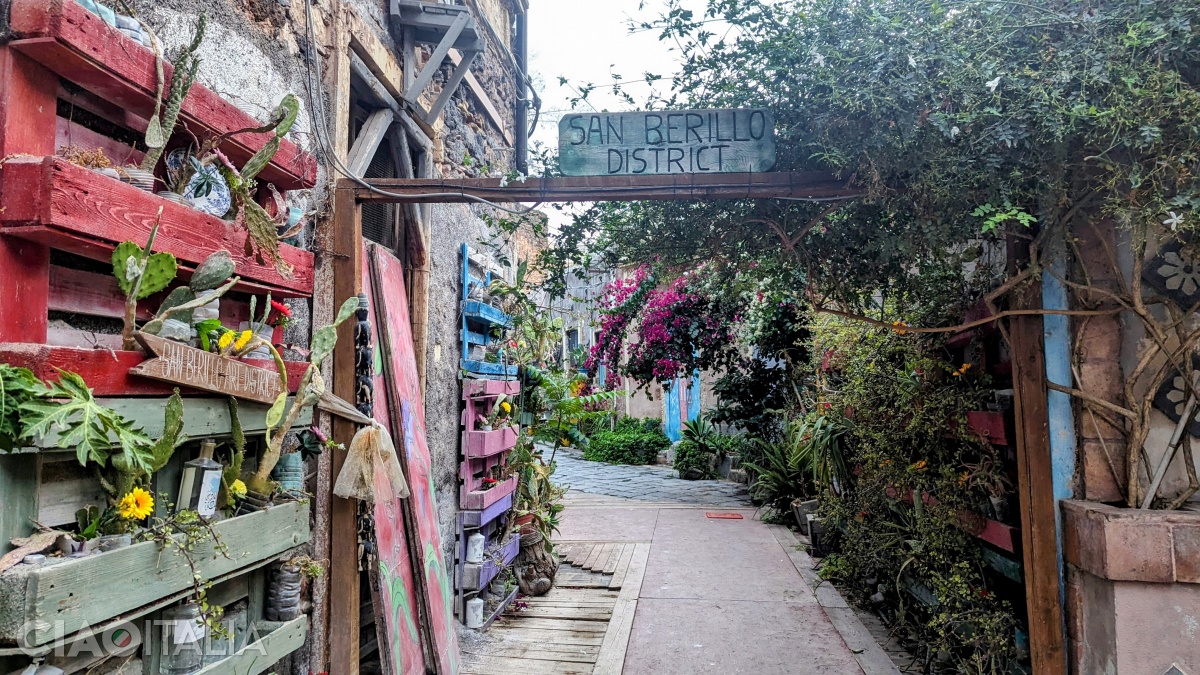
From the small square, an alley lined with plants and colorful objects extends, serving as a "canvas" for several murals.
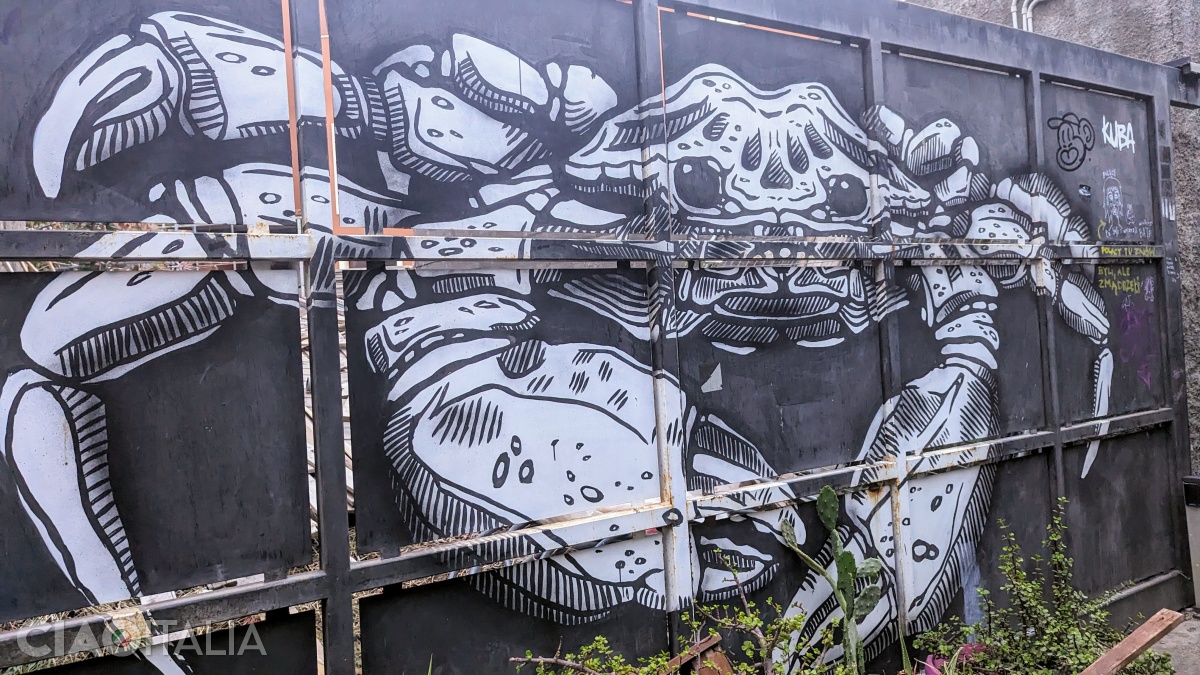
Nearby is Via San Michele, also called the "Artists' street" because of studios used by painters and photographers.
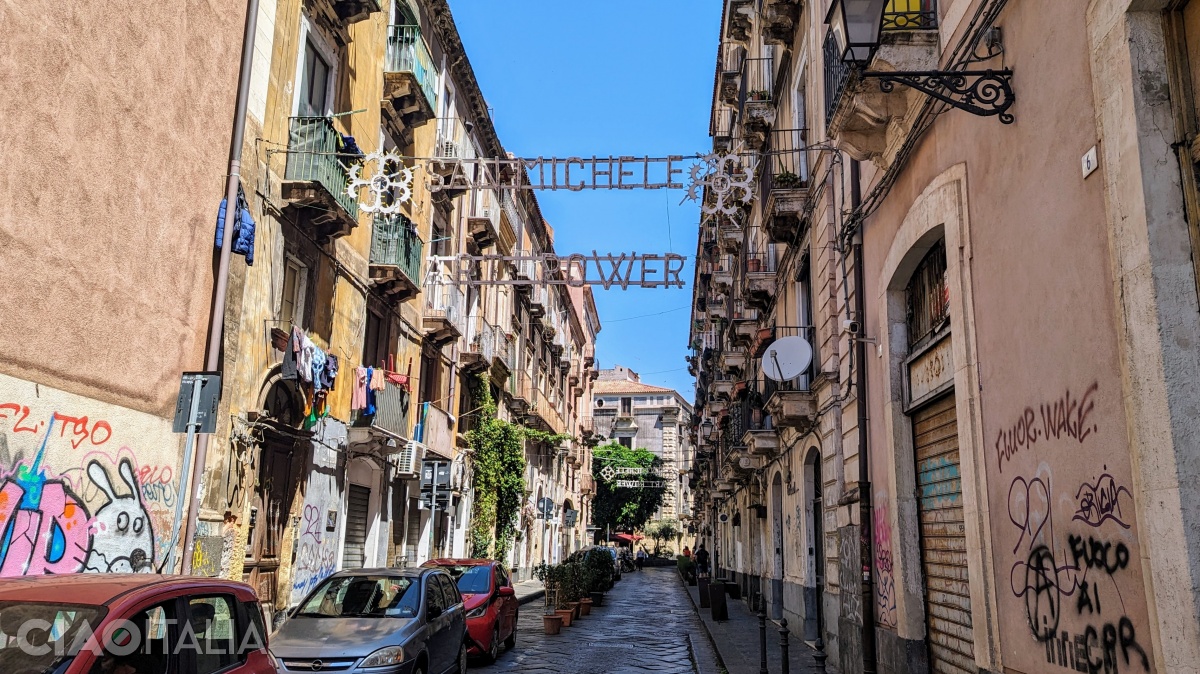
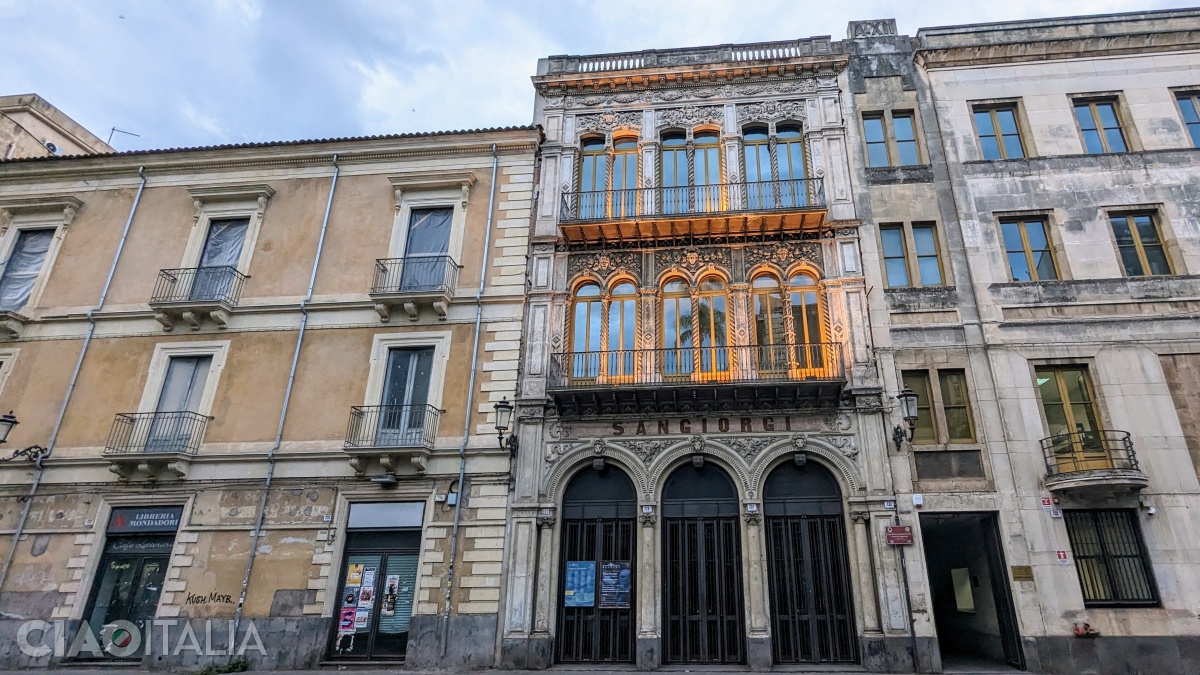
The historic Teatro Sangiorgi is also in the area. Built around 1900, it was converted into a cinema in the 1950s and later closed. At the end of the 20th century, it was purchased by the Teatro Massimo Bellini and restored. It reopened in 2002 and now hosts popular performances.
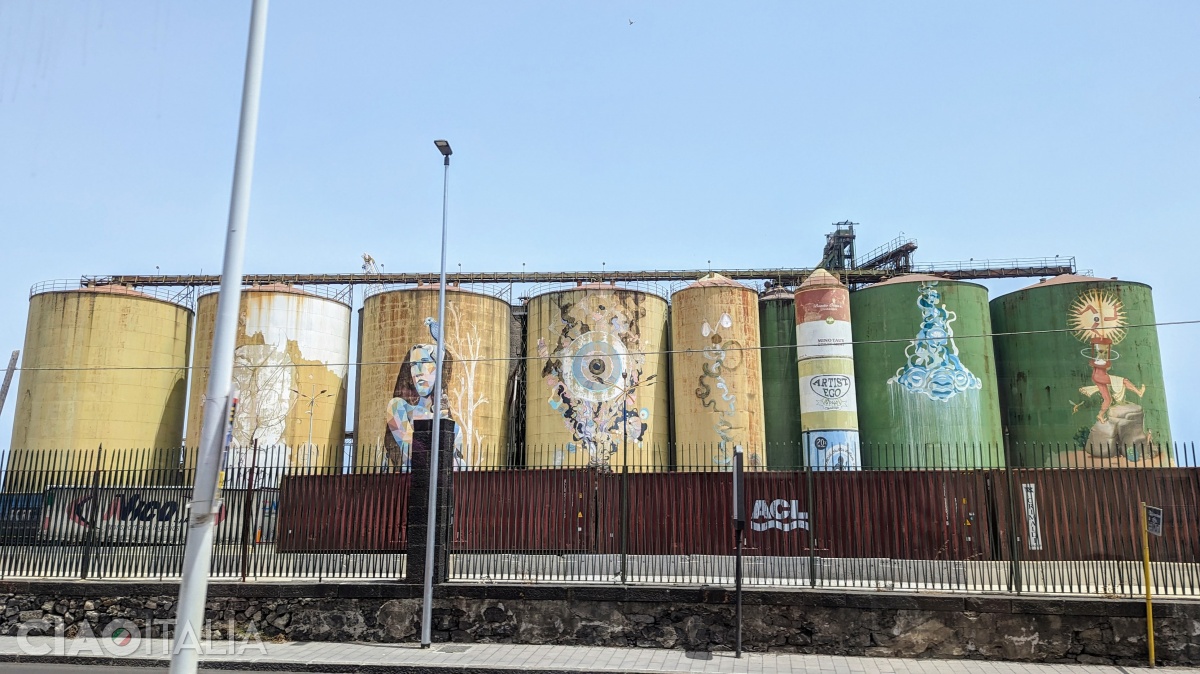
And speaking of street art, along the route from Catania airport to the city center, you can also notice the eight port silos, painted as part of the Street Art Silos project, which brought together street artists from around the world.
16. Castello Ursino
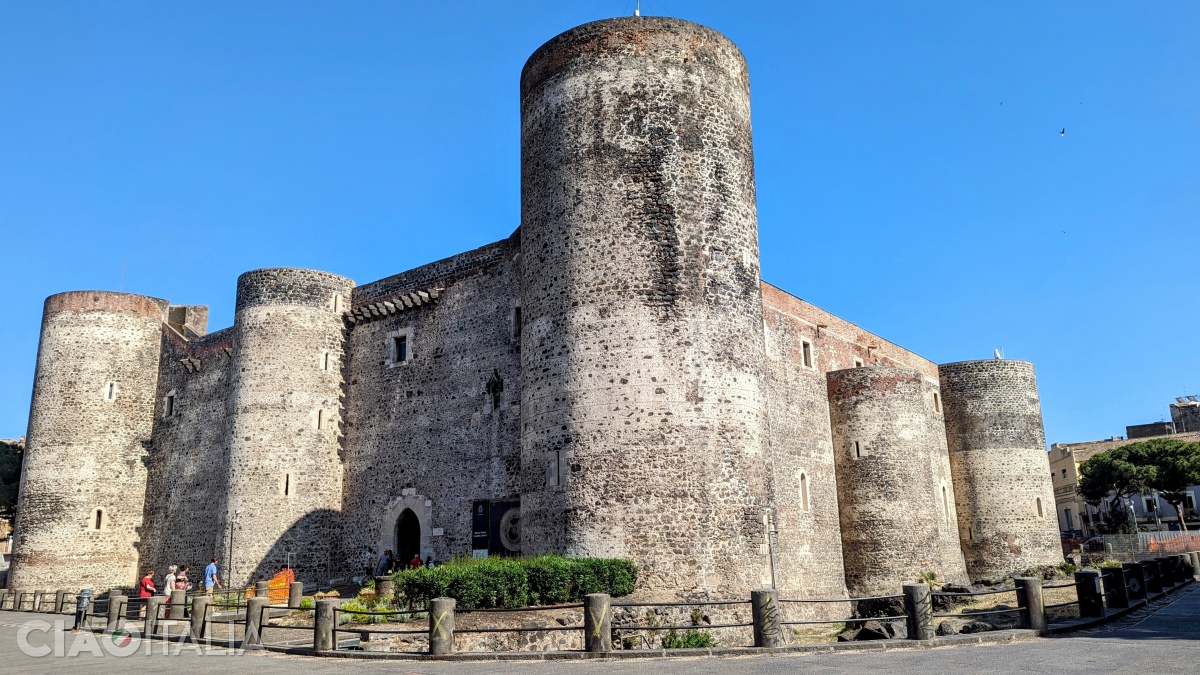
Built in the 13th century and shrouded in ghost legends, Castello Ursino once stood on the seashore and was a symbol of Frederick II's power. Today, it houses the Civic Museum of the city and is located about a kilometer from the coast (the area between the castle and the shoreline is not among the safest in Catania and should be avoided at night). From the time when the fortress served as a prison, inscriptions left by inmates can still be seen on the walls.
Castello Ursino
Opening Hours:
- From February 7, 2025, Ursino Castle was temporarily closed for a period of 2 years, for restoration works.
Ticket Prices:
- Adult: €6
- Reduced: €3
17. Villa Bellini Park
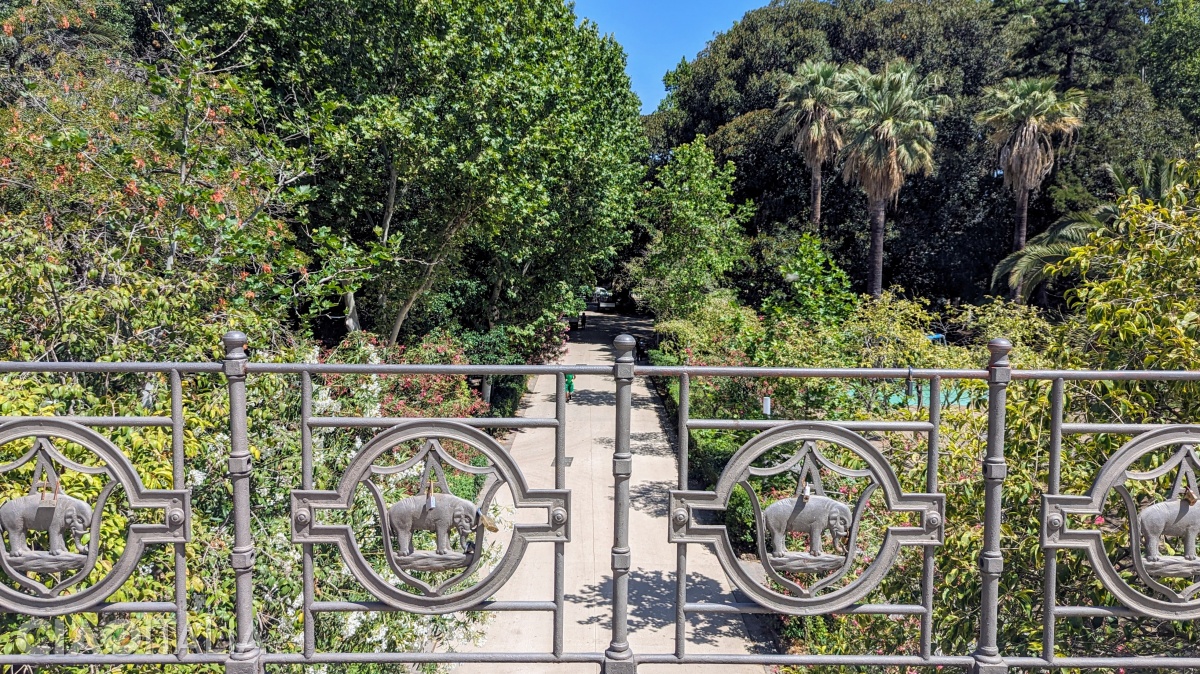
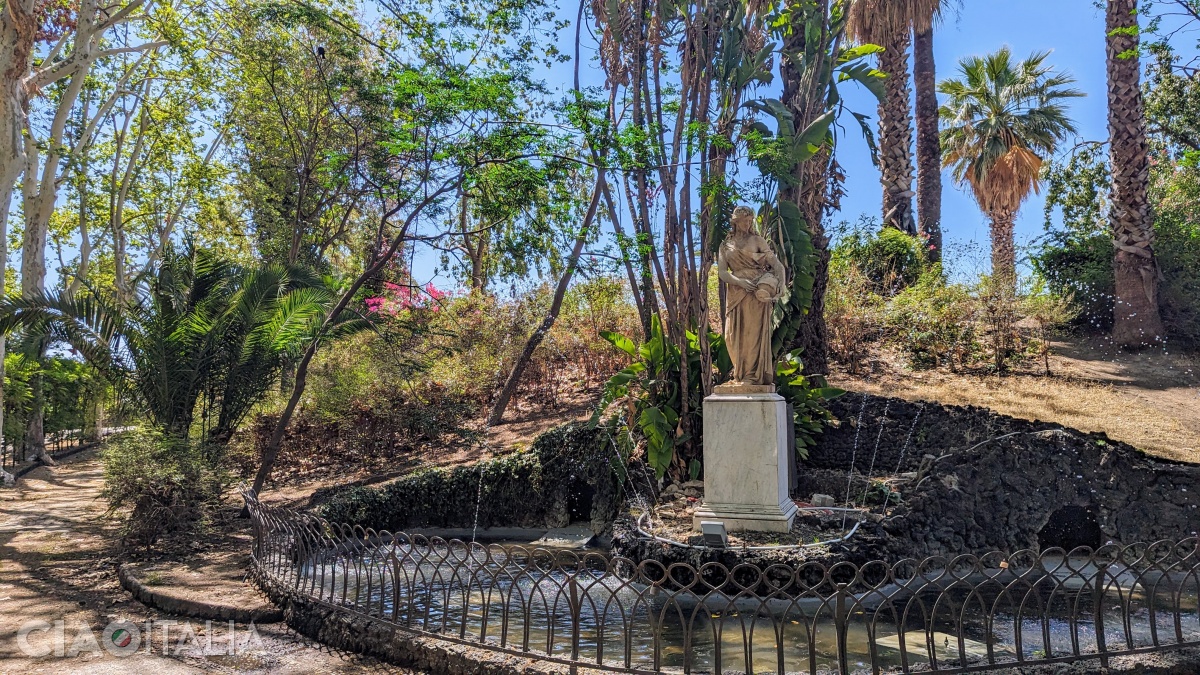
Opened to the public in 1883, Villa Bellini Park (locals simply call it 'a Villa) is the largest park in the city, covering an area of over 70,000 m². About halfway along Via Etnea, a monumental entrance opens, flanked by pines and palm trees.
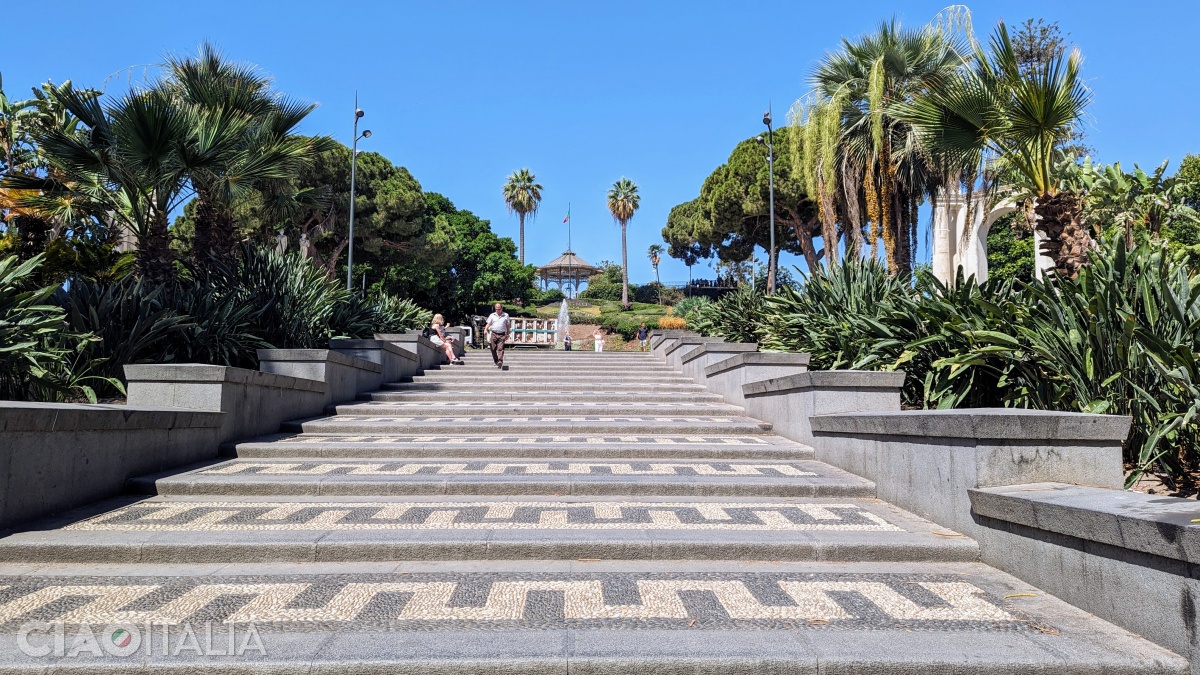
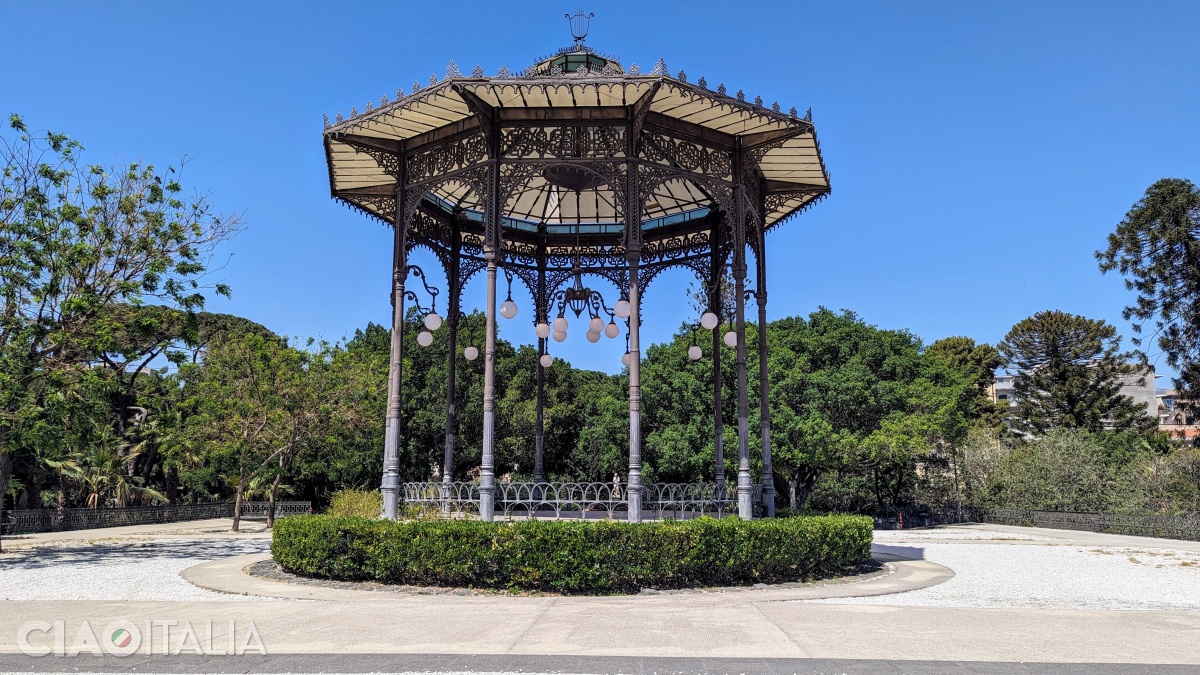
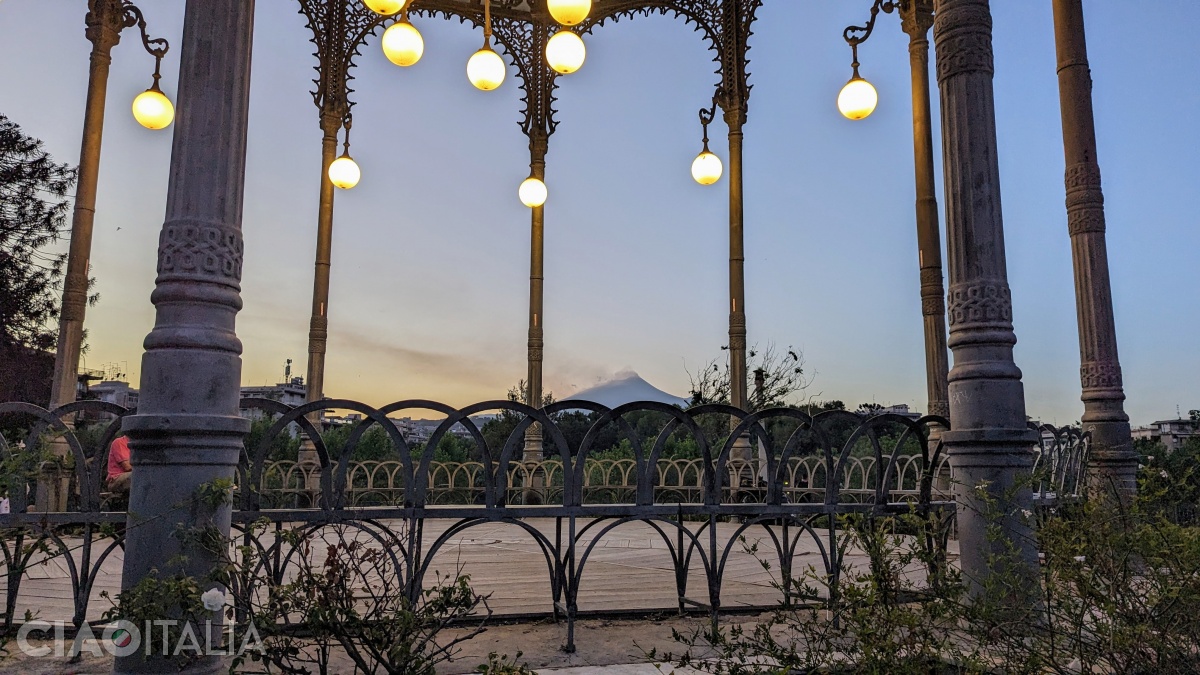
A staircase leads up to a small hill where an iron gazebo, called the Chiostro della Musica, is located; concerts were once held there. From this point, there is a beautiful view of Mount Etna.
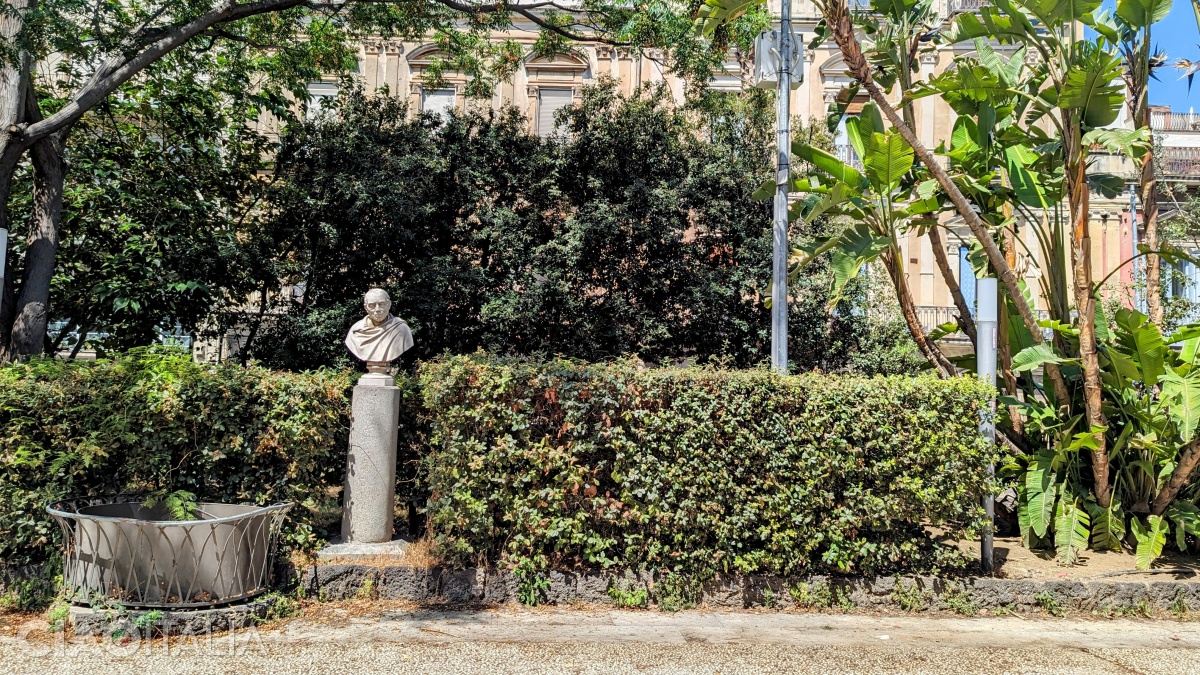
One of the park's pathways, lined with busts of local personalities, is named Viale degli Uomini Illustri.
Giardino Villa Bellini
Opening Hours:
- May 1 - October 31, 2026: 6:00 AM - 10:00 PM
- November 1, 2026 - April 30, 2027: 7:00 AM - 8:00 PM
Ticket Prices:
- free
Near Villa Bellini Park is Via Santa Filomena, a street famous for its many restaurants offering classic dishes or modern interpretations. In recent years, Via Santa Filomena has become the city's "gastronomic street".
18. Botanical Garden
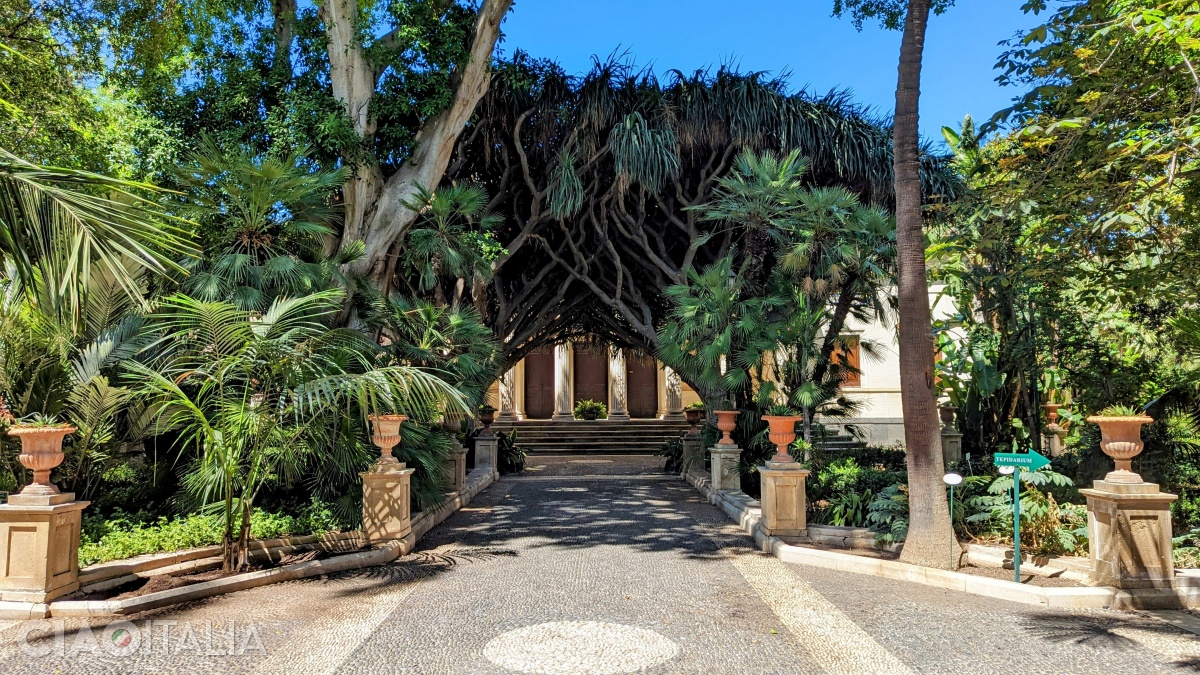
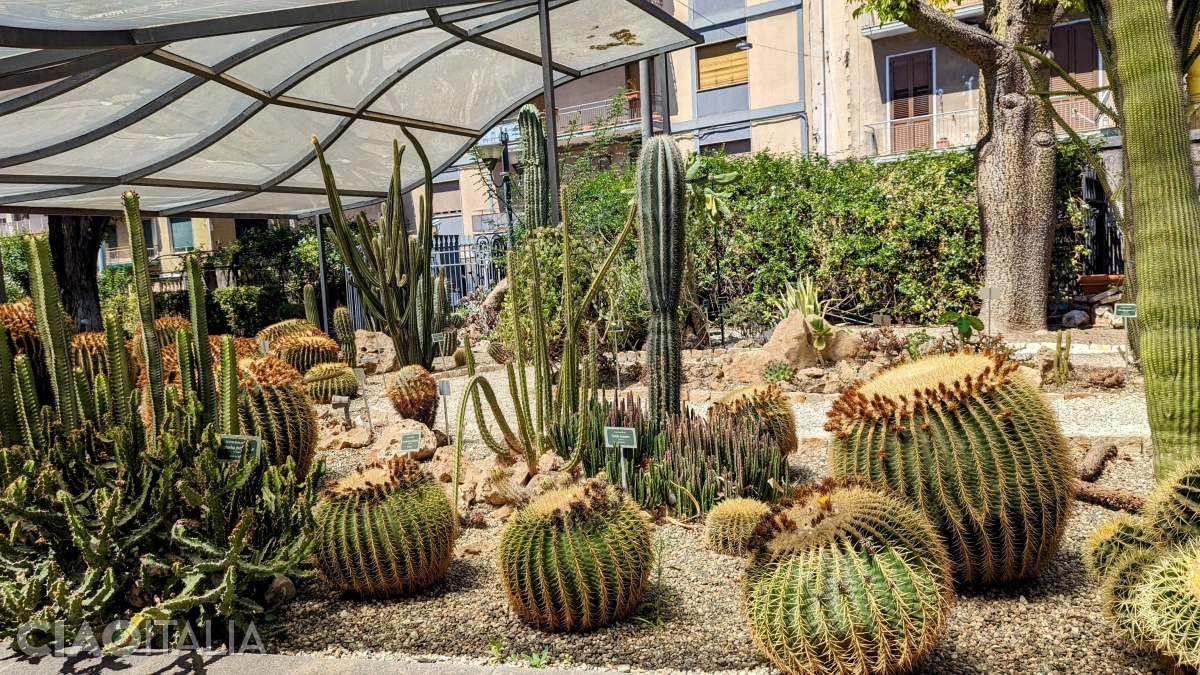
Another green oasis where you can take refuge from Catania’s summer heat is the Botanical Garden (Orto Botanico). It was created in 1858 by a Benedictine monk and is divided into the Orto Generale and the Orto Siculo, the latter featuring plants characteristic of Sicily's native flora.
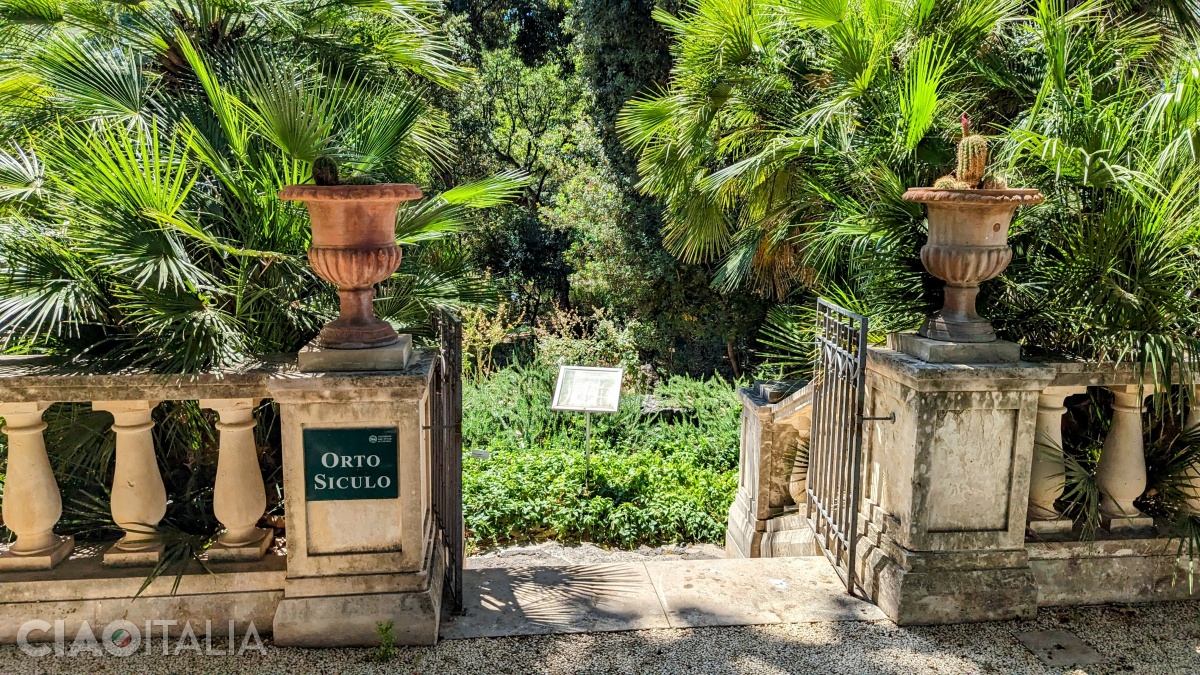
Botanical Garden
Opening Hours:
- Monday-Friday, 9:30 AM - 6:30 PM
- Saturday, 9:30 AM - 12:30 PM
- Sunday: closed
Ticket Prices:
- free
19. San Giovanni Li Cuti
San Giovanni Li Cuti is a small fishing village that has been incorporated into Catania. Today, it looks like a seaside resort, where old fishermen's houses blend with hotels and restaurants. The beach is made up of black volcanic rocks but also has a section with sand (also black).