9 Things to Do in Padua
If you want to explore Padua beyond the classic tourist sights (which we still recommend visiting), here are a few ideas for things to do to help you discover the city through a different lens.
1. Stroll through the Center
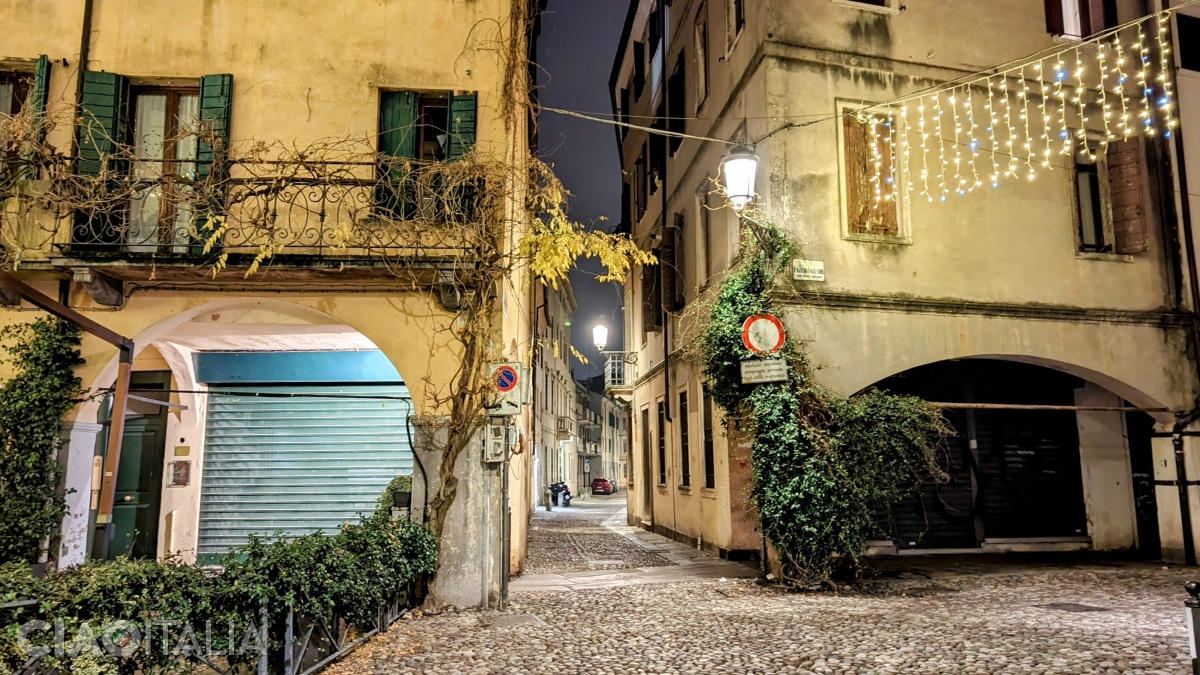
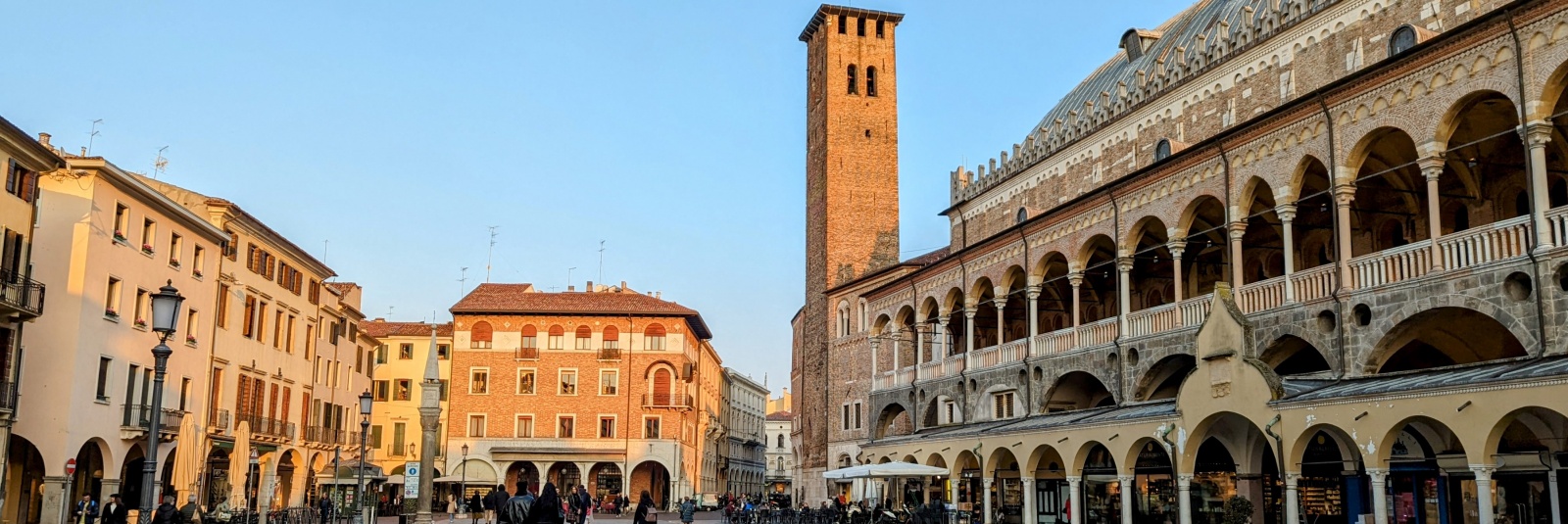
Simply wander through the narrow streets and squares of the city center, taking in the architecture, the cobblestone streets, and the porticos that are reminiscent of Bologna.
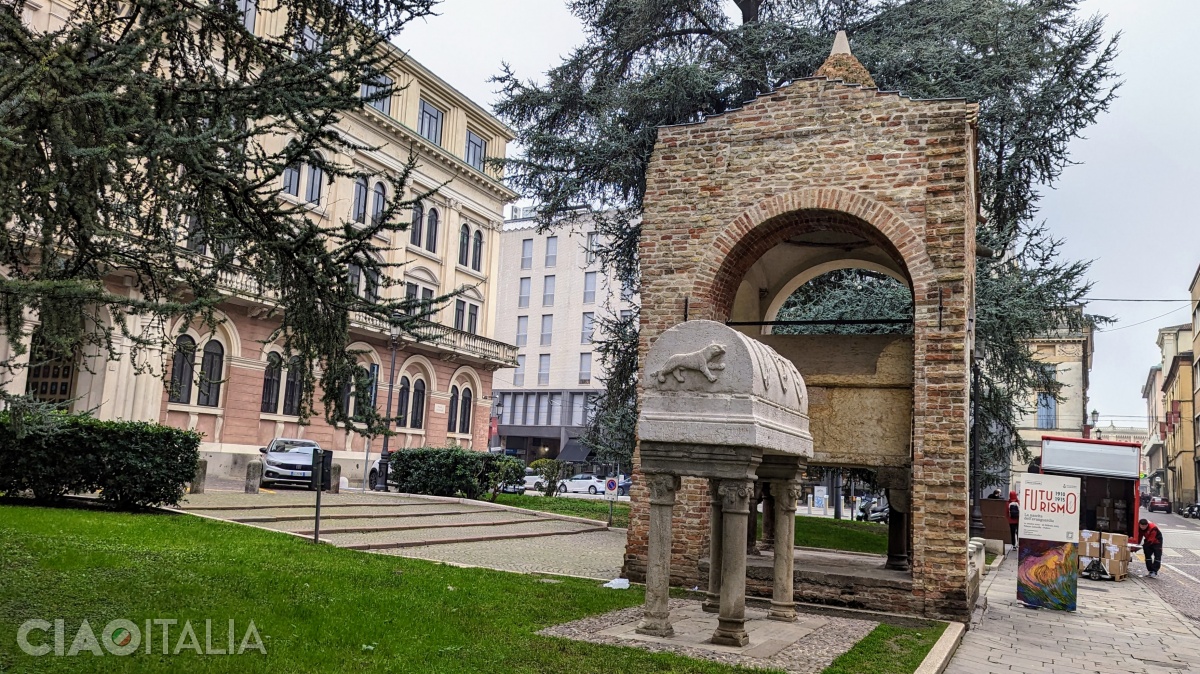
A good starting point for your walk is Piazza Antenore, featuring the sarcophagus of the city's mythical founder. According to legend, Padua was founded by a man named Antenor in the year 1185 BC. The hero, having fled from burning Troy, reached the mouth of the Brenta River and traveled upstream. An oracle had prophesied that he would found a great city; to find the right location, he had to shoot an arrow into a flock of birds, and the spot where the fallen bird landed marked the site of the future settlement.
In the 13th century, an ancient sarcophagus containing a skeleton was discovered in Padua. The poet Lovato de' Lovati was quick to attribute it to Antenor, and the authorities of the time built a monument to display the sarcophagus, protecting it from the elements. Lovati even built a similar sarcophagus for himself, which was placed next to that of the one supposedly belonging to Antenor. Centuries later, scientific research proved that the skeleton actually belonged to a Hungarian warrior from the 3rd century AD. Furthermore, due to a bas-relief of a dog on Lovati's sarcophagus, it has remained in the collective memory of Padua's residents as..."the tomb of Antenor's dog".
2. Take a Hop On Hop Off tour
A Hop On Hop Off bus tour in Padua is a great way to get a first impression of the city before diving into the details. You can get on and off at any stop you like, and the onboard audio guide provides all the essential information.
3. Street Art
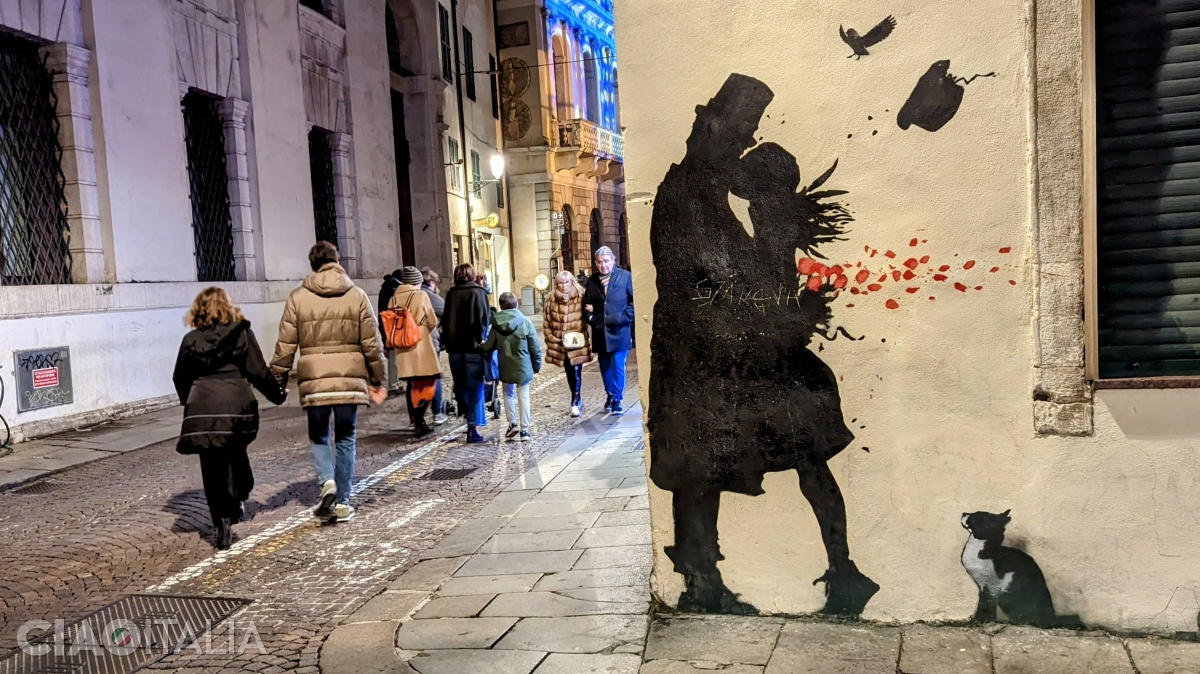
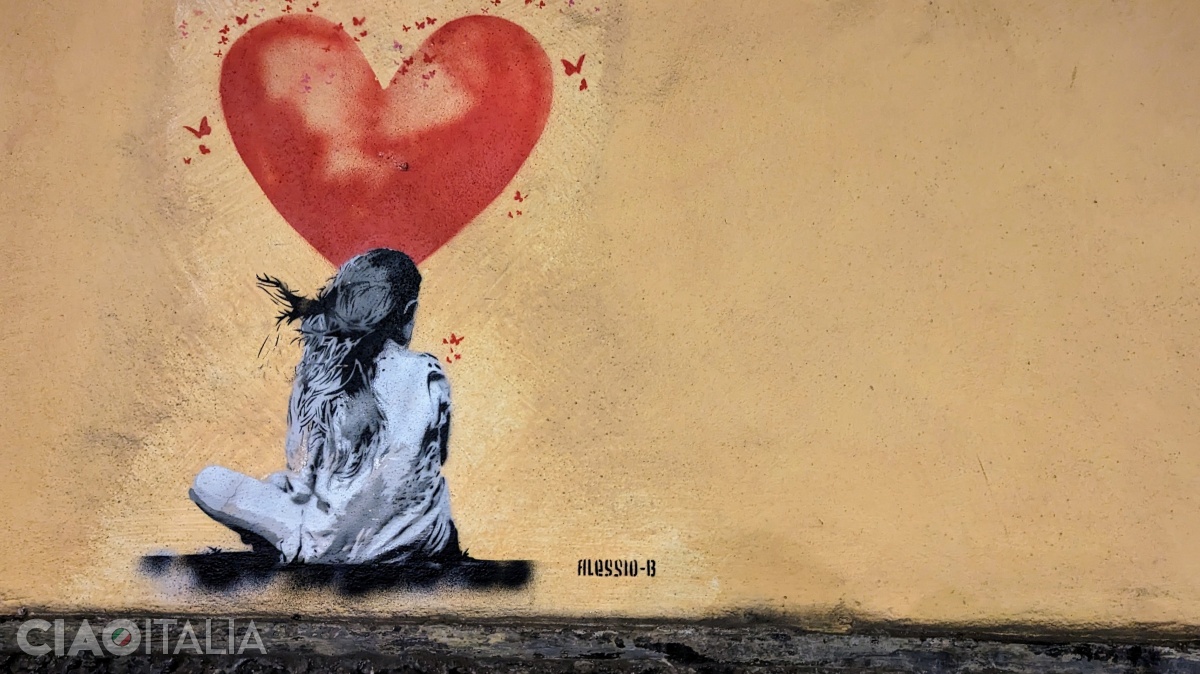
Padua is not just a city of medieval art, but also of street art, which has been thriving since the 1980s. As you wander through the city, you'll be surprised to discover many hidden corners and murals, both in the center and toward the outskirts - and you don't have to be a street art enthusiast to enjoy them.
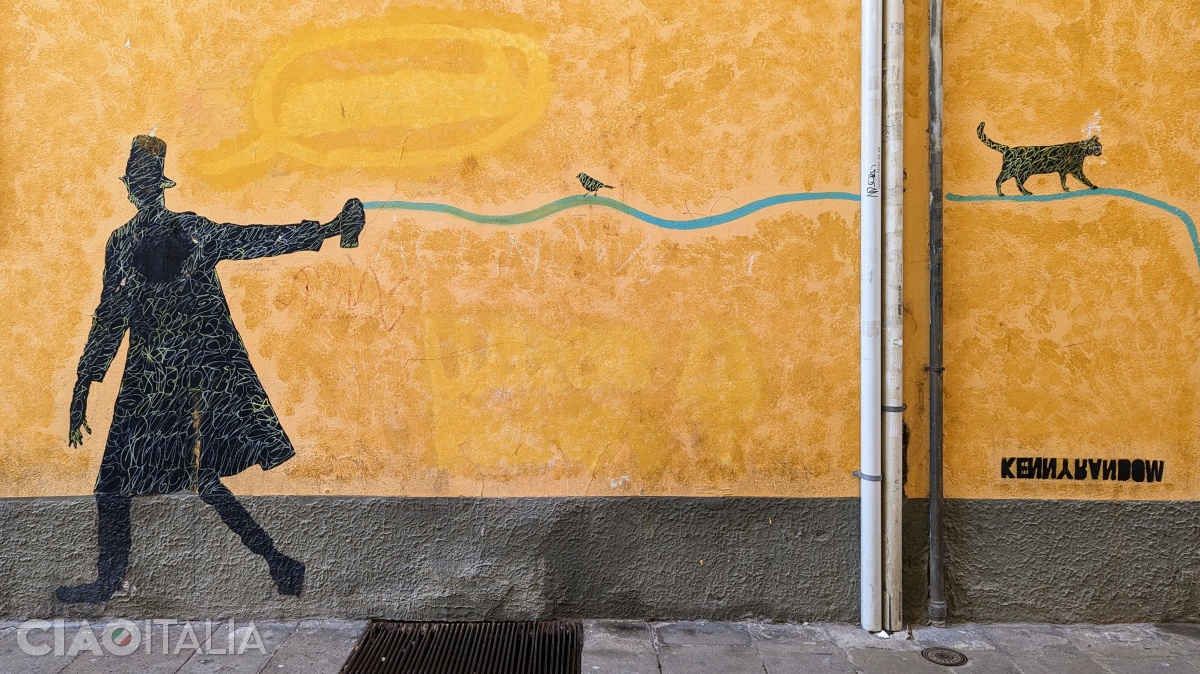
The unmistakable figure of the man in black wearing a top hat is a common sight, appearing in various poses and often accompanied by a cat. These works are signed by Kenny Random (the pseudonym of Paduan artist Andrea Coppo).
You will also easily recognize the poetic touch of Alessio B, whose sensitive murals capture the world of childhood, as well as the colorful, dreamlike works of Tony Gallo.
All three artists are internationally renowned, having held exhibitions in major capitals around the world.
4. Have a Spritz in a Square
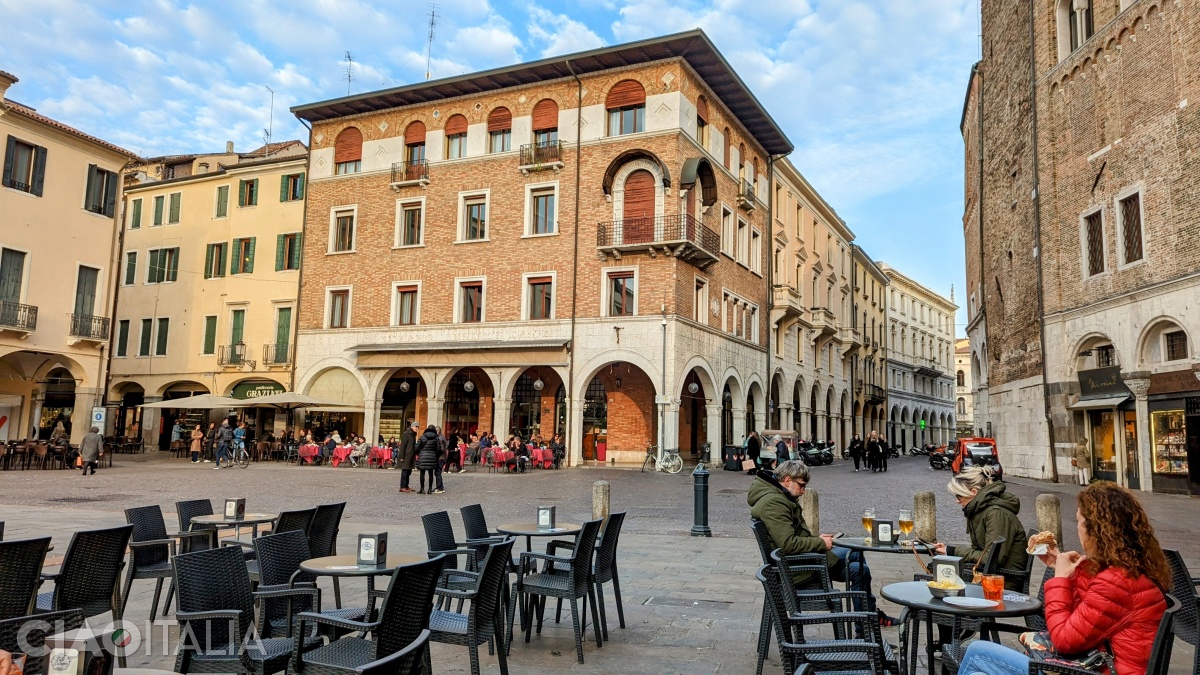
In Padua, the spritz is a way of life - from the famous Aperol Spritz (did you know Aperol was actually invented in Padua?) to the Campari Spritz or the Cynar Spritz (Cynar is an artichoke-based amaro, first produced right here in the city). Starting around 11:00 AM, the terraces buzz with locals catching up over an aperitivo. So, do as the locals do and settle in for a spritz in one of the city's many squares. We recommend Bar Nazionale in Piazza delle Erbe (while you're there, be sure to try their tramezzini sandwiches) or Bar dei Osei in Piazza della Frutta. You can find more details about the local food scene in our article, What to Eat and Drink in Padua.

5. Take a Walk along the Banks of Padua's Rivers and Canals
Padua is bordered by two rivers: the Brenta to the north and the Bacchiglione to the south. Between these two, the city is crossed by several tributaries and canals, with banks that are perfect for exploring on foot or by bike.
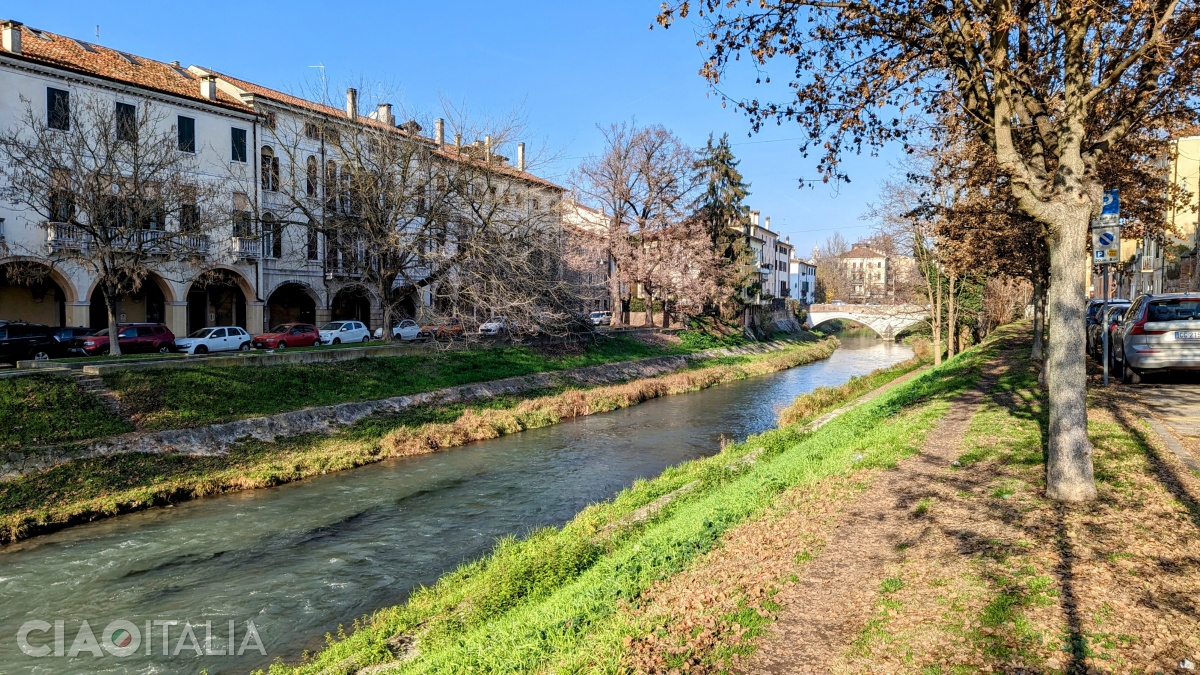
A stroll along the green banks of the Tronco Maestro river (a branch of the Bacchiglione) can be a truly relaxing experience, especially at sunset.
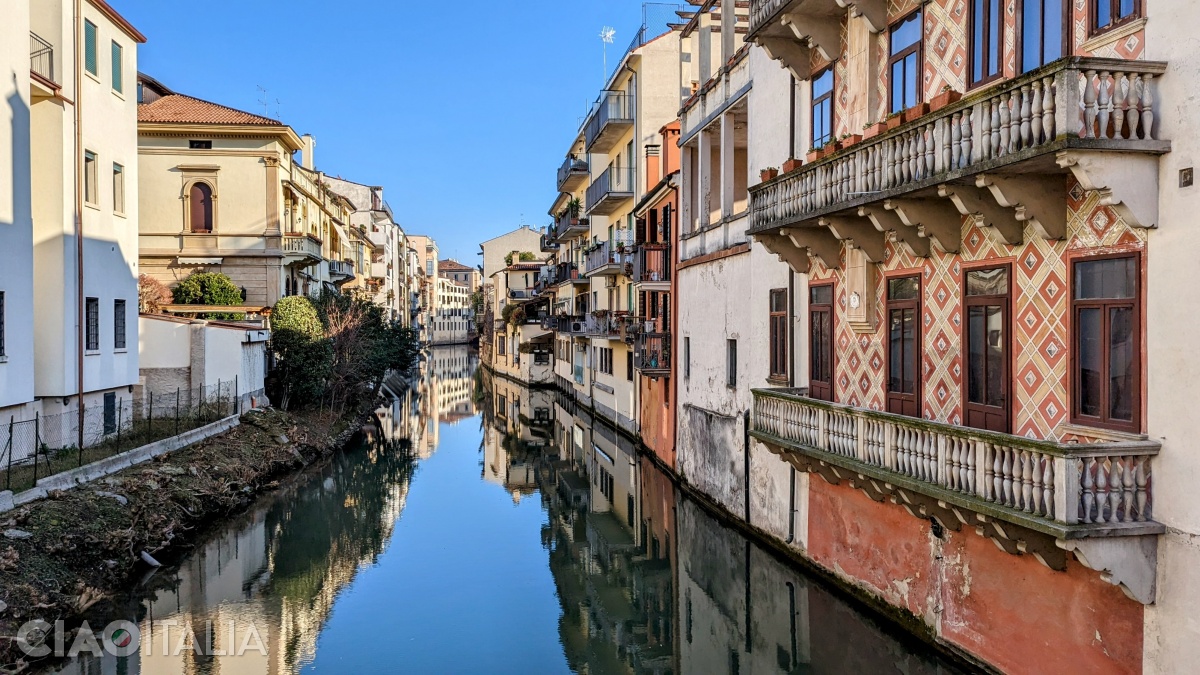
Along the Naviglio Interno canal, you'll be surprised to find many views that will remind you of Venice.
6. Have a Mint Coffee at Caffè Pedrocchi
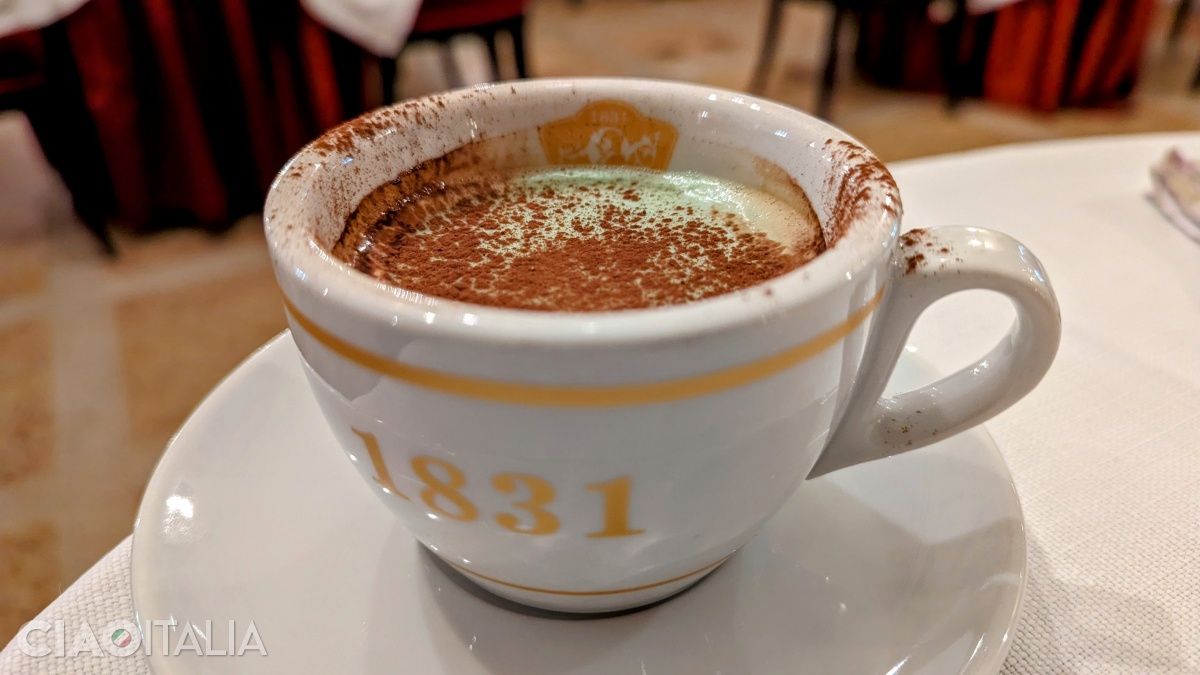
Caffè Pedrocchi is Padua's most famous coffee house. Until World War I, it was known as the "café without doors" because it stayed open day and night. Historically a gathering spot for intellectuals, it was a favorite haunt of the writer Stendhal. While you can find many delicacies here, the house specialty is the Pedrocchi coffee: a coffee topped with a delicate mint cream and a dusting of cocoa (remember: it should not be stirred, and no sugar should be added).
7. Discover Padua with an Evening Cruise
From June to September, Delta Tour Navigazione Turistica company organizes evening mini cruises.
Onboard an electric boat cruising the Piovego River, you'll discover the city's medieval and Renaissance bastions and walls. Note: the onboard commentary is in Italian.
8. Take a Boat Trip on the Brenta River
From March to October, traditional boats called burchielli travel along the Brenta River between Padua and Venice. Along the way, they stop for guided tours at some of the region's most stunning villas, including Villa Pisani, Villa Foscari, and Villa Widmann.
Originally, the burchiello was an elegantly decorated vessel with wooden cabins and small balconies, favored in the 1700s by wealthy Venetians traveling to their countryside estates. Today, modern versions of these ships recreate this centuries-old historical route.
Things you need to know:
- The boat takes you all the way to Venice, so you'll need to arrange your own return journey. A train is the easiest option - the trip takes between 30 and 50 minutes, depending on the service you choose.
- Luggage requires a reservation and is subject to an additional fee.
9. Discover Padua's Jewish Quarter
The former Jewish quarter of Padua, called the Ghetto, is a labyrinth of narrow streets and medieval buildings tucked away in the historical center. It is bordered by the streets Daniele Manin (toward Piazza delle Erbe), San Gregorio Barbarigo (toward the Cathedral), Marsala, and Roma. It's a beautiful area where you'll also find some of the city's most highly-rated local spots.
During the 17th and 18th centuries, the quarter's four gates were locked at night, and Jewish residents were forbidden from leaving. The neighborhood was finally opened, and the Jewish community was declared free and equal to all other citizens, upon Napoleon's arrival in Padua in 1797.
If you want to dive deeper into the history of this area, booking a guided tour is one of the most interesting things to do.