How to Travel Italy by Train (Tickets, Tips & Strikes)
Many destinations in Italy are easily accessible by train. In most regions, the rail network is modern, well-developed, and allows you to move between towns and cities with ease. With nearly 17,000 km of active railway lines and around 2,200 stations, it's very well interconnected. When planning your Italian vacation, we highly recommend checking the train routes before renting a car - you might just find that traveling by rail is the smarter, easier choice for your itinerary!
Train Companies in Italy
There are two major train companies in Italy: Trenitalia and Italo.
Trenitalia
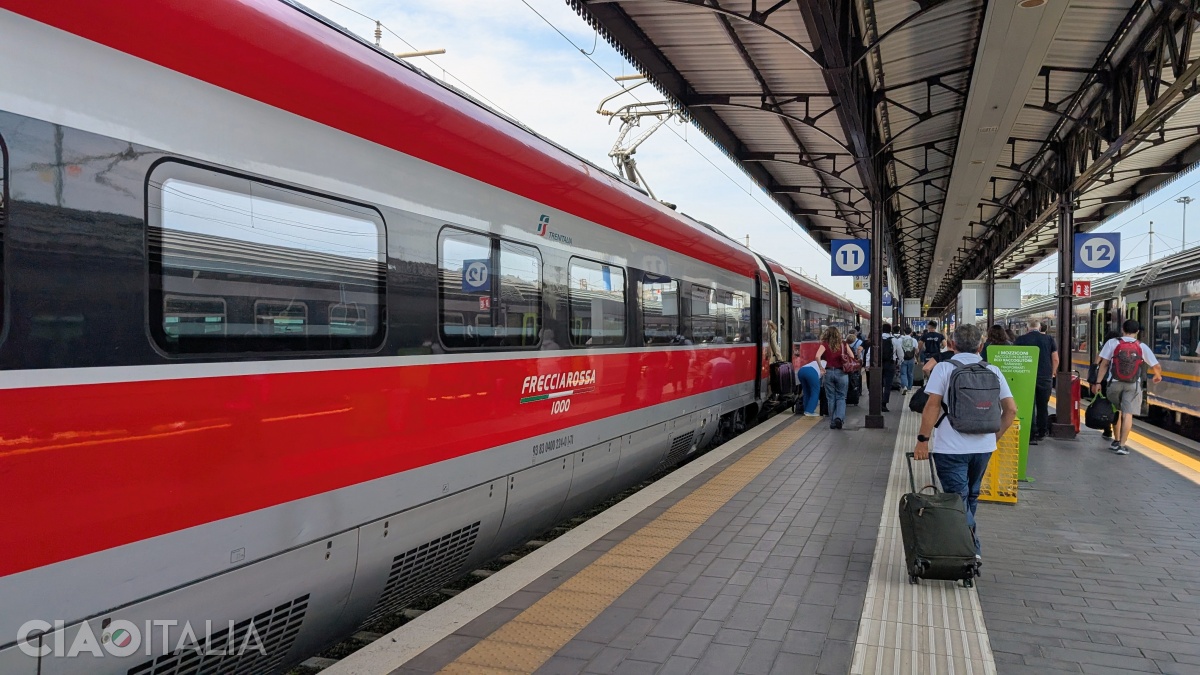
Trenitalia is the state-owned company and Italy's largest railway operator. It runs everything from regional trains that stop in small villages and towns to high-speed trains called Frecce ("Arrows"), which travel at speeds of up to 300 km/h.
Trenitalia operates several types of trains:
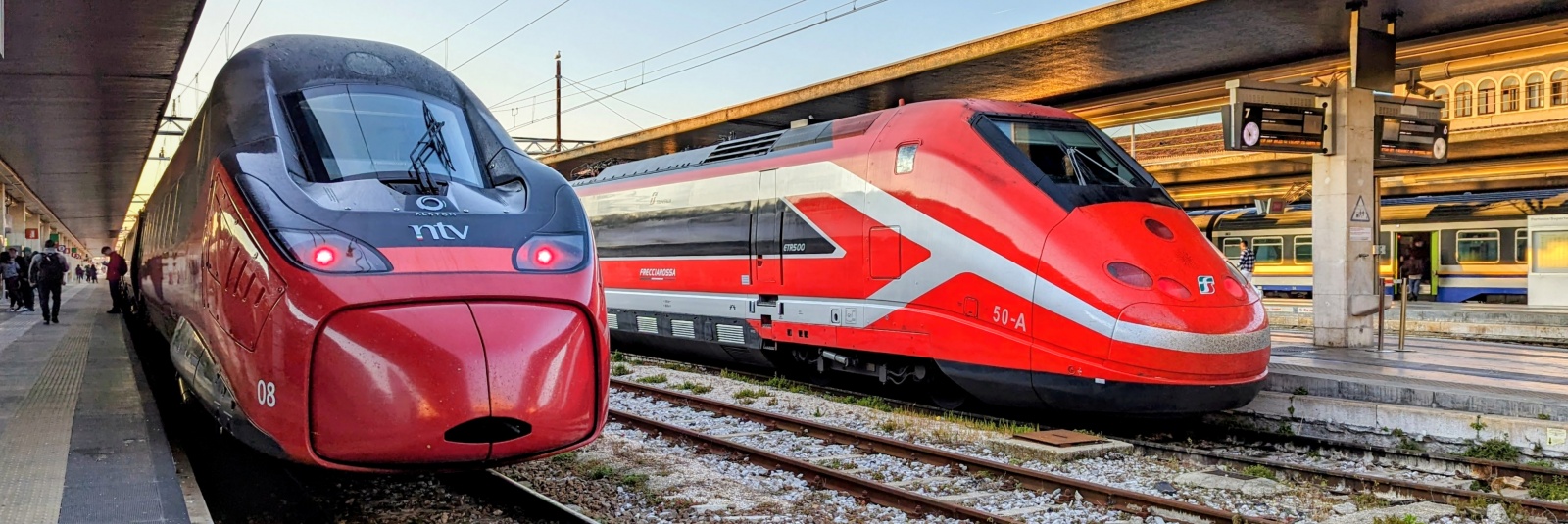
- Frecciarossa ("Red Arrow"): These are top-tier, high-speed trains that offer a very comfortable ride and fast connections between Italy's major cities. Seat reservations are required, and you can choose from four service classes: Standard, Premium, Business, and Executive.
- Frecciargento ("Silver Arrow") & Frecciabianca ("White Arrow"): These are also fast trains, though slightly older, and they connect major hubs to secondary cities. Seat reservations are mandatory.
- Intercity (IC): These mid-speed trains connect major cities but make more stops than the high-speed lines. You will still need a seat reservation for these. For overnight travel, they also run night trains (ICN - Intercity Notte) equipped with sleeper cars.
- Regional Trains (R): These are the budget-friendly workhorses that get you to smaller towns and villages. They are the cheapest option and stop at almost every station. There are also fast regional trains (RV - Regionale Veloce), which skip some of the smaller stops to get you there quicker. You cannot reserve seats on regional trains (it's first-come, first-served), and unlike high-speed trains, ticket prices are fixed.
Italo
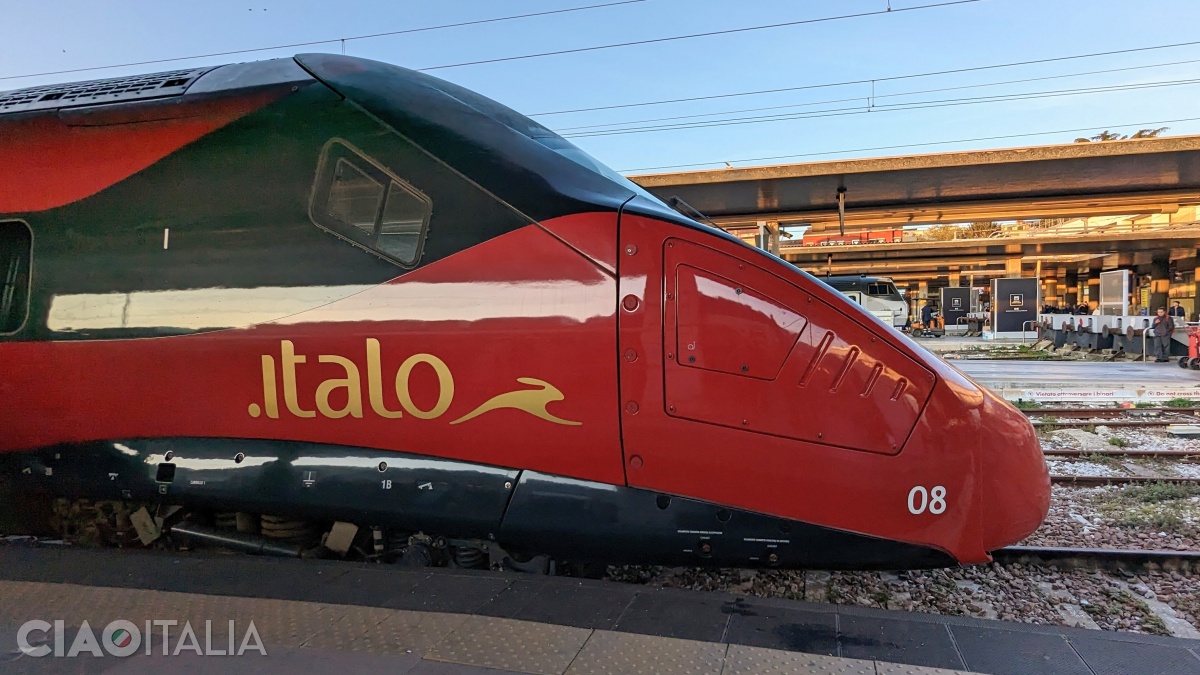
Italo is a private operator that runs exclusively high-speed trains, connecting Italy's major cities (such as Rome, Milan, Florence, Venice, Turin, Naples, and more).
Instantly recognizable by their sleek, dark red design, Italo trains are divided into three comfort classes: Smart, Prima, and Club Executive.
How to Buy Train Tickets in Italy?
The most important thing to know about Italian train tickets is that there are two different pricing structures:
- High-speed and mid-speed trains (Freccia, Intercity, and Italo) use dynamic pricing, meaning ticket prices change based on demand. As a rule of thumb, prices go up the closer you get to your departure date. These tickets also come with a mandatory, specific seat reservation printed on them.
- Regional trains have a fixed price and do not include seat reservations.
If you plan on taking a high-speed train, book your tickets as early as possible to avoid paying premium last-minute prices.
Booking Train Tickets Online
If your travel schedule isn't tied to unpredictable factors (like a potentially delayed flight), we highly recommend buying your tickets online. This guarantees you get the best rates and saves you precious vacation time.
You can purchase tickets directly from the official platforms of Italy's two rail companies:
- The Trenitalia website or the Trenitalia App
- The Italo website
Alternatively, you can use booking platforms like Omio or Rail Europe. These aggregators display schedules and prices for both companies, making comparisons easy. Just keep in mind that these third-party platforms may add a small booking fee to the final price.
Buying Train Tickets at the Station
You can also buy tickets directly at the train station. You have two options:
- The ticket counter: Be prepared for lines and potential wait times here.
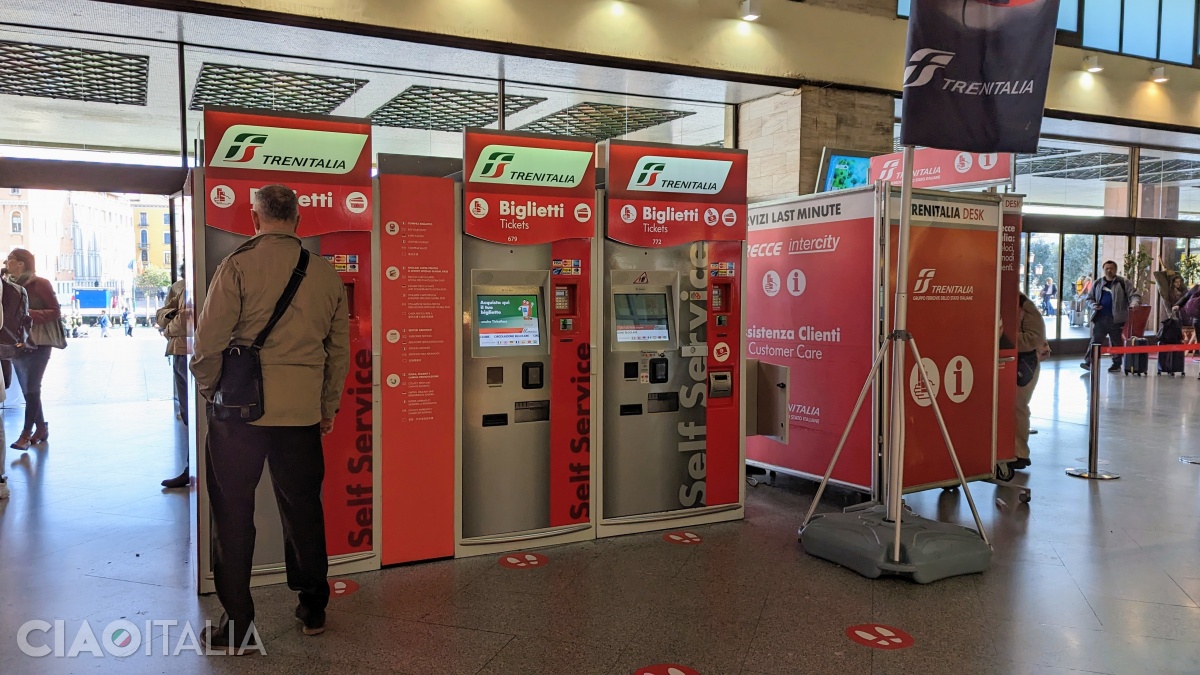
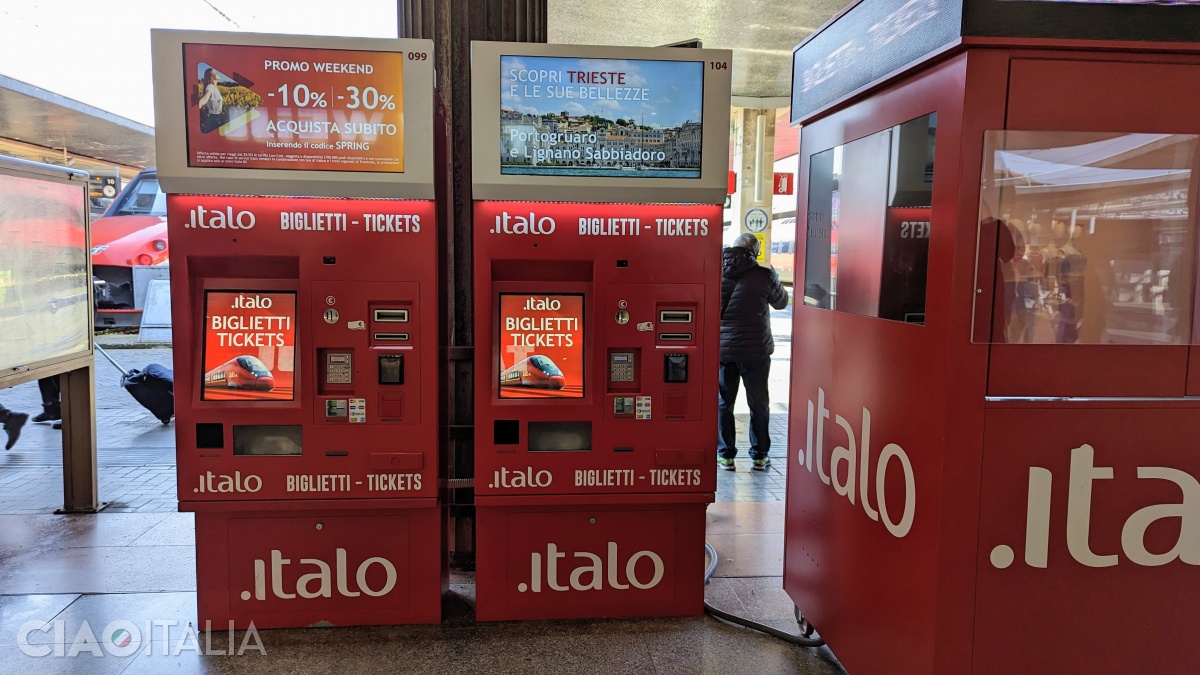
- Self-Service ticket machines: These are usually much faster, offer an English menu, and accept both cash and cards.
Each rail company has its own dedicated machines. For example, you cannot buy a Trenitalia ticket from an Italo machine, or vice versa. Make sure you are using the machine that matches the operator you want to travel with!
Train Discounts for Children
Child discounts vary between the two train companies. Additionally, certain Italian regions or provinces may apply their own specific transport regulations.
Trenitalia
- Children under 4 years old travel for free on all trains (in any class), provided they are accompanied by an adult and do not occupy a seat. On overnight trains, they must share a bed with a paying adult.
- Children aged 4 to 14 (under 15) generally receive a 50% discount off the base fare on all high-speed trains (reduced to a 30% discount on overnight trains).
- Regional trains: Children aged 4 to 11 (under 12) generally get a 50% discount on the standard ticket price.
Italo
- Children under 3 years old travel for free, provided they sit on an adult's lap.
- If an adult is traveling with more than one child under the age of 3, you are required to purchase separate tickets for the additional children.
Tips for Train Travel in Italy
When Buying Your Train Tickets:
1. Keep in mind you can buy regional train tickets online up to 5 minutes before departure.
2. Buy tickets for non-regional trains in advance (ideally at least a month before your trip). This gives you access to the best promotional rates.
3. Before booking a high-speed train, check both companies to choose the best option based on schedule, price, and travel time.
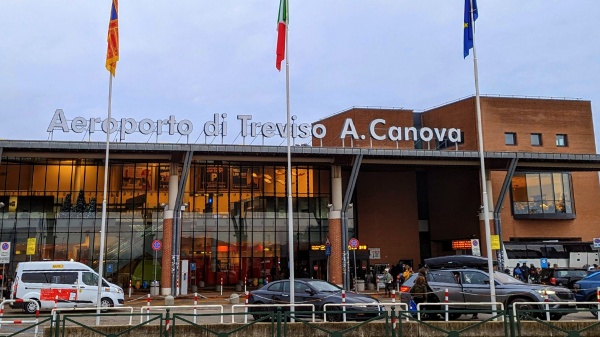
4. When buying tickets on the Trenitalia website, remember to enter destination names in Italian (e.g., Firenze for Florence, Venezia for Venice, or Aeroporto if you are traveling to/ from an Italian airport). Once you select your train, you will need to enter the full details for the first passenger, and then just the names of the remaining travelers.
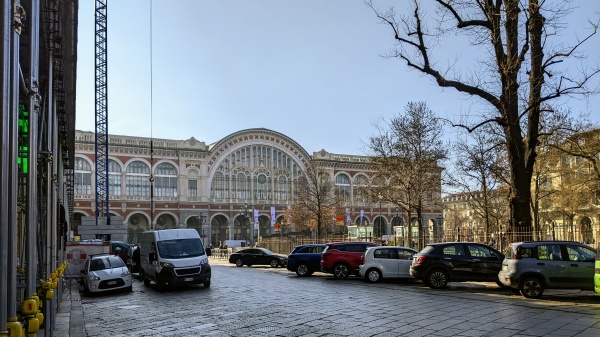
5. Large cities have more than one station. Make sure you select the correct one. For example, if you want to visit Venice, select Venezia Santa Lucia and not Venezia Mestre (which is located in Mestre, on the mainland).
6. If you are traveling with family or a group of friends, look out for special group offers. There are also frequent discounts available for youth and seniors.
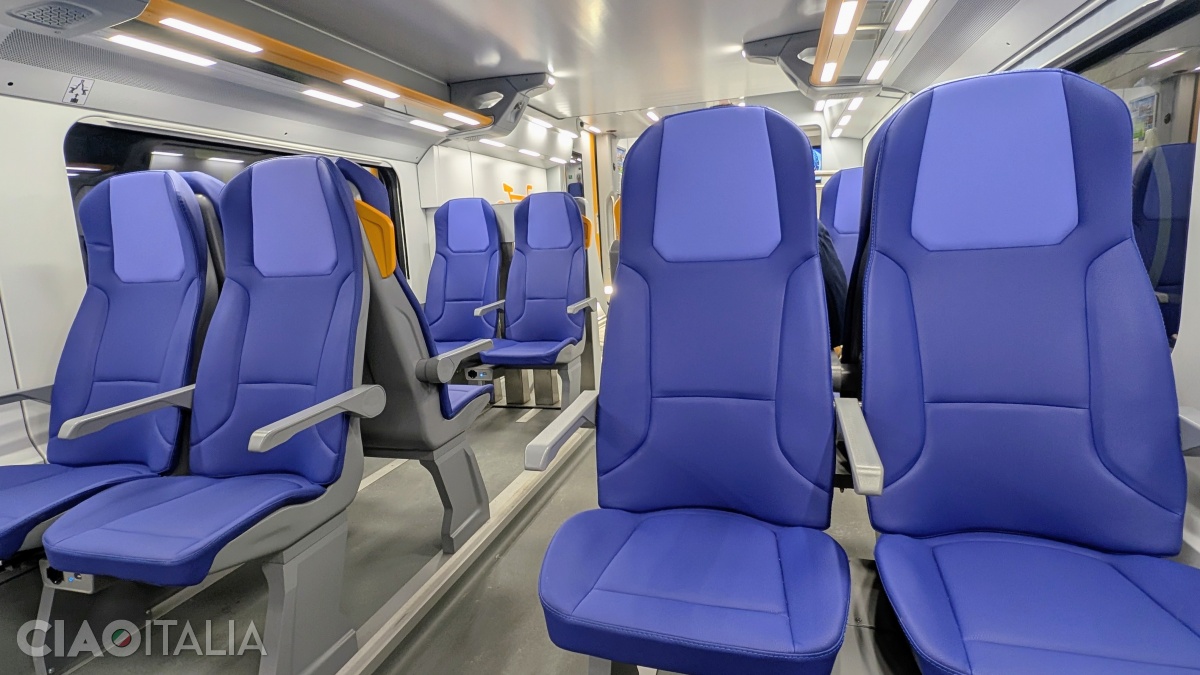
7. The difference between First and Second Class on regional trains is mostly down to comfort. First-class carriages are generally quieter, less crowded, and feature larger, more comfortable seats.
8. Don't forget to check the ticket rules. Some promotional or special-offer tickets are completely non-refundable and cannot be changed.
Before Boarding the Train:
1. Arrive 10-20 minutes early. Large, bustling stations can be overwhelming, and you will likely need extra time to find your way. Additionally, regional trains can get incredibly crowded (such as the route from Milan to Lake Como). Since regional trains do not have reserved seating, the earlier you board, the better your chances of snagging a good seat.
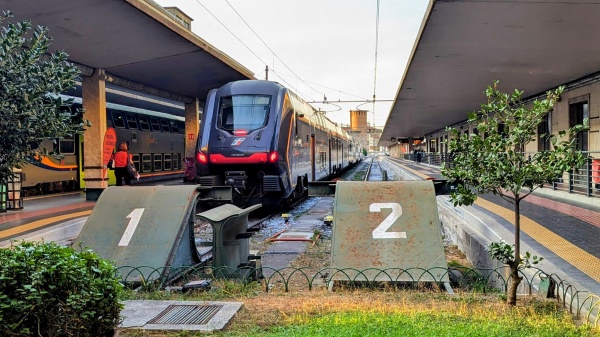
2. To find your platform, look at the departures board (Partenze) under the Binari ("Platforms") column. Match your train by its train number, not just the final destination. Keep an ear out for station announcements and check back often - platforms can change right up until departure. You can also look up your train's incoming platform in the Trenitalia app under Train Status.
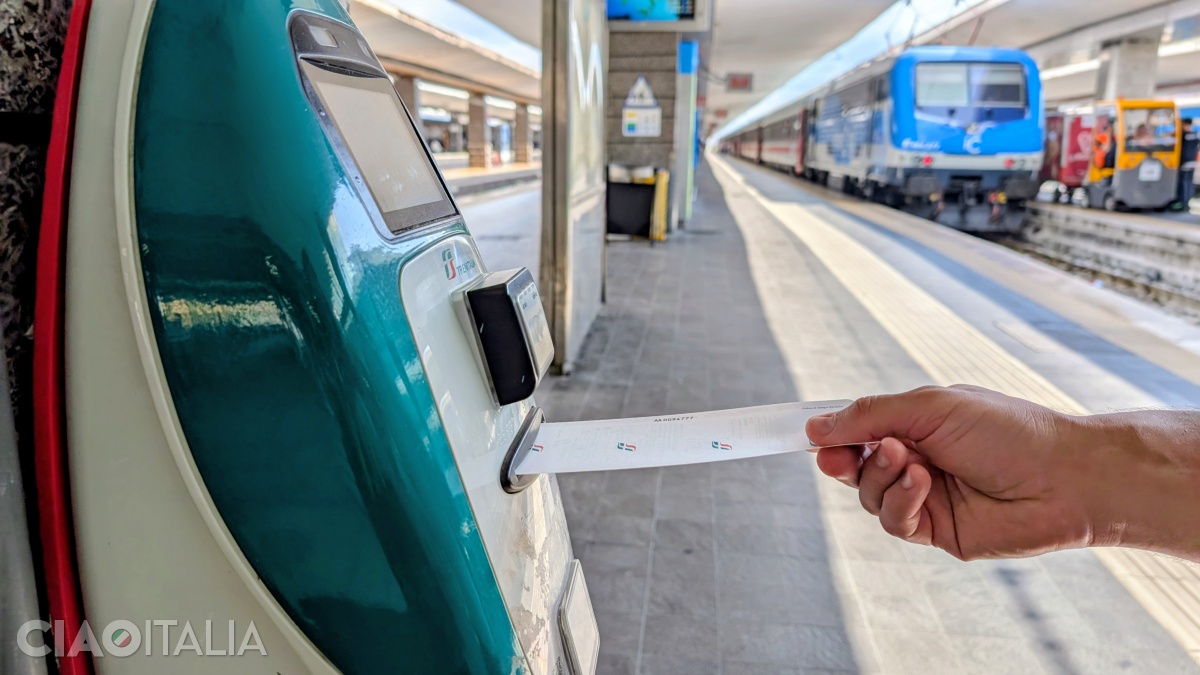
3. VERY IMPORTANT! If you bought a physical paper ticket for a regional train from a machine or a ticket counter, you must validate it before boarding, or you will face a hefty fine from the conductor! Look for the small validation machines (usually green or yellow) located around the station or right on the platforms. Insert one end of your ticket into the slot face-up, towards the left (where it says Convalida) and wait a few seconds until you hear a stamping sound. This prints the date and time on your ticket.
Some stations make these machines hard to find, so give yourself extra time.
Online regional tickets and all high-speed tickets DO NOT need to be validated, as they already state the exact date and time of travel. The conductor will simply scan your QR code.
4. In some regions of Italy, you might encounter other railway companies that either belong to Trenitalia or collaborate with them.
For example, regional trains in Lombardy are operated by Trenord (partially owned by Trenitalia).
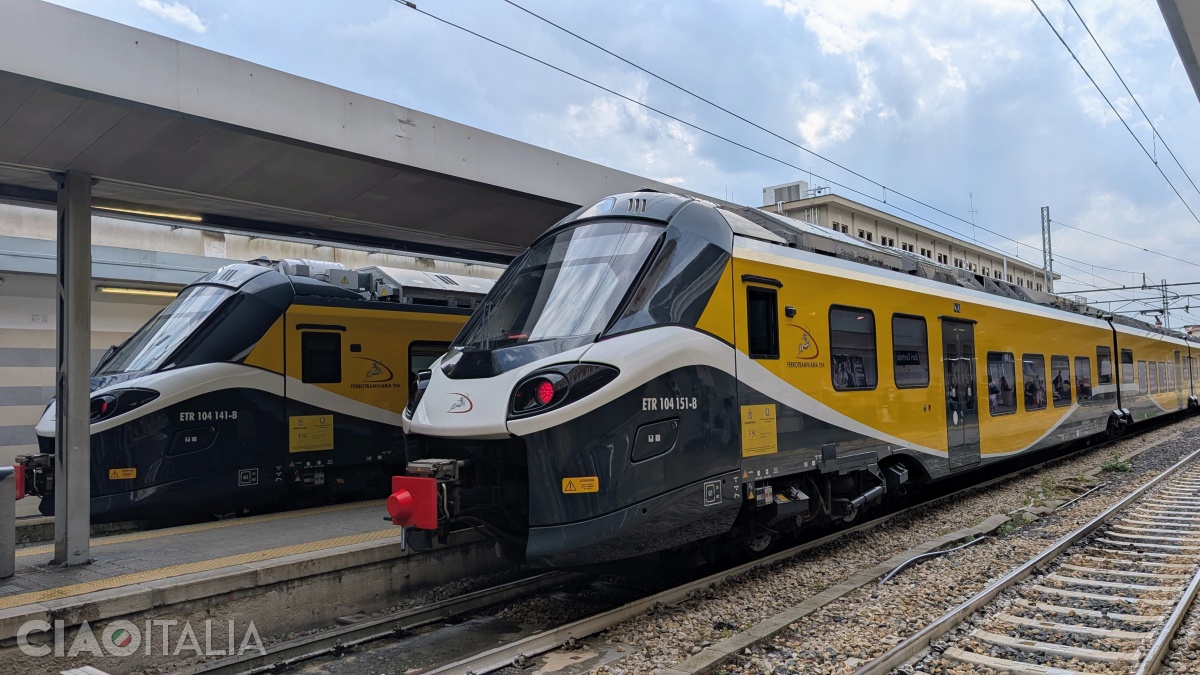
In Puglia, you will find regional lines like Ferrovie del Gargano (serving the Gargano area), Ferrotramviaria (connecting Bari Airport to Bari Centrale station), and Ferrovie Appulo Lucane (operating routes like Bari-Matera across Puglia and Basilicata). If you are leaving from Bari Centrale, make sure you are in the specific section of the station building that belongs to the company you bought your ticket from.
On Board the Train
1. If you didn't have time to buy a regional ticket beforehand, you can buy one directly on board from the conductor. However, you must inform the staff immediately upon boarding, and you will be charged a €5 surcharge.
2. Have your validated paper ticket or your digital QR code ready to show the conductor when they come by.
3. If your seat is in a Carrozza del Silenzio ("Silence Carriage"), keep your voice down, do not take phone calls, and put all your devices on silent.
4. Do not wait for the train to come to a complete stop before grabbing your luggage and heading to the doors. Unless it is the very last stop on the route, trains only stop at intermediate stations for a few short minutes!
Train Strikes in Italy
Train strikes (scioperi) in Italy are fairly common, occurring multiple times throughout the year. They typically last for around 24 hours and are announced several weeks in advance on the official website of the Ministry of Infrastructure and Transport under the Settore ferroviario ("Railway Sector") section.
On strike days, Trenitalia guarantees certain minimum transport services to prevent total gridlock. These guaranteed services apply during peak commuter hours or to specific long-distance national routes:
- Weekdays: Guaranteed train windows run from 6:00 AM to 9:00 AM and from 6:00 PM to 9:00 PM.
- Holidays & Weekends: Guaranteed windows run from 7:00 AM to 10:00 AM and from 6:00 PM to 9:00 PM.
You can check the complete list of officially guaranteed trains for each Italian region on the Trenitalia Guaranteed Trains Page.
If your train is already on its route when the strike begins, it will continue to its final destination only if it can get there within one hour of the strike's official start time. If the journey takes longer than an hour, the train may terminate early and stop at an intermediate station before reaching your final destination.