How to Visit the Vatican Gardens: Tickets, Prices, & Hours (2026)
The Vatican Gardens (Giardini Vaticani) are an oasis of peace and lush greenery, spanning more than half of the tiny Vatican State's territory.
Vatican Gardens Ticket Prices
Access to the Vatican Gardens is through the Vatican Museums.
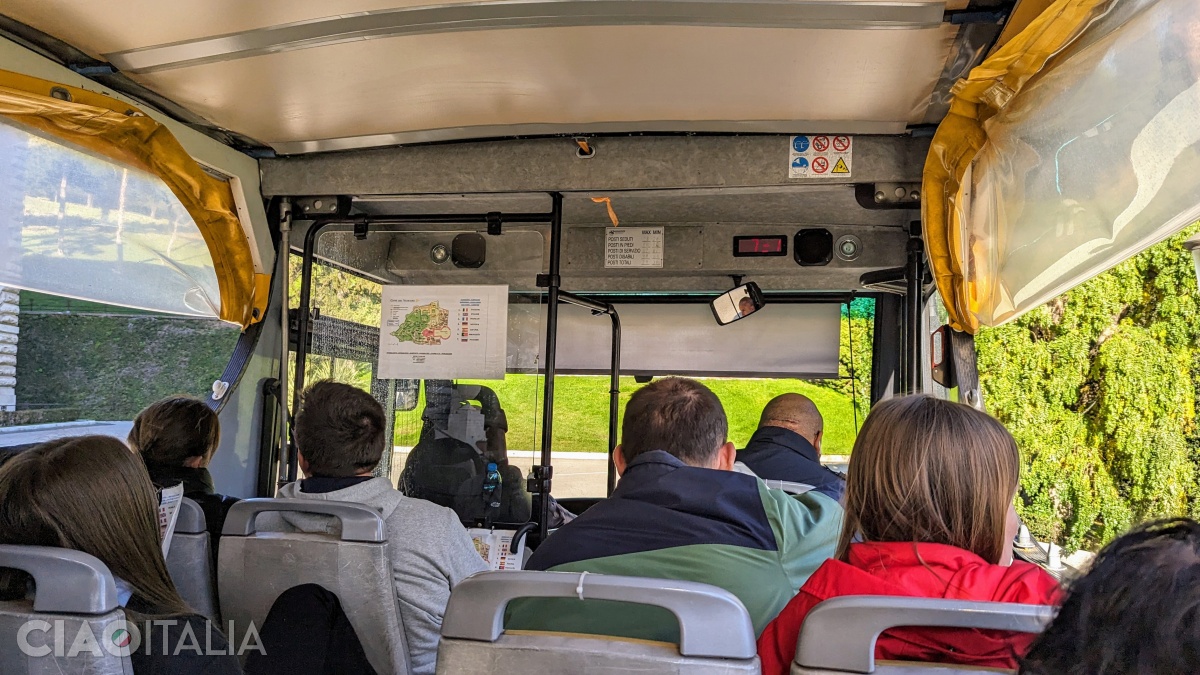
You can explore the gardens either via an open bus tour (approx. 45 minutes) or a guided walking tour available in English or Italian (approx. 3 hours).
The Open Bus Tour
The ticket prices for the open bus tour (not available during the winter months) are:
- Adult: €40
- Students under 25: €30
- Children 7-18 years: €30
Children under 7 are not permitted on this tour.
The tour includes the visit to the Vatican Gardens by open bus (the bus makes brief stops along the route, but you cannot hop off), a multilingual audio guide with disposable headphones, and an entry ticket to the Vatican Museums (audio guide for the museums is not included).
The Guided Walking Tour
The ticket prices for the guided walking tour are:
- Adult: €45
- Students under 25: €35
- Children 7-18 years old: €35
Along with the guided walking tour of the Vatican Gardens, this option also includes a guided tour of select sections within the Vatican Museums.
Important: Tickets are nominal, non-exchangeable, and non-refundable.
Opening Hours
The Vatican Gardens follow roughly the same opening hours as the Vatican Museums, but remember - you can only enter via an open bus tour or an organized guided walking tour:
- Monday to Saturday: 8:00 AM - 8:00 PM
- Sunday: Closed
Open bus tours usually run in the first part of the day (until 2:00 PM), while guided walking tours are most frequently scheduled early in the morning.
In 2026, the Vatican Gardens are closed on the following dates: January 1 and 6, February 11, March 19, April 6, May 1, June 29, August 14 and 15, December 8, 25, and 26.
On December 24 and 31, 2026, the gardens operate on reduced hours from 8:00 AM to 3:00 PM.
Visiting the Vatican Gardens
The history of the Vatican Gardens dates all the way back to the 13th century. It began as a simple meadow, an orchard, and a small garden enclosed within the walls - located right where the museum courtyards and the Belvedere Palace stand today.
The gardens experienced their greatest transformation during the 16th and 17th centuries. Renowned artists were brought in to embellish the grounds with Renaissance and, later, Baroque-style statues and fountains. The area also became a sanctuary for ancient statues unearthed during various archaeological excavations across Rome.
The Vatican Gardens were only opened to the general public recently, in 2014, by Pope Francis.
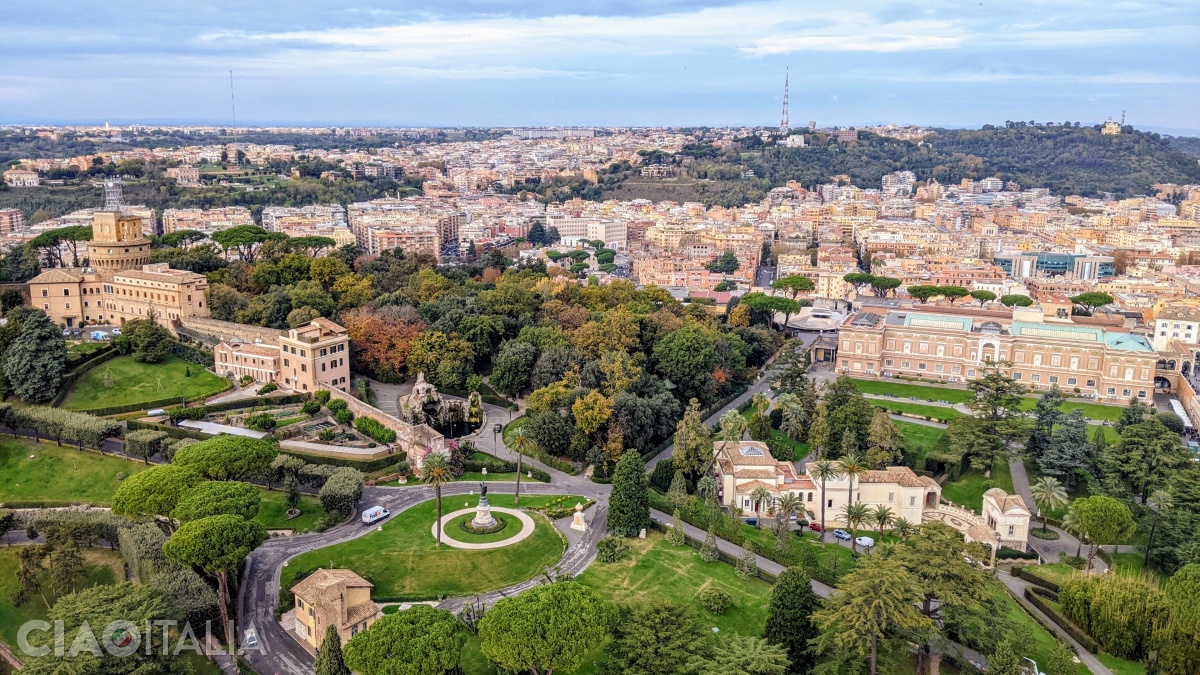
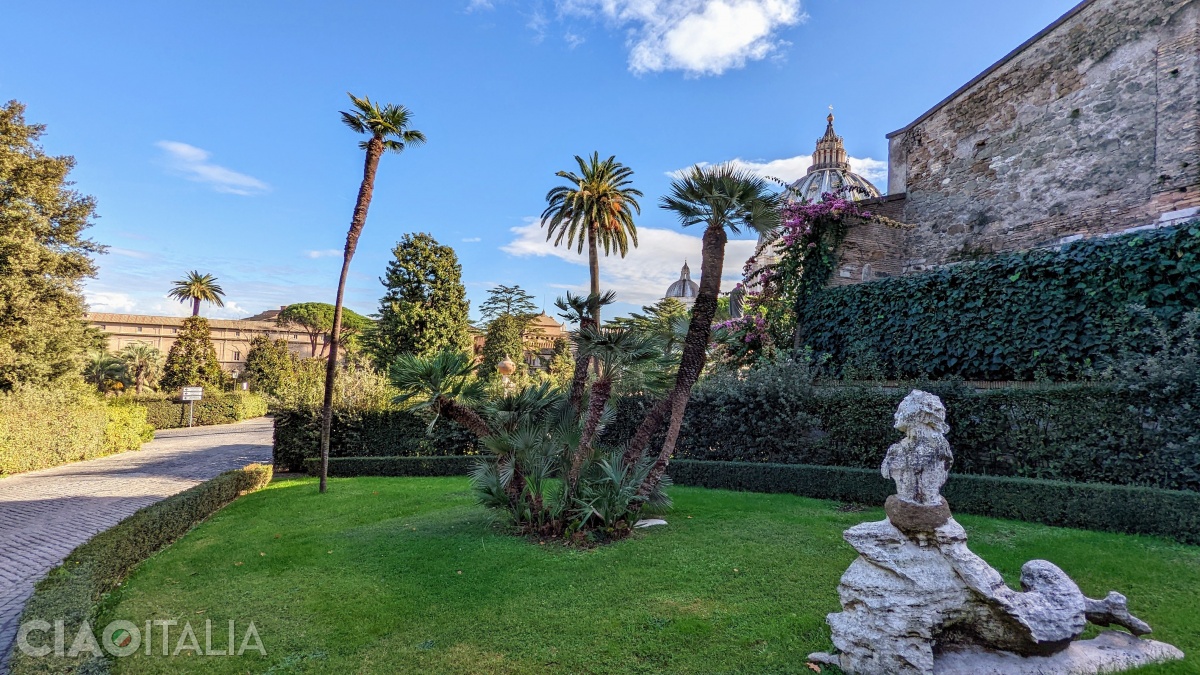
Covering a large portion of the Vatican Hill, the gardens are bordered by the Vatican walls to the north, south, and west, and by the Museums and St. Peter's Basilica to the east. Inside, you'll find several distinct green zones, including the Italian Garden, the English Garden, the French-style Garden, the American Garden, the Rose Garden, or the Square Garden. There is even a small vegetable garden where produce is grown specifically for the Pope!
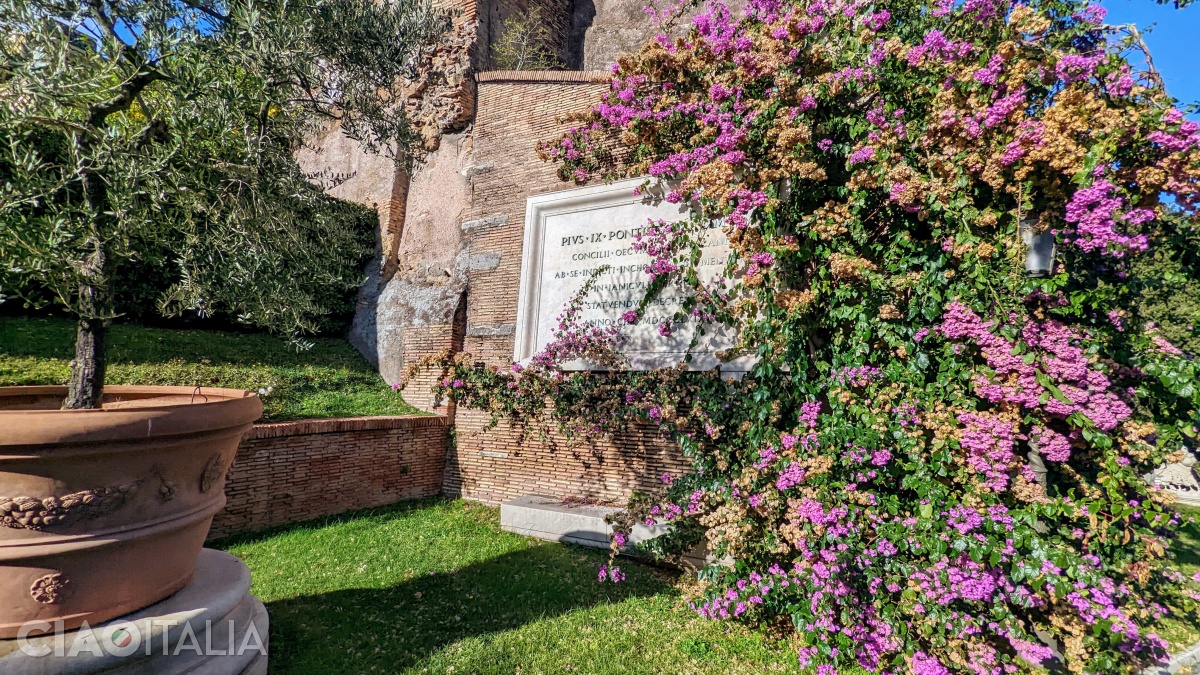
The gardens are home to over 300 plant species from across the globe, ranging from classic Mediterranean flora to exotic and oriental varieties. As you explore, you'll spot centuries-old Lebanese cedars and pines, towering California redwoods, Slovakian linden trees, or Japanese cherry blossoms. Many of these plants were given to the Popes as gifts for special occasions. The oldest residents in the gardens are two olive trees roughly 1,000 years old. They were gifted to Pope John Paul II by the Puglia region of Italy for Palm Sunday in the year 2000.
The Vatican Gardens are not just about nature; they also house several key state institutions and landmarks, including the Governor's Palace and the Tribunal, the Vatican Radio headquarters, the Ethiopian College, the Mater Ecclesiae Monastery, a heliport, a train station, and two medieval towers.
One of the architectural highlights is Pope Pius IV's Villa (Casina di Pio IV), built in the 16th century, which today serves as the headquarters for the Pontifical Academy of Sciences. The facade facing the Vatican Museums is beautiful, featuring an elegant loggia and a spectacular fountain adorned with intricate mosaics, niches with bas-reliefs, and ancient statues.
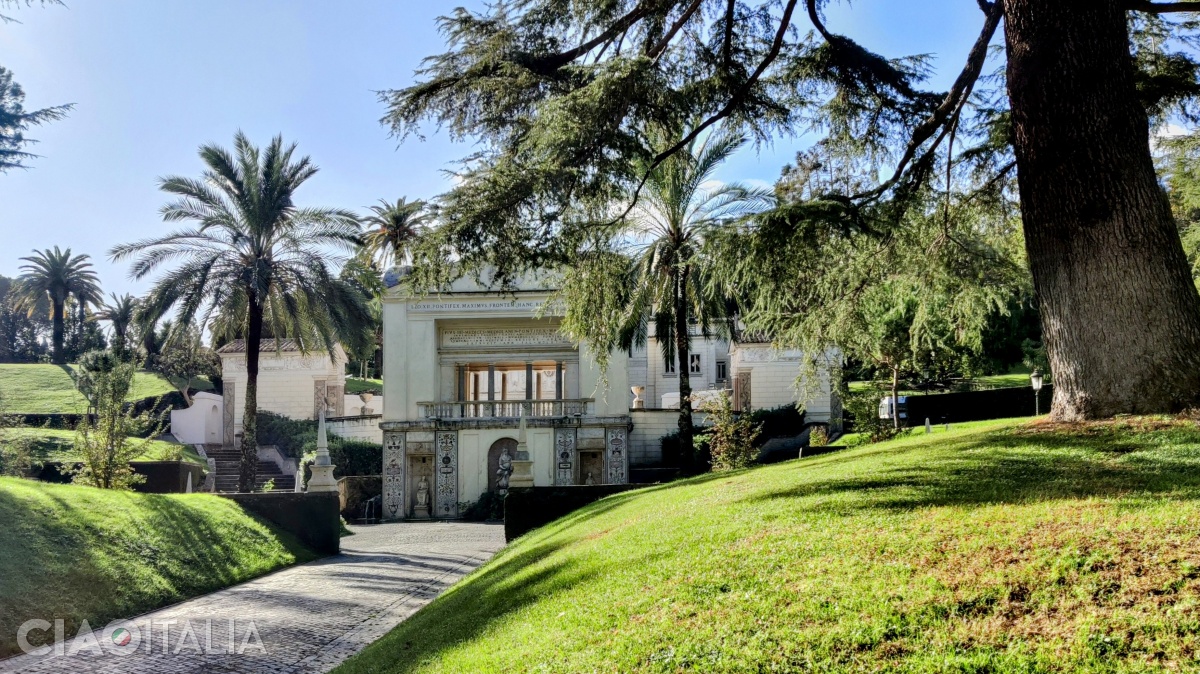
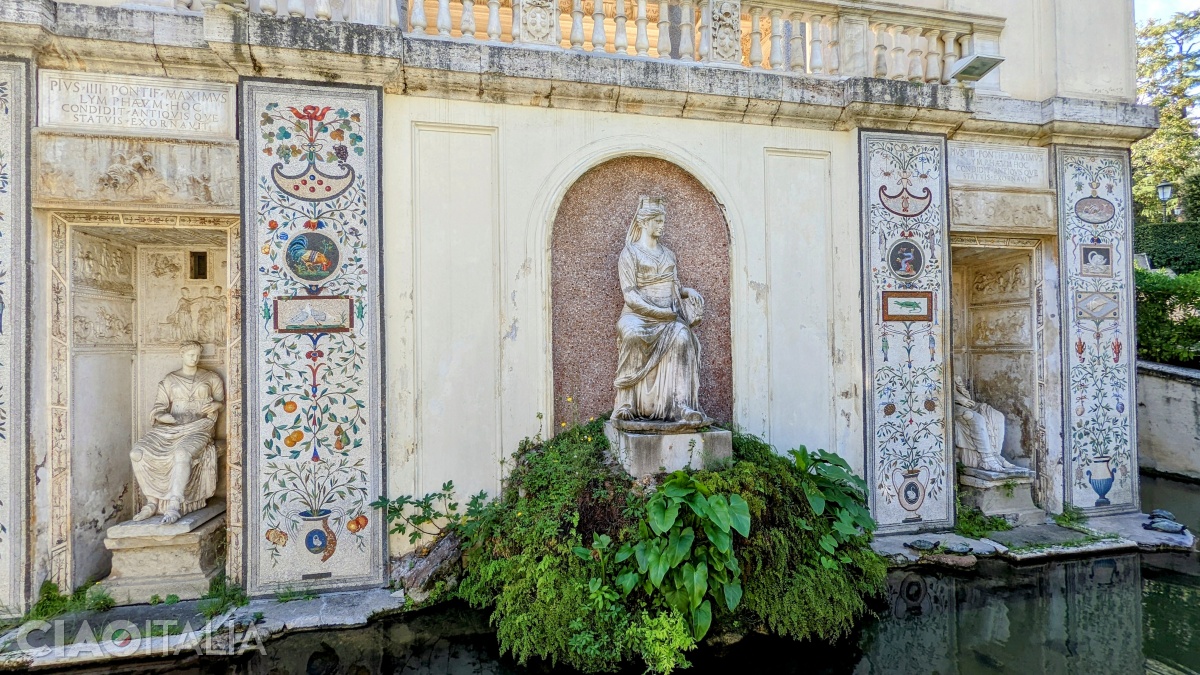
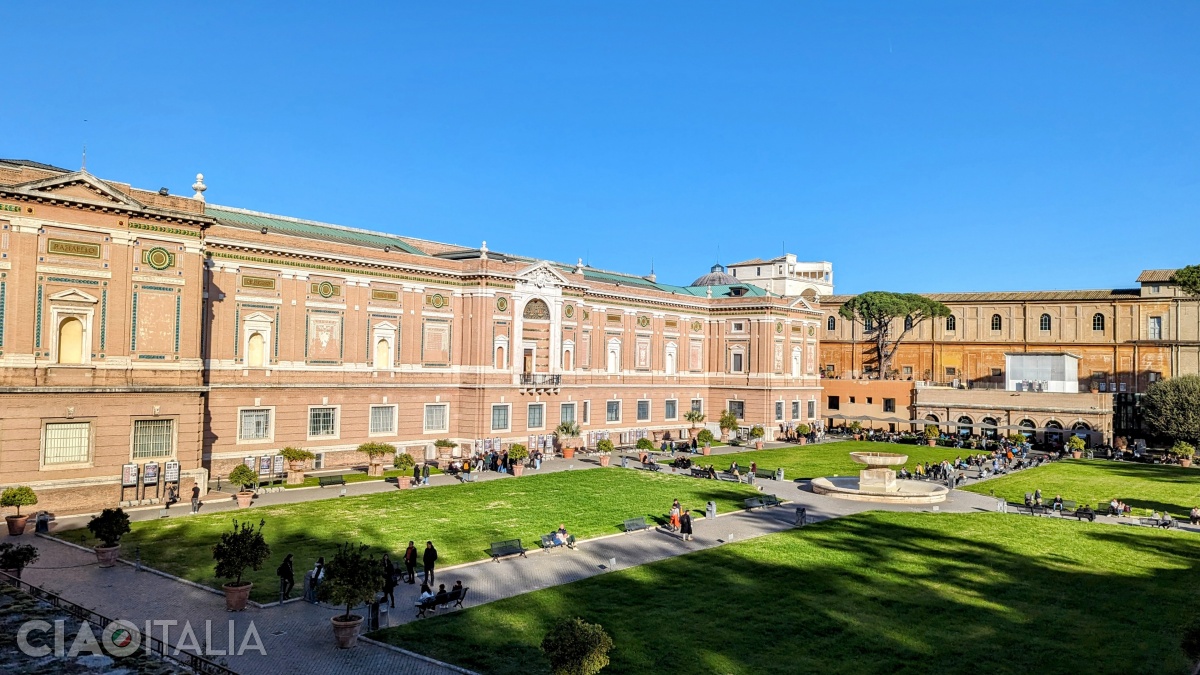
From the gardens, you can see the entire facade of the Vatican Pinacoteca. Located directly in front of it is the Square Garden (Giardino Quadrato), also known as the "Secret Garden". Created in the 16th century, this space was originally enclosed by high walls (parts of which still stand today) and served as the private, "secret" garden of Pope Paul III, reserved exclusively for the Vatican's most illustrious guests.
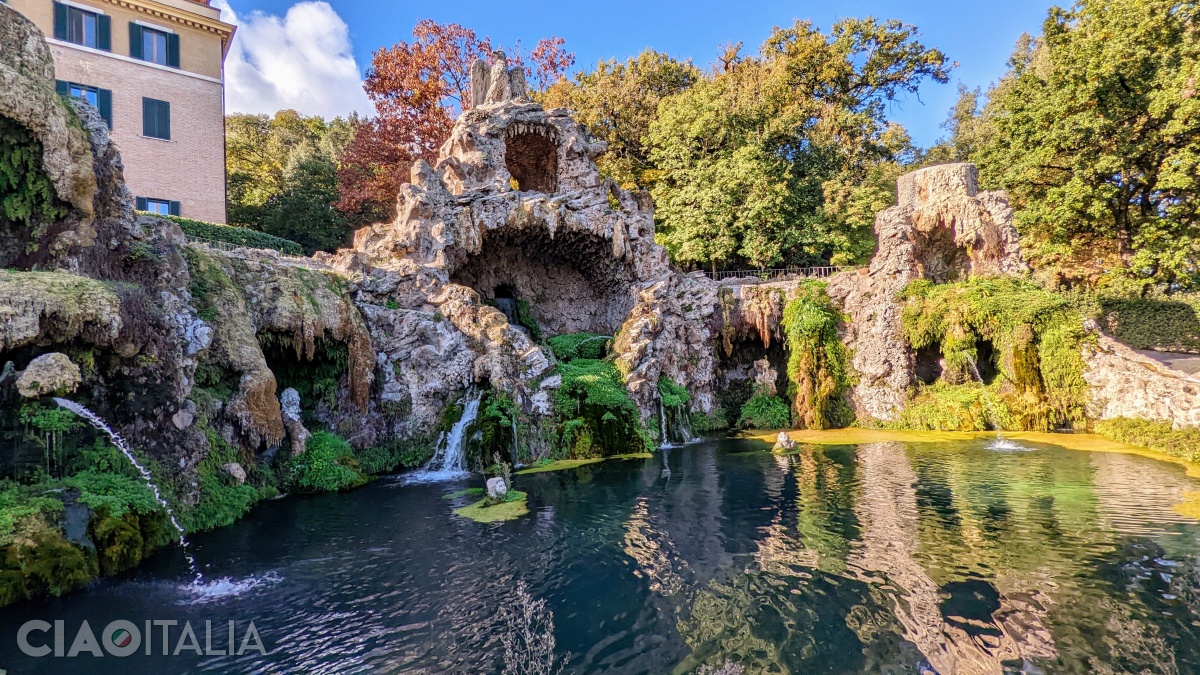
The Eagle Fountain (Fontana dell'Aquilone) was built at the beginning of the 17th century to celebrate the restoration of the ancient Aqua Paola aqueduct. To this day, this very aqueduct still supplies water to the roughly one hundred fountains scattered across the Vatican territory. Crafted from travertine limestone, the fountain is designed to look like a rugged rock grotto - which is why it is also known as La Fontana dello Scoglio ("The Rock Fountain"). Perched right at the top is a large stone eagle, while sculpted nymphs emerge from the rushing water, and the side niches feature statues of Tritons.
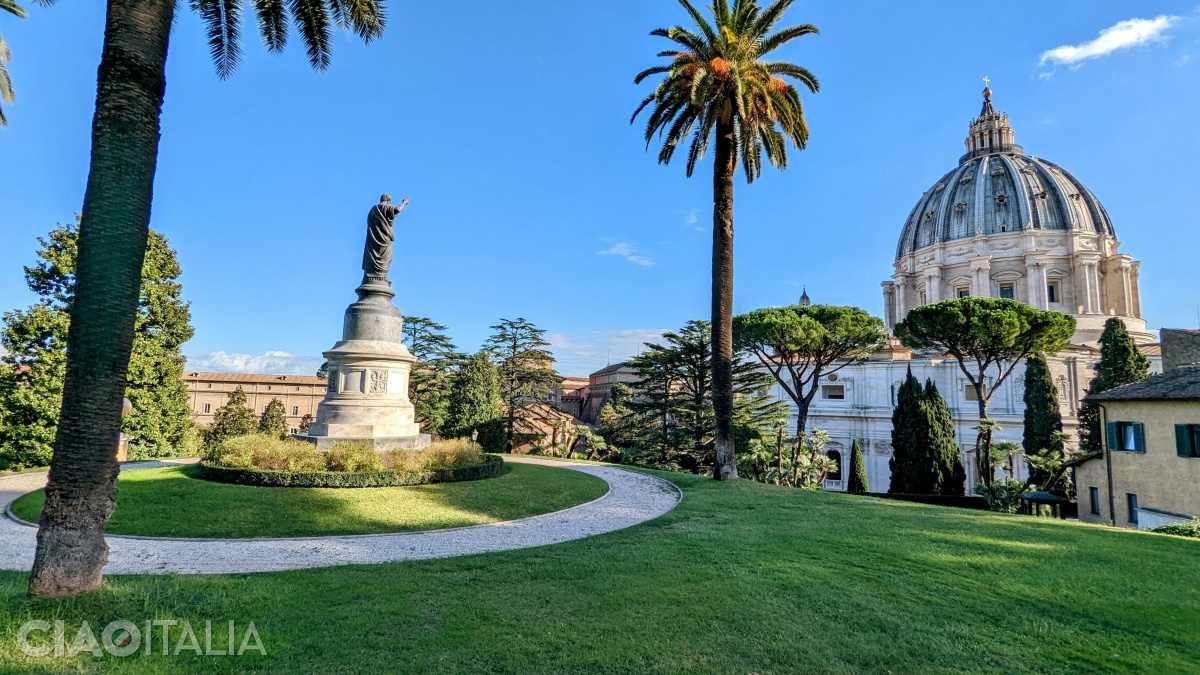
The bronze Monument to St. Peter marks the exact geographical center of the Vatican State. Just to the right, you will see the Gardener's House (Casa del Giardiniere). Dating back to the 13th century, it serves as the official residence for the head of the landscaping team. Today, a team of several dozen gardeners is employed to meticulously maintain these lush green spaces. The Gardener's House is also quite unique, being one of the very few civil buildings still standing within the Vatican walls.
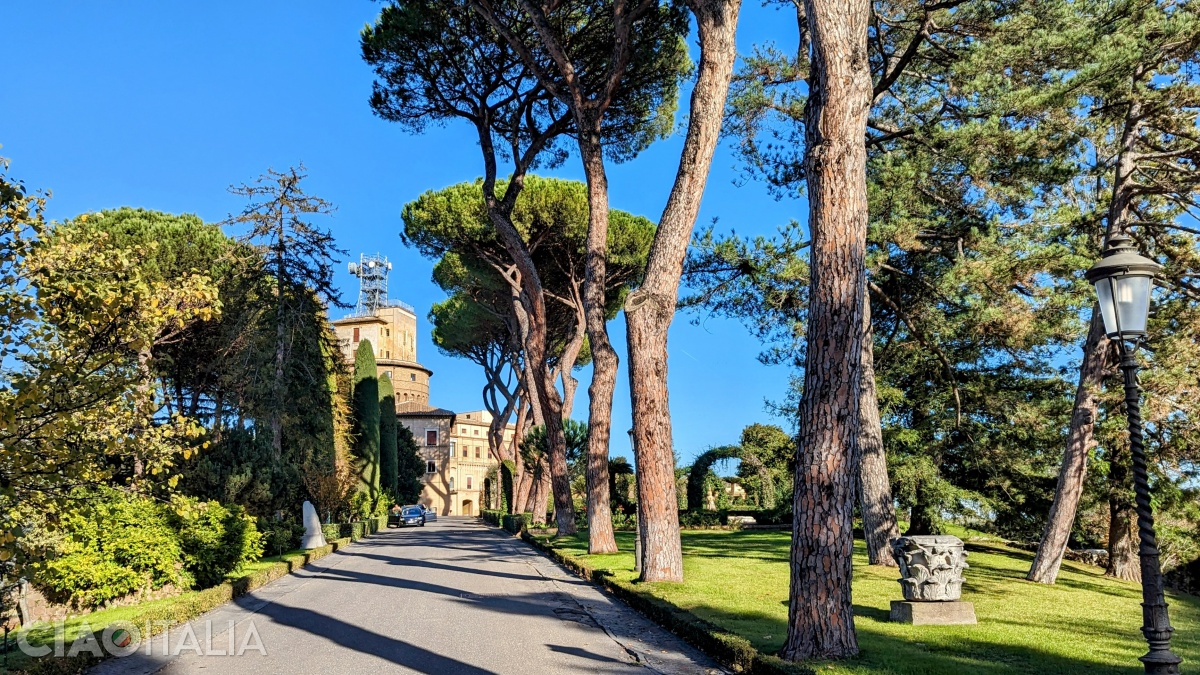
Next is the Leonine Tower (Torre Leonina), easily recognizable by the antenna perched at its top. This historic tower serves as the headquarters for the directorate of Vatican Radio, which was established in 1931. It was from right here inside this tower that the inventor of the radio, Guglielmo Marconi (originally from Bologna), famously broadcasted Vatican Radio's very first message.
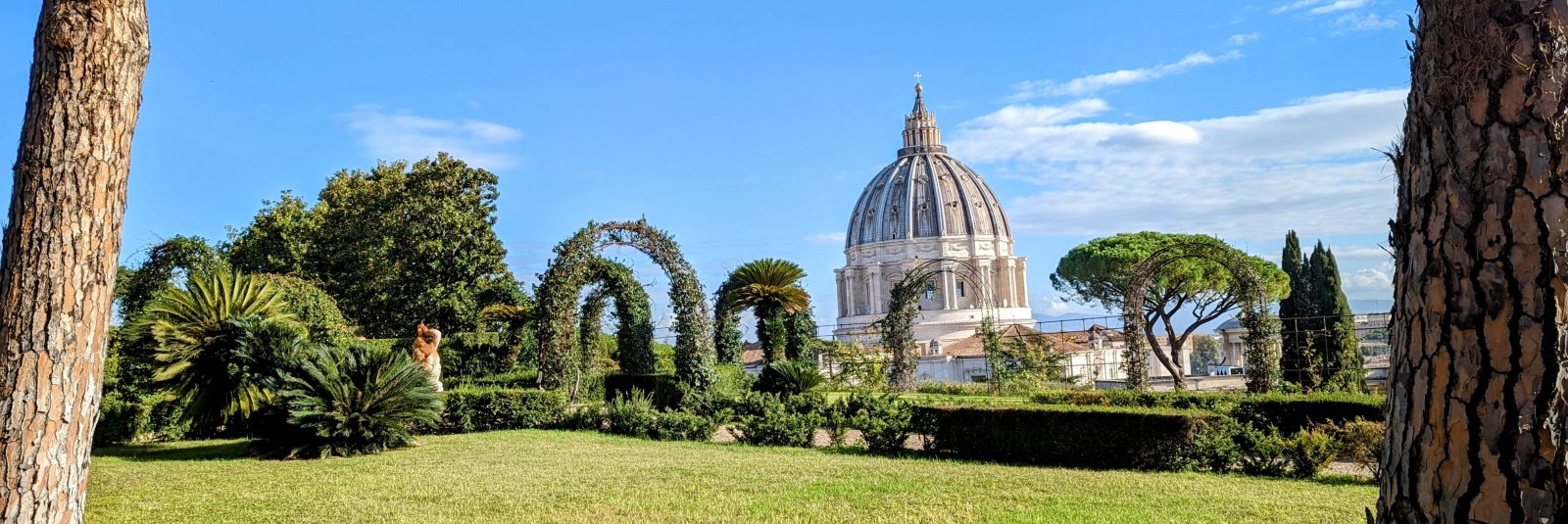
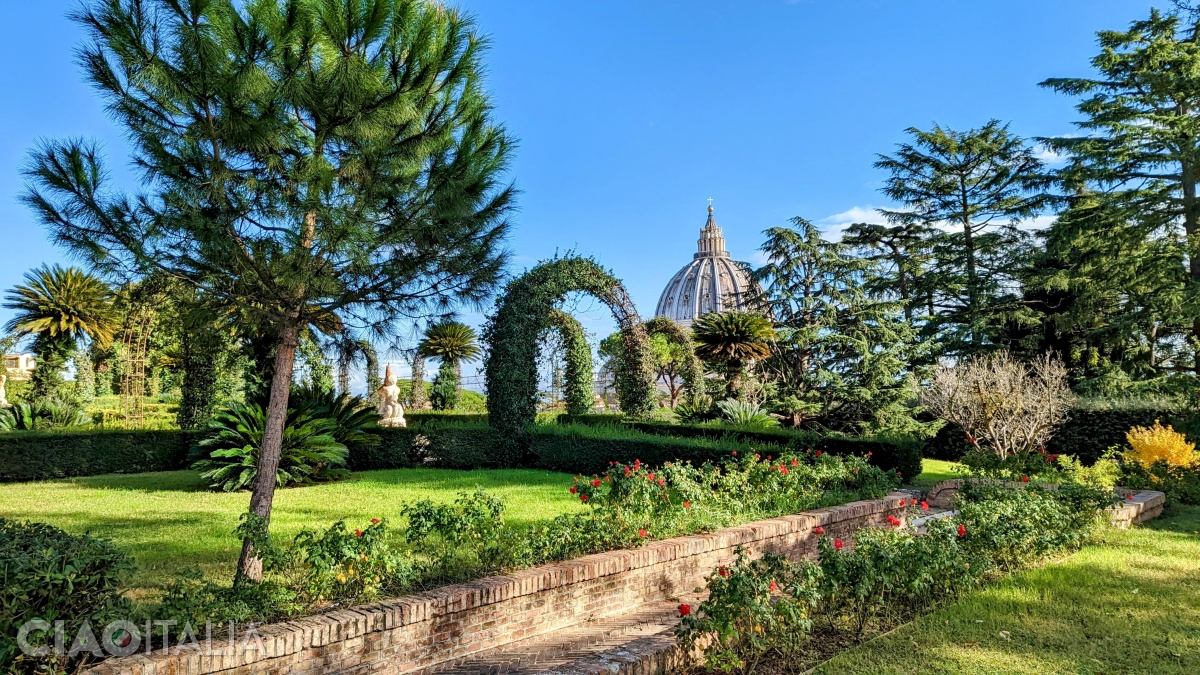
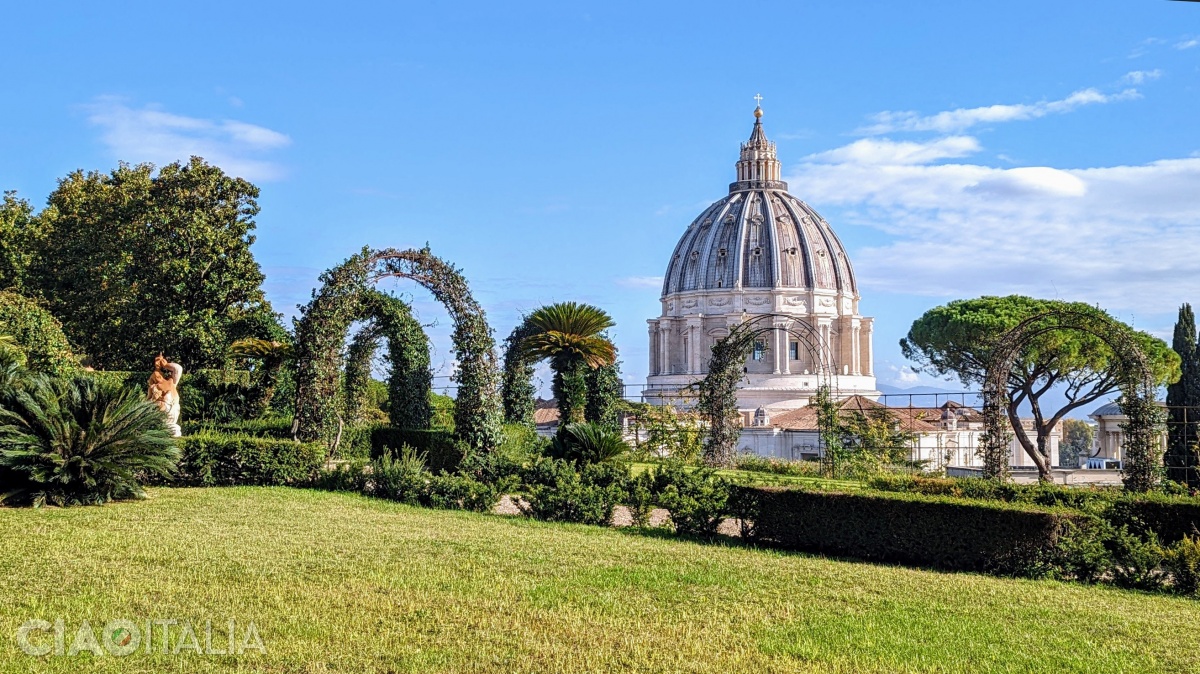
As you head up the Vatican Hill (reaching an altitude of nearly 80 meters), the path takes you past the Rose Garden, which is filled with beautiful bushes and arches of climbing roses. Because of its high-up vantage point, this spot offers one of the absolute best and most breathtaking views of Michelangelo's famous dome.
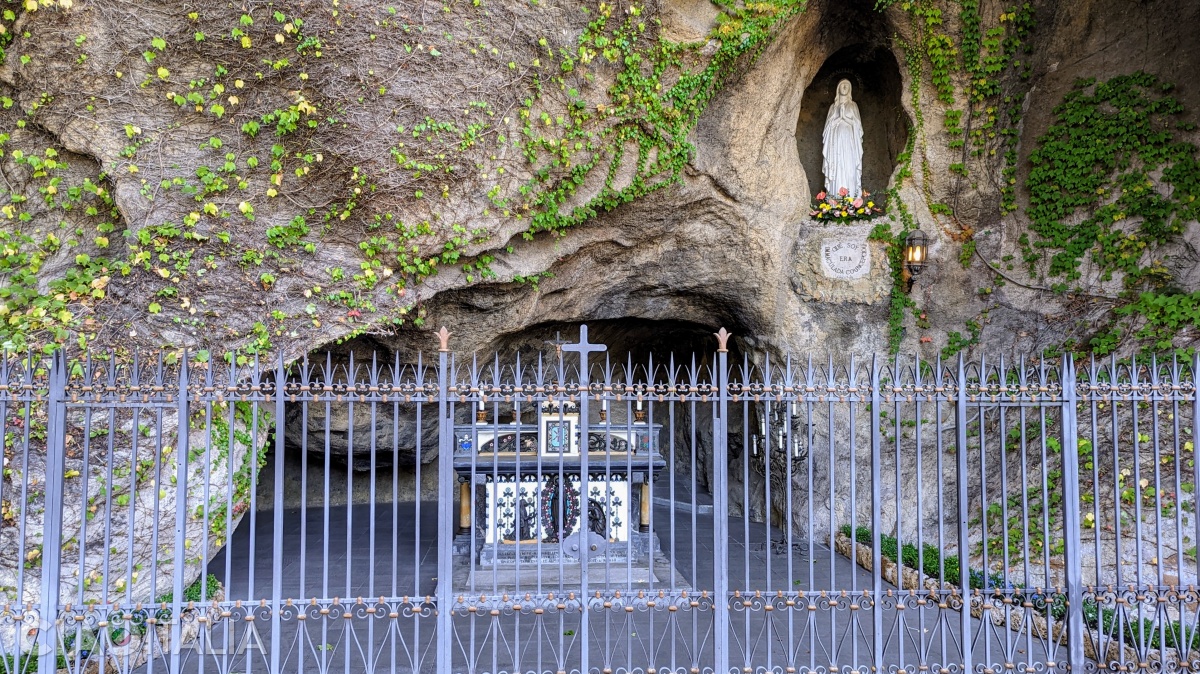
Many of the monuments throughout the Vatican Gardens are dedicated to the Virgin Mary. Probably the most famous among them is the reproduction of the Lourdes Grotto, completed in 1905. The Vatican's grotto is a faithful, exact replica of the original shrine located in France.
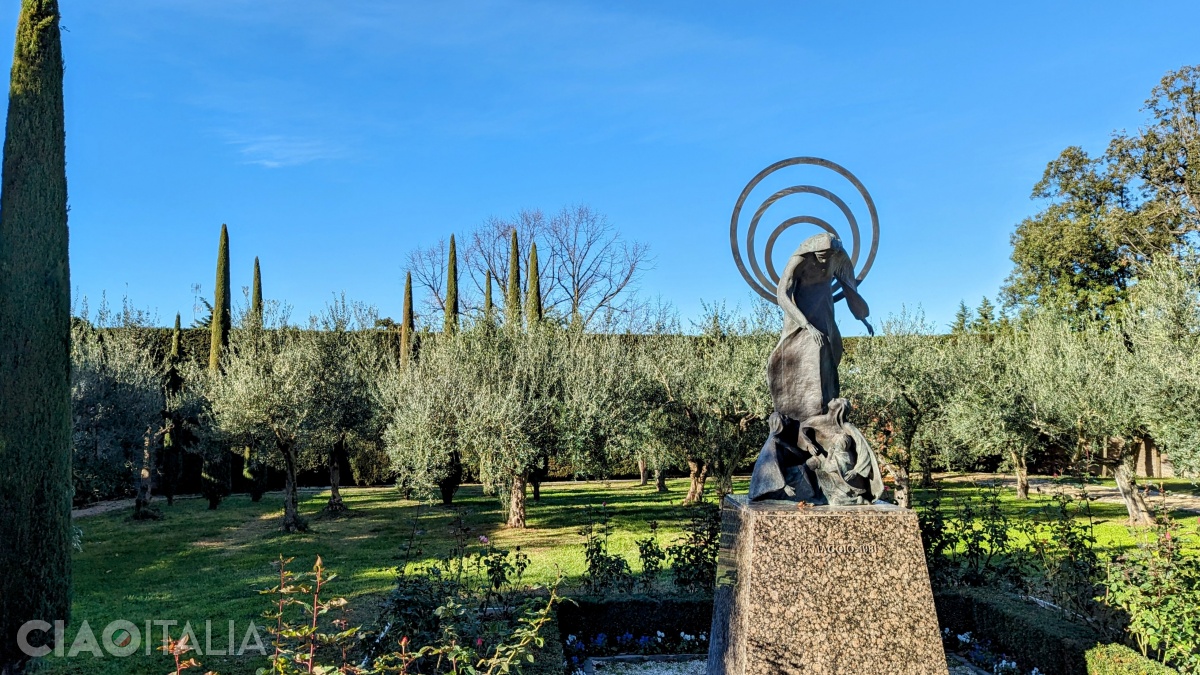
A bronze monument, Our Lady of Fatima, crafted by an American sculptor, commemorates the assassination attempt on Pope John Paul II that took place on May 13, 1981. The Virgin Mary is beautifully depicted casting a protective mantle over a group of people.
Nearby, the French-style Garden is bursting with colorful flowers.
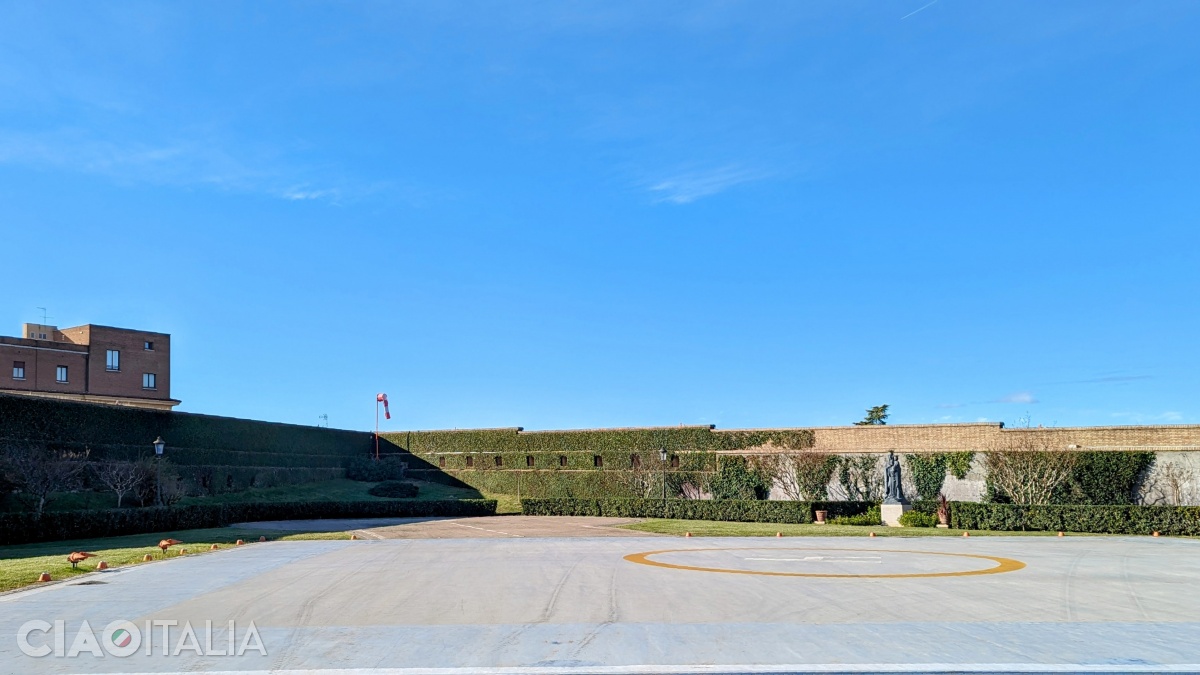
Just a short distance away is the Vatican Heliport, which was built at the request of Pope Paul VI. Not far from there stands St. John's Tower (Torre di San Giovanni), constructed in the 15th century. Interestingly, it remains a mystery whether its name refers to St. John the Baptist or to Pope John XXIII, whose coat of arms can be seen directly on the portal.
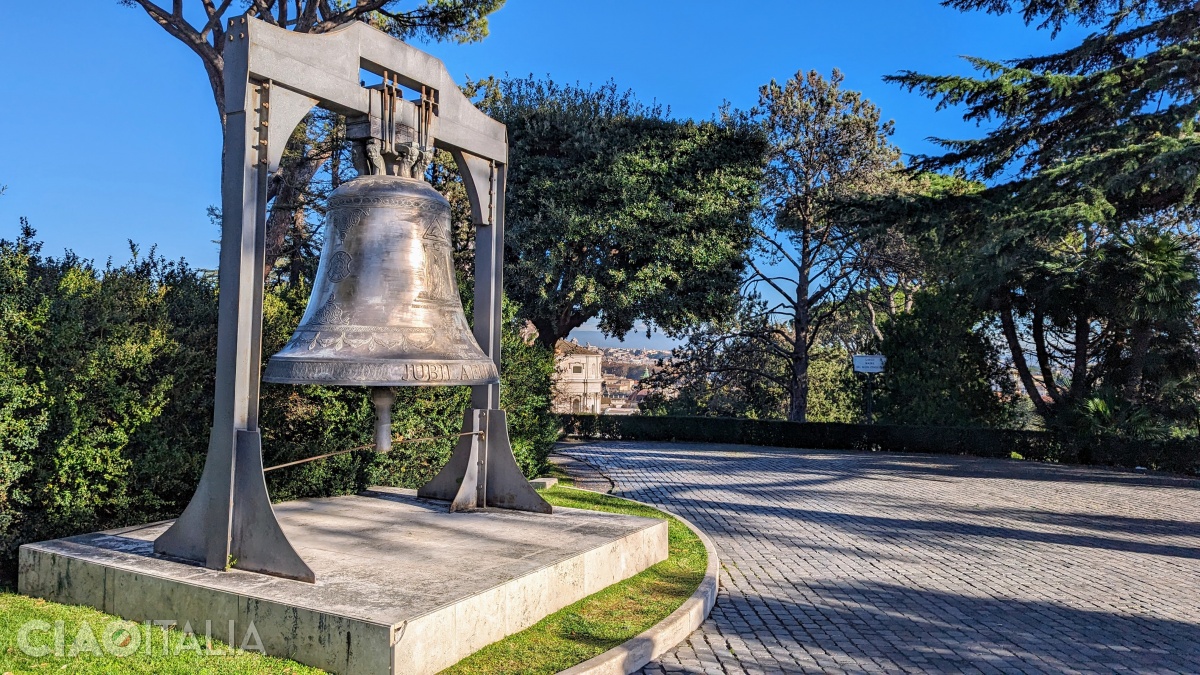
The Jubilee Bell was crafted in a historic foundry in Italy's Molise region. Its surface is intricately decorated with the Eye of God, an image of the Pope opening the Holy Door, Pope John Paul II's coat of arms, and his famous papal motto: Totus tuus ("Totally Yours"). In the year 2000, the bell was brought directly into St. Peter's Square and rang out to mark the historic transition into the new millennium.
In this same section of the gardens, you will find a statue of St. Thérèse of Lisieux, which was gifted to Pope Pius XI in 1927 by the saint's own sister. Notably, St. Thérèse is the official patron saint of the Vatican Gardens.
Nearby, the beautifully manicured Italian Garden features a rectangular labyrinth bordered by stately pines and Lebanese cedars. As you wander through this area, you'll also spot a lush variety of palm trees, cypresses, chestnuts, oaks, laurels, banana plants, and magnolias.
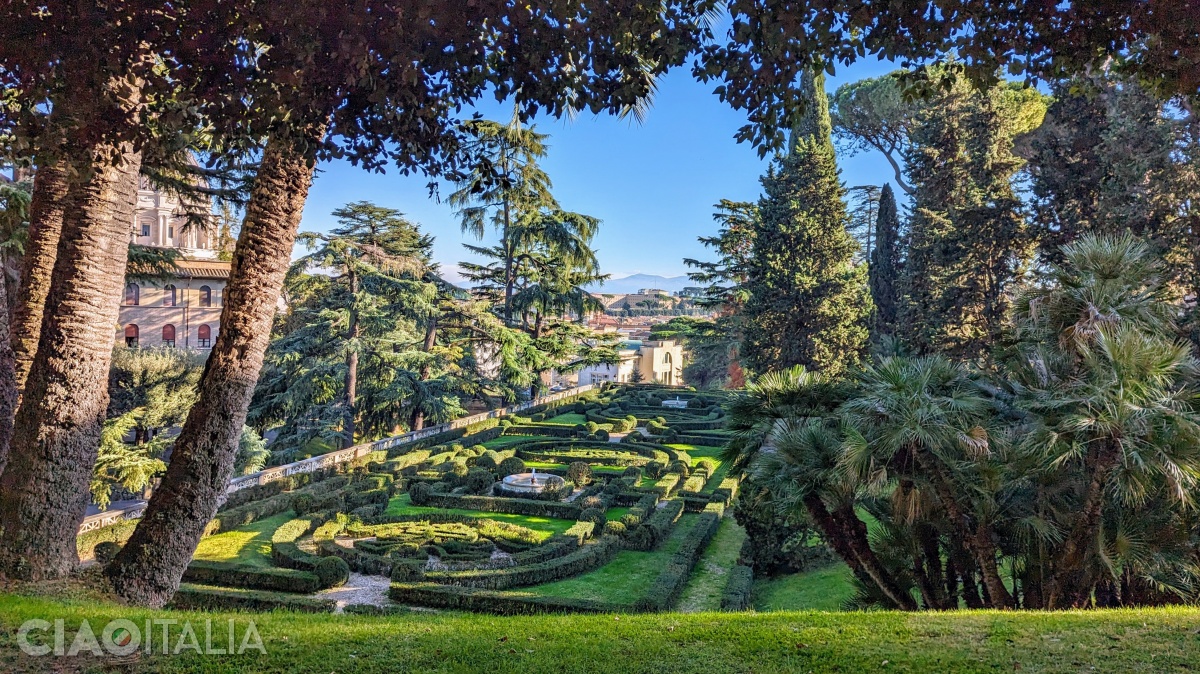
The Ethiopian College was built in 1929 by Giuseppe Momo - the very same architect who designed the famous spiral staircase inside the Vatican Museums. Today, the college is home to the nuns of the Sisters of Maria Bambina order.
Giuseppe Momo was also the mastermind behind the Vatican's train station and the Governor's Palace, which stands directly in front of the Ethiopian College.
The Station Palace was officially inaugurated in 1933, and the first pope to actually use the railway was Pope John XXIII for his historic pilgrimage to Loreto and Assisi in 1962. The Vatican railway network is the smallest in the world, measuring just 1.2 kilometers! Today, tourist trains depart from this very station, taking visitors on day trips to Castel Gandolfo.
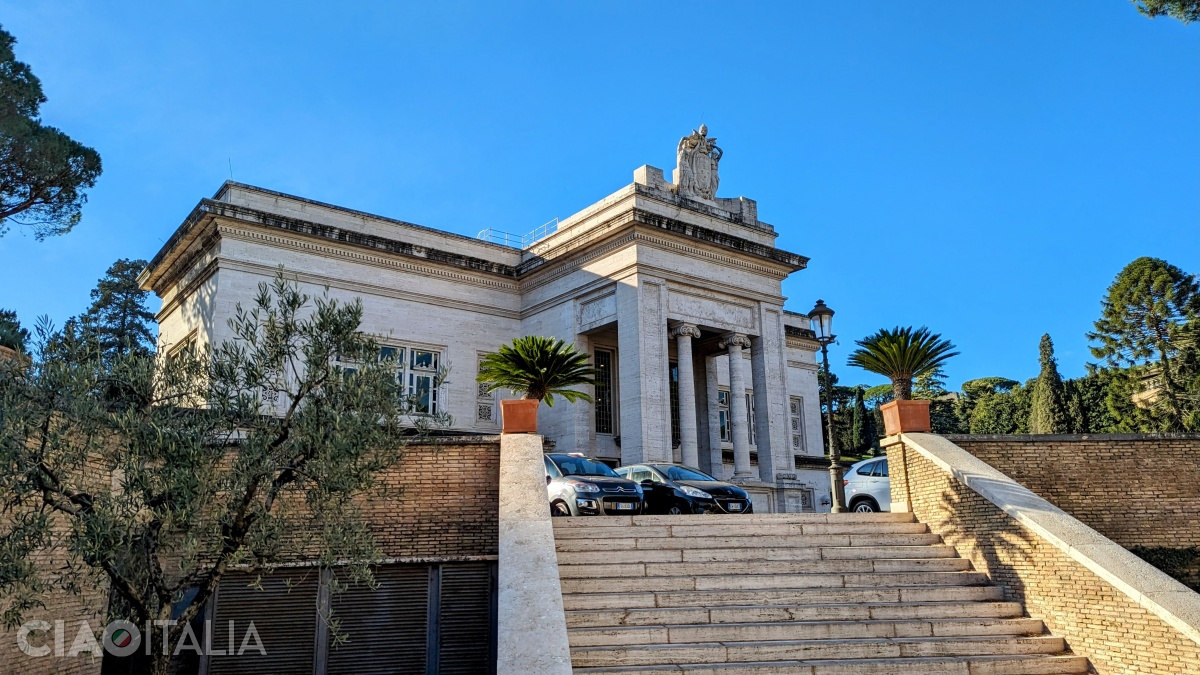
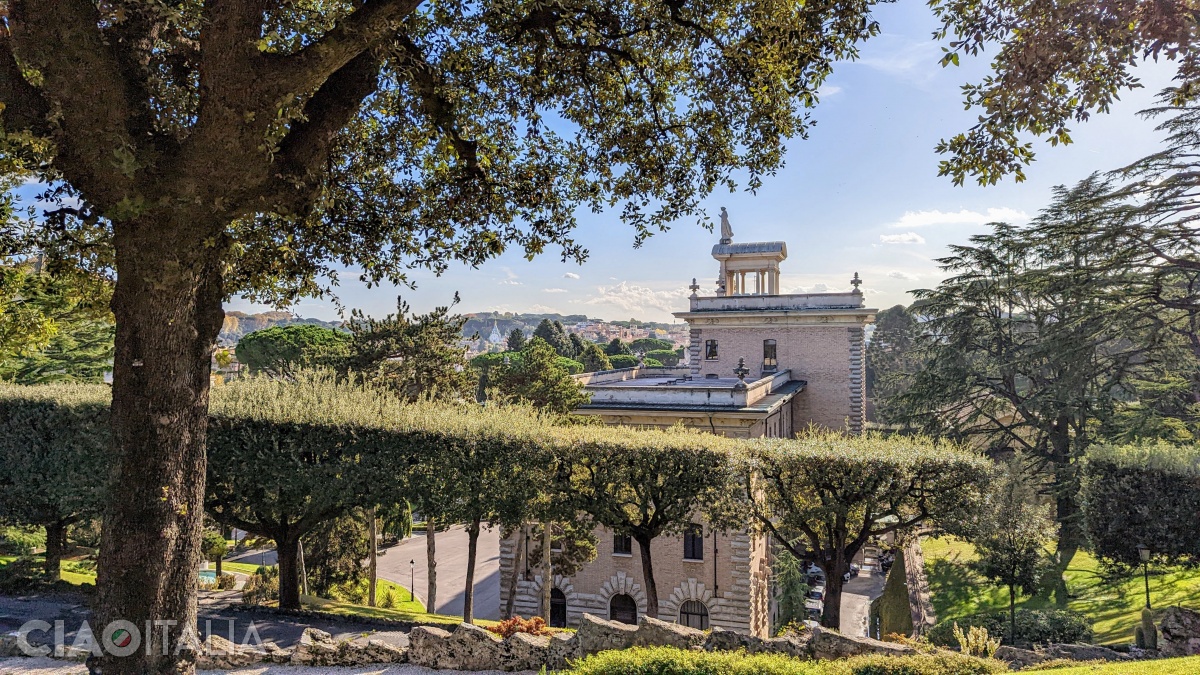
Built in 1929, the Governor's Palace serves as the administrative heart and headquarters of the Vatican State. Right in front of the building, inside a beautiful garden, sits the official papal coat of arms, crafted entirely out of living plants. Looking up to the top of the palace, you can see a statue of the Virgin Mary watching over the grounds.