The Bourbon Tunnel (Galleria Borbonica) in Naples
The Bourbon Tunnel (Galleria Borbonica) is one of Naples' tourist attractions that allows you to discover the unexpected world of the underground city. Along with the San Gennaro and San Gaudioso catacombs (as well as other subterranean cemeteries) and the Napoli Sotterranea tour, the Bourbon Tunnel completes the many facets of this hidden city, which has yet to be fully explored.
Prices and Opening Hours
The Bourbon Tunnel can only be visited via guided tours, which take place on Fridays, Saturdays, and Sundays. Reservations are mandatory.
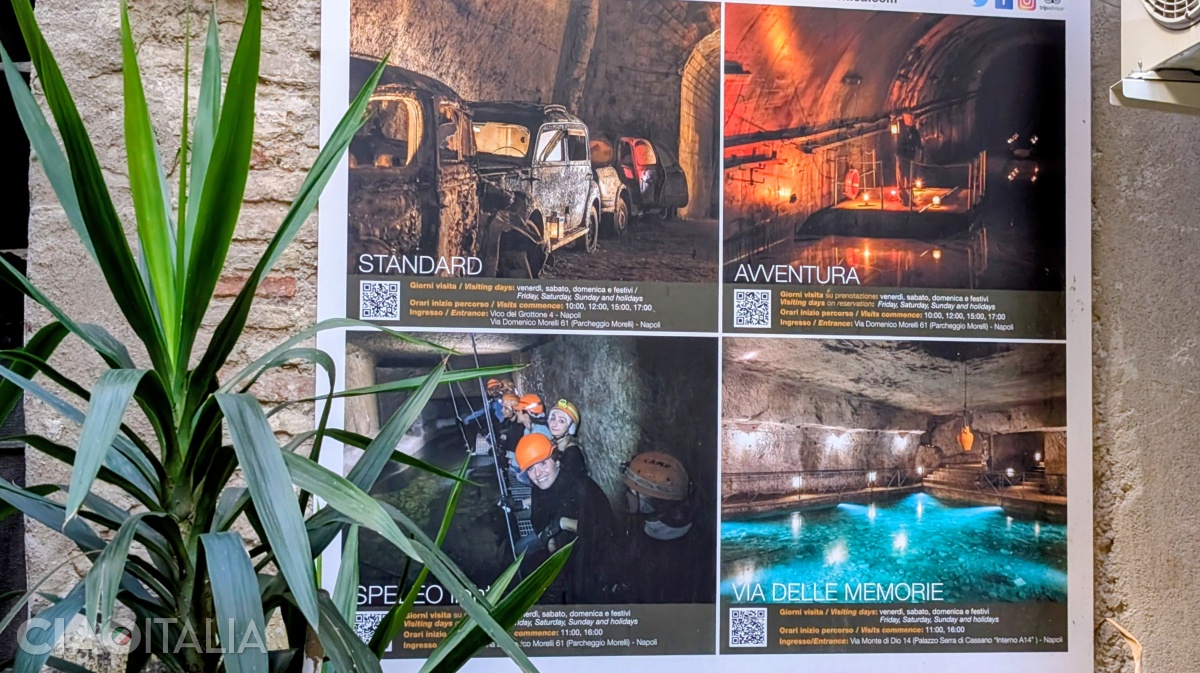
There are 4 types of routes available: the Standard Tour, Via delle Memorie ("Way of Memories"), Adventure, and Speleo. The latter two are also great ideas for fun, active experiences to have while in Naples.
The Standard Tour
The Standard Tour is the classic guided visit that introduces you to the world of the underground gallery.
Prices:
- Adults: €15
- Over 70: €10
- 6-18 years: €10
- Children under 6: free
Opening hours:
- Friday-Sunday: 10:00 AM, 12:00 PM, 3:00 PM, and 5:00 PM
Duration: 1 hour
Access points:
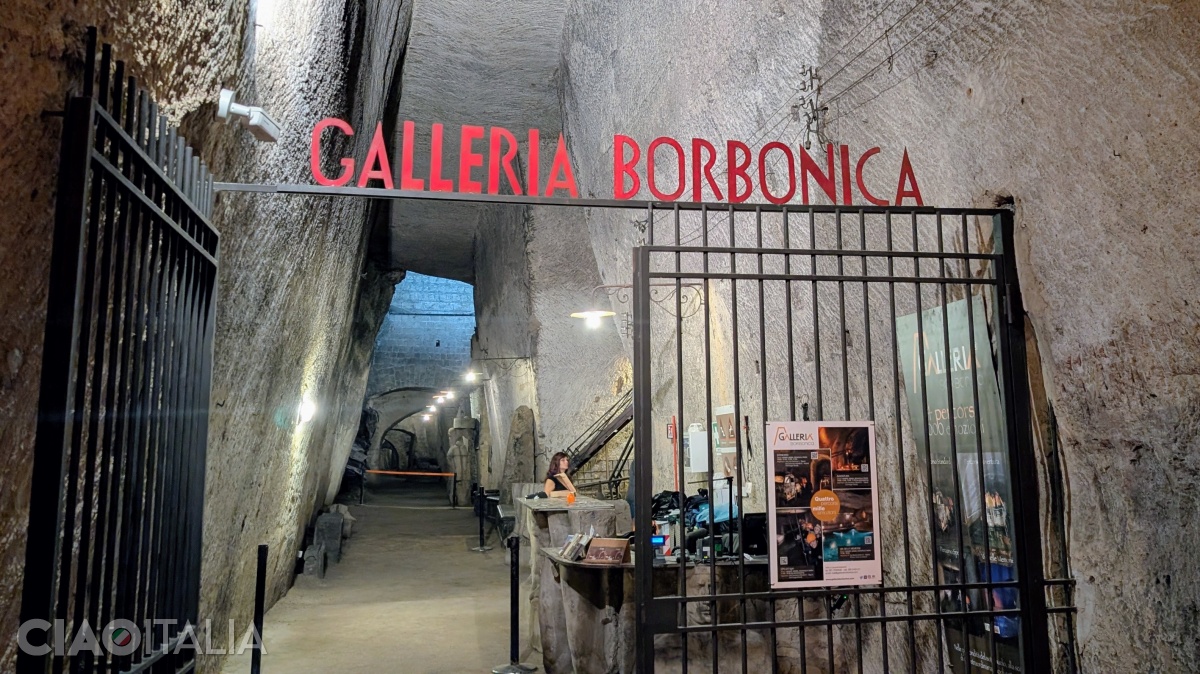
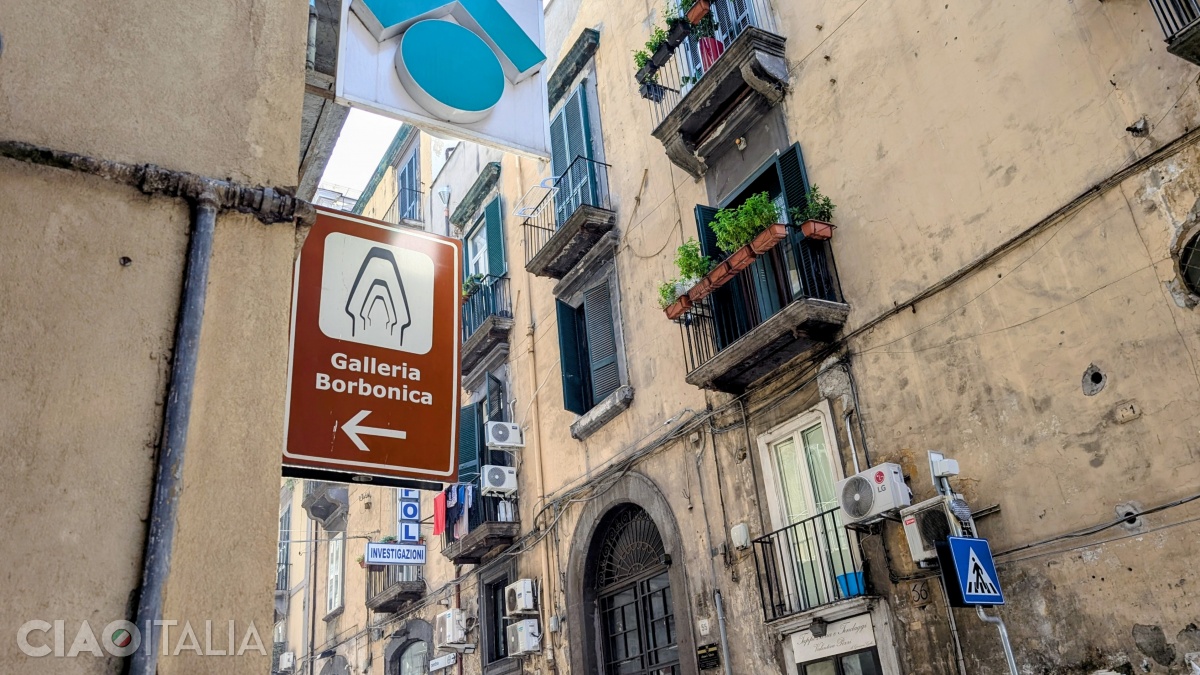
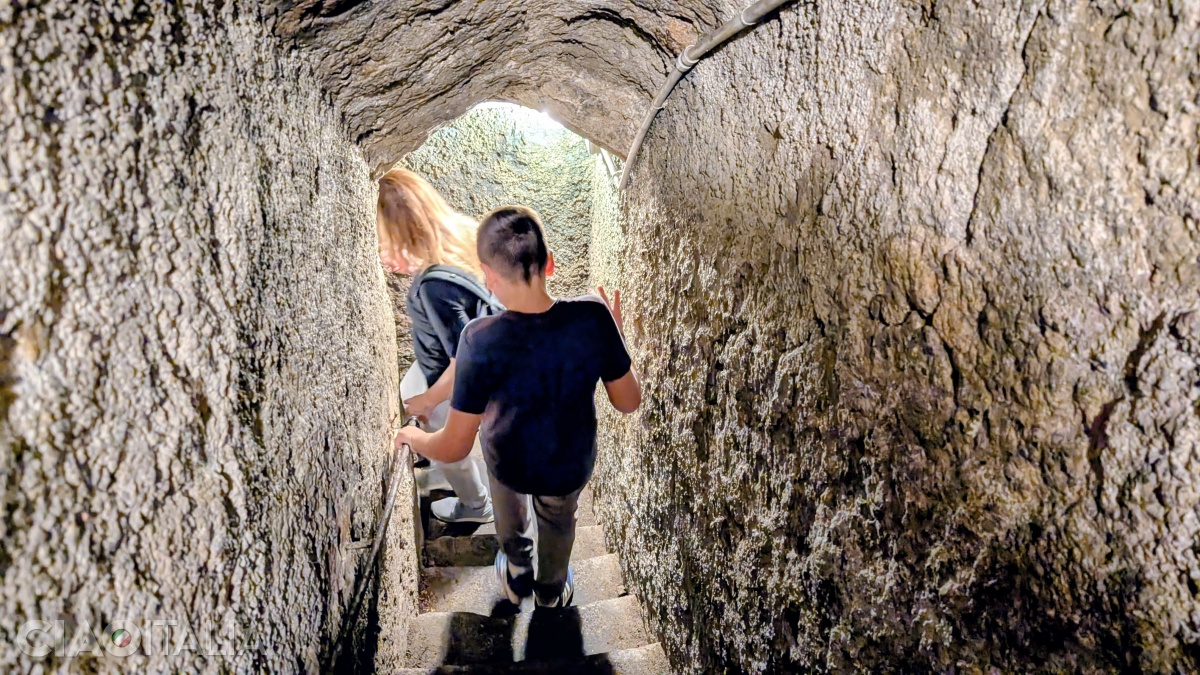
- Vico del Grottone no. 4 (about 100m from Piazza Plebiscito) - this entrance involves descending a 90-step staircase built in the 19th century.
- Via D. Morelli no. 61 (via the pedestrian entrance of the Morelli parking garage) - this is the monumental entrance.
The Via delle Memorie Tour
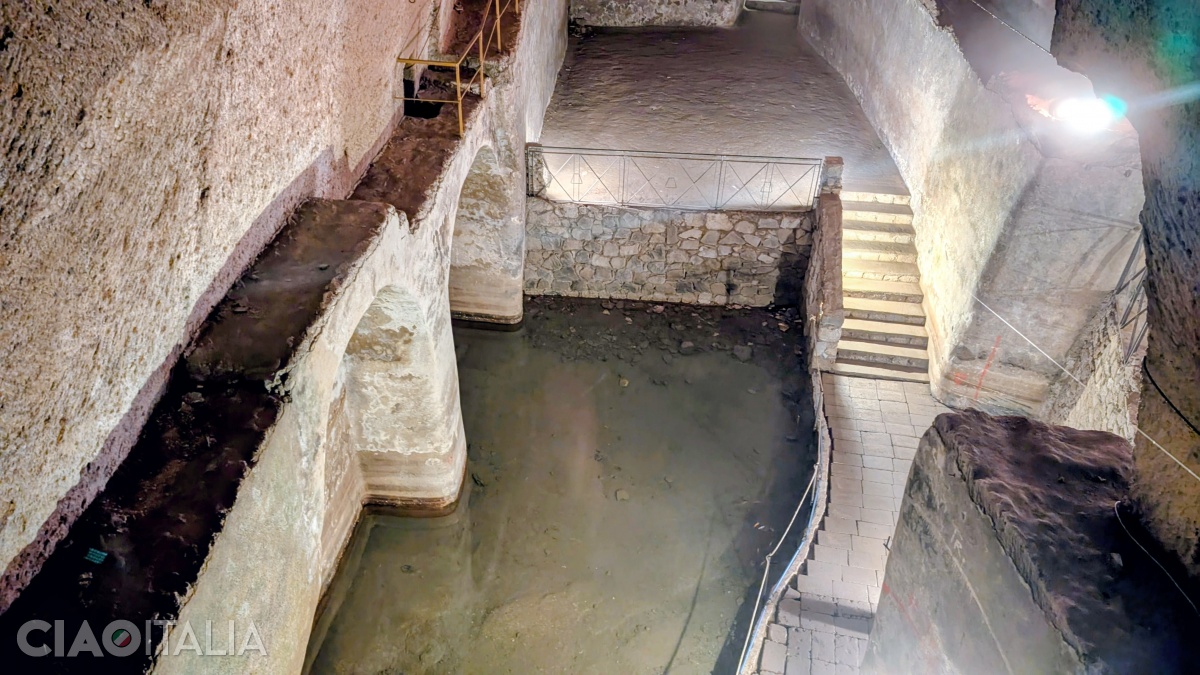
The Via delle Memorie ("Way of Memories") tour starts at the Serra di Cassano Palace, where you will descend 115 steps to reach the underground levels. You'll discover the ancient aqueduct and a water-filled cistern before continuing through the Bourbon Tunnel.
Prices:
- Adults: €15
- Over 70: €10
- 6-18 years: €10
- Children under 6: free
Opening hours:
- Friday-Sunday: 11:00 AM and 4:00 PM
Duration: 1 hour and 15 minutes
Access point: Via Monte di Dio no. 14 - Palazzo Serra di Cassano c/o Interno A14
The Avventura Tour
The Avventura ("Adventure") tour involves exploring several tunnels and cisterns while equipped with a helmet and a torch, and even includes navigating across the water on a raft. The English tour is available only for groups and requires a minimum number of participants.
Prices:
- Adults: €20
- Children aged 10 and over can only enter if accompanied by an adult (identification must be presented at the entrance)
- Children under 10: access is not permitted
Opening hours:
- Friday-Sunday: 10:00 AM, 12:00 PM, 3:00 PM, and 5:00 PM
Duration: 1 hour and 25 minutes
Access point: Via D. Morelli no. 61 (via the pedestrian entrance of the Morelli parking garage)
The Speleo Tour
During the Speleo tour, you will explore the cisterns and tunnels of the old underground aqueduct while equipped with a special helmet and headlamp. The English tour is available only for groups and requires a minimum number of participants.
Prices:
- Adults: €20 (strictly for ages 18 and over)
Opening hours:
- Friday-Sunday: 11:00 AM and 4:00 PM
Duration: 1 hour and 30 minutes
Access point: Via D. Morelli no. 61 (via the pedestrian entrance of the Morelli parking garage)
Galleria Borbonica
A masterpiece of Neapolitan engineering, the Bourbon Tunnel (Galleria Borbonica) is a massive man-made tunnel that runs through the Pizzofalcone hill, connecting the Royal Palace of Naples to Piazza Vittoria, located near the sea and the military barracks. It was constructed between 1853 and 1855 by order of Ferdinand II of Bourbon. While promoted as a public works project, its true purpose was to serve as a secret escape route for the King to reach the sea in times of danger. It also allowed the army to quickly reach the royal residence, a precaution taken largely in response to the revolutionary uprisings of 1848. The tunnel was never fully completed; by 1861, when the Unification of Italy took place, only 20 meters remained to be excavated.
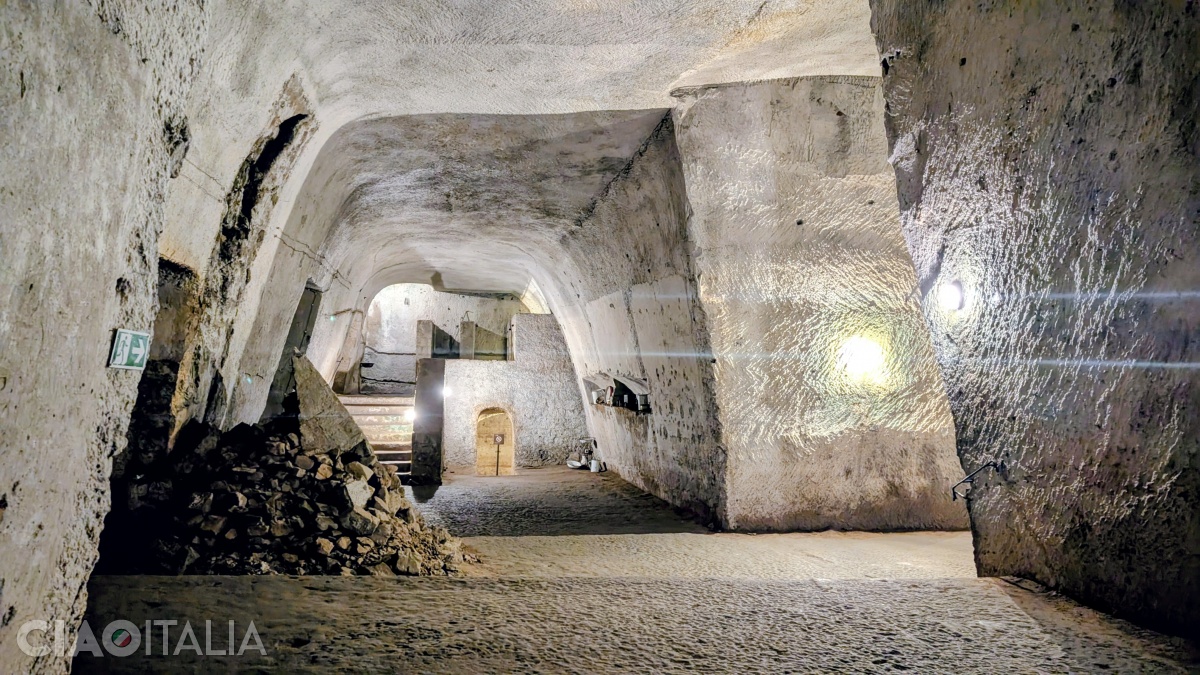
Excavated entirely by hand and carved through ancient cavities, aqueducts, and cisterns, the tunnel showcases the genius of architect Errico Alvino. He had to devise innovative solutions to various technical challenges encountered during construction, particularly to ensure that the water supply to local residences remained uninterrupted.
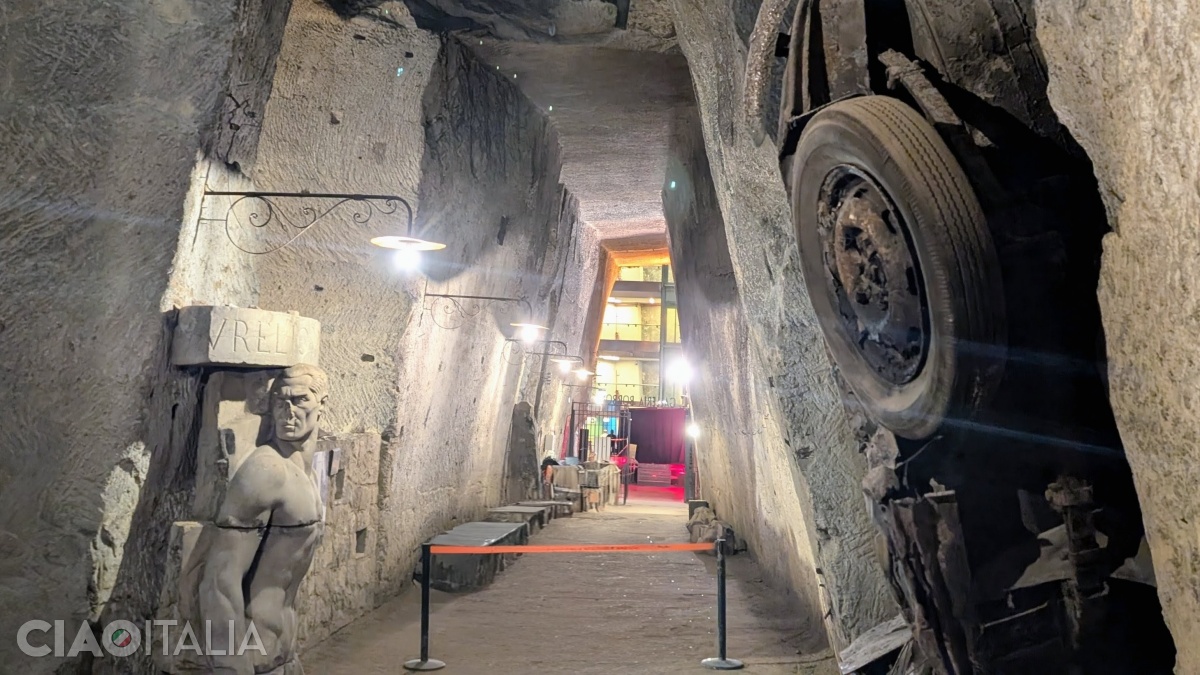
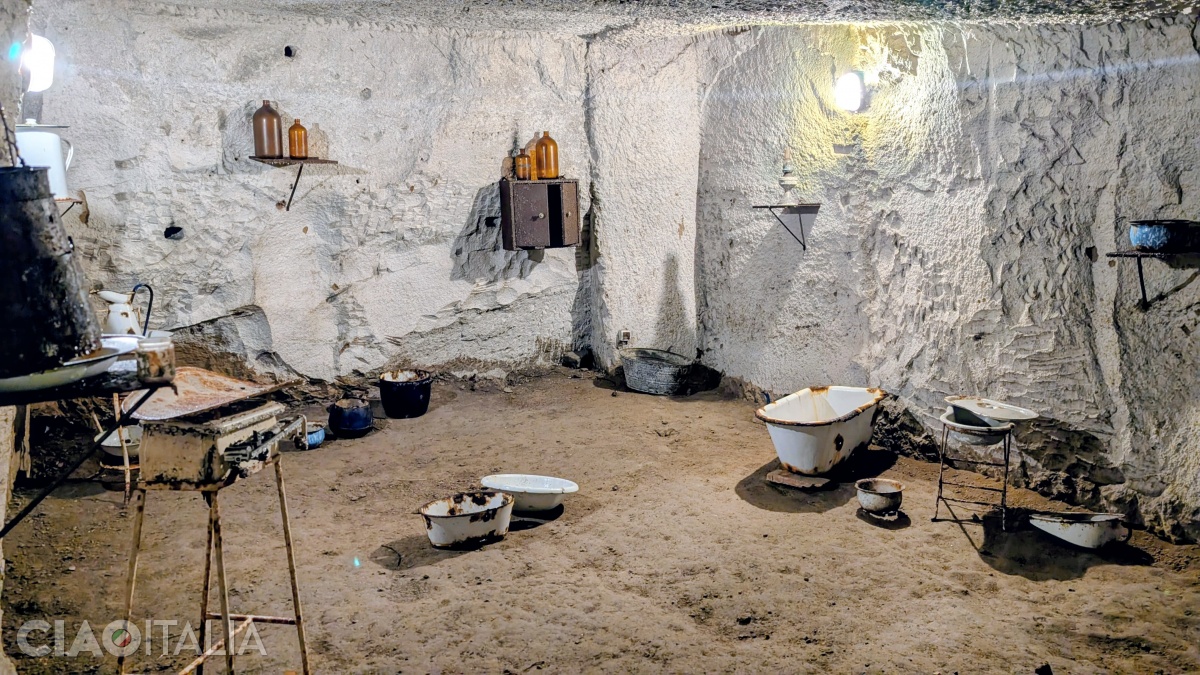
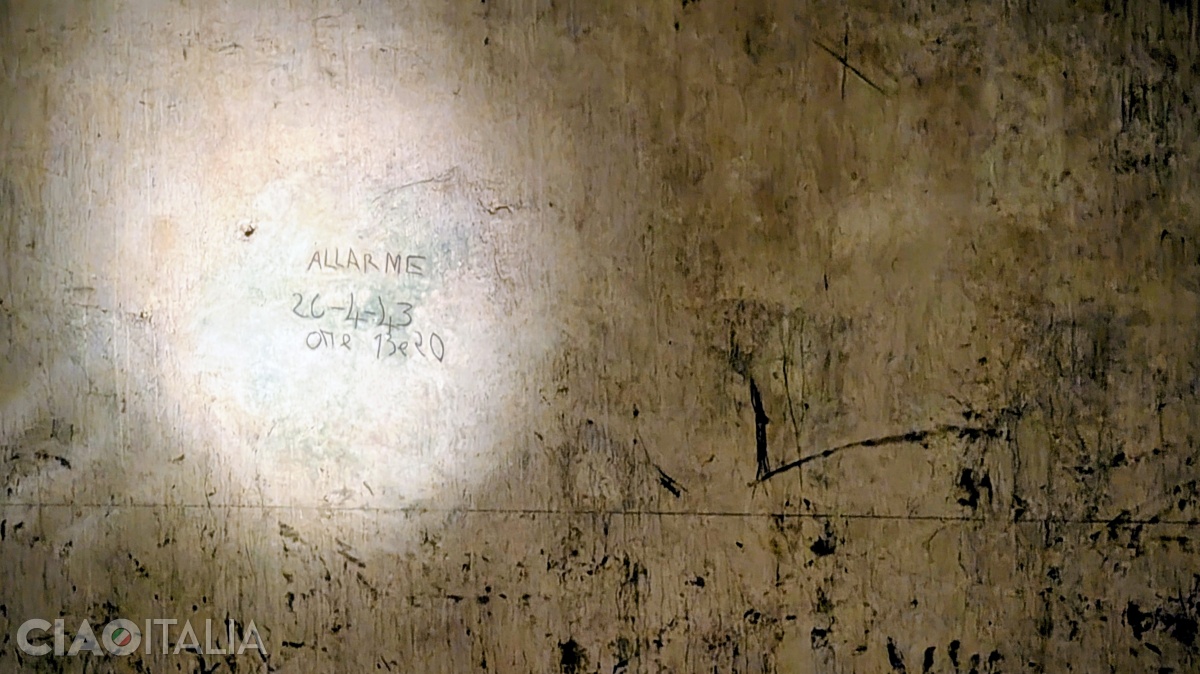
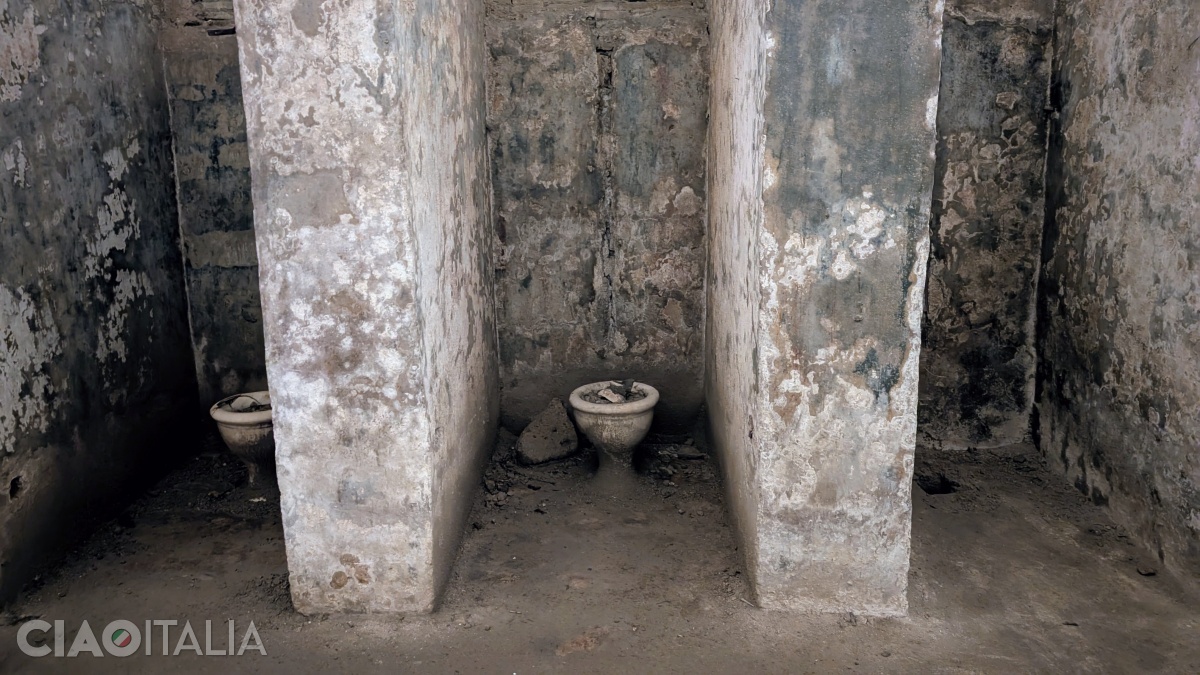
During World War II, the tunnel served as an air-raid shelter for the residents of the Chiaia district, one of Naples' residential neighborhoods. At that time, it was electrified and equipped with sanitary facilities. Between 5,000 and 10,000 people sought refuge here. Visitors can still see inscriptions and artifacts from that era, as well as the original toilets used by the refugees.
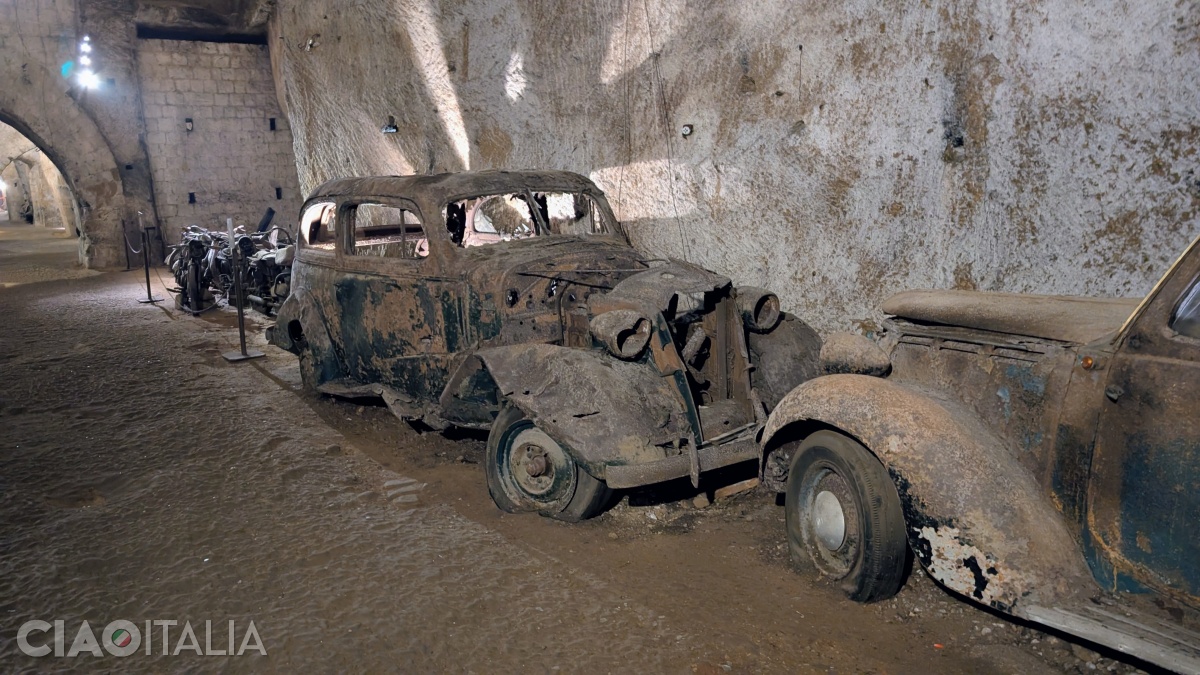
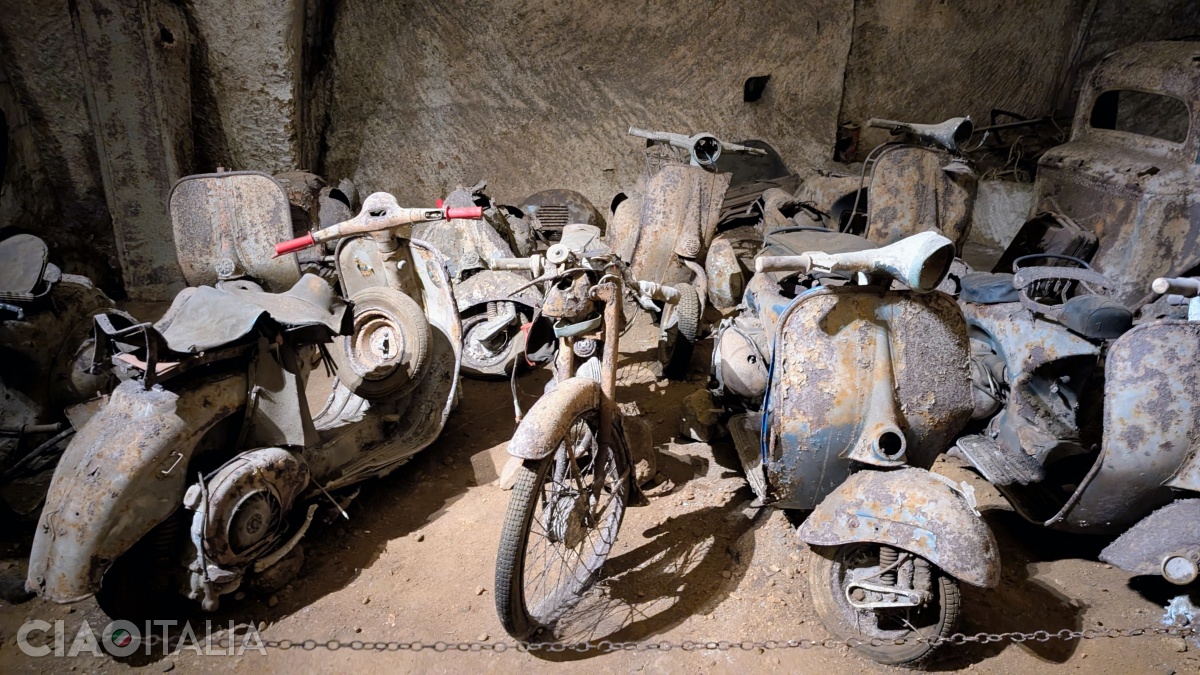
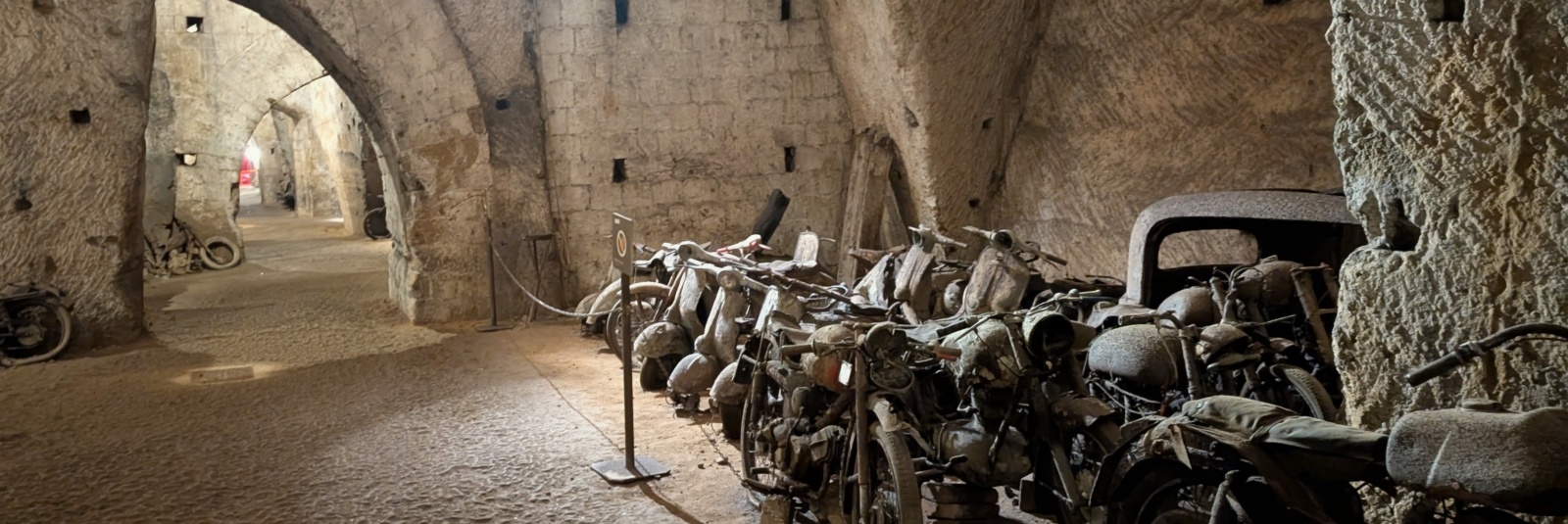
From the end of World War II until the 1970s, the gallery was used by the prosecutor's office as a judicial impound lot for cars and motorcycles that had been confiscated for various reasons. These vehicles were found buried under trash and rubble, largely because, in more recent times, the former caretaker had been charging local residents to illegally dump their waste there. The tunnel was rediscovered and cleared of debris thanks to the efforts of volunteers from the Borbonica Sotterranea cultural association, which still manages the site today. It was officially opened to the public in 2010. During the excavation, a Fascist-era statue was also found under the ruins, depicting Aurelio Padovani, the founder of the Fascist party in Naples.