Teatro San Carlo in Naples
Teatro San Carlo (the San Carlo Theatre) in Naples is one of the most important opera houses in Italy, and National Geographic lists it among the most beautiful theatres in the world. It is located right next to the Royal Palace and Galleria Umberto I; you can see it by taking a guided tour or by attending a performance - an experience we highly recommend.
How to Visit the Theatre
Teatro San Carlo can only be visited through guided tours. These are conducted either in Italian or in both Italian and English.
The schedule is below (but is subject to frequent changes depending on the performances in preparation):
- 10:30 AM: Italian
- 11:30 AM: Italian and English
- 12:30 PM: Italian
- 2:30 PM: Italian
- 3:30 PM: Italian and English
- 4:30 PM: Italian
The prices of the guided tour are:
- Adult: €9
- Under 30: €7
- Family (2 adults and 2 children under 18): €26
You can make a reservation via e-mail. Tickets are paid directly at the theatre, so make sure to arrive 10-15 minutes before the scheduled time.
Performances at the San Carlo Theatre
The performance schedule can be found on the theatre's website. Ticket prices vary depending on the production, the date (premiere/ weekend vs. weekdays), and the seating category (side, central, front or back rows of the boxes).
We recommend trying to arrive 15-20 minutes before the performance begins (access is allowed one hour prior). If you are late, you will not be allowed to enter the hall until the first intermission, and it would be a shame to miss out on the experience.
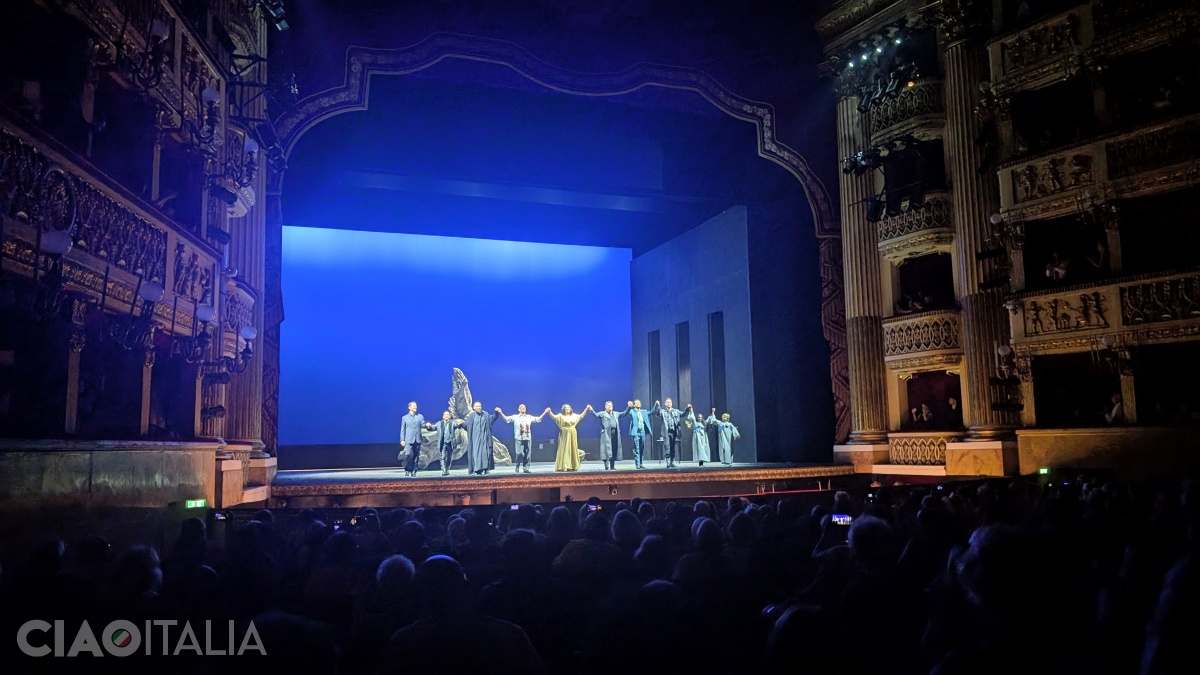
A Tour of the San Carlo Theatre in Naples
Teatro San Carlo prides itself on being one of the oldest continuously operating opera houses in the world. It was built in 1737, 41 years before La Scala in Milan and 55 years before La Fenice in Venice, serving as a model of inspiration for the latter.
The theatre, established by the wish of King Charles of Bourbon, was built in a record time of just 8 months and inaugurated on November 4, 1737. According to the Catholic calendar, this is the feast day of Saint Charles Borromeo; it was the sovereign's own name day, and the institution was named in his honor.
Unlike other buildings constructed by royalty, Teatro San Carlo was a public edifice accessible to everyone, and the population arrived in large numbers to attend the performances held on its stage.
On the night of February 12, 1816, despite the intervention of the army, the theatre burned down, most likely due to a fire source - perhaps a torch - left burning. A few days later, King Ferdinand of Bourbon commissioned a committee to reconstruct it. It was rebuilt rapidly, in just 10 months, to the delight of the people of Naples. The French writer Stendhal attended the reopening and, enchanted, declared that there was nothing else like it in Europe.
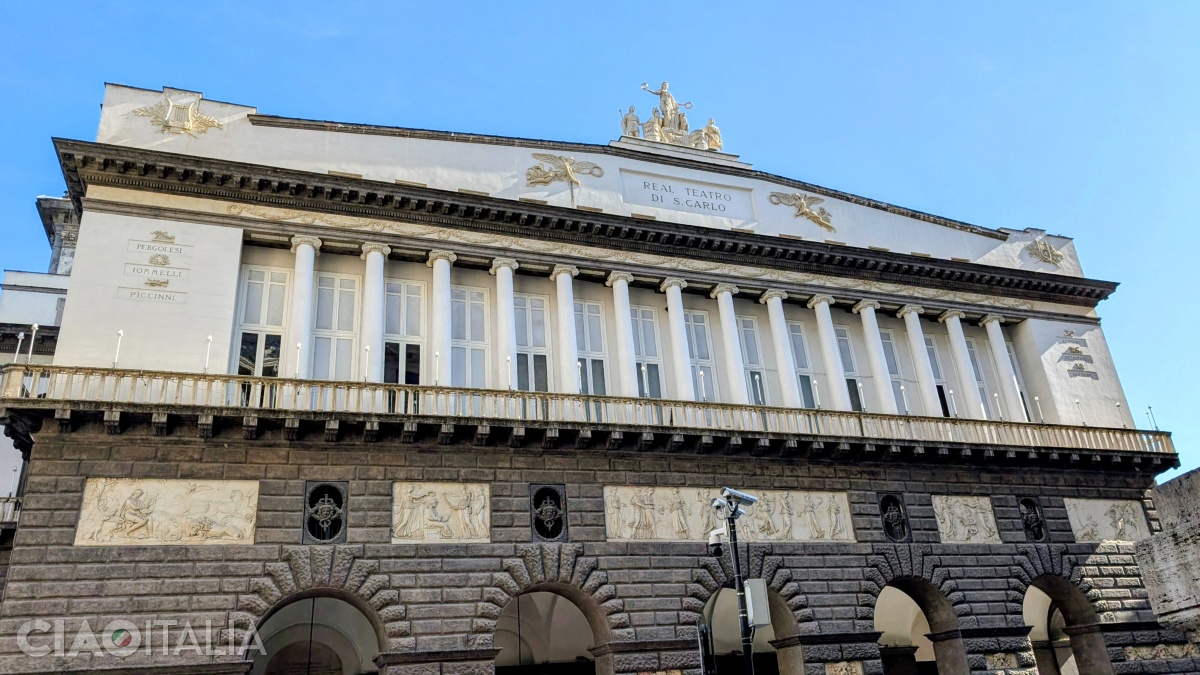
The theatre survived the two World Wars. During World War II, it was saved by the fact that it continued to operate, organizing concerts for the Allied troops stationed in the city. Their presence in the hall spared it from bombings.
Great names of universal music have passed through the San Carlo Theatre, such as Gluck, Bach, Handel, Haydn, Bellini, Paganini, and Verdi. Its guests include Mozart, who stayed in Naples for a month when he was 14 years old. Rossini and Donizetti were among the famous artistic directors who led it, and famous conductors who worked here include Arturo Toscanini, Stravinsky, Leonard Bernstein, and Sergiu Celibidache.
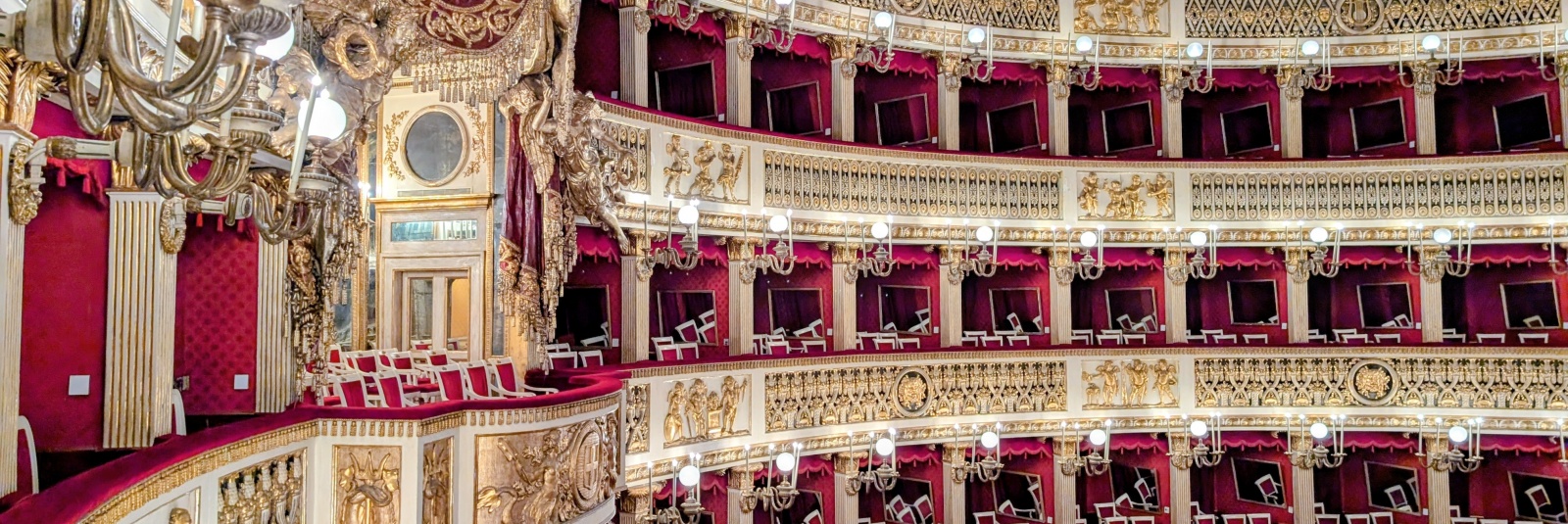
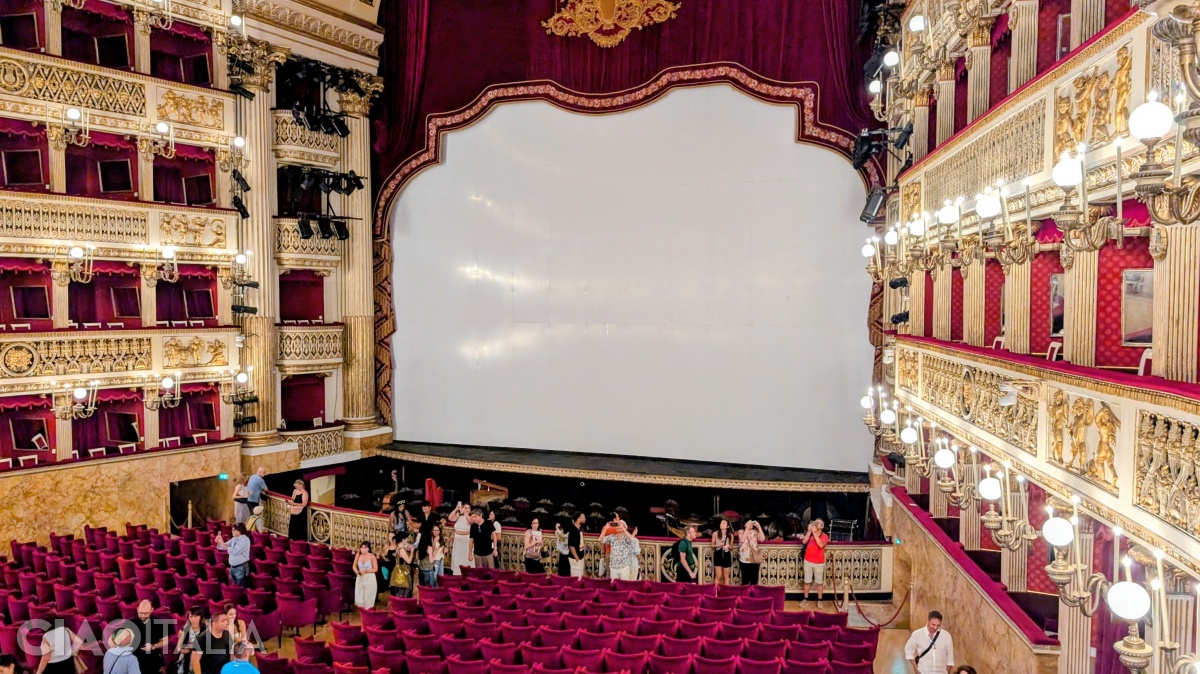
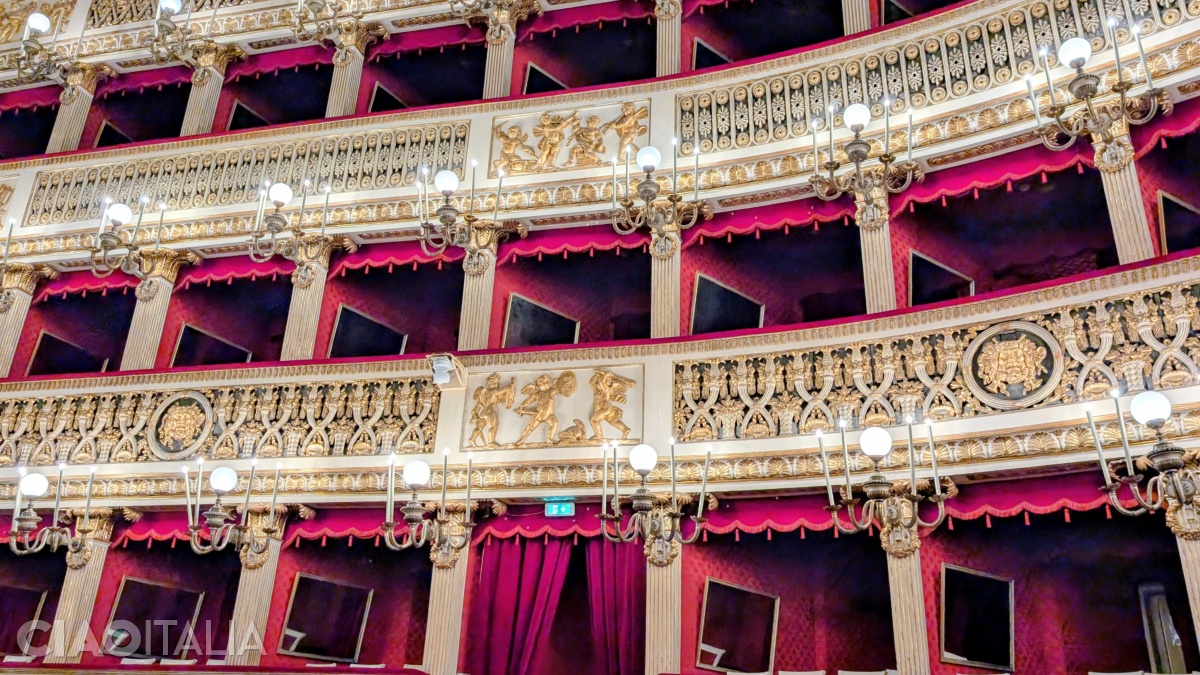
The hall, draped in red velvet with gold decorations, features 6 levels and 184 boxes. Today, the total capacity is 1,386 seats. During the Bourbon era, before modern regulations existed, it could host up to 4,000 people, who crowded into the pit or onto benches in the boxes. The top two rows of boxes - those with the lowest visibility - were for the poorest social classes, while the first four rows were reserved for the nobility. When you visit the theatre, you will notice that all the boxes in these first four rows have a mirror. Contrary to what you might expect, the mirror does not allow you to see the stage, but rather the opposite side of the hall. The explanation lies in an etiquette rule of the era called the "Right of First Applause": nobles were only permitted to applaud after the King had started. Given the noise and commotion of the crowd, it was nearly impossible to hear one man clapping - so, the nobles used the mirrors to watch the sovereign's movements in the Royal Box, located directly across from the stage.
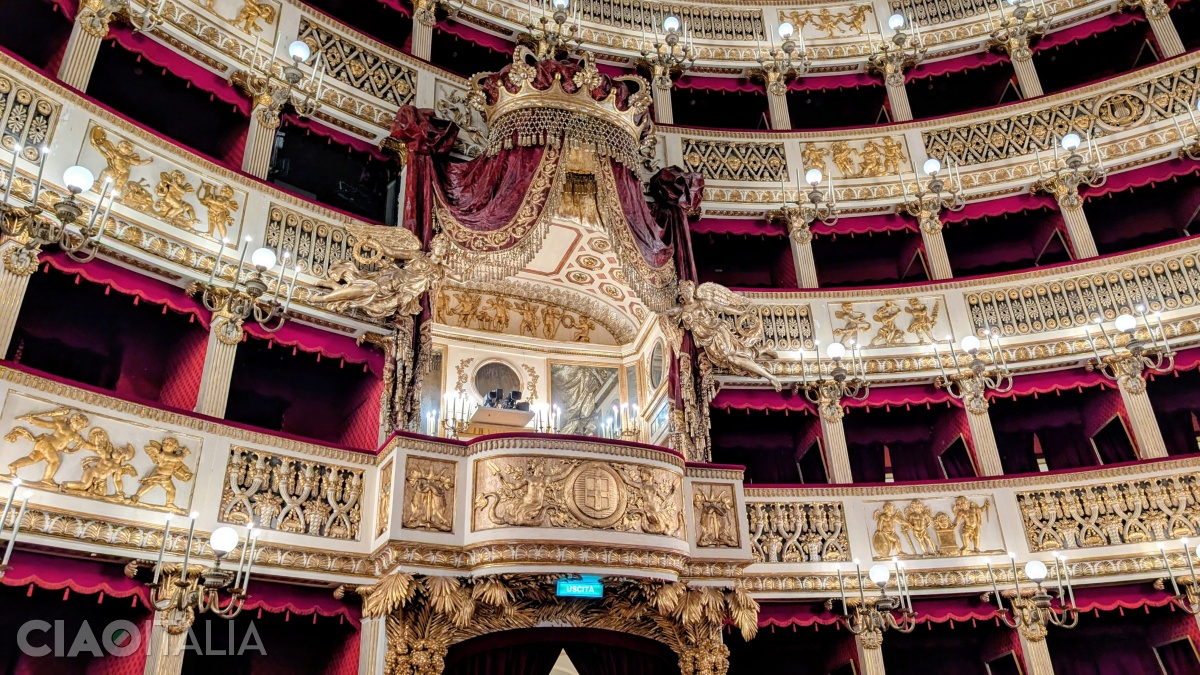
The Royal Box, which can accommodate 10 people, offers the best visibility for performances. Behind it, a passage connected directly to the Royal Palace, providing the king with direct access. The box rests on a base adorned with palm trees and is topped by a sumptuous canopy supported by two winged Victories. The decorations on the balcony's exterior depict two sirens, symbolizing Parthenope - the siren who, according to legend, founded the city of Naples. Between the sirens sat the original coat of arms of the Bourbon dynasty, which, after 1861, was replaced by the coat of arms of the Kingdom of Italy. The interior is lined with mirrors to brighten the space. The sculptures are made of papier-mâché - a paper pulp mixed with other substances - which is lightweight and does not act as a barrier to the sound.
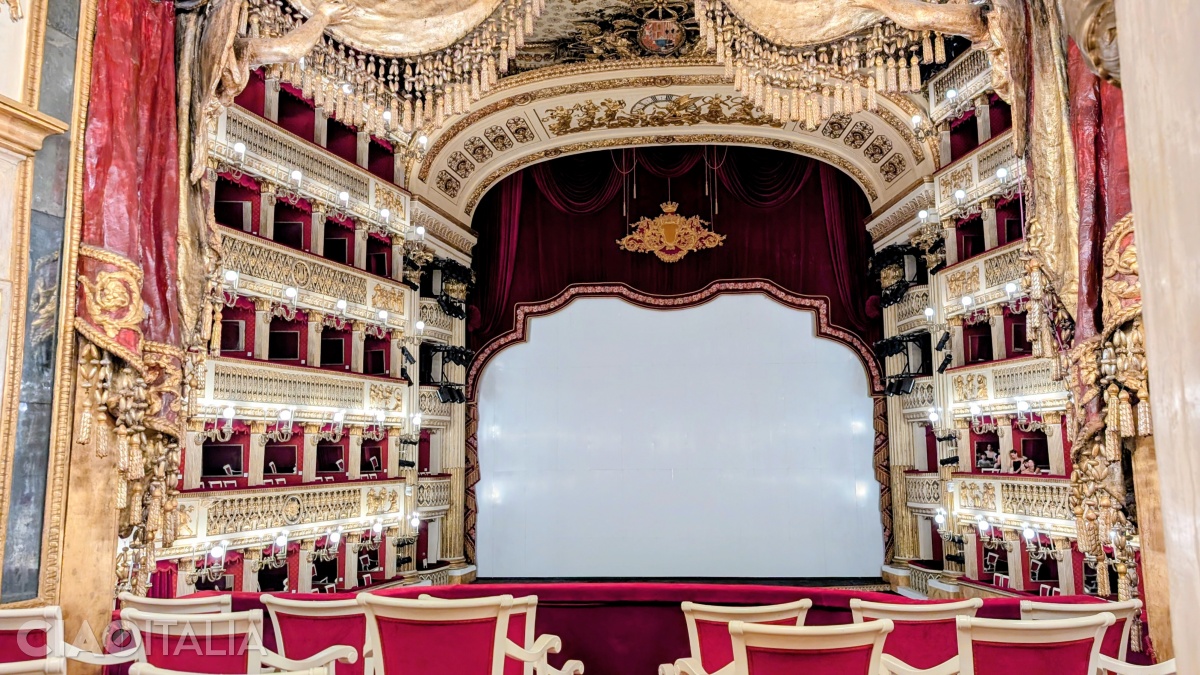
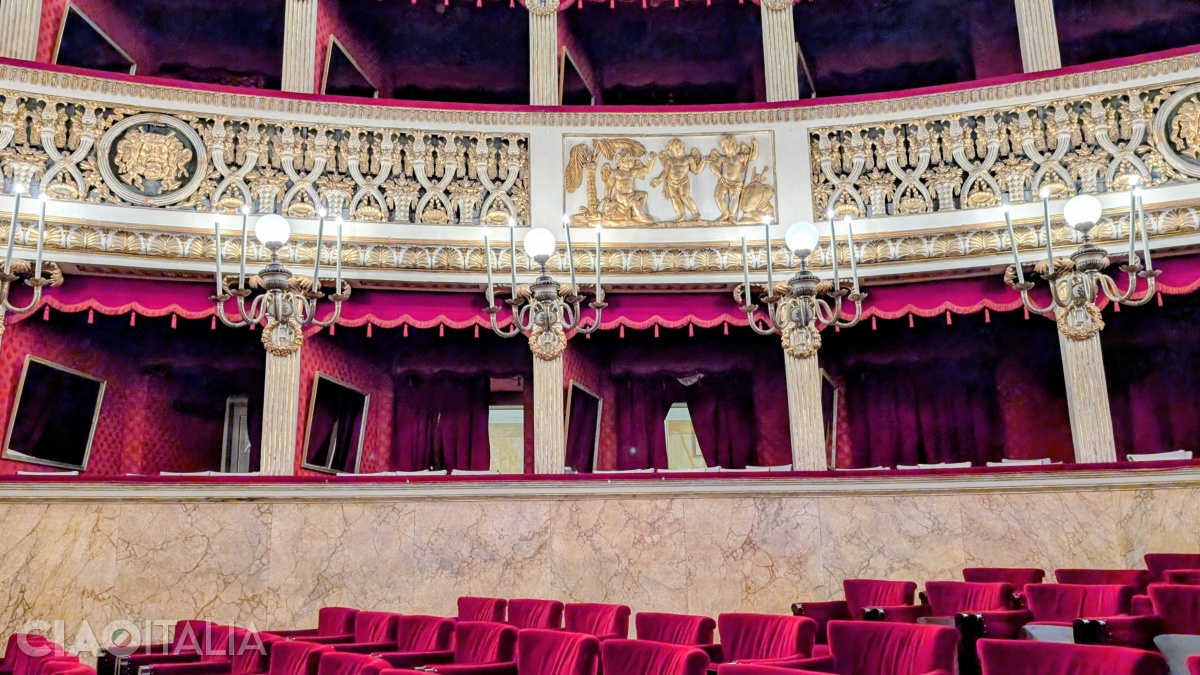
The base of the boxes is also made of the same material; it looks like marble, but it is actually painted to imitate it for aesthetic reasons and to facilitate the passage of sound.
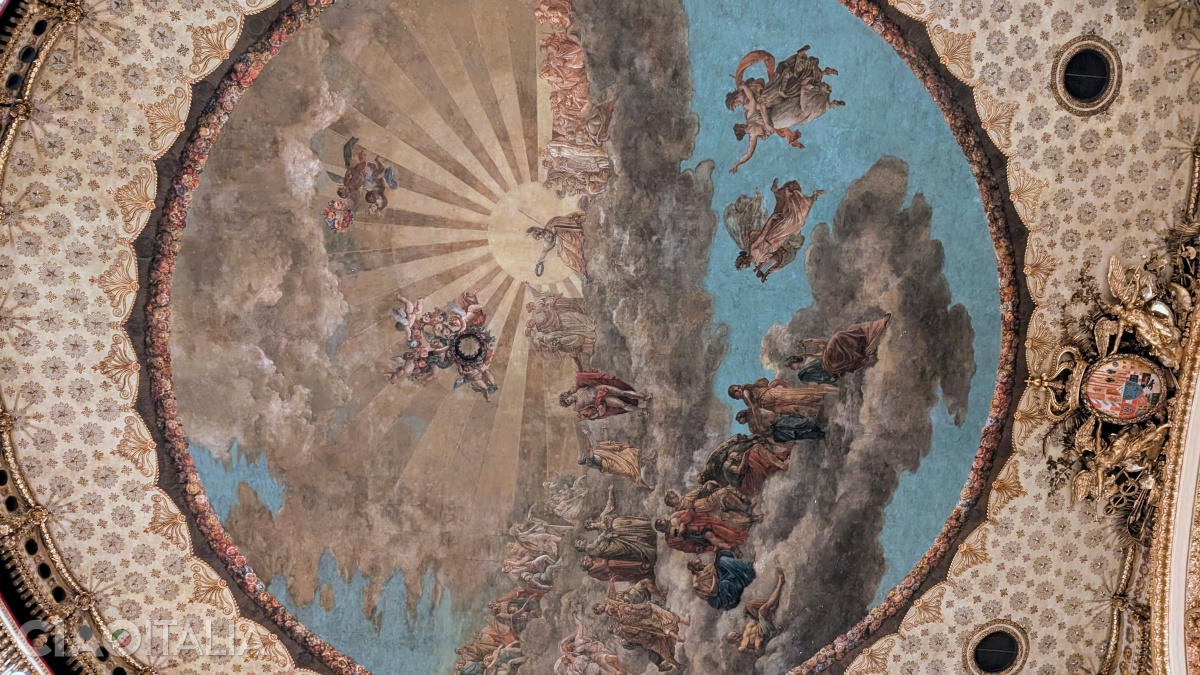
The ceiling, rebuilt after the fire, is covered by a large canvas painting depicting an allegory of poetry: "Apollo presenting the world's greatest poets to Minerva". The actual roof is located much higher up; behind the canvas, there is an empty space that functions as an acoustic chamber.
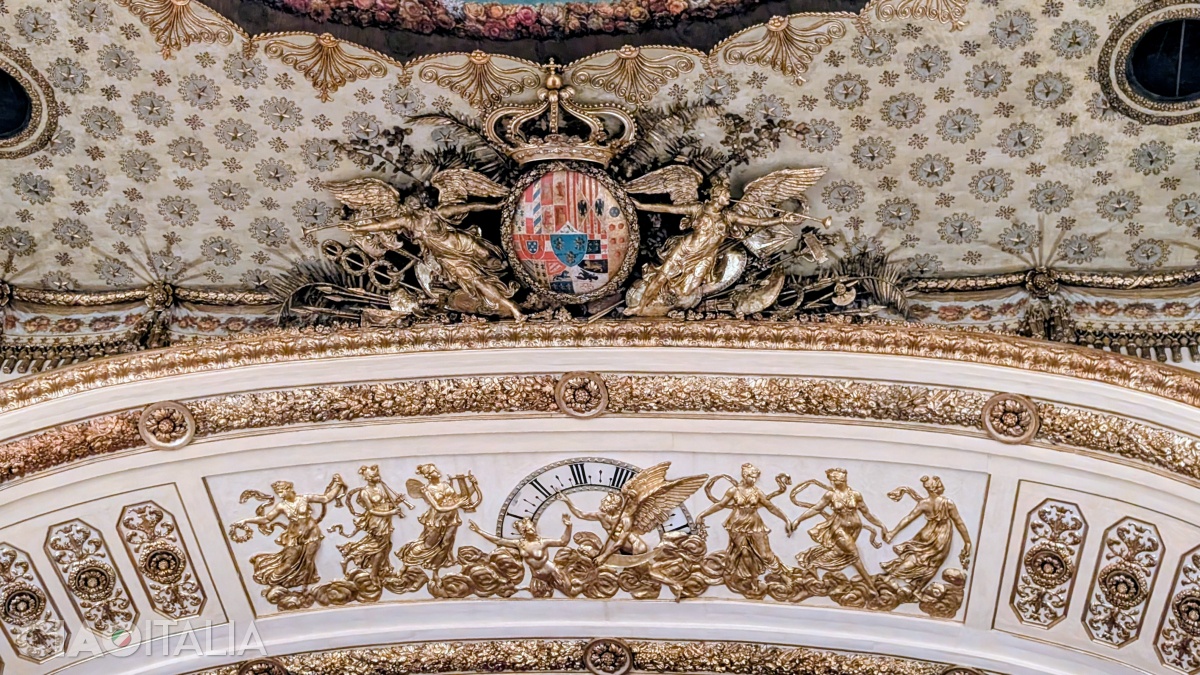
The coat of arms above the stage, also supported by two winged Victories, is the original one belonging to the Bourbon dynasty. This image was only discovered following the 1980 earthquake, when restorers noticed it had been covered by a later layer representing the coat of arms of the House of Savoy (the dynasty that unified Italy in 1861). The colors of the coat of arms - blue and silver - were the theatre's primary colors until 1845, when they were replaced by the current red and gold.
The clock beneath the coat of arms is quite unique. It does not function like a standard clock; instead, it features a mechanism where the dial itself rotates, with the numbers lining up with the finger of Chronos, the god of time. The siren Parthenope (at the base of the clock) points him toward the three muses on the left - Poetry, Music, and Dance - symbolizing that the passage of time should slow down to give way to art.
As with other theatres, the orchestra pit is movable. For productions that require scenery, such as operas, it remains below stage level. For concerts, it is raised to be flush with the stage.
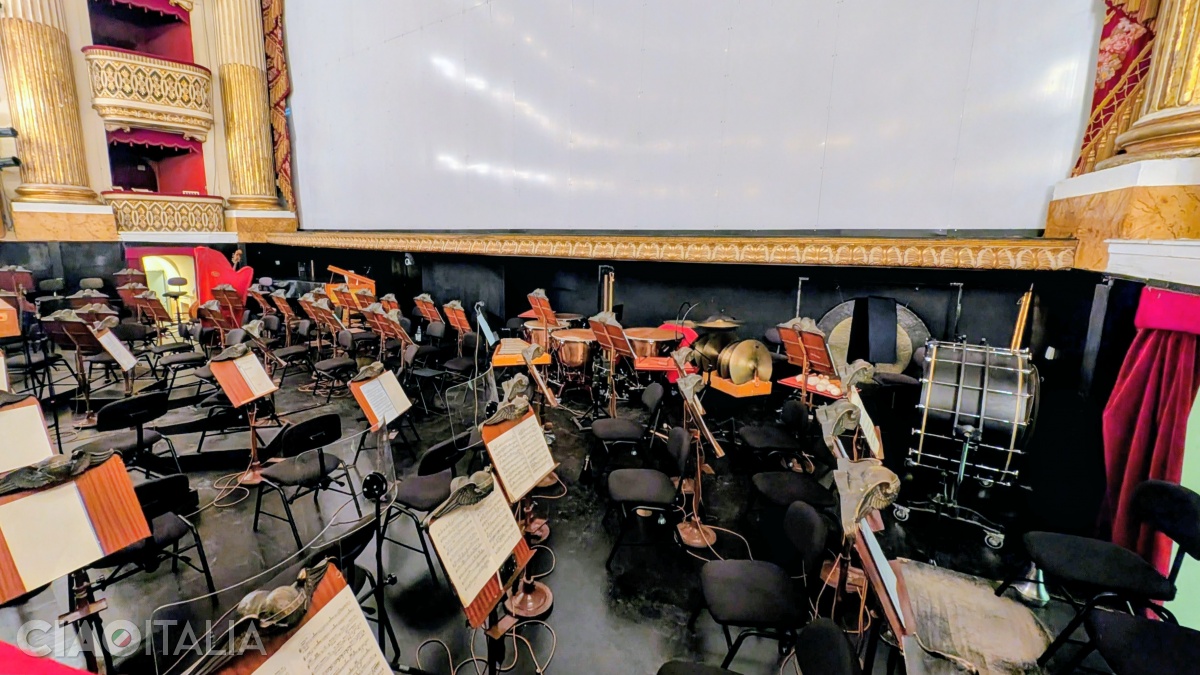
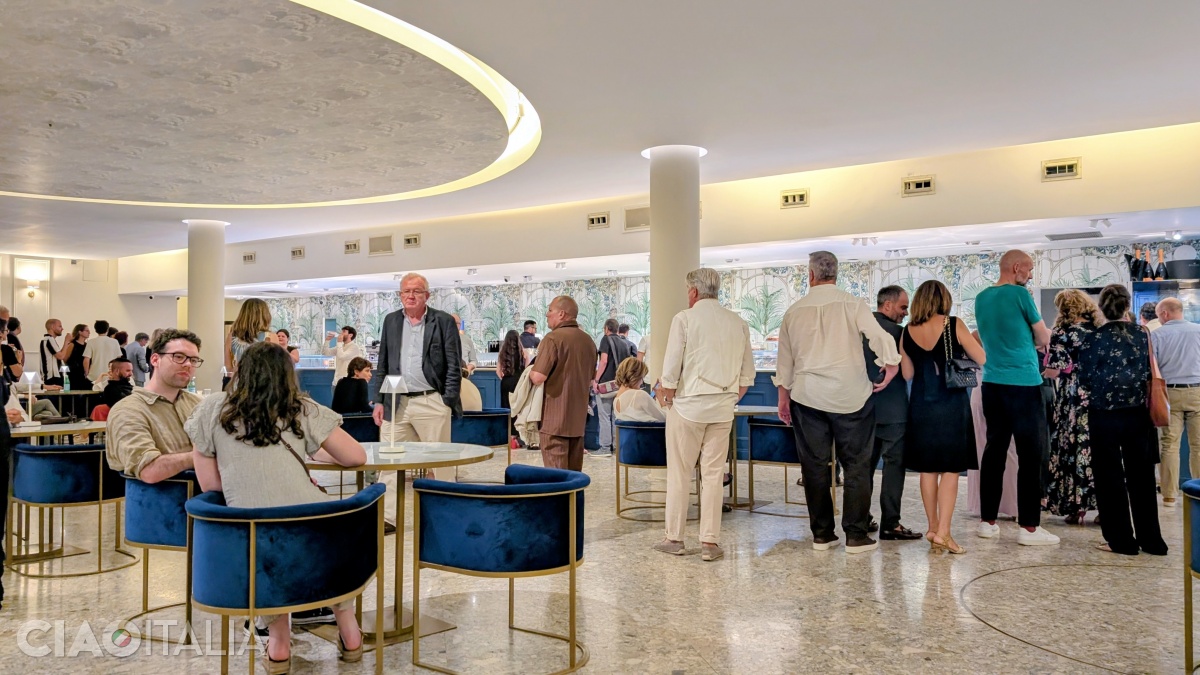
The only non-original element is the theatre floor, which was replaced during the general restoration in the 1990s. At that time, the café was constructed beneath it, and the climate control systems were installed between the hall and the café.
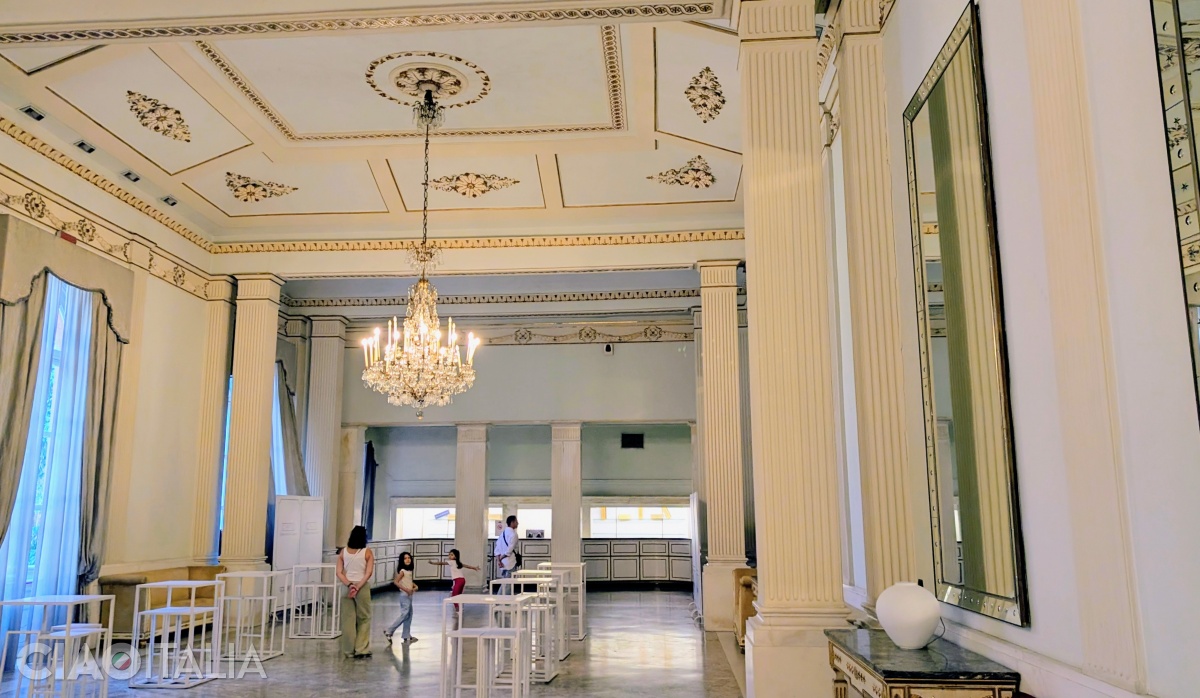
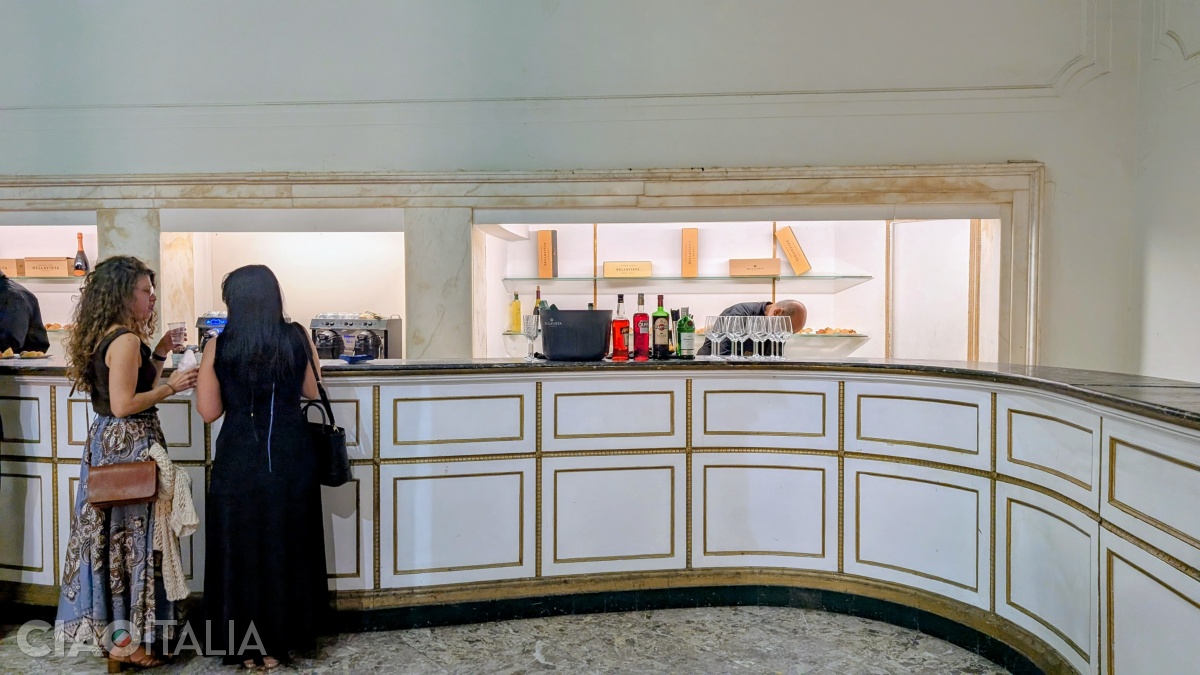
The side foyer is the most recently built section, dating from after World War II. Decorated in white and gold stucco in a neoclassical style - consistent with the rest of the theatre's interior - it is used during performance intermissions (when the café is also accessible) and is also available for private event rentals.