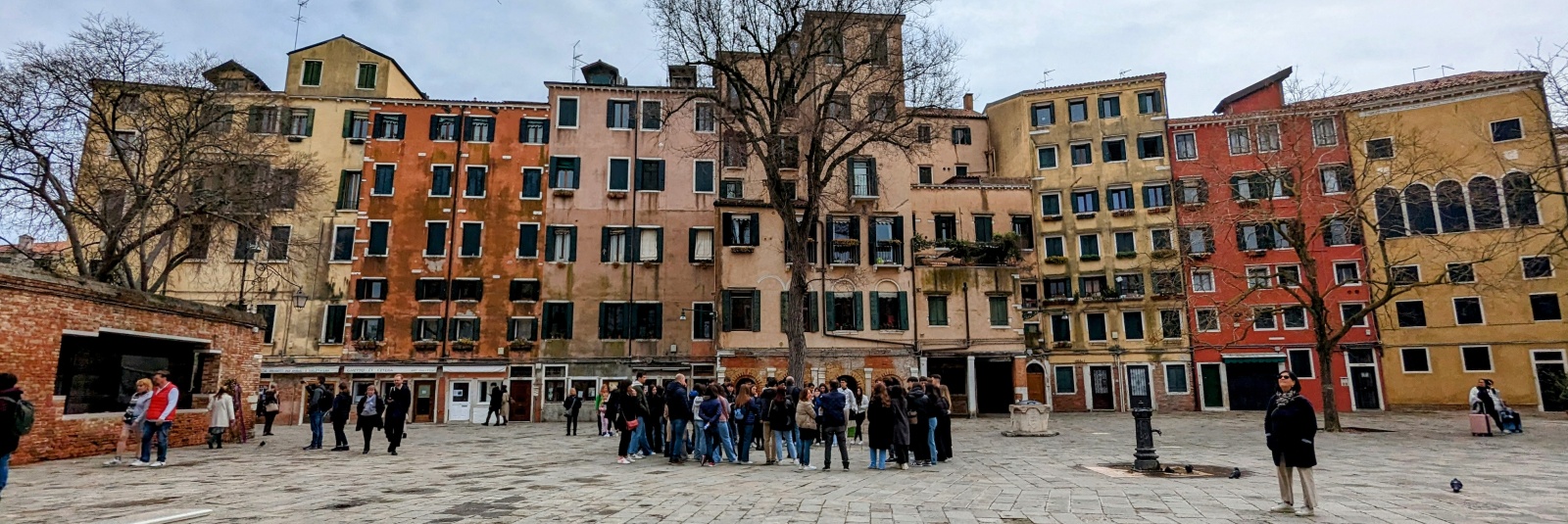
The Jewish Ghetto of Venice
The Jewish Ghetto of Venice is the one from which the word "ghetto", used today throughout the world, derives. Currently, it is an area where about 500 Jews still live and where synagogues, institutions, and Jewish restaurants can be found. A walk through the Jewish ghetto - perhaps including a guided tour or a visit to one of the synagogues - is among the things you can do in Venice, especially if you want to discover another, lesser-known part of its history.
Where is the Jewish Ghetto in Venice?
The Jewish Ghetto of Venice is located in the Cannaregio district and extends between the Cannaregio Canal and Rio della Misericordia.
The area is divided into the New Ghetto (Ghetto Nuovo) and the Old Ghetto (Ghetto Vecchio).
The nearest vaporetto stop is Guglie (you can get there with lines 4.1 or 5.1).
Where Did the Word "Ghetto" Come From?
The word "ghetto", used today all over the world, comes from the Venetian dialectal term ghèto, which originally designated the area where metal foundries for manufacturing cannons were located during the medieval period. Even back then, the area was divided into the "Old Ghetto" and the "New Ghetto" (referring to the old foundries and the new foundries). Later, the Venetian Jews were relocated and isolated in this part of the city.
How Did the Venetian Ghetto Originate?
Small Jewish communities settled in Venice even before the year 1000, but the first synagogues and a cemetery only appeared toward the end of the 14th century.
For two centuries, the Jews were alternately tolerated and expelled. Most of them lived near Mestre and were allowed to stay in Venice for a maximum period of 15 consecutive days, during which they could engage in commercial activities in the Rialto Market. They did not have the right to be members of a corporation or to own real estate, but they could lend money (at low interest), own pawnshops, trade in textiles, and practice medicine.
The situation changed at the beginning of the 16th century when, facing economic difficulties, the Venetian state accepted Jews into housing in the historical center in exchange for the payment of taxes. Due to protests that had arisen, especially among monks, and because their economic contribution was needed, it was proposed that the Jews continue to live in the city, but in a separate area. Thus, about 700 Jews of Italian, German, and Levantine origin were moved to a piece of land surrounded by canals and high walls, whose only two gates were closed and well-guarded from evening until morning. They paid higher rents and were forced to wear a yellow beret on their heads to be recognized - except for a few doctors and bankers.
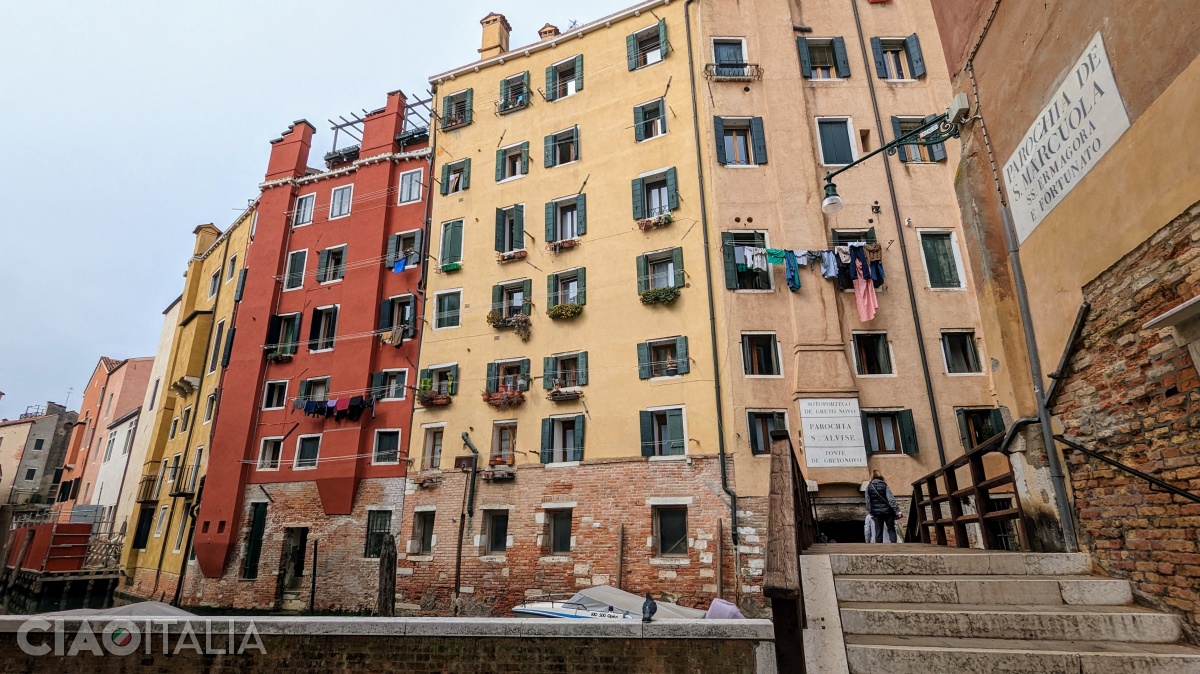
This area where the Jews were first confined is named Ghetto Nuovo ("New Ghetto"), after the more recent foundries that had operated here until the beginning of the 16th century. Officially established in 1516, the Venetian Ghetto was the first place in Italy where Jews were forced to live under certain restrictions in a separate area.
The Old Ghetto (Ghetto Vecchio) is the adjacent area (of the old foundries) where other Jewish families were moved a little later when space was no longer sufficient.
The Jewish Cemetery is located on Lido Island and operated until the end of the 18th century. The oldest tombstone dates back to 1389.
The New Ghetto (Ghetto Nuovo)
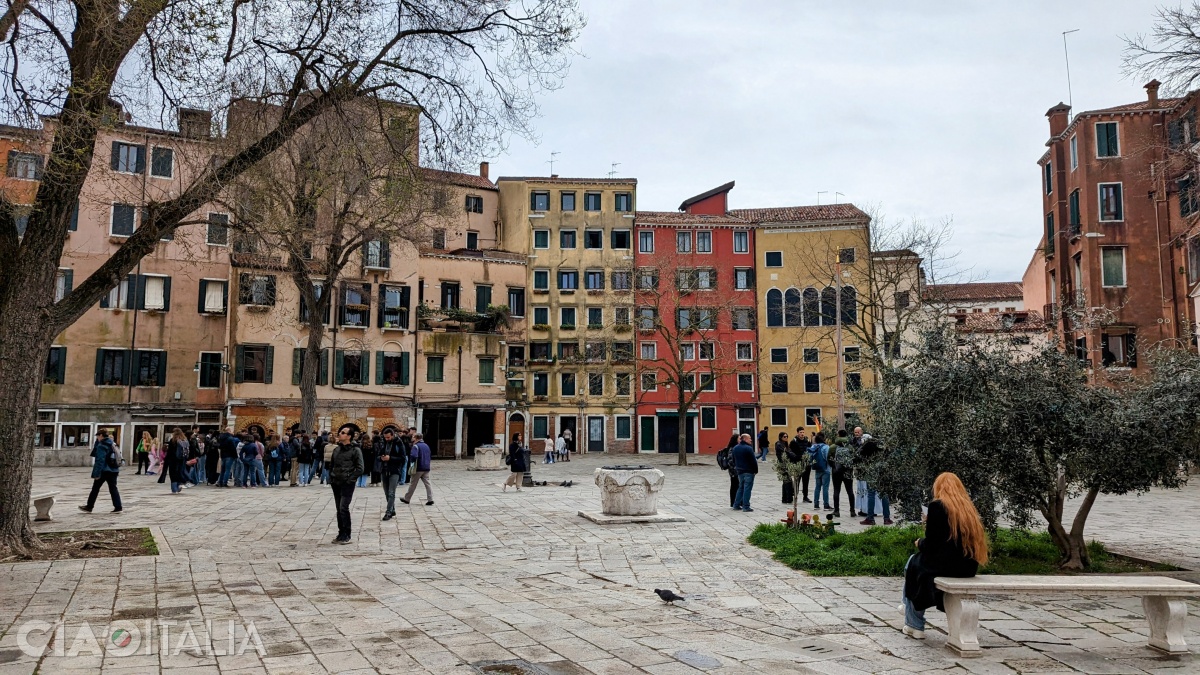
Go first to Campo del Ghetto Nuovo (the square in the New Ghetto). Once there, you will likely be struck by the height of the buildings, which look like apartment blocks. It is the only place in Venice where you will find constructions with so many floors. The buildings were heightened as the population grew and the need for space increased. To reduce the weight of the construction, the exterior walls were quite thin, the interior ones were made of wood, and the height of the floors was small, barely exceeding 2m. For the same reason of interior space economy, access stairs were built on the exterior of the buildings. They were made of wood, without steps and without handrails, like ramps climbing all the way up. It is hard to imagine people today going up and down such a staircase. Not coincidentally, they were nicknamed scale matte ("crazy stairs").
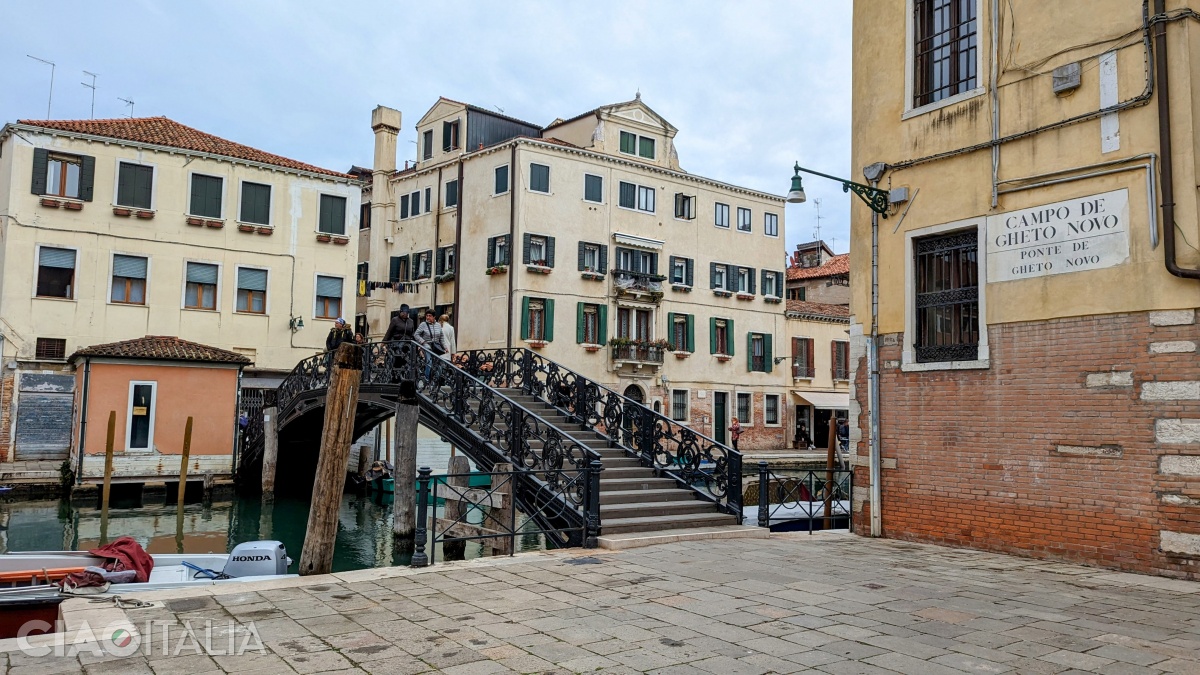
Today there are three access bridges to the New Ghetto, but in ancient times there were only two - the one on Rio della Misericordia did not exist. In the walls of two houses facing the Old Ghetto, you can still see the holes where the hinges of the gates that were closed when evening came once stood. The gates of the ghetto were demolished only after the arrival of Napoleon, at the end of the 18th century.
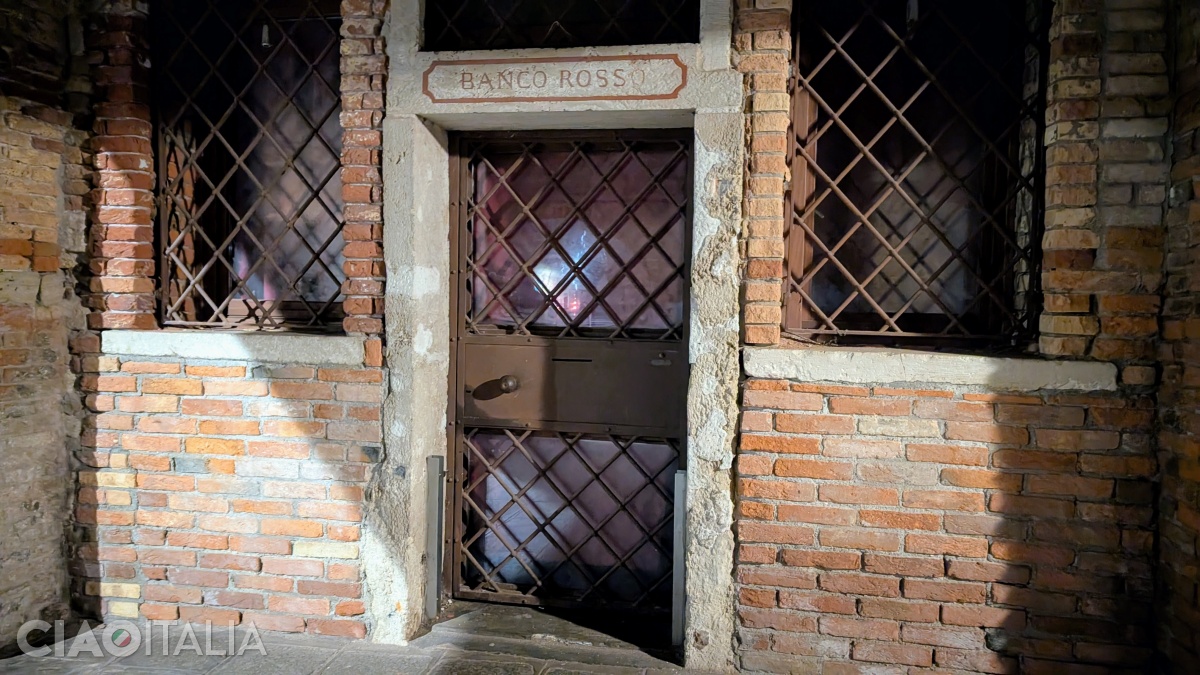
On the ground floor were the shops and pawnshops, which took their names from the color of the receipts they gave to customers - red, green, or black. The last documents that speak of these pawnshops, which functioned as a kind of bank, date from 1797. The place where the Banco Rosso was located (look for the brick arches) has been restored and transformed into a small museum.
In the New Ghetto, you will find the Jewish Museum and three synagogues (also called scuole - "schools"), which will be difficult to identify from the outside: the Italian Synagogue, the Great German Synagogue, and the Canton Synagogue.
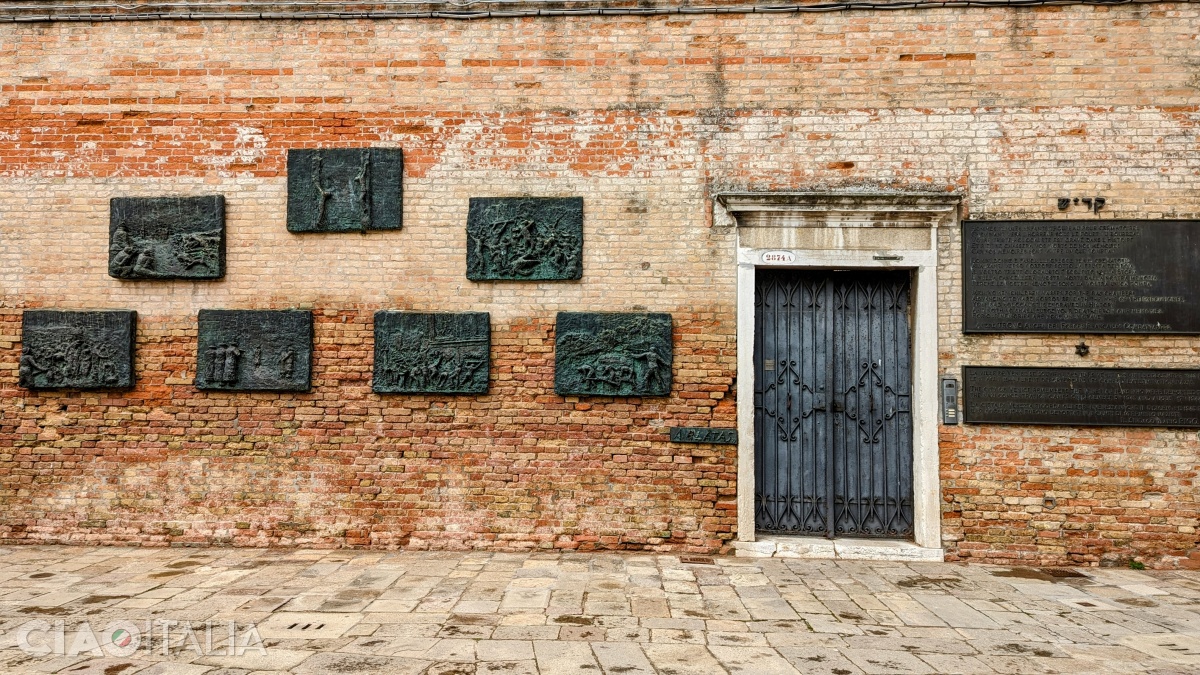
On one of the walls, you will notice seven bronze plaques. These form a monument created in 1980 by the Lithuanian artist Arbit Blatas, in memory of those who were deported by the Nazis.
The Old Ghetto (Ghetto Vecchio)
In the immediate vicinity, in the Old Ghetto, are the Spanish Synagogue and the Levantine Synagogue.
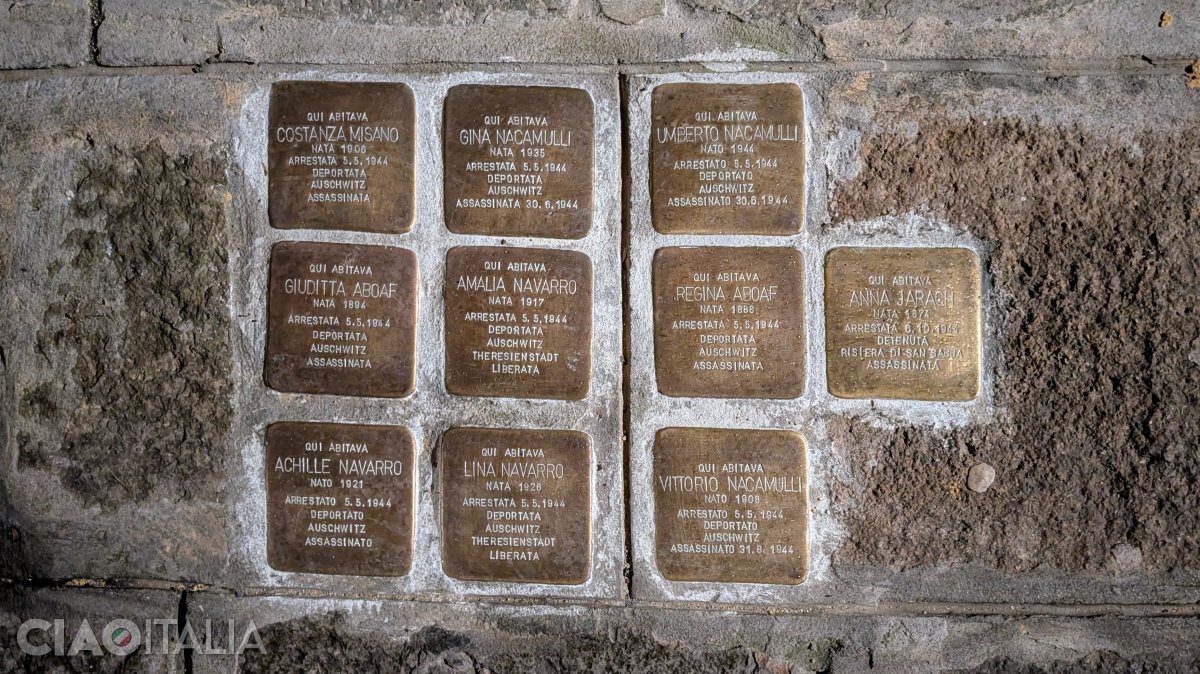
On the ground, in certain places, embedded in the pavement, there are (as in other European cities) small square plaques that commemorate the names of those who lived in these houses and who were deported to various concentration camps.