Venice Travel Tips
Venice, especially when visiting for the first time, can prove overwhelming. It is a wonderful city, but also very crowded and touristy, where it is inevitable to run into various issues - especially if you don't know how things work. Here are 10 tips that can help you during a city break in Venice.
1. Do Not Go by Car
If you can avoid driving, do it! In Venice, car traffic (as well as bicycles, except for a very limited area) is prohibited, and you will face the thorny issue of parking.
If you do go by car (for example, while on a tour through Italy), it is preferable to leave it in Mestre and take the train from there (see the article How to Get from Mestre to Venice). Another option, more expensive, is to try leaving the car in one of the paid parking lots in Piazzale Roma, where all trams and buses stop. You can find more details in the article about parking in Venice.
2. Avoid Visiting Venice in July and August
July and August are not only the busiest months but also the hottest and most humid. Additionally, accommodation prices are significantly higher. Visiting Venice during this period might not offer the best experience, and you could leave with the (mistaken) impression that the city is overrated.
If you have the choice, opt to visit Venice in September, October, or even November. Alternatively, consider spring or early summer - from April to June (though the city starts getting crowded as early as May). For a quieter experience, you could even try visiting in winter - we got lucky and were able to sit outside at a café even in February, during the Carnival.
3. Don't Forget about the Venice Entry Fee
Don't forget the Venice entry fee (called contributo di accesso in Italian), recently introduced. This fee applies only on certain days of the year (days when authorities anticipate a higher flow of tourists) and must be paid only by those who are NOT staying overnight in Venice or its surrounding municipalities.
Even if you have accommodation in Venice and are exempt from paying the fee, it is very important to know that if you are there during those specific periods, you will need to register (for free) to obtain an access QR code.
4. Don't Confuse the Entry Fee with the City Tax
Many people confuse the Venice entry fee with the city tax (or local tax, called tassa di soggiorno or imposta di soggiorno in Italian).
Unlike the entry fee, which applies only for certain periods and must be paid only by those who do not have accommodation in Venice or the surroundings, the city tax is mandatory for everyone staying overnight. Its value is established by law and depends on the category of the accommodation unit (the fee is higher the more stars the hotel has), the period (lower in the off-season - Jan 1-31; higher in high season - Feb 1-Dec 31), and the location of the hotel or apartment (in the center, on the islands, or on the mainland).
The city tax can be up to €5/ person/ day and applies for a maximum of 5 consecutive nights. Children under 10 are exempt from this tax, and children between 10 and 16 receive a 50% discount.
5. Check the Accommodation Rules
When choosing accommodation in Venice, especially regarding apartments, check the check-in and check-out times carefully. Many apartments impose a specific interval for checking in. Outside of this, they will force you to pay an extra fee, which can be considerable.
Also, when booking accommodation, check if the total price includes the city tax mentioned above. Usually, this is paid directly at the hotel or apartment.
6. Buy a Transport Pass
Depending on what you want to visit and how much you want to walk, see if it's worth buying a transport pass. The city might seem small, but it is full of arched bridges, stairs, and incredibly narrow streets where GPS signals are often lost. By the end of the day, you will find you've walked much more than you expected - which is fine for those used to walking but can become a problem for those with mobility difficulties.
Public transport in Venice relies on the vaporetto. These water buses (though quite expensive and often very crowded) help you move around more easily and see more places, especially if you aren't the type to walk all day. Additionally, you can quickly cross from one side of the canal to the other without wasting dozens of minutes reaching the next bridge (Grand Canal is crossed by only four bridges but is 4 km long). Of course, there is also the traghetto type gondola (the boats used by locals to cross the Grand Canal), but passenger numbers are limited and you might wait a long time in line for a crossing.
With the vaporettos, you can also easily reach San Giorgio Island, the islands of San Michele, Murano, Burano, and Torcello, or other islands in the Venetian lagoon.
A single vaporetto trip costs €9.5, while a one-day pass is €25 (cheaper if bought for multiple days). Essentially, if you plan to take more than two trips, it is more convenient to buy an ACTV pass. Very important: do not forget to validate your ticket or pass every single time before boarding the water bus (We have repeatedly seen inspectors fining tourists).
7. Book Your Attractions in Advance
If you plan to visit the most important sights in Venice, make sure to book ahead, as online tickets sell out quickly. For St. Mark's Basilica, and St. Mark's Campanile, it is no longer even possible to buy tickets directly on-site, and at the Doge's Palace, the queues at the ticket offices can be quite long.
8. Avoid Tourist Traps
We've heard many people say: "I ate the worst pizza in Venice" or "Venice is way too touristy and expensive". Yes, it can be like that (we admit it was for us the first time), especially if you don't do a bit of research beforehand. Since you are in Venice, save the pizza idea for other places in Italy (preferably Naples) and try Venetian food! Avoid places with a "tourist menu" (which usually features spaghetti alla bolognese - the American version, as in Bologna, ragù is actually served with tagliatelle pasta, not spaghetti) and also avoid places where waiters try to lure you in from the street.
You will also see many windows full of cannoli (a typical Sicilian dessert) or meringues. We advise you to avoid these too (they are neither the freshest nor the most natural). Instead, choose traditional historic patisseries or the classic tiramisù, which originated in the nearby area of Treviso and is on most restaurant menus.
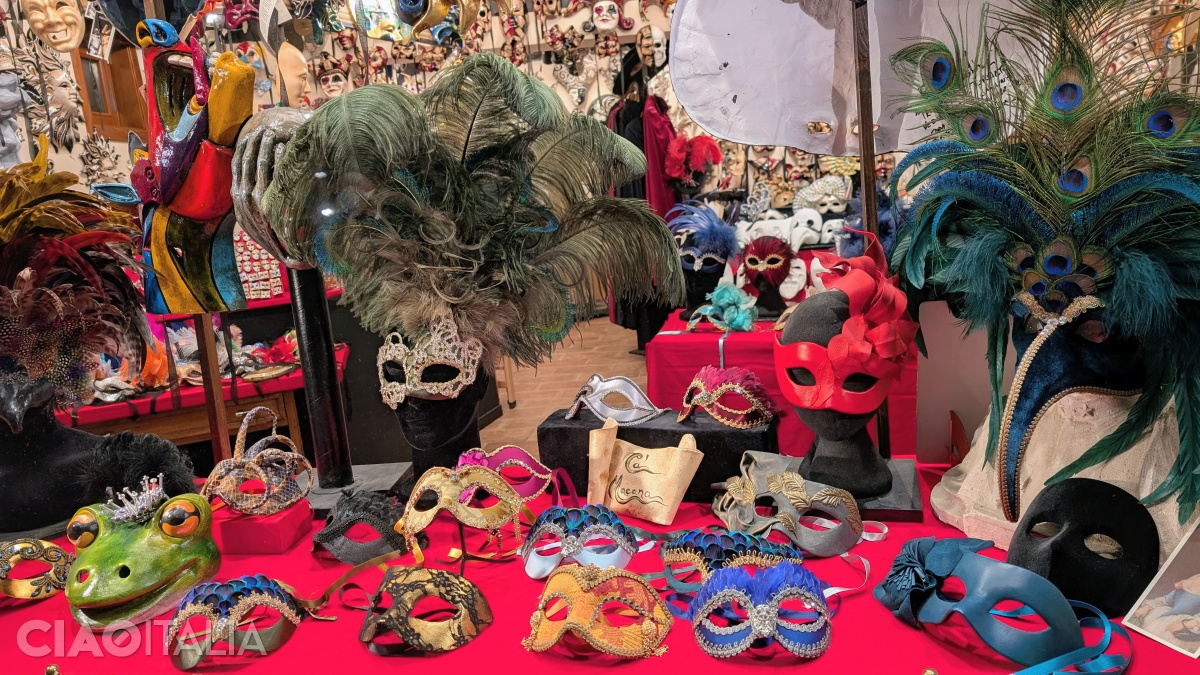
For an authentic souvenir, steer clear of the stalls selling masks and other items made in China. Instead, look for the small art shops near the Peggy Guggenheim Collection (or even the museum shop itself - either the one inside or the one with direct street access) and genuine Carnival mask workshops (such as La Bottega dei Mascareri, located very close to the Basilica dei Frari).
If you want to buy Murano glass, look for items marked with the Vetro Artistico® Murano trademark. This guarantees that they were actually crafted by a master glassmaker on the island of Murano.
9. Make Restaurant Reservations
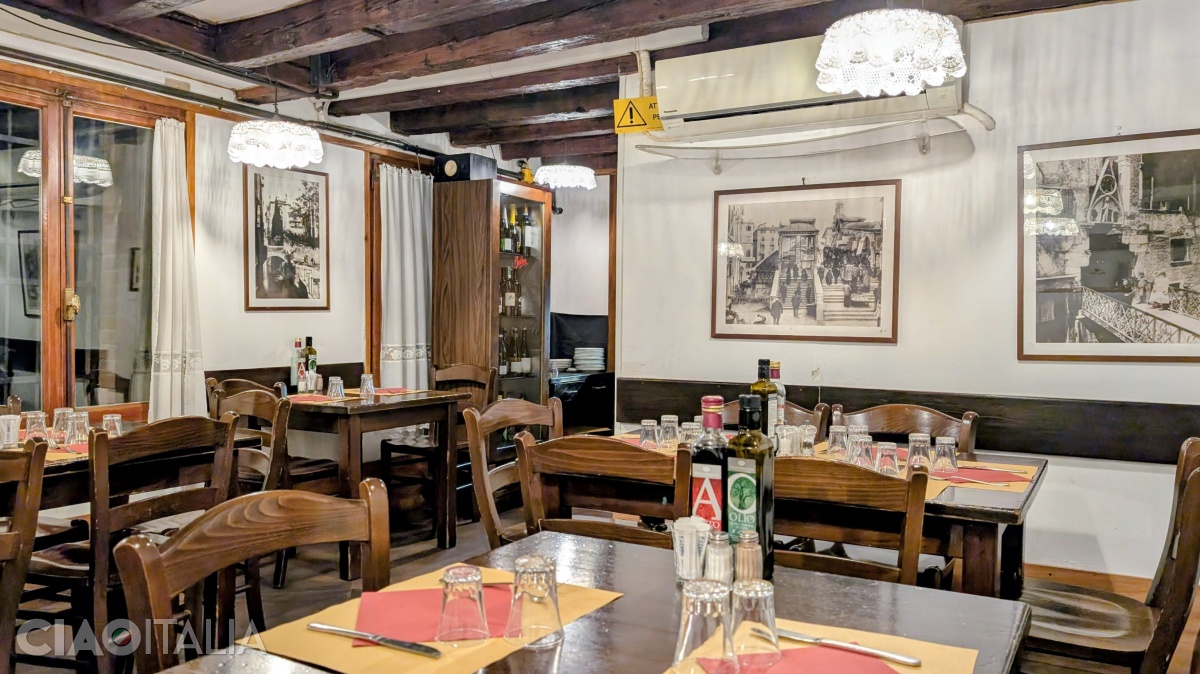
If you've found a restaurant you like (we advise choosing those that primarily have good reviews from Italians), make a reservation - especially for dinner, several days in advance. Otherwise, you risk waiting in line for dozens of minutes or not being able to get in at all. In Venice, restaurants do not have many tables, and you will find that the popular ones are almost always full.
10. Don't be Afraid to Drink Tap Water or Water from City Fountains
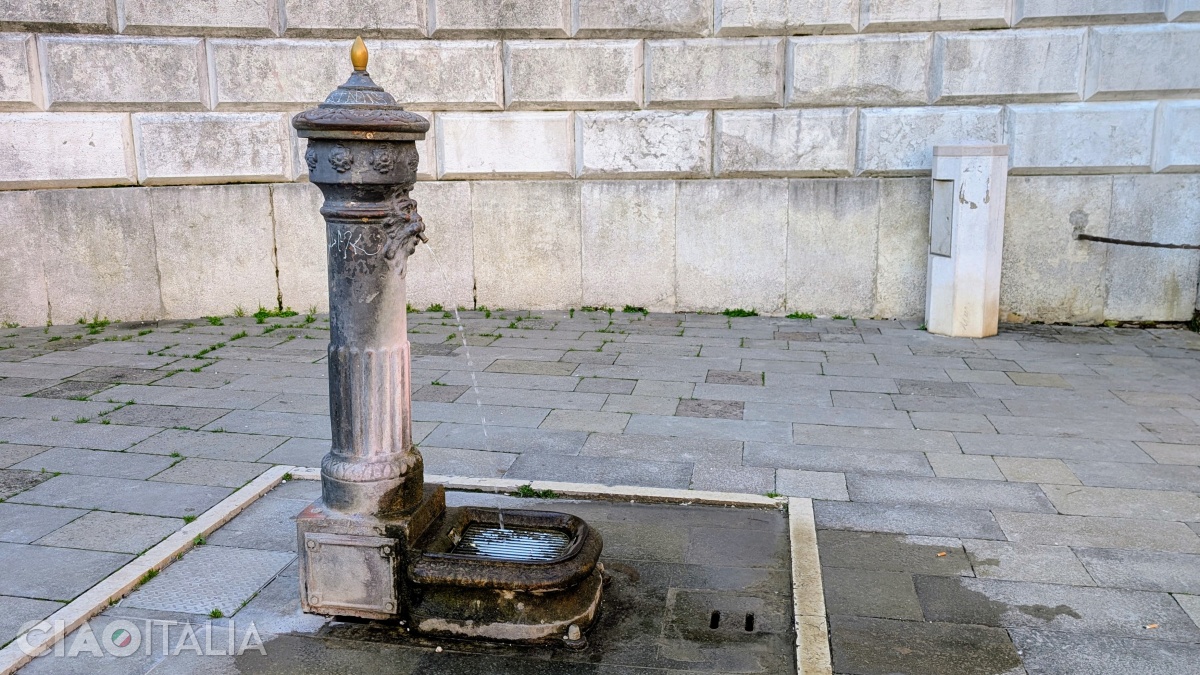
The water flowing from Venice's taps is not only drinkable but also one of the cleanest in Italy. It is brought via aqueduct from the mainland and is carefully treated and monitored, so you can drink it safely. The same goes for the water from over a hundred small fountains scattered throughout the city. Unlike Rome, where they are called nasoni, or Turin, where they are called torèt, in Venice, these are simply called fontanelle ("small fountains").
A tip: bring a reusable bottle and fill it from these fountains as needed. To reduce the number of plastic bottles ending up in the canals, the Venice City Hall even created a map of public drinking water fountains that you can use to find the one closest to you.
11. Move Away from Crowded Areas
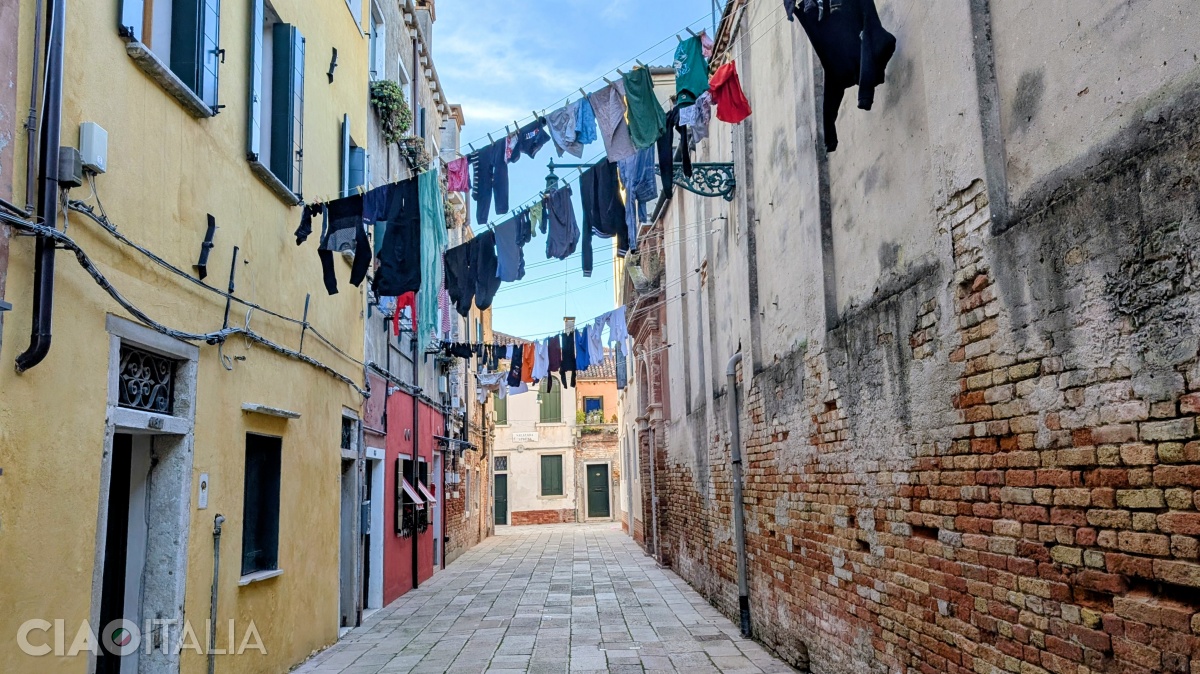
Venice is not just St. Mark's Square and the Rialto Bridge. It is important, of course, to see these areas, but if you have time, try to go to less crowded neighborhoods like Cannaregio, Dorsoduro, or Castello. You will discover very narrow and almost empty streets, picturesque canals, and locals going about their lives quietly, away from the millions of tourists storming the city.
12. Stay Informed about Acqua Alta
The high tide (called acqua alta in Italian) is a normal natural phenomenon in Venice. It doesn't happen too often, doesn't last long, and doesn't flood the whole city equally due to altitude differences. The platforms you see stacked on the streets or in St. Mark's Square are used as walkways during periods when acqua alta reaches levels up to 120 cm.
High water levels are announced via sirens as follows:
- Over 110 cm: an initial signal followed by one long tone
- Over 120 cm: an initial signal followed by two tones
- Over 130 cm: an initial signal followed by three tones
- Over 140 cm: an initial signal followed by four tones
To track the tide level, you can use the official app, Hi! Tide Venice (available on Google Play or App Store) or the bulletin from the Venice Tide Center.