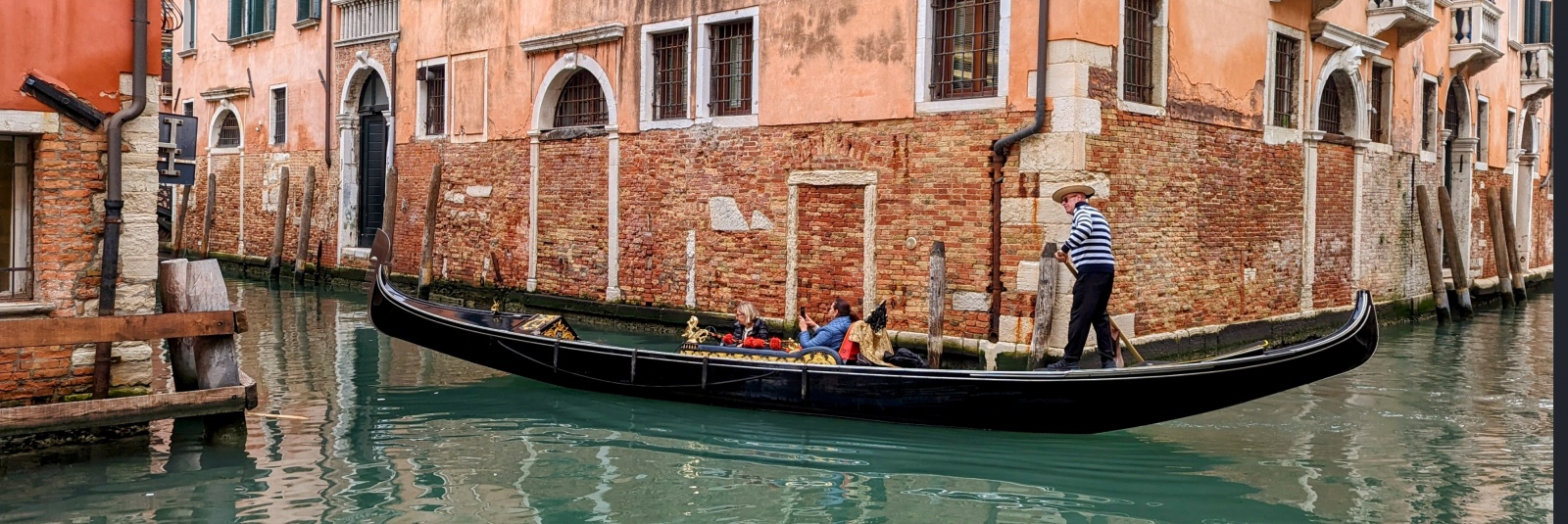
Gondola Ride in Venice (2026 Info, Price and Tours)
Most of the time, when you say "Venice", the image that immediately comes to mind is that of a gondola gliding lazily along the Grand Canal. Beyond the clichés and the somewhat "touristy" character, a gondola ride in Venice should be experienced at least once in a lifetime. This is because the famous Venetian gondola helps you experience the lagoon city in a different way.
Peggy Guggenheim, who lived much of her life in Venice and left the city the modern art museum that bears her name, used to say:
"To go out in a gondola at night is to reconstruct in one's imagination the true Venice - the Venice of the past, alive with romance, elopements, abductions, revenged passions, intrigues, adulteries, denunciations, countless deaths, gambling, songs, and lutes".
Even if perhaps not to the same extent, her words can also apply to a gondola ride during the day yime.
How Much Does a Gondola Ride in Venice Cost?
When it comes to the price of a gondola ride in Venice, there are official rates (which some gondoliers happen to ignore) and rates for tours organized by various companies, with online booking and skip-the-line tickets.
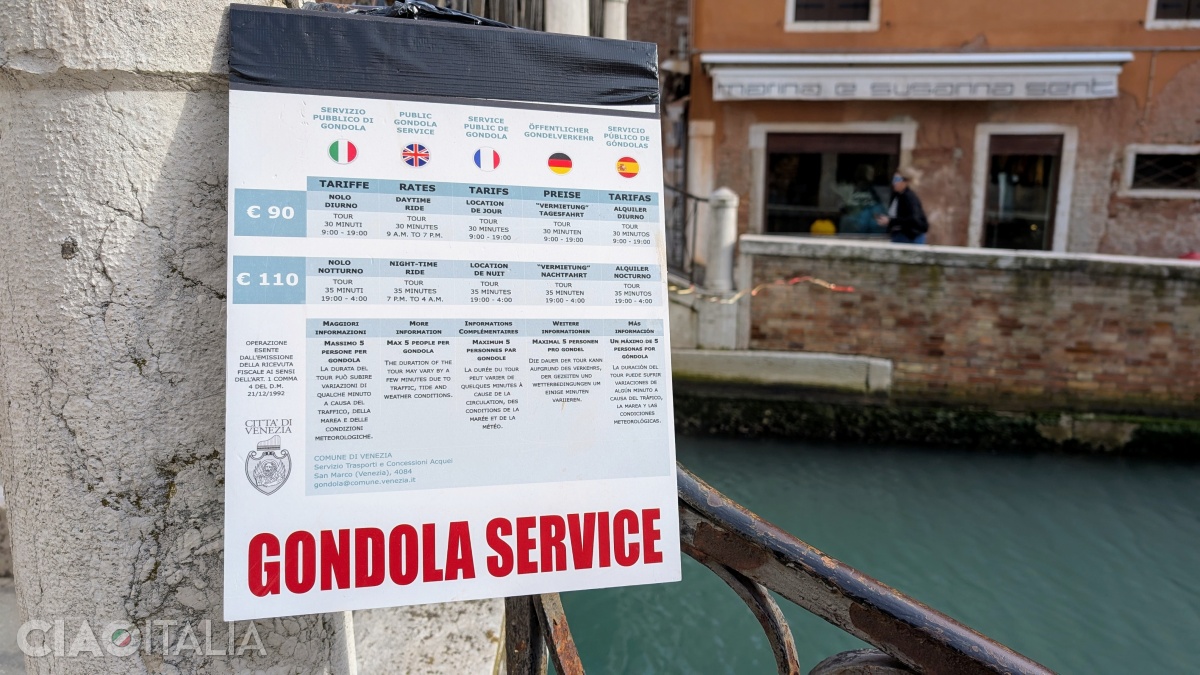
In 2026, the official price for a gondola ride is:
- €90/ gondola for a 30-minute ride during the day (between 09:00 and 19:00)
- €110/ gondola for a 35-minute ride at night (between 19:00 and 04:00)
It can be advantageous to hire a gondola on the spot at this rate (generally only cash payments are accepted) if you are traveling, for example, in a group of 4 people. The disadvantage may consist of long queues (in high season), long waiting times, and the fact that the official price is not always respected.
Often, it can be more advantageous, cheaper (especially if there are only 2 of you and you don't mind sharing the gondola with others), and more convenient to book online. There are several companies that offer this possibility, and the services included vary.
There are several factors that change the price of a gondola ride - whether the ride is shared or private, whether it is guided or not, whether it takes place during the day or during the night, whether it includes a serenade, drinks, snacks, or dinner, and whether it includes guided visits to various tourist attractions.
In general terms, the price of a gondola ride in Venice (with online booking) for the year 2026 is:
- Gondola ride without a guide (shared tour, with or without a mobile app for explanations): from €35-€40/ person
- Gondola ride with a guide (shared tour): from €40-€50/ person
- Gondola ride and serenade (shared tour): from €50-€60/ person
- Gondola ride and guided visit to other sites (such as St. Mark's Basilica or the Doge's Palace): from €85/ person
The main gondola stations are:
- Danieli
- Molo
- Dogana
- Trinita
- Santa Maria del Giglio
- San Toma
- San Beneto
- Carbon
- Santa Sofia
- San Marcuola
The Venetian Gondola
The gondola is the traditional Venetian boat, long and narrow, renowned worldwide.
While in past centuries gondolas were used as the primary means of transport in Venice, today they are mainly intended for tourists. It is enough to consider that in the 18th century, around 8,000 gondolas navigated the canal waters - today there are only about 400.
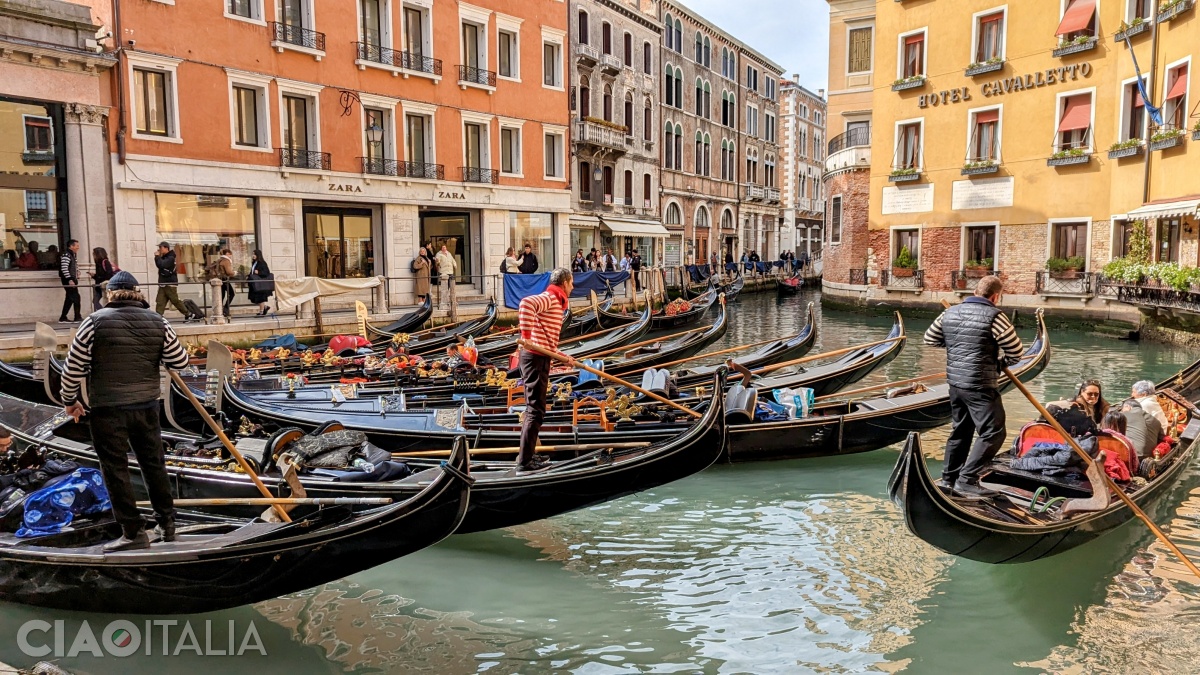
Here are some interesting facts about Venetian gondolas:
- The first documented record dates back to the year 1094, during the time of Doge Vitale Falier, when the gondola was mentioned in a law aimed at regulating boat traffic in the lagoon. However, some believe that gondolas existed even before 697, when the first doge was elected.
- The origin of the name is unknown. According to some hypotheses, it derives from Latin, from the word cunula ("cradle"); according to others, it comes from the Greek word kondoura (a type of boat).
- A Venetian gondola is made of 280 parts, manufactured from 8 different types of wood (lime, larch, oak, fir, cherry, walnut, elm, and mahogany).
- Building a gondola can take more than a year and is customized according to the gondolier.
- Gondolas have standard dimensions: about 11 m long and 1.40 m wide. The left side is 24 cm higher than the right, a modification introduced only in the 19th century to compensate for the weight of the gondolier. This is why gondolas tilt to one side.
- A gondola weighs about 400 kg. Despite this, it is easily maneuvered by the gondolier using a single oar made of beech wood and a carved walnut wood support called a forcola.
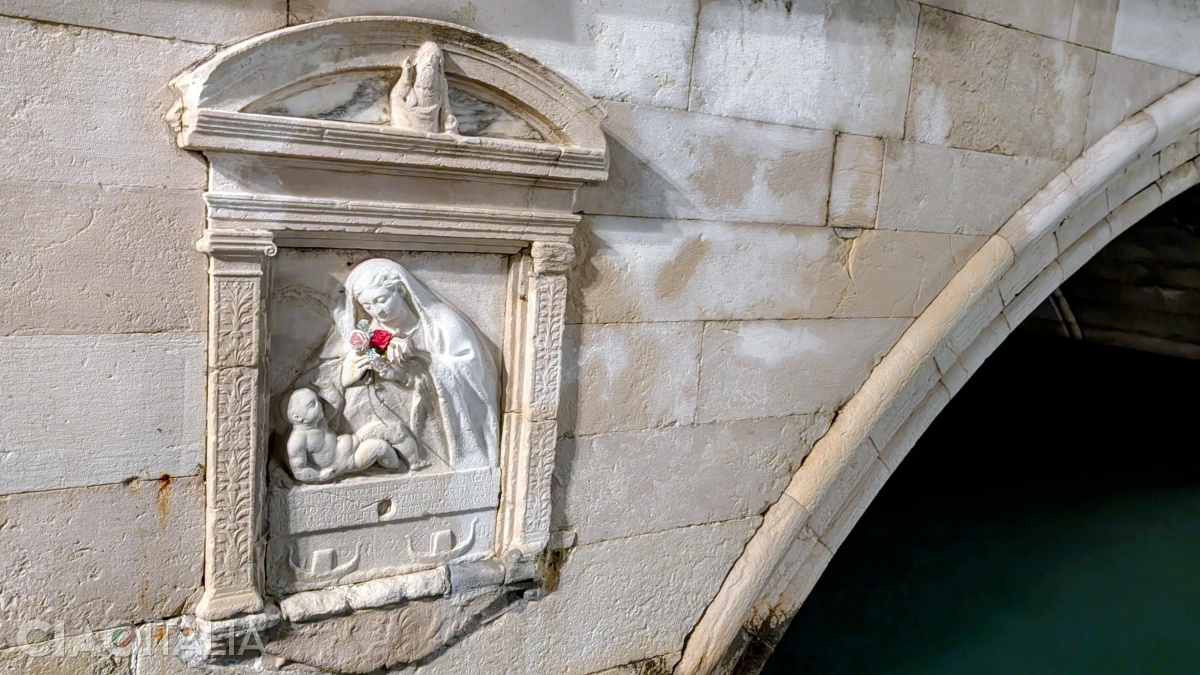
- Around the 16th century, a cabin (felze) was added to the gondola to protect passengers from bad weather and prying eyes. These cabins eventually disappeared as gondolas transitioned into purely tourist vessels. Two such gondolas are depicted on the small altar of the Virgin Mary, which belonged to the gondoliers' guild. The altar was carved in 1583 into the outer arch of the Ponte della Paglia.
- The official color of Venetian gondolas is black. Some say it is a symbol of mourning for the many Venetians who perished in the plague of 1630 (after which the Basilica of Santa Maria della Salute was built) or for the glory lost after the fall of the Republic in 1797. The most credible hypothesis involves a series of decrees from the 16th and 17th centuries aimed at limiting the excessive use of ostentatious decorations. Since then, black has been mandatory, and exterior decorations have been limited to three: the curly tail, a pair of seahorses, and the prow with five or six teeth, called the ferro. Black was partially used even before these decrees, actually due to the use of pitch as a waterproofing agent.
- Urban legends attribute a romanticized meaning to the shape of the prow (ferro). Thus, its S-shape is said to evoke the Grand Canal, the six front teeth symbolize the six districts (sestieri) of Venice (from bottom to top - Cannaregio, Dorsoduro, Castello, Santa Croce, San Polo, and San Marco), and the tooth pointing backward represents the island of Giudecca. The arched shape above the top tooth (symbolizing the San Marco district) is said to be the Rialto Bridge, and the larger part at the top represents the Doge's hat (corno). In fact, the explanation is much more practical. Originally, the ferro, which could weigh up to 20 kg, served to counterbalance the gondolier's weight and protect the gondola from potential impacts.
- Some gondolas feature three small ornaments between the teeth of the prow. According to the same urban legends, these represent the three important islands of the Venetian lagoon - Murano, Burano, and Torcello - or the three nails of the crucifixion of Jesus.
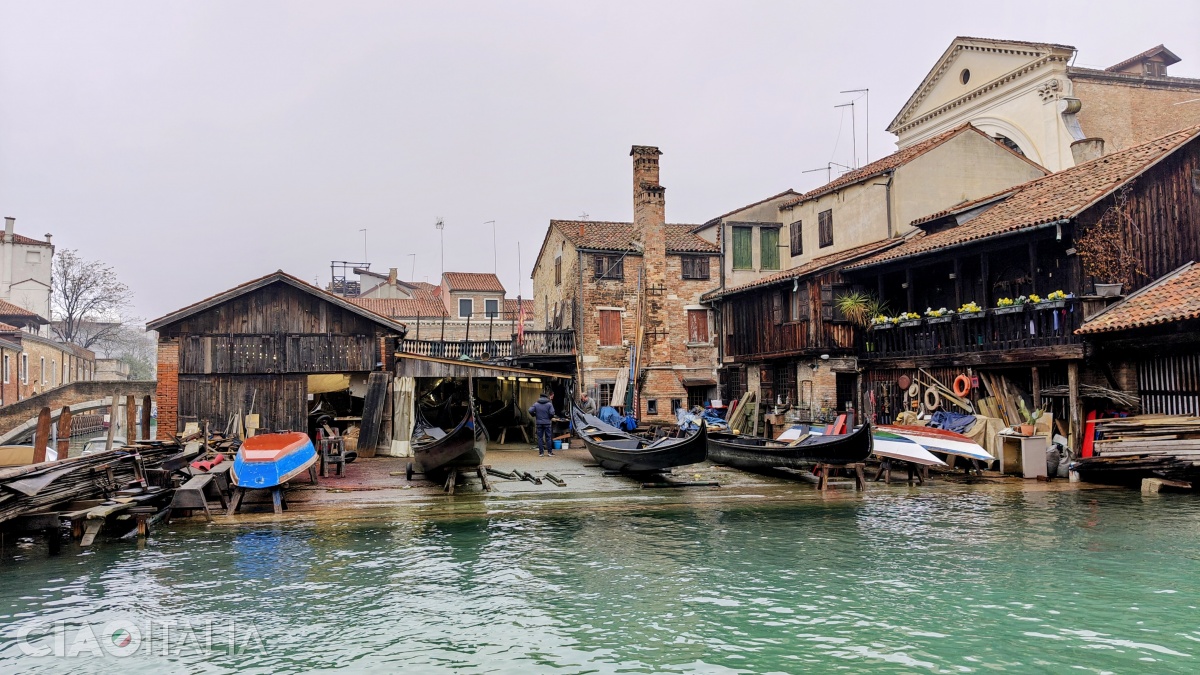
- In Venice, there are currently only a few shipyards (squeri) for the construction and repair of gondolas. Among them, the most important is Squero di San Trovaso in the Dorsoduro district, which can be visited (by reservation).
How Does a Gondola Ride Work?
If you choose to include a gondola ride among your visits to the many tourist attractions in Venice, here is some information you should know beforehand:
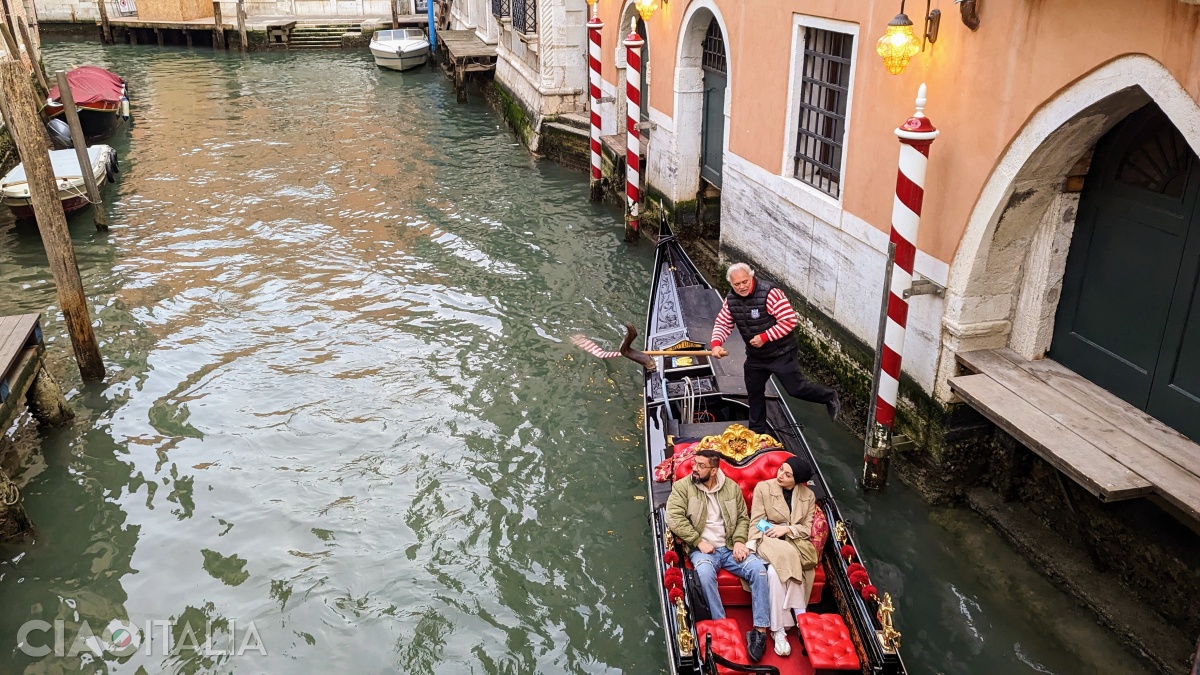
- A gondola can fit up to 5 people (including children), not counting the gondolier. The number of people allowed depends on the maximum accepted weight so that navigation is not affected. The gondolier may decide to change the seating of certain people in the gondola to ensure its balance. As such, you might not sit in your preferred spot.
- Most Venetian gondolas drop you off at the same place where you embarked.
- A gondola ride in Venice generally lasts around 25-30 minutes, but there are tours that can last longer.
- Some gondola rides are group tours (you may be in the boat with other people who signed up), others are private.
- Certain tours offer a professional guide, others a phone app, and some do not have a guide. In most group tours, the guide stays in one gondola, and participants in the other gondolas listen to explanations through an audio device provided upon boarding.
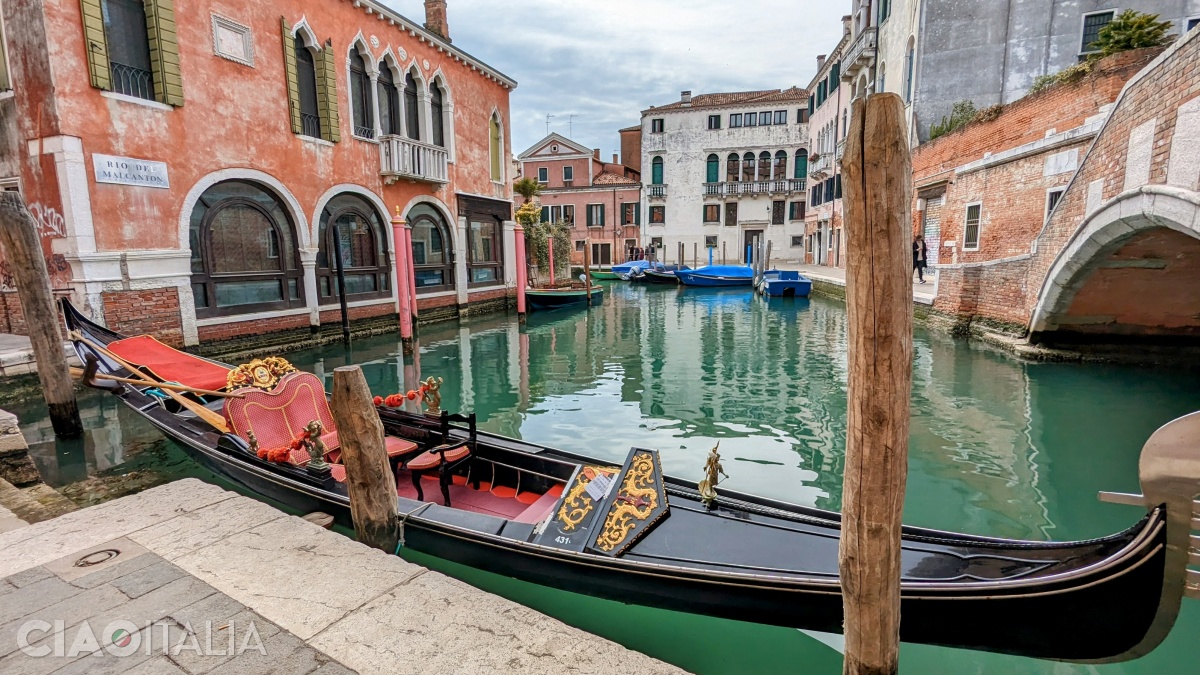
- Some gondola tours include a serenade. In most cases, there isn't a singer in every gondola; they are positioned (depending on the size of the group) in only one or some of the gondolas so that all participants in the excursion can hear the serenade.
- If certain gondola excursions promote a sunset ride, it would be wise to check what time the sun sets during your stay in Venice before signing up.
- There are also combined excursion options - a gondola ride and guided visits to various tourist attractions (such as the Doge's Palace, the Bridge of Sighs, or St. Mark's Basilica).
- Depending on the period you visit Venice, the larger canals can be very crowded, and there may be waiting times during the boat ride.
- If you want to avoid queues, it is best to book your gondola ride in advance.
- In case of wind or bad weather, the gondolier may decide to change the route, or the excursion may be rescheduled or canceled.
- Pets and bulky luggage are not allowed in the gondola.
Bonus Tip: Gondola Ride for 2 Euros
Well, yes, this option exists. It doesn't last 30 minutes, nor is it exactly a "ride" - it is actually a crossing of the Grand Canal, which takes only a few minutes. However, it can be an alternative if you don't have a budget to spend on gondola rides but still want to get at least a little taste of the experience.
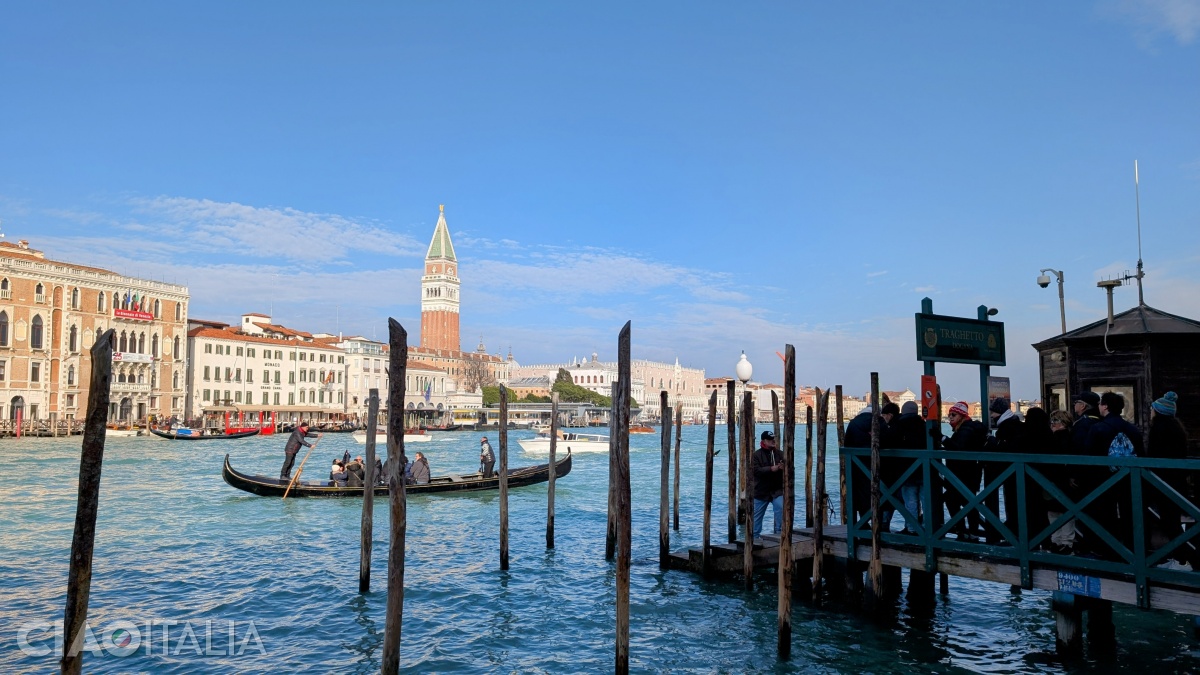
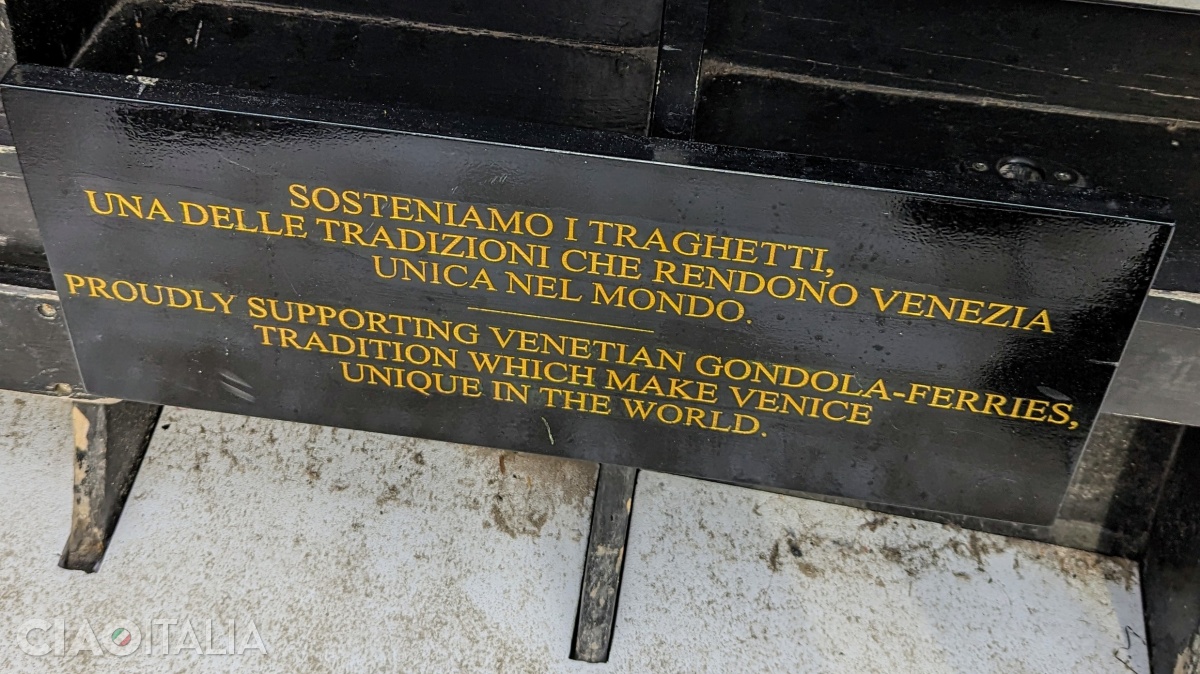
These gondolas are wider than traditional ones and are steered by two gondoliers. They are called traghetto gondolas (the official name is traghetto da parada) and are used by locals to cross on a regular basis the Grand Canal. They pay €0.7/ person, but the price for tourists is €2.
A traghetto gondola can accommodate 12 people.
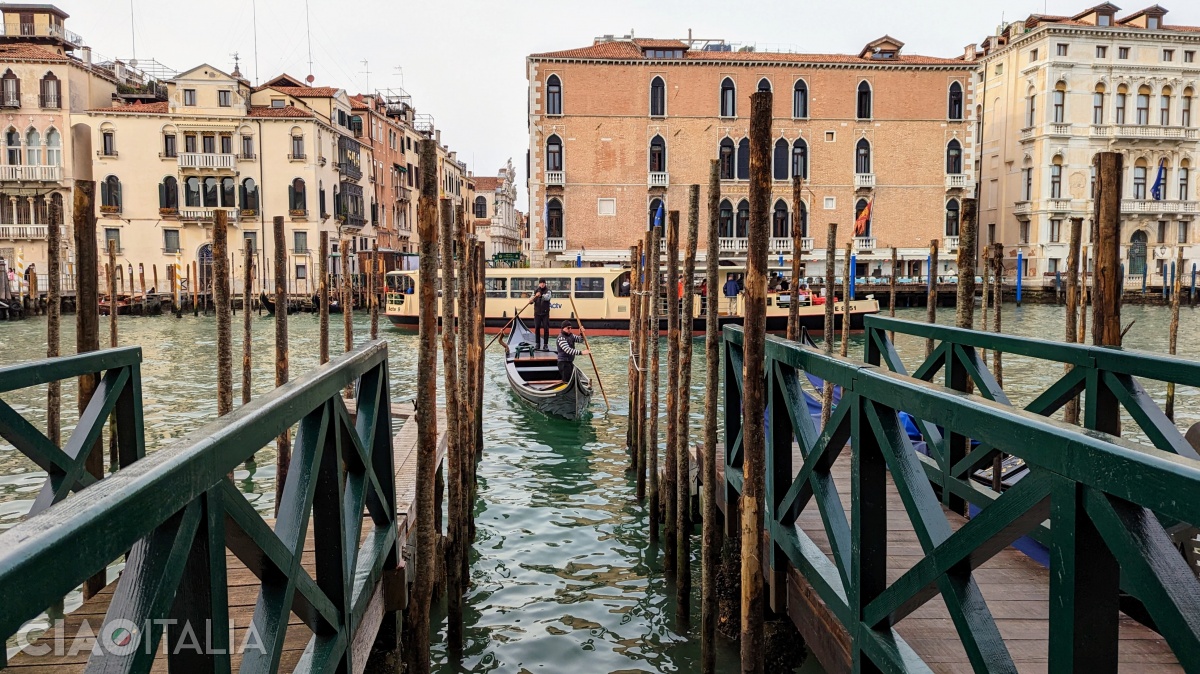
Traghetto gondola stations are:
- Dogana
- Santa Maria del Giglio
- San Toma
- Carbon
- Santa Sofia
- San Samuele (currently not operating)
- San Marcuola (currently not operating)
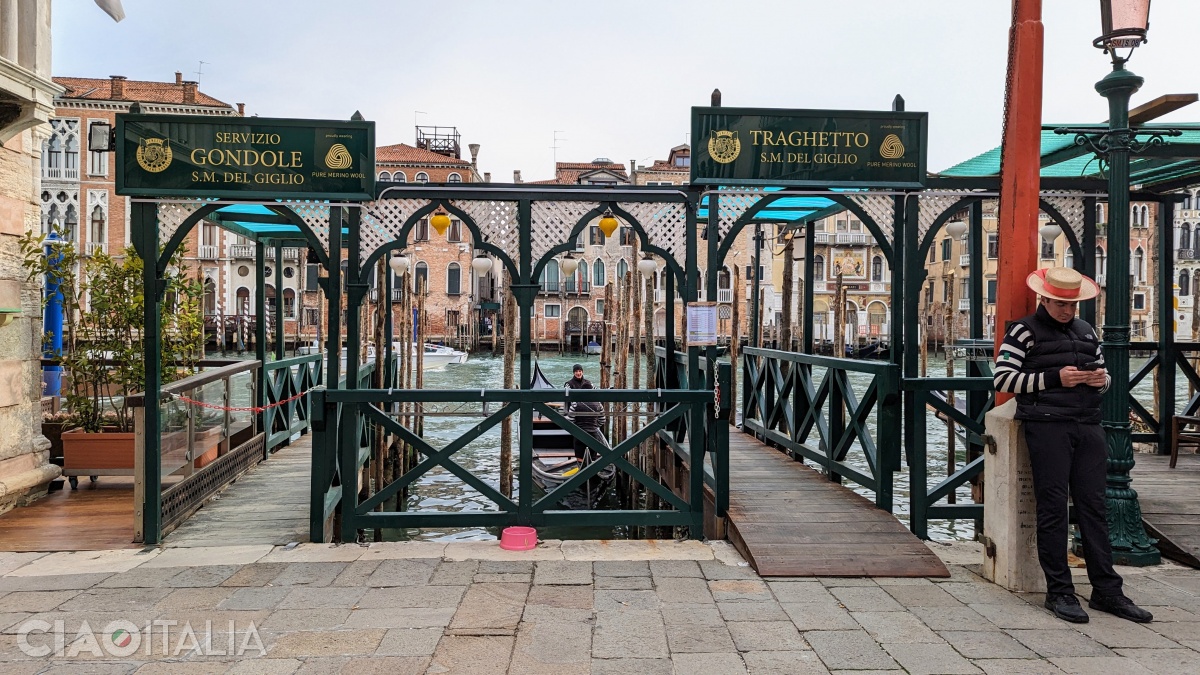
The schedule for traghetto gondolas is generally from 08:30-09:00 in the morning until 18:00-19:00 in the evening (the schedule is reduced during winter).
Traghetto gondolas do not run on August 15th, December 25th and 26th, and January 1st; on December 24th and December 31st, they run until 13:00.