Which Islands to Visit near Venice?
The Venetian Lagoon has around 60 islands, of which only a few are inhabited. Each has its distinct features; some are famous, while others are far from mass tourism. Some islands near Venice are very easily accessible via vaporetto lines and can be visited freely, while reaching others is a bit more difficult. If you have more time available, you can try to explore those off the beaten path as well. After all, Venice doesn't just mean the famous historic center, but also the dozens of islands in the lagoon, whose history is closely tied to that of La Serenissima.
To move from Venice to the islands and from one island to another, you will need an ACTV transport pass (€25/ 1 day, €35/ 2 days, €45/ 3 days, €65/ 7 days). Otherwise, a single ticket costs €9.50 (valid for 75 minutes from validation) and is only useful if you want to visit a single island.
For some islands, such as Murano, Burano, and Torcello, many excursions are organized departing from Venice.
Islands North of Venice
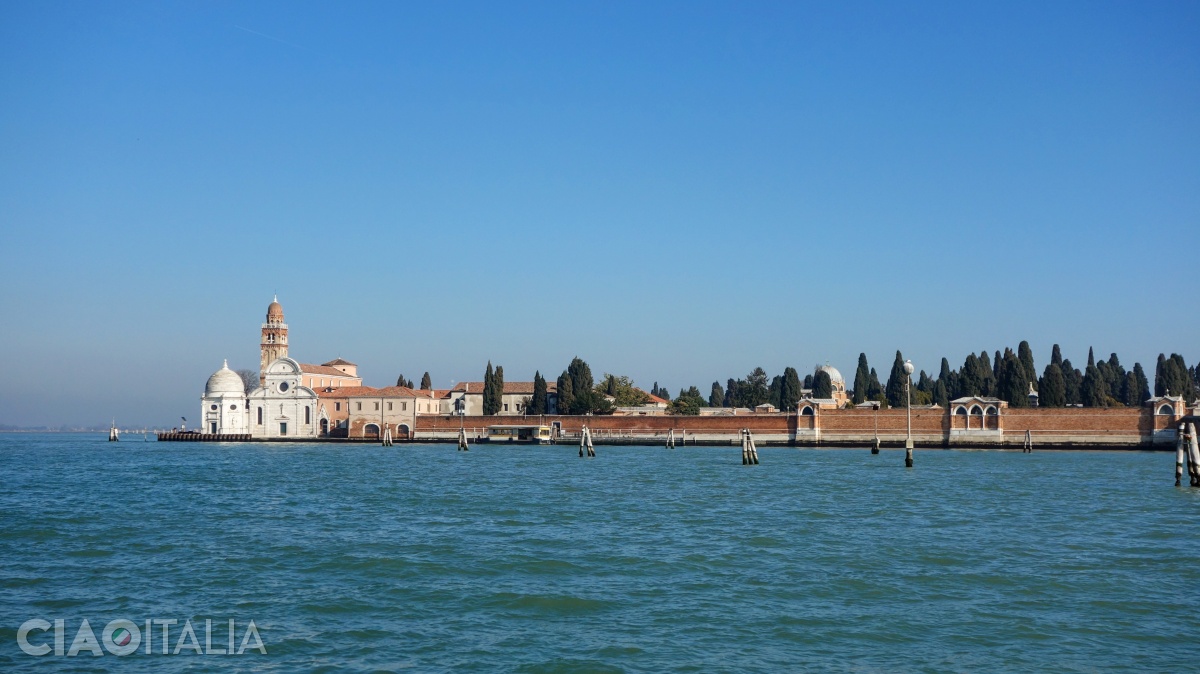
San Michele Island
Located between Murano and Venice, San Michele Island is one of the closest islands. Since the beginning of the 19th century, it has housed Venice's cemetery.
Besides the cemetery where famous figures rest, such as composer Igor Stravinsky or poet Ezra Pound, you can also visit the San Michele Church, which dates back to the 15th century.
How to get there: Line 4.1 or 4.2 from Fondamente Nuove.
Murano Island
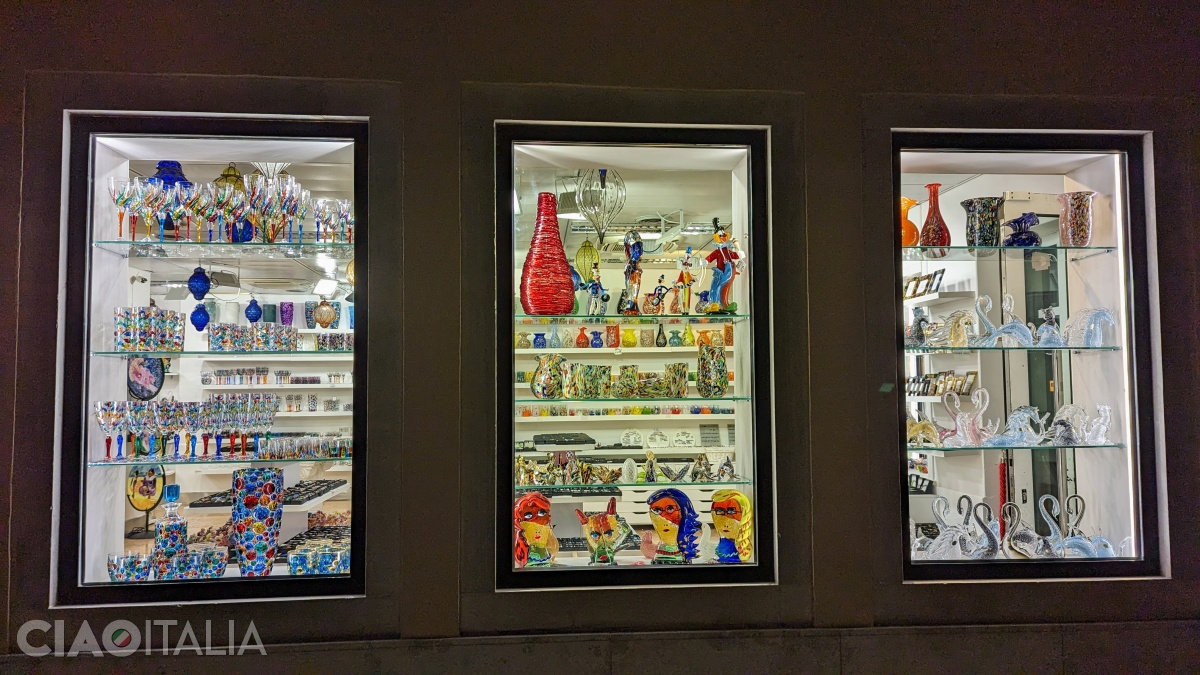
Murano, one of the most visited islands of Venice, is renowned for the tradition of glassmaking. On the island, you will find the Glass Museum and several workshops where you can watch master glassblowers at work, and the shops are full of glass objects. If you want to buy something original, look for products bearing the Vetro Artistico ®Murano trademark.
How to get there: Lines 4.1, 4.2, 12, or 13 from Fondamente Nuove, or line 3 from Piazzale Roma or Santa Lucia Train Station.
Burano Island
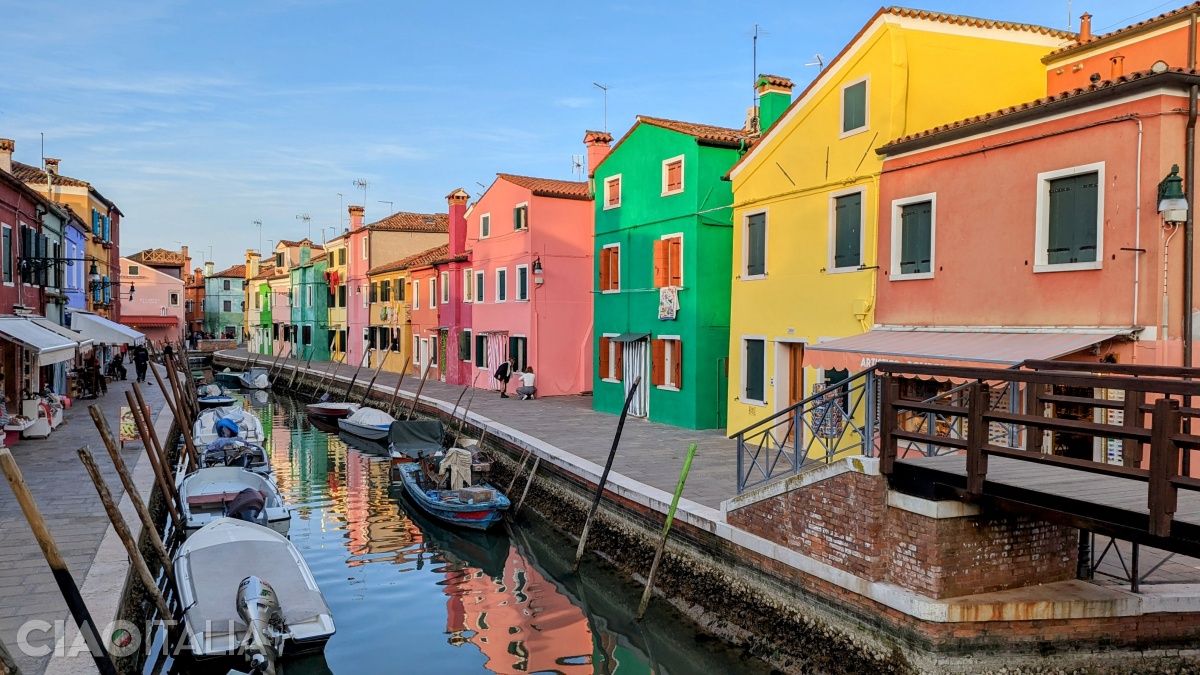
Burano Island is just as famous. With its houses painted in bright colors, it is certainly the most photographed island in the Venetian lagoon. It is renowned for the art of lace-making (you can visit the Lace Museum on the island), and its leaning tower is one of the island's symbols. You can also visit it with a guided tour.
How to get there: Line 12 from Fondamente Nuove.
Mazzorbo Island
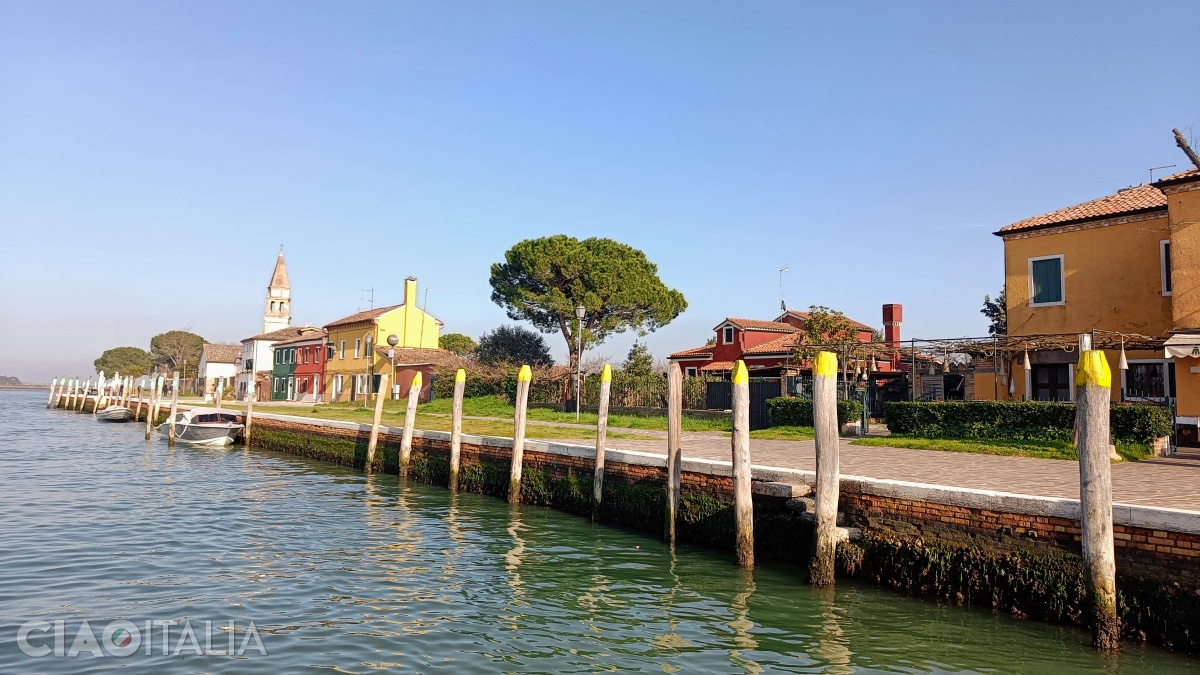
Mazzorbo Island is connected to Burano by a bridge called Ponte Lungo. However, unlike Burano, it is an island with a rural appearance, where tranquility prevails.
Mazzorbo Island has been inhabited since ancient times and once played an important role. This is reflected even in its name, which derives from Maggior Borgo ("the Greater Town"). Of all the palaces and churches that were once on the island, only the Church of St. Catherine remains today, with its leaning tower.
A native grape variety, Dorona, is cultivated on Mazzorbo Island, from which the Venissa Winery produces white wines in limited quantities. You will also find a Michelin-starred restaurant there.
How to get there: Line 12 from Fondamente Nuove.
Torcello Island
Torcello, the island loved by Hemingway, is small and very sparsely inhabited, but it has an ancient history, being one of the first inhabited islands in the Venice lagoon. If you go there, do not miss the Church of Santa Maria Assunta, with its superb mosaics, as well as the view from the bell tower.
How to get there: Line 12 from Venice (not all trips make a stop), line 9 from Burano.
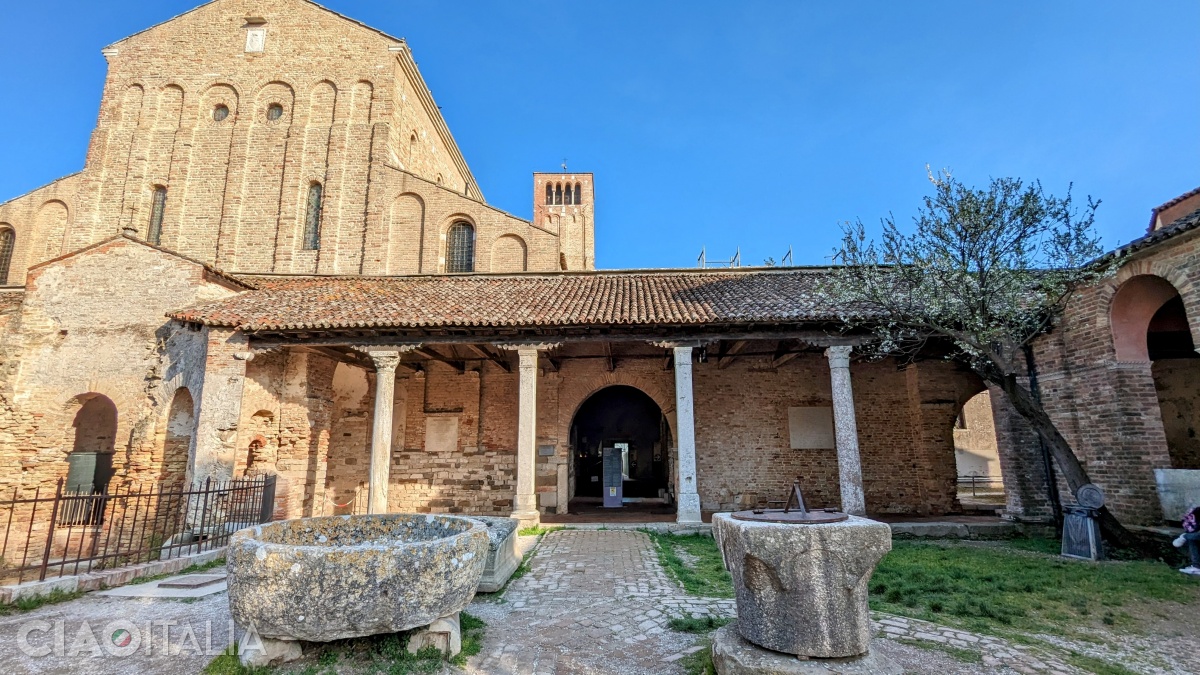
San Francesco del Deserto Island
Very rarely visited, the island of San Francesco del Deserto is, according to tradition, the place where the saint who founded the Franciscan order asked the birds to be quiet so he could pray in peace. The entire island emanates an atmosphere of serenity and reflection. You can visit the church and the Franciscan monastery from the 13th century (closed on Mondays).
How to get there: You can only reach San Francesco del Deserto island from Burano, with excursions organized from April to October.
Sant'Erasmo Island
Sant'Erasmo Island, the largest in the northern Venetian lagoon, is an island with an agricultural character, known as "the garden of Venice". Traditionally, fruits and vegetables were grown here and then transported by boat to Venice. The specific character of this island is also reflected by the two annual festivals that take place here: The Violet Artichoke Festival in May and the Must (new wine) Festival around the beginning of October. The violet artichoke is part of the Presidium Slow Food product catalog.
On Sant'Erasmo Island, the Torre Massimiliana fortress also stands; built in the 19th century, it is where Archduke Maximilian of Austria found refuge during the movements of 1848.
How to get there: Line 13 from Fondamente Nuove.
Lazzaretto Nuovo Island
Right next to Sant'Erasmo lies the island of Lazzaretto Nuovo. During the Middle Ages, all sailors suspected of plague arriving on ships from the Mediterranean were sent here for quarantine.
Today the island is an eco-museum and can only be visited with a guided tour, from April to October, by reservation.
How to get there: Line 13 from Fondamente Nuove (stop on request).
Le Vignole Island
In the past, Le Vignole island was called the "Island of Seven Vineyards", and many of the vegetables sold at the Rialto Market came from here. The island has kept its rural character and is a place where Venetians usually come to dine at a trattoria or take nature excursions.
Among the churches, the Church of Santa Maria Assunta e Santa Eurosia, dating from the 16th century, has been preserved.
At one of the extremities of Vignole island, you will find Sant'Andrea island, where a fortress was built in the 16th century as part of Venice's defensive system. Although it cannot be visited, the fortress can be seen from the water, and you might find it interesting to know that the adventurer Giacomo Casanova was imprisoned here for a few months in 1743.
How to get there: Line 13 from Fondamente Nuove (stop on request).
La Certosa Island
The seat of an old monastery, stripped of its artworks and then abandoned, the island of La Certosa, located near Venice, was subsequently used for military purposes. Recently, the island has become an urban park where you can take nature excursions. Also located here are a hotel, a restaurant, a shipyard, and a naval school.
How to get there: Line 4.1 from Piazzale Roma or from Santa Lucia Train Station (stop on request) or lines 4.1 or 4.2 from Fondamente Nuove.
Islands South of Venice
Giudecca Island
Giudecca Island is one of the largest island in the lagoon and is located closest to the historical center of Venice, from which it is separated by the canal of the same name. Due to its elongated shape, it was called Spinalonga in ancient times.
On the island, you can find two luxury hotels (Hilton Molino Stucky and Cipriani), as well as former 19th-century industrial spaces that have been converted into art studios. The most important landmark is the Church of the Redeemer (Chiesa del Santissimo Redentore), designed by Palladio, which is linked to a famous Venetian festival (Festa del Redentore).
How to get there: Lines 2 or 4.1 from Piazzale Roma or line 4.2 from Fondamente Nuove.
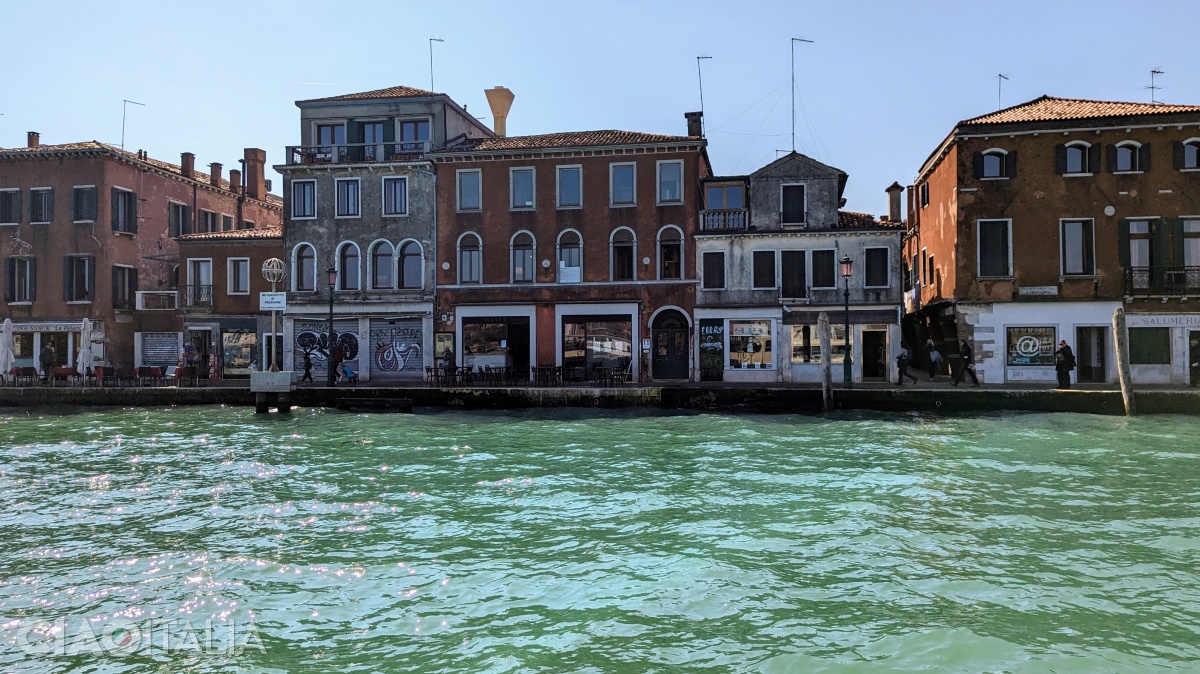
San Giorgio Maggiore Island
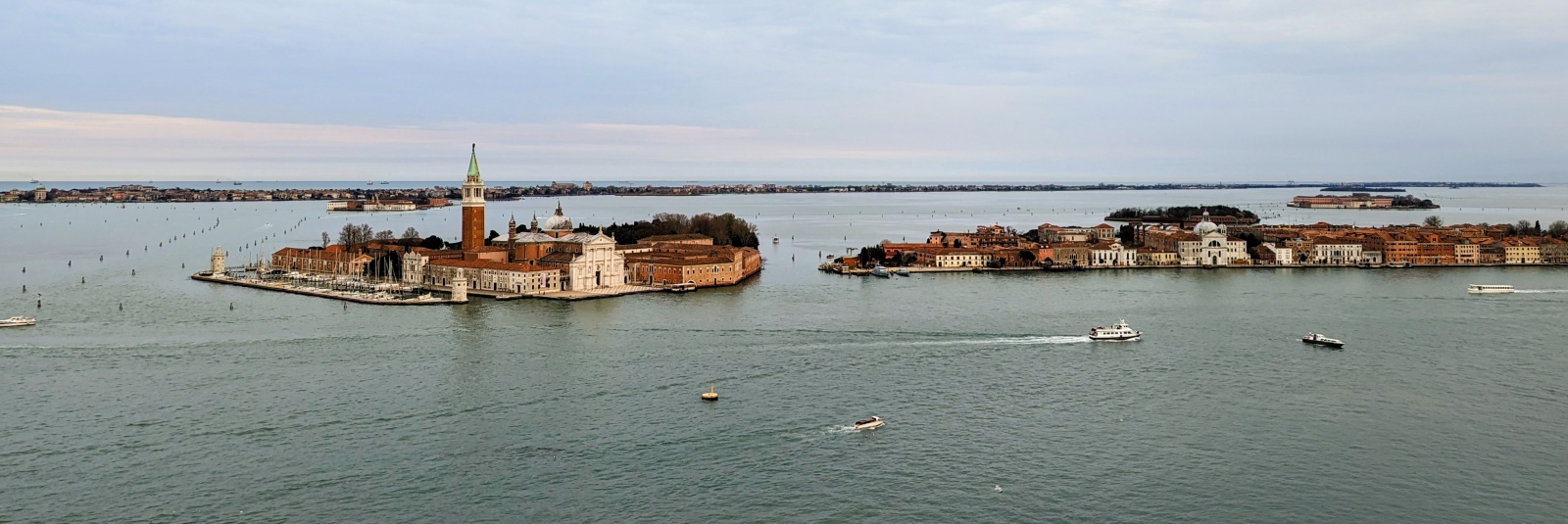
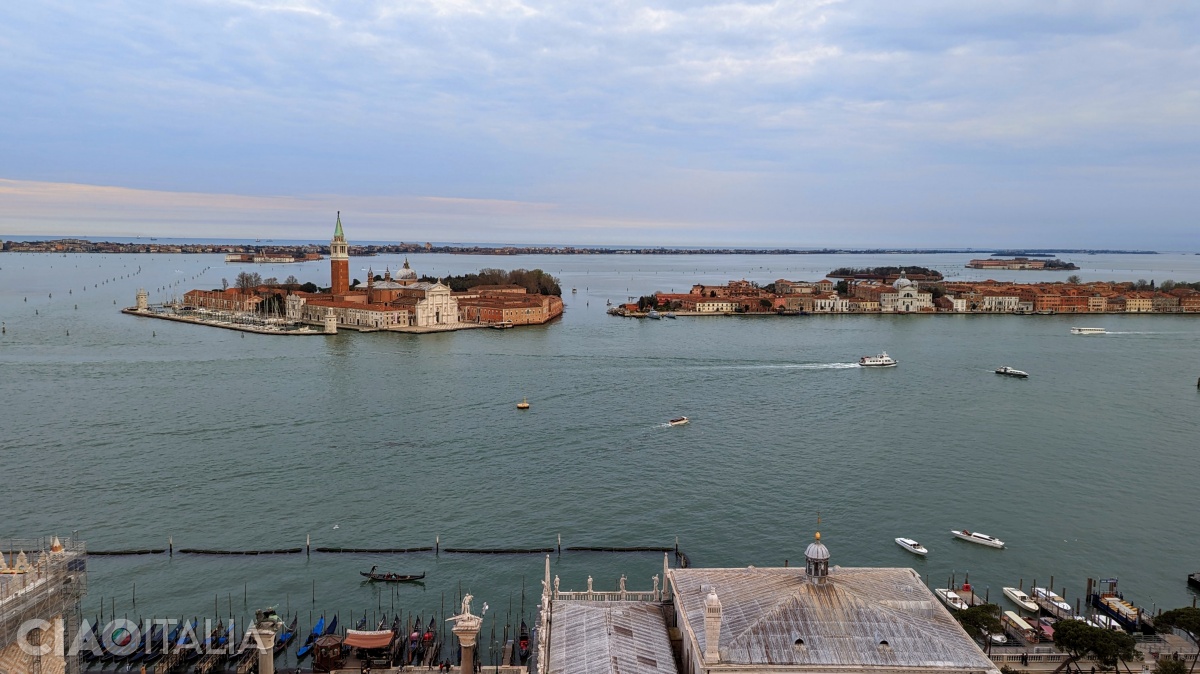
Although very small, San Giorgio Maggiore Island hides many treasures. From Tintoretto's paintings in the Basilica of San Giorgio, designed by Palladio, to the architectural treasures of the former Benedictine monastery, the Borges labyrinth, or the view from the bell tower, you will certainly have plenty to see.
How to get there: Line 2 from San Marco-San Zaccaria.
San Giorgio Maggiore Tours
San Lazzaro degli Armeni Island
From the 12th century until later, a hospital for leprosy patients, whose patron saint was Saint Lazarus, was located on the island of San Lazzaro degli Armeni. In 1717, the island became the home of a community of Armenian monks founded by the monk Mekhitar, who had fled Turkish persecution. The tiny island was thus transformed into a global center of Armenian culture. An important printing press operated there, and in the monastery library, over 150,000 volumes and precious manuscripts are found to this day.
The poet Lord Byron spent 2 years of his life on San Lazzaro degli Armeni before leaving for Greece.
Today, the island's few inhabitants are the Armenian monks, and the monastery can only be seen via guided visits (reservations at visite@mechitar.org).
How to get there: Line 20 from San Marco-San Zaccaria.
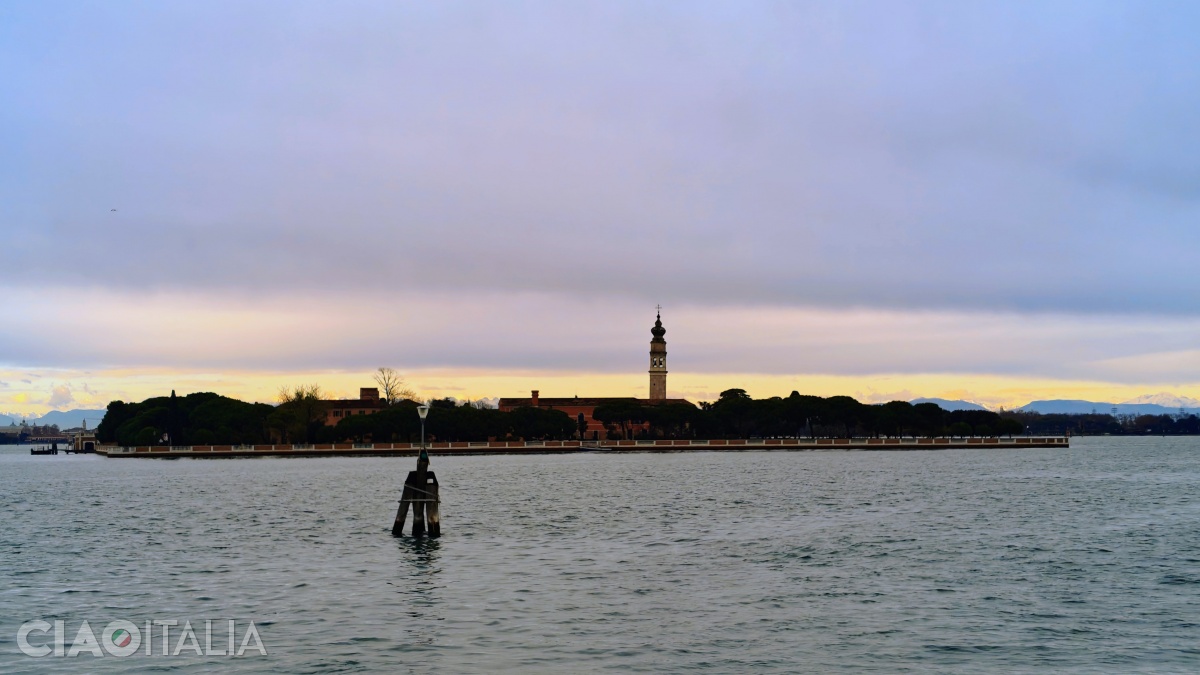
Lido di Venezia
Separating the Venetian lagoon from the Adriatic Sea, Lido di Venezia is a strip of land about 12 km long. It is one of the most populated islands of the lagoon and, at the same time, the favorite beach of Venetians. Known for its shops and elegant hotels, it is one of the most populated islands of the lagoon and, at the same time, the favorite beach of Venetians. Frequented in the 19th century by artists and poets such as Shelley and Byron, the island also became famous for the novel "Death in Venice", written by Thomas Mann.
Since 1932, Lido has hosted the famous Venice Film Festival (Mostra Internazionale d'Arte Cinematografica) every year, from August to September.
How to get there: Lines 5.1, 5.2, or 6 from Piazzale Roma or lines 1 or 14 from San Marco-San Zaccaria. Alternatively, you can take ferry 17 from Tronchetto (for passengers, the ferry is included in the ACTV pass).
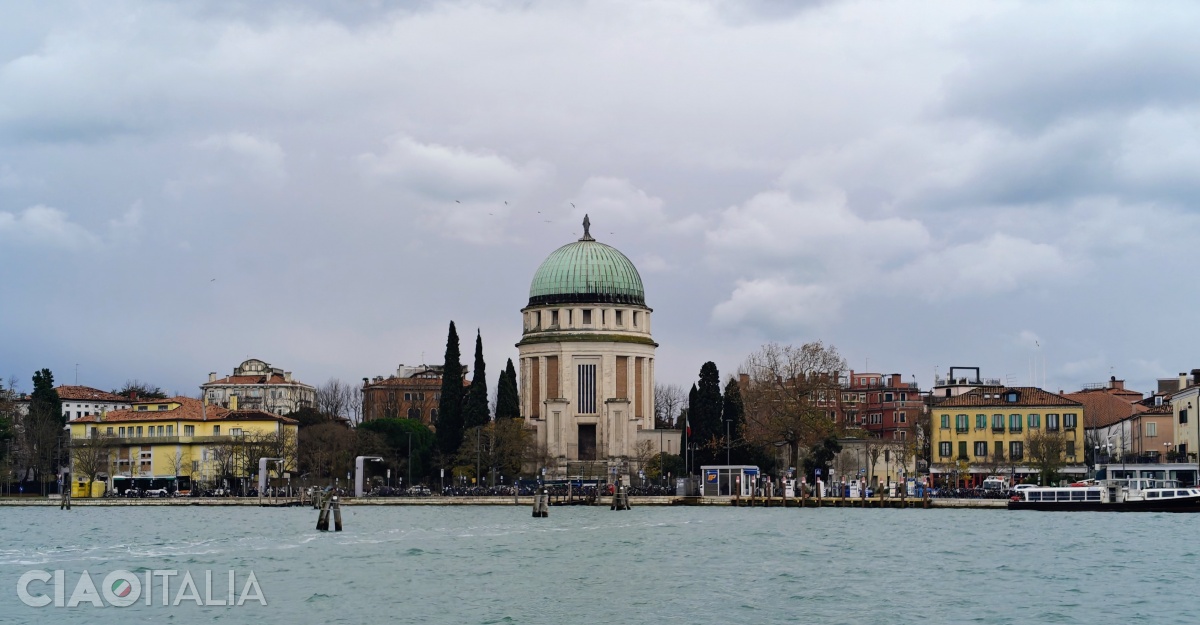
San Servolo Island
On San Servolo Island, Venice's asylum was once located, intended primarily for the mentally ill who came from wealthy Venetian families. The hospital operated until 1978. Since then, the island has been transformed and redeveloped, and today, besides the beautiful park, you can visit the Asylum Museum.
How to get there: Line 20 from San Marco-San Zaccaria.
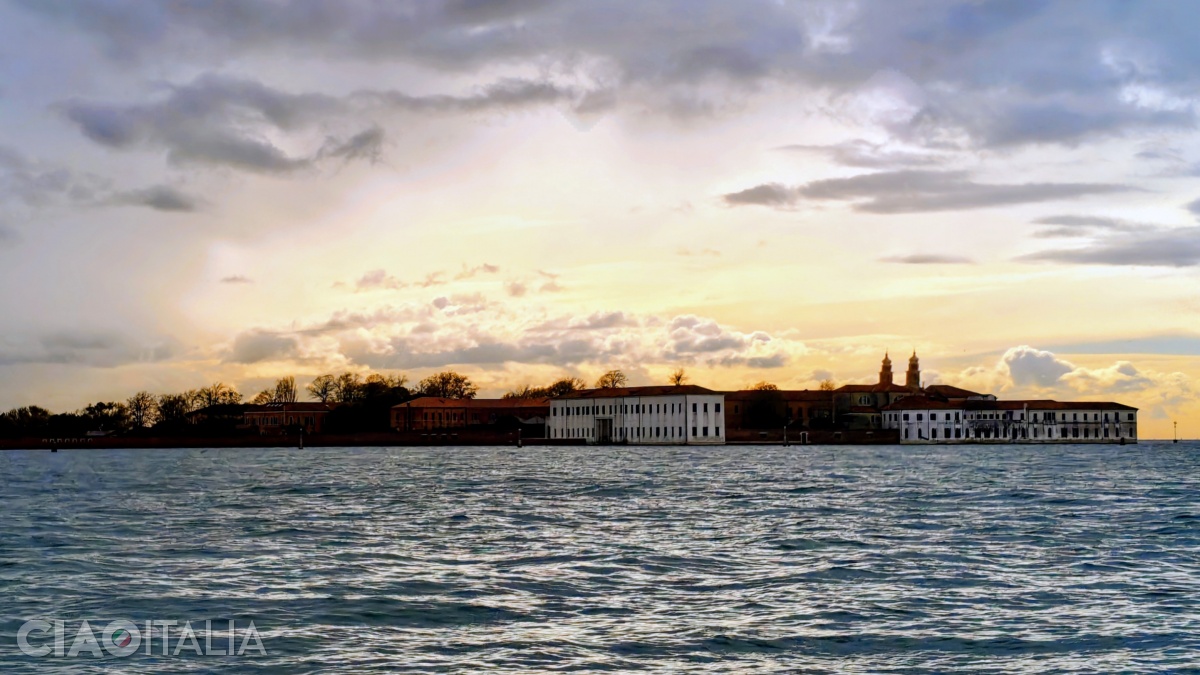
Pellestrina Island
Pellestrina Island is a narrow strip of land located between the Venetian lagoon and the Adriatic Sea. It is known for its traditions, fishing villages, nature, and sustainable tourism, being very suitable for bicycle excursions.
How to get there: You will first need to get to Lido di Venezia, and there take bus no. 11, which crosses the island, and then take ferry no. 11 from Alberoni (for passengers, the ferry is included in the ACTV pass).
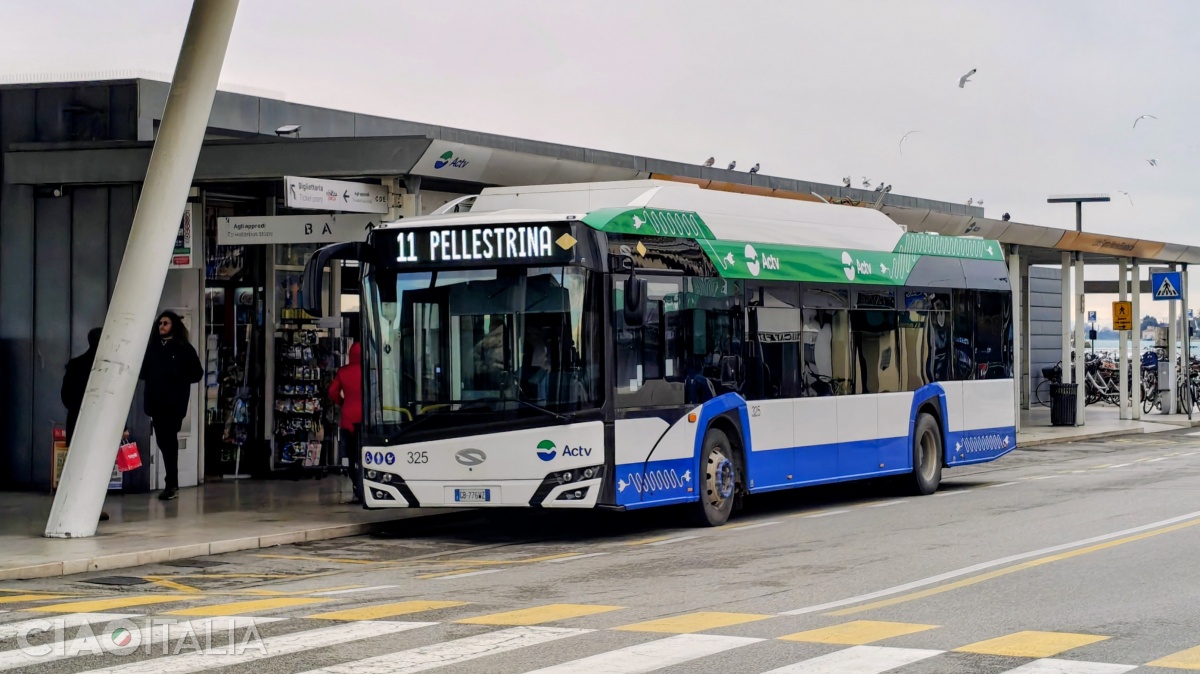
Chioggia Island
Located in the southernmost part of the lagoon, Chioggia Island is also called "Little Venice". It is famous for its history and monuments, but also for its fish-based gastronomy. Boat tours are organized from Chioggia to discover aquaculture techniques.
How to get there: Line 11 from Pellestrina.