San Giorgio Maggiore Island in Venice
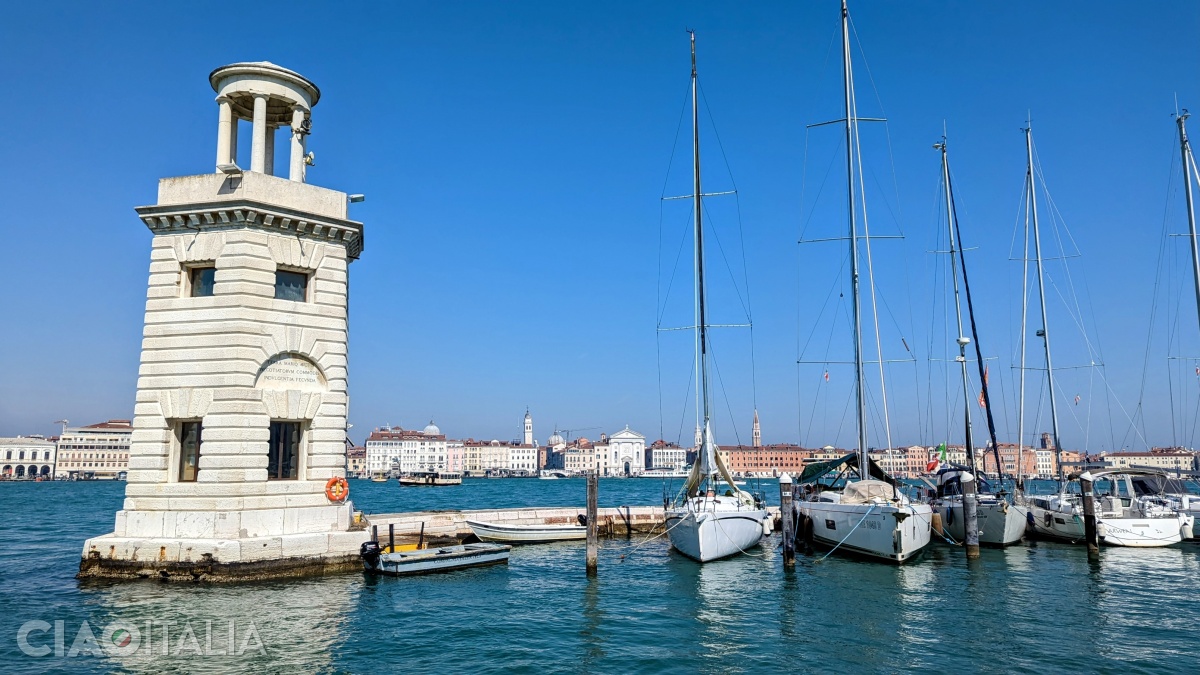
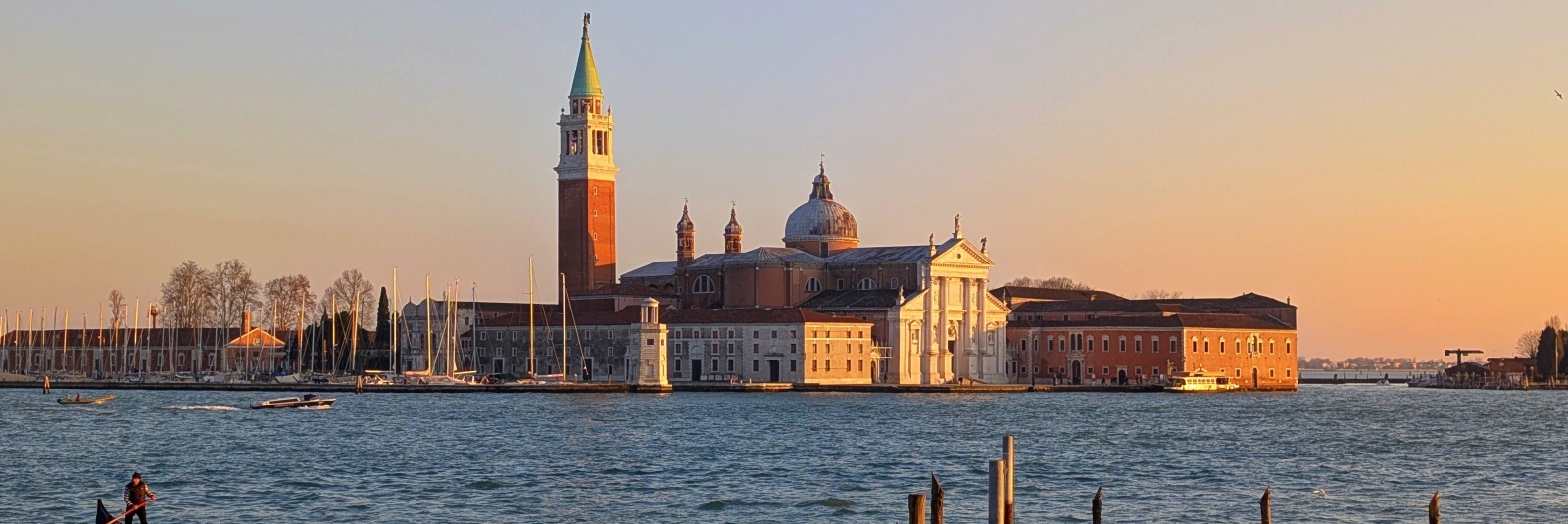
Located directly across from St. Mark's Square and the Doge's Palace in Venice, and very close to Giudecca, San Giorgio Maggiore Island is one of the most accessible islands of the Venetian lagoon. From an administrative standpoint, it is actually part of Venice itself, falling within the San Marco district. Despite its small size, San Giorgio Maggiore houses several important landmarks, and, unlike its more famous sisters - Murano, Burano, and Torcello - it is not suffocated by the continuous flow of tourists, maintaining a discreet and mysterious charm.
How to Get to San Giorgio Maggiore Island from Venice?
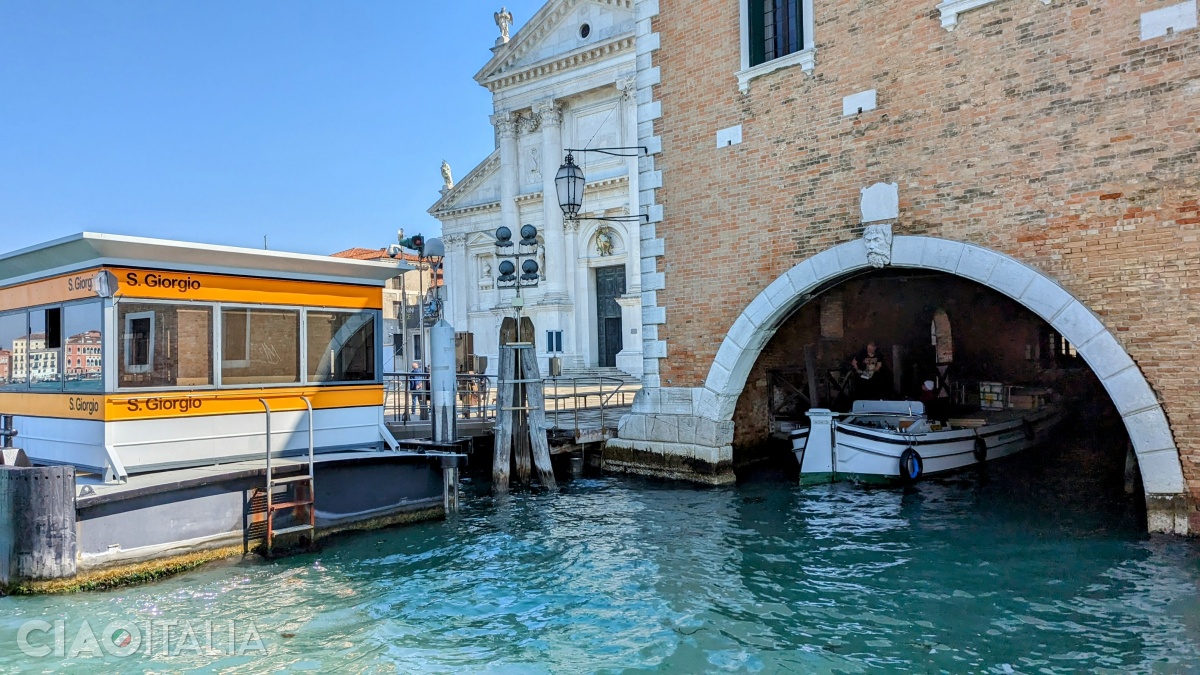
You can easily reach San Giorgio Maggiore by vaporetto from Venice, using ACTV line 2. You can board at the San Marco-San Zaccaria station; from there, it only takes a few minutes to reach the island, as the distance is only a few hundred meters.
If you are in other parts of Venice, you will still need to take line 2, but in the opposite direction. Line 2 passes by the Santa Lucia train station and Piazzale Roma, making several stops, including Giudecca, before arriving at San Giorgio Maggiore.
The price of a journey is €9.5 (the ticket is valid for 75 minutes from the moment of validation). If you want to visit other islands or take several boat trips on the same day, it is more cost-effective to buy a daily pass, which costs €25.
A Short History of San Giorgio Maggiore Island
San Giorgio Maggiore takes its name from a small wooden church built on the island sometime in the 8th-9th centuries and dedicated to Saint George. To distinguish it from another island that bore the saint's name, San Giorgio in Alga (now abandoned), the epithet Maggiore (Greater) was added, and the island began to be called San Giorgio Maggiore.
The island is also called Isola Memmia ("Memmia Island"), after the name of the noble Memmo family to whom it belonged centuries ago. Around the 10th century, Doge Tribuno Memmo donated the island to a Benedictine monk, who built a monastery next to the church.
The 16th century is characterized by great artistic and cultural development. The great architects and painters of the time were present on San Giorgio Maggiore Island, leaving behind valuable works.
After the glory period of the Renaissance, following the conquest of Venice by Napoleon in 1797, the island was looted of its artistic treasures (Veronese's painting "The Wedding Feast at Cana" was sent directly to the Louvre) and was transformed into a barracks and a prison.
San Giorgio Maggiore maintained its military function until 1951, when the former monastery was placed in the care of the Giorgio Cini Foundation, which began restoration work.
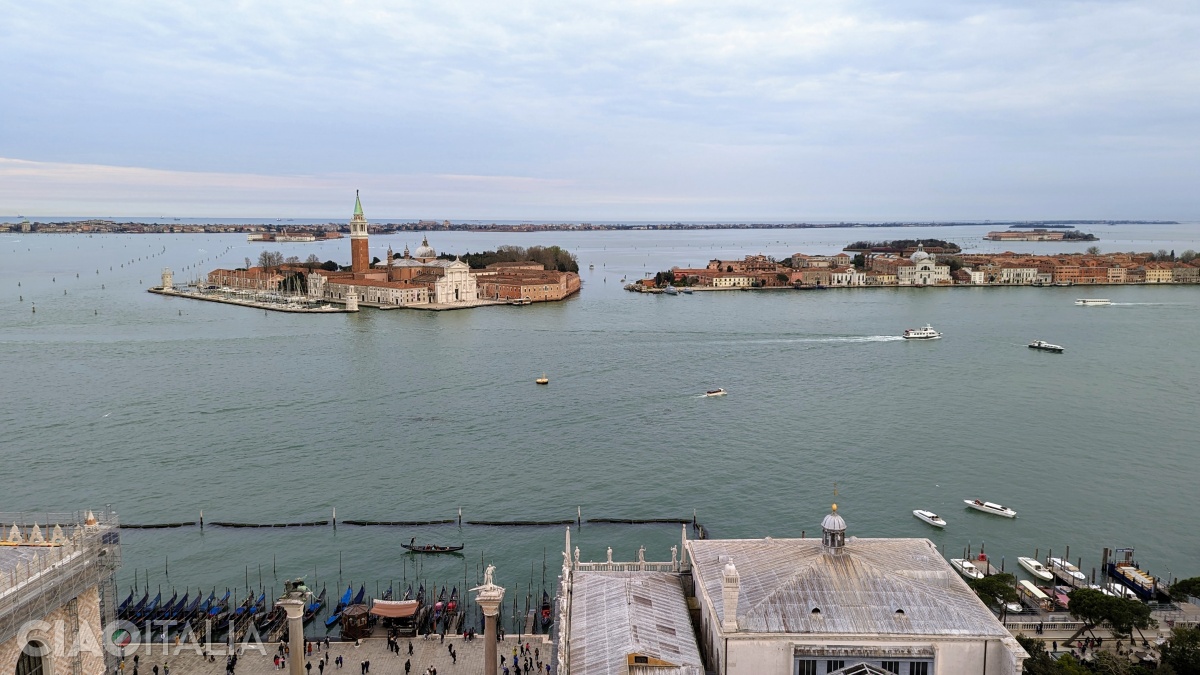
What to See on San Giorgio Maggiore Island?
The island is very small, and you will only need an hour if you walk around and visit the San Giorgio Maggiore Basilica, or a few hours if you also visit the monastery complex, managed by the Giorgio Cini Foundation.
San Giorgio Maggiore Basilica
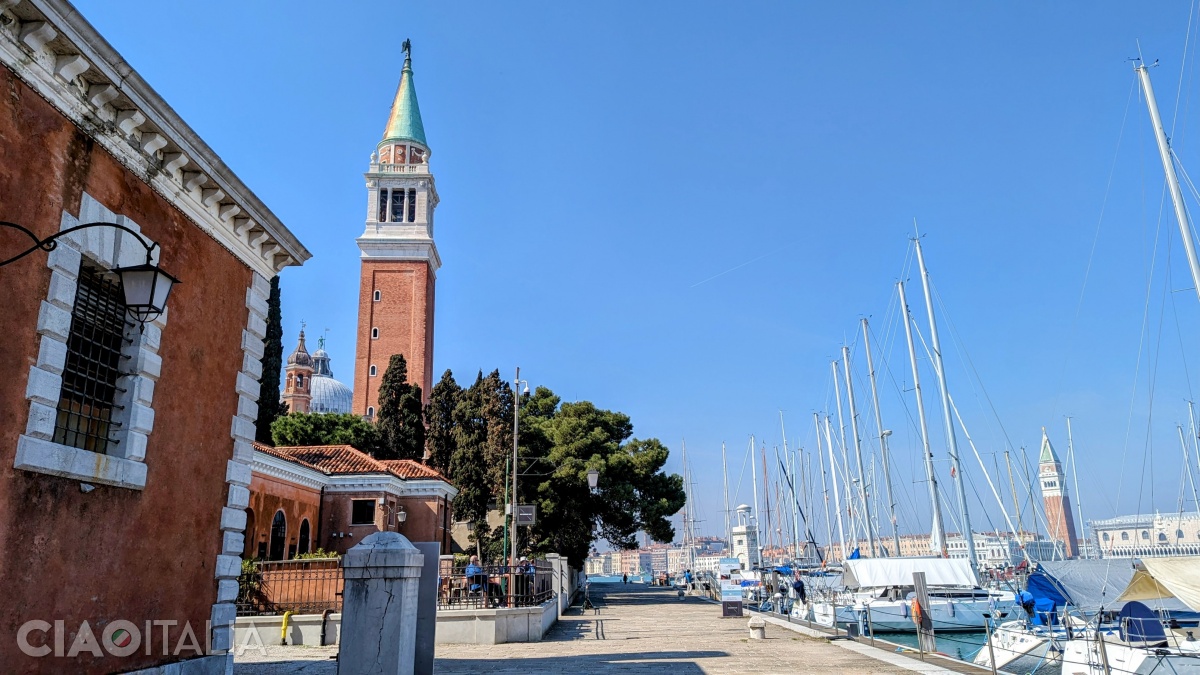
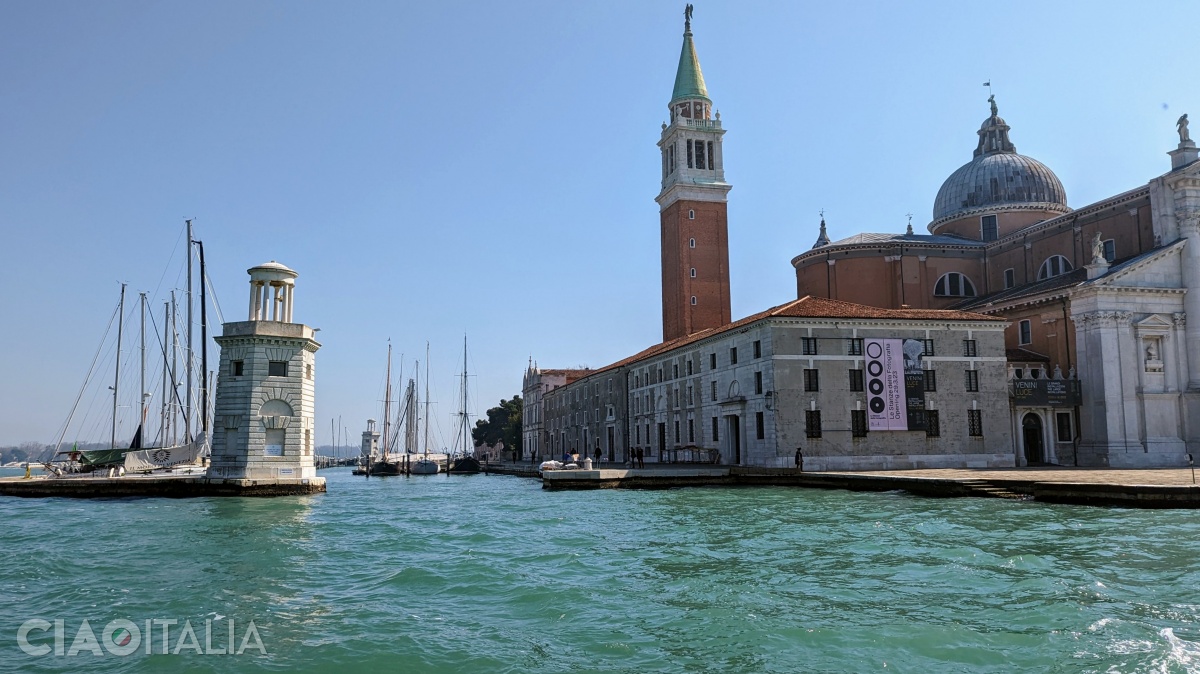
The first thing you notice when approaching the island is the San Giorgio Maggiore Basilica (Basilica di San Giorgio Maggiore), with its white marble facade and the tower rising next to the dome. The basilica was built at the end of the 16th century by the great architect Andrea Palladio from Padua, in the Renaissance style.
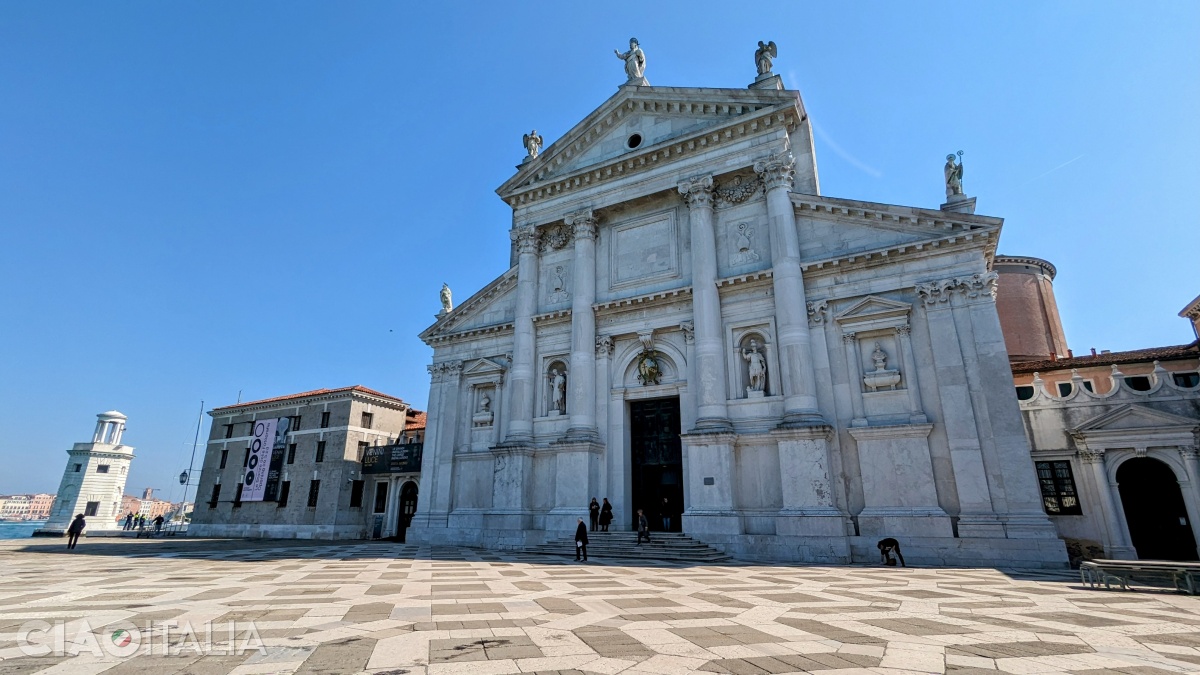
Entry to the church is free, but a ticket is required to climb the bell tower.

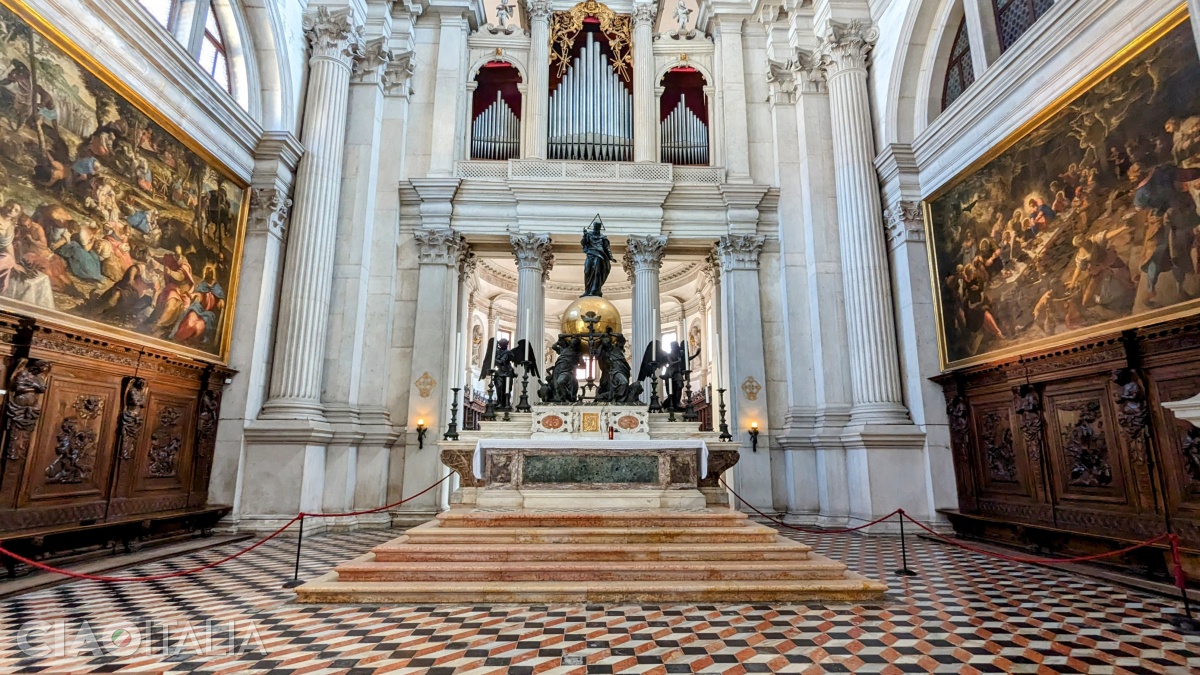
Inside the church, do not miss the superb wood-carved choir located behind the main altar, created by Gaspare Gatti and Albert Van Der Brulle.

The bronze sculpture of the altar represents God and the four evangelists holding the Earth.
The church also houses several valuable works, including Tintoretto's "The Last Supper" and "The Gathering of Manna", Sebastiano Ricci's "Madonna with Saints", as well as works by Palma il Giovane and Jacopo Bassano.
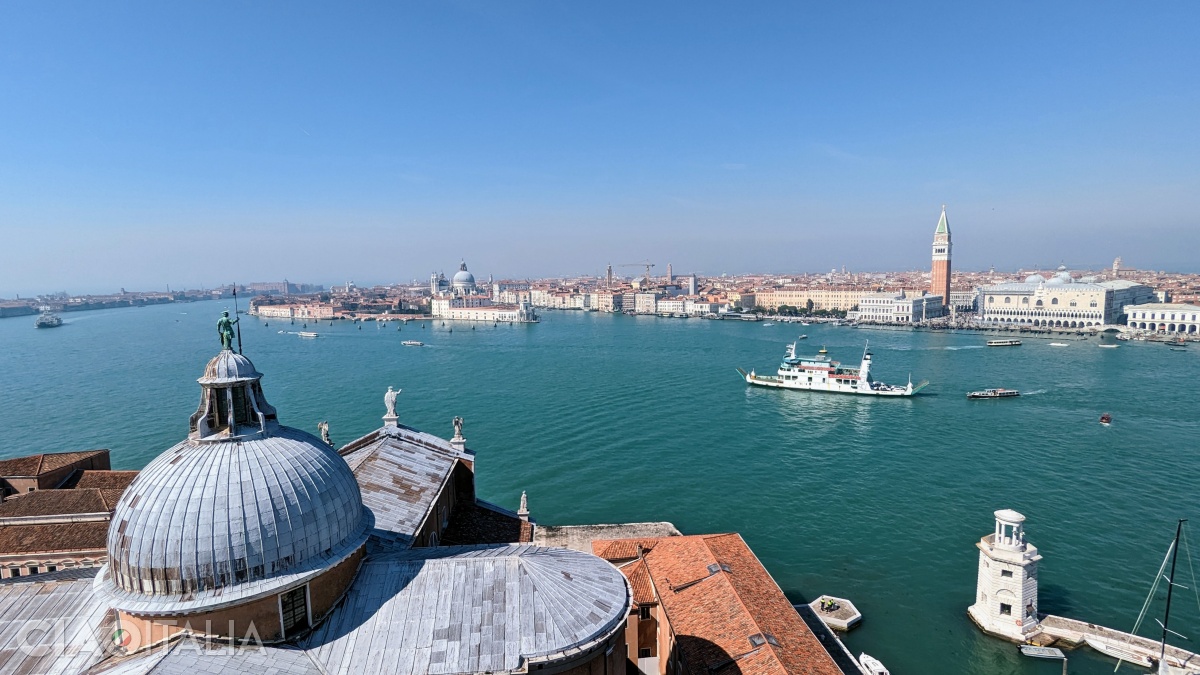
You can ascend the bell tower (San Giorgio Campanile) via a fast elevator. The tower stands 75m tall and was built in 1791, in the style of the St. Mark's Campanile, replacing an older structure. From the top, you can admire one of the most beautiful panoramic views of Venice.
San Giorgio Maggiore Basilica
Opening Hours:
- Monday-Sunday: 9:00 AM - 6:00 PM
The tower is currently closed for renovation works.
Ticket Prices:
- Church: free (see other thinks you can visit for free in Venice)
- Bell tower: €8

The Monumental Complex of the Former Benedictine Monastery
The buildings of the former Benedictine monastery, located next to the San Giorgio Maggiore Basilica, are managed by the Giorgio Cini Foundation (Fondazione Giorgio Cini). The foundation handles the restoration of the spaces, organizes cultural and artistic events, as well as audio-guided visits to the monumental complex.
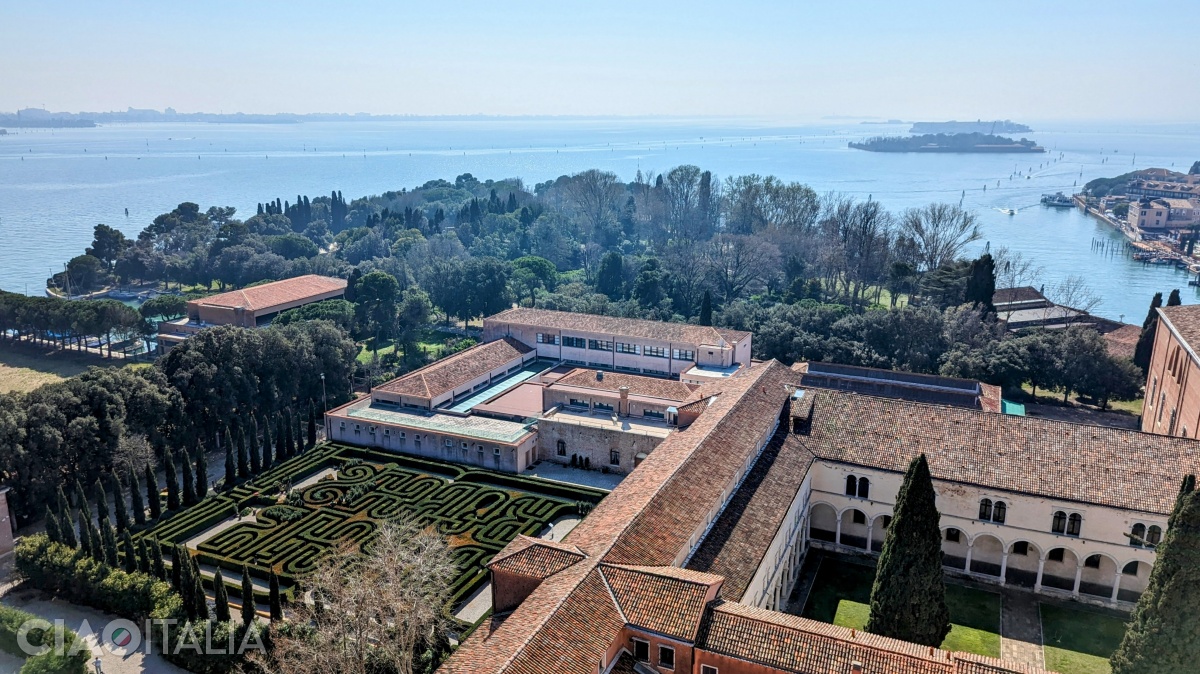
The monumental complex includes the Buora cloister, the cloister started by Palladio and finished by Baldassare Longhena, Palladio's refectory, the grand staircase and Longhena's library, the Borges Labyrinth, and the woods with the ten chapels built by different architects for the first Vatican Pavilion at the Venice Architecture Biennale in 2018.
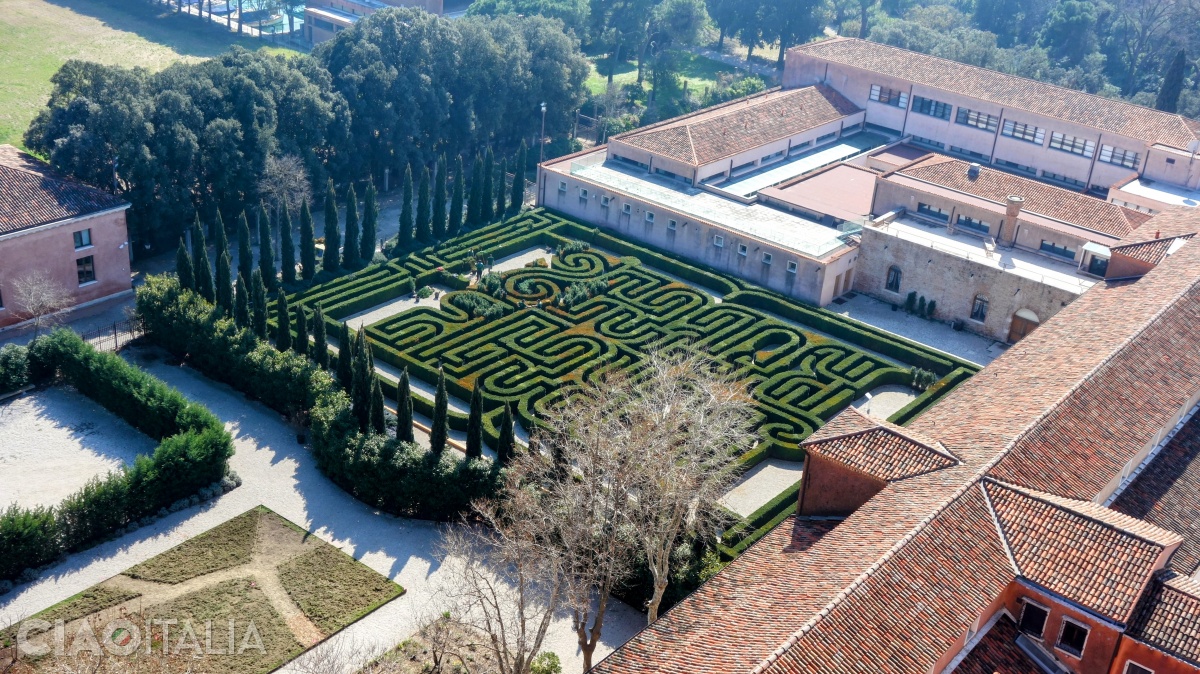
Officially opened in 2011, the Borges Labyrinth is considered one of the most beautiful parks in Italy. The labyrinth bears the name of the great Argentine writer in whose honor it was created, 25 years after his death, and is inspired by the short story "The Garden of Forking Paths".
The Borges Labyrinth is a garden of over 2,300 square meters, in which over 3,200 boxwood shrubs (Buxus sempervirens) form the name "Borges" twice. Seen from above, the labyrinth also resembles an open book. The path through the labyrinth is about 1 km long, and symbolic objects present in the writer's works are scattered along its course.
Tours of the former San Giorgio Maggiore monastery cost €15, €22, or €28 (depending on what is included in each tour).
San Giorgio Maggiore Monastery Tours
The Cini Foundation also manages the San Giorgio Café, the only bistro on the island.