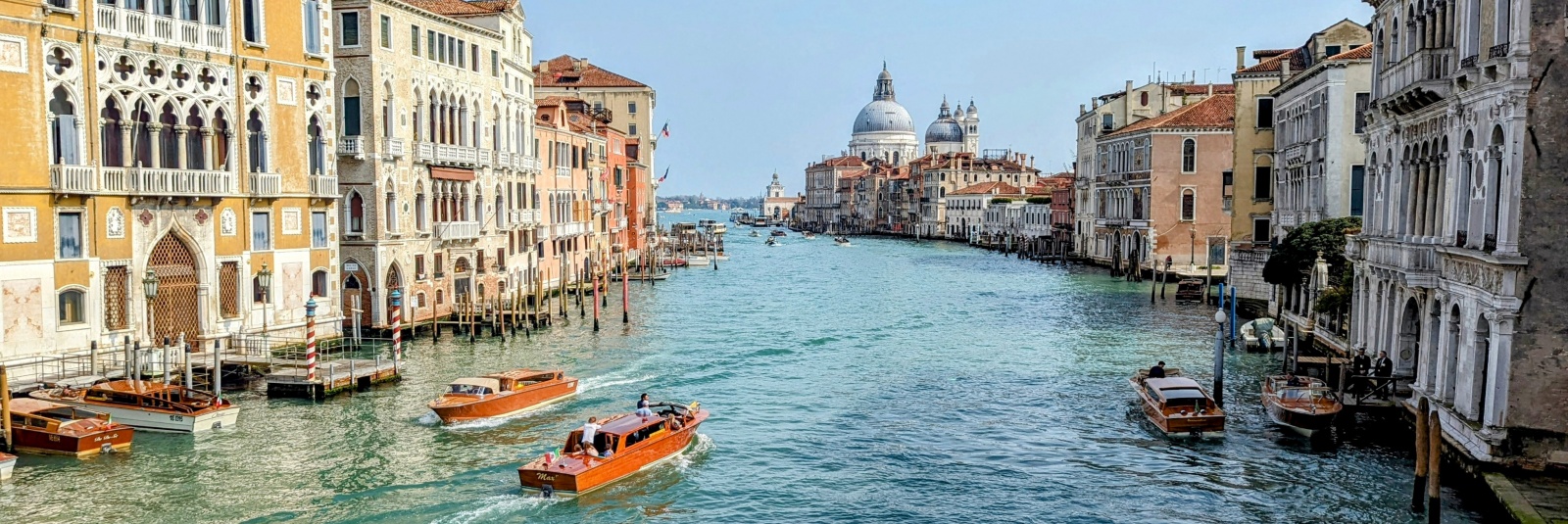
Free Things to Do in Venice
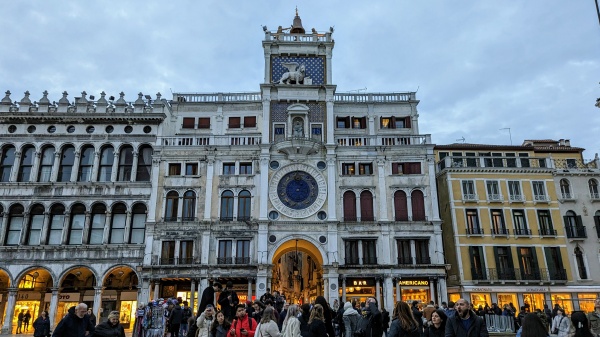
In Venice, there are also places you can visit for free. We are not talking about the obvious ones, such as St. Mark's Square or the Rialto Bridge, but about museums, churches that hide numerous works of art, or parks and gardens.
1. State Museums
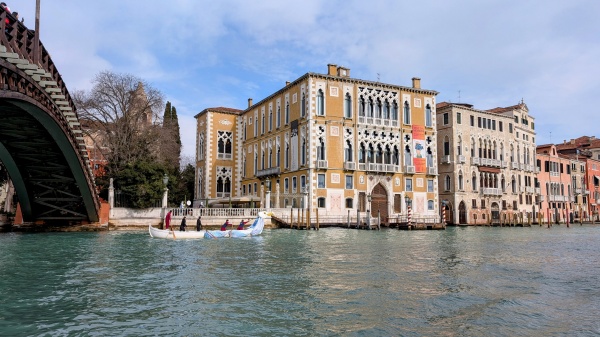
On the first Sunday of every month, access to state museums in Venice (and generally across Italy) is free. This means you can visit the Accademia Galleries, the Oriental Art Museum at Ca' Pesaro, the Giorgio Franchetti Gallery at Ca' d'Oro, Palazzo Grimani, the Archaeological Museum, and the Marciana Library for free.
These same museums in Venice can also be visited free of charge on April 25th (Liberation Day) and June 2nd (Republic Day).
2. Basilica di Santa Maria della Salute
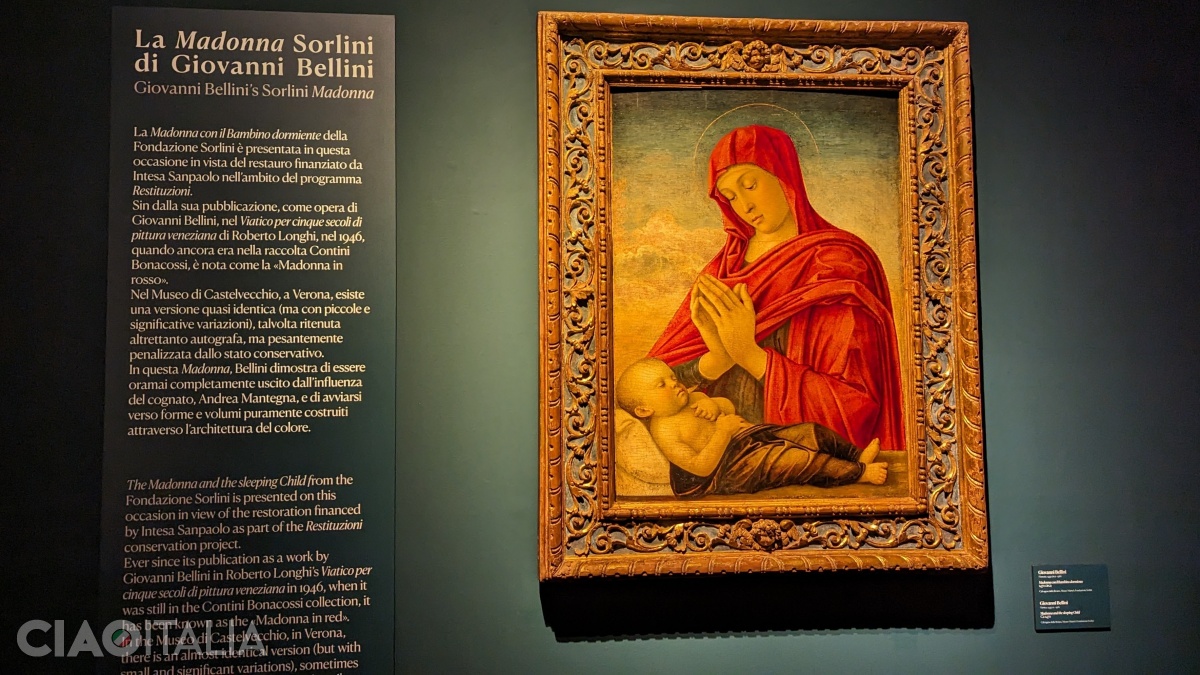
The Basilica di Santa Maria della Salute is among the most important tourist attractions in Venice. Built in 1630 at one end of the Grand Canal, the church has been a city landmark for nearly 400 years.
Entry into the Basilica is free. You can admire the interior architecture, the beautiful polychrome marble floor, the marble altar with the Byzantine icon considered miraculous, as well as the painting "The Descent of the Holy Spirit" by Titian, created in 1550 (in the third chapel on the left).
For access to the sacristy (which holds other works by Titian and Tintoretto), as well as for ascending the interior balustrade or the dome, you will need to purchase a ticket.
Basilica di Santa Maria della Salute
Opening Hours:
April 1 - October 31, 2026
Basilica:
- Monday-Sunday, 9:00 AM - 12:00 PM, 3:00 PM - 5:30 PM
Sacristy:
- Monday: closed
- Tuesday: 2:00 PM - 3:30 PM, 4:40 PM - 5:30 PM
- Wednesday-Friday: 10:00 AM - 12:30 PM, 2:00 PM - 3:30 PM, 4:40 PM - 5:30 PM
- Saturday: 10:00 AM - 12:30 PM, 2:00 PM - 5:30 PM
- Sunday: 10:00 AM - 10:30 AM, 2:00 PM - 5:30 PM
Dome:
- Thursday-Sunday: departures at fixed times, between 10:00 AM and 5:00 PM
Ticket Prices:
- Basilica: free
- Sacristy: €6
- Dome: €8
- Interior terrace: €5
- Dome + Sacristy: €13
3. Wagner Museum
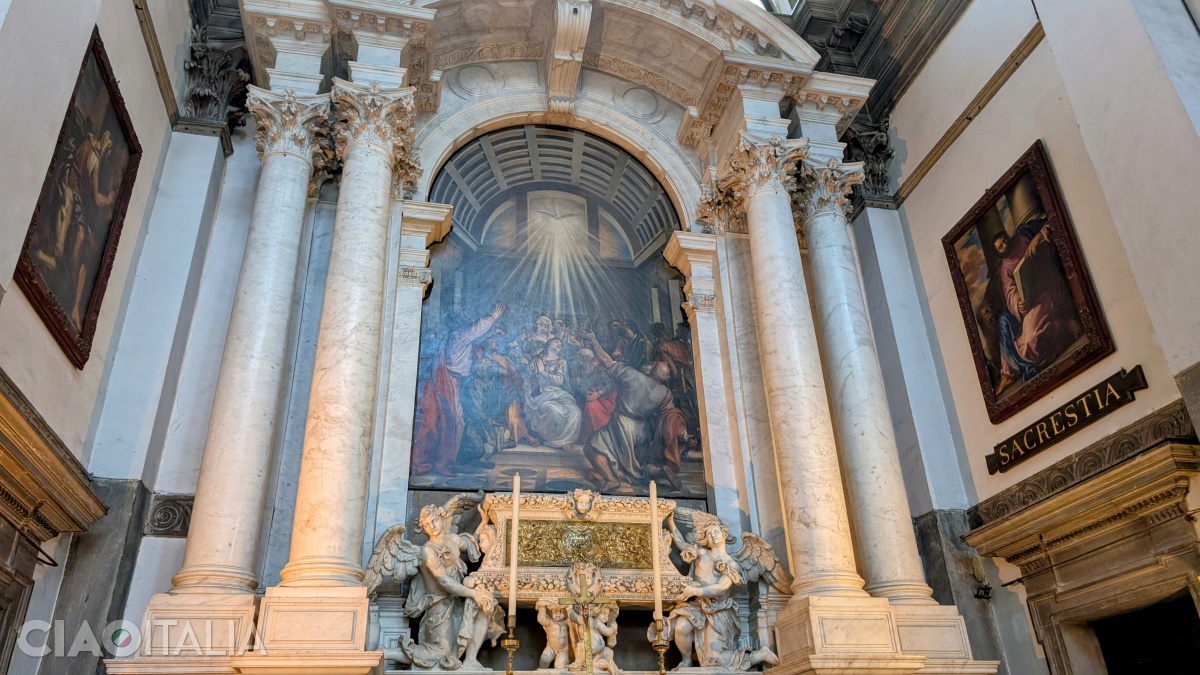
The composer Richard Wagner died in Venice in 1883. He loved this city, where he was staying for the sixth time, having rented the mezzanine of Ca' Vendramin Calergi - a palace on the Grand Canal - to spend the winter with his wife and children. Today, in addition to the Municipal Casino, this 15th-century palace houses a museum dedicated to the great composer. Although it consists of only a few rooms, it is the most important private collection dedicated to Wagner after the one in Bayreuth.
The museum can be visited for free, with a guided tour, but only with a reservation made via email or phone +39 338 41 64 174.
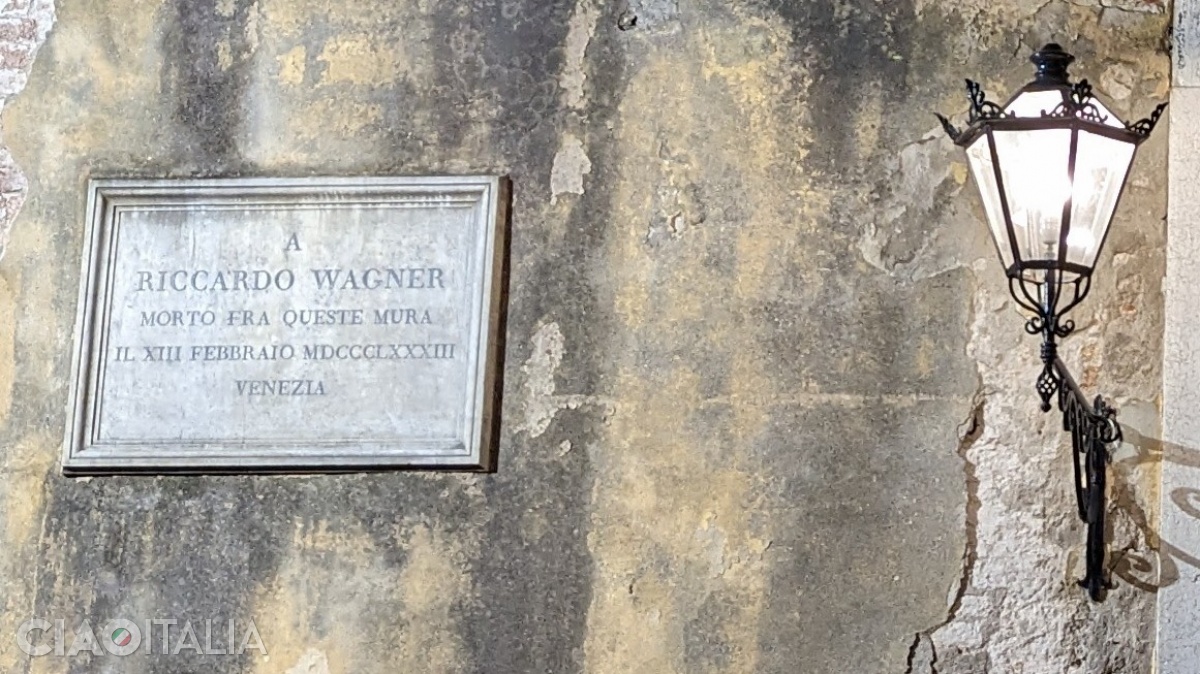
If you are following in Wagner's footsteps, pay a visit to Caffè Lavena in St. Mark's Square as well. Attention! The prices at the tables are very high, but prices at the bar (standing up) are normal - see also the article What to Eat in Venice. After all, you can also just take a peek inside to see Wagner's favourite café.
4. San Pantalon Church
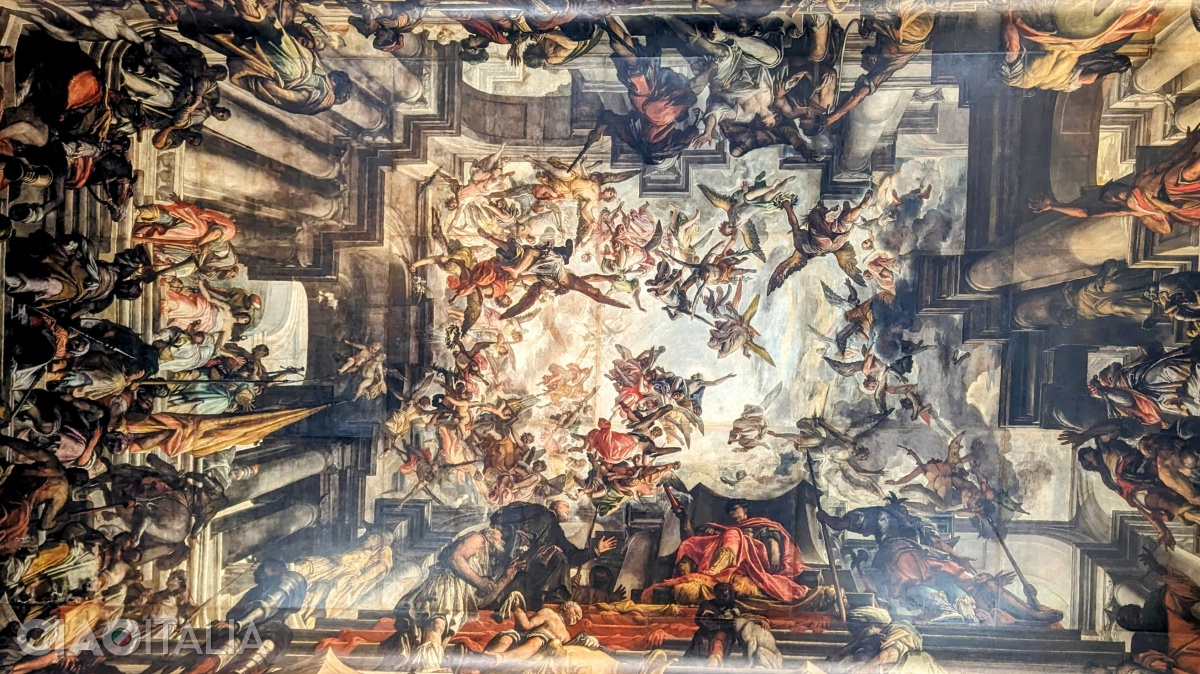
Leaving aside its unfinished façade, the San Pantalon Church in Venice hides a curiosity: its ceiling holds what some consider to be the largest canvas painting in the world. It appears to be a fresco, but it is in fact an oil painting, composed of 40 pieces joined together, covering a total surface area of 443 m2.
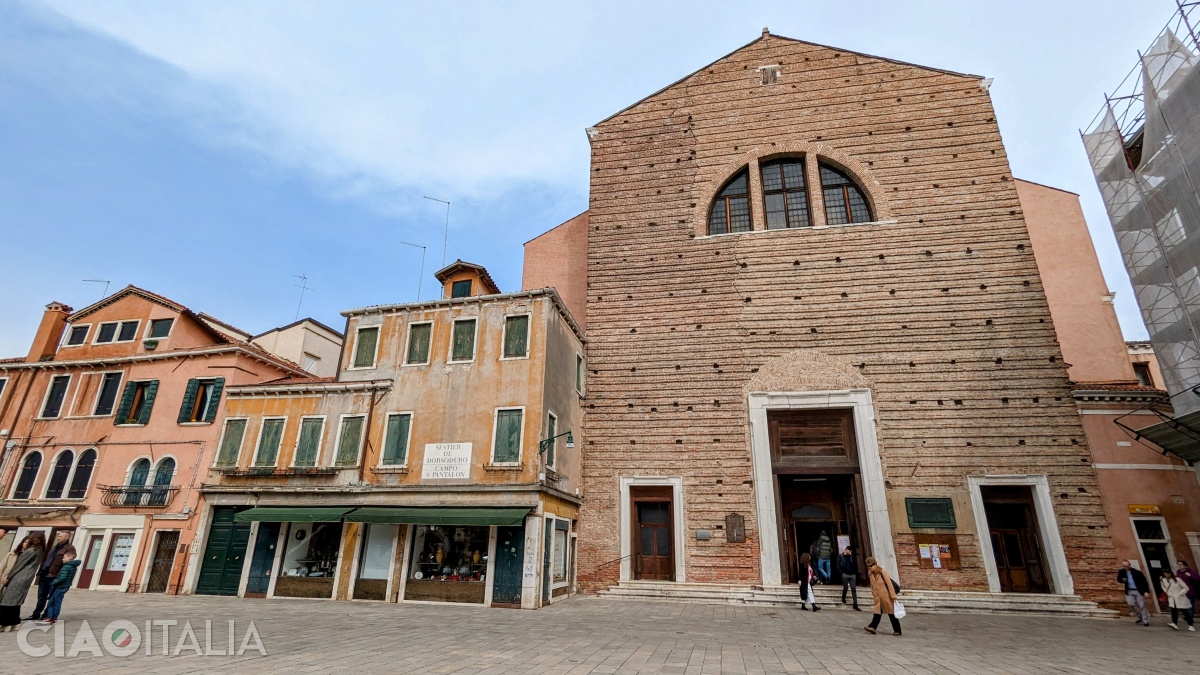
The work depicts "The Martyrdom and Glory of St. Pantaleon" and was created by Giovanni Antonio Fumiani, who worked on it for 24 years, between 1680 and 1704. Optical illusions are present, making the figures appear much larger than they are.
The BBC included the ceiling of the San Pantalon Church among the ten most beautiful in the world.
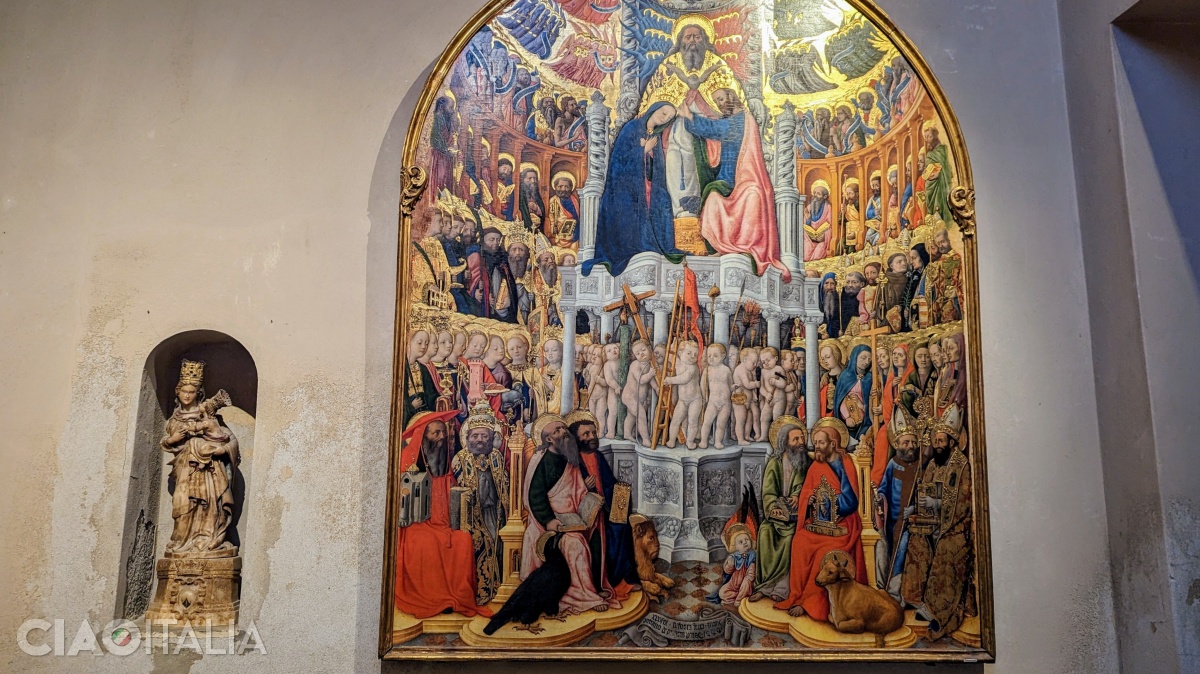
In the same church, you can see other works, such as Paolo Veronese's last painting ("St. Pantaleon healing a child", 16th century), Paolo Veneziano's "Virgin with Child" (14th century), Antonio Vivarini and Giovanni d'Alemagna's "Coronation of the Virgin" (15th century), and paintings by Jacopo Palma il Giovane and Pietro Longhi.
San Pantalon Church
Opening Hours:
- Monday-Thursday: 10:00 AM - 12:30 PM, 3:30 PM - 6:00 PM
- Friday: closed
- Saturday: 10:00 AM - 12:30 PM, 3:30 PM - 7:00 PM
- Sunday: 9:00 AM - 12:30 PM, 3:30 PM - 6:00 PM
Ticket Prices:
- free
5. Banksy's Mural
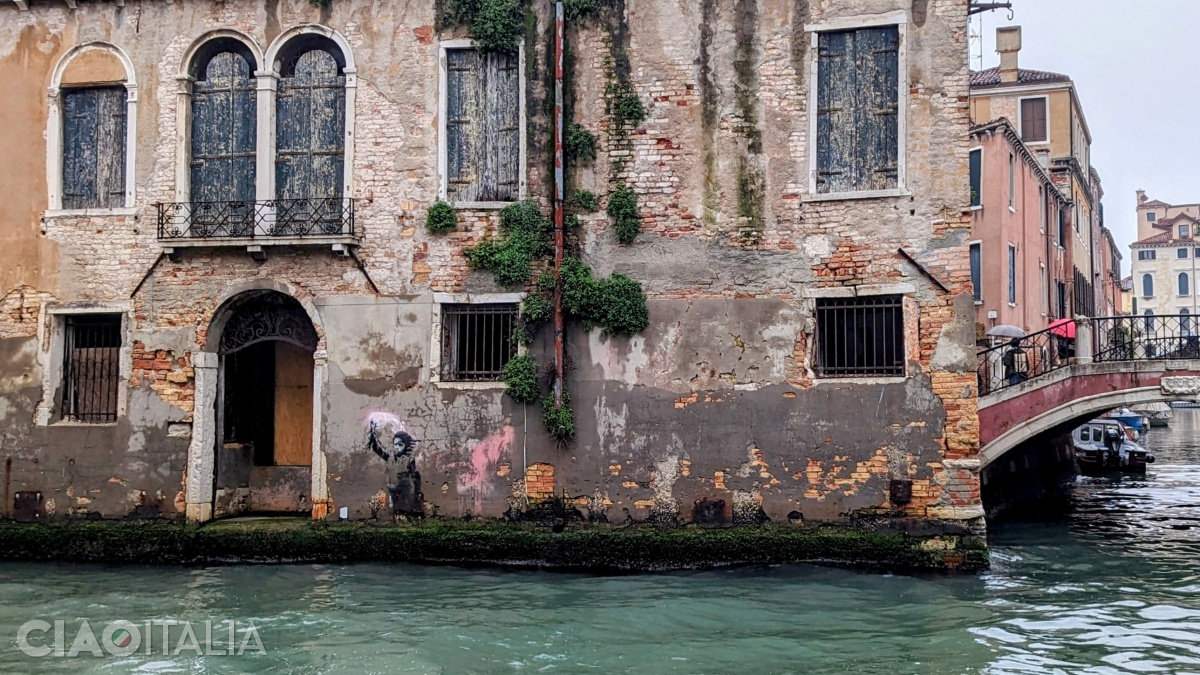
Not far from the San Pantalon Church is a work dating from a completely different period. On the wall of an old house, facing the Rio de Ca' Foscari canal, is the mural "The Migrant Child", painted by the famous street artist Banksy in 2019. The work (located right near water level and currently quite faded and damaged) depicts a child wearing a life vest who is trying to call for help using a smoke signal.
The house whose wall bear the mural is Palazzo San Pantalon and dates back to the 17th century. Recently, the building was purchased by Banca Ifis and will be restored and converted into an exhibition space for young artists.
6. The Venetian Arsenal
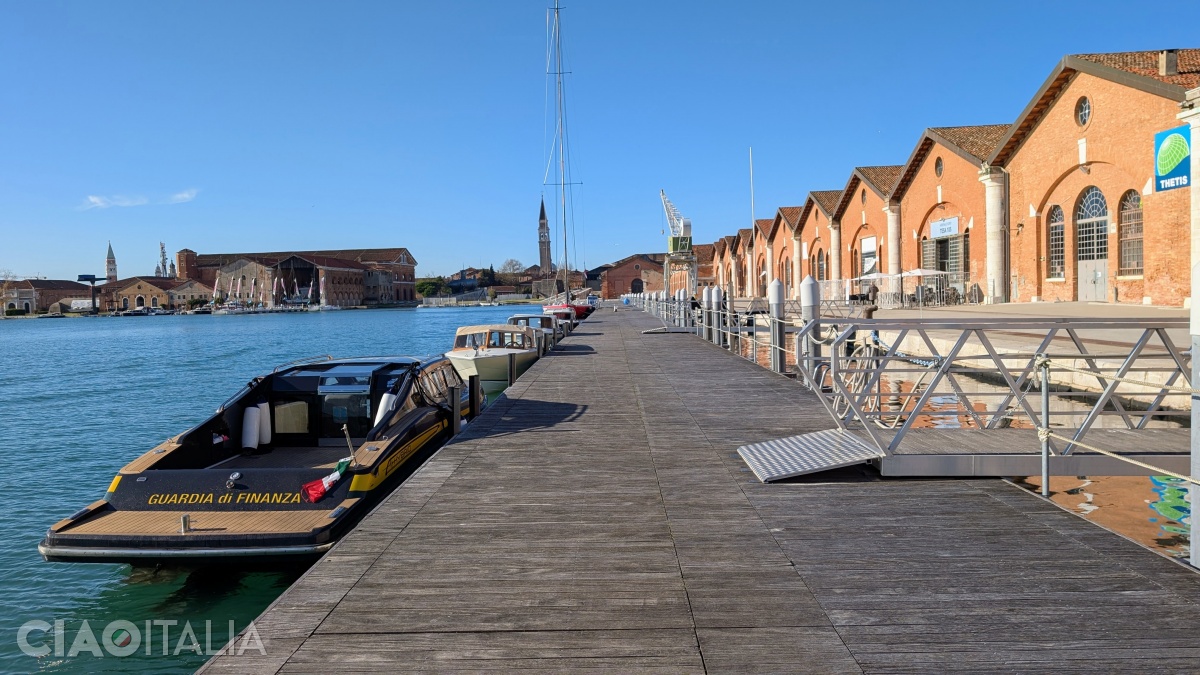
Spanning 48 hectares at the less touristy eastern end of Venice, the Arsenale was once the largest shipyard in Europe.
Access to Arsenale Sud is only possible during the months of the Biennale and requires a paid exhibition ticket.
Entrance to Arsenale Nord is free and is accessed through Bar Tesa 105 during its opening hours. You can reach the site by vaporetto (lines 4.1, 4.2, 5.1, or 5.2), getting off at the Bacini-Arsenale Nord station.
Visiting Arsenale Nord will give you a great overview of the sheer scale of this historic shipyard. You will see the Arsenal Tower, Porta Nuova (the gateway to the sea built at the beginning of the 19th century), the modern art installation "Building Bridges", some historical cranes and the Enrico Dandolo submarine.
7. Churches of the Chorus Association
Lately, the churches belonging to the Chorus Association can be visited for free. Only 4 of them have small museums or sacristies inside for which you will have to pay an admission fee of €3.5.
Churches of Chorus Association
Opening Hours:
- Most of the churches: Monday-Saturday, 10:30 AM - 5:00 PM, Sunday closed
- San Zaccaria: Monday-Sunday, 10:00 AM - 6:00 PM
Special Days:
- January 6, November 1, and December 8: Churches open at 12:00 PM
Closed:
- January 1
- Easter
- August 15
- December 25
Ticket Prices:
Churches: free
Museums (Santo Stefano museum, San Zaccaria museum and crypt, Oratorio del Crocifisso at San Polo Church, and the monumental sacristy at Redentore Church):
- Adults: €3.5
- Students under 25: €2.5
- Children under 11: free
The churches in the Chorus circuit are:
Santo Stefano Church
Rebuilt in the 14th century, the Church of Santo Stefano is one of the most beautiful Venetian Gothic churches. Inside, the three naves are separated by columns of white and red Verona marble. The wooden choir with inlay work dates back to 1488, and the ceiling is unique, shaped like a ship's keel. In Venice, you will only encounter this type of ceiling at the San Giacomo dall'Orio and San Polo churches. You can also find it at the Chiesa degli Eremitani in Padua (for reference, see also the article about the attractions to visit in Padua) and the San Francesco Church in Treviso (check also the article Things to Do in Treviso).
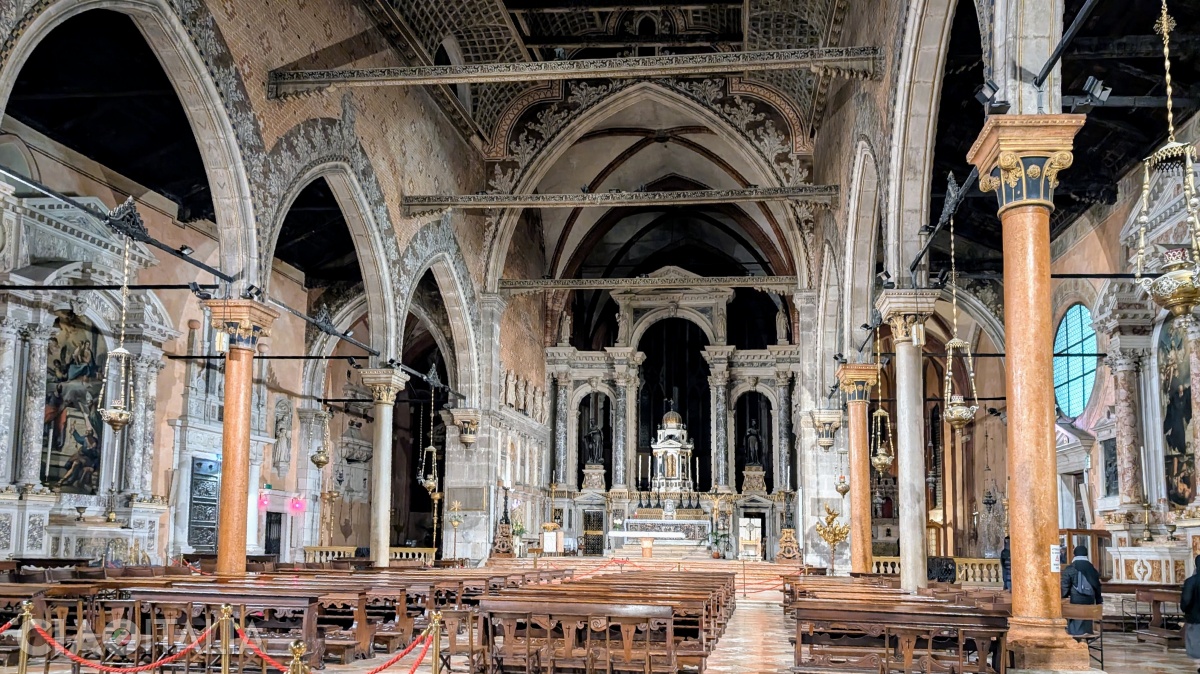
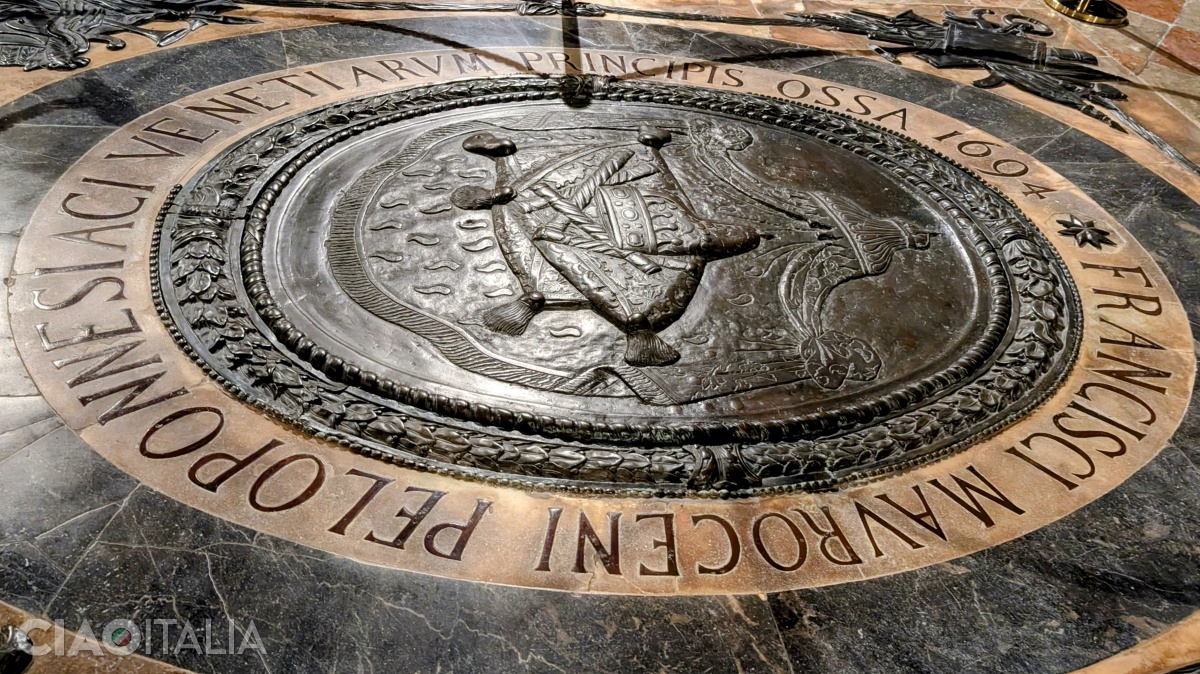
In the central nave, you will find the funeral monument of Admiral Francesco Morosini, who reconquered the Peloponnese at the end of the 17th century (earning the nickname Peloponnesiacus) and was elected Doge. In his honor, the Senate placed a bronze bust in one of the halls of the Doge's Palace while he was still alive- a unique case in Venetian history.
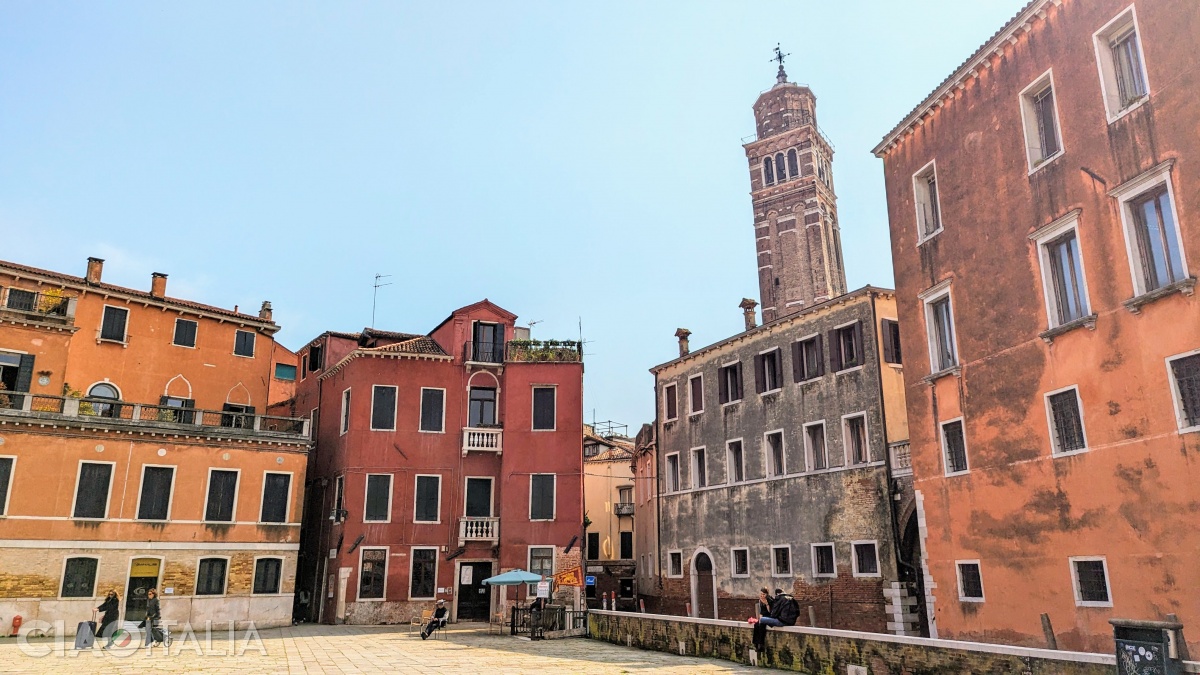
The Romanesque-style bell tower, separate from the church, was built in the 15th century and is one of the tallest in the city. It is also the most leaning tower, with the difference between the top and the base being almost 2 meters (you can observe this very well from Campo San Angelo).
Works by Tintoretto are kept in the sacristy (access to the sacristy requires a fee).
Sant'Elena Church
The Church of Sant'Elena (St. Helena) is at the eastern end of Venice, on the last small island of the Castello district. The church and adjacent monastery were founded in the 12th century and rebuilt in the 15th century. In 1810, they were closed following Napoleon's decrees and transformed into warehouses. Later, the church was reconsecrated.
Inside the Church of Sant'Elena, you can find part of the relics of Saint Empress Helena, brought from Constantinople to Venice in the year 1211.
Santa Maria del Giglio
The Church of Santa Maria del Giglio is known by Venetians more commonly as "Santa Maria Zobenigo", after the name of the Jubenico family, who allegedly contributed to its founding in the 9th century.
The church presents a beautiful Baroque façade, created by Giuseppe Sardi in the second half of the 17th century. The façade, commissioned by Antonio Barbaro (capitano da mar - commander of the Venetian fleet), is decorated with marble bas-reliefs depicting victorious battles in which Barbaro and his five brothers fought. The family coat of arms is located in the upper part.
Inside, you can admire the only work by Rubens located in Venice ("The Virgin and Child with St. John"), as well as "The Four Evangelists" by Tintoretto behind the main altar.
A curiosity: The low brick building to the left of the church is actually what remains of the former bell tower. The tower had been built in the 16th century but was demolished in 1775 because it had a dangerous lean threatening the surrounding homes. The Senate ordered its reconstruction, but works stopped at the base (which is what you can see today).
San Giacomo dall'Orio
San Giacomo dall'Orio, whose origins date back to the 9th century, is one of the oldest churches in Venice.
Inside, it has a beautiful coffered ceiling from the 15th century, a work by Lorenzo Lotto, and pieces by Veronese, Francesco Bassano, and Palma il Giovane.
The church was traditionally the departure point for pilgrims heading to Santiago de Compostela. On the bell tower, above the entrance and slightly to the right, there is a small marble relief depicting a man with a scallop shell, the symbol of the pilgrimage.
Madonna dell'Orto Church
Located in a very quiet area of the Cannaregio district, the Church of Madonna dell'Orto is also known as "Tintoretto's Church". The painter was a parishioner here and has his final resting place in one of the chapels.
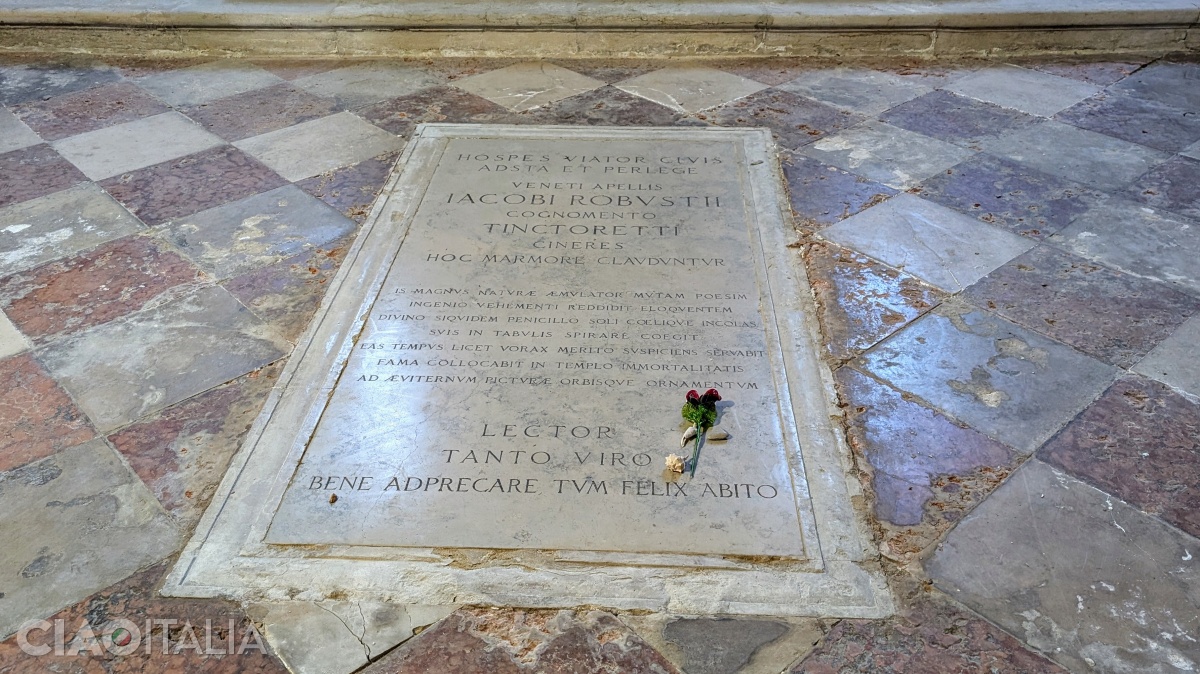
The church preserves several of his works inside and, along with the Scuola Grande di San Rocco and the Accademia Galleries, is one of the most important sites in Venice where you can admire the works of this famous painter.
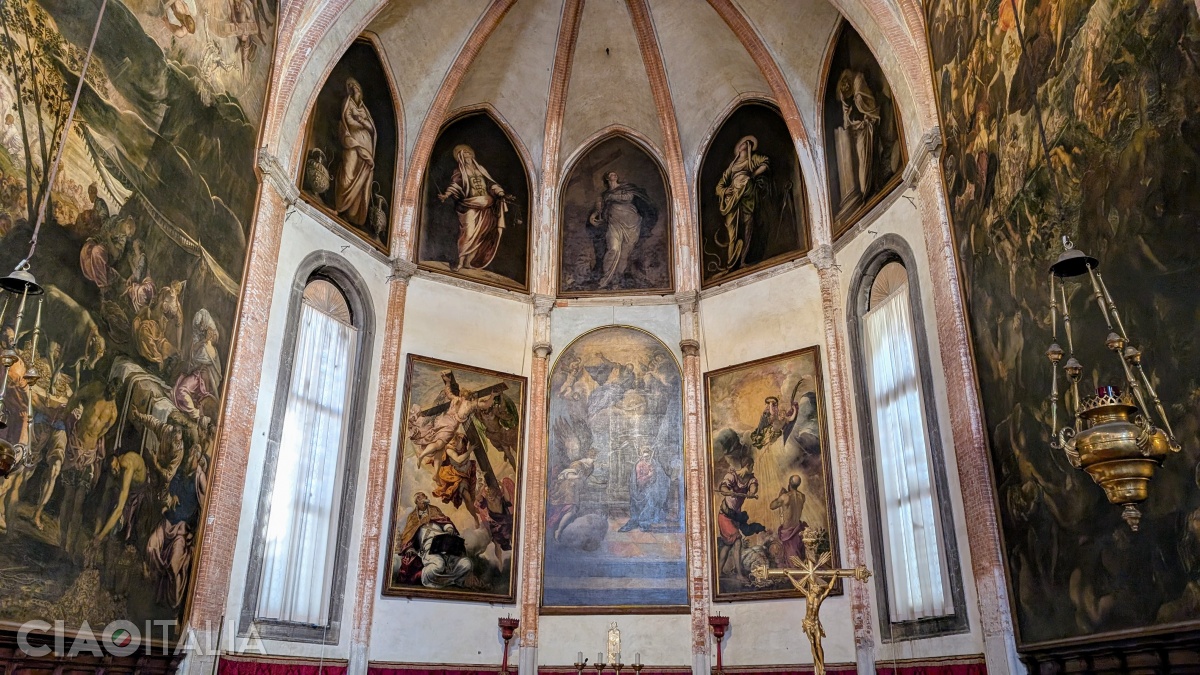
San Polo Church
Although it has much older origins, the San Polo Church has undergone modifications over time that changed its appearance.
Inside, two works by Tintoretto are preserved: "The Last Supper" and "The Virgin and Saints", as well as a famous painting by Giambattista Tiepolo ("The Virgin Appearing to St. John of Nepomuk"), and works by Veronese, Palma il Giovane, and Giandomenico Tiepolo (Giambattista's son).
Santa Maria del Rosario Church
The Church of Santa Maria del Rosario is part of a large monastic complex built in the 18th century. It is better known as Chiesa dei Gesuati ("Church of the Jesuates"), due to the fact that it first belonged to the Jesuate order (later passing into the possession of the Dominican friars).
The ceiling is decorated with three large frescoes by Tiepolo, and the altar panel is painted by Tintoretto.
San Marziale Church
Founded in the 9th century, the Church of San Marziale is known especially for a statue of the Virgin with Child, considered miraculous. According to legend, the statue was carved in 1286 from a tree trunk by a shepherd named Rustico. During the night, the statue was disfigured by the devil, but two angels intervened and finally sculpted the Virgin's face. In Rimini, the sculpture was loaded onto a ship which, pushed by angels, reached Venice near the San Marziale Church. There it performed a miracle, restoring sight to two blind men, a father and son. Sebastiano Ricci's canvas on the ceiling ("The Angels Sculpting the Face of the Virgin") and five paintings in the sacristy dating from the 16th century narrate this legend.
San Pietro di Castello Basilica
The Basilica of San Pietro di Castello is very old (the first church was built on this site in the 7th century) and very important to Venetians. It was the cathedral of Venice until 1807, when it was replaced by St. Mark's Basilica.

The church was redone in the 16th-17th centuries according to Palladio's design, and the bell tower was built at the end of the 15th century using Istrian stone by architect Mauro Codussi.
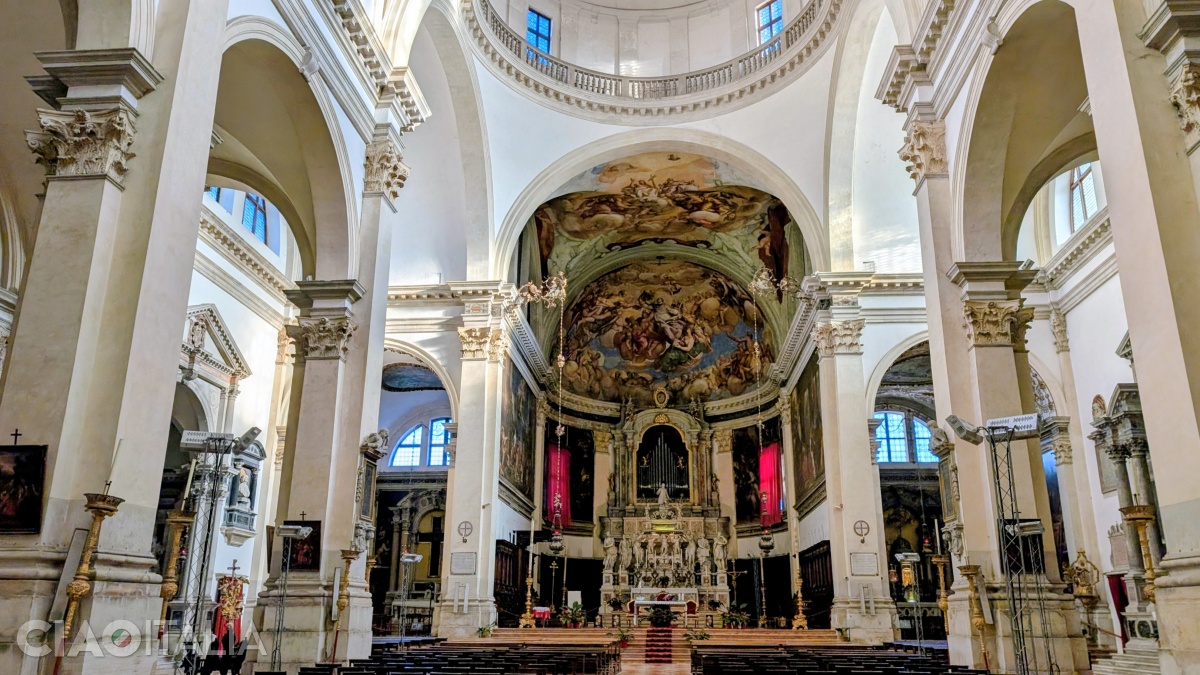
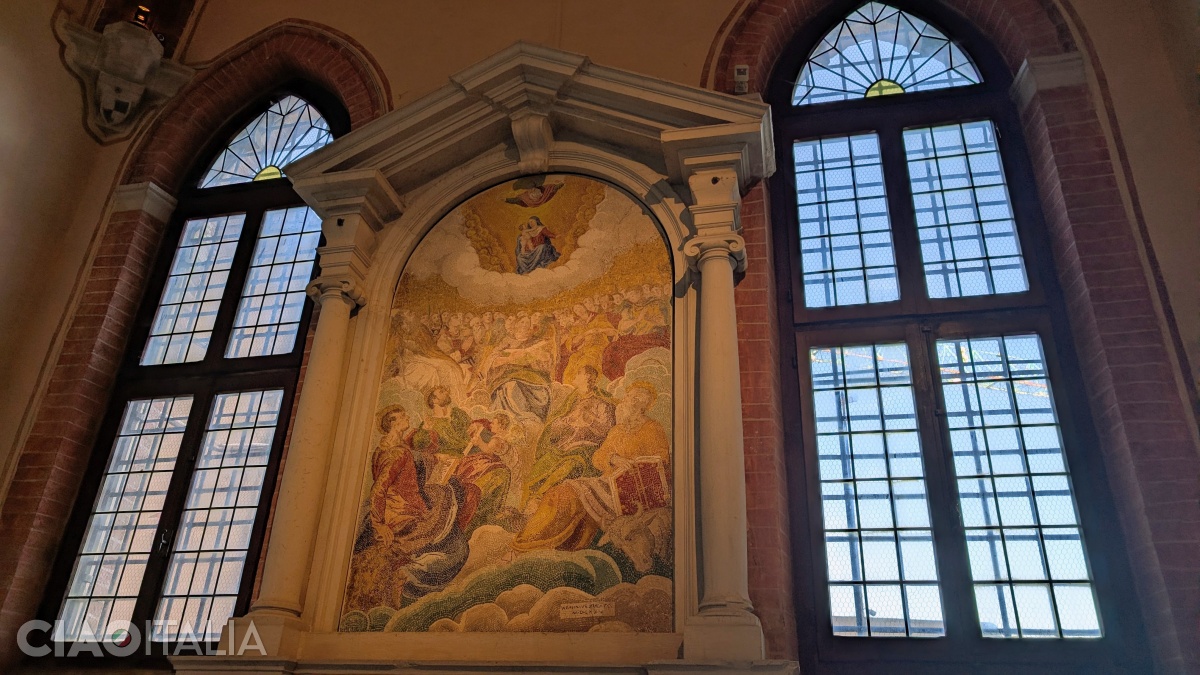
Among other things, the interior preserves two paintings by Titian and Tintoretto, a work by Luca Giordano (a painter originally from Naples), and a mosaic by Arminio Zuccato, created after a drawing by Tintoretto.
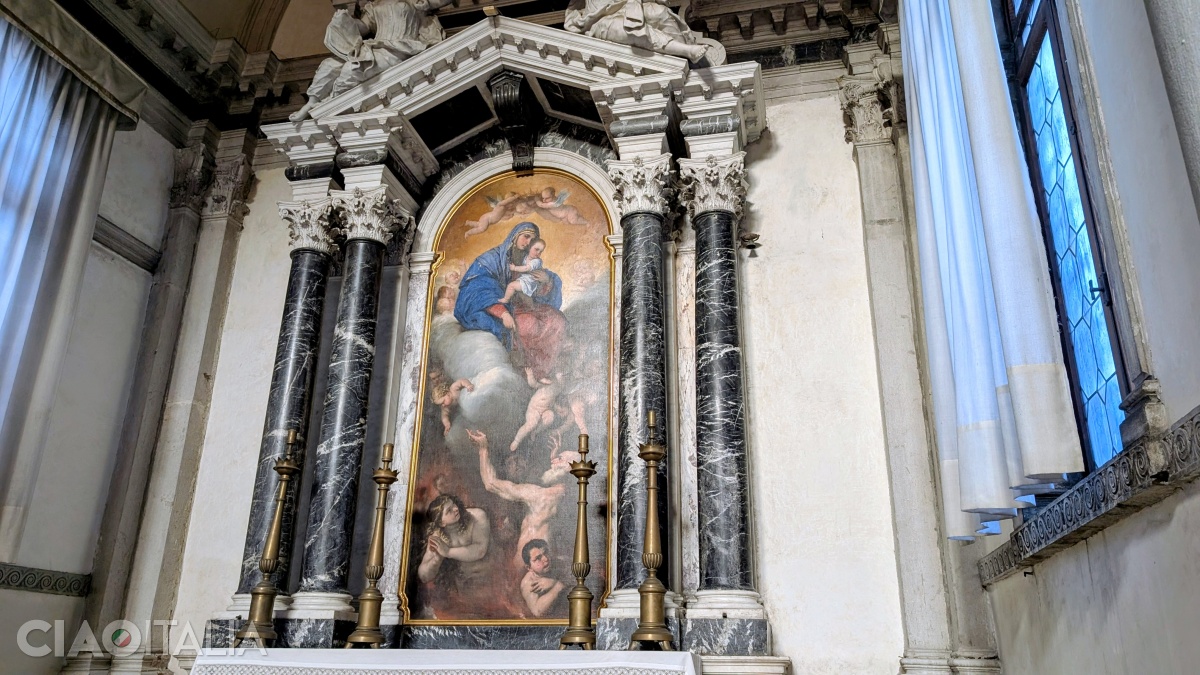
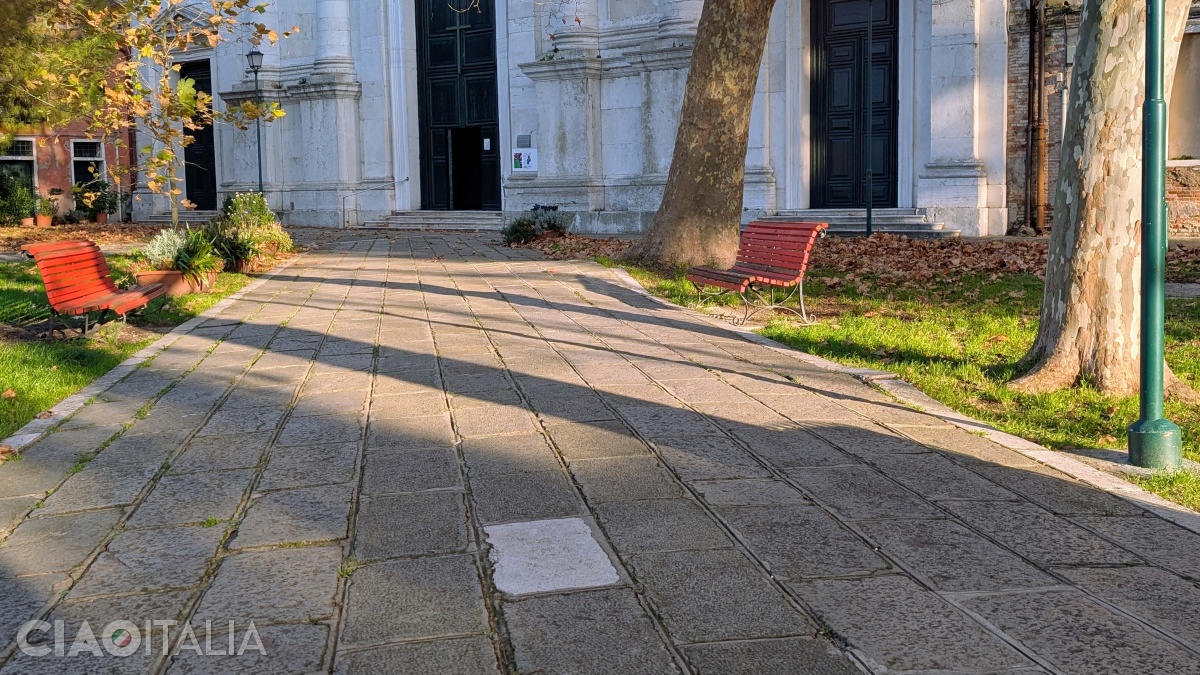
You may notice a curious and singular white stone on the path leading to the church entrance. This marks the spot where the Doge and the Patriarch of Venice would meet - it was the compromise solution found to avoid the Doge humiliating himself by going all the way to the church door, or the Patriarch having to wait at the shore for the Doge's boat.
San Stae Church
The Church of San Stae is situated right on the Grand Canal and has a beautiful façade dating from the early 18th century. Among the works inside is "The Martyrdom of St. Bartholomew", created by Giambattista Tiepolo in 1722.
San Giovanni Battista in Bragora Church
The Church of San Giovanni Battista in Bragora was founded in the 8th century and rebuilt in the 15th century.
Santa Maria del Carmelo
The Church of Santa Maria del Carmelo is known as Chiesa dei Carmini, having been founded by the Carmelite order at the end of the 13th century.
The altars are decorated with panels painted by Cima da Conegliano, Lorenzo Lotto, and Tintoretto.
San Giovanni Elemosinario Church
The San Giovanni Elemosinario Church is located in the Rialto Market area and was built in the 16th century on the site of an older church destroyed by fire. Inside, there is an altar panel created by Titian and another painted by Pordenone.
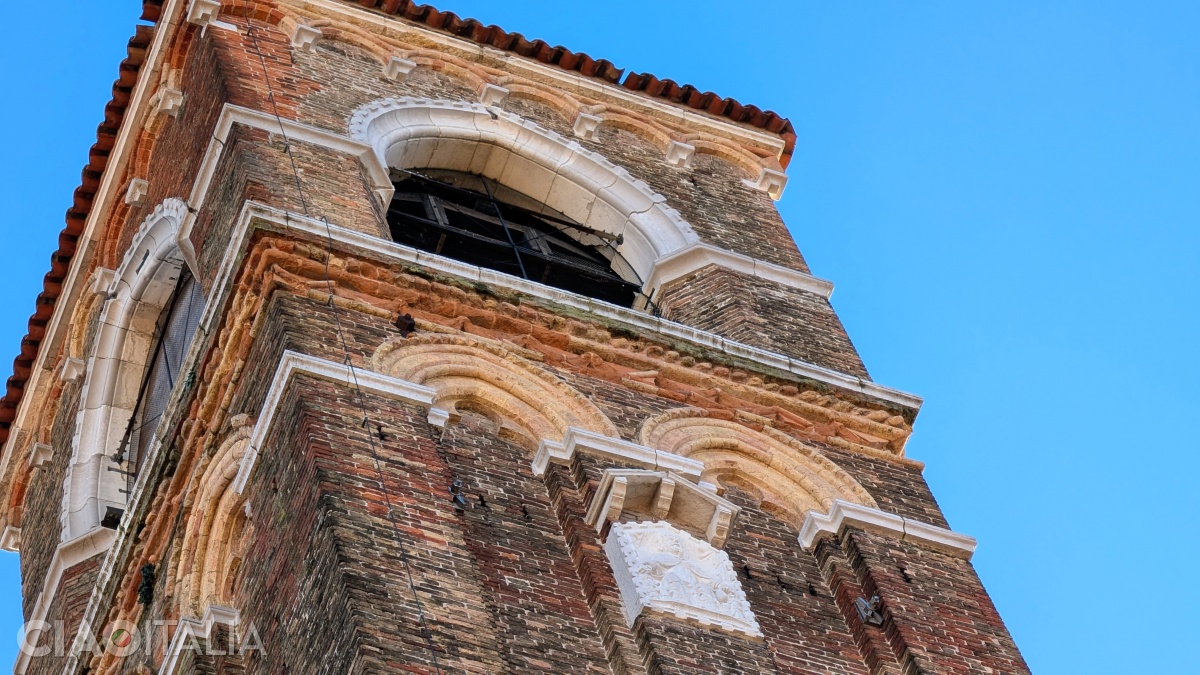
Among the bas-reliefs on the bell tower is one depicting a Doge's horn (corno ducale) above the Steno family coat of arms. It is a symbol of the fact that Doge Michele Steno was the protector of this church, where he attended mass every Wednesday.
San Giobbe Church
The San Giobbe Church was built in the 15th century and is located near the Ponte dei Tre Archi. A beautiful triptych by Antonio Vivarini is kept in the sacristy.
Santa Sofia Church
Located near Strada Nova, the Church of Santa Sofia was founded in the 11th century. In the 19th century, following urban regulations that led to the opening of the street, it lost a large part of its façade.
San Felice Church
Founded in the 10th century, the Church of San Felice was rebuilt in the 16th century. Inside, there is a painting by Tintoretto.
San Zaccaria Church
The Church of San Zaccaria, located not far from St. Mark's Square, was initially built in the 9th century to house the relics of St. Zechariah, father of John the Baptist. These relics had been donated by the Byzantine Emperor Leo V the Armenian to strengthen the friendship with Venice.
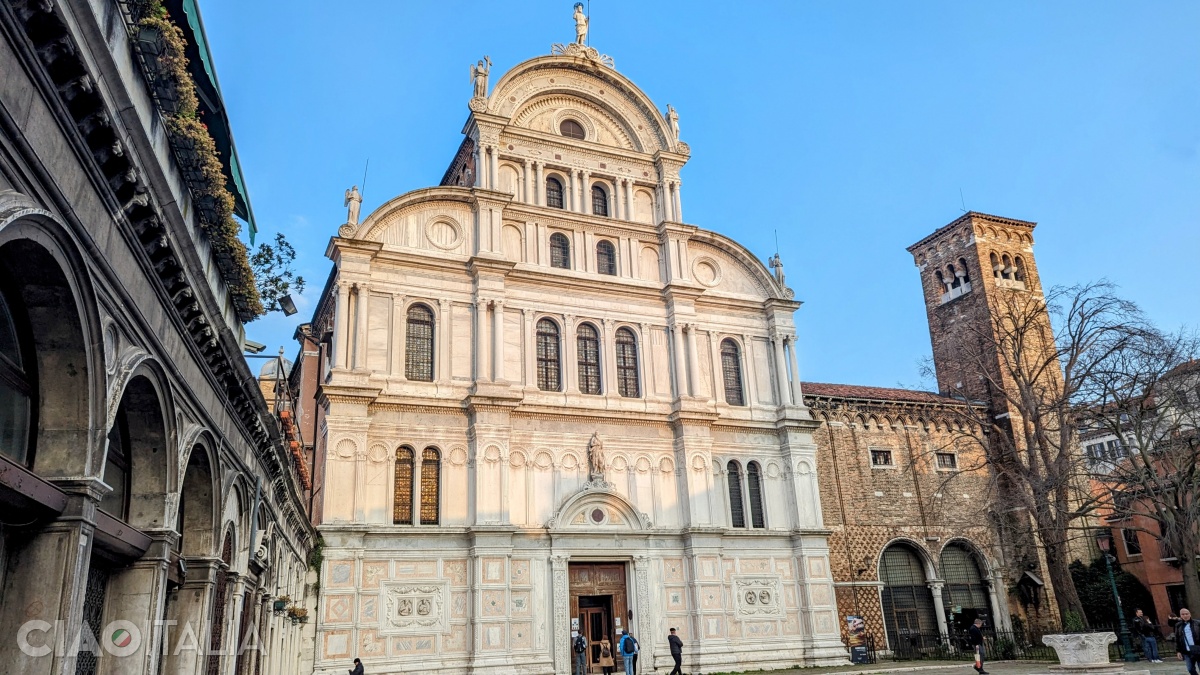
Destroyed by fire, the church was rebuilt in the 15th century and, in addition to the tombs of several Doges, houses works by Giovanni Bellini, Andrea del Castagno, and Palma il Vecchio.
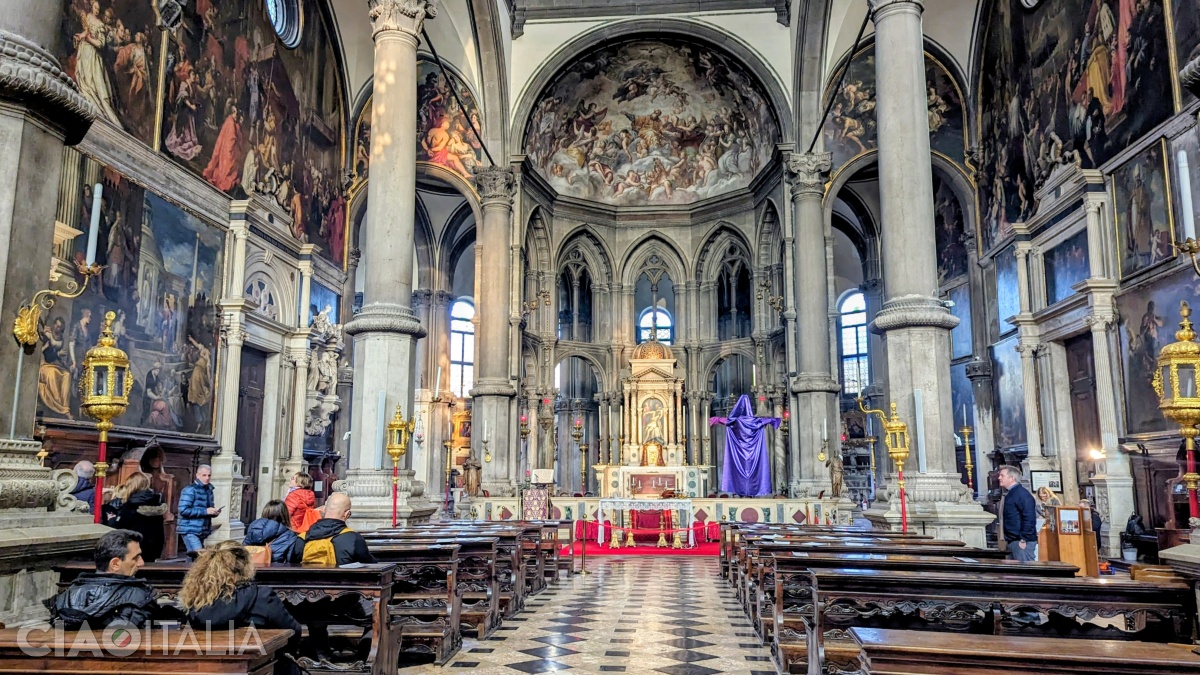
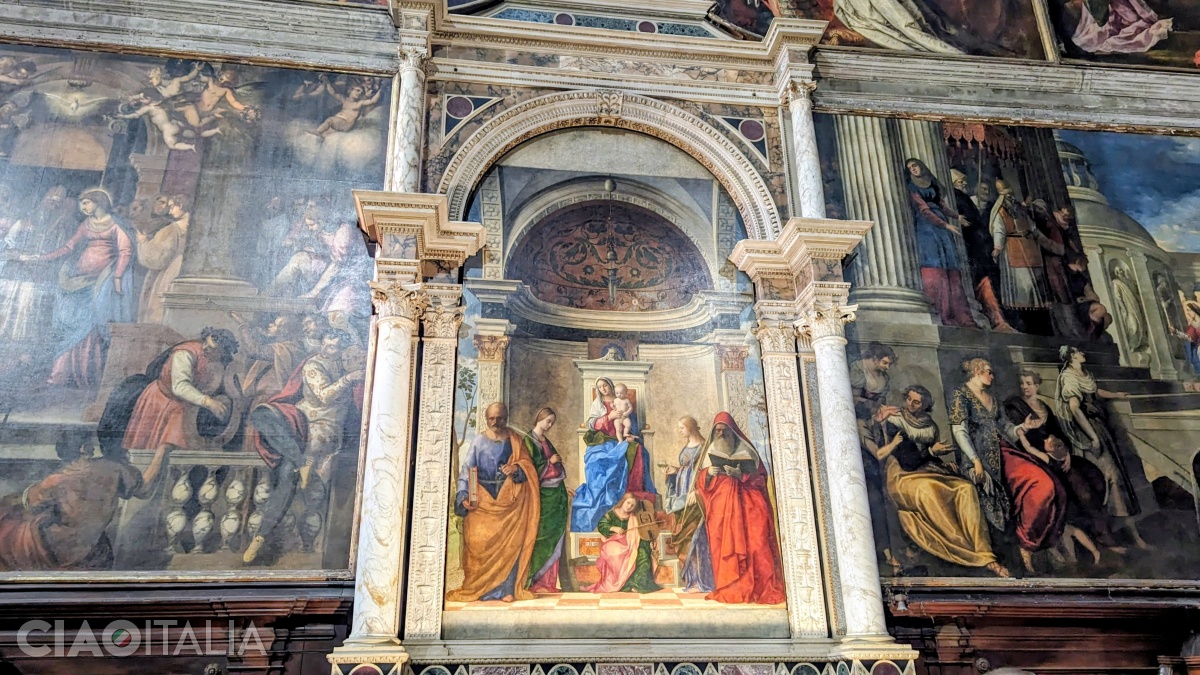
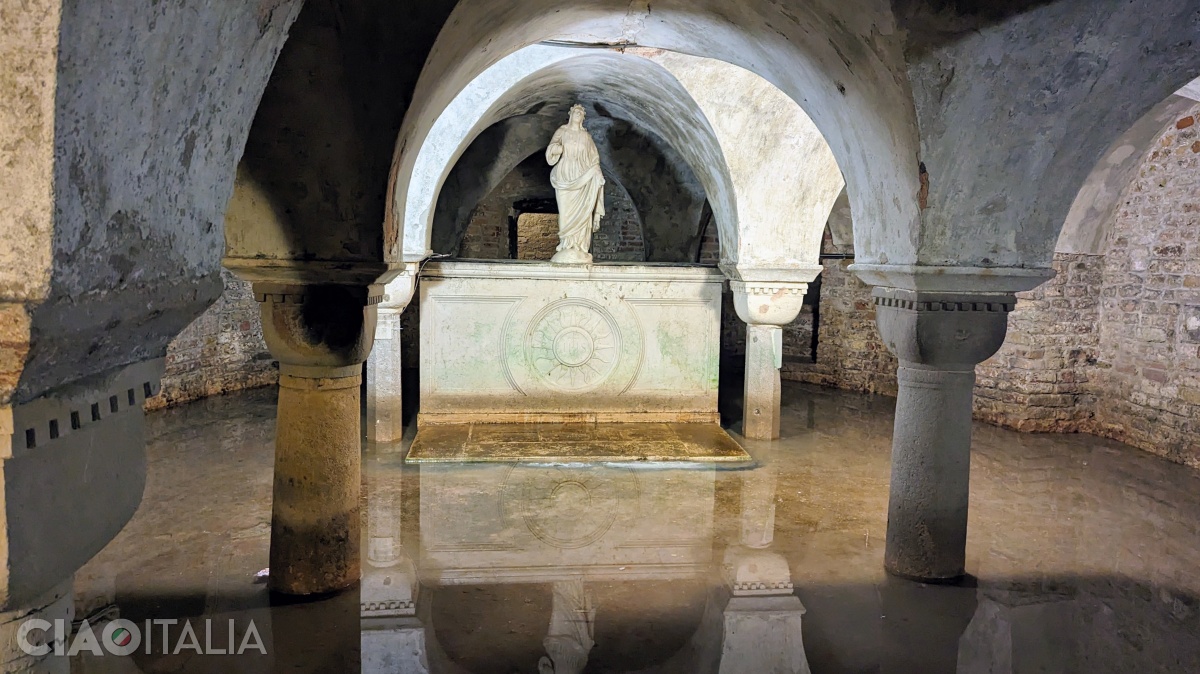
A curiosity of the San Zaccaria Church is its crypt, built in the 10th-11th centuries, which is situated below sea level and, as such, is flooded for most of the year.
Sant'Alvise Church
The Church of Sant'Alvise is located in the Cannaregio district, near Madonna dell'Orto, in the same quiet and non-touristy area. It is a Gothic church dating from the 15th century. Inside, the 17th-century ceiling covered with frescoes stands out, as well as several works by Tiepolo.
San Lio Church
In the Church of San Lio, whose first construction dates back to the 9th century, lies the tomb of Canaletto, the painter known for his numerous depictions of Venice. Among the artworks in the church are pieces by Titian, Giandomenico Tiepolo, and Palma il Giovane.
Sant'Antonin Church
Although its current appearance dates from the 17th century, the Church of Sant'Antonin was built, according to tradition, in the 7th century. Inside is a chapel decorated with stuccoes, which apparently belonged to the Tiepolo family.
San Marcuola Church
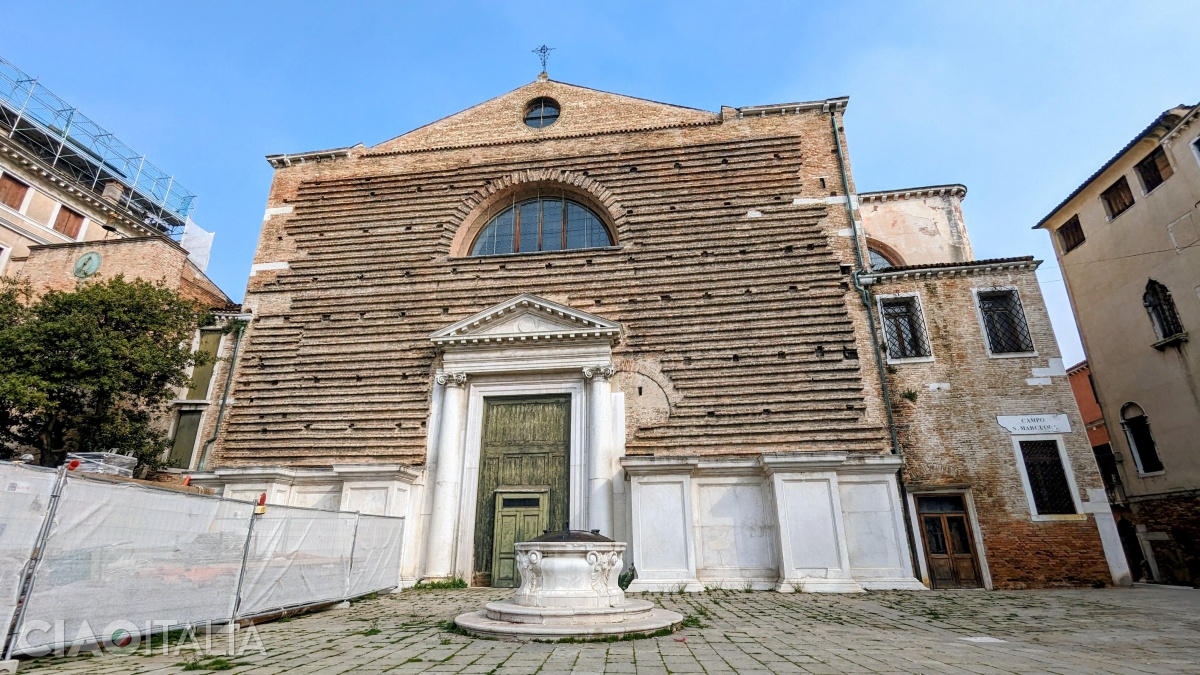
Founded in the 6th century and rebuilt in the 17th century, the Church of San Marcuola is located on the Grand Canal, and its façade remains unfinished. Inside the church, you can admire the painting "The Last Supper" by Tintoretto.
San Fantin Church
The Church of San Fantin is located right across from La Fenice Theatre. Among other things, inside is a work by Palma il Giovane.
Santa Maria dei Miracoli Church
The Church of Santa Maria dei Miracoli has an exterior clad in colored marble. It was built at the end of the 15th century to house an icon of the Virgin with Child, considered miraculous, which sits today on the main altar.
San Luca Church
Built in the 11th century and redone in the 16th century, the Church of San Luca holds paintings by Veronese and Palma il Giovane.
San Trovaso Church
The Church of San Trovaso is located near the Squero di San Trovaso, one of the few gondola manufacturing and repair workshops remaining in Venice. It is dedicated to Saints Gervasius and Protasius, whose relics are in the Basilica of Sant'Ambrogio in Milan. Inside, several paintings by Domenico Tintoretto, the son of the much more well-known Jacopo Tintoretto, are preserved.
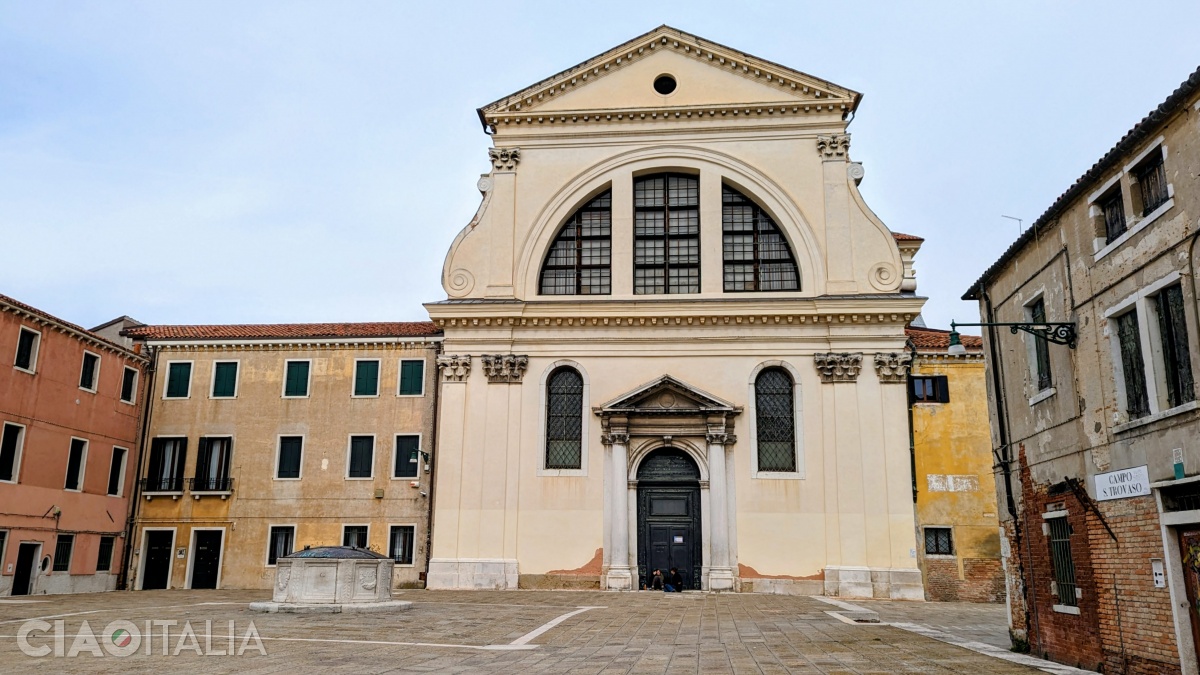
San Samuele Church
The Church of San Samuele is located on the Grand Canal and preserves a valuable crucifix painted by Paolo Veneziano from the 14th century.
San Sebastiano Church
Founded in the 14th century, the Church of San Sebastiano has been compared to the Sistine Chapel in the Vatican due to the impressive cycle of paintings created by Veronese. The painter's tomb is also located in this church.
Santa Maria Mater Domini Church
Built in its current form in the 16th century, the Church of Santa Maria Mater Domini hosts the work "The Discovery of the Holy Cross" by Tintoretto.
Santa Maria Formosa Church
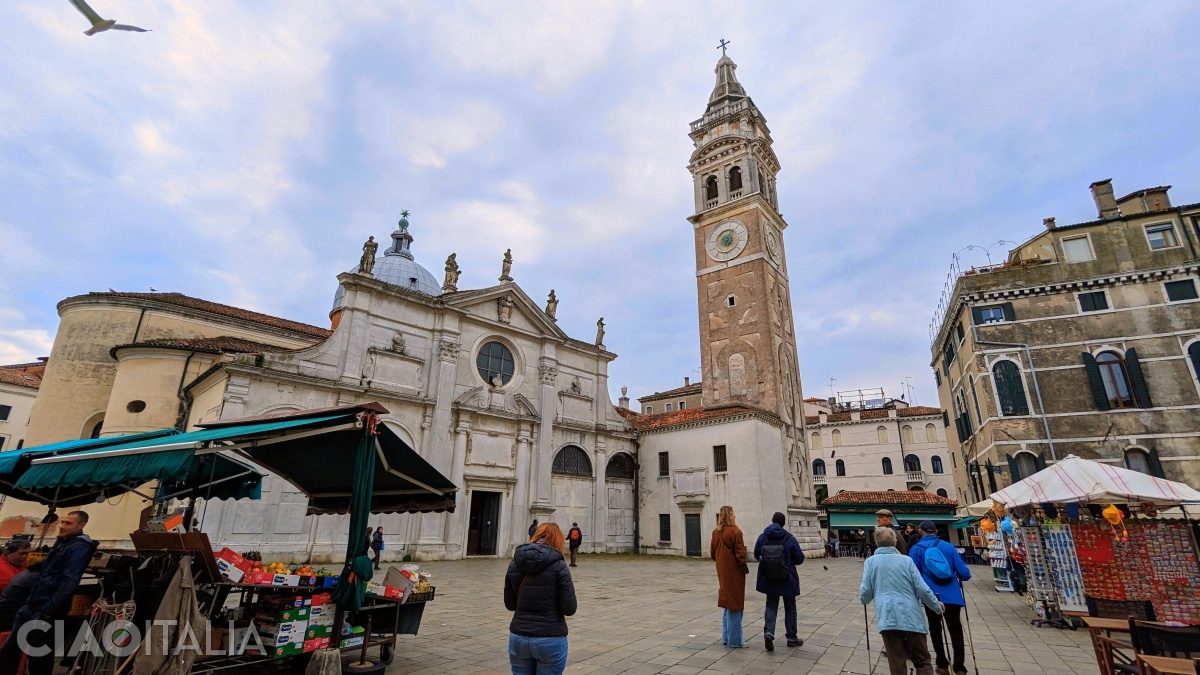
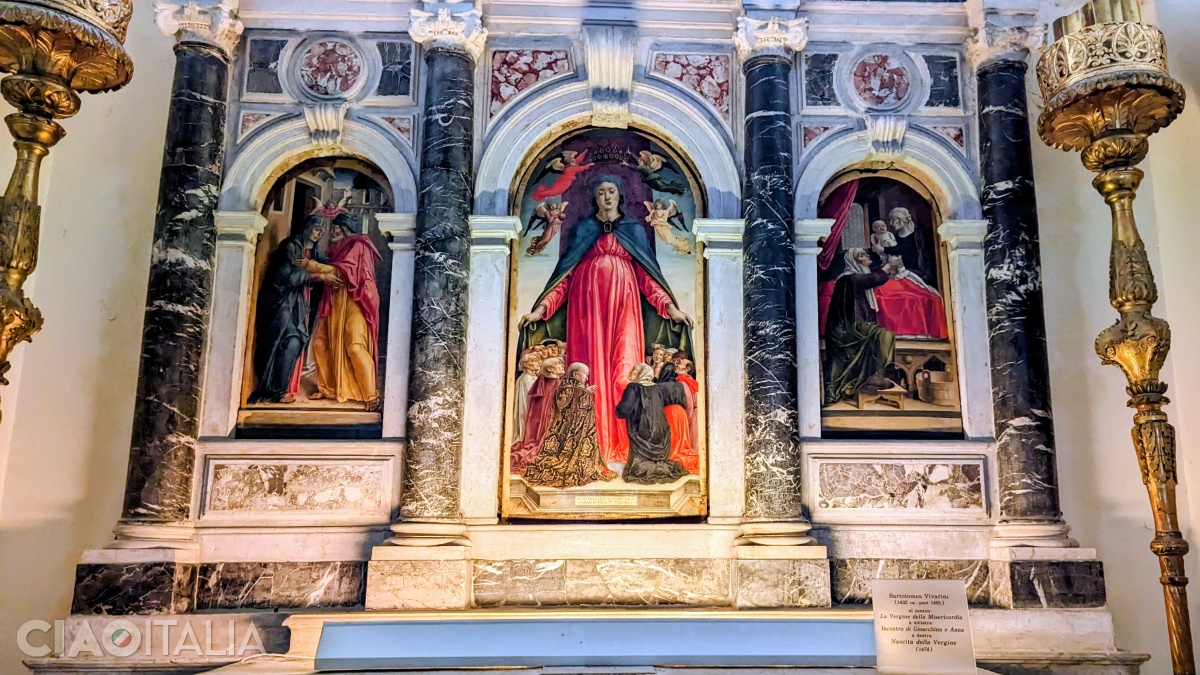
The Church of Santa Maria Formosa dates from 1492 and is the work of architect Mauro Codussi. Inside, there are paintings by Tiepolo, Palma il Vecchio, and Bartolomeo Vivarini.
San Nicolò dei Mendicoli Church
The movie Don’t Look Now was filmed in the Church of San Nicolò dei Mendicoli.
San Martino Church
Located in the Castello district, the Church of San Martino is one of the oldest in Venice, having been built, according to tradition, in the 7th-8th centuries.
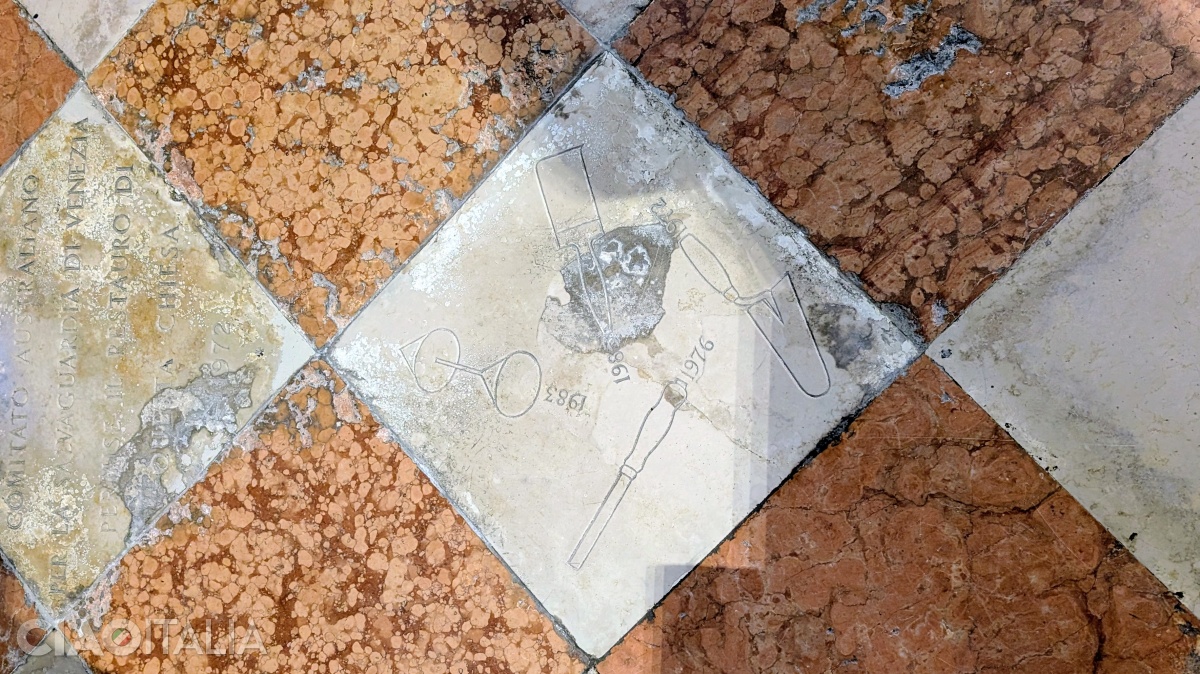
Inside, carved into the floor between the two rows of benches toward the altar, you can see the tools used by the workers of the Arsenal. The workers who handled the caulking of ships (calafati) had an altar here (the second on the right), where St. Phocas, the patron saint of their guild, is also represented.
San Beneto Church
San Beneto Church dates back to ancient times, but it was rebuilt at the end of the 17th century. Inside, you will find works by Giambattista Tiepolo, Sebastiano Mazzoni, and Bernardo Strozzi.
The Maddalena Church
The Maddalena Church was founded in 1222 but was rebuilt in the 18th century according to the designs of architect Tomaso Temanza. Its circular plan was inspired by the Pantheon in Rome. Construction began in 1763 and finished in 1790, making it the last church built in Venice before the fall of the Republic.
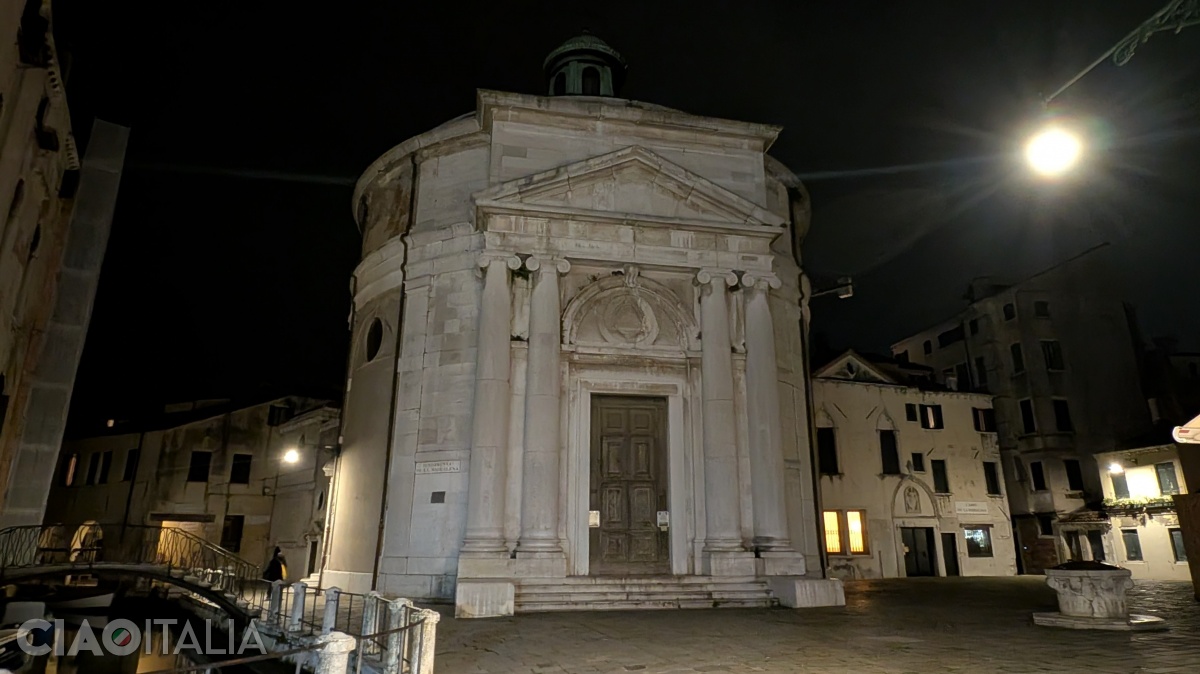
Beyond being dedicated to Saint Mary Magdalene, the church's name is also tied to a historical event. The battle between the Venetians and the Genoese in 1355 ended on July 1st, but the peace treaty was only made public and formalized on July 22nd - the feast day of Mary Magdalene.
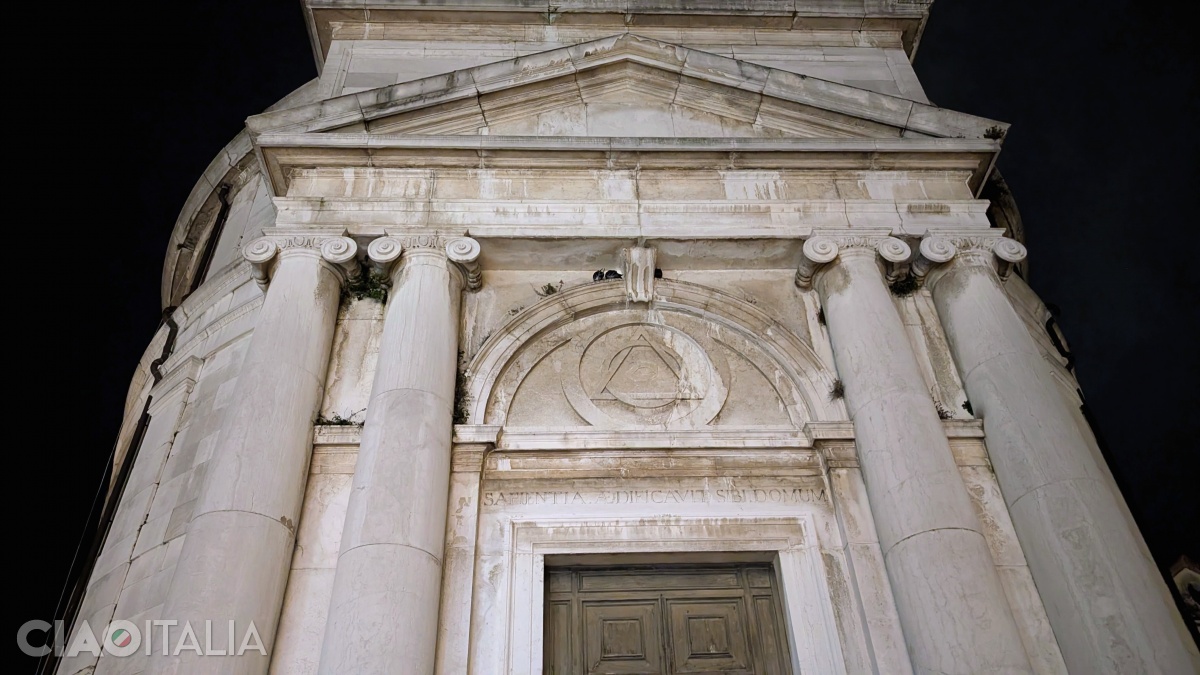
Above the church entrance, there is an image of an eye framed within a triangle, and the pediment bears the inscription Sapientia aedificavit sibi domum ("Wisdom has built herself a house"). These are likely symbols referring to Freemasonry, which was flourishing at the time. Furthermore, on the tombstone of the architect (who is buried in the church), a compass, a ruler, and a square are depicted beneath the year of his death (1789) - the tools of his trade, but also well-known Masonic symbols.
Church of Sant'Andrea de la Zirada
The Church of Sant’Andrea de la Zirada is located very close to Piazzale Roma. Inside, you can find several paintings attributed to Domenico Tintoretto.
Santissimo Redentore Church
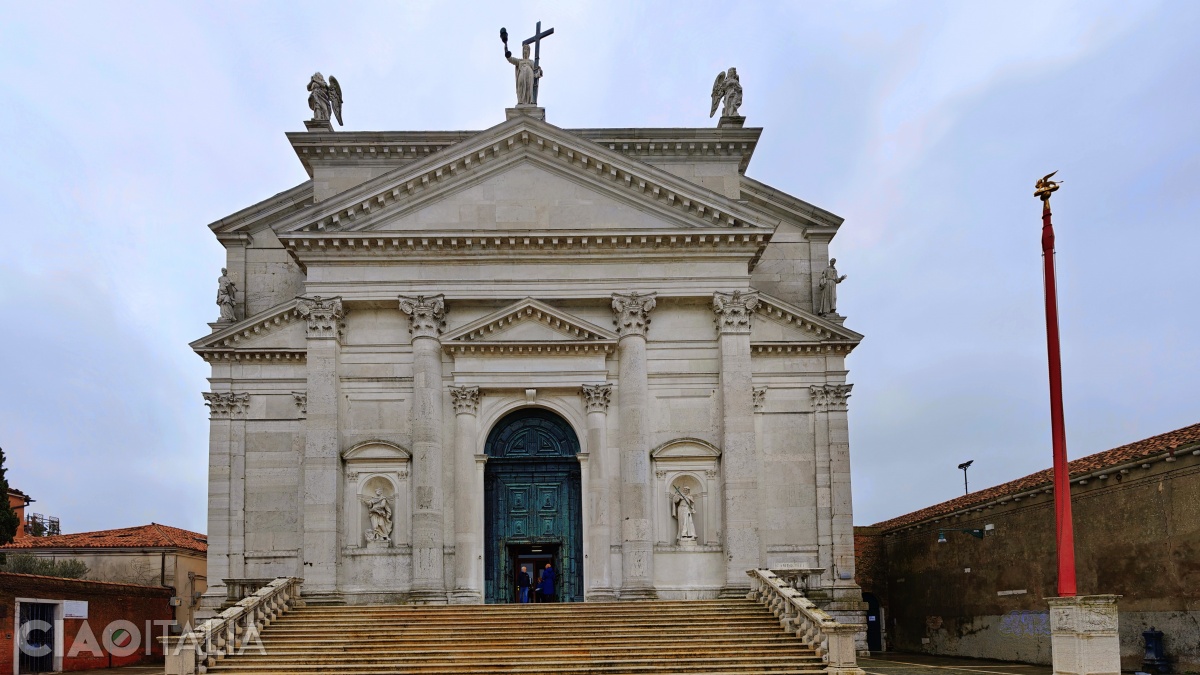
The Church of Santissimo Redentore ("The Holy Redeemer") is the most important tourist attraction on the island of Giudecca. Its fame is linked to the celebration called Festa del Redentore (the third weekend of July), when a pontoon bridge is built connecting Venice to Giudecca and impressive fireworks are organized.
Santa Maria Assunta Church
The Santa Maria Assunta Church is located on the island of Lido.
It dates back to the 15th century and features a Gothic portal, above which sits the coat of arms of the Belegno family. It bears the initials of Benedetto Belegno, who was appointed podestà (mayor) in 1494. The church's bell tower is inspired by the St. Mark's Campanile.
San Nicolò del Lido Church
As the name suggests, the San Nicolò del Lido Church is also located on the island of Lido.
Dating from the 11th century, it was rebuilt in the first half of the 17th century. In 1571, the bells of this church were the first to ring in honor of the victory at the Battle of Lepanto, as the monks here were the first to spot the victorious ships returning home.
8. Parks and Gardens
Parks and gardens can offer moments of relaxation, especially on warm summer days or simply when you want to take a break from visiting tourist attractions. Entry is free, but some parks are only open during certain hours.
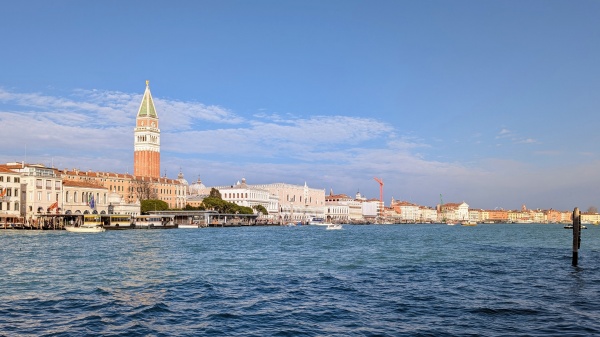
Right next to the crowded St. Mark's Square, on the waterfront side, you will find the Giardini Reali ("Royal Gardens"), where exotic and Mediterranean plants grow. The gardens were established in 1807, following Napoleon's decision to transform the Procuratie Nuove into a royal palace. Full public access has been allowed since 1920.
Giardini Reali
Opening Hours:
October 16 - April 14
- Monday-Tuesday: closed
- Wednesday-Sunday: 9:00 AM - 5:00 PM
- December 25, December 31, January 1: closed
- The last Saturday and Sunday of Carnival: closed
15 aprilie-15 octombrie:
- Monday-Tuesday: closed
- Wednesday-Sunday: 9:30 AM - 7:00 PM
- Easter Sunday: closed
- The third Saturday in July (when the Festa del Redentore is held): closed
Ticket Prices:
- free
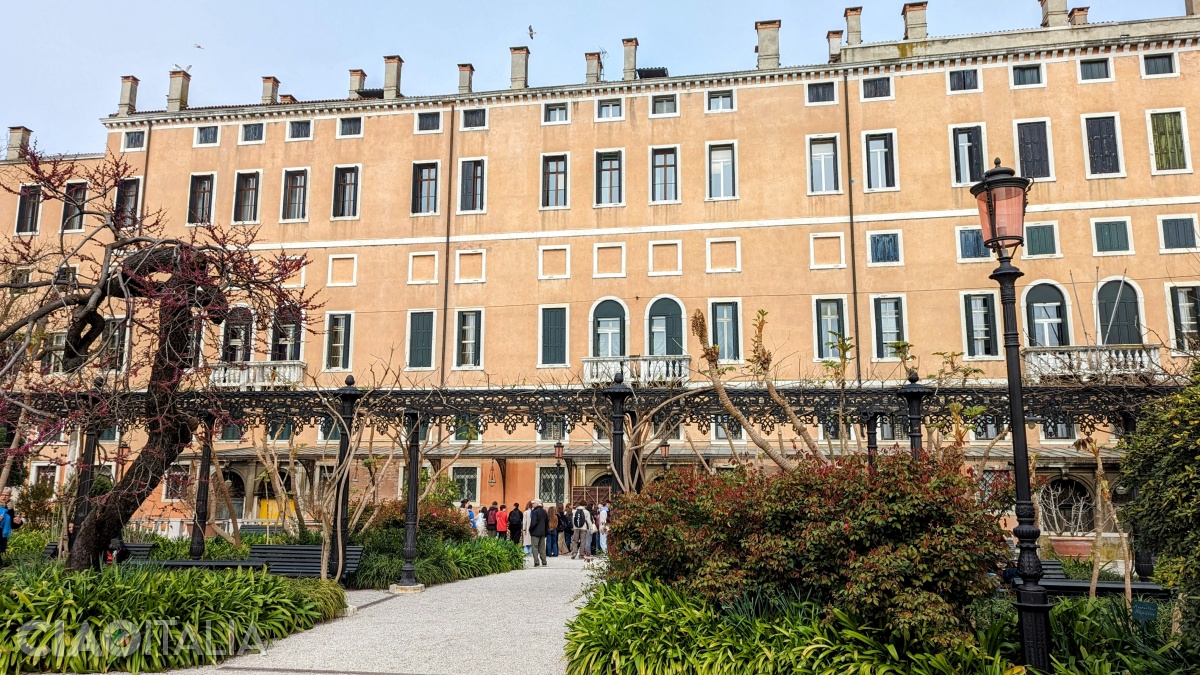
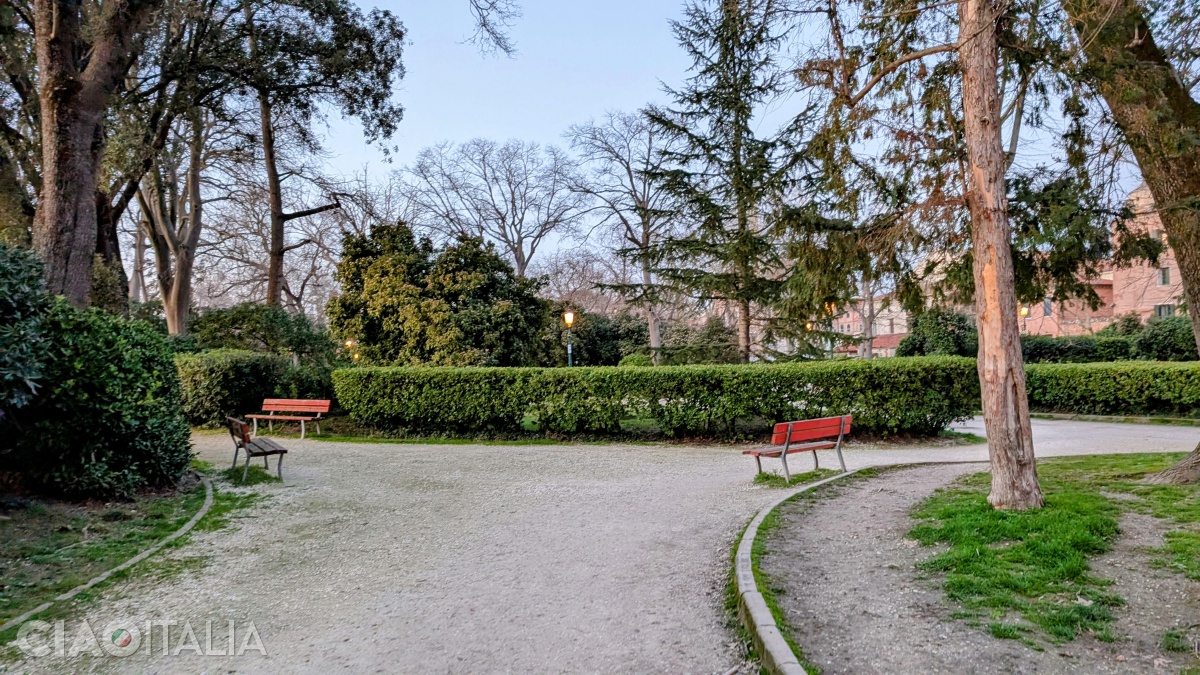
In the Castello district, in a less crowded area of Venice, is the Giardini Napoleonici, a park with alleys, greenery, and statues, dating back to 1810. A little further away, on Sant'Elena island, is the Parco delle Rimembranze, set up in memory of the heroes of the Second World War. It is said that a tree was planted for every soldier who fell on the battlefield.
9. San Michele Cemetery
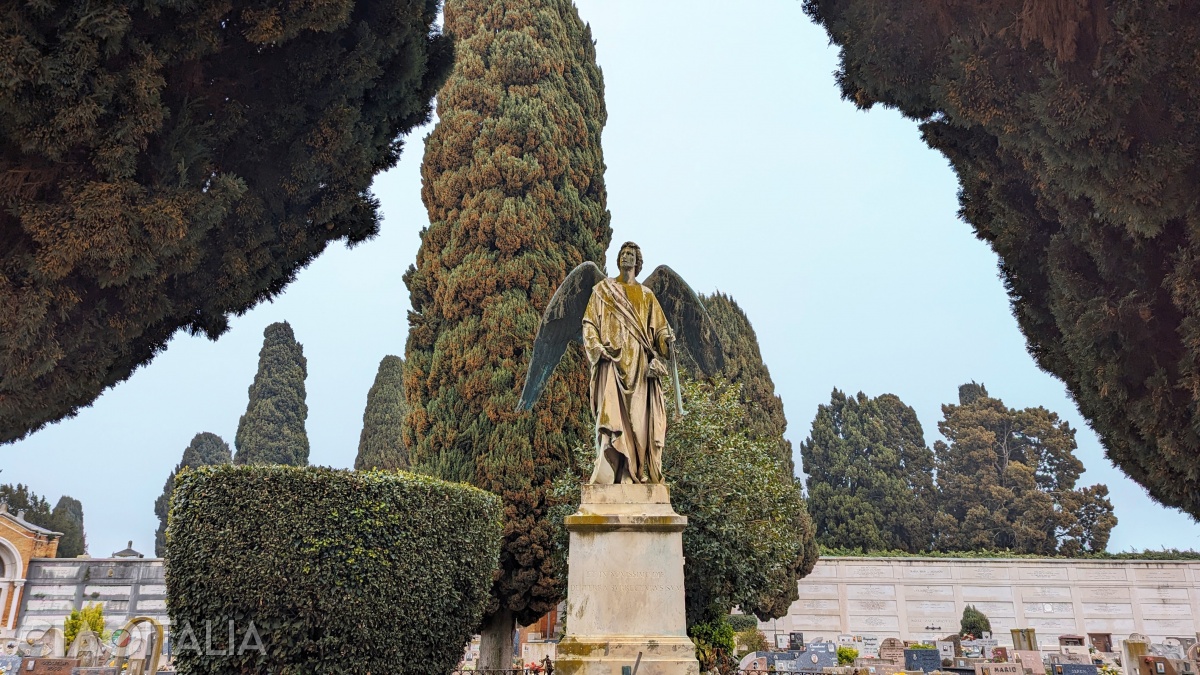
The San Michele Cemetery occupies almost the entire small island of San Michele, located very close to Venice. It was established in the 19th century and is divided into three sections: Catholic, Evangelical, and Greek Orthodox. Some of the funerary monuments are true works of art, and among the famous figures buried here are the composer Igor Stravinsky and the poet Ezra Pound. The San Michele Monastery is also located on the same island.
Access to the cemetery is free, but to reach the island you will have to pay for a vaporetto ticket or pass.
San Michele Cemetery
Opening Hours:
- Summer (Daylight Saving Time): 7:30 AM - 6:00 PM
- Winter: 7:30 AM - 4:30 PM
- On Catholic Easter, Christmas, and New Year's, the cemetery closes at 12:00 PM.
Ticket Prices:
- free