Accademia Galleries (Gallerie dell'Accademia) in Venice
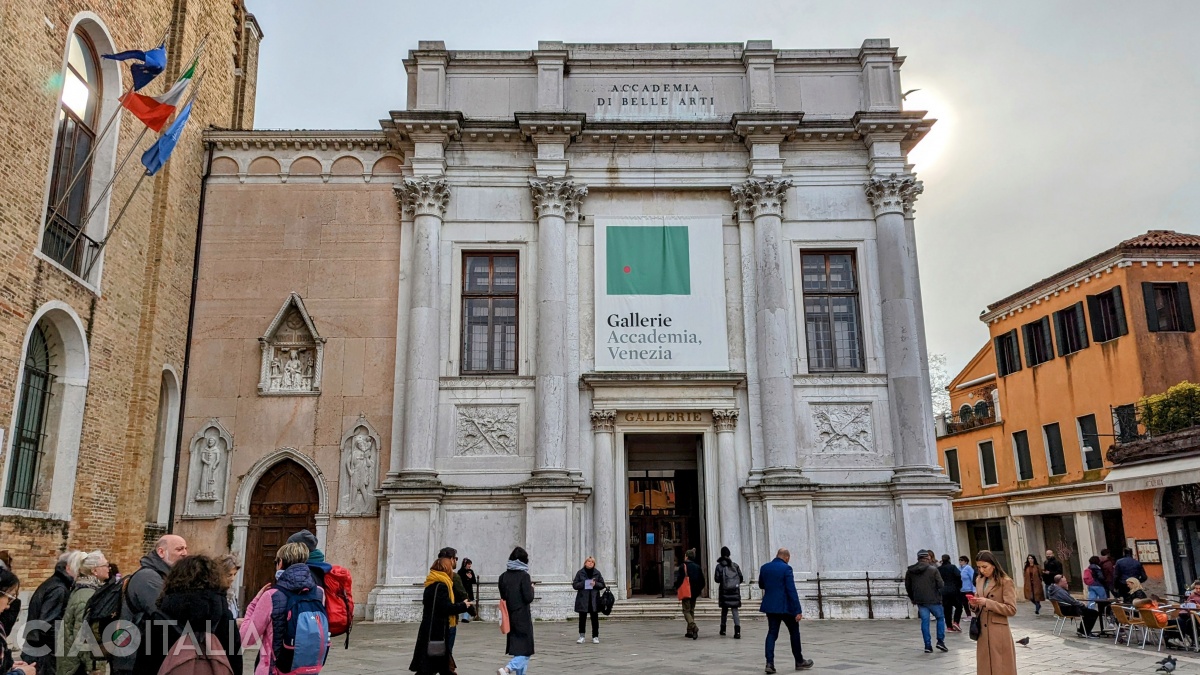
The Accademia Galleries in Venice (Gallerie dell'Accademia di Venezia) represent the most important collection of Venetian art and one of the most significant art collections in Italy. It is located in the Dorsoduro district, right next to the Academy Bridge.
Tickets and Prices
The ticket prices for the Accademia Galleries in Venice are:
- Adults: €20
- 18-25 years: €2
- Children under 18: free
Tickets can be purchased either directly at the museum's ticket office or online (in which case you will need to create an account). Online tickets can be purchased a maximum of 90 days before the date of the visit.
If you have purchased tickets (within the last 7 days) for the Peggy Guggenheim Collection, the exhibitions at Palazzo Grassi - Punta della Dogana, or the Palazzo Cini Gallery, then the ticket price for the Accademia Galleries will be reduced to €14 (this type of ticket can only be purchased at the box office).
On the first Sunday of every month, as well as on April 25th, June 2nd, and November 4th, entry is free (no reservation required).
Opening Hours
The opening hours for the Accademia Galleries in Venice are:
- Monday: closed
- Tuesday-Sunday: 9:00 AM - 7:00 PM
The ticket office closes one hour before the museum's closing time.
Visiting the Accademia Galleries in Venice
The Accademia Galleries date back to 1750, when the Accademia di Pittori e Scultori ("Academy of Painters and Sculptors") was founded, originally located near St. Mark's Square. While the Academy's initial purpose was educational, it eventually began building a collection of artworks over time.
The plural form of the name (The Accademia Galleries) is due to the fact that there were originally two separate galleries: one for painting and one for sculpture.
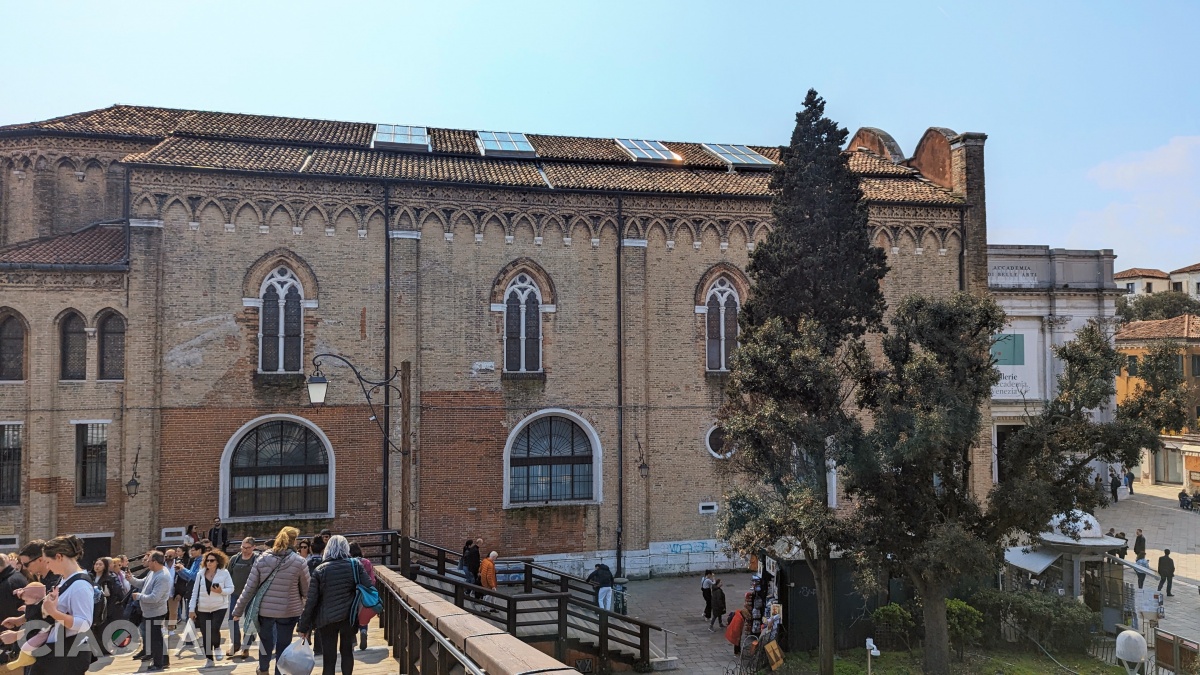
In 1807, during Napoleon's occupation, the headquarters were moved to the location where they remain today. This complex comprises the Scuola Grande di Santa Maria della Carità (which serves as the entrance), the church of the same name, and the Monastery of the Lateran Canons.
Since 1822, the Accademia Galleries have housed Leonardo da Vinci's Vitruvian Man. However, the drawing is very rarely put on public display because it is extremely sensitive to light and risks deterioration. If you are a fan of the artist and inventor's work, you should know that Venice also hosts a dedicated museum and an exhibition specifically focused on Da Vinci.
A visit to the Accademia Galleries begins on the first floor, which you reach by climbing a beautiful 18th-century staircase. This level features 24 rooms showcasing artworks from the 14th to the 16th centuries. Afterward, you'll descend to the ground floor, where you will find 13 rooms containing works spanning the 17th to the 19th centuries.
Room I was once the chapter house (meeting hall) of the Scuola Grande della Carità - one of the oldest confraternities in Venice, founded in 1268.
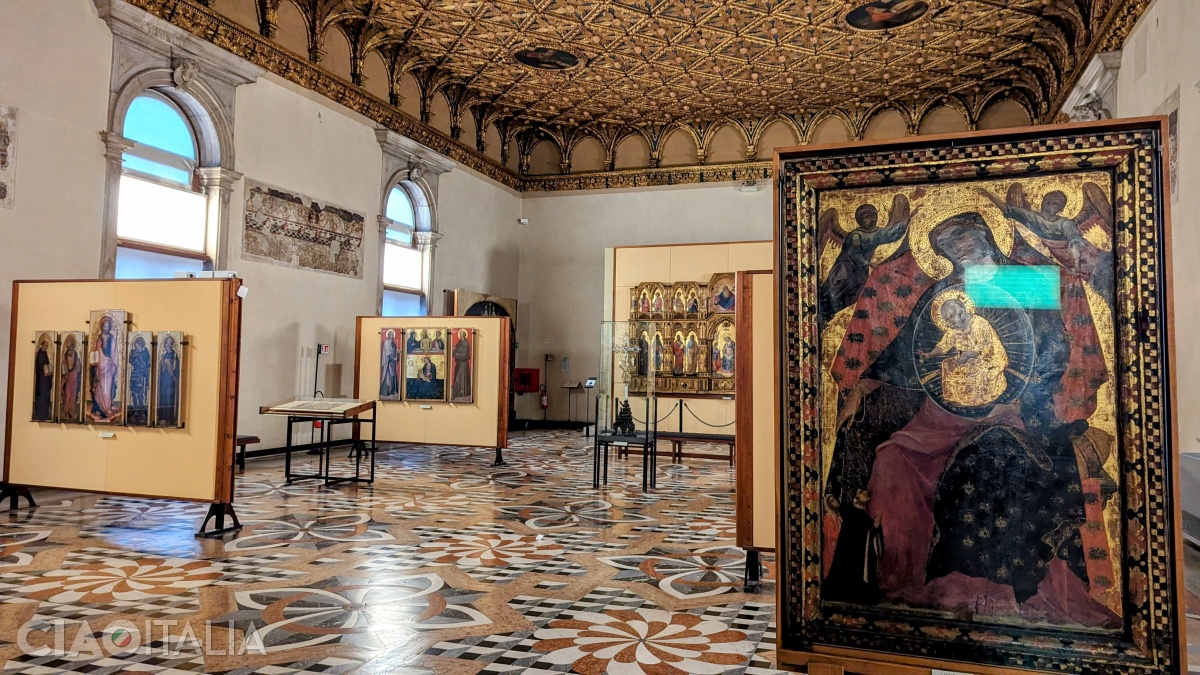
The ceiling is the original one, crafted between 1461 and 1484 by Marco Cozzi of Vicenza (the oval painted panels were added later). If you look closely, you can see that the faces of the eight-winged angels are all unique.
The artworks in this room belong to 14th-century Venetian painters.
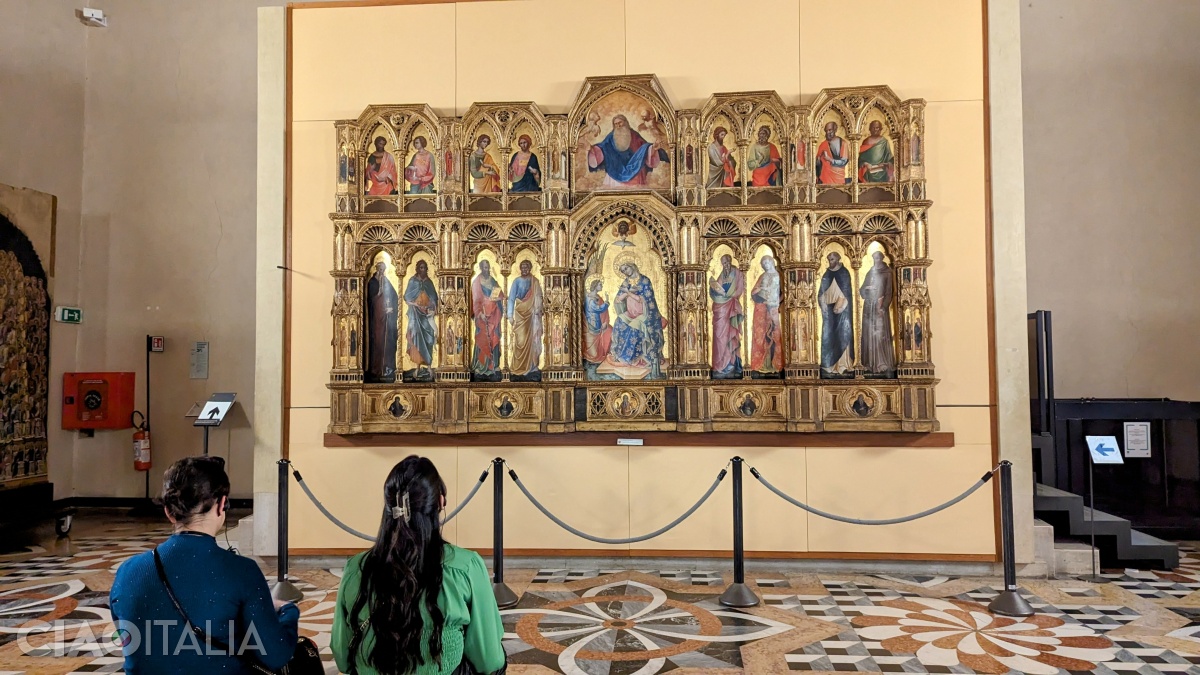
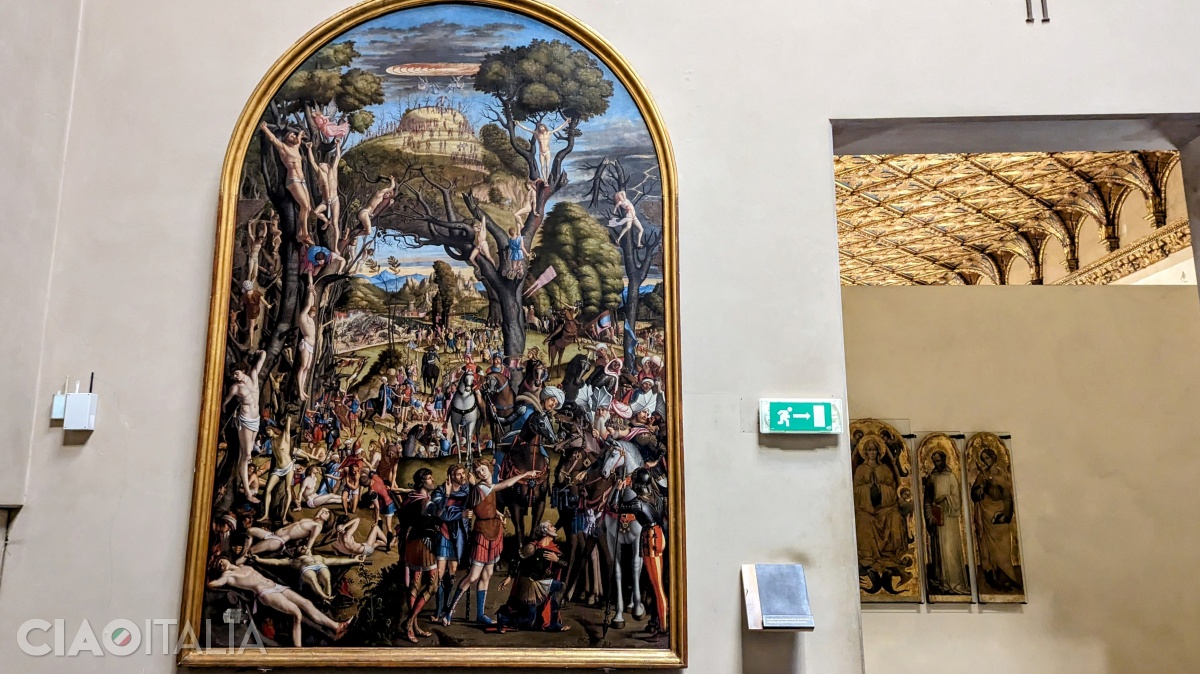
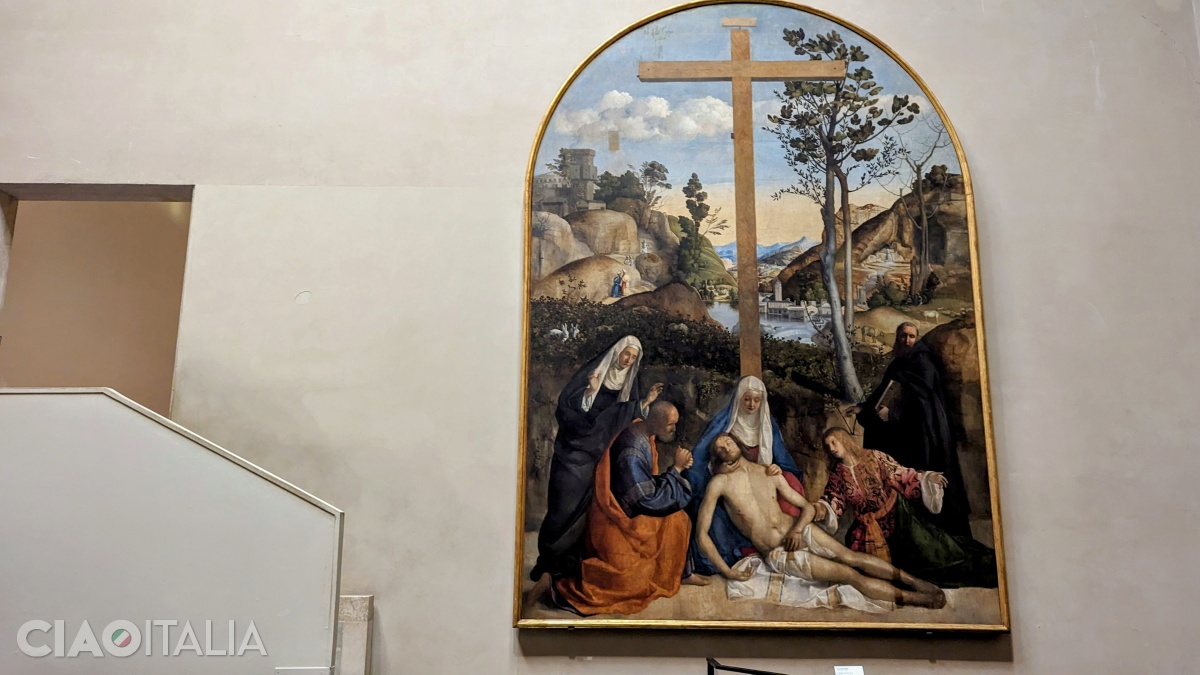
Room II was designed at the end of the 19th century to house Titian's masterpiece, "Assumption of the Virgin". Today, however, that painting can be found in the Basilica di Santa Maria Gloriosa dei Frari, which is one of the most important tourist attractions in Venice. Currently, Room II is dedicated to Early Renaissance works by renowned Venetian painters, including Cima da Conegliano, Vittore Carpaccio, Giovanni Bellini, and Marco Basaiti.
The work "The 10,000 Martyrs of Mount Ararat", created by Carpaccio in 1515, depicts the legend of the 10,000 Roman soldiers sent to fight Armenian rebels. After converting to Christianity, they were said to have suffered the same tortures as Jesus.
The painting "Lamentation over the Dead Christ" by Giovanni Bellini portrays Joseph of Arimathea and Mary Magdalene standing on either side of the Virgin Mary and the body of Jesus.
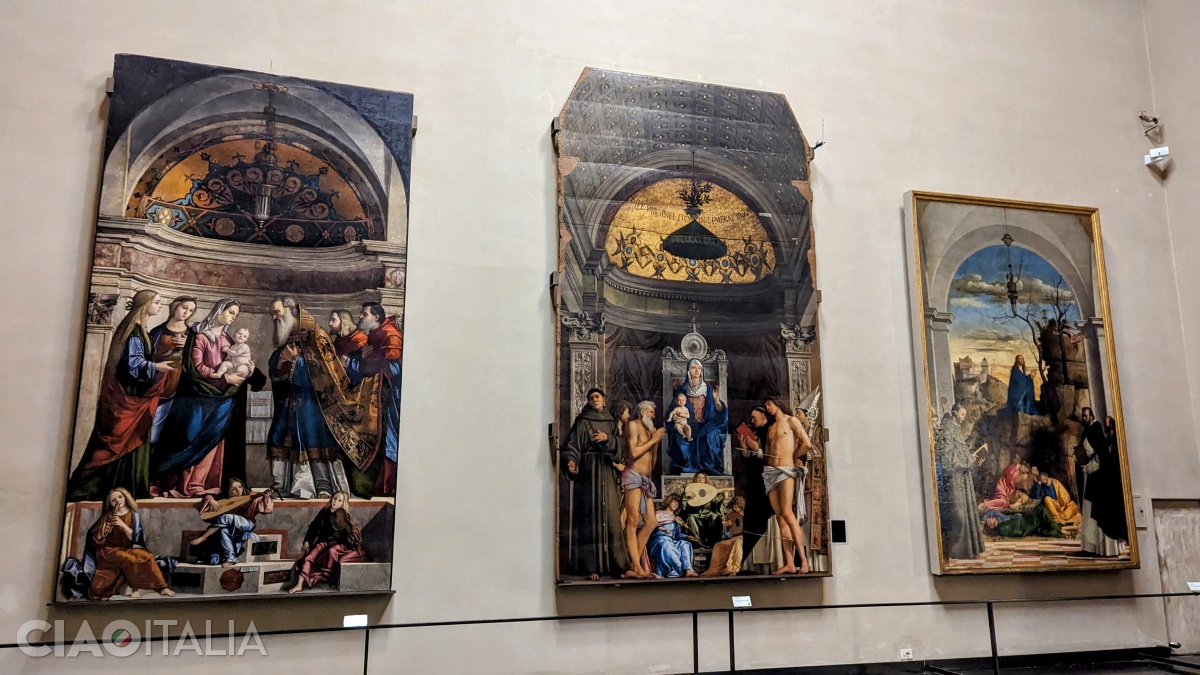
The paintings in Room III were created in the second half of the 15th century by Jacopo Bellini and his sons (Giovanni and Gentile), by Alvise (son of Antonio Vivarini, originally from Murano), and by Vittore Carpaccio.
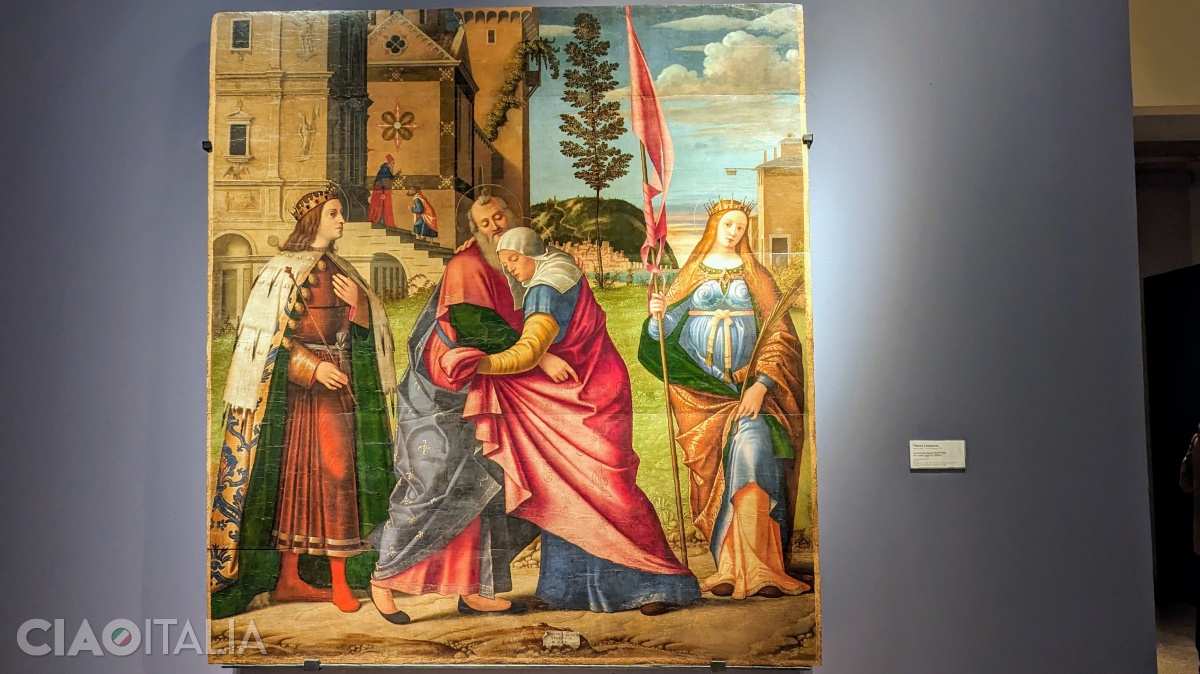
Rooms IV and V are mostly dedicated to the delicate Madonnas of Giovanni Bellini.
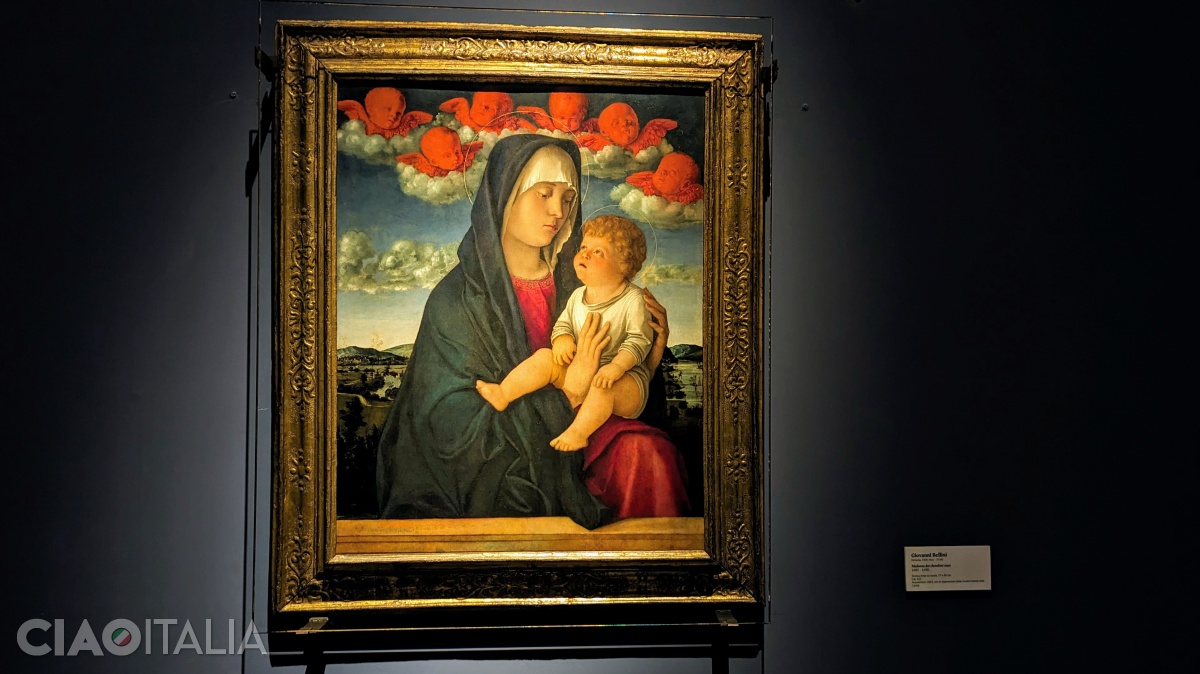
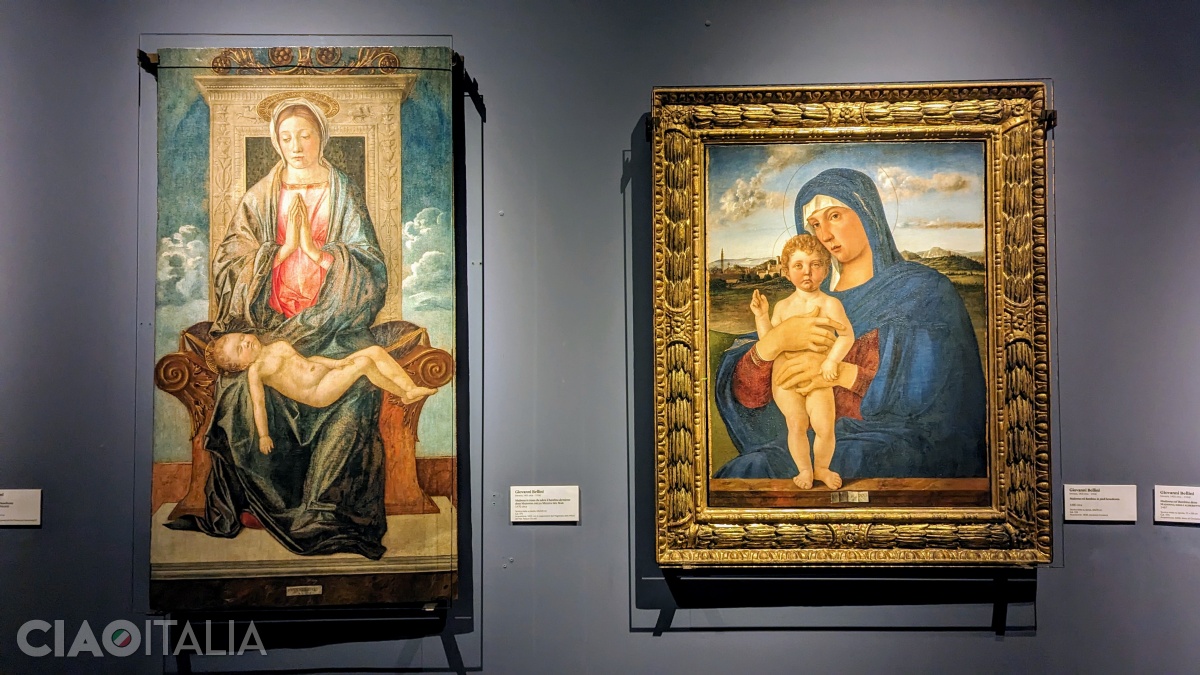
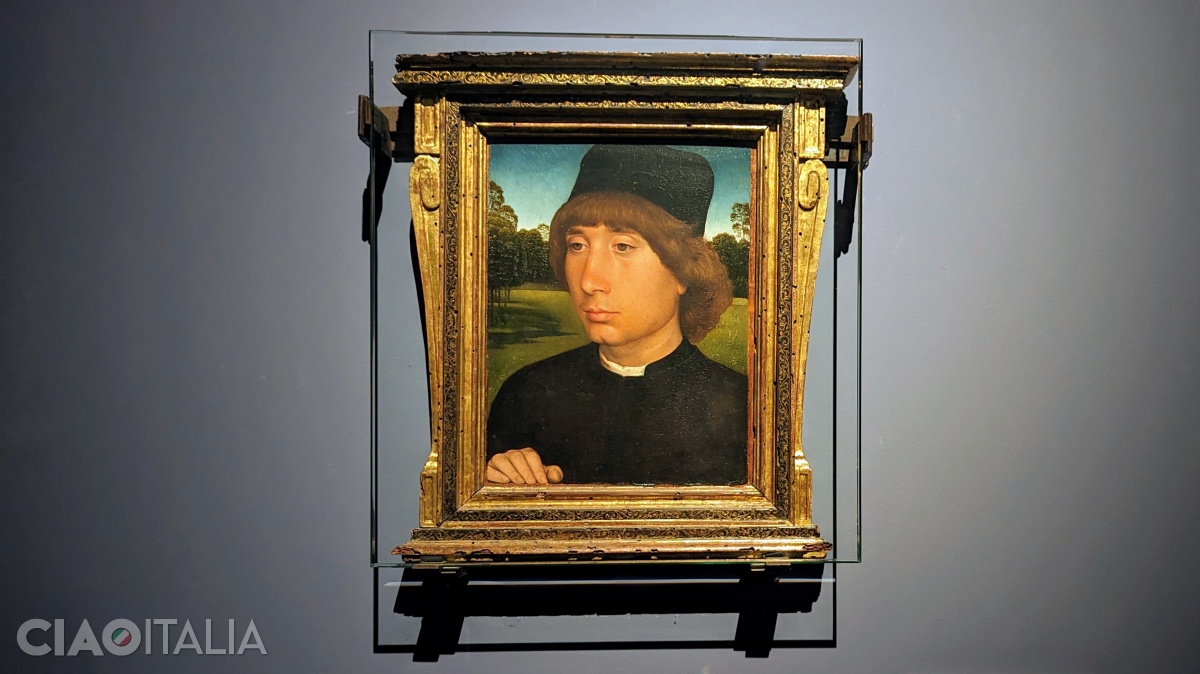
Room IV also contains paintings by Hans Memling, Andrea Mantegna, and Piero della Francesca.
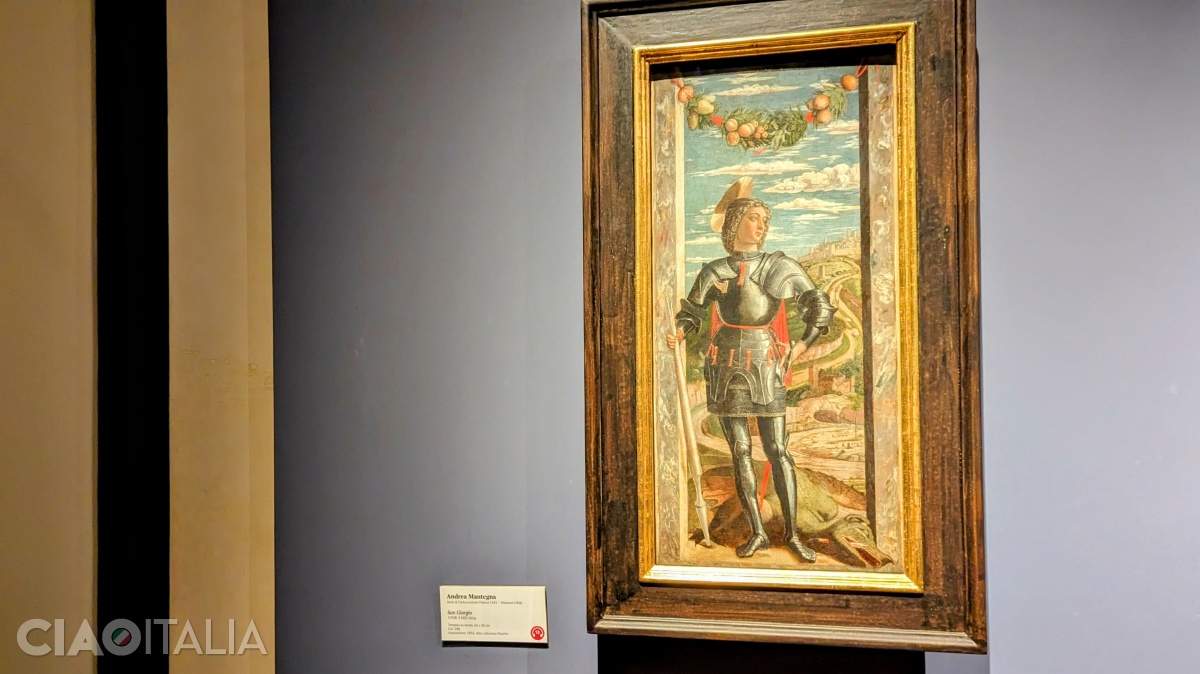
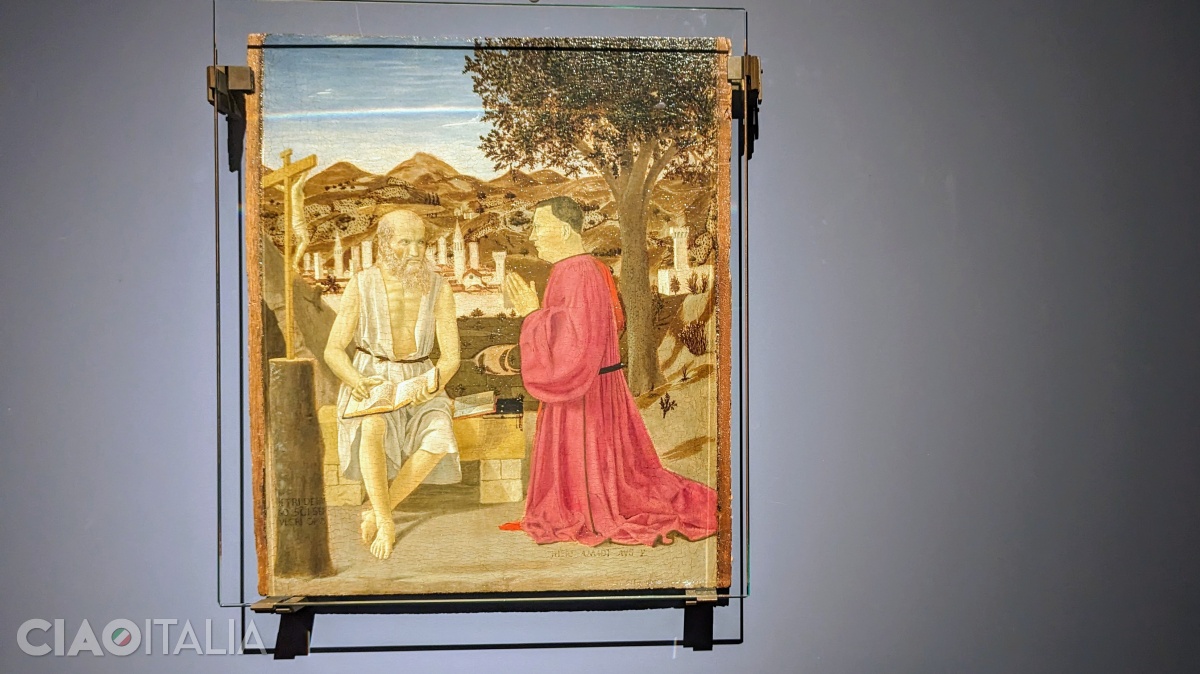
In Room VI, the paintings created for the Sala dell'Albergo of the Scuola Grande di San Marco are exhibited, featuring scenes from the life of St. Mark.
In the small Room VII, you can find the haunting paintings of the Flemish artist Hieronymus Bosch, which were part of Cardinal Domenico Grimani's collection.
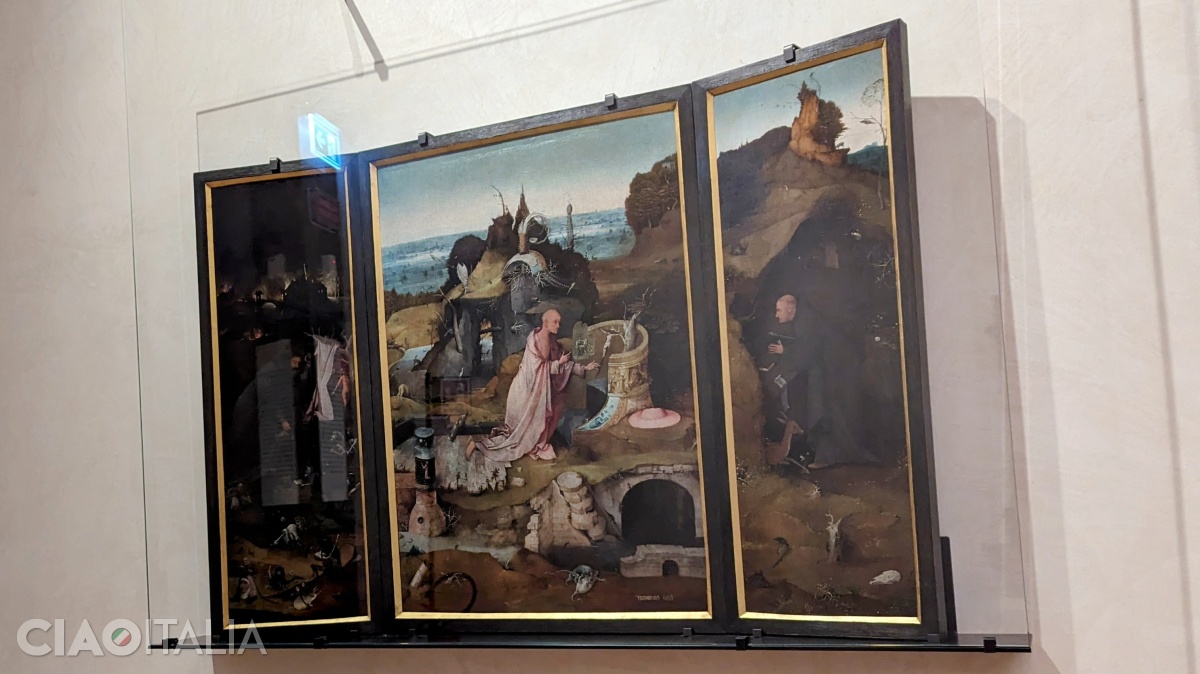
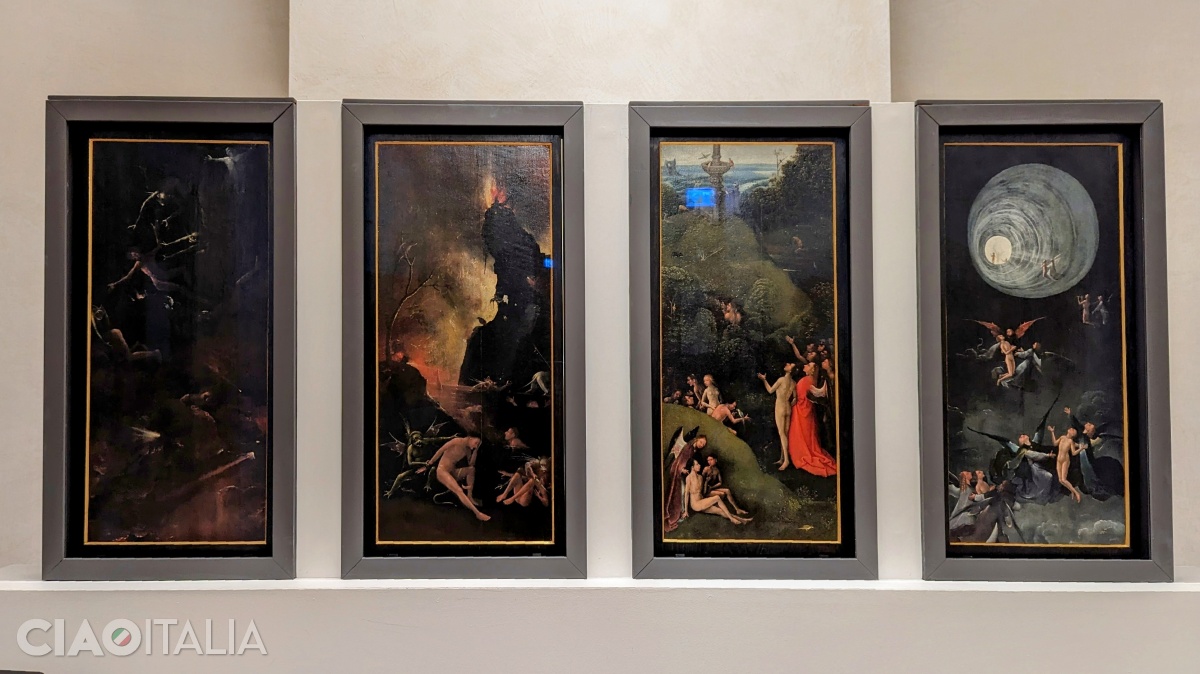
Room VIII is dedicated to Giorgione, a painter who profoundly influenced 15th-century Venetian art, but it also includes several works by Titian and Sebastiano del Piombo.
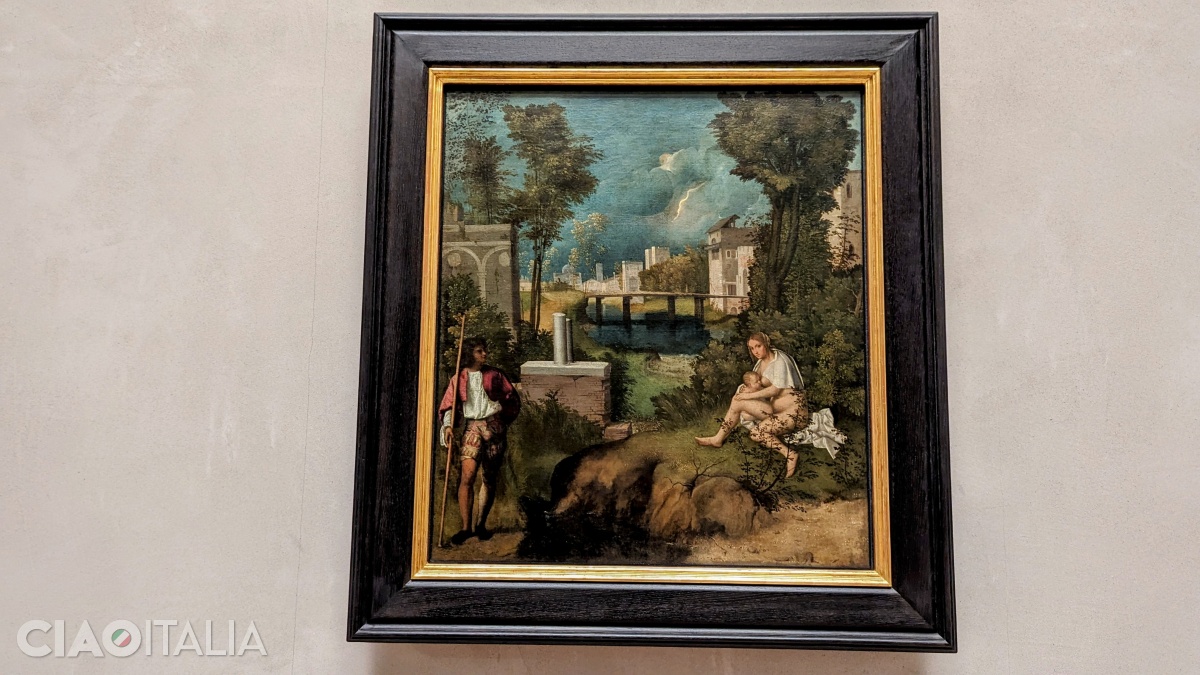
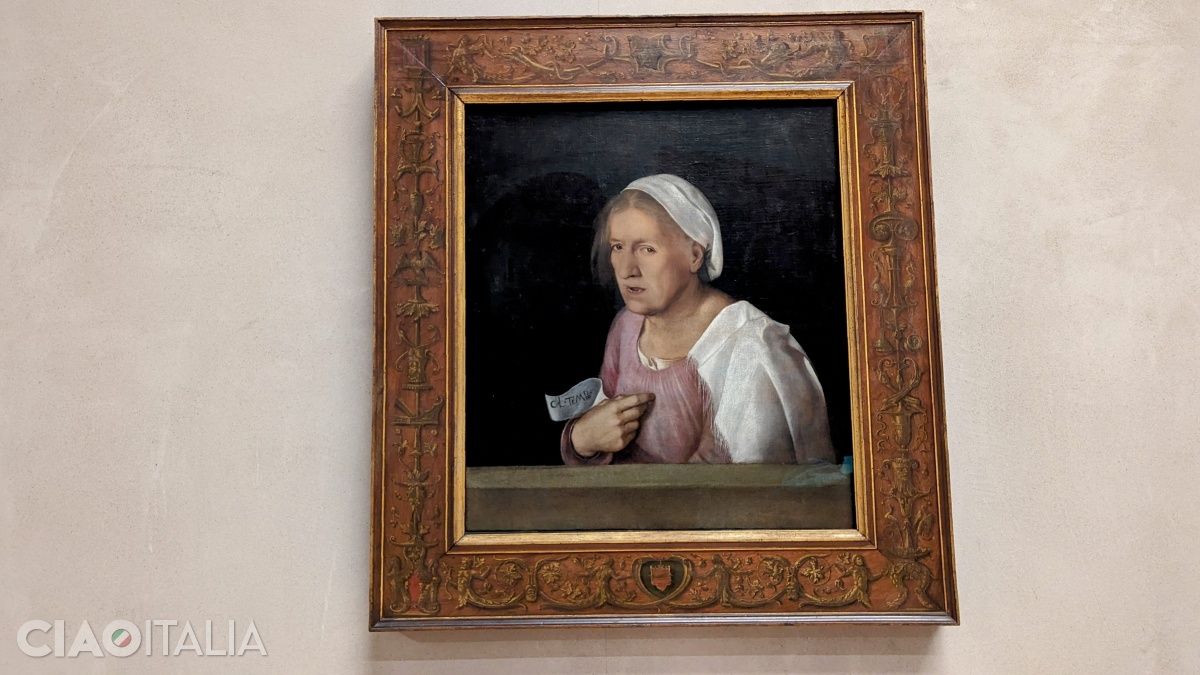
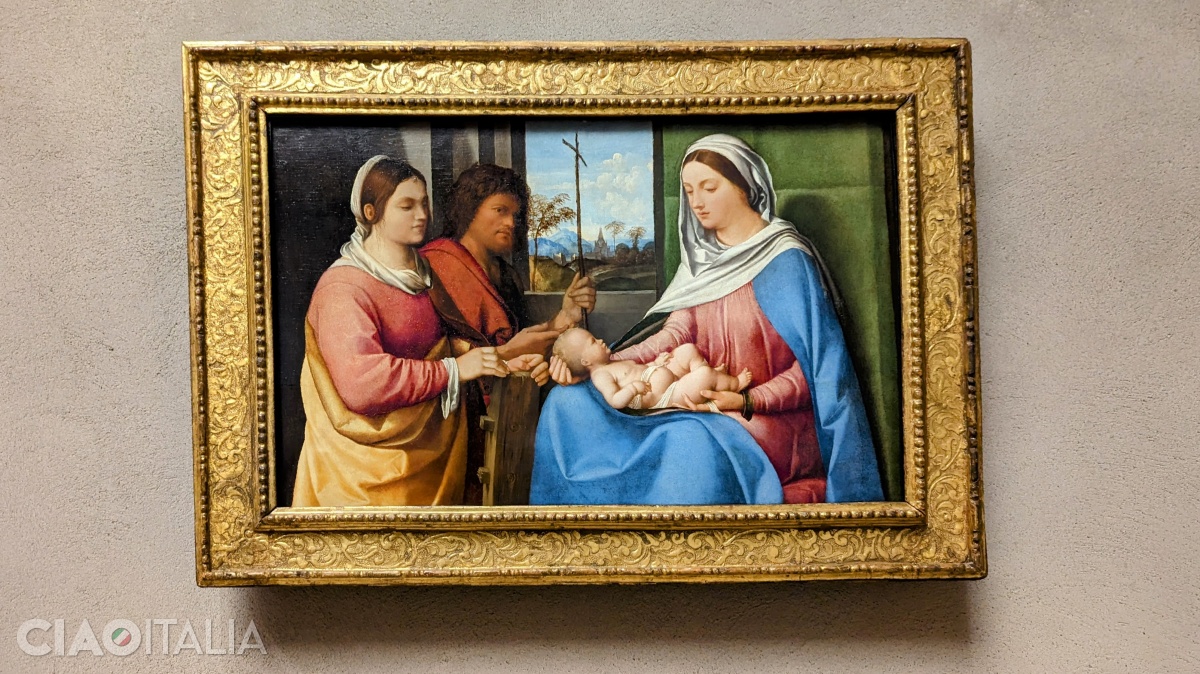
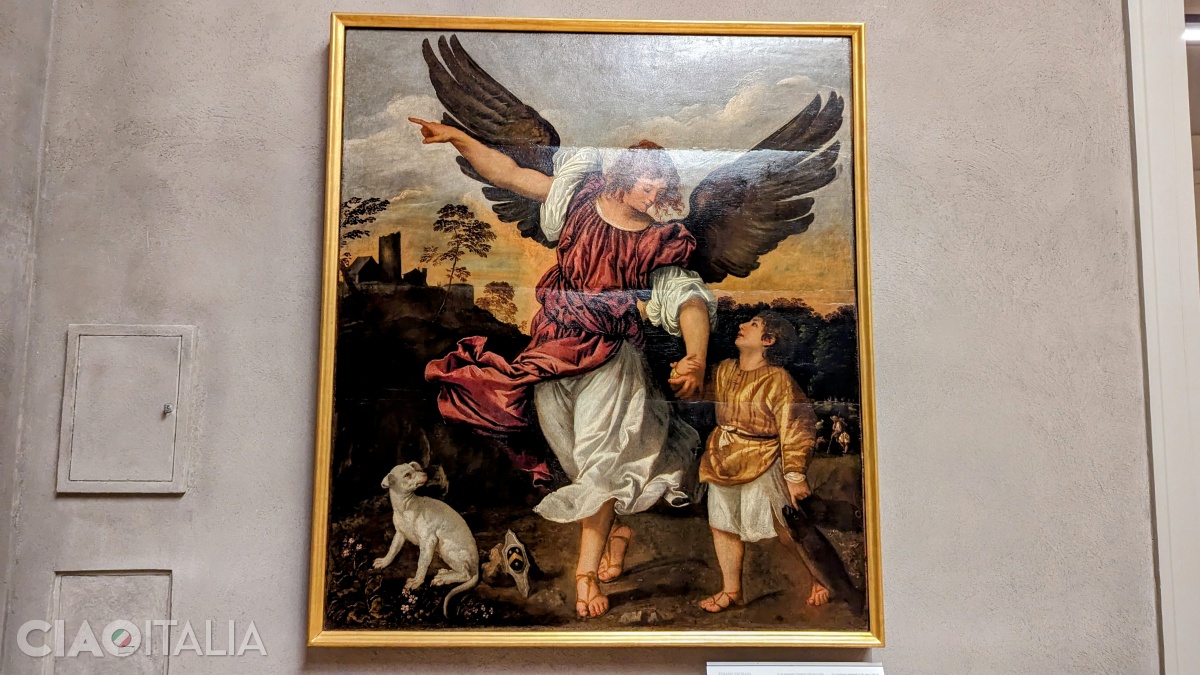
In Room IX, you will find works by Titian, Palma il Vecchio, Rocco Marconi, and Lorenzo Lotto.
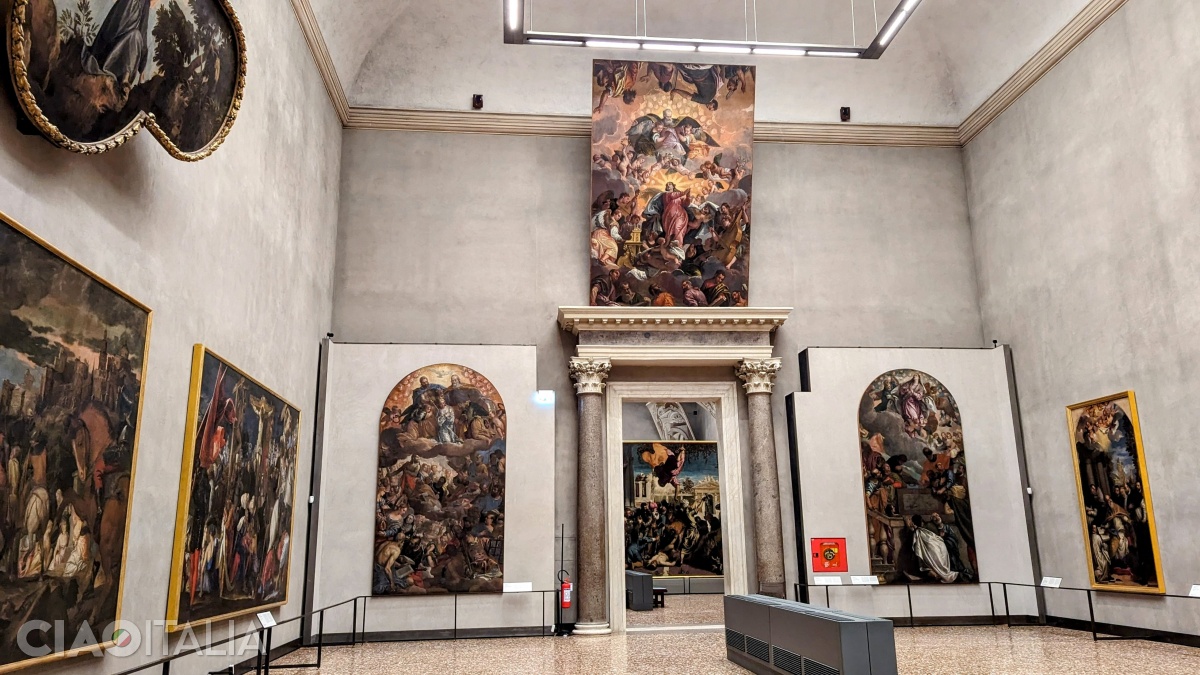
Room X is dedicated to the works of Veronese (the nickname of the painter Paolo Caliari, born in Verona), which come from various churches.
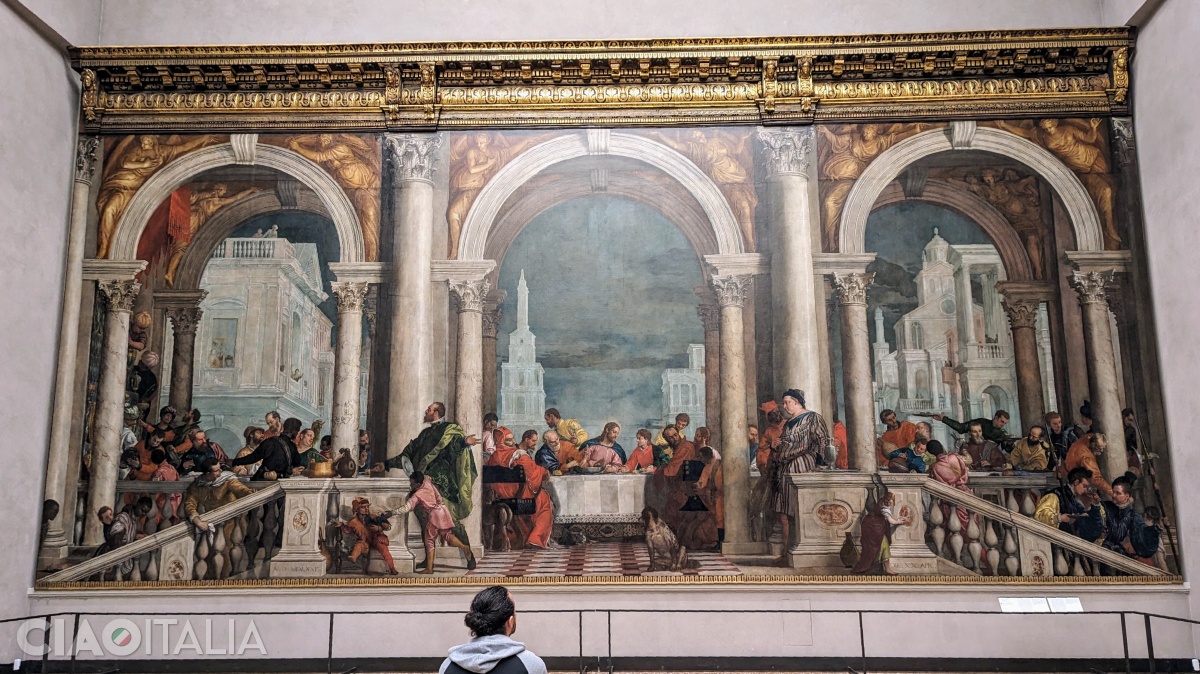
The work "Feast in the House of Levi" was originally supposed to be called "The Last Supper". Because he depicted dogs, jesters, and German (Protestant) soldiers, Veronese had to appear before the Inquisition. He managed to save himself by changing the title of the work.
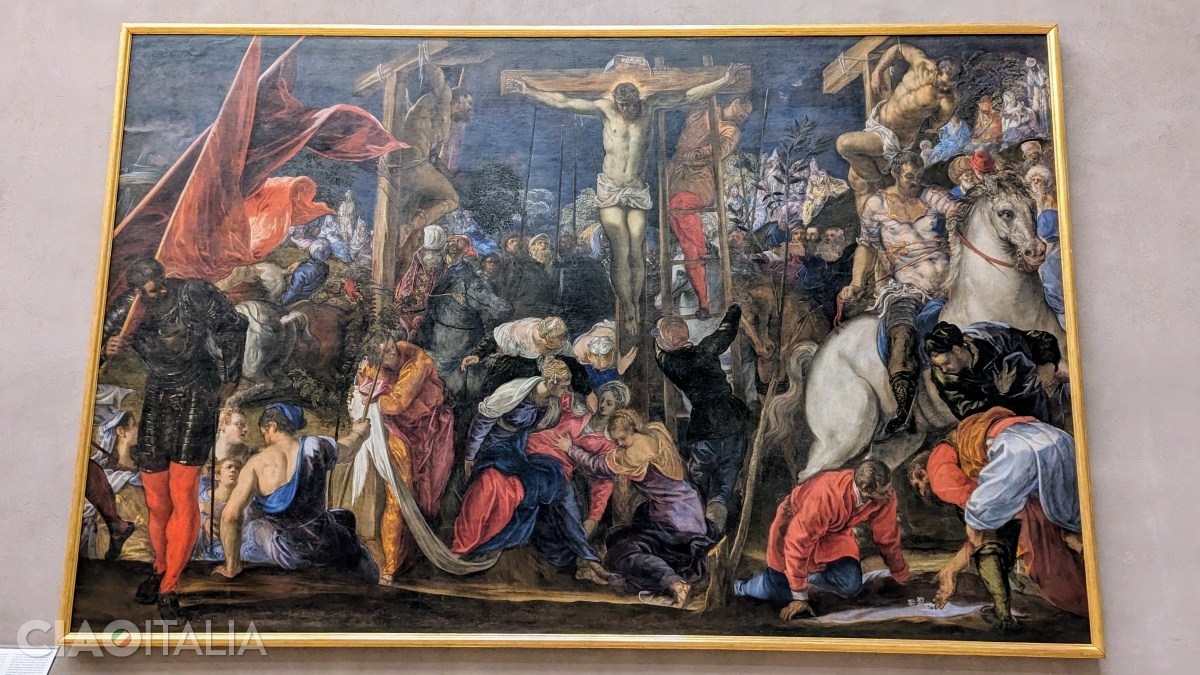
This same room also houses Tintoretto's "Crucifixion".
Room XI houses works by the most prominent 16th-century Venetian painters: Tintoretto (also called the "painter of Venice", who decorated almost the entire Scuola Grande di San Rocco) and Titian.
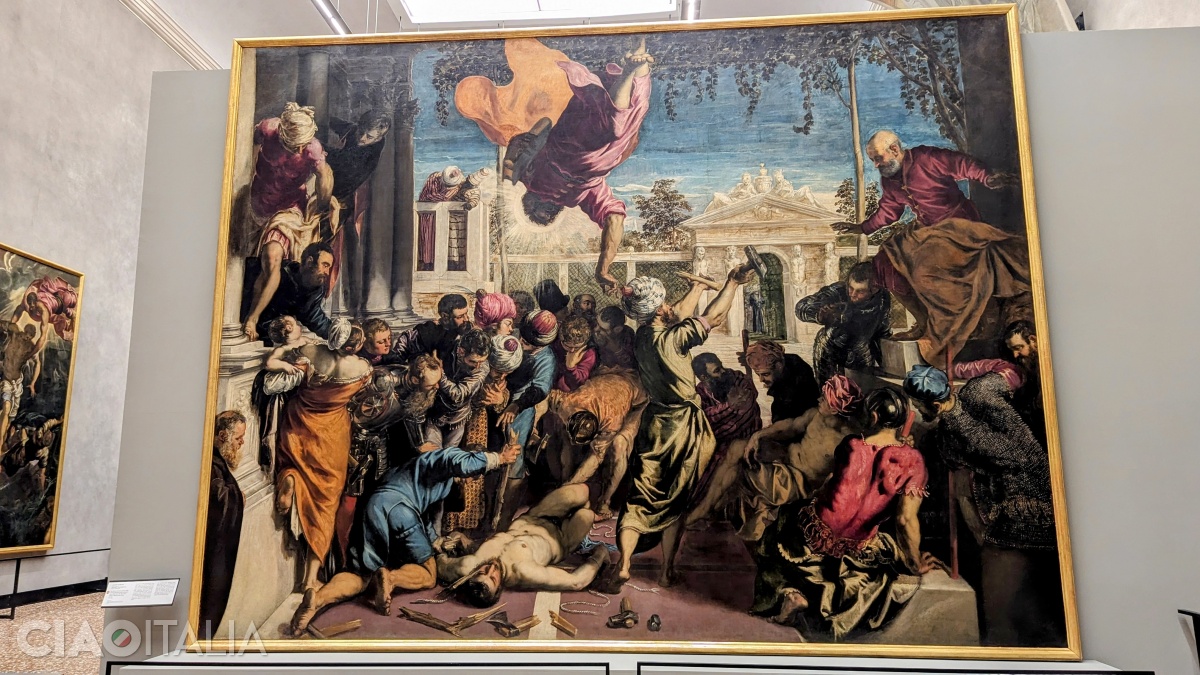
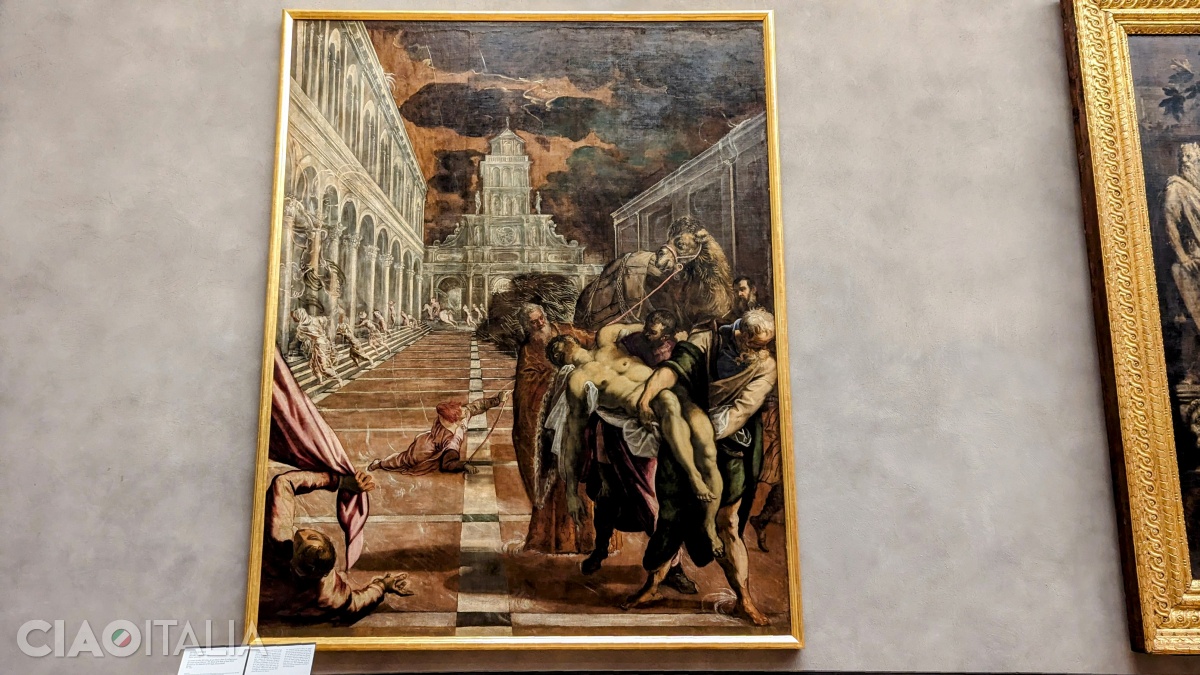
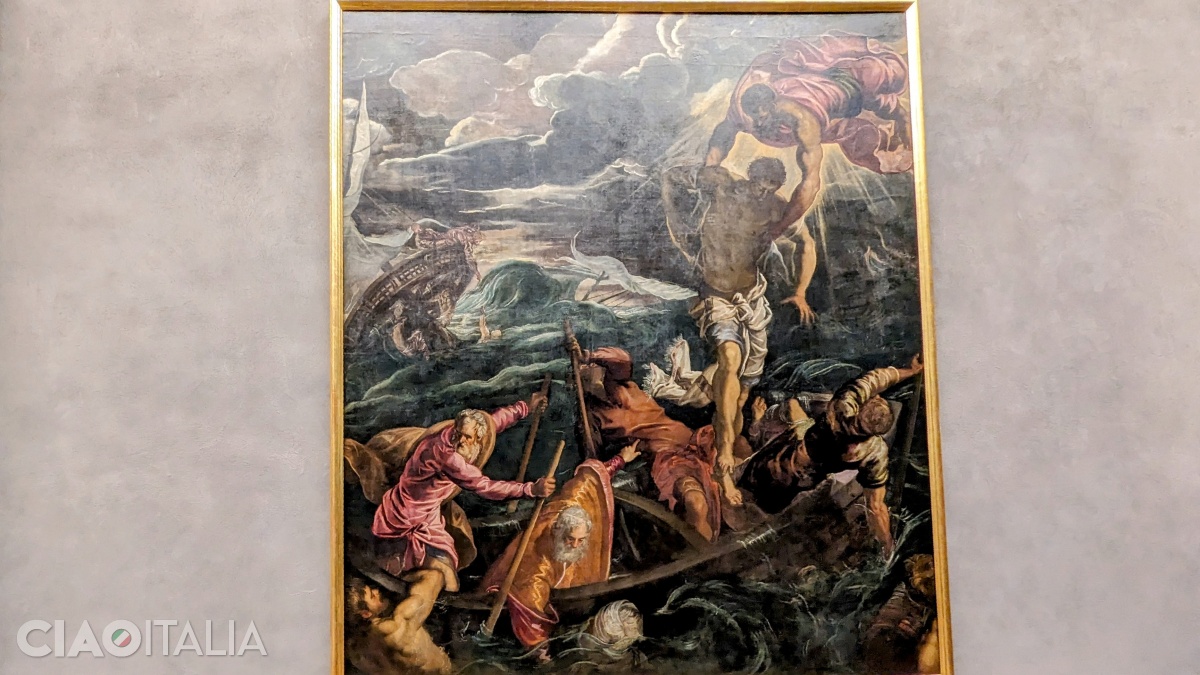
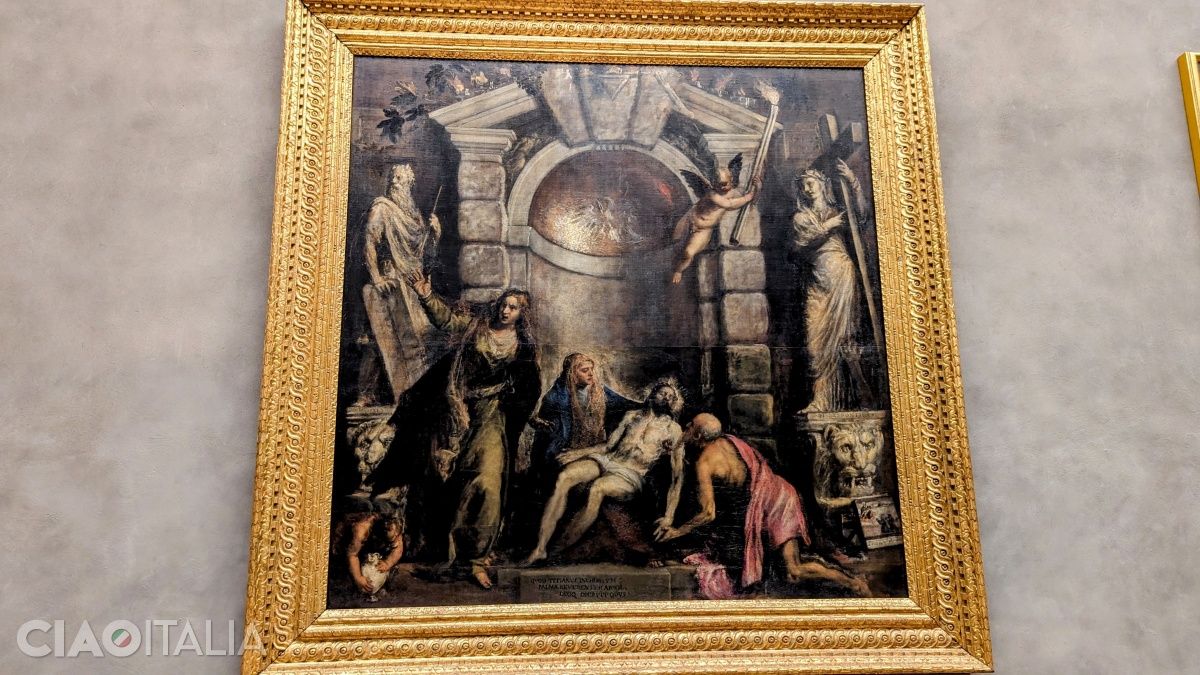
Titian painted "Pietà" when he was over 90 years old. The character in the bottom right, dressed in a red cloak, is likely a self-portrait.
Room XII is actually the first half of the corridor built by architect Andrea Palladio from Padua and exhibits paintings by Bonifacio Veronese.
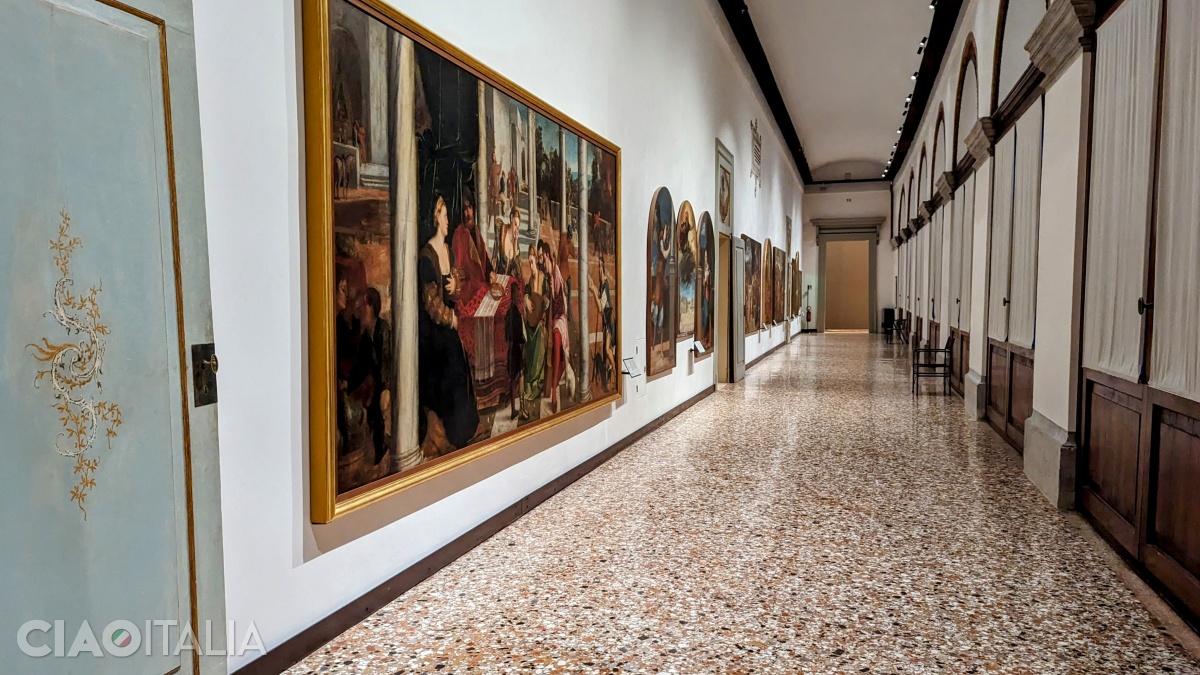
In Rooms XIII and XIV, which open off the corridor, there are other 16th-century Venetian paintings, and Room XV corresponds to the second half of the Palladian corridor.
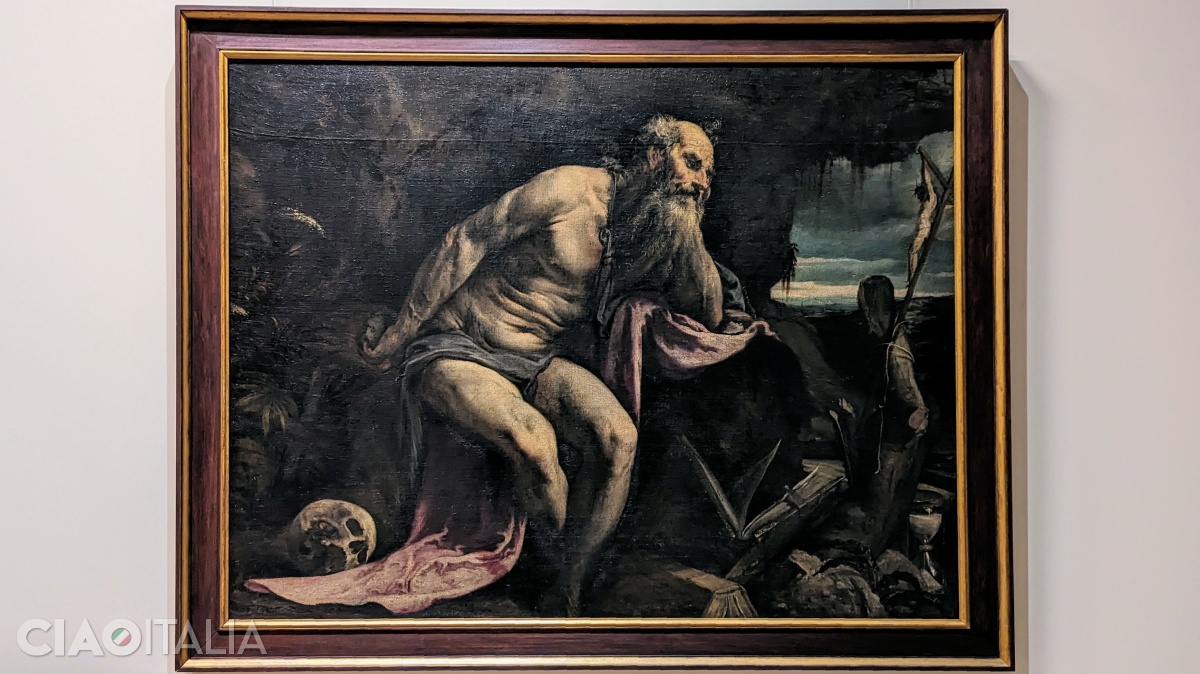
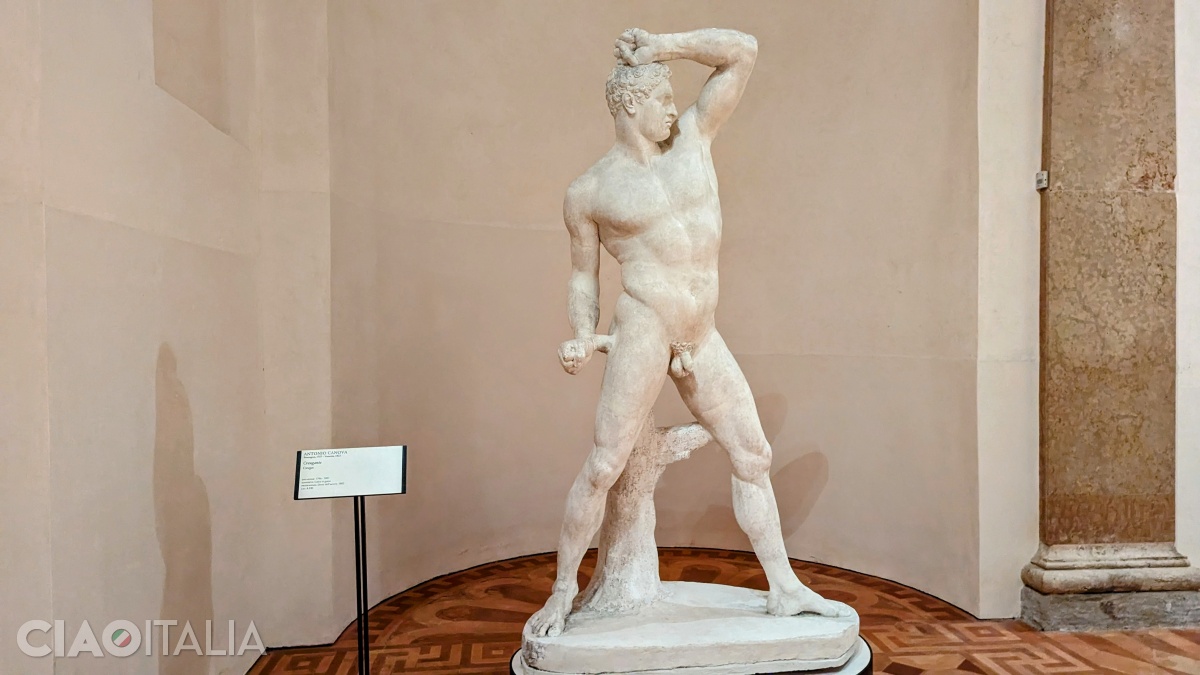
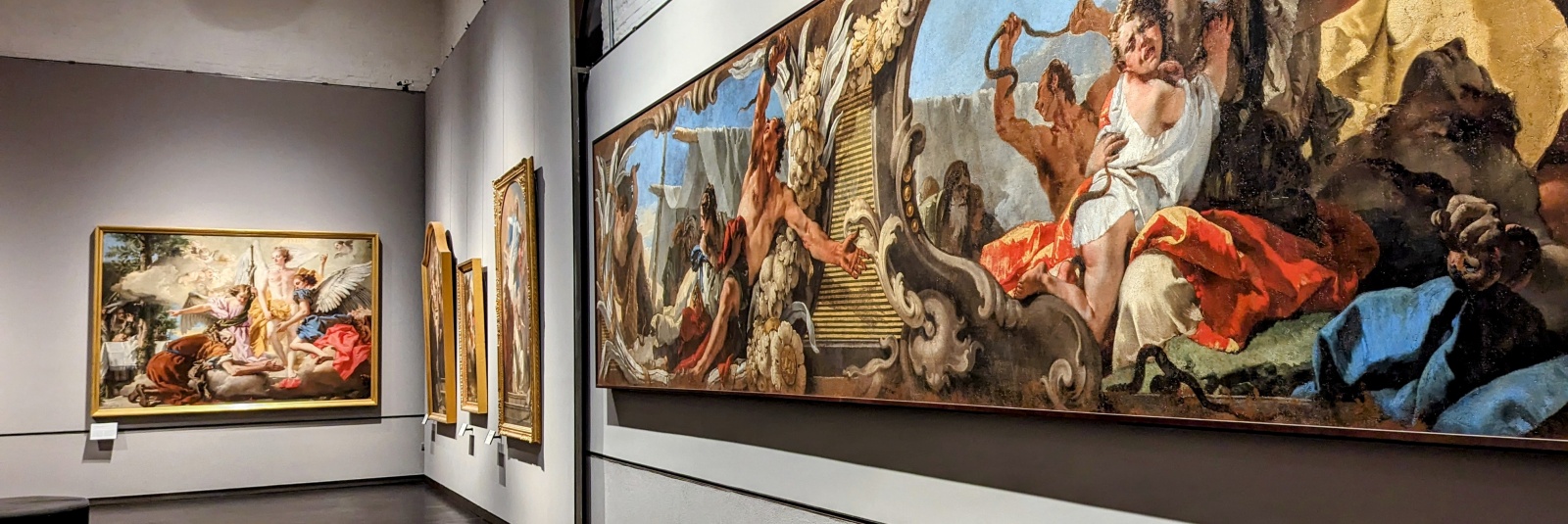
Descending to the ground floor, you will pass through another 13 rooms, where the works of sculptor Antonio Canova and paintings from later periods are exhibited. Among the most important works are those by Canaletto and Tiepolo.