Rialto Market (Mercato di Rialto) in Venice
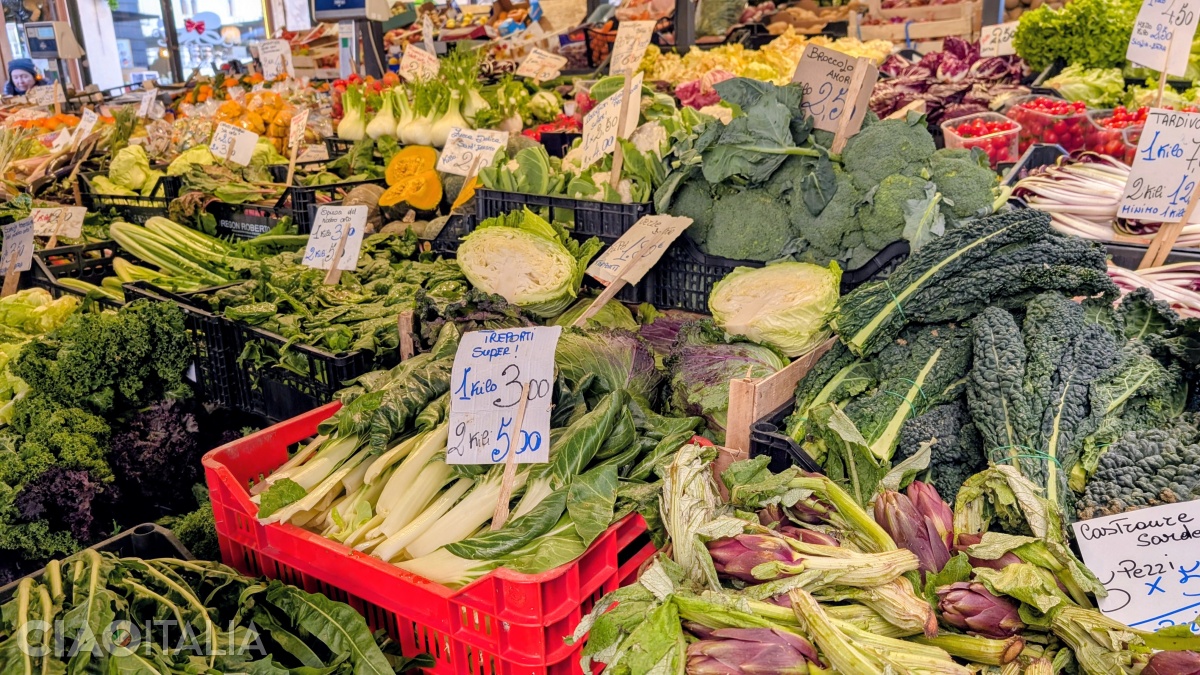
Located in the San Polo district, near the famous bridge from which it takes its name, the Rialto Market (Mercato di Rialto) is the most famous food market in Venice. Even though it has lost some of its stalls and the bustling charm of years past, it remains the beating heart of the city's commercial life. Every morning (except for Sundays and Mondays), the fish, fruit, and vegetable markets are teeming with people, as the hustle of locals doing their daily shopping mingles with the excitement of curious tourists.
In addition to the main tourist sights, if you're looking for a bit of local flavor, be sure to add the Rialto Market to your Venice "to-do" list. To learn more about the market's history and Venetian cuisine, you can also book a guided tour that includes tastings.
How to Get to Rialto Market?
To reach the Rialto Market, take vaporetto line 1, which runs along the Grand Canal, and get off at the Rialto Mercato stop.
Opening Hours
The Rialto Fish Market is open Tuesday through Saturday, starting at 7:30 AM (closed Sundays and Mondays).
The fruit and vegetable market is open Monday through Saturday, starting at 7:30 AM.
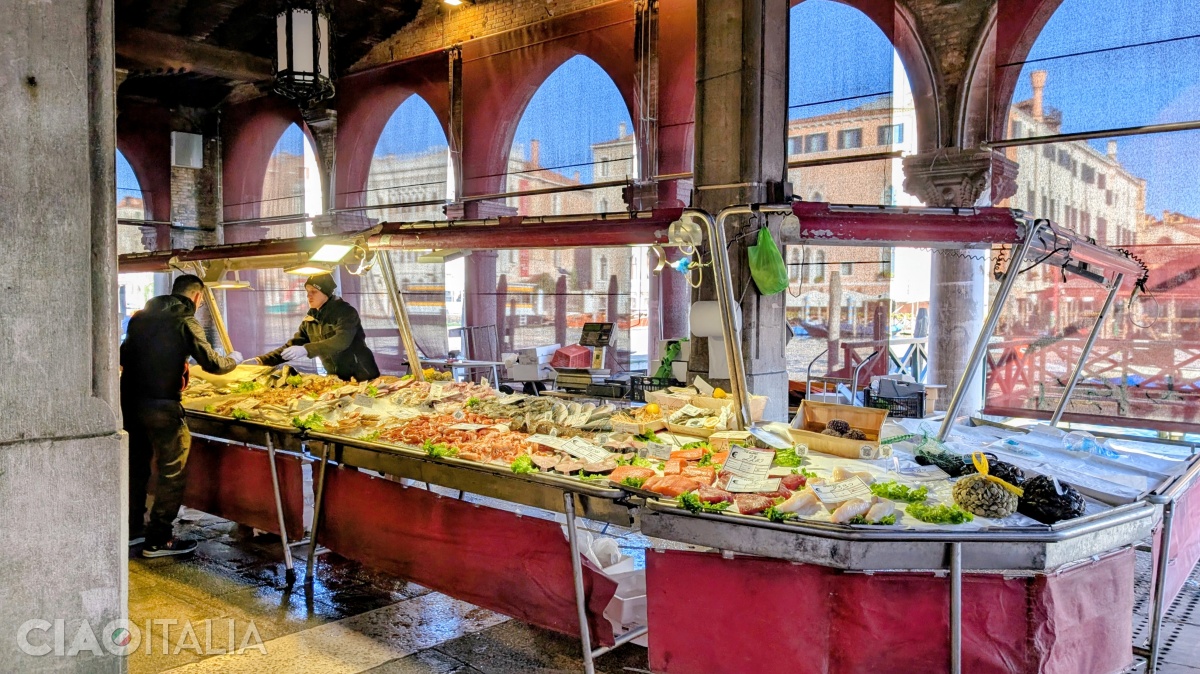
Tips for Your Visit:
- Go early in the morning! Usually, after 12:00 PM, vendors begin to pack up their goods and close the stalls.
- Watch what you buy! In addition to fish, fruit, and vegetables (many products come directly from the islands of the Venetian lagoon), you'll also find various spices and pastas packaged specifically for tourists and sold at premium prices.
- Stop for a snack and a glass of wine or a spritz at one of the small bars located in the market area. They are the best place to eat cicchetti (see also the article What to Eat in Venice). Eat them standing up at the counter, just as the Venetians do - you will see that many places do not even have tables. The most appreciated bars (called bàcaro) at Rialto are Cantina Do Mori (the oldest bàcaro in Venice), Baccalà Veneto (for the best baccalà mantecato - cream salted cod), Al Mercà, Cantina Do Spade, Bar All’Arco, and Osteria I Compari (for fish and seafood specialities, especially octopus).
- Don't just admire the goods and the atmosphere. Look for architectural details and small curiosities that will help you discover Venice through "new eyes" and get closer to its true history and stories (you can read about them below).
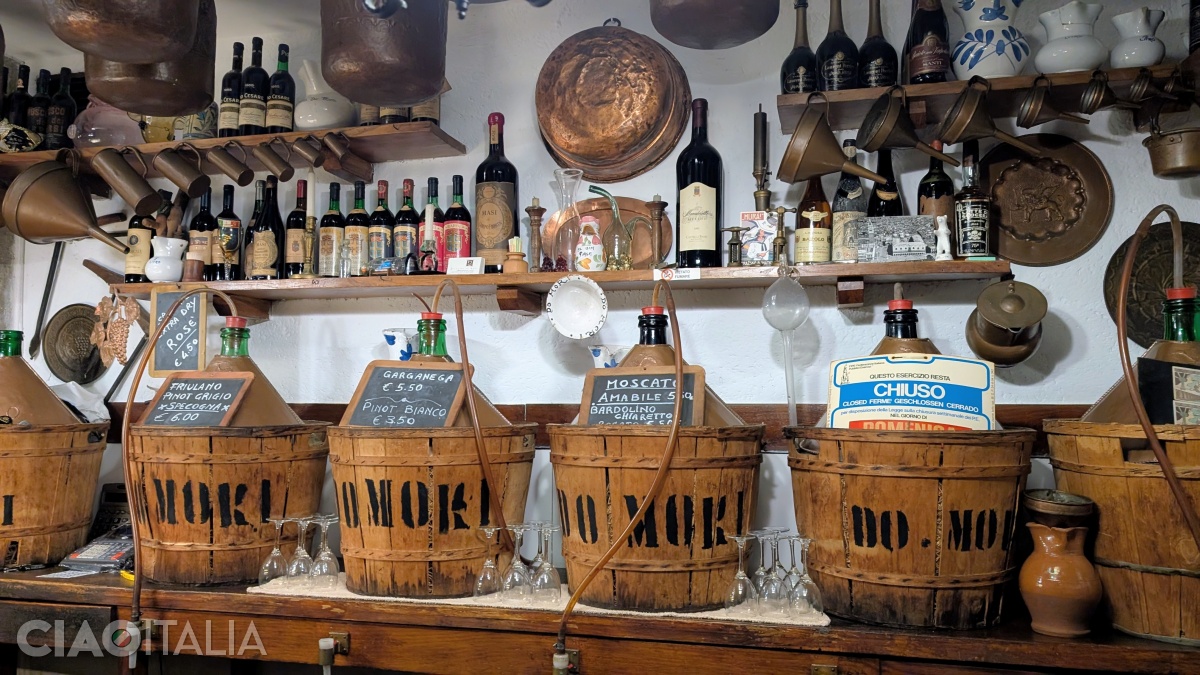
Rialto Market
A Brief History
Rialto is a historic market, officially established as far back as 1097. It is located in the very area where the first Venetian settlers had established themselves over six centuries prior - Rivus Altus (meaning "High Bank"). The market area took on a form similar to what you see today around the 16th century, when many buildings intended for commercial offices were constructed.
In those days, specific locations were named after the goods sold there, and their memory is preserved today in local toponyms. Erbarìa was the place where vegetables, fruits, and greens were sold; at Naranzerìa there were citrus fruits; at Casaria cheeses were sold; at Pescarìa fish; at Beccarìa meat; and at Ruga dei Spezieri spices. Ruga dei Oresi was the place for jewelry merchants, and on the waterfront, at the foot of the Rialto Bridge, wine was sold (Riva del Vin, on the market side) and coal and metals (on the opposite bank, at Riva del Carbon and Riva del Ferro).
Today, only the fish market (Pescarìa) and the fruit and vegetable market (Erbarìa) remain active in their original tradition.
Rialto Fish Market (Pescarìa)
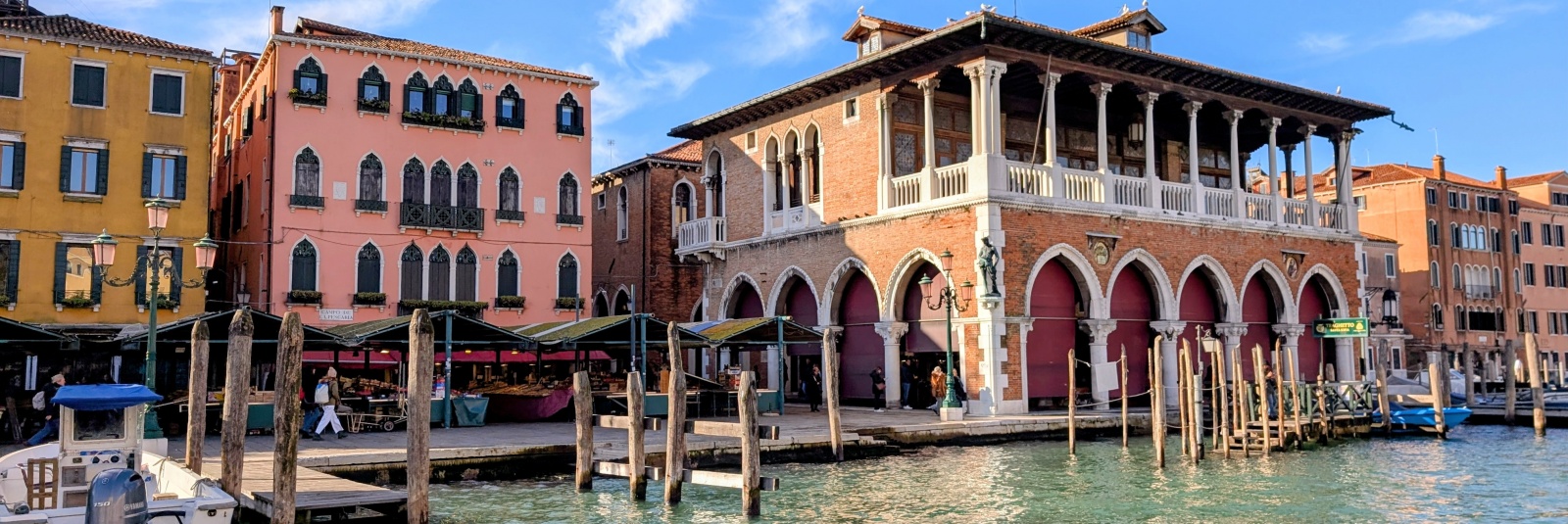
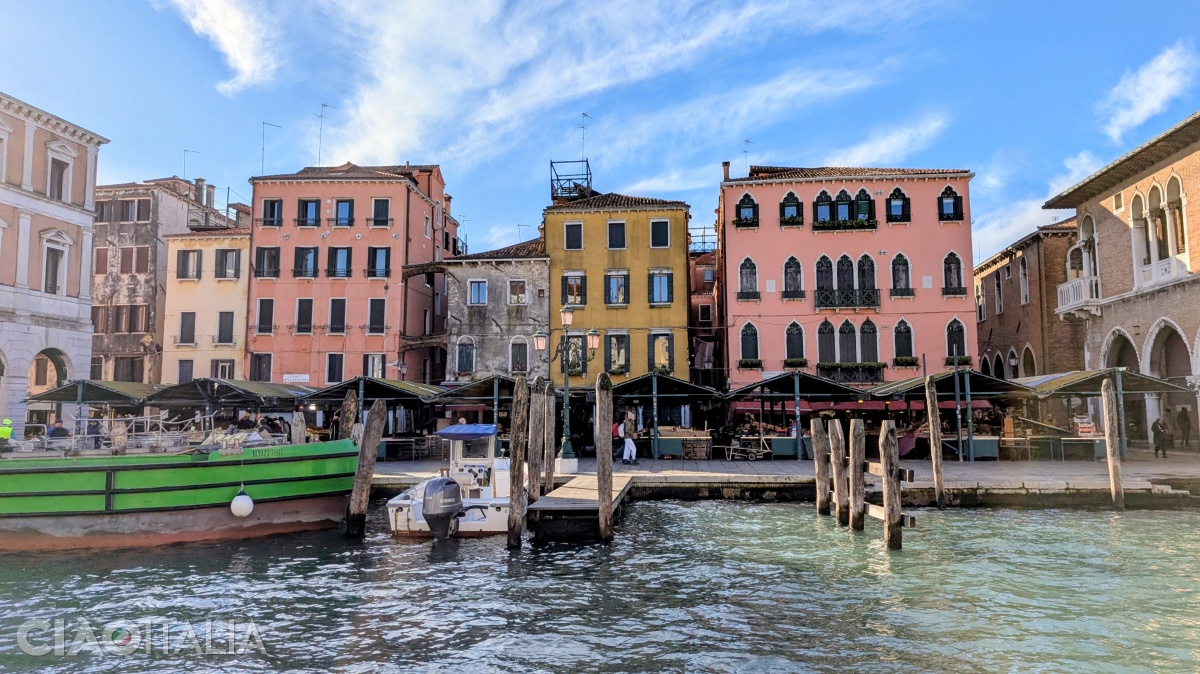
The fish market (Pescarìa) is located in Campo de la Pescarìa, right on the Grand Canal. It is housed in a beautiful historic building whose architectural details are well worth a closer look. While it may appear much older, the construction (called Loggia della Pescarìa) actually dates back to 1907. It was built in neo-Gothic style, based on the design of architect Domenico Rupolo and the painter Cesare Laurenti from Ferrara.
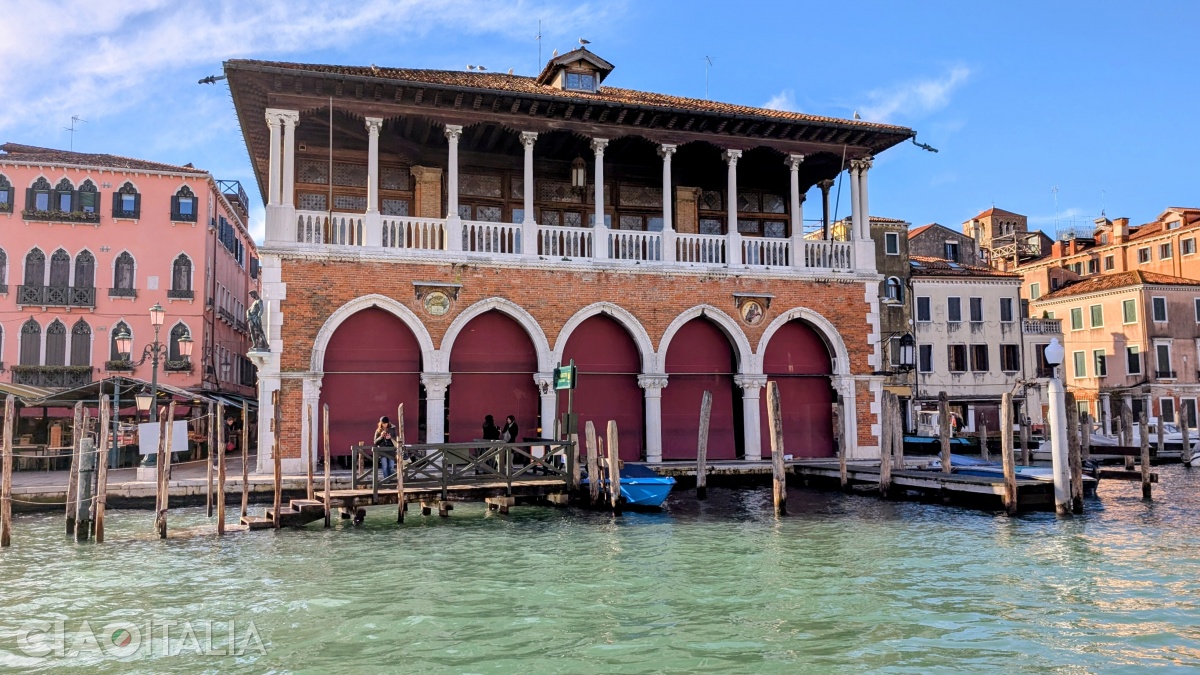
In the past, the profession of fish merchant was very strictly regulated. It was a privilege granted by the Venetian Republic specifically to older fishermen from San Nicolò (the northern part of Lido Island) and Poveglia (a small island near Lido di Venezia, to the south), to support them in their later years and guarantee an income. To earn the right to sell fish, merchants had to be at least 50 years old and have a minimum of 20 years of sea fishing activity. At the end of the 18th century, thousands of fishermen could be found in Venice, but there were only 158 licensed fish merchants, who had St. Nicholas as their patron. Today, only a few remain, who source their supplies from the wholesale fish market at Tronchetto.
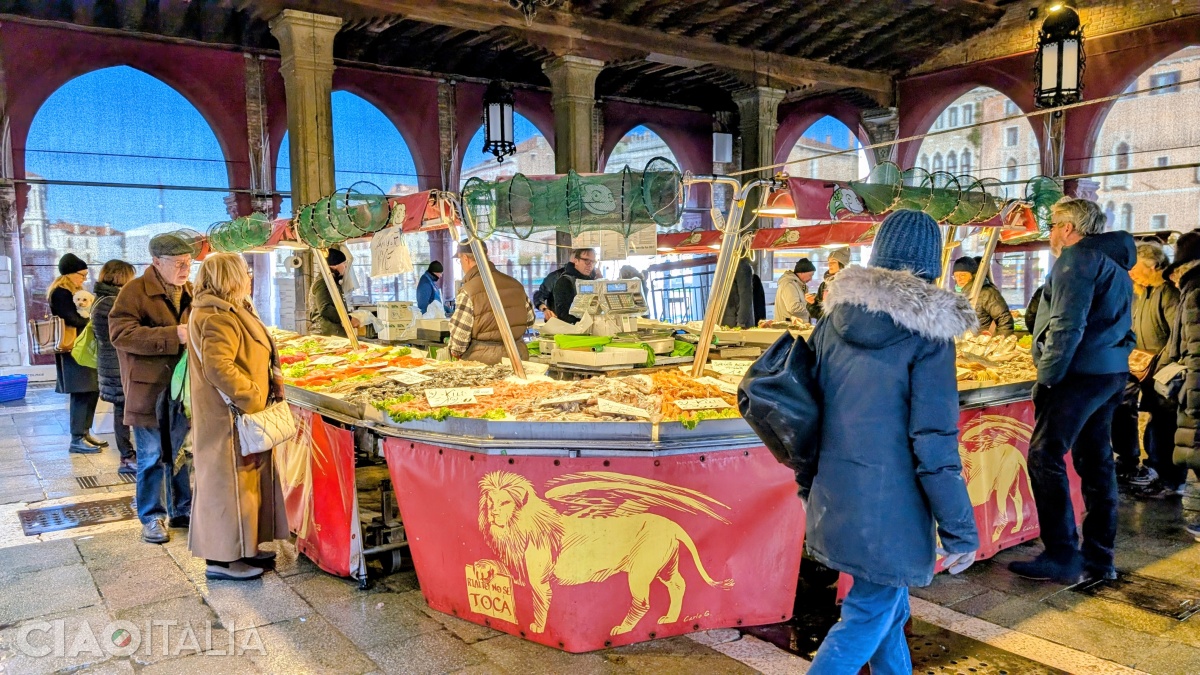
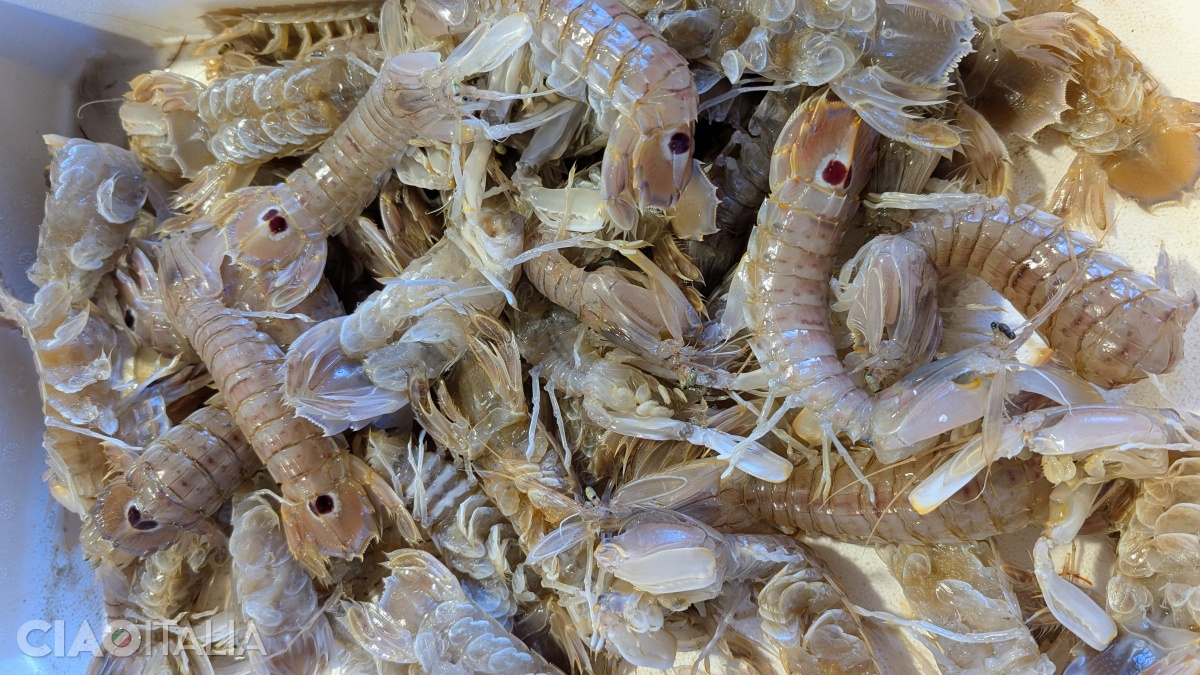
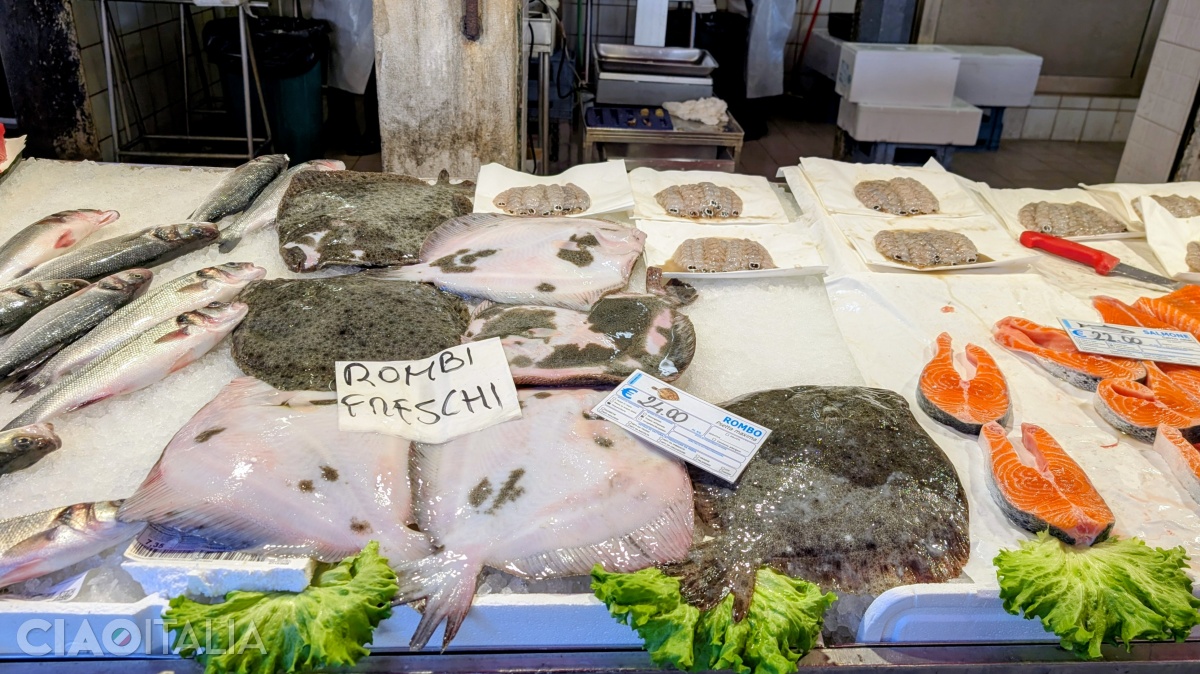
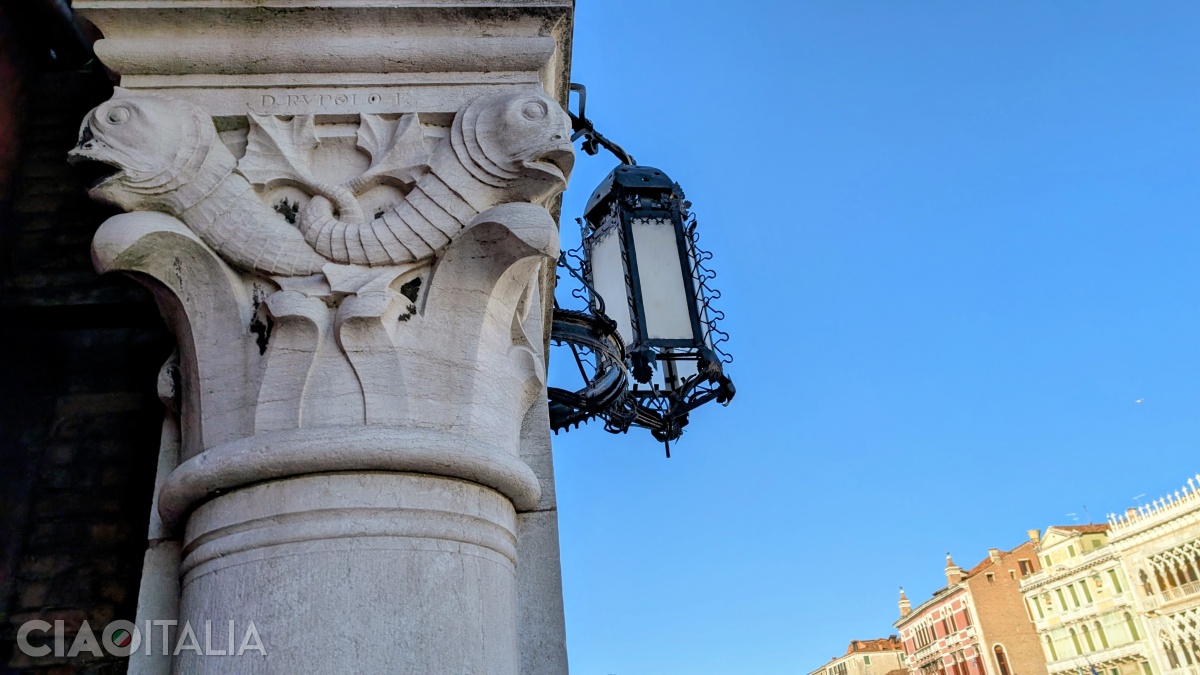
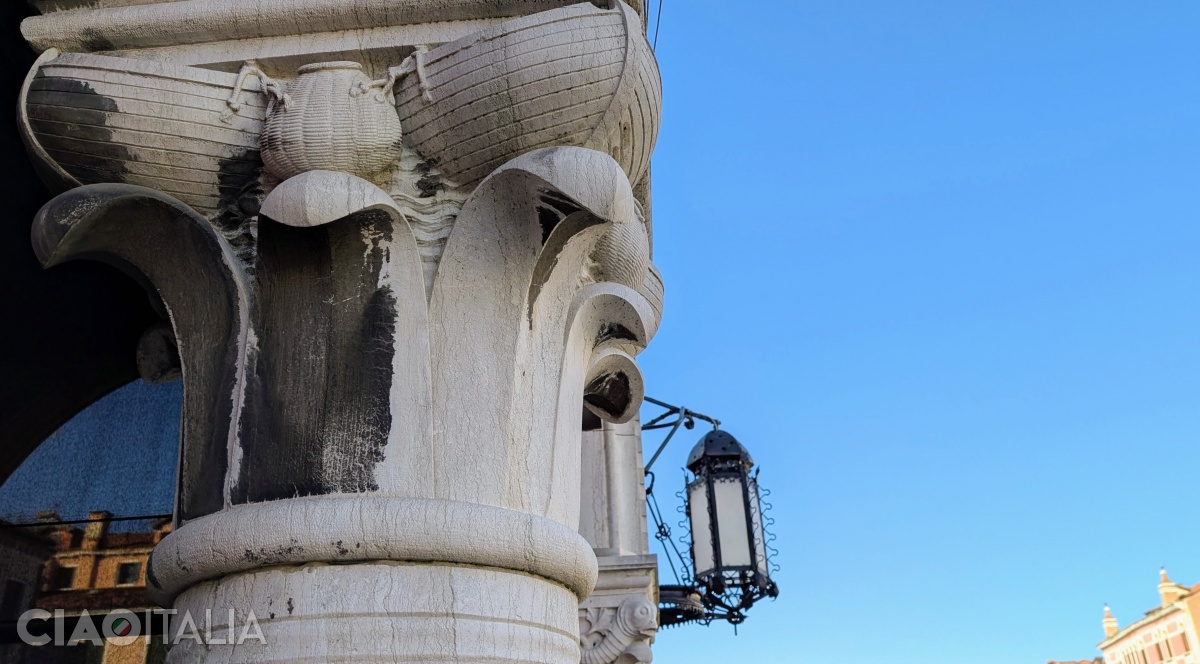
After you’ve finished browsing the various species of fish on the vendors' stalls, take a moment to look up at the capitals of the columns that support the building. These are decorated with marine creatures (among which you can identify fish, lobsters, crabs, and seahorses), as well as boats equipped with special baskets used to keep the catch fresh in the water, along with various clams and shells.
Some columns inside the market are adorned with flowers, nautical symbols (like the anchor and the compass rose), and esoteric symbols (the sun, moon, and stars), all characteristic of the early 20th-century period.
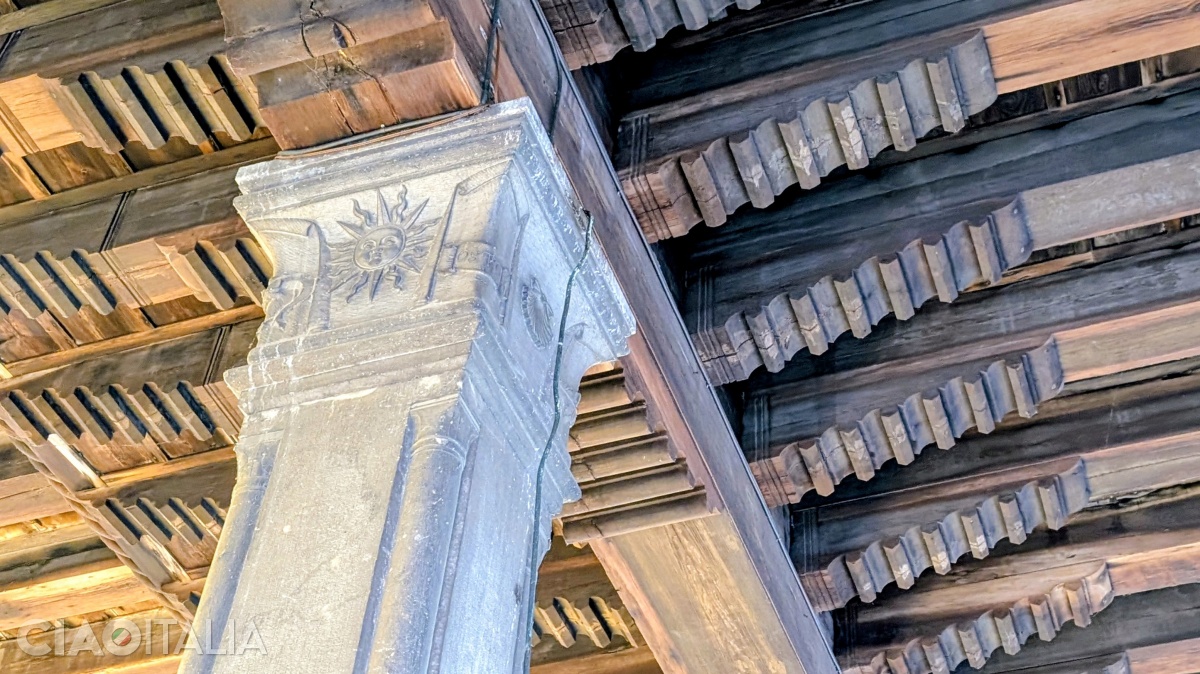
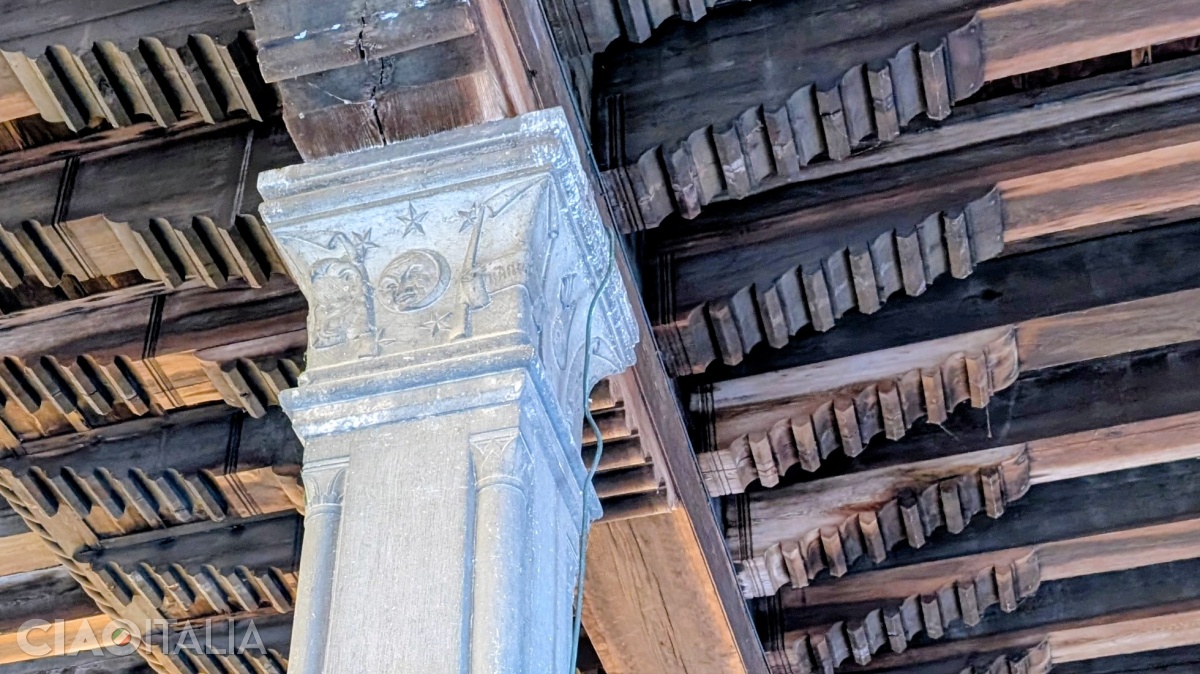
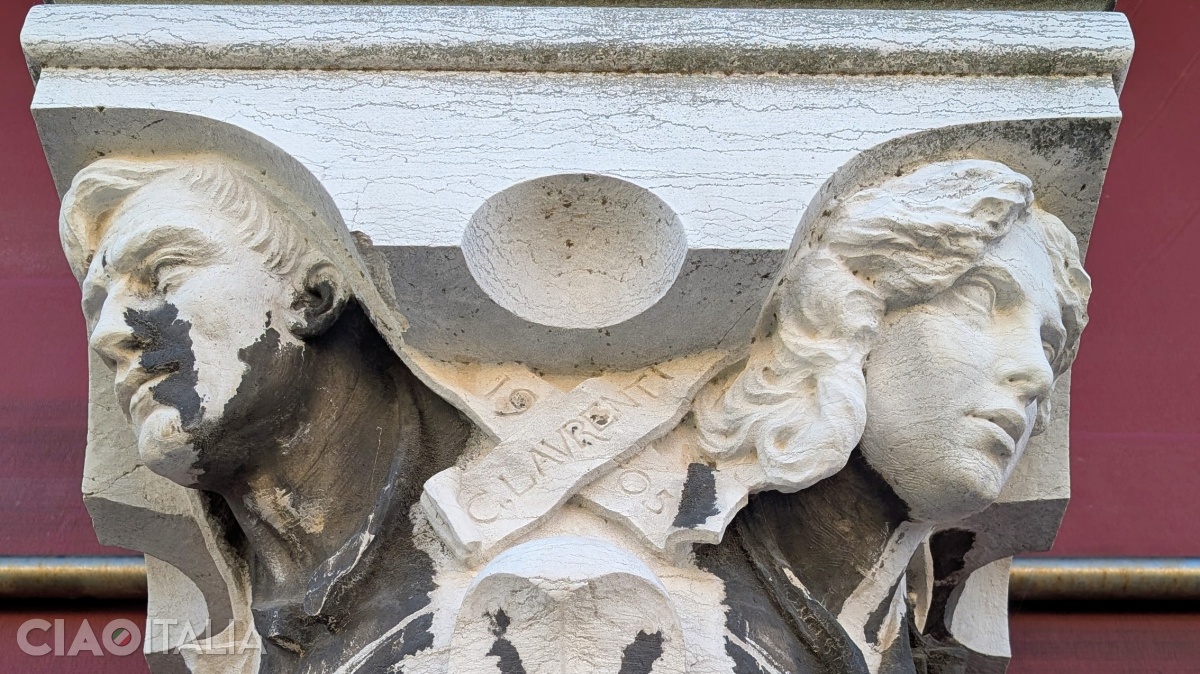
The capital of the central column on the side facing the Grand Canal features four sculpted heads. It is believed that two of these represent the architect (Rupolo) and the painter (Laurenti). You can also find the year 1905 inscribed here (marking the completion of the building's first section), along with Cesare Laurenti’s name.
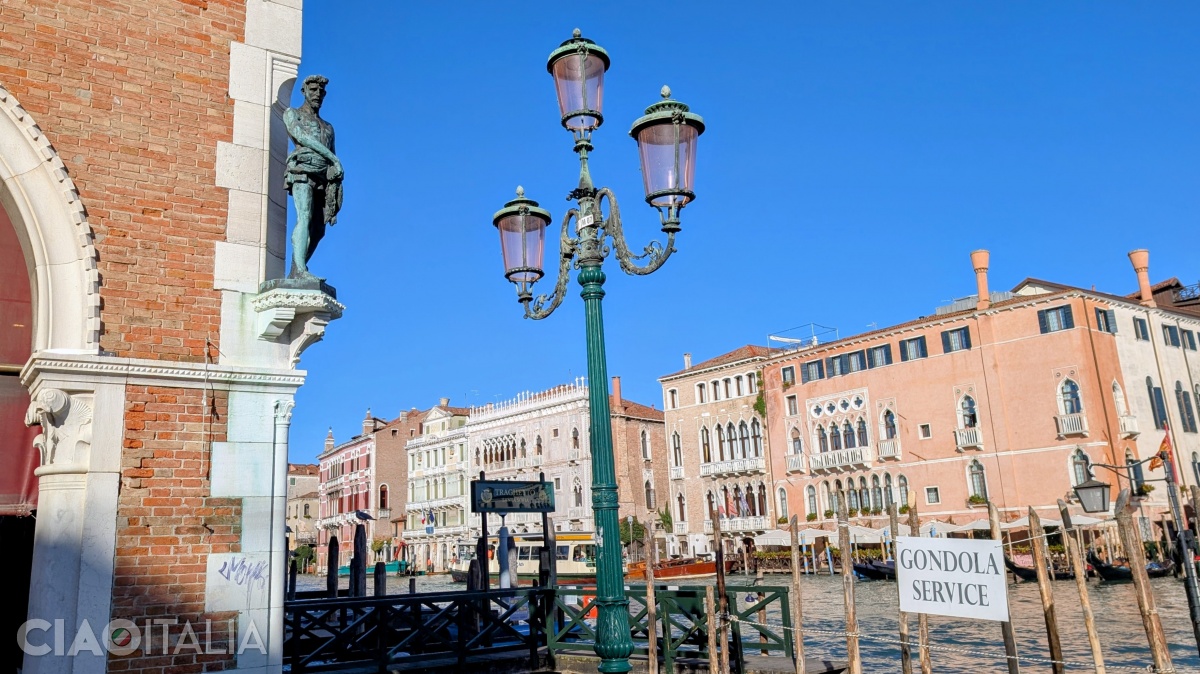
In the left corner of the building, facing the fruit and vegetable market, look up about 4 meters. There, you'll find a bronze statue created by Laurenti, depicting St. Peter as a fisherman.
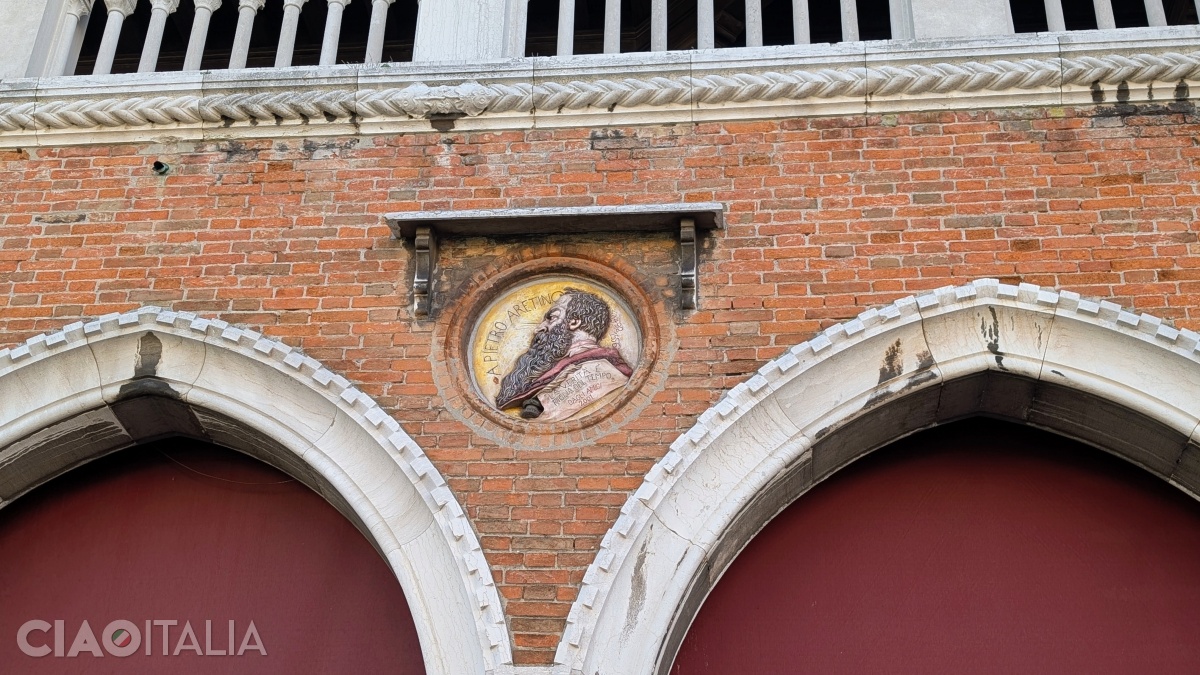
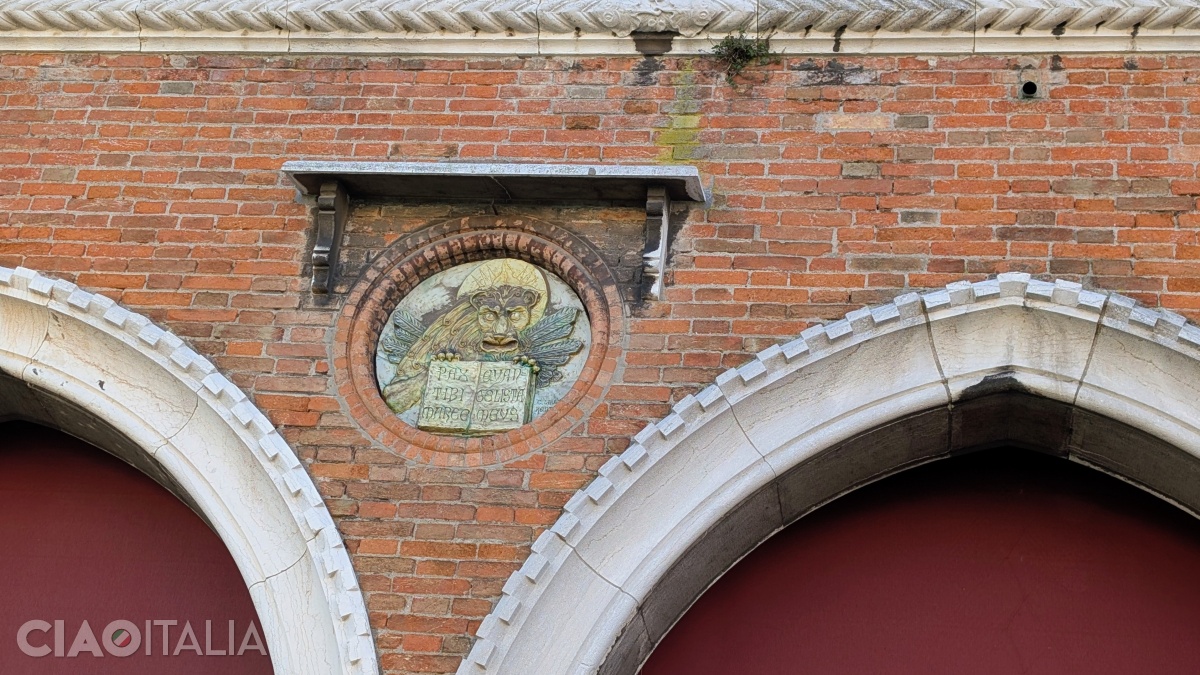
On the waterfront facade, there are two medallions with glazed ceramic bas-reliefs. You can see them well either from the vaporetto or from the piers in front of the market. They were created in 2001 by the Venetian artist Guerrino Lovato.
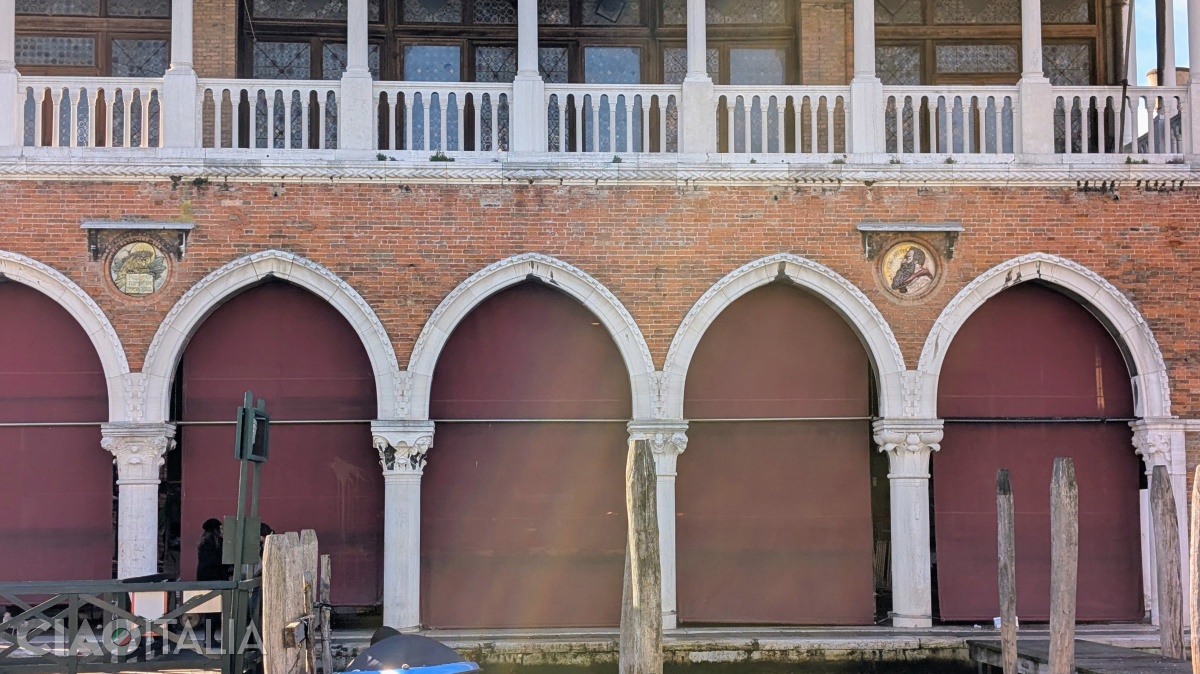
To the right is the portrait of Pietro Aretino. This is a copy of a medal that the sculptor Alessandro Vittoria created for the writer and art critic Pietro Aretino, who between 1527 and 1556 lived in Palazzo Bollani, right across from the Pescarìa. Next to the inkwell and quill appears the inscription Veritas filia temporis ("Truth is the daughter of time").
The left medallion depicts the legendary Lion of Saint Mark, the traditional symbol of the Republic of Venice.
Behind the market, to the right as you look from the water, there is a stone staircase leading to the upper floor where, during World War II, the offices for distributing food rationing cards to the population were located. The staircase banister bears small, sculpted decorations in the shape of a lion, a pinecone, octopuses, shells, and a fisherman's head.
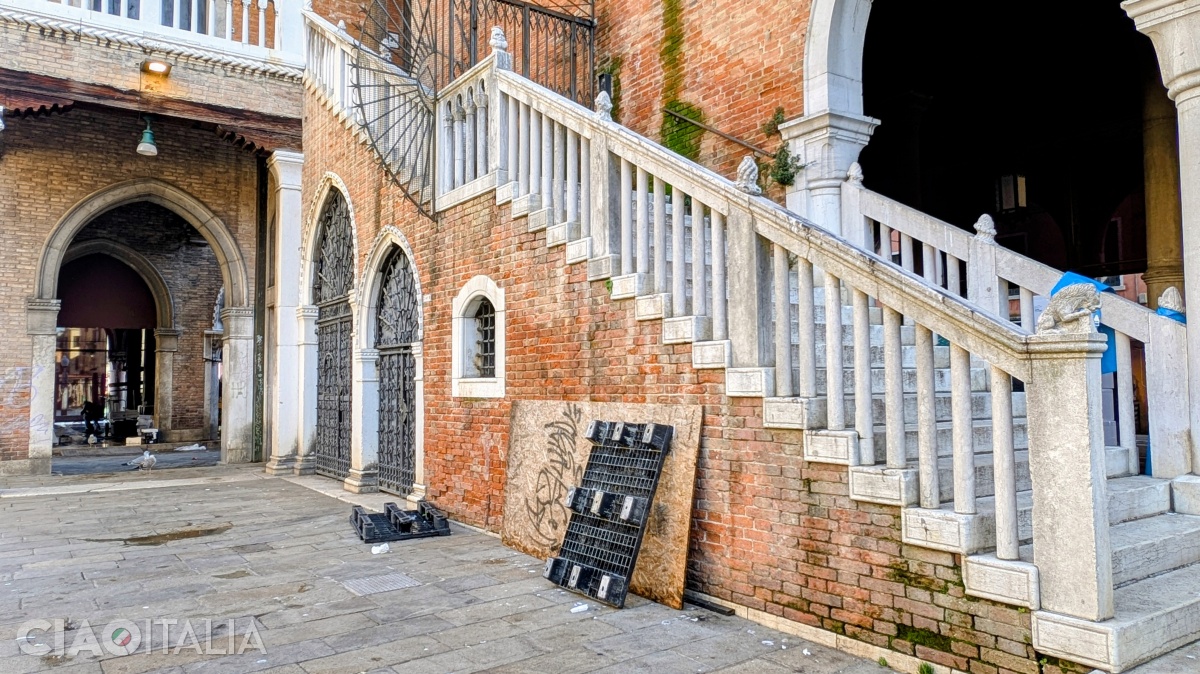
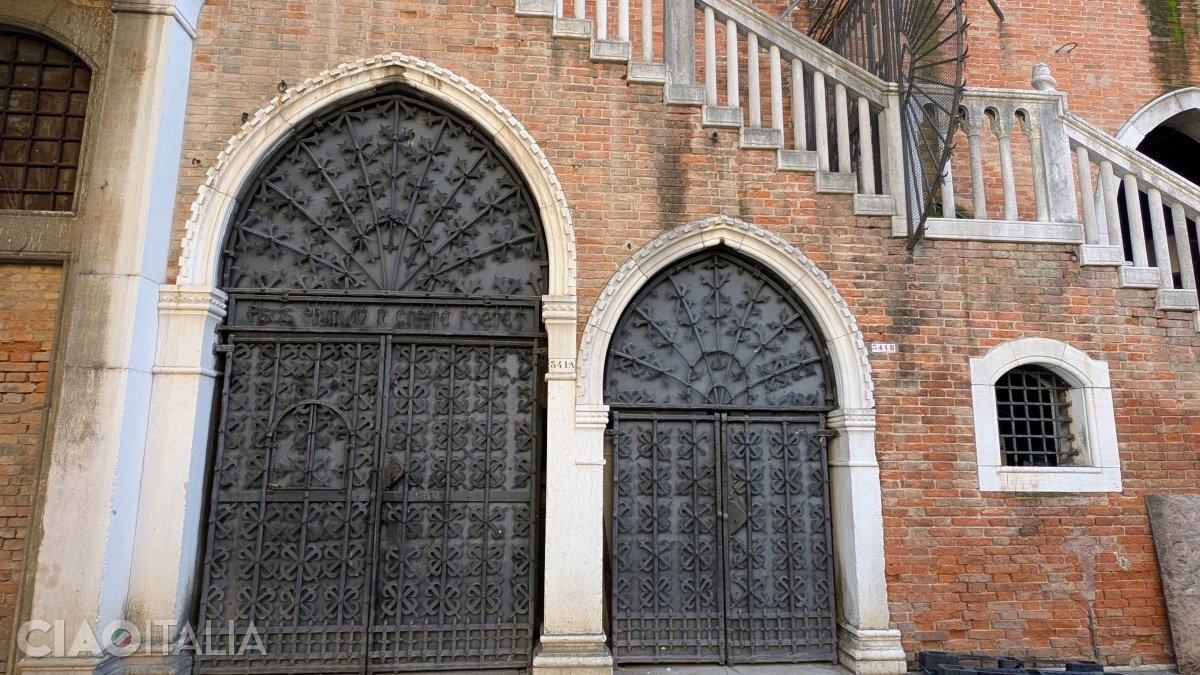
Umberto Bellotto, a Venetian artisan known for the way he combined the art of wrought iron with glass, collaborated on the creation of the two elaborate gates under the stairs - one larger and one smaller. He also created the beautiful light fixtures in the market. The largest of the gates near the stairs bears the Latin inscription Piscis primum a capite foetet ("Fish rots from the head down"). Besides being a simple warning for shoppers choosing goods in the market, it can also be a metaphor for corruption - this was also the headquarters for the institutions in charge of managing the markets.
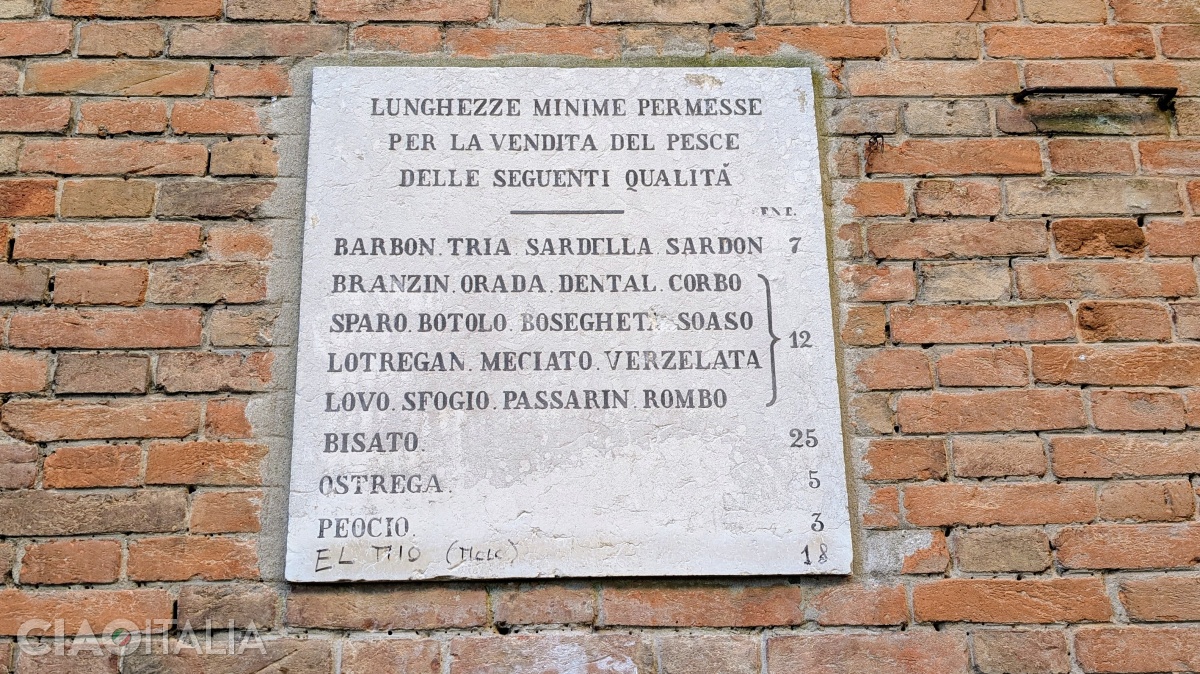
On the Grand Canal side of the rear building, a stone plaque indicates the minimum sizes established for fish. Compliance with these was mandatory to allow the fish to reproduce. Similar plaques still exist in Campo Santa Margherita, in Fondamenta della Tana (near the Arsenal), and in Palazzo dei Dieci Savi (near the Rialto Bridge), the headquarters of the Venetian Water Magistrate.
Fruit and Vegetable Market (Erbarìa)
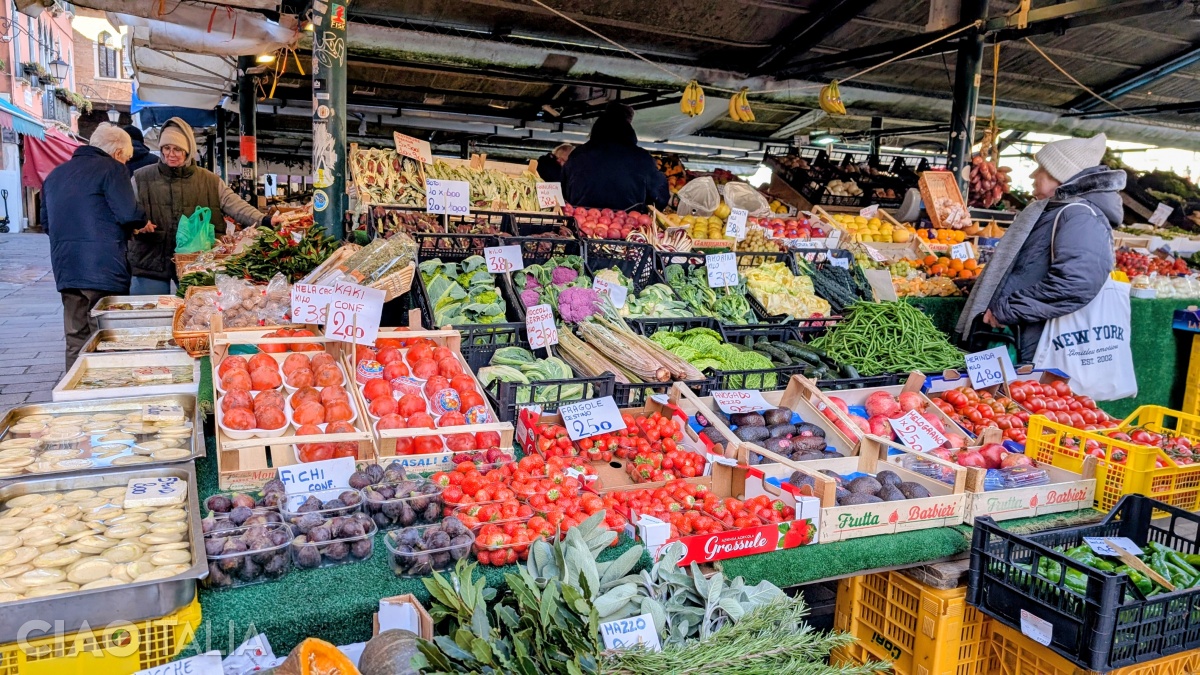
The fruit and vegetable market is held today in the small square to the left of the fish market, between the Pescarìa and Fabbriche Nuove. It was once held in Campo de l’Erbarìa, which was actually the place for wholesale trade. From there, the fruit and vegetable merchants of Venice would source their supplies, arriving by boat to load the goods they would then resell in their grocery shops.
What to See Near Rialto Market?
Campo and Church of San Giacomo di Rialto
Campo San Giacomo di Rialto is a square located near the market, bordered on one side by the church of the same name.
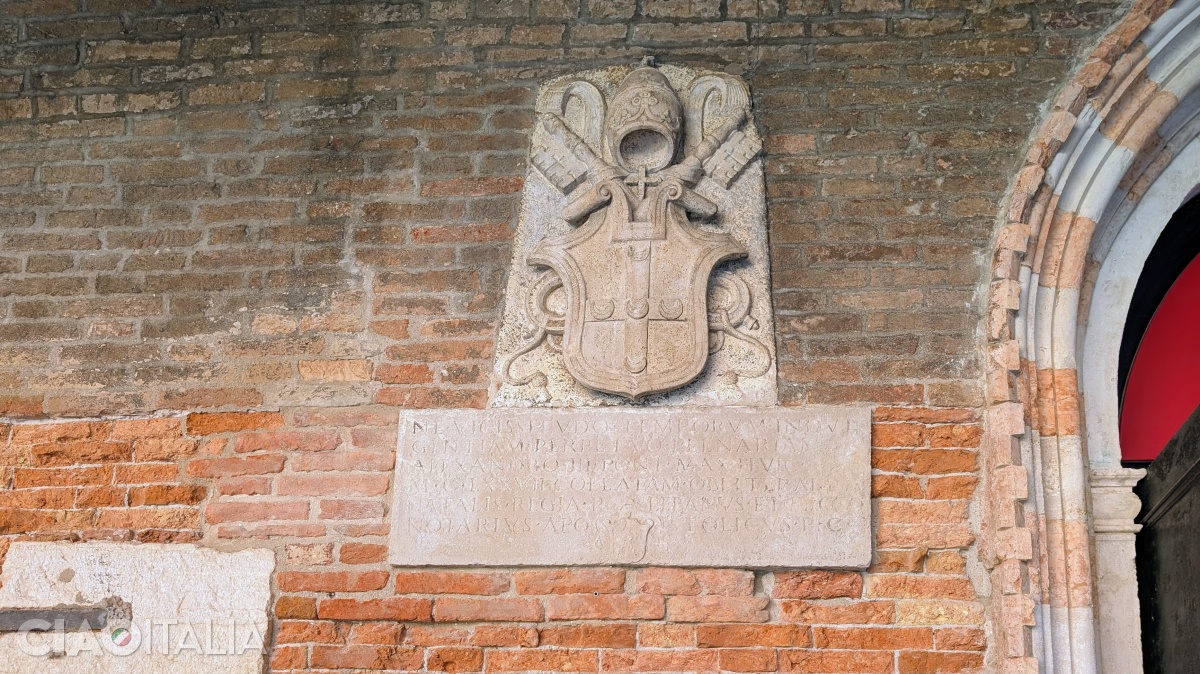
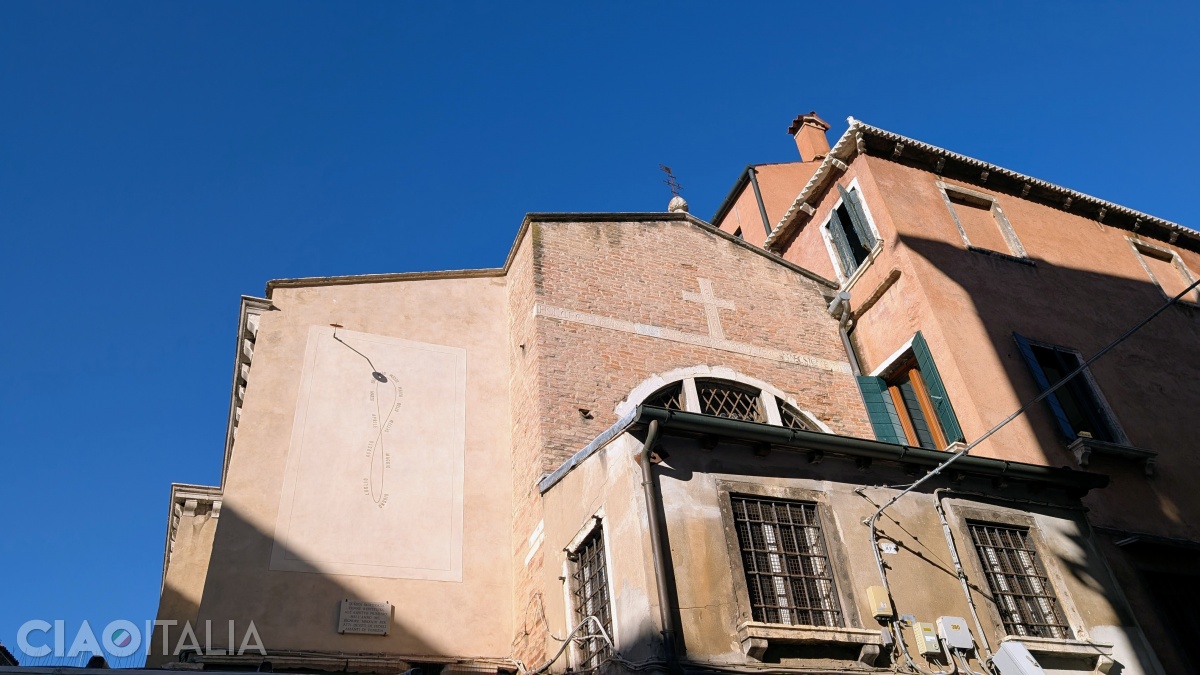
For a long time, it was believed that the Church of San Giacomo di Rialto (known more commonly as San Giacométo) was the oldest church in Venice. The date of its consecration was said to be the very date of the city's official founding: March 25, 421. Legend says the church was built by the wish of a carpenter to thank Saint James (Giacomo) for help in extinguishing a fire, and people from Padua helped in its construction. However, recent studies have shown that the church was built around the middle of the 12th century, being consecrated in 1177 under Pope Alexander III, as shown by the plaque to the left of the entrance.
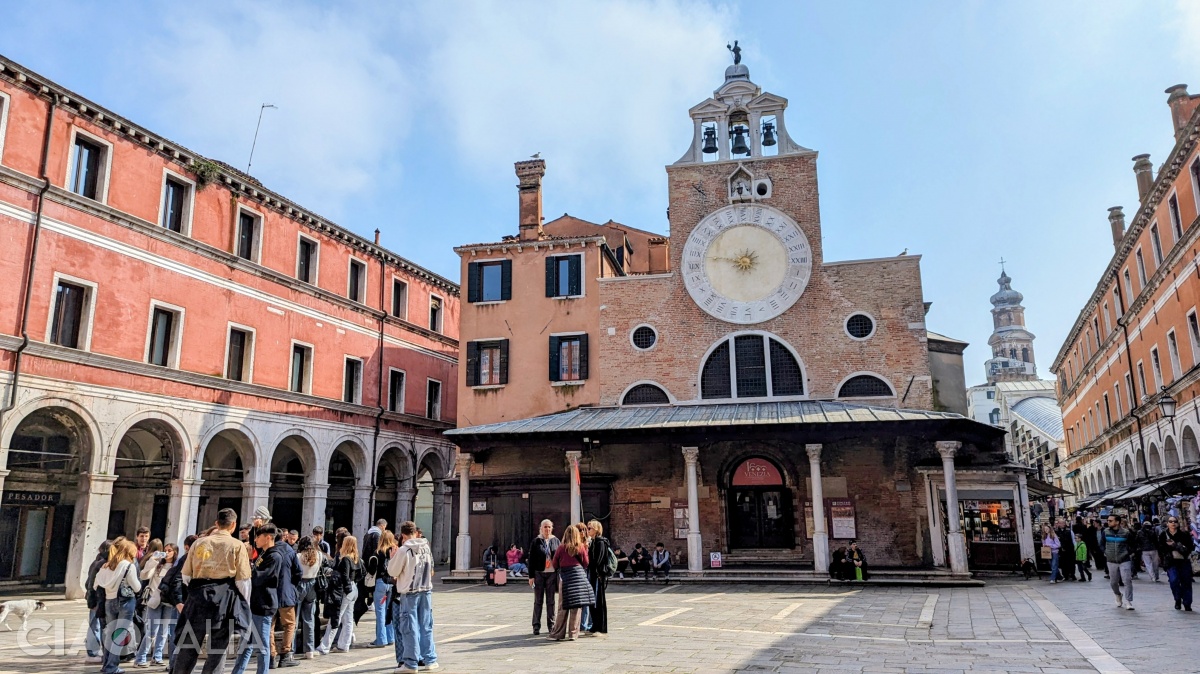
The immense clock on the facade, with a single hand in the shape of a sunbeam, was built in 1410 and rebuilt around the 18th century. It is one of the few clocks remaining in Venice that has a 24-hour dial (the most famous is at the Clock Tower in St. Mark's Square).
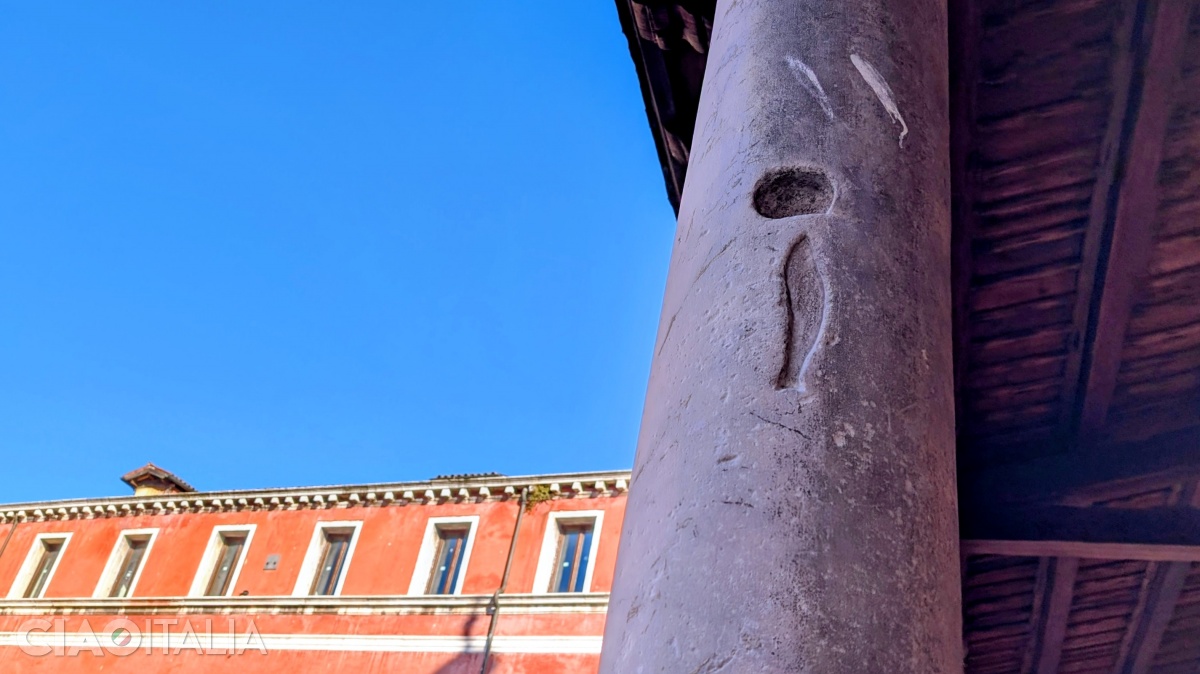
The church was closely linked to the commercial activity taking place in this area. On the second column to the right from the church entrance, the outlines of a fish and an oyster are engraved in stone. It is said they indicate, like the plaque in the market, the minimum sizes for oysters and fish that could be sold in Rialto so that fishing would not affect the ecosystem.
Also, on the exterior wall of the apse, opposite the market, there is a Latin inscription urging merchants to be honest: Hoc circa templum sit jus mercantibus aequum, pandera nec vergant, nec sit conventio prava ("Around this temple, let the merchant's law be just, the weights not tilt, and the contracts be honest").
The buildings around Campo San Giacomo di Rialto are known as Fabbriche Vecchie. They were erected during the Renaissance, between 1520 and 1522, after a fire had destroyed the previous structures. Once, the administrative magistrates in charge of trade and navigation were located here. Today, they serve as the seat of the Venice Court.
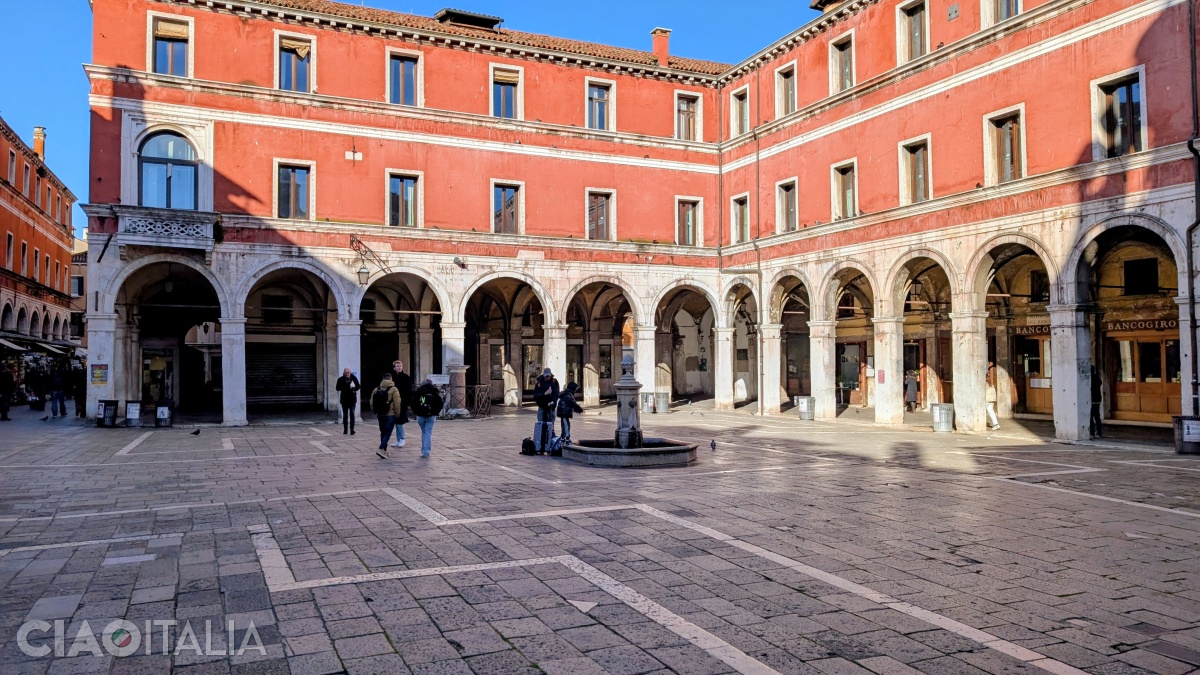
Not far away, toward the Grand Canal where the vaporetto station is, are the Fabbriche Nuove, built between 1553 and 1555 according to the design of architect Jacopo Sansovino. In the past, there were shops under the arcades and administrative offices on the upper floors. Today, the building houses the Court of Appeal.
The Hunchback of Rialto
On the side opposite the church, an Istrian stone statue depicts a kneeling man. It is called by Venetians el Gobo de Rialto ("The Hunchback of Rialto") and was sculpted in 1541 by Pietro Grazioli da Salò. The statue supports a podium reached by a few steps. From this podium, the proclamations of the Republic and the sentences of the condemned were once read. Near the statue is a red granite column called Pietra del bando, similar to the one in St. Mark's Square, at the sea-facing corner of the Basilica.
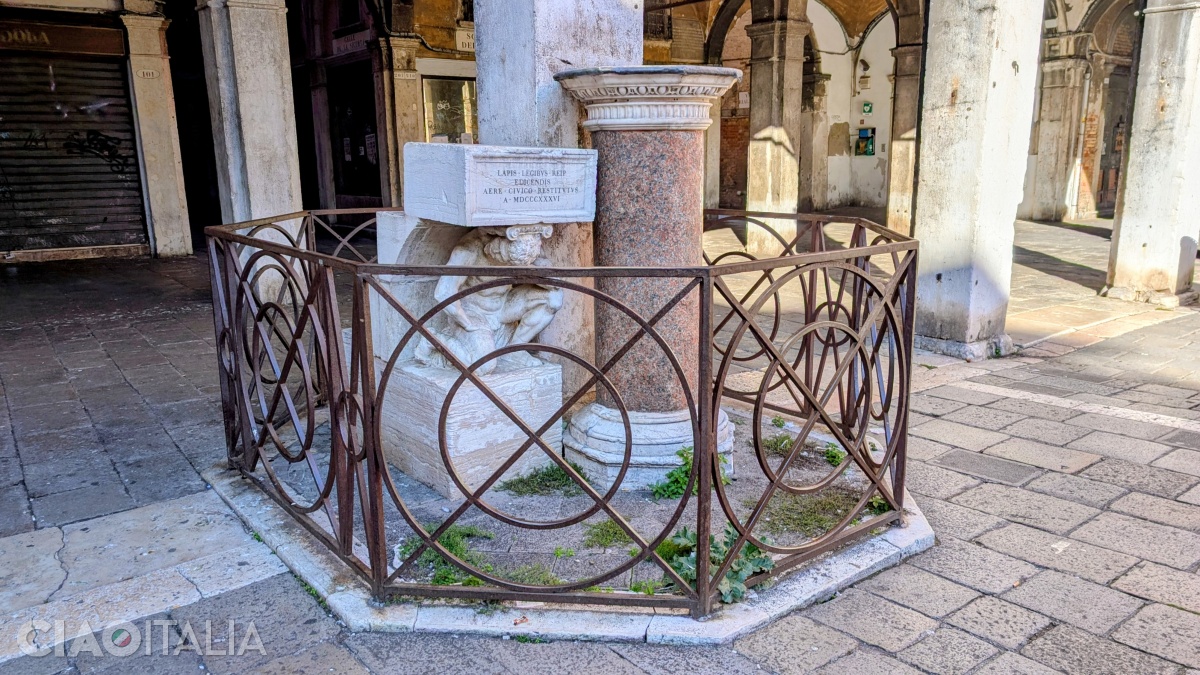
One of the punishments applied to those accused of minor crimes - usually theft - was to run the distance between the Pietra del bando in San Marco and the one in Rialto, during which time they were whipped by the crowd gathered in the streets. Once they reached Rialto, they were forced to kiss the statue of the hunchback. In 1545, the finish line of this race was moved slightly further in the same square, and the condemned had to kiss a metal cross placed on a column.
According to some theories, the characters Launcelot Gobbo and Old Gobbo from Shakespeare's play "The Merchant of Venice" were inspired by the hunchback of Rialto.
A similar statue, called Pasquino, also existed in Rome. Residents used to leave denunciations or ironic texts targeting the pope or authorities next to it. Around the 18th century, Venetian writers composed satires in which Gobo and Pasquino exchanged impressions. Even today, anonymous comments signed by the Hunchback of Rialto still circulate in Venice.
The Crooked Door
Venice was not built on stable ground, but rather on a marshy lagoon where millions of wooden piles were driven side-by-side into the mud. On top of these, two layers of thick wooden planks were laid perpendicularly, followed by massive blocks of Istrian stone. Only once this stone foundation was secure were the walls of houses and palaces raised. Under the immense weight of these structures, however, differential settling occurs. This causes buildings to lean - an effect most visible in the city's church towers, where the entire weight is concentrated on a very small surface area.
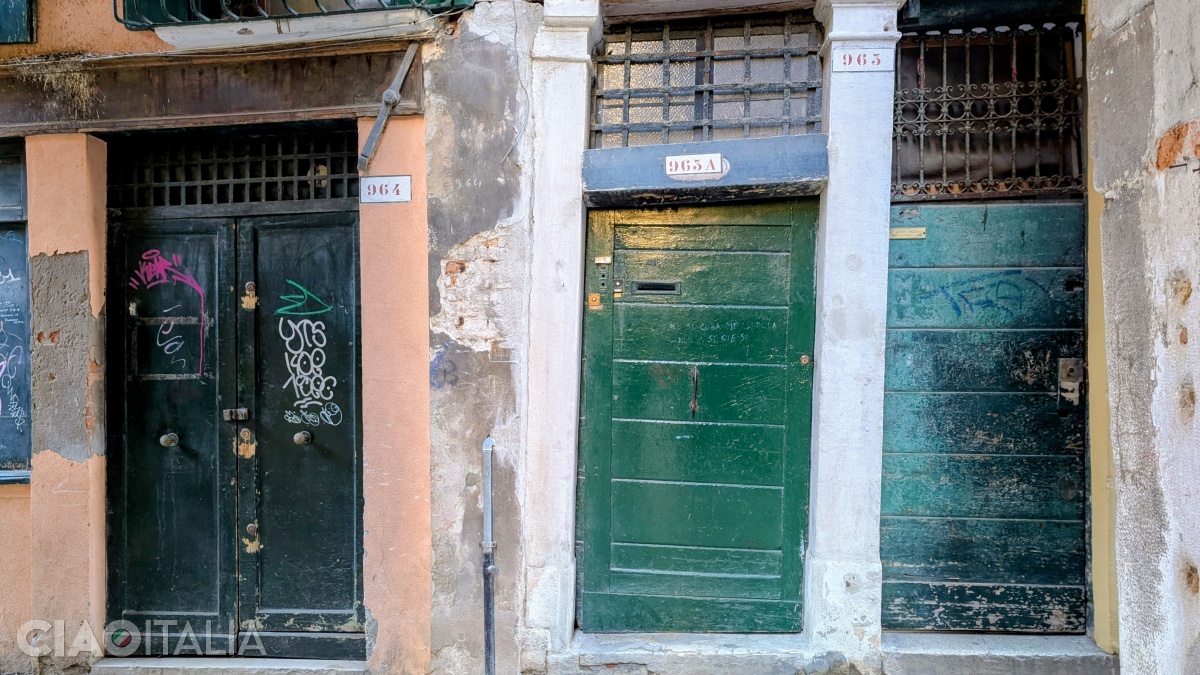
Throughout the city, you will see many buildings that have shifted over time and are no longer perfectly aligned. The door of the house at Calle dei Sansoni 963A is probably the most tilted in Venice, but this does not prevent it from closing perfectly.
Peach Bas-Reliefs
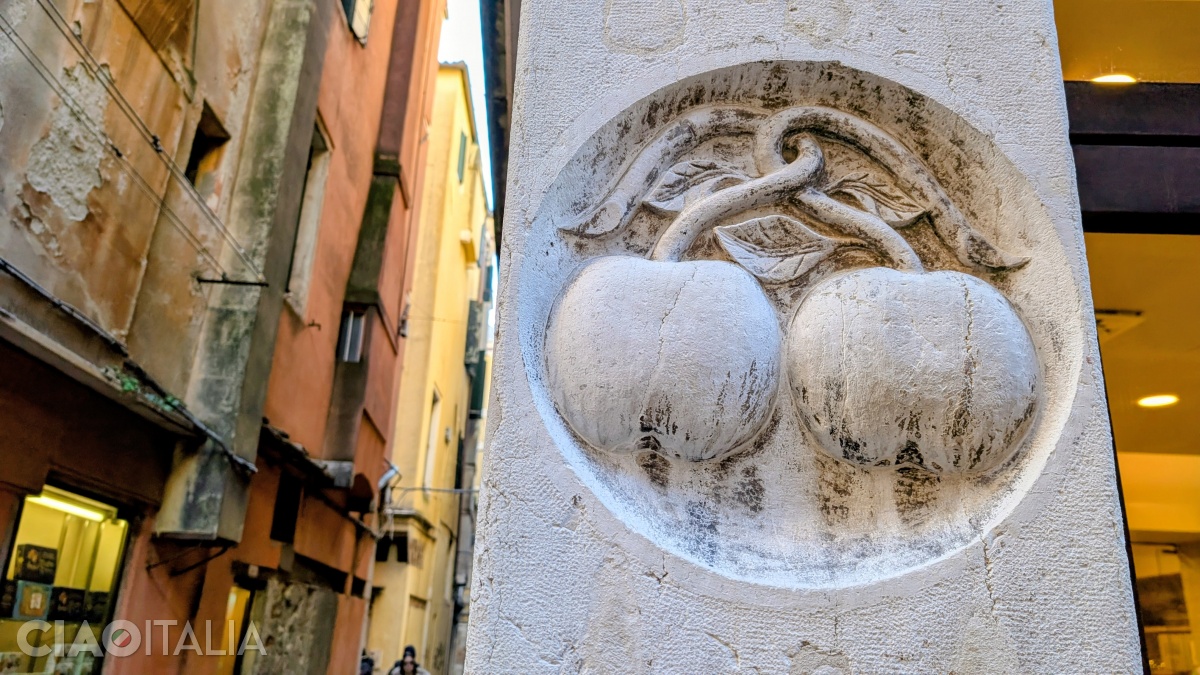
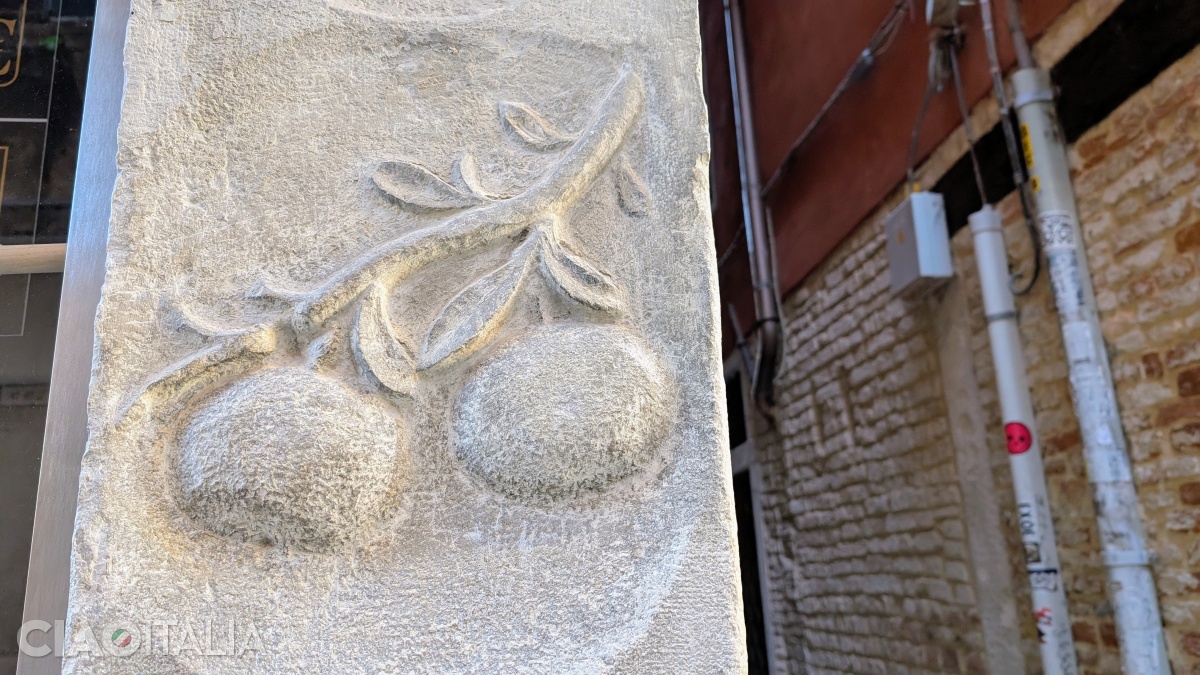
On the pillars of two houses - one at the intersection of Ruga dei Spezieri and Ramo Do Mori (at no. 379) and another at no. 374 - you will find two curious bas-reliefs depicting peach fruits. These peaches were the emblem of the guild that prepared persicata, a thick peach marmalade or jelly. Highly prized since the Renaissance, it was traditionally served alongside main courses as a sweet-and-savory accompaniment.
The Barrel Gate and Barrel Bas-Relief
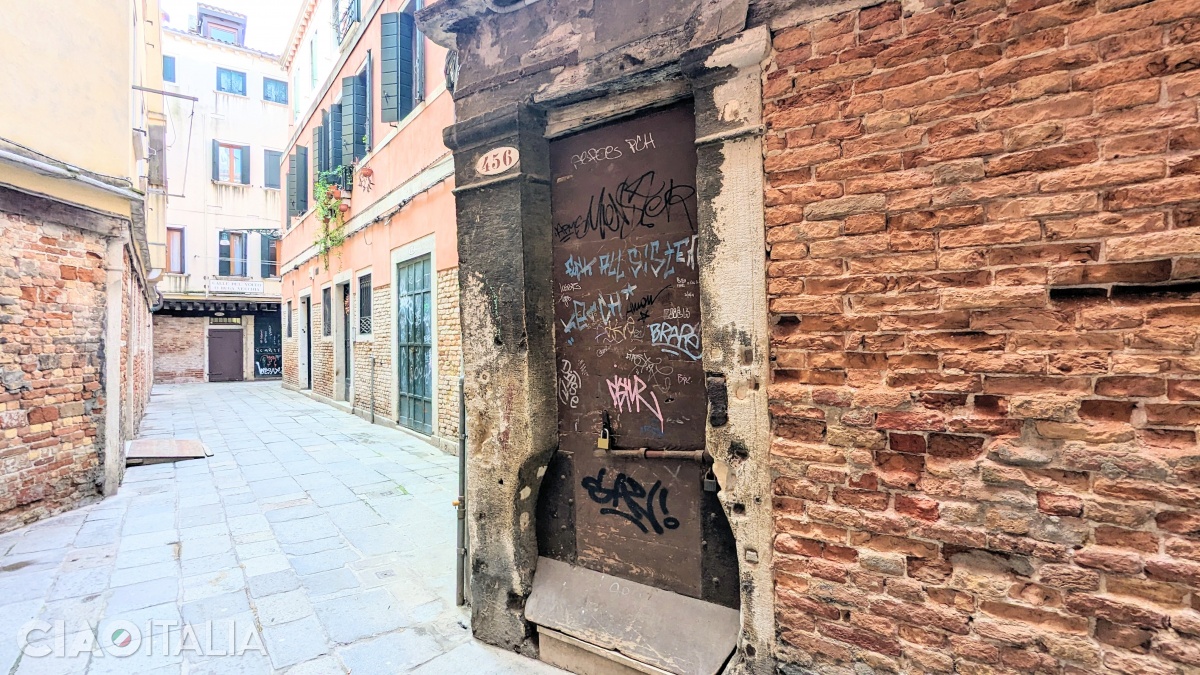
At Calle Arco 456, there is a uniquely shaped gate that is wider at the bottom than at the top. This practical design allowed workers to roll large wine barrels through the entrance with ease. Historically, this building belonged to the coopers' guild.
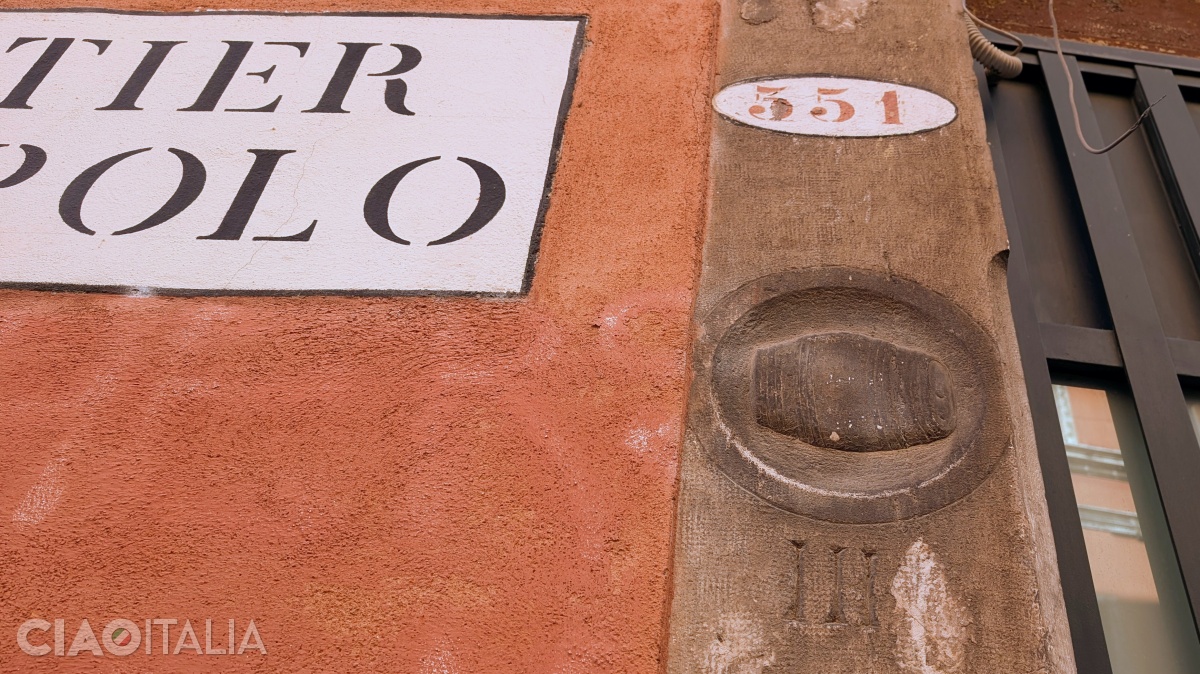
The pilasters of the houses in Campo Rialto Novo have symbols of the arts and trades carved at the top, dating from the 16th and 17th centuries. At no. 551, a barrel is sculpted into the stone, marking the warehouses of the coopers' guild. Calle dei Boteri, located near Rialto Market, is another reminder of this trade practiced in the area. Fun fact: the coopers of Venice were bound by a specific law: they were required to provide free repairs for all the barrels used at the Doge's Palace.
Mulberry Bas-Relief
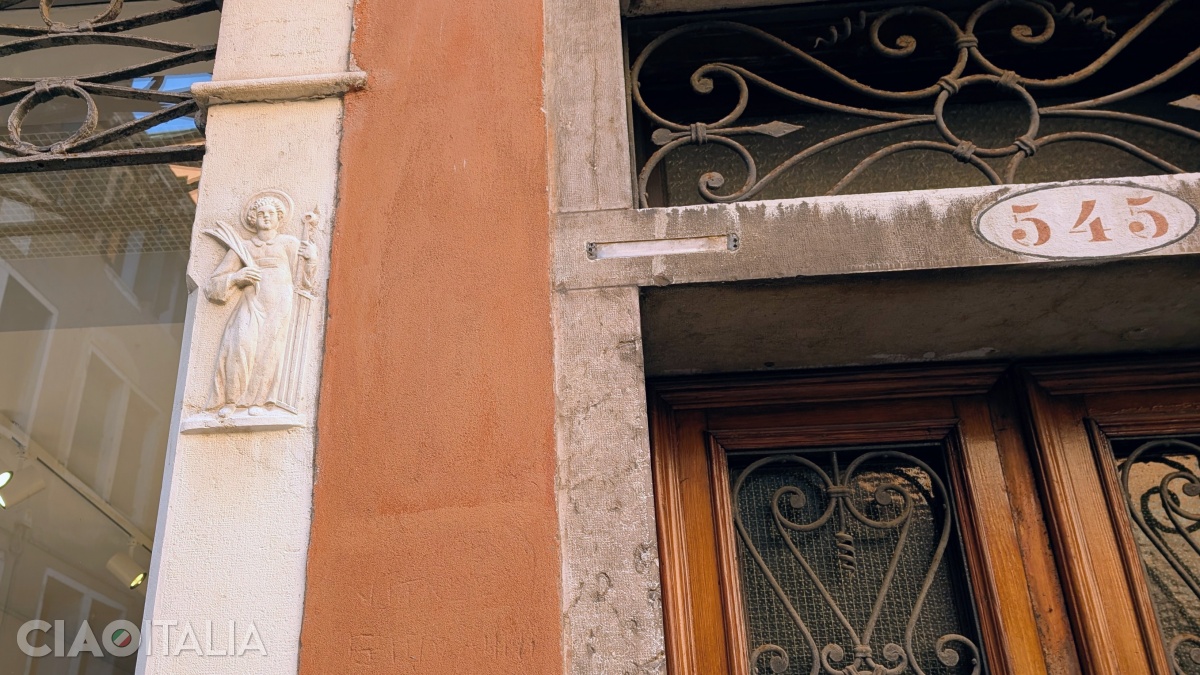
Also in Campo Rialto Novo, at no. 553, you'll find a carving of a mulberry tree. You can spot the same symbol at Calle della Bissa no. 5512, on the opposite bank of the Grand Canal. The mulberry tree was the emblem of the silk weavers' guild, which had one of its headquarters in this area.
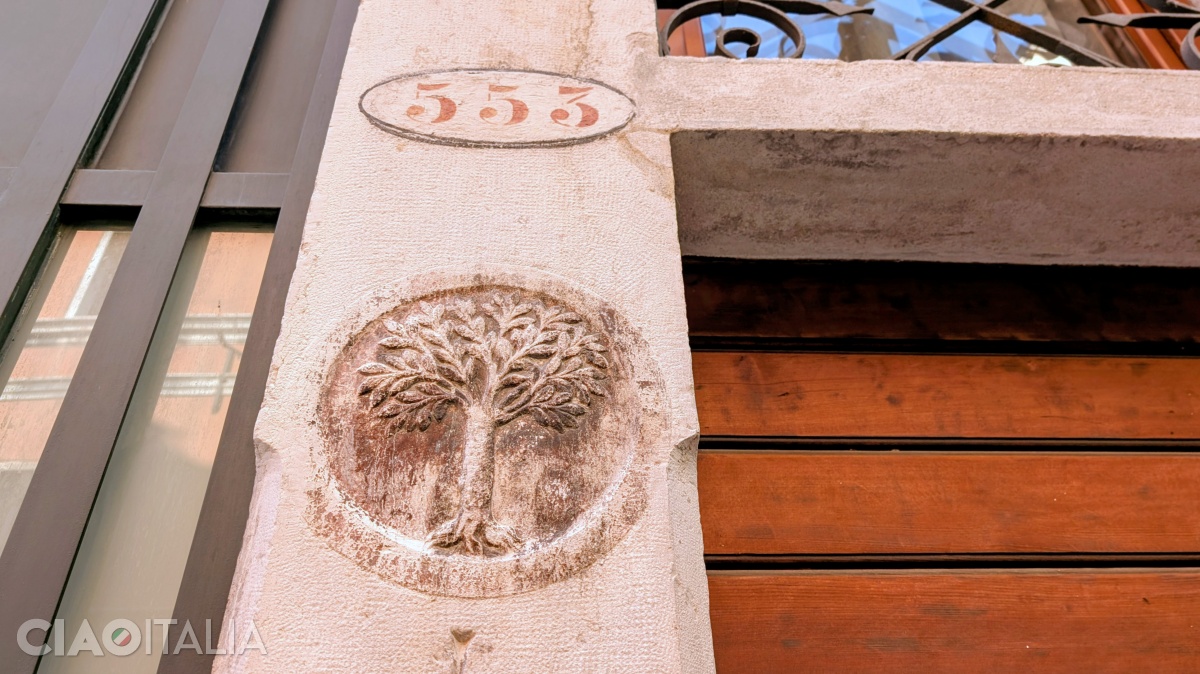
In 1317, several merchants from Lucca (a city in the Tuscany region) fled for political reasons to Venice, where they began manufacturing and trading silk. Some became so wealthy that they obtained Venetian citizenship. Traces of this guild are found in both the Rialto area and in Cannaregio, in the area near the Cappella del Volto Santo. Even the name Fondamenta degli Ormesini in the Cannaregio district comes from the shops that once sold ormesin - a light, delicate silk originally produced in the city of Hormuz (in modern-day Iran).
To the right of the mulberry bas-relief at Calle della Bissa no. 5512, you'll find an entrance to an inner courtyard called Corte de l'Orso. It takes its name from the Orso family, who had come from Lucca and settled here. Unusually for Venice, the houses in this courtyard are tall, reaching up to six floors, similar to those in the Jewish Ghetto.
El Distansiador
In the vicinity of Rialto Market, there is a small street called Calle Toscana. Its name stems from the same history we've been exploring: a community of Tuscan merchants, originally from Lucca, lived and worked in this area.
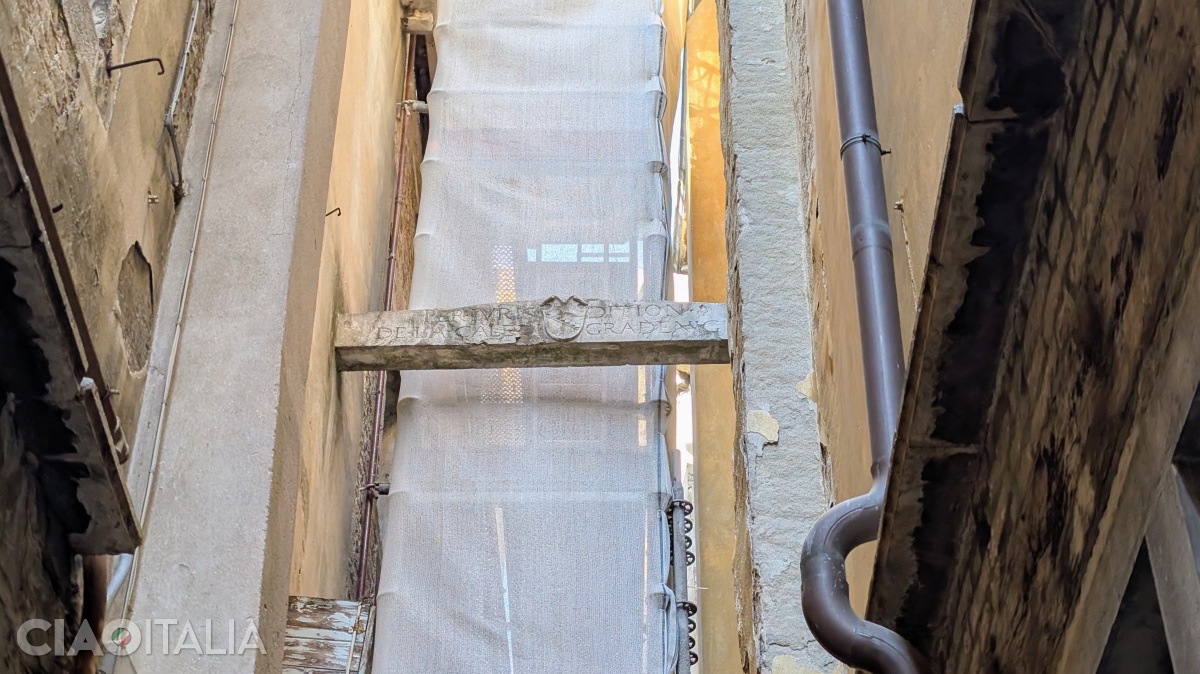
If you look up at the level of the first floor, you will see a stone crossbeam spanning the gap between the buildings on either side of the street. In the center of the beam is a coat of arms belonging to the Gradenigo family, a powerful and noble Venetian family. In the past, this street was actually named Gradenigo, maybe because the family owned houses here.
The stone crossbeam is known as distansiador ("distancer"). Its role was most likely to ensure that the new headquarters of the goldsmiths' guild, which had been rebuilt here in 1717, respected the minimum required distance from the house opposite, so that the street would not become even narrower and darker.
Church of San Giovanni Elemosinario
The Church of San Giovanni Elemosinario is part of the Chorus Association and is one of the sights you can see for free in Venice. The church, dating from the Renaissance, was built in 1531 on the site of an older construction that had been destroyed by the fire that broke out in 1514, affecting the entire Rialto area. Inside are paintings by Titian and Pordenone.