19 Things to Do in Venice
Wondering what you can do in Venice? We have several ideas for you. Some are activities suitable for everyone, while others are aimed more at those who like to explore and discover the little secrets of Italian cities. We advise you to try at least a few of these activities, combining them with a visit to the most important tourist attractions in Venice.
1. Wander the Streets
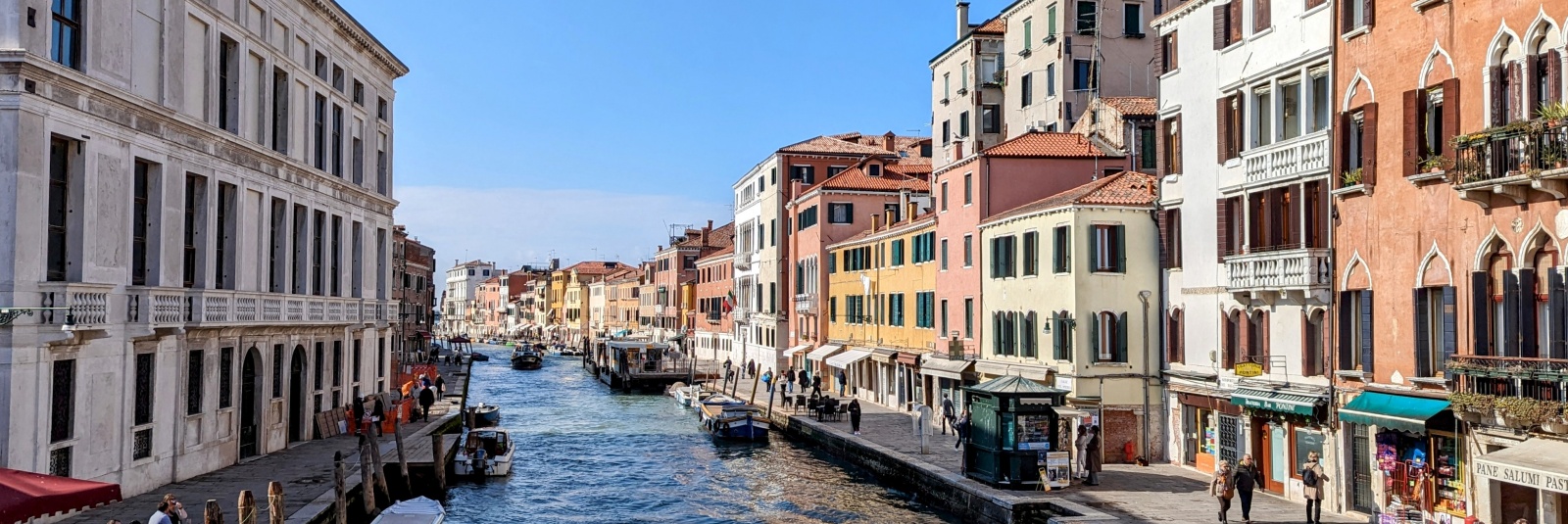
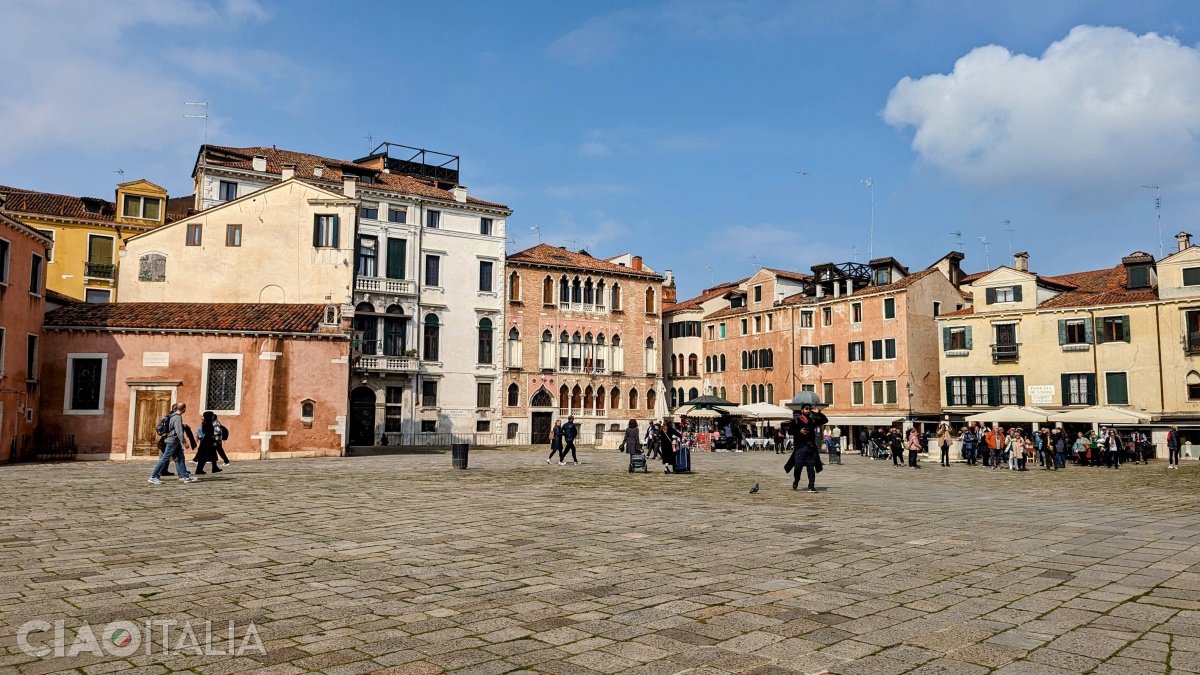
Part of the charm of Venice is venturing beyond the highly touristy and crowded areas, losing yourself in its narrow streets, called calli, and discovering hidden canals, quiet squares, and enchanting corners. We suggest, therefore, that you walk aimlessly and without Google Maps (which often isn't much help anyway, as you frequently lose your signal between the high walls) and simply enjoy your stroll through this special city.
2. Chase the Sunset
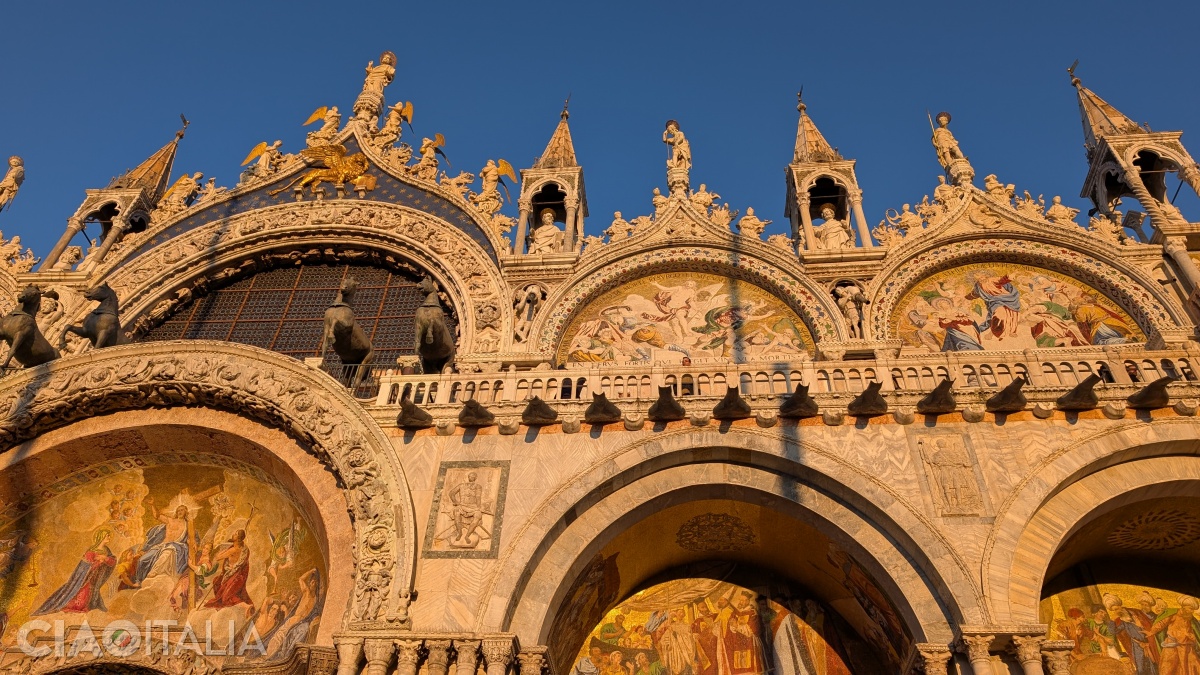
When you are in the right spot, the sunset in Venice offers unique moments. In St. Mark's Square, for example, the setting sunlight colors the facade of St. Mark's Basilica in delicate shades of pink. From the Accademia Bridge, you have a beautiful view of the Basilica di Santa Maria della Salute, and from Fondamenta delle Zattere, you have a view toward the Venetian island of Giudecca and the entire St. Mark's Basin.
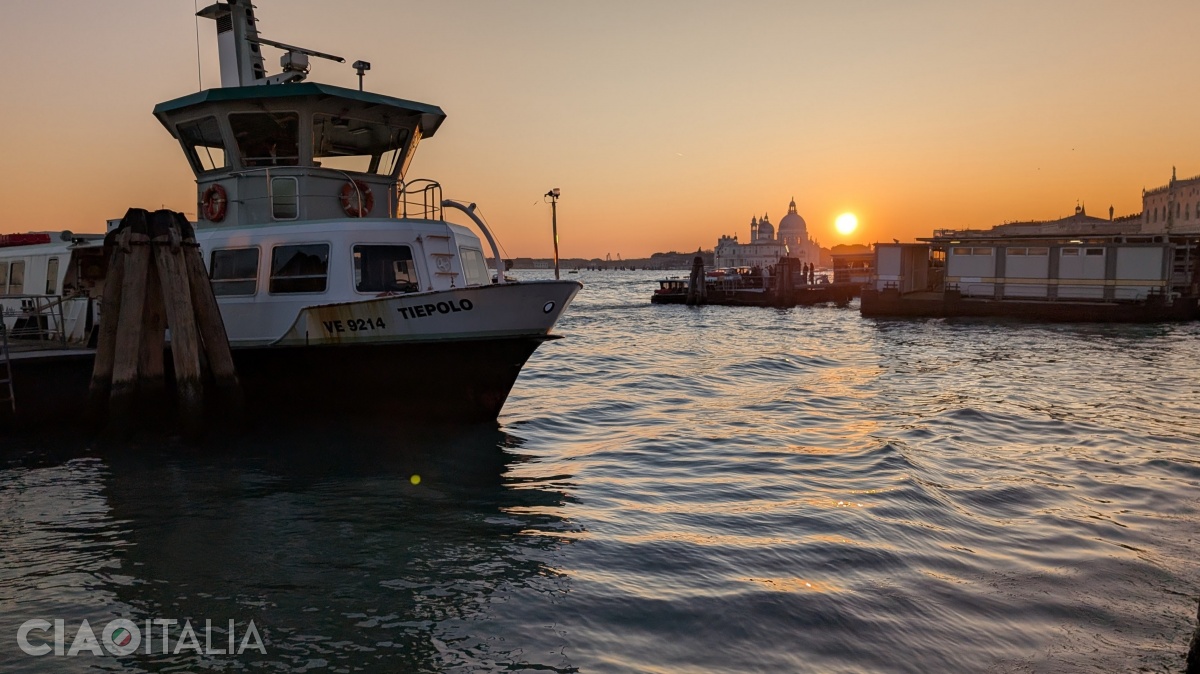
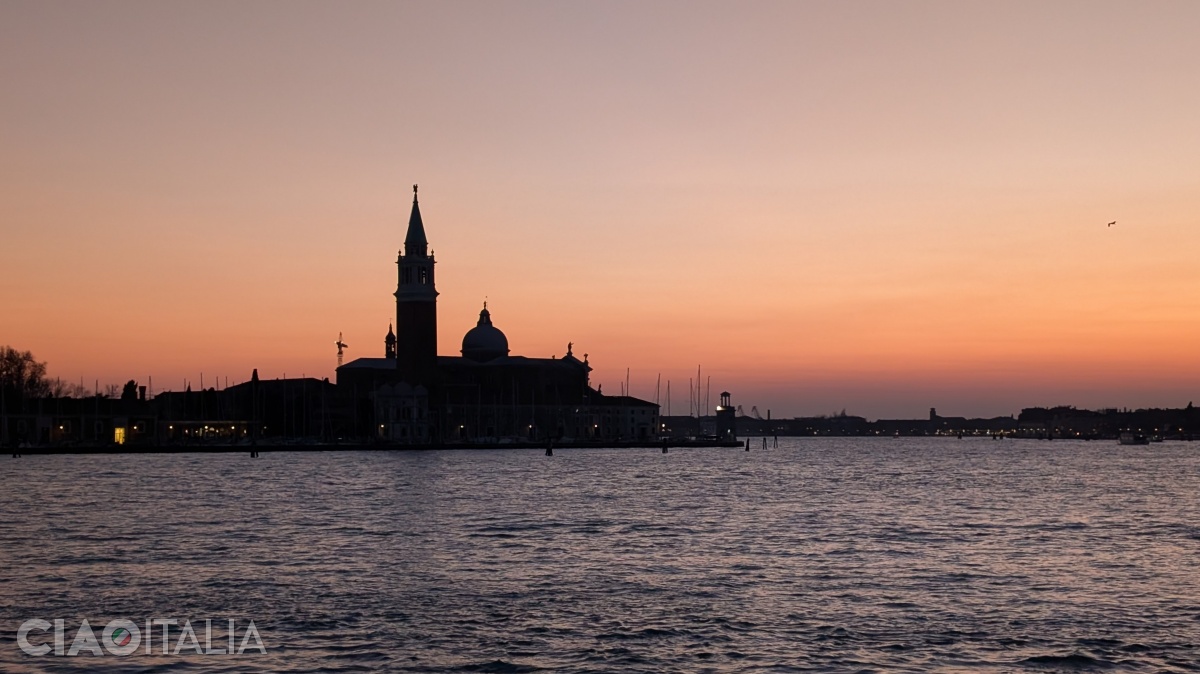
A wonderful place to watch the sunset, which we also recommend for a walk, is the promenade that starts to the right of the Doge's Palace, including Riva degli Schiavoni, Riva Ca' di Dio, Riva San Biasio, and Riva dei Sette Martiri. From there, you can see the sun setting behind the Basilica di Santa Maria della Salute, as well as the island of San Giorgio Maggiore, both bathed in red-orange hues.
3. Go to a Concert
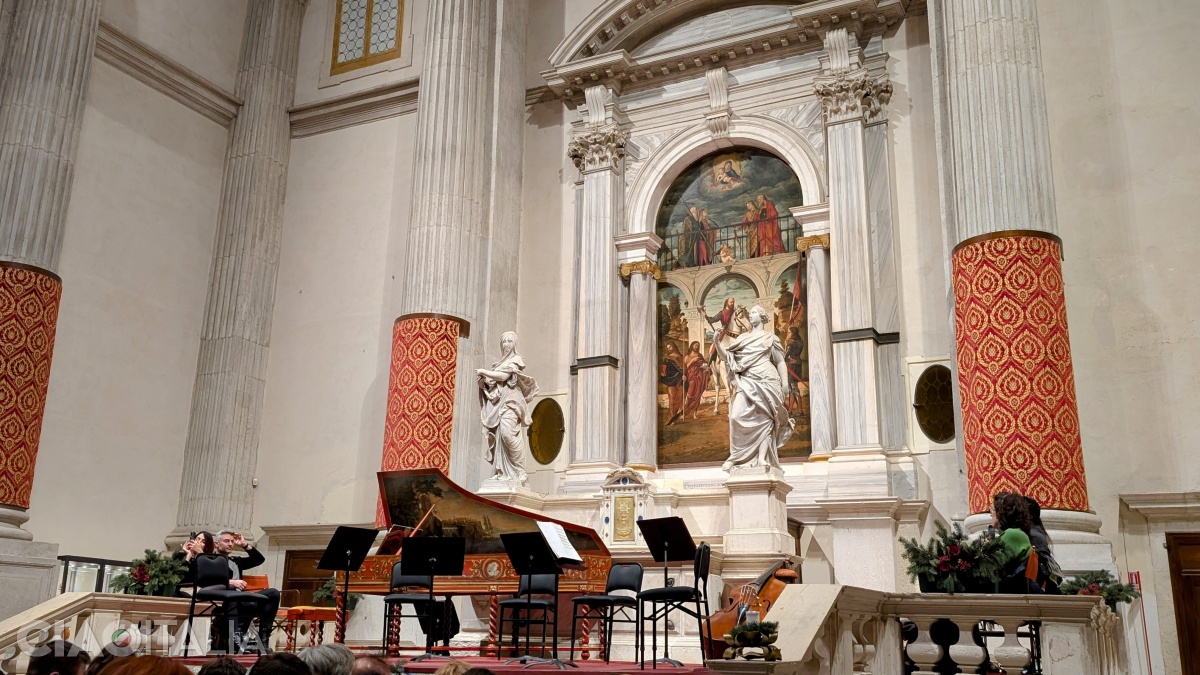
Vivaldi's name is associated with Venice. In several places across the city, concerts are organized where "The Four Seasons" or other works composed by Vivaldi or musicians of his era are performed.
The experience is even more interesting when you attend a concert in a church (see details in the article about concerts in Venice).
4. Shop in the Most Beautiful Supermarket in Italy
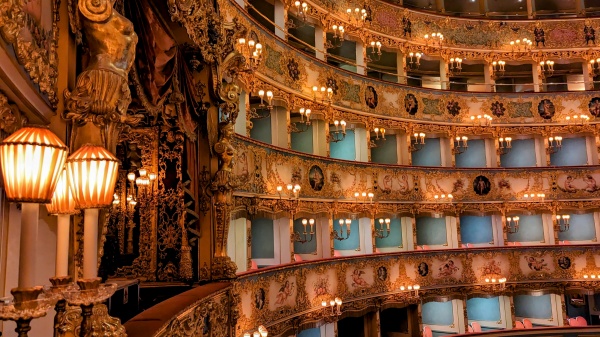
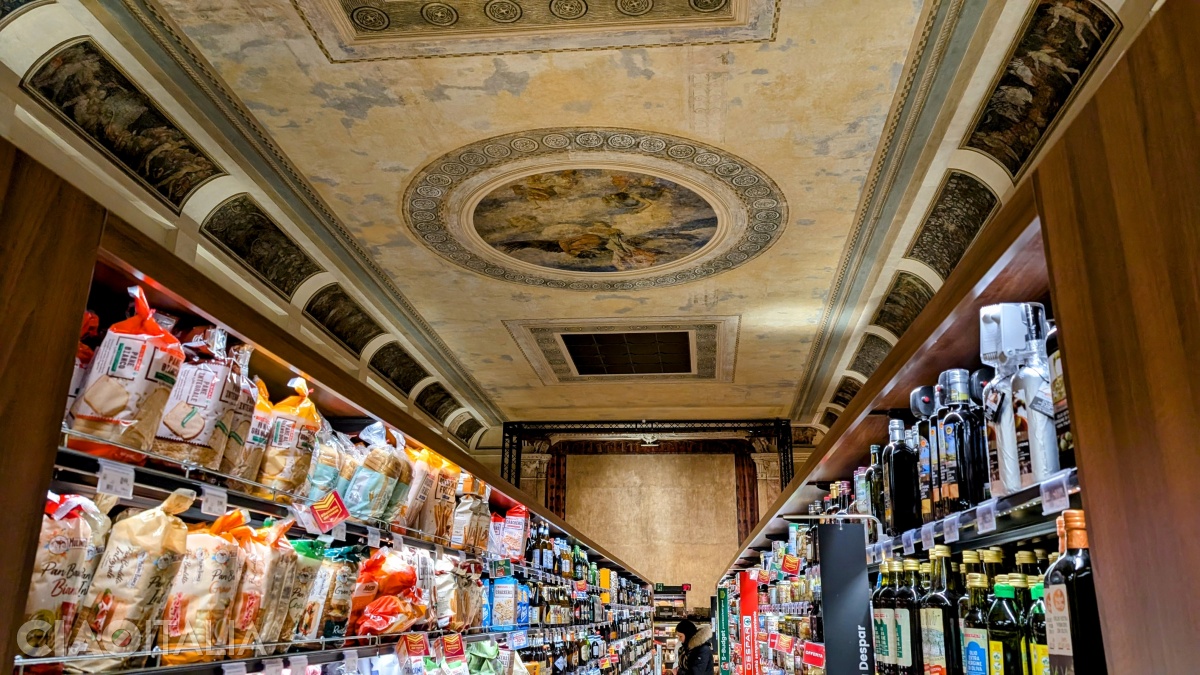
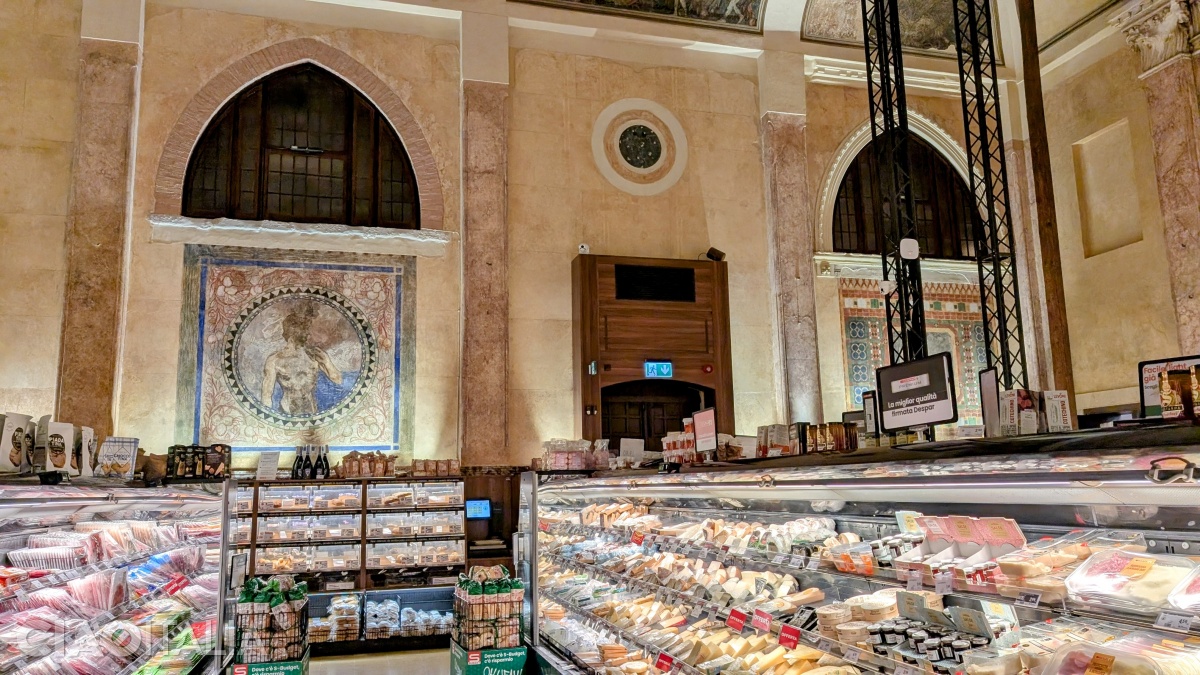
This might seem like a strange idea for an activity to do in Venice. In fact, shopping is just an excuse (you can do it or not) to enter Despar Teatro, the most beautiful supermarket in Italy.
The palace where the supermarket is located was built in 1916 in Neo-Gothic and Liberty styles. It was among the first buildings in Venice where reinforced concrete and wrought iron were used (see the decorations of the four portals on the facade). Also on the facade, you can find two coats of arms and the Lion of Saint Mark. The interior is decorated with frescoes symbolizing the "Glory of Italy" and bas-reliefs with cherubs and flower bouquets.
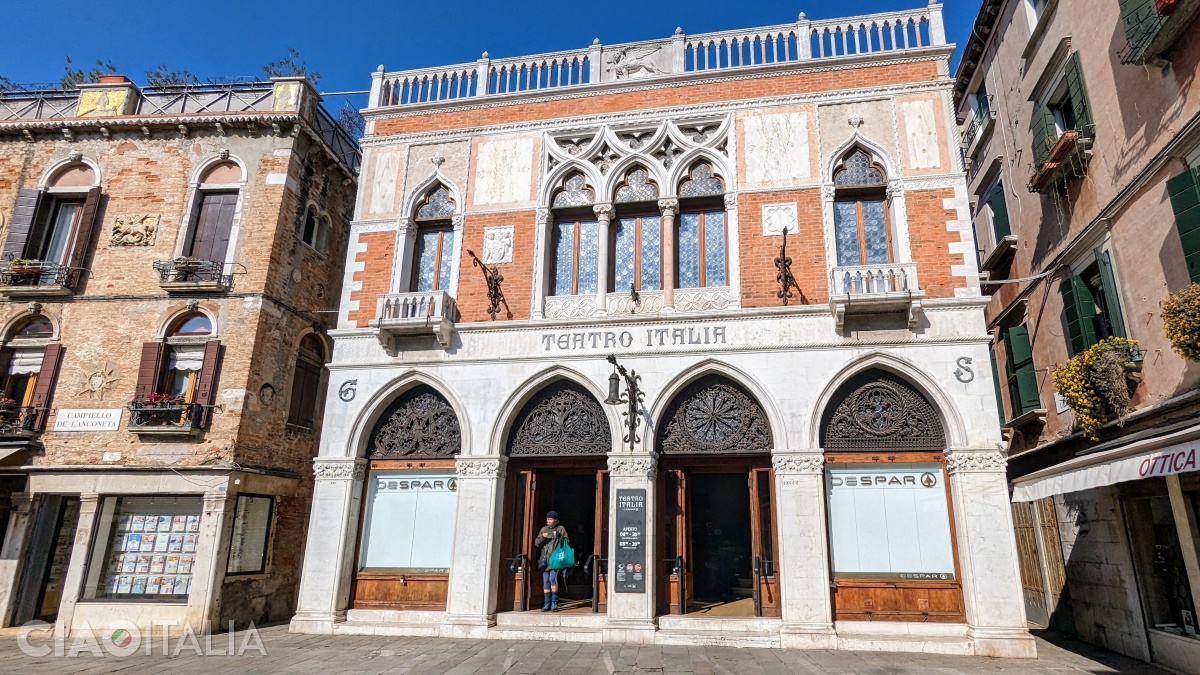
Initially, the building housed a theater, which was very popular in those times. Later, it was transformed into a cinema, which operated until the end of the 1970s. It then changed owners several times and was closed, risking abandonment and decay. Fortunately, it finally met a better fate: in 2016, the palace was carefully restored, and the supermarket layout took into account the need to preserve the interior frescoes and decorations.
5. Start Your Day at the Mercato di Rialto
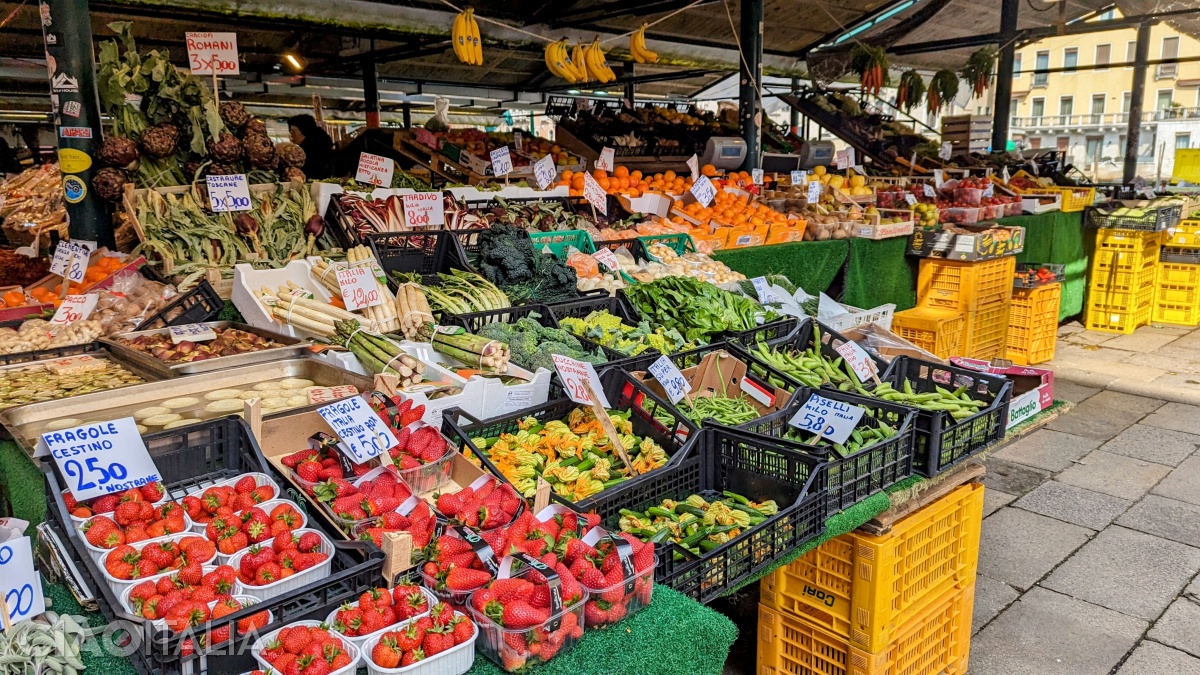
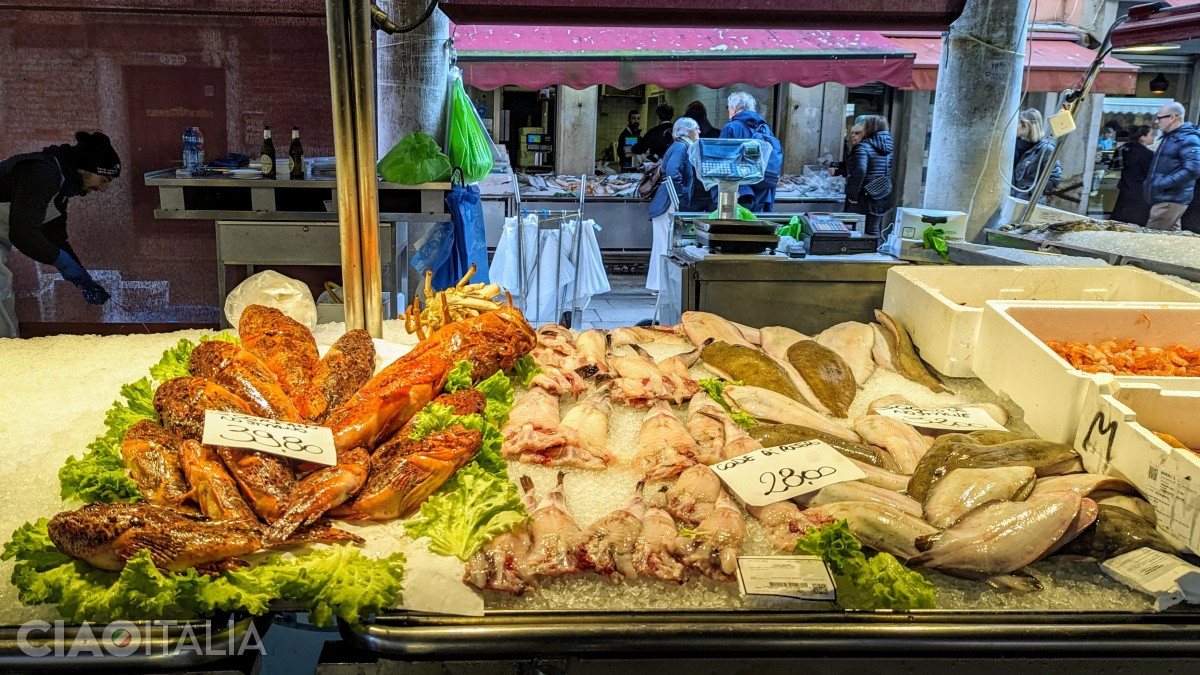
The morning bustle of markets has its own charm, and even more so when it comes to the historic Rialto Market. Whether you go to the Erbarìa (fruit and vegetable market) or the Pescarìa (fish and seafood market, located right next to the first, under the Neo-Gothic arches of the Loggia della Pescarìa), the vendors and locals out shopping, alongside tourists, offer a picturesque and different image of Venice.
Go in the morning (the market is open from Tuesday to Saturday), when the stalls are overflowing with seasonal goods and vendors loudly announce their best products. Don't hesitate to stop alongside the locals at one of the small bars in the area for a traditional snack. If you prefer something organized, you can book a guided tour with tastings.
6. See Venice from Above
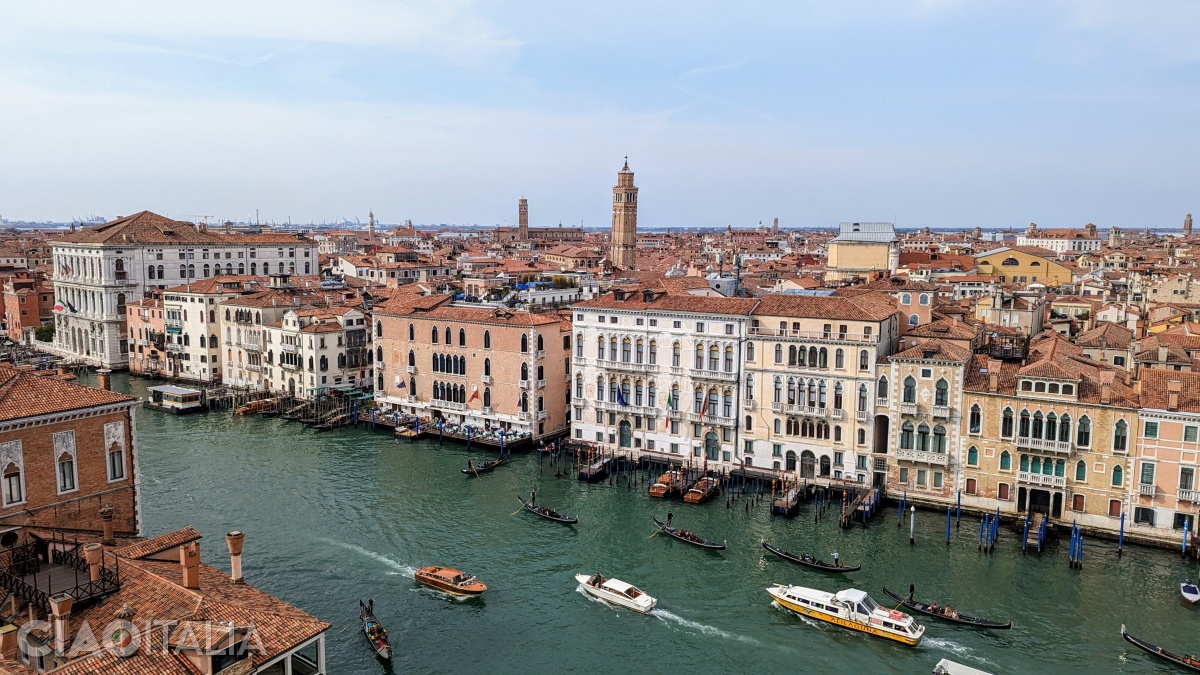
When you look at it from above, Venice offers a different perspective. Choose at least one place from which to enjoy the panoramic view of the city - it could be the St. Mark's Campanile, the Clock Tower, the dome of the Basilica di Santa Maria della Salute, Scala Contarini del Bovolo, or the tower of the San Giorgio Basilica on the island of the same name.
7. Ride the Vaporetto along the Grand Canal
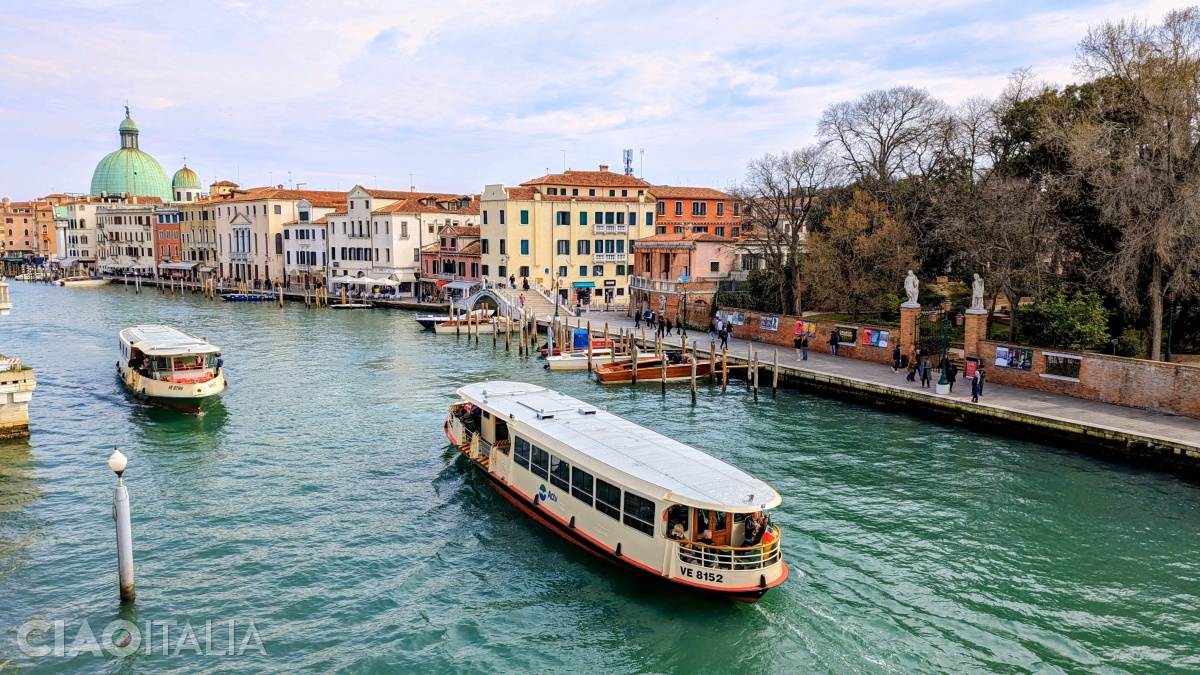
With a length of nearly 4 km, the Grand Canal is Venice's main waterway. A ride on the vaporetto (Line 1 or 2) from one end of the canal to the other is a perfect way to get acquainted with the city and admire the wonderful palaces lined up along its banks.
A vaporetto ticket costs €9.5 and is valid for 75 minutes. If you plan to take multiple trips, it is more convenient to buy travel passes.
8. Take a Gondola Ride
You might argue that a gondola ride is a bit too "touristy". However, don't forget that gondolas have been a part of Venice's life for hundreds of years and are one of its most defining characteristics. Becoming a gondolier is not easy - you must attend specialized schools, pass rigorous exams, and complete courses in swimming, foreign languages, history, and art.
Official rates for a gondola ride are €90 during the day and €110 in the evening. Many agencies offer the option to pay a lower price if you are willing to share the gondola with other tourists.
9. Cross the Grand Canal by Traghetto
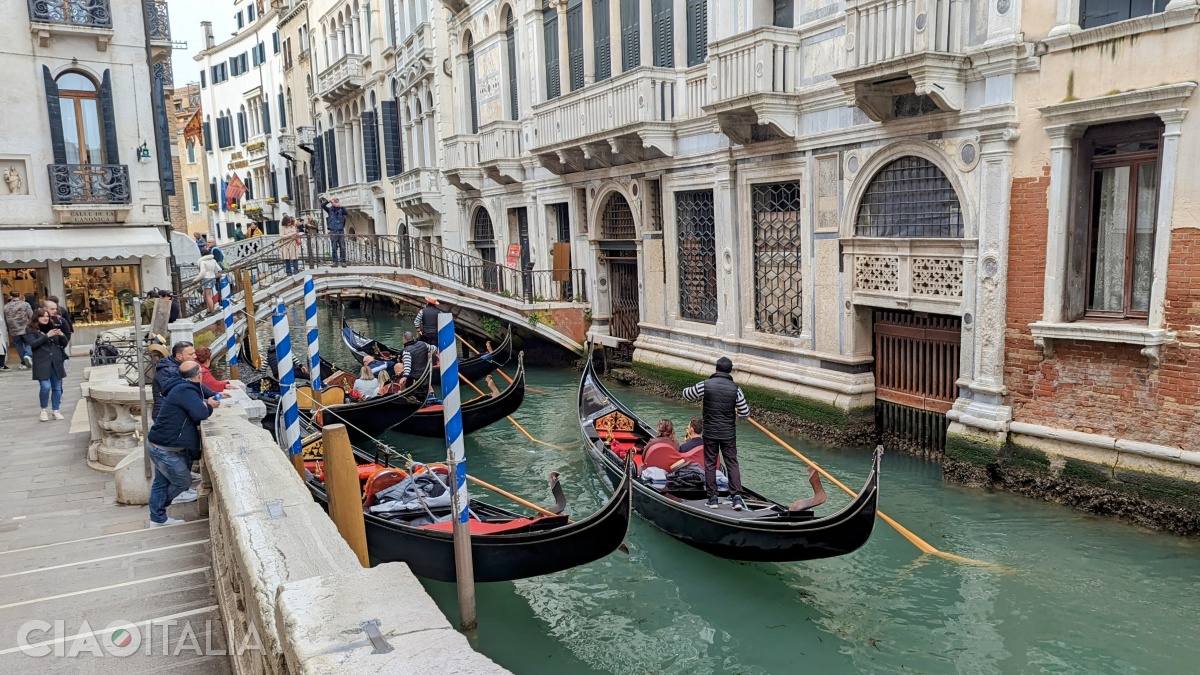
Traghetti are vessels similar to gondolas, though slightly larger and rowed by two people. Venetians use them as a practical way to cross the Grand Canal, especially since there are only four bridges along its entire 4 km length.
So, if you need to get to the other side - or if your budget doesn't quite stretch to a gondola ride but you still want a "taste" of the experience - the traghetto is your best friend. For tourists, a single crossing costs only €2.
You can take, for example, the Santa Sofia traghetto to get from the Cannaregio district to Rialto Market, or the Dogana traghetto to get from the Basilica di Santa Maria della Salute to St. Mark's Square, or vice-versa.
Recommendation: Always give priority to the locals. For Venetians, these boats are a vital part of their daily commute, not just a sightseeing opportunity.
10. Drink a Coffee in the Oldest Café in Italy
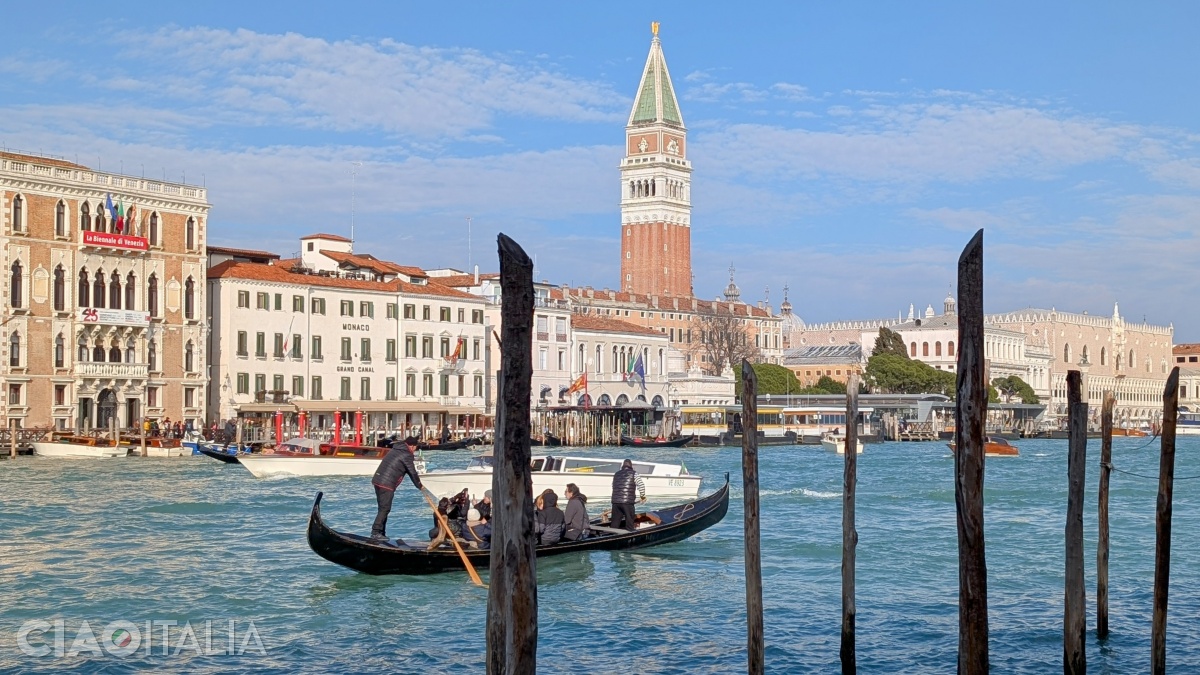
Café Florian in St. Mark's Square is an institution in Venice. It is the oldest café in Italy, and many famous personalities have passed through its historic salons. Truth be told, prices are higher than the city average (which is true for all establishments in St. Mark's Square). If you can't afford a coffee at the tables in the square or the salons, don't forget that there is also the option to order something directly at the bar. In fact, that's what Venetians do; the prices are about half as much and, additionally, you can skip the queues that usually form at the café's entrance.
11. Do a bàcaro tour
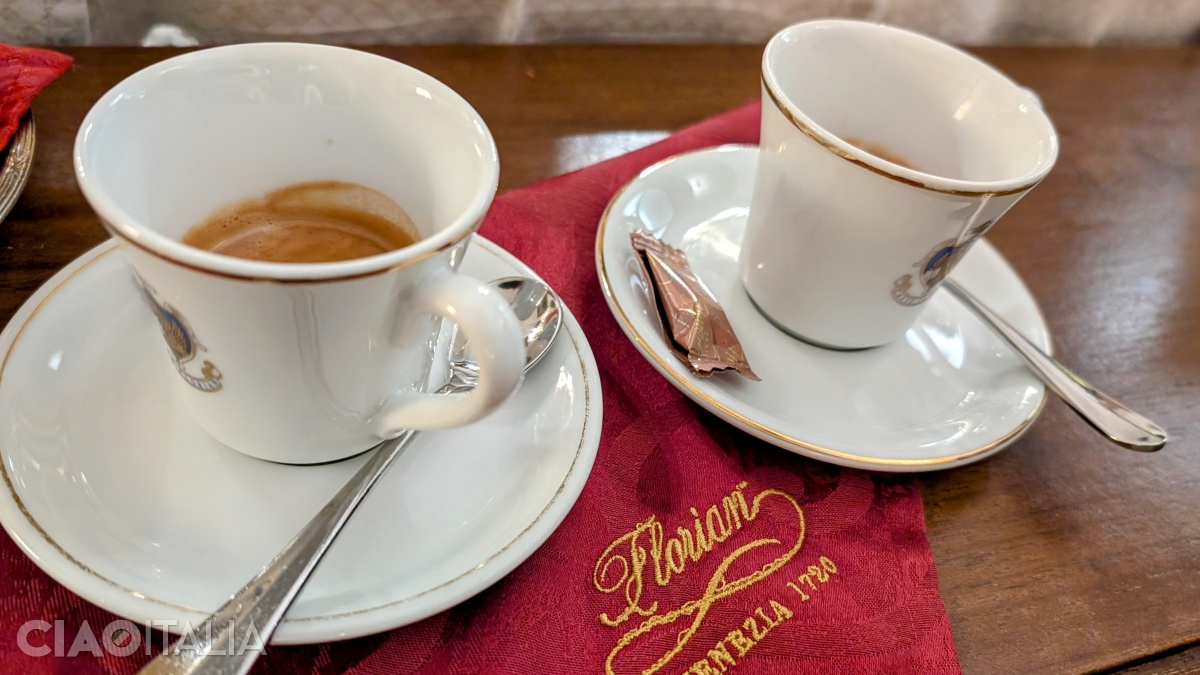
Bàcari are establishments that sell cicchetti, the staple of traditional Venetian food - small slices of bread topped with all sorts of snacks. The places are small, with only a few tables, and the custom is to eat standing up, directly at the counter or even in front of the bar, alongside a glass of wine or a spritz (try Select, which is the Venetian spritz).
A tour of these traditional spots is not just a gastronomic experience but also a cultural one, bringing you into contact with the typical Venetian atmosphere. Therefore, do not hesitate to choose bàcari over tourist restaurants that try to lure you in with cheap fixed menus where the food is poor and has nothing to do with the city you are in, and often not even with Italy (see also our tips for traveling to Venice).
If you prefer organized activities, you can also try a guided tour with tastings at several bàcari.
12. Take a Trip to the Islands
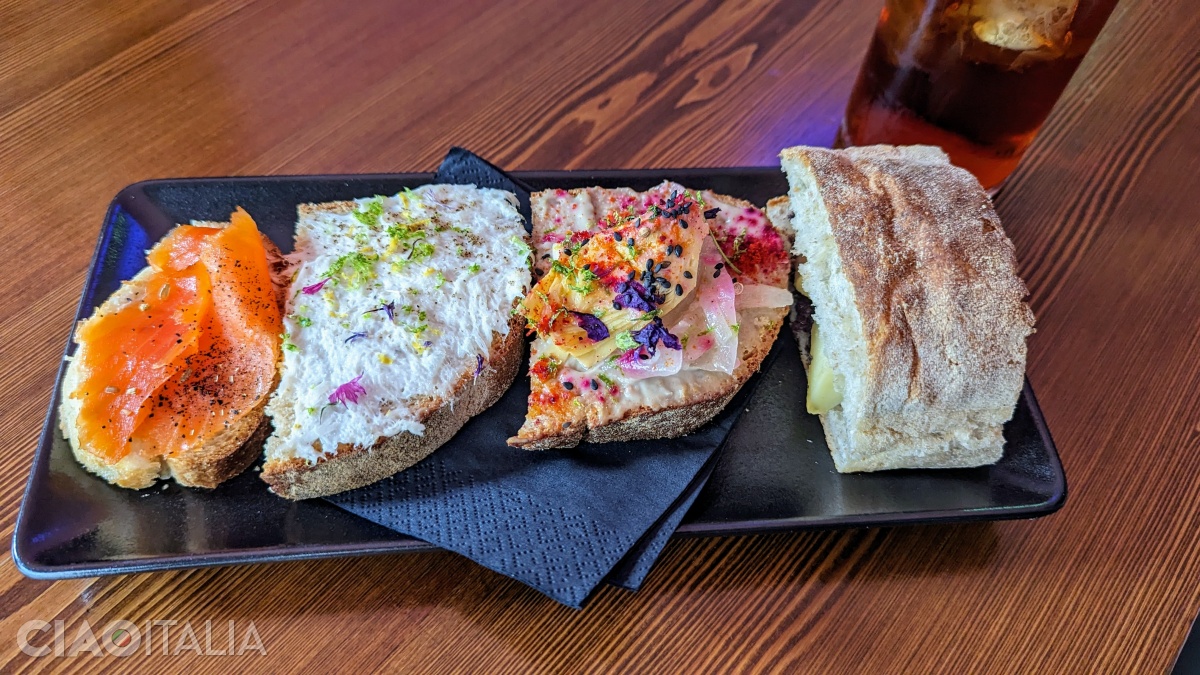
The islands in the Venetian lagoon to which most excursions are organized are Murano (renowned for glassmaking), Burano (famous for its colorful houses and the art of lace-making), and Torcello (small, with a peaceful atmosphere). You can reach them either on your own by vaporetto (which gives you the advantage of making your own schedule, though the boats are often so crowded that you might not fit on the first one that arrives) or via an organized tour, which is more convenient but means you are dependent on the organizer's schedule. You can find more details in the article Murano, Burano, and Torcello Islands Tour.
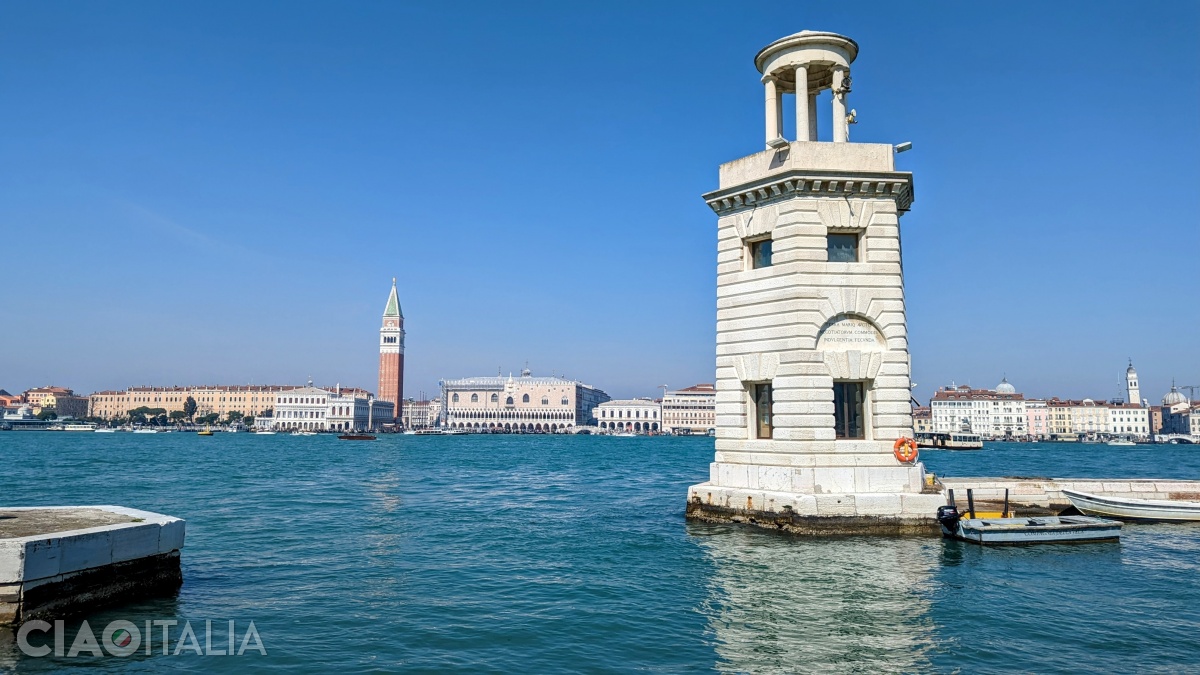
You can also very easily and quickly reach the island of San Giorgio Maggiore and the island of San Michele, which houses Venice's cemetery and the graves of many famous personalities.
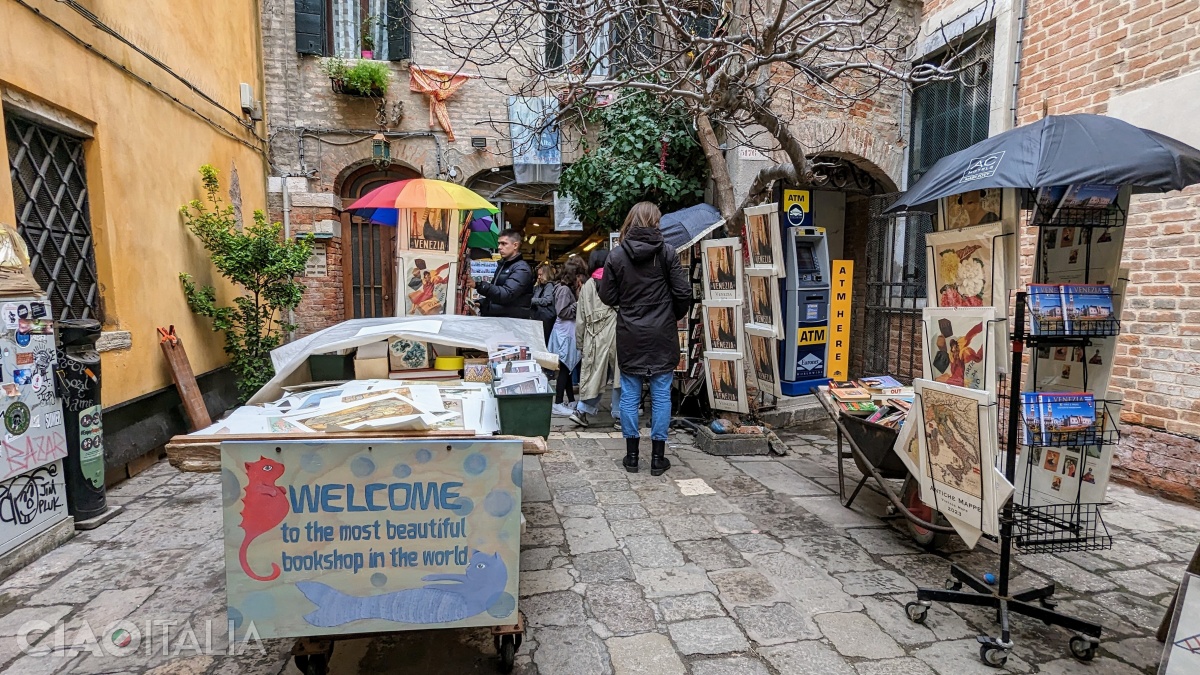
13. Browse the Books at Libreria Acqua Alta
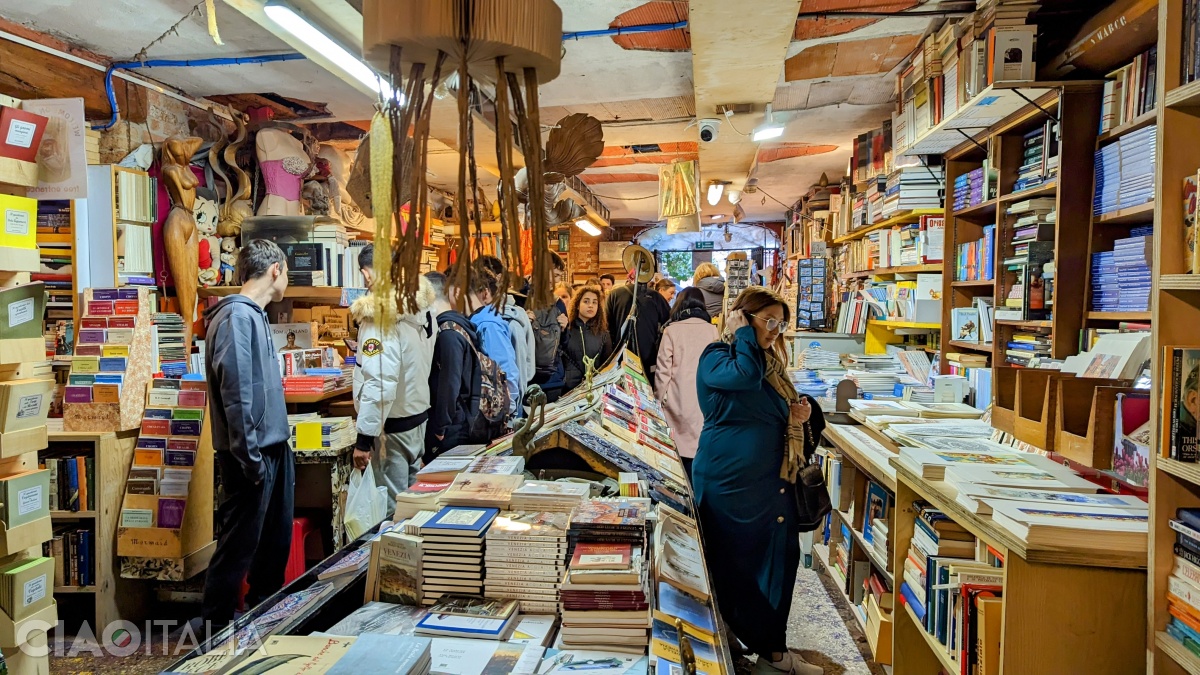
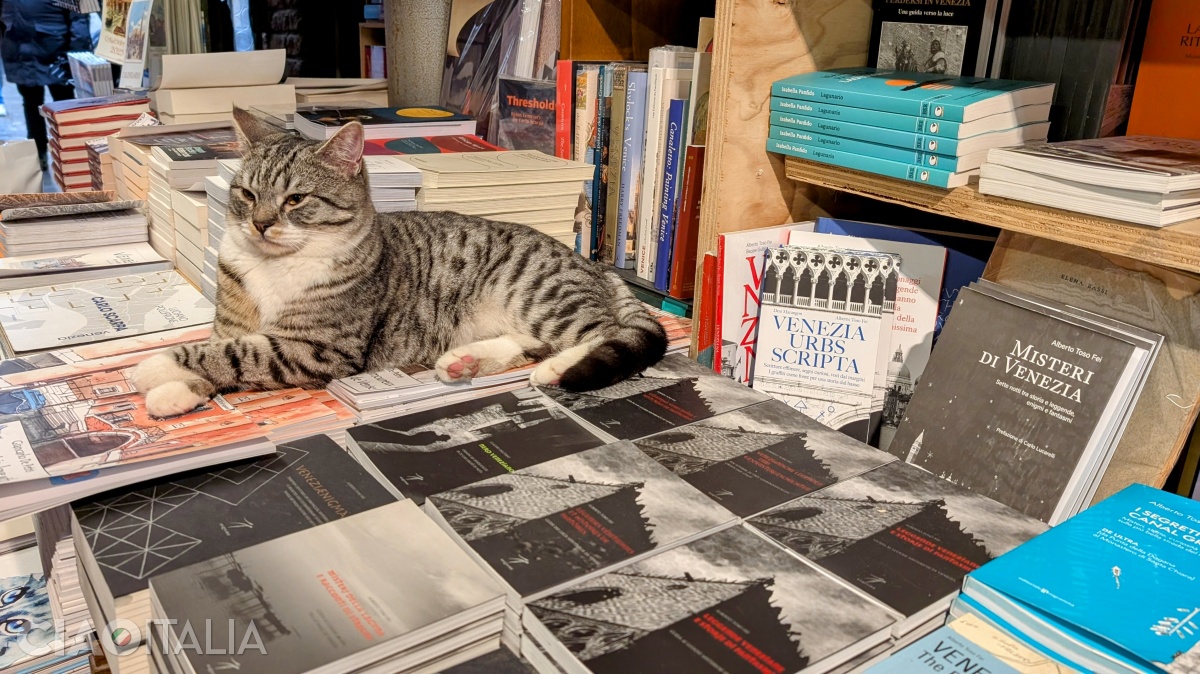
For a long time, it was one of Venice's hidden spots. Now, after becoming famous on social media and being listed by the BBC as one of the most beautiful bookstores in the world, tourists queue at the entrance. We are talking about Acqua Alta, a bookstore where books are piled in charming disorder on shelves, racks, in gondolas, or bathtubs. Cats napping here and there add a picturesque touch to the place.
Inside, a staircase made of old encyclopaedias, destroyed by the very acqua alta (high water) from which the bookstore takes its name, seems to be the main attraction for selfies.
Don't limit yourself to just photographing the bookstore, as most tourists do. Buy a book - a travel guide or a book about Venice (there are many books in English) - it will be a beautiful travel memory and is certainly more authentic than the souvenirs made in Asian countries that flood the city.
If you are passionate about books but not necessarily about the tourist crowds, also try Libreria Toletta. Founded in 1933, it is the oldest bookstore in Venice still in operation.
14. Photograph the House Surrounded by Water
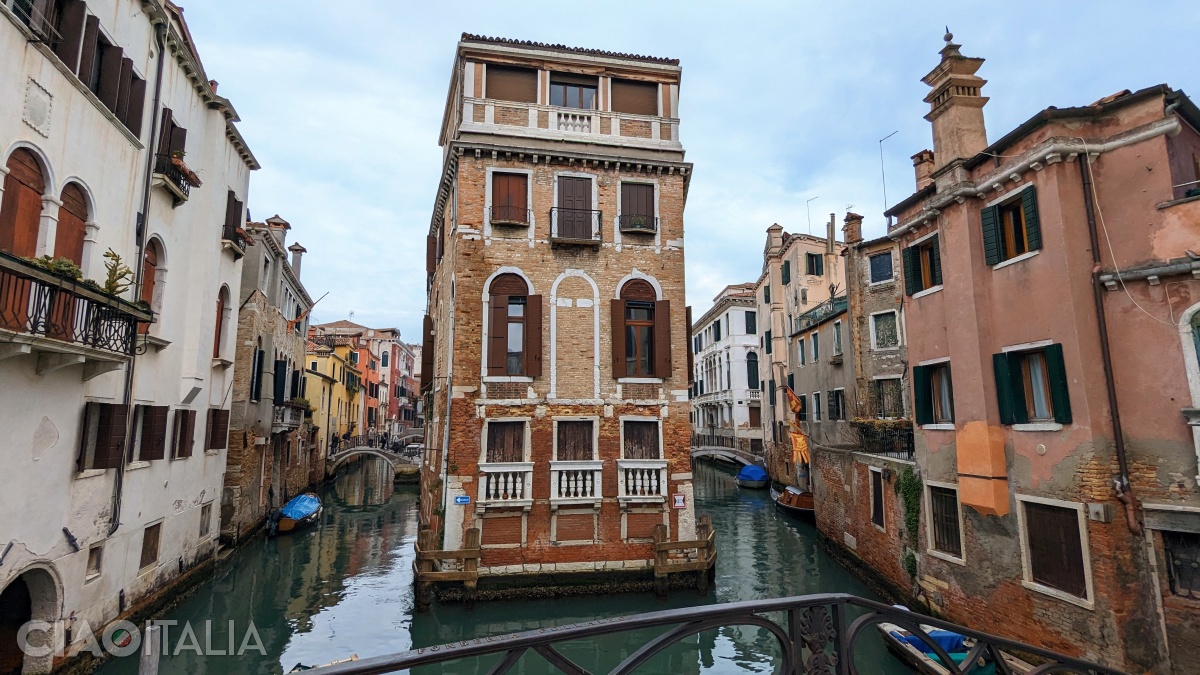
Not far from Libreria Acqua Alta, in the same Castello district, lies another curiosity - a house surrounded by water on three sides, one of the few in Venice that offers this view. To reach the point from which you can photograph it, walk on Calle Bragadin o del Pinelli until you reach a small bridge called Ponte dei Conzafelzi.
The house surrounded by water is called Palazzo Tetta, and the locations in front of it appear in the movies "Mission: Impossible - Dead Reckoning" and "A Haunting in Venice".
15. Search for the Narrowest Street in Venice
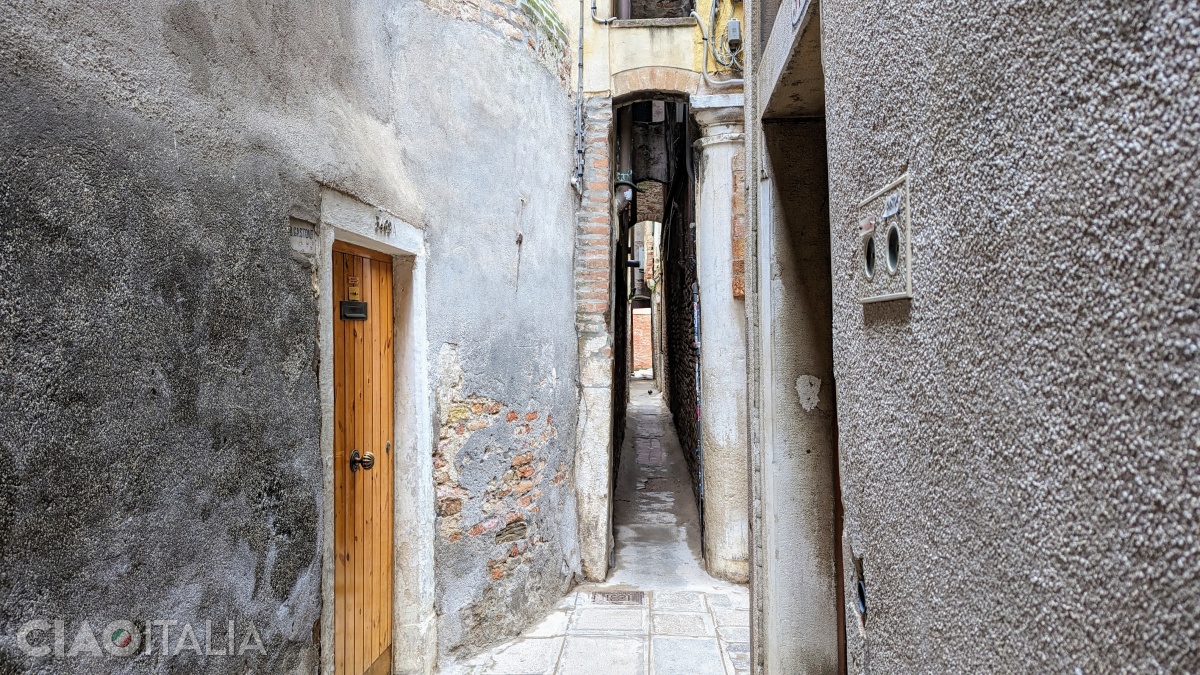
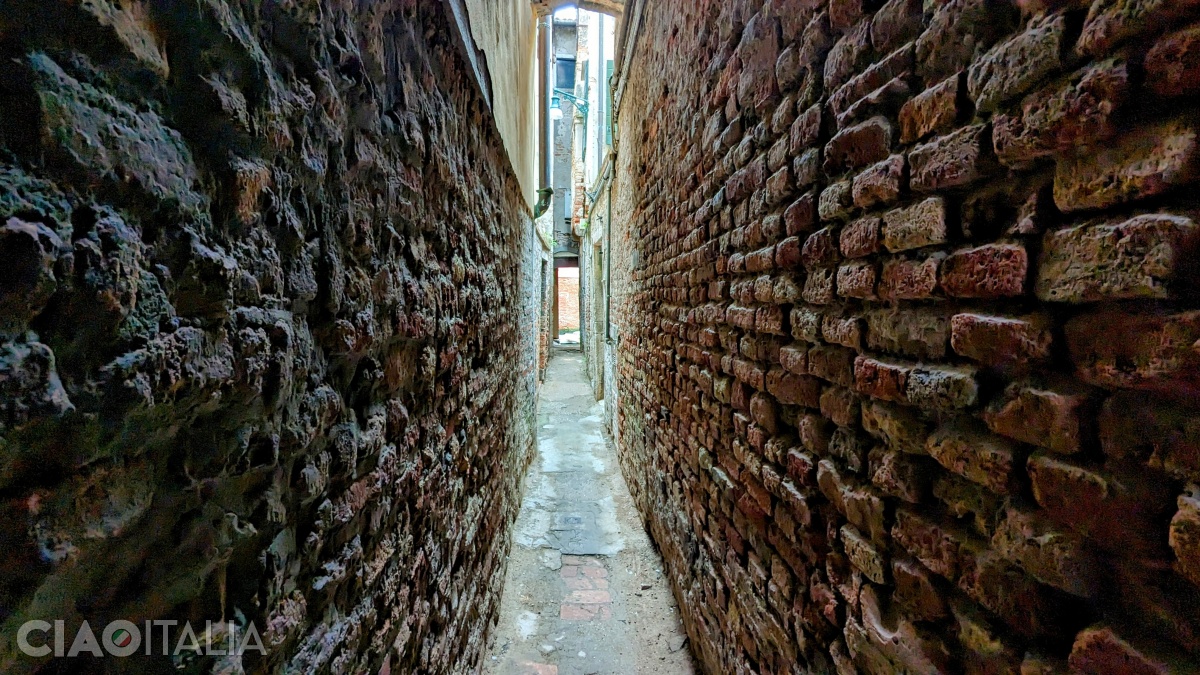
Venice has plenty of narrow streets where two people can hardly pass each other at the same time. The narrowest of them is in the Cannaregio district and is called Calle Varisco. Its width barely reaches 53 cm at the narrowest part, marked by a column at the entrance to the right.
16. Take a Stroll through the Jewish Ghetto
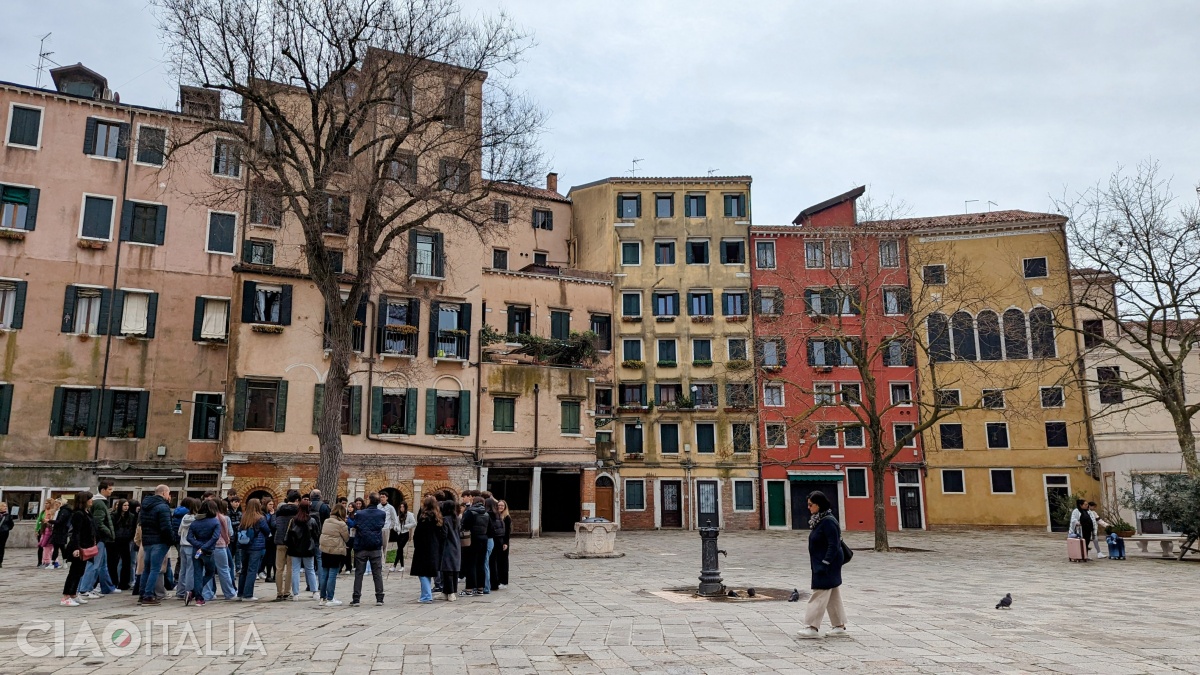
Although the name does not have a pleasant resonance, the former Jewish Ghetto of Venice (in the Cannaregio district) is today a lively area with bars, restaurants, and many testimonies of the historical presence of Jews in the lagoon city. The Jewish community currently numbers about 500 people and maintains an active cultural presence.
17. See in Real-Time How Many Inhabitants Venice Has Left
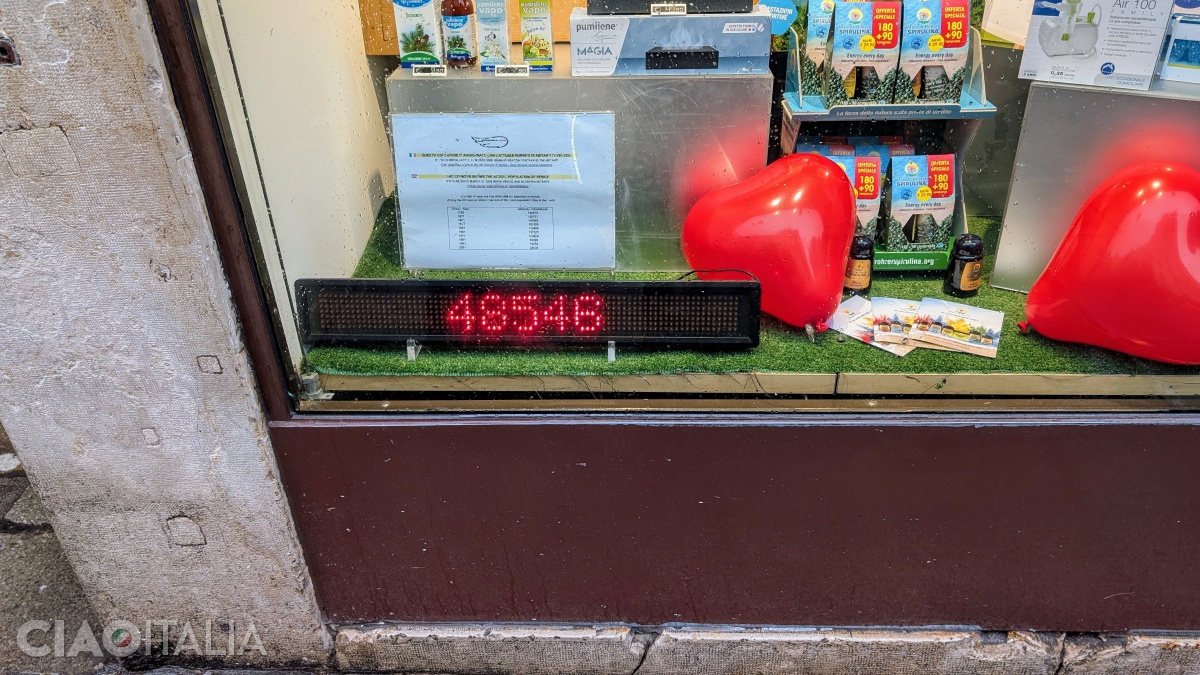
Near the Rialto Bridge, in Campo San Bartolomeo, is the Morelli alla Madonna pharmacy. It is an old pharmacy whose beginnings date back to the 16th century. We aren't suggesting it for that reason, however, but for the panel in the window where you can see in real-time the number of inhabitants in the historic center of Venice.
To give you an idea of the depopulation trend, in 1951 the population was about 175,000 inhabitants, whereas today it has dropped below 50,000.
18. Discover Venetian Superstitions
In Venice, as in other Italian cities, there are several places surrounded by superstitions, as well as certain gestures believed to bring luck or bad luck.
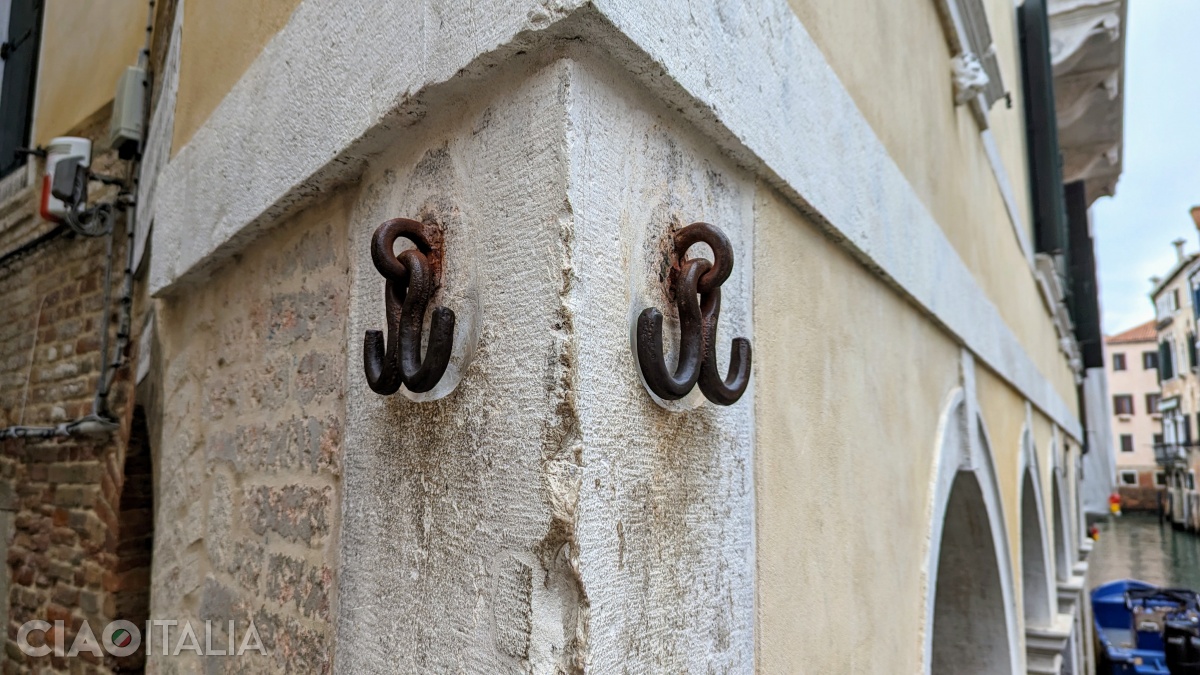
San Canciano (or San Canzian as the Venetians call it) is one of Venice's bridges with a truly macabre backstory. From the two iron hooks you can still see on the wall of the house next to the bridge, the quartered remains of those condemned to death were once hung (two other hooks that existed elsewhere have since been lost). Today, legend has it that if you touch these iron hooks, you will have good luck, and you will often see Venetians doing exactly that as they pass by.
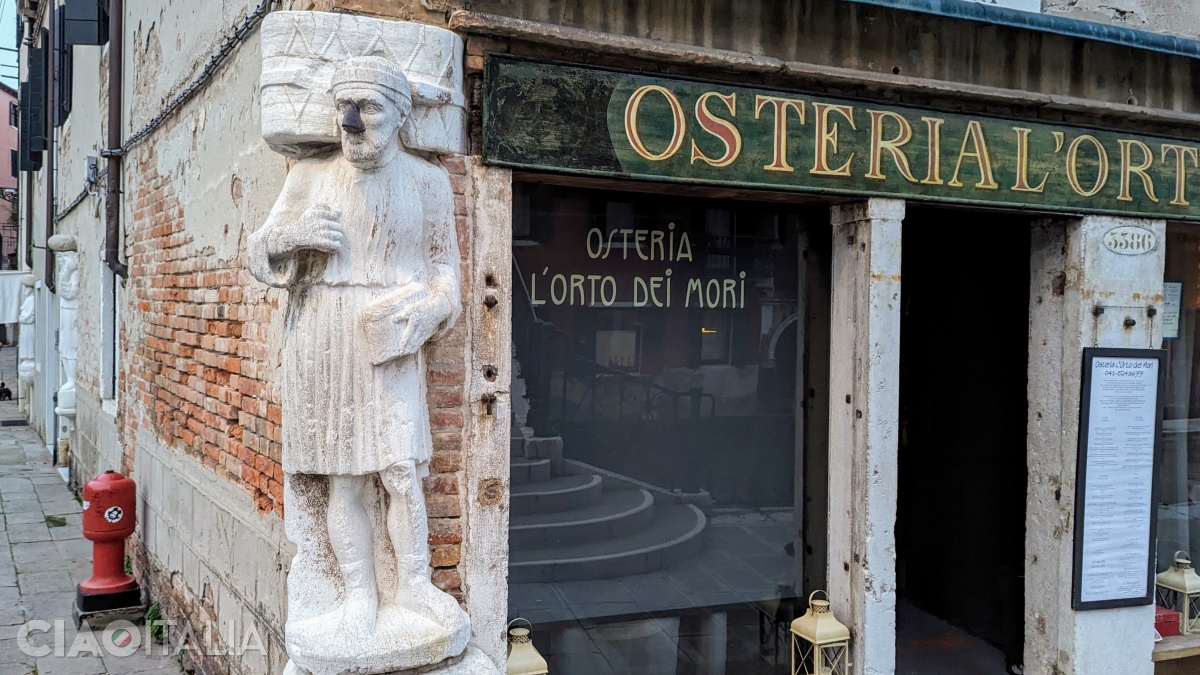
In Campo dei Mori and near Tintoretto's house, very close to the Church of Madonna dell'Orto, you will find the statues of the four "Moors" (mori). Three of them (the ones located in the square) depict legendary merchant brothers who moved to Venice around the 12th century, while the identity of the fourth remains unknown. The most famous of them is the statue of Antonio Rioba, whose nose was replaced in the 19th century with a piece of iron. According to a famous Venetian superstition, you will become wealthy and have great luck in business if you rub the statue's nose.
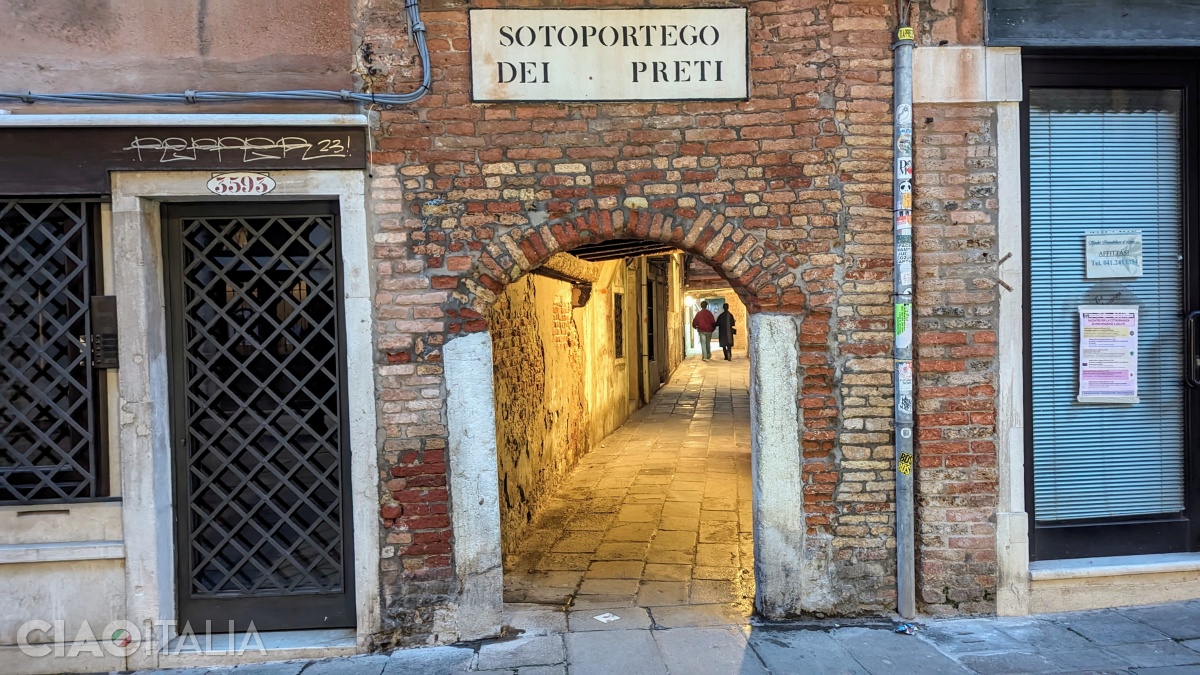
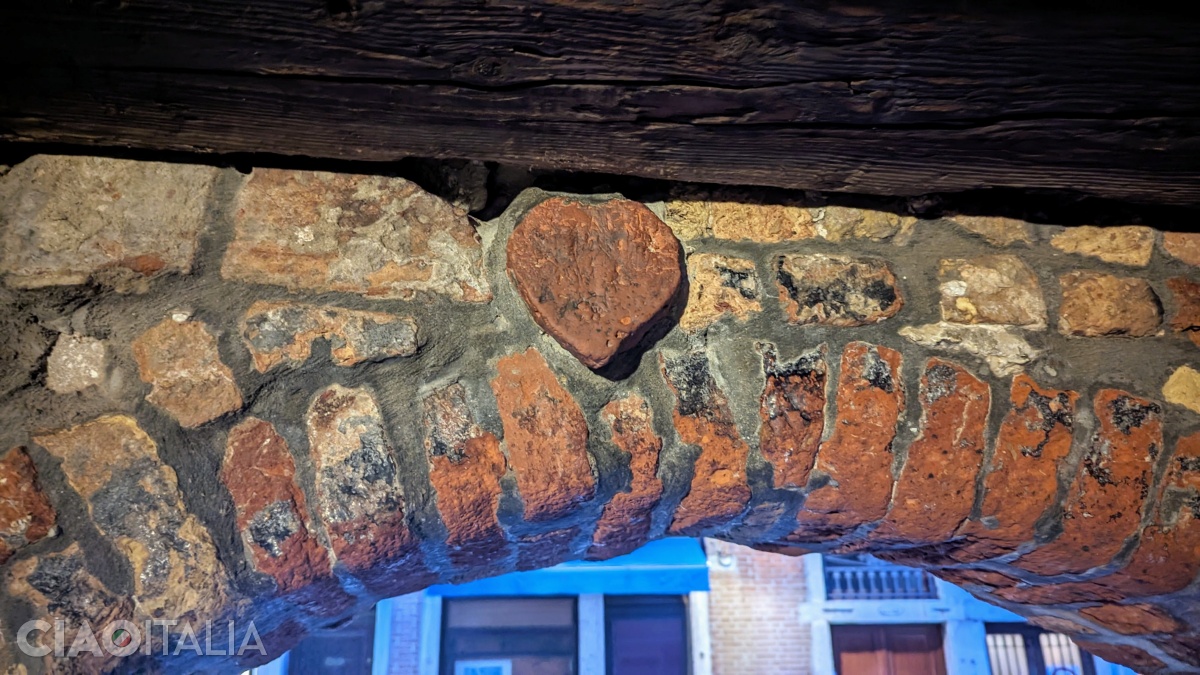
Venice is full of small, covered passages called sotoportego, which connect streets and courtyards. Many have stories, legends, and... superstitions. According to Venetian tradition, if you want to find love quickly, you must go to Sotoportego dei Preti. There, above the entrance but on the inside, sits a heart-shaped brick. It is said that if you touch it, you will experience your love story in less than a year.
Legend has it that a fisherman named Orio lived here. One day, while out at the sea, he heard a voice calling for help. To his amazement, he discovered a beautiful mermaid named Melusina caught in his net. The two fell deeply in love, but their romance was shadowed by a curse: every Saturday, Melusina would transform into a serpent. The only way to break the spell was for the mermaid to marry and become human. They did exactly that and eventually had three children together. However, after a short time, Melusina fell ill and passed away. As she had requested, her body was returned to the sea. Left alone with three children, Orio struggled to balance his work with the household chores. Yet, every time he returned from fishing, he was surprised to find the house in perfect order. One day, returning home earlier than usual, he found a serpent in the kitchen and, out of fear, he killed it. From that day on, he never found his house clean again. He realized too late that the serpent was actually Melusina, who had been returning to help him - now dead forever by his own hand. In memory of their love story, a red brick heart was placed on the spot where their house once stood.
Another passage steeped in superstition is Sotoportego de la Corte Nova, nicknamed the "Plague Passage". Its history is tied to the devastating plague of 1630, which claimed nearly 50,000 lives in Venice and led to the construction of the Santa Maria della Salute Basilica. According to the story, a girl named Giovanna lived here in Corte Nova. She painted an icon of the Virgin Mary accompanied by St. Roch (the protector of plague victims), St. Sebastian, and St. Lawrence Giustiniani (protectors against epidemics). She placed the icon inside the sotoportego, where the residents of Corte Nova gathered to pray every day. Miraculously, the plague stopped exactly at the painting, and the people living there were spared. In memory of this event, a red Verona marble stone was set into the pavement. Many believe that stepping on the red stone brings good luck, particularly for students facing exams.
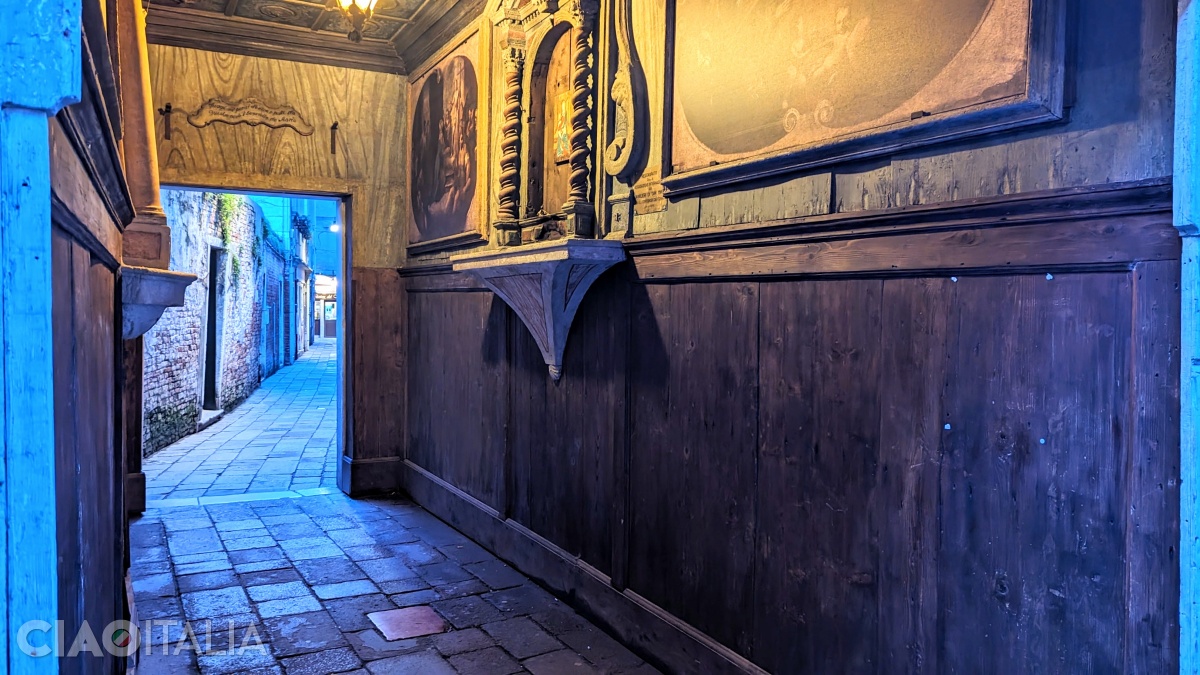
Another legend claims the stone was stained red by the Plague itself as it fell, defeated by the Virgin Mary. Because of this, some believe the exact opposite - that stepping on the stone will bring misfortune.
The residents of Corte Nova sought the Virgin's protection again during World War I, and remarkably, the bombings caused no casualties in this area. An inscription in the lunette above the passage entrance still stands as a reminder of the Madonna's help during both the plague and the war.
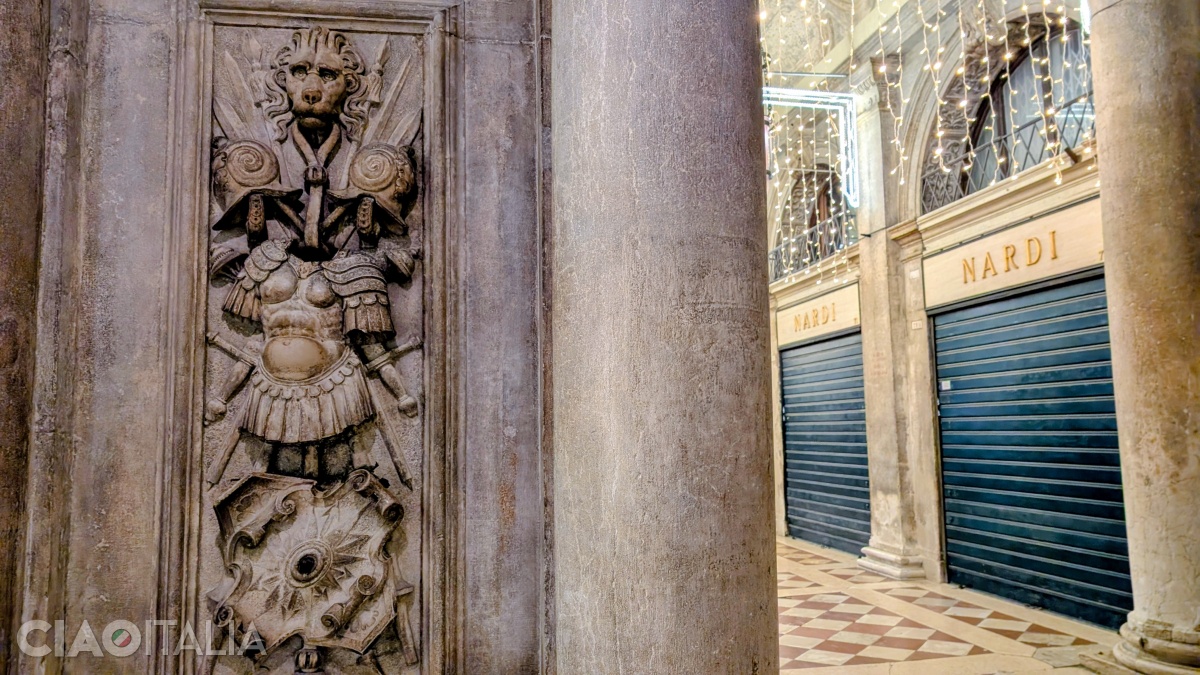
Even the most famous square in Venice, St. Mark's Square (Piazza San Marco), isn't without its mysteries and beliefs. On a wall in a corner of the square (the one toward Salizada San Moisè, to the left of the entrance to the Correr Museum), there is a stone relief depicting a centurion's armor. Rubbing the centurion's belly is said to bring good luck. You can easily spot exactly where to touch, as the stone has been worn completely smooth by the hands of countless visitors over the years.
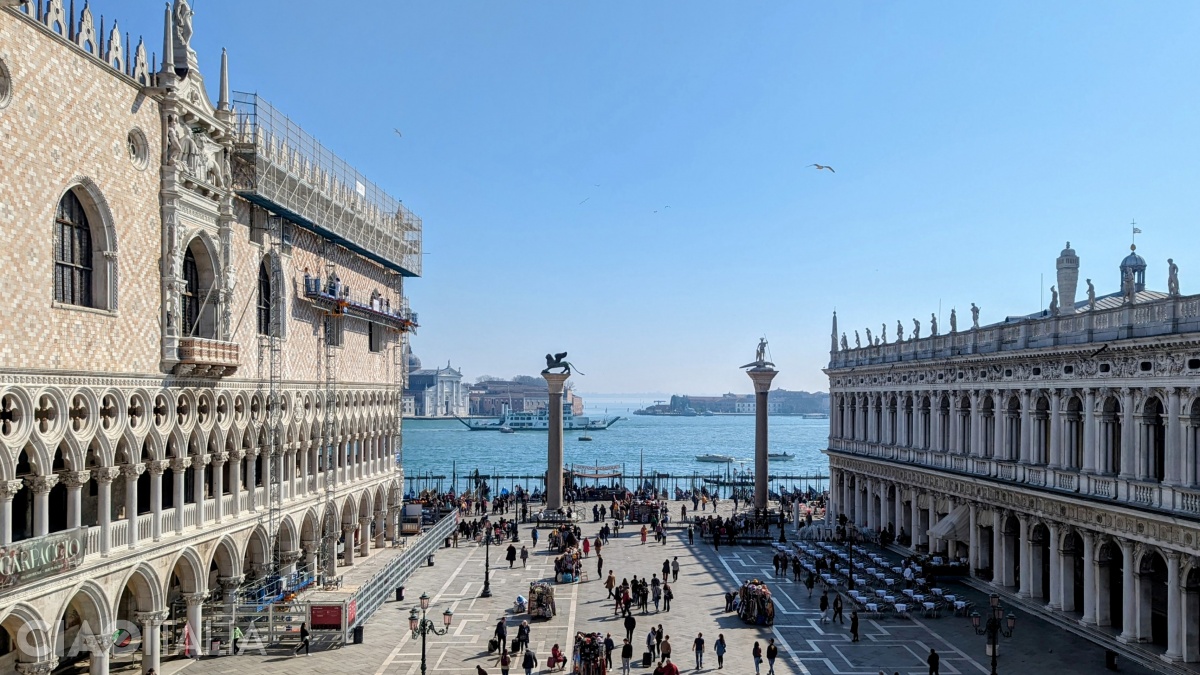
In contrast, there is one place in the Piazzetta San Marco (the open area between the main square and the water) that locals often avoid walking through: the space between the two massive columns (the Column of St. Mark and the Column of St. Theodore). It is considered very bad luck to walk between these two columns, as this was historically the site of public executions.
19. Go to the Beach
Few travelers think of a "beach day" when they think of Venice, but if the summer heat is getting to you and you have a few days to spare, the seaside is closer than you think.
You can find excellent beaches on the island of Lido, which is just a 30 to 60-minute vaporetto ride away (depending on which line you catch). Lido di Venezia (not to be confused with Lido di Jesolo, which is a popular resort town located nearby on the mainland) has a coastline stretching about 12 km, including both free beaches and organized beaches.