Murano, the Venetian Island of Glass
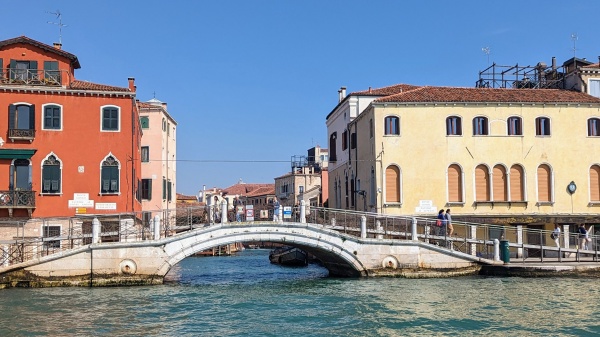
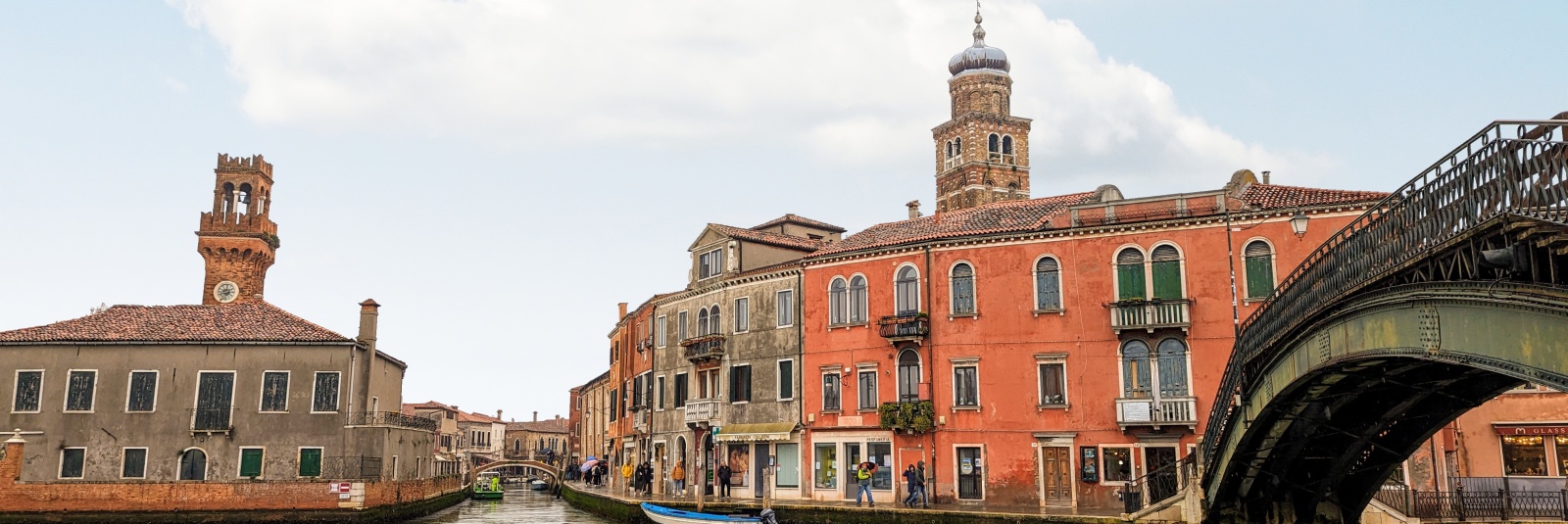
Famous worldwide for the art of glassmaking, Murano is one of the best-known islands of the Venetian lagoon. It consists of seven small islands linked by bridges, and its main canal is called the Grand Canal, just like the one in Venice.
How to Get to Murano from Venice?
You can reach Murano Island using public transport from Venice. Located to the north, Murano is one of the closest islands to Venice, separated from it only by San Michele Island.
The easiest way is to depart from the Fondamente Nove pier and take vaporetto no. 12 or vaporetto no. 13, which take 10 minutes to reach Murano Faro. From the same station, you can also take vaporetto no. 4.1 or 4.2, which stop at San Michele Island and then at various locations in Murano.
If you depart from Piazzale Roma, you will need to take vaporetto no. 3, which stops first at Stazione Santa Lucia in Venice and then at Murano Colonna and Murano Faro. The journey takes about 25 minutes. From there, the water bus makes several more stops around the island.
A single ticket costs €9.5 (valid for 75 minutes from the first validation). If you plan to see several islands on the same day, it is more cost-effective to buy a 24-hour pass, which costs €25.
BUY ACTV VAPORETTO TICKET/ PASS
If organizing the visit yourself seems complicated and you want to avoid the crowds often found on public transport (sometimes the crowds are so large you cannot board the first water bus that arrives), you can join a guided Murano-Burano-Torcello tour. The disadvantage is that you won't have as much time at your disposal, but on the other hand you won't have to worry about the logistics.
BOOK MURANO-BURANO-TORCELLO BOAT TOURS
What to See in Murano
As with the other islands in the Venetian lagoon (except, of course, Venice), the tourist attractions in Murano are not numerous. You will need a few hours to visit Murano.
Visit a Glass Factory
The history of Murano glass began around the year 1291 when, following a law decree, all glass furnaces in Venice were forced to move to Murano. The cause was partly related to the fires that frequently broke out in glass factories, where fire was a primary working tool. This decree avoided damage to Venice's buildings, which were mostly made of wood at the time. On the other hand, by isolating the glassmakers on Murano Island, it was easier to guard the secrets of the glassmaking art. A new law prevented them from practicing their craft elsewhere (under threat of the death penalty) to stop the spread of knowledge. In exchange, the masters held many privileges. Among other things, they had the right to mint coins with their own names, to walk the streets armed with a knife, and their daughters could marry nobles, allowing their heirs to benefit from noble titles.
This small fishing island of Murano was thus transformed in the 15th-16th centuries into one of the most famous glassmaking centers in Europe.
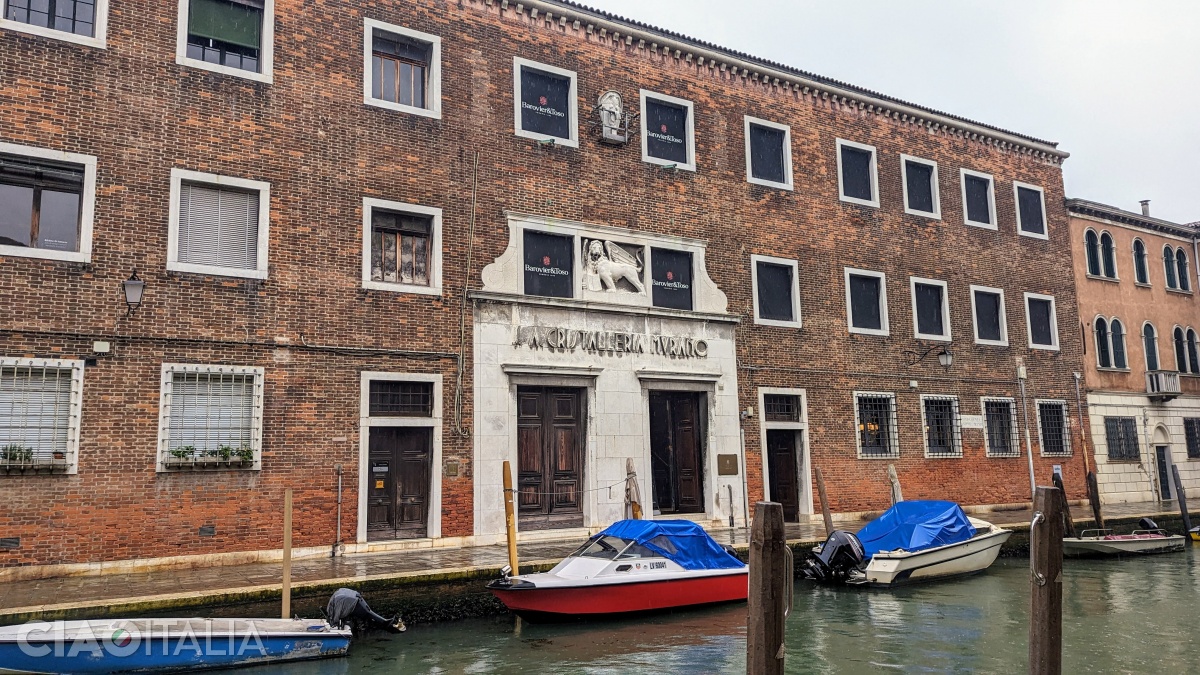
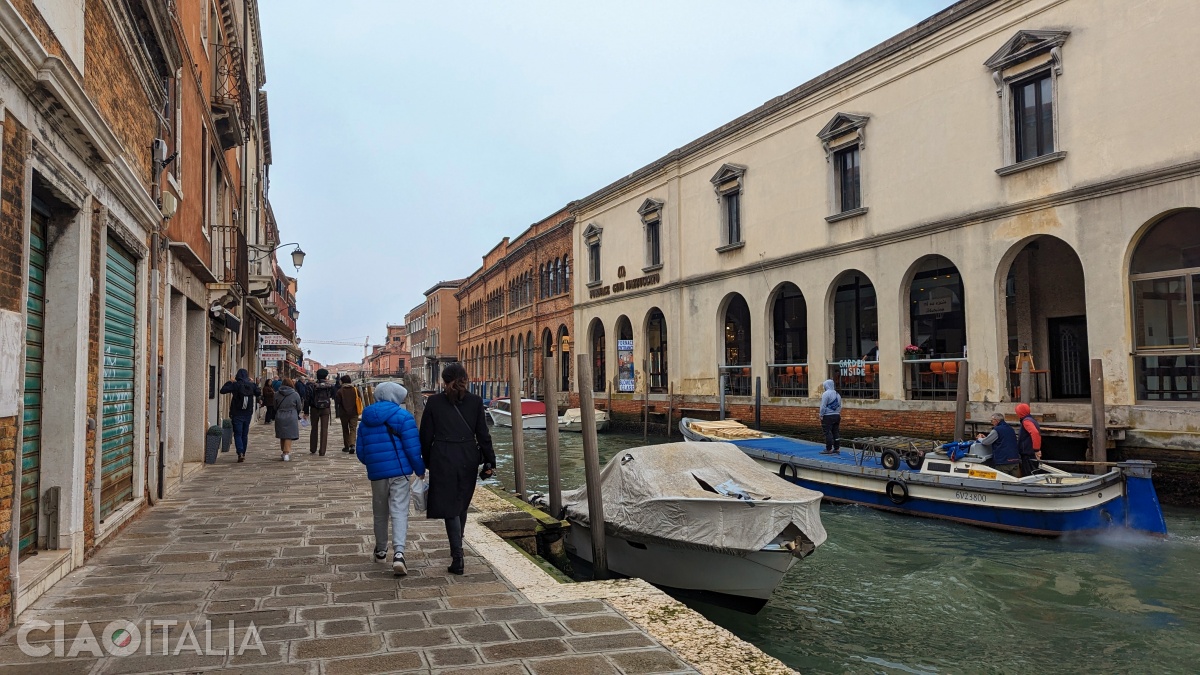
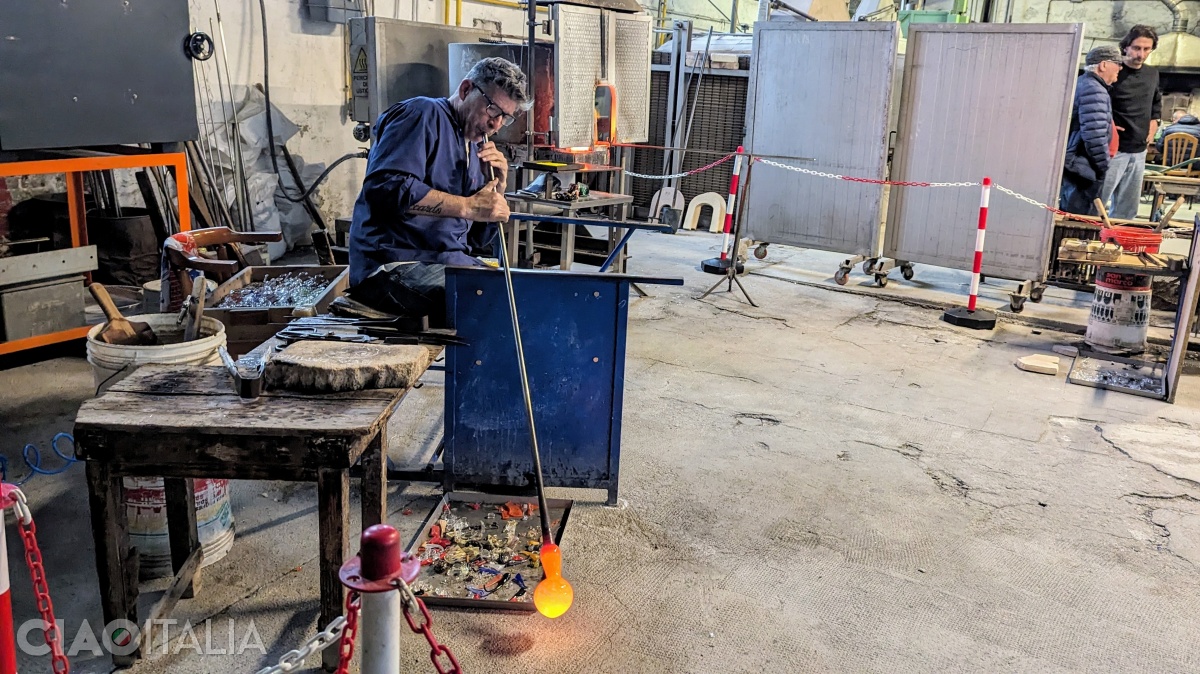
Today, several factories still operate in Murano where you can witness a demonstration of glassmaking techniques. Many are located on Fondamenta dei Vetrai ("Glassmakers' Quay"), along the Rio dei Vetrai canal.
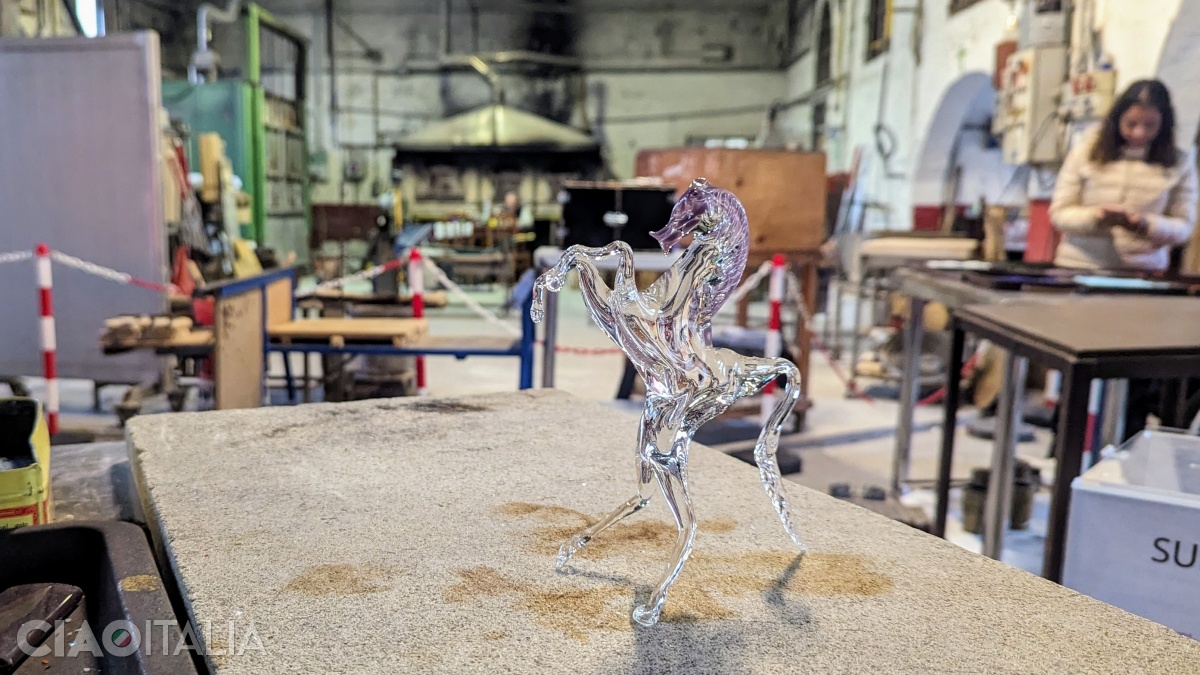
Some workshops offer free demonstrations, others require a fee (the demonstrations last 15-30 minutes), and at some workshops you can even blow the glass yourself. Almost all of them have a showroom where you can buy Murano glass items.
Ellegi Murano Glass Factory
The Ellegi Murano Glass factory, operating since 1934, organizes demonstrations of about 15 minutes every half hour. You can see two working techniques: glass blowing and glass modeling. The factory is located on Fondamenta S. Giovanni dei Battuti, near the Murano Faro station.
Book visit to Ellegi Murano Glass Factory
Vetreria Artistica Gino Mazzuccato
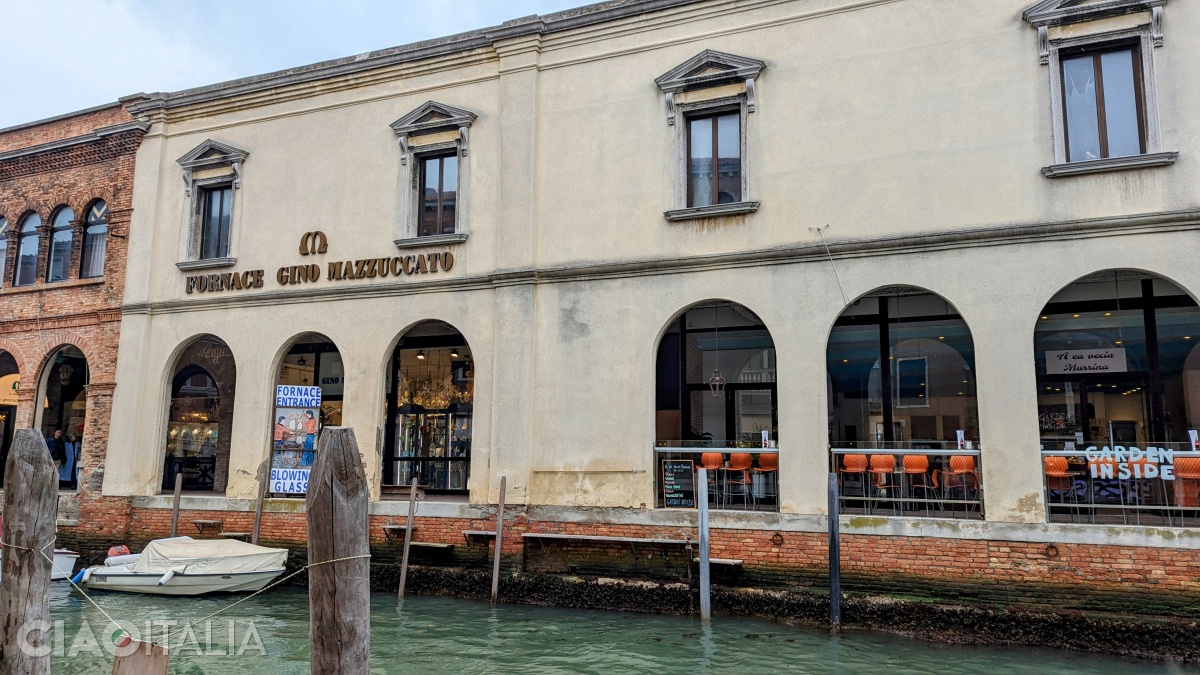
Vetreria artistica Gino Mazzuccato was founded in 1958 and organizes several types of tours - from simple ones that include only a demonstration to those that include a gift, a glass of prosecco, or workshops where you can blow the glass yourself. The factory has a showroom covering 2,000 sqm and is located on Fondamenta dei Vetrai, near the Murano Colonna station.
VETRERIA ARTISTICA GINO MAZZUCCATO TOURS
Vetreria Artistica Colleoni
Vetreria artistica Colleoni is found on Fondamenta S. Giovanni dei Battuti, near the Murano Faro station, and has been operating since 1985.
Book Visit to Vetreria Artistica Colleoni
Cattedrale del Vetro
Among the places organizing glassmaking demonstrations is the former Santa Chiara church, one of the oldest buildings on Murano Island. It was restored in 2016 and transformed into an event and workshop space now called the Cattedrale del Vetro ("The Glass Cathedral").
Book Visit to the Glass Cathedral
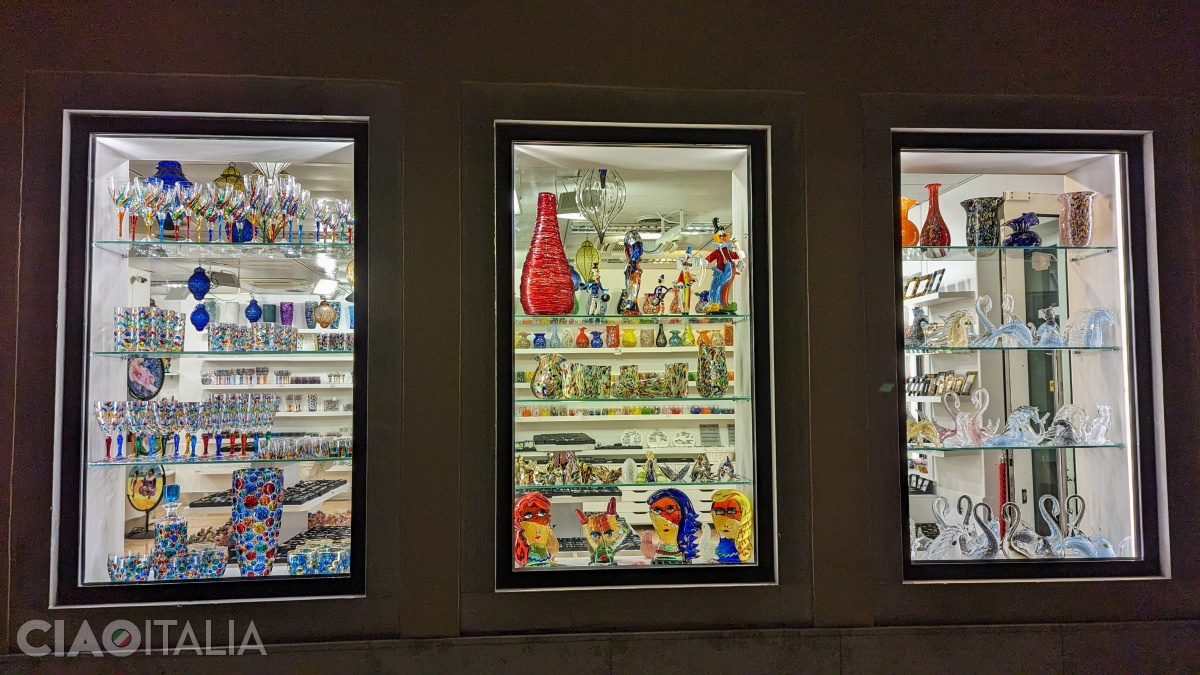
On Fondamenta dei Vetrai (but not only there), you will find numerous shops selling glass products. Because Murano Island has also been invaded by counterfeits, if you intend to purchase something original, ensure the products bear the Vetro artistico® Murano mark. This is the designation under which the Veneto region seeks to protect and promote original glass objects made on the island, distinguishing them from copies made elsewhere in the world.
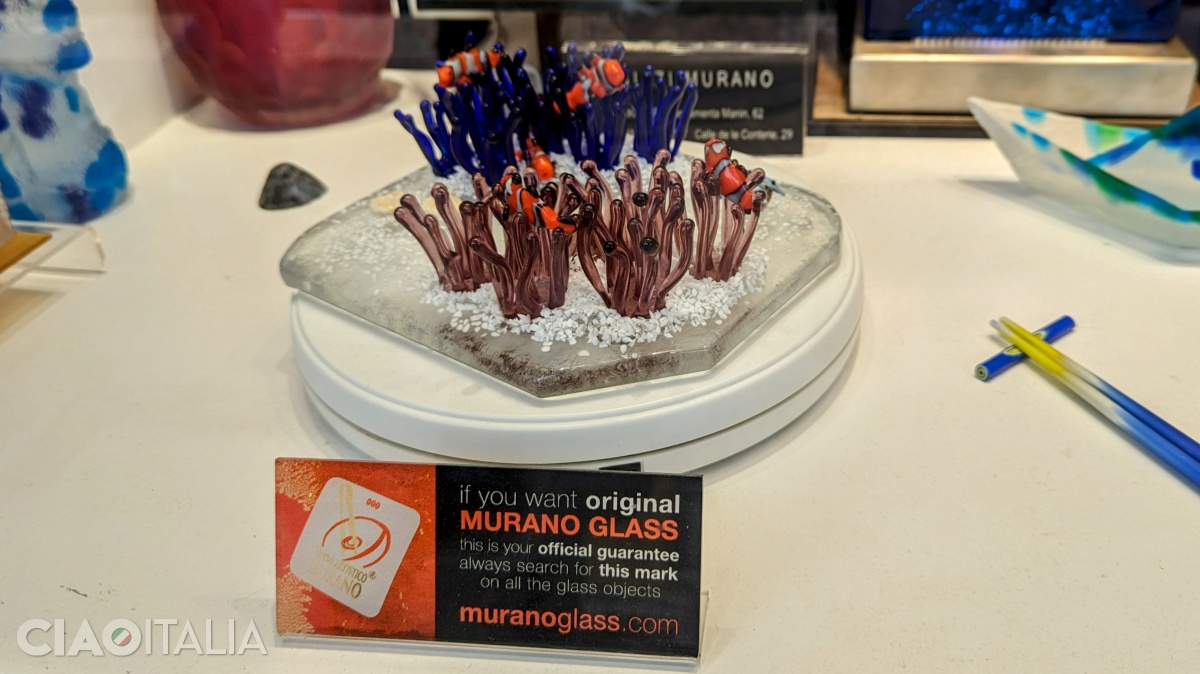
Even if you don't buy anything, it is interesting to look at the variety of glass objects created by Murano's master glassmakers.
Every year, a glass festival called The Venice Glass Week is held in Murano, Venice, and Mestre.
The Murano Glass Museum
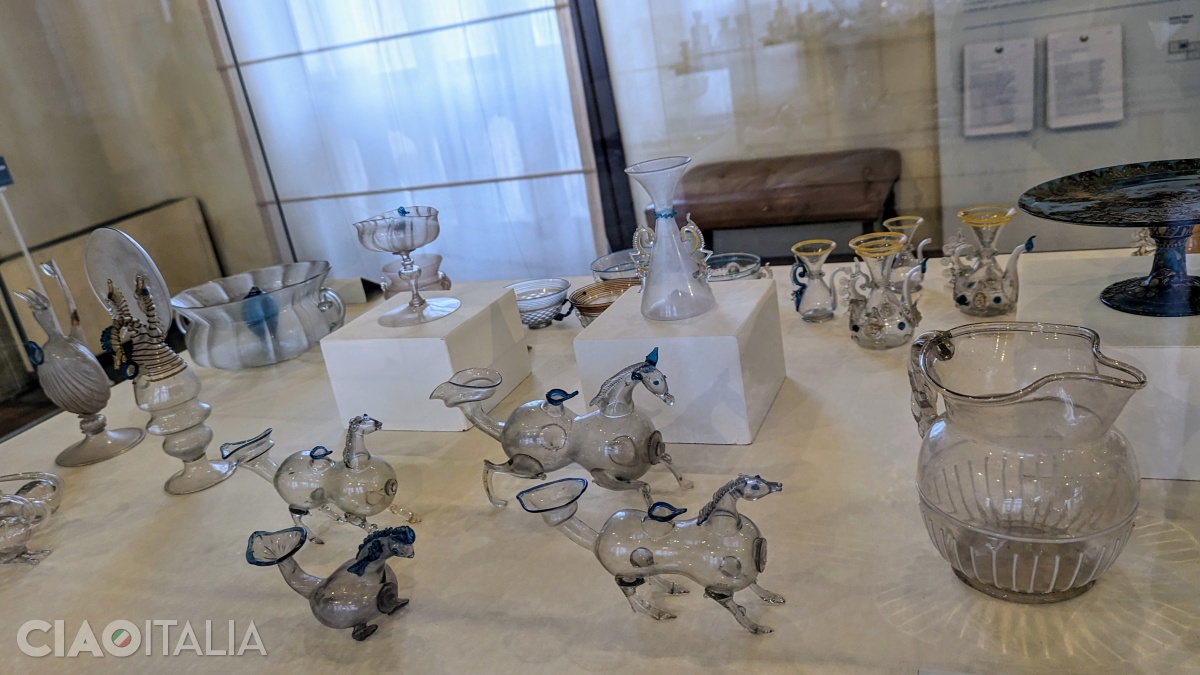
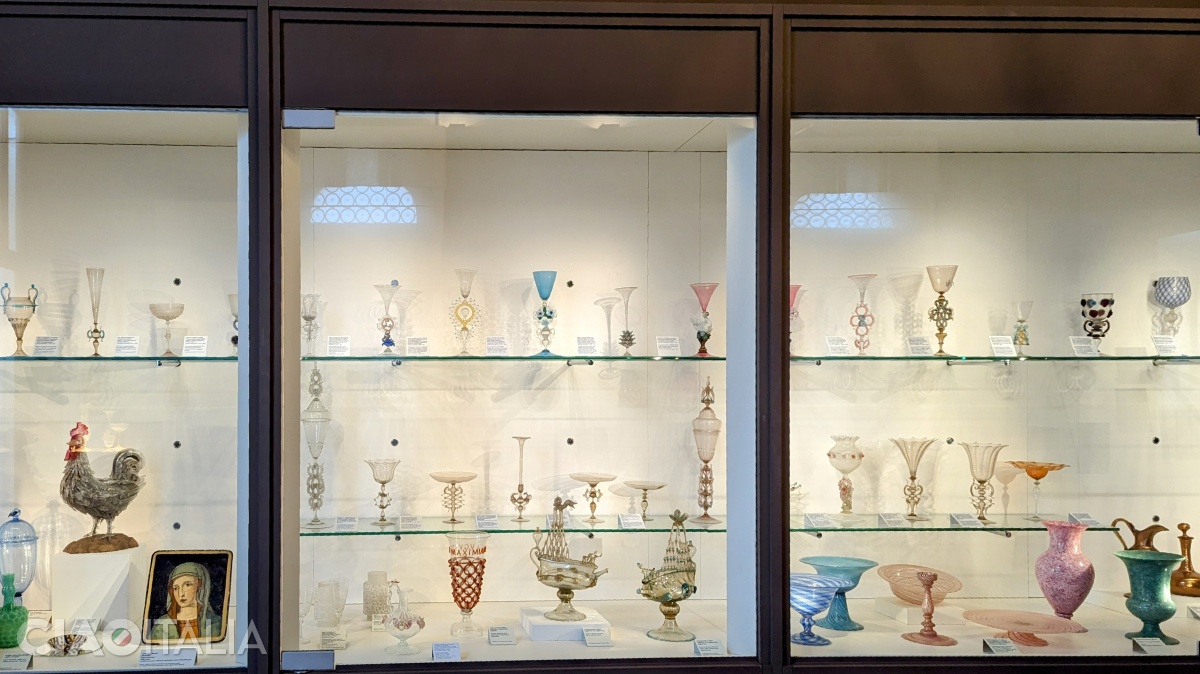
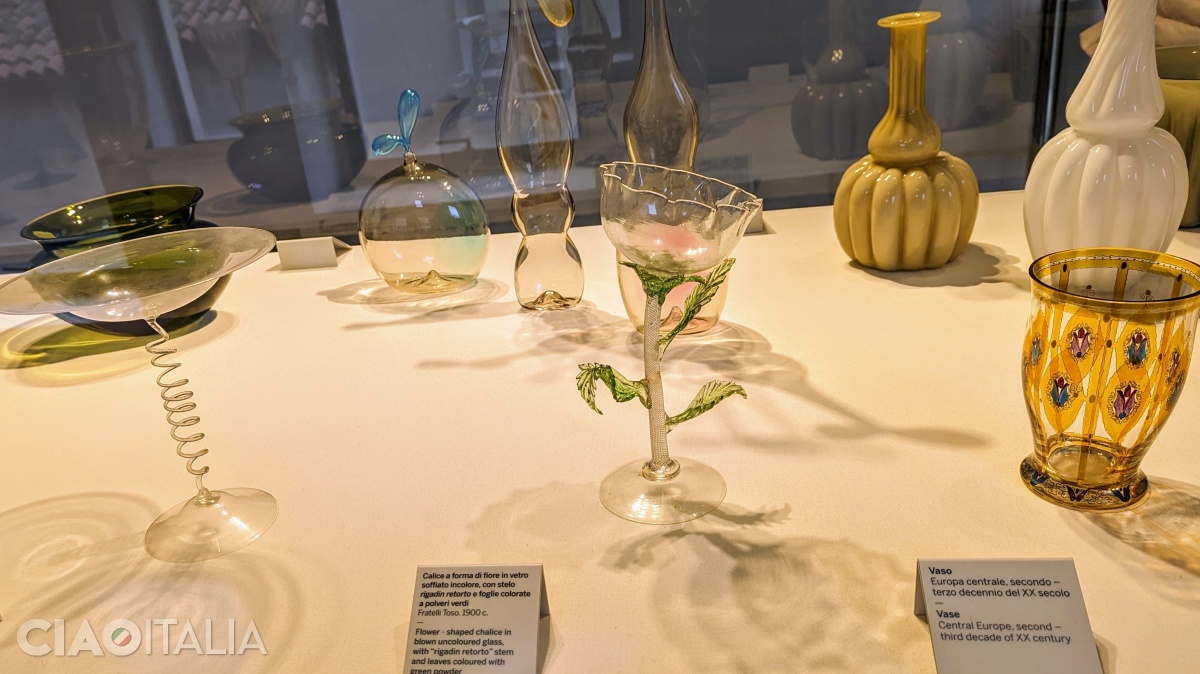
Housed in Palazzo Giustinian, the old palace of the bishops of Torcello, dating back to 1680, the small Glass Museum is the main tourist attraction in Murano. It was founded in 1861 by a priest, and a year later it was associated with a school whose purpose was to allow glassmakers to study the museum's exhibits.
The Murano Glass Museum displays objects made in different historical periods, starting from the Roman era and reaching the present day.
The entry fee is €15 (€20 for a combined ticket with the Lace Museum in Burano). For online bookings, you directly scan the QR code from the voucher received, without having to go to the ticket office.
Buy Murano Glass Museum Tickets
Murano Glass Museum
Opening Hours:
September 27 - October 31, 2026:
- Monday-Sunday: 10:00 AM - 6:00 PM
November 1, 2026 - March 31, 2027:
- Monday-Sunday: 10:00 AM - 5:00 PM
Last entry is one hour before closing
Ticket Prices:
- Adult: €15 (or €20 combined ticket with the Lace Museum in Burano)
- Over 65: €7.5
- Children 6-14 years: €7.5
- Children under 6: free
The Murano Cathedral
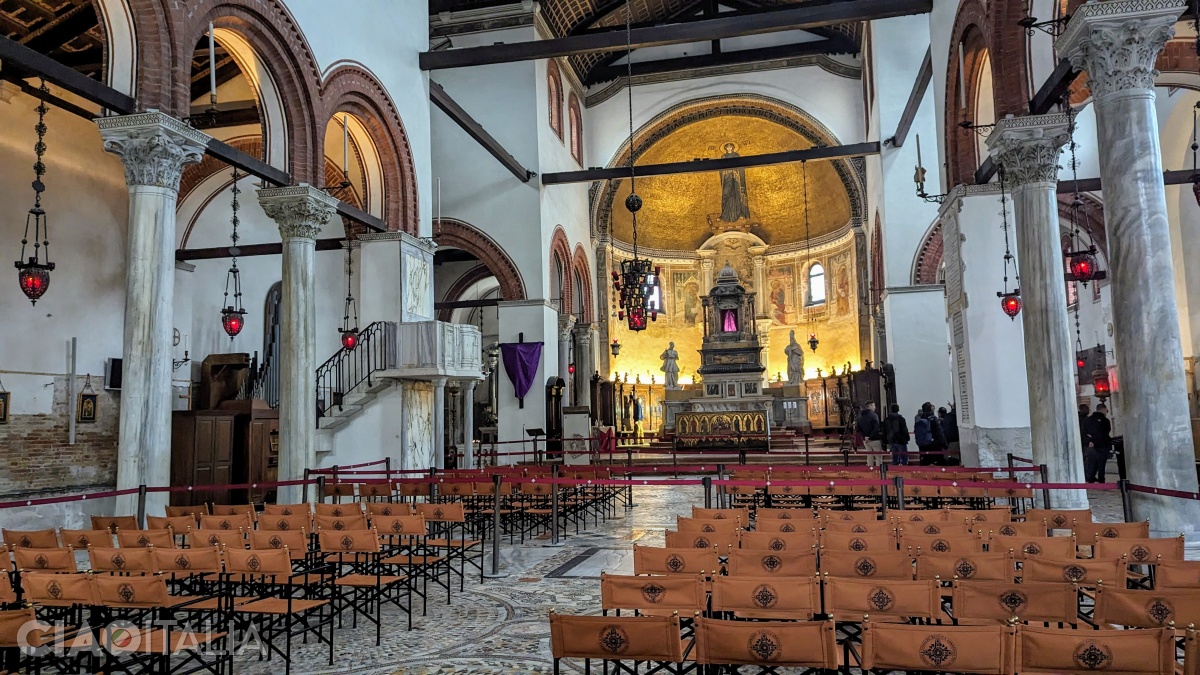
Of the 18 churches that once existed on Murano Island, only two are still active today, and the Cathedral or Basilica dei Santi Maria e Donato is the most important of them.
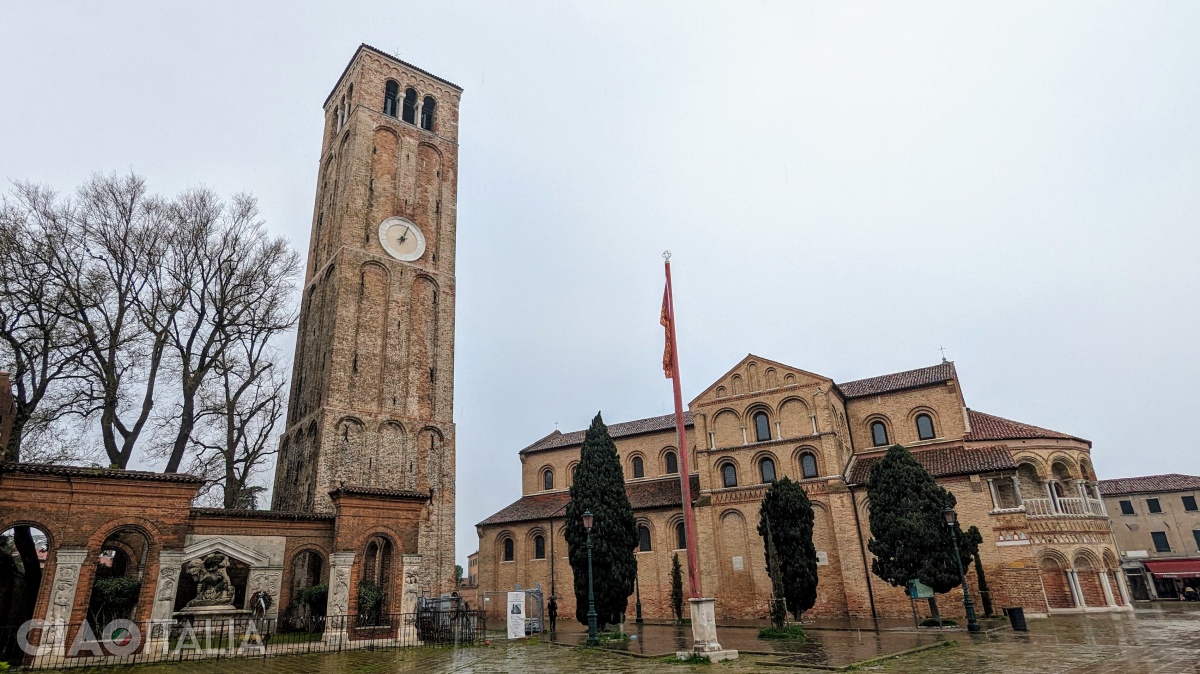
The Basilica dei Santi Maria e Donato (Basilica of Saints Mary and Donato) was built in the 7th century. Its current form dates from 1125-1140, when it was rebuilt in Romanesque style along with the bell tower. Initially, the church was dedicated only to the Virgin Mary. Since it received the relics of St. Donato, his name was added to the title.
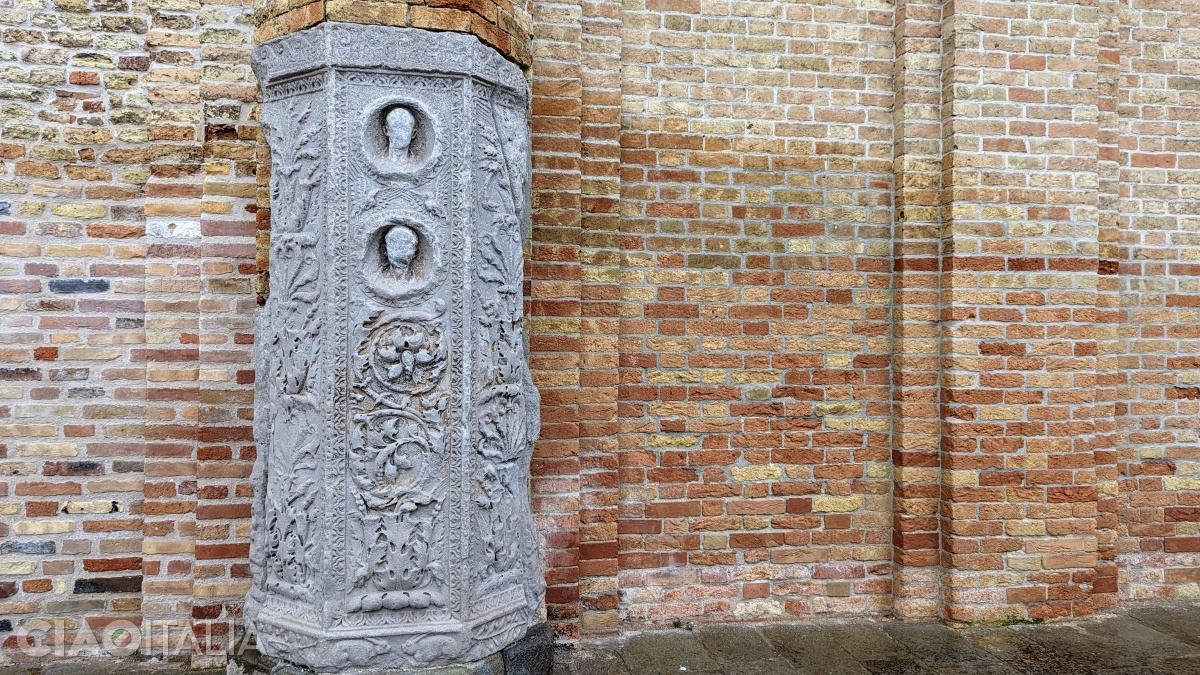
Roman remains are incorporated into the facade.
The splendid floor of the church, decorated with animals, geometric figures, and pieces of Murano glass, recalls the floor pattern of St. Mark's Basilica and is full of symbols.
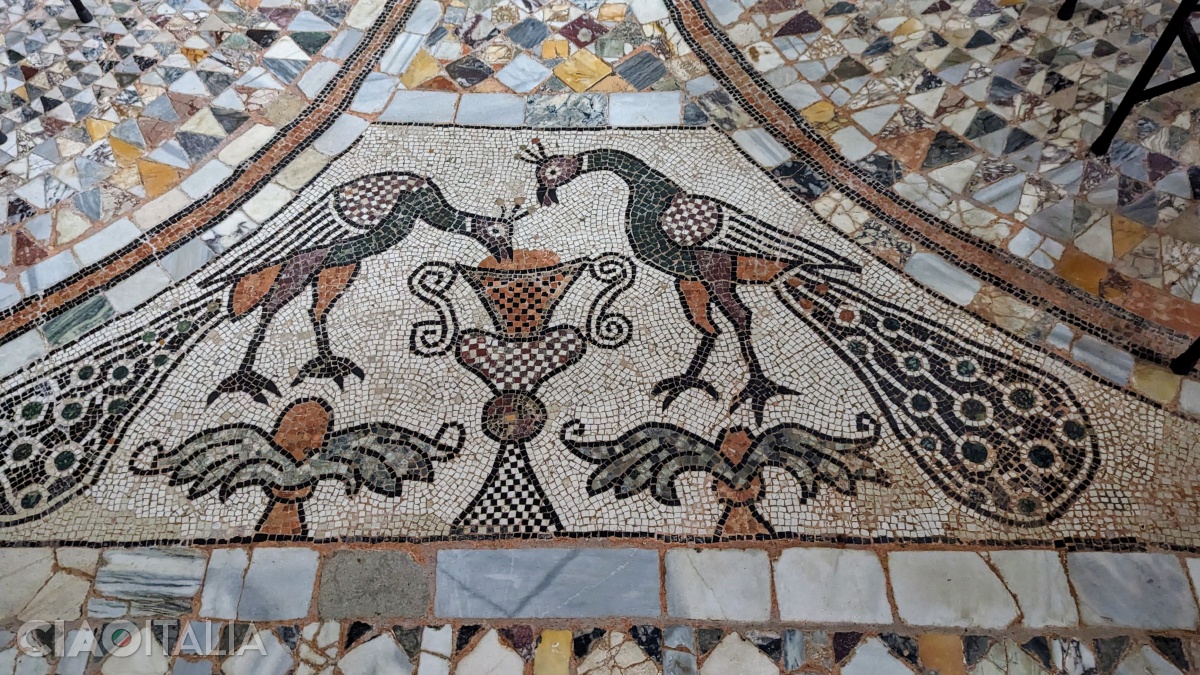
The two pairs of griffins and peacocks in front of the entrance are symbols of immortality and sacredness. The cup from which the peacocks drink represents divine grace.
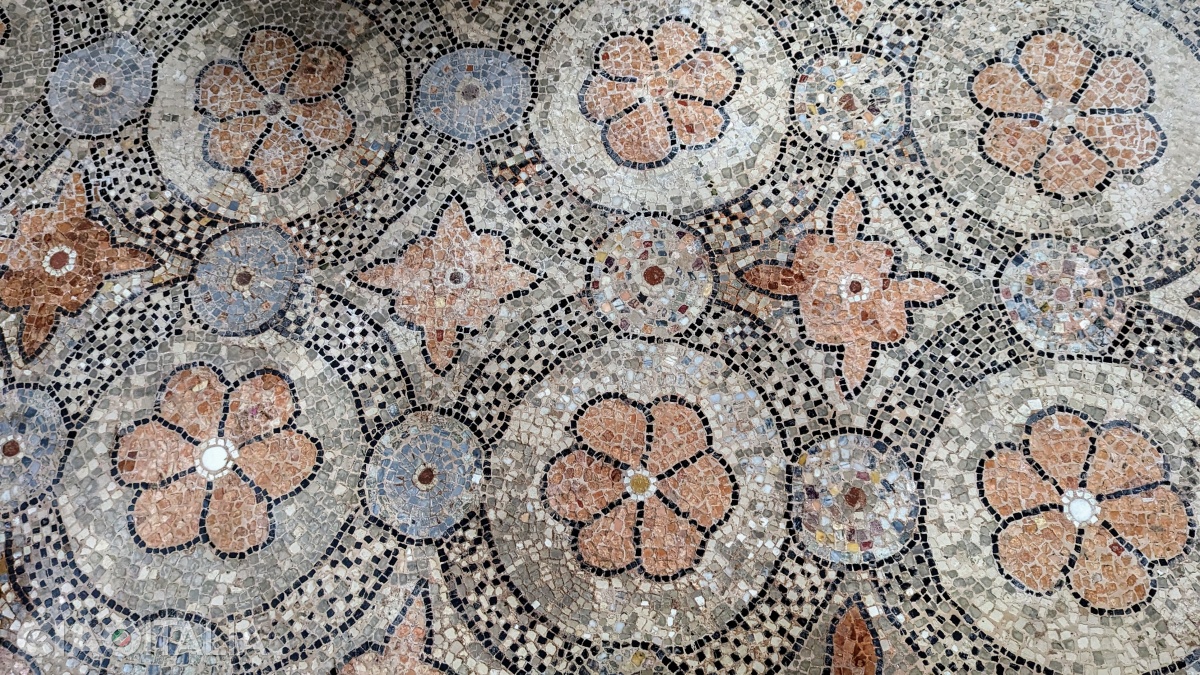
To the right, the eight circles containing eight flowers with six petals each refer to the New Testament.
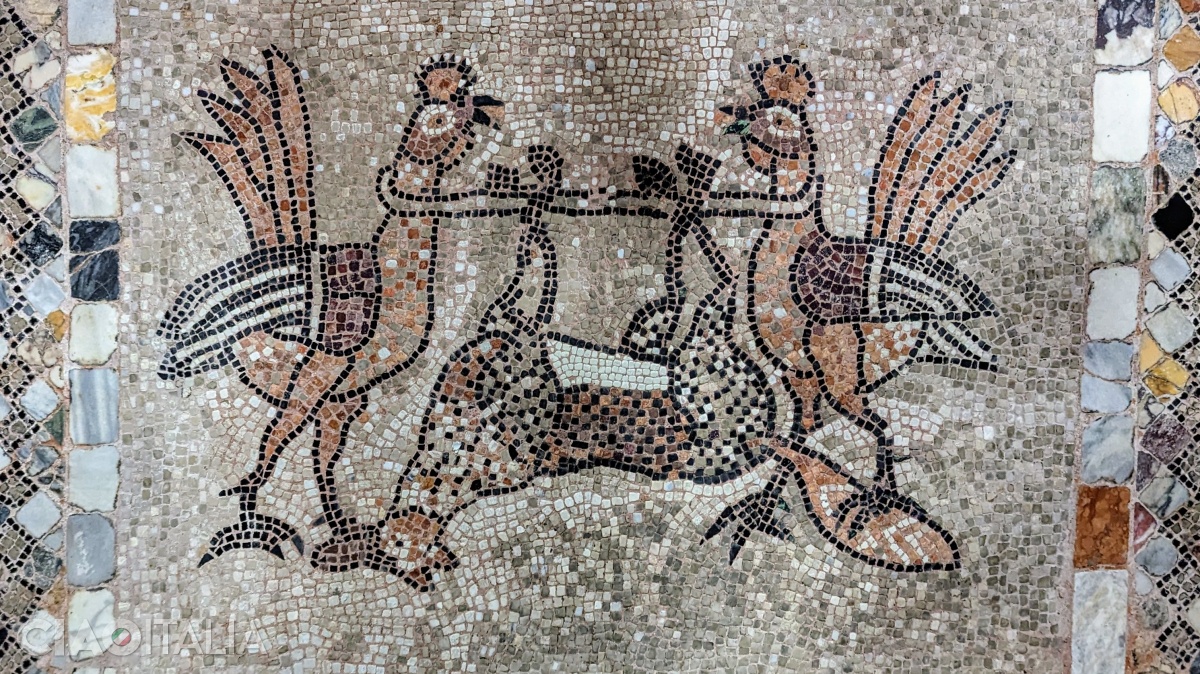
A little further ahead, two roosters carry a defeated fox. They are a symbol of divine vigilance defeating cunning.
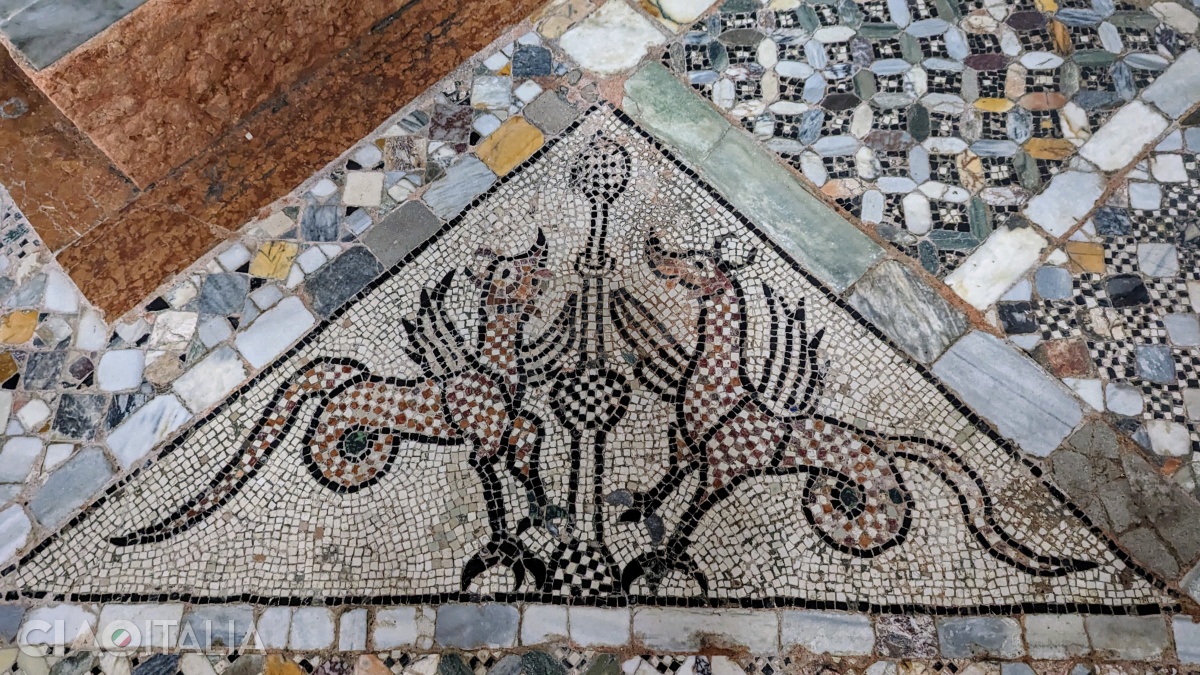
Moving along the same side, you will see two birds of prey and two dragons, representing the vices that baptismal water removes.
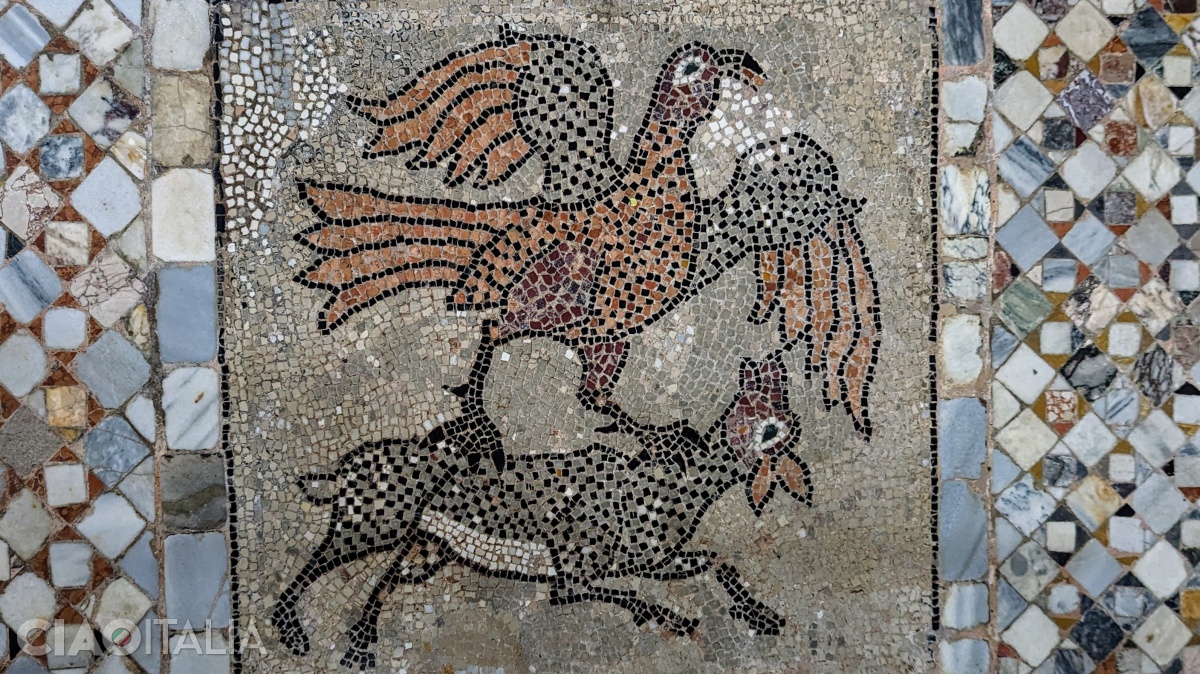
To the left, near the entrance, a mosaic shows an eagle carrying a deer. This is an allegory of the human soul being elevated by Jesus.
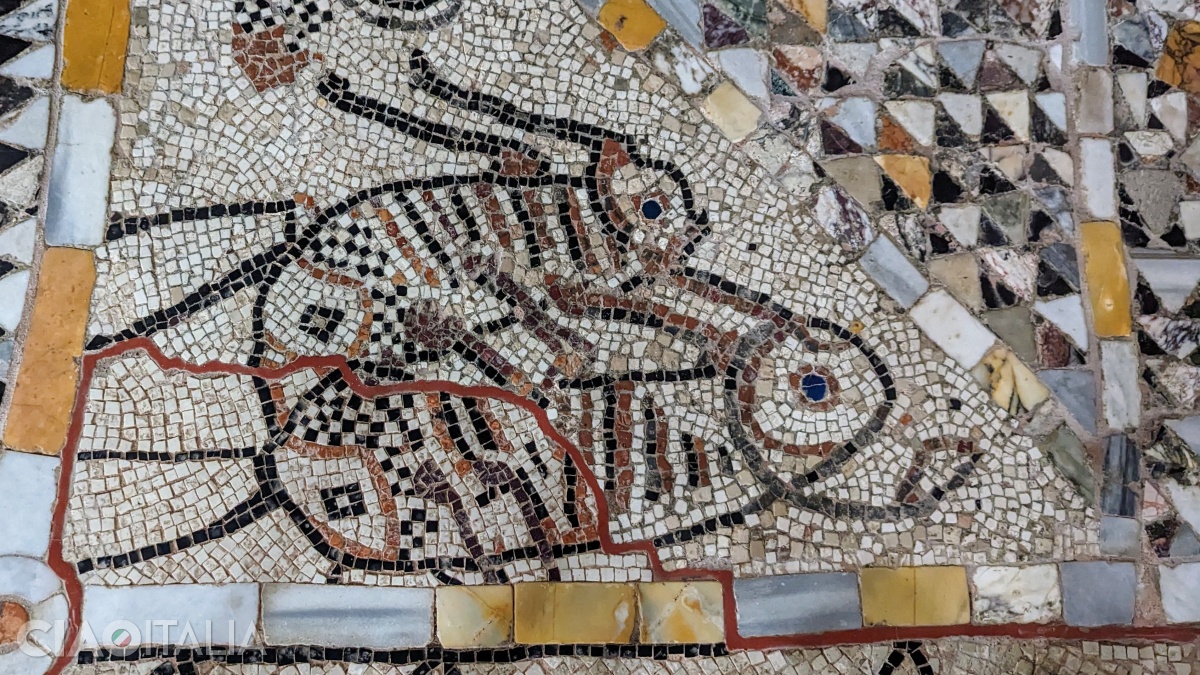
Further forward, toward the altar, a pair of crickets represents prosperity.
The vault of the apse is dominated by a mosaic of the Virgin on a gold background, dating from the 12th century.
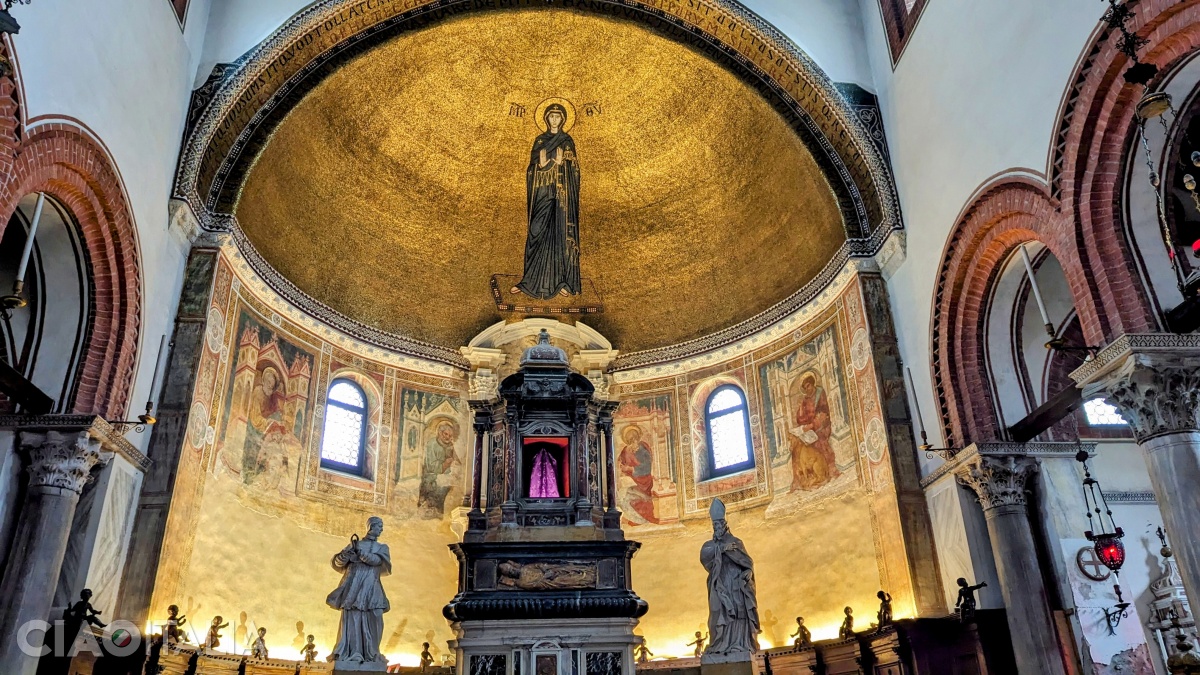
The church also hides a legend: behind the altar are some bones said to be the bones of the dragon killed by St. Donato. They are in fact whale bones, but... the story remains.
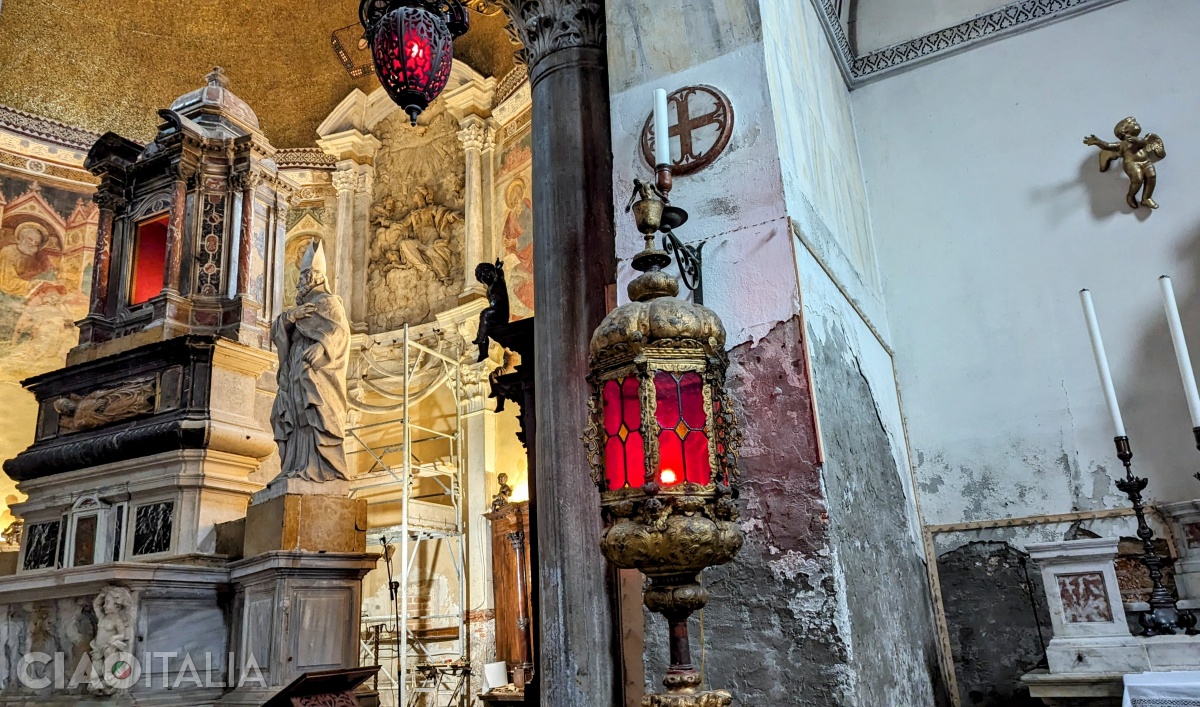
Another legend involves the lion of St. Mark, represented in the church alongside two coats of arms and a... barrel, called "St. Albano's barrel". It is said that in the past, residents of Burano noticed a chest floating on the waters near the island. Bringing it to shore, they discovered the relics of St. Albano inside, along with a small barrel from which wine flowed continuously. Envious, the people of Murano stole the barrel and took it to their island. There, however, they noticed the barrel no longer provided wine because it was no longer near the saint's relics. They then decided to wall it up inside the church so that the people of Burano could not take it back.
Basilica dei Santi Maria e Donato
Opening Hours:
- Monday-Saturday: 9:00 AM - 5:00 PM
- Sunday: 12:00 PM - 5:00 PM
Ticket Prices:
- Adult: €3.5
- Students 13-25 years: €1.5
- Children under 12: free
The Clock Tower
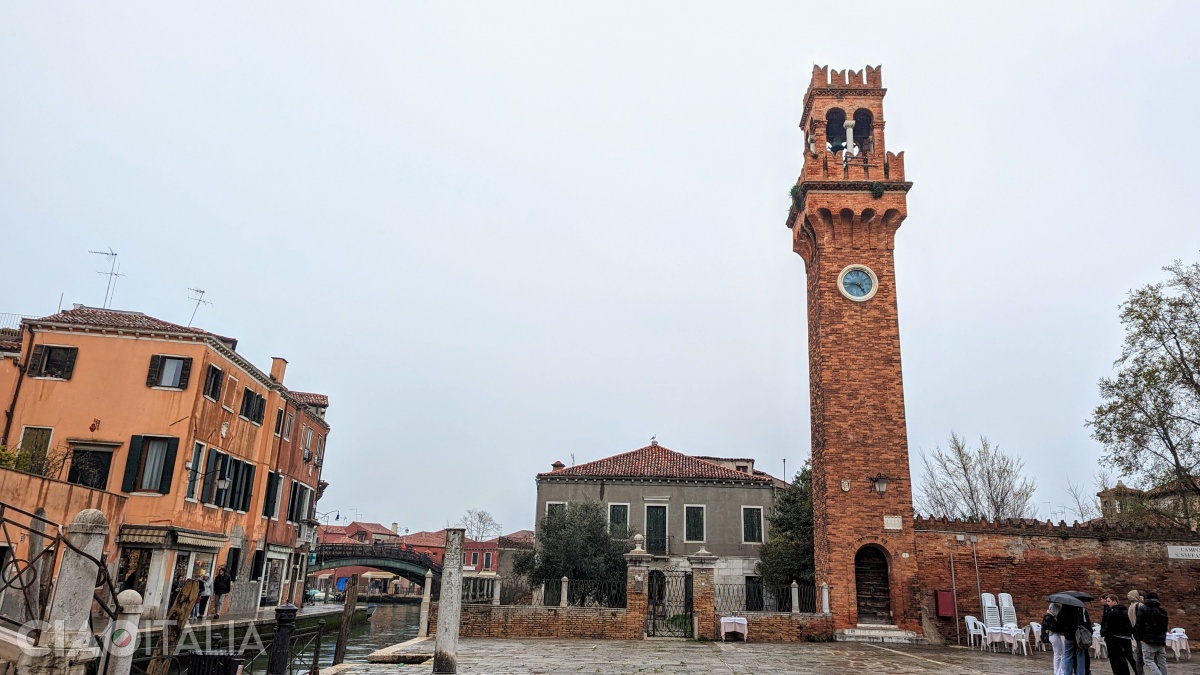
Although it looks much older, the Clock Tower was built only in 1890 in Campo Santo Stefano square, near the intersection of the Rio dei Vetrai and Grand Canal. The clock was added a year later, in 1891.
At the time of its construction, the tower was quite criticized for its architecture, which did not recall the Venetian style but rather Tuscany, seeming inspired by the Palazzo Vecchio in Florence and the City Hall tower in Siena.
San Pietro Martire Church
San Pietro Martire Church is located on Rio dei Vetrai, opposite the Clock Tower and near the Grand Canal. It was built in the 14th century and rebuilt in 1511 in its current form following a fire.
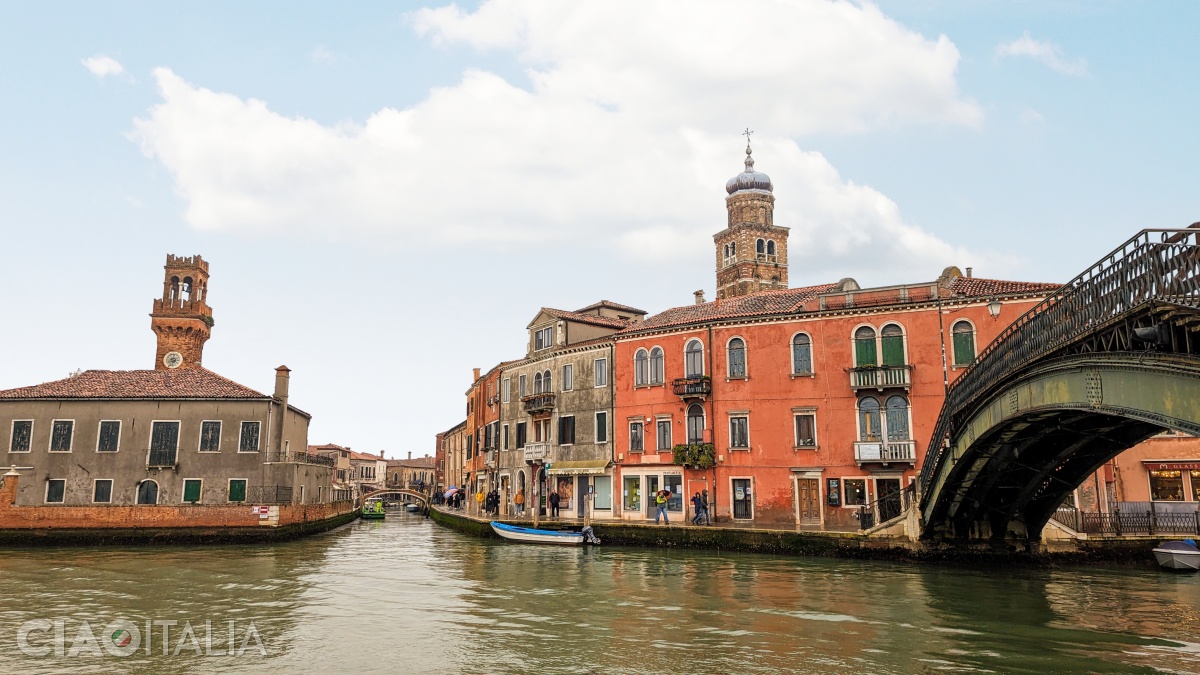
Many works from the 18 churches that existed on the island before Napoleon's invasion found refuge in San Pietro Martire. These include paintings by Tintoretto, Veronese, Giovanni Bellini, and Palma il Giovane.
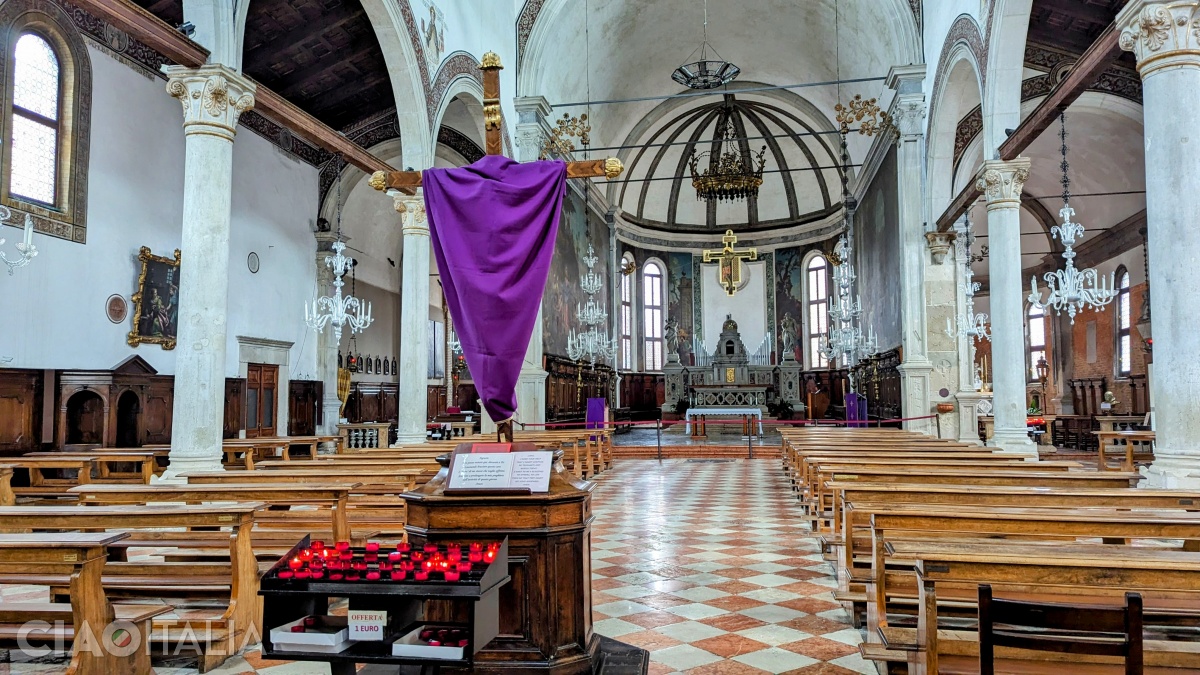
San Pietro Martire Church
Opening Hours:
- Monday: 9:00 AM - 5:00 PM
- Tuesday: 9:00 AM - 3:30 PM
- Wednesday-Friday: 9:00 AM - 5:00 PM
- Saturday-Sunday: 11:00 AM - 4:30 PM
Ticket Prices:
- Church: free
- Museum: €3
- Children under 12: free
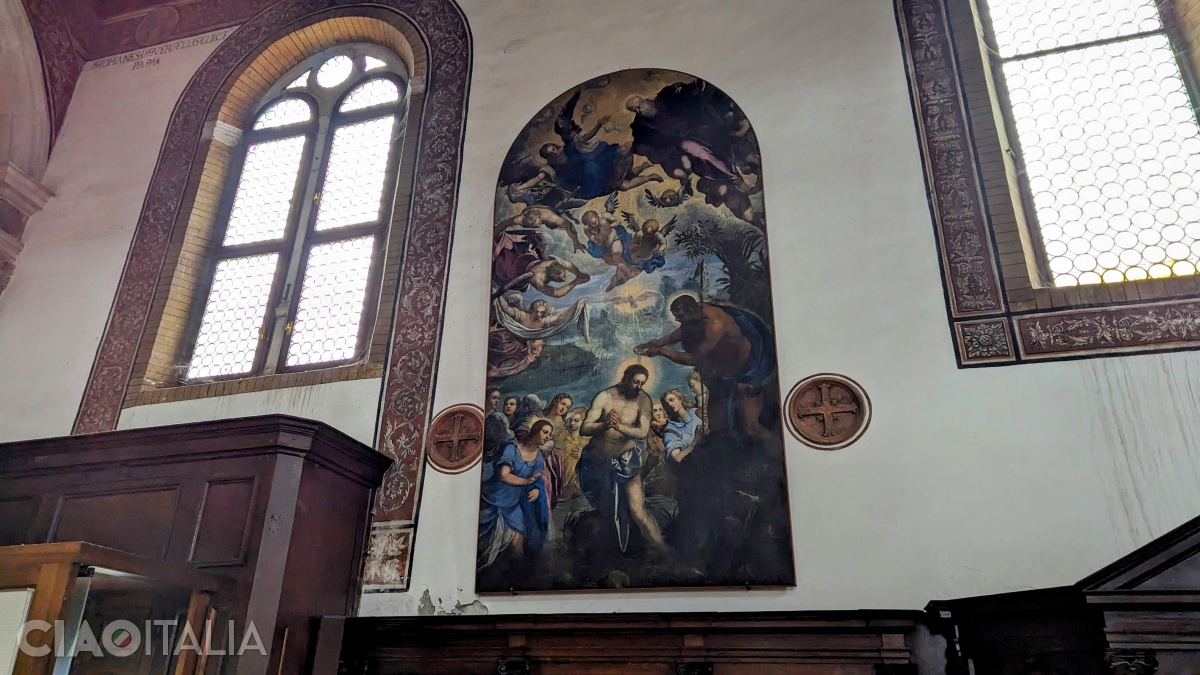
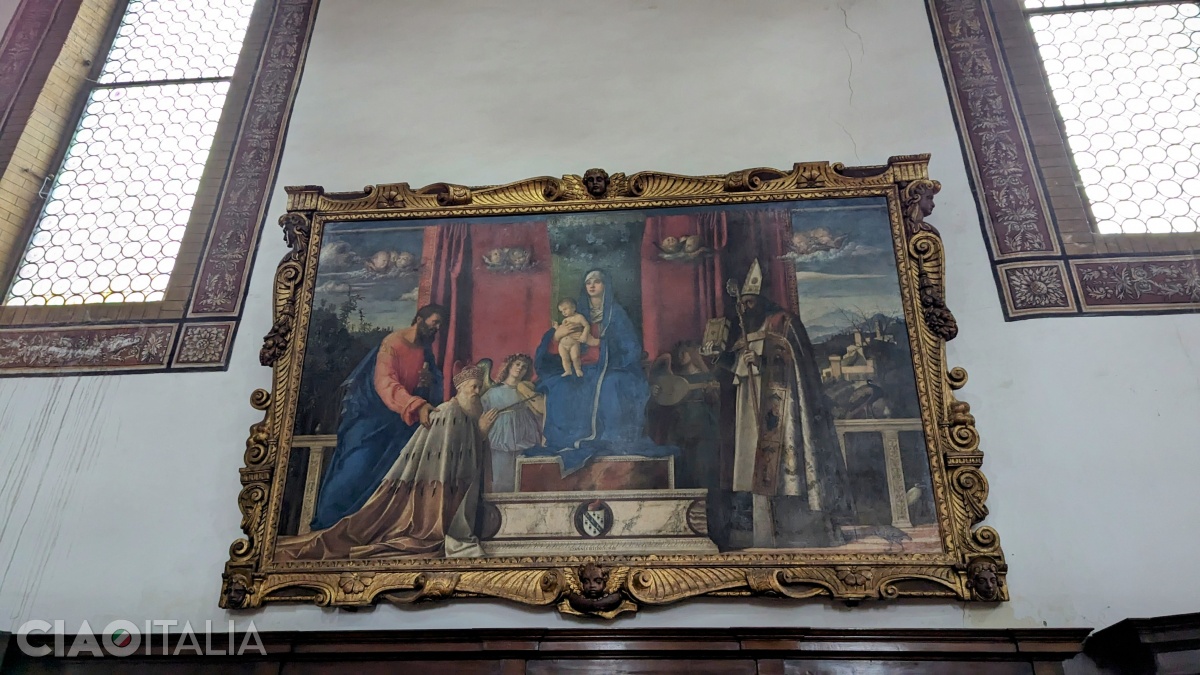
Santa Maria degli Angeli Church
Built on the Grand Canal in the 12th century and rebuilt in the 16th century, Santa Maria degli Angeli was once a convent whose nuns came from the wealthy families of the Venetian nobility. It is said that one of Casanova's most famous lovers, the nun M.M., lived here, and Casanova often attended mass just to meet her.
The church can usually be visited by appointment only.
Palazzo da Mula
With its beautiful facade, Palazzo da Mula is one of the most interesting buildings in Murano.
Located on the bank of the island's main canal, the palace was once a summer residence for Venetian nobles during an era when it was believed that the large number of glass-working furnaces made the air in Murano cleaner than that in Venice.
The Diedo family owned the palace until the 17th century, when it came into the possession of the Da Mula family, from whom it takes its name.
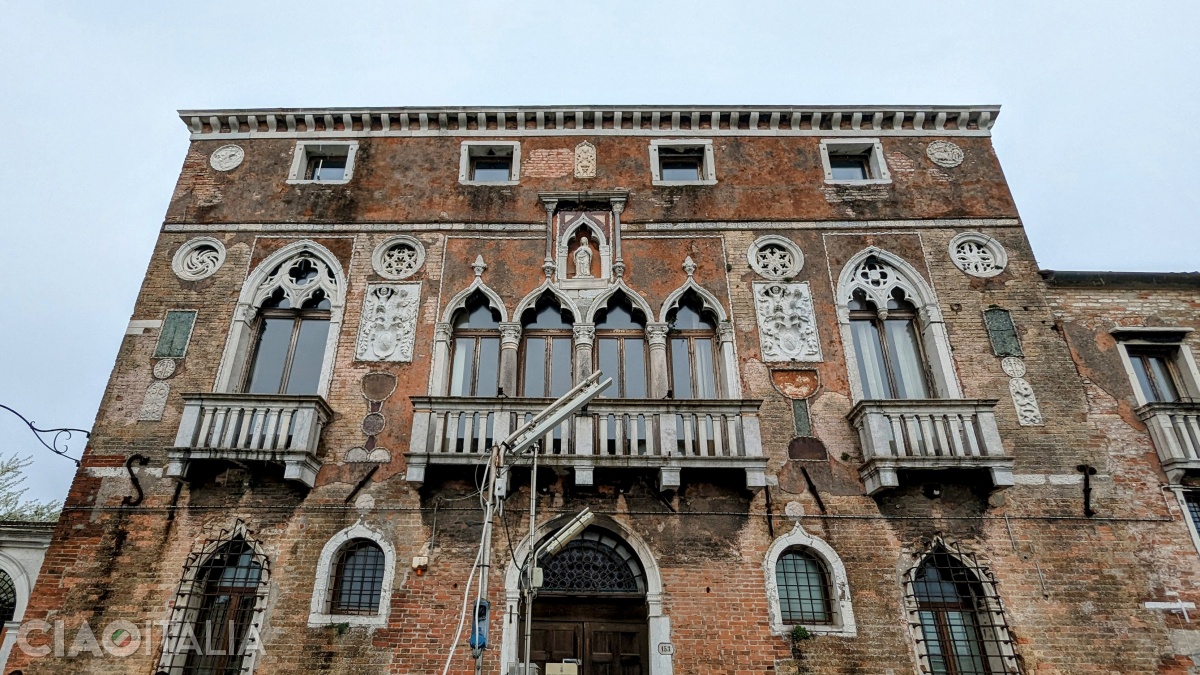
The two rectangular marble panels at the top of the facade show the Diedo family coat of arms, featuring a shield, a small angel holding a ribbon with the family motto, and a chimera.
After a glass workshop operated in the building during the 18th and early 19th centuries, the palace fell into ruin by the mid-19th century, changing owners until it eventually came into the possession of the Murano Municipality.
Today, the upper floor houses the Lagoon Civilization Center, which organizes various exhibitions.
The Roman Column
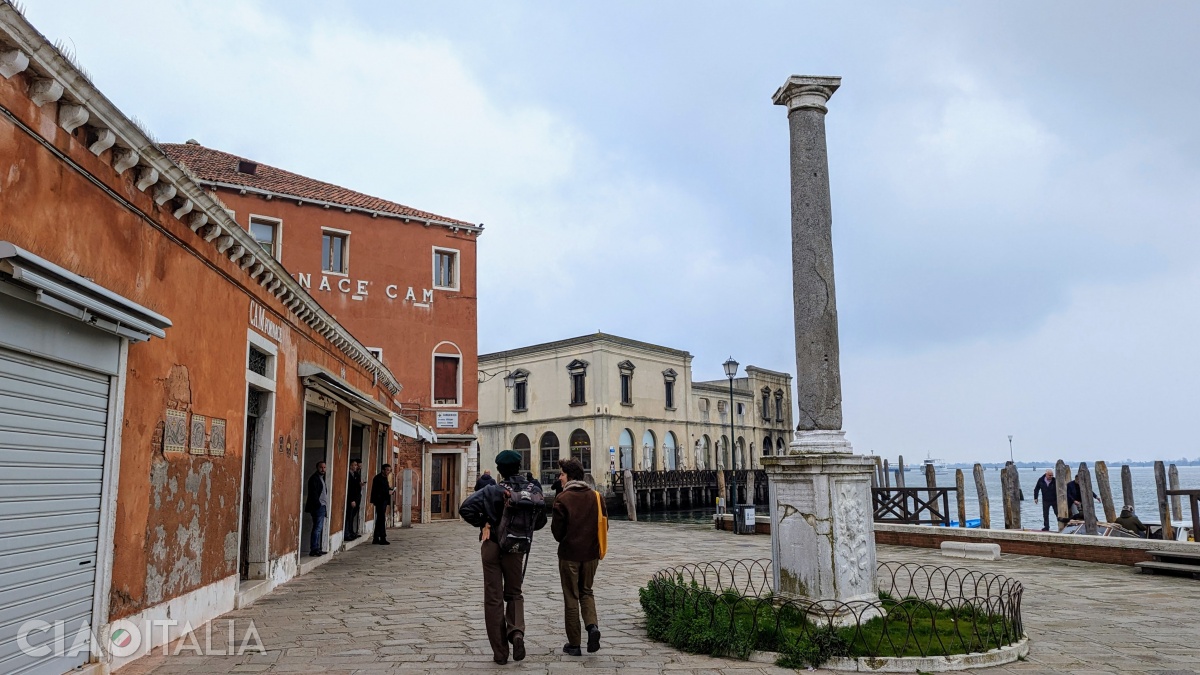
The first vaporetto stop in Murano when coming from Venice is called Murano Colonna. It takes its name from the granite Roman column located there.
Once, it probably supported the statue of Doge Domenico Contarini, who ruled Venice in the second half of the 17th century. He was the one who again granted Murano the right to mint the gold coins that the Doge gave to certain magistrates at Christmas.
The column was used as a reference point by Galileo Galilei when he presented his new invention to the Senate. With the help of the telescope, people could be seen getting in and out of gondolas at the column on Murano Island, which was then located at the beginning of the Rio dei Vetrai canal.
The Murano Lighthouse
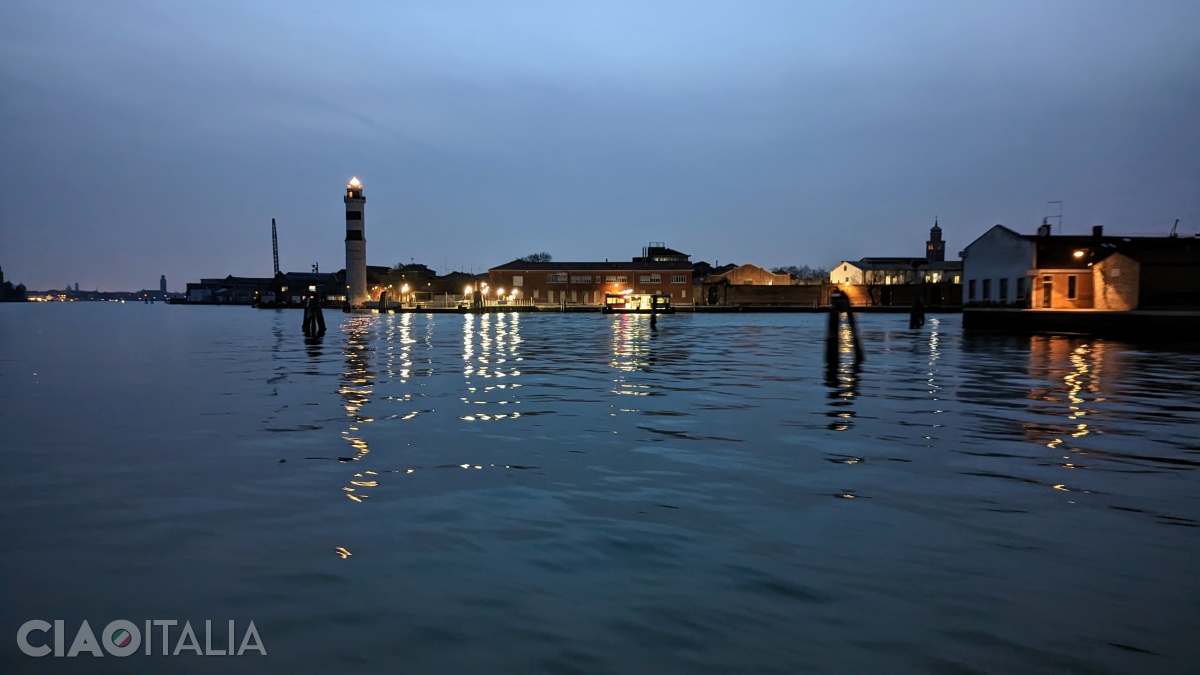
If you instead get off on the island of Murano at the Faro station, the lighthouse is one of the first structures you will notice.
Originally built of wood in the 17th century, it was rebuilt first in 1912 in iron and then in 1934 in Istrian stone.
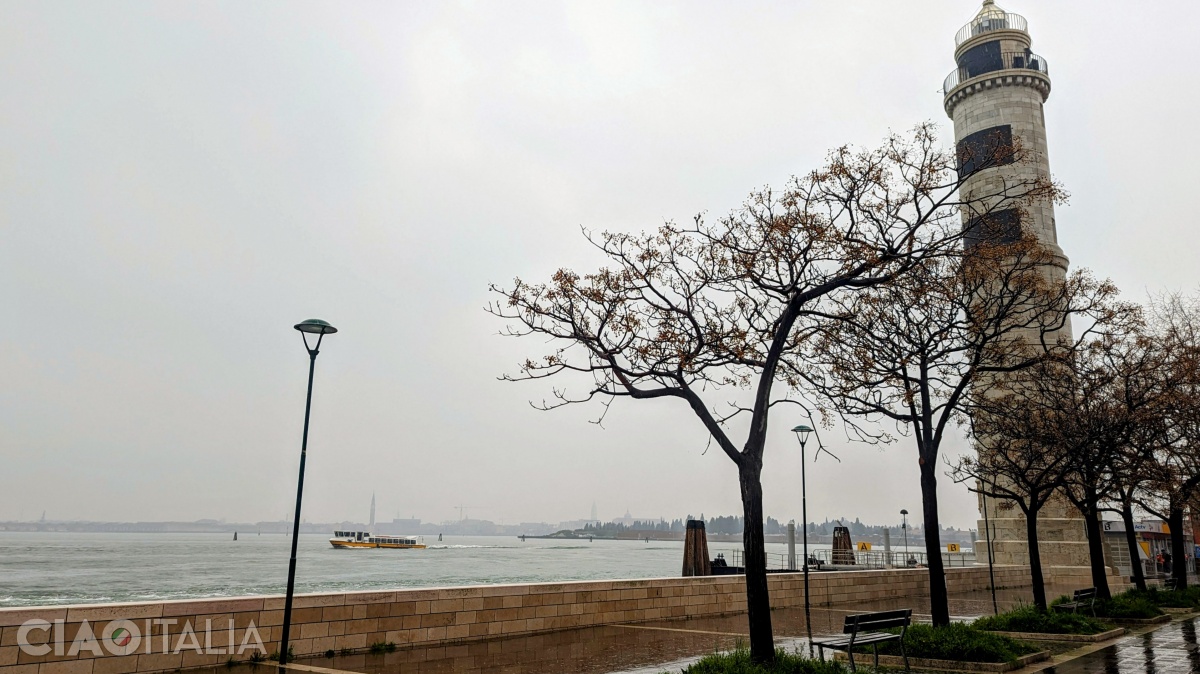
The lighthouse is still in use and plays a very important role for maritime traffic in the lagoon. The three black bands at the top ensure visibility even in foggy weather.