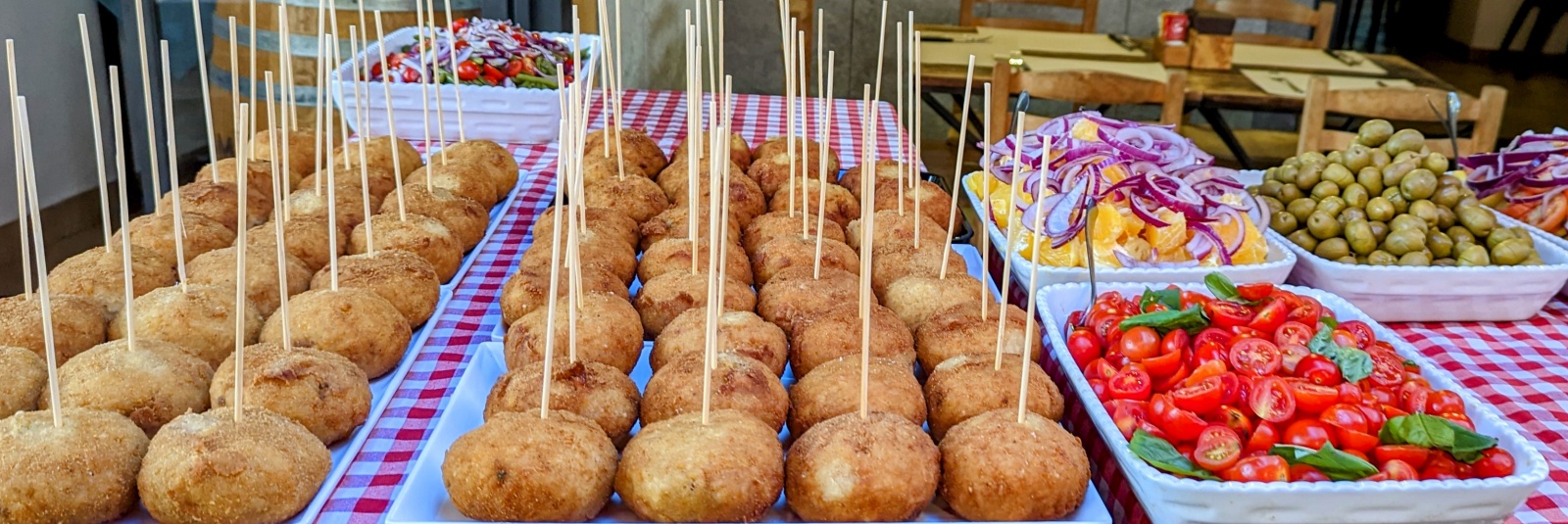
What to Eat (and Drink) in Sicily?
Sicilian gastronomy has been enriched and has assimilated the influences of all the peoples who have passed through the island over time. Food in Sicily can be considered a tourist attraction, and Sicilians are very proud of it. And for good reason! Let's not forget that the city of Palermo is called the European capital of street food, and Sicily was declared a "European Region of Gastronomy". And, if we look back a bit into history, we will find that culinary competitions were organized in Syracuse as early as 600 BC. Moreover, Sicilians even claim that they are the ones who invented pasta.
Today's Sicilian cuisine is a unique (and delicious) blend of classic Italian tastes and Arabic or North African ingredients, with different nuances from area to area. However, regardless of the location, eggplant and pistachios hold a place of honor across the entire island.
Street Food
Arancino or arancina?
You've probably heard of the arancino. It is a classic staple of Sicilian street food. In Sicily, however, you will encounter both the arancino and the... arancina. The dish is essentially the same, but there are a few small differences. In Palermo and generally in western Sicily, it is called arancina (feminine) and has a round shape. In the Catania area, it is called arancino (masculine) and has a conical, pointed shape. It is said that this shape actually reflects the peaked appearance of the nearby Mount Etna.
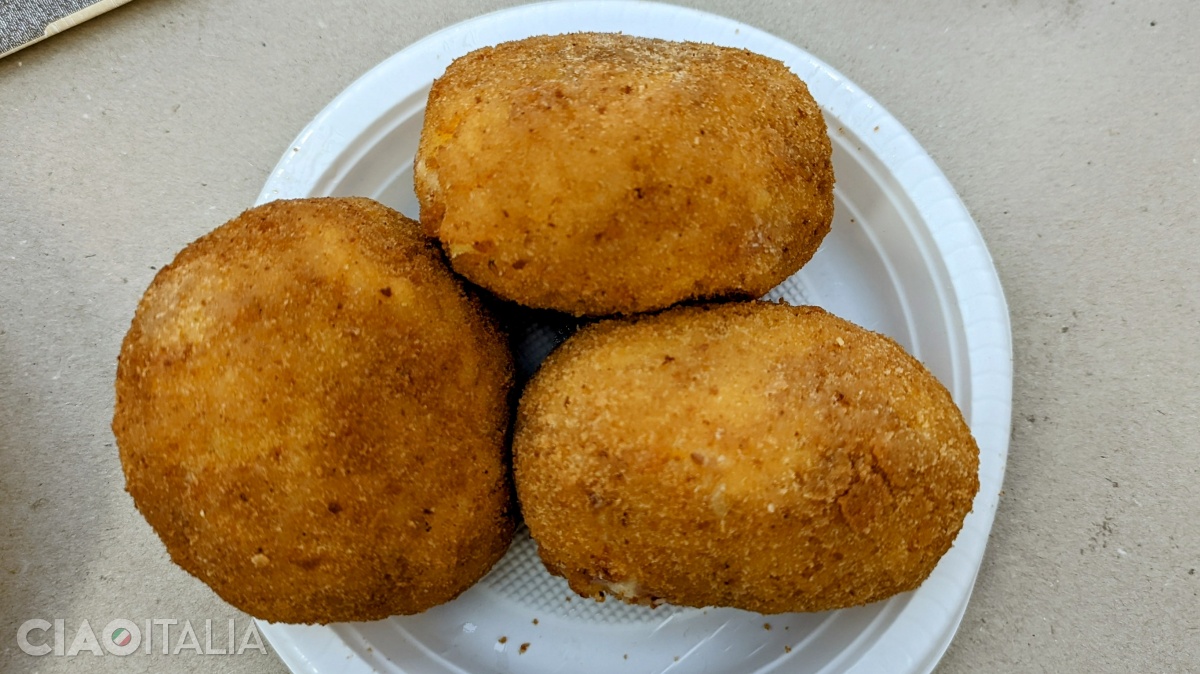
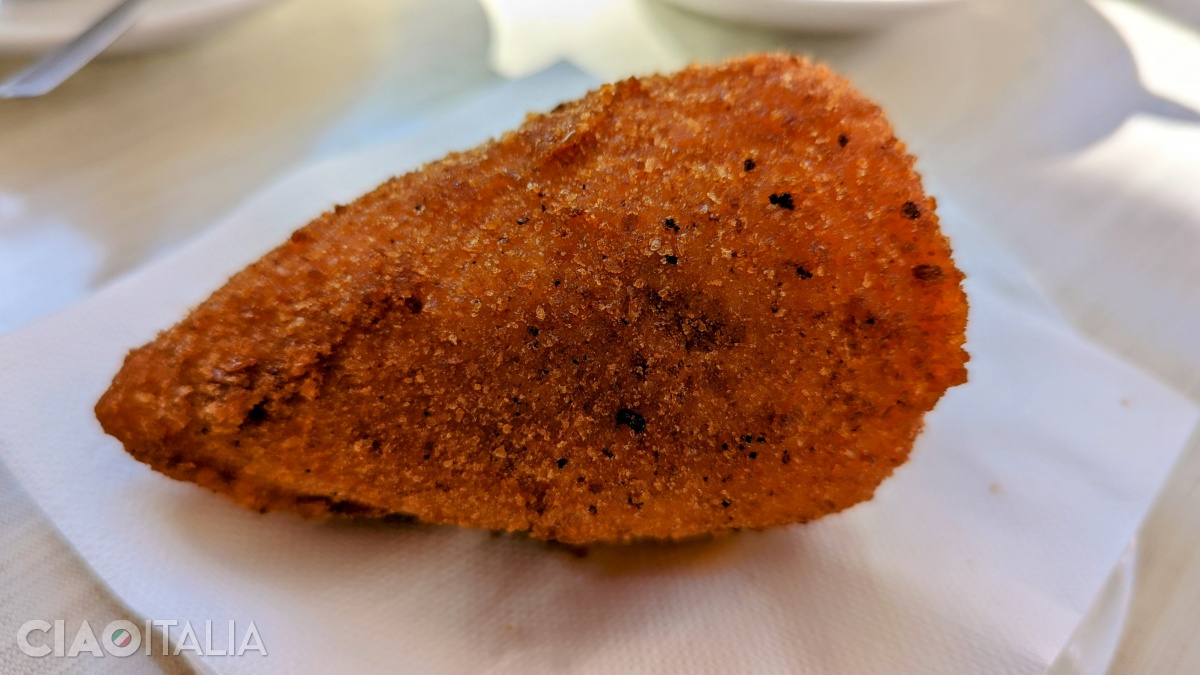
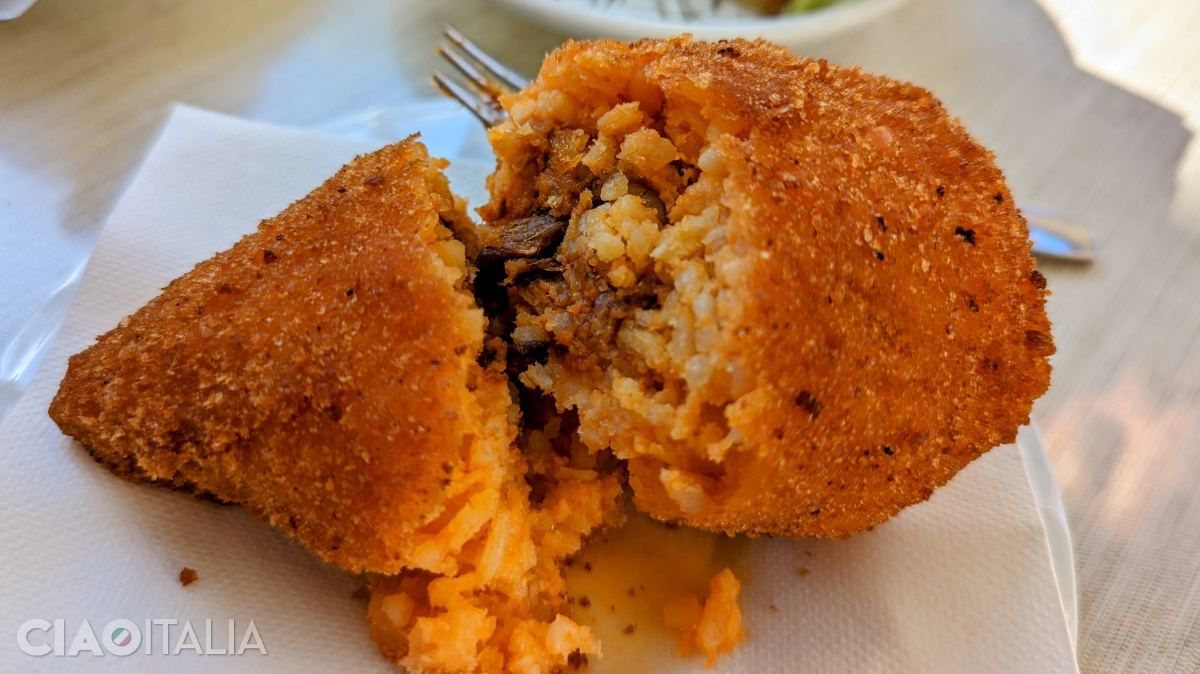
Arancini (or arancine, if you don't want to upset the residents of Palermo) are a type of rice ball filled with ragù sauce, butter, mozzarella, or vegetables (there are countless variations), coated in breadcrumbs and then fried. They originated during the period of Arab domination in the 9th-11th centuries. The Arabs had the habit of forming small balls of saffron rice in their palms, to which they added a little lamb meat.
Pani ca' meusa
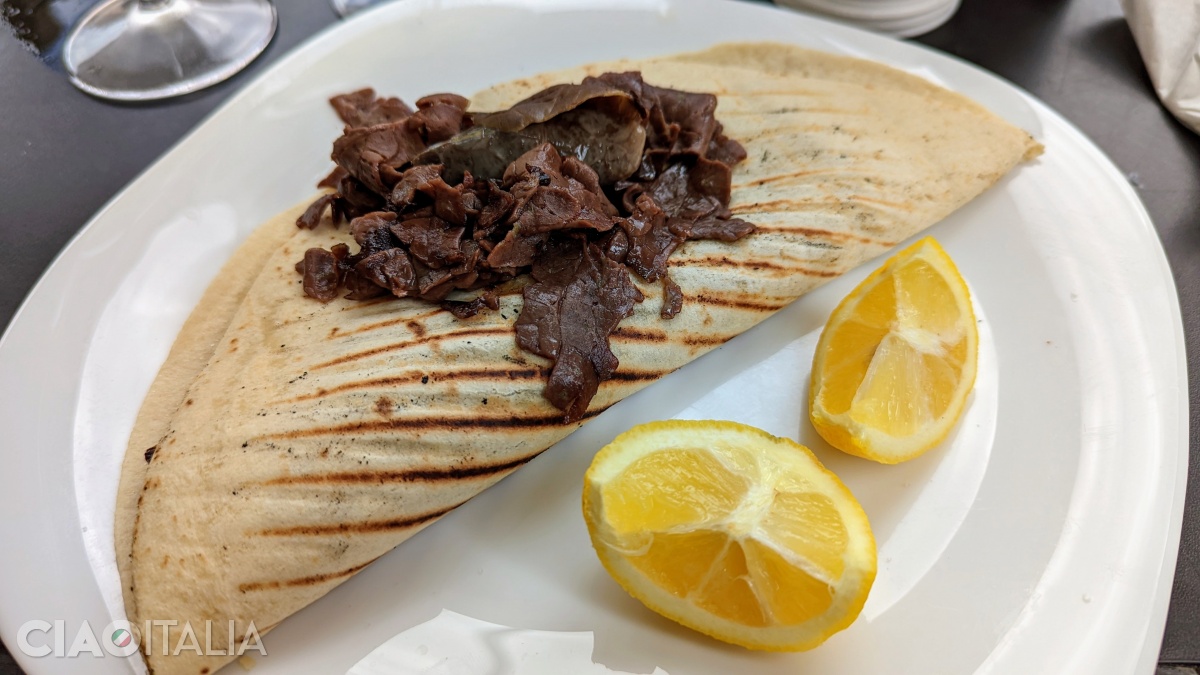
In the Sicilian dialect, pani ca' meusa means "spleen sandwich". It is for the more adventurous eaters and is specific to the city of Palermo, where you can find it on the streets and in the historical food markets (mercati).
Pani ca' meusa is a sesame bun filled with spleen and other veal lights (offal), thinly sliced and fried in lard. You can order it in the schetta version - simple, perhaps with a little lemon - or maritata ("married") - meaning sprinkled with grated cheese.
Among the most famous meusari (those who prepare and sell pani ca' meusa) are Rocky Basile, whose stall you can usually find in the Mercato Vucciria, and Ninu u' ballerinu, whose place is located on Corso Finocchiaro Aprile.
Pane cunzatu
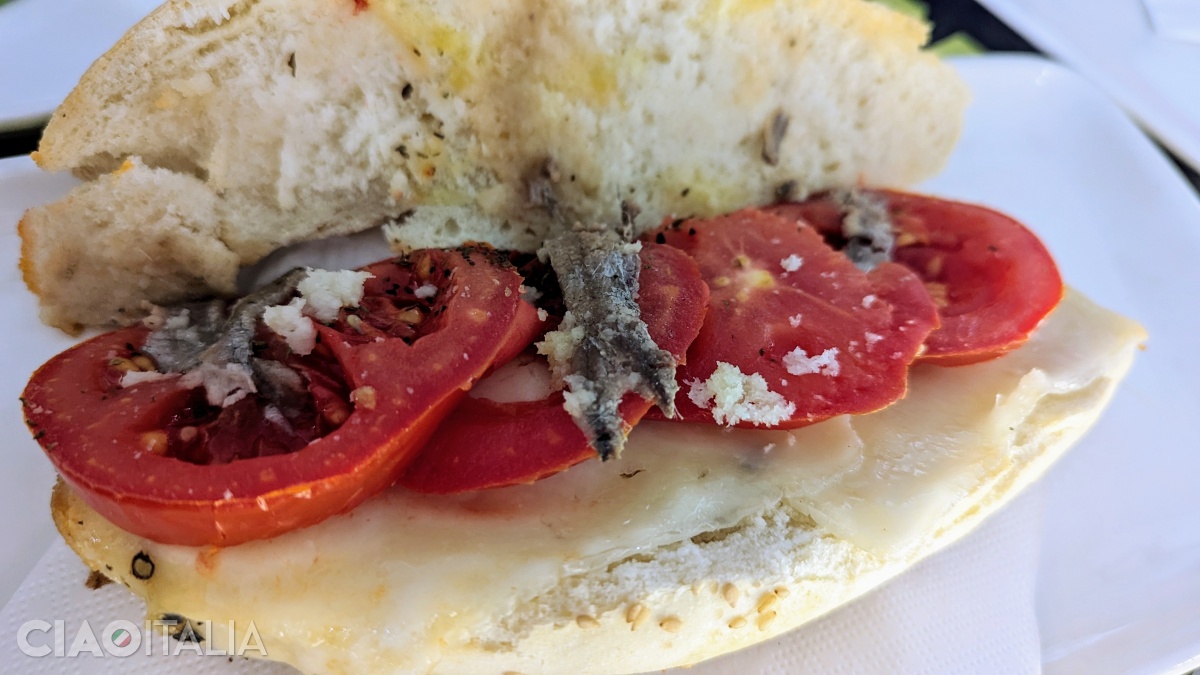
Pane cunzatu translates to "seasoned bread". It is a type of sandwich - oblong buns cut in half, often with some of the bread crumb removed and then filled with tomatoes, caciocavallo or pecorino cheese, anchovies, oil, oregano, and pepper.
Sfincione
Sfincione somewhat resembles focaccia and is mostly found in Palermo and its surroundings. It is a more porous dough topped with tomato sauce and sometimes anchovies, cheese, onions, and oregano.
Panelle and crocchè
Panelle and crocchè are other staples of Sicilian street food.
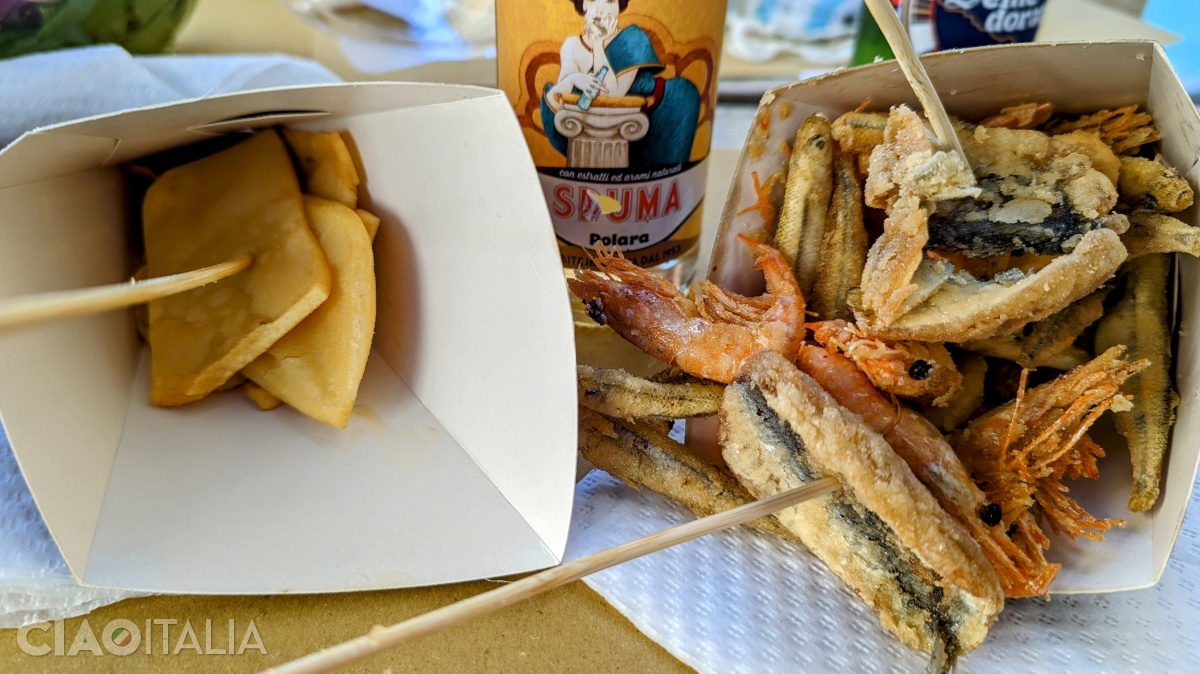
Panelle are made from chickpea flour dough, parsley, water, and salt, cut into squares and then fried.
Crocchè are potato croquettes (also seasoned with parsley).
In Palermo, you will find panelle and crocchè as a filling for the typical Palermitan sesame bun, in the form of a sandwich called 'u pani chi panelli.
Focaccia messinese
In Messina, focaccia is prepared with anchovies, tomatoes, local cheese (tuma), and lettuce.
Bolognese
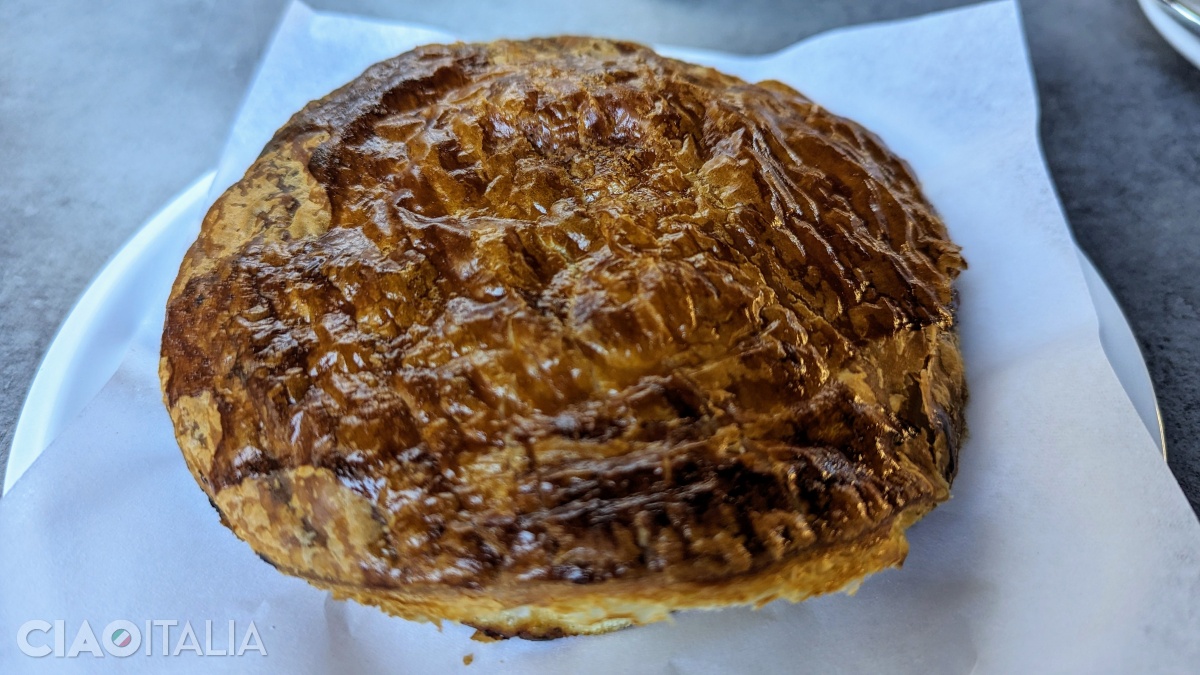
Despite the name reminiscent of Bologna, the bolognese is a pastry found in the Catania area. It is a kind of small pizza covered with a layer of puff pastry. Inside, there is either ragù (which is probably where the name comes from), or ham, cheese, and a boiled egg.
The most famous pastry shops in Catania are Savia, founded in 1897, and Spinella, which dates back to 1936. They are located next to each other on Via Etnea.
Cipollina
Also in the Catania area, you can find the cipollina, a pastry filled with onions (from which it takes its name), but also with ham, tomatoes, and provola cheese or mozzarella.
Scaccia
Scaccia is a type of rolled dough filled with various ingredients (such as prosciutto and different types of cheese) and is characteristic of the Ragusa area.
Stigghiole
Another street food dish, found especially in the historical markets of Palermo, is called stigghiole. These are a type of skewers made from lamb, sheep, or goat intestines, grilled over charcoal. The person who prepares and sells them is called lu stigghiularu in the Sicilian dialect.
Sicilian Food
Caponata
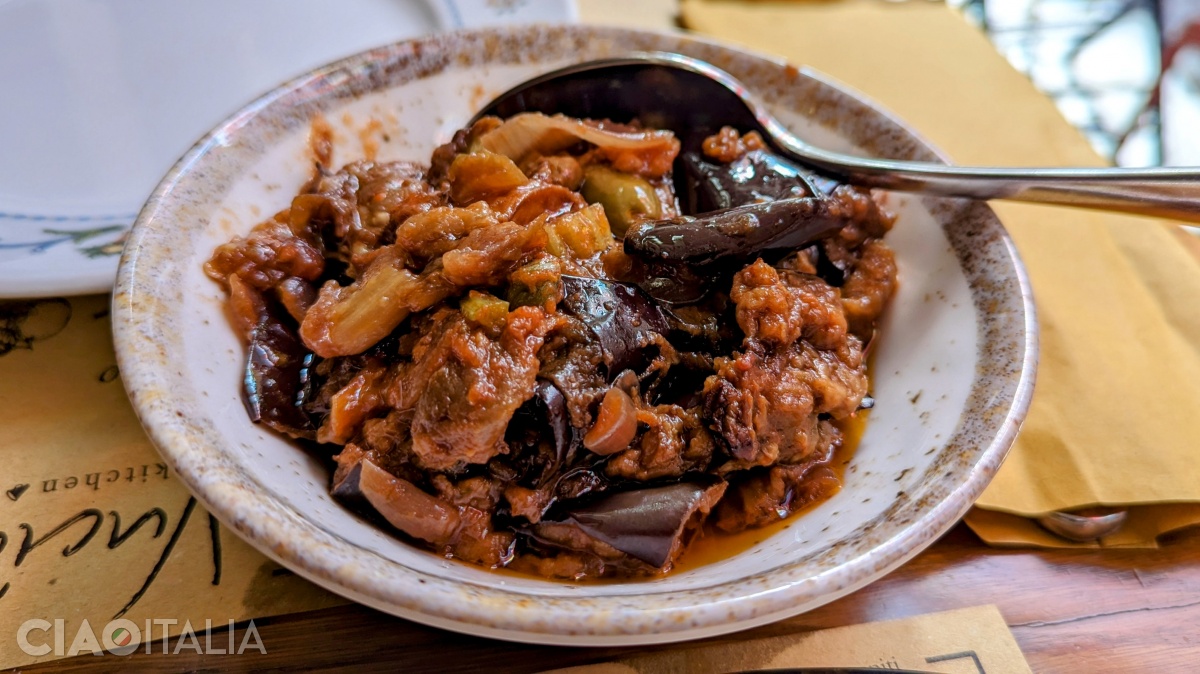
Caponata is the traditional Sicilian dish par excellence. It is a dish that, years ago, was found mainly in the homes of poor people.
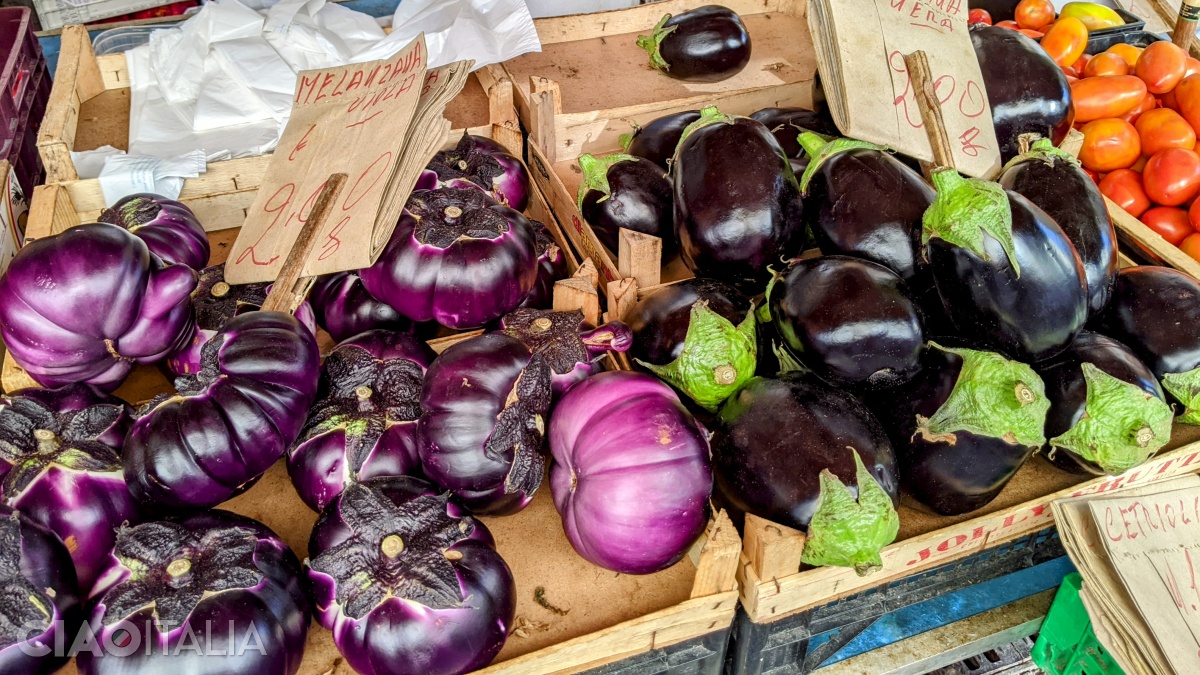
Caponata is generally prepared only from vegetables - fried eggplant, celery stalks, tomatoes, onions, olives, and capers - whose flavors intermingle and combine with a sweet and sour sauce based on sugar and vinegar.
In most restaurant menus, caponata is listed in the appetizers (antipasti) section, but it can also be a dish on its own. It is usually consumed cold.
Sarde a beccafico
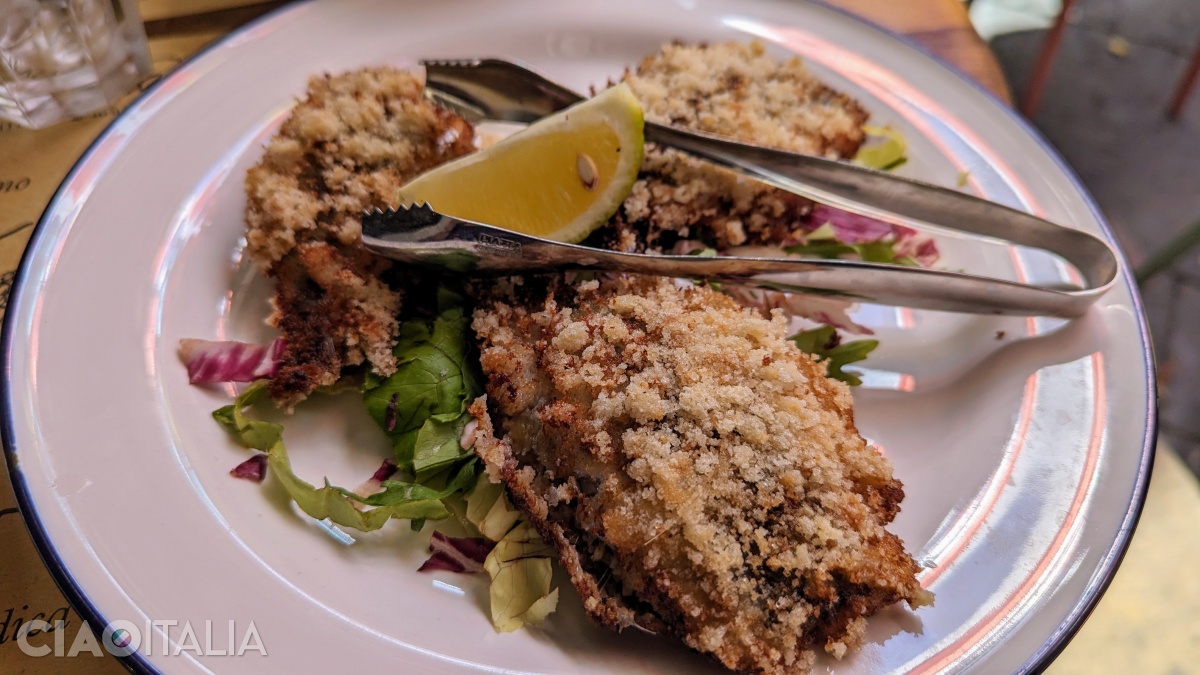
Sarde a beccafico (sardines) are also found on menus either as an appetizer or a main course. The dish takes its name from the garden warbler (beccafico in Italian), a small bird that Sicilian nobles used to hunt in the past. The bird was consumed at meals after being stuffed with a mixture of organ meats. It was a dish that common people could not afford and which they tried to imitate by using sardines, which were readily available to them, instead of the bird. Thus, were born sarde a beccafico, which you will encounter throughout Sicily with different regional variations.
From area to area, the sardines are either rolled and prepared in the oven (Palermo) or layered one on top of the other and fried (Catania).
The mixture used for coating or stuffing may contain breadcrumbs, soft breadcrumbs, garlic, parsley, caciocavallo cheese, capers, raisins, or pine nuts.
Pasta alla Norma
Norma is one of the famous works of the composer Vincenzo Bellini, who was born in Catania at the beginning of the 19th century. Giuditta Pasta, one of the most famous Italian sopranos, was the first to perform the opera in 1831 at the Scala Theatre in Milan.
The name of this dish is said to originate from this connection, after an Italian comedian compared it to the opera Norma because of its exquisite flavor.
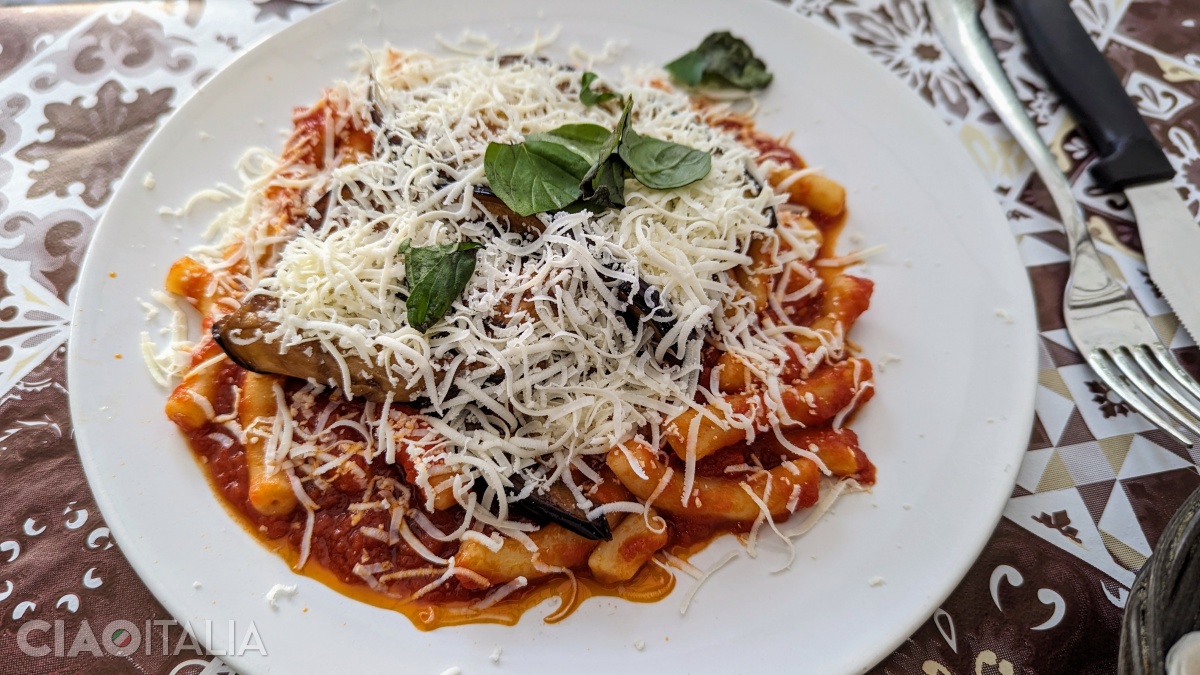
Pasta alla Norma is prepared with short pasta, fried eggplant, tomatoes, and basil, topped with a sprinkling of salted ricotta (ricotta salata).
This dish even has its own dedicated holiday: September 23rd, the day the composer Vincenzo Bellini passed away at the young age of 33.
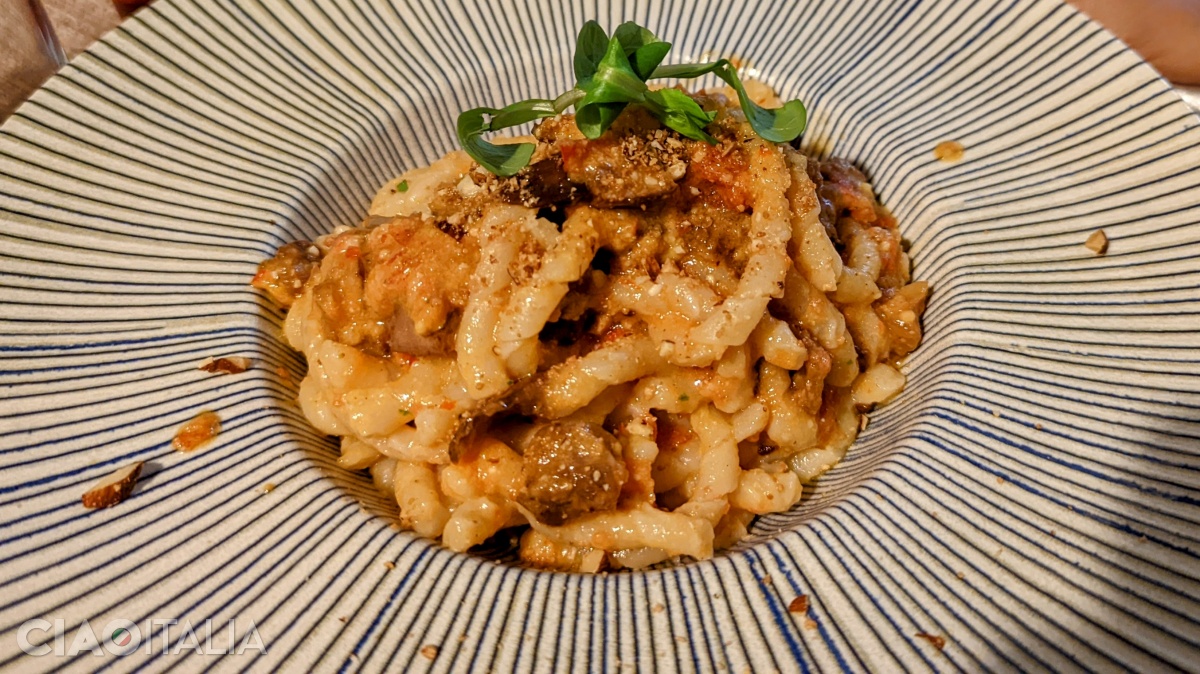
Busiate con pistacchi
Busiate are traditional spiral-shaped pasta, relatively short in length, originating from Trapani. You will frequently find them prepared with pistachios (busiate con pistacchi), as well as with various types of seafood.
Pasta con le sarde
Pasta con le sarde (pasta with sardines) is another dish originating in Palermo. It is prepared with long pasta, fresh sardines, wild fennel, pine nuts, raisins, onions, and saffron.
Spaghetti con bottarga di tonno
Spaghetti con bottarga di tonno is spaghetti with tuna roe. The roe (bottarga) is salted, pressed, and dried, resulting in a harder paste with an intense taste, which is then grated and used to season pasta or salads.
Spaghetti alla carrettiera
Spaghetti alla carrettiera is prepared with oil, raw garlic, pepper, and pecorino cheese, sometimes with tomatoes as well. They are found in eastern Sicily, and the name comes from the cart drivers (carrettieri) who used to transport goods from one place to another. Being on the road all the time, they needed a meal that could be prepared quickly with ingredients that were easy to preserve.
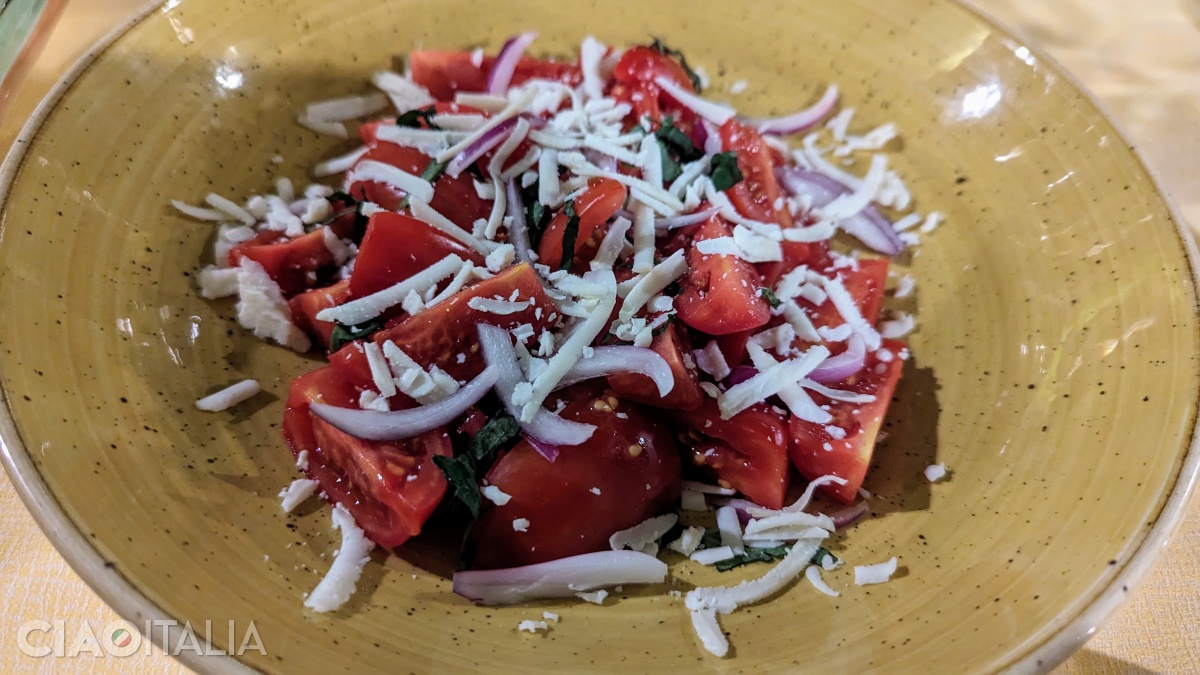
Catanian Salad
The Catanian salad (insalata catanese) is a tomato salad with red onions, seasoned with oil and oregano or basil leaves, sprinkled with salted ricotta.
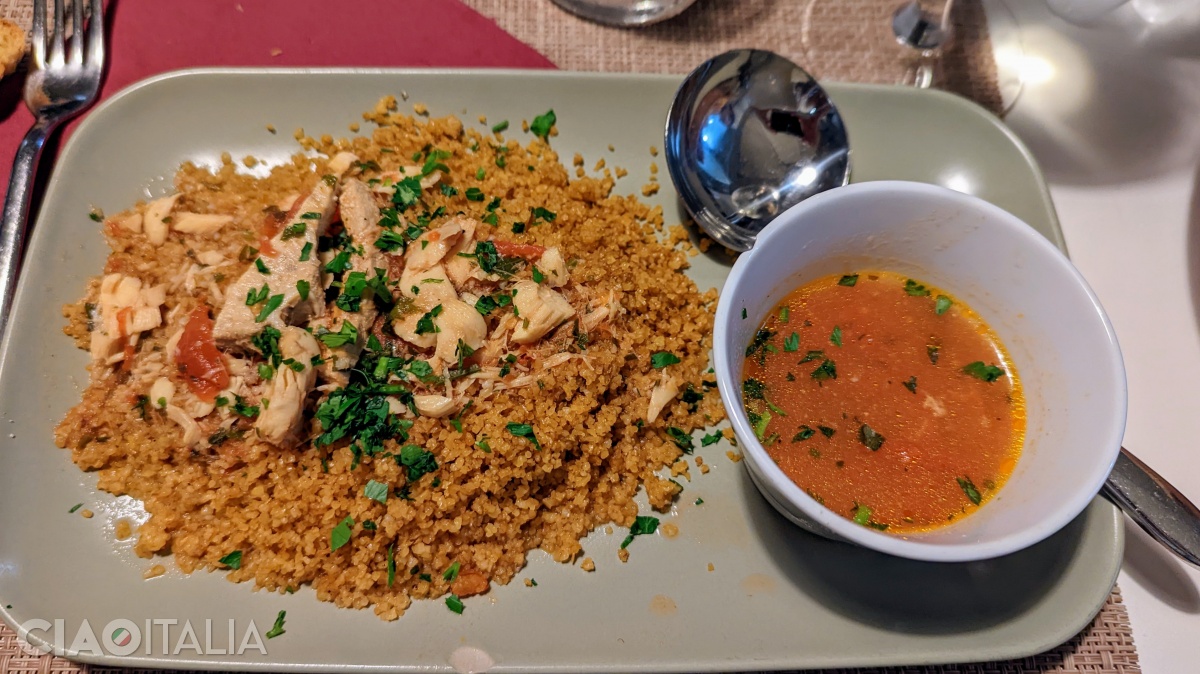
Cous cous
Couscous is a staple of North African cuisine. It arrived in Sicily during Arab rule and is characteristic today of the northwestern part of the island, especially Trapani and San Vito lo Capo, where a couscous festival is also organized.
If you take a stroll through Trapani, you will notice the existence of specialized restaurants called "couscousseries".
In Sicily, couscous is primarily prepared with fish, though it can also be made solely with vegetables.
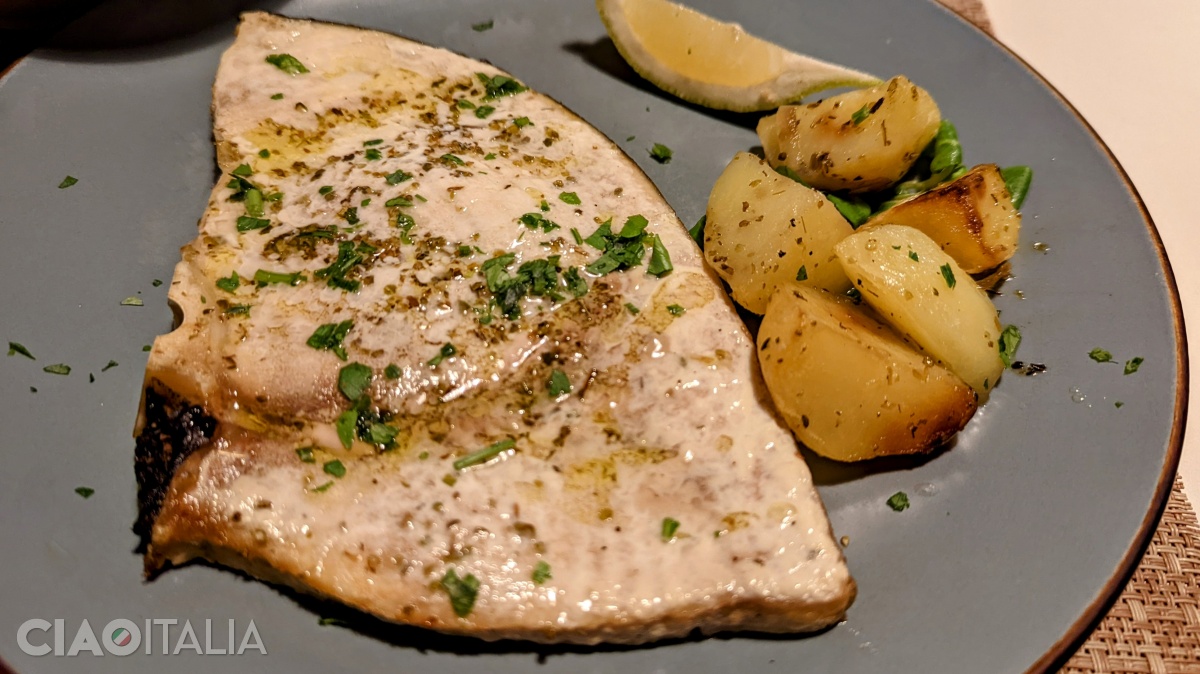
Grilled Swordfish
Swordfish is the most common fish in Sicilian restaurants, and in Acitrezza (between Catania and Taormina), it even has a dedicated festival (Sagra del pesce spada di Acitrezza) which takes place in June.
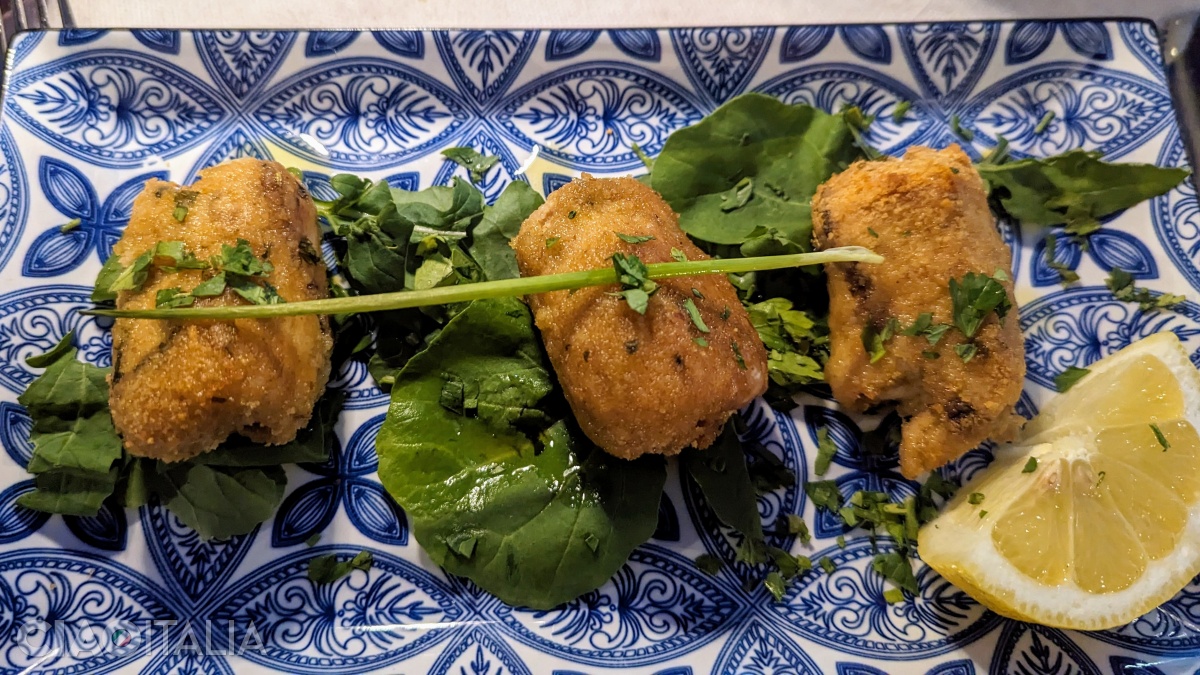
Involtini di pesce spada
Involtini di pesce spada are swordfish rolls mixed with different ingredients (breadcrumbs, soft breadcrumbs, capers, olives, mint, etc., depending on the area) and prepared in the oven.
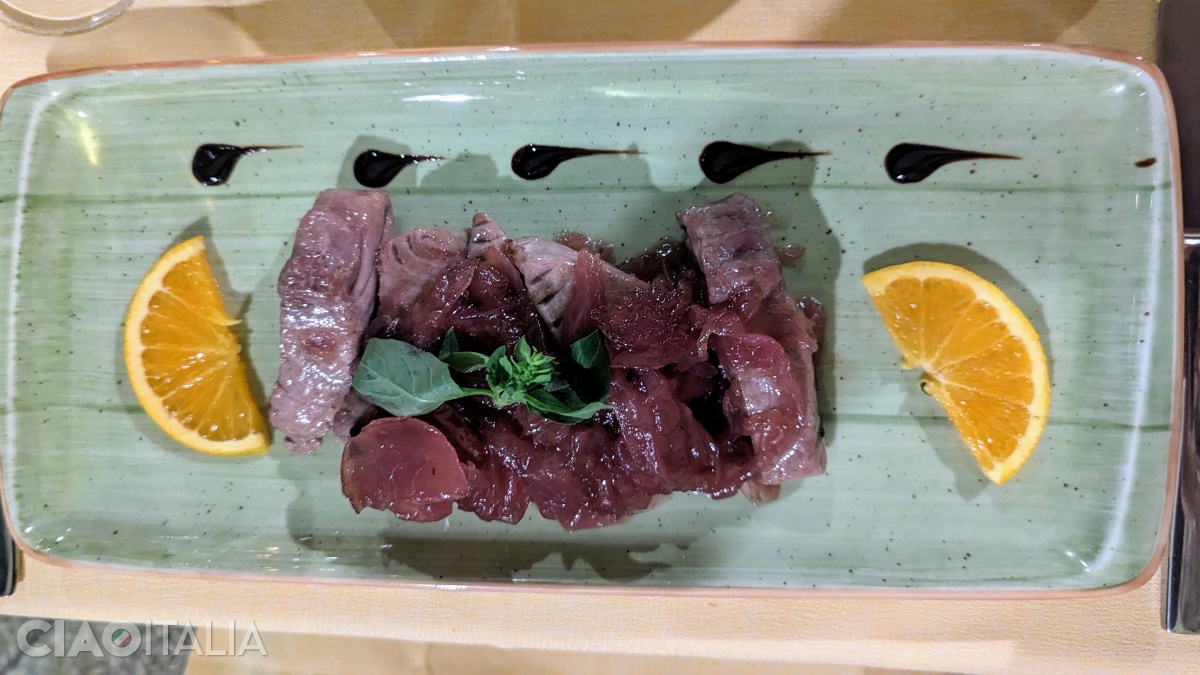
Tuna
Tuna fishing is an old tradition in Sicily, and you will find various tuna-based dishes in many restaurants. A traditional dish is tonno con cipolle in agrodolce (tuna with onions in sweet and sour sauce).
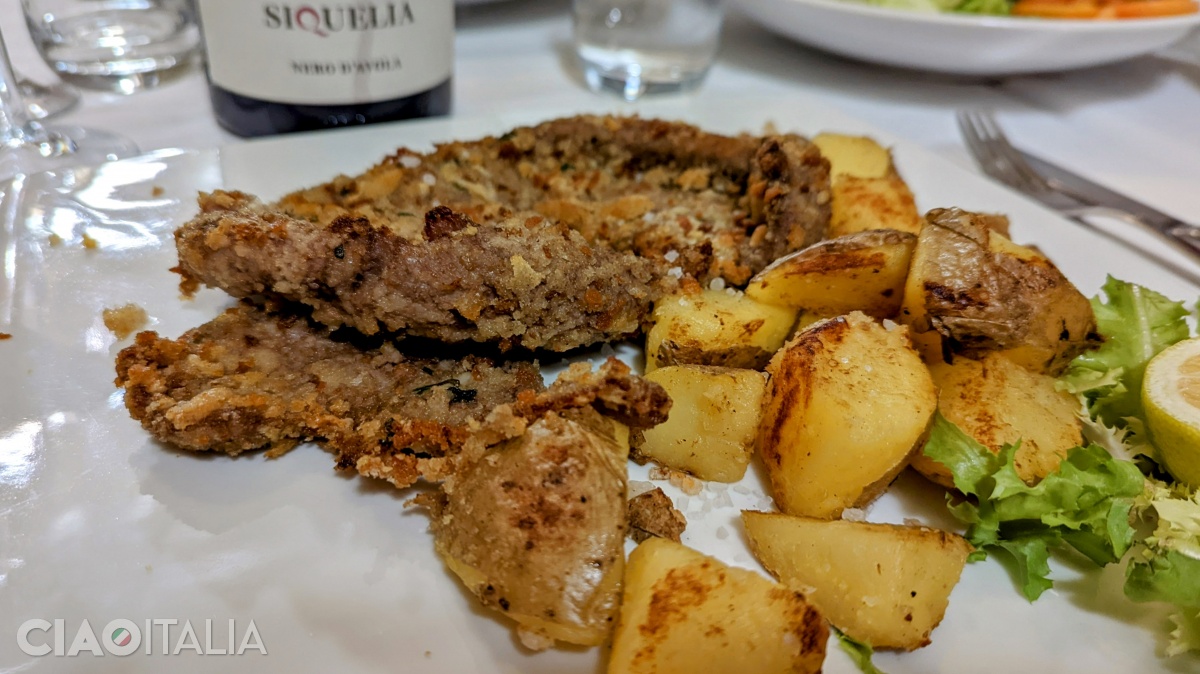
Cotoletta alla palermitana
Cotoletta alla palermitana is... the Palermitan schnitzel. Unlike the Milanese (or Viennese) schnitzel, the one from Palermo is baked or grilled, and the breading is made of breadcrumbs (without eggs), pecorino, garlic, and herbs.
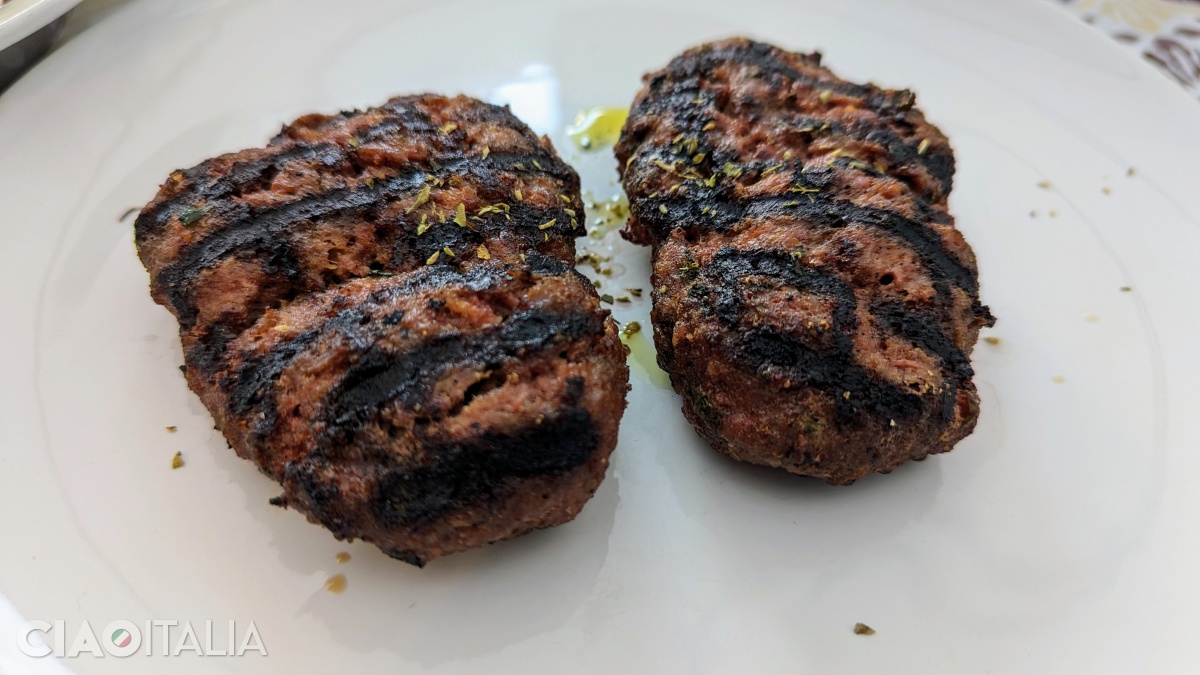
Horse meat
Horse meat is traditionally consumed in Catania, where you will find horse meat meatballs and sausages in many restaurants. The most famous street, full of (unpretentious) butcher shops grilling meat, is Via Plebiscito.
Desserts from Sicily
Cannolo
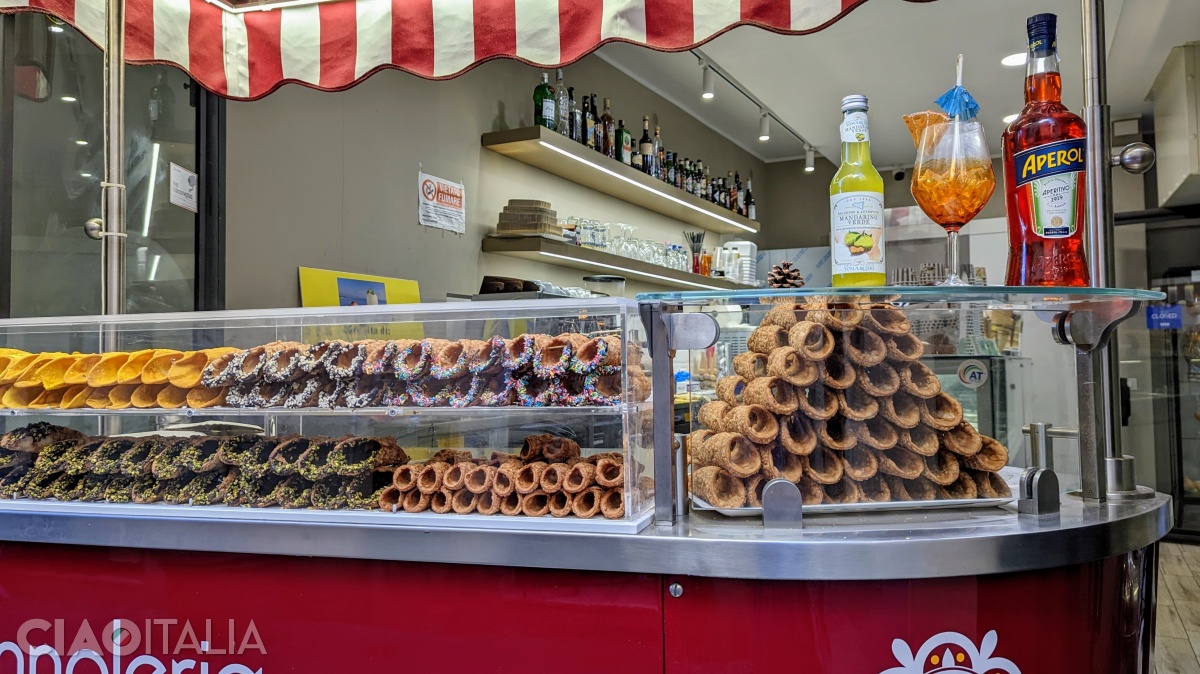
You've likely eaten a cannolo in various places before, but here, a cannolo isn't just any cannolo - it's the cannolo siciliano, the undisputed star of Sicilian pastry.
Traditionally, a cannolo is filled on the spot when you buy it, ensuring the shell remains crunchy and doesn't get soggy from the ricotta filling. In fact, that is exactly what makes this dessert so special: the contrast between the crispy fried dough and the smooth, delicate mixture inside. Therefore, out of the many pastry shops in Sicily offering cannoli (the plural of cannolo), choose the ones where the shells are not already filled.
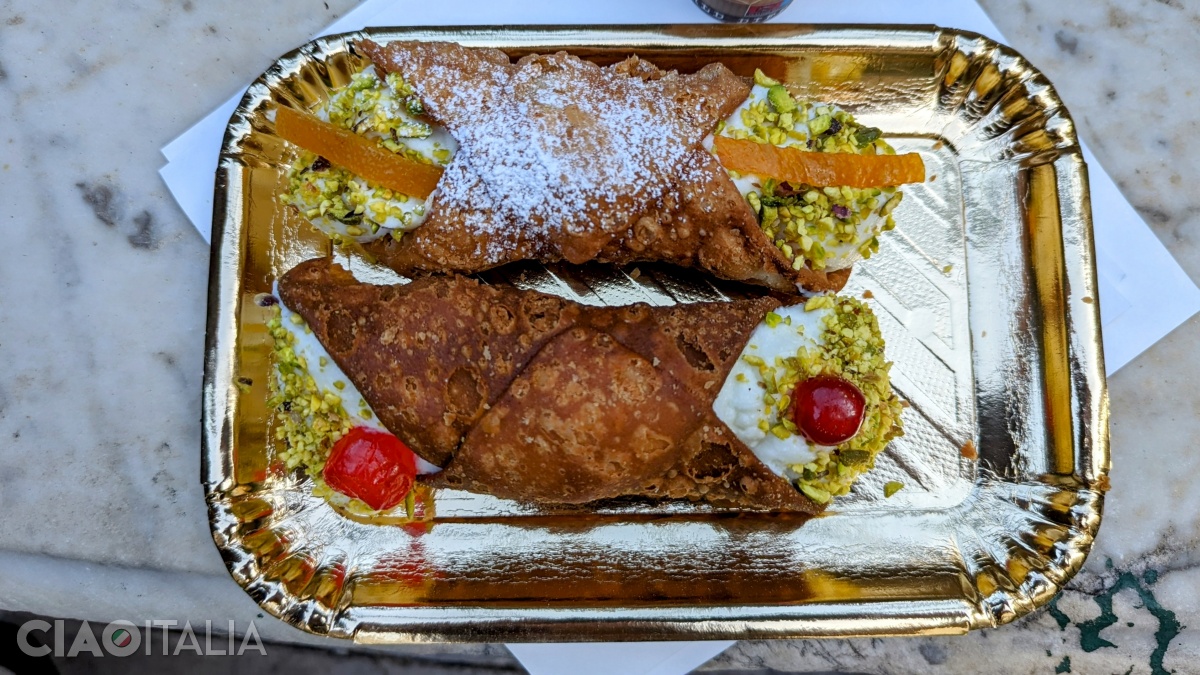
The cannolo is sprinkled with pieces of candied orange, crushed pistachio, or chocolate chips.
Although the cannolo was once a dessert consumed only during the carnival season, its popularity has led it to be prepared at any time, regardless of the time of year.
Cassata
Despite the sound of its name, which might evoke thoughts of ice cream, cassata is actually a cake. And a world-famous one in fact.
Much like the cannolo, cassata is based on sweet ricotta cheese, combined with sponge cake and marzipan to create a dessert in pastel tones, decorated with candied fruits.
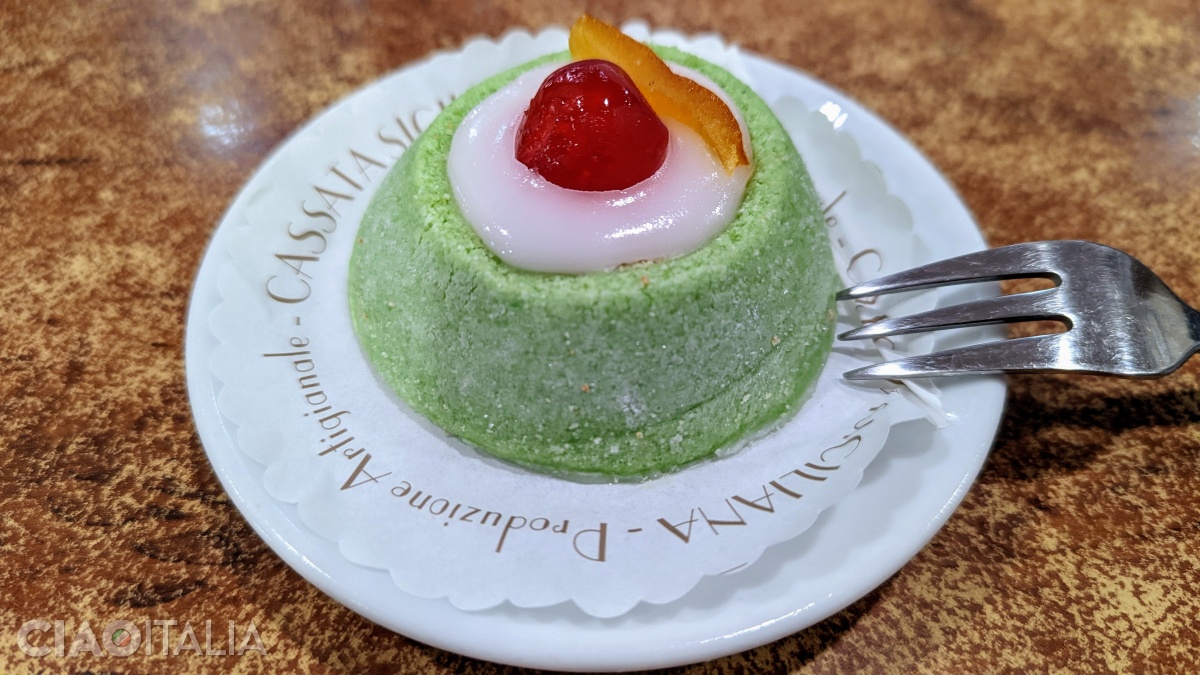
In its smaller version, cassata is affectionately called cassatina.
Minnuzze di Sant'Agata
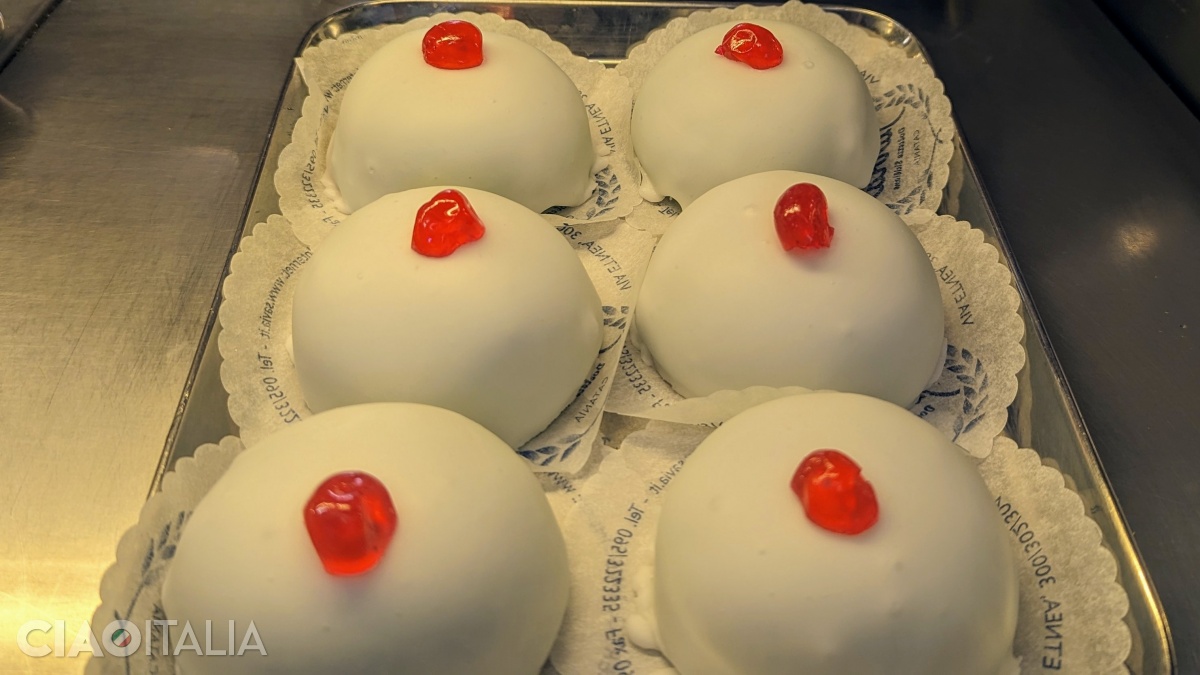
Minnuzze are also a type of cassatine, but white in color with a candied cherry in the middle, and are specific to the Catania region. They are shaped like a breast - minna or minnuzza (the diminutive) means exactly that. They are prepared in honor of Saint Agatha, the city's patron saint, whose feast is celebrated in early February. According to tradition, the saint refused the advances of a Roman consul. Enraged, he ordered her breasts to be torn off with pincers, but the saint was miraculously healed.
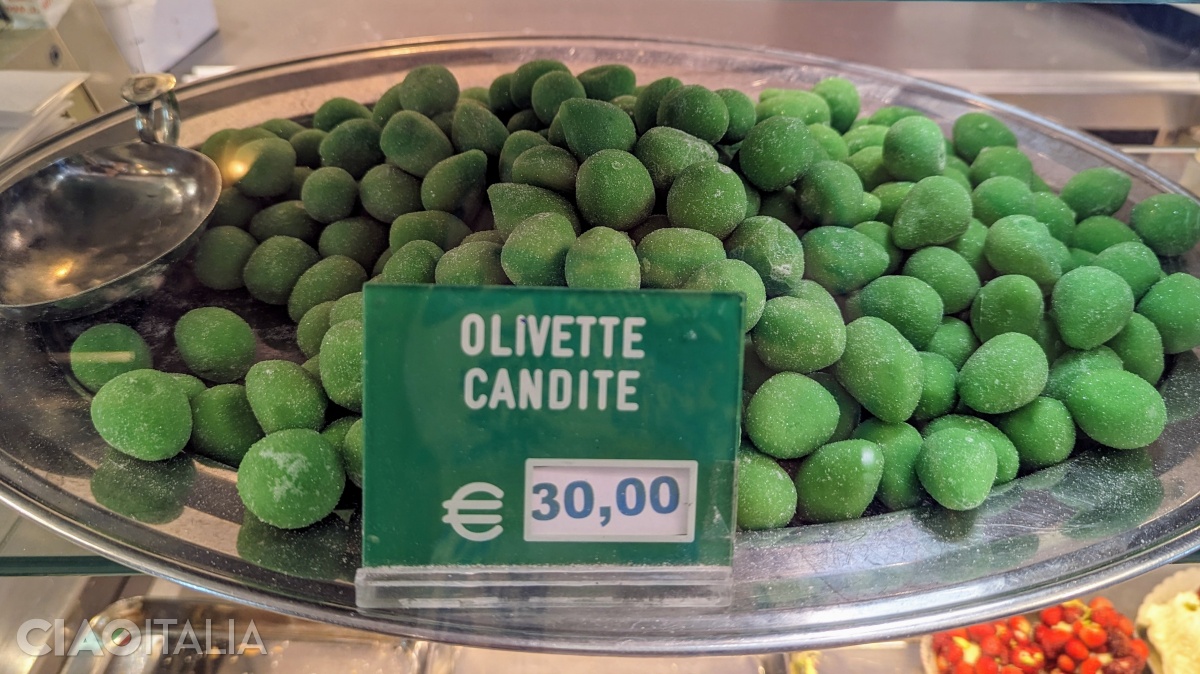
Olivette di Sant'Agata
Olivette ("little olives") are also linked to the name of Catania's patron saint. They are shaped like green olives but are sweet and made of almond paste.
Brioche con gelato
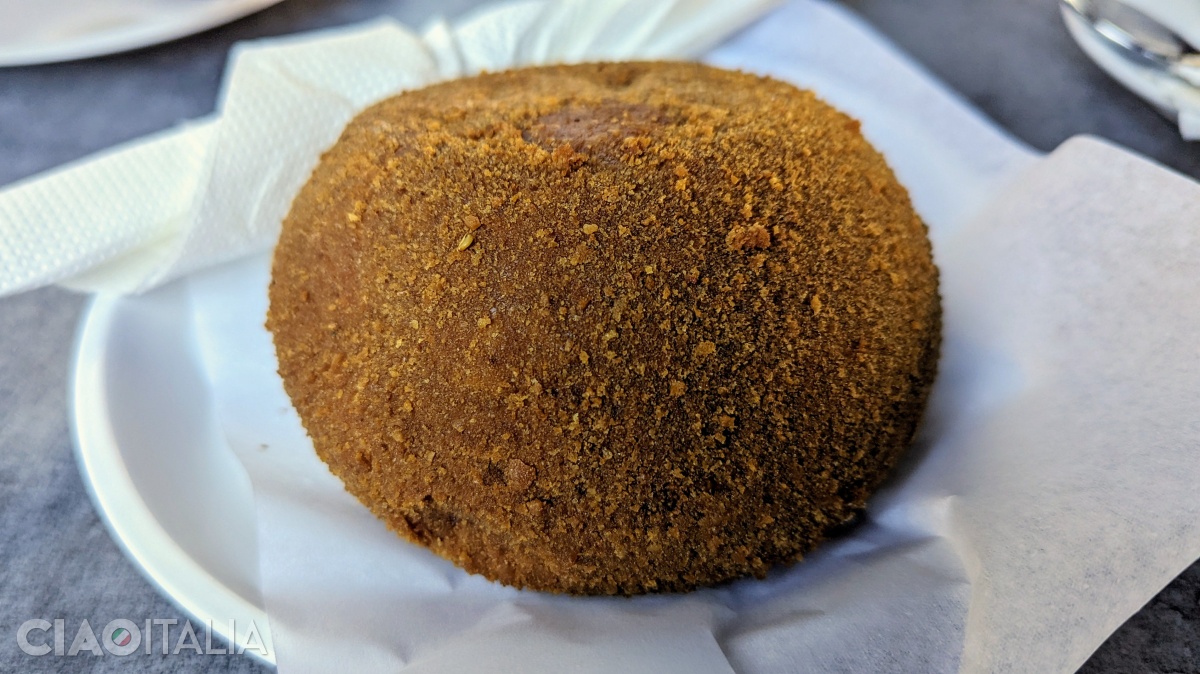
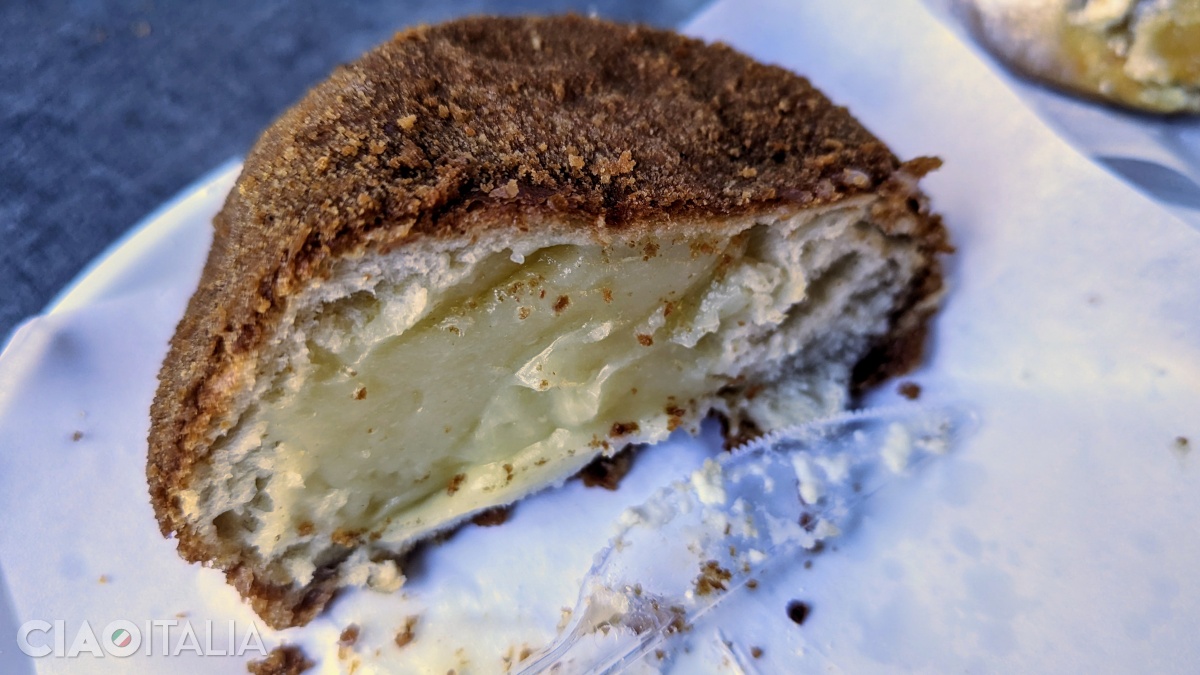
It may sound strange...but in Sicily, it is quite common - a brioche with ice cream inside - in other words, a sort of ice cream... burger.
In the rest of Italy, when you ask for a brioche, you will usually receive a croissant. In Sicily, however, the brioche is a round bun made of sweet dough, topped with a sort of cap (tuppo).
Pasta di mandorle
Pasta di mandorle are almond biscuits found all over Sicily. If you choose to take a boat trip to Isola Bella, these biscuits will most often be offered to you.
Iris
Iris is a type of (delicious) donut filled with vanilla cream or chocolate cream.
Watermelon Pudding
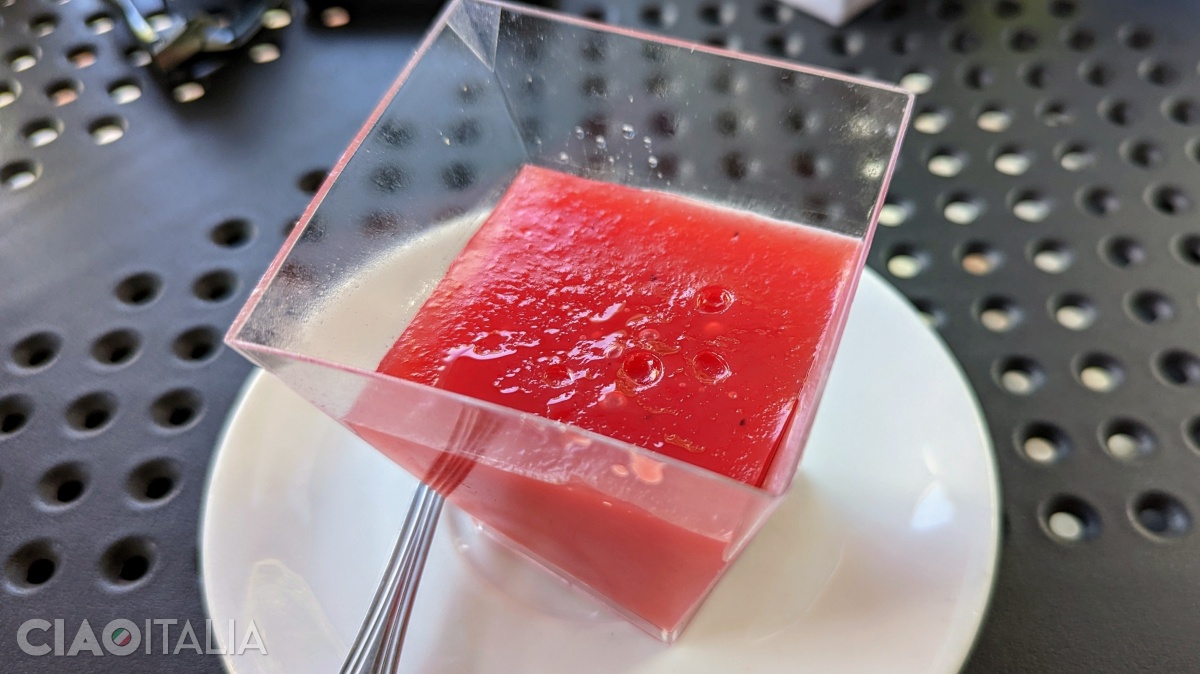
Watermelon pudding, with Arabic origins, is an appetizing and refreshing dessert, perfect for enjoying on hot summer days.
Genovesi di Erice
Genovesi are sweet, round biscuits filled with vanilla cream, typical of the town of Erice in western Sicily.
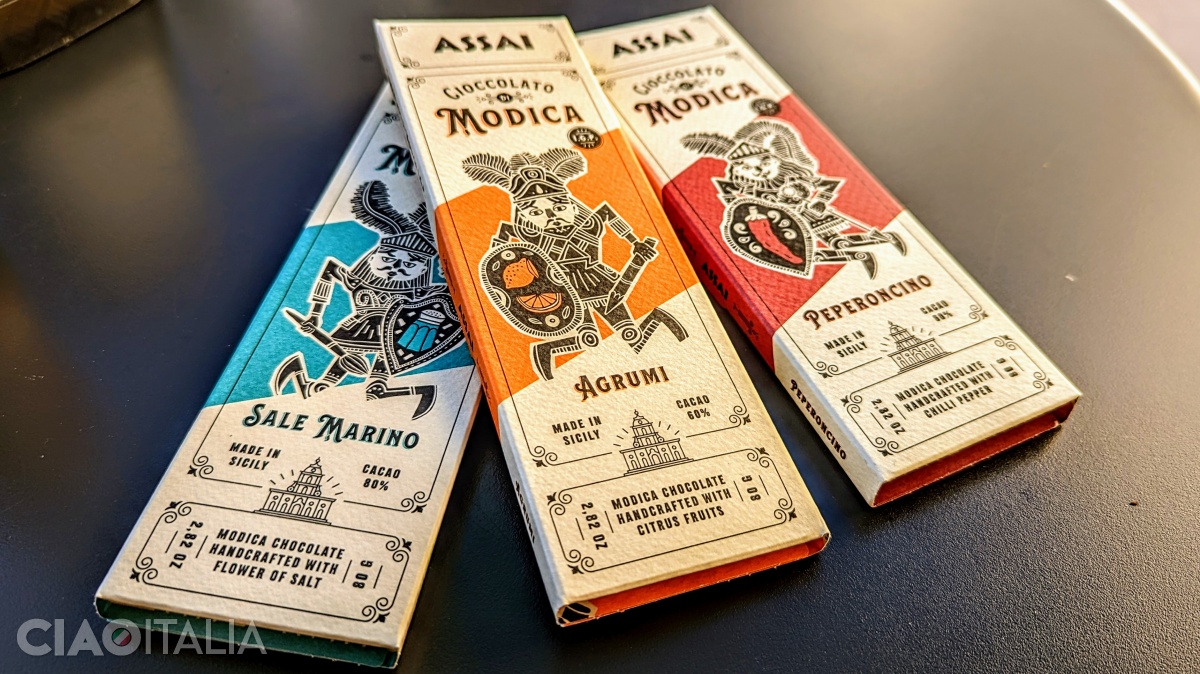
Chocolate from Modica
The small town of Modica is famous not only for its Baroque architecture but also for the production of artisanal chocolate. The chocolate is dark, with a high cocoa content, and is prepared with all kinds of candied fruits, pistachios, etc.
Pistachio Croissants
We left pistachio cream croissants for last, but they are actually the first thing you should start your day with. They are found in almost all pastry shops and, along with a coffee or a cappuccino, make a delicious and energizing breakfast.
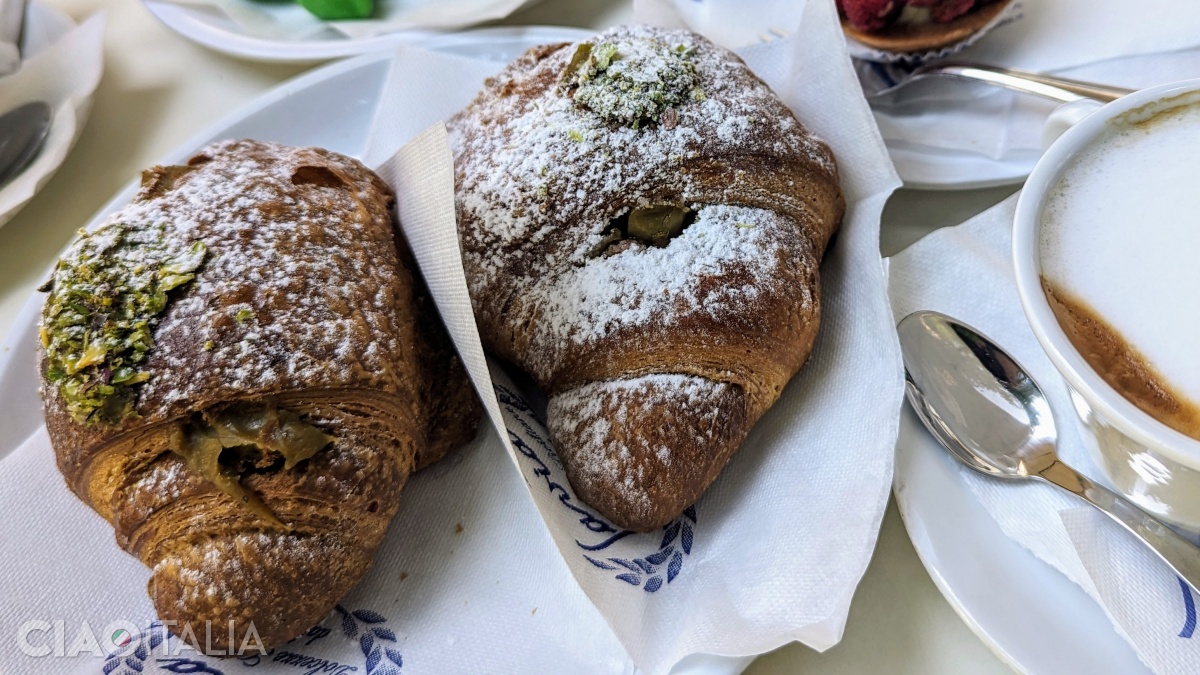
Pistachios occupy a special place in Sicilian gastronomy and are used in many desserts and dishes. The pistachio from Bronte (a village on the slopes of Etna) is a PDO (protected designation of origin) product and is called "green gold". Every autumn, the Pistachio Festival takes place in Bronte.
Sicilian Drinks
Wines from Sicily
A tasty meal should be accompanied by a good wine. And Sicily has no shortage of excellent wines, some of which are internationally renowned. Does the name Marsala sound familiar? It is the wine used in the original recipe for the famous tiramisù.
Marsala is actually the name of a small town in western Sicily where these fortified wines originate; you can find them in both red and white varieties, ranging from dry to sweet. Marsala was the first Italian wine to receive the DOC (Denominazione di Origine Controllata) status.
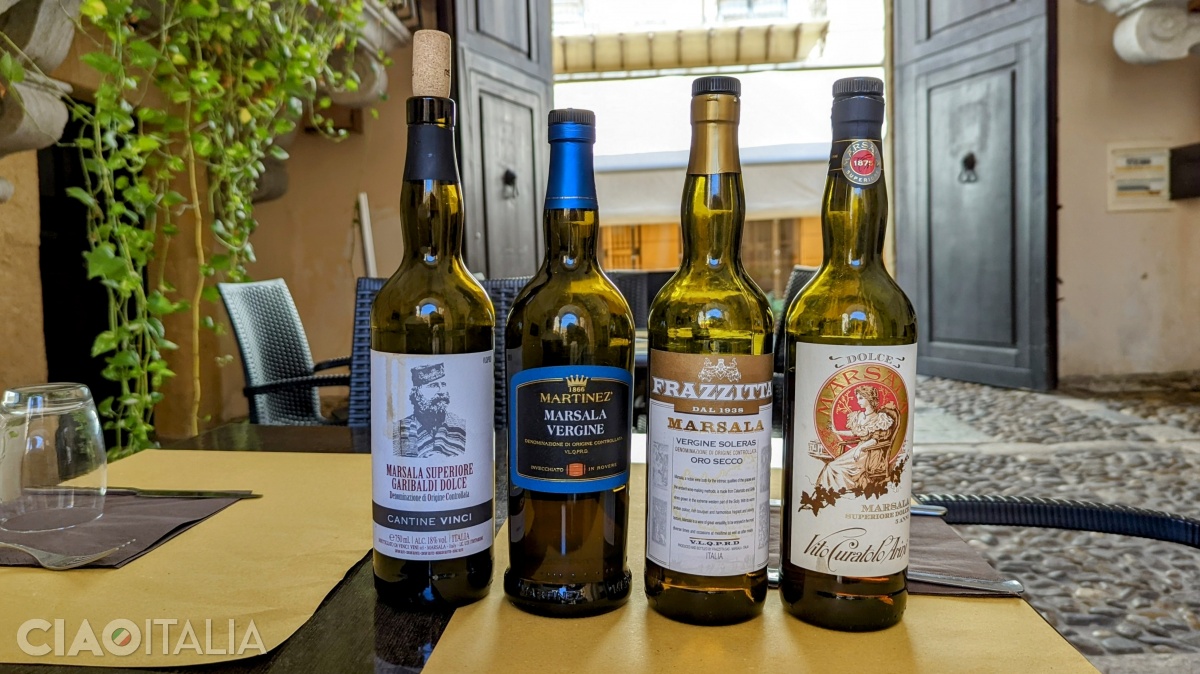
A well-known sweet wine is Zibibbo (Muscat of Alexandria), produced in the Trapani area and especially on the island of Pantelleria. It has a golden color, a distinct aroma, and pairs beautifully with almond-based desserts.
Another internationally recognized wine is Nero d'Avola, a red wine similar to Syrah, which takes its name from a town in the eastern part of the island.
The wines produced by the vineyards blanketing the slopes of Mount Etna are also renowned, as the climate there is particularly favorable for viticulture.
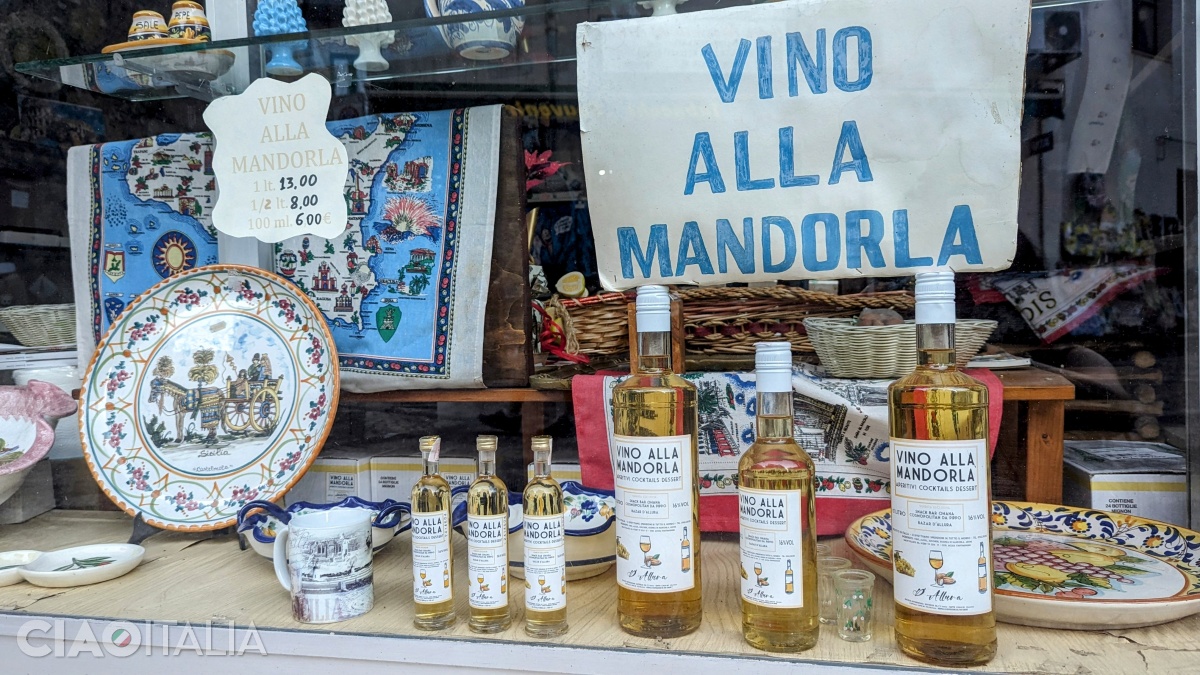
If you find yourself in the hilltop village of Castelmola, located about 5 km away from Taormina, try the vino alla mandorla - a sweet wine flavored with almonds and herbs. It is often offered as a dessert wine at the local restaurants.
Sicilian Beer
The most well-known Sicilian beer is Birra Messina, which has been produced on the island since 1923. The current beer is an unfiltered lager, made according to a special recipe using salt crystals from the salt pans near Trapani.
In Sicily, you will also find many local craft beers.
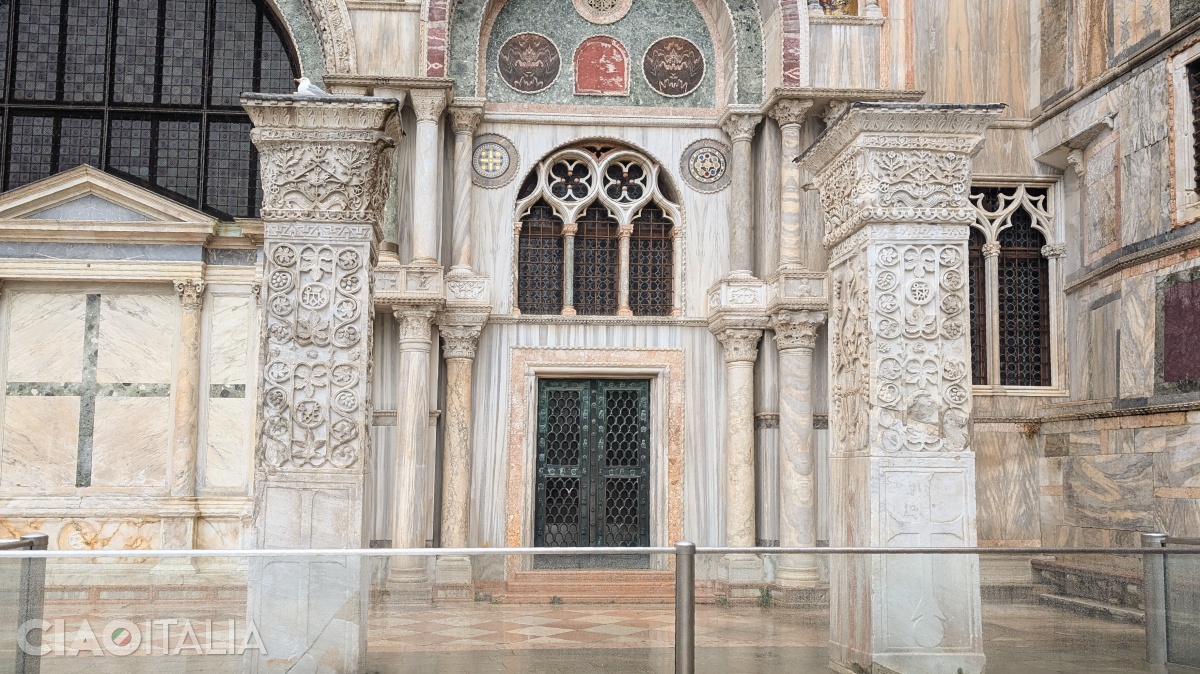
Liqueurs
Sicilian liqueurs are among the most appreciated in Italy, and the island has a long tradition in manufacturing them. Among them are pistachio liqueur, tangerine liqueur, melon liqueur, limoncello, but also various amaro digestive drinks.
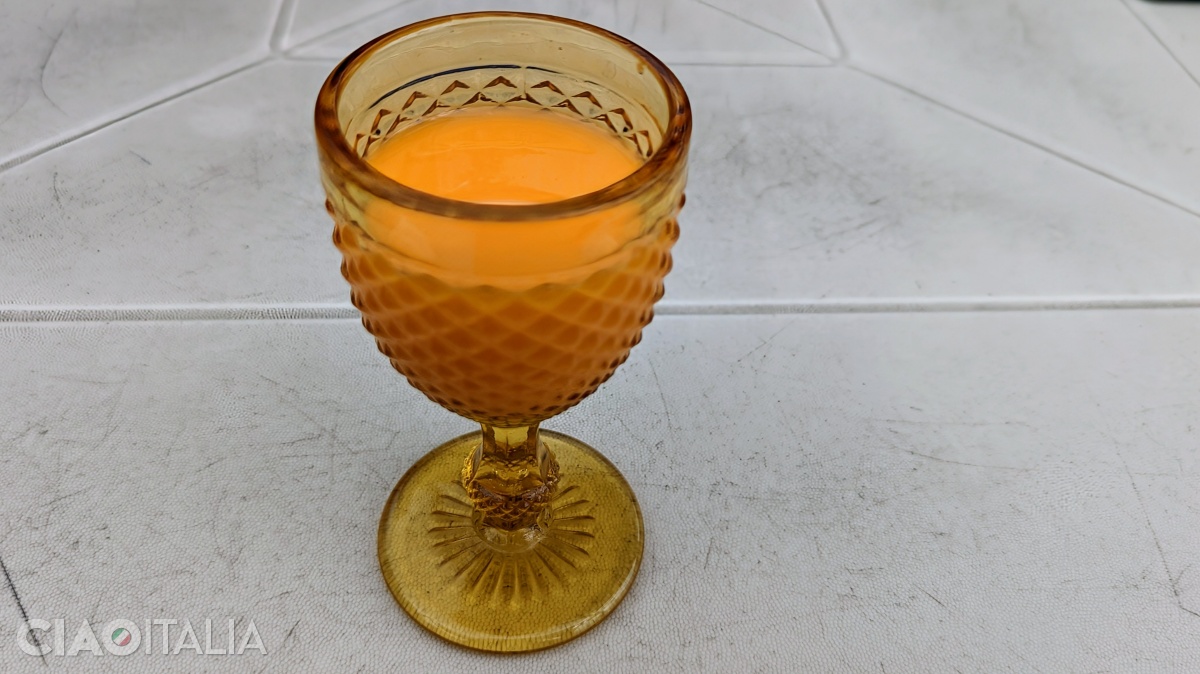
Granita
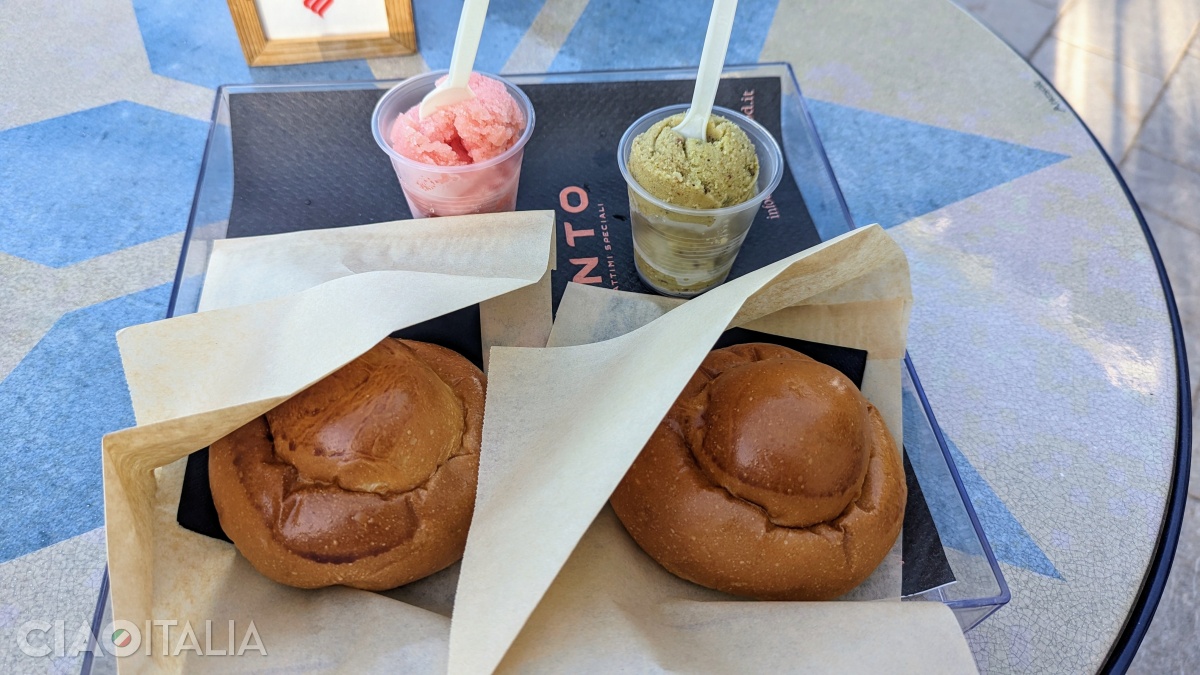
Granita, very commonly found in other parts of Italy as well (but with Sicilian origins), is the definitive drink of the summer months. It is a semi-frozen treat prepared with water and sugar. There are dozens of granita flavors: lemon, pistachio, coffee, chocolate, almond, mulberry, peach, strawberry, and more.
Traditionally, Sicilians enjoy it in the afternoon alongside the classic brioche found everywhere in Sicily's pastry shops.
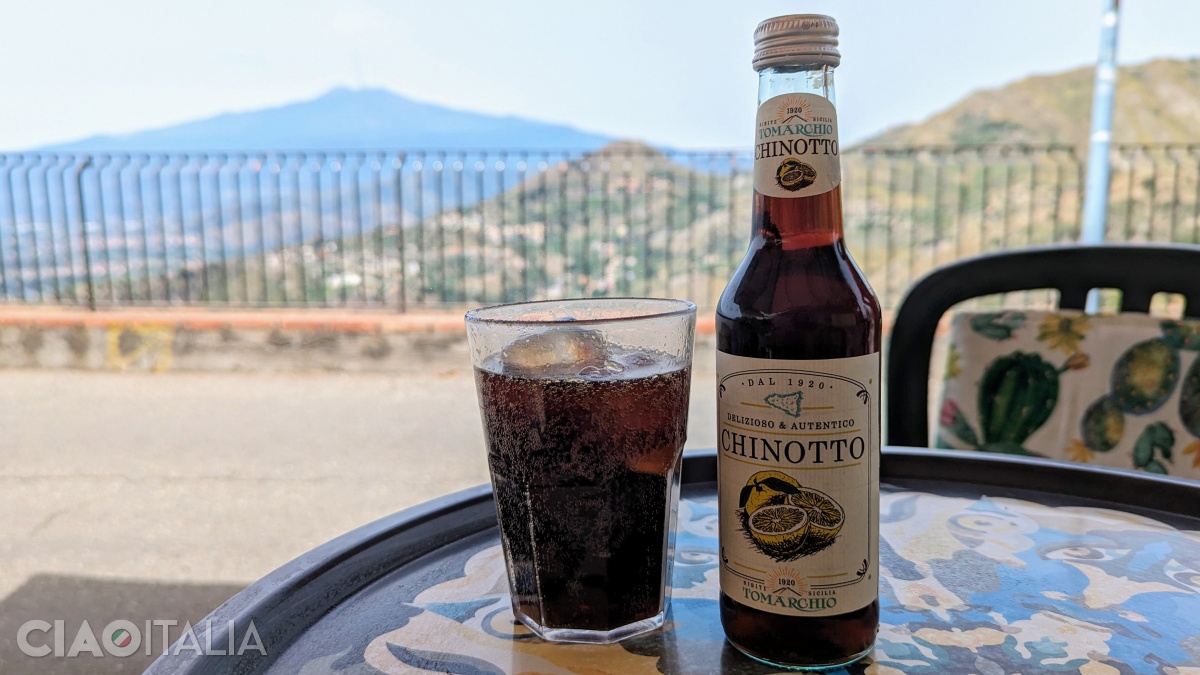
Chinotto
Chinotto is a refreshing drink, similar in color to Cola and with a bittersweet taste, perfect for hot summer days. It is obtained from the fruit of the same name (Citrus myrtifolia), from the citrus family.
Limonata, aranciata, cedrata, and more
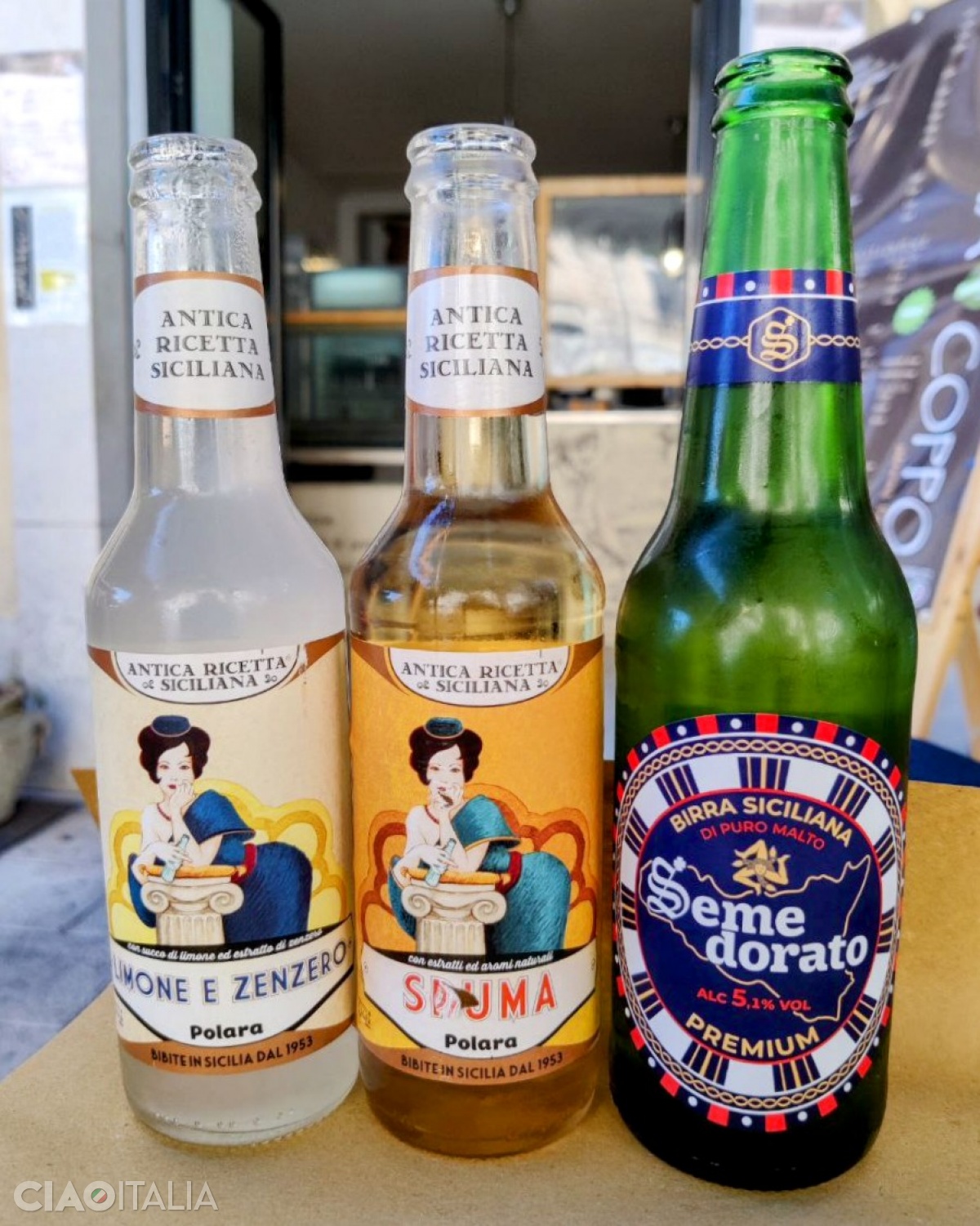
Besides chinotto, there are many other refreshing drinks. Try the artisanal versions - limonata (lemonade), aranciata (orangeade), cedrata (made with citron extract), mandarino (mandarin), or spuma, a carbonated drink prepared from caramel and various extracts, such as rhubarb, lemon, orange peel, and vanilla.
Seltz
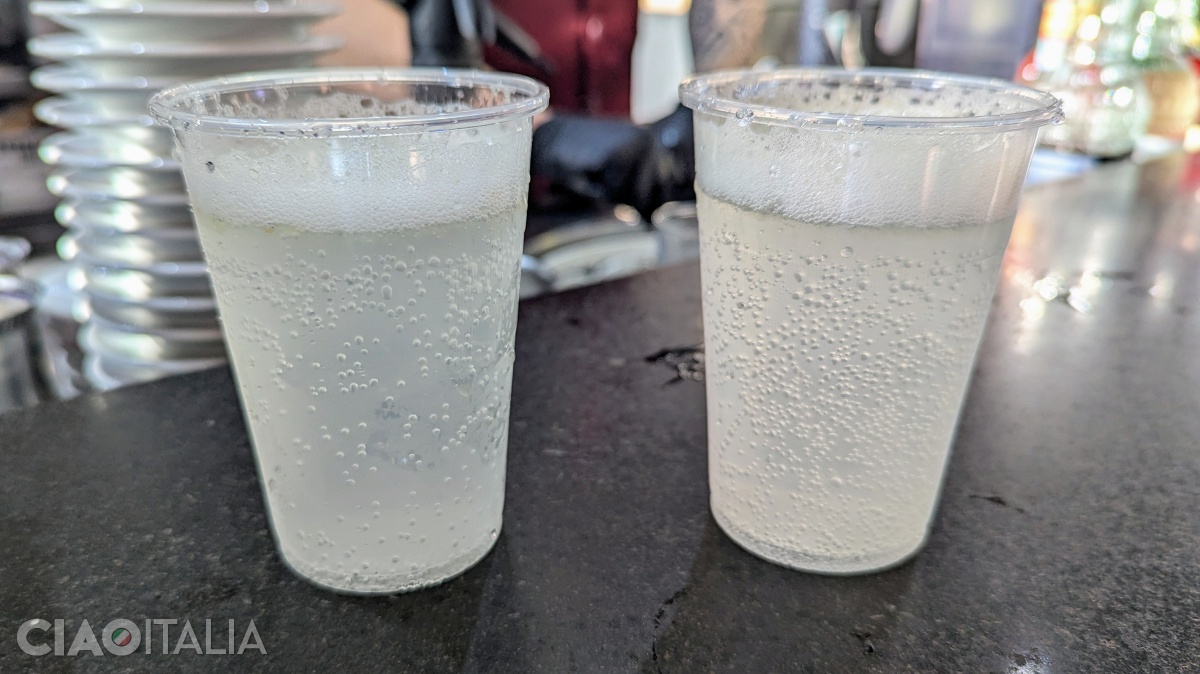
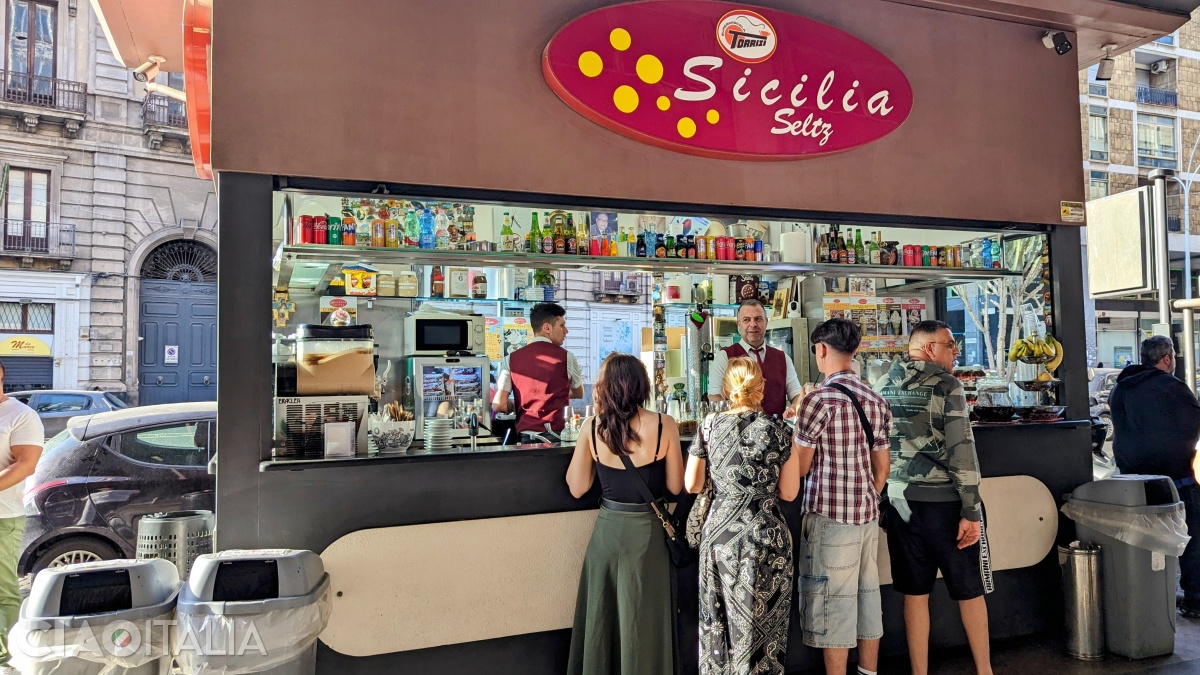
Seltz is another type of lemonade specific to the Catania area. It is actually a digestive drink prepared with lemon juice, mineral water, a bit of baking soda, and a pinch of salt. It is sold at the kiosks throughout the city.
Natural Juices
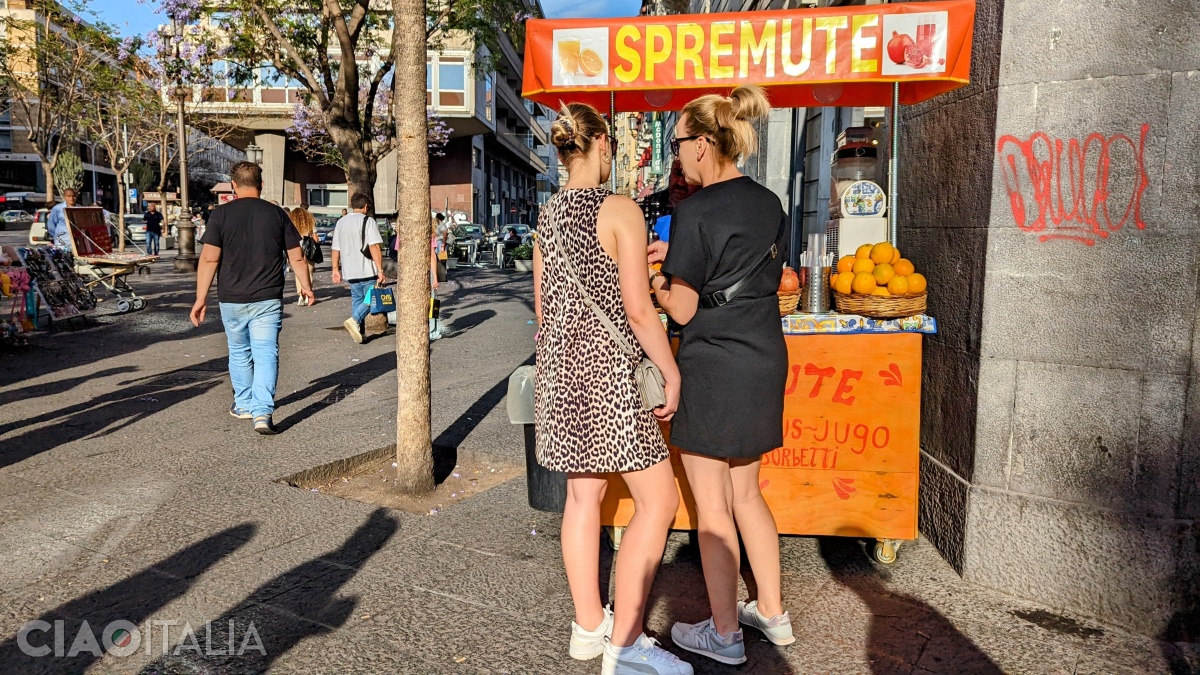
The markets of Palermo and Catania abound with stalls overflowing with pomegranates and oranges, from which delicious fresh juices are made (in Italian, these are called spremute - freshly squeezed juices)