What to Eat in Bologna?
It is said that the food in Bologna is the best in all of Italy. The city earned its nickname as early as the Middle Ages - la grassa ("the fat one") - and is a symbol of Italian gastronomy. What Pellegrino Artusi, the author of the most famous cookbook in the peninsula ("Science in the Kitchen and the Art of Eating Well"), wrote back in 1891 is just as true today: "When you hear people talking about Bolognese cuisine, bow your head in respect, because it deserves it".
Bologna is a city that is discovered first and foremost through taste, and the locals are very proud of their gastronomy. More than 30 traditional recipes of local dishes are preserved at the Chamber of Commerce, which is housed in the beautiful Palazzo della Mercanzia.
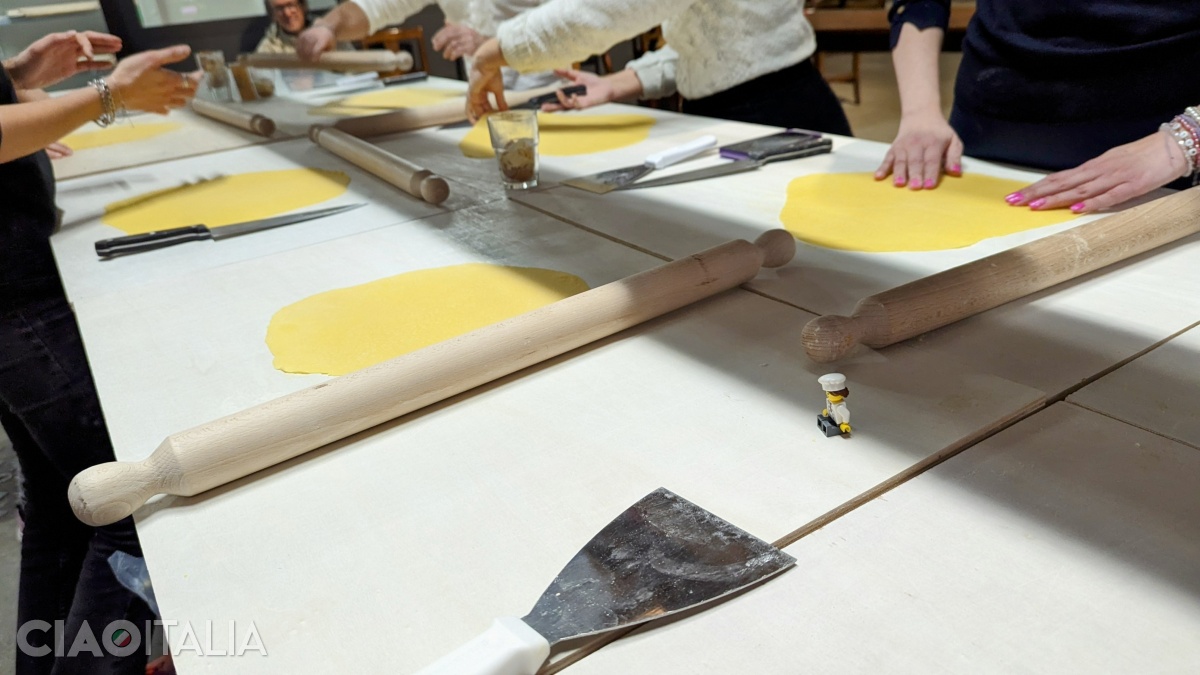
We will start with a warning: forget about dieting if you're going on vacation to Bologna (this applies generally to the entire Emilia-Romagna region). Traditional Bolognese food is heavy, high in calories, but incredibly tasty. Meat holds a place of honor, but also fresh, handmade pasta. Since ancient times, the women who made pasta were called sfogline, and today there are specialists who practice the profession of sfoglino, preparing the dough and shaping the pasta in Bologna's restaurants according to all the rules of tradition.
This is the birthplace of mortadella sausage, tagliatelle, tortellini, tortelloni, and ragù alla Bolognese sauce. Locals say that Bologna can be summed up in three dishes: tortellini in brodo, tagliatelle al ragù, and lasagna verde.
Snacks and Street Food
Mortadella
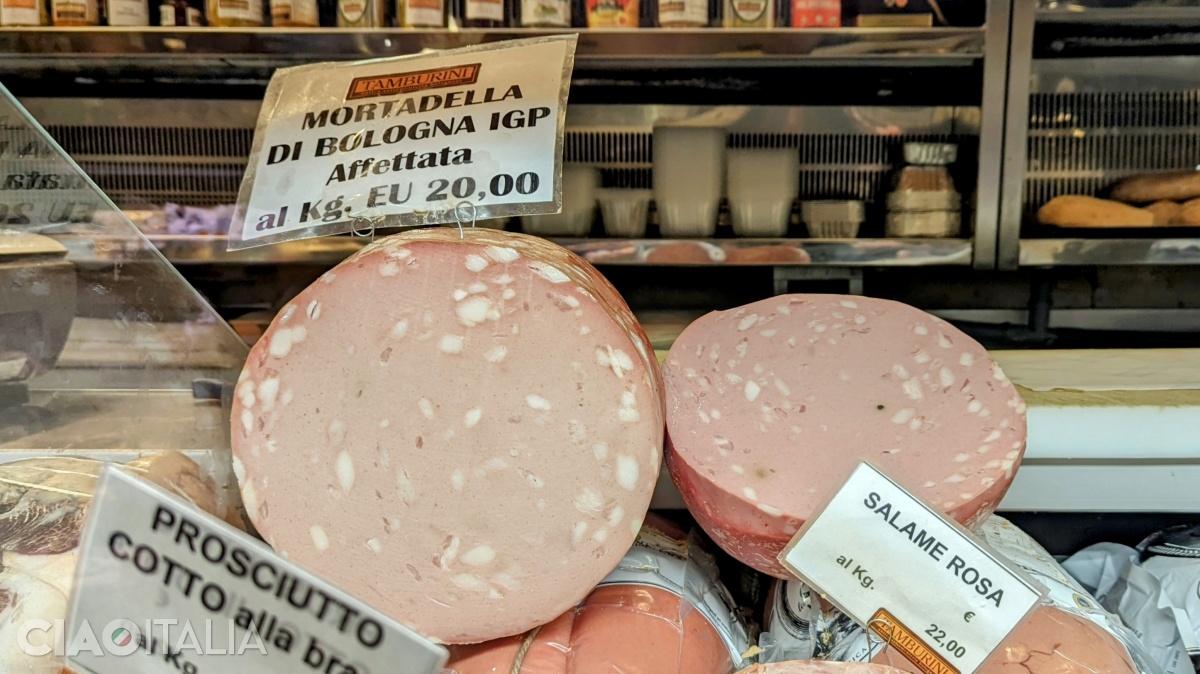
Even if you're only in Bologna for a day, a quick stroll through the city center is enough to see mortadella sausages proudly displayed in every food shop.
Mortadella is made exclusively from finely ground pork, mixed with cubes of fat from the pig's neck and spices, then cooked very slowly. Some mortadella sausages can reach a weight of 100 kg and a diameter of 40 cm. The largest mortadella ever recorded in the Guinness World Records was produced in 2016 by Gino Venturi. It measured 6.25 meters and weighed 920 kg!
Mortadella was born in Bologna, in ancient times. On a Roman-era stone relief, seven pigs are shown being led to pasture on one side, and a mortar with a pestle on the other. It is believed that this may be evidence of mortadella production dating back to those times. Even the name is thought to derive from the Latin word mortarium, which was the vessel (a mortar) in which meat was crushed into a paste and mixed with salt and spices that gave it its distinctive flavor.
According to another theory, the name comes from myrtatum, referring to myrtle, the main spice used in the original filling.
The first recorded recipe for mortadella comes from the early 17th century. It was an expensive, high-quality product that only the wealthy could afford. Large-scale production didn't begin until the 19th century, when mortadella became an accessible and much-loved food across Italy, now found in delicatessens throughout the peninsula.
Bolognese mortadella is a PGI product (Protected Geographical Indication), which means it must meet specific production and quality standards. Although it is also produced in neighboring regions, mortadella has become so closely associated with the city's name that in other parts of Italy, the sausage is simply called Bologna.
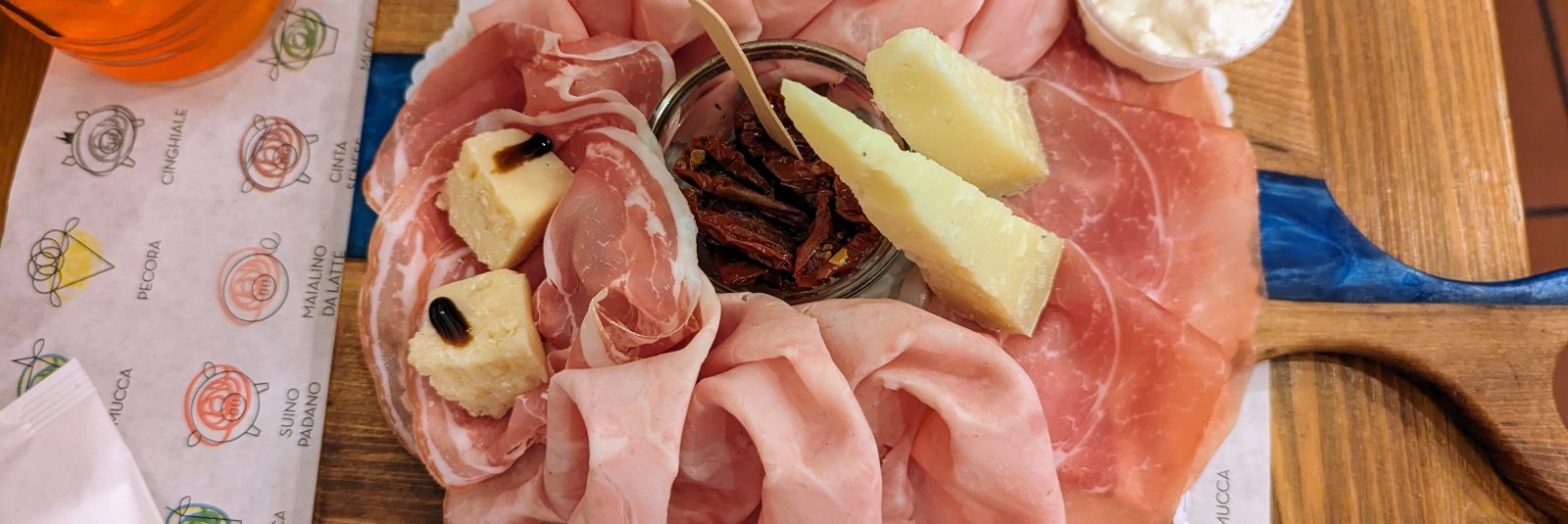
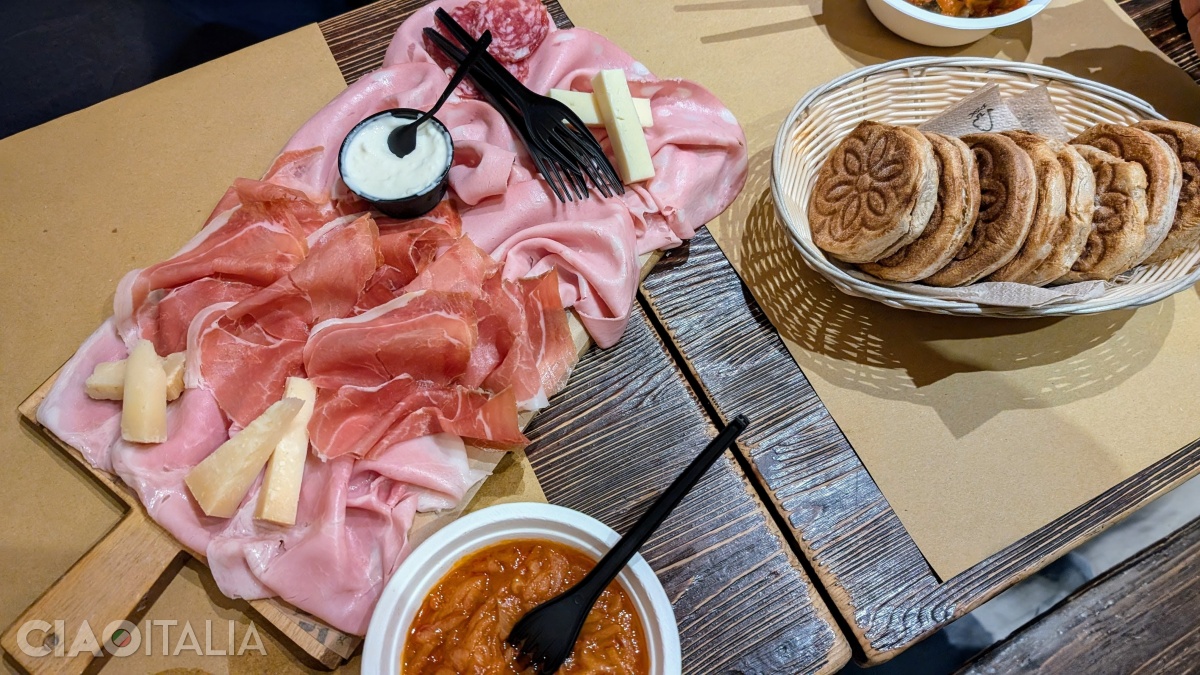
You can enjoy mortadella in restaurants, as part of a platter of local cold cuts and cheeses (don't forget the famous aged parmigiano reggiano cheese or prosciutto ham, both born nearby in the Parma area), on pizza, or as a mortadella mousse (mixed with ricotta). It's also perfect as a quick snack, in sandwiches.
Some venues offer tastings of wines and local products, including mortadella.
Crescentine, Crescente, Tigelle and Piadine
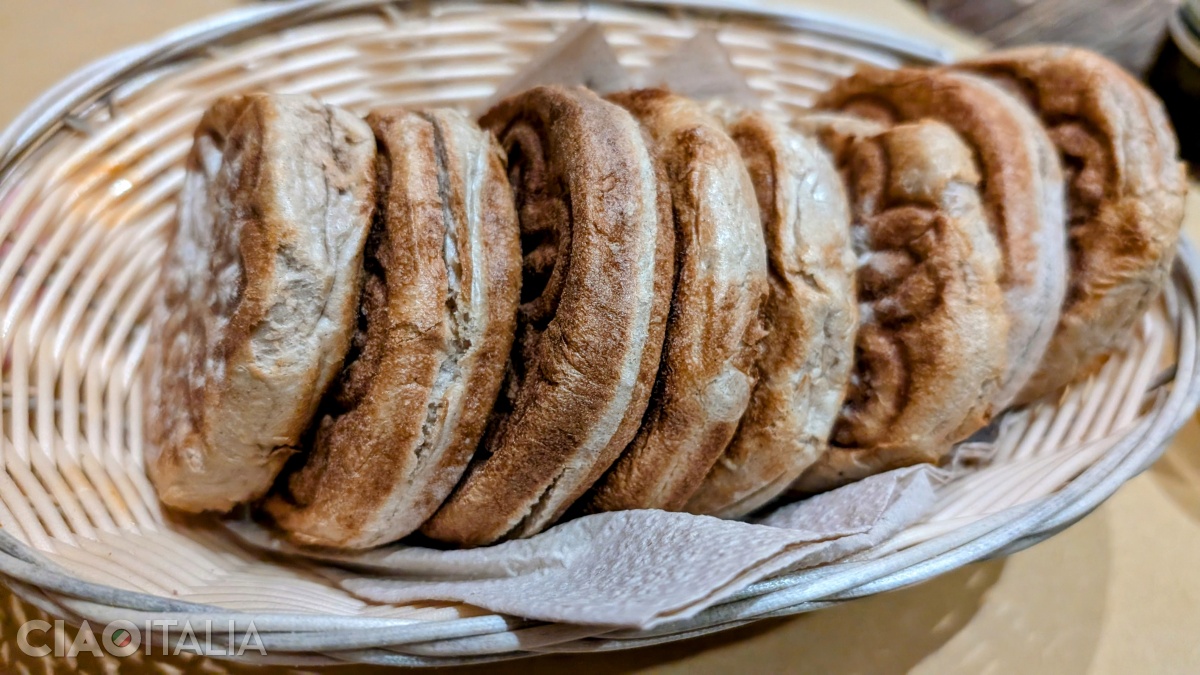
Crescentine, crescente, tigelle, or piadine can be found both as street food and on restaurant menus under the appetizers (antipasti) section. They are eaten instead of bread and typically served alongside various cured meats and cheeses.
Crescentine are rectangular pieces of dough that are fried and served hot, accompanied by slices of salami, prosciutto, or cheeses. They are found throughout the region, with different names and slight variations in preparation: crescentine in Bologna, gnocco fritto in Modena and Reggio Emilia, pinzino in Ferrara, torta fritta in Parma, and chisolino in Piacenza.
Crescenta is similar to a focaccia, but with pieces of prosciutto inside. It's an old recipe, born in the days when bakers in Bologna also sold cured meats. By mixing leftover bread dough with scraps of cold cuts (especially the fatty parts of prosciutto crudo), they created this pastry-like product that could easily replace breakfast.
Tigelle look like small flatbreads and are named after the ceramic tool that was once used to shape them into their round form. They actually originated in the city of Modena, but you'll find them in many places throughout Bologna. They are usually eaten with mortadella or prosciutto.
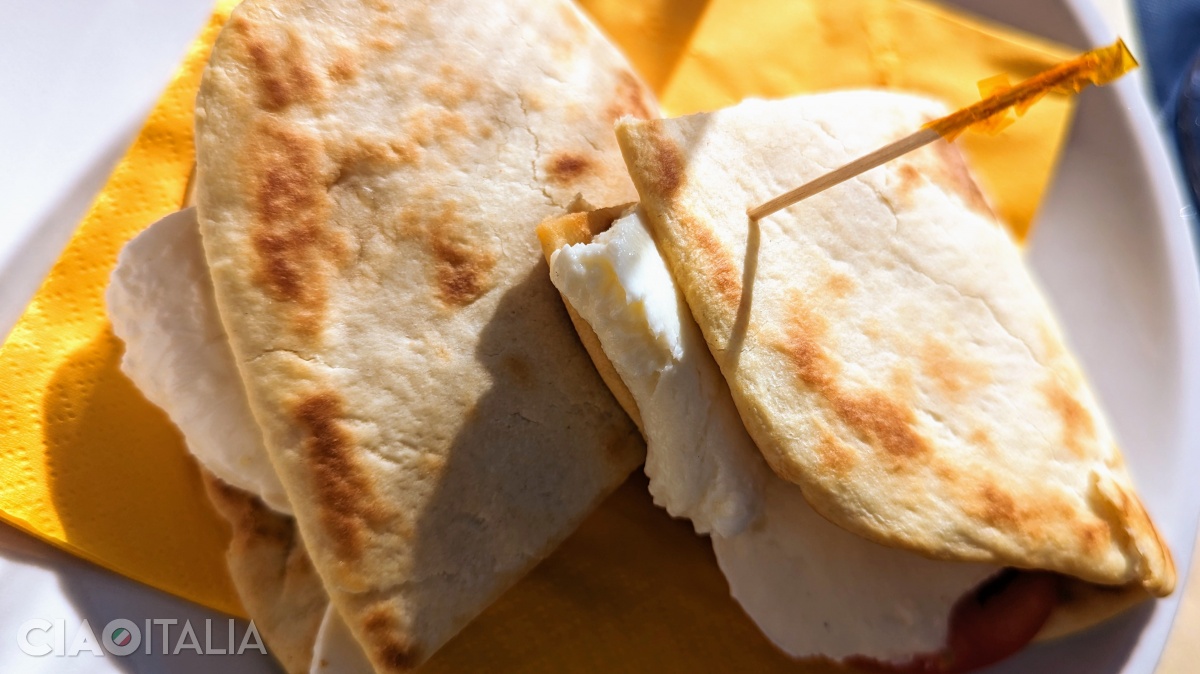
Piadina (or piada) doesn't originate in Bologna either, but in Rimini, in the Romagna area (hence the name piadina romagnola). Nevertheless, it's a classic Bolognese street food item. A piadina is a round flatbread, typically eaten while still warm, filled with all kinds of cheeses and cured meats.
Friggione
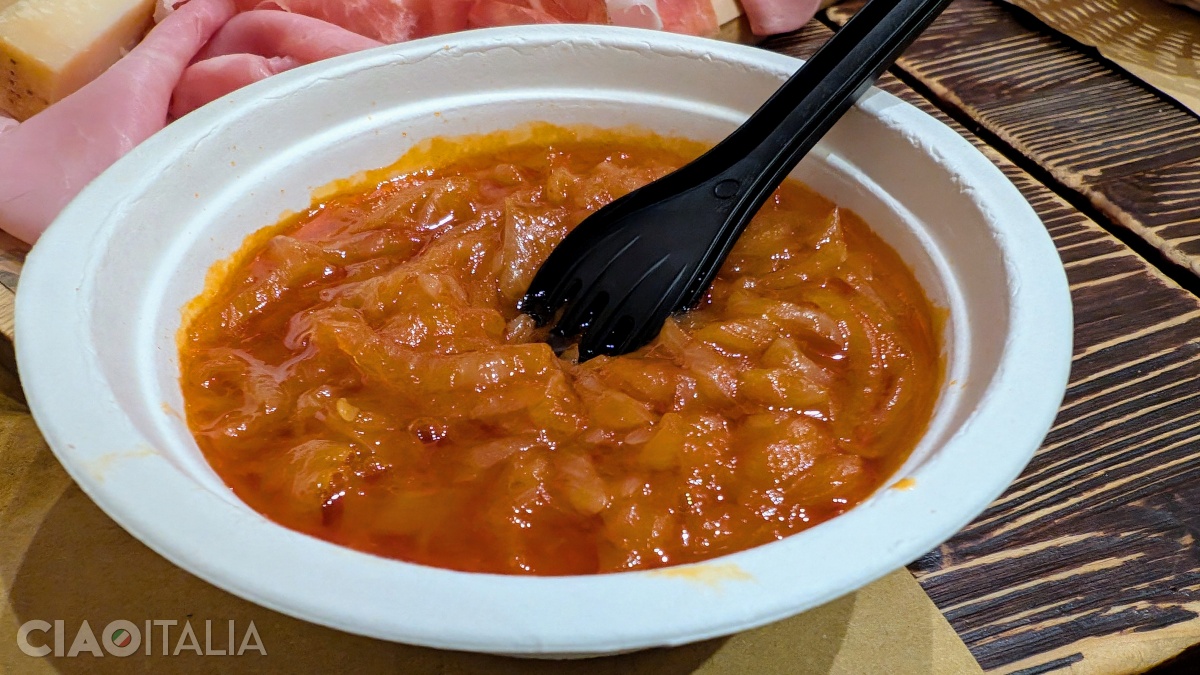
Friggione is eaten either as an appetizer, with bread or polenta, or as a side dish alongside meat. It's a slow-cooked sauce made from onions and peeled tomatoes, originating from simple, rustic peasant cuisine.
The traditional recipe for friggione is registered with the Chamber of Commerce in Bologna.
Stecchi alla Bolognese
Stecchi alla bolognese (or stecchi alla petroniana) are a type of skewer made from a mixture of cheese and mortadella, coated in flour, egg, and breadcrumbs, then fried. This snack dates back to the 19th century, when instead of mortadella, various veal offal was used.
Pasta
Pasta is, in fact, the true star of Bolognese cuisine. If you want to have fun preparing and shaping the dough, you can try a pasta-making class at the Grand Tour Italia Park, which opened on September 5, 2024, on the site of the former FICO Eataly.
Tortellini in Brodo
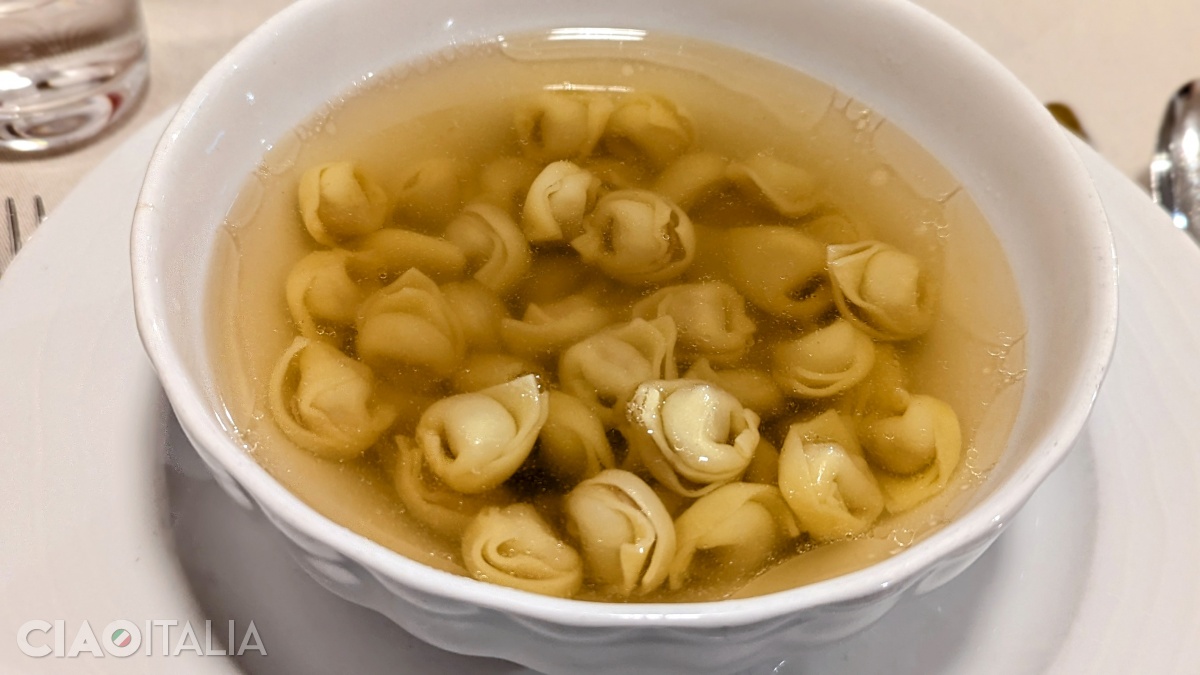
Tortellini are the culinary symbol of the city of Bologna. You'll see their image everywhere - from Marconi Airport to magnets, souvenirs, postcards, and of course, in shops and restaurants. They are the quintessential traditional Bolognese dish, a staple even on Christmas tables, and every family has its own recipe.
Tortellini are fresh pasta with a distinctive shape (similar to small dumplings), filled with a mixture of pork, mortadella, prosciutto crudo, Parmesan cheese, egg, butter, and nutmeg.
Two cities, Bologna and Modena, both claim to be the birthplace of this pasta. Legend has it that in the 13th century, a young noblewoman stopped to rest at an inn in Castelfranco Emilia, a town located roughly halfway between Bologna and Modena. Captivated by her beauty, the innkeeper peeked through the keyhole as she slept. So struck was he by the perfection of her navel that he made sheets of dough, cut them into squares, filled them with meat, and shaped them around his pinky finger to resemble a belly button. And thus, tortellini were born. In one version of the legend, the young woman is none other than the goddess Venus.
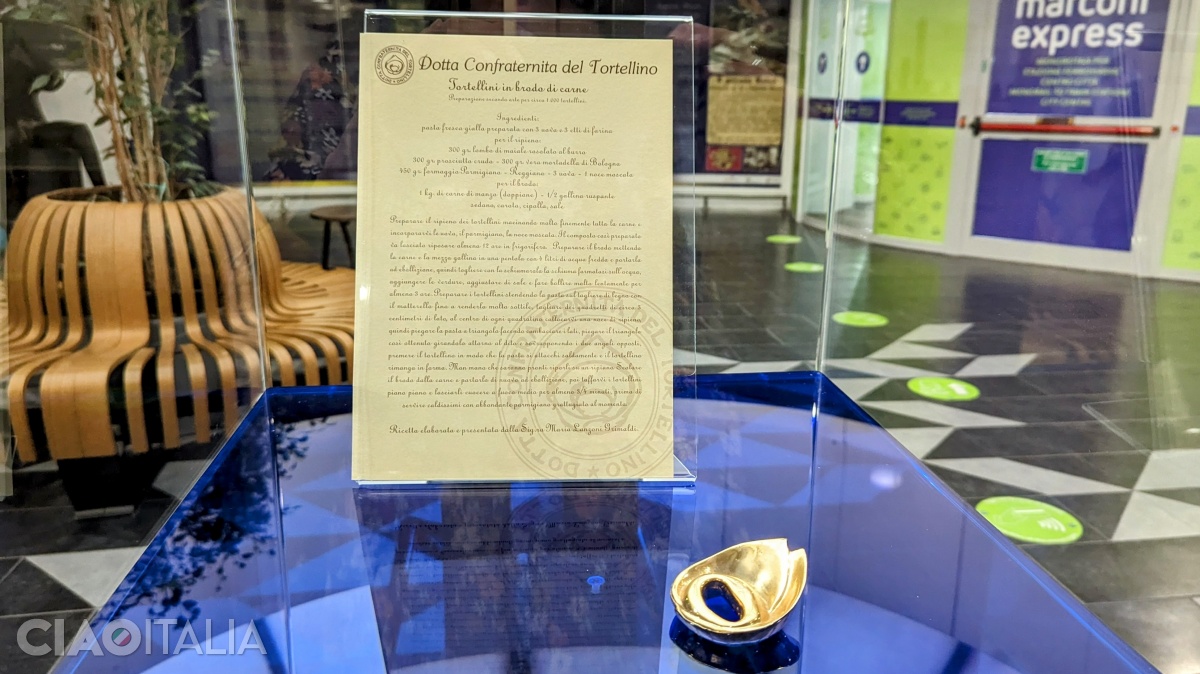
Traditionally, tortellini are served in a broth (brodo) made from vegetables, beef, and chicken or capon. You'll find tortellini in brodo on the menu of almost every trattoria in Bologna. The original recipe has been registered with the Chamber of Commerce by the Confraternita del Tortellino Association.
Tortelloni
Tortelloni are the larger version of tortellini pasta. They are filled with goat cheese, pumpkin, or ricotta and spinach, and typically served with butter and sage or with butter and tomato sauce (burro e oro).
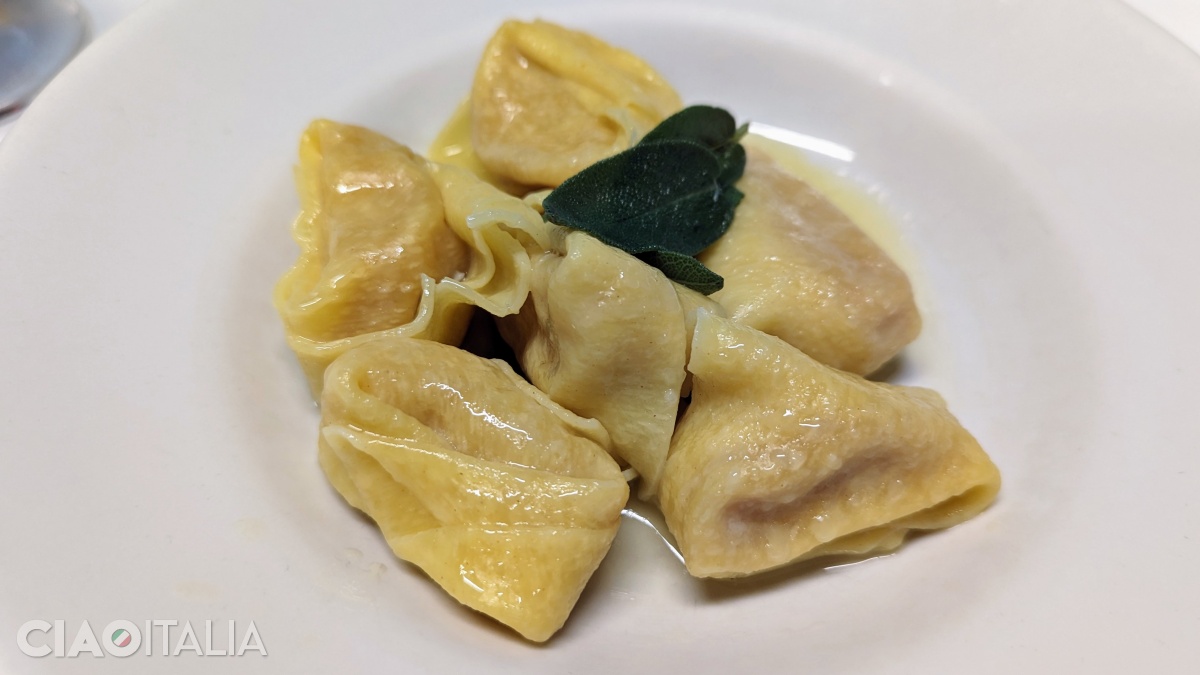
Balanzoni
Balanzoni are green tortelloni pasta, colored by the spinach in the dough. They are filled with mortadella and ricotta cheese and typically served with butter and sage. Although they were once prepared only during Carnival (their name comes from the character Doctor Balanzone in the Bolognese commedia dell'arte), today they can be found year-round.
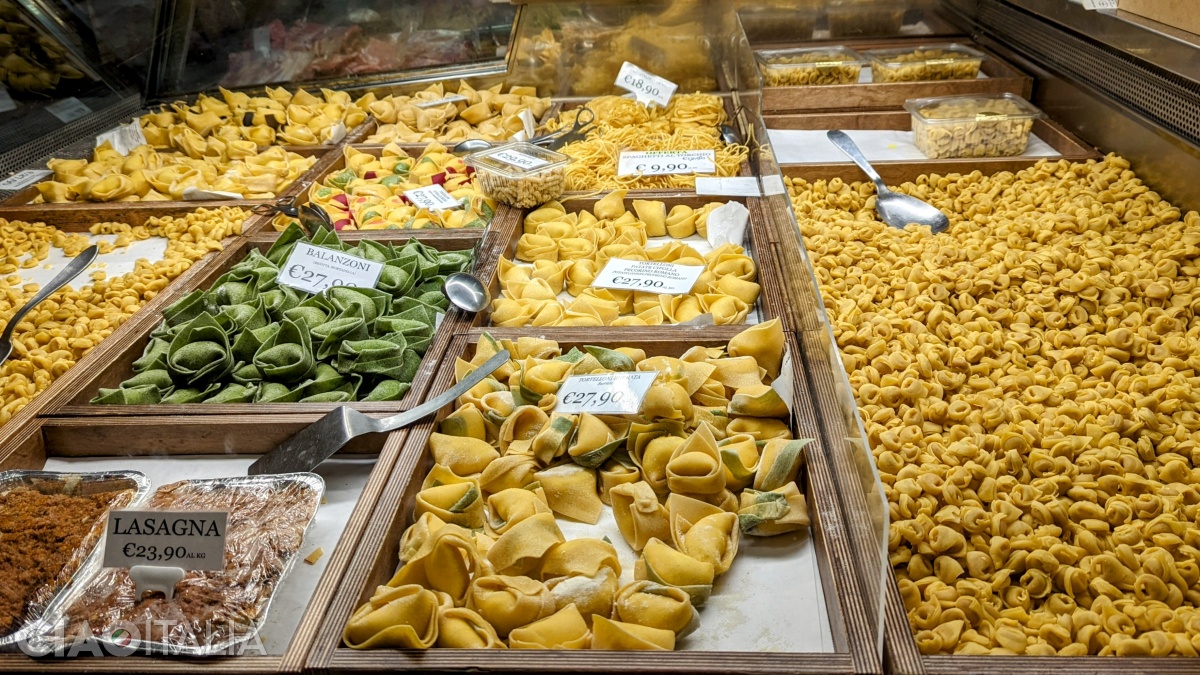
Tagliatelle al Ragù
The classic tagliatelle is another type of pasta that originated in Bologna. The name comes from the verb tagliare ("to cut"), because the dough is cut into long, thin strips. According to legend, a chef invented this pasta in honor of the marriage between Lucrezia Borgia and the Duke d'Este of Ferrara, inspired by the bride's blonde hair.
The recipe kept at the Bologna Chamber of Commerce specifies their dimensions: 6.5-7 mm in width when cut, and no more than 8 mm after cooking - exactly 1/12,270th the height of the Asinelli Tower, one of the most iconic tourist attractions in Bologna. If they exceed 8 mm in width, the tagliatelle become...pappardelle.
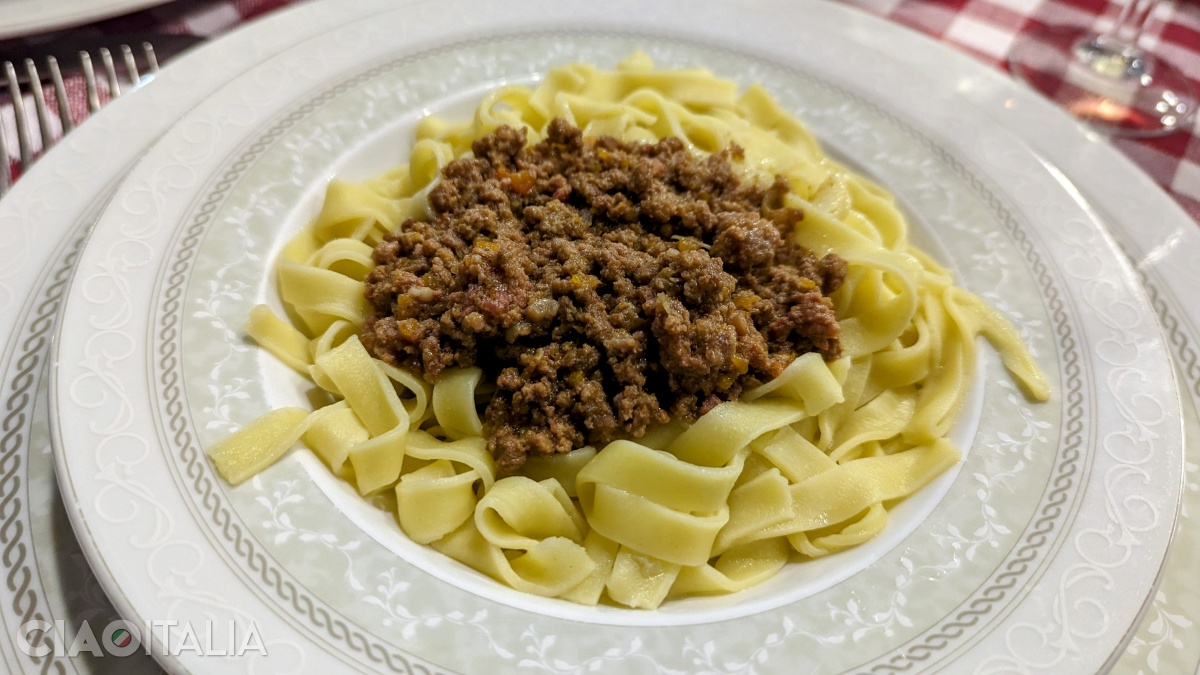
Ragù alla bolognese is a sauce made from minced beef and pork, slowly cooked with carrots, celery, onion, tomato sauce, wine, and spices for many hours. The recipe registered by the Italian Academy of Cuisine at the Bologna Chamber of Commerce also includes milk, but in the region, countless variations of the sauce exist.
In Bologna, tagliatelle is usually served with ragù and sprinkled with Parmesan - you'll find them on the menu at most restaurants.
Tip: Try tagliatelle al ragù in Bologna, even if you're not a fan of the so-called "spaghetti alla bolognese" served in many restaurants back home. You'll see they have very little in common, and you might be surprised to find that you actually like it! One more thing: in Italy, real spaghetti alla bolognese is actually made with tuna, not ragù!
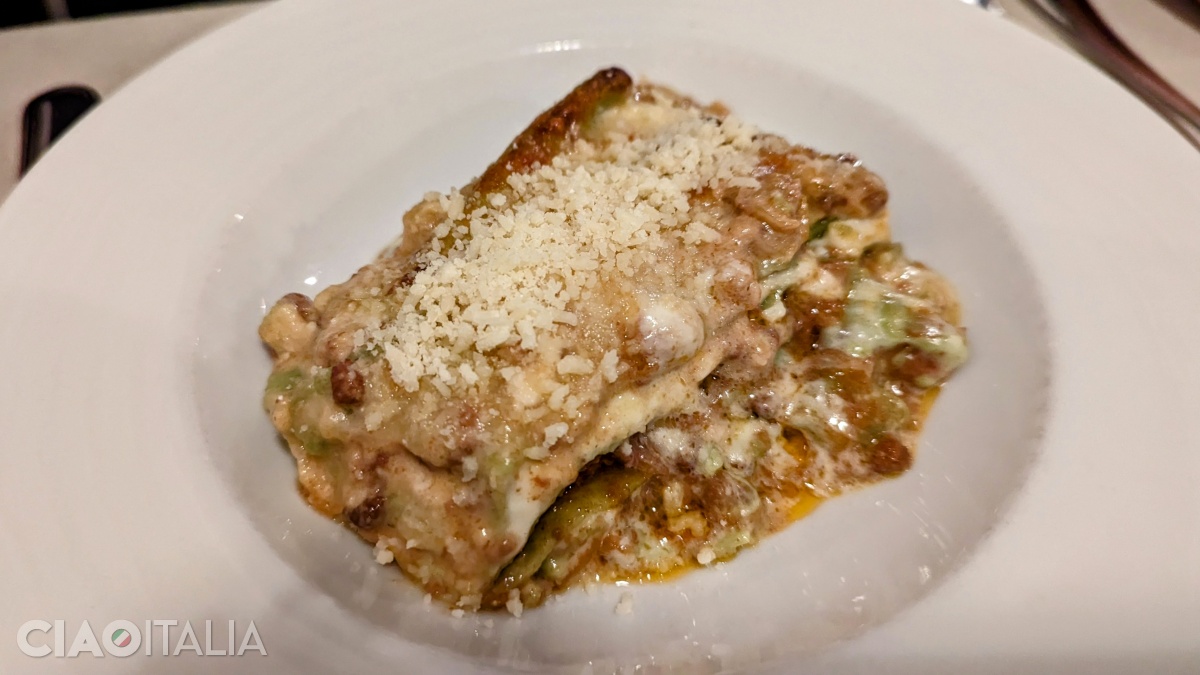
Lasagna alla Bolognese
Mentioned in documents as early as the 13th century, lasagna was traditionally prepared on Sundays and holidays.
The Bolognese recipe calls for thin, handmade sheets of dough, layered with ragù, béchamel sauce, and Parmesan cheese. Most often, the dough is made with spinach, which is why it’s called lasagna verde (green lasagna).
Gramigna con Salsiccia
Gramigna are short, cylindrical, and spiral-shaped pasta, cooked with a sauce made from sausage (salsiccia), butter, onion, and Parmesan cheese. The name translates to "weed", although the resemblance between the pasta and the weed is not at all obvious.
Passatelli in Brodo
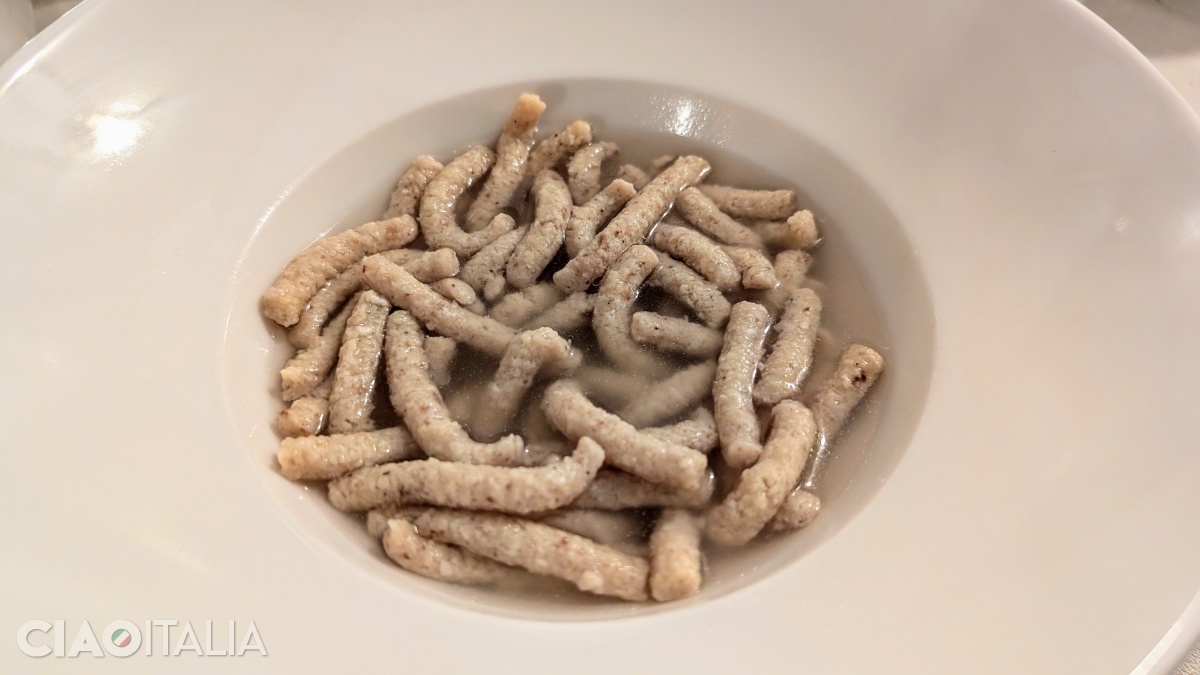
Passatelli are cylindrical-shaped pasta made from Parmesan cheese, eggs, breadcrumbs, and nutmeg. Traditionally, they are served in meat broth. The recipe originated in the medieval period and is also registered with the Chamber of Commerce in Bologna.
Zuppa Imperiale
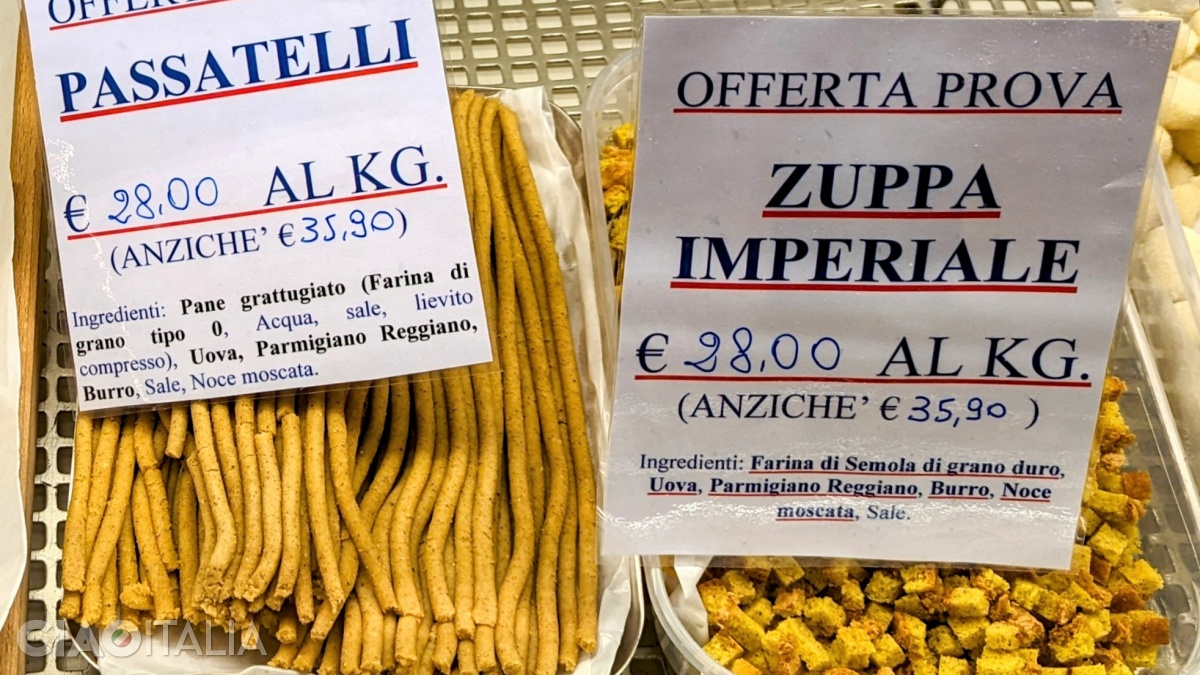
Zuppa imperiale ("imperial soup") looks like a soup with croutons, but it is actually made from a mixture of semolina, Parmesan cheese, eggs, butter, and nutmeg, baked in the oven and cut into small cubes, which are then cooked in meat broth. It is a dish typically eaten during winter, especially at Christmas. Its recipe is registered with the Chamber of Commerce in Bologna.
Zuppa imperiale can be found in restaurants as well as in specialty pasta shops, where it can be purchased to prepare at home.
Main Dishes
Cotoletta alla Bolognese
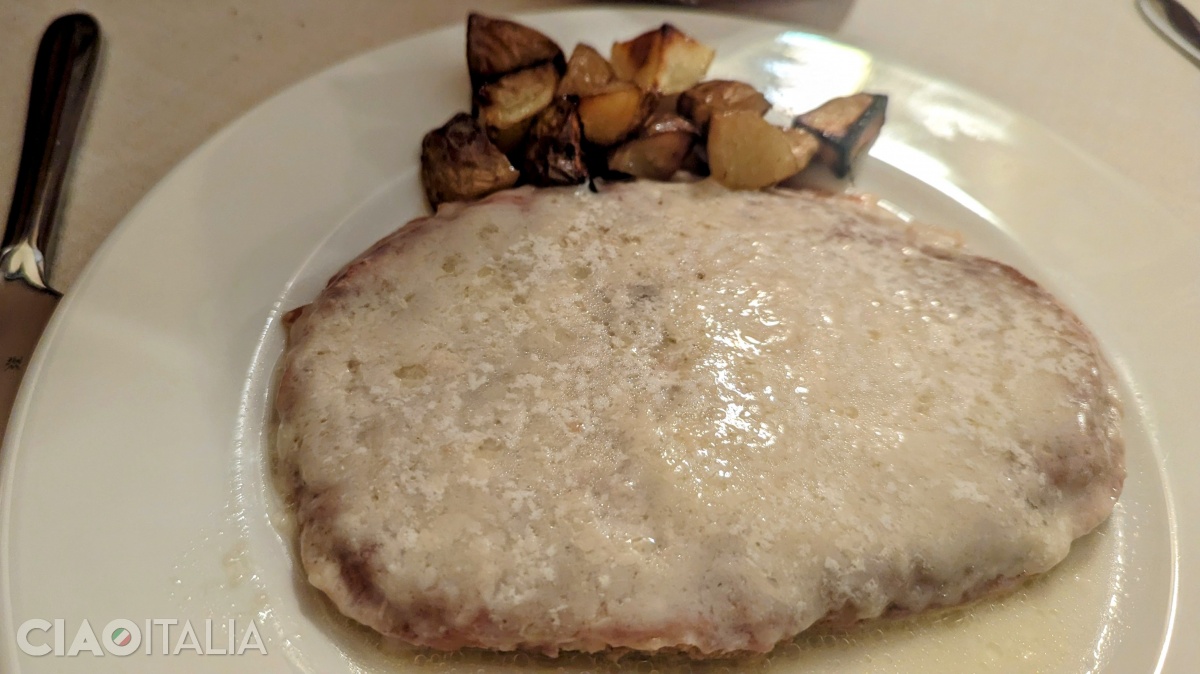
Cotoletta alla bolognese is a modified schnitzel transformed into a delicious calorie bomb: on top of the breaded veal cutlet, two iconic ingredients of the Emilia-Romagna region are added: a slice of prosciutto crudo and pieces of Parmesan cheese. The new dish is then baked with a little meat broth.
Cotoletta alla bolognese is also called cotoletta alla petroniana, in honor of St. Petronius, the patron saint of the city. This recipe is also registered with the Chamber of Commerce.
Gran Fritto Misto alla Bolognese
Gran fritto misto alla bolognese is a dish that includes a variety of fried meats, cheeses, and vegetables.
Polpette alla Bolognese
Polpette alla bolognese are nothing more than meatballs, which in Bologna are made using leftover meat from other dishes. They're usually prepared from a mix of pork and beef, with the addition of mortadella, prosciutto crudo, and Parmesan cheese.
Chicken Galantine
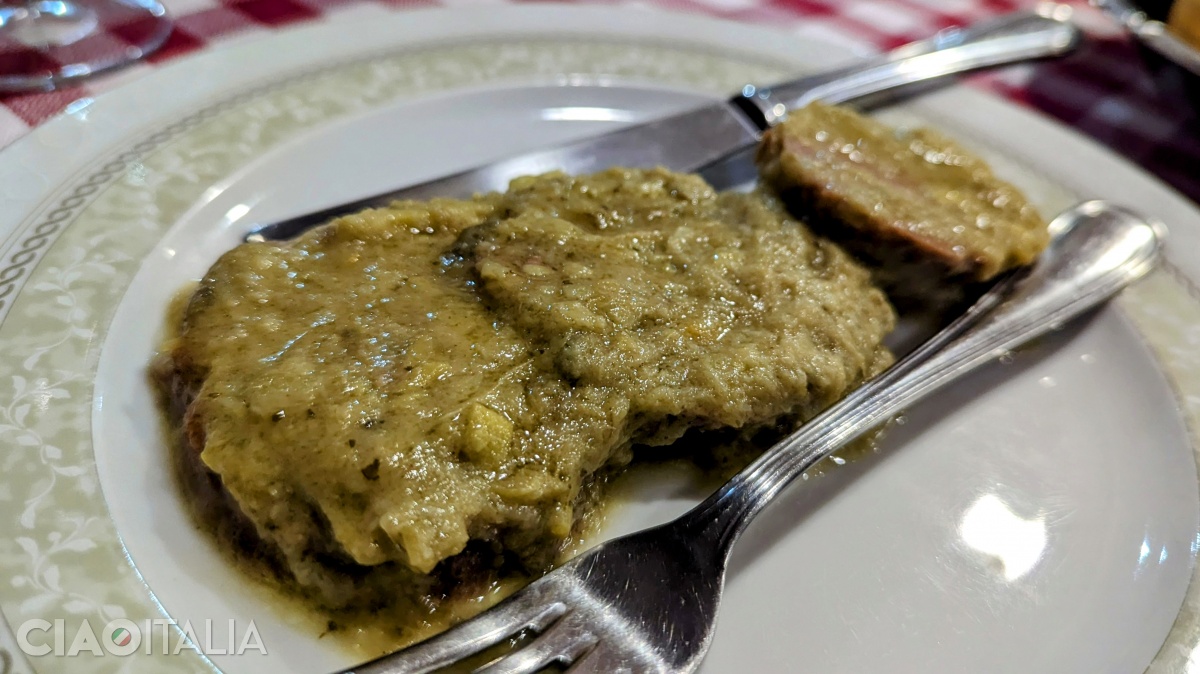
Less commonly found on restaurant menus, but no less traditional, is chicken galantine (galantina di pollo) or capon galantine (galantina di cappone), which originated during the Renaissance period and was likely inspired by a French recipe that originally used duck meat.
Galantine is a type of meat roll made from chicken, stuffed with pieces of vegetables, eggs, and other meats, and served cold, sliced.
Desserts
Torta di Riso
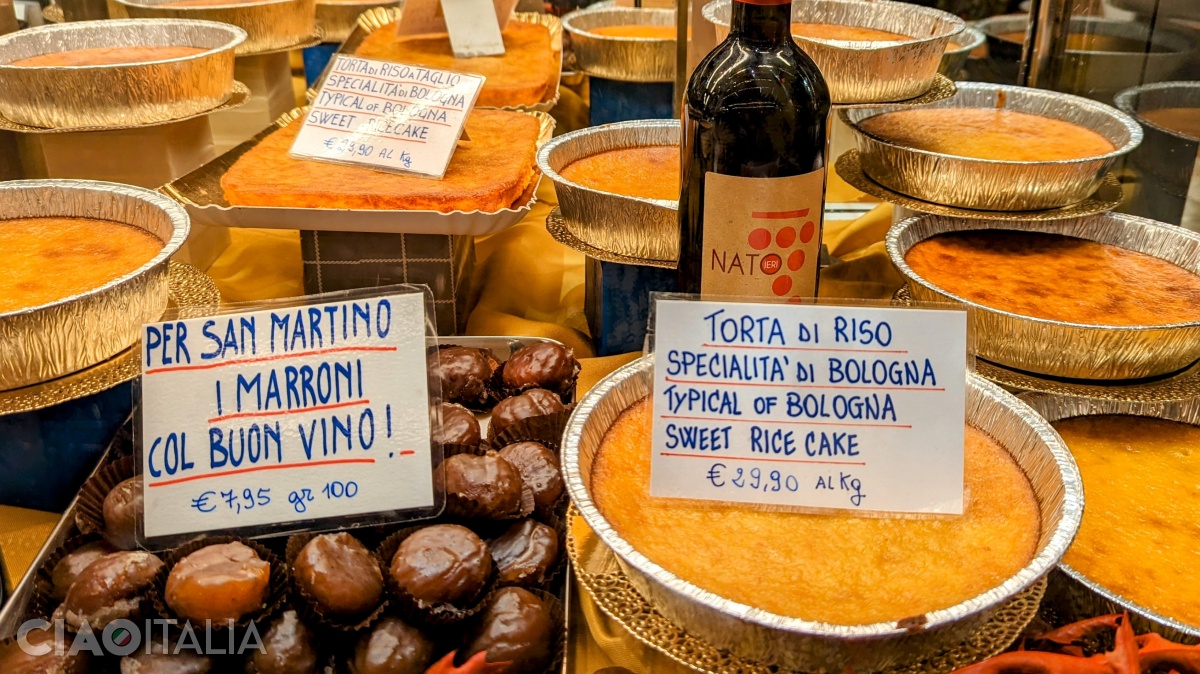
The most popular of Bologna's traditional desserts is rice pudding cake (torta di riso). It's also known as torta degli addobbi because it was originally made for an old religious celebration (Festa degli Addobbi) held on the second Sunday after Easter. Addobbi were the fabric decorations used to adorn windows and porticoes during the event.
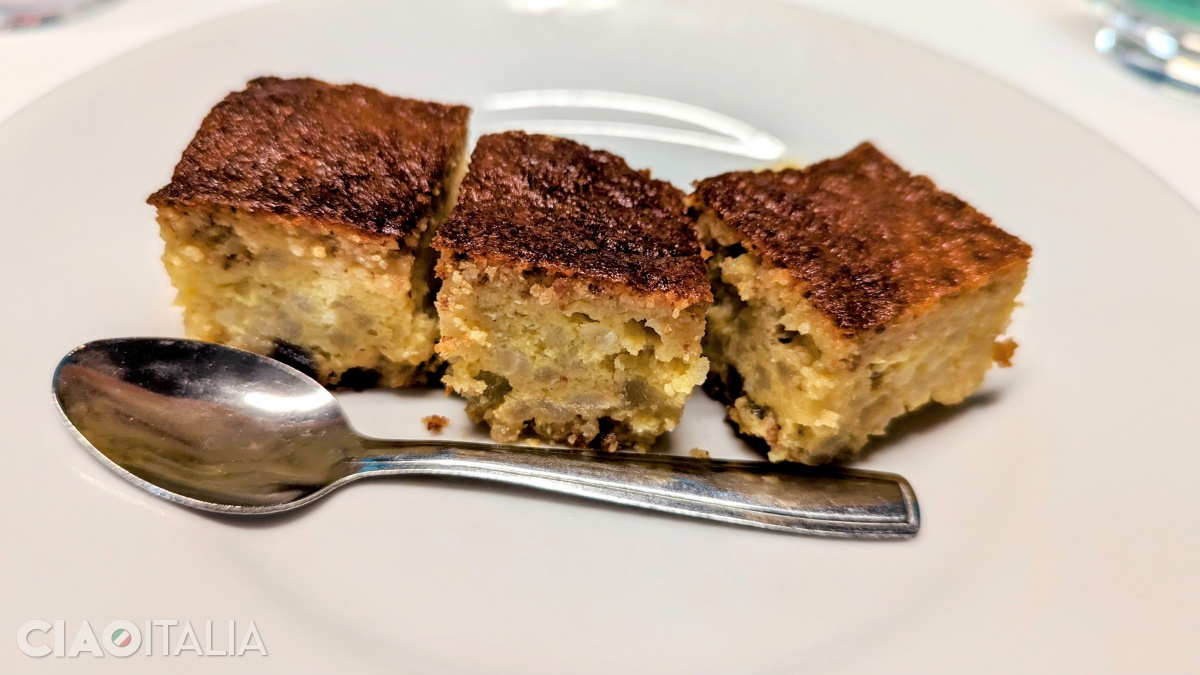
This is a delicately flavored dessert made from rice boiled in milk, eggs, sugar, lemon zest, and candied fruit. Its recipe - you guessed it - is also preserved at the Bologna Chamber of Commerce. Traditionally prepared for Christmas and Easter, it's now commonly found in pastry shops and on the menus of most local restaurants.
Zuppa Inglese
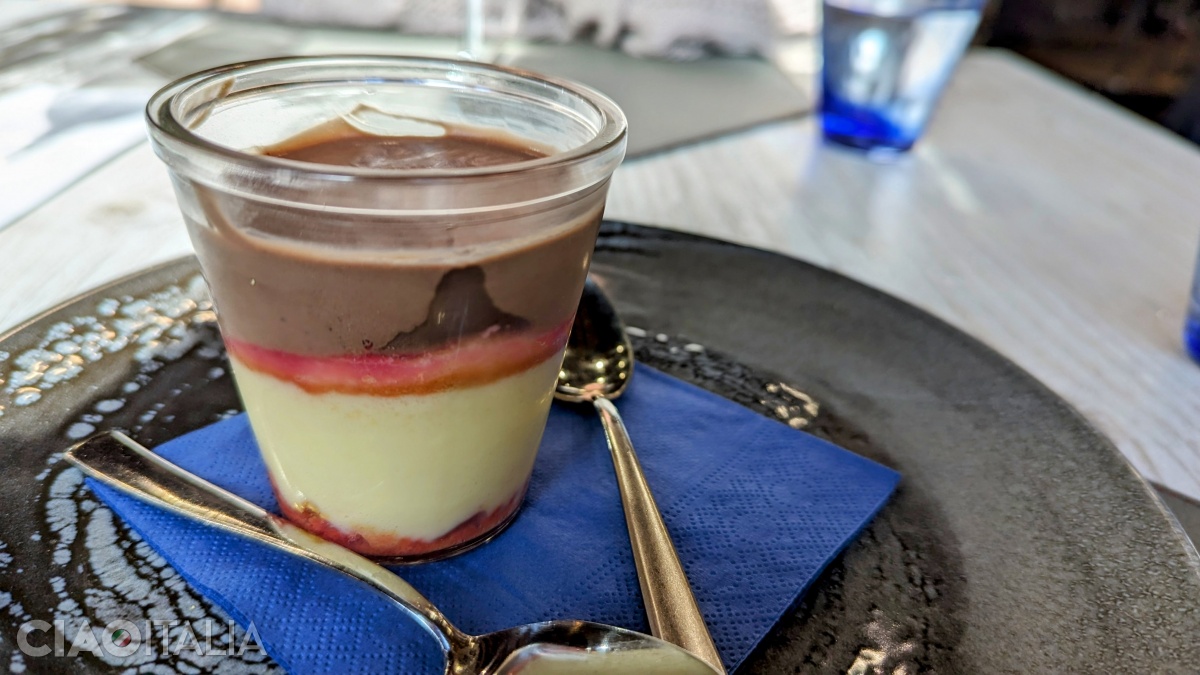
Another dessert you'll find in many restaurants in Bologna is zuppa inglese. It's a delicious treat made from sponge cake (or ladyfingers) soaked in Alchermes (a red-colored liqueur) and layered with vanilla custard, sometimes with an additional layer of chocolate custard.
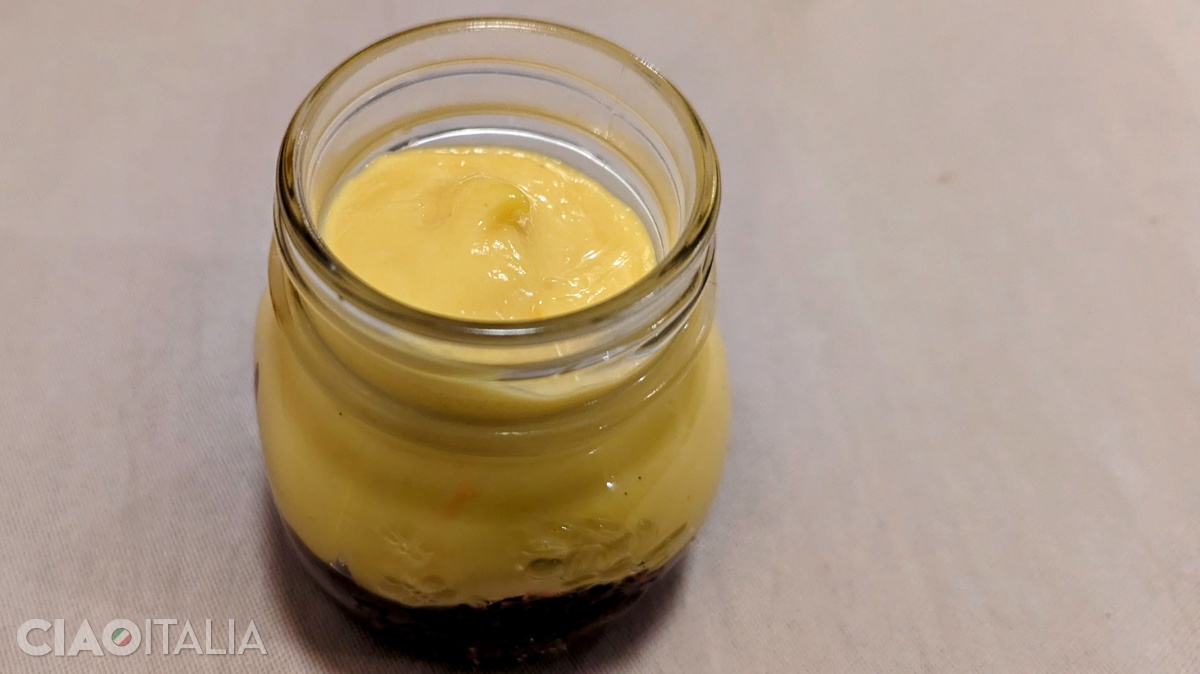
Although its name translates to "English soup", it is actually a dessert whose origins are claimed by two Italian regions: Emilia-Romagna and Tuscany.
Fior di Latte
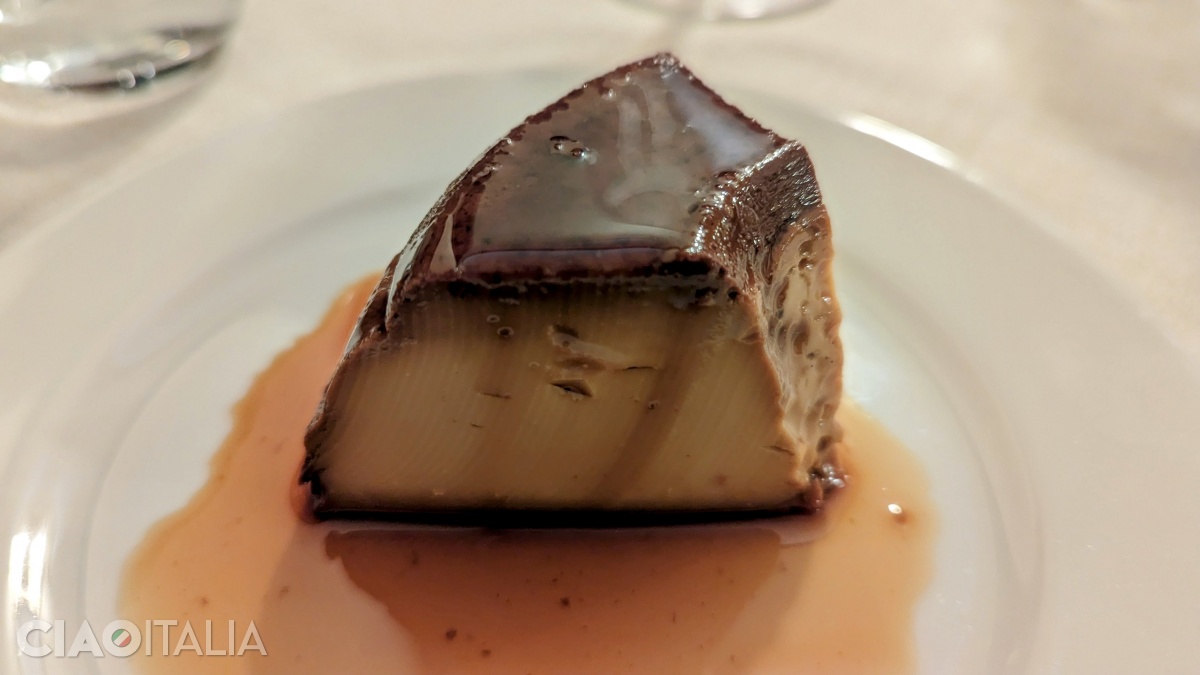
Those who love crème caramel will be delighted by fior di latte, which, compared to the former, has a firmer texture and a more intense flavor.
Certosino
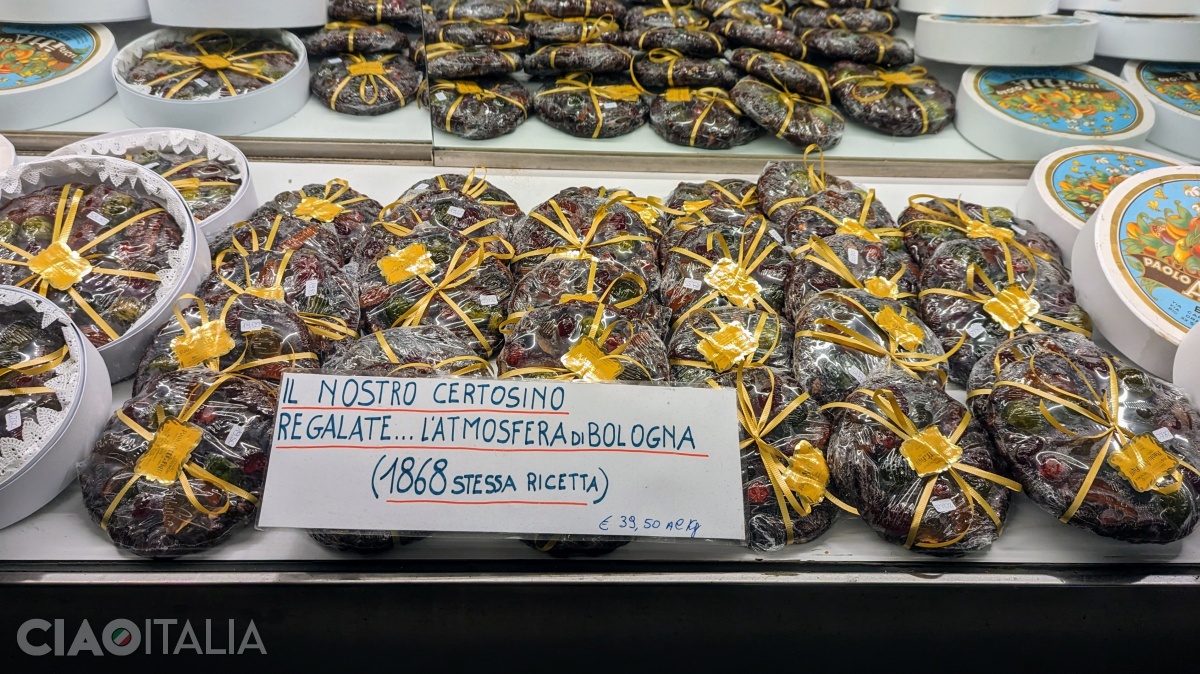
Certosino is a tart made with flour, honey, chocolate, jam, almonds, pine nuts, cinnamon, anise, and candied fruit. Its recipe was created by the monks of the former Certosa Monastery (now the site of Bologna’s monumental cemetery).
Certosino is especially popular during the Christmas season, when it often takes the place of the classic panettone.
Pinza Bolognese
Pinza bolognese, whose recipe first appeared in 1644, looks like a slightly flattened loaf cake and is filled with mostarda - a jam from Bologna made with quinces, pears, plums, and orange peel. Traditionally, it is prepared at home for Christmas. Today, you can buy it in pastry shops, but you'll also find it in some restaurants, in the form of filled cookies called ravioli alla mostarda.
Brazadela
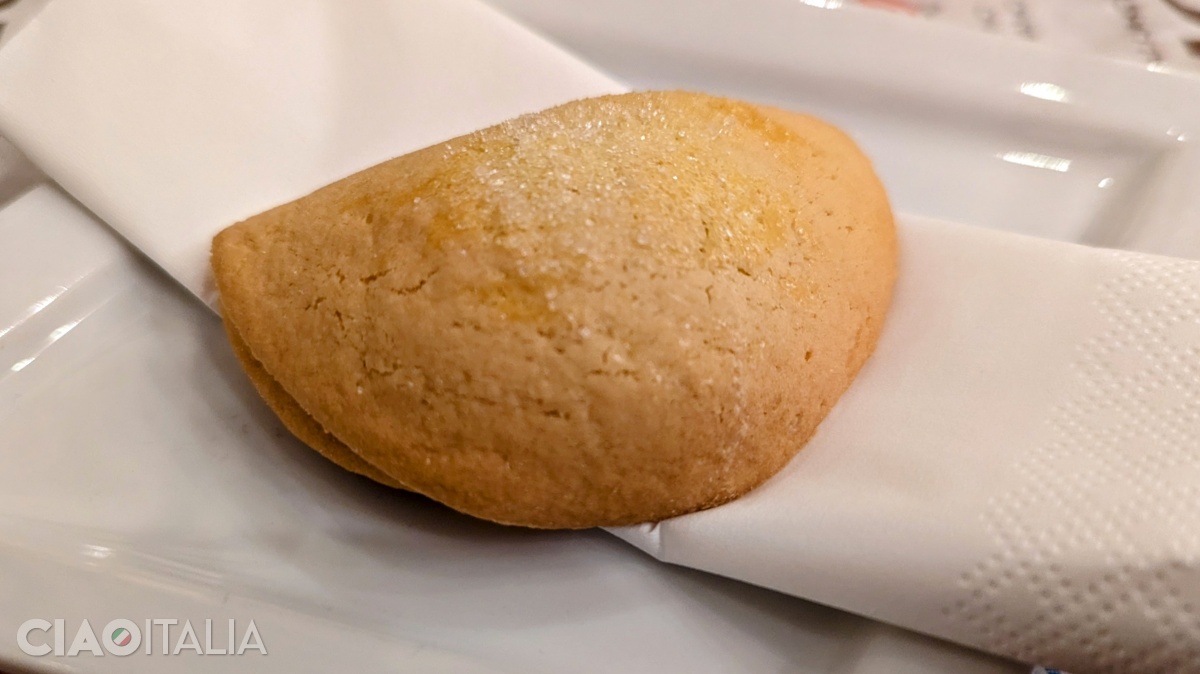
Brazadela is a round tart with a hole in the middle, made from flour, yeast, sugar, eggs, and butter. Its name comes from its distinctive shape, which resembles a "bracelet" - brazadela meaning "bracelet" in the Bolognese dialect.
Sabadoni
Sabadoni are a dessert made from fried dough filled with chestnuts and a syrup called saba, which is obtained from boiled grape must. In the past, they were prepared for winter holidays.
Drinks
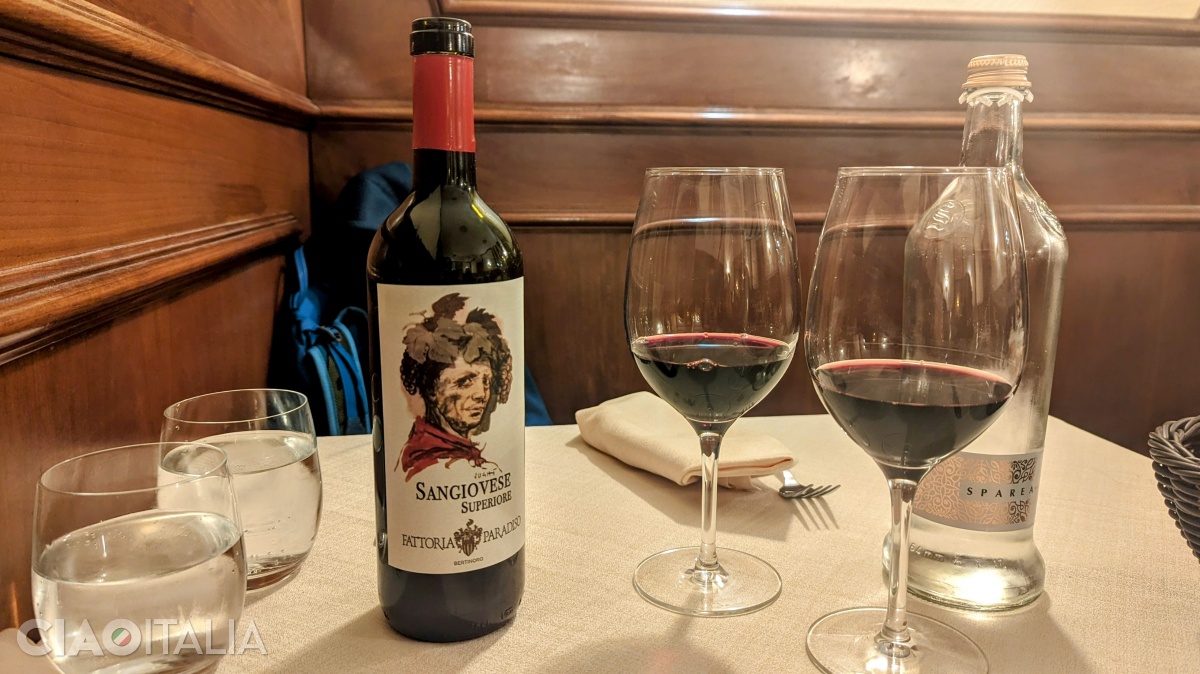
If you want to try the wines from the region, look for the red wines Barbera and Sangiovese di Romagna (especially Riserva or Superiore), the white wines Trebbiano and Pignoletto (also produced in a sparkling version), or the sparkling Lambrusco wine, either red or rosé.
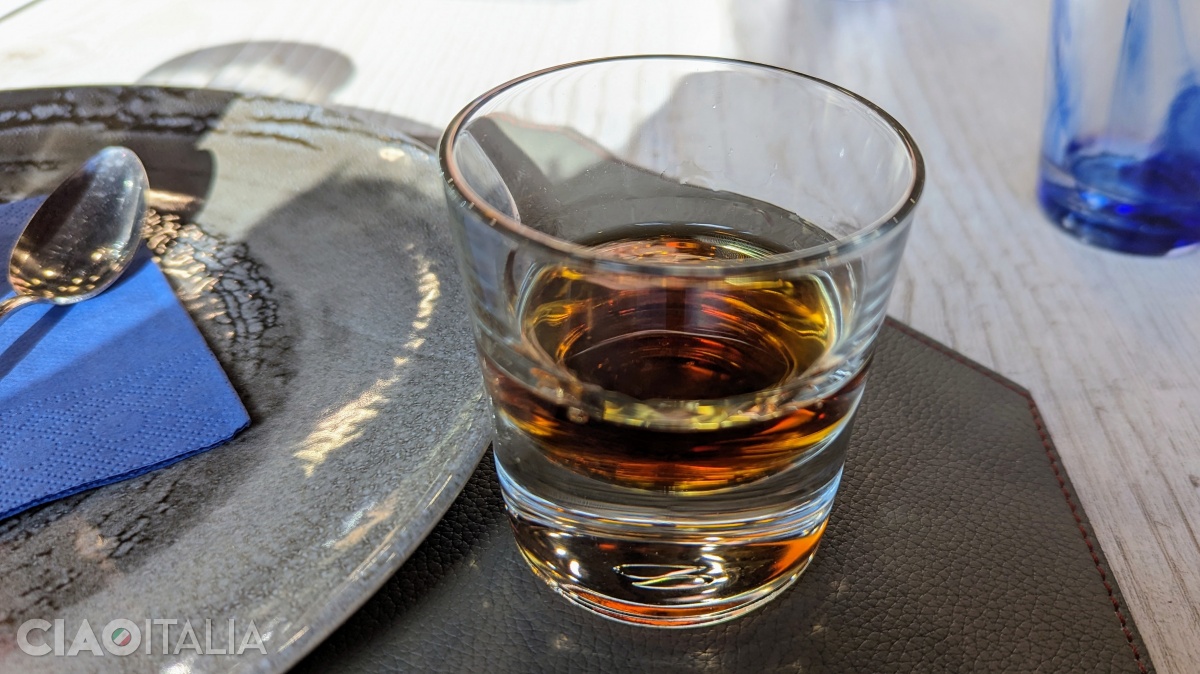
At the end of the meal, choose an Amaro Montenegro as a digestif, which, despite its name, is produced in the province of Bologna. This herbal liqueur was originally called Elisir Lungavita ("Elixir of Long Life"), but the name was changed to Amaro Montenegro in honor of the marriage of Vittorio Emanuele III to Princess Elena of Montenegro. The Italian writer Gabriele d'Annunzio called it "the liqueur of virtues".
Wine and gastronomy enthusiasts can enjoy wine and/or olive oil tastings at Palazzo di Varignana, on the hills near Bologna (accessible by train in about 20 minutes from Bologna Central Station to Varignana, followed by a taxi or private transport).