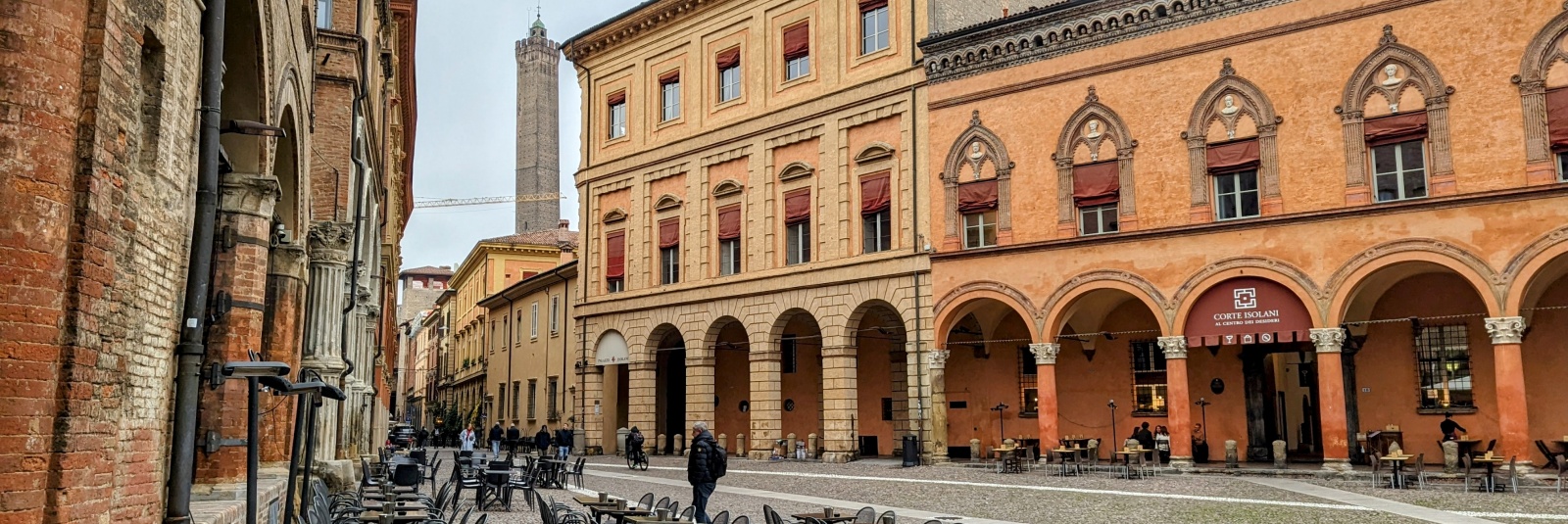
15 Things to Do in Bologna
Bologna is a city that offers a variety of things to do and activities that can satisfy both art lovers and those passionate about gastronomy, shopping, or outdoor activities. Moreover, some activities can be fun for the kids as well.
1. Admire Piazza Maggiore
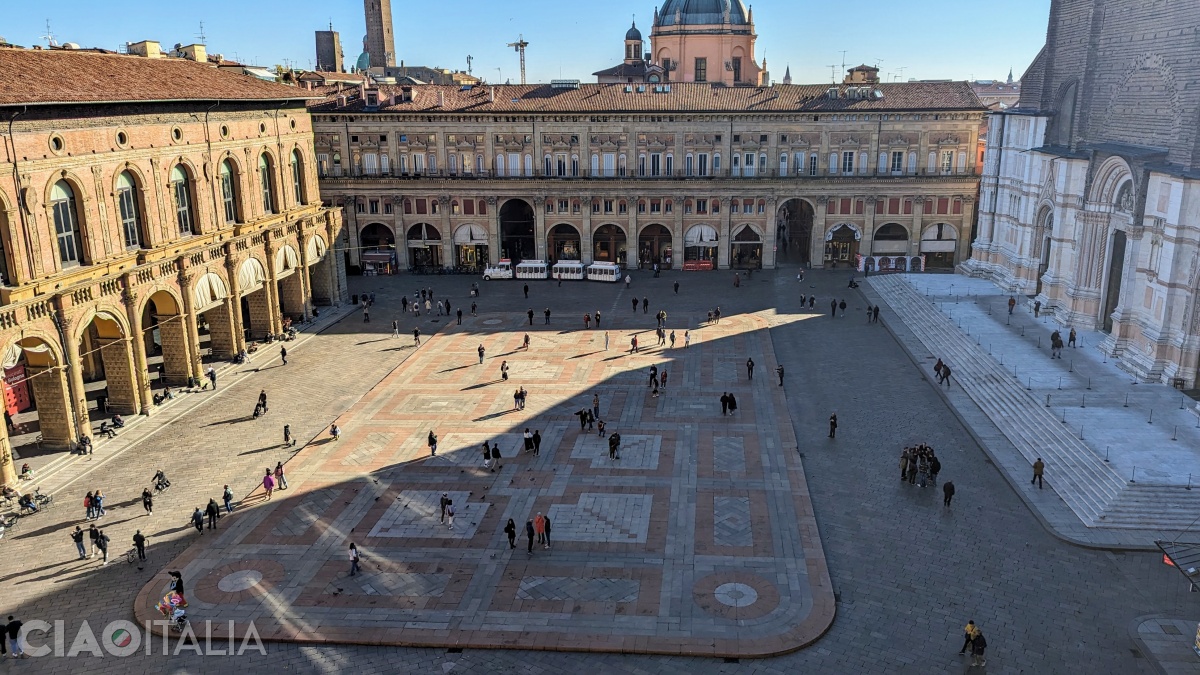
Piazza Maggiore is the heart of the city, so start your visit here. Most of the tourist attractions in Bologna are concentrated around it. Under the arcades of Palazzo del Podestà (opposite the San Petronio Church), you will find the Bologna Welcome Tourist Office, where you can get a map or ask for additional information.
2. Try the "Whispering Gallery" under Voltone del Podestà
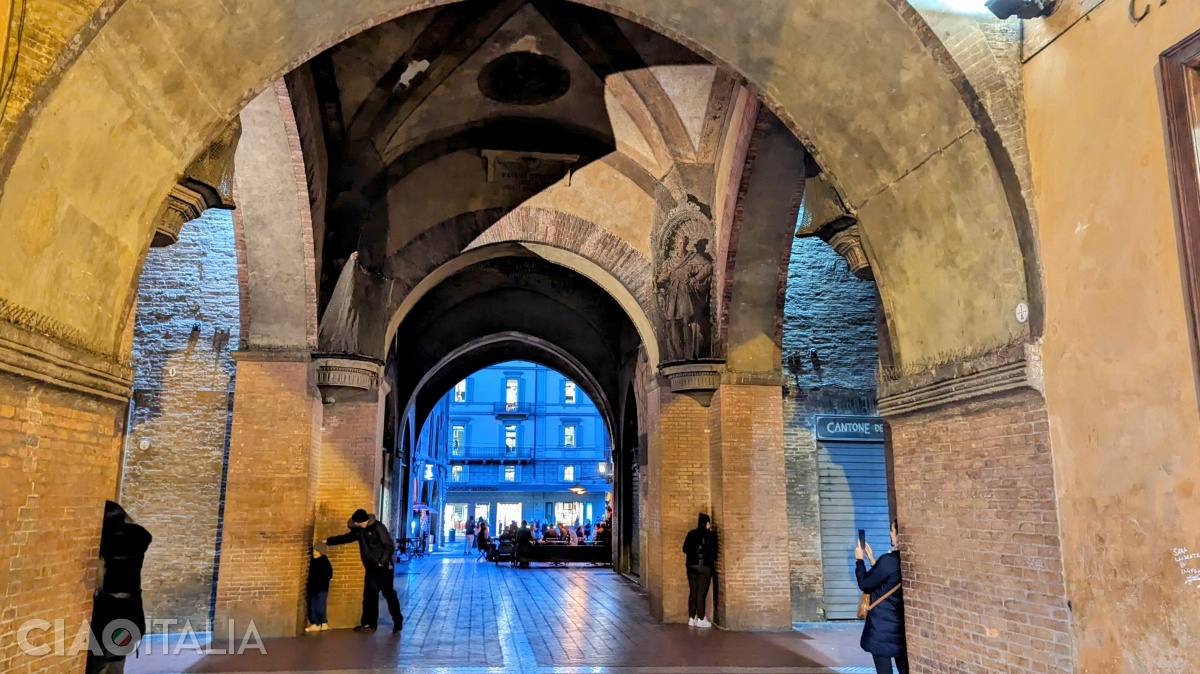
Did you know that under the Palazzo del Podestà you can experience a unique acoustic effect? This is one of the unusual things to do in Bologna. Look for the arch (Voltone del Podestà) located at the intersection of the two pedestrian passages beneath the palace. It is supported by four columns, adorned with statues of Saints Petronius, Proculus, Dominic, and Francis, sculpted in 1525 by Alfonso Lombardi.
Go to one corner while another person stands at the opposite corner, diagonally across. Now, whisper something toward the wall, and you will see that the person at the other end will hear you. In the Middle Ages, monks would use this method to confess plague or leprosy patients without the risk of contamination.
3. Look for Neptune's "Indecent" Angle
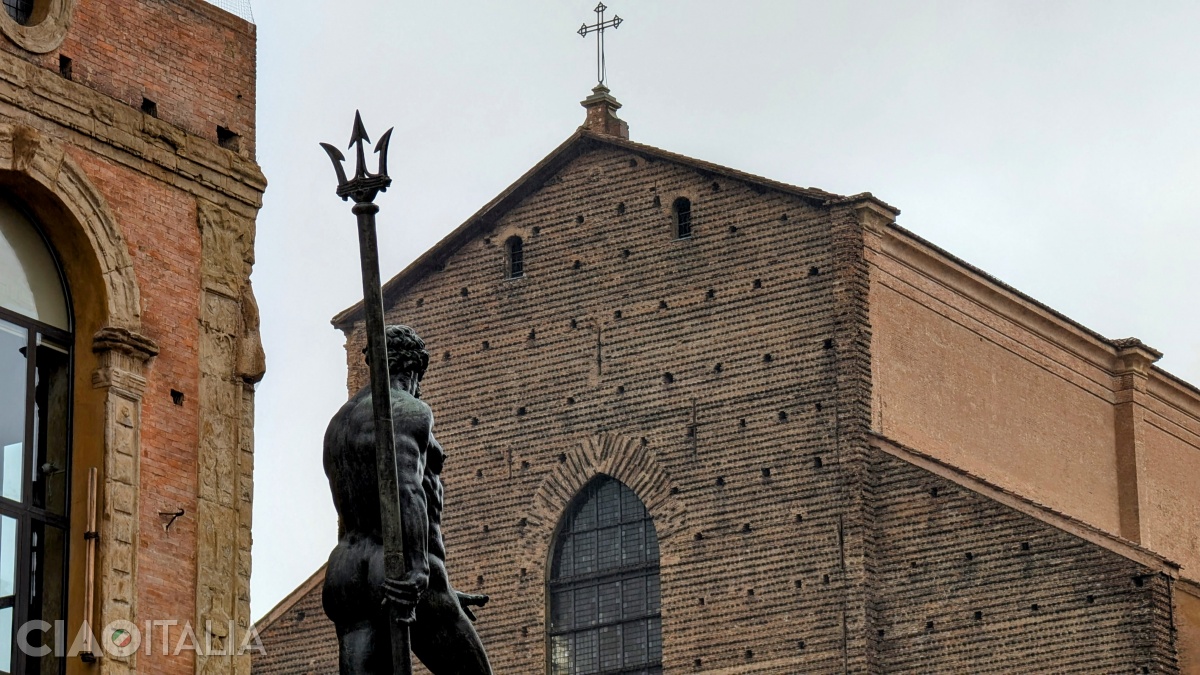
The Fountain of Neptune, located next to Piazza Maggiore, is one of Bologna's symbols. Since its construction in the 16th century, it has sparked controversy. Although it was meant to represent papal power, the fountain was considered a bit too "sexy" for that era - neither the voluptuous nymphs at the base nor the muscular body of the statue were to the Church's liking.
It is said that, in retaliation, the sculptor Giambologna incorporated an optical illusion. Go behind the statue, to the right, towards the steps of the Salaborsa Library. If you look at Neptune from there, you will notice that the thumb of his left hand boldly projects, resembling an erect genital organ.
If you happen to be a student with an upcoming exam, you can try the superstition of the Bolognese students: walk around the fountain twice in a counterclockwise direction, and you should pass the exam!
4. See Bologna from Above
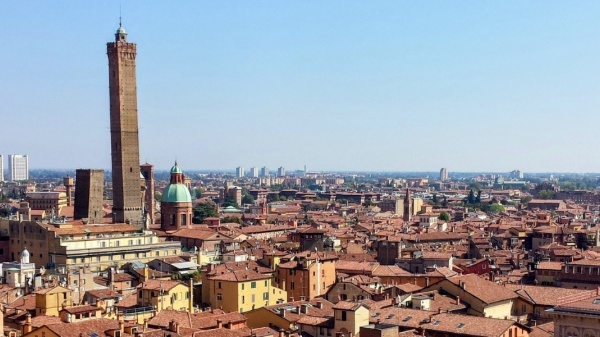
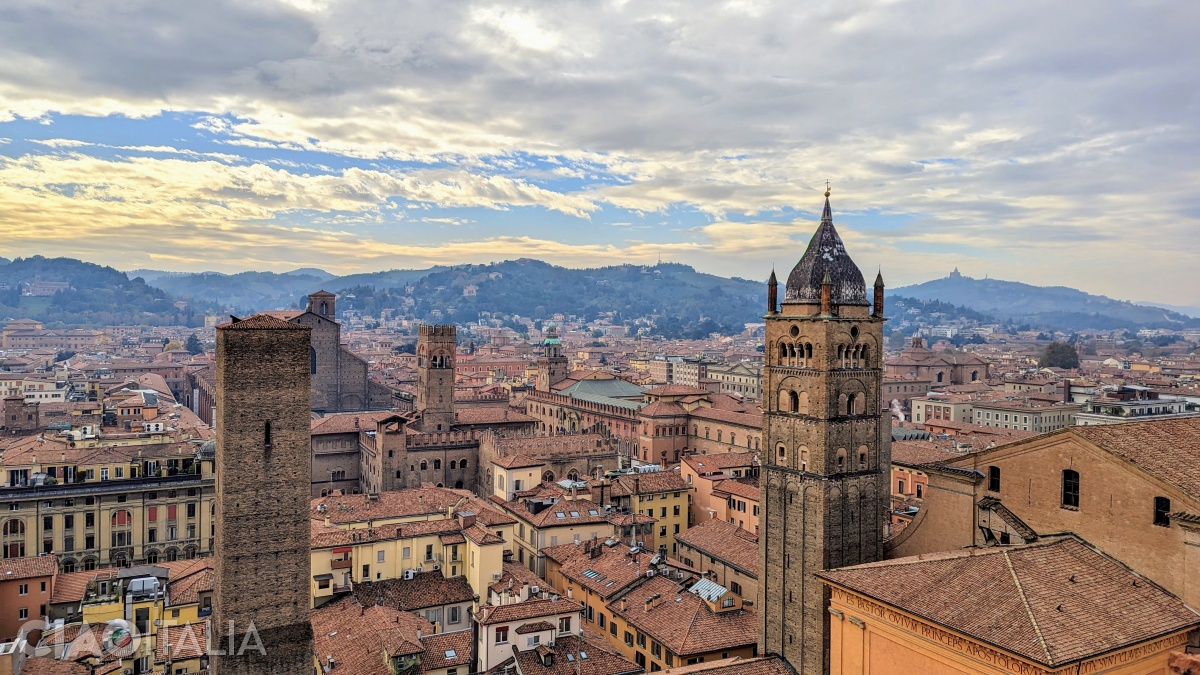
Seen from above, Bologna is even more charming. In the Middle Ages, around a hundred towers rose into its sky (if you want to get an idea of what Bologna looked like in the past, you can try Macchina del Tempo, a virtual reality experience). Today, about 20 remain, and three of them are open to visitors.
The towers in Bologna that you can climb to see the city from above are: Accursi Tower (in Piazza Maggiore, above the Town Hall), Asinelli Tower (currently closed due to restoration work on the adjacent Garisenda Tower, which began in October 2023) and San Pietro Cathedral Tower.
Since 2026, the Succede Solo a Bologna Association has replaced the possibility of climbing the Prendiparte Tower with climbing the panoramic terrace of the Strazzaroli Palace.
5. Find the Longest Meridian in the World
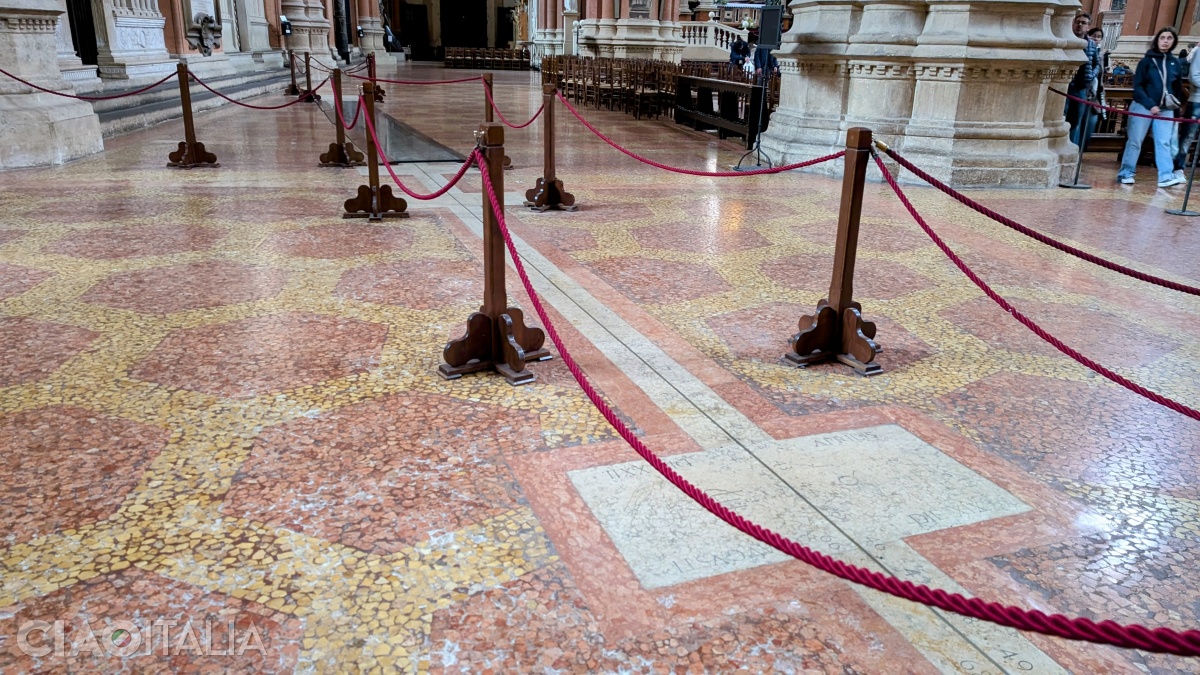
On the floor of the Basilica of San Petronio lies the longest indoor meridian in the world (in Italy, other meridian lines can be found in the Milan Cathedral and in the churches of Santa Maria degli Angeli in Rome and San Giorgio in Modica, Sicily). It measures 67 meters and was created in 1655 by Cassini, a professor at the University of Bologna, with the purpose to conduct detailed astronomical observations.
The best time to visit the church is on a sunny day around noon when the sunlight projects through the hole in the roof directly onto the meridian.
6. Be Amazed by a Fascinating Depiction of the Last Judgment
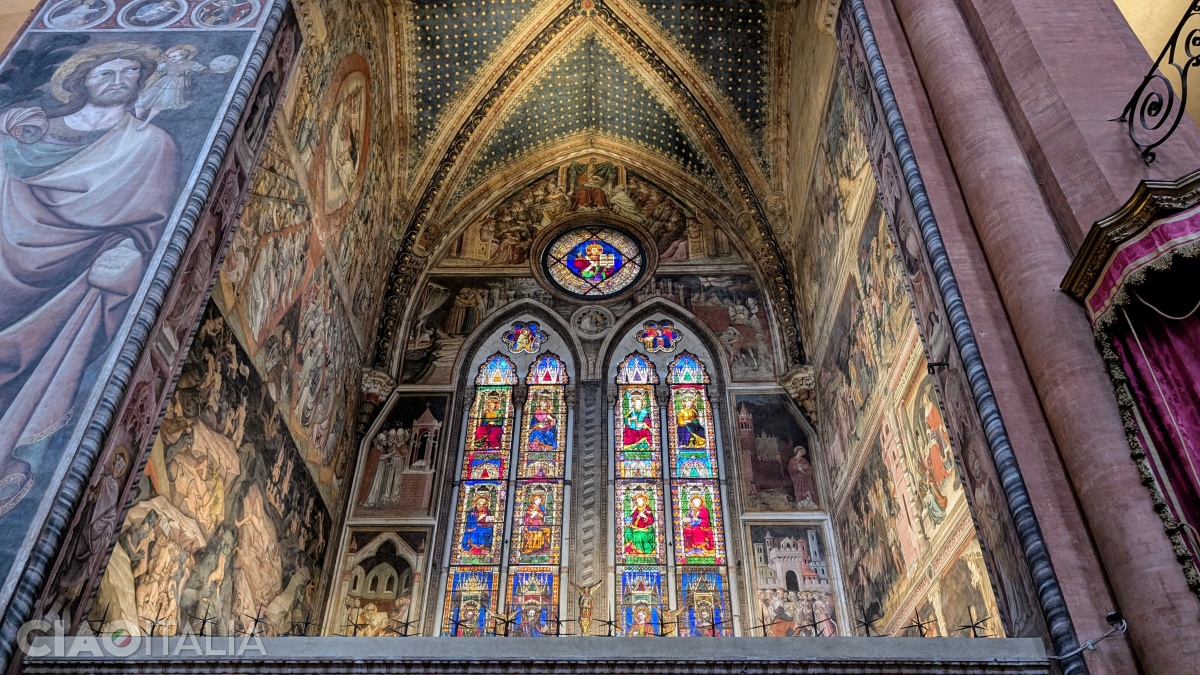
In the same Basilica of San Petronio, in the Bolognini Chapel, can be found a spectacular fresco - the Last Judgment, painted by Giovanni da Modena in 1410. The way the artist envisioned Hell and the devil as a two-headed monster, swallowing Judas with one mouth and expelling him with the other, the dozens of ways he depicted the sinners' tortures, as well as the (now controversial) representation of Muhammad in Hell, are truly astonishing.
7. Go Shopping
If you enjoy shopping while on vacation, then Quadrilatero is the place for you. This is the area behind Palazzo dei Banchi, bordered by Via Rizzoli, Via dell'Archiginnasio, Via Farini, and Via Castiglione. The area is vibrant, and, besides the numerous restaurants, bars, and cafés, you will also find shops of all kinds - from small traditional stores to jewelry boutiques.
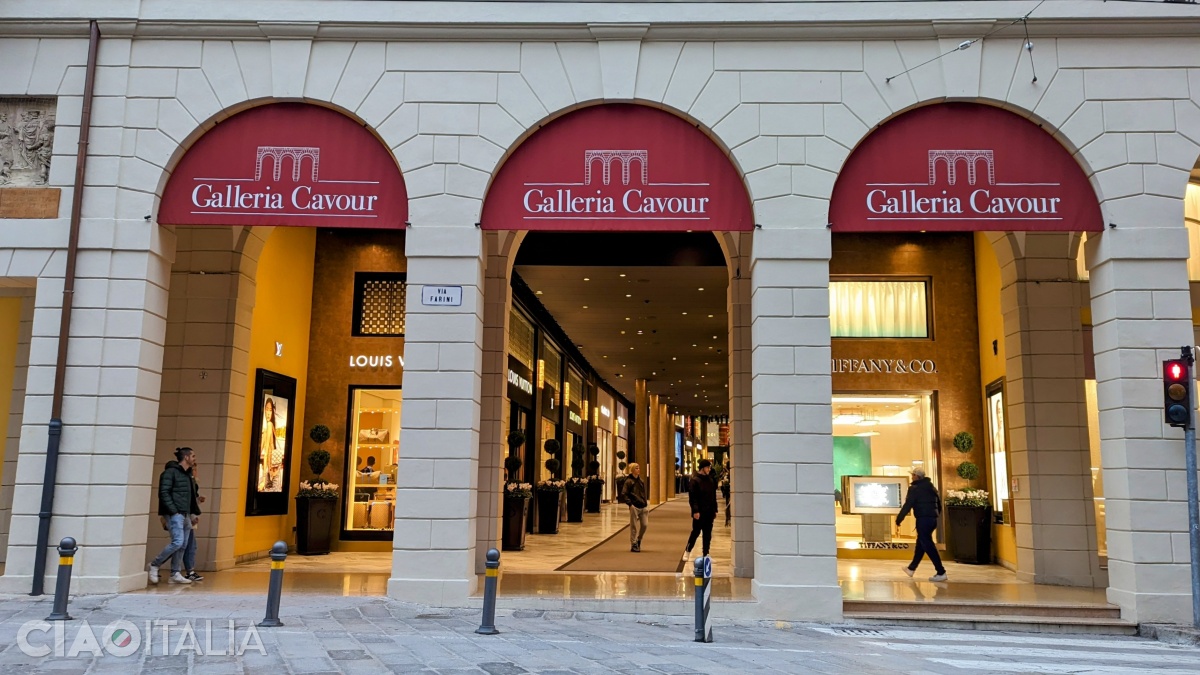
Also, in Quadrilatero, you will find the elegant and luxurious Galleria Cavour, which brings together the biggest Italian and international fashion brands.
If you prefer a more local vibe, visit Piazza VIII Agosto in front of Montagnola Park on a Friday or Saturday. For many years, a bustling market called la Piazzola has been held there. In the 13th century, it was a livestock market, and later it was used for military exercises. Today, there are over 400 stalls selling clothes, bags, shoes, lingerie, dishes, or flowers. The atmosphere has changed over time; nowadays, the goods are not necessarily from Italy, but with patience and attention, you can find beautiful items sold at much higher prices in Bologna's elegant stores.
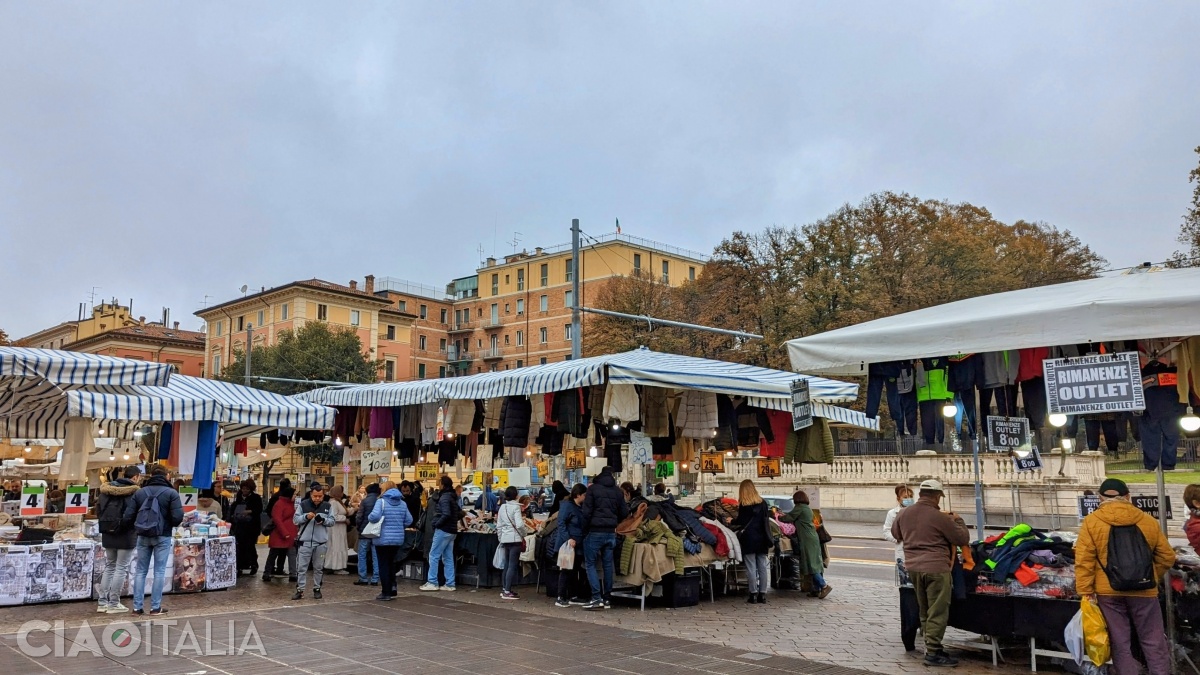
Another shopping area for enthusiasts is Via dell'Indipendenza.
8. Have a Glass of Wine at the Oldest Osteria in the City
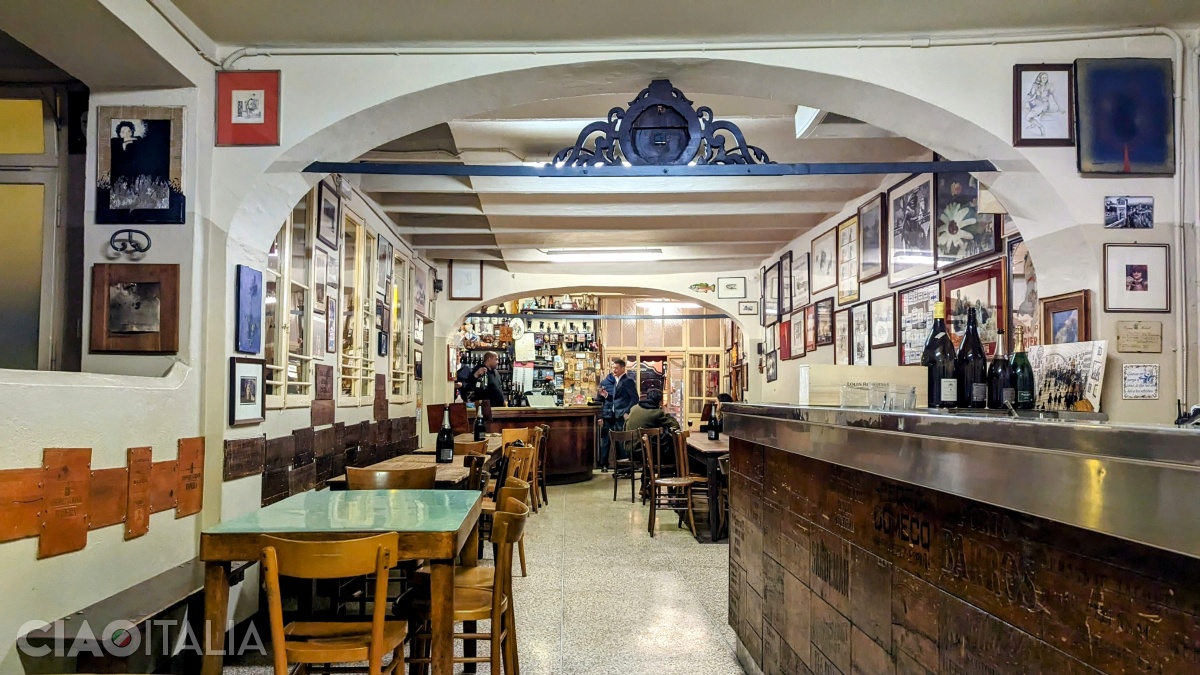
Also, in Quadrilatero, on a narrow street, you will find the oldest osteria in the city. It's called Osteria del Sole and dates back to the distant year of 1465.
The place is simple, unpretentious, but has an authentic atmosphere and is frequented by many locals of all ages.
Only drinks are served here, but what makes it unique is the fact that you can bring your own food from home or elsewhere and eat it here. We recommend buying cheese and cured meats from nearby grocery stores, especially from the historic Tamburini delicatessen.
9. Dine in a Bookstore
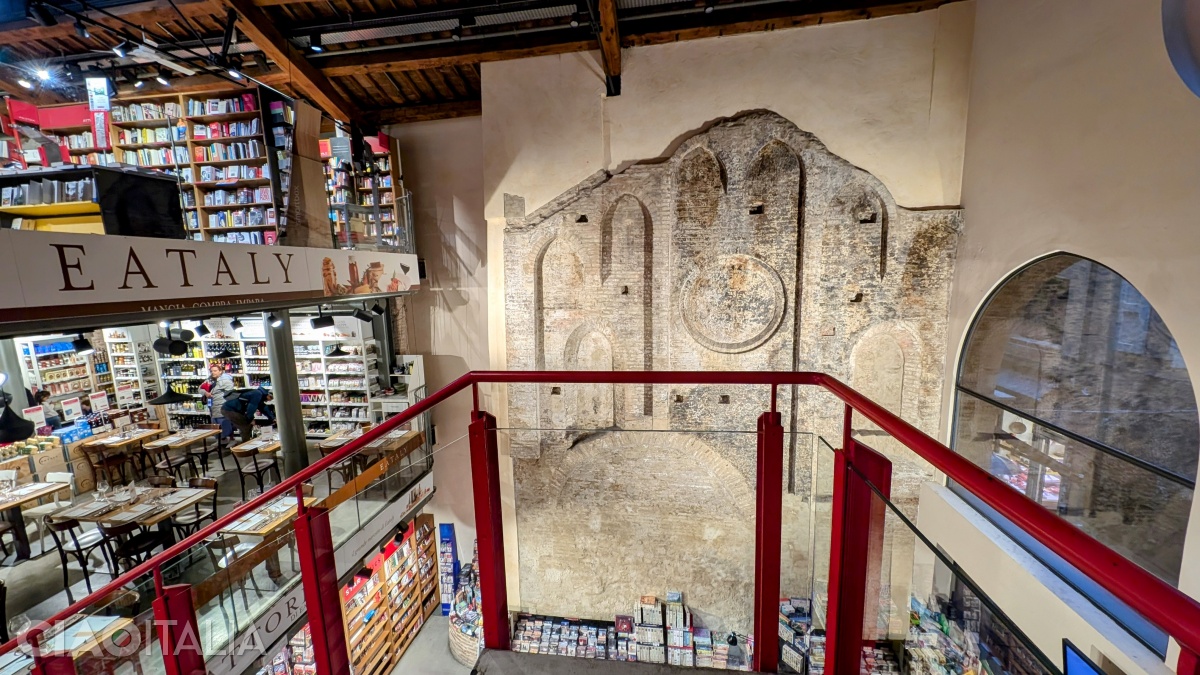
Let’s stay in Quadrilatero. On Via degli Orefici no. 19, in a place that was a butcher shop in the Middle Ages and later a cinema, you'll find the Coop Ambasciatori bookstore. It's a special place that combines books with gastronomy, born from a collaboration with the Eataly network.
On each floor, you'll find books as well as a space dedicated to gastronomy: on the ground floor is Caffè di Eataly (café, pastry shop, and bar), on the first floor is the restaurant La Trattoria di Eataly, on the second floor is Osteria Stagioni (offering lighter meals, wines, and beers), as well as a food store.
For a unique experience, we recommend having a cappuccino and a pastry at the café on the ground floor. It's not that Eataly's restaurants aren't good, but in Bologna, it's quite easy to find food that's just as good, if not better, at slightly lower prices.
10. See the Controversial Inscription
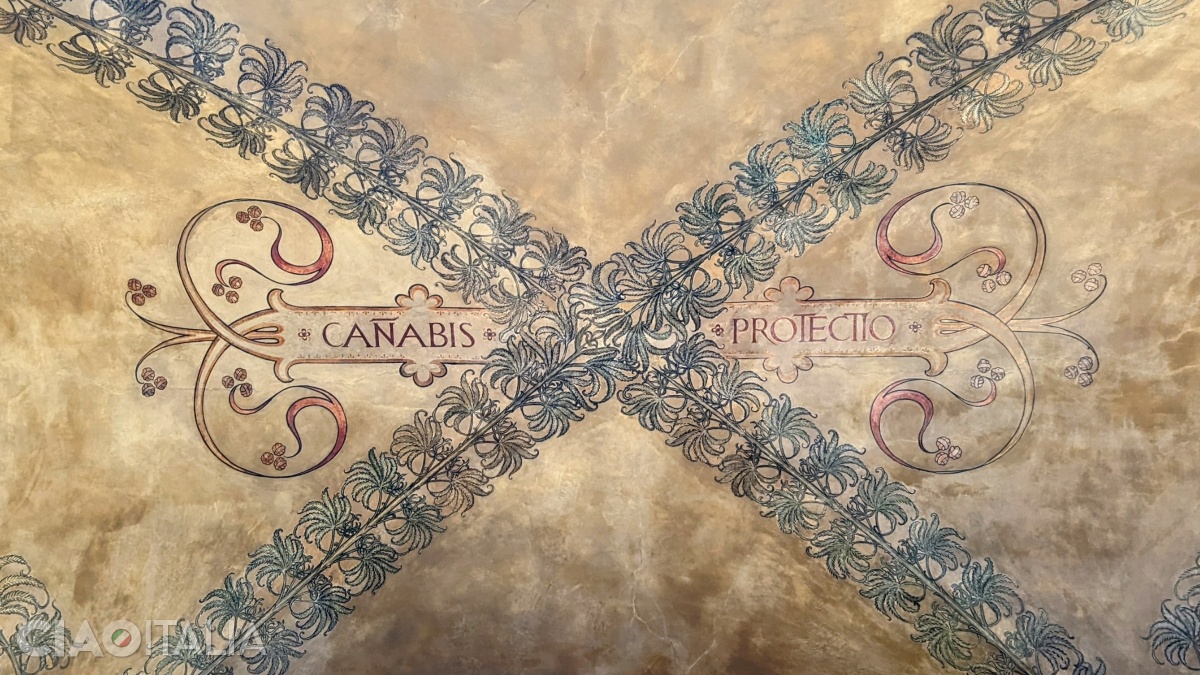
Near Piazza Maggiore, at the intersection of Via Indipendenza and Via Rizzoli, there is a controversial inscription. On the arch of the portico of the buildings under the Scappi Tower, it reads: Panis vita ("Bread is life"), Canabis protectio ("Cannabis is protection"), and Vinum laetitia ("Wine is joy").
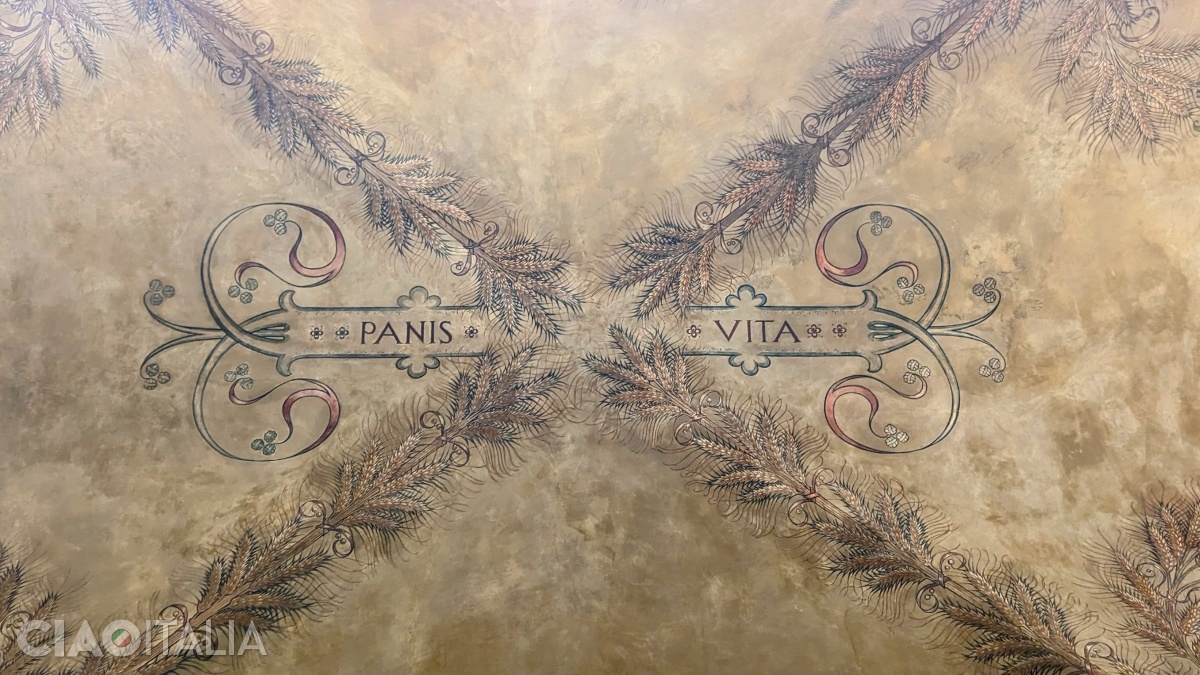
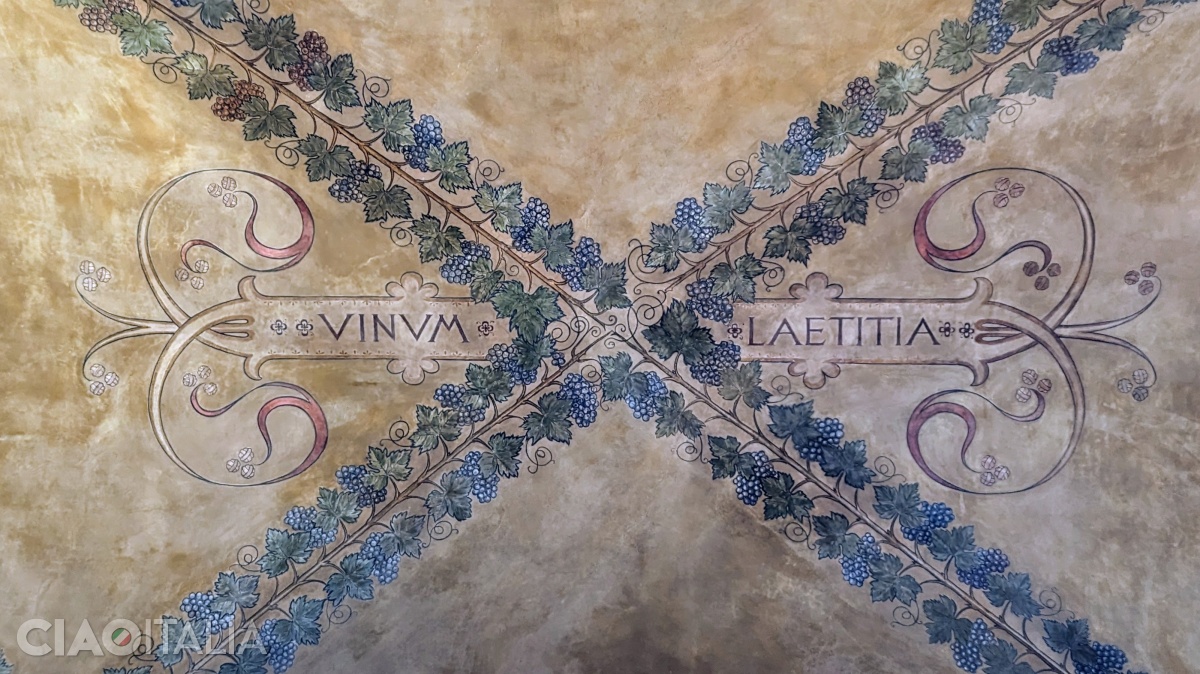
It was initially thought that the reference to cannabis alluded to the medicinal effects of the plant. However, it appears to refer to the period when the hemp trade flourished in Bologna, bringing the city significant wealth and, therefore, protection.
11. Discover Michelangelo in Bologna
We usually associate Michelangelo with Rome or Florence. However, few people know that the artist passed through Bologna twice.
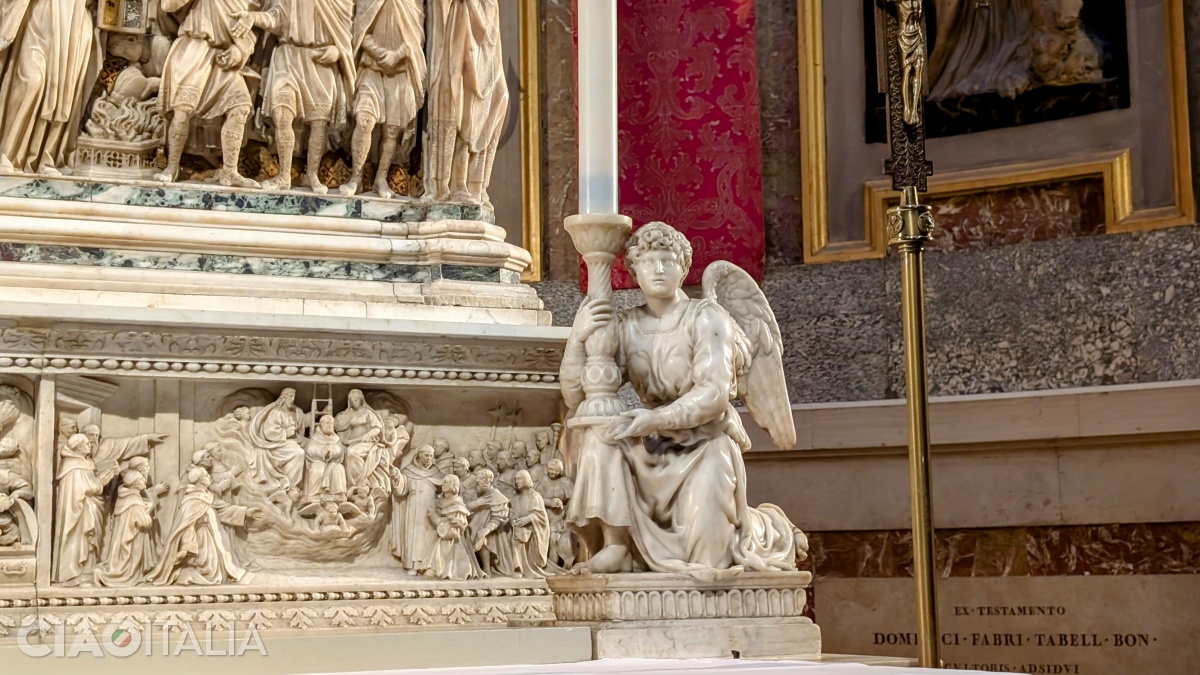
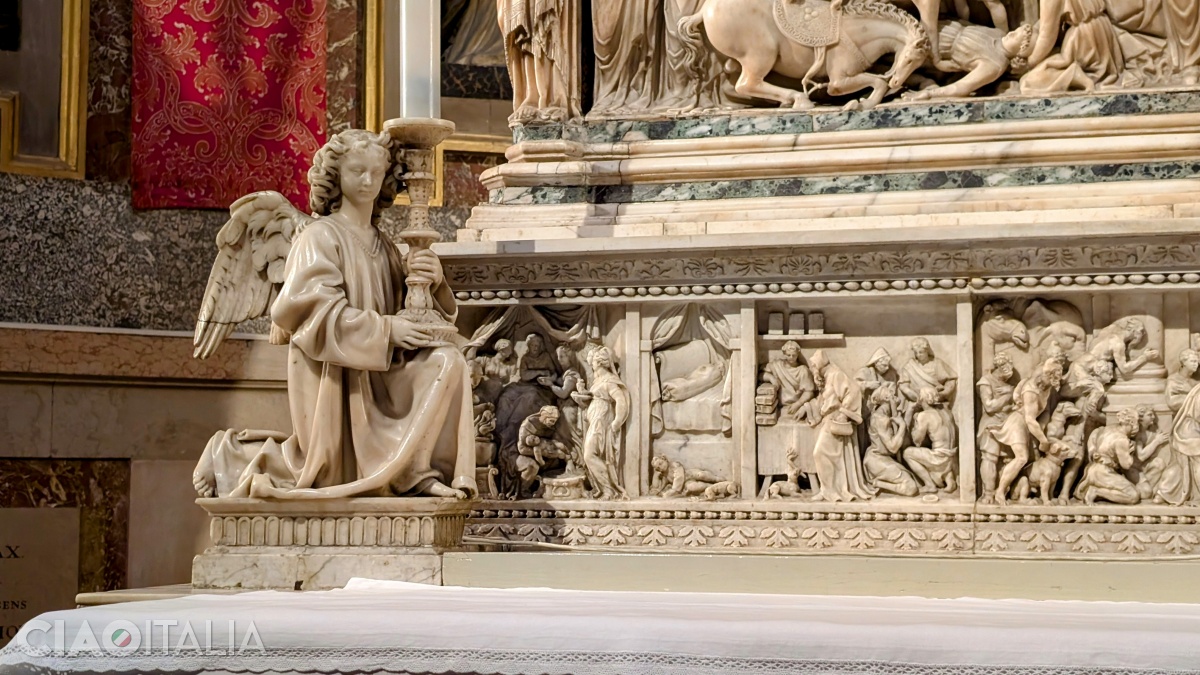
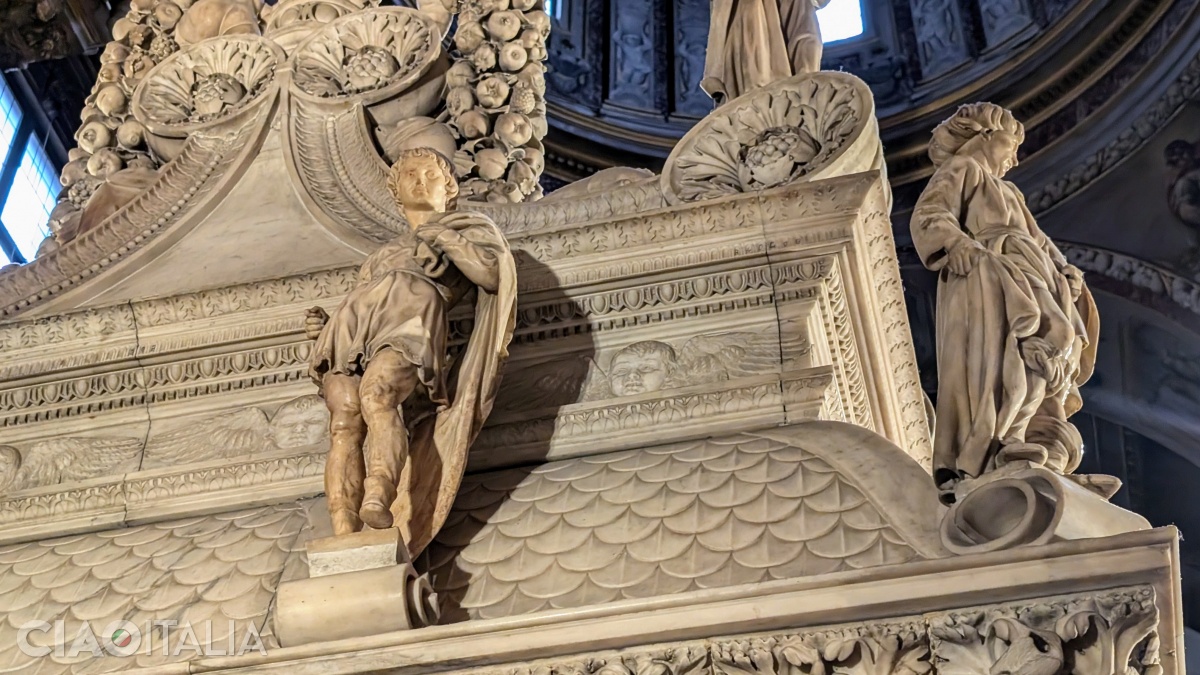
From the first period, three sculptures remain, which you can find in the Basilica San Domenico. They were made when he was 19 years old and adorn the tomb of St. Dominic, known as the Arca di San Domenico.
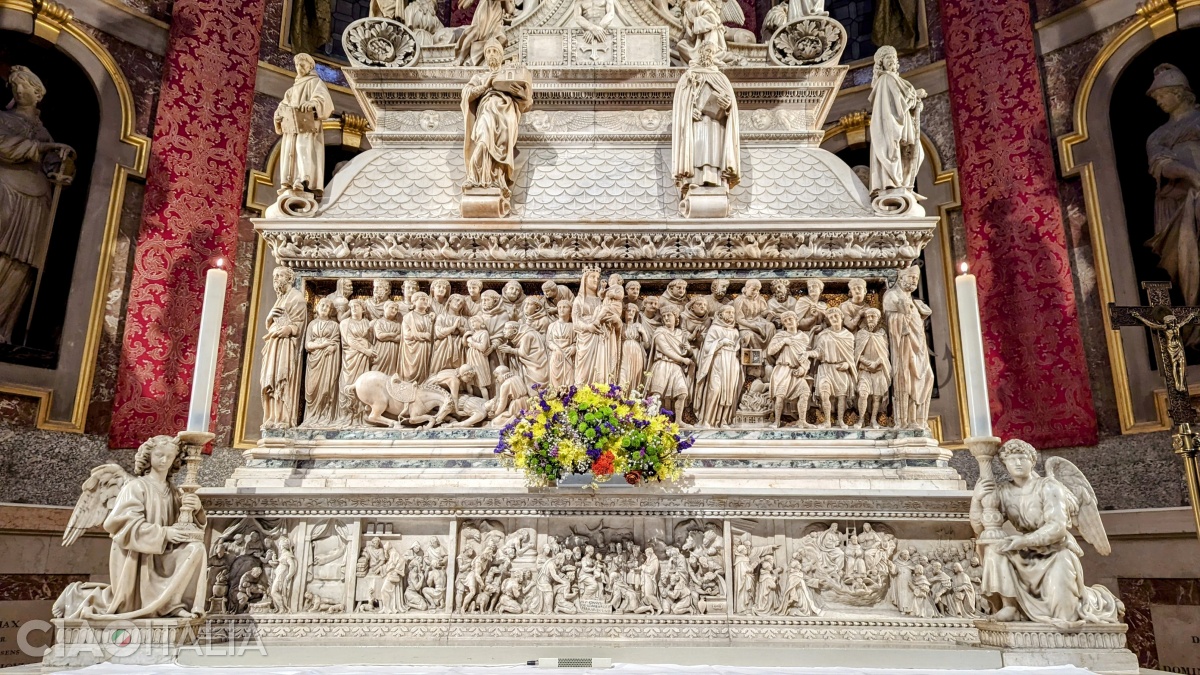
On the front of the sarcophagus is the statue of St. Petronius (San Petronio), holding a model of the city. If you look closely, you will recognize the two leaning towers.
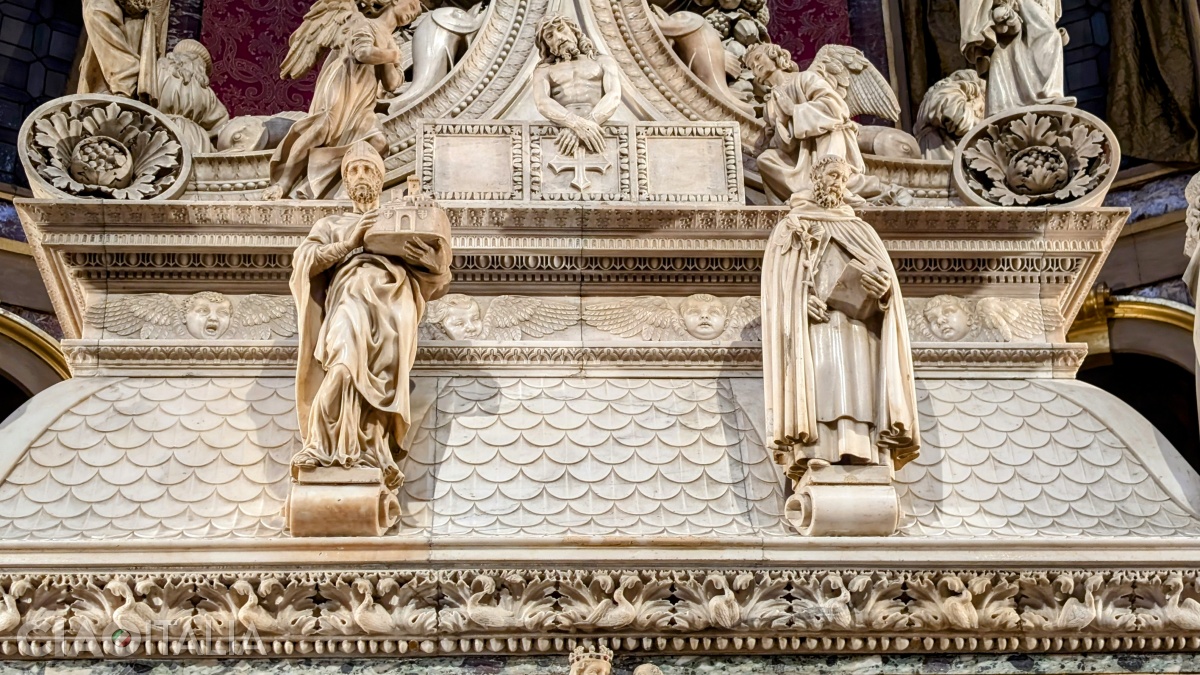
Also on the front is the angel sculpted by Michelangelo - the one on the right (the left angel was sculpted by Niccolò dell’Arca, using his wife as a model).
On the back of the sarcophagus is the sculpture of St. Proculus (San Procolo). If it seems familiar, it's because it resembles the statue of David, sculpted later and now displayed at the Accademia Gallery in Florence.
During the second period Michelangelo spent in Bologna, when he was 31, he sculpted the enormous bronze statue of Pope Julius II, which adorned the facade of the Basilica San Petronio. Unfortunately, this statue did not survive. In 1511, when the Bentivoglio family recaptured the city from the pope's control, the statue was melted down and turned into the largest cannon of the time, called Iulia.
12. Find the "Little Venice"
Years ago, Bologna was crossed by several canals. Their water was especially needed for production activities during the period when the city played an important role in the silk industry. Many of these canals were covered in the 1950s, but their waters still flow beneath the city, and the streets preserve their memory - for example, Via Riva di Reno ("Bank of the Reno River Street") or Via delle Moline, which owes its name to the water mills used for grinding grain.
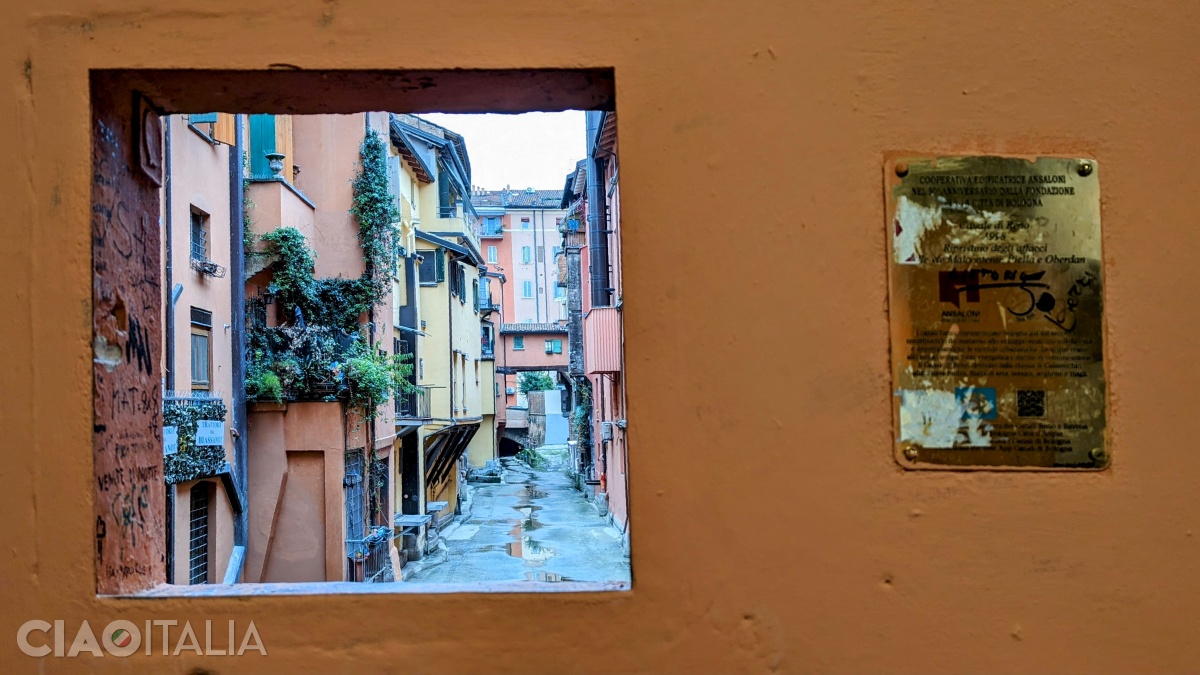
Recently, locals have begun to rediscover and try to promote this lesser-known aspect of Bologna, the "city of waters". In 1998, they reopened a small window on Via Piella no. 16 (near Osteria Biassanot), from where the view of the Canale delle Moline is reminiscent of Venice. The place even earned the nickname "Little Venice". Unfortunately, the canal doesn't always have water.
Similar views can be seen from the canal’s ends, from Via Malcontenti or Via Oberdan.
13. Walk through the Longest Portico in the World
Bologna is home to the longest portico in the world, the Portico of San Luca. It is a gallery of arches that climbs from Porta Saragozza up to the top of della Guardia hill, about 300 meters high, where the Basilica San Luca is situated.
The portico measures almost 4 km and it will take you about an hour to reach the top. Along the way, you'll encounter 15 chapels and 666 arches - a symbolic number representing the Church's victory over evil.
If you're superstitious, you should know that it's said you shouldn't walk this path with your loved one (because you will break up) or if you are a student about to take an exam. Apparently, in these cases, the Portico of San Luca brings bad luck...
14. Try Traditional Food
You can't leave Bologna without trying the traditional Bolognese cuisine, renowned as the best in Italy. Remember three things: green lasagna, tagliatelle al ragù, and tortellini in brodo. Don't forget mortadella or cotoletta alla bolognese (the local schnitzel).
Food lovers should visit Mercato di Mezzo, a historic covered market located in the Quadrilatero, and Mercato delle Erbe, the oldest and largest food market in the city. Besides stalls selling fruits and vegetables and shops with local delicacies, you'll also find small eateries where you can grab a snack or a quick lunch.
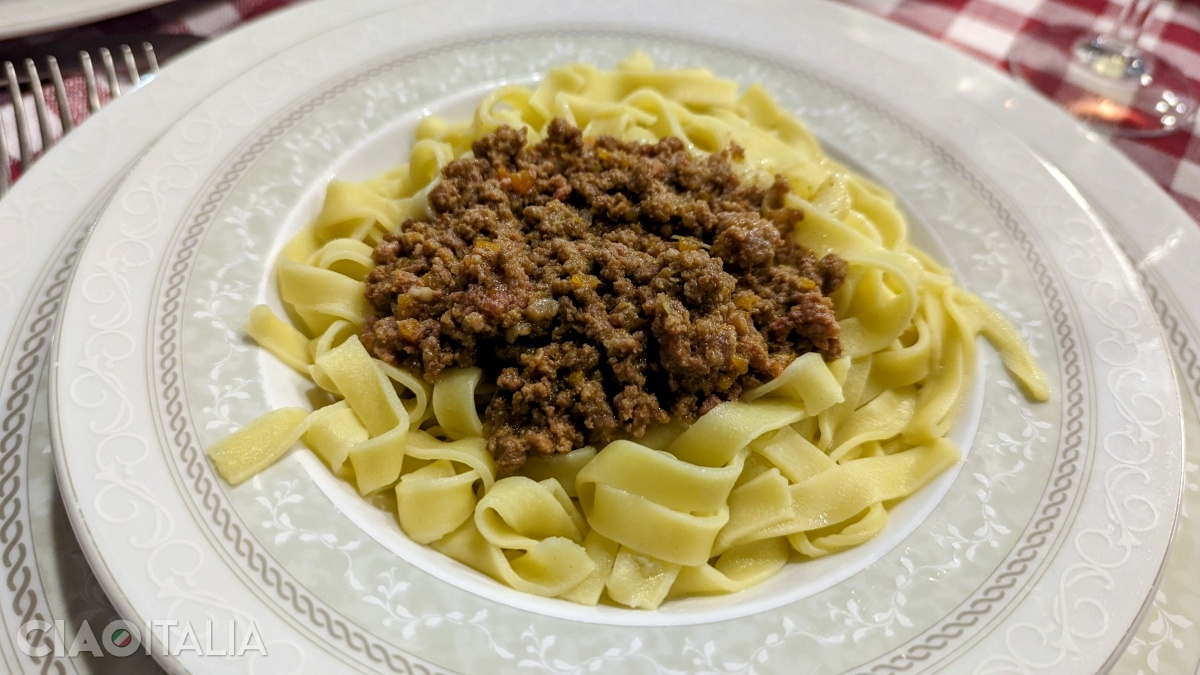
15. Learn How to Make Pasta
What better place to learn how to make pasta than Bologna, the city where pasta is surrounded by legends?
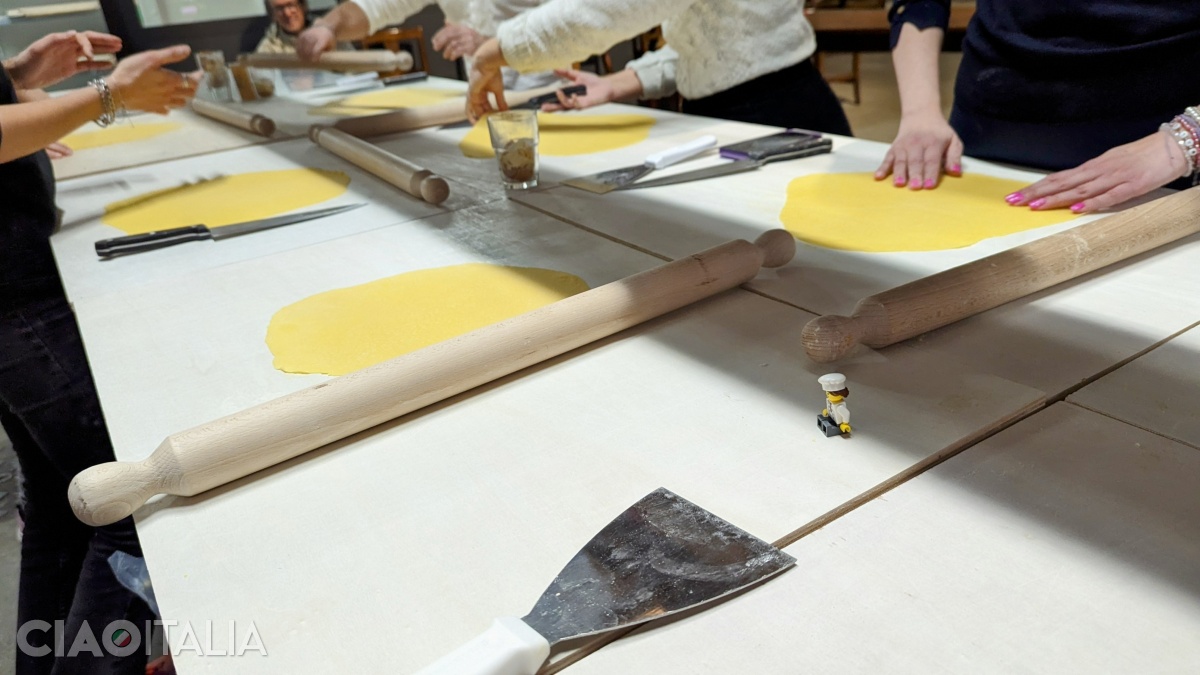
About 20 minutes from the city center is the gastronomy-themed park Grand Tour Italia. There you can sign up for beginner pasta-making workshops.