Visiting the Bard Fort (Forte di Bard) in the Aosta Valley
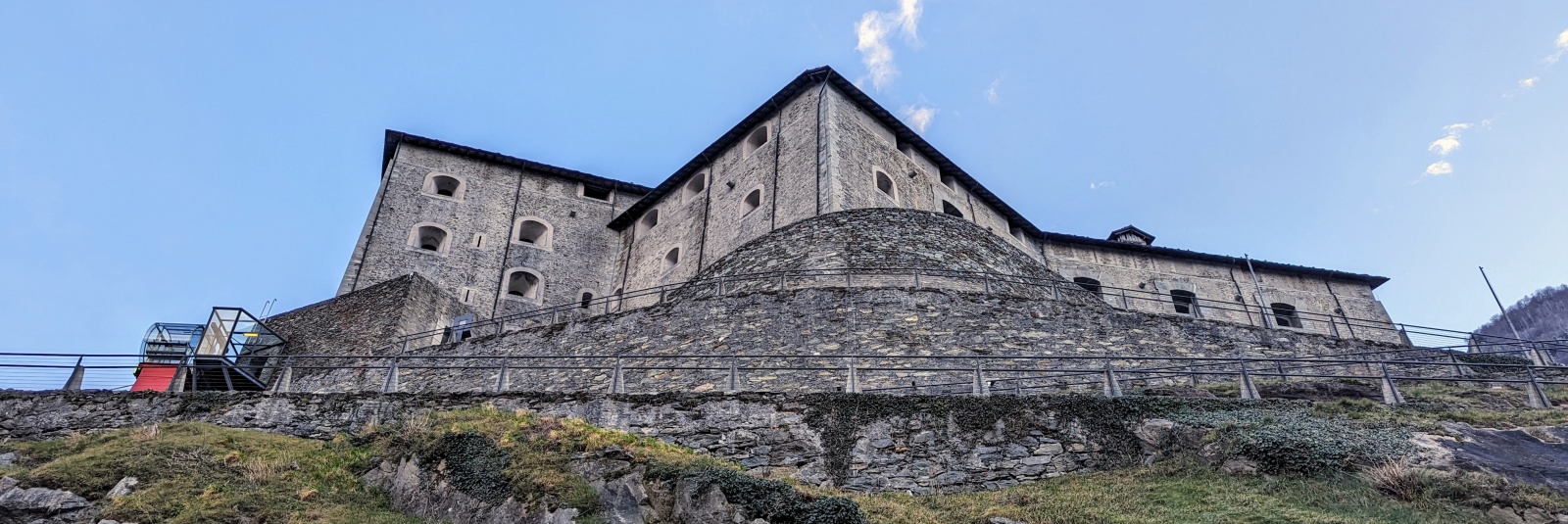
From its height of 384 m, on the hill where it sits, Fort Bard (Forte di Bard) dominates the entrance to the Aosta Valley. It is one of the first fortresses you will encounter as soon as you leave the Piedmont region, and it is hard to miss when heading toward the villages or the ski resorts in Aosta Valley.
For centuries, the fortress protected the valley, serving as the theater for numerous battles. Today, you can visit the citadel, which has been transformed into a museum and exhibition space. It was also the filming location for the movie "Avengers: Age of Ultron".
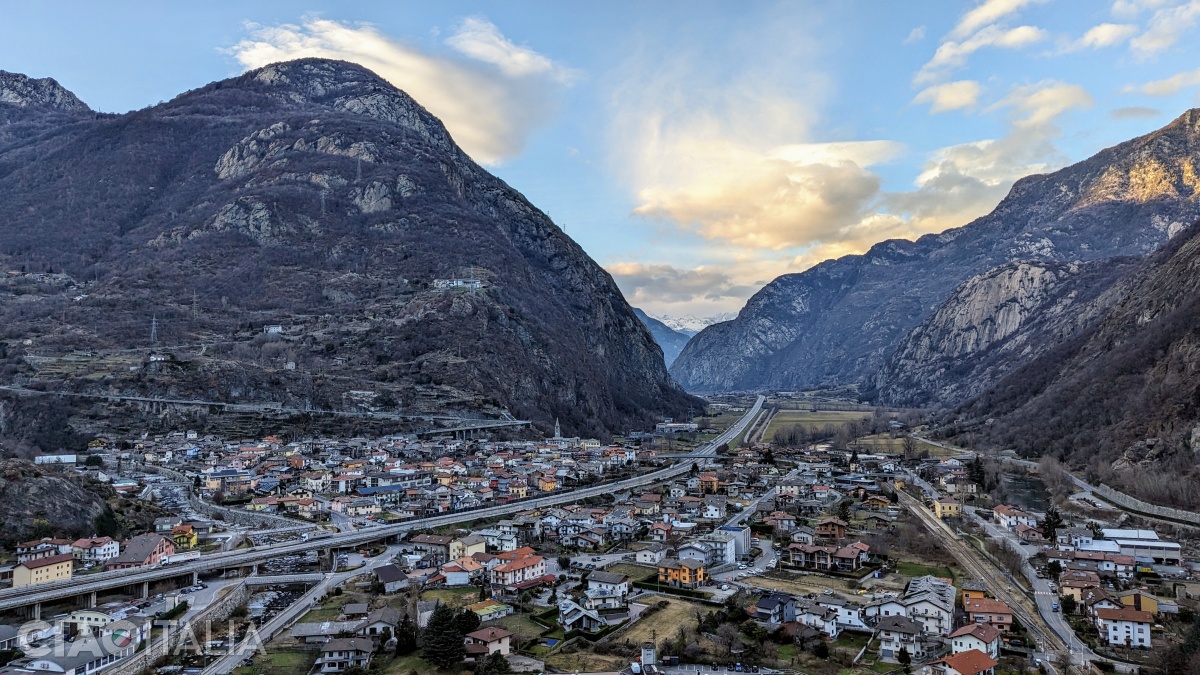
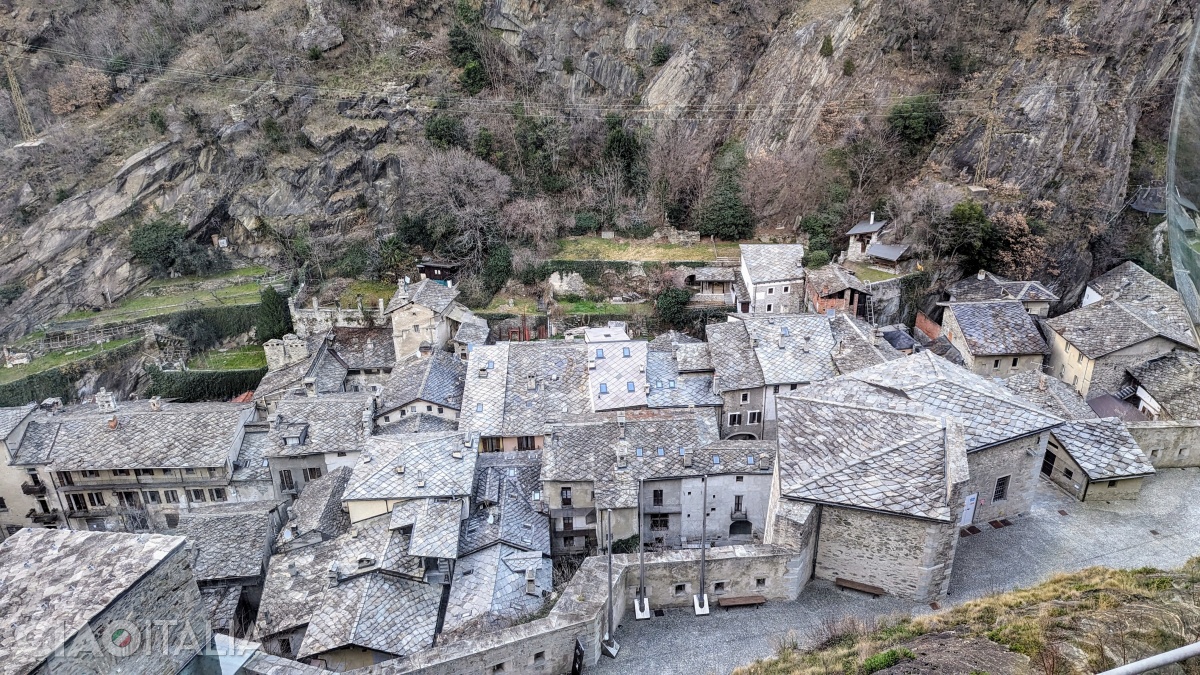
If you visit the fort, take a walk through the village of Bard, located at its foot. Tucked between the mountain and the hill where the fortress stands, the village is on the list of the most beautiful hamlets (borghi) in Italy.
Tickets and Prices
There are several types of tickets available, depending on what you wish to visit. Tickets can be purchased online or at the ticket office on-site.
Ticket including entrance to the fortress and 3 museums or exhibitions (of your choice):
- Adult: €15
- Over 65: €12
- 19-25 years: €12
- Under 18: Free
All-access ticket (includes entry to the fortress and access to all museums and exhibitions):
- Adult: €24
- Under 18: Free
Fort Bard includes the following museums:
- Museum of the Alps
- Museum of Fortifications and Frontiers
- Museum of Prisons
- The Alps for Children Museum
In addition to these, several exhibitions are periodically organized within the fortress.
How to Get to Forte di Bard?
Fort Bard is located in the southeastern part of the Aosta Valley, between Verrès and Pont-Saint-Martin, approximately 45 km from the city of Aosta. You can reach it by car, by train (the Hone-Bard station is about 600 m from the fortress), or by Arriva or Vita Group buses (see also the article on transport in Valle d'Aosta).
Right at the base of the hill, there is a multi-story parking lot. The cost is €3/ day during the week and €4/ day on weekends. Don't forget to take the ticket with you so that you can make the payment before returning to the car.
There are also three free parking lots located at distances ranging between 200 and 600 m.
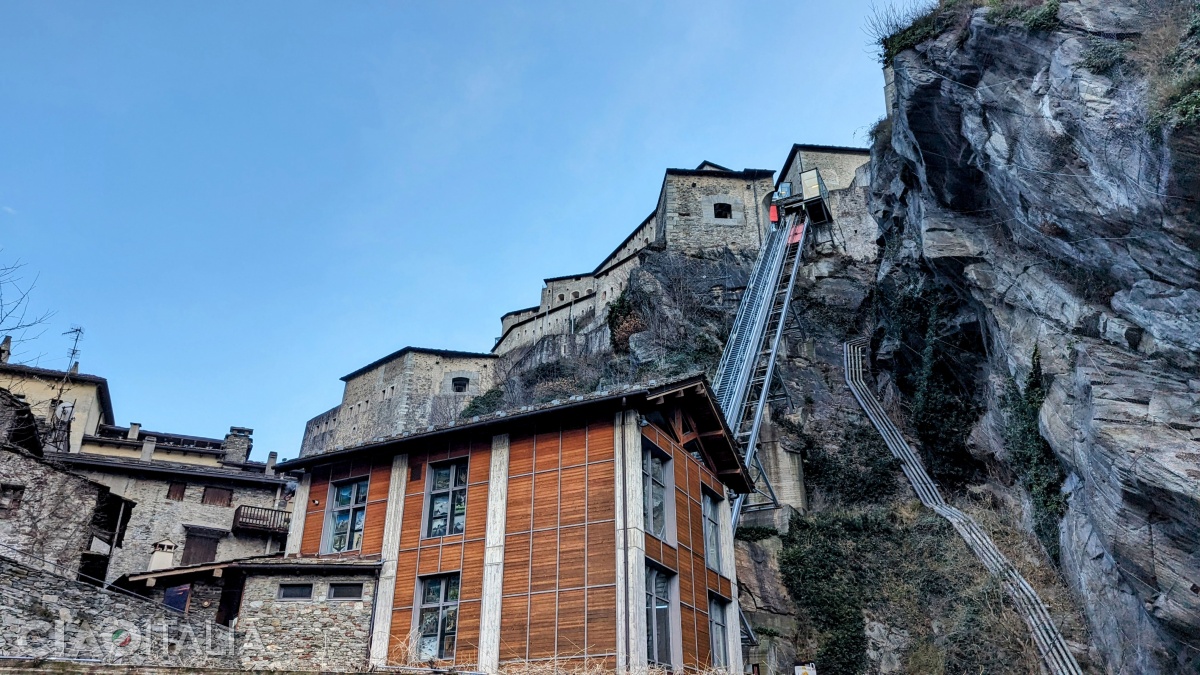
You can access the fortress via a scenic path that winds up to the top of the hill, or by using three glass-walled elevators (the elevator ride is included in the entry ticket).
Inside the citadel, you will find a charming shop with souvenirs and local products, as well as a café-bar where you can take a break.
Opening Hours
Fort Bard has the following opening hours:
September 7 - December 24, 2026:
- Monday: closed (open on December 7, 2026)
- Tuesday-Friday: 10:00 AM - 6:00 PM
- Saturday-Sunday: 10:00 AM - 7:00 PM
December 25, 2026: Closed
December 26, 2026 - January 6, 2027:
- Monday-Friday: 10:00 AM - 6:00 PM
- Saturday-Sunday: 10:00 AM - 7:00 PM
The ticket office closes 1 hour before the site's closing time.
History of the Fortress
On the hill situated above the village of Bard and the Dora Baltea River, a fortress has existed since the Middle Ages with the purpose of defending the valley. In the 13th century, the fortress came under the rule of the House of Savoy.
Extended in the 17th century, the fortress was destroyed in the year 1800. In May of that year, Napoleon's army of 40,000 men passed through the Gran San Bernardo Pass and encountered the Austrian armies at Fort Bard. The Austrians resisted heroically for two weeks but eventually had to surrender. Infuriated by the unexpected resistance, Napoleon ordered the fortress to be razed to the ground.
Later, between 1831 and 1838, Carlo Felice rebuilt the fort. The plan for the new citadel was drawn up by a military engineer, who designed it to withstand a three-month siege. The fortress had 50 embrasures and could accommodate up to 900 men if necessary.
After the unification of Italy in 1861, the fortress lost its strategic importance. It was used for a period as a prison and later as an ammunition depot.
In 2006, after ten years of restoration works, it was opened to the public and transformed into a cultural center.
Things to See at Fort Bard
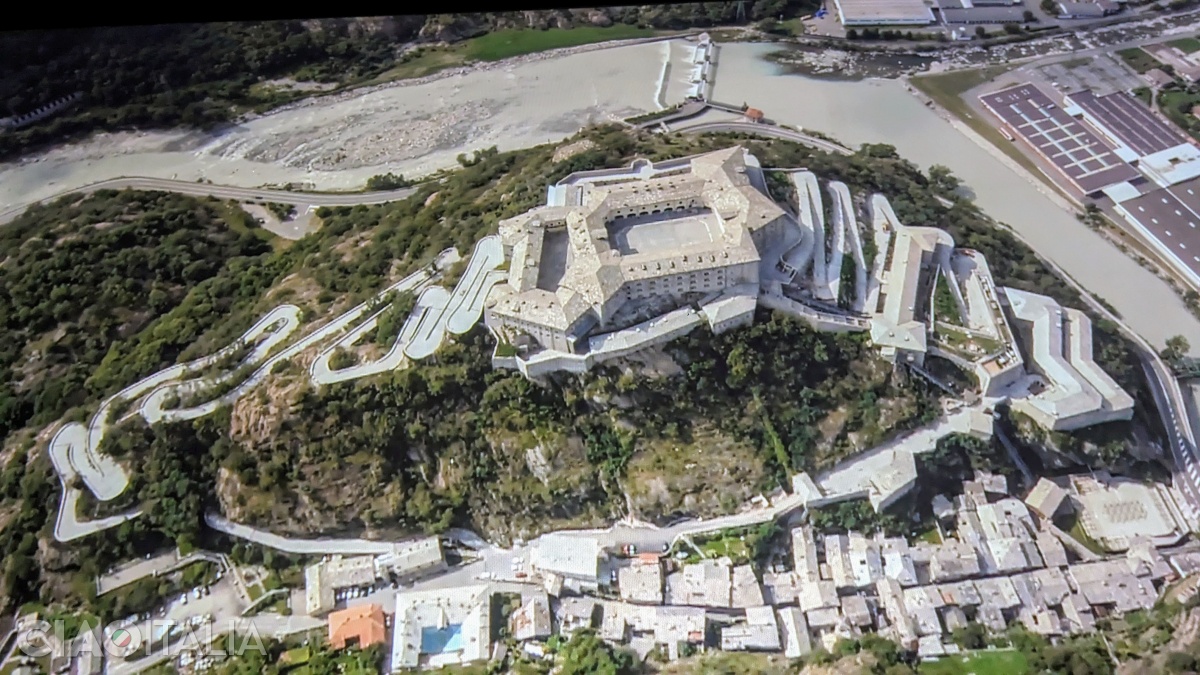
The fortress consists of three main structures (called opera) located at different heights on the hill, which house several museums and exhibitions.
The first building you will encounter (if climbing on foot) is called Opera Ferdinando, where the cisterns and warehouses were located. Today it houses the Museum of Fortifications and Frontiers. As you continue your ascent, you will pass the gunpowder magazine, built at the beginning of the 20th century, and the Opera Mortai. The latter dates from the mid-19th century and featured a mortar battery (short-barreled weapons with a curved trajectory) on its upper level.
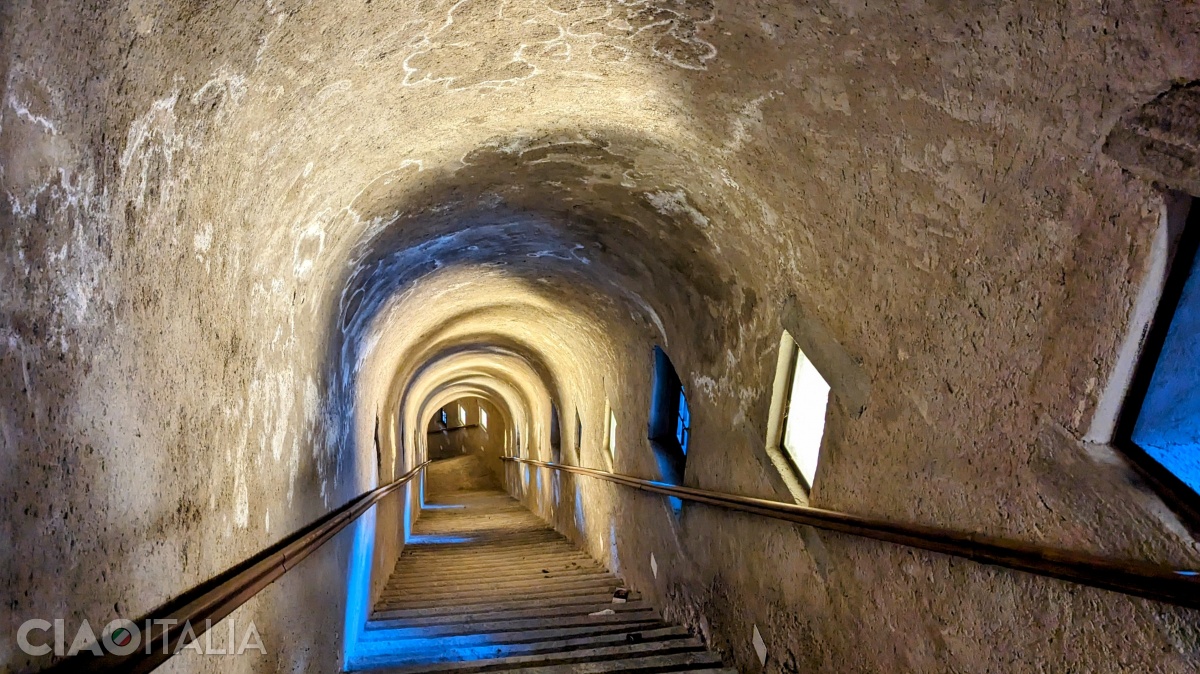
In the middle lies Opera Vittorio, built on two levels. Inside, a covered staircase used to lead from the gunpowder magazine toward Opera Carlo Alberto. Today, Opera Vittorio houses the The Alps for Children Museum (Le Alpi dei Ragazzi), which focuses on mountaineering and rock climbing, including the techniques and equipment involved.
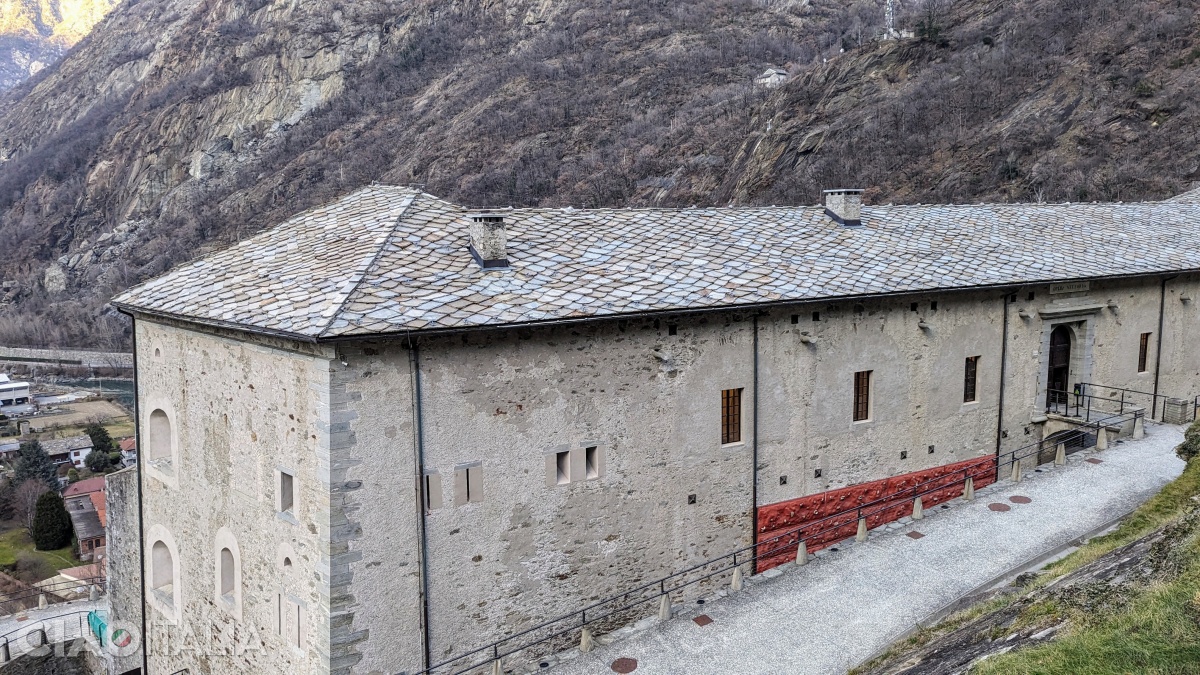
At the very top of the hill is Opera Carlo Alberto, the largest and most impressive structure of the complex. Its five levels rising high above the walls earned it the nickname "the perpendicular fortress". It was protected on one side by a defensive moat, while the other three sides took advantage of the naturally steep and rugged terrain.
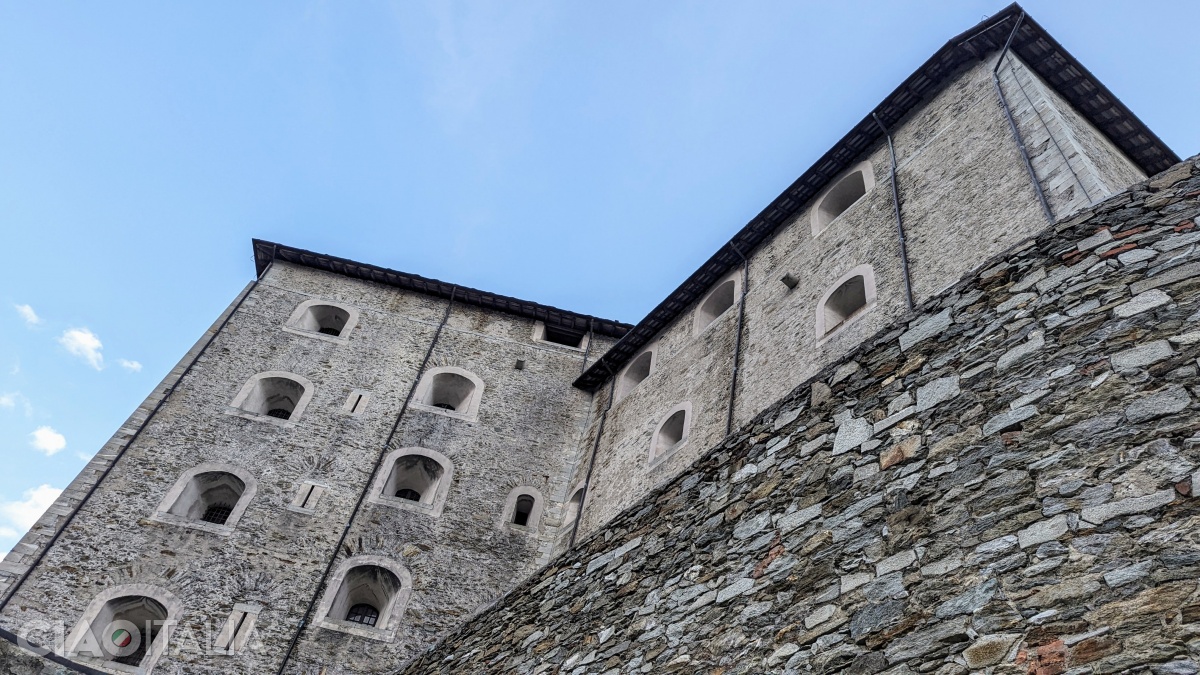
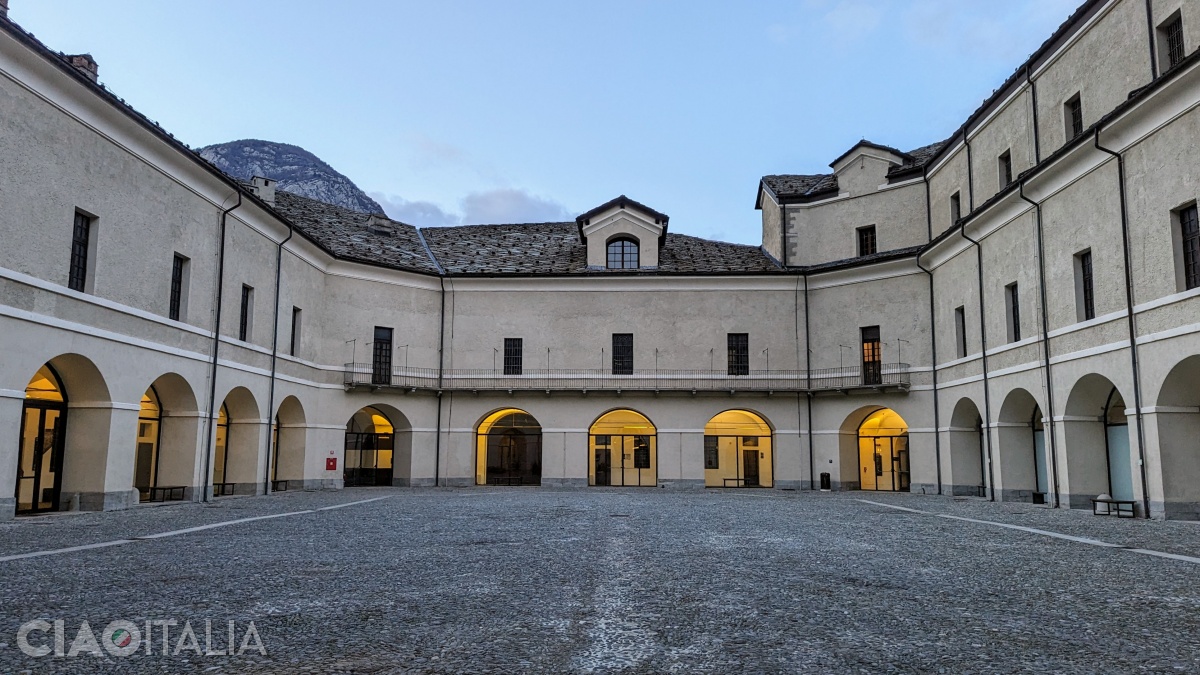
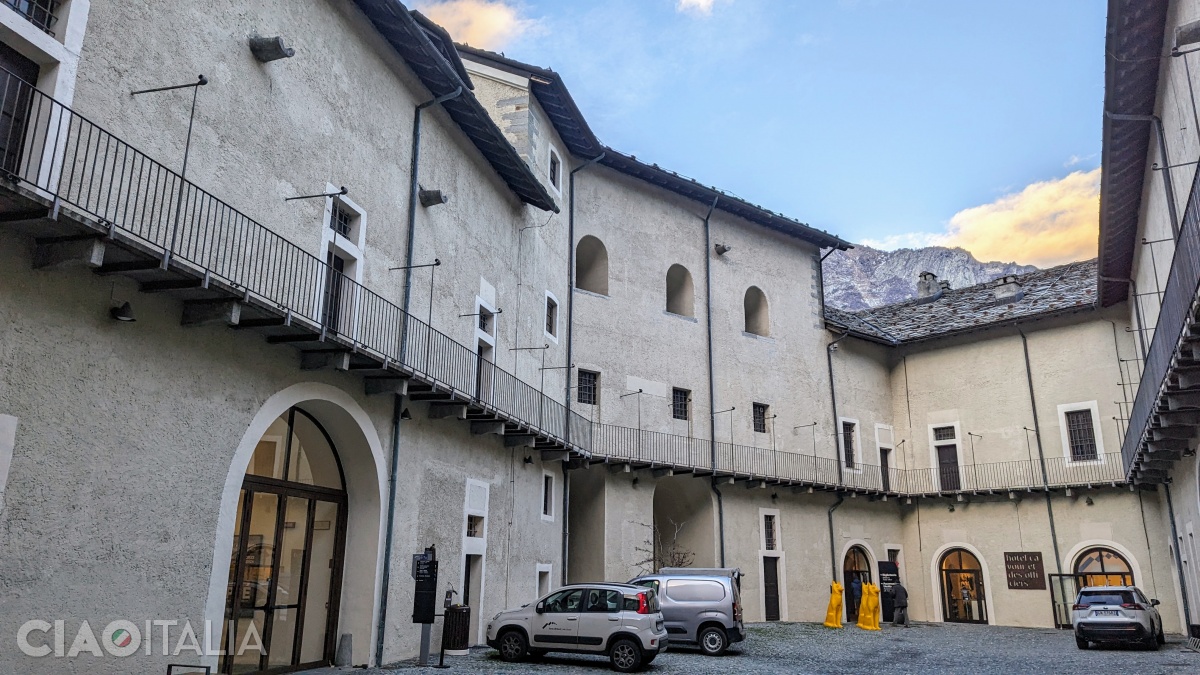
Opera Carlo Alberto consists of several buildings that open onto an inner courtyard. This area once housed the command headquarters, the barracks, a church, a hospital, and several storehouses. Today, it houses the Museum of the Alps, the Prisons, the museum shop, restaurant, and bar, as well as an internal square - Piazza delle Armi ("The Parade Ground") - surrounded by corridors that serve as exhibition spaces.
The Prisons consist of 24 narrow cells where, particularly during the 19th century, prisoners were held. After they ceased to function as a jail, they were converted into supply warehouses. Today, their interior houses a museum that uses a multimedia path - featuring films and 3D reconstructions - to present the history of Fort Bard and the figures who shaped its evolution.
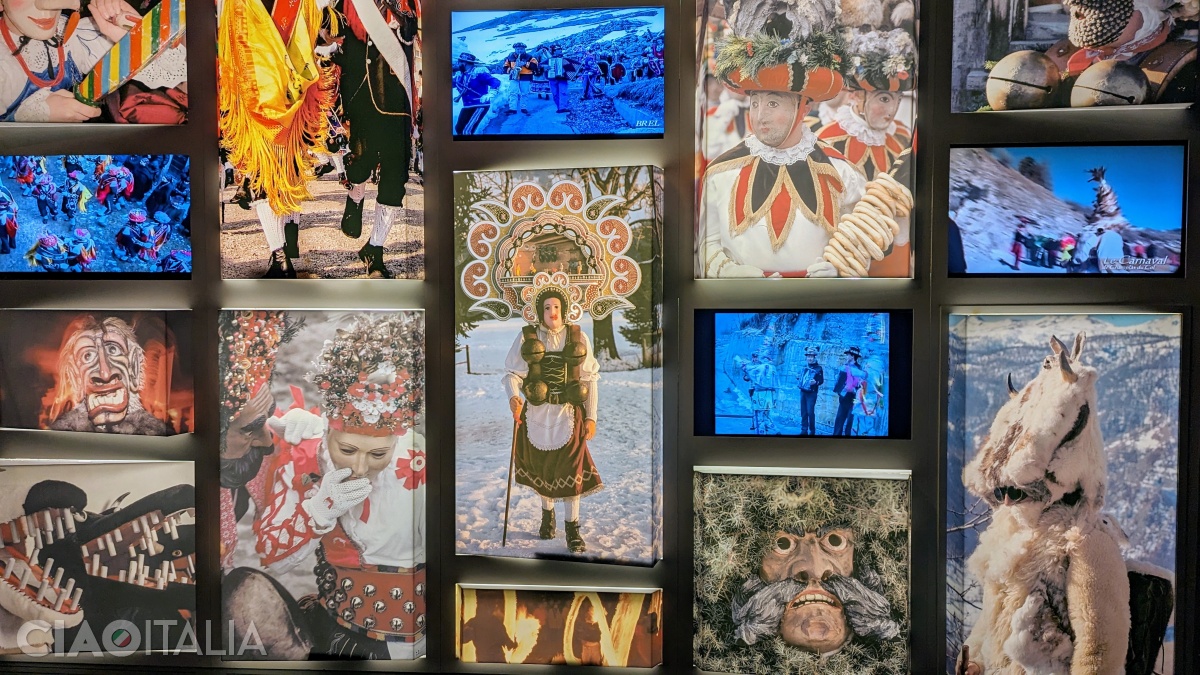
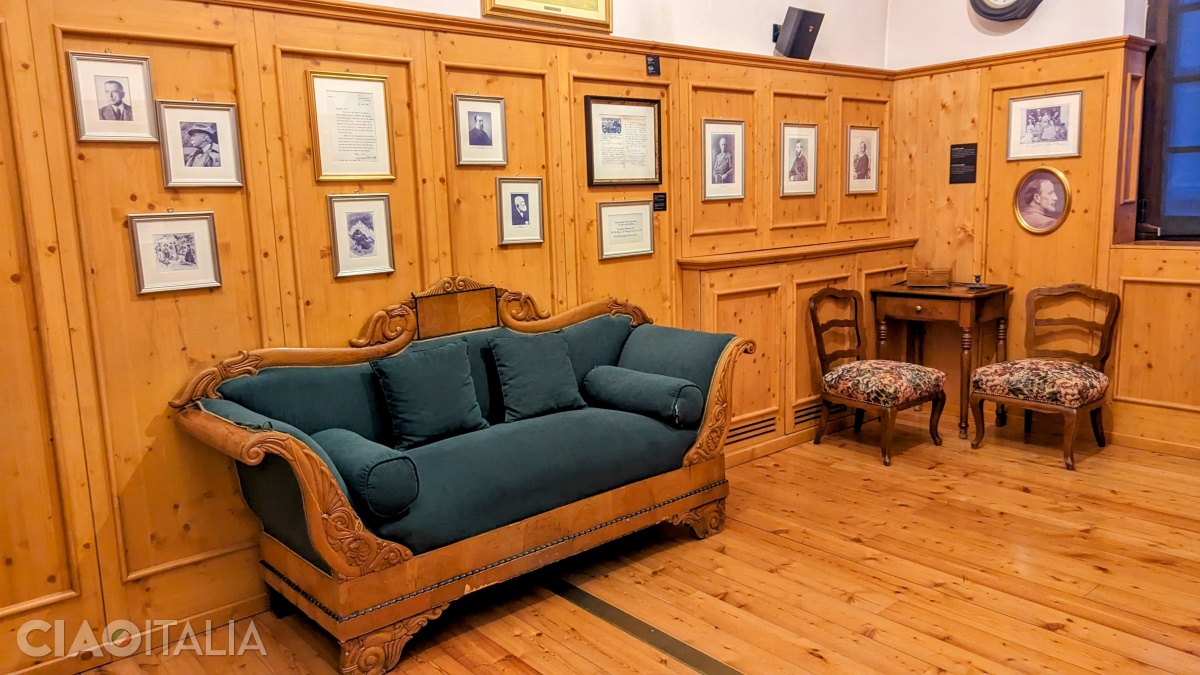
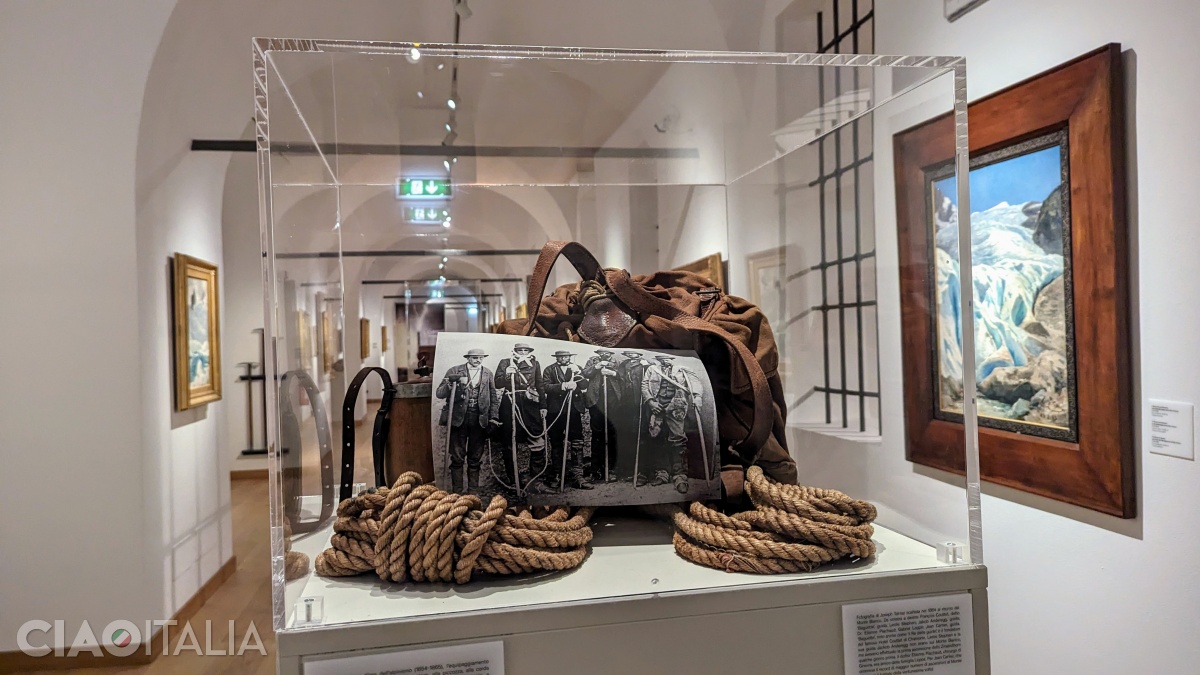
The Museum of the Alps is located on the first floor of the Opera Carlo Alberto building. Across 29 rooms filled with engaging displays and interactive installations, the museum explores the fascinating alpine world from multiple perspectives - from geography, nature, and biodiversity to the lifestyle and traditions of its inhabitants.
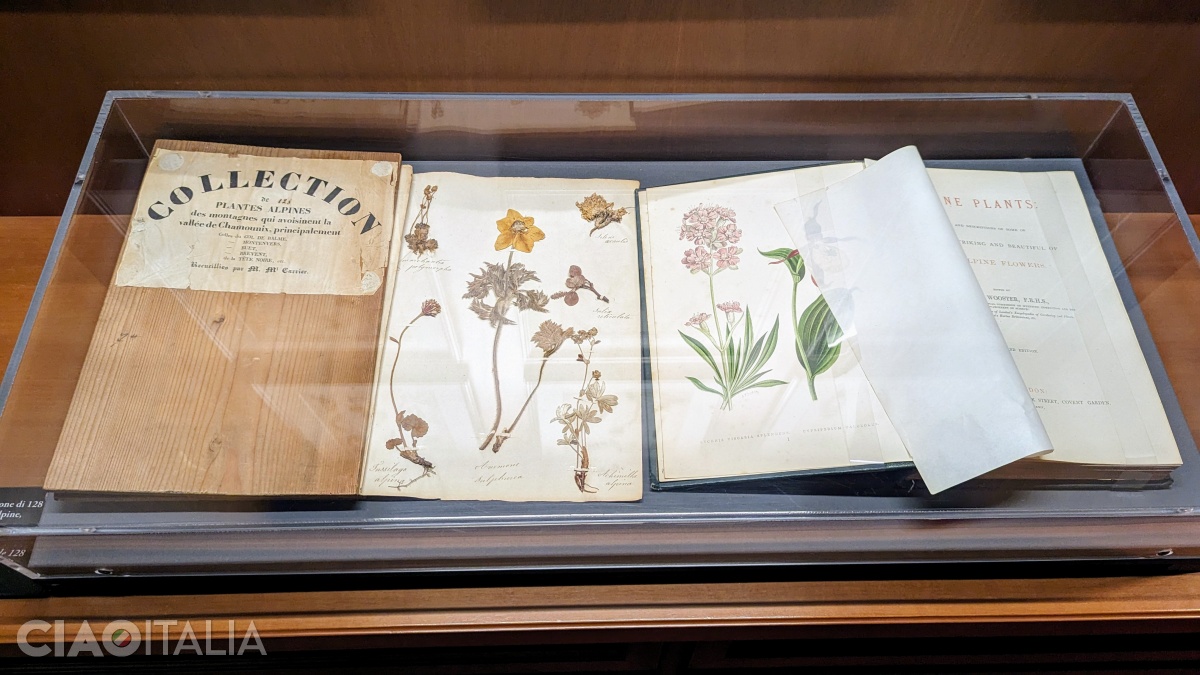
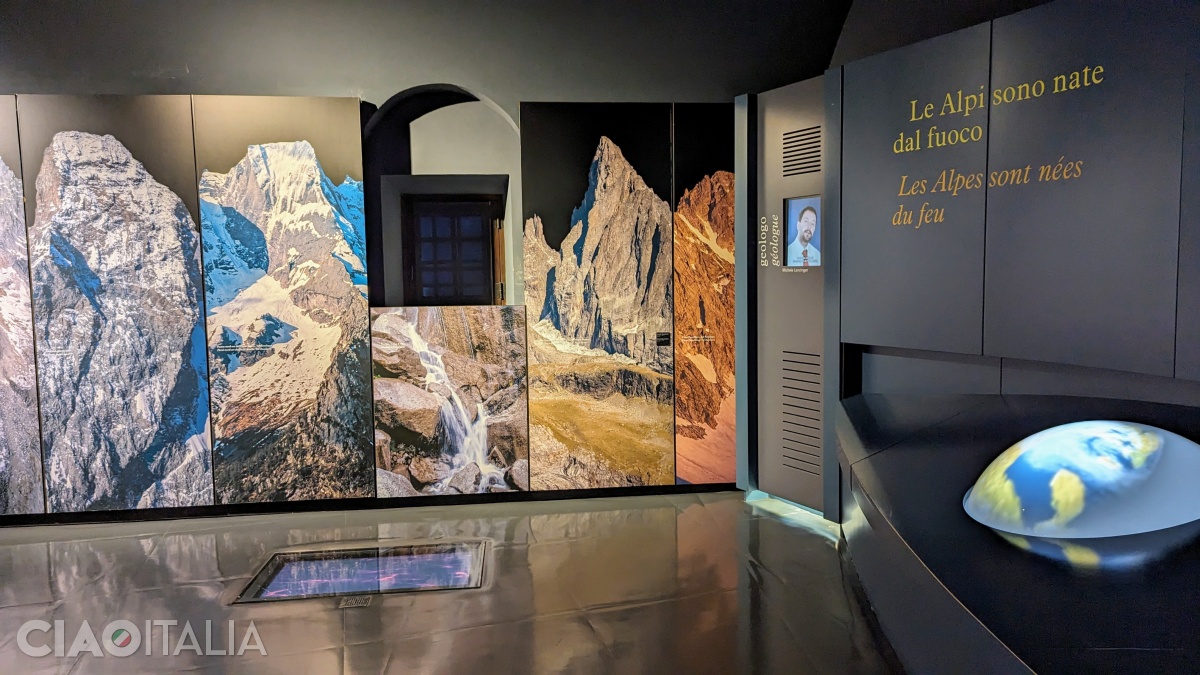
Several video presentations feature a biologist, a geographer, a meteorologist, and an anthropologist who describe the theme of each section. A 3D video allows you to see the most beautiful landscapes of the Aosta Valley from an "eagle's eye view", soaring over the summit of the Mont Blanc massif and finishing with a flight directly over Fort Bard.
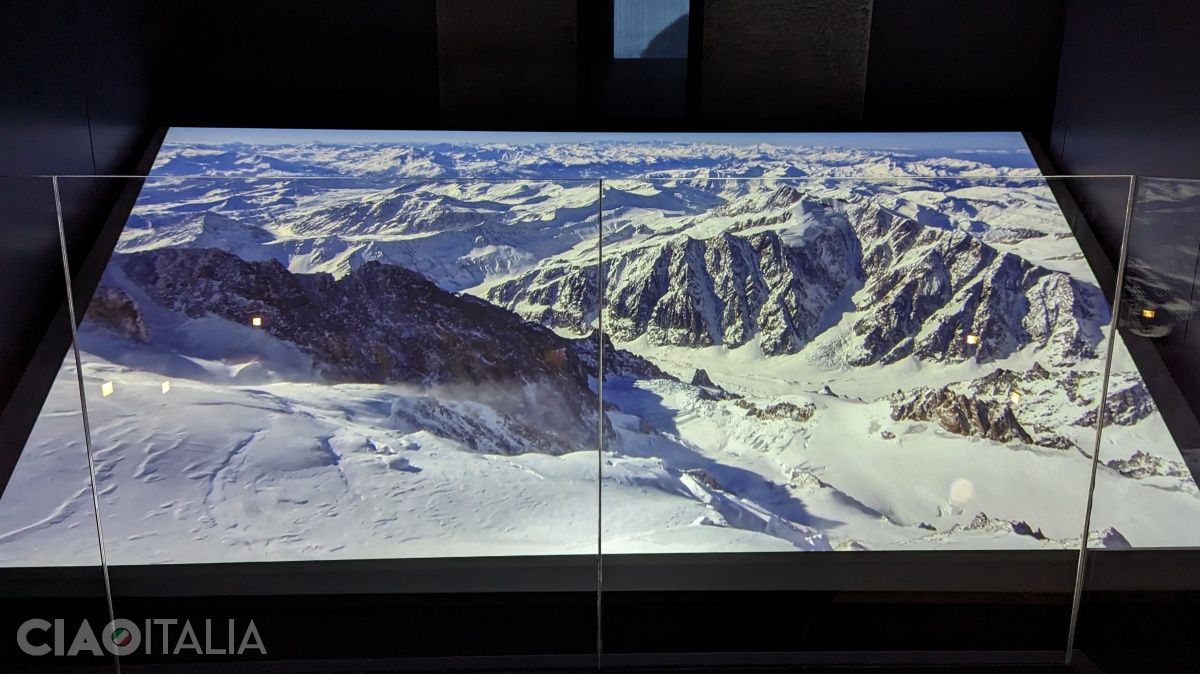
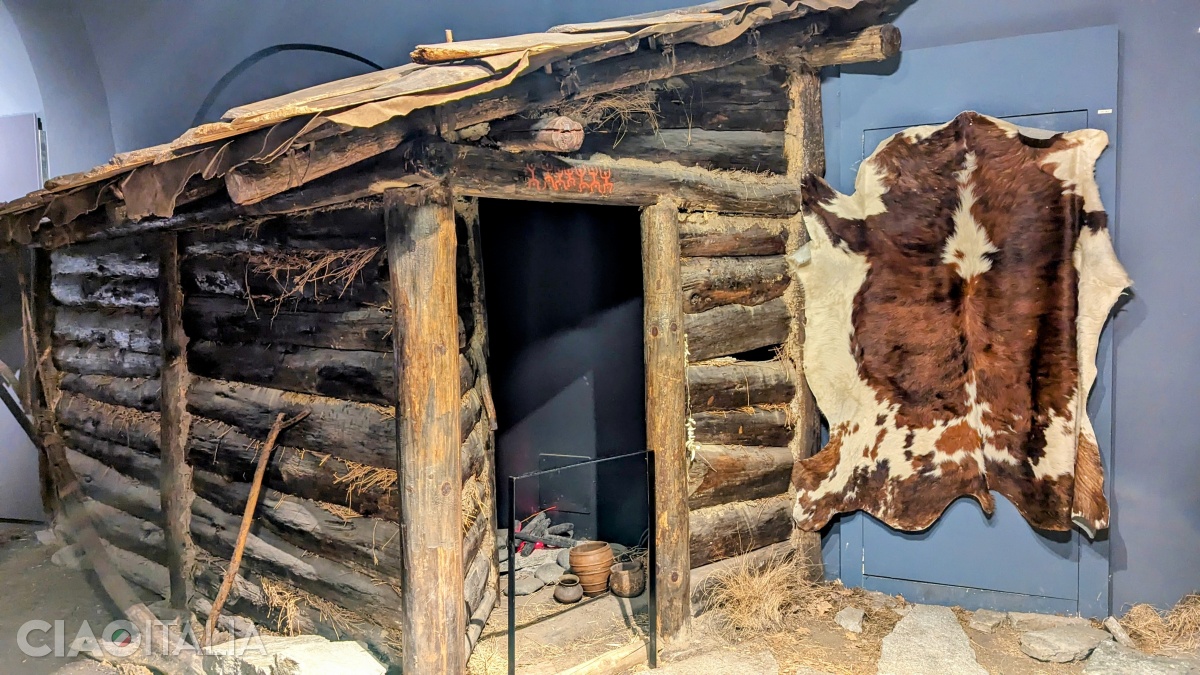
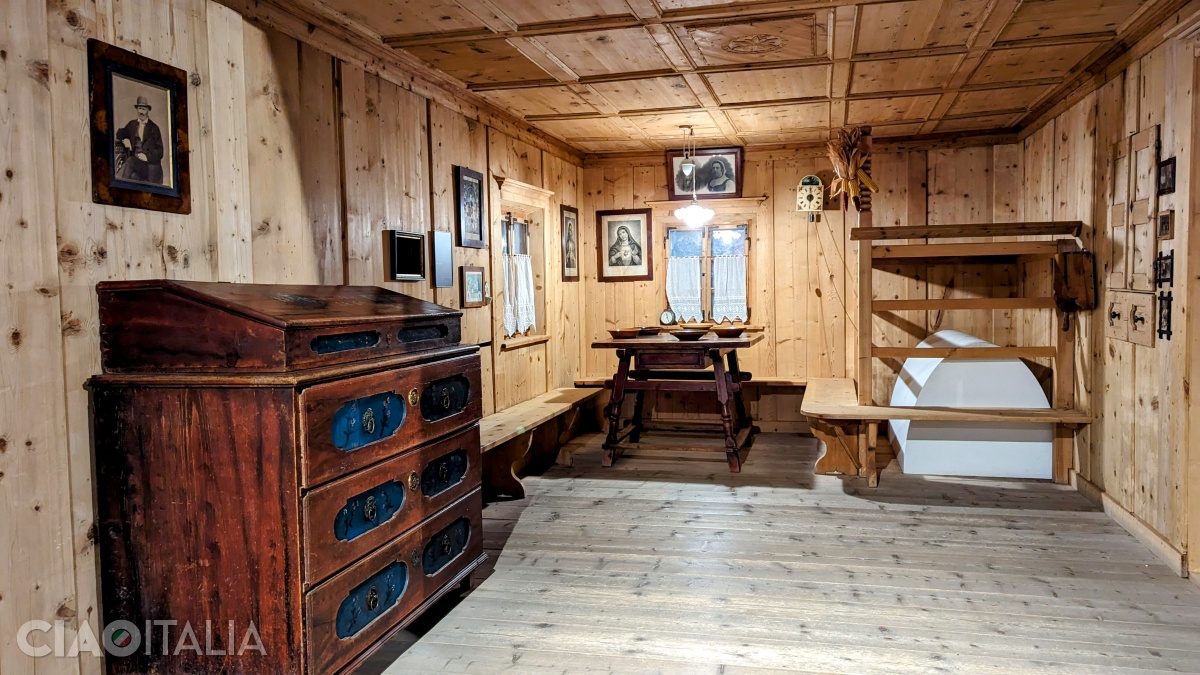
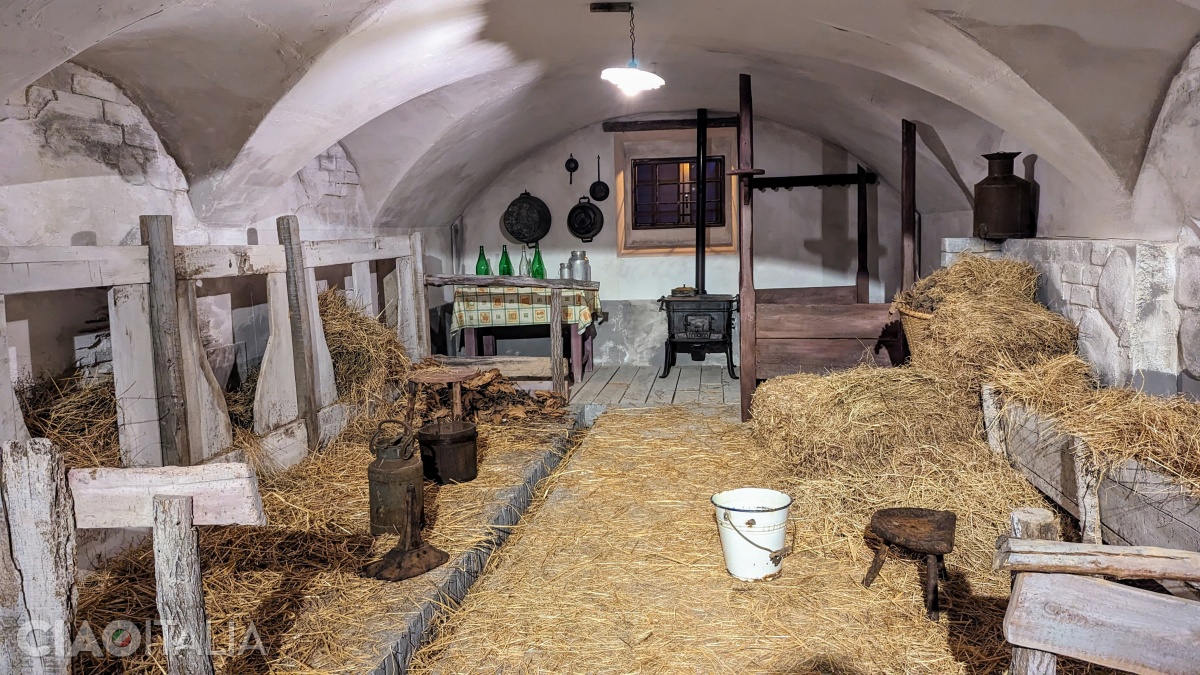
The rooms are dedicated to the flora, fauna, climate, and the genesis of the mountain range, as well as the lifestyle and traditions of the inhabitants. They also explore the transformation that humans have imprinted upon the mountain environment.
The Fortress Hotel
Also located within Opera Carlo Alberto, in the former garrison quarters at the highest point of the hill, is a boutique hotel with 11 rooms named Hotel Cavour et des Officiers.
If you are looking for a unique lodging experience inside an Aosta Valley fortress, you can book a stay there for a few nights.
Forte di Bard and the Avengers
Although the movie "Avengers: Age of Ultron" (a Marvel production, 2015) was filmed in several locations throughout the Aosta Valley, Fort Bard is the most famous among them. You will be greeted by a large billboard featuring the movie poster right next to the ticket office.
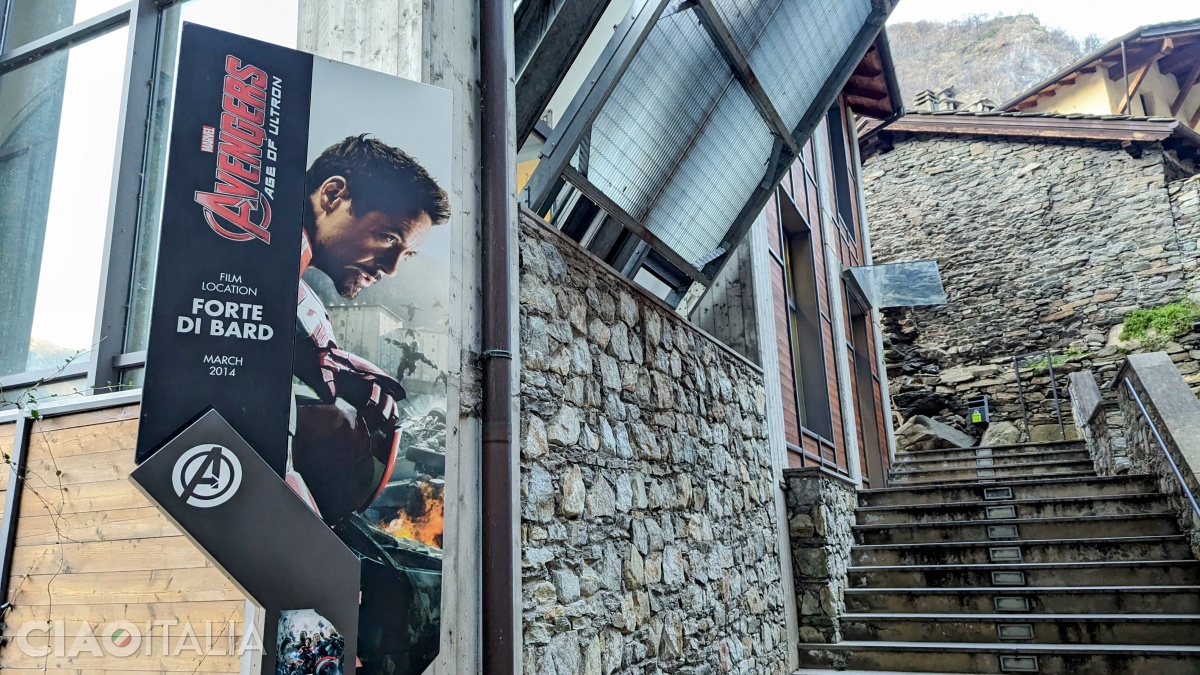
In the film, the fortress serves as the headquarters of HYDRA, the archenemy of S.H.I.E.L.D. It is here that Baron Von Strucker collaborates with the twins Scarlet Witch and Quicksilver, and where Ultron devises his malevolent plan to destroy the Earth.
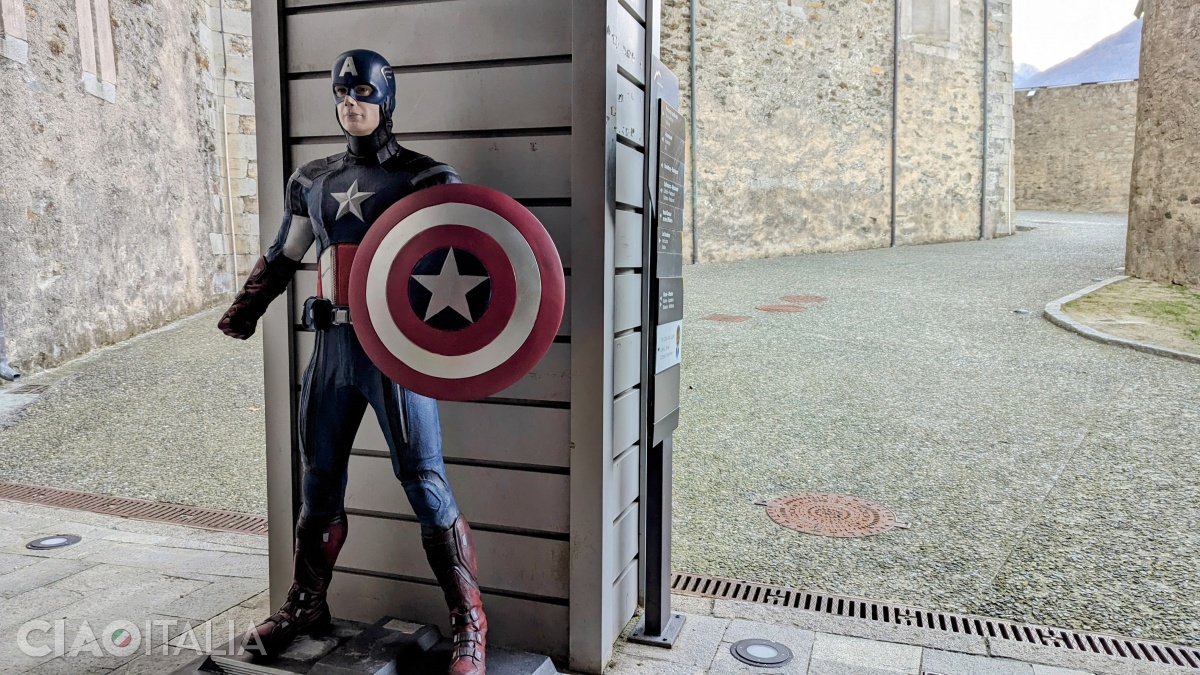
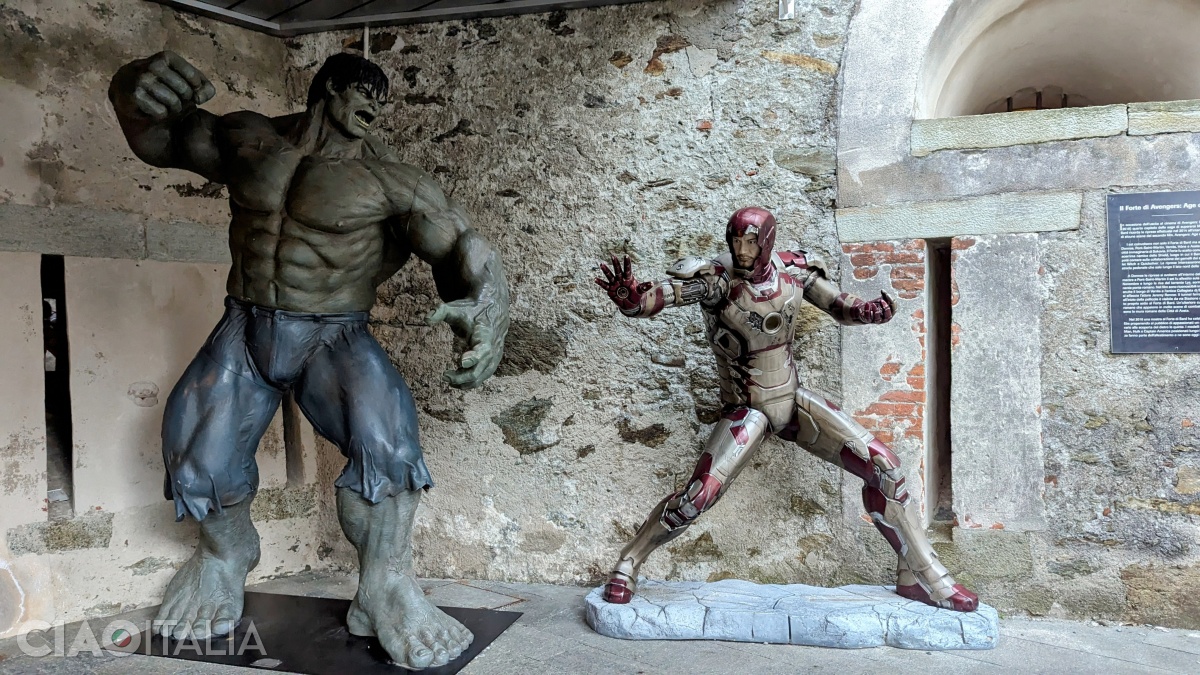
Up in the fort, you will find three 1:1 scale models of Captain America, Iron Man, and Hulk. These were originally part of a 2016 exhibition dedicated to the film and were ultimately kept as permanent fixtures within the citadel.