Top Things to See in Alberobello, Puglia's Famous Trulli Town
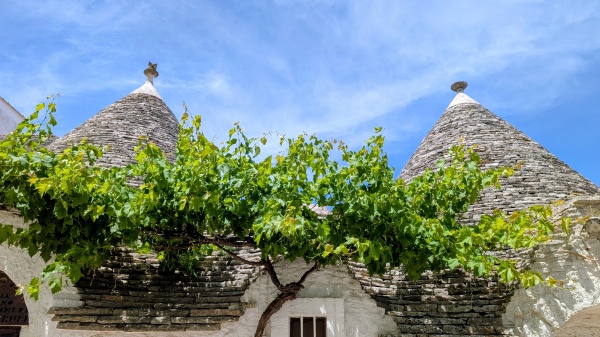
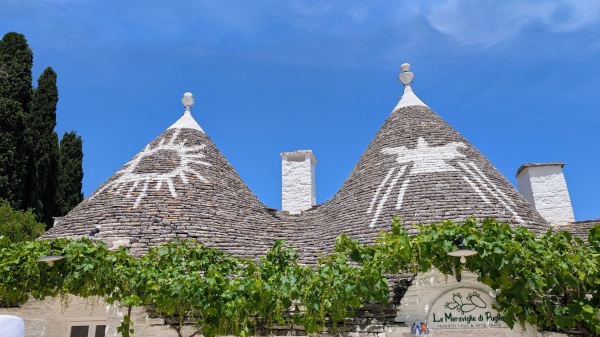
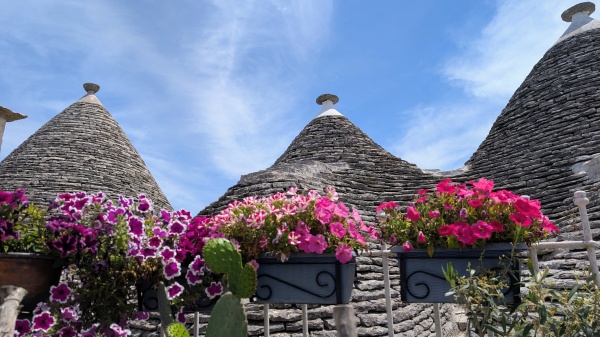
Alberobello is the most famous and most visited travel destination in the Puglia region. It is an almost surreal town where whitewashed stone dwellings with conical roofs, known as trulli, crowd against one another, creating a fairytale-like atmosphere. The trulli of Alberobello - numbering over 1,500 - are listed as a UNESCO World Heritage Site and serve as remarkable historical sights.
You can easily explore Alberobello's historic center in half a day. If you arrive by car, note that the historic core is closed to traffic, so you will need to park in one of the lots located on the town's perimeter.
If you decide to plan a vacation in Alberobello, keep in mind that while it is a truly unique destination, it is also extremely popular with tourists, so expect crowds. The best time to visit is during spring or autumn.
Our suggested walking route starts in the southern part of town along Via Indipendenza - where you'll find several parking lots - before veering left into Rione Monti, the most famous district in Alberobello. From there, head back down to Largo Martellotta, hike up to the viewpoint for a sweeping panoramic vista, and wander through the quieter Aia Piccola neighborhood and the Museo del Territorio. Finally, make your way toward Piazza del Popolo and Casa d'Amore, continuing north to wrap up your tour at the Basilica of Saints Cosmas and Damian and the Trullo Sovrano.
If you are short on time, the easiest option is to book a guided walking tour to discover Alberobello's key highlights with a local guide.
1. Rione Monti
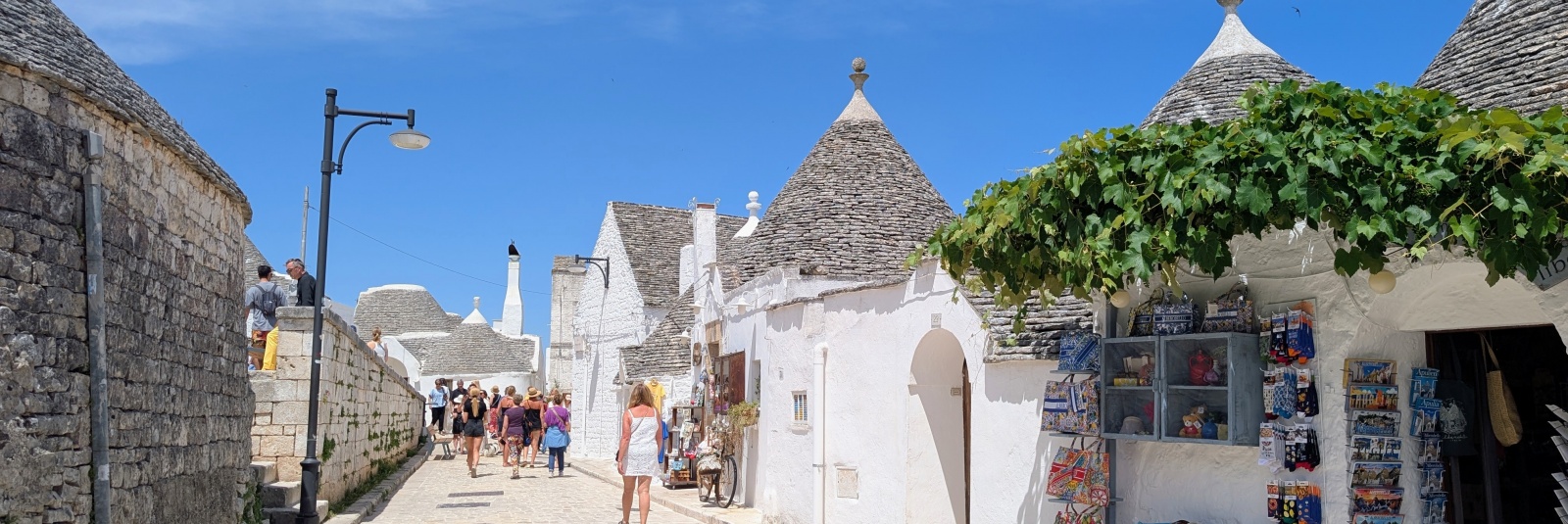
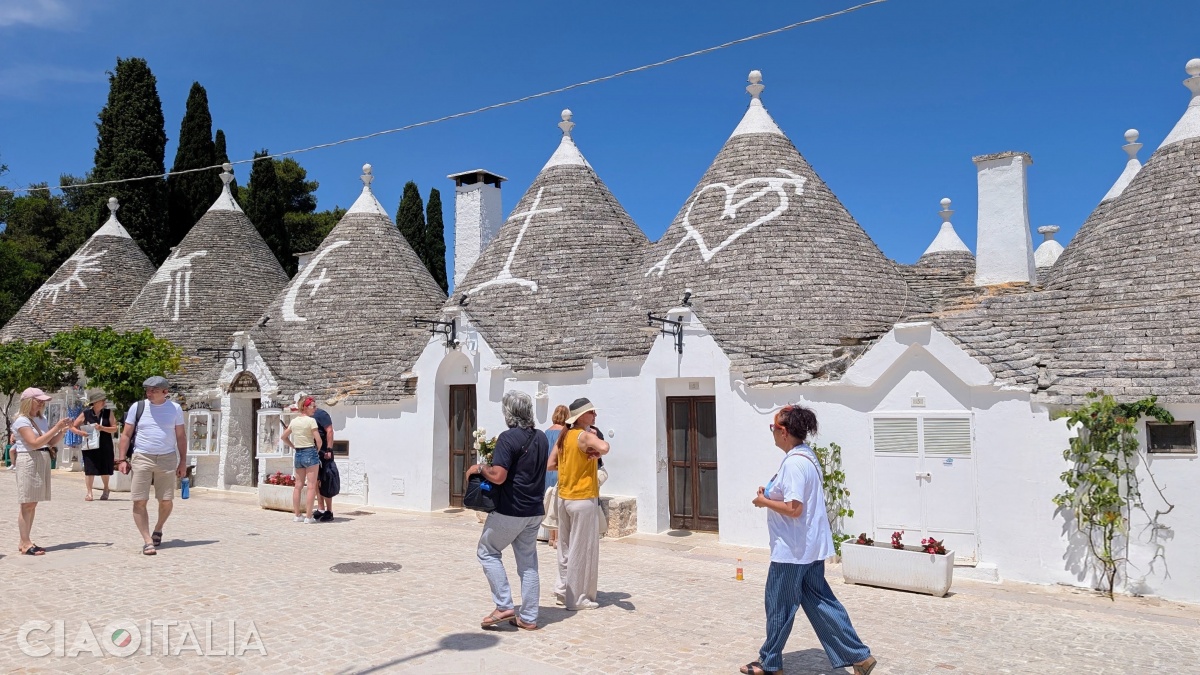
Located to the south, the Rione Monti district is the most touristy part of Alberobello. It is a picturesque yet highly commercial area that can sometimes feel a bit like a theme park.
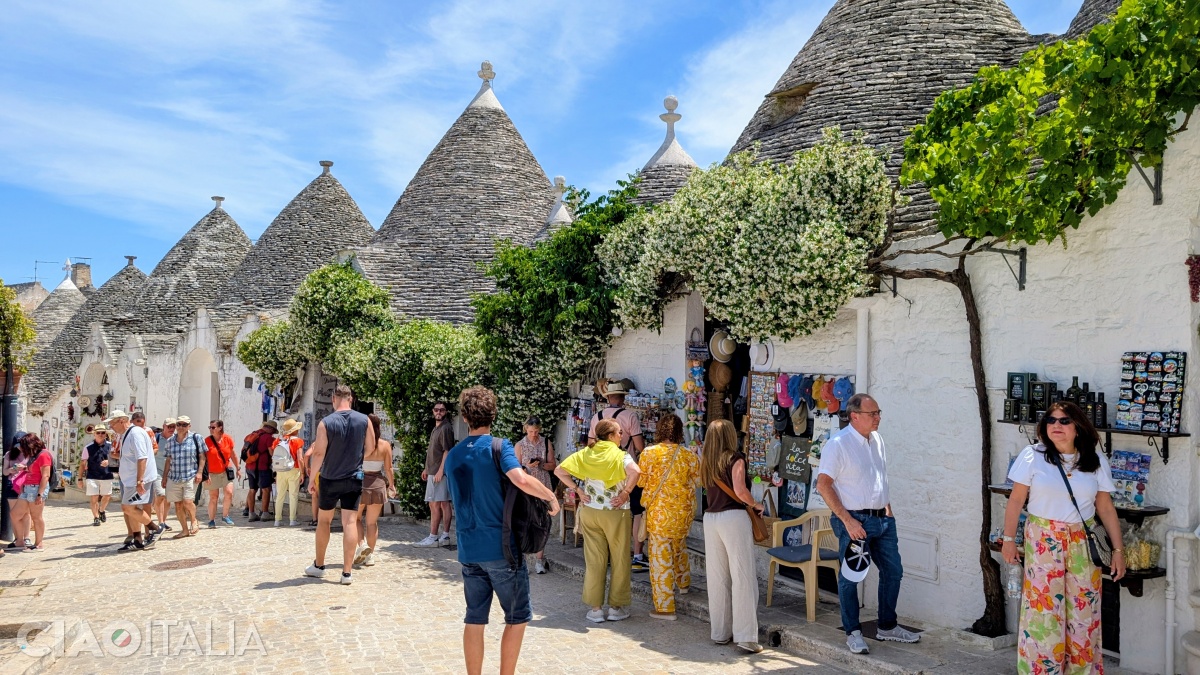
Most of the sloping streets in Rione Monti are named after mountains where Italian troops fought during World War I: Via Monte Nero, Via Monte San Michele, Via Monte Sabotino, Via Monte San Gabriele, Via Monte San Marco, Via Monte Cucco, and Via Monte Pasubio.
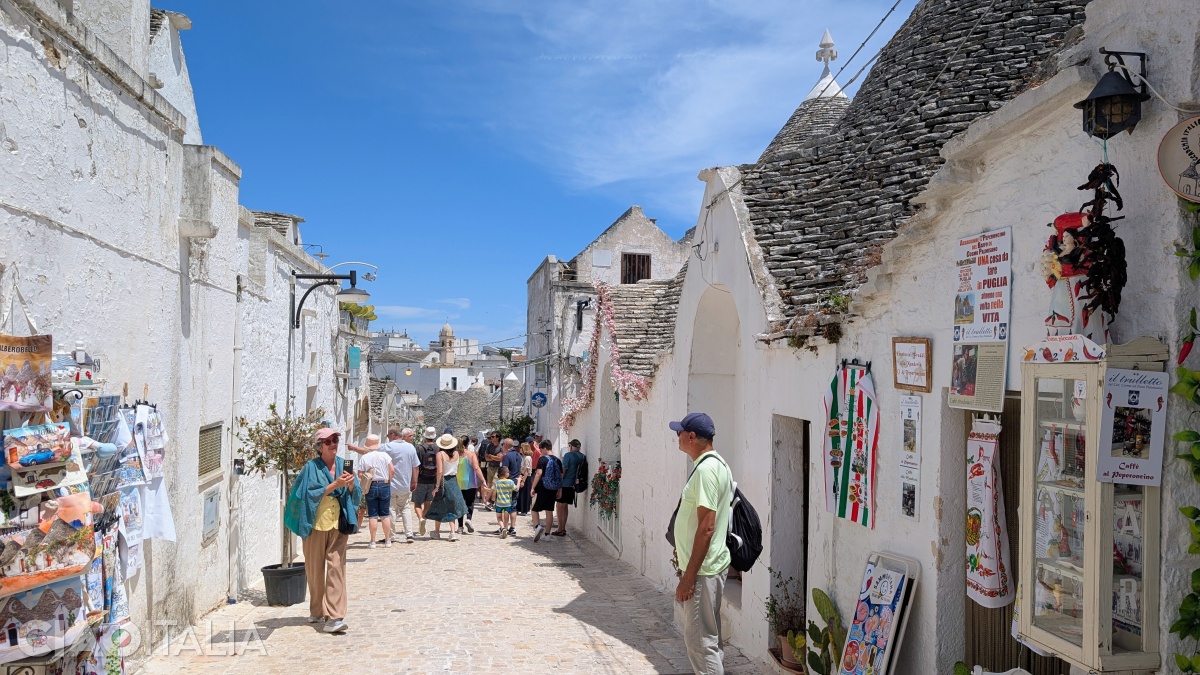
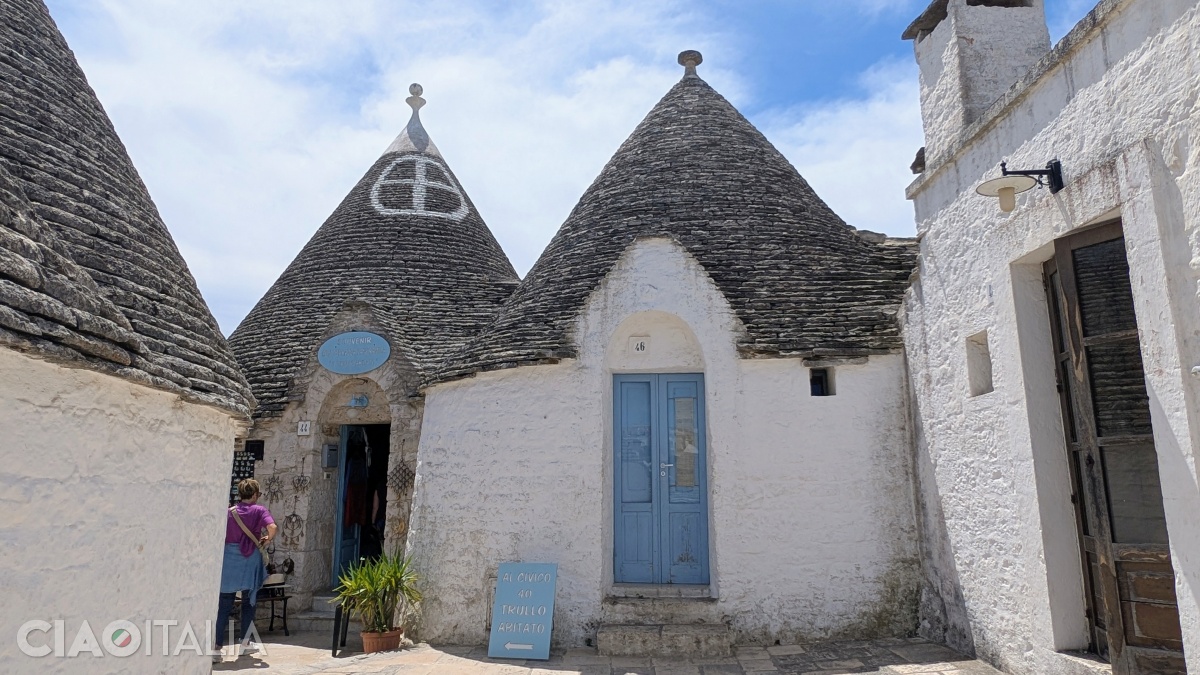
Rione Monti is home to the highest concentration of trulli, with over 1,000 of these structures scattered throughout the neighborhood. Most have been converted into shops selling local goods alongside a flood of souvenirs - some authentic, others not so much (so keep your eyes open!).
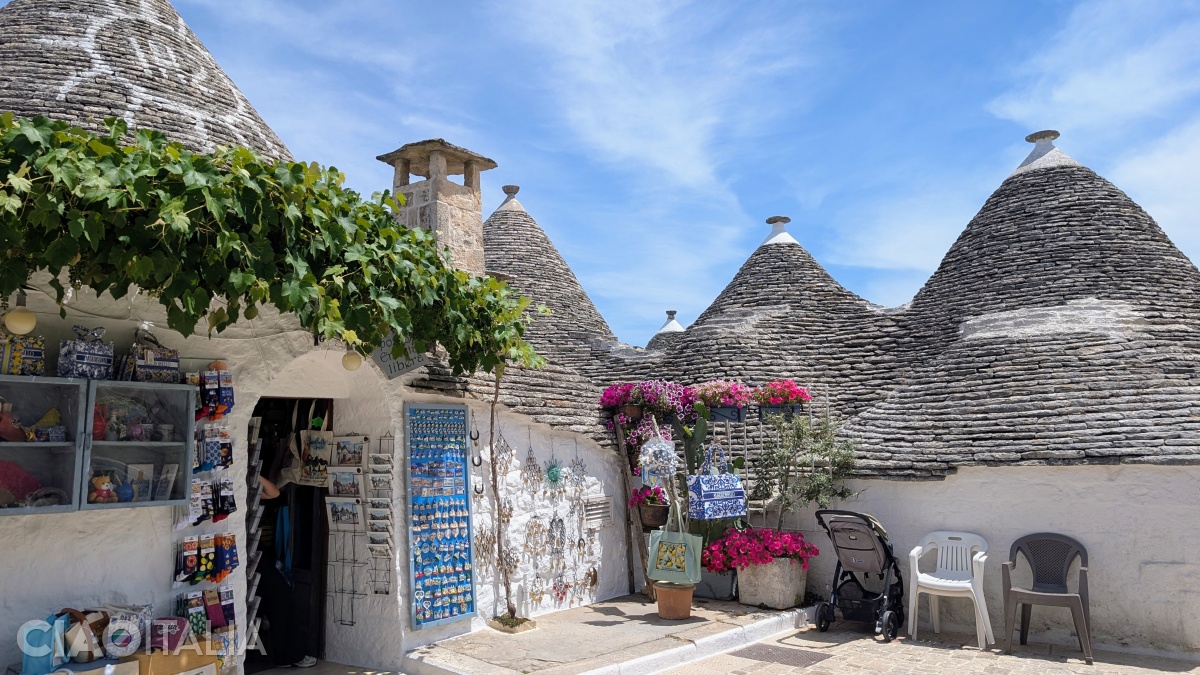
Several shopkeepers have rooftop panoramic terraces and will allow you to go upstairs for a view over the roofs if you make a purchase. Other trullo houses have been converted into hotels or restaurants - such as L'Aratro, Trullo del Conte, Trullo dei Sapori, or Trullo d'Oro (if you are looking for places to eat in Alberobello, we also recommend La Cantina restaurant).
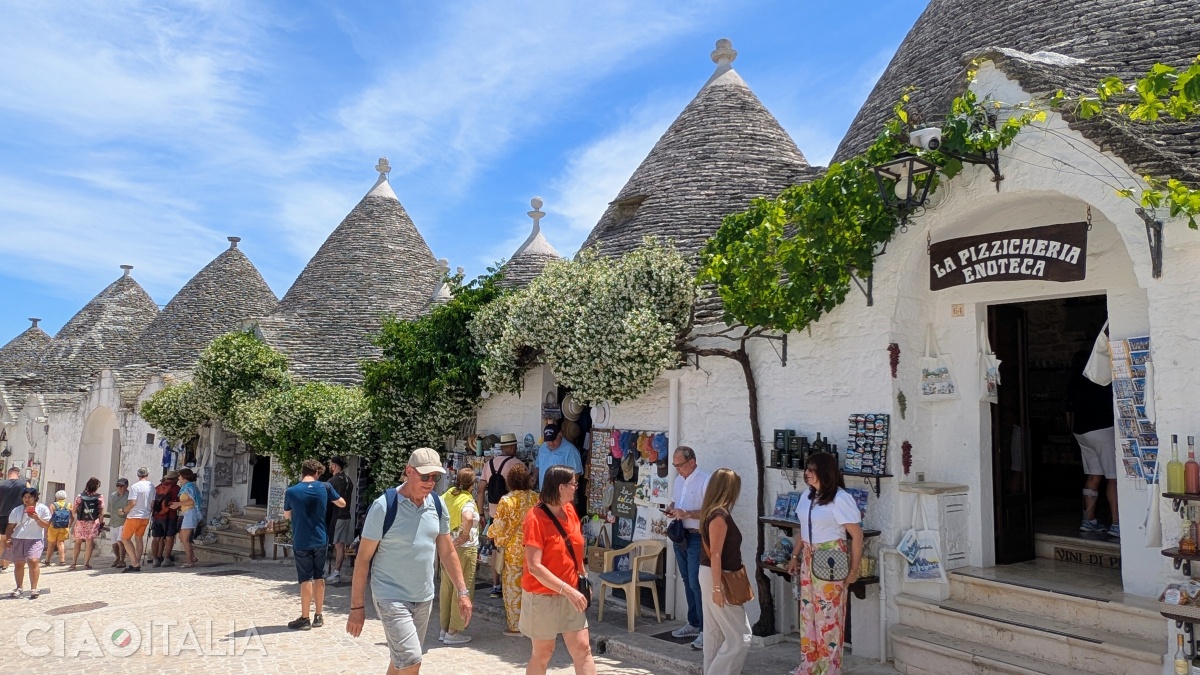
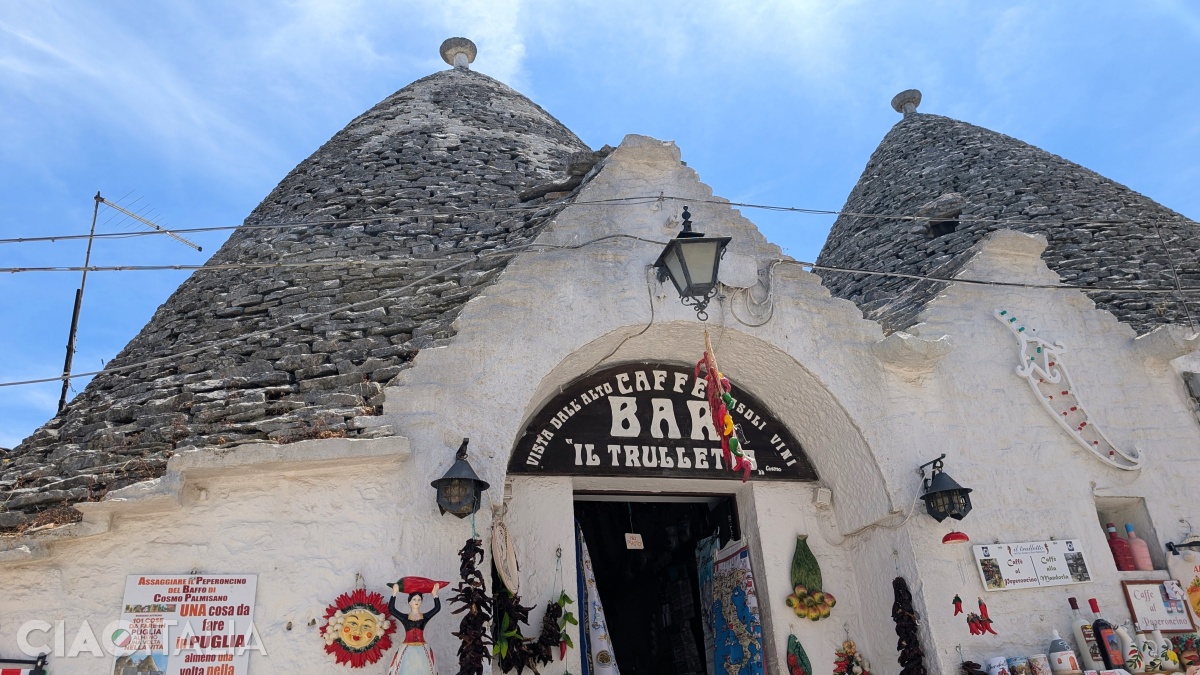
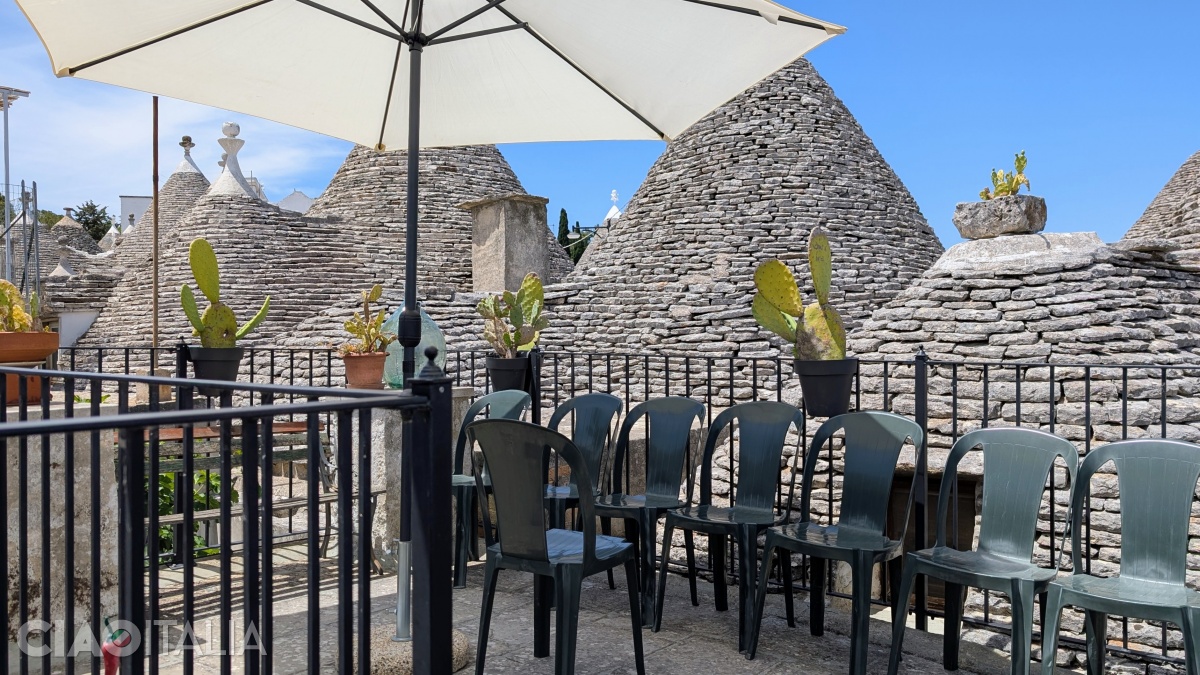
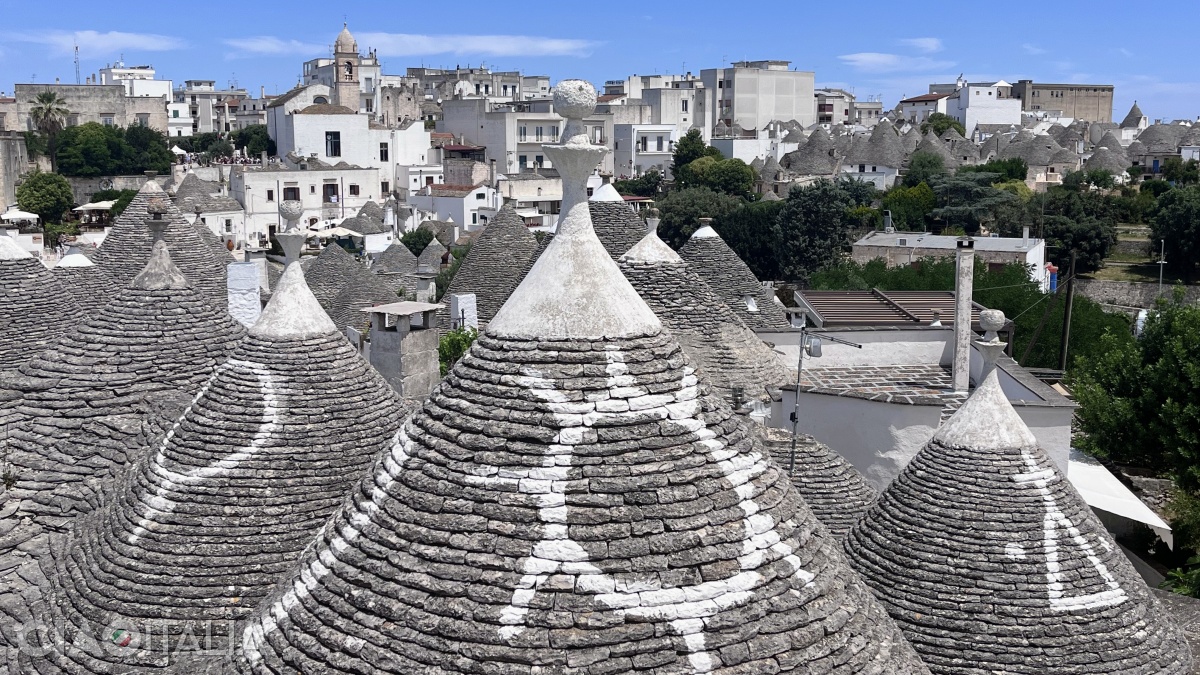
The origins of the trulli in Alberobello are closely intertwined with local legend. In the 17th century, under the Pragmatica de Baronibus decree, the Kingdom of Naples required feudal lords to secure royal approval and pay heavy taxes for any new permanent settlements. To bypass these taxes, the Counts Acquaviva of Conversano - who ruled this territory - forced peasant settlers to build their homes exclusively out of dry stone without mortar. That way, the dwellings were deemed temporary structures and could be quickly dismantled whenever royal inspectors approached.
In reality, most historians conclude that this dry-stone construction technique had more to do with the region's geography, where limestone was abundant. Nevertheless, the precise origin of the trulli remains shrouded in mystery and subject to various theories (to learn more, check out our dedicated article on the history of trulli).
Alberobello remained a fiefdom of the Acquaviva family of Conversano until May 27, 1797, when King Ferdinand IV of Bourbon granted a petition presented by a delegation of seven residents. He issued a royal decree raising the village to the status of a royal town, freeing it from feudal servitude.
2. Trullo Siamese
Walking up Via Monte San Marco and taking a left onto Via Monte Nero brings you to a peculiar structure known as Trullo Siamese. It is a windowless trullo featuring a double-coned roof and a split interior, with one entrance opening onto Via Monte Nero and another onto Via Monte Pasubio.
The inscription above the entrance mentions the year 1400, but many historians remain skeptical. Most believe that the Trullo Siamese dates back to the 16th or 17th century - which still makes it one of the oldest surviving trulli in Alberobello. Its unusual dual structure is explained by a local tale.
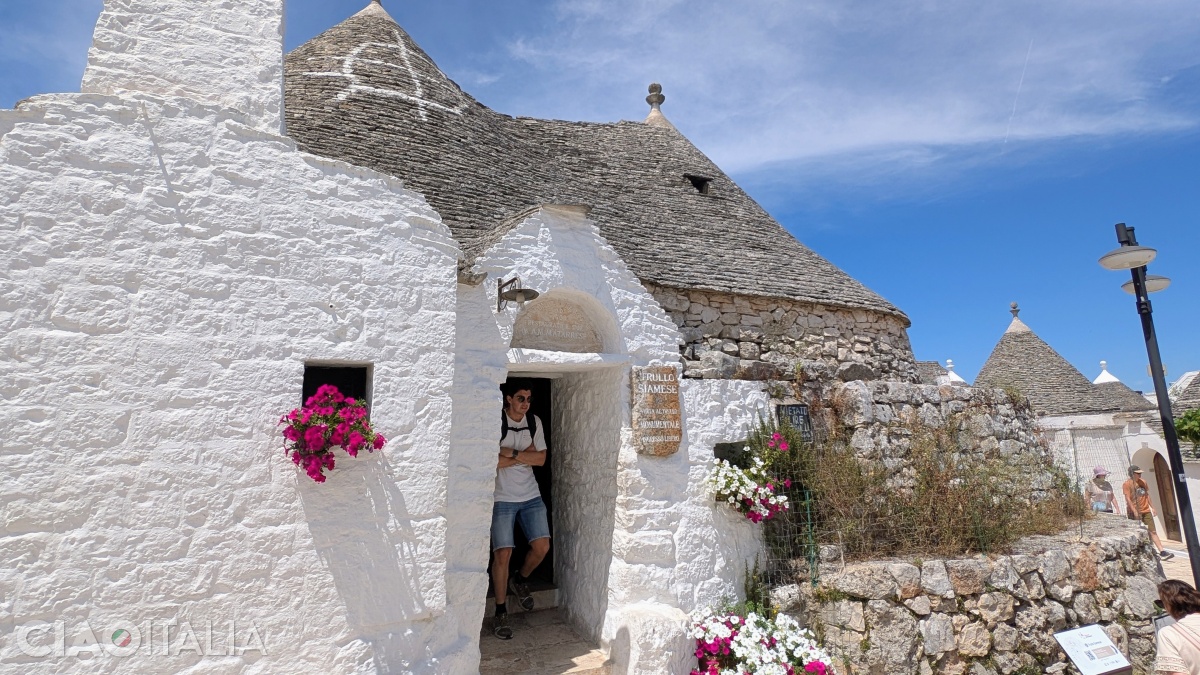
Legend has it that two brothers who were both in love with the same woman lived in this house. Although the young woman was initially engaged to the elder brother, she eventually fell in love with the younger one. Upon discovering the betrayal, the elder brother tried to drive the couple out. However, the younger brother claimed his half of the inheritance, leading them to split the dwelling down the middle and add a separate entrance.
Today, Trullo Siamese houses a souvenir shop.
3. Church of Sant'Antonio da Padova
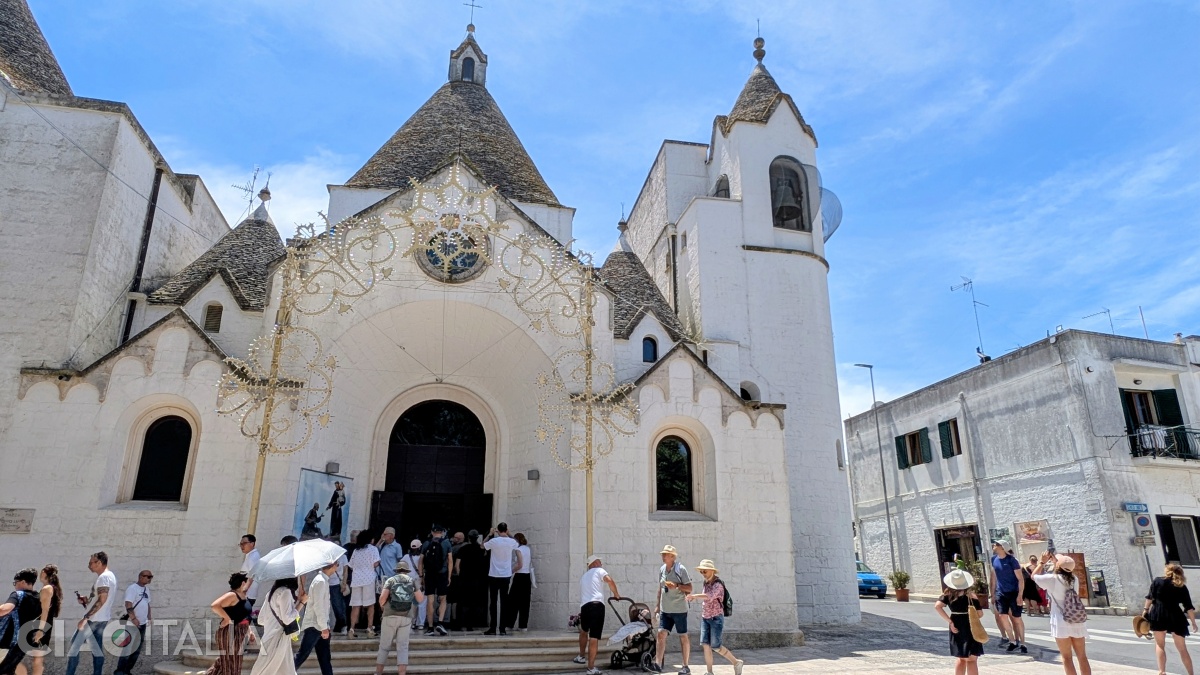
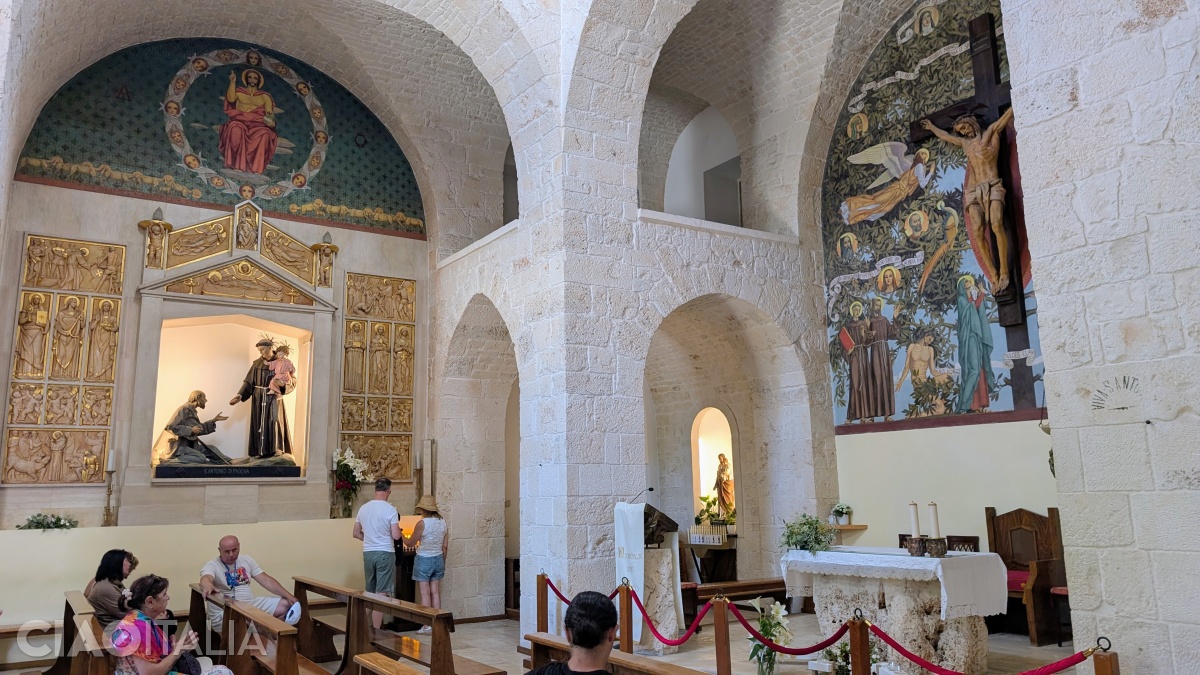
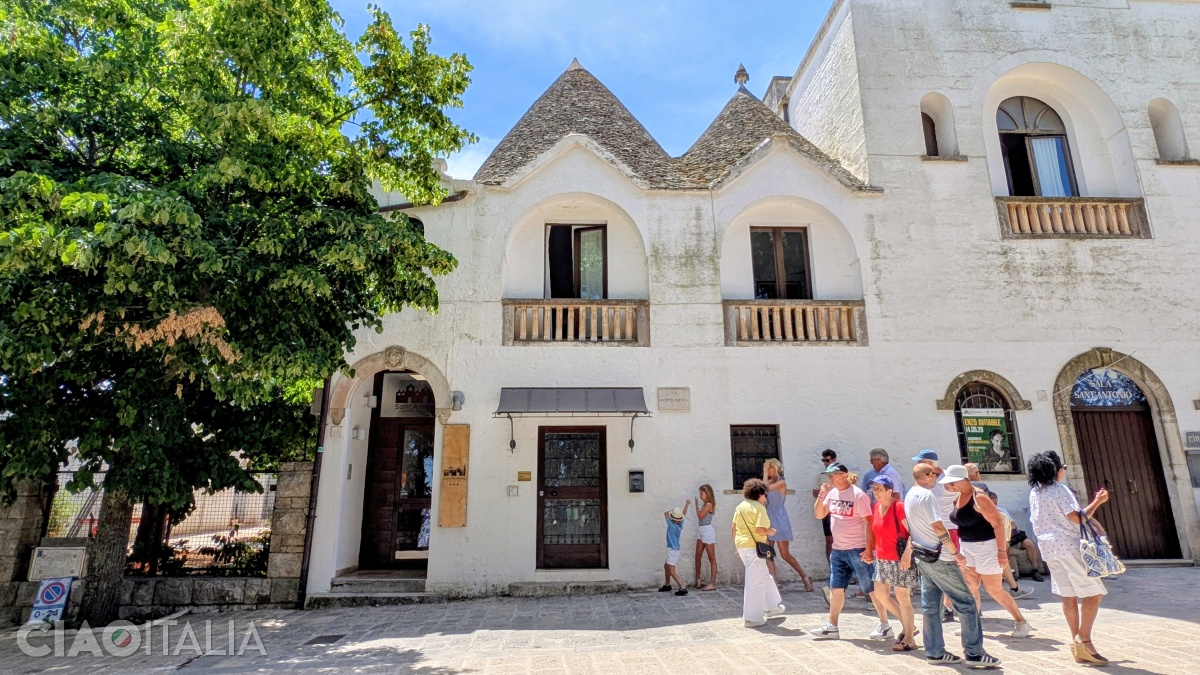
At the top edge of the Rione Monti district stands the Church of Sant'Antonio da Padova, which is well worth a visit - if only for its unique trullo-style architecture.
As its name suggests, the church is dedicated to St. Anthony of Padua. It was built in just 14 months and consecrated on June 13, 1927 - the feast day commemorating the saint's death.
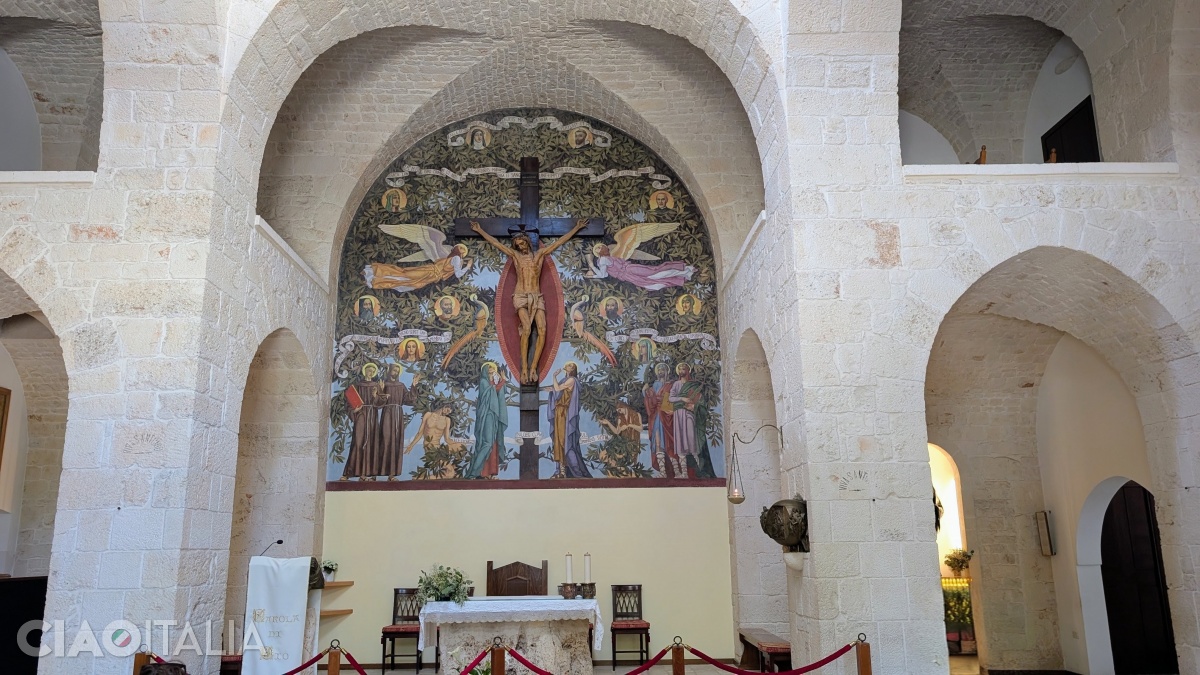
Several artworks inside were created in 1945 by the Bari artist Adolfo Rollo. Painted above the main altar is the "Tree of Life", with its trunk formed by the Crucifix featuring a sculpted figure of Christ. At its base stand the Virgin Mary and John the Apostle, with Adam and Eve kneeling behind them. To the left are Saint Anthony and Saint Francis, while Saint Cosmas and Saint Damian are depicted to the right.
A side altar dedicated to Saint Anthony features reliefs depicting scenes from his life, surmounted by a painting of "Christ the King".
The building to the left of the church is a former seminary, which today operates as Hotel Sant'Antonio.
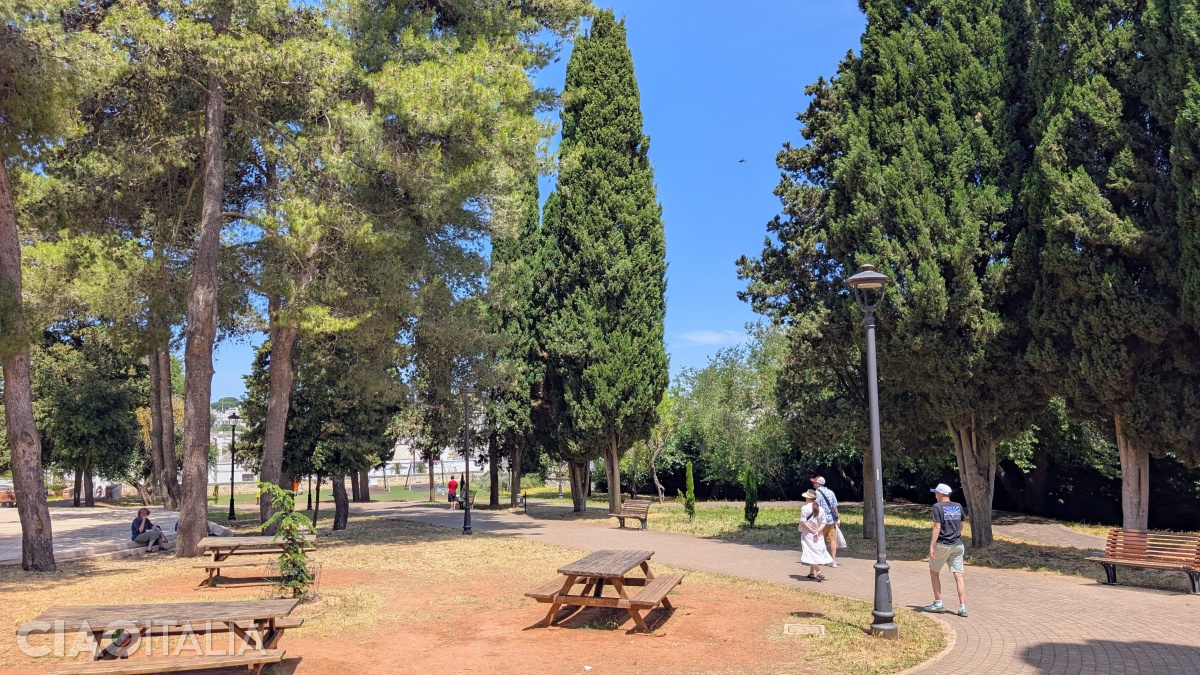
Across the street from the church, Don Giacomo Donnaloja Park offers shaded paths and benches where you can take shelter from the summer heat.
4. Largo Martellotta
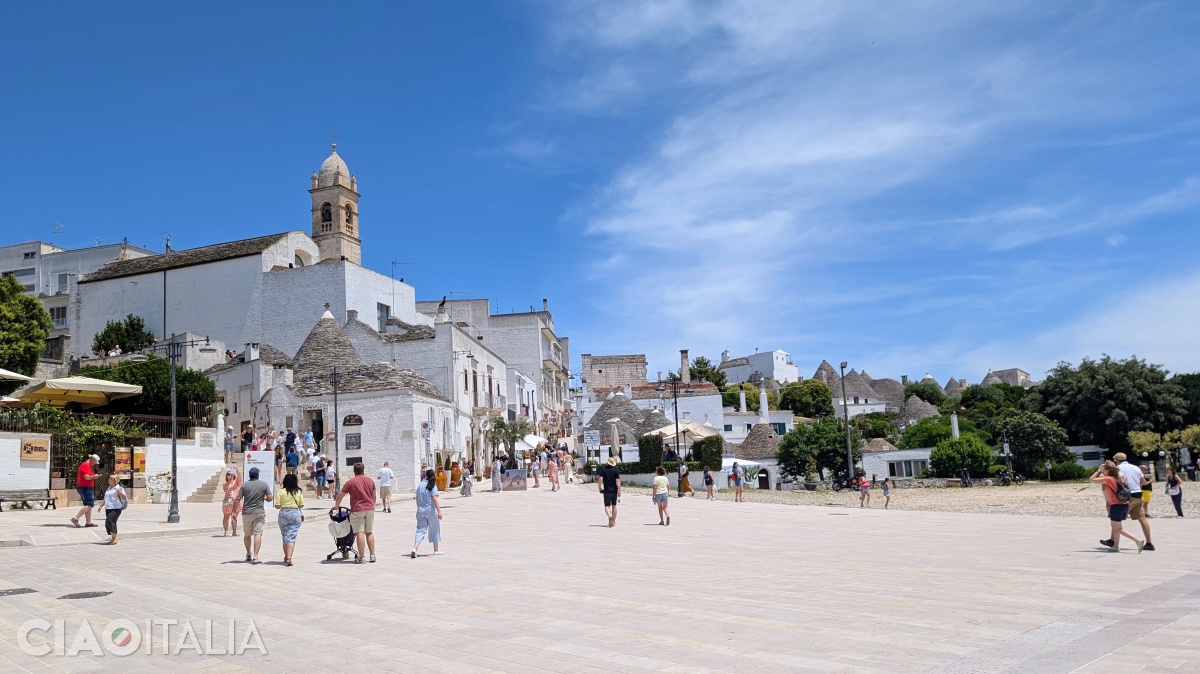
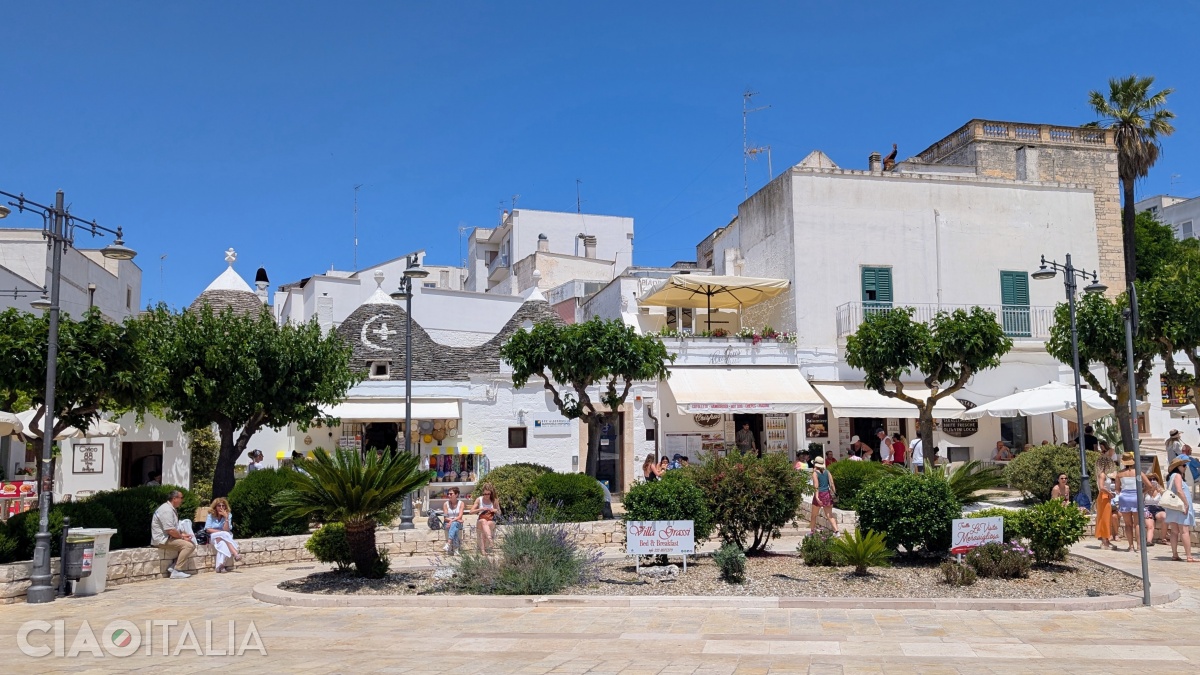
Largo Martellotta is a large, elongated plaza located in the lower section of the town center. It marks the divide between the historic trulli district and the newer part of town built in the 19th century.
Today it is a lively hub filled with shops, cafes, and restaurants. Historically, however, it served as the venue for the livestock fair held at the end of September during the feast day of Saints Cosmas and Damian, the town's patron saints.
Locals also refer to this square as Largo delle Fogge or La Foggia, as rainwater used to collect here before being funneled into underground cisterns that are now buried. The current name, Largo Martellotta, honors Mayor Giuseppe Martellotta, who proposed relocating the market to this site in 1854.
5. Belvedere di Santa Lucia
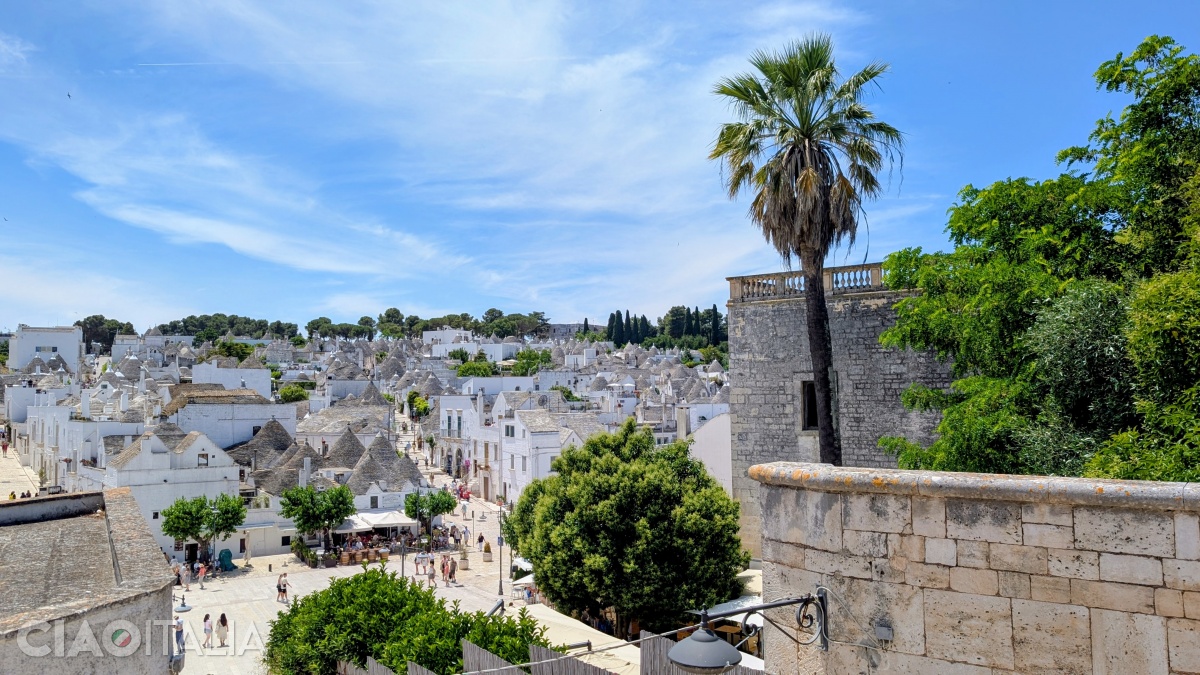
Climbing the steps leading up from Largo Martellotta on the side opposite Rione Monti brings you to Piazza Gian Girolamo Acquaviva, home to a scenic viewpoint popular among visitors. From here, you can take in a breathtaking panorama of conical trulli roofs sprawling right at your feet.
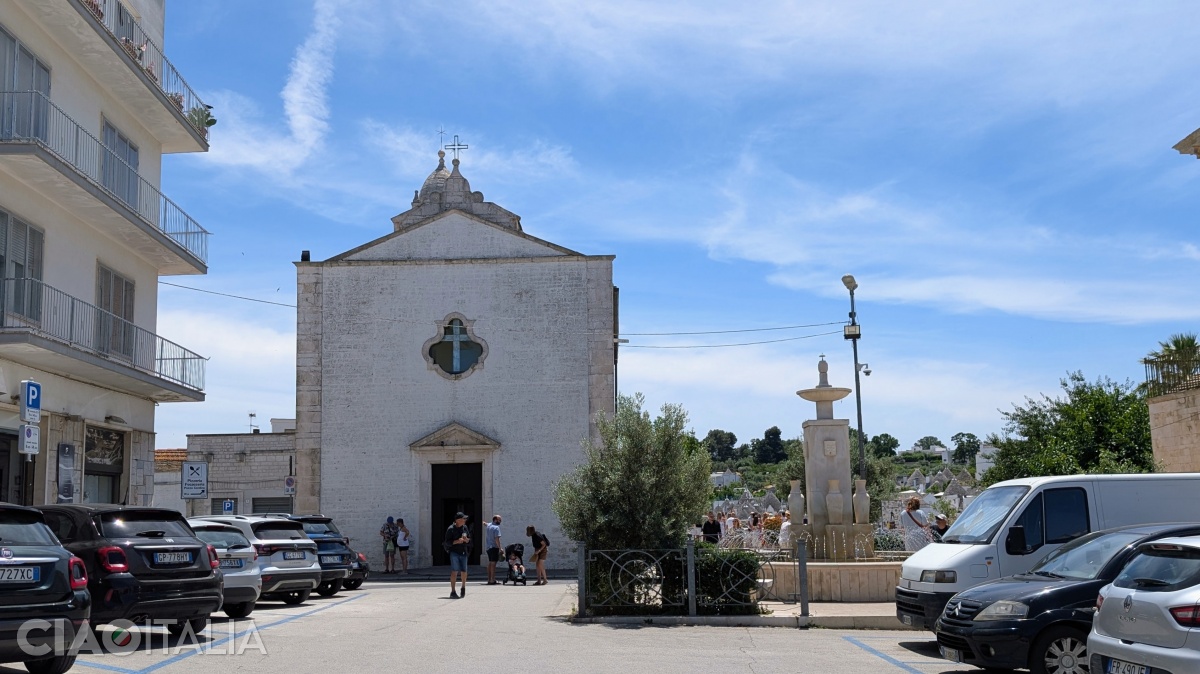
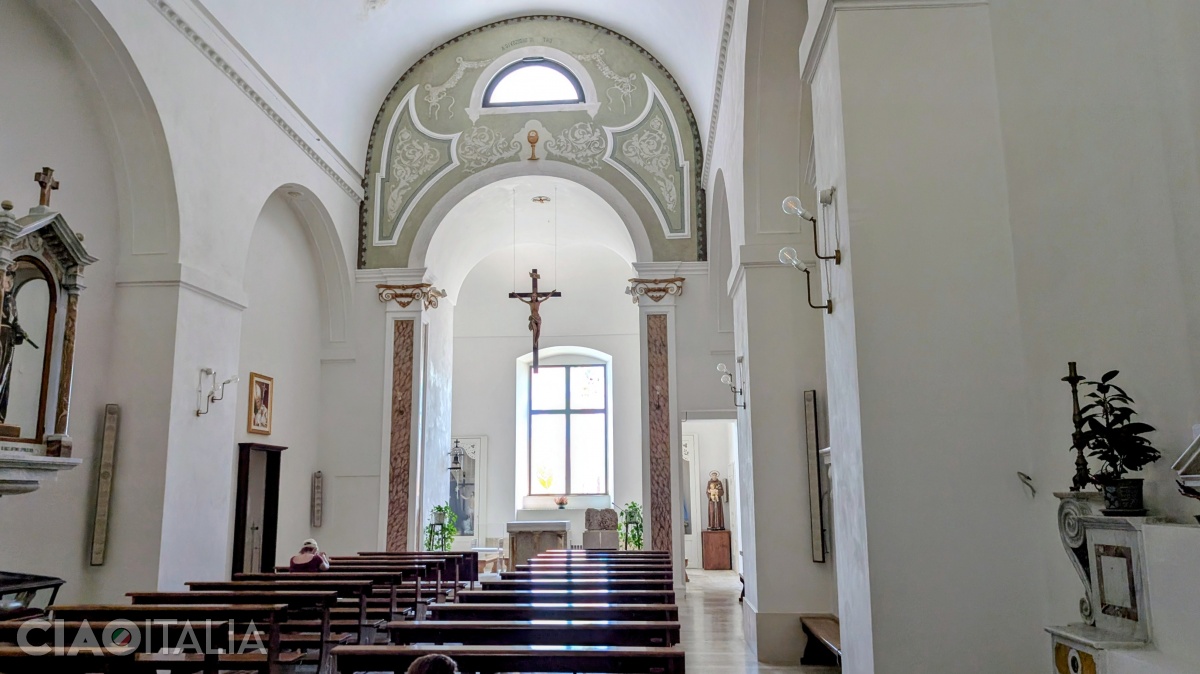
Right beside the lookout point stands the Church of Santa Lucia, built around the mid-19th century. The church is said to house relics of Saint Lucy brought from Venice in 1904.
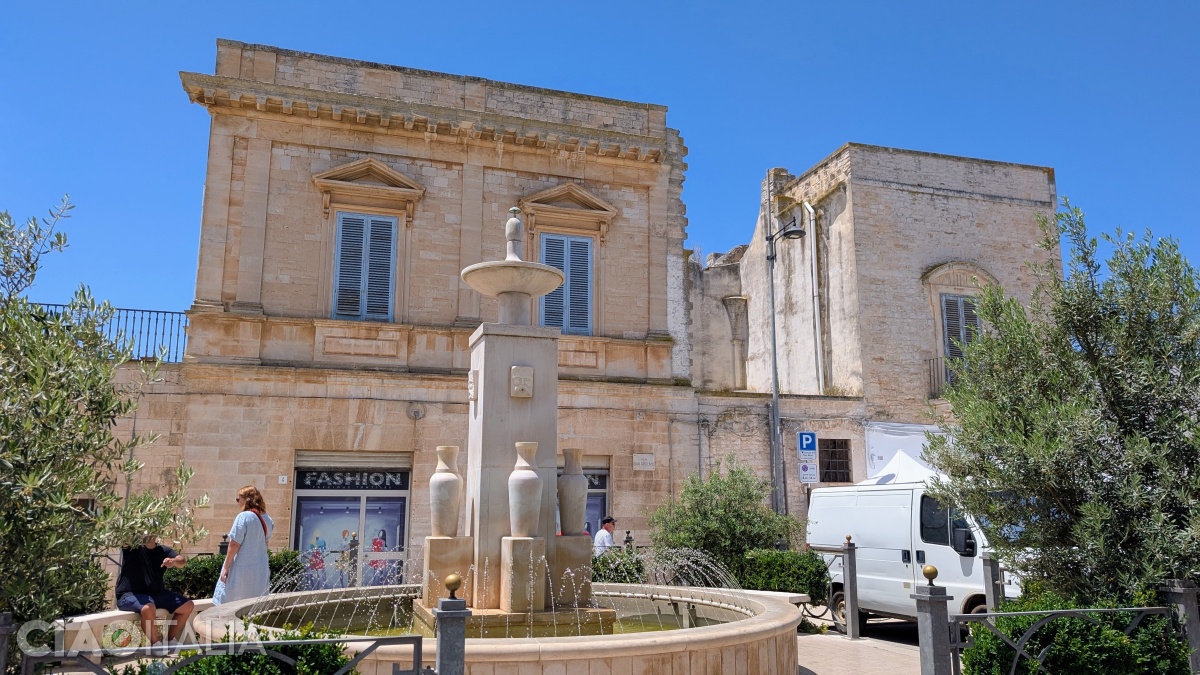
In the same fountain-adorned square stands the palace of Count Gian Girolamo II Acquaviva (after whom the square is named), built in 1635 as a summer and hunting residence.
6. Rione Aia Piccola
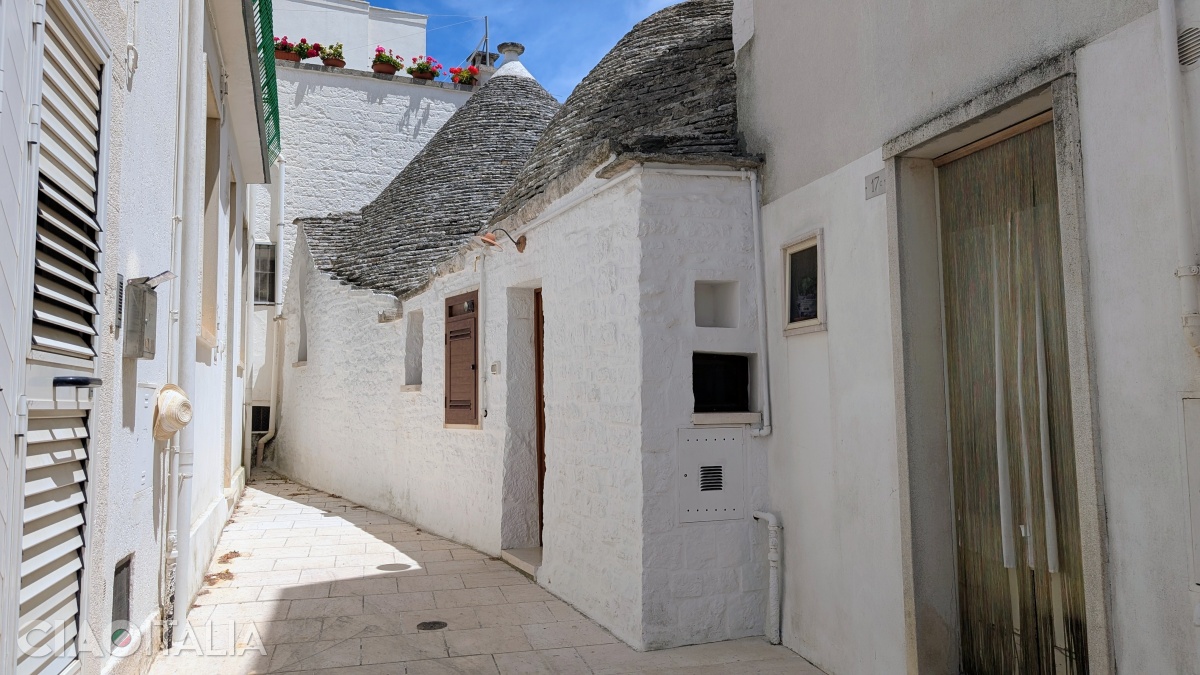
Situated towards the southeast, Aia Piccola is the most peaceful and authentic district in Alberobello. It is home to around 600 trulli, most of which serve as private residences or cozy B&Bs, as commercial businesses are strictly prohibited here.
The neighborhood's name (aia translates to "threshing floor") comes from the old tradition of threshing wheat in the square referred to as piccola ("small") in comparison to nearby Piazza delle Erbe.
Every winter, usually between December 26 and 29, Aia Piccola hosts the Presepe Vivente ("Living Nativity"), a re-enactment of the birth of Jesus staged as an interactive street theater performance. Alberobello's living nativity is one of the most important Christmas events in southern Italy. More than 200 local volunteers and actors dress in period costumes to recreate biblical scenes and traditional crafts. Set along narrow lanes lit by torches and candles among the historic trulli, the event offers a truly magical atmosphere.
If you visit Alberobello during the winter season, don't miss this event. Advance booking is required, and ticket prices are just a few euros.
7. Franco Maria Luberto Park
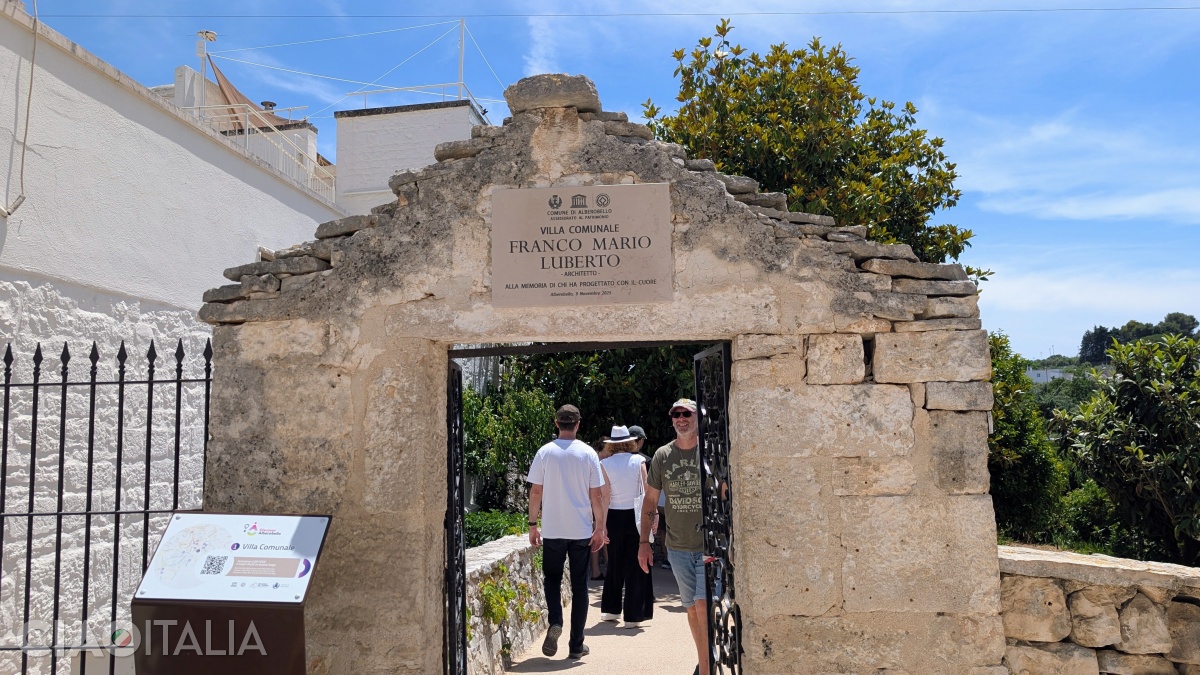
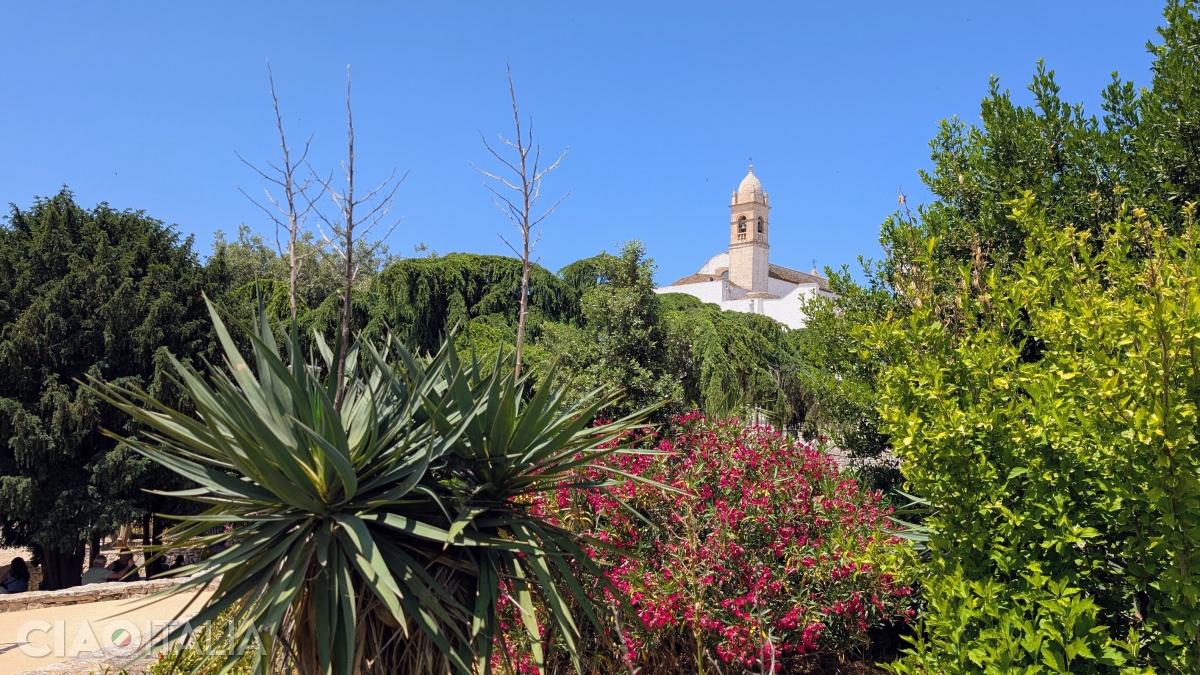
Near Aia Piccola lies another green space in Alberobello, Villa Comunale Franco Maria Luberto, named in memory of the architect who designed it in the 1970s.
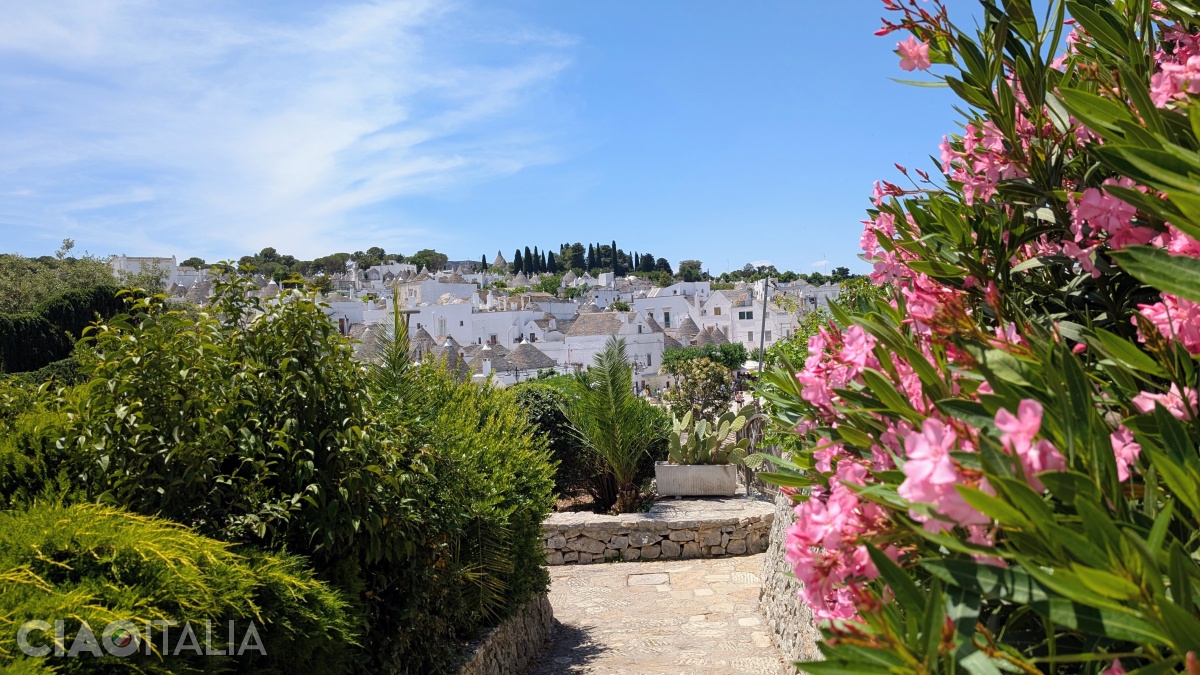
It is worth visiting not only as a leafy spot to relax, but also because it offers a wonderful panoramic view across the trulli rooftops.
8. Alberobello Territory Museum
Among the cultural sights in Alberobello is the Territory Museum (Museo del Territorio Casa Pezzolla), located in Piazza XXVII Maggio (formerly Piazza delle Erbe), right next to Rione Aia Piccola.
Housed within a complex of 15 interconnected trulli, the museum is dedicated to local history, architecture, and cultural traditions. A visit here offers great insight into the historical lifestyle and daily routines of past residents.
9. Piazza del Popolo
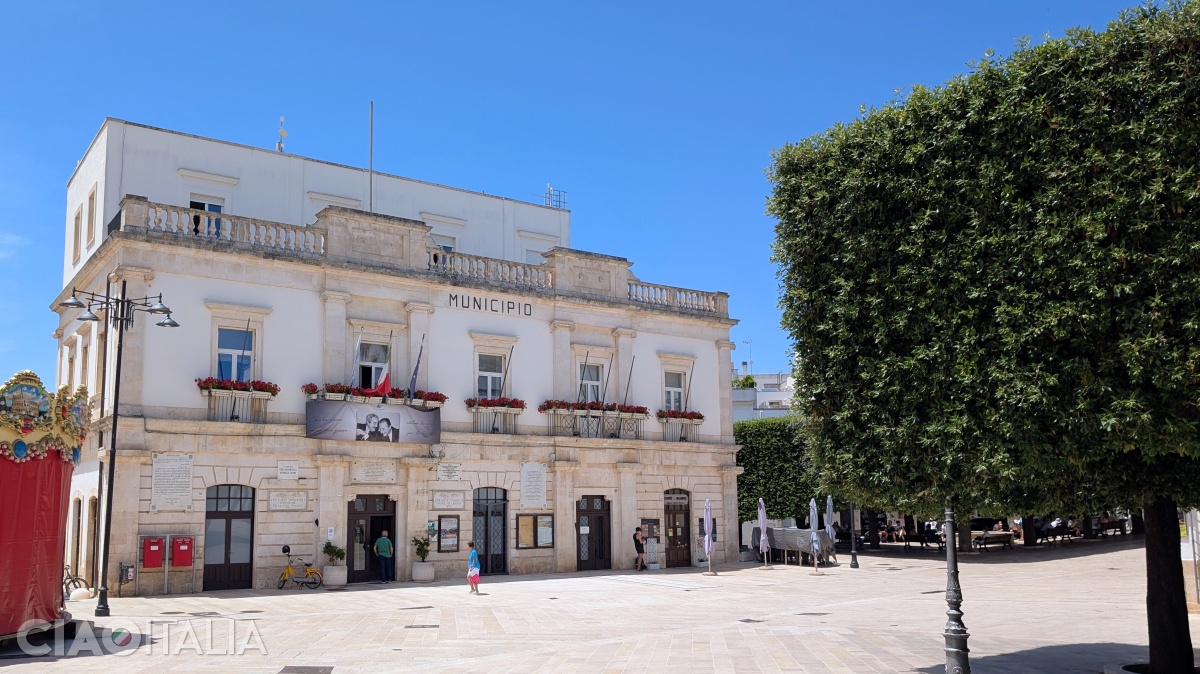
Piazza del Popolo ("People's Square") serves as the town center. Here you will find the Town Hall (Palazzo Municipale), inaugurated in 1863. A commemorative plaque on its facade lists the names of the seven residents from Alberobello who journeyed in 1797 to petition the king for liberation from the feudal rule of the Acquaviva lords.
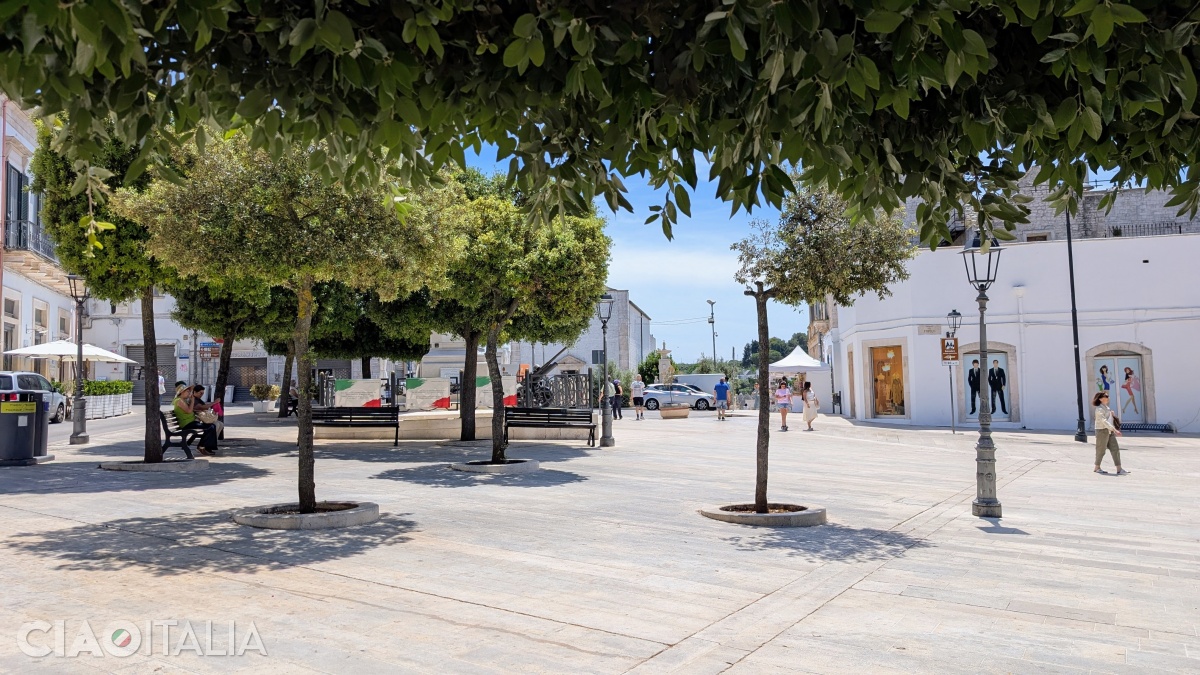
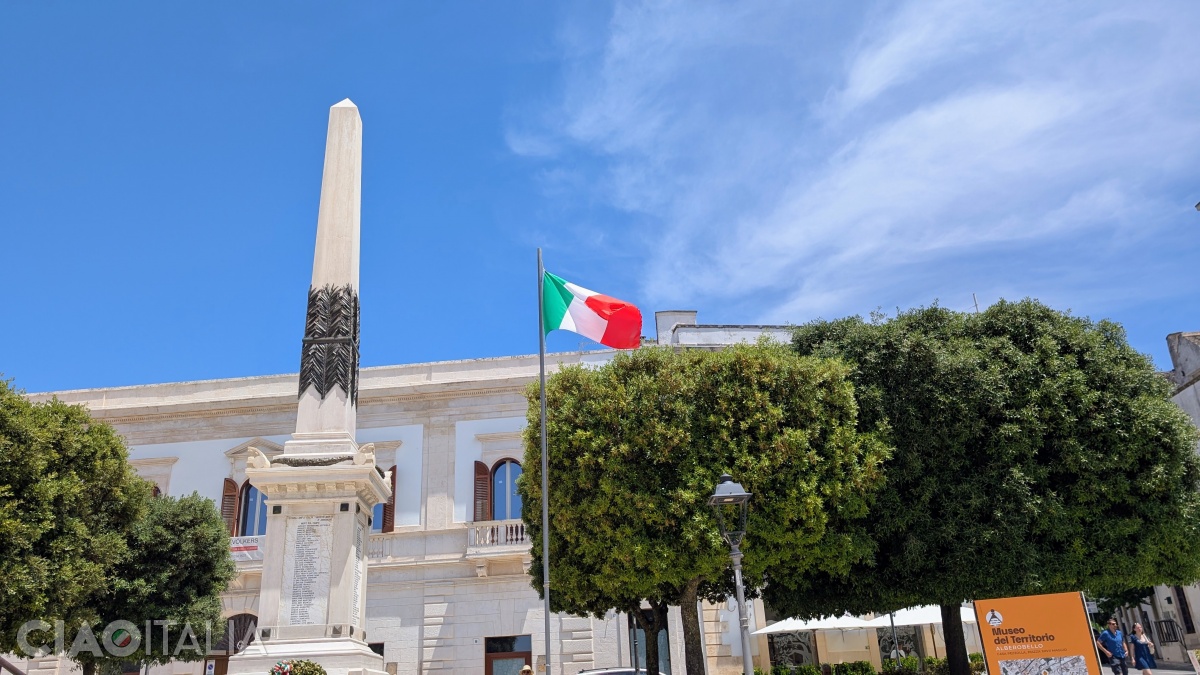
At the center of the square stands the War Memorial. Originally designed in 1897 to mark the centennial of the town's liberation, it was later dedicated to all local soldiers killed in the two World Wars.
10. Casa d'Amore
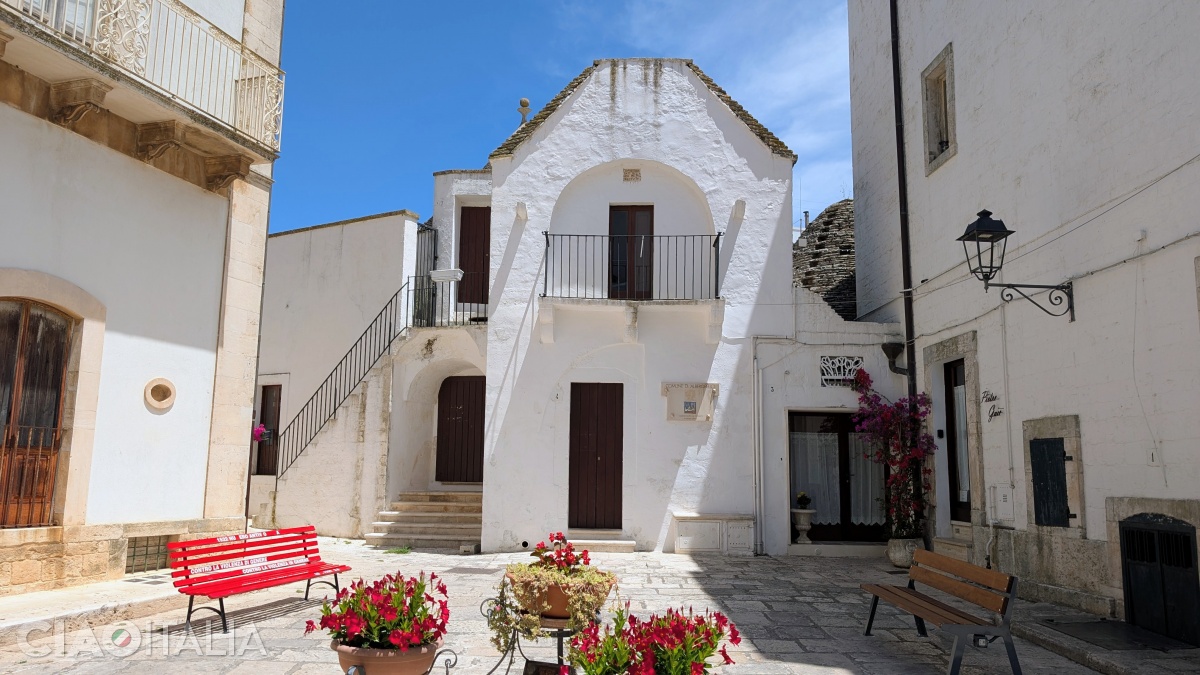
Just a few steps from Piazza del Popolo, you'll stumble upon Casa d'Amore. While the name might trick you into expecting a romantic tale, it actually simply refers to its original owner, Francesco d'Amore.
This building holds a major place in local history as the very first structure in town built with mortar and designed in a style other than a traditional trullo, marking Alberobello's transition into modern architecture. The inscription on its facade bears the year 1797 - marking the town's liberation from the rule of the Acquaviva counts - alongside the Latin phrase EX AUCTORITATE REGIA HOC PRIMUM ERECTUM ("The first building erected by royal authority").
11. Basilica of Saints Cosmas and Damian
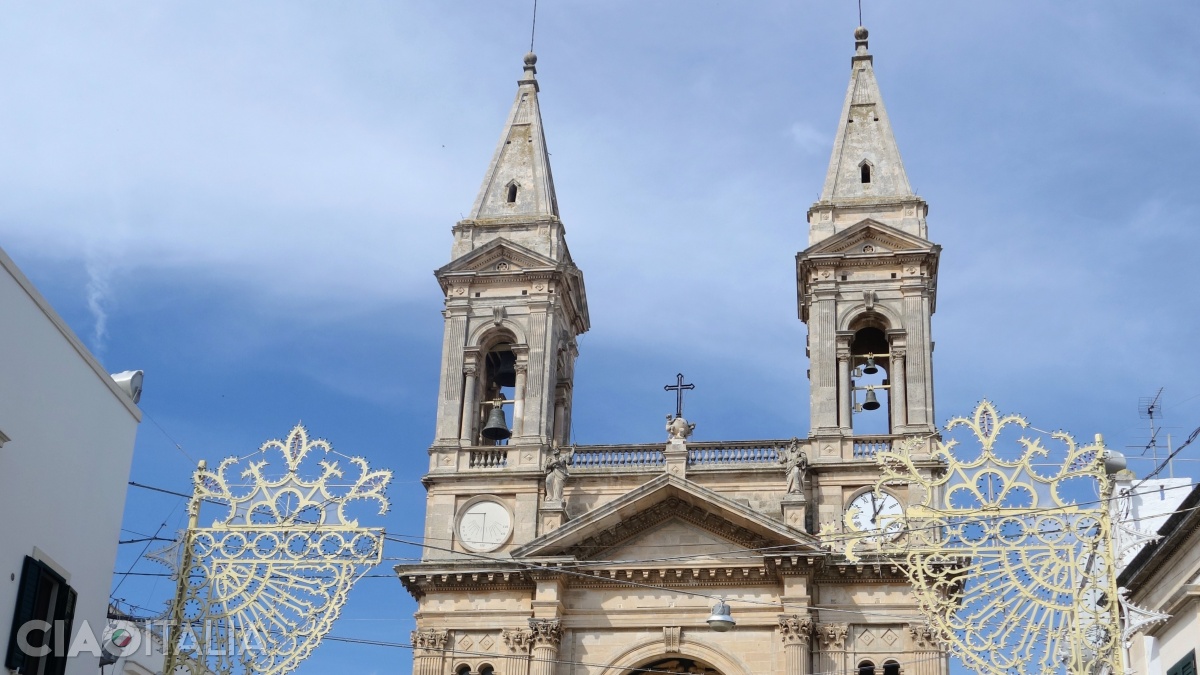
Located at the end of Corso Vittorio Emanuele, the Basilica dei Santi Cosma e Damiano is dedicated to the town's patron saints and serves as Alberobello's main church.
Originally the site of a small chapel, it was rebuilt between 1882 and 1885 into a large Neoclassical basilica. The bronze main door, crafted in 1975 by sculptor Adolfo Rollo, opens into a nave holding precious relics: an arm bone of St. Cosmas and the skull of St. Damian.
The twin bell towers feature two different timekeeping systems: the left tower has a sundial, while the right features a clock with Roman numerals.
Every September, the town hosts the annual Feast of Saints Cosmas and Damian, featuring traditional processions, historical re-enactments, and fireworks display.
12. Trullo Sovrano
North of the basilica stands Trullo Sovrano. The name, which translates to "Sovereign" or "Grand Trullo", was coined by a local historian to highlight its unique standing: it is the largest trullo in Alberobello and the only one built with a second floor. Its main dome reaches 14 meters in height, and the full complex consists of 12 rooms beneath 12 cones.
Trullo Sovrano was among the first trulli to utilize mortar, representing an important architectural transition.
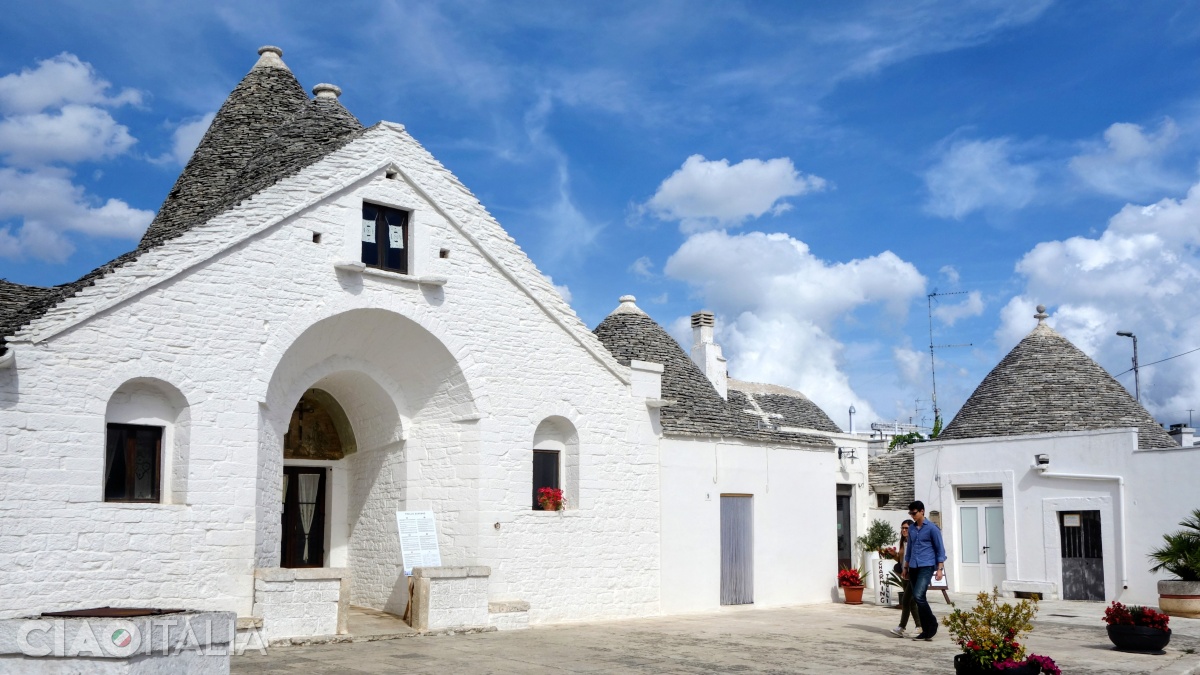
The oldest section of the house is on the left, dating from the early 17th century. The remaining portions were added during the first half of the 18th century by the family of Priest Cataldo Perta.
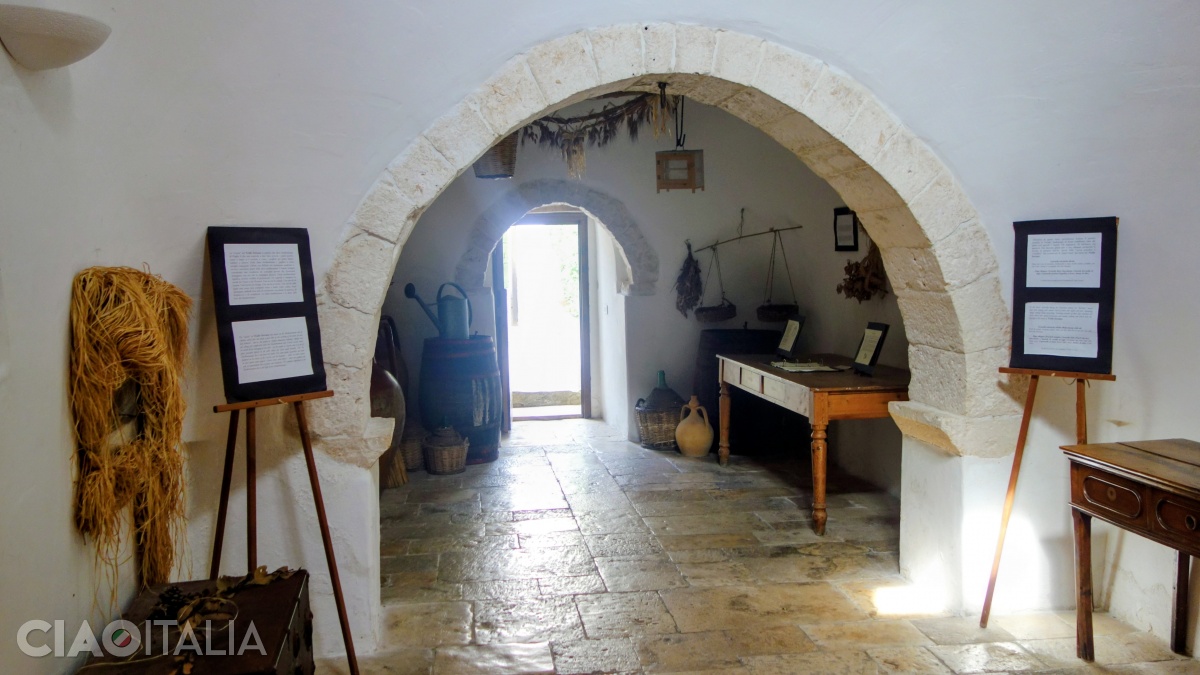
Originally known as Corte Papa Cataldo ("Priest Cataldo's Court"), it served as his residence, while surrounding outbuildings housed farm workers. The current facade dates to 1797.
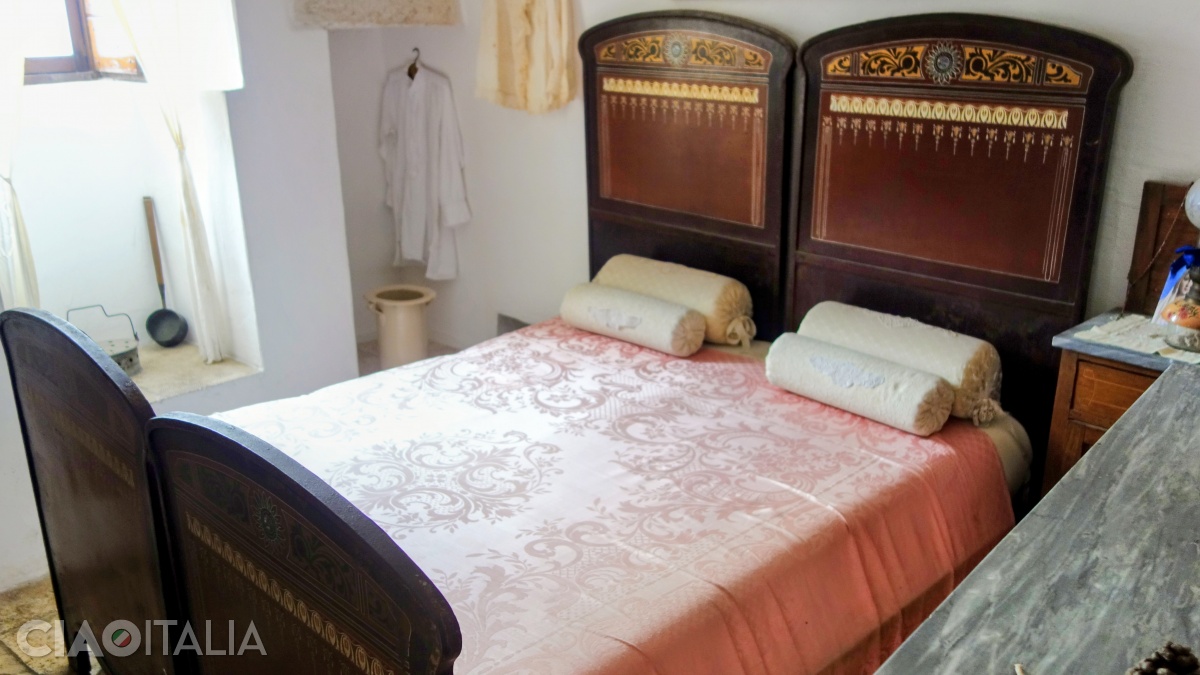
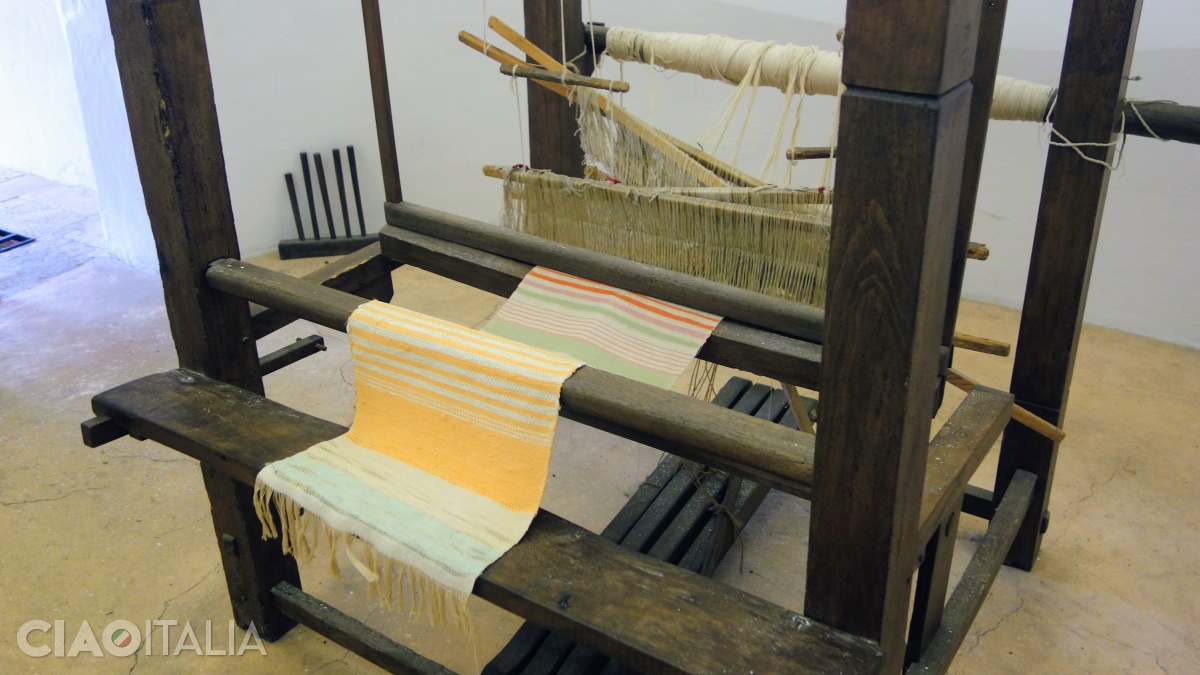
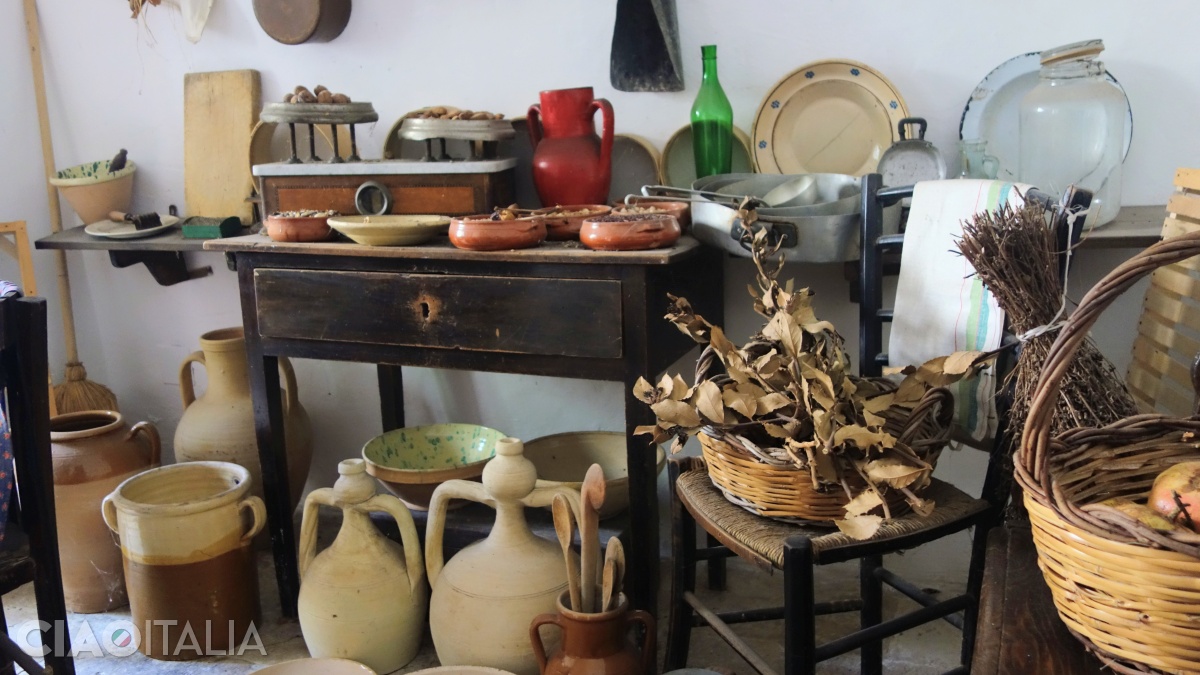
Over the years, Trullo Sovrano has served as a private home, court of law, chapel, pharmacy, monastery, and oratory. In the early 19th century, it even housed the relics of Saints Cosmas and Damian before becoming the seat of the Confraternity of the Holy Sacrament in 1826. By the late 20th century, the building was acquired by the Sumerano family (who still own it today) and used as a private residence. Today, it operates as a house-museum where you can explore period furniture, historic artifacts, and a charming courtyard garden.
Trullo Sovrano
Opening Hours:
- April - October 2026: 10:00 AM - 12:45 PM, 3:30 PM - 6:30 PM
- November 2026 - March 2027: 10:00 AM - 12:45 PM, 3:30 PM - 6:00 PM
Ticket Prices:
- €2.50