12 Free Things to Do in Bologna
There are several places and attractions in Bologna that can be visited for free - some entirely, others only partially. These include churches, museums, and parks. Also, don't forget that in Italy, by ministerial ordinance, admission to state museums and archaeological sites is free on the first Sunday of every month.
1. The Halls of the City Hall (Palazzo d'Accursio)
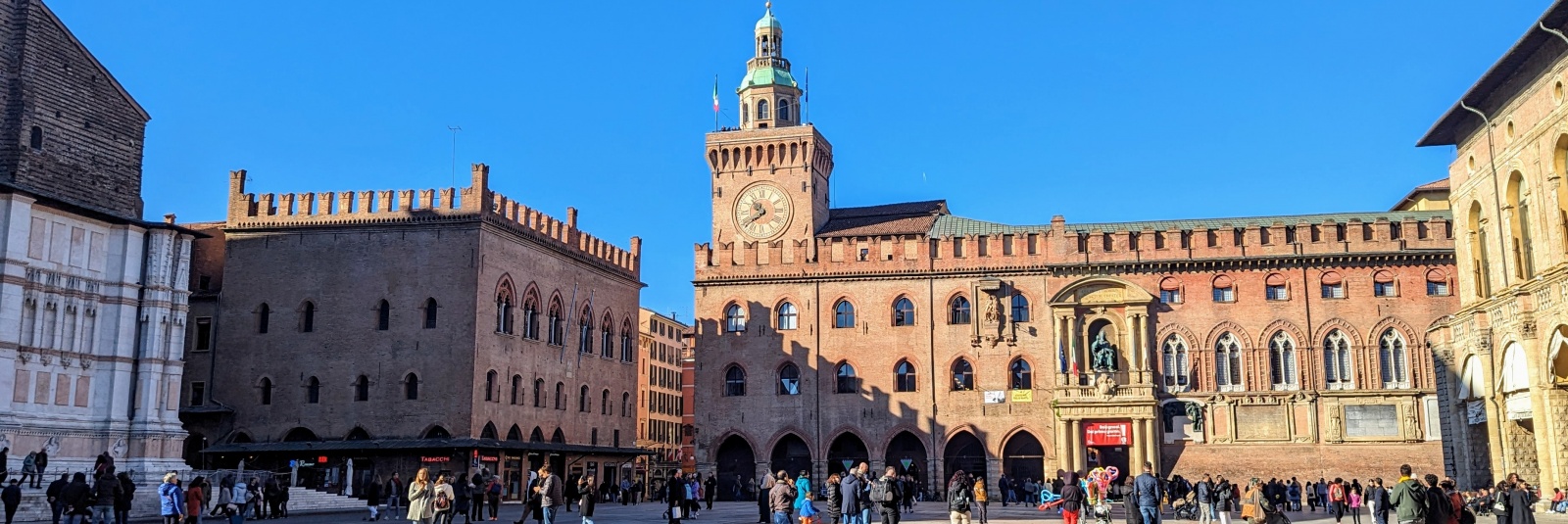
The City Hall of Bologna is located in Piazza Maggiore. The palace that houses it is also known as Palazzo Accursio or Palazzo Comunale and is one of the oldest buildings in the city. The beautiful rooms inside (the Red Room, the Hercules Room, and the Farnese Room and Chapel) can be visited for free when no events are taking place in them.

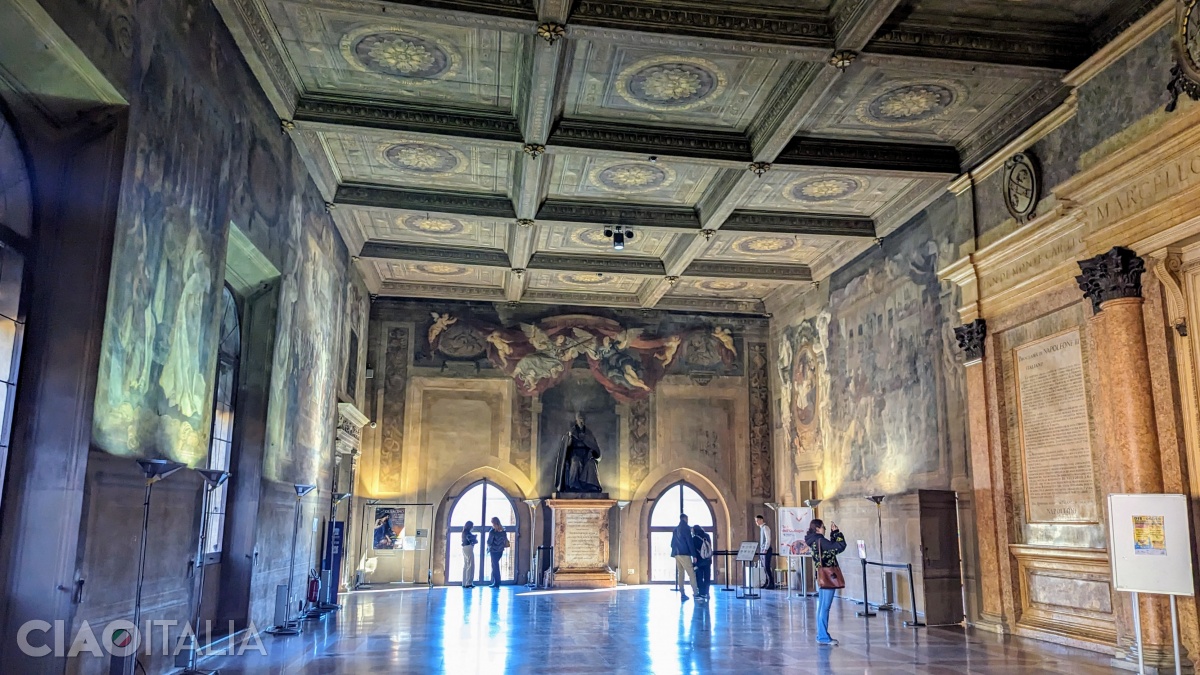
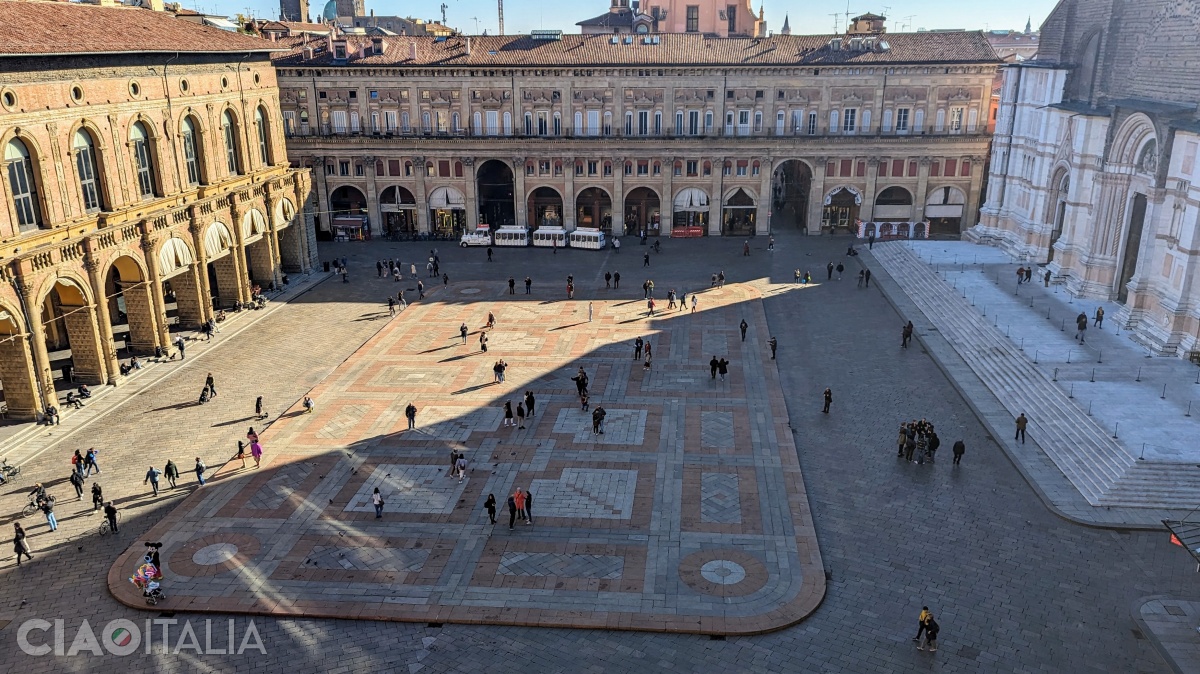
Additionally, from the windows of the Farnese Room, which also provide access to the Clock Tower (for which an entrance fee is required), you can enjoy a beautiful view of the square.
2. San Petronio Basilica
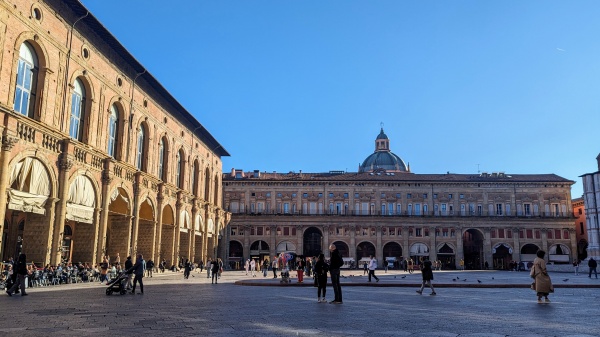
San Petronio Basilica dominates Piazza Maggiore, being the most important church in Bologna and one of the largest in the world. Its construction began at the end of the 14th century, and the façade was never completed (which is why you see the unusual combination of brick and marble today).
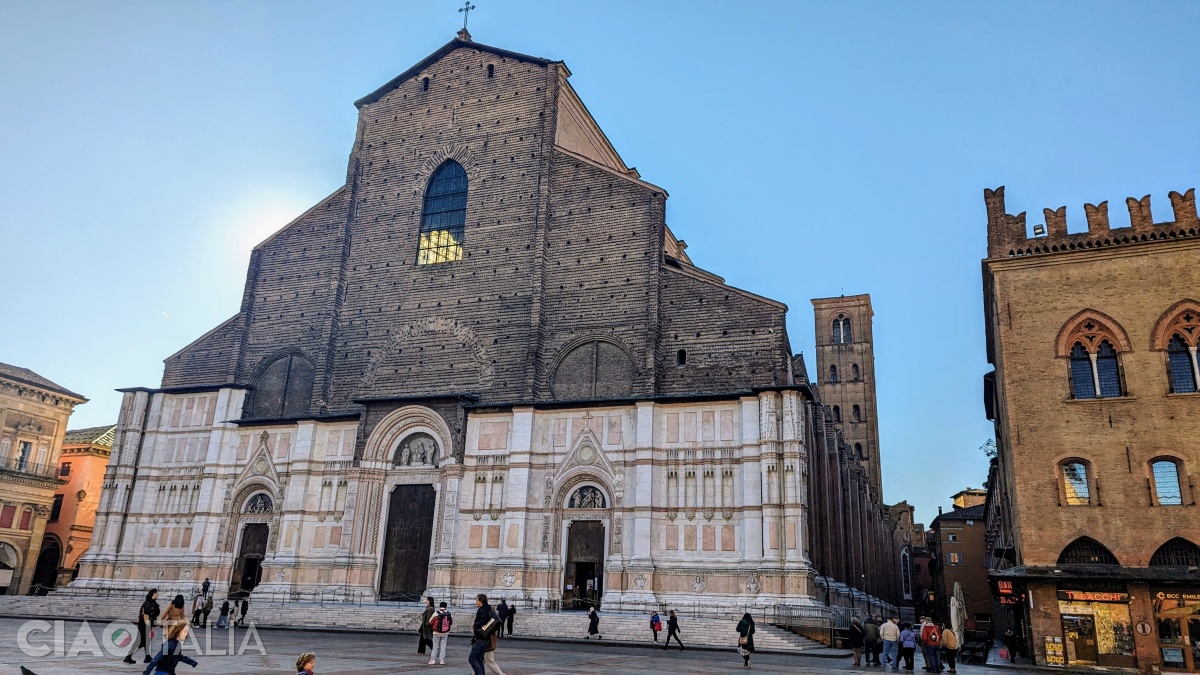
Entry to the church and museum is free (except for access to a few chapels with frescoes, which require a ticket). Inside the impressive basilica, you can see the longest meridian line in the world, built in the 17th century by a professor from the University of Bologna for astronomical observations.
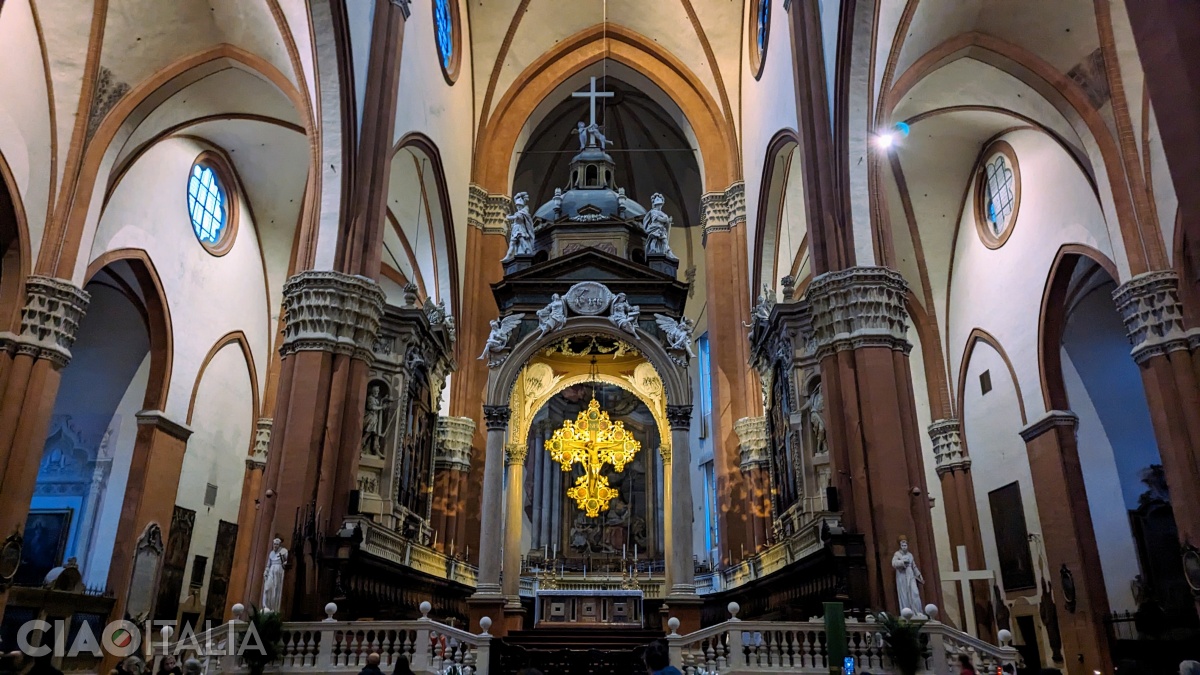
Basilica of San Petronio
Opening hours:
Church:
- Monday-Sunday: 10:00 AM - 6:00 PM (last entry at 5:50 PM)
Museum:
- Monday-Sunday: 10:00 AM - 5:30 PM (last entry at 5:15 PM)
Ticket prices:
Church: free admission (you have to pay a fee only if you want to visit the three chapels)
Museum: free admission
3. The Courtyard of the Archiginnasio Palace
The Palazzo dell'Archiginnasio is the most famous palace in the city. It was built in 1563 and served as the seat of the University of Bologna until 1838, when it was transformed into the Municipal Library.
You can enter for free to admire the inner courtyard, which is surrounded by 30 arcades decorated with students' coats of arms (to visit the Anatomical Theatre and the Stabat Mater Hall, you'll need to purchase a ticket).
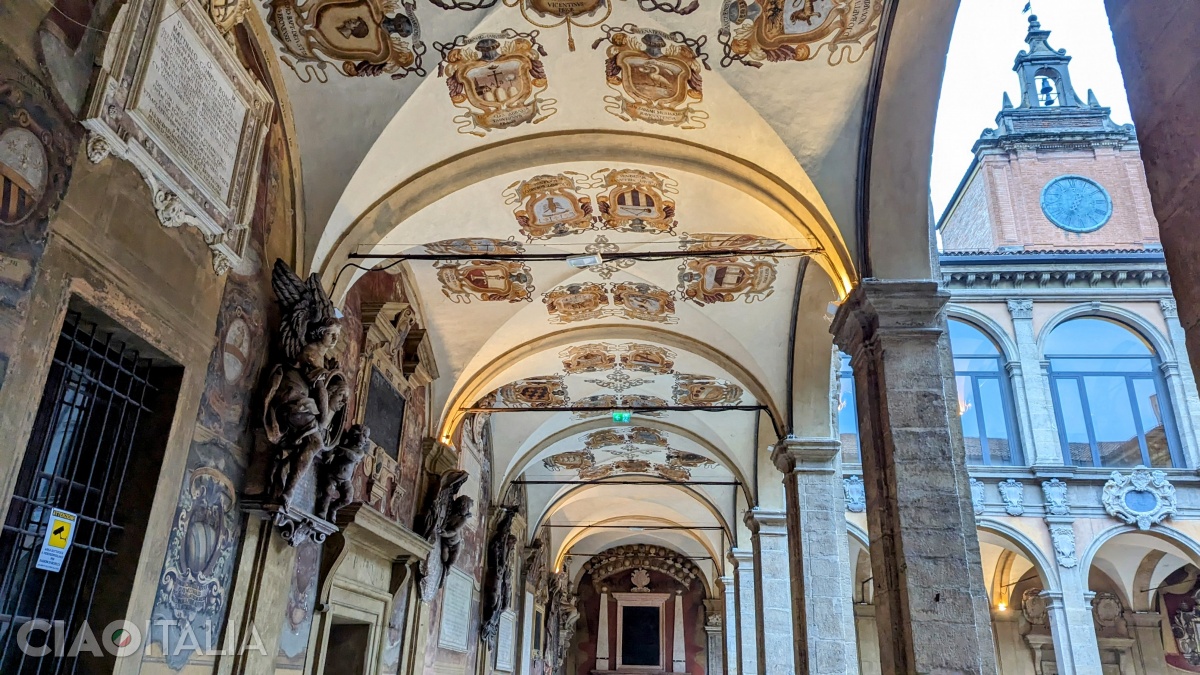
Palazzo dell'Archiginnasio
Opening hours:
- Monday-Saturday: 9:00 AM - 7:00 PM
- Sunday: closed
Ticket prices:
- you can visit the inner courtyard for free
4. Santo Stefano Basilica
The Basilica di Santo Stefano is one of the most fascinating churches in Bologna, and entry is free. In fact, it's not just one church, but four interconnected churches, linked by two inner courtyards. This religious complex is the oldest in the city and originally consisted of no fewer than seven churches.
Basilica di Santo Stefano
Opening hours:
- Monday: closed (only the Basilica is open, not the other monuments)
- Tuesday - Friday: 9:30 AM - 12:30 PM, 2:30 PM - 7:00 PM
- Saturday: 9:30 AM - 12:30 PM, 2:30 PM - 7:30 PM
- Sunday: 9:30 AM - 12:30 PM, 3:00 PM - 7:30 PM
Ticket prices:
- free admission

5. Museo per la memoria di Ustica
The Museo per la Memoria di Ustica (Museum in Memory of the Ustica Tragedy) is certainly not a museum to visit with a light heart. It is a rather unique museum, established in 2007 in remembrance of the victims of a tragedy.
On June 27, 1980, a DC-9 aircraft operated by the Itavia airline, which had departed from Bologna Airport en route to Palermo Airport, crashed into the Tyrrhenian Sea near the island of Ustica. The cause remains unknown to this day. All passengers and crew members - 81 people in total - lost their lives.
The museum is situated in the Bolognina district, inside an old warehouse that once belonged to the city's former transport company. The permanent installation was created by French artist Christian Boltanski around the wreckage of the aircraft.
Visiting the museum is free, and reservations can be made online.
Museo per la Memoria di Ustica
Opening hours:
September 28, 2026 - June 26, 2027:
- Monday-Wednesday: Closed
- Thursday-Friday: 9:30 AM - 1:30 PM
- Saturday-Sunday: 10:00 AM - 6:30 PM
On Sunday, November 1, 2026, the museum will be open between 10:00 AM and 7:00 PM.
Ticket prices:
- free
6. The clock in Piazza delle Medaglie d’Oro
Piazza delle Medaglie d'Oro is the square located in front of the Central Train Station, a place you'll likely pass through many times, especially if you plan to visit the surrounding areas of Bologna.
At first glance, the square may not seem particularly special. However, it is tied to the memory of another tragedy, which occurred about a month after the Ustica plane crash. On August 2, 1980, a bomb exploded in the train station, killing 85 people and injuring several hundred. It was the deadliest terrorist attack in Italy's history, and a young far-right extremist couple was arrested and convicted for it.
The clock stopped at 10:25 AM, the time of the bombing. Although it was later repaired, it was ultimately decided to keep it showing only that time, in memory of the victims of the tragedy.

7. San Domenico Basilica
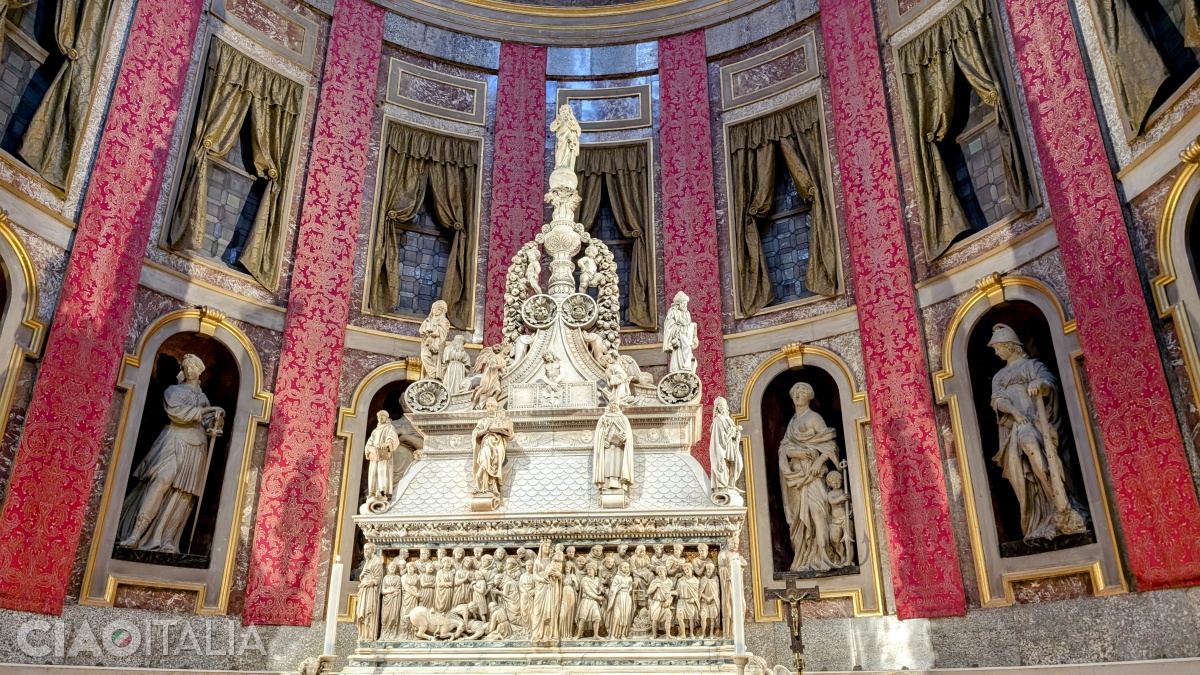
In San Domenico Basilica, you can see several works of art for free. The most important is the Arca di San Domenico, the beautiful medieval sarcophagus worked on by several sculptors, including Michelangelo during his youth.
Basilica of San Domenico
Opening hours:
- Monday-Friday: 7:00 AM - 1:00 PM, 3:30 PM - 8:00 PM
- Saturday: 7:15 AM - 1:00 PM, 3:30 PM - 7:30 PM
- Sunday: 7:55 AM - 12:30 PM, 3:30 PM - 7:00 PM
Ticket prices:
- free admission
8. The Luigi Cattaneo Collection of Anatomical Wax Models
The Luigi Cattaneo Collection of Anatomical Wax Models (La Collezione delle Cere Anatomiche) belongs to the University of Bologna and is housed within the Institute of Human Anatomy.
The exhibition displays bones and wax models that were used in the past for educational and research purposes. Admission is free, and reservations can be made online.
The Luigi Cattaneo Collection of Anatomical Wax Models
Opening hours:
September 1, 2026 - May 31, 2027:
- Monday: closed
- Tuesday-Friday: 9:00 AM - 1:00 PM
- Saturday-Sunday: closed
- October 4, Decemeber 8, 24 and 25, 2026, January 1, April 25, Easter and May 1, 2027: closed
Last entry is 30 minute before the closing time.
Ticket prices:
- Free admission
9. San Luca Basilica and Portico
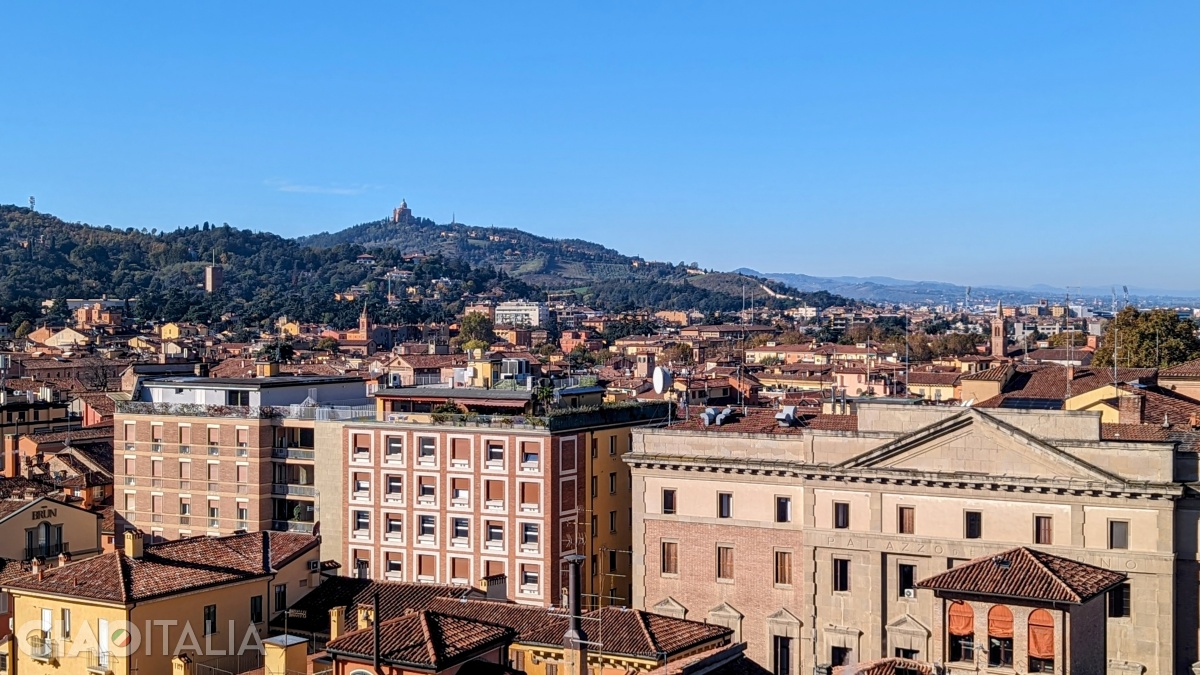
San Luca Basilica is located on a hill, 300 meters high. A walk up there, along the longest portico in the world, is one of the activities you can do in Bologna. The portico is 3.8 km long and has 666 arches, symbolizing the triumph of good over evil. It will take you about an hour, but the view from the top over the Emilia-Romagna region will be worth the effort.
Entry to the church is free, while access to the dome and the crypt requires a fee.
Basilica di San Luca
Opening hours:
- church: daily, 7:00 AM - 6:00 PM
Ticket prices:
- entry to the church is free
10. Grand Tour Italia
Grand Tour Italia is a food-themed park opened on September 5, 2024, on the site where FICO Eataly World was located, about 10 km from the center of Bologna.
Entrance to the park is free. You can get there by one of the TPER buses 35, 55, 20 or 20N.
Grand Tour Italia
Orar:
- Thursday, Friday, Sunday: 11:00 AM - 11:00 PM
- Saturday: 11:00 AM - 12:00 AM
Preț bilet:
- free
11. The Botanical Garden
The first botanical garden in Bologna was established in 1568 by Ulisse Aldrovandi, in a courtyard of the Palazzo Accursio, just 23 years after the Botanical Garden of Padua, the oldest in the world.
The botanical garden you see today dates back to 1803 and was founded by the University of Bologna. You can visit it for free with an online reservation, entering through the gate at Via Irnerio 42. Inside, you will find two greenhouses with tropical plants, two with succulent plants, and a small greenhouse with carnivorous plants.
The Botanical Garden
Opening hours:
- October 1 - March 31: Tuesday to Sunday, 9:00 AM - 3:00 PM
- April 1 - September 30: Tuesday to Sunday, 10:00 AM - 6:00 PM
- closed on January 1, May 1, August 15, December 24 and December 25
Last entry is 30 minutes before closing time.
Ticket prices:
- free admission
12. Bologna’s Parks
If you enjoy walking in nature, you should know that Bologna has several historic parks.
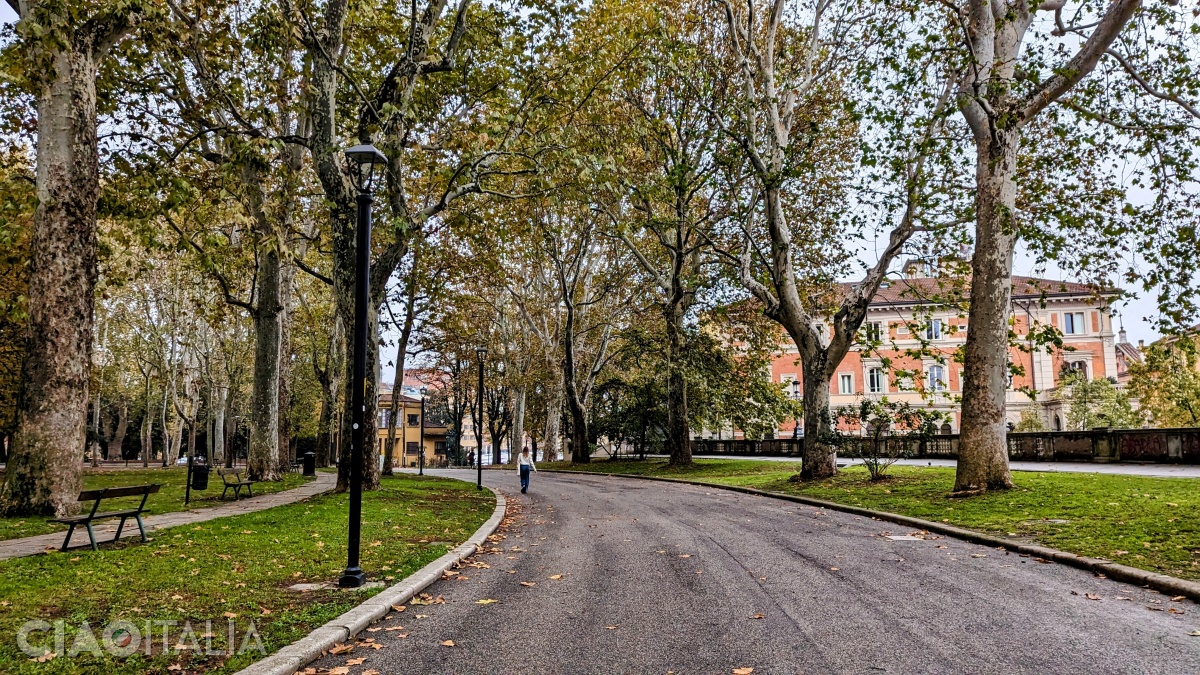
Parco della Montagnola is located near Bologna's bus station, and its name could be translated as "Mound Park". The height at which it sits may seem unusual in the otherwise quite flat city landscape. In fact, the hill is artificial, formed gradually since the Middle Ages by the accumulation of garbage and leftover construction materials.
In the second half of the 17th century, the hill was leveled, mulberry trees were planted, and the area was transformed into a promenade. Its current appearance dates from the early 19th century when Napoleon ordered it to be redesigned in the French style. The plane trees you see today date from that time.
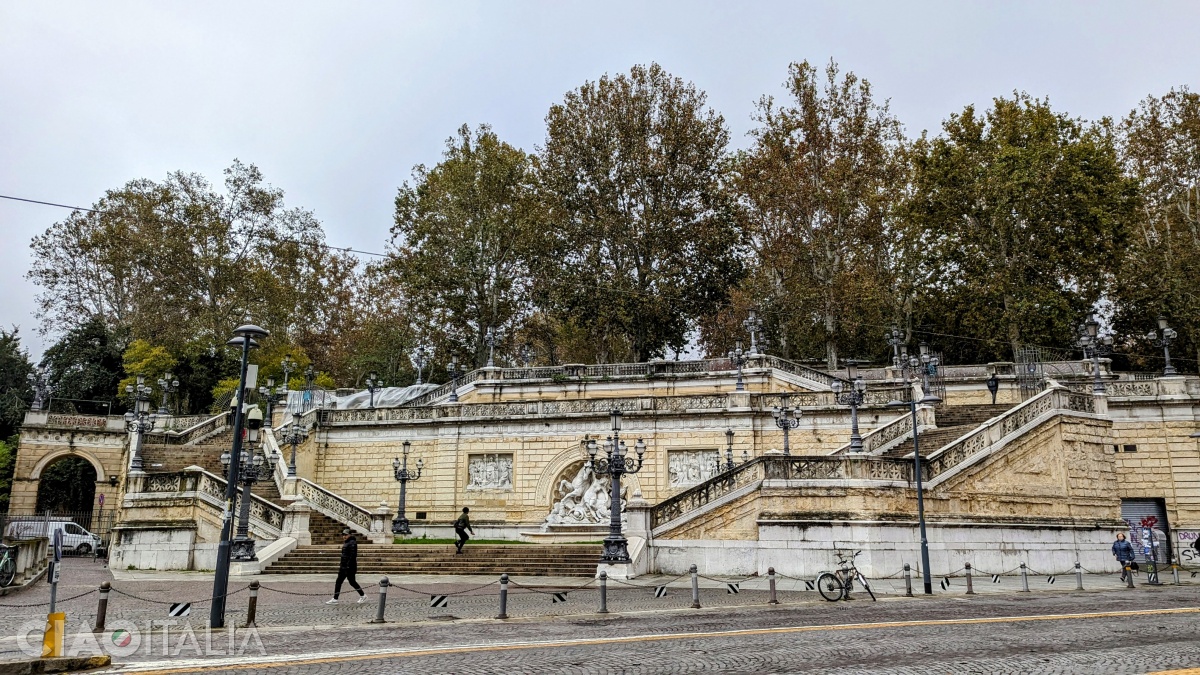
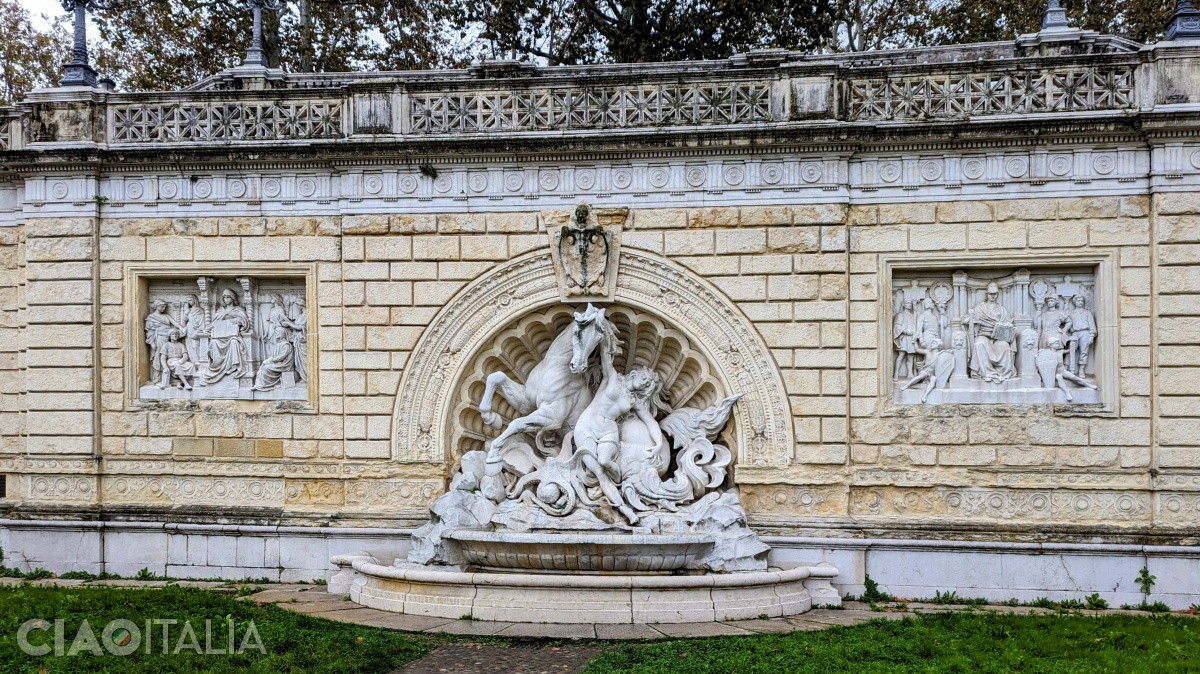
On the northern side of the park, near the bus station, there is an elegant staircase called Scalinata del Pincio, built in 1888 for the Emiliana Exhibition. The central sculpture depicts a horse saving a nymph from the tentacles of an octopus, and the two side bas-reliefs are inspired by the city's history.
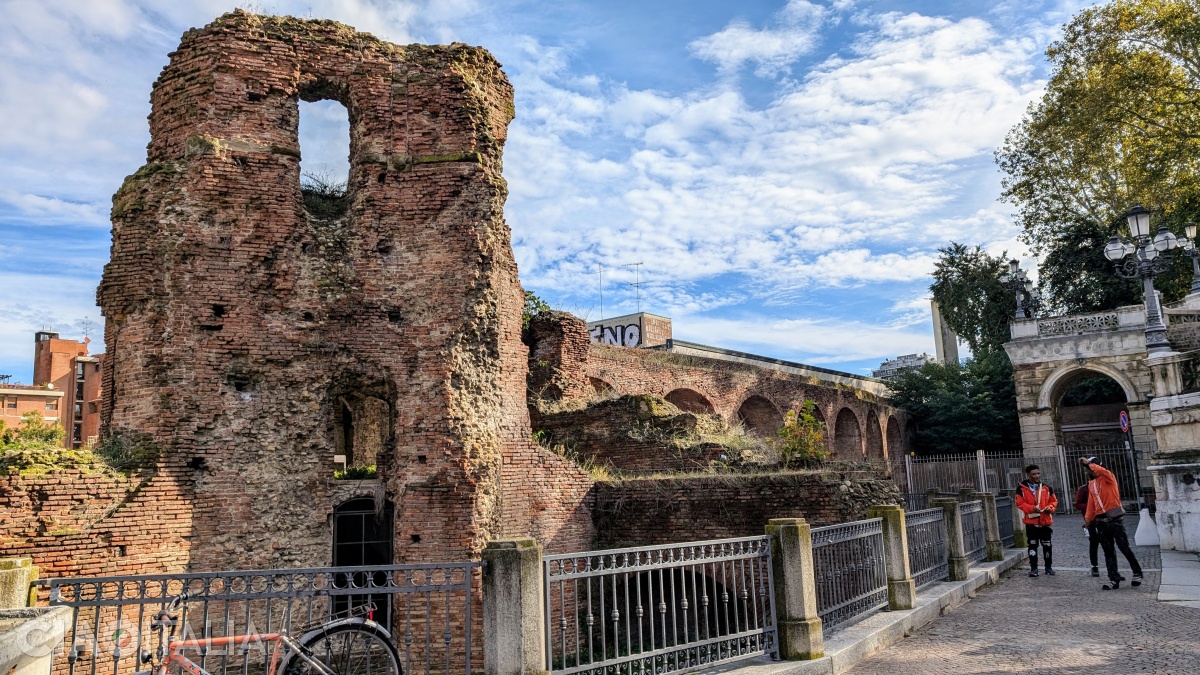
The ruins between the park and the bus station belong to Galliera Castle, built in the 14th century and rebuilt several times over the years, being destroyed each time the population revolted against papal rule.
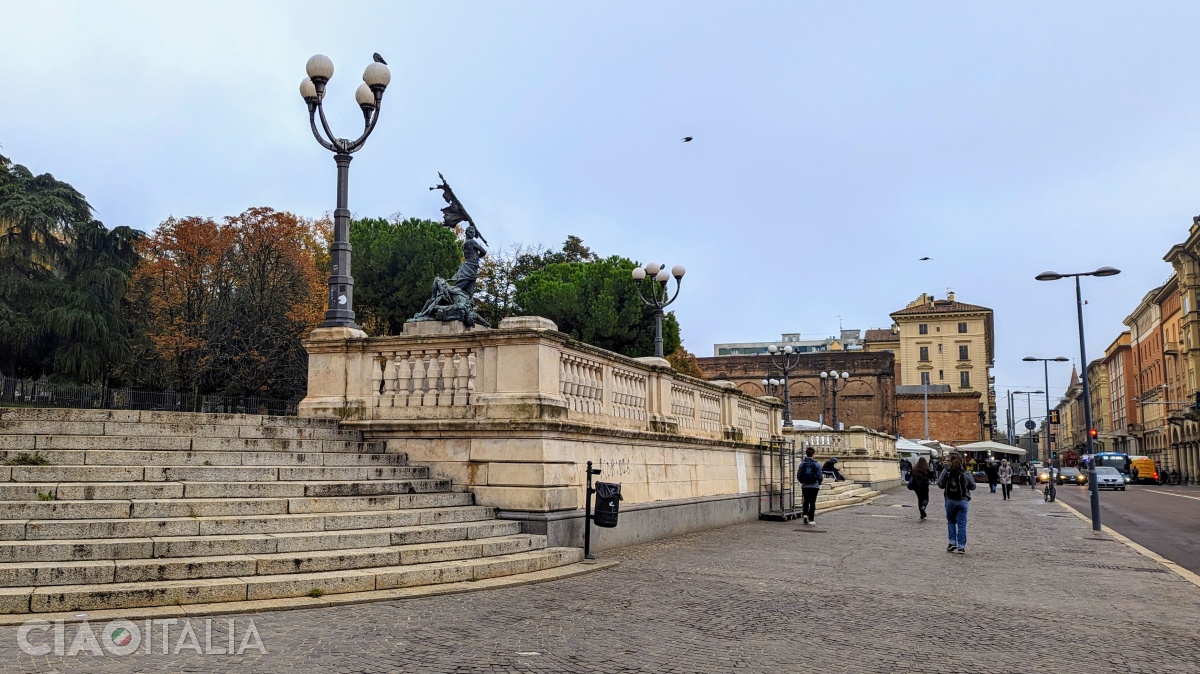
On the opposite side of the square, to the south, at the park entrance from Piazza VIII Agosto, where a market is held every Friday and Saturday, there is a statue. It is a monument dedicated to those who fell at this site on August 8, 1848 (from which the square takes its name), when Austrian troops, called in by the pope to suppress the uprising of the locals, occupied Bologna. The people of Bologna call the statue Il Popolano ("The Common Man").
The Margherita Gardens (Giardini Margherita) are the largest park in Bologna, inaugurated in 1879. Inspired by English Romantic-style parks, it was created in honor of Queen Margherita of Savoy.
Located on the Collina di Casaglia, Villa Spada Park (Parco di Villa Spada) is a beautiful 18th-century Italian-style garden from where you can admire the panorama of the city.