25 Things to Do in Turin for Free
Turin is a city that offers you plenty of things to do. For some, you will have to pay a price, but there are also many things you can do for free. These represent a different way to discover the city and may interest you whether you have a limited budget or not.
1. Visit the Cathedral
The Cathedral or Duomo of Turin is the main church of the city and the only one remaining from the Renaissance period. It is located in the city center, in Piazza San Giovanni, and you can visit it for free. The Cathedral houses the famous Shroud of Turin in an interior chapel.
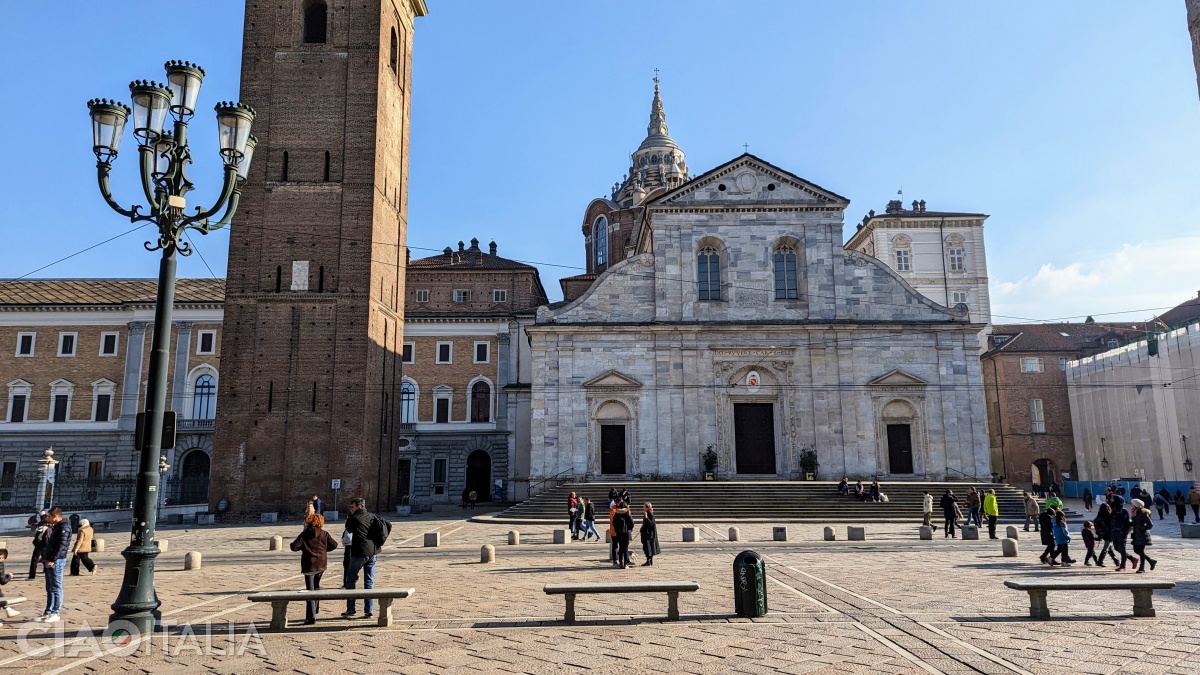
The Cathedral of Turin
Opening Hours:
- Monday-Friday: 10:00 AM - 12:30 PM, 4:00 PM - 7:00 PM
- Saturday-Sunday: 9:00 AM - 12:30 PM, 3:00 PM - 7:00 PM
2. See the State Museums for Free
On the first Sunday of every month, state museums can be visited for free. If you are in Turin during these times, you can take advantage of this opportunity, but keep in mind that it might be very crowded, and for some museums, a reservation is required.
Even if it's not free, the Piemonte+Torino Card is very advantageous if you want to visit the most important museums in the city. You have the option of a 24-hour card, a 2-day card, a 3-day card, and a 5-day card.
3. Take a Walk through the Royal Gardens
Perfect for walking as well as admiring the landscape architecture, the Royal Gardens are part of the Royal Museums complex, but they can be visited for free.
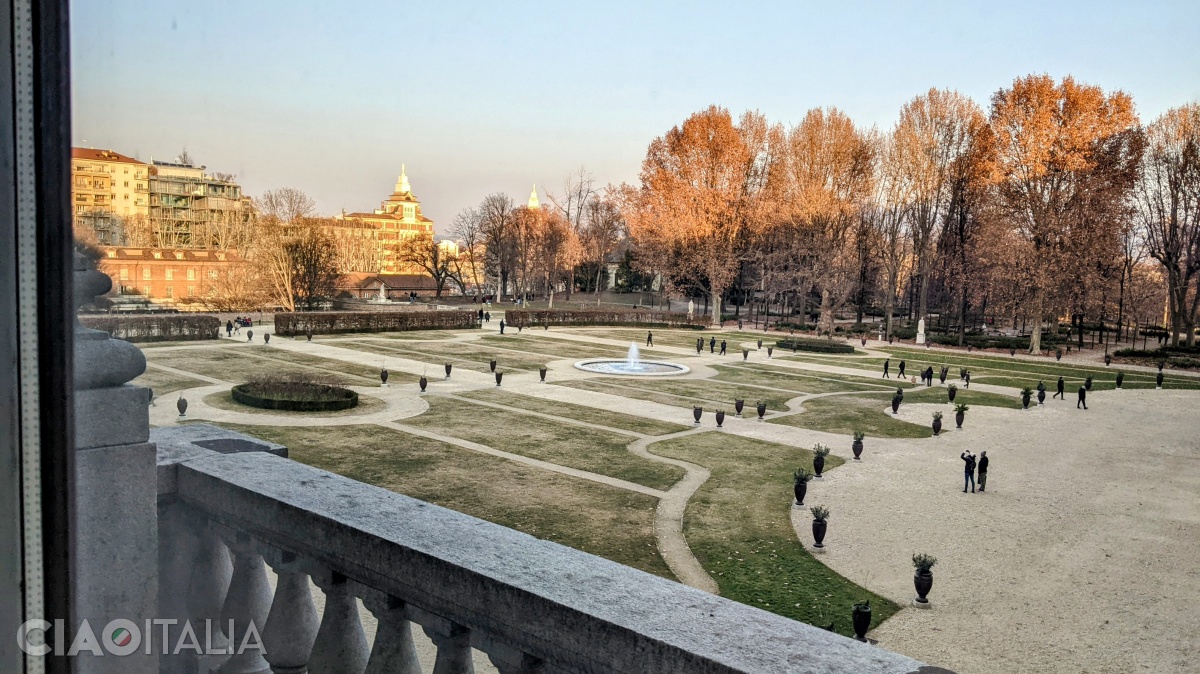
Royal Gardens
Opening Hours:
- Monday-Tuesday: 8:30 AM - 7:00 PM
- Wednesday: closed
- Thursday-Sunday: 8:30 AM - 7:00 PM
Last entry is 20 minutes before closing time.
4. See Da Vinci's Drawings at the Royal Library
Part of the Museums is also the Royal Library, founded in 1837 by Carlo Alberto. The monumental hall of the Library, painted with themes representing the Sciences and Arts, can be visited for free. Among the famous exhibits it houses are Vivaldi's collection of scores and Leonardo da Vinci's collection of drawings (including his "Self-Portrait").
Royal Library
Opening Hours:
- Monday and Friday: 9:00 AM - 1:30 PM
- Tuesday, Thursday and Saturday: 1:30 AM - 6:30 PM
- Sunday: closed
5. Stroll through the Most Beautiful Squares
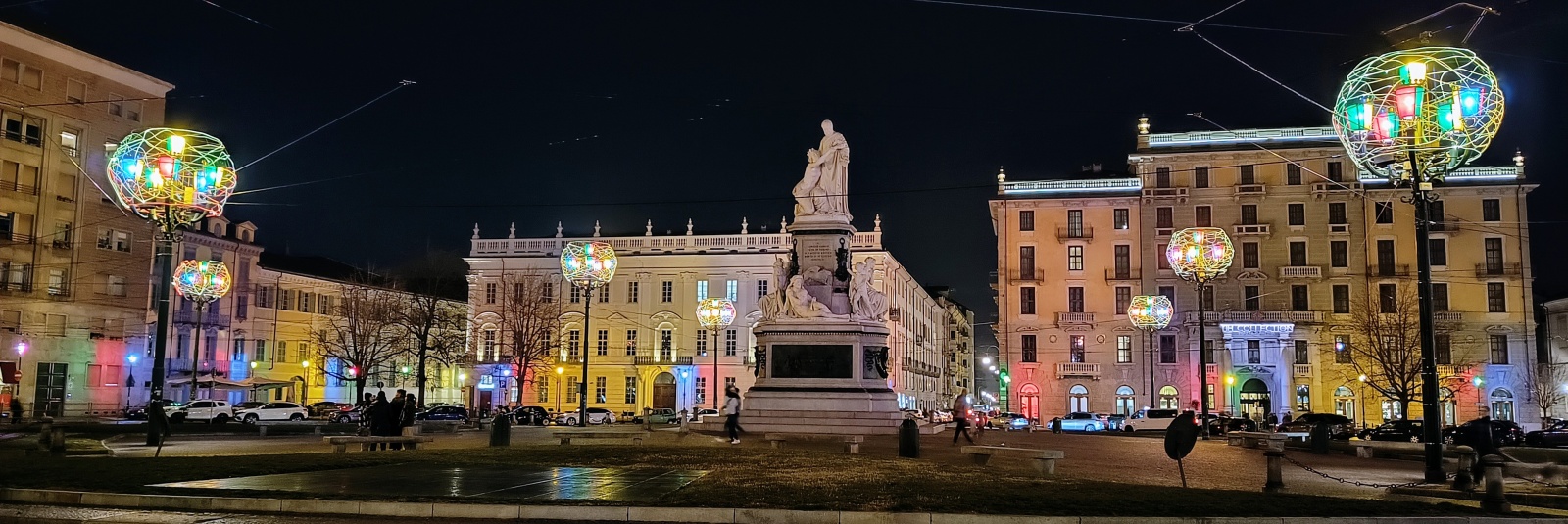
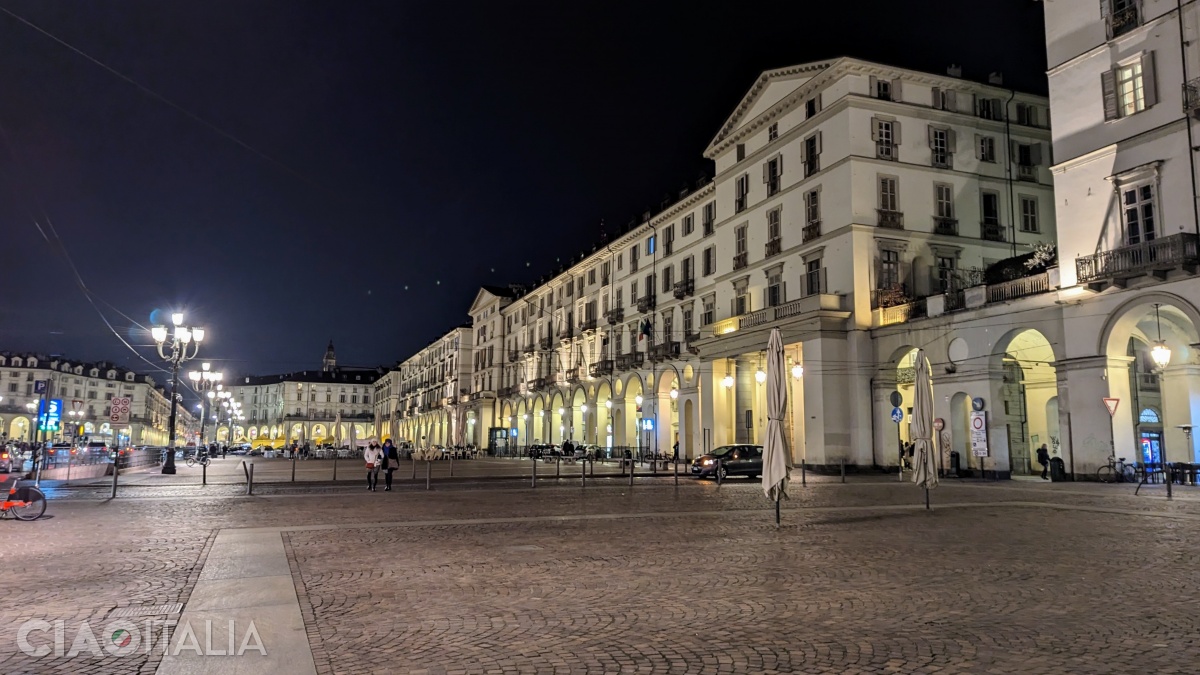
Turin does not lack beautiful squares. Among the most important are Piazza San Carlo, Piazza Castello, and Piazza Vittorio Veneto.
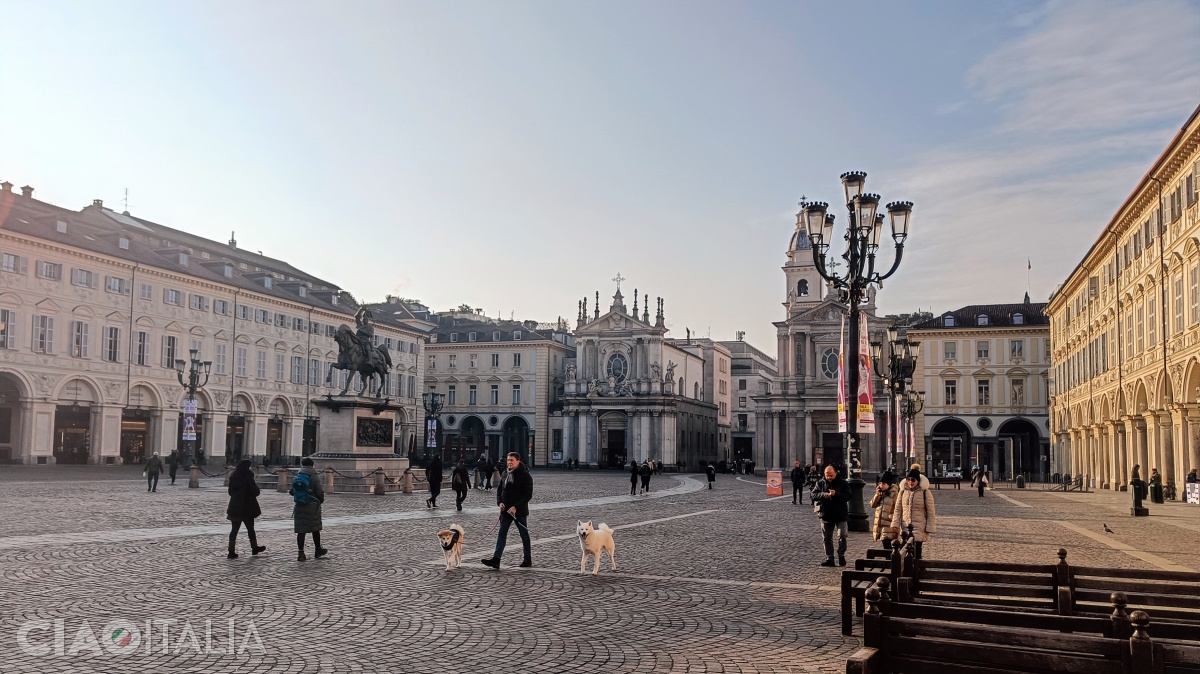
With its elegant palaces and arcades housing cafés and shops, Piazza San Carlo is considered the "living room of the city". It is dedicated to Saint Carlo Borromeo and was inaugurated in 1638. The equestrian statue in the middle of the square depicts Duke Emanuele Filiberto himself, who moved the capital to Turin. On one side, the vast pedestrian area is flanked by two Baroque churches with similar appearances: the San Carlo Church, built in 1619, and the Santa Cristina Church, erected in 1639. Piazza San Carlo is also the place where many concerts and events are held.
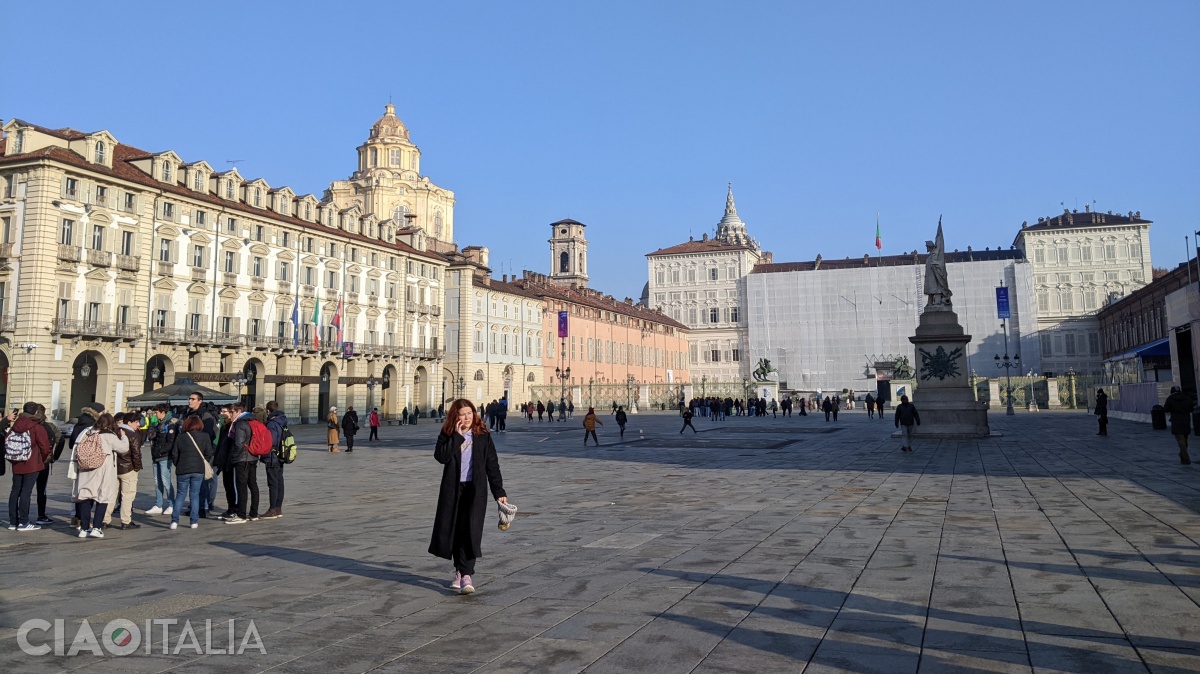
Piazza Castello is the heart of the city, from which the most important streets begin. The square, which is square-shaped, was designed in 1584 and was the center of the nobility at the court of the House of Savoy. Here are located the most important buildings in Turin: the Royal Palace, Palazzo Madama, Teatro Regio, the Prefecture, and the Regional Palace.
Another beautiful square, surrounded by arcades, is Piazza Vittorio Veneto, which the people of Turin simply call Piazza Vittorio, located on the banks of the Po River.
6. See the Dome of San Lorenzo Church
The Church of San Lorenzo (Chiesa di San Lorenzo) is located right in Piazza Castello, next to the Royal Palace. Built at the request of the House of Savoy, it is also known as the "royal church". It was dedicated to Saint Lawrence (San Lorenzo) to commemorate the victory that Duke Emmanuel Philibert won against the French on the saint’s feast day, August 10, 1557. In 1578, when the Shroud was brought to Turin, it was first displayed on the altar of this church.
Its present Baroque appearance dates from the second half of the 17th century and is largely the work of the architect Guarino Guarini (who also designed the Chapel of the Shroud in the Royal Palace). The Church of San Lorenzo was inaugurated in 1680, and the liturgy was celebrated by Guarini himself, who was also a priest.
One of the curiosities about the Church of San Lorenzo is that from the outside, you wouldn't even realize you’re standing in front of a church - the dome is the only feature that gives it away. Although Guarini had designed a decorated façade for the church, it was never built. The reason is not entirely clear, but it seems that it would have disrupted the symmetry of the square.
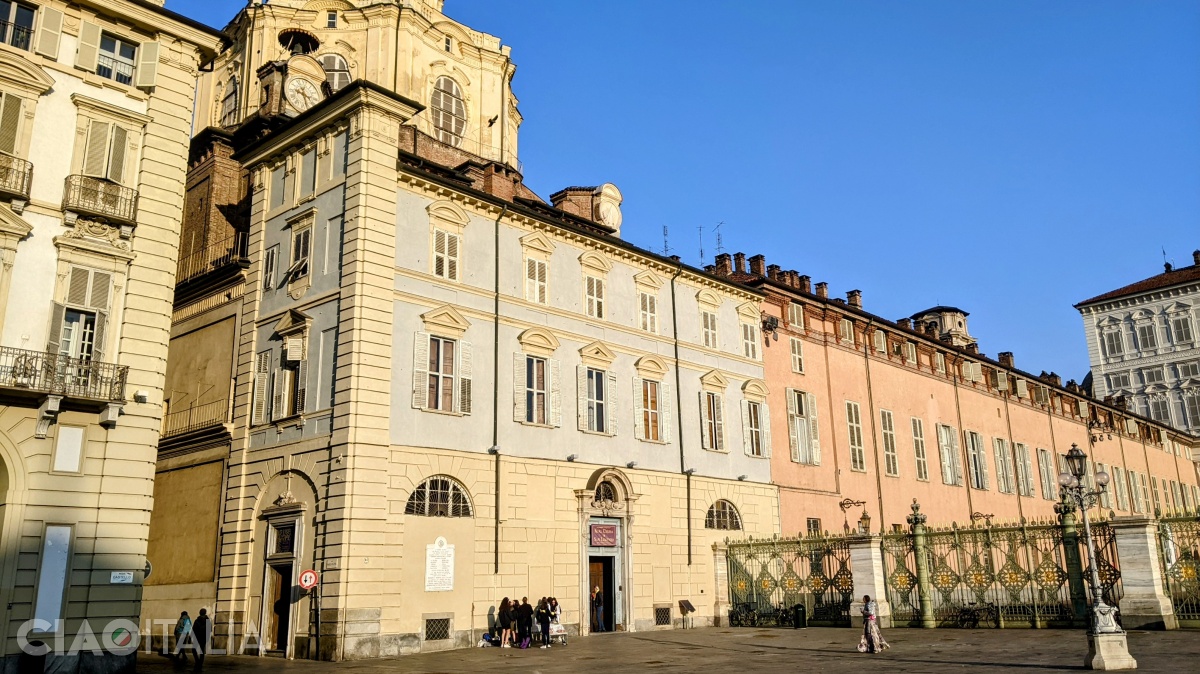
The dome, with its interplay of arches inspired by Islamic architecture, is particularly beautiful. As with the Dome of the Shroud, symbolic elements are present here as well. The church is built around the number eight, a symbol of infinity, which can be found in many architectural elements. The lower part of the interior is quite dark, but it becomes brighter as you lift your gaze upward, where the light passes through several tiers of eight windows each, surrounding an eight-pointed star. Since Turin is filled with esoteric connotations, some have claimed to see a demonic figure at the intersection of the arches supporting the dome, looking down upon the "good" that is celebrated within the church.
San Lorenzo Church
Opening Hours:
- Monday to Saturday: 8:30 AM - 12:00 PM, 3:30 PM - 6:00 PM
- Sunday: 3:30 PM - 6:00 PM
7. Admire the Galleries of Turin
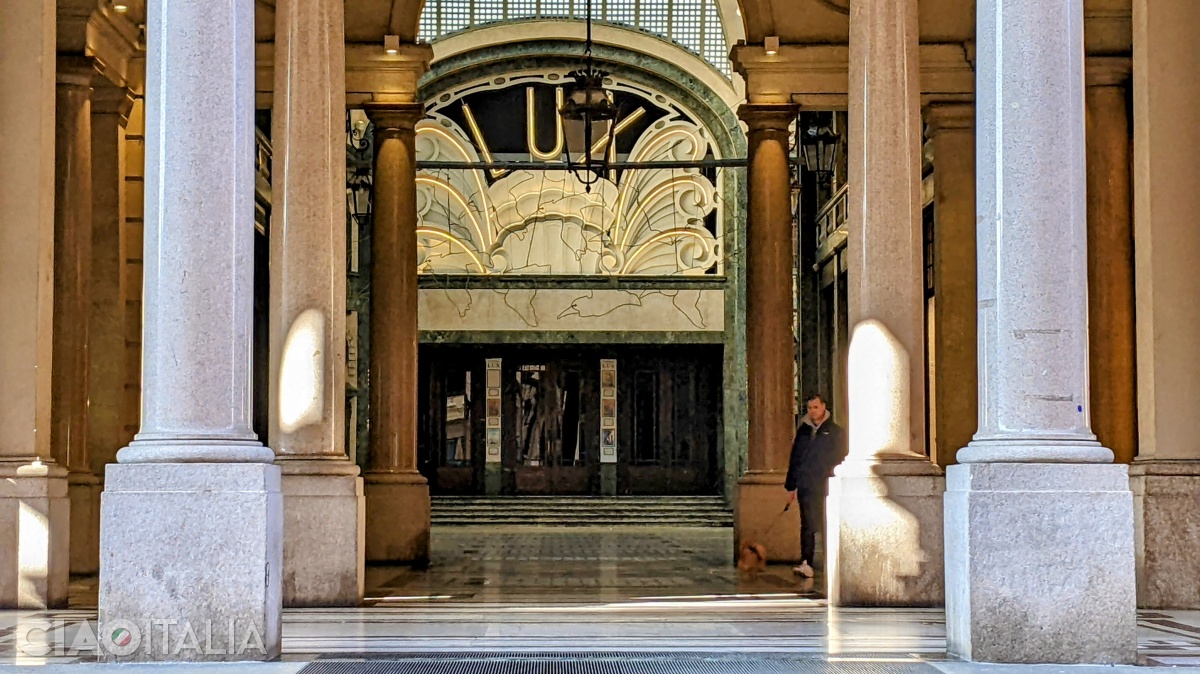
The elegant galleries of Turin are covered passages between buildings, reminiscent of those in Paris. They were built in the 19th and early 20th centuries to allow for strolling even on bad weather days.
The three most beautiful galleries are the Galleria dell'Industria Subalpina (in Piazza Castello), Galleria San Federico (near Piazza San Carlo), and Galleria Umberto I (in Piazza della Repubblica).
8. Look for the Building with a Piercing
The "building with a piercing" is one of the city's architectural curiosities. You'll find it at Via Palazzo di Città no. 19. If you look up at the building across from the Church of Corpus Domini (where the small square continues into the street), you'll notice a huge metal ring piercing its 18th-century Baroque façade.
It's actually a piece of modern art created by Corrado Levi in 1996 for the Biennial of Young Artists. The official name of the installation - which was originally temporary but later became permanent - is Baci rubati ("Stolen Kisses"). As often happens with unusual artworks, the locals gave it their own nickname, and today it's more widely known as "the building with a piercing".
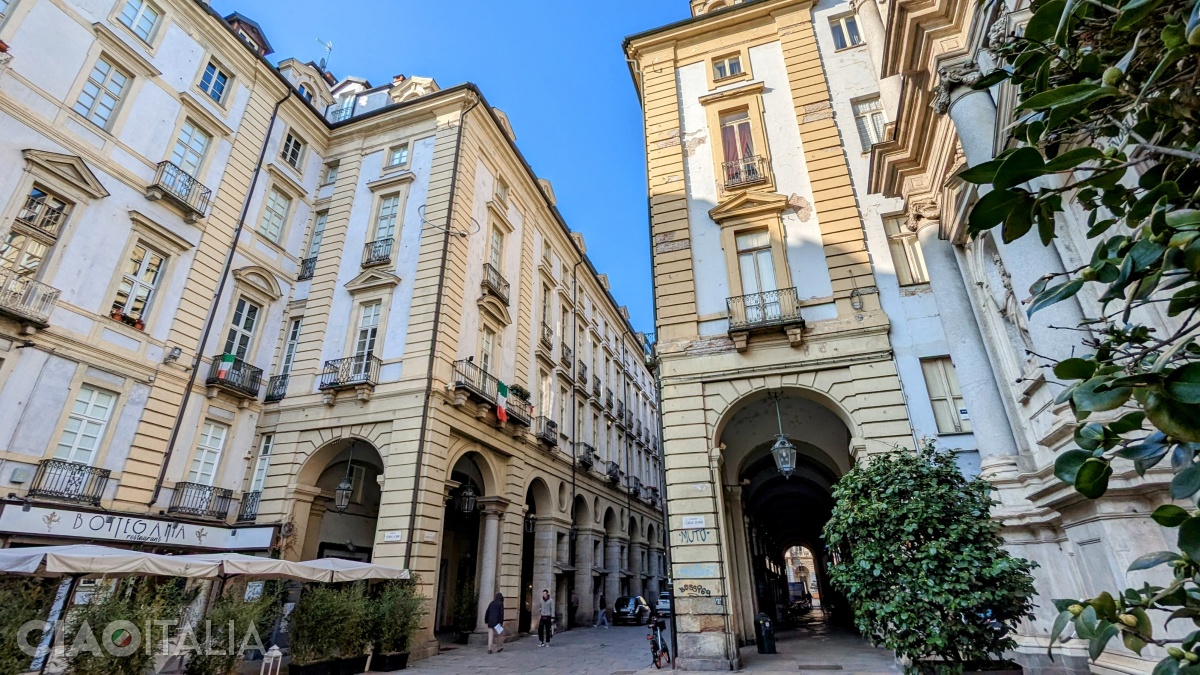
The piercing symbolizes rebellion and modernity inserting itself into tradition (represented by the Baroque building). If you look closely, you'll notice some blue stains on the side facing the square, and red stains on the side facing the street. These also serve as a symbol of the two "different souls" of the city - blue stains (facing Piazza Castello) represent the noble class, while the red ones (facing Porta Palazzo) represent the poorer class. The work thus becomes a symbol of the union between different social classes in defiance of norms and conventions.
9. Admire Porta Palatina
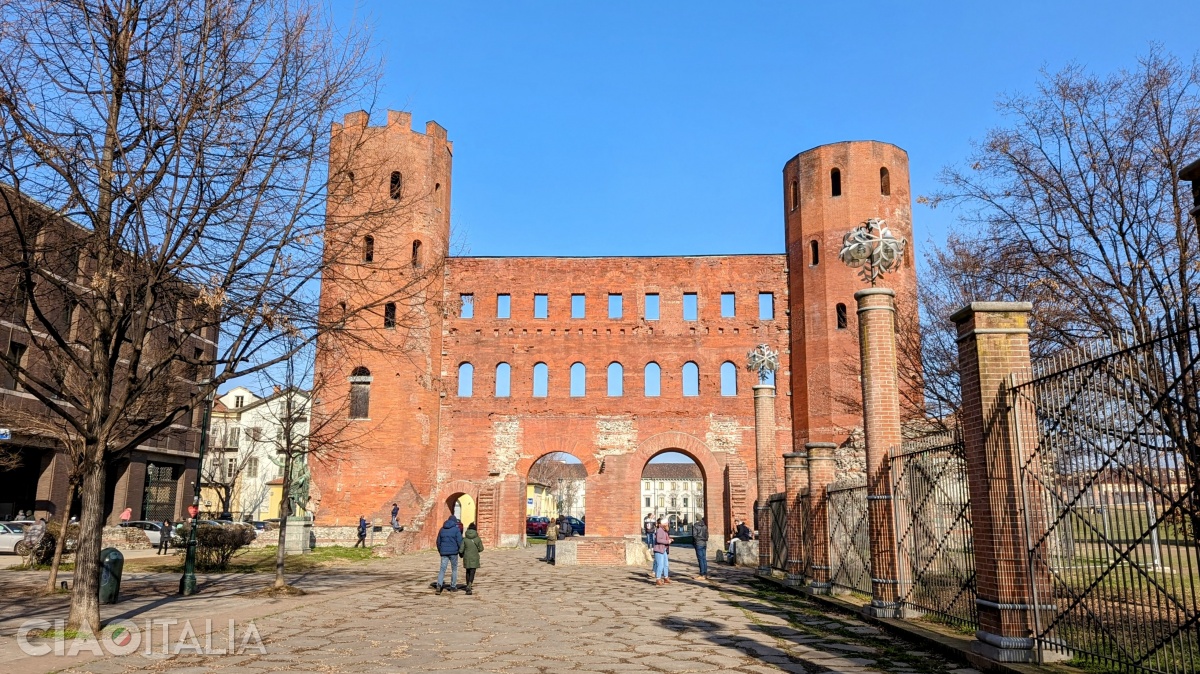
Very close to the cathedral, you'll find the impressive Porta Palatina, one of the best-preserved Roman gates in the world. Dating back to the 1st century AD, it was one of the three entrance gates to the ancient city of Augusta Taurinorum, and today it is one of the oldest monuments in Turin. On either side of the gate, you'll see two bronze statues. They represent Emperor Augustus and Julius Caesar and are copies of the originals, which are now housed in the Capitoline Museums in Rome. The gate is part of the archaeological park, a green area where you can take a walk or relax, and where you'll also find other remnants from the Roman era.
10. See the Stalls from Mercato di Porta Palazzo
Lose yourself among the fruit and vegetable stalls of Mercato di Porta Palazzo, the largest open-air market in Europe (note: the market is closed on Sundays). Even if you don't buy anything, you can enjoy the lively atmosphere, the colors, and the local products. If you're passionate about antiques and vintage items, you can take a stroll through the Il Balon flea market, held every Saturday, or Il Gran Balon, which takes place on the second Sunday of each month.
11. Drink Water from the Torèt Fountains
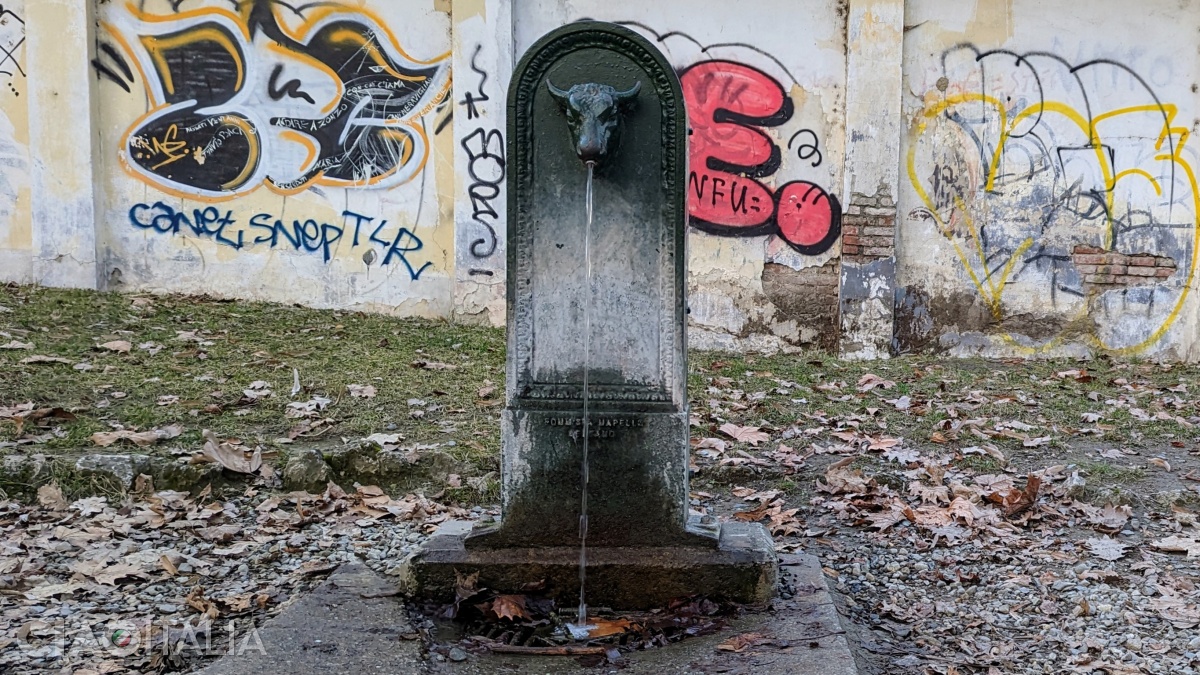
If you look closely, you'll notice many green fountains with a bull's head, placed in various spots around the city. They are so iconic that they even appear on fridge magnets.
The people of Turin affectionately call them torèt, which in the Piedmontese dialect means "little bull". The first fountains appeared around 1862, and today there are over 800 of them spread throughout the city. An association was even created to promote and preserve them, called I Love Toret.
12. Visit the Church of the Consolata
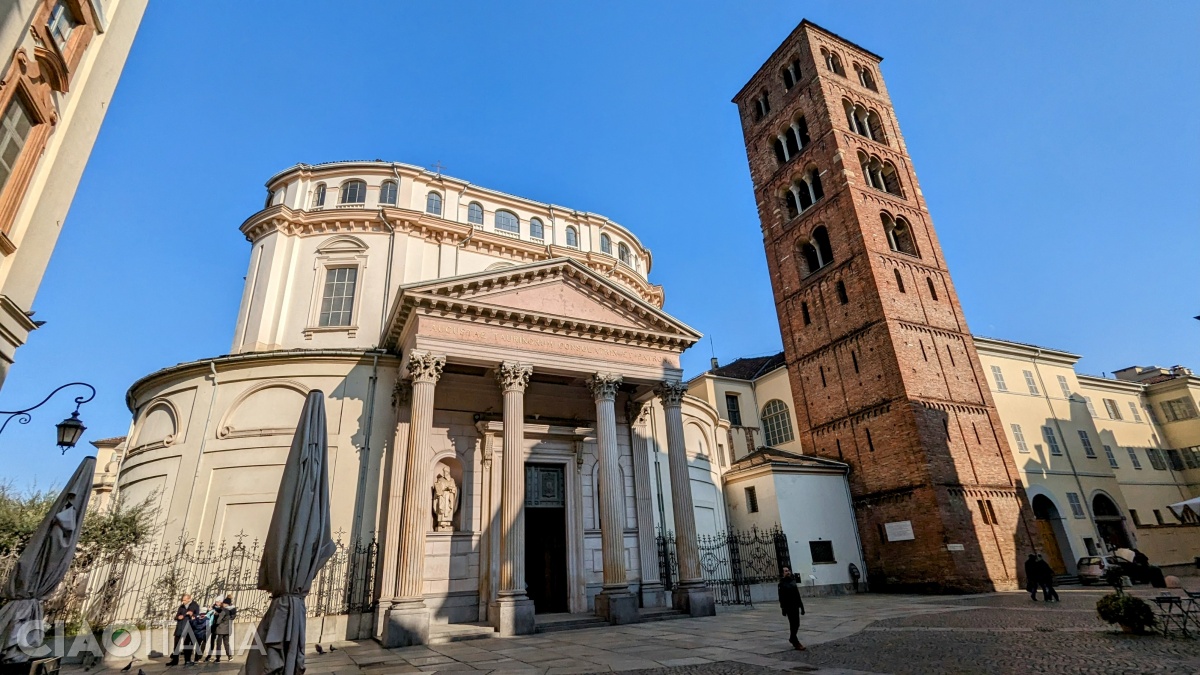
In Piazza della Consolata, right across from the famous Al Bicerin café (which you can read more about in the article What to Eat and Drink in Turin), stands one of the most beloved churches among locals and also one of the oldest places of worship in the city. This is the Santuario della Consolata, also known as the Chiesa di Santa Maria della Consolazione, associated with the veneration of the Virgin Mary.
The church was built on the remains of a Paleo-Christian chapel dedicated to St. Andrew, which in turn had been erected on the site of a pagan temple. The church's current form dates from the 17th and 18th centuries, when it was redesigned by architects Guarino Guarini and Filippo Juvarra. The Neoclassical façade was added in 1860. The Romanesque-style bell tower was built in the 11th century and is one of the few surviving parts of the old medieval abbey structures.
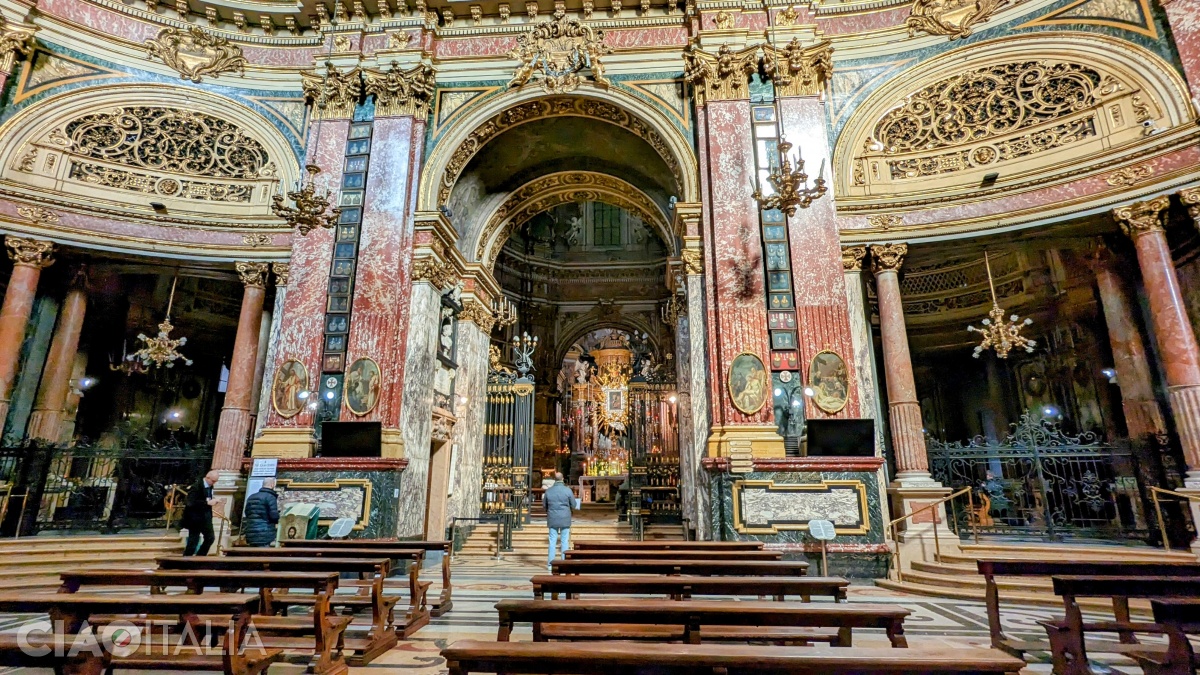
The church can be visited for free. Noteworthy is the Altare Maggiore (in the chapel directly in front of the entrance), created by Juvarra, featuring two white marble angels and an icon of the Virgin Mary. It is said that after being lost several times throughout history, the icon was finally recovered in 1104. According to legend, a blind man had a dream revealing the icon's location, and once he found it, he miraculously regained his sight. Although it was long believed that the icon kept in the church was the original, it was discovered in the 19th century that it was actually a copy made by an artist and brought to Turin by Bishop Della Rovere.
Consolata Church
Opening Hours:
- Monday to Sunday: 8:00 AM - 7:30 PM
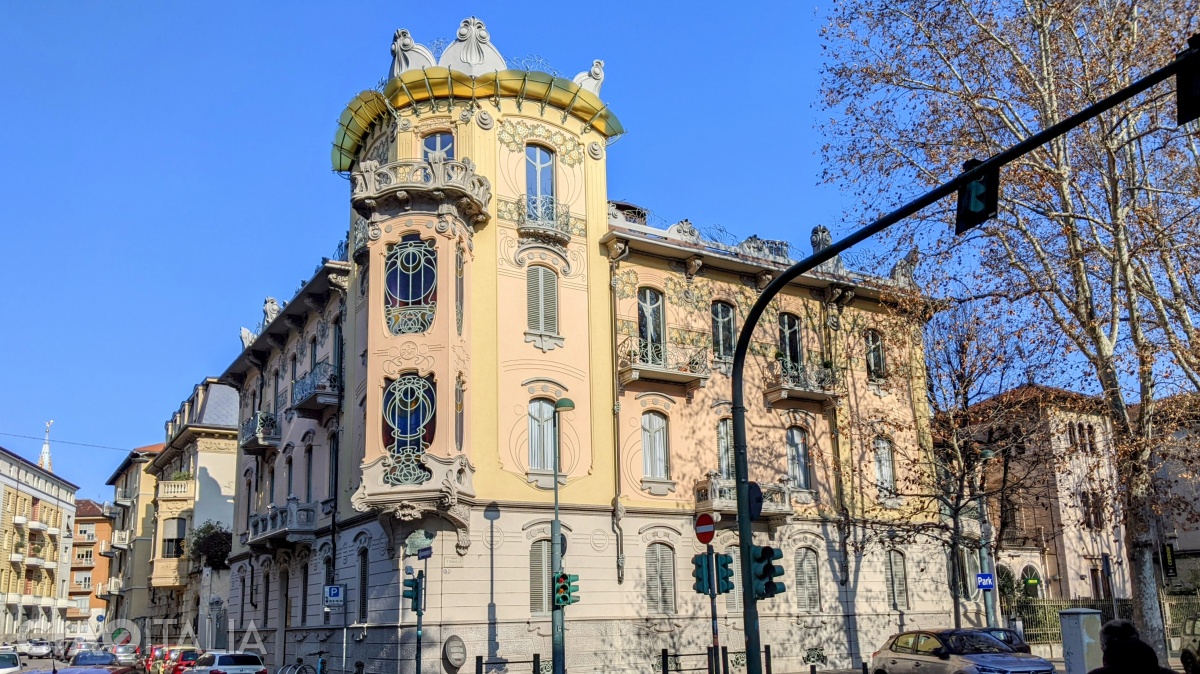
13. Look for the Liberty-style Buildings
The Cit Turin district is the only neighborhood named in the Piedmontese dialect (Cit Turin means "Little Turin"). It's the area with the highest concentration of Liberty-style houses - the Italian name for Art Nouveau. Perhaps the most beautiful of them is Casa Fenoglio-La Fleur, built at the beginning of the 20th century by architect Pietro Fenoglio. The architect himself lived in the house for a while before selling it to the French businessman La Fleur.
You'll find it at Via Principi d’Acaja no. 11.
14. Do the Gestures That are Said to Bring Good Luck
Superstitions are not missing in Turin either. Whether you believe in luck-bringing gestures or not, you can have fun trying them yourself.
In Piazza Castello, under the arches just before the Prefecture, you'll find a bronze medallion with a bust of Christopher Columbus, the famous explorer from Genoa. The piece was created in 1923 to commemorate the participation of Italian immigrants from Latin America in World War I. But the attraction actually comes from something else: it is said that if you pinch Christopher Columbus's pinky finger, you will have good luck. Students in Turin often do this before exams. Over time, so many people sought their luck here that the finger became so worn down it had to be replaced.
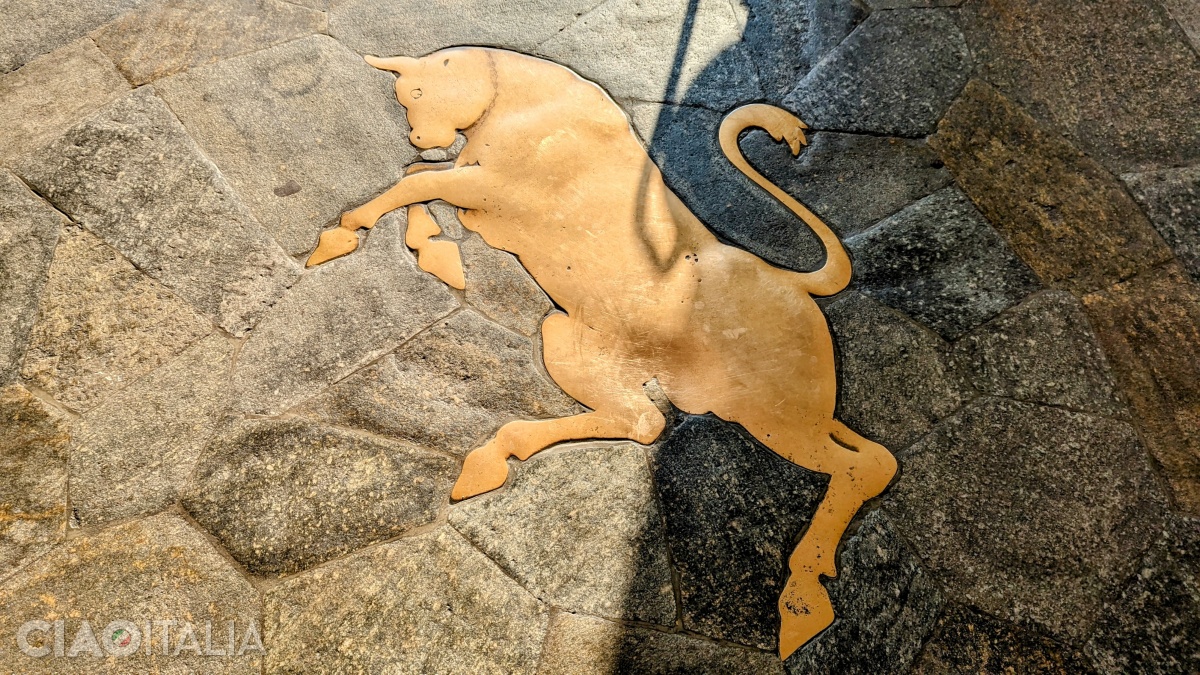
And under the arches in Piazza San Carlo, in the pavement in front of the Torino Café, you’ll discover a bronze image representing a bull. The bull (the city’s symbol) was embedded there in 1930. Legend says that if you step on its testicles, it will bring you good luck.
15. Look for the Bull Coming Out of the Wall
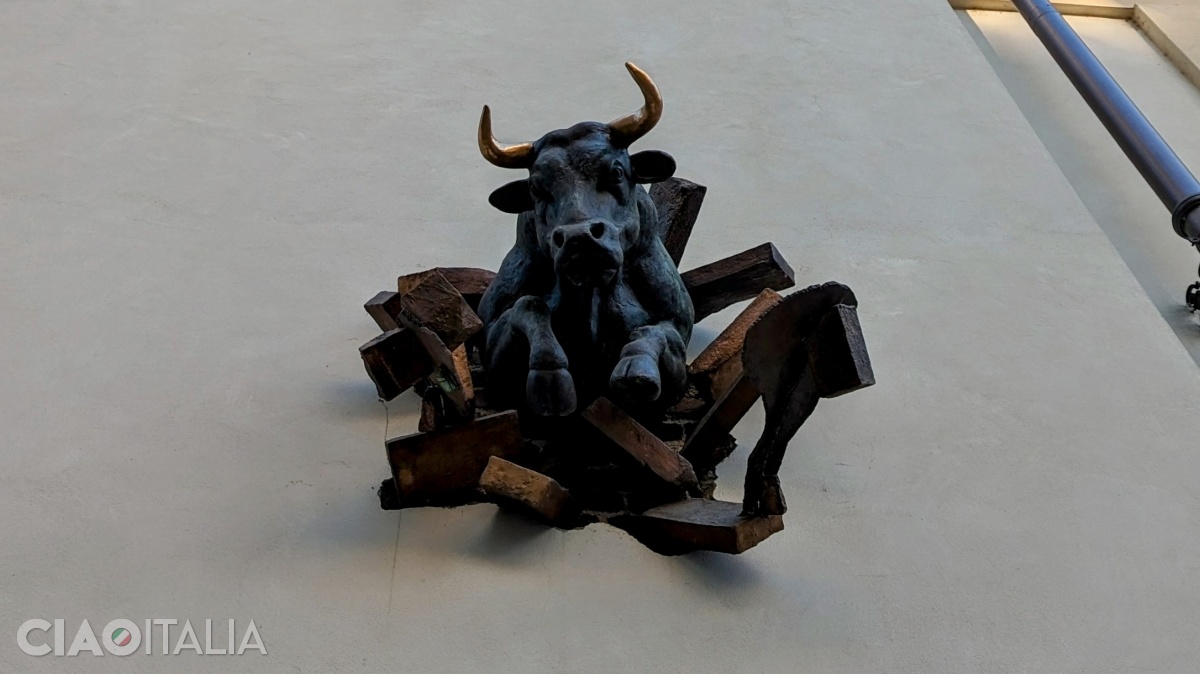
The symbol of the city can also be found in a contemporary artwork created by the artist Richi Ferrero, called T'ORO. It is located at Via delle Orfane no. 20, on the wall of a building in Piazzetta Visitazione, in the so-called Quadrilatero Romano. It looks as if the bull with golden horns is breaking through the wall, and you expect it to come out of the building’s façade at any moment.
16. Discover the Fetta di Polenta Building
Another unusual building in the cityscape is Casa Scaccabarozzi, which you'll find at Via Giulia de Barolo no. 9. The building is very narrow - the façade measures 5 meters, the side 16 meters, and the back is only... 54 centimeters wide.
The locals didn't miss the chance to give it a nickname - because of its triangular shape and yellowish color, it is better known as Fetta di polenta, which translates to "slice of polenta".
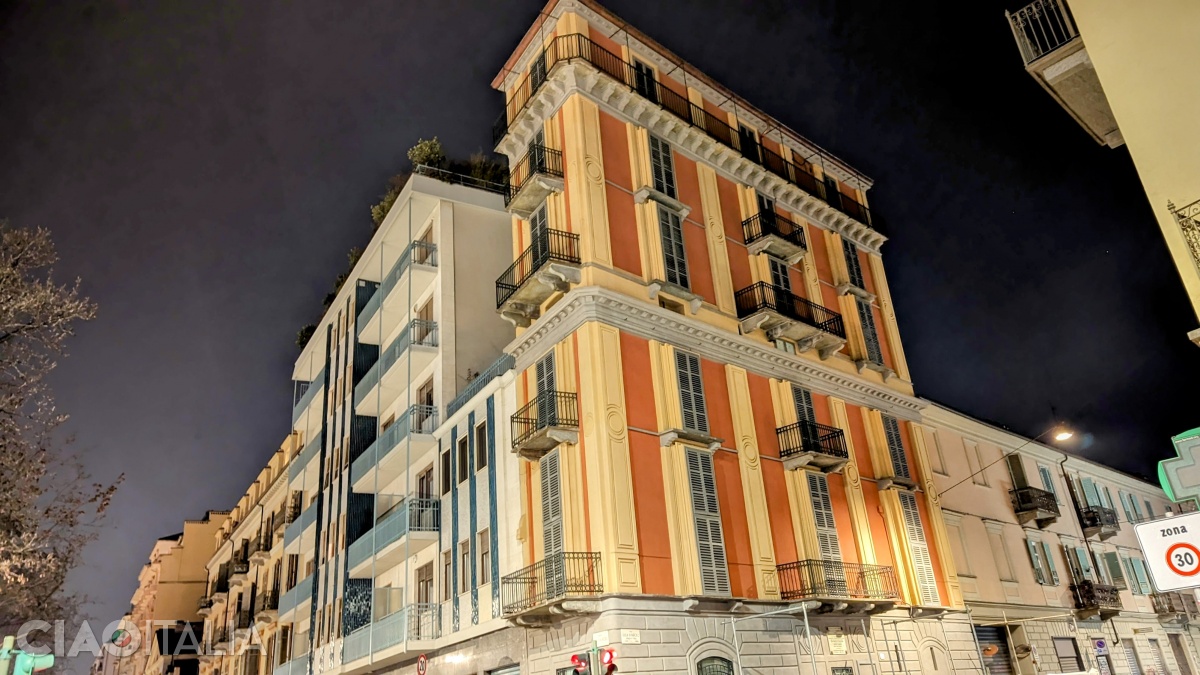
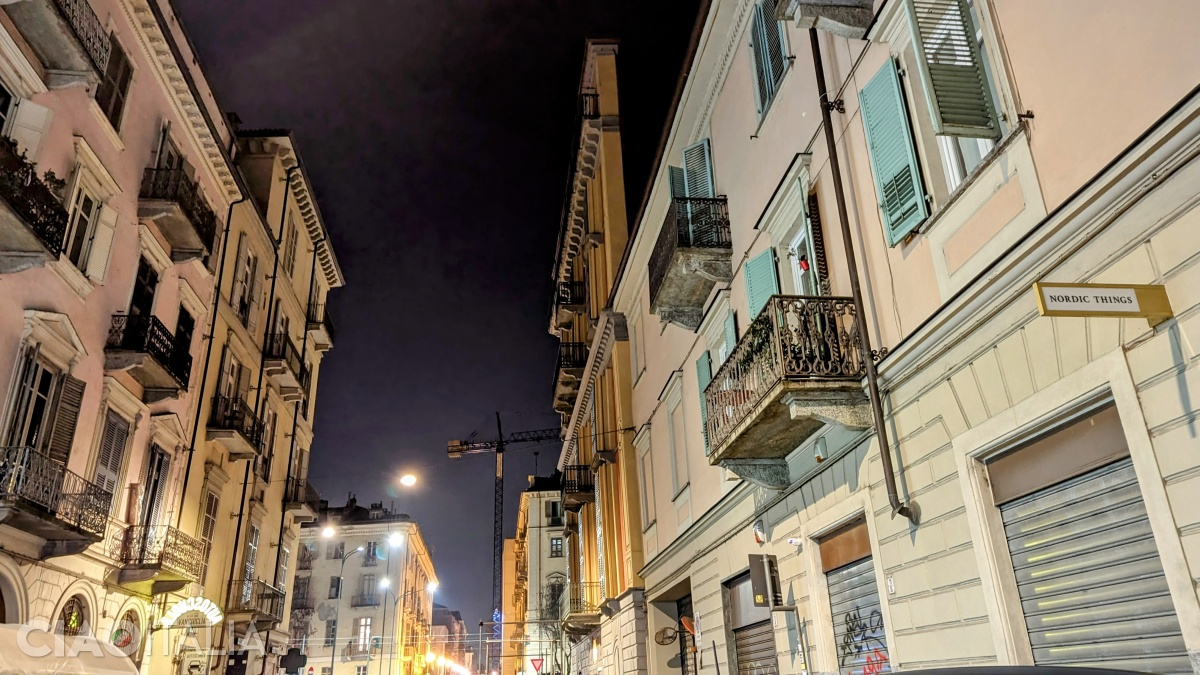
Its story is linked to Alessandro Antonelli, the architect who also built the Mole Antonelliana. The building was erected in the 19th century on his personal property and started more as an experiment: no one believed the architect could build anything on such a narrow and unusually shaped plot. When the building was finished, no one wanted to live there, fearing it might collapse. Antonelli himself moved in with his wife, Francesca Scaccabarozzi, from whom the building's "official" name comes. In the end, the building withstood the test of time and now stands as one of the city’s curiosities.
17. Take a Tour of the "Magic" City
Turin has a reputation as a city of magic and the esoteric. It is considered the intersection point of two triangles - the triangle of white magic (which also includes Prague and Lyon) and the triangle of black magic (with London and San Francisco) - making it a place where positive and negative energies coexist. Legends, myths, and superstitions shroud the city in a magical aura, and according to beliefs, many places are crossed by mysterious energies.
Today, there are guided tours that take you to discover these places. However, if you don't want to spend money, you can explore most of them on your own.
The places associated with black magic are found in the western part of the city, where the sun sets, while the places linked to white magic are located in the east. The association of the western side with negative elements is not accidental - in ancient times, executions and burials took place precisely in this part of the city.
The underground tunnels in the historic center are said to be "alchemical caves", true gateways to other dimensions, and, over time, the city has attracted all kinds of alchemists. The discovery of an alchemy laboratory beneath the Royal Palace has further fueled all these theories.
According to legend (since there are no reliable sources), Nostradamus also passed through Turin, called upon to cure the infertility of Margherita di Valois, the wife of Duke Emmanuel Philibert of Savoy.
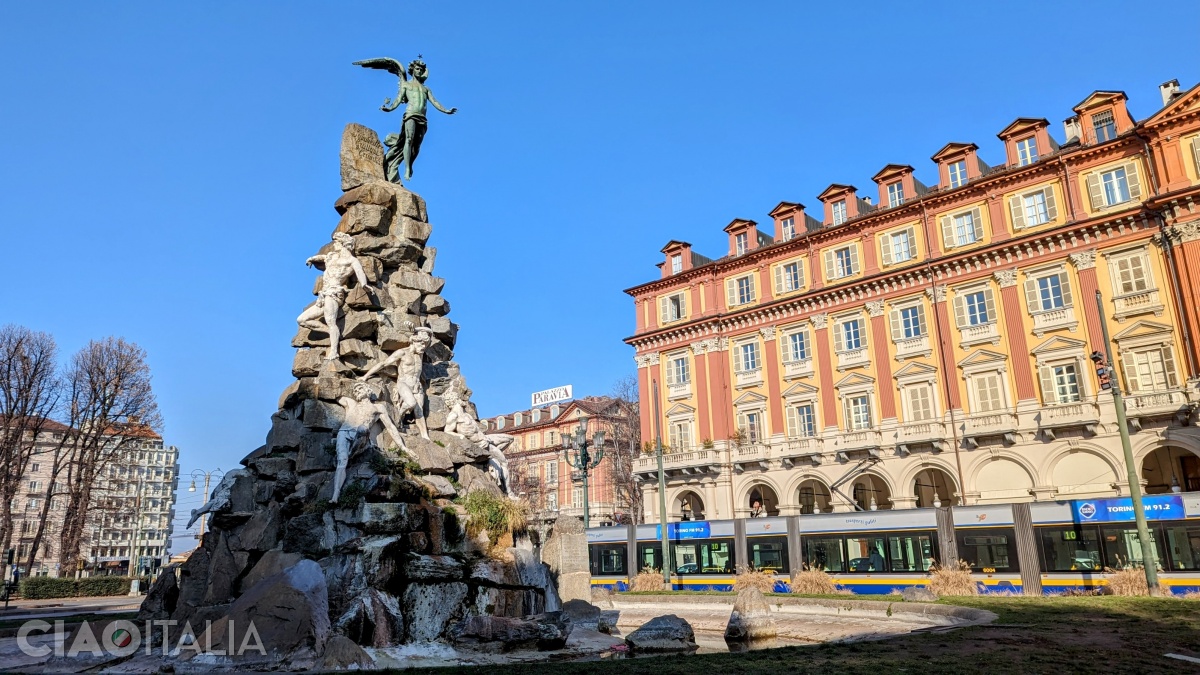
The center of black magic is said to be Piazza Statuto, where in ancient times the city's necropolis was located. In the center of the square stands the Fréjus monument, dedicated to those who, in 1871, dug the tunnel that connects Italy with France by passing under the Fréjus mountain. The monument has a pyramidal shape and is made from stone taken from the tunnel excavations, featuring white marble figures of the Titans. Above it stands a statue of a winged genius wearing a five-pointed star on his head. The monument's original meaning referred to the triumph of reason over brute force. Over time, another meaning was added: the monument was built in memory of the suffering endured by the workers who dug the tunnel. On top of all this comes an esoteric meaning: the statue at the monument's peak is said to represent Lucifer, and the five-pointed star is considered a demonic symbol.
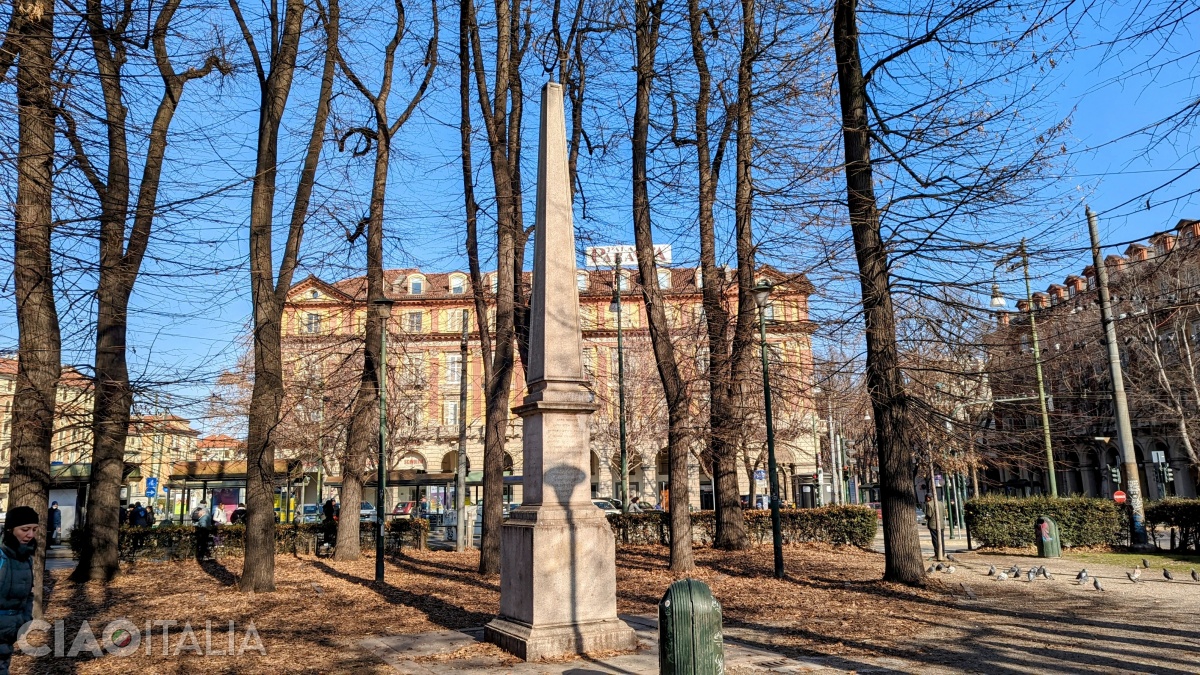
In the same square stands a geodetic obelisk marking the 45-degree parallel. According to occult theories, this obelisk marks the Turin apex of the black magic triangle, which connects it to London and San Francisco.
Near Piazza Statuto is another place associated with black magic: Rondò della Forca. Until the second half of the 19th century, this was the site where executions took place.
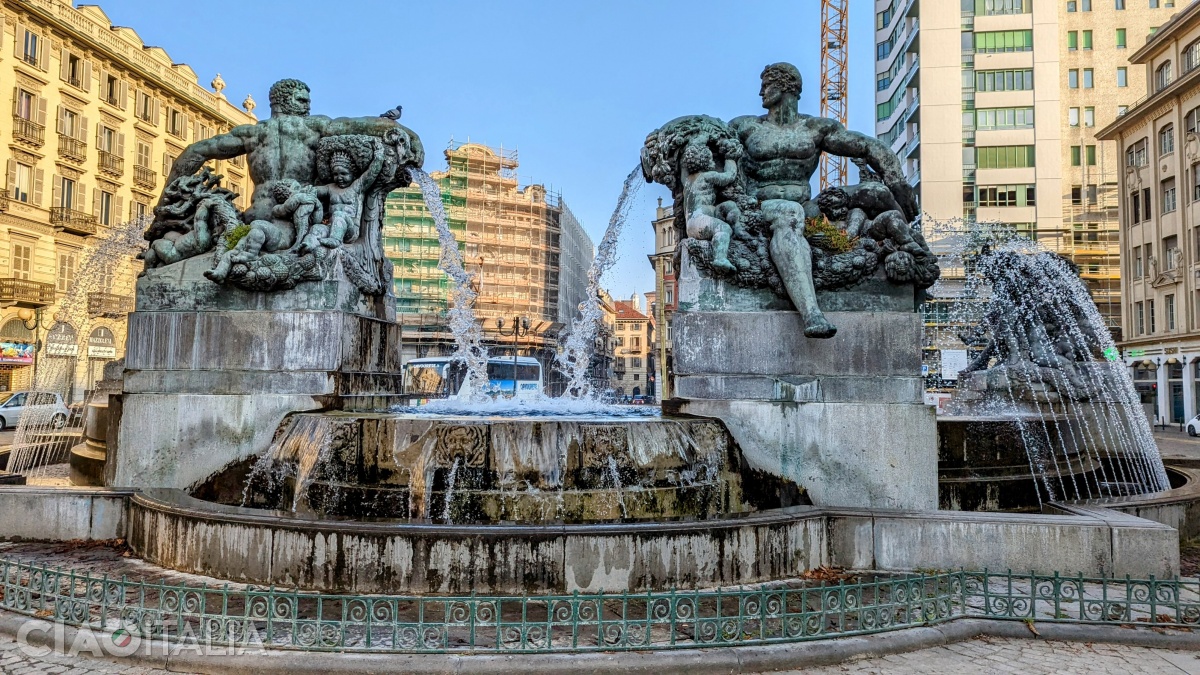
In Piazza Solferino, you'll find the Angelica Fountain, built in 1929 at the request of Minister Bajnotti in memory of his parents. The statues, created by sculptor Giovanni Riva, represent the four seasons. Beyond that, however, the fountain is rich in Masonic symbolism.
From this perspective, the female statues (spring and summer) symbolize sacred and profane love, as well as esoteric knowledge - both the kind accessible to everyone and the kind reserved only for initiates.
The male statues (autumn and winter) represent the two guardians of the Pillars of Hercules, who protect knowledge, symbolized by the water flowing from the vessels they hold in their hands.
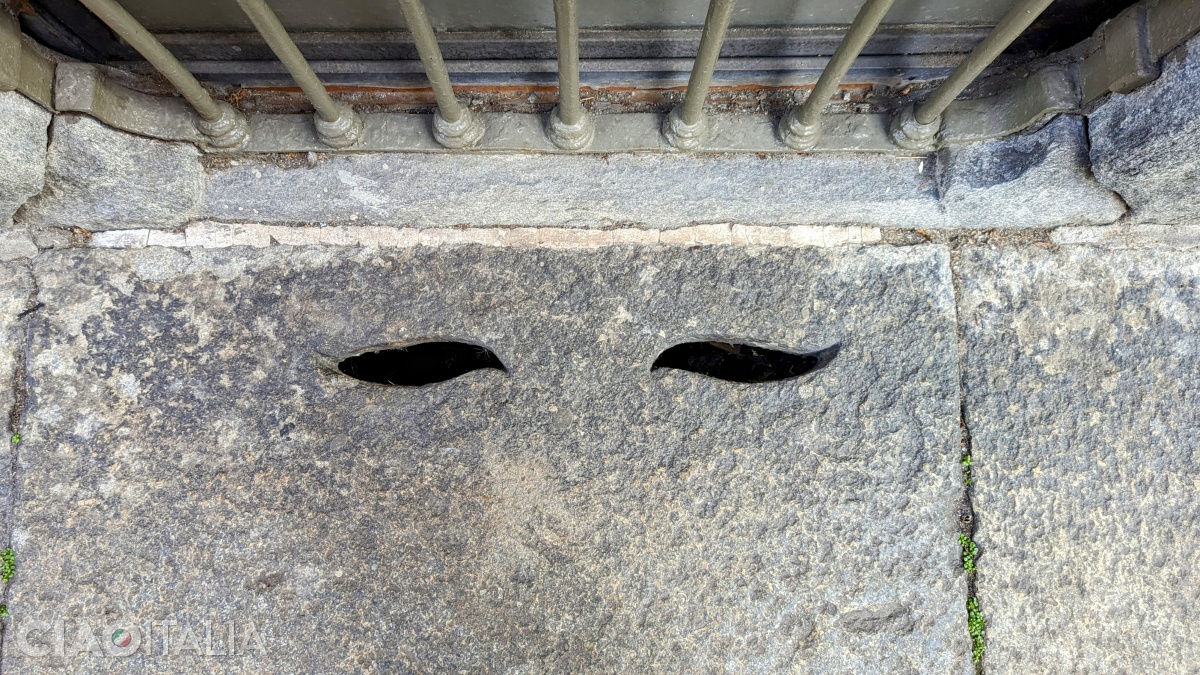
On Via Lascaris, at the end near Via San Francesco d'Assisi, if you look down, you'll discover what the people of Turin call the "Devil's Eyes" (gli occhi del diavolo). These were likely originally air vents for underground chambers, but due to their shape, they acquired this popular nickname. The esoteric connotation is further reinforced by the fact that a Masonic lodge once stood at this location.
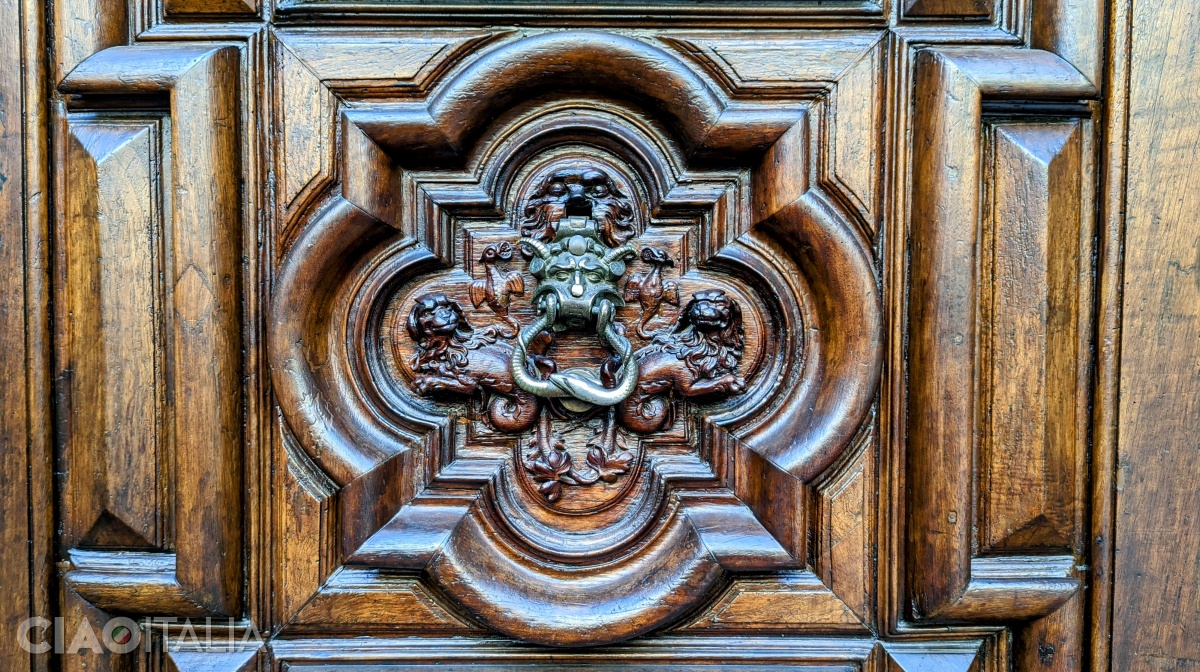
l Portone del Diavolo ("The Devil's Door") is the entrance door of Palazzo Trucchi di Levaldigi (now the headquarters of the National Bank of Labor - Banca Nazionale del Lavoro), located at Via XX Settembre 40. Created in 1675 in Paris at the request of Giovanni Trucchi di Levaldigi, Minister of Finance under Charles Emmanuel II, the door is a true work of art. But it was something else that captured the collective imagination. The door knocker features a demonic figure, from whose mouth two coiled snakes emerge. Numerous legends have sprung up around it. According to one, the devil, disturbed by the nocturnal invocations of an apprentice sorcerer, locked him behind the door forever. Some say a skeleton was found inside the building, or that the place is haunted by the ghost of a ballerina murdered by a stranger on a Carnival night. Others claim that in the 17th century, tarot readings were held behind the closed door, and the card representing the Devil bears the number 15 - a number that was supposedly the building's address at the time. One more strange coincidence: to get to the "Devil's Door" by public transport, you would need to take bus number 15.
Piazza San Carlo is associated with white magic. In the corners on the west side of the square, there are two small frescoes depicting the Holy Shroud and the Virgin Mary, who is believed to protect the city. The same theme was reportedly present in the frescoes in the other two corners as well, but those were lost during the bombings of World War II.
Even the Egyptian Museum in Turin is said to be a place where positive and negative energies mix. Among the objects linked to black magic are several items that belonged to Pharaoh Tutankhamun, while those associated with white magic - of which there are more in the museum - belonged to Pharaoh Thutmose III.
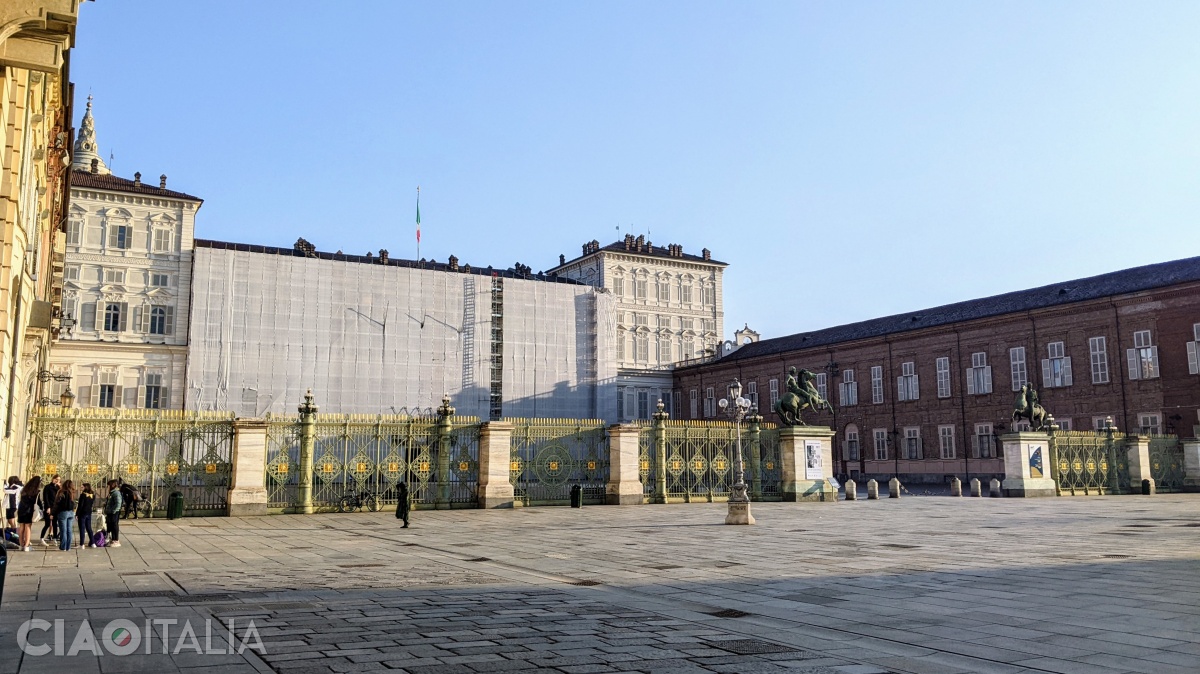
Piazza Castello is considered the center of positive energy in Turin. According to some, the gate guarding the entrance to the Royal Palace, with the statues of Castor and Pollux, marks the exact boundary between the "white" and "black" sides of the city.
The Mole Antonelliana, located not far away, is considered one of the esoteric symbols of white magic. The building is thought to be a giant antenna that radiates positive energy over the city.
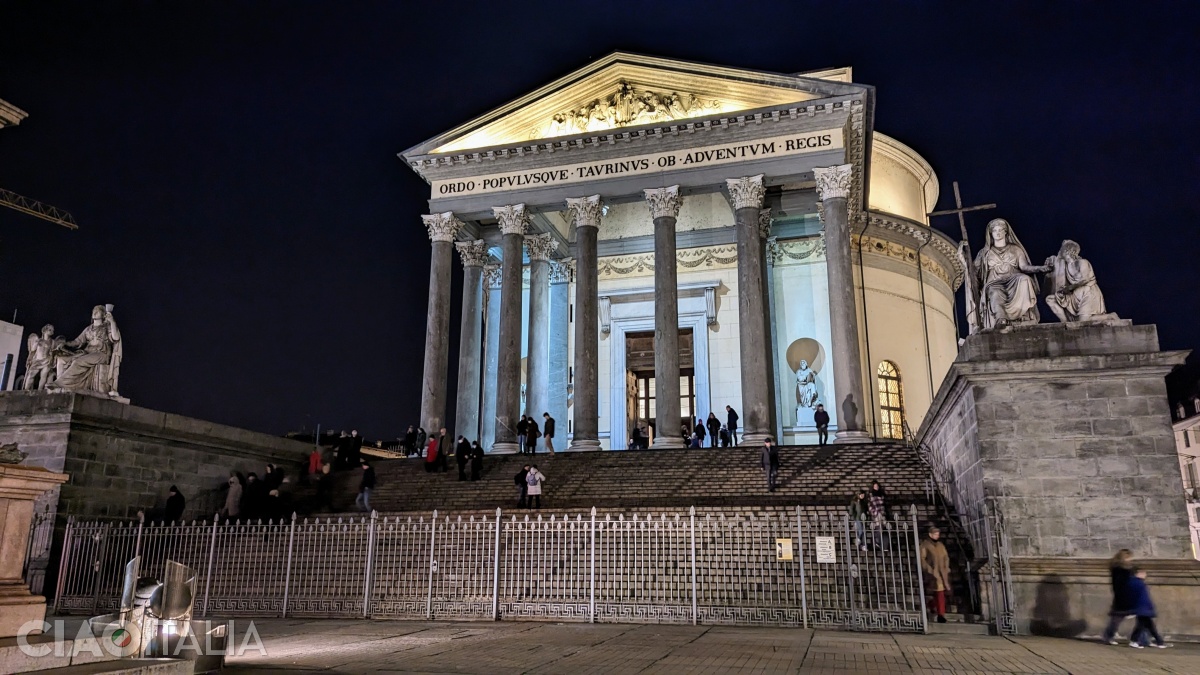
Another place with magical resonance is the Church of Gran Madre di Dio, located across the Po River from Piazza Vittorio Veneto, at the foot of the Monte dei Cappuccini hill. It is believed that in ancient times, a temple dedicated to the goddess Isis - also known as the gran madre ("great mother") - once stood on this site. The church, whose shape is reminiscent of the Pantheon in Rome, is associated with white magic. The two statues at the base of the steps represent Faith (the one holding a cup and a Bible) and Religion (the one holding a cross). Legend has it that the cup held by the first statue is actually the Holy Grail, and that the statue’s gaze points to the place where it is hidden.
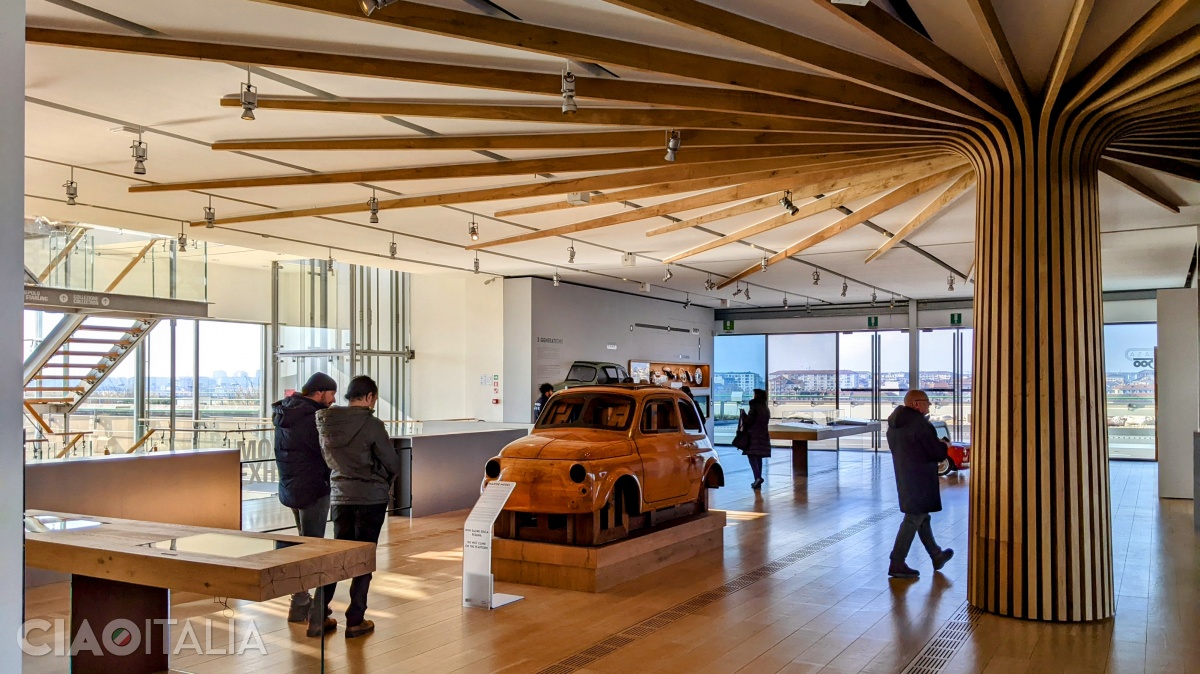
18. Discover the History of an Italian Symbol at the Casa 500 Museum
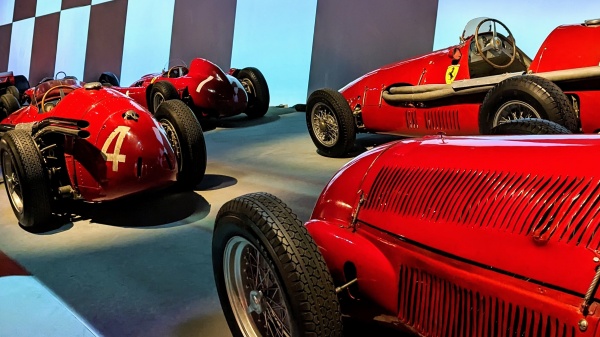
Located in the former Fiat factory, Casa 500 is a small museum that can be visited free of charge. As its name suggests, it focuses on the evolution of Italy's iconic car - the Fiat 500.
Title
Opening Hours:
September 15 - October 28, 2026:
- Monday: closed
- Tuesday-Sunday: 10:00 AM - 7:00 PM
The last entry is 30 minutes before closing.
19. Look for the Medieval Atmosphere in the Borgo Medievale
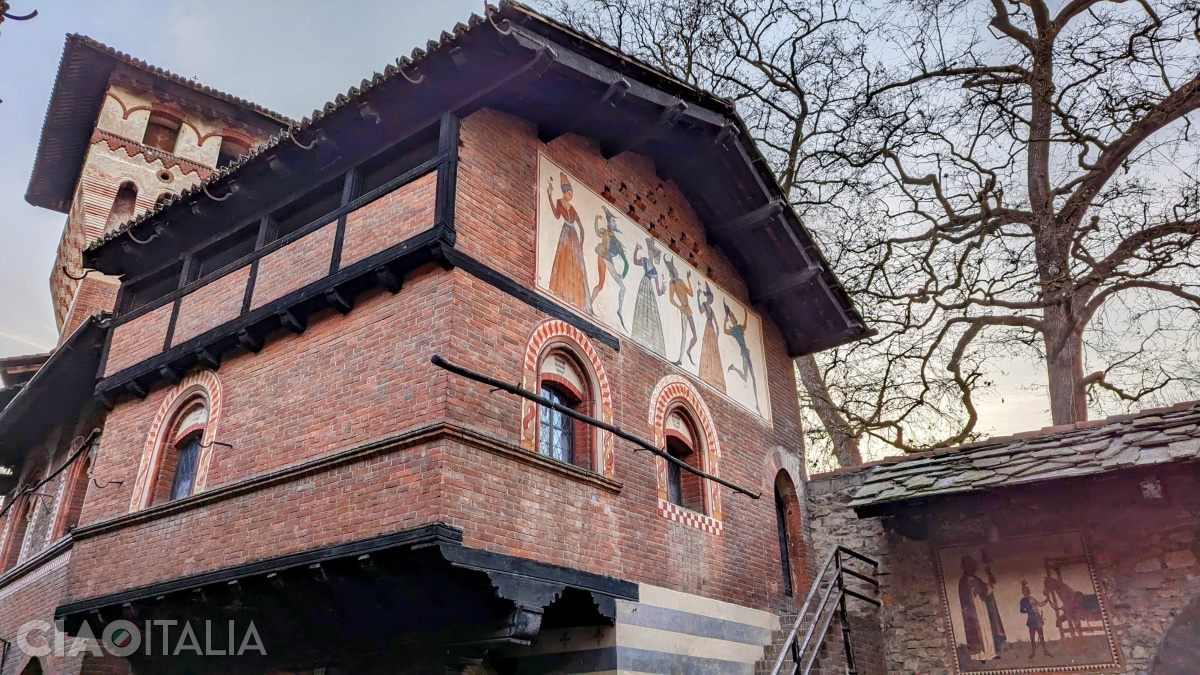
With a few exceptions, you won't find medieval monuments among Turin's tourist attractions. However, if you want to experience the atmosphere of the 15th century, you can visit the Borgo Medievale ("medieval village"), located in Parco del Valentino. Despite its name, the village doesn't date back to those times but is instead a faithful reproduction of a small medieval settlement typical of the Piedmont region.
The Borgo Medievale was built for the 1884 Exhibition at the initiative of a group of intellectuals and artists. Although it was meant to be dismantled after the event, it remained standing and today serves as an open-air museum with traditional houses, narrow streets, a church, a fortress, and workshops with artisans and local products.
Entrance to the Borgo Medievale is free; a ticket is required only to visit the fortress - Rocca (currently closed for restoration).
Title
Opening Hours:
- Borgo Medievale is closed for renovations until June 2026.
20. Take a Walk through Parco del Valentino
Parco del Valentino is a green oasis in the cityscape, and the fact that it lies along the banks of the Po River makes it all the more appealing.
21. Write a Wish on the "Wall of Wishes"
Near Parco del Valentino, at Via Giorgio Bidone 32/A, there is a "Wall of Wishes". The art installation, created by Andrea Spoto, is called "Before I Die... Black Dream Wall" and features a large blackboard where passersby can write, in chalk, something they wish to achieve in life.
Right next to it is "The Big Bear", a 3D art installation by Portuguese artist Artur Bordalo. It depicts a giant bear made from waste materials and is meant to draw attention to the destruction of nature.
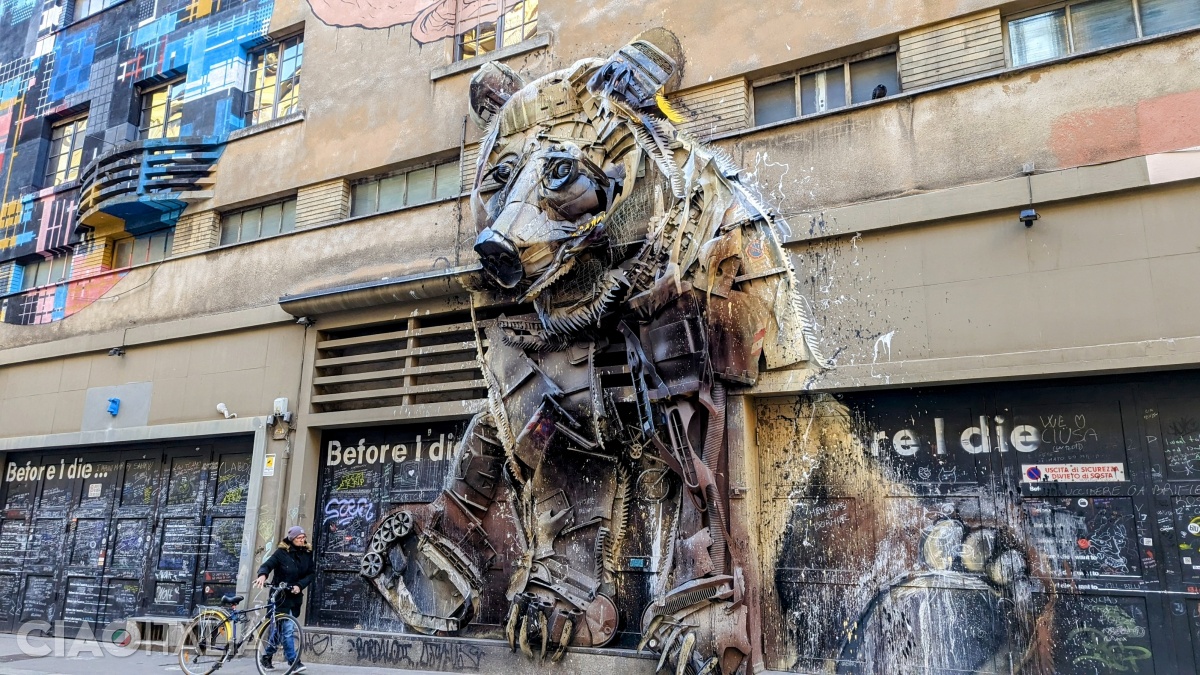
On the same street, you'll also notice several murals painted on the walls of the buildings.
22. Photograph the City from Monte dei Cappuccini
The Monte dei Cappuccini hill, located on the opposite bank of the Po River from the city center, is one of the best places to enjoy beautiful views of the city - especially at sunset, when the Alpine ridge stands out against the red-orange sky.
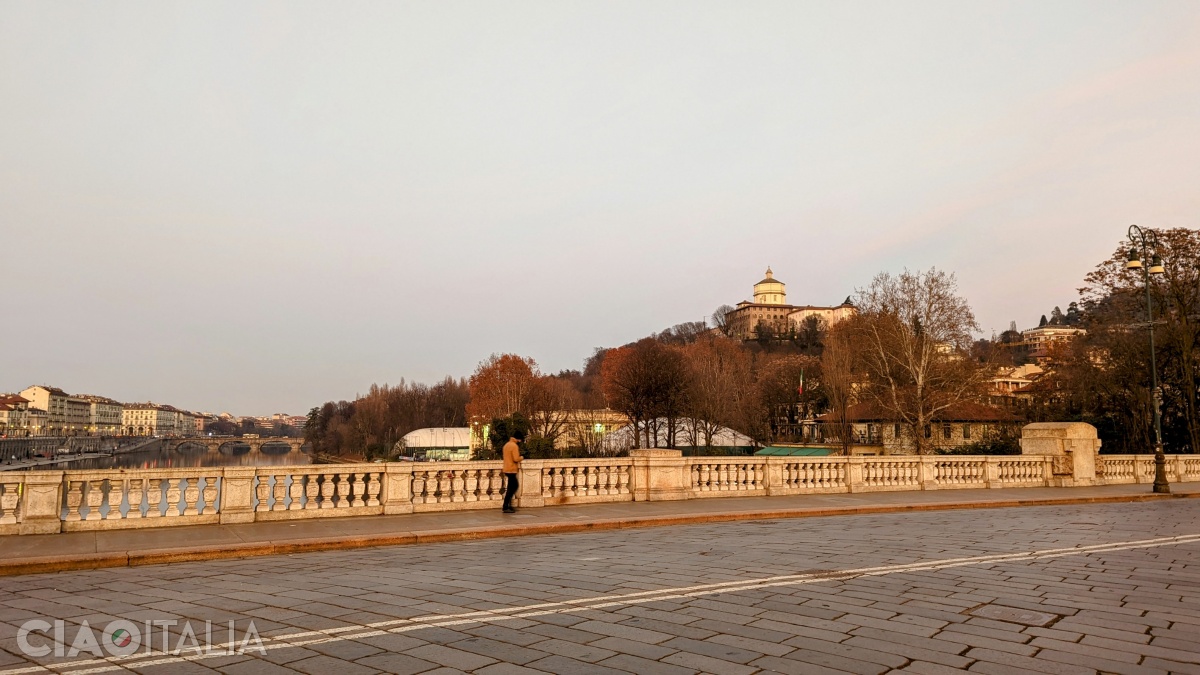
Here you can also visit the Baroque church of Santa Maria del Monte free of charge. Legend has it that in 1640, when the French invaded the city, they reached this church as well. As they attempted to loot it, a tongue of fire came out of the tabernacle, and the French fled. Until the Napoleonic era, a monastery of Capuchin monks stood on this site, which is how the hill got its name - "Mount of the Capuchins".
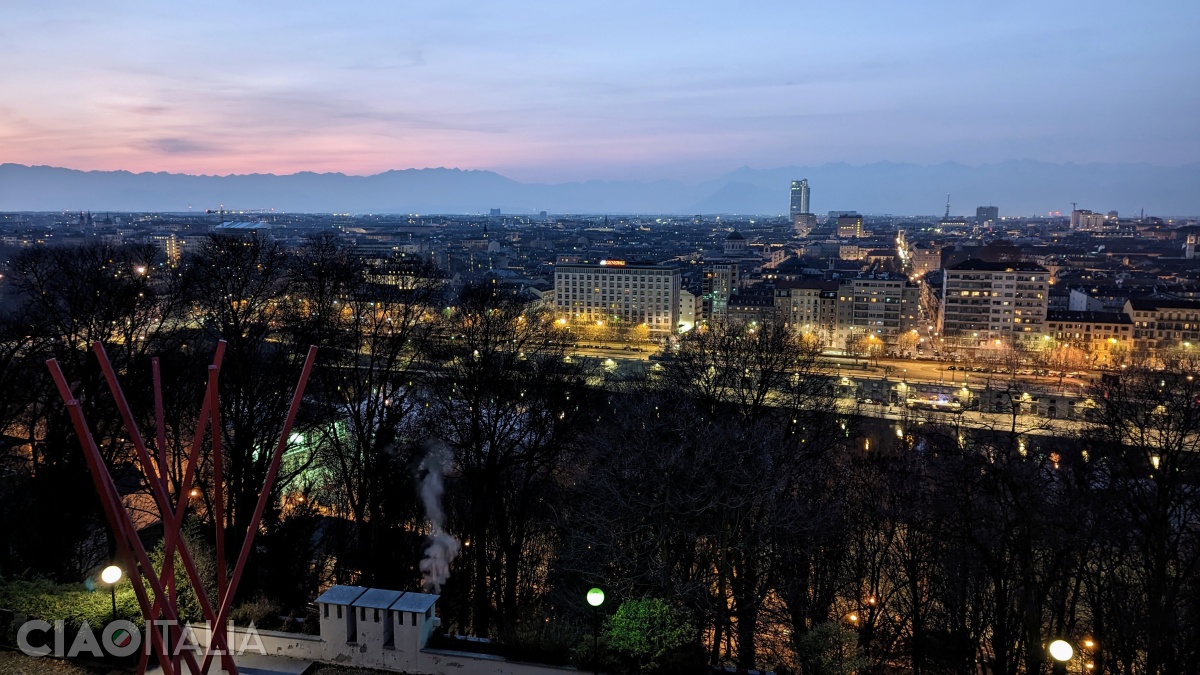
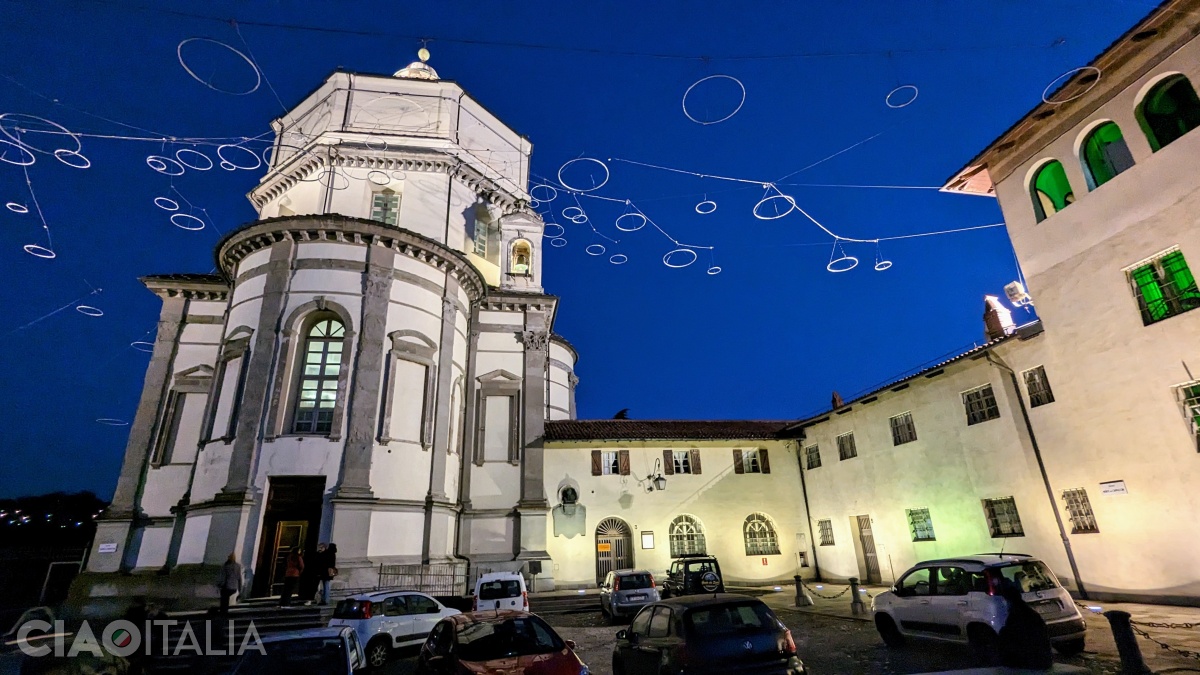
Santa Maria del Monte Church
Opening Hours:
- Monday-Sunday: 9:00 AM - 7:00 PM
23. Admire the City Panorama from the Superga Basilica
Another place that offers a beautiful view of the city and the mountains is the square in front of the Superga Basilica. If you're not traveling by car and prefer not to pay for the rack tramway, you can get there by taking a nature hike of about 1.5 hours.
In addition, you can visit the Baroque church for free.
Basilica Superga
Opening Hours:
- Monday-Friday: 10:00 AM - 1:30 PM, 2:30 PM - 6:00 PM
- Saturday-Sunday: 10:00 AM - 7:00 PM
24. Look for street art in the Museum of Urban Art
The Museum of Urban Art is not a typical museum. It is an open-air museum that was established in Borgo Vecchio Campidoglio, an old working-class neighborhood from the 19th century.
Since 1995, with the support of the residents, the walls of the buildings have been enriched with murals created by various artists. Walking through the streets of Borgo Vecchio Campidoglio, you can discover nearly 200 works of street art.
25. Take a Walk through the Monumental Cemetery of Turin
Some cemeteries house true works of art. This is also the case with the Monumental Cemetery of Turin, which is smaller than the famous Staglieno Cemetery in Genoa but is full of monuments and monumental tombs.
The main entrance is located at Corso Novara 131/a.